
Salt, Wind and Second-Row Houses
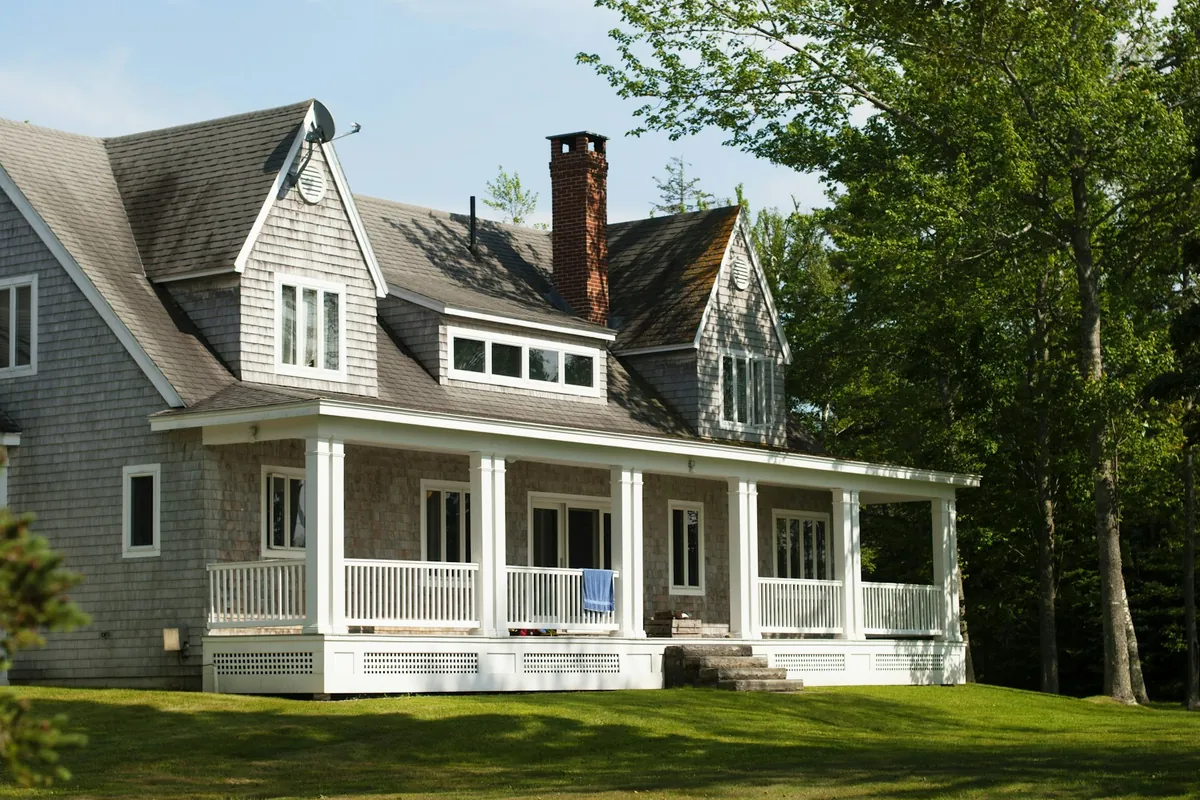
Off East Main Road and Aquidneck Avenue, Middletown is mostly ranches and capes. Toward Easton’s Point and Sachuest, cottages sit closer to the shore. Across all of it, salt exposure is constant. Even the second-row houses, a street or two back with no water view, still get the wind, the damp and the salt that come with the coast. That shapes custom drapes in Middletown, RI more than any question of style: which cloth stands up to the air, how lining protects it, and how a room that feels the weather can be made snug.
A house with the view wants fabric that frames the sea and gets out of the way. A house without it wants fabric that keeps the weather out and the warmth in. Both are made from the cloth up by Window Works Blinds Shutters and Shades, a family store that has kept its showroom in Swansea, Massachusetts, since 1988.
Drapery That Suits the Coast
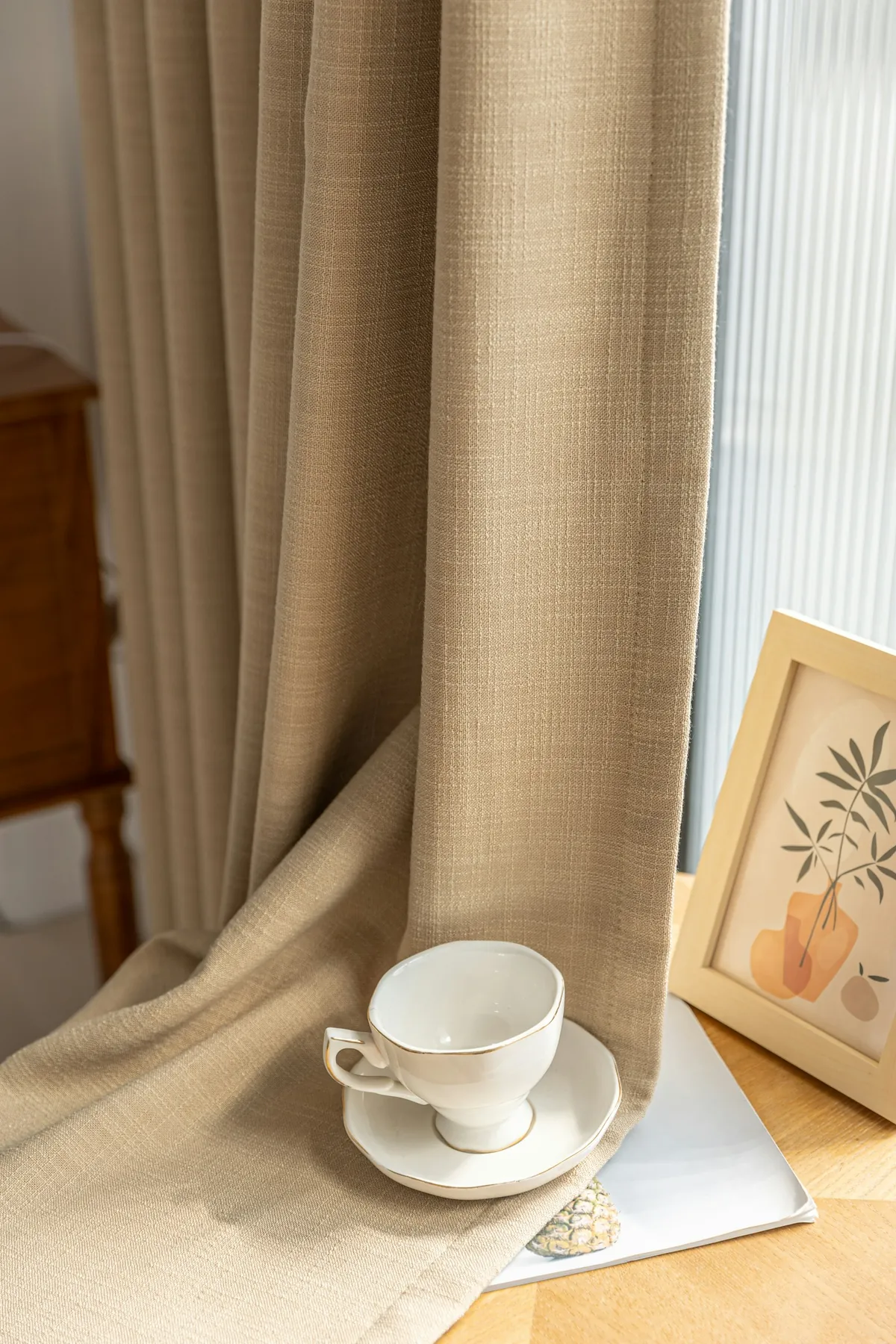
Natural linen
An easy, slubby weave that looks at home in a shore cottage and softens bright coastal light.
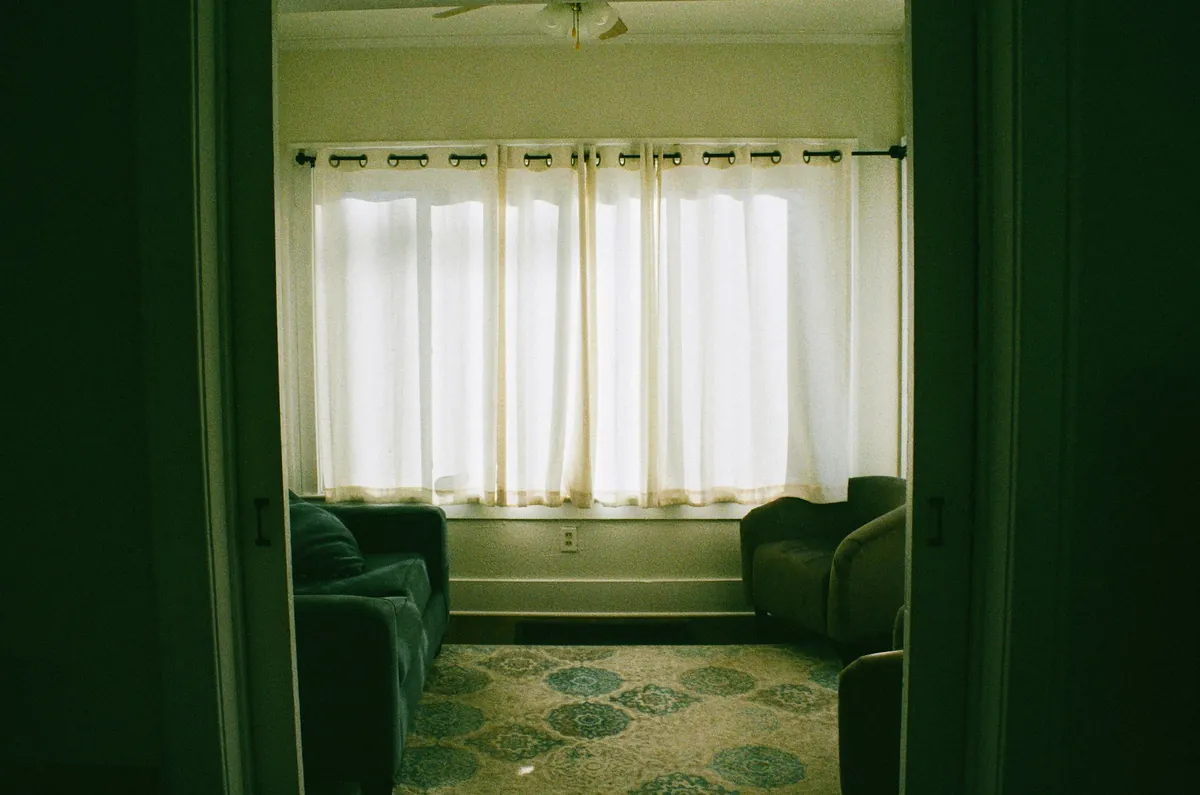
Sheers across a run of windows
Light cloth that takes the glare off without closing a room to its surroundings.
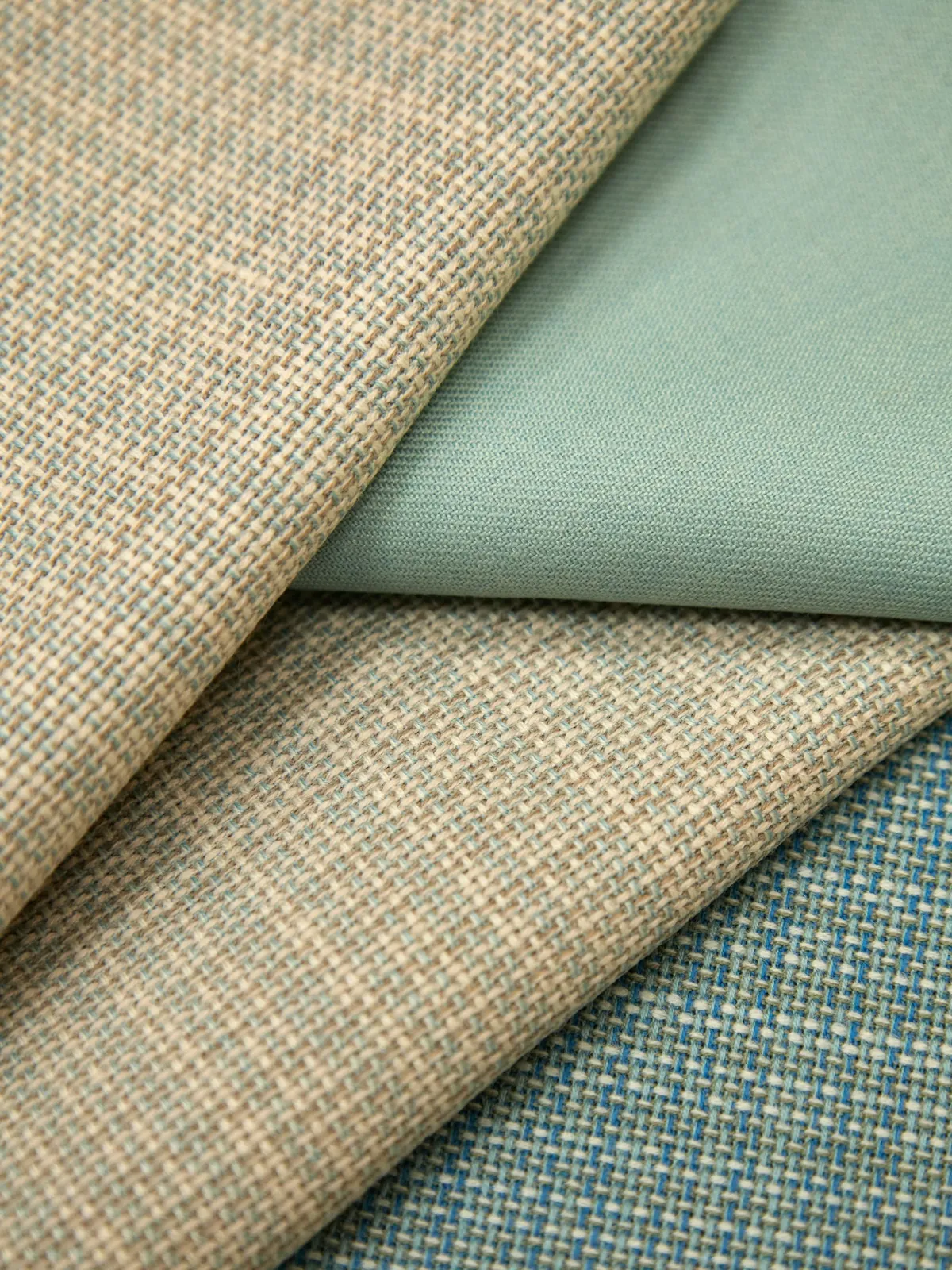
Sturdy woven cloth
Tighter weaves in sea-glass and sand colours that cope better with damp, salty air.
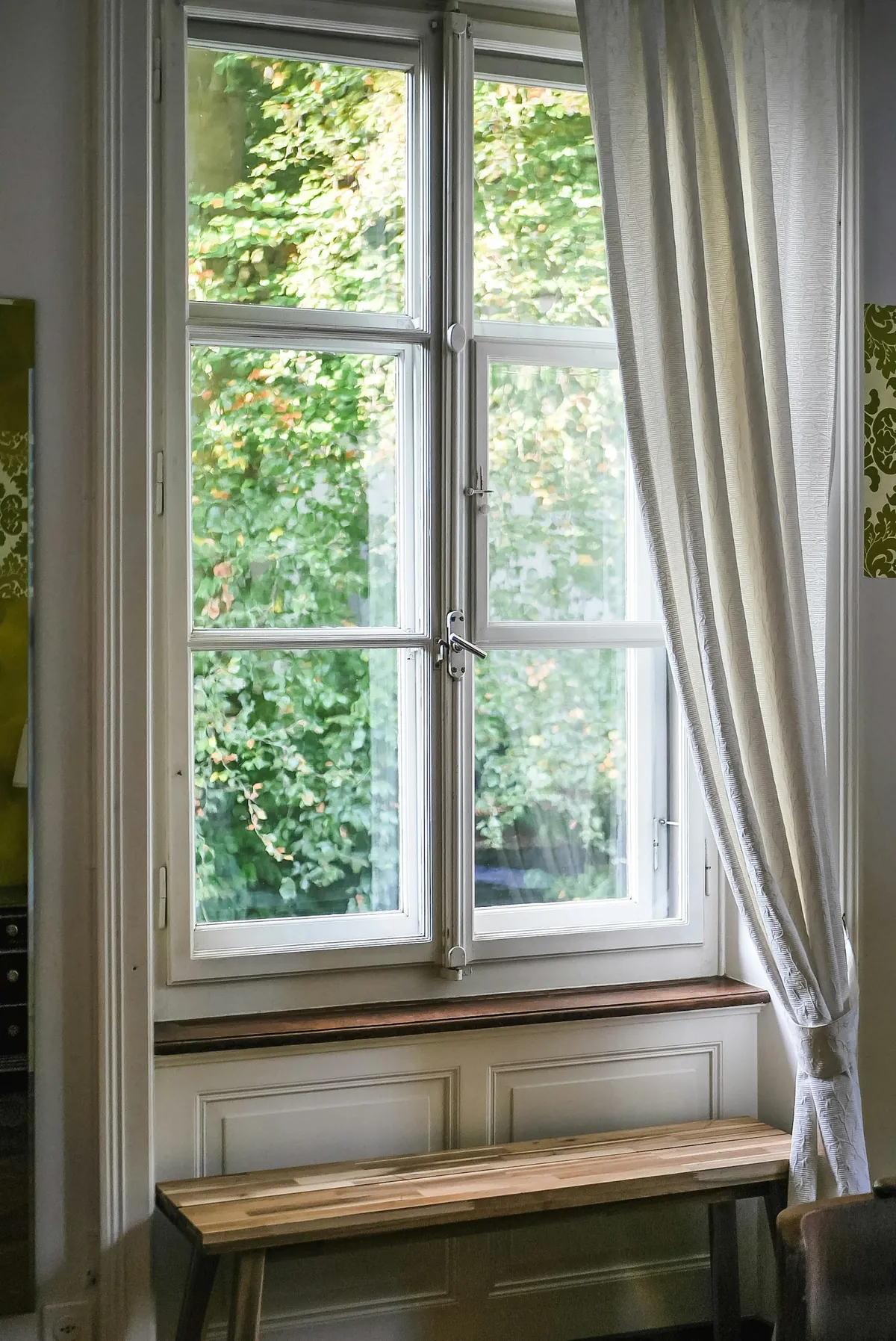
A side curtain for a window seat
One panel drawn to the side keeps a cosy nook usable and the glass mostly clear.
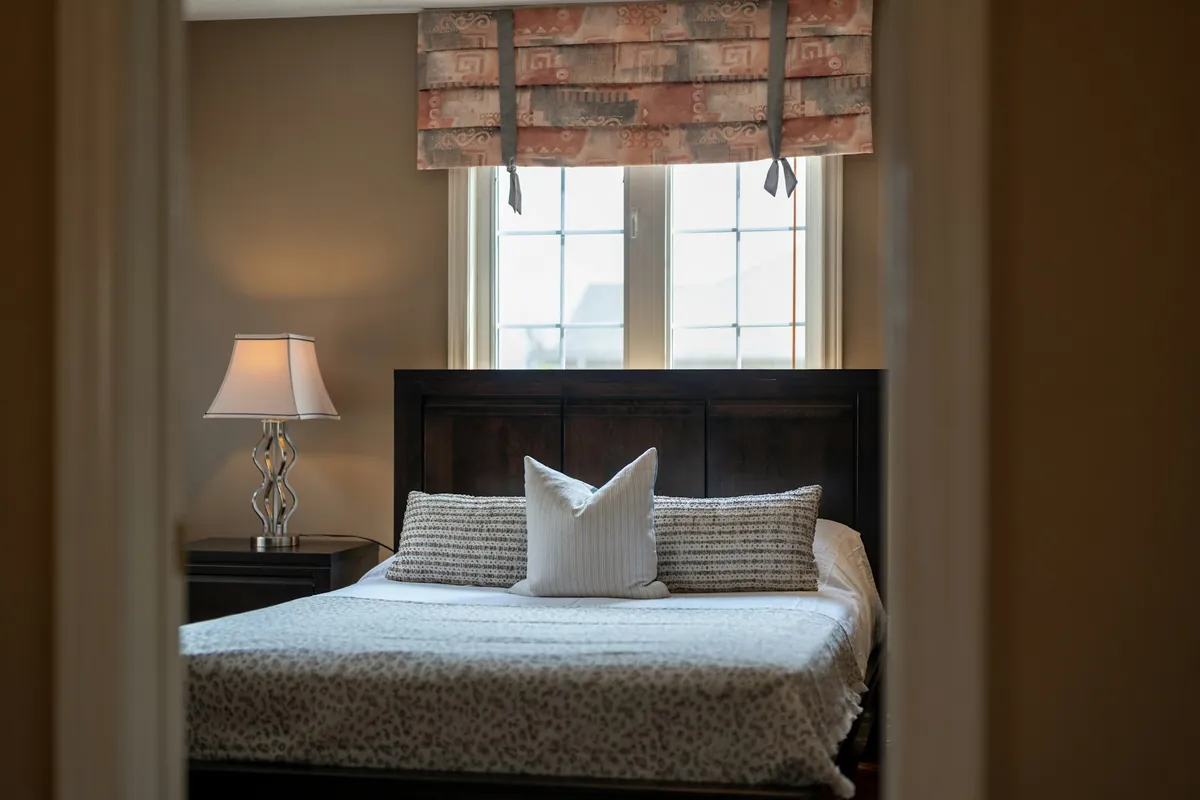
Valances for low cottage windows
A fabric top that finishes a short window without hanging in the way.
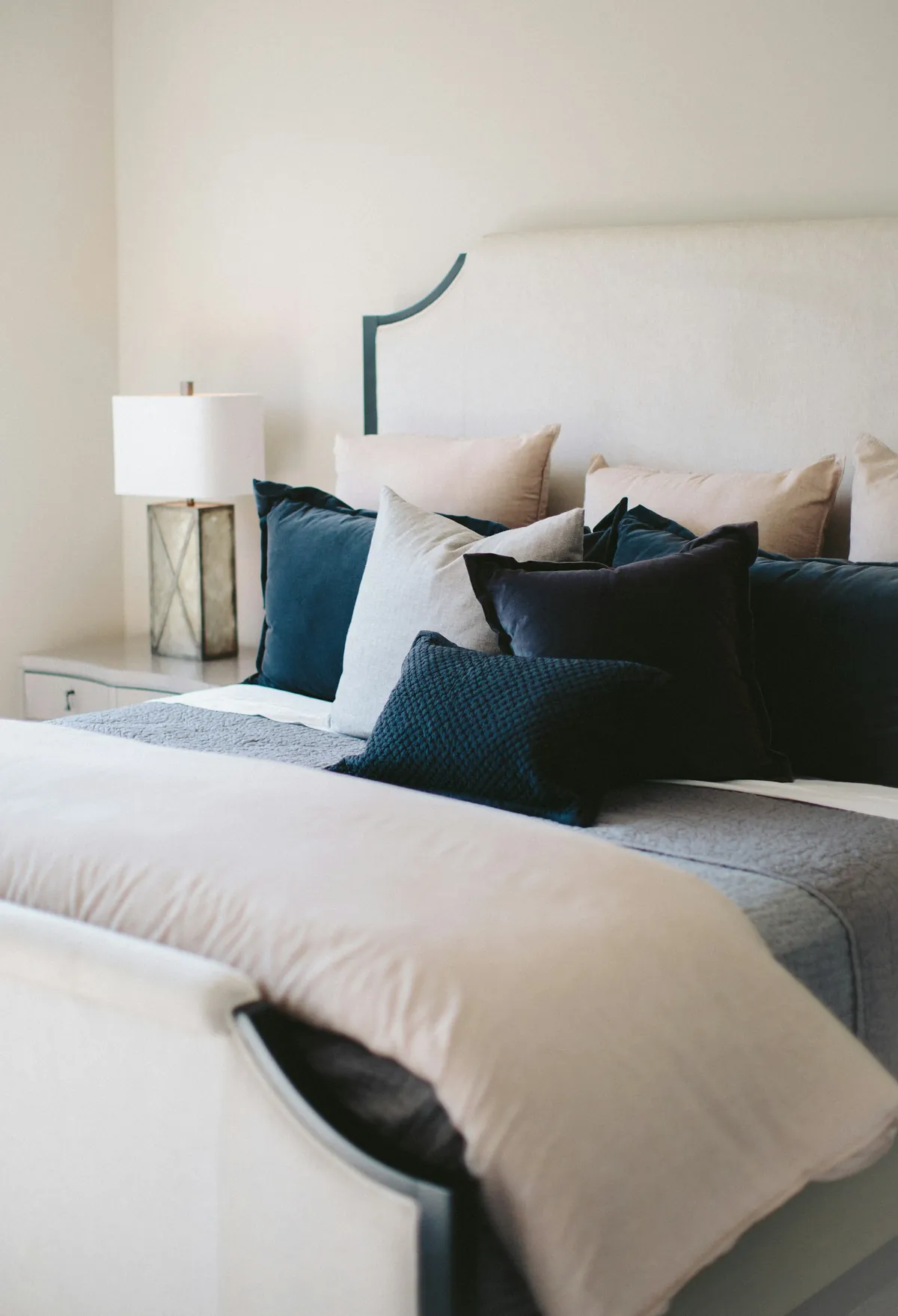
Bedding in the same story
Navy, white and soft blues carried from window to bed through our fabric decor work.
Custom Drapes in Middletown, RI and the Salt Air
Salt does slow, quiet damage. It settles out of the air onto every surface, draws in moisture, and over time dulls colours and weakens fibres. Fabric at a window takes more of it than fabric deeper in a room, because the glass is where the cold, damp air meets the warm inside air.
Choosing cloth that copes
Not every fabric reacts the same way. A tight, firm weave sheds the film better than a loose, open one, which traps it. Smooth, strong fibres generally hold up better than very delicate ones. Strong colours can fade faster where the light off the water is bright. None of this rules anything out, but it does tilt the choice toward sturdy, tightly woven cloth in rooms nearest the shore, with delicate silks and loose open weaves kept for rooms further back. We will talk through how each fabric you like is likely to behave. It also helps to think in terms of which rooms face the water or the prevailing wind. Those windows take the heaviest exposure, so they get the sturdiest cloth and the best lining, while a room on the sheltered side of the house can carry a more delicate fabric with less worry.
What lining does
A lining sits between the face fabric and the glass. It catches the worst of the light and much of the damp before they reach the cloth you chose, and it gives the drape enough body to hang straight. On the coast, a lining is close to essential for anything you want to last. A lighter lining protects without darkening a room; a heavier one adds warmth and dimness for bedrooms.
Letting a room breathe
Drapes pulled tight against a cold window all day can trap damp air behind them. On a mild, dry day, opening the drapes and the windows for an hour lets the room air out and the fabric dry. Rods that run a little past the frame help here too, because the open panels sit against the wall rather than over the glass, and air moves freely across the window.
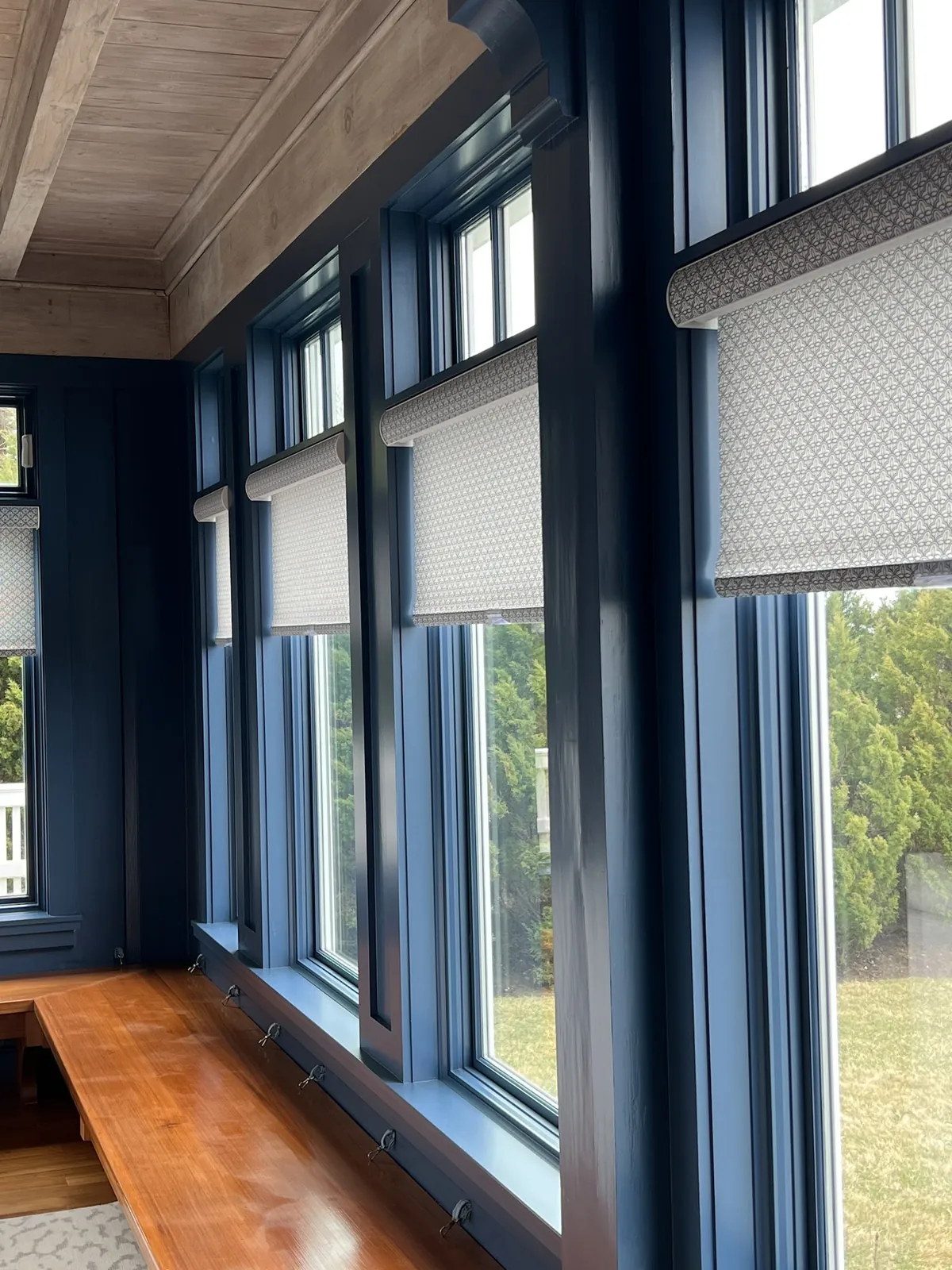
Second-Row Houses: The Weather Without the View
The houses a street or two back from the shore get the wind and the salt but not the scenery. Their windows are less about framing a view and more about comfort.
Warmth
On a blustery night, a window facing the wind can make a whole room feel cold. Lined drapes drawn across it at dusk hold back the chill that pours off the glass. The best results come from panels wide enough to overlap where they meet, long enough to reach the floor and mounted with the ends turned back to the wall, so cold air cannot spill round the edges. A heavier fabric, or a heavier lining behind a lighter face, adds to the effect.
Daylight
With no view to frame, there is often no reason to leave the glass completely bare by day. A sheer or a light unlined panel can stay drawn, softening the light and adding privacy from the street, with lined drapes closed over it at night. In a ranch or cape close to its neighbours, that combination solves privacy and comfort together.
Colour
Without the sea outside the window, the drapes can bring their own colour into the room. Many people still lean toward coastal blues, greens and sandy neutrals, but a second-row house can take a warmer, deeper palette in a living room or den, which helps a room feel cosy through the long, grey stretches of winter.
Storm nights
When a coastal storm blows through, the windows on the weather side take the brunt. Old frames rattle, cold air finds every gap, and the glass streams with rain. A properly made drape cannot stop the wind, but it can make a real difference to how the room feels. Heavier lined panels, closed and overlapping, form a soft barrier between the cold glass and the room. That comfort on the worst nights of the year is one of the most practical reasons to choose custom drapes in Middletown, RI for a second-row house.
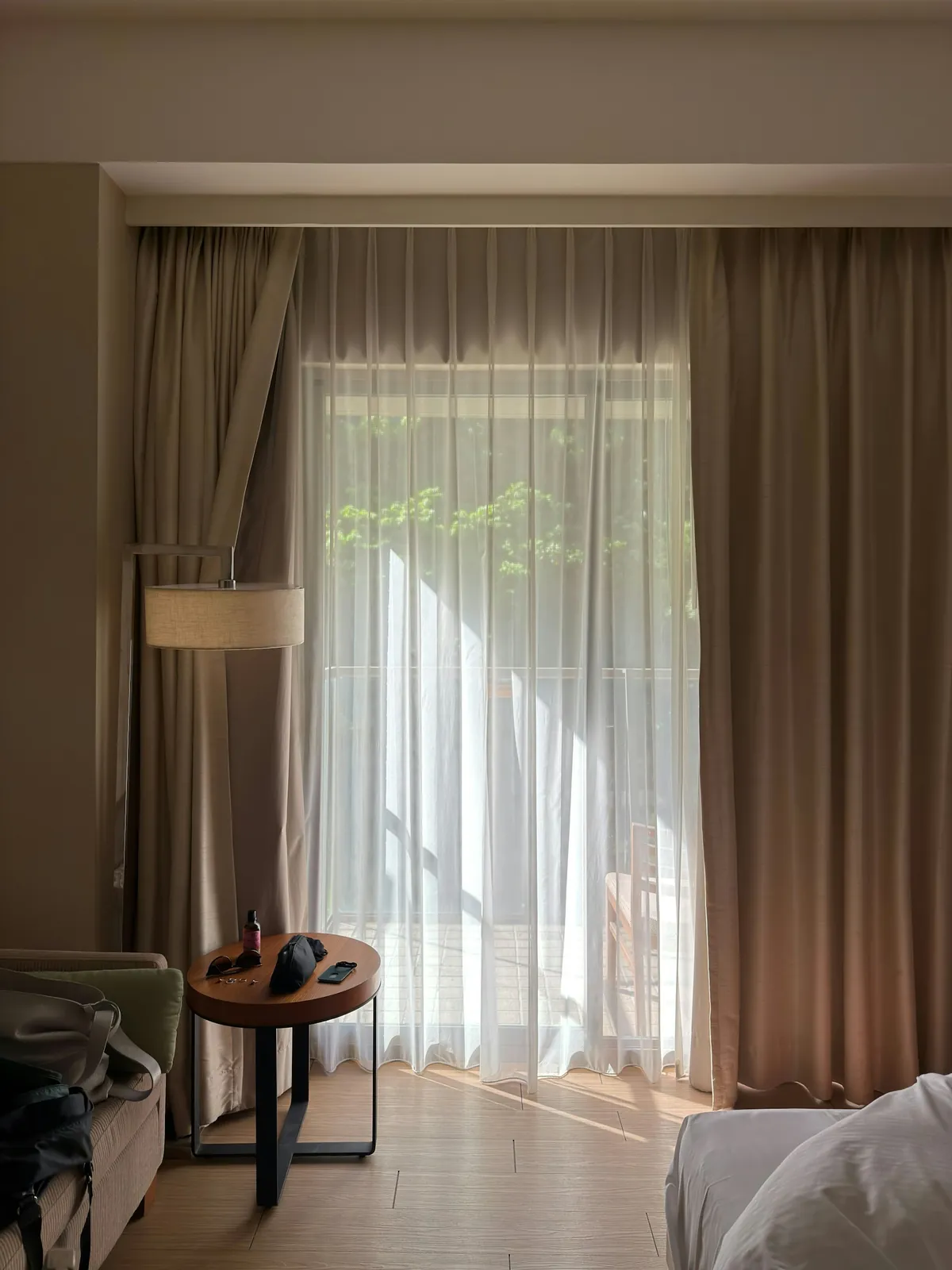
Ranches and Capes off East Main Road and Aquidneck Avenue
The ranches and capes along these roads are straightforward houses with familiar windows, and they suit drapery that is practical and well proportioned.
The ranch living room
A ranch’s front room usually has one wide window facing the road. Panels on a long rod, overshooting the frame so the opened fabric parks on the wall, keep the full width of glass clear. Lifting the brackets toward the ceiling makes a modest room feel taller; carrying the fabric to the floor helps too. A heading that slides easily is worth having on a window that will be opened and closed every day, and a lining protects the cloth from the sun and salt that reach even a house set back from the water.
Cape bedrooms
Cape bedrooms upstairs sit under the roof with dormer windows. There is little flat wall either side of a dormer, so a short rod fixed across the opening with one or two slim panels is usually the neatest answer. Lined for darkness, those panels make a small bedroom far more restful on a bright summer morning.
Back rooms and sliders
Many ranches and capes have a slider or a door to a deck or yard at the back. Drapes there need hardware that extends far enough past the door for the fabric to stack completely clear, so the door runs freely. A washable, hard-wearing fabric copes with sandy feet and wet dogs better than a delicate one.
A tidy front
Ranches and capes are simple shapes, so anything uneven at the windows shows from the road. Keeping every front rod at the same height and using one pale lining colour behind all the street-facing glass gives the house a calm, finished face, even when the living room and a front bedroom have quite different fabrics on the room side. On a ranch, where the bedrooms run along one side, the same applies to that whole elevation.
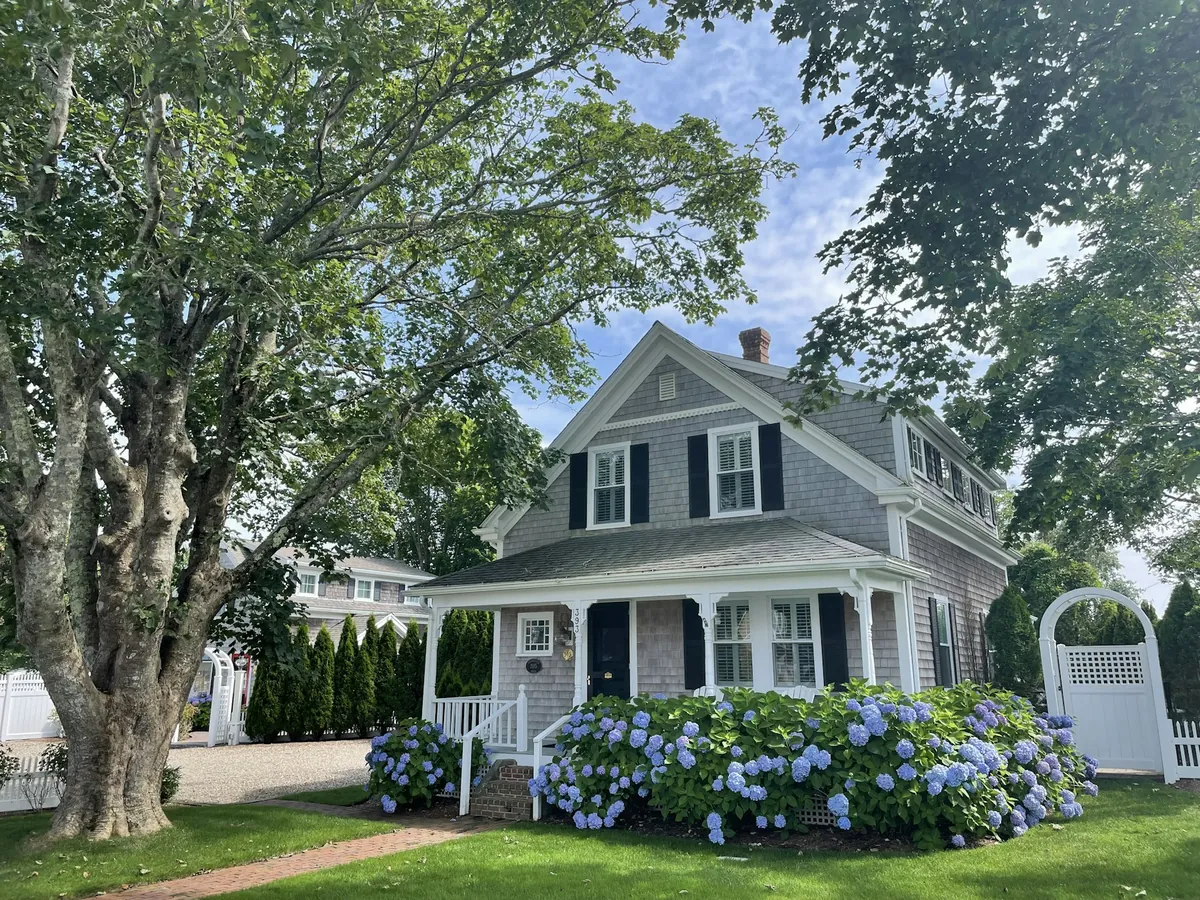
Cottages Toward Easton’s Point and Sachuest
Closer to the water, the cottages toward Easton’s Point and Sachuest take the full force of the salt and the light, and often have the views to match.
Framing the water
Where a window looks out to sea, the drapes should frame it, not compete with it. Panels that open well clear of the glass, in a light linen or cotton, keep the view whole by day. Drawn at night, they turn a dark expanse of glass into a soft, enclosed wall and keep the room from feeling like a goldfish bowl.
Light off the water
Sun reflected off the sea is fierce, and it reaches into a room from a low angle for much of the afternoon. That light fades fabric and furniture faster than ordinary daylight. A lining on every water-facing panel is the first defence. The second is habit: drawing the drapes partly across during the brightest hours in rooms you are not using. A light shade behind the drapes can take the glare off without hiding the view, so the fabric does not have to do everything.
Small rooms, low windows
Cottage rooms are often compact, and some windows sit low or close to the ceiling. Light fabrics and soft colours keep small rooms open. A valance or a short curtain may suit a low window better than a full-length panel. Where a cottage has a window seat or a built-in under the glass, a single side curtain or panels that stop at the seat keep it usable.
Doors are the other cottage puzzle. A glass door to a deck or a porch is often the main way in and out in summer, so the curtain on it must never get in the way. Hardware that runs well beyond the frame, a fabric light enough to push aside with one hand, and panels that stop just clear of the floor so they do not drag sand across the threshold all help. Some people prefer a single panel on the hinge side, so the door always has a clear opening.
Fabric that lives with the beach
Sand, salt and damp are part of daily life near the shore. Washable fabrics in kitchens and back rooms, sturdy linings in living rooms and bedrooms, and tightly woven cloth throughout give drapery the best chance of lasting. Colour that will not show every speck of sand, such as soft sandy neutrals and muted blues, is a practical choice as well as a pleasing one.
Cottage bedrooms
Bedrooms in a shore cottage are often small and bright, with early sun coming off the water. A lined curtain in a light cloth darkens the room without making it feel heavy, and a panel that closes edge to edge with the ends turned back to the wall keeps the glow from creeping round the sides. In a room under the roof, a short rod across the window opening with slim panels keeps the sloping ceiling clear.
Pillows and covers in the same cloth
Through our custom fabric decor work, the fabric at the window can turn up again on a sofa cushion, a window seat pad or a duvet cover. In a compact cottage, that kind of repetition makes the rooms feel calm and considered rather than busy.
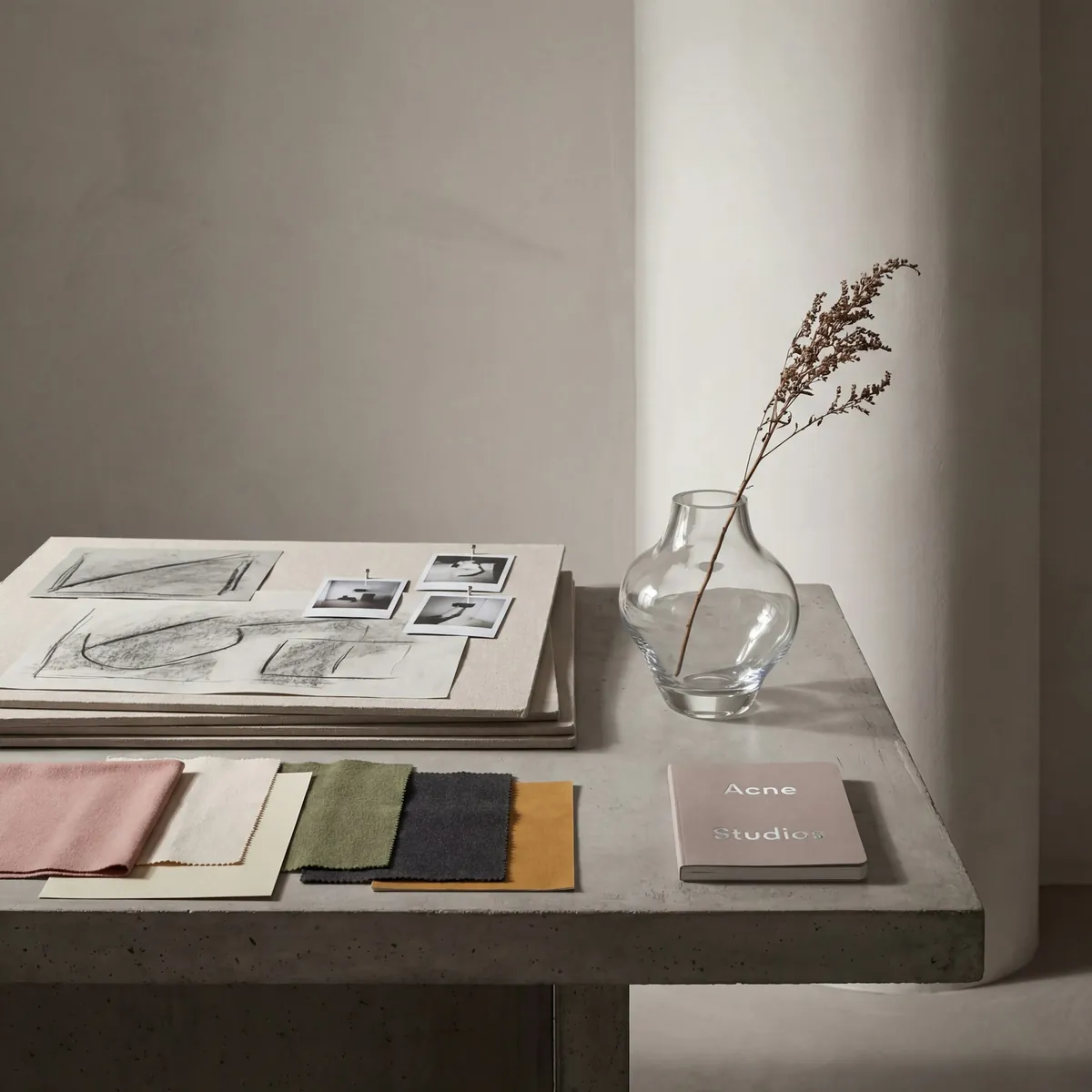
How Your Drapes Come Together
- Start with a free quote: use the call button or the form to reach the Swansea store, and tell us about the rooms.
- A specialist comes out to take measurements at your house, including the wall either side of each window, the ceiling and anything below the sill.
- We talk through the coast: which rooms face the wind or the water, which need warmth, which need privacy, and which fabrics suit each.
- You choose cloth and lining, ideally comparing them in person at the showroom.
- Your quote follows, window by window.
- The drapes are made from the measurements taken in your house.
- Our installers fit the hardware, hang the panels and set the folds.
From the first call to the last panel, we keep you informed, and if something needs a tweak once the drapes have settled into the room, the same team comes back to see to it.
Layering with shades and blinds
On the coast, a shade behind drapes is a sensible pairing. A roller or solar shade cuts glare off the water by day; the drapes add warmth and softness at night. See our roller shades in Middletown page for that side, and know that because we make both, they are measured together.
Care on the coast
Brush the heading and folds with a soft vacuum attachment from time to time; salt and dust both gather there. Lined drapery goes to a professional cleaner, since face and lining rarely shrink at the same rate. Air the room and the fabric on dry days. Ask us about the particular cloth you choose, so your custom drapes in Middletown, RI keep their colour and shape season after season.

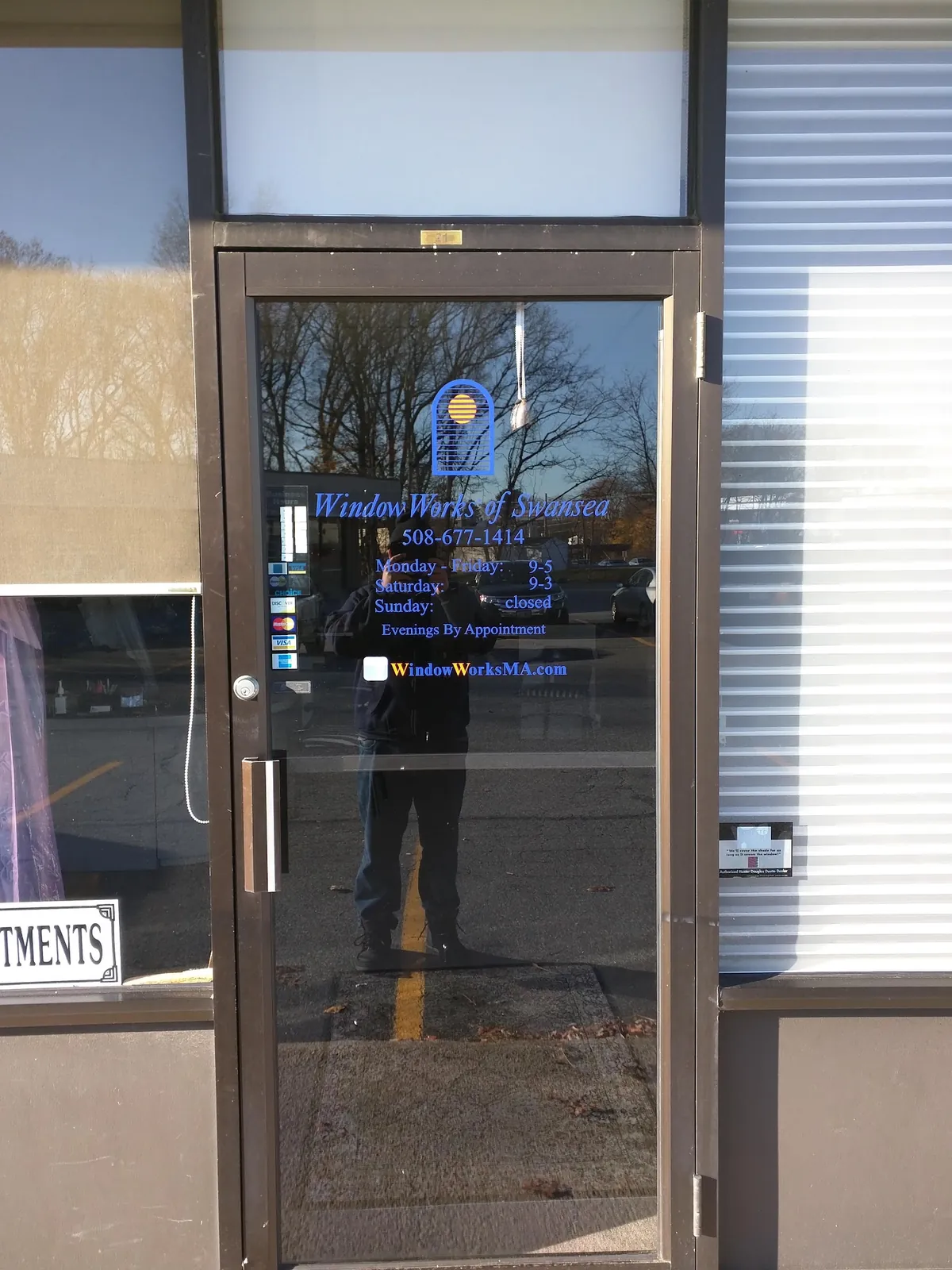
Who We Are
We are Window Works Blinds Shutters and Shades, a family store founded in 1988 with its showroom in Swansea, Massachusetts. The second generation of the family runs it today. Over 37 years we have made window treatments for homes across the SouthCoast of Massachusetts and the Rhode Island East Bay, and drapery has always been our specialty.
The call button and the contact page on this site reach us directly. Our own window treatment specialists measure, order and install every Middletown job, and keep you updated until it is complete. Warranties are offered on the products we sell, and the Swansea showroom has the fabrics to see and handle.
Every service we offer the town is on our Middletown window treatments page.
Questions from Middletown
Which fabrics stand up best to salt air?
Tightly woven, sturdy cloth generally copes better than loose, open weaves or very delicate fibres. A lining also protects the face fabric from light and damp.
My house is back from the shore. Do I still need to think about salt?
Yes. Second-row houses still get the wind, damp and salt, even without the view. Lined drapes also help those rooms stay warmer on windy nights.
How do I keep the sea view but still have privacy at night?
Panels on a rod that runs past the frame open well clear of the glass by day, then draw across at night.
What suits a small cottage window that sits low?
Often a valance, a short curtain or a single side panel, in a light fabric that keeps the room open.
Who is Window Works?
Window Works Blinds Shutters and Shades, a family store founded in 1988 with its showroom in Swansea, Massachusetts. The call button on this page reaches the store.
Your Next Step
Custom drapes in Middletown, RI begin with a free quote. Press the call button to reach the Swansea store, where we can book a time to measure your rooms and talk about installation, or send the form if you would rather. Directions to the showroom are on the contact page, and our custom drapes page shows the whole range. Window Works holds a 5.0 rating on Google.