
Few Windows or Many
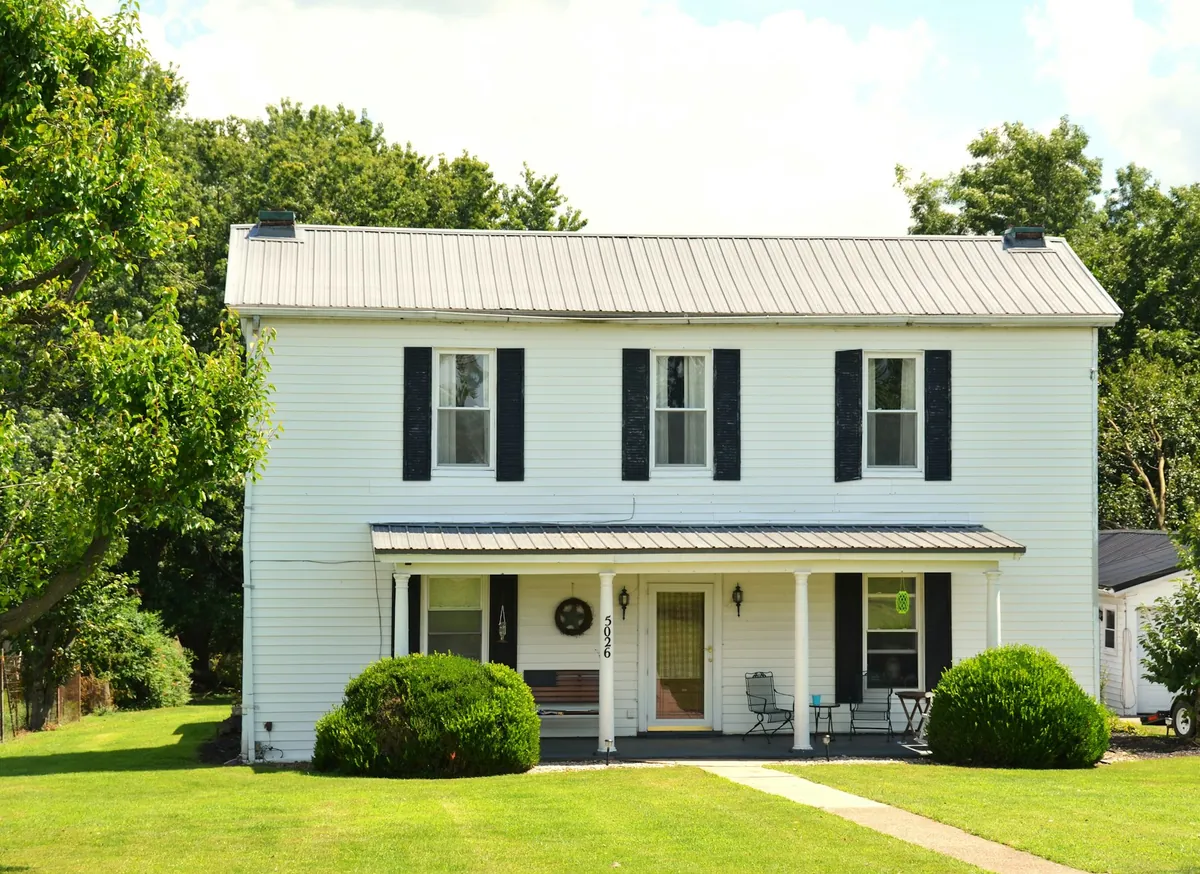
Lincoln’s housing pulls in two directions. The mill housing of Lonsdale and Manville still has its original narrow openings, often only a handful to a room, each a little different from the next. The newer colonials around Lincoln Woods and Breakneck Hill go the other way: standard window sizes, and a lot more of them. Off Great Road, larger houses on bigger lots add generous rooms and long views. Custom drapes in Lincoln, RI therefore range from one slim curtain in a mill-house kitchen to a coordinated set for every window of a two-storey colonial.
The narrow windows need careful proportions. The many-window houses need a plan. In both, the fabric is chosen first and every panel is cut to measurements taken on site.
Three Starting Points
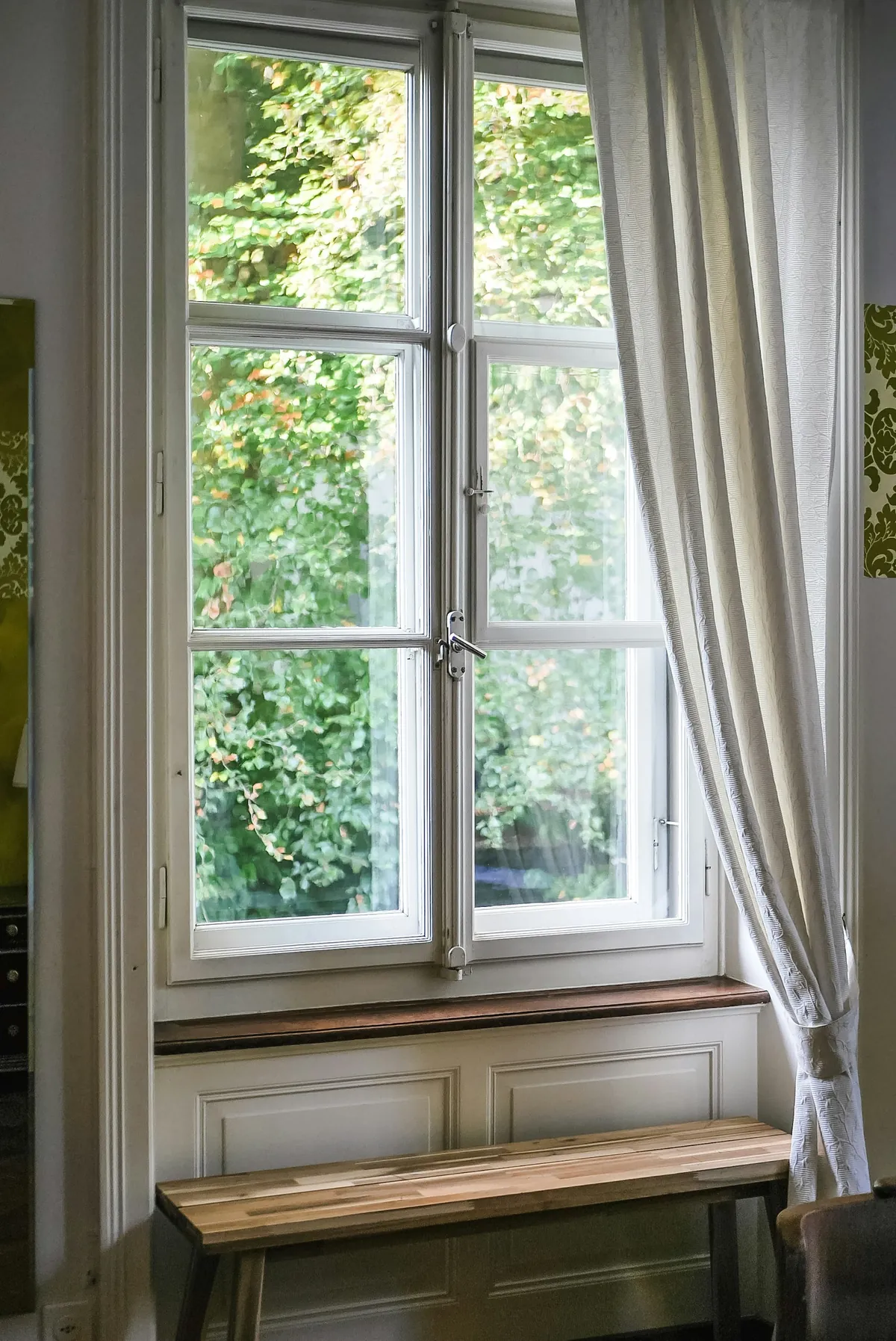
A single curtain for a slim opening
One panel pulled to one side suits a narrow mill-house window better than a pair that would swallow it.

Coordinated cloth for a whole house
A main fabric with one or two companions, so a colonial with many windows looks planned from room to room.
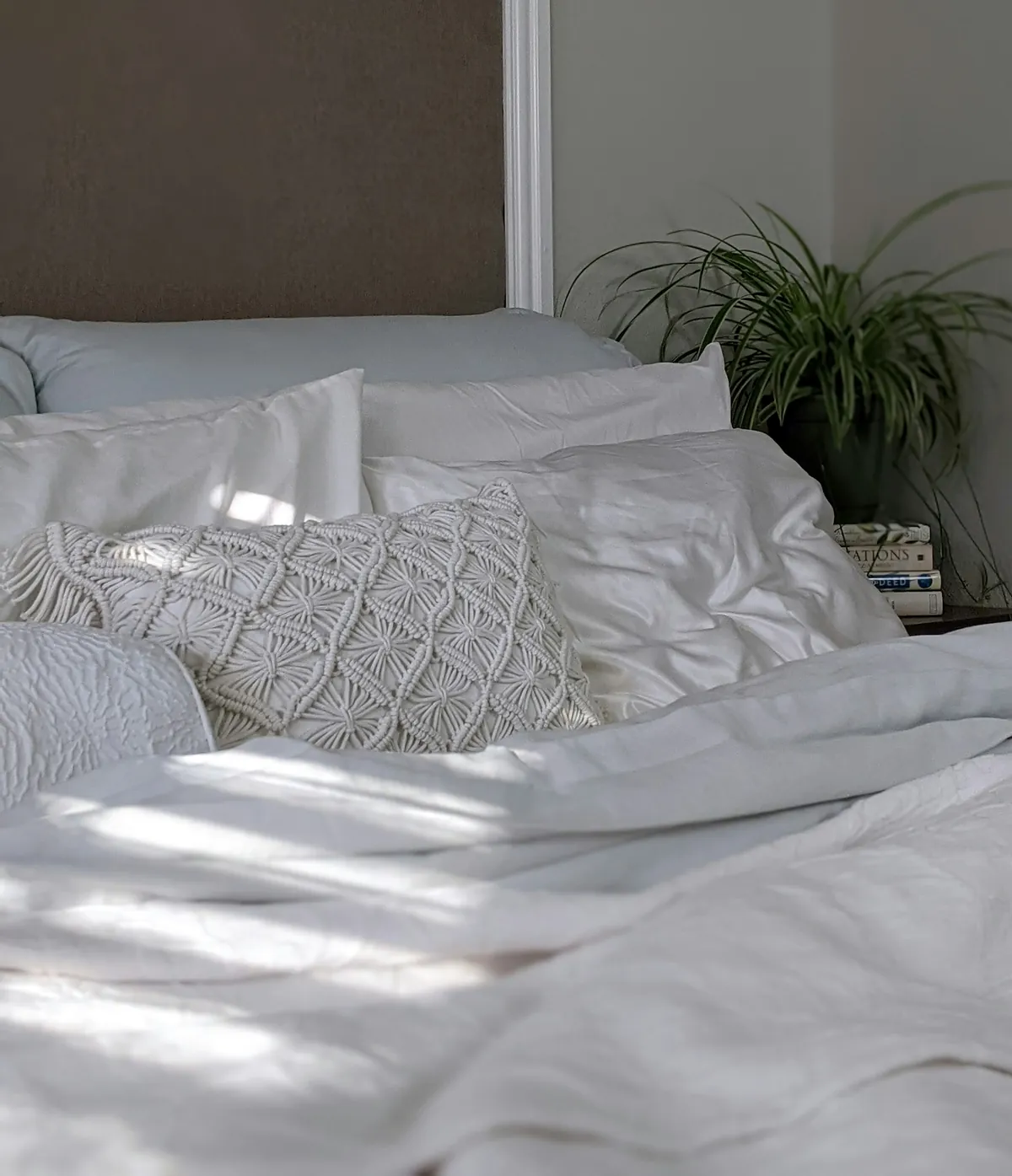
Bedding that answers the window
Duvet covers and pillows in a related cloth, through our custom fabric decor service.
Custom Drapes in Lincoln, RI for Mill Housing
The houses built for mill workers in Lonsdale and Manville were made with practical, modest openings. Windows tend to be narrow, sometimes noticeably taller than they are wide, and set in walls with little space around them. Over the years, frames have shifted and been repainted many times, so two windows that look the same can differ in size.
Measure each one
A narrow window shows every fault. A curtain a little too wide bunches against the frame; a little too short leaves a strip of bare glass at the bottom. That is why we take the width and the drop at each opening on its own. On older floors that have settled, the drop can change across one room, and measuring every window means the hems still finish level.
Proportion
On a slim opening, a pair of full drapes usually looks heavy, and when they are open, the two stacks can cover half the glass. A single panel that draws to one side leaves more window clear and gives a cleaner line. If a pair suits the room better, perhaps flanking a front door or a fireplace, the panels can be made slimmer and in a lighter cloth so they do not crowd the opening.
Where the rod sits
Mill-house walls often leave little room beside a window, with a corner or a door close by. A rod mounted just outside the frame, or a short rod set inside the opening, may be the only tidy choice. Inside mounting keeps the trim clear and works well for a sill-length curtain in a kitchen or bathroom. Outside mounting lets a longer curtain frame the window in a living room. We look at each wall before suggesting one.
Length
Many mill-house windows sit above a radiator or a counter. Sill-length curtains suit those spots. In a front room with clear floor below, floor-length panels from a rod set high can make a modest room feel taller.

Fabric for small rooms
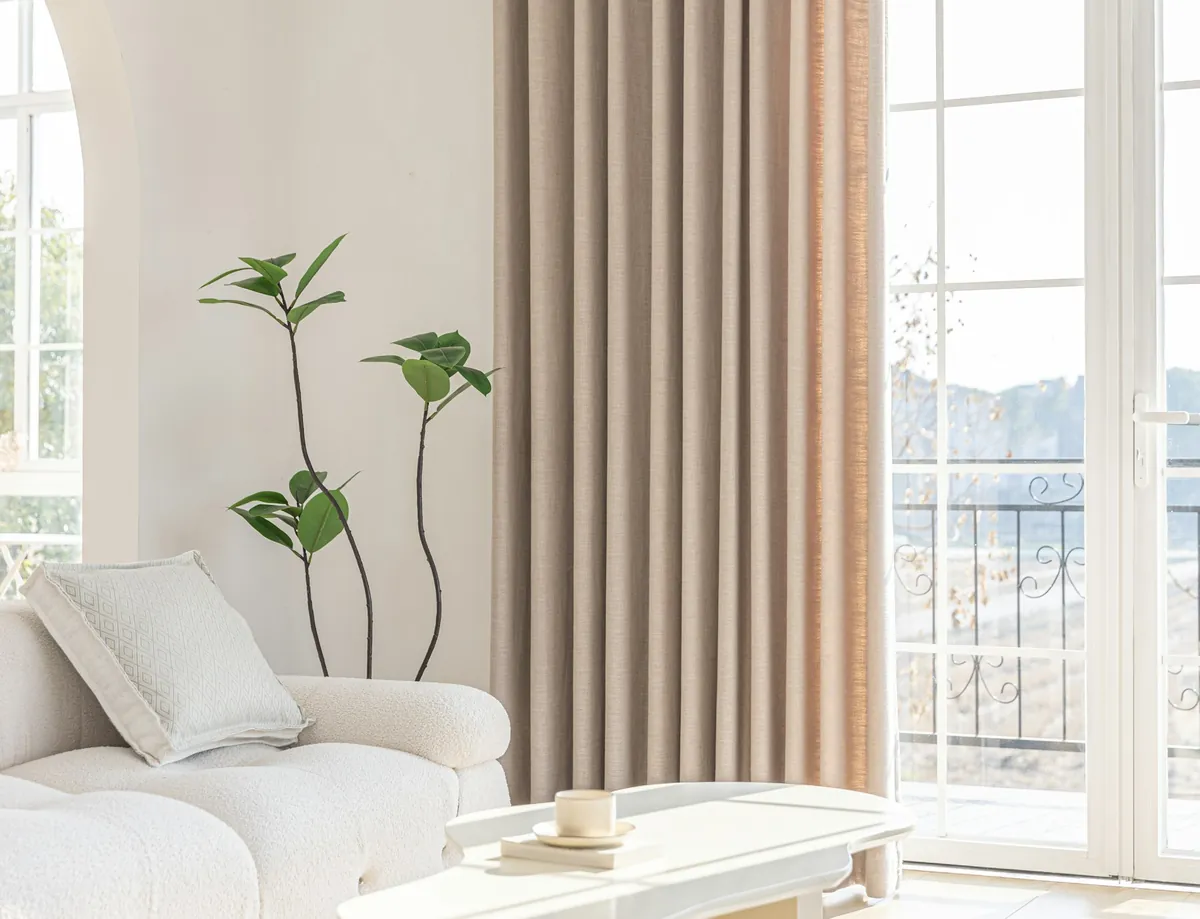
Smaller rooms usually look best with lighter fabrics and softer colours, which keep the space feeling open. A cotton or linen with a little texture, a fine stripe or a small check suits a narrow panel, because the pattern can be read without needing a broad width of cloth. Heavy velvets and large prints tend to overwhelm a small window, though a bedroom that needs darkness can still have a lined panel in a light-coloured face fabric.
Close quarters
Mill housing was built tight, with houses near the road and near one another, and side windows that may look straight into the next house. Rooms like that want cover through the day, not just at night. A sheer drawn across the glass lets the light in and blurs the view; a lined curtain over it closes the room after dark. On a narrow side window, the sheer alone often does the job most of the day. Planning custom drapes in Lincoln, RI for a Lonsdale or Manville house is often as much about this everyday privacy as about looks.
Colonials Around Lincoln Woods and Breakneck Hill
The newer colonials near Lincoln Woods and Breakneck Hill are the opposite case. Their windows are standard sizes, so fit is easy, but there can be a lot of windows: a formal living room and dining room at the front, a family room and kitchen at the back, four or more bedrooms upstairs, and often a window over the stair. Doing them all is a bigger project, and a plan pays off.
Start with a fabric plan
Rather than choosing room by room, it helps to start with a main fabric for the most important rooms, often the living and dining rooms, and then pick one or two companion fabrics that sit well with it. The family room and the main bedroom can use the companions. Smaller bedrooms can use simpler, lighter cloths in colours from the same family. The house then looks consistent without being uniform.
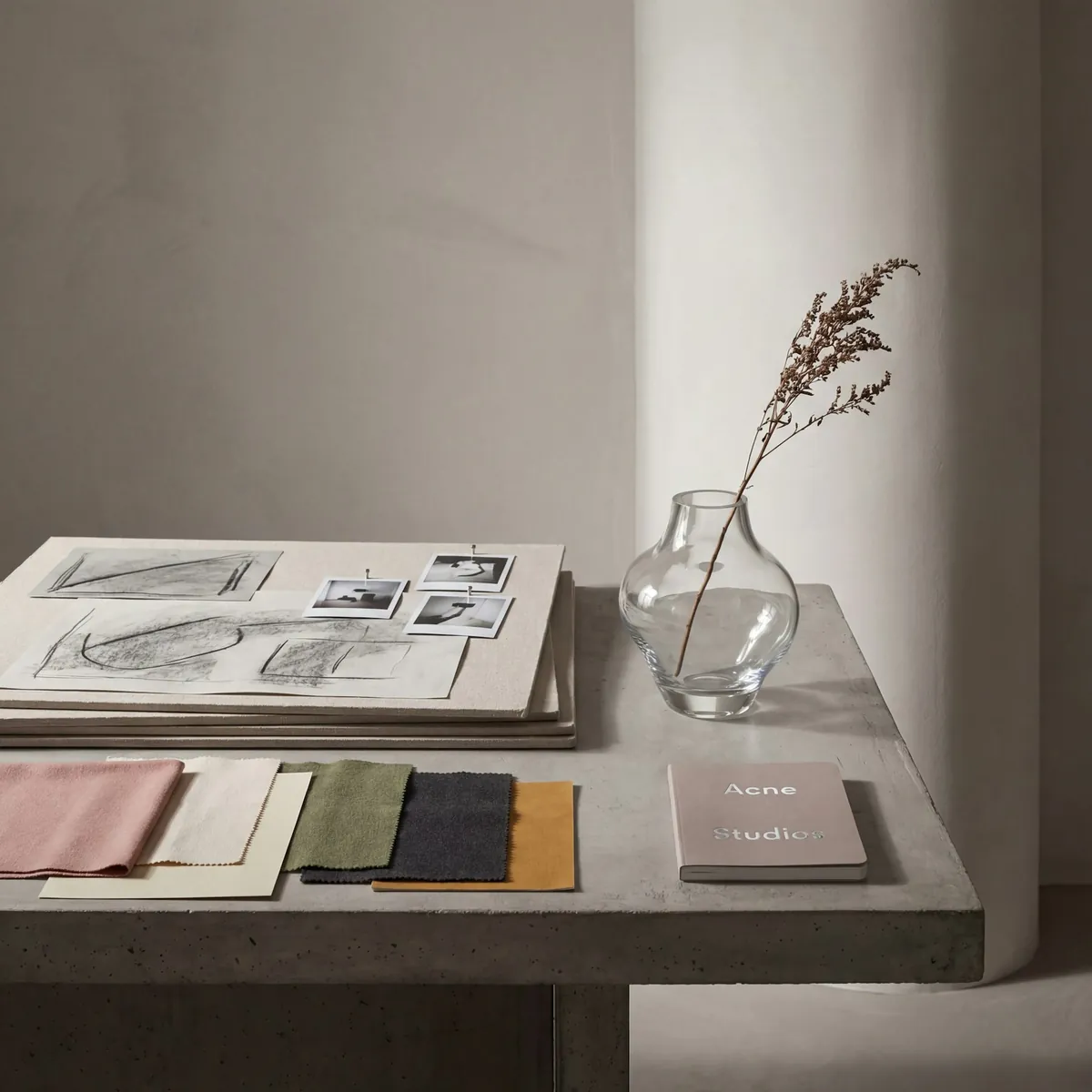
Colour is the easiest thread to carry. If the living room drapes are a soft blue linen, the dining room might take a blue and cream stripe, the family room a textured weave with a touch of the same blue, and the bedrooms quieter neutrals that sit happily beside it. Each room has its own character, yet walking through the house it all feels connected. Laying the candidates out together at the showroom, rather than picking them weeks apart, makes this much easier, because you can see straight away which cloths belong together and which fight.
Consistency from the street
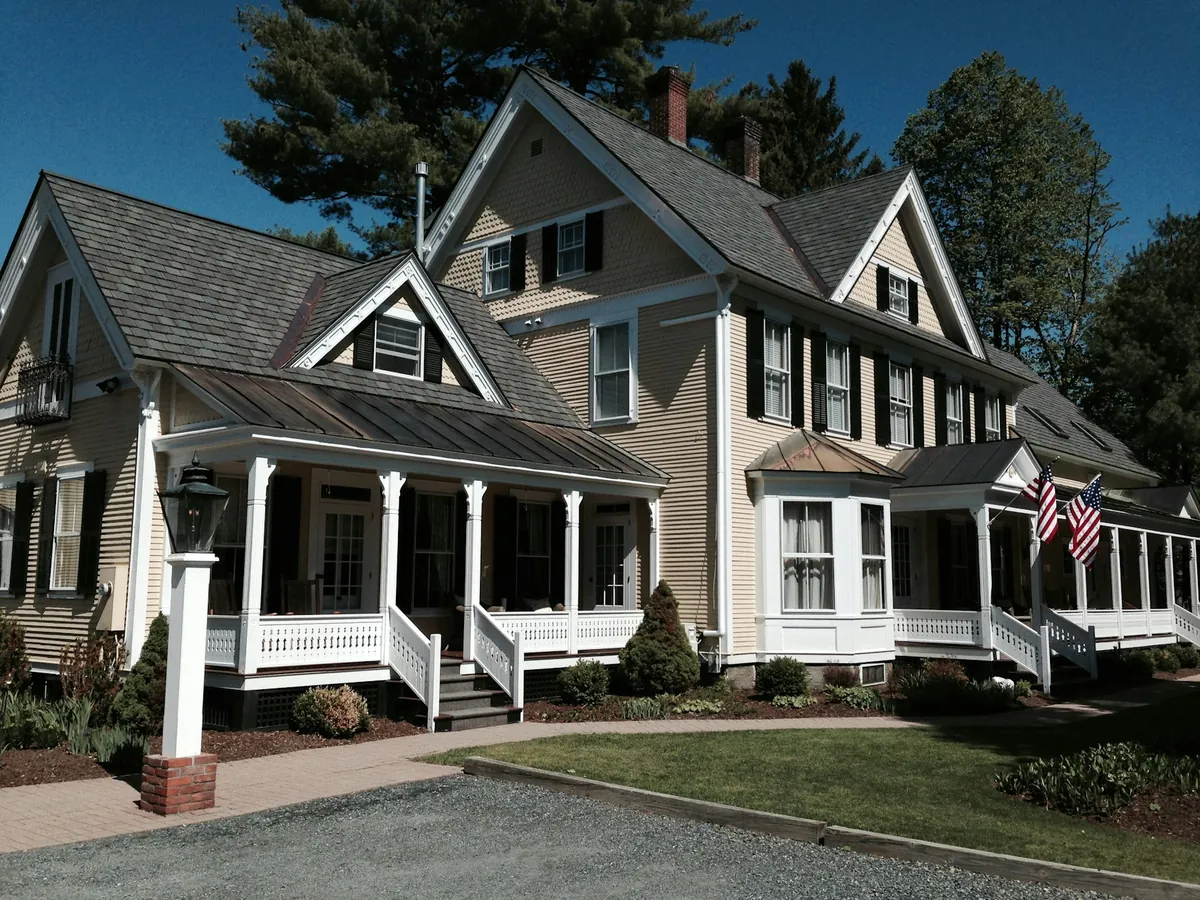
From outside, a colonial’s front windows read as a matched set across two floors. Whatever the face fabrics are, using the same light lining on every street-facing window keeps the facade even. Rods at the same height across each floor help as well.
Which drapes need to move
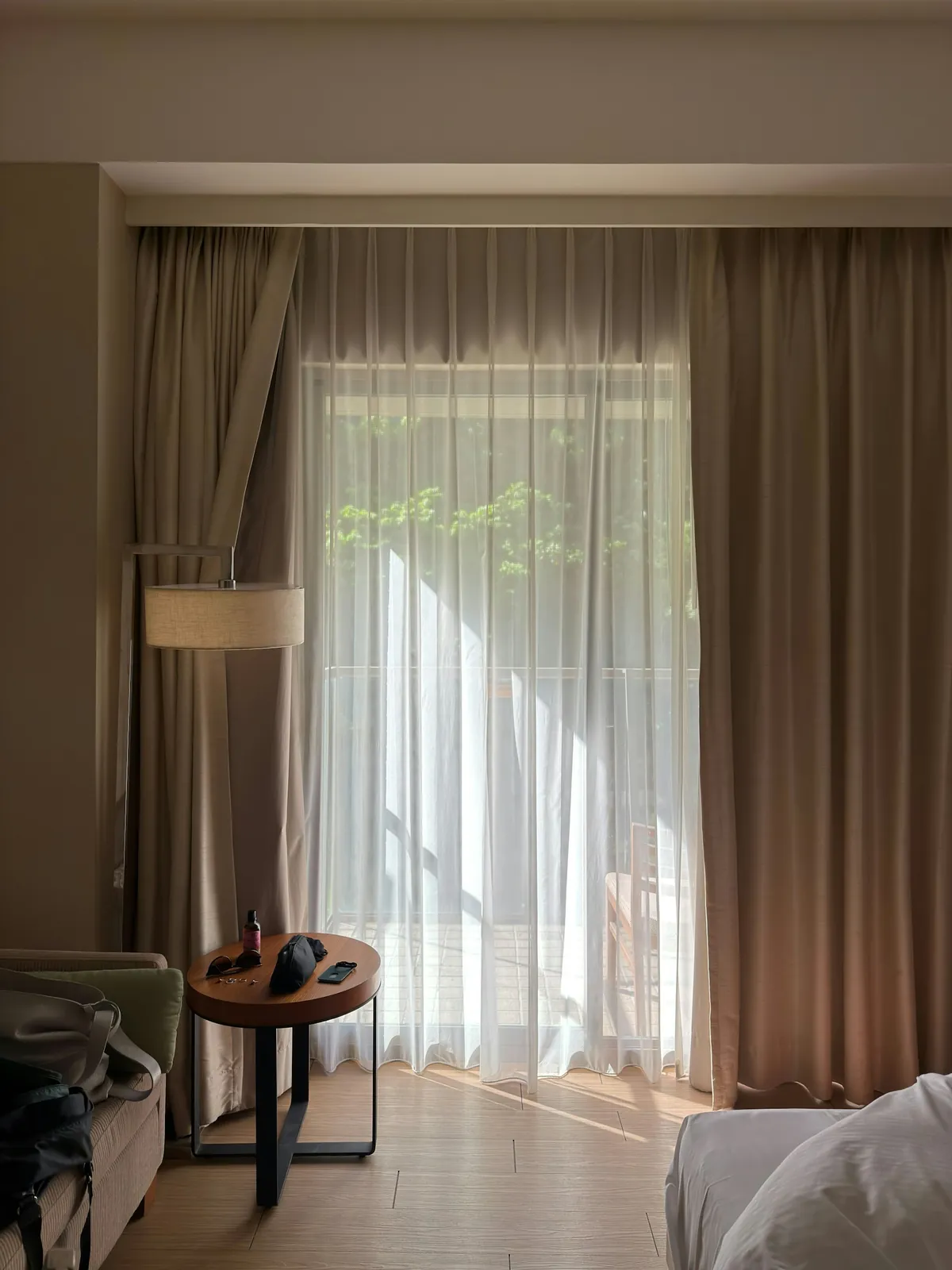
In a house with many windows, not every drape needs to open and close. Formal rooms can have stationary panels that frame the windows, with a blind or shade behind doing the daily work. Bedrooms need drapes that close fully for darkness. Family rooms need drapes that slide easily, since they get used the most. Matching the operation to the room keeps everything practical.
The family room and kitchen
At the back of most of these colonials, the kitchen opens into a family room, sometimes with a slider or French doors to a deck. The drapes there are the ones that work hardest. A fabric that wears well and does not show every mark, a heading that slides along the rod without effort, and a rod that runs well past the door frame so the fabric clears the opening all make daily life easier. Over the kitchen sink, a short curtain or none at all, with the family room drapes picking up where the cabinets end, keeps the space tidy.
Bedrooms
With four or more bedrooms, it pays to keep things simple. Lined panels that close fully suit every bedroom, and the face fabric can change from room to room while the lining stays the same, which keeps the upstairs windows even from outside.
Phasing the work
You do not have to do the whole house at once. Many people start with the rooms that matter most, such as the front rooms and the main bedroom, and add the others later. Starting from a fabric plan means later rooms can be matched to the first ones.
Layers on standard windows
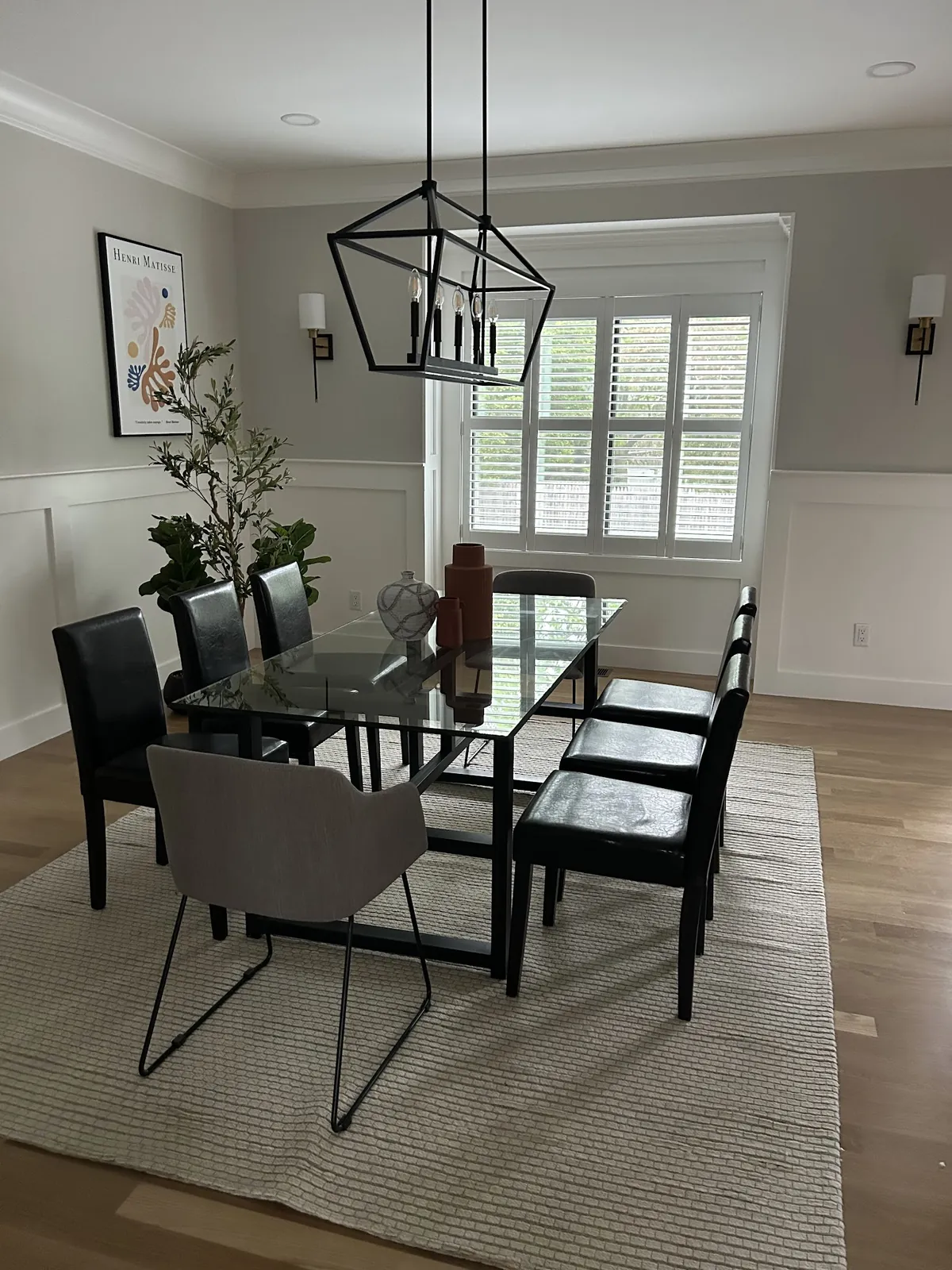
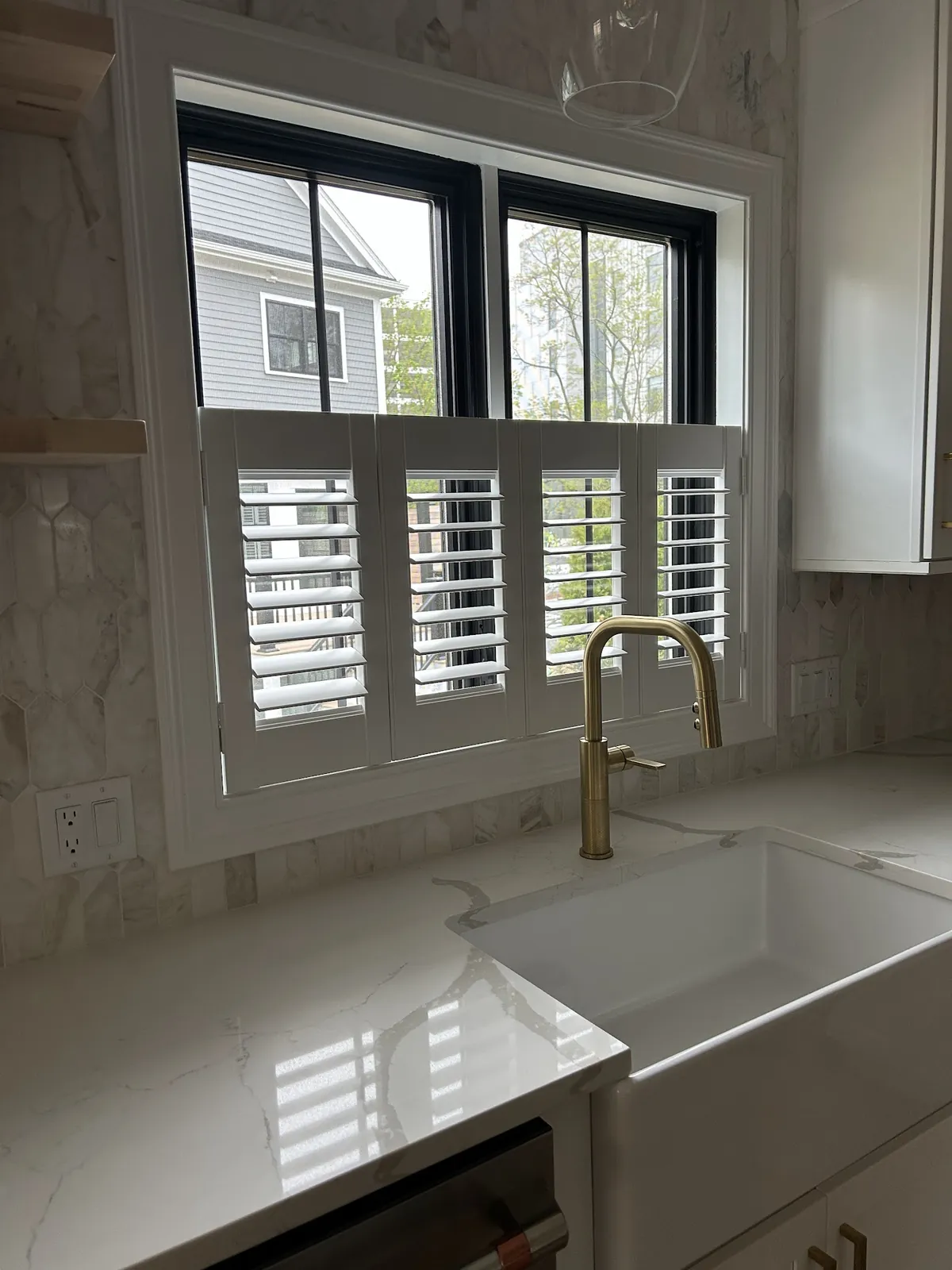
Standard windows suit layering well. A blind or shade inside the frame handles light and privacy, and drapes outside it frame the window. In a dining room, interior shutters with side panels is a classic combination. Since we make shades, blinds and shutters as well as drapes, the layers can be chosen and measured together. See our cellular shades in Lincoln page for one of the warmest pairings behind lined drapes.
Larger Houses off Great Road
Off Great Road, larger houses on bigger lots bring bigger rooms and windows that look out over open ground. Privacy from neighbours is usually less of an issue than in the denser parts of town. The questions shift to light, scale and comfort.
Big rooms, bigger windows
A large living room or family room with tall or wide windows can carry generous drapery: full-height panels from a rod set near the ceiling, fabric with depth and texture, and enough fullness for rich folds. Drapes in a room this size do a lot to soften hard surfaces, absorb echo and make the space feel comfortable. A big room can also take a bolder pattern or a deeper colour than a small one, because there is enough wall and floor around the window for the fabric to sit comfortably rather than dominate. Where a large room has windows on two or three walls, keeping one fabric on all of them stops the space from feeling busy, and a rod height set by the tallest window keeps the line level around the room.
Sun and fading
Windows facing open ground can take a lot of sun. Lined drapes protect the face fabric and the furniture from fading. In summer, closing the drapes on the sunny side through the hottest hours keeps the room cooler. A sheer or a light shade behind the drapes can take the glare off without closing the view completely.
Evenings
On a large lot with few lights nearby, a big window turns into a black mirror after dark. Lined drapes drawn at dusk make a room feel enclosed and warm, and they cut the chill off the glass in winter.
Doors to the porch or terrace
Bigger houses often have French doors or sliders opening to a porch, a terrace or the garden. Drapes on those doors need a rod wide enough and high enough that the doors swing or slide freely with the fabric pulled back. Heavier panels can be held open with a tieback so they never drift into the doorway. Custom drapes in Lincoln, RI for these rooms are planned around the doors first, then the windows on either side, so the whole wall works as one.
Fabric and Lining, in General Terms
Every drape we make starts with the cloth, and the cloth suits the room more than the house:
- Light linens, cottons and sheers for small mill-house rooms and narrow windows
- Medium weights with a soft texture for family rooms and bedrooms in the colonials
- Heavier weaves and velvets for formal rooms and the big rooms off Great Road
- Washable fabrics for kitchens and bathrooms
Lining is the second choice. It gives the drape body so it hangs well, protects the face from sun and can add darkness or warmth. A light lining that shows through the glass also keeps the outside of the house consistent. Headings range from tailored pleats to relaxed rings and gathers, and we will suggest the one that suits how often each drape moves.
The Swansea showroom has the fabric range to handle, which is the surest way to judge weight, texture and colour.
From First Call to Finished Rooms
On a whole-house colonial job, the most useful step is the plan, so it comes early.
- You reach the Swansea store, by the call button or the form, and we book a free quote.
- A specialist measures in your home: every window, the wall around it, the ceiling height and anything nearby, such as a radiator, a door or a stair rail.
- Together we draw up a plan: which rooms come first, which fabric goes where and which drapes need to move.
- You choose the fabrics and linings, ideally side by side at the showroom.
- A quote follows, listing each window, so you can decide whether to do everything now or in stages.
- The drapes are made to the measurements from your home.
- Our team hangs them, sets the folds and shows you how each one works.
We stay in contact through the whole process, until every panel is up.
Stair and landing windows
A colonial’s stair window is seen from two floors and is often hard to reach. A pair of fixed panels that frame it, or a simple shade on the glass, usually beats drapes that need drawing. Its fabric should suit both the hall below and the landing above. Fixed panels there also never need drawing, so they keep their folds for years with almost no attention.
Care
Most drapes need only a soft brush on the vacuum from time to time. Lined panels are best cleaned professionally, because face and lining can shrink differently in a wash. Sheers and kitchen curtains are often easier to launder. We will give you care advice for the fabric you choose.
Window Works, Family Owned Since 1988
Window Works was founded in Swansea in 1988 and is now in its second generation. Over 37 years the store has made window treatments for houses across the SouthCoast of Massachusetts and the Rhode Island East Bay, with drapery as its specialty.
Whether it is one curtain for a Manville kitchen or every window in a Breakneck Hill colonial, the job is measured, ordered and hung by our own specialists, who stay in touch until it is complete. Warranties are offered on the products we sell.
See every service we offer the town on our Lincoln window treatments page.
Questions from Lincoln
What works on a narrow window in an older mill house?
Usually a single curtain that draws to one side, cut to that window’s own measurements, in a lighter fabric that keeps the room open.
My colonial has a lot of windows. Where do I start?
With a fabric plan: a main cloth for the front rooms and one or two companions for the rest. You can then do the rooms in whatever order suits you.
Do all my drapes need to open and close?
No. Formal rooms often have fixed panels with a blind or shade behind them. Bedrooms and family rooms usually need drapes that draw.
Will lined drapes help a big room with lots of sun?
Yes. The lining protects the fabric and furniture from fading, and drawn in the afternoon, the drapes keep the room cooler.
Do you measure every window?
Yes. Each window is measured in your home, even when the sizes look standard, so every panel fits its own opening.
When You Are Ready
To get custom drapes in Lincoln, RI started, book a free quote with the call button. We will set up measuring in your home and talk through installation, or you can use the form and we will be in touch. The contact page shows the way to the Swansea showroom, and our custom drapes page covers every style. Window Works holds a 5.0 rating on Google.