
From a Bolt of Fabric to a Finished Window
Knowing how custom drapes are made helps you see where the decisions are and why a made-to-measure panel hangs differently from one bought off a shelf. Every choice, from the fabric to the hem, is tied to one window in your house. Drapery is the store’s genuine specialty, and this is the route a pair of panels takes from the first conversation to the day they are hung.
The Order the Work Runs In
Here is how custom drapes are made, from the first call to the finished room. Some steps happen at the same time, such as choosing the fabric while we measure, but the order below is the one every pair of panels follows.
- The conversation. You tell us which rooms, what bothers you about the light or privacy, and the look you have in mind. You book a free quote.
- Fabric. You choose the face fabric in the Swansea showroom or from samples at home: its colour, its weight and how it falls.
- Lining. The lining is chosen for the room: unlined for a soft glow, lined for body and privacy, a darker lining for a bedroom.
- Measuring in your home. A specialist measures each window and the wall around it, notes the ceiling height, the trim and anything in the way, and agrees where the rod or track will sit.
- Heading and fullness. The top of the panel, the pleat or the plain heading, is chosen, along with how much fabric is gathered across the width.
- Making. The panels are cut and sewn to the measurements taken in your home, with the hems, side turns and lining finished to suit the fabric.
- Installation. Our team fits the hardware, hangs the panels, dresses the folds and shows you how they open and close.
Choosing the Fabric
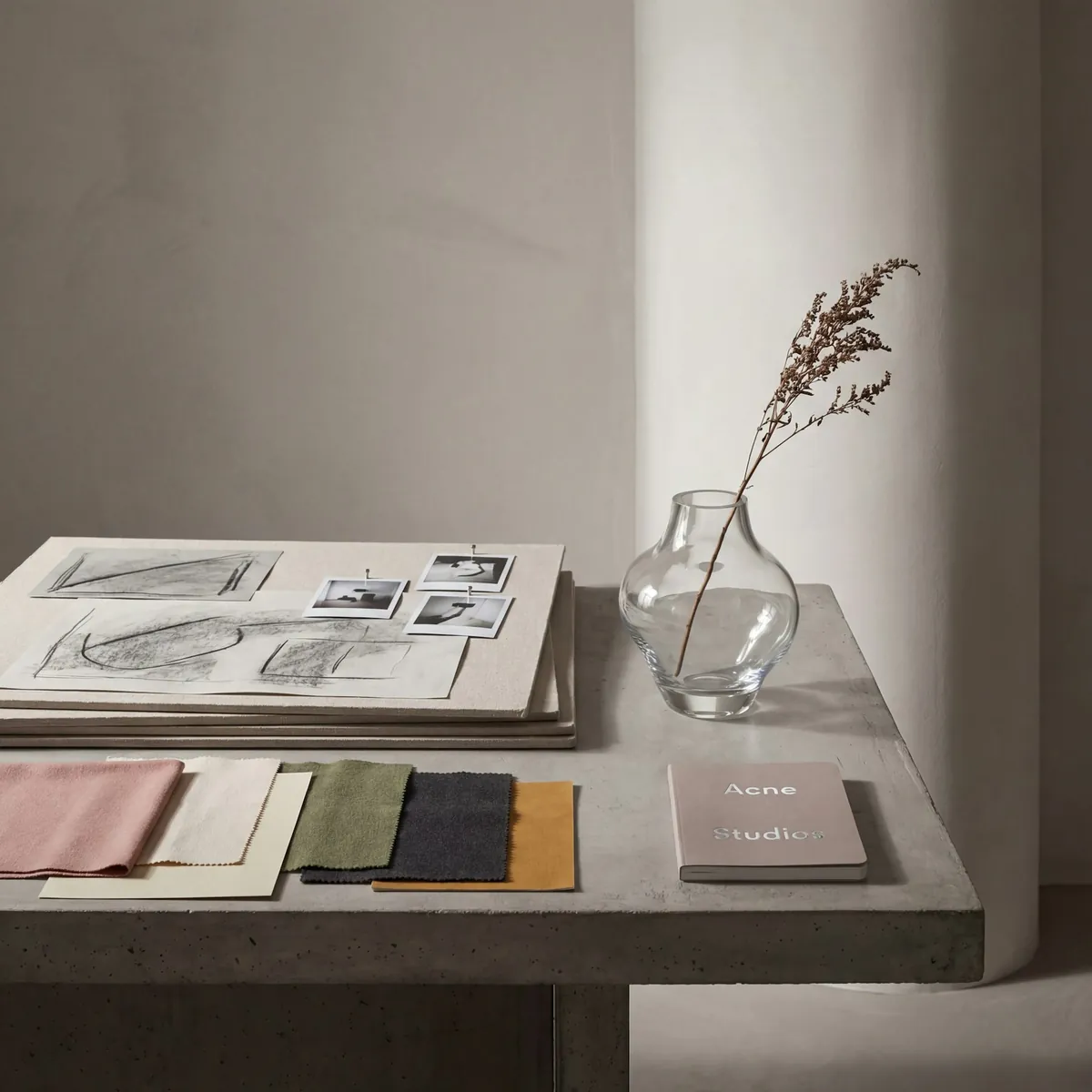
Fabric is where every pair of drapes begins, and it is the choice that changes the room the most. A heavy velvet or a lined linen gives weight and warmth. A sheer lets the light through and softens it. A printed cotton brings pattern and colour into a plain room.
Hold a sample up to the window you are dressing, not just under the showroom lights. Fabric looks different in a north-facing bedroom than in a sunny front room, and a colour that seems pale on the bolt can turn warm once light comes through it. We bring samples to your home when we measure for exactly this reason.
- Weight decides how the panel falls and how much it insulates
- Colour and pattern set the tone of the room
- Texture changes how the fabric catches light
Linings and Why They Matter
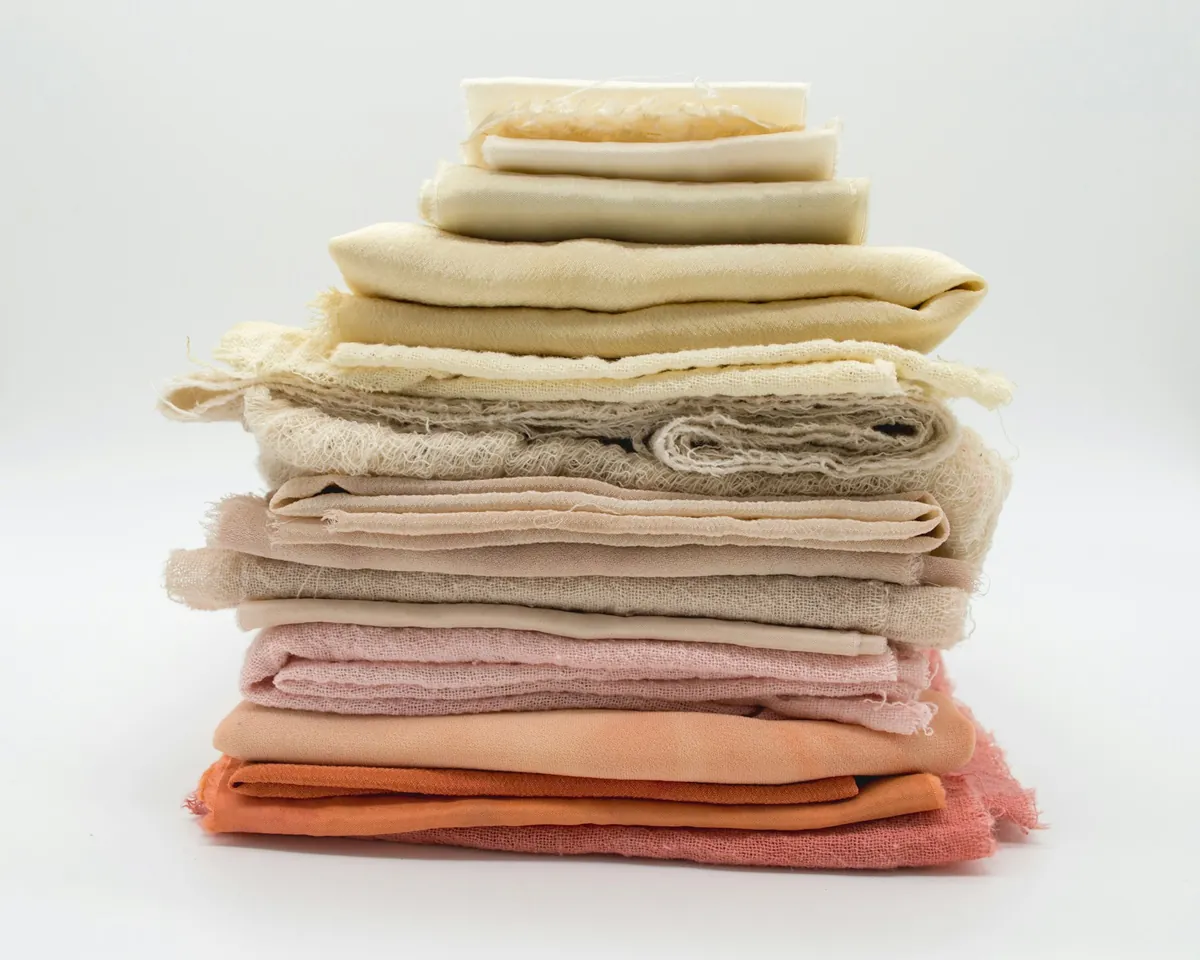
A lining is the layer you rarely see and always notice. It gives the panel body, so the folds fall evenly instead of hanging limp. It protects the face fabric from the sun, which matters in rooms facing Mount Hope Bay or the Sakonnet, where strong light can fade a colour over time. And it changes what the panel does to the room: a standard lining adds privacy, a darker one helps a bedroom stay dim in the early morning.
Some fabrics are best left unlined. A linen panel at a dining room window can look lovely with daylight glowing through it. Part of how custom drapes are made well is knowing which fabrics want a lining and which do not.
Measuring the Window and the Wall
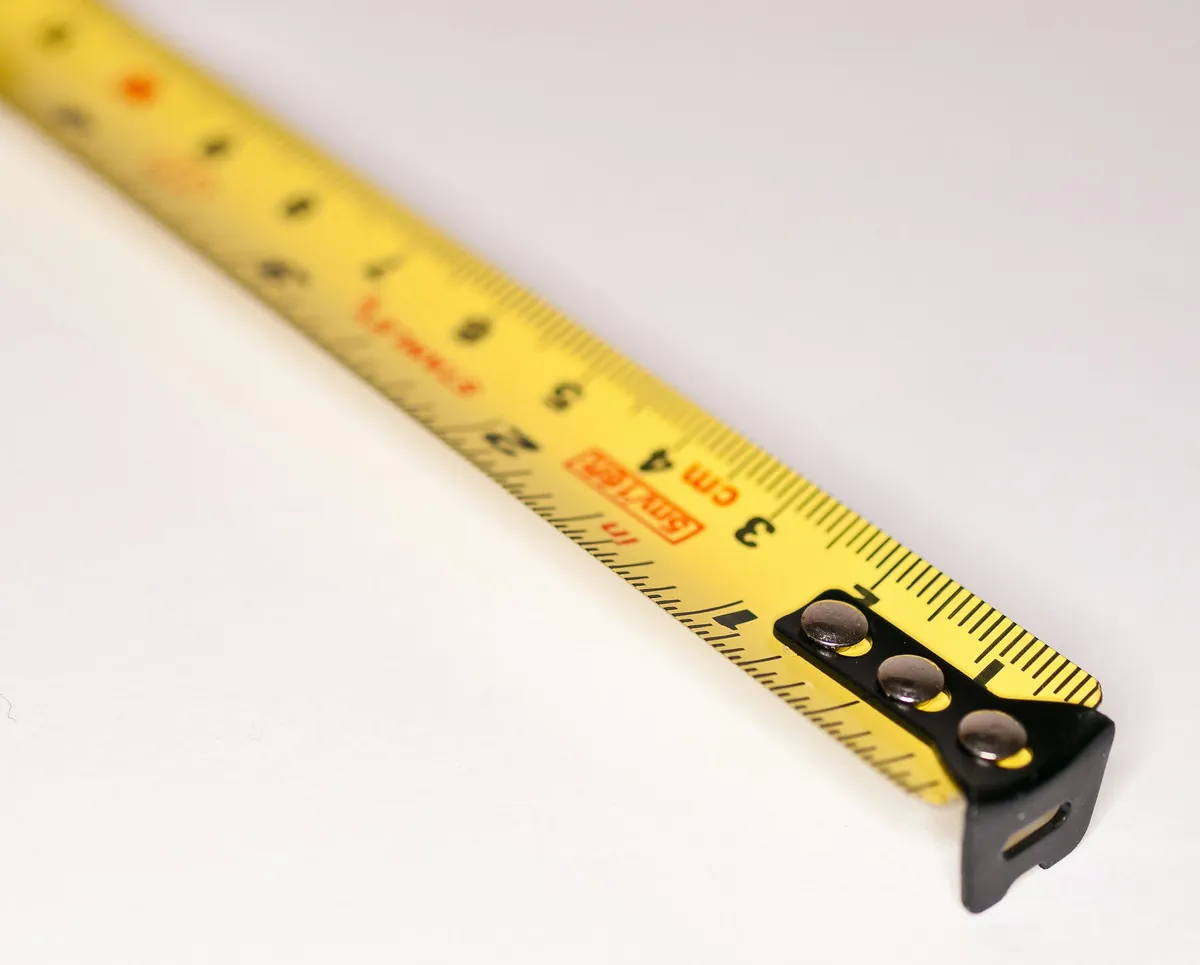
Drapes are measured for the wall as much as the window. The width covers the glass and the space the panels stack into when they are open. The height runs from the rod to just above the floor, to the floor or onto it, depending on the look you want. Because the panels are made to those measurements, they are taken in your home by a specialist, not left to a tape measure and a guess.
Older houses make this part important. The Victorians in Fall River and Pawtucket often have tall windows and high ceilings, and floors that are not quite level from one side of the room to the other. Historic sash on College Hill and Newport’s Point can sit close to deep trim or a cornice. Each of those details changes where the rod goes and how long each panel needs to be.
Headings, Pleats and Fullness
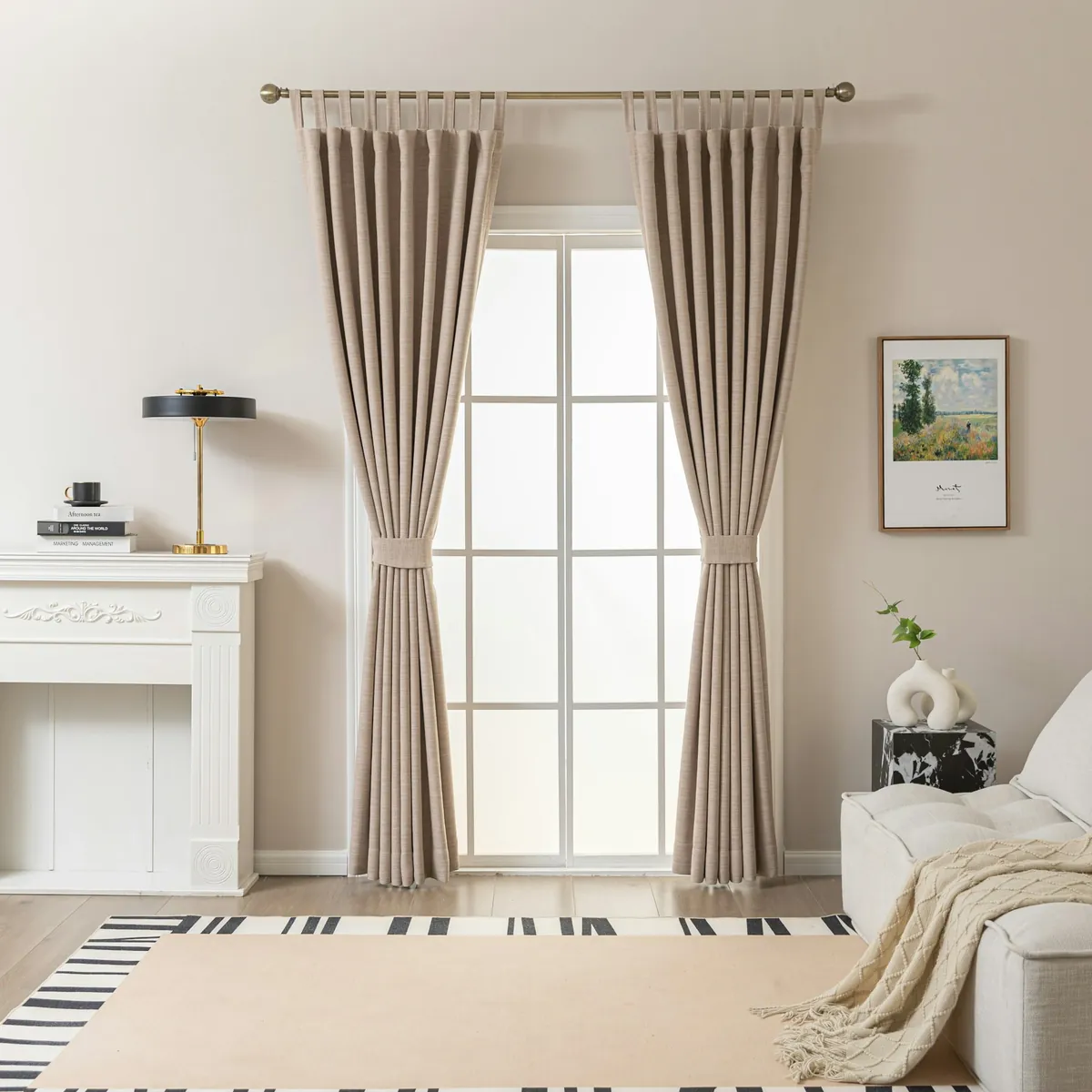
The heading is the top of the panel, where it meets the rod or track. A pinch pleat gathers the fabric into neat, regular folds and suits a formal living room or dining room. A plain or rod-pocket heading gives a softer, more relaxed look for a bedroom or a cottage. Grommets give clean, deep waves on a rod.
Fullness is how much fabric is gathered across the width of the window. More fullness gives deeper, richer folds and more warmth. Less gives a flatter, simpler look. The right amount depends on the fabric’s weight and the style of the room, and we talk it through before the panels are cut.
Making the Panels
This is the step most people never see, and it is where how custom drapes are made separates a made-to-measure panel from a ready-made one. The fabric is cut to the measured length with the pattern matched across the seams, so a print lines up from one panel to the next. Side turns and hems are finished so the edges hang straight. The lining is joined to the face fabric so the two move as one. Weighted hems help the panels fall cleanly to the floor.
Hanging and Dressing
On installation day our team fits the rods or tracks, hangs the panels and dresses them, training the folds so they settle evenly. We check that each panel opens and closes smoothly and clears the window, then show you how to handle them. We stay in touch until the job is done.
In the mid-century capes and ranches of Somerset and Seekonk, drapes often sit over a blind or a shade, so the panels add colour and softness while the blind handles the light. We plan the two together and measure for both on the same visit.
Drapery and What Goes with It
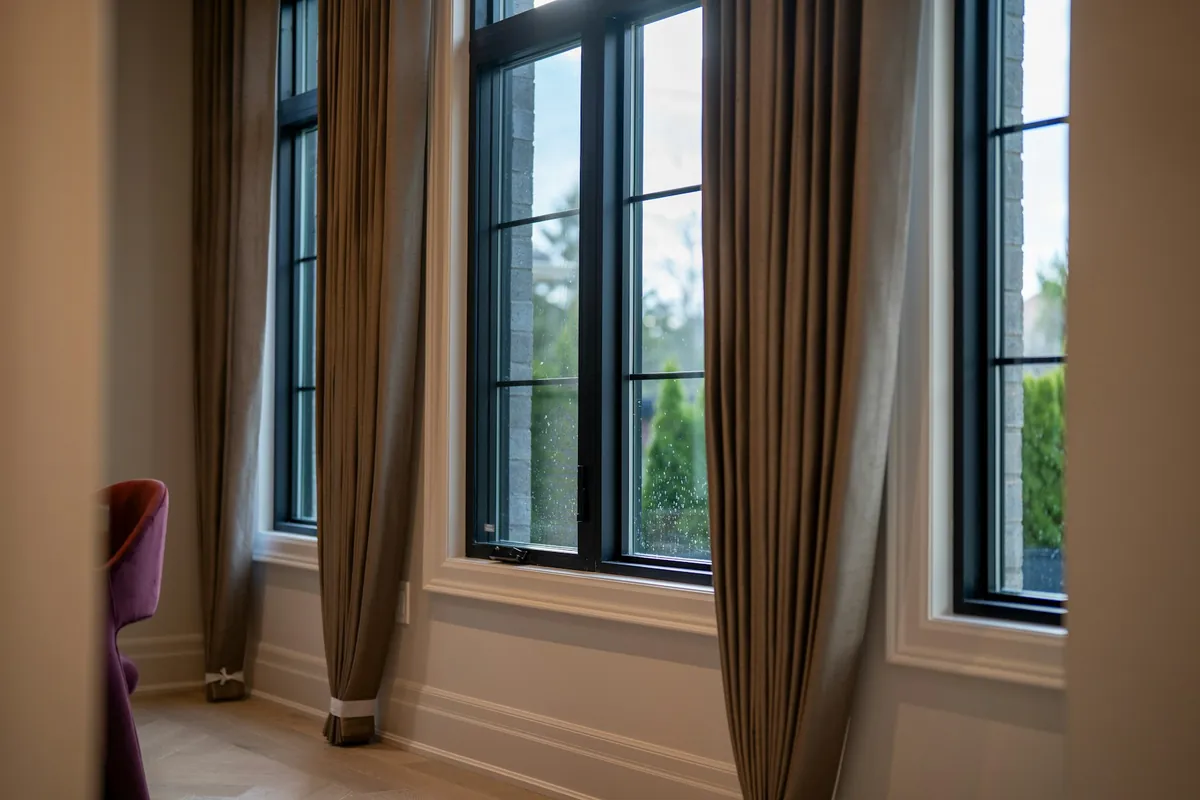
Custom drapes
Panels made to each window, from sheers to lined, heavy fabrics.
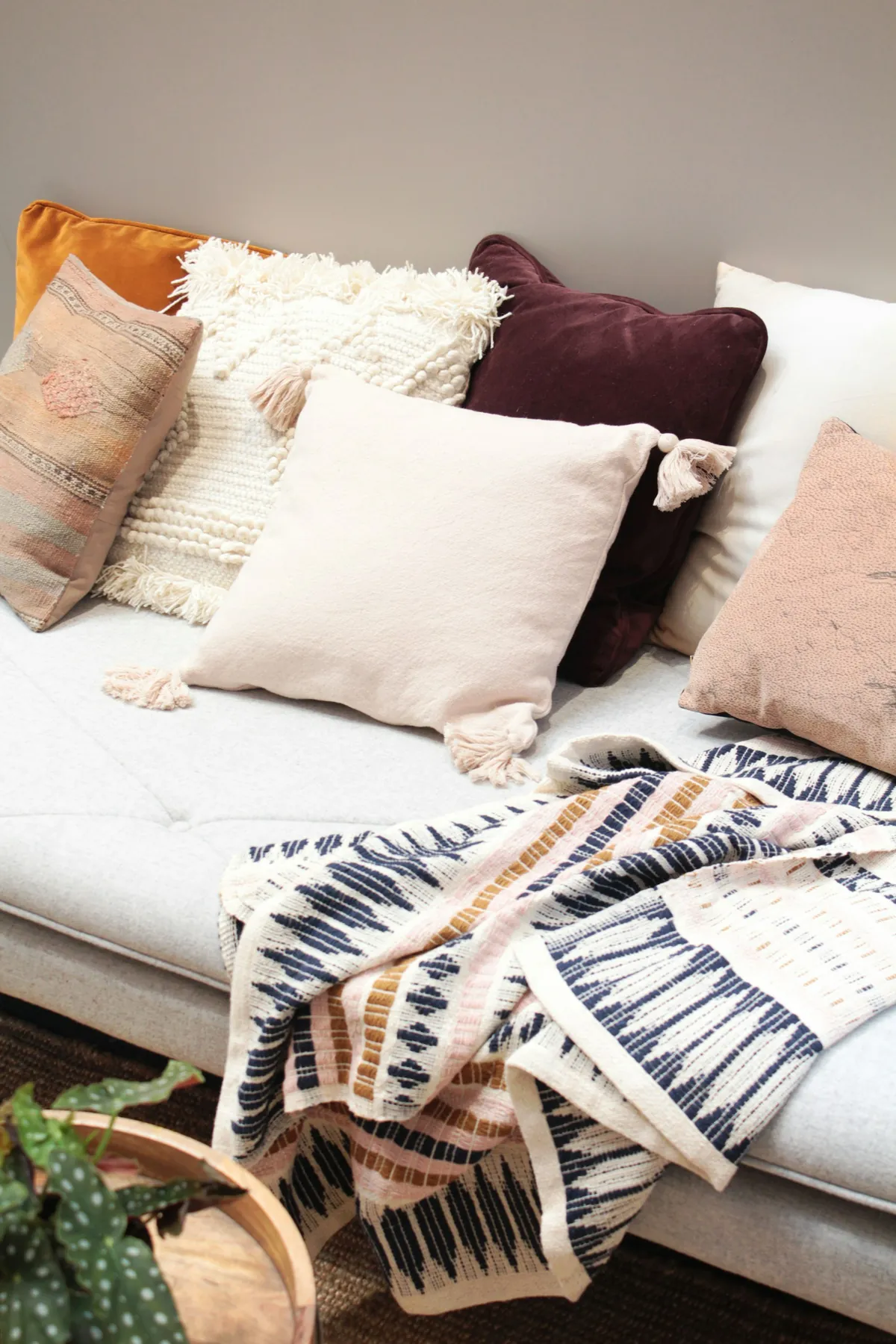
Custom fabric decor
Pillows and duvet covers made to tie in with the fabric at the window.
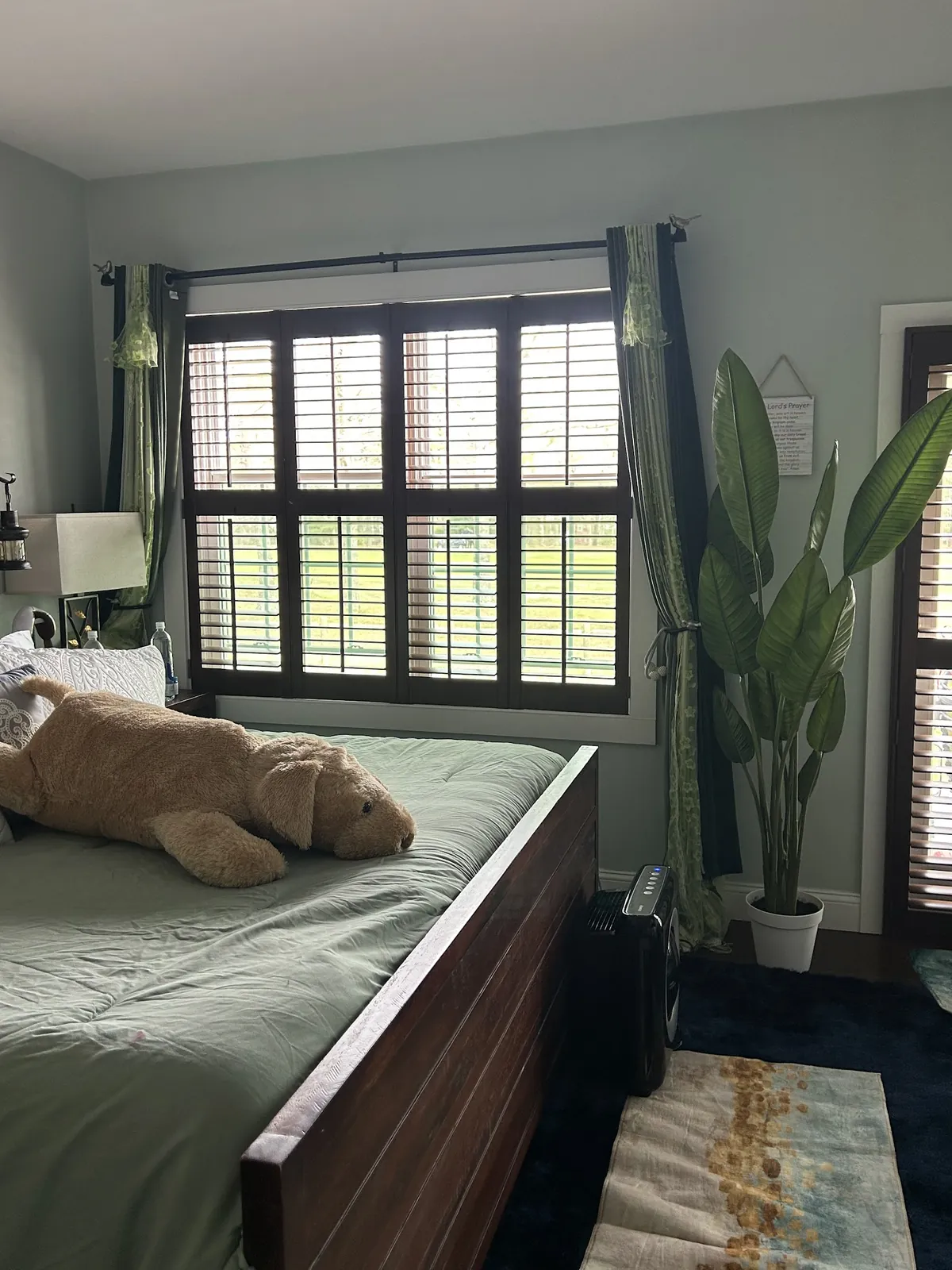
Drapes over shutters
Side panels framing shutters, for light control and softness together.
Custom Drape Questions
Can I see fabrics before I choose?
Yes. The Swansea showroom has fabrics to handle, and we bring samples when we come out to measure so you can see them at your own window.
Do I need lined drapes?
Not always. A lining adds body, privacy and protection from the sun; some sheers and linens look better unlined. We help you decide room by room.
Do you measure for the drapes yourselves?
Yes. Understanding how custom drapes are made shows why: each panel is made to measurements a specialist takes in your home.
Can drapes go over blinds or shades?
Yes. Many rooms pair drapes with a blind or a shade, and we measure for both on the same visit.
Can you make matching pillows?
Yes. Custom fabric decor includes pillows and duvet covers that tie in with the fabric at the window.
Book Your Free Quote
Use the call button to book a free quote, arrange measuring in your home or ask about installation. If you would like to start with the fabric, come into the Swansea showroom and see the drapery choices in person.