
The Fold Is the Style
A Roman shade is a panel of fabric that lifts into folds as it rises. That makes the fold the heart of the design, and the three Roman shade fold styles the store makes, flat, hobbled and relaxed, each give the window a different character. The fabric matters just as much, because the same fold looks crisp in a linen and soft in a silk. Roman shades are fabric-led, so the two choices are always made together.
Here is how each fold looks once it is made up and hanging, and where each one is at home.
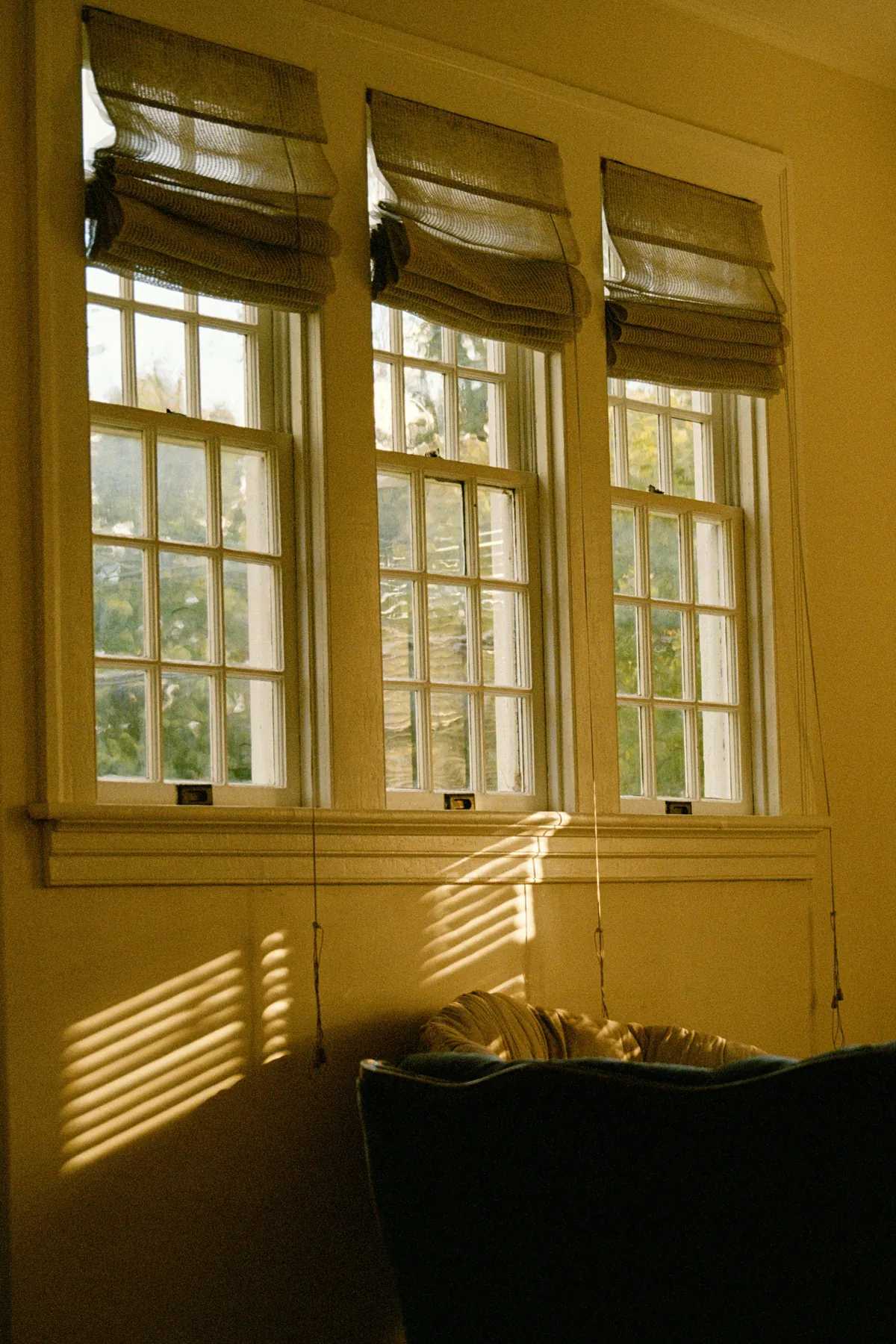
Flat Folds
A flat Roman shade lies smooth across the window when it is lowered, with no folds showing at all. As it rises, it gathers into neat, crisp pleats that stack one on top of the next at the head of the window.
That smooth face is what makes the flat fold so useful. It shows off a pattern without breaking it up, so a printed fabric, a stripe or a check reads from top to bottom. It also looks tailored and clean, which suits a modern room as well as a traditional one.
- Lowered: a smooth, flat panel
- Raised: tidy, stacked pleats
- Good for: patterned fabrics, kitchens, offices, tailored rooms
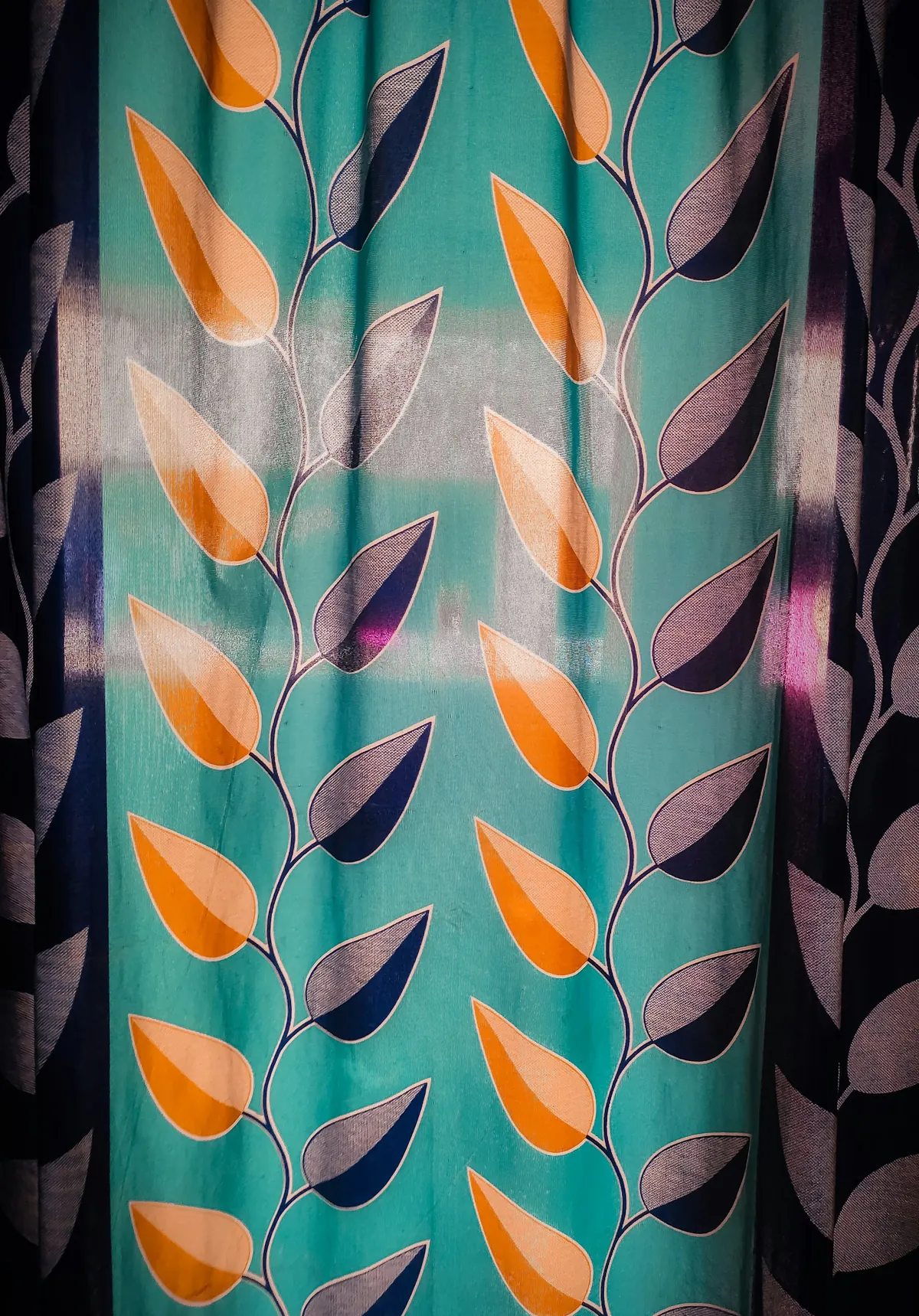
Hobbled Folds
A hobbled Roman shade, sometimes called a soft fold or waterfall, has folds that stay on show even when the shade is fully lowered. The fabric sits in a cascade of rounded loops, one below the next, down the whole window.
It is the most generous of the Roman shade fold styles. It uses more fabric than a flat shade of the same size, and that extra fabric gives the window depth and softness. Plain fabrics and subtle textures show it off well, because each fold catches the light differently. A busy print can get lost in the loops.
A hobbled shade suits a formal living room or dining room, and rooms where the window is a feature rather than a backdrop. In the larger Victorians in Fall River and Pawtucket, with tall windows and high ceilings, the extra depth looks right at home.
Relaxed Folds
A relaxed Roman shade, often called a European or soft valance fold, has a gentle curve along the bottom edge. Instead of hanging straight, the lower part of the shade dips slightly in the middle, like a soft smile, even when the shade is raised.
That curve takes the formality out of the window. A relaxed fold feels easy and casual, which suits a bedroom, a cottage or a family room. It works with almost any fabric, though lighter fabrics give the softest curve.
The relaxed fold is a natural fit for the cottages and shingled capes near Mount Hope Bay and the Sakonnet, where a casual, comfortable look suits the house. It is often used purely for decoration, raised to a set height, with a blind or a second shade behind it to handle the light.
Formal or Casual: Matching Fold to Room
The quickest way to choose among Roman shade fold styles is to think about how formal the room is.
- Formal rooms: a dining room, a front parlour, a library. A hobbled shade in a rich solid, or a flat shade in a classic stripe.
- Everyday rooms: a kitchen, an office, a playroom. A flat shade, which is the easiest to keep tidy and the most practical.
- Relaxed rooms: a bedroom, a sunroom, a cottage living room. A relaxed fold, or a flat shade in a soft linen.
Houses are rarely one or the other. A mid-century cape in Somerset or Seekonk might take a flat fold in the kitchen and a relaxed fold in the bedroom, with the fabrics chosen so the two rooms still feel related.
How the Window Shapes the Choice
The window has a say too, and it can rule out some Roman shade fold styles before the fabric is even chosen. A flat fold stacks the most neatly, so it suits windows with little room above the glass. A hobbled shade carries more fabric and stacks a little deeper, so it wants more space above the frame or an outside mount. A relaxed fold sits slightly lower even when raised, because of its curve, so it suits windows where you do not need every bit of the glass clear.
On historic sash, such as on College Hill and Newport’s Point, the deep trim is often worth keeping visible. A flat shade mounted inside the frame keeps it on show. On a short, wide window, a flat fold mounted above the frame can make the window look taller.
We measure each window in your home and tell you which folds will fit the frame before you fall for a fabric.
Fabric, Lining and Light
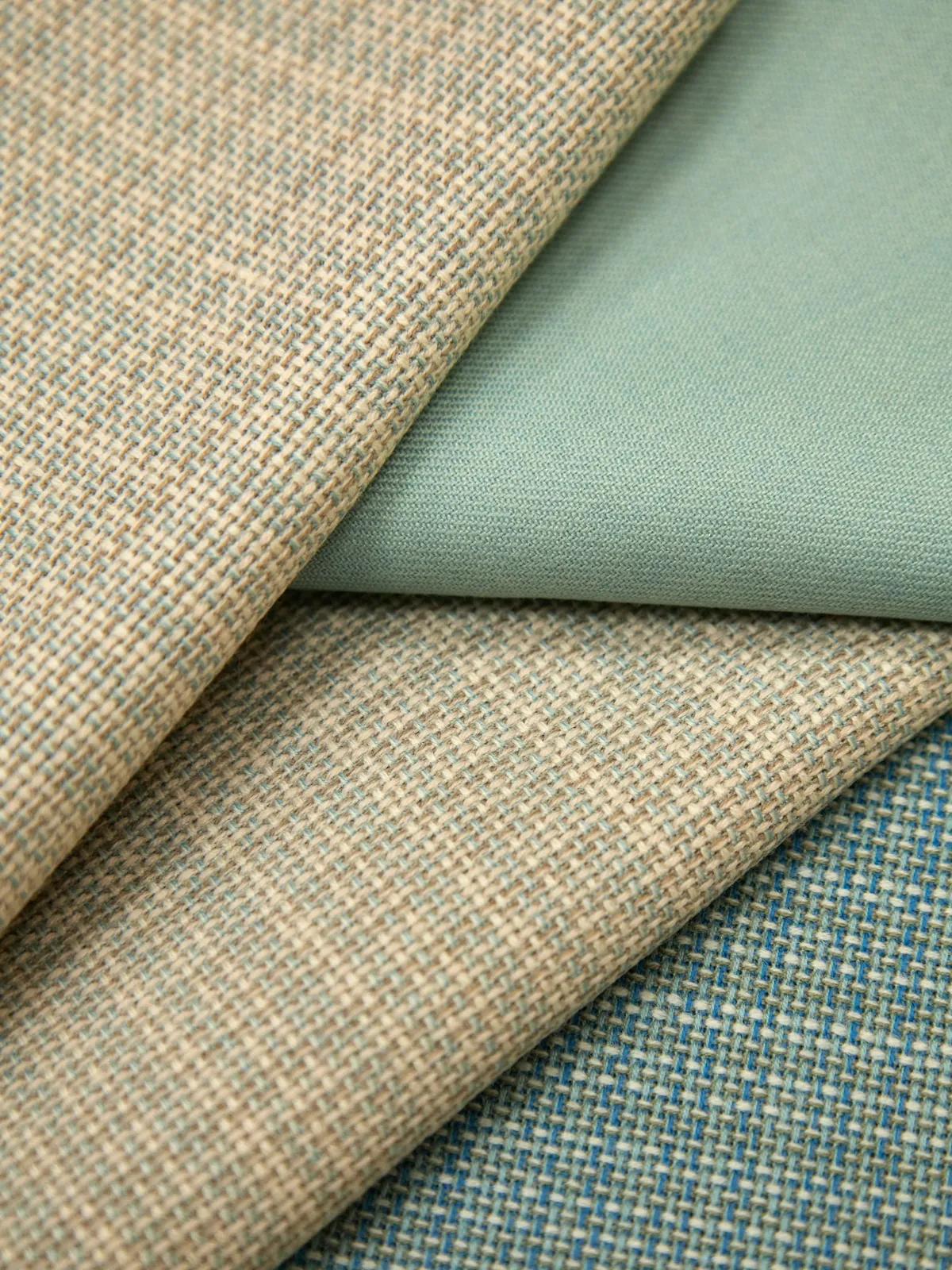
The fabric you choose changes both the fold and the light. Seeing Roman shade fold styles made up in different fabrics is the surest way to judge this, which is why we bring samples to your home and why a visit to the Swansea showroom helps. A heavier fabric gives a fuller, more structured fold. A lighter one drapes more softly. A lining adds body and privacy and protects the face fabric from the sun; a room-darkening lining helps a bedroom stay dim in the morning.
Because Roman shades are fabric-led, they pair naturally with drapes and fabric decor. The same fabric, or a coordinating one, can appear in a shade, the side panels and the pillows on the window seat. We can plan all of it together and measure for the shades and the drapes on the same visit. In a bedroom, for instance, a relaxed shade in a soft print with plain side panels and a matching duvet cover gives the room one calm look, while the lining behind the shade keeps the morning light out.
Roman Shades and Their Companions
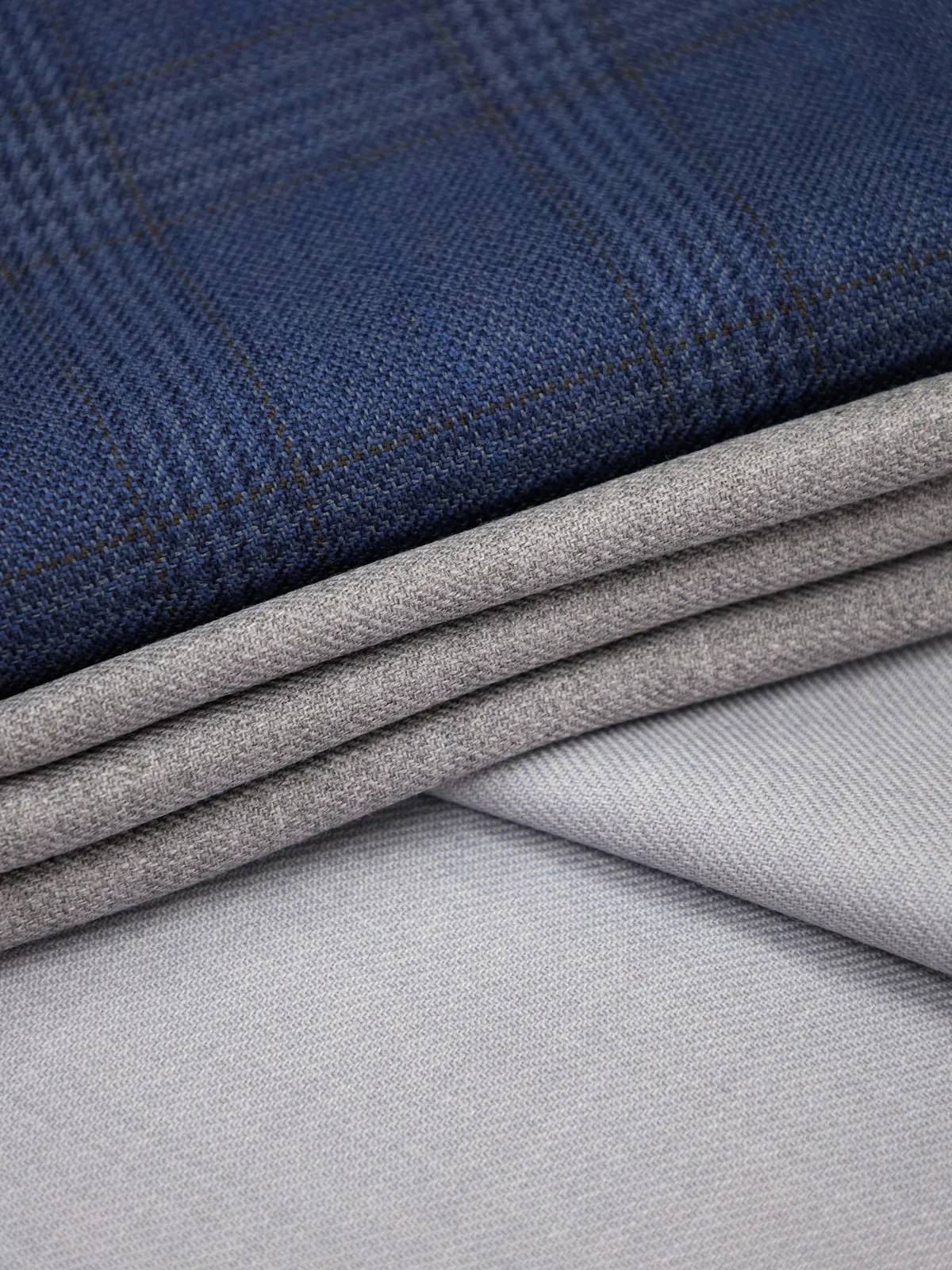
Roman shades
Flat, hobbled and relaxed folds, made to each window in the fabric you choose.
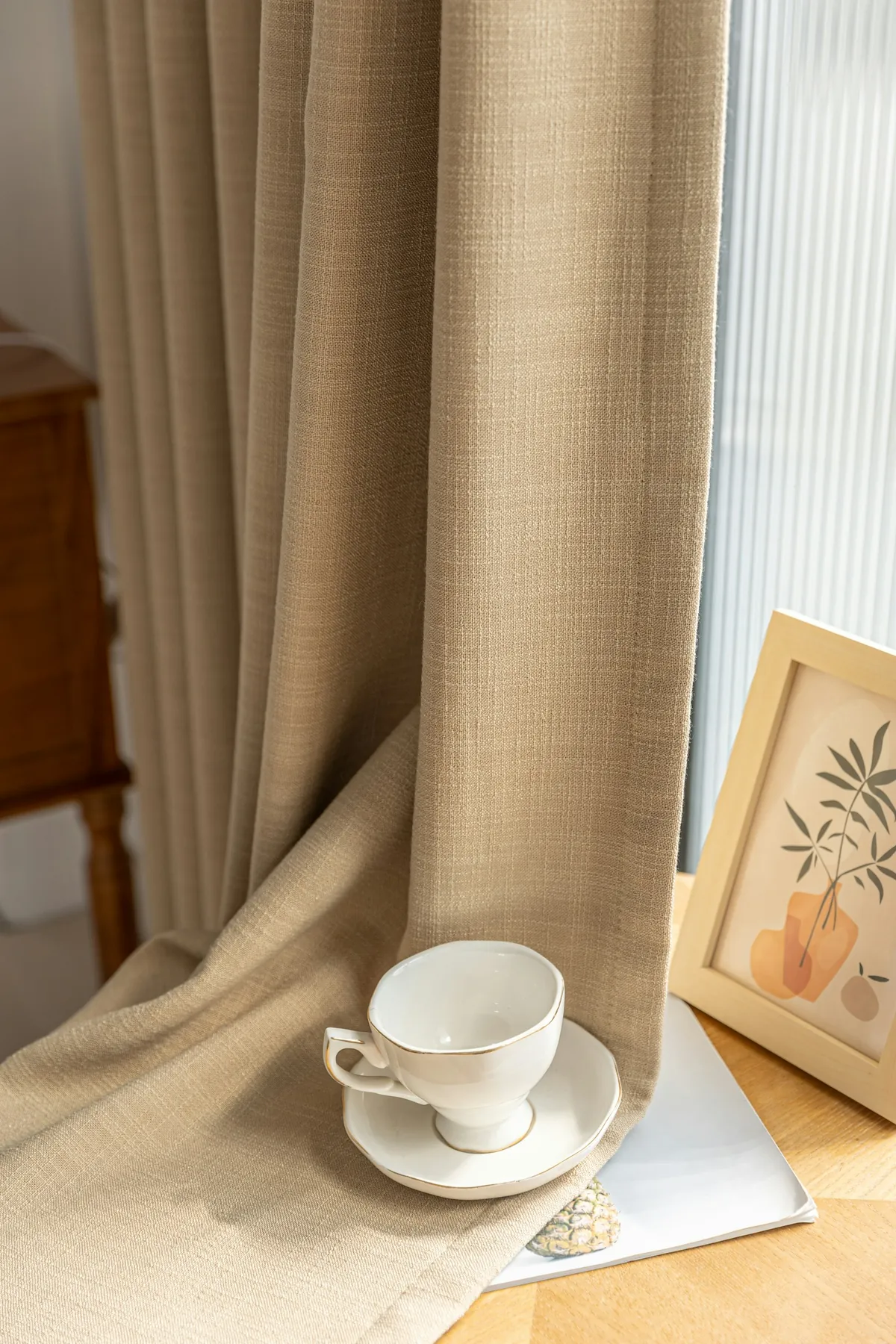
Custom drapes
Side panels in a matching or coordinating fabric to frame the shade.
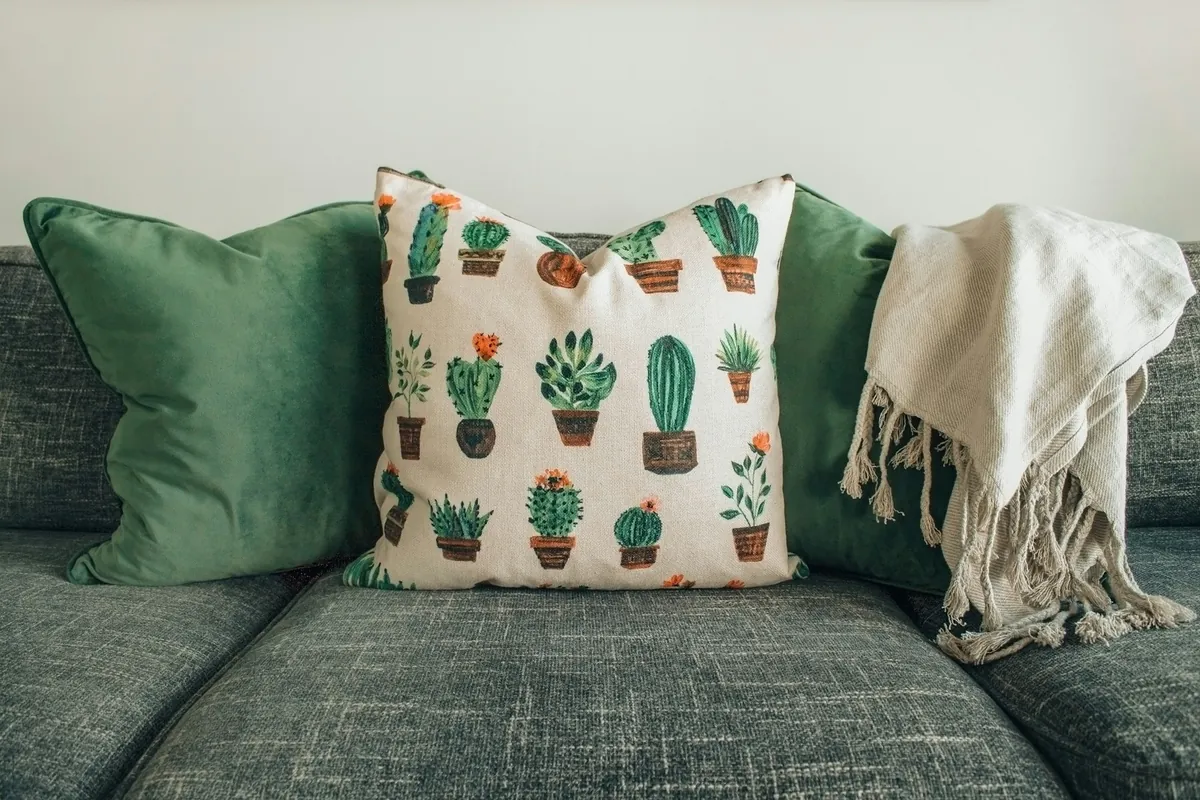
Custom fabric decor
Pillows and duvet covers that tie in with the fabric at the window.
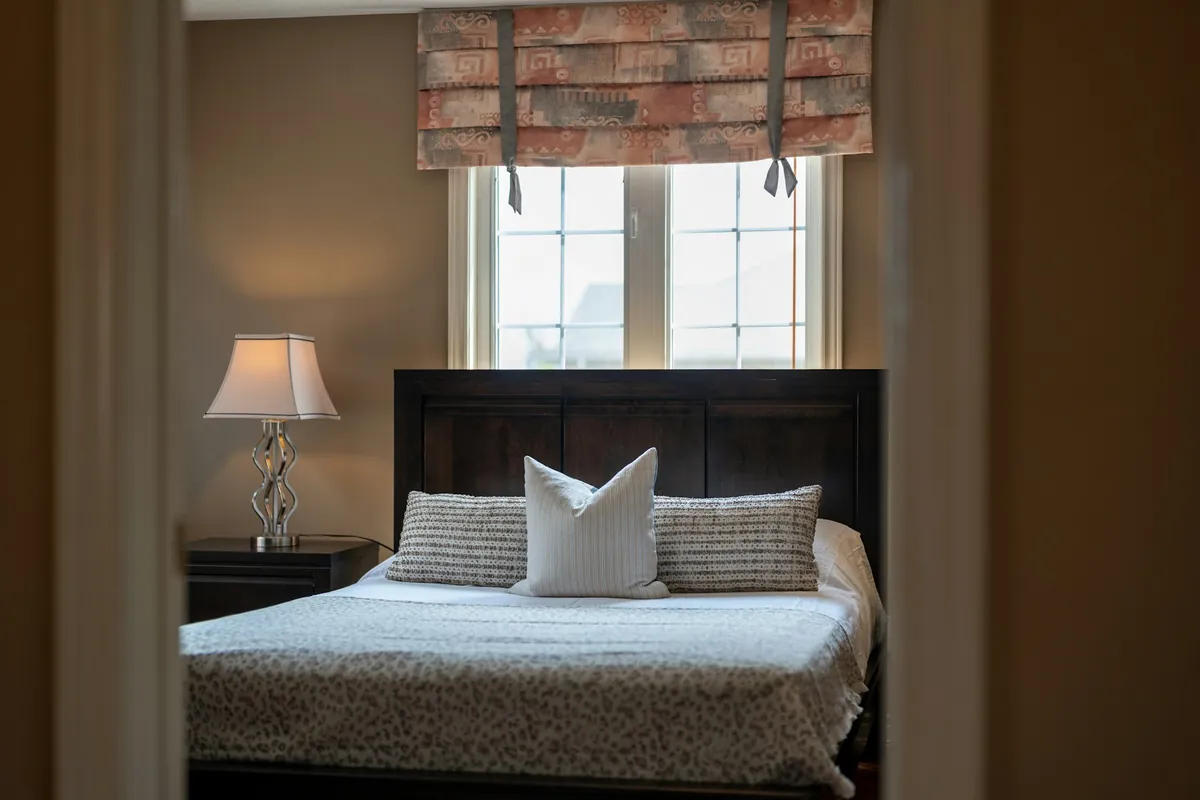
All window treatments
Blinds, shutters, shades and drapery, for every room in the house.
Roman Shade Questions
Which fold is easiest to live with day to day?
The flat fold. It stacks neatly, stays tidy and wipes down easily, which is why it suits kitchens and offices.
Will a patterned fabric work with a hobbled fold?
It can, but the loops break up the pattern. Plain fabrics and soft textures usually show a hobbled fold better.
Can a Roman shade darken a bedroom?
Yes, with a room-darkening lining and a mount that covers the frame. A relaxed fold leaves a little gap at the bottom curve, so a flat fold darkens more.
Can I use the same fabric for shades and drapes?
Yes. Many rooms use one fabric, or two that coordinate, for the shade, the side panels and the pillows.
Can I see the folds before I choose?
Yes. Come into the Swansea showroom to compare fabrics and folds in person, and bring a photo of your room if you have one.
Book Your Free Quote
Use the call button to book a free quote, arrange measuring in your home or ask about installation. Or come into the Swansea showroom to compare the folds and handle the fabrics before you choose.