
One Window or Several
A bay window is a set of flat windows meeting at angles, usually a wide centre window with a narrower one on each side. A bow window is a gentle curve made of several windows of similar width. Both push out from the wall and bring in light from more than one direction, which is why they are so often the favourite spot in the room, and why bay and bow window treatments take more planning than a flat window.
Every choice about bay and bow window treatments starts with one question: do you treat the run as one window or as separate ones? Treat each window on its own and you get control, window by window. Treat the run as one and you get a single, unbroken look across the whole bay.
Treating Each Window on Its Own
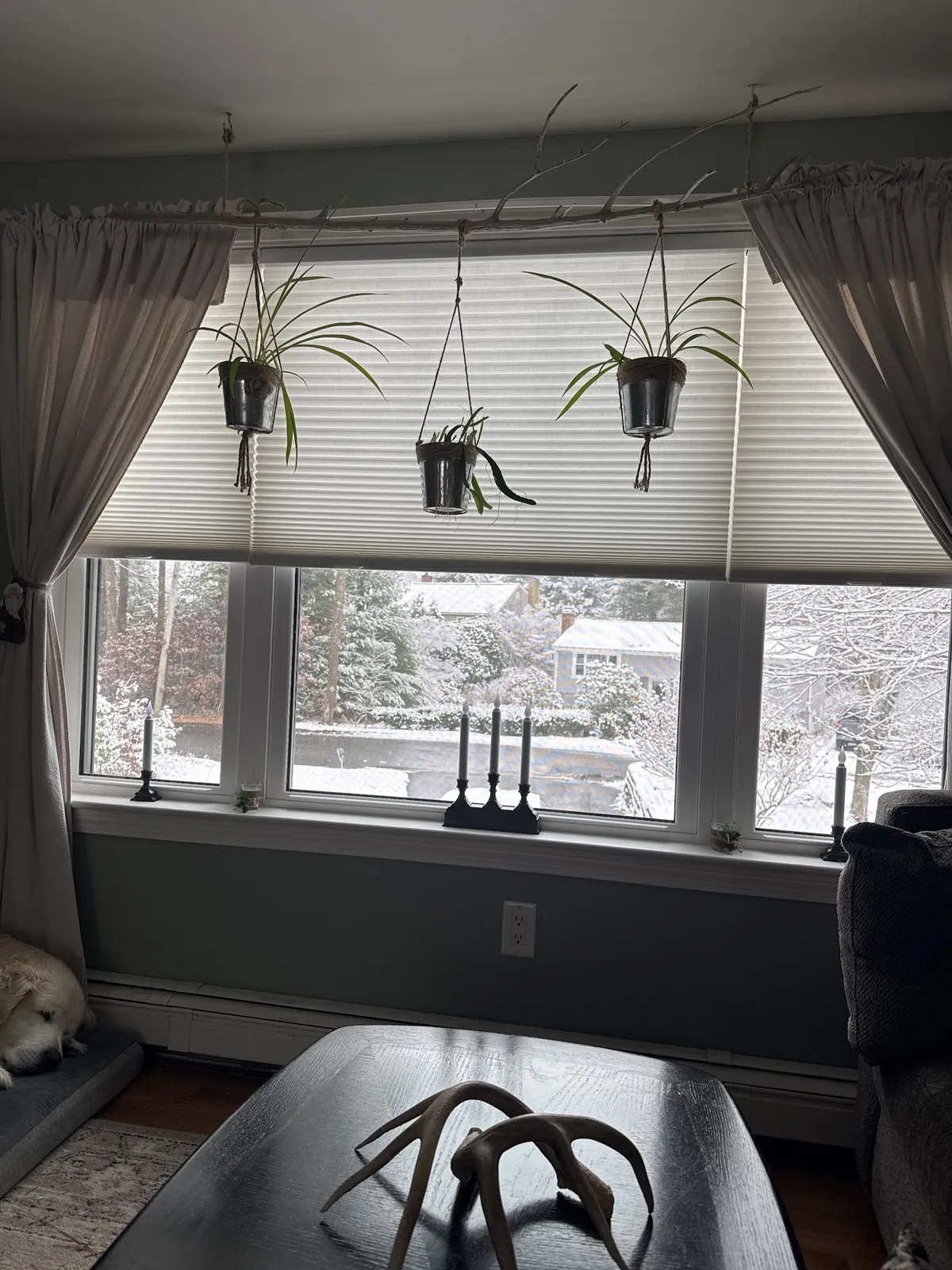
The most common answer is a separate blind, shade or shutter for each window in the bay. Each one is made to its own opening, so it fits closely and works on its own. You can lower the shade on the side that takes the afternoon sun and leave the others up.
This approach suits cellular shades, roller shades, Roman shades, blinds and shutters. Mounted inside each frame, the treatments follow the angles of the bay neatly and leave the woodwork between the windows on show. Side drapes can then frame the whole bay, softening it and adding warmth at night.
- Each window controlled on its own
- A close fit at every opening
- Drapes can frame the whole run
Treating the Run as One
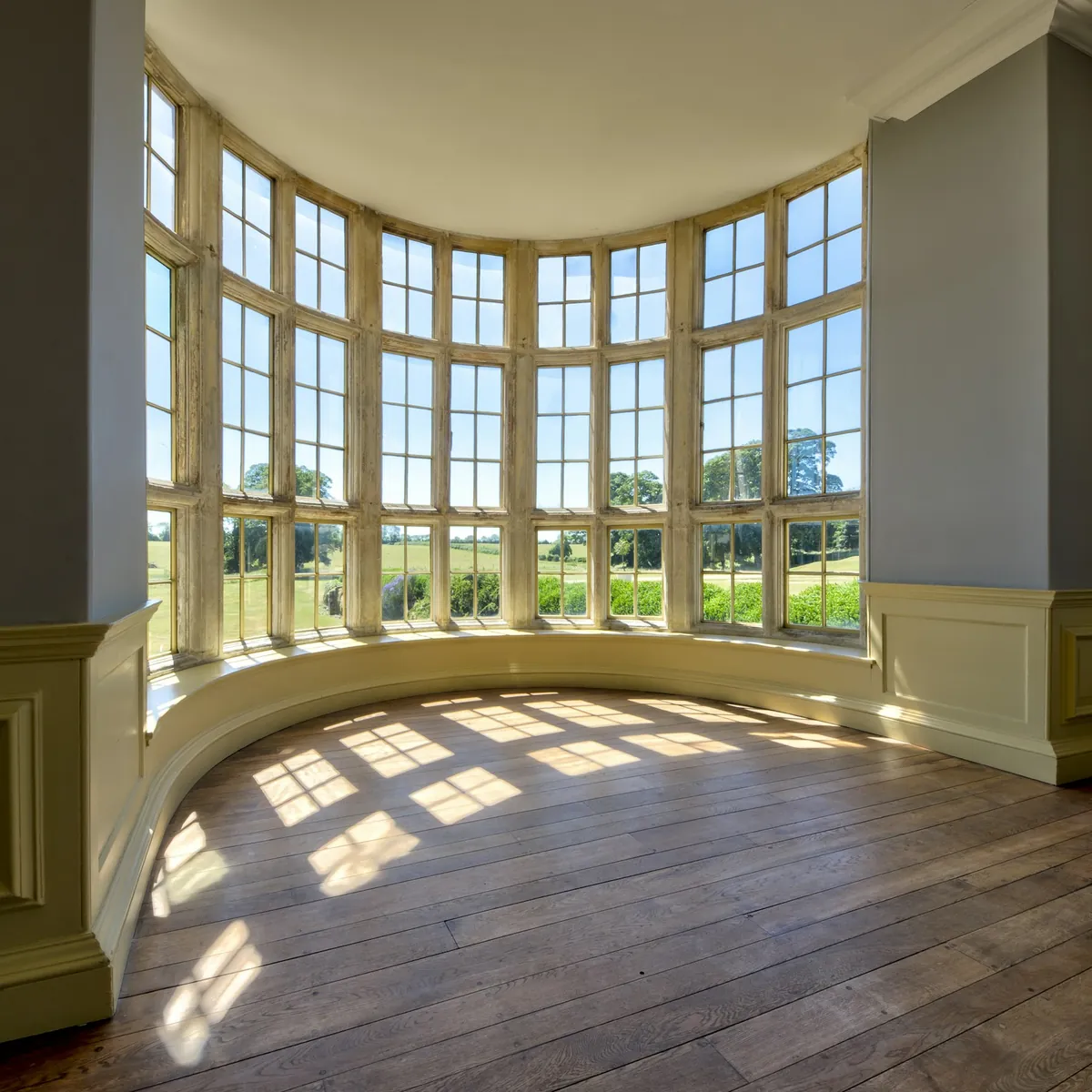
Sometimes the bay reads better as a single window. Drapes hung to follow the whole run, from one side of the bay to the other, give a soft, continuous look and can be drawn across every window at once. In a formal living room or dining room, that sweep of fabric makes the bay a feature.
This is a classic among bay and bow window treatments, and it works especially well on a bow, where the curve is gentle and the windows are similar in size. A sheer behind the drapes keeps the daylight soft while the heavier panels stay open at the sides. On a bay with sharp angles, drapes that follow the run need hardware shaped to the angles, so we look carefully at the corners before suggesting it.
The Corners Are Where It Gets Tricky
Where two windows meet at an angle, inside-mounted treatments are simple, because each sits in its own frame. Outside-mounted treatments are harder: two headrails meeting at a corner can clash, and the stacks can bump into each other when raised. That is why most bay and bow window treatments are inside-mounted where the frames are deep enough.
Shutters suit a bay well, because each panel is fitted to its own window and the louvres line up across the run. Blinds and shades need the frame depth checked at every window, since one shallow frame in the middle of a bay changes the plan for all three.
How We Measure a Bay or a Bow
Measuring a bay is more involved than measuring a flat window, because every window is different and the angles matter. Here is the order we work in when we measure in your home.
- Each window on its own. Width, height and frame depth at every window in the run, not just the centre one.
- The angles. Where the windows meet, so treatments in neighbouring frames clear each other when they move.
- Clearance. Handles, locks and window seats that a blind, shade or shutter must clear.
- The wall above and beside the bay. The space for a drapery rod or a valance, and how far the drapes can stack at each side.
- The plan. We talk through one window or several, inside or outside mount, and what each choice means for light and look.

Bays and Bows in Local Houses
Victorians in Fall River and Pawtucket
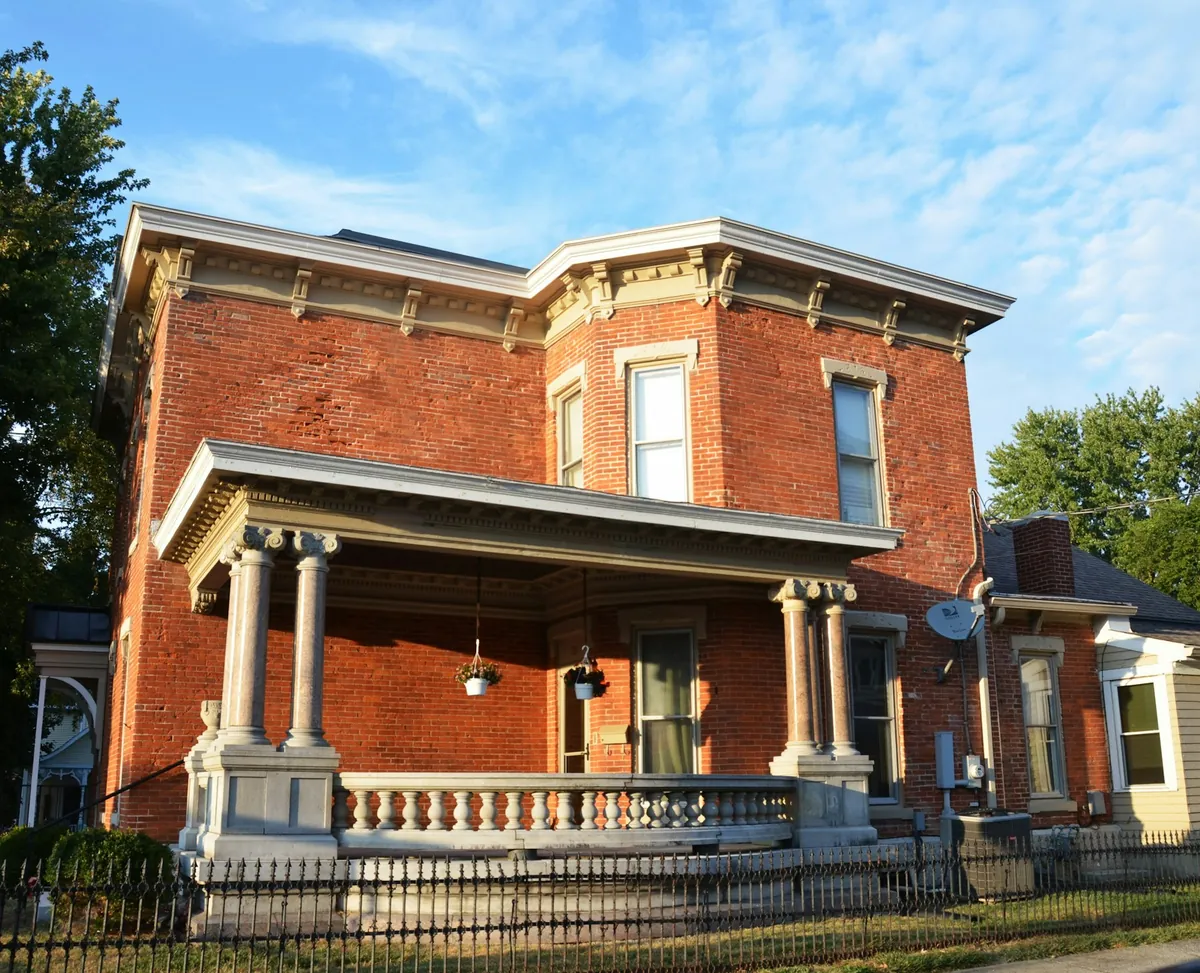
The mill-era Victorians in Fall River and Pawtucket often have tall, angled bays on the front of the house, sometimes on more than one floor. Tall windows with deep trim suit shutters or inside-mounted shades, with drapes framing the run in a formal front room.
Historic sash on College Hill and Newport’s Point
Older houses on College Hill and Newport’s Point have bays with original sash and fine woodwork. Inside-mounted treatments keep that woodwork visible. Frames in older bays are rarely square, so each window is measured on its own.
Mid-century capes and ranches
The capes and ranches across Somerset and Seekonk often have a bow or a wide box bay in the living room, the main window in the house. Cellular or Roman shades on each window, with side drapes, are a common and comfortable answer.
Coastal cottages
In the cottages and shingled capes near Mount Hope Bay and the Sakonnet, a bay often looks out to the water. Treatments that stack small above each window keep the view clear when raised.
Window Seats, Light and Heat
Many bays have a window seat. That changes the choices: a treatment that hangs below the sill would get in the way, so shades, blinds or shutters inside each frame usually suit better than floor-length drapes across the front. Drapes can still hang at the sides of the bay.
Bays and bows are also a lot of glass in one place, often on the coldest or sunniest wall of the room. Cellular shades help a cold bay hold its warmth; solar or roller shades tame a sunny one. With bay and bow window treatments, you can mix them, choosing a warmer shade for the windows facing the wind and a lighter one elsewhere.
Ways to Dress a Bay
Plantation shutters
Panels fitted to each window, with louvres that line up across the bay.
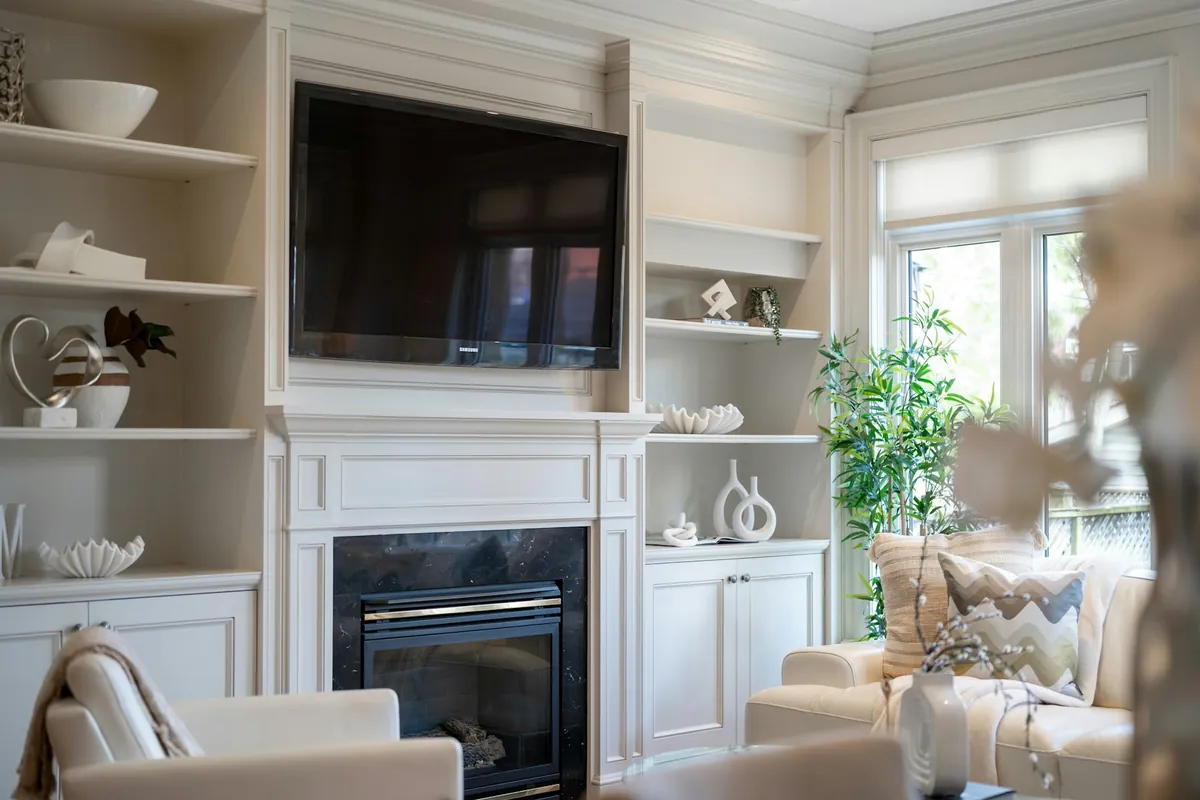
Cellular shades
A shade for each window, to keep a cold bay warmer in winter.
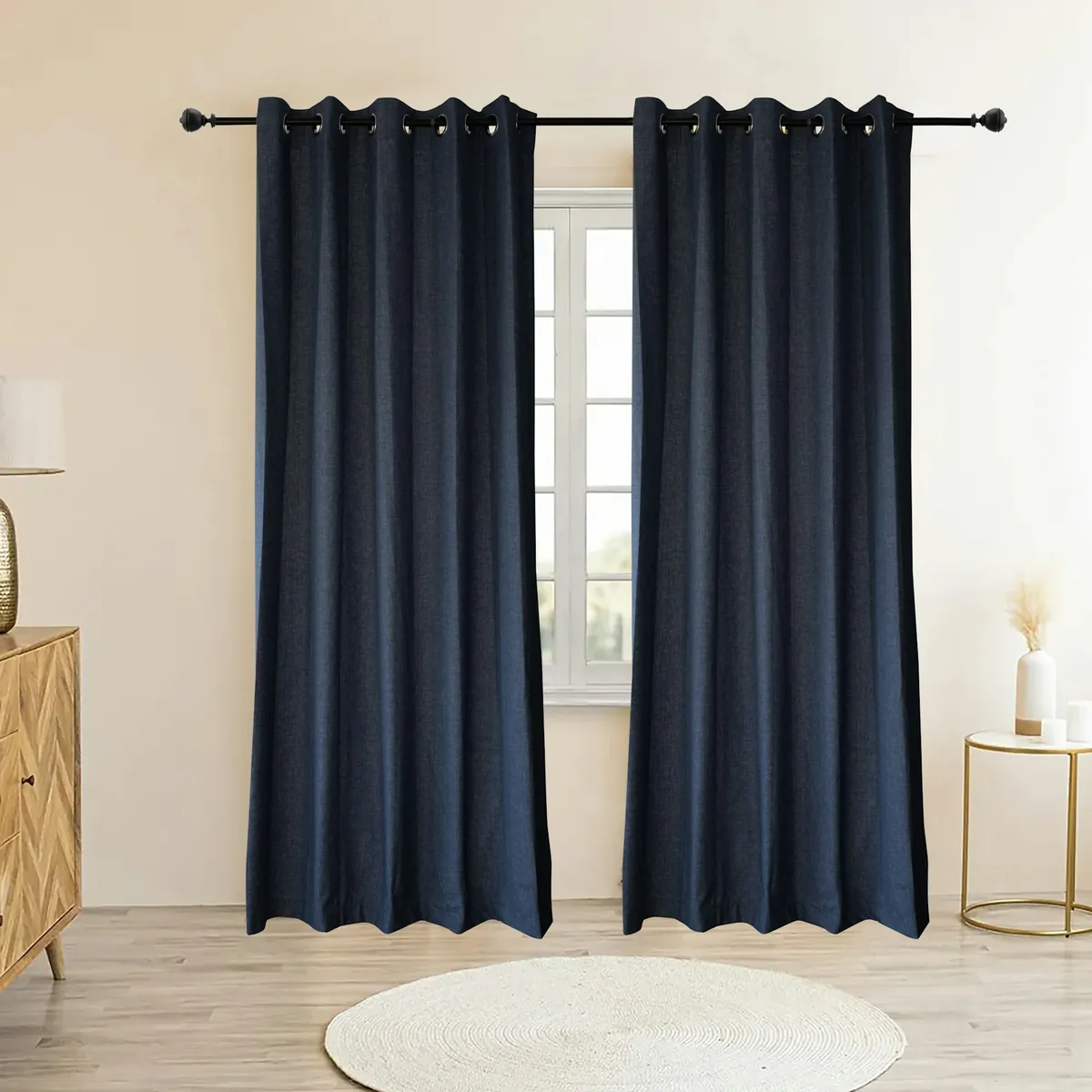
Custom drapes
Side panels to frame the bay, or drapes that follow the whole run.
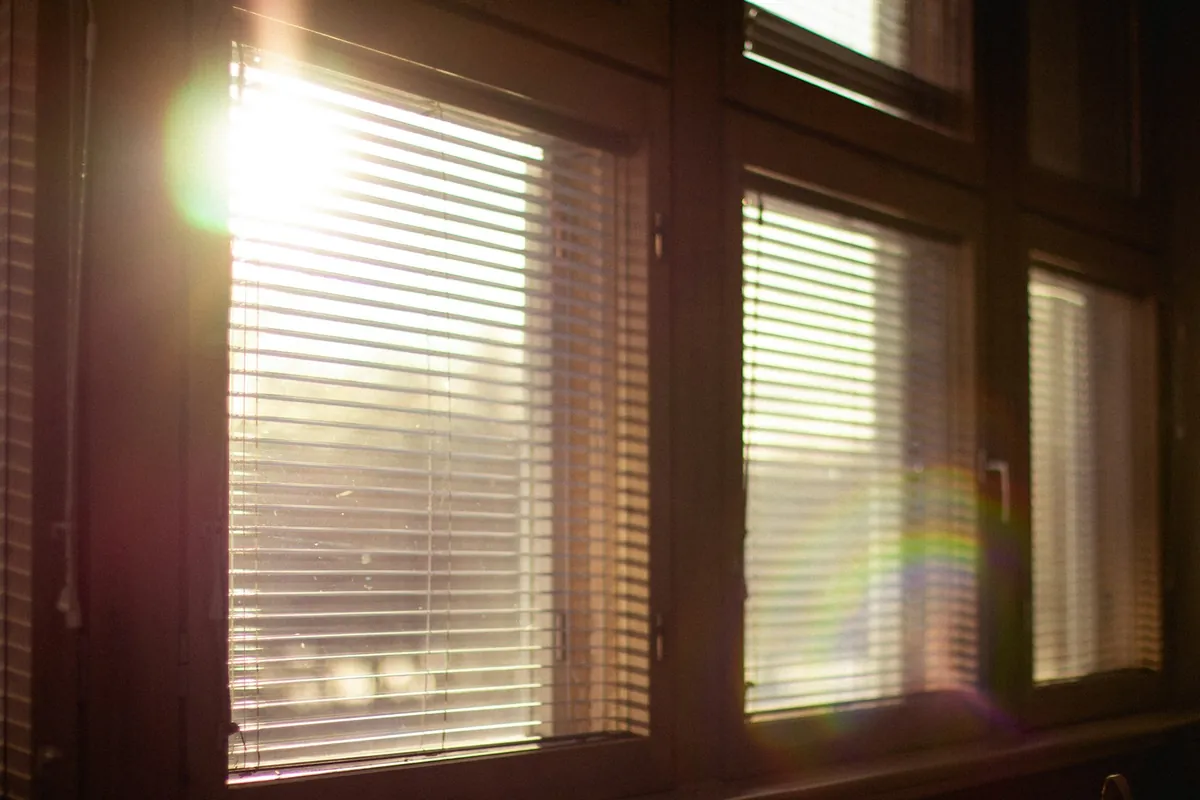
Custom blinds
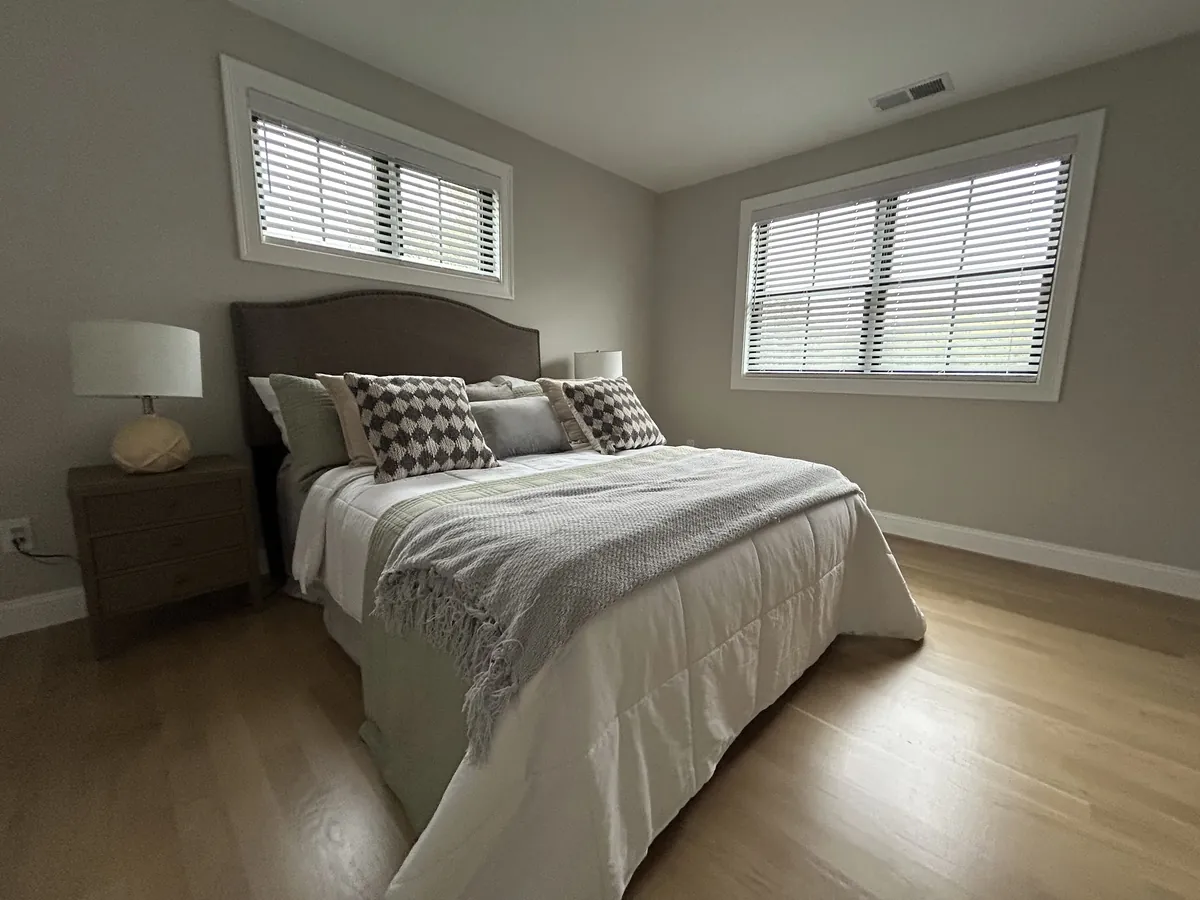
Wood or faux wood blinds made to each window in the run.
Bay and Bow Questions
Should I use one treatment across the bay or one per window?
One per window gives more control and a closer fit. One across the run gives a single look. Many bays combine the two, with a shade in each window and drapes framing the bay.
Do shutters work in a bay window?
Yes. Each panel is fitted to its own window, so shutters follow the angles neatly and line up across the run.
What about a bay with a window seat?
Shades, blinds or shutters inside each frame usually suit better than floor-length drapes across the front. Drapes can still hang at the sides.
Can drapes follow a curved bow?
Yes, drapes can follow the run of a bow. We look at the curve and the space above it when we measure.
Why does every window need measuring?
Windows in a bay are rarely identical, and one shallow frame changes the plan for its neighbours. Getting bay and bow window treatments right starts with measuring each window.
Book Your Free Quote
Use the call button to book a free quote, arrange measuring in your home or ask about installation. Or come into the Swansea showroom and compare shades, shutters and fabrics for your bay in person.