
Why the Cord Is the Issue
Most window treatments are safe objects. A blind, a shade or a shutter sitting in a window does nothing on its own. The concern is the cord: a loop or a long hanging pull that a young child can reach, play with or become tangled in. That is the whole reason cordless blinds and child safety are talked about together, and it is why the first thing we look at in a family home is where the cords are and who can reach them.
The good news is that the answer is simple. Take the reachable cord away, and the concern goes with it.
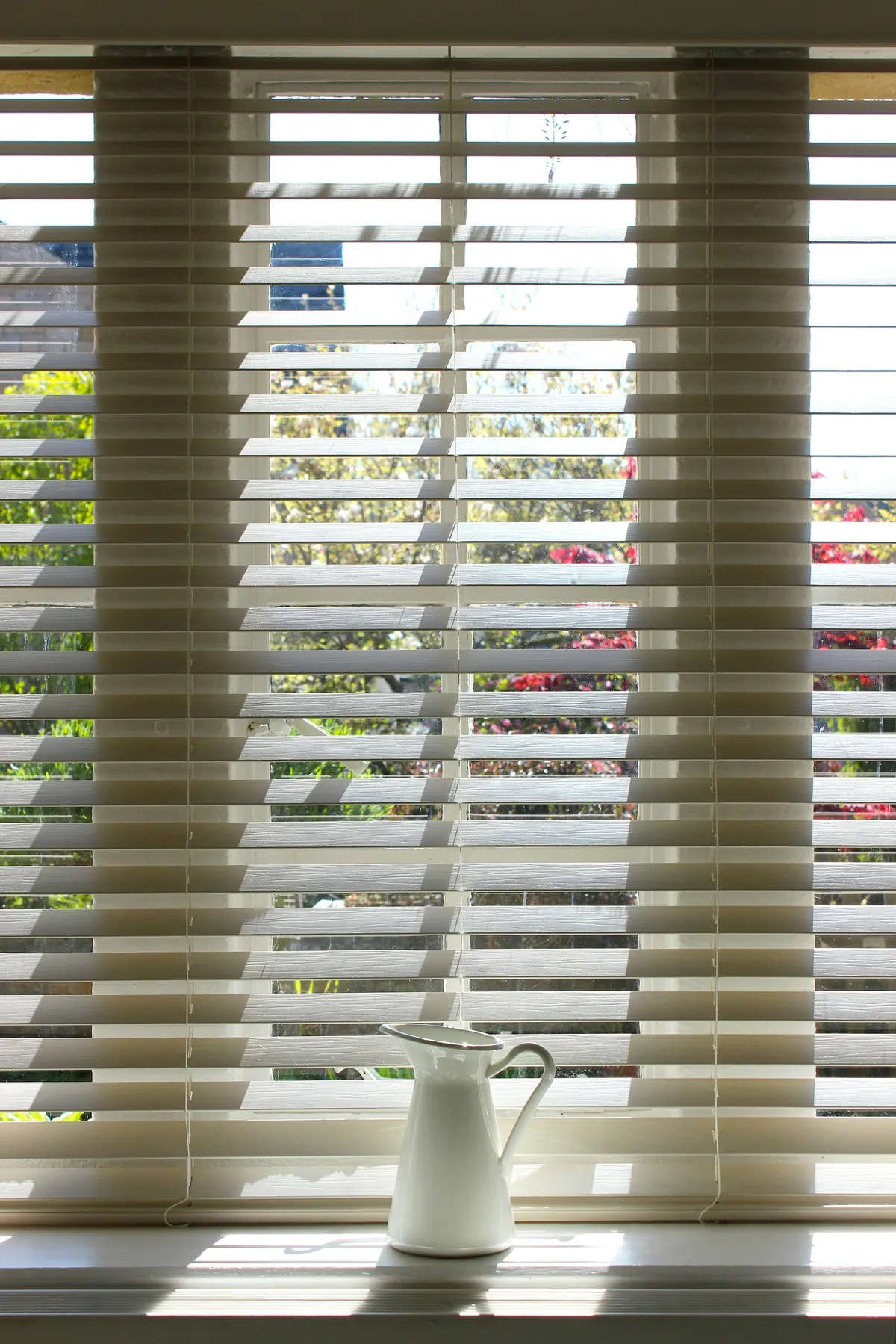
What Changes Without a Cord
A cordless blind or shade is raised and lowered by hand. You lift the bottom rail to raise it and pull it down to lower it, and it stays where you leave it. There is no loop, no dangling pull and nothing hanging beside the window for a small hand to find.
A few other things change too:
- The window looks tidier, with nothing hanging down the side of the frame
- Every shade in a row sits at the same height easily, because you set each one by hand
- There are no cords to tangle, fray or wrap around a cleat
Cordless operation suits most rooms in a house, not only the children’s rooms. Many families choose it everywhere, so there is never a question of which windows are safe.
Motorised Blinds and Shades
Motorised operation removes the cord in a different way. The blind or shade runs on a motor and is raised and lowered by a remote or a wall switch. There is nothing to pull, and the controls can sit wherever suits you: by the door, on a shelf, or out of a small child’s reach.
Motorised is especially useful on the windows where a cordless lift is awkward: tall windows a child cannot reach the top of but an adult cannot easily reach either, windows behind furniture, and wide or heavy shades. Our motorised blinds and shades page covers what is available.
Shutters: No Cords at All
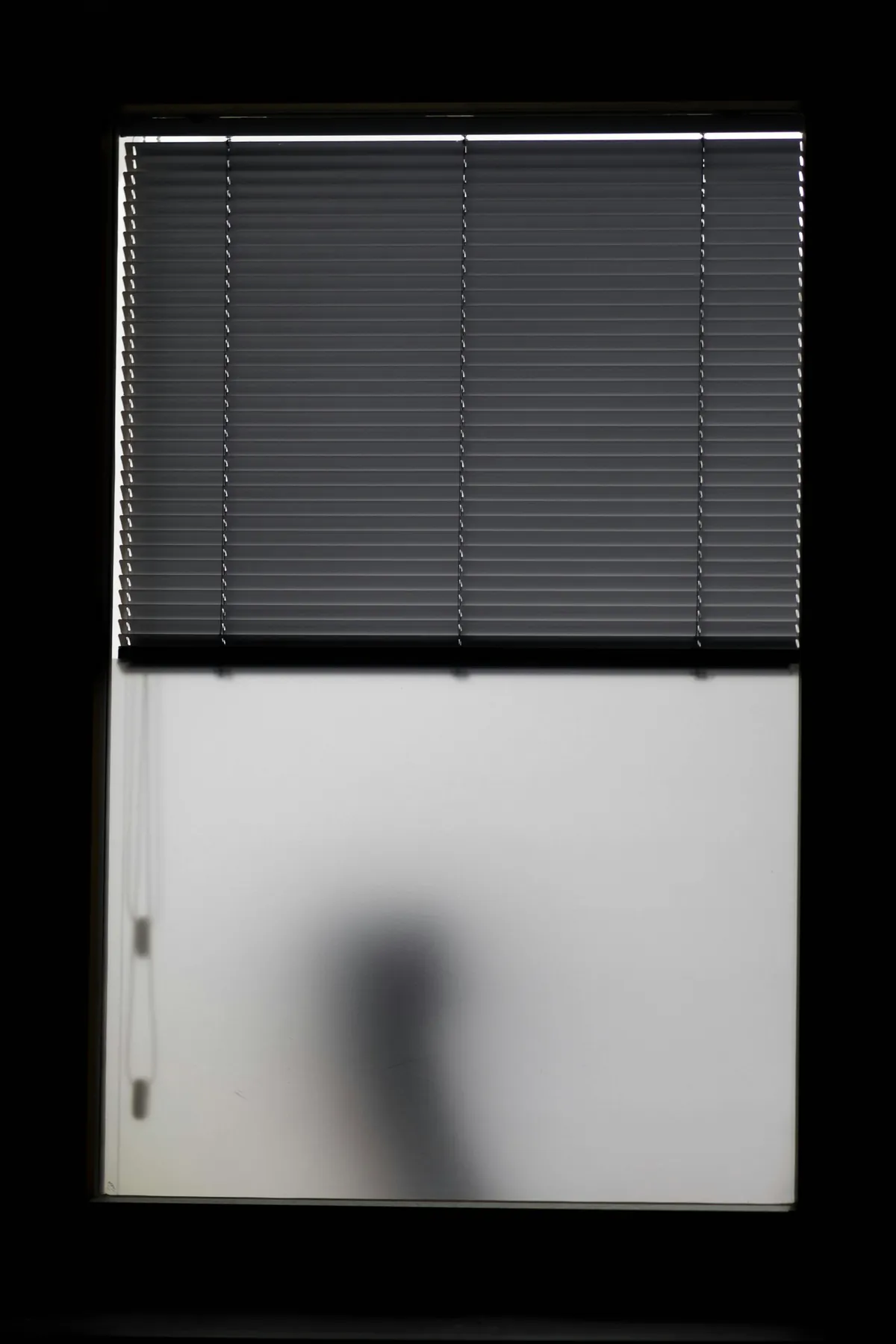
Plantation shutters have no lift cord to begin with. The panels swing open on hinges and the louvres tilt by hand. For a nursery or a child’s bedroom where you want a finished look and nothing hanging at the window, shutters are worth a look. They also close firmly at night, which helps a young child sleep.
Tilting Without a Cord
Raising and lowering is only half of how a blind works. The slats also tilt, and on many older blinds that tilt runs on a second cord. When people think about cordless blinds and child safety, they sometimes replace the lift and forget the tilt. A wand is the usual answer: a rigid rod that turns to angle the slats, with nothing to loop or tangle. A shade has no slats, so a cordless shade has nothing left hanging at all.
Grandparents’ Houses and Rentals
Children do not only live in one house. A grandparent’s home, a holiday cottage or a rented apartment may still have the blinds that went up years ago. If young children visit often, cordless blinds and child safety are just as worth thinking about there, starting with the guest bedroom and the room where they play.
Where Cords Turn Up in Older Houses
The houses in this area often carry blinds and shades from several different decades, and that is where hanging cords tend to linger.
In the mill-era three-deckers and Victorians in Fall River and Pawtucket, tall sash windows often mean long cords, and an older blind may have a cord that reaches right down to the floor. When a family moves into a unit with treatments left by a previous owner, those cords are worth a close look.
The 1950s capes and ranches across Somerset and Seekonk were often fitted with blinds years ago, and many still have them. Bedrooms on the ground floor of a ranch put windows within easy reach of a child standing on a bed or a toy box.
Upstairs in the cottages and shingled capes near Mount Hope Bay and the Sakonnet, short windows under the eaves sit low on the wall, so a cord can be within reach of a crawling child. In the historic houses on College Hill and Newport’s Point, deep window seats and low sills can do the same.

Simple Steps at Home Today
You do not need to replace everything at once. Some general good sense helps straight away:
- Walk each room at a child’s height and note any cord you can reach
- Keep cots, beds, chairs and toy boxes away from windows with cords
- Tie up or wind away any hanging cord you can, out of reach
- Start with the rooms where children sleep and play, then work through the rest of the house
When you are ready to replace corded treatments, cordless and motorised options are the straightforward answer. We are glad to talk through cordless blinds and child safety for each room when we measure in your home.
Choosing for a Child’s Room
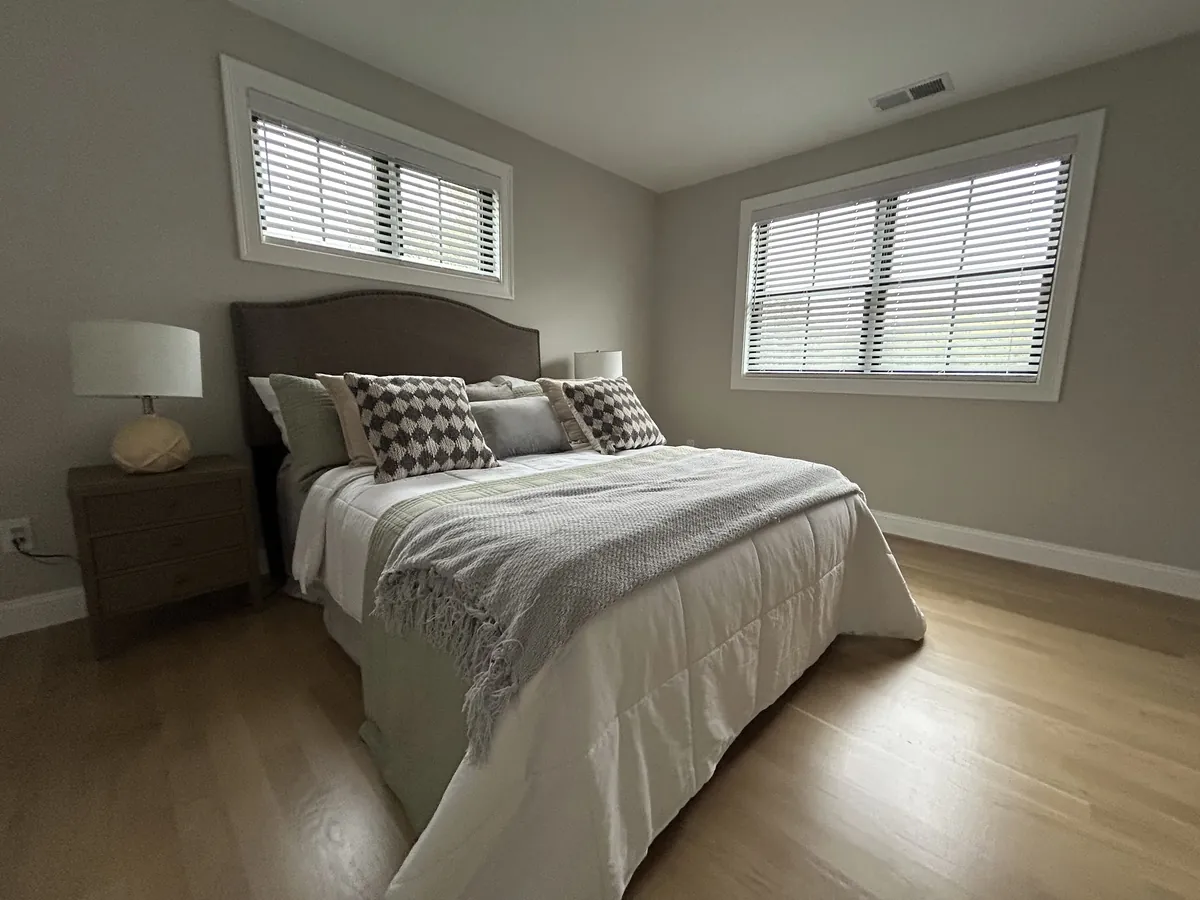
A child’s room asks for three things from a window: no reachable cords, enough darkness for naps and early nights, and something that stands up to a bit of handling.
A cordless cellular or roller shade in a room-darkening fabric covers the first two. Shutters cover all three, and they last through every stage from nursery to teenager. Faux wood blinds with a cordless lift wipe clean easily after sticky fingers. We will show you each of these, so you can see how they work and how they feel to raise and lower.
Treatments That Work Well With Children
The right choice depends on the room, the window and the look you want. These are the services we usually suggest for a family home, and each one links to more detail.
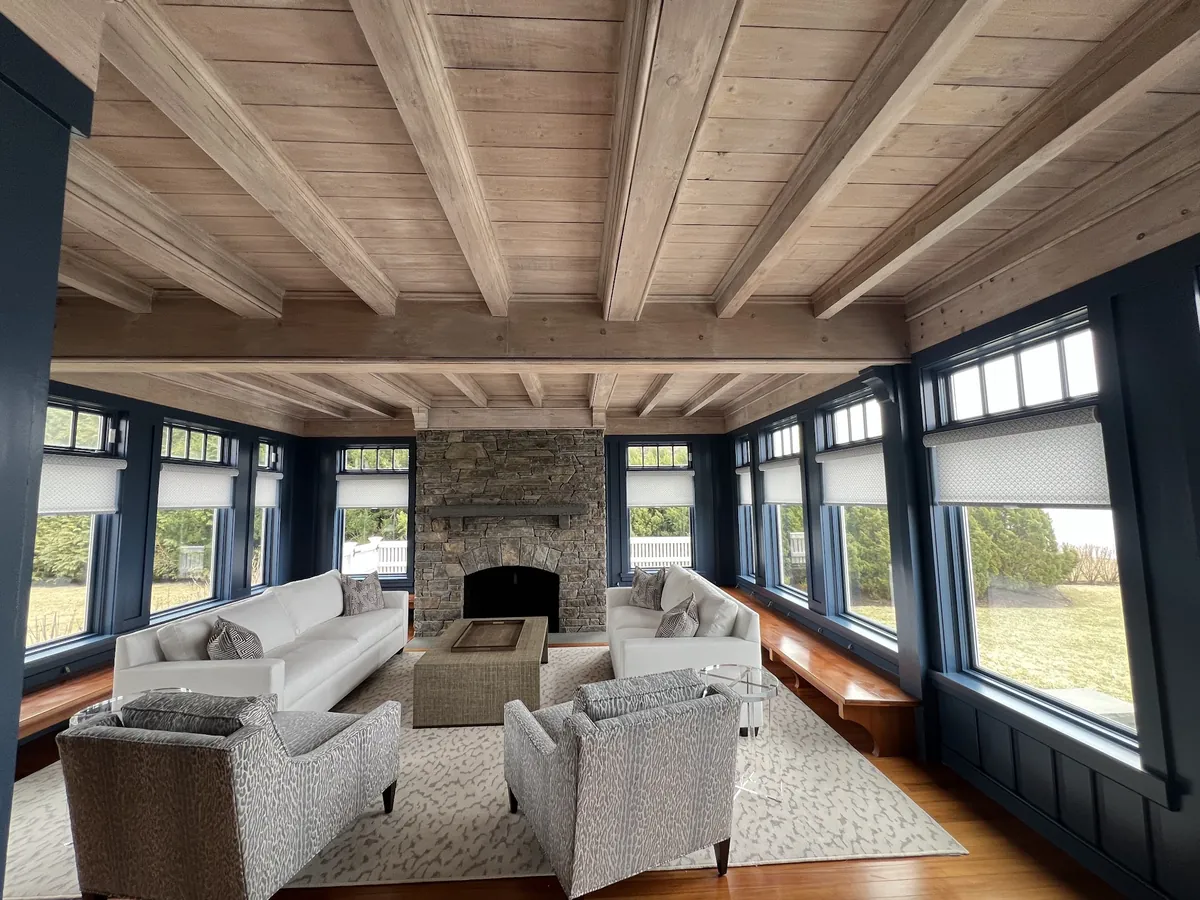
Motorised blinds and shades
Remote or wall-switch operation, with no cord to pull at all.
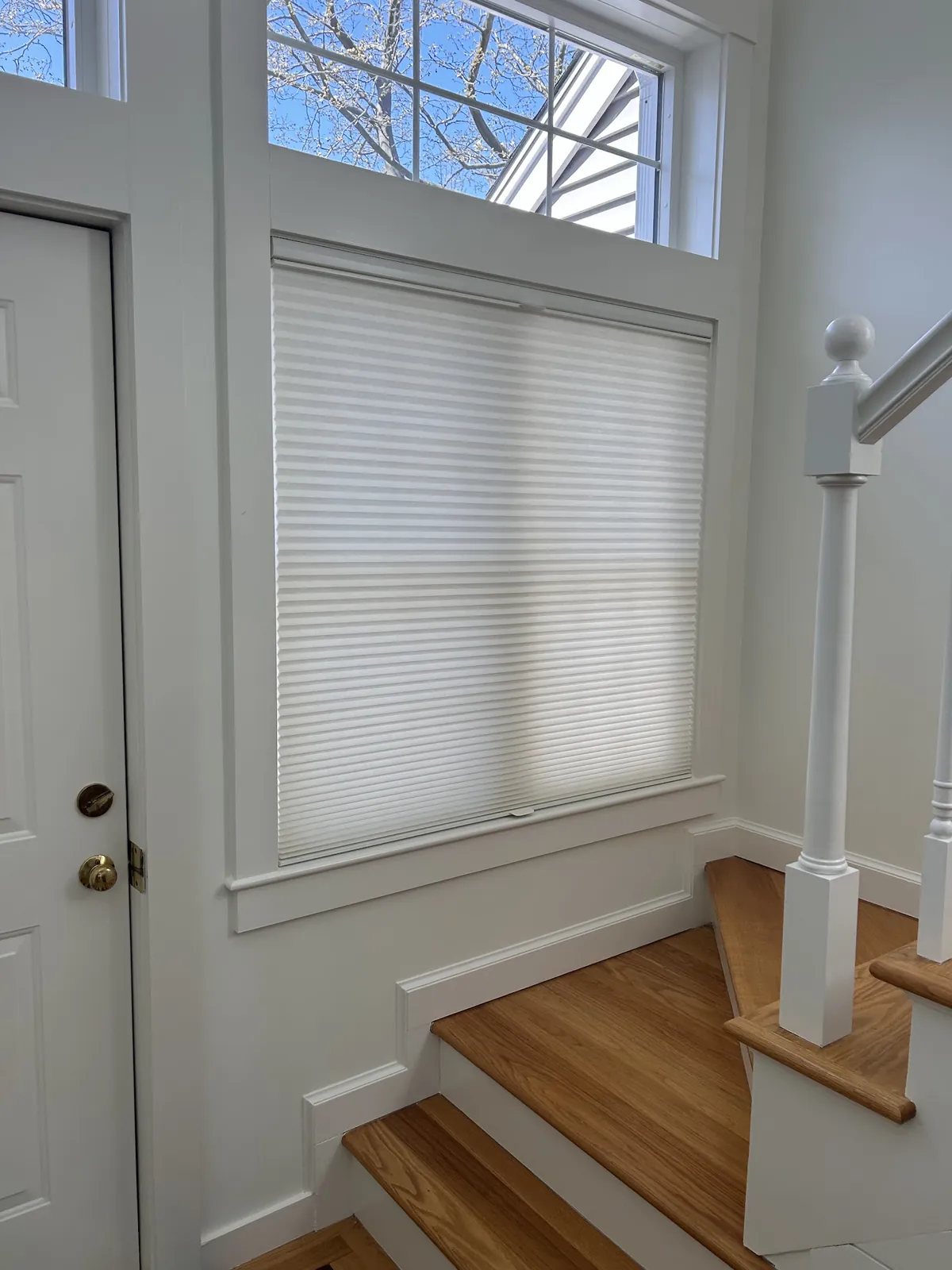
Cellular shades
Soft honeycomb fabric for bedrooms and nurseries.
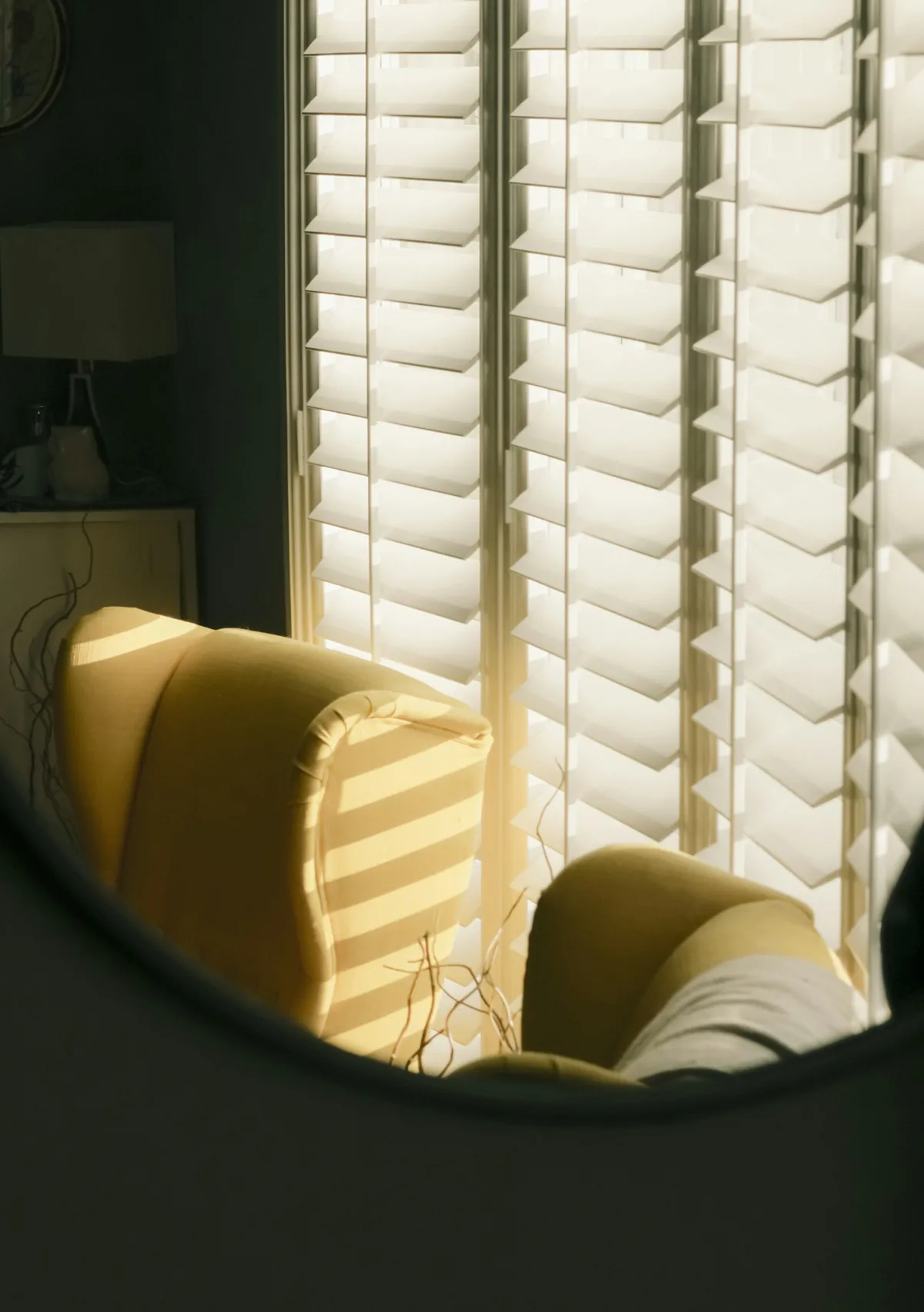
Plantation shutters
Hinged panels and tilting louvres, with no lift cord.
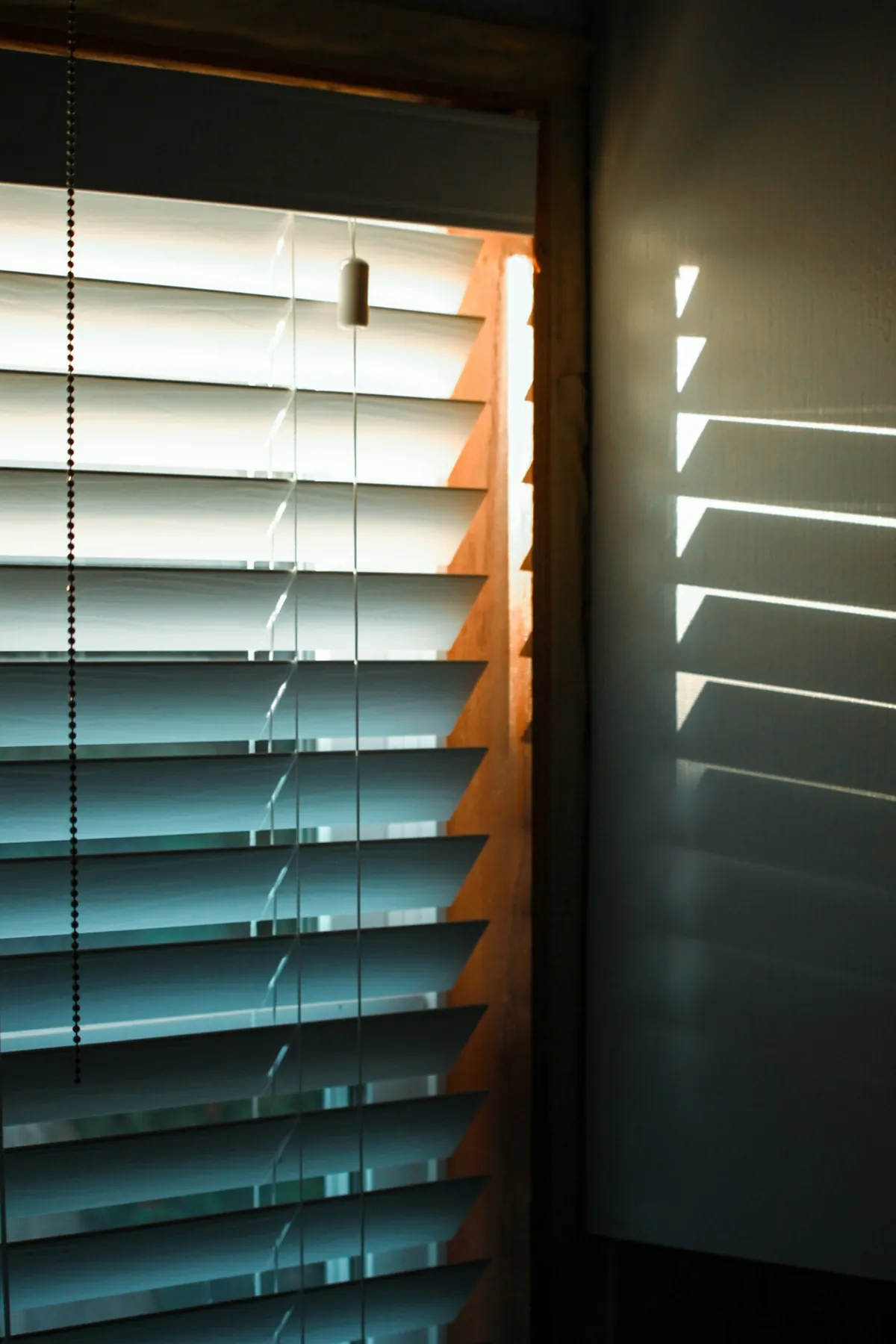
Custom blinds
Wood, faux wood and aluminium blinds made to each window.
Questions About Cords and Children
Are cordless blinds hard to raise?
No. You lift the bottom rail by hand and the blind stays where you leave it. We will let you try one in the showroom.
Which rooms should go cordless first?
Start with the rooms where children sleep and play, then the rest of the house as you replace treatments.
Is motorised worth it for a family home?
On tall, wide or hard-to-reach windows, motorised operation by remote or wall switch is often the neatest way to remove cords.
Do shutters have any cords?
No. Shutters open on hinges and the louvres tilt by hand.
Can you look at the blinds we already have?
Yes. When we visit, we can look at what you have and talk through the cordless blinds and child safety options for each window. Our blind and shade repair page covers repairs to the treatments you already own.
Book Your Free Quote
Use the call button to book a free quote, arrange measuring in your home or ask about installation. We will go room by room, point out any cords that concern us and show you cordless and motorised choices that suit your windows. You can also try cordless lifts for yourself at the Swansea showroom.