
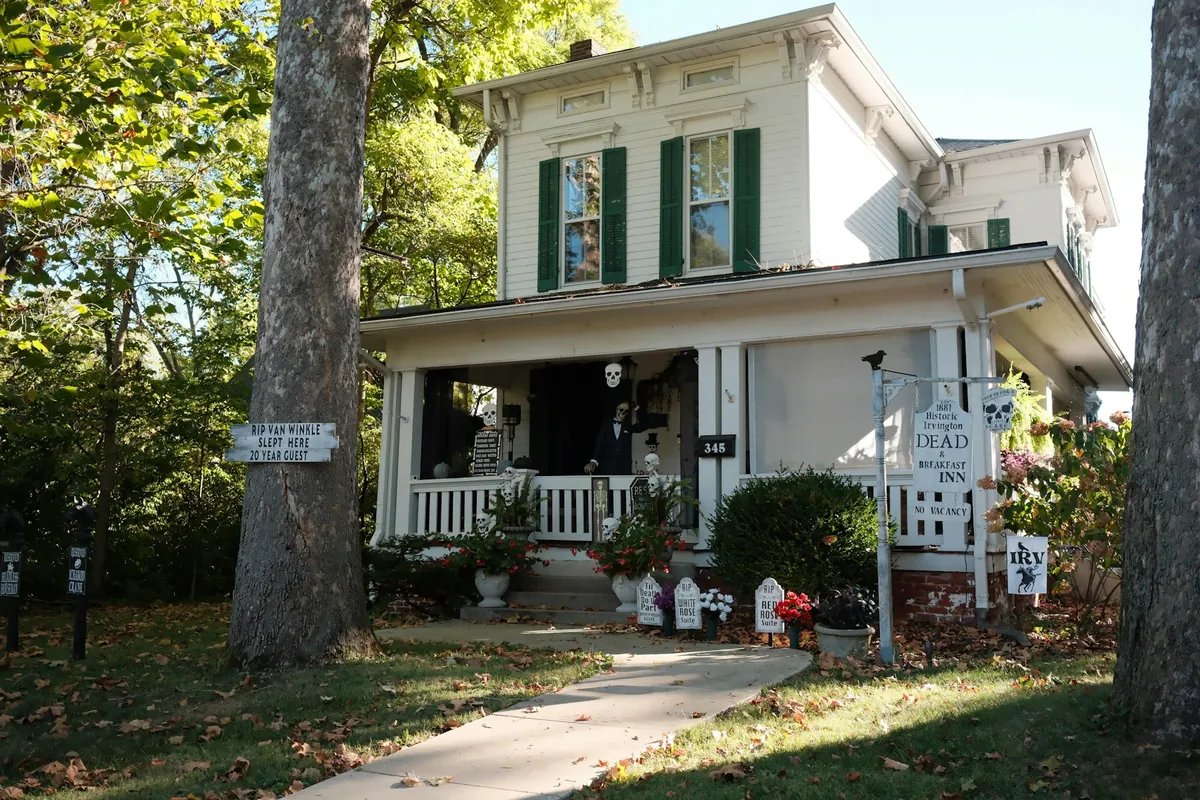
Old Sash and New Glass in the Same Room
Dighton’s houses have grown over time. Along Main Street and Somerset Avenue, farmhouses and capes that started out with a few rooms of nineteenth-century sash have gained a kitchen extension, a family room or a sunny back room with large modern windows. Very often, the old and the new end up in the same room: two tall, slightly uneven sash windows on one wall and a wide modern unit on the next. That mix is the most common puzzle we solve when fitting cellular shades in Dighton, MA.
A honeycomb shade handles it well. Each shade is made to its own window, whatever its size or age, but every one can share the same fabric, colour and cell, so the room reads as one design. And whatever the window, the principle is the same: the cells hold still air between the glass and the room, and that layer of air is what keeps the warmth in.
- Single and double cell shades, each made to its own opening
- A specialist measures at the house; our installers hang the shades
- Colours and fabrics on show at the Swansea showroom, down the road
Our Honeycomb Shades
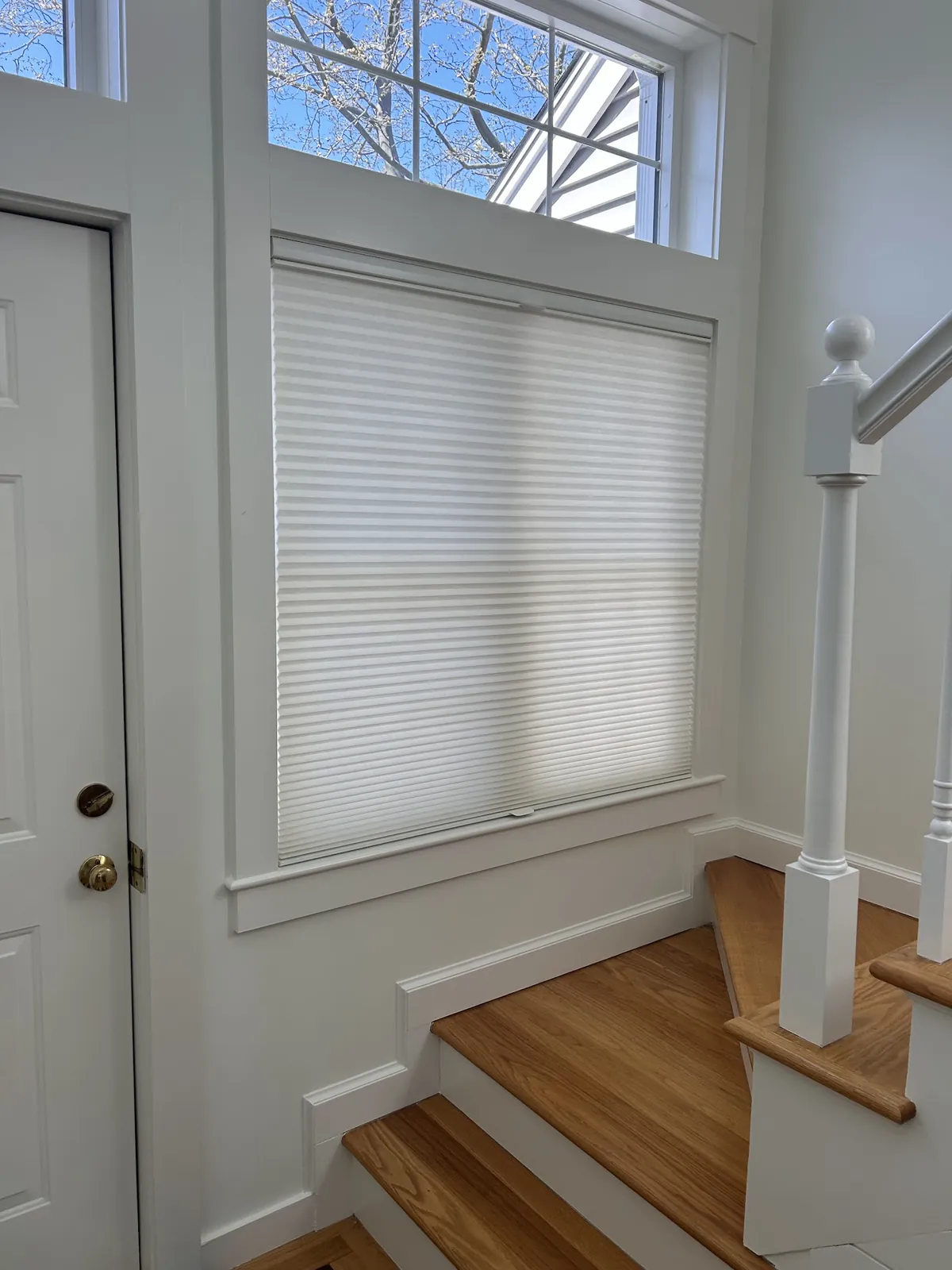
Matched across old and new
One fabric and colour across every window in a room, each shade sized to its own frame, so an addition and an old wall look like one room.
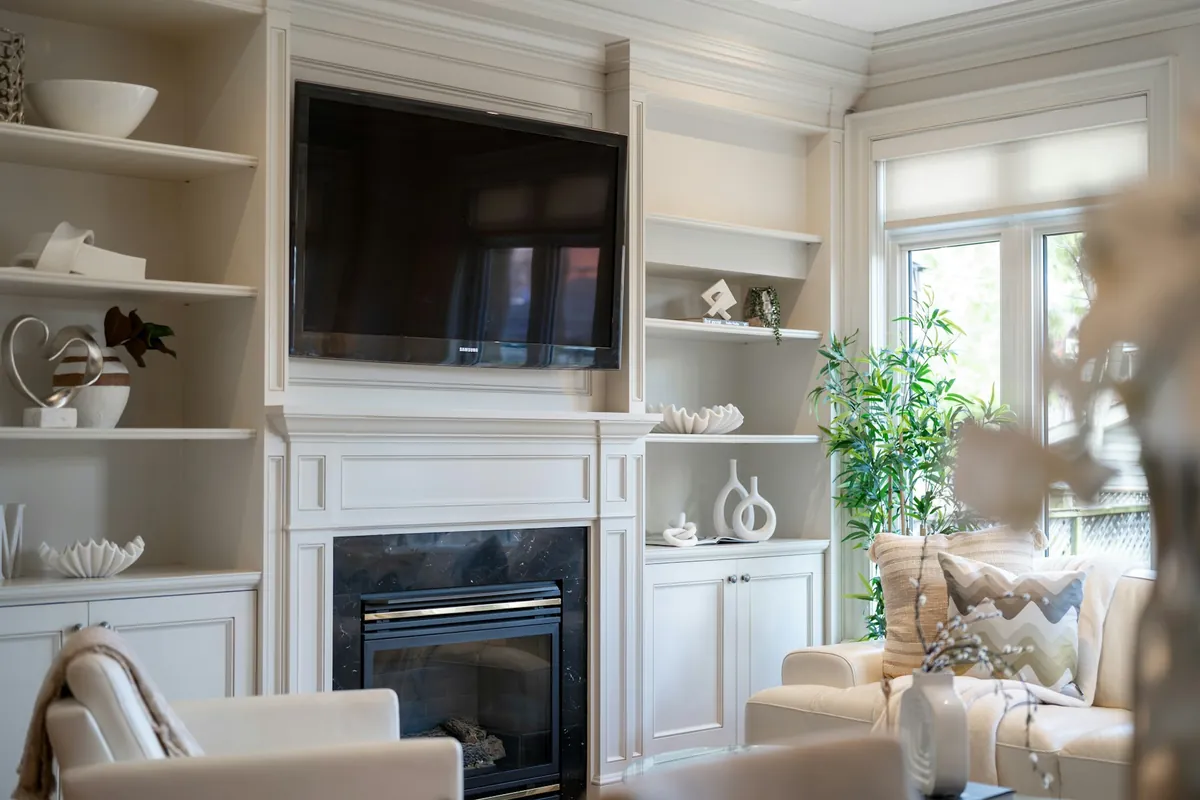
Single cell
A single row of cells for rooms that already feel comfortable, and for the newer, tighter windows in an addition.
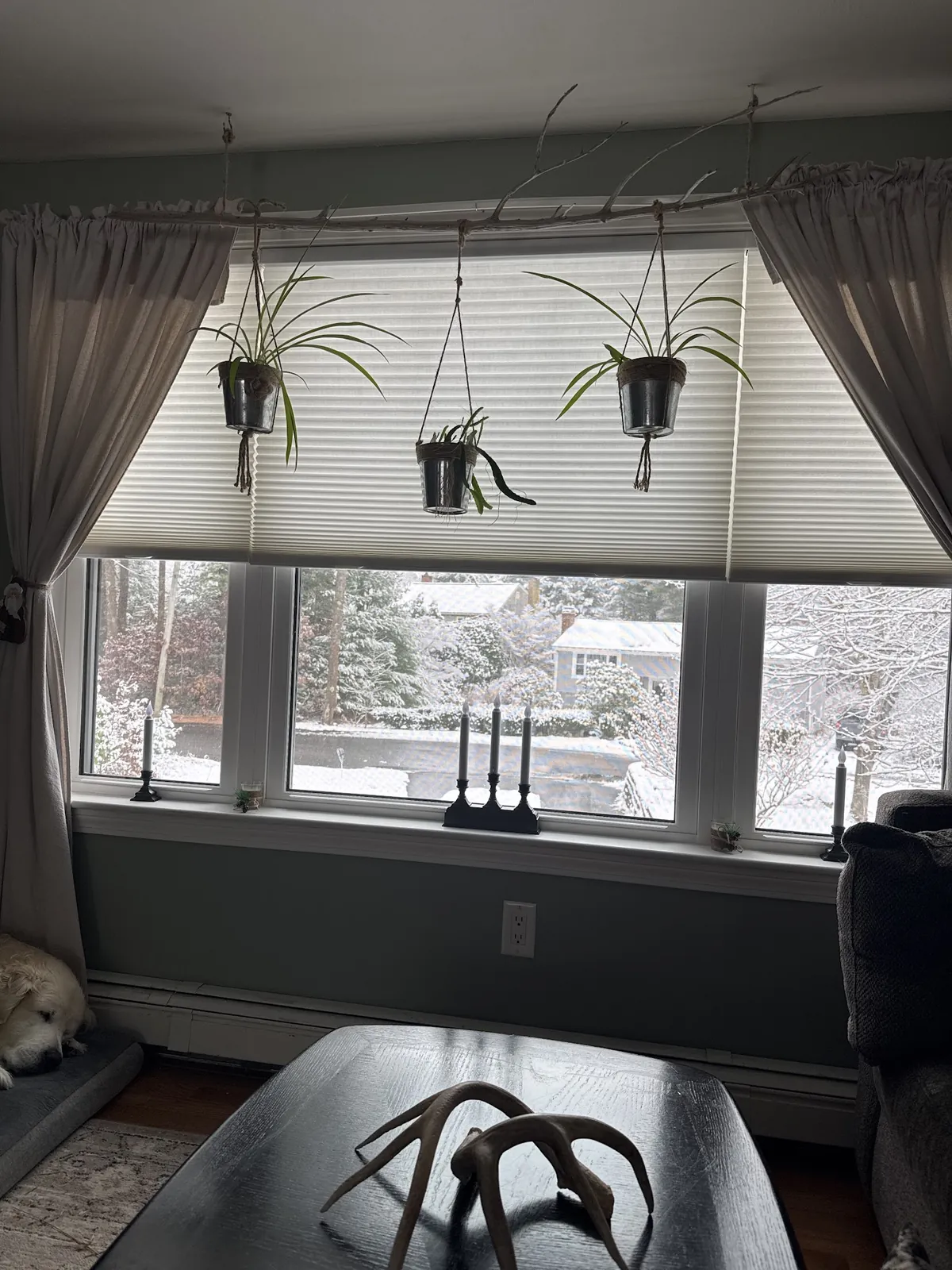
Double cell
Two rows of cells for the old sash, the windward rooms and the bedrooms that never quite warm up.
Making Two Kinds of Window Look Like One Room
When an addition opens into an older room, the windows on each side rarely match. The old sash is tall and narrow, often a little out of square, with deep painted trim. The new windows are wider, squarer and set in slimmer frames. Hang a different treatment on each and the join between old and new becomes the first thing you notice. Hang the same honeycomb shade on all of them and the room settles down.
The trick is in the details. We match the fabric and colour on every window, of course, but also the height at which the shades sit when raised, so the bands at the top of each window line up across the room as closely as the frames allow. If one wall has a radiator under the old sash and the other has a heating vent below the new window, we make sure each shade stops cleanly at its sill so the warmth can still rise into the room. Where the old windows are taller, their shades simply drop further when lowered. From the middle of the room, the eye reads one continuous line.
Cell type can differ while the look stays the same. Old sash usually loses more heat and lets in more draught, so a double cell shade makes sense there. The newer glass in the addition may do well with single cell. From the room, the two look nearly identical; the difference is in the depth of the cells.
Mounting each window its own way
The old and new windows also differ in depth. Original sash often sits in a deep frame with plenty of room for an inside mount, which keeps the old trim on show. A modern window in an addition may have a shallower frame, or a crank handle that gets in the way. We look at each opening and choose the mount that works for it, inside where it fits, on the trim or the wall where it does not, while keeping the shades looking like a set.
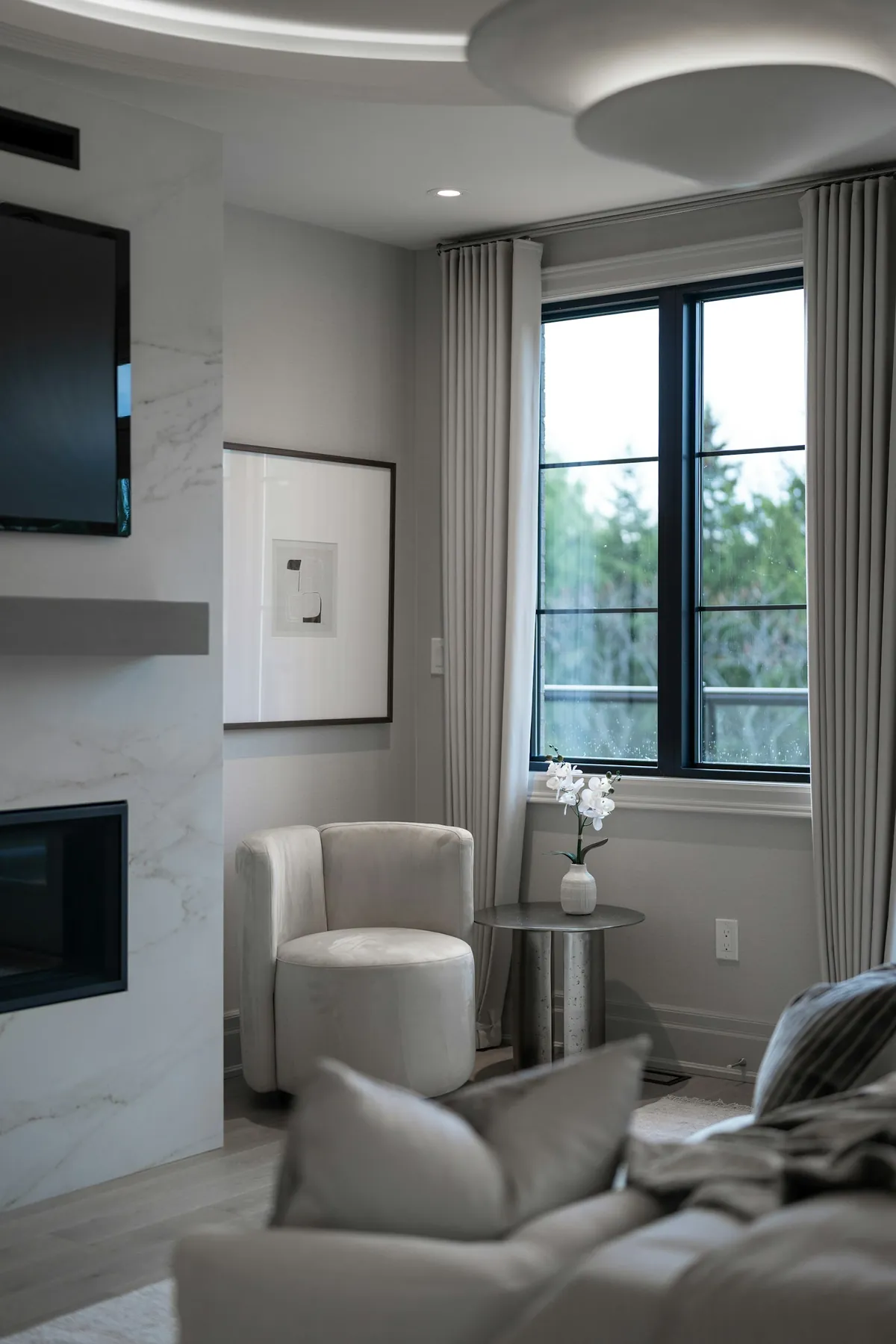
The Original Sash: Nineteenth-Century Windows
The older farmhouses and capes in town still have plenty of their original sash, with glass that has a gentle ripple to it and frames that have moved a little over the years. These windows are part of the character of the house, and most owners want to keep them rather than replace them. They are also the coldest windows in the house.
A cellular shade is one of the most effective ways to make an old window more comfortable without changing it. Lowered on a winter evening, the honeycomb’s cells sit across the glass and hold a layer of still air there, so the room’s warmth stays in. Set snugly within the opening, the honeycomb also calms the faint air movement that slips past an old sash. In the morning it goes back up and folds into a narrow band at the top of the frame, leaving the old window to be admired.
Nineteenth-century frames have usually shifted. One side may have dropped a fraction, or the head may no longer run level. Our specialist takes the width at the top, middle and bottom of every opening, then builds the shade to suit, so it travels freely. If the opening has drifted badly, mounting on the casing instead hides the irregular edges and closes the draught paths at the same time.
Farmhouse bedrooms
Bedrooms in the older houses tend to be upstairs, sometimes under the roof, with smaller windows and more exposed walls. They are often the coldest rooms in winter and the warmest in summer. A double cell shade in a room-darkening fabric is our usual suggestion here: warmth on January nights, dark mornings in June.
Capes on Somerset Avenue
The capes along Somerset Avenue have a familiar plan: living room and kitchen downstairs, bedrooms upstairs in the dormers. The dormer windows are small and close-walled, which leaves no room for anything bulky. A honeycomb shade sits inside the frame, takes up no wall space and leaves the little window nearly clear when raised.
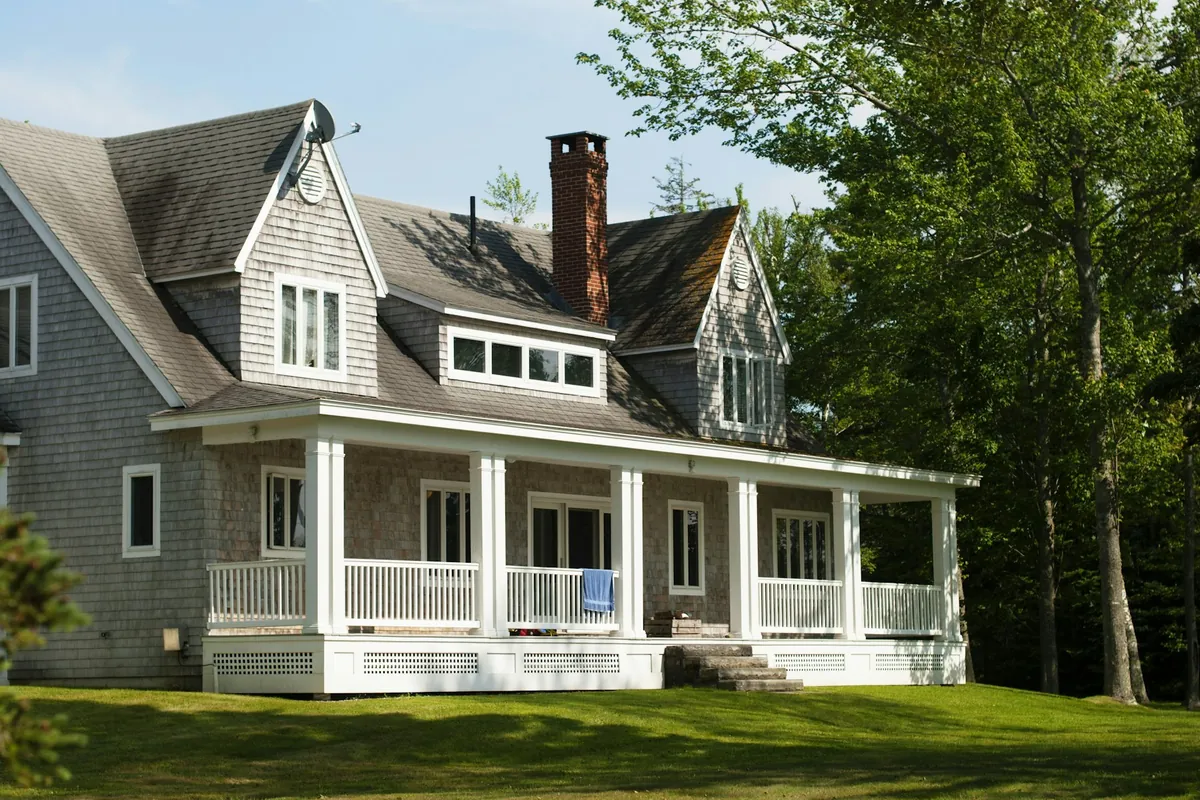
The Additions Themselves
Kitchen extensions
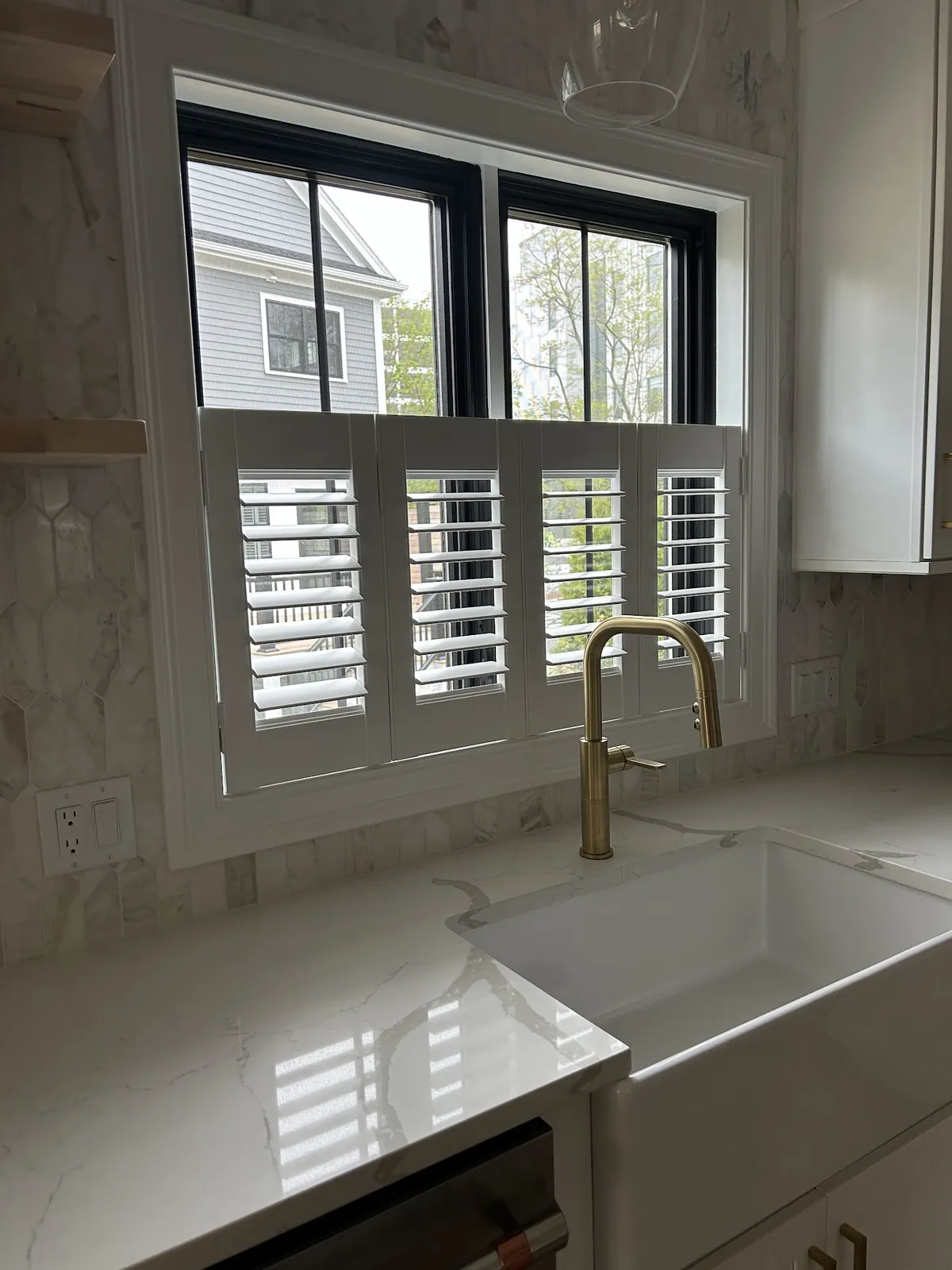
A kitchen added to the back of an older farmhouse usually gets the newest windows in the house: a wide unit over the sink, perhaps a pair facing the yard, sometimes a glass door. These windows are tight and well made, so the cold is less of a worry than in the old rooms, but the kitchen is a room you use from early morning to late evening. A single cell, light-filtering shade suits it. It keeps the room bright, gives privacy after dark when the lights are on, and the cordless lift is easy to work across a counter. When the kitchen opens into an older dining room, choosing the same colour for both rooms is the simplest way to make cellular shades in Dighton, MA tie the old part of the house to the new.
Sunny back rooms and enclosed porches
Many owners have turned an old porch into a sunroom or added a garden room with glass on most sides. Those rooms are wonderful from spring to autumn and hard to keep comfortable at either extreme: hot in July, chilly in January. A honeycomb shade on each window gives the room a layer of air at the glass in winter and softens the sun in summer. Where there are many windows in a row, matching shades in a pale fabric keep the room airy, and motorised operation means you can lower the lot at once when the sun swings round. Fitting cellular shades in Dighton, MA sunrooms this way often turns a fair-weather room into one that gets used far more of the year.
Stairs where old meets new
Where an addition joins the old house, there is often a short flight of steps or a landing with a window of its own. It is seen from both parts of the house, so its shade is the natural place to carry the shared colour across the join. A cordless lift keeps it tidy, and if the window sits high above the steps, a motorised shade saves reaching over the stair rail.
River Lots on the Taunton
Houses on the river lots have a different priority: the view. Rooms that face the Taunton River are often the ones that have been opened up with larger windows or glass doors in later work, and they get the afternoon light coming across the water.
For these rooms, the shade’s small stack is the key. Raised, a cellular shade becomes a slim band at the top of the glass and leaves the river in full view. Lowered through the brightest part of an afternoon, a light-filtering fabric softens the glare without darkening the room. Lowered at night, the same shade holds the warmth in against what is often the largest area of glass in the house.
For tall windows or a long run of glass on the river side, motorised shades raise and lower from a remote or a wall switch, so a whole wall can be opened to the view or closed for the evening at once.
Glass doors to the river side
Plenty of river rooms step out to a deck or lawn through glass doors. On a slider that is opened constantly, a honeycomb tends to be in the way, so a vertical blind is often more practical on a slider. Where the doors are French doors that open inward, a shade fixed to each door panel can work, and side drapes hung clear of the swing add warmth and softness at night.
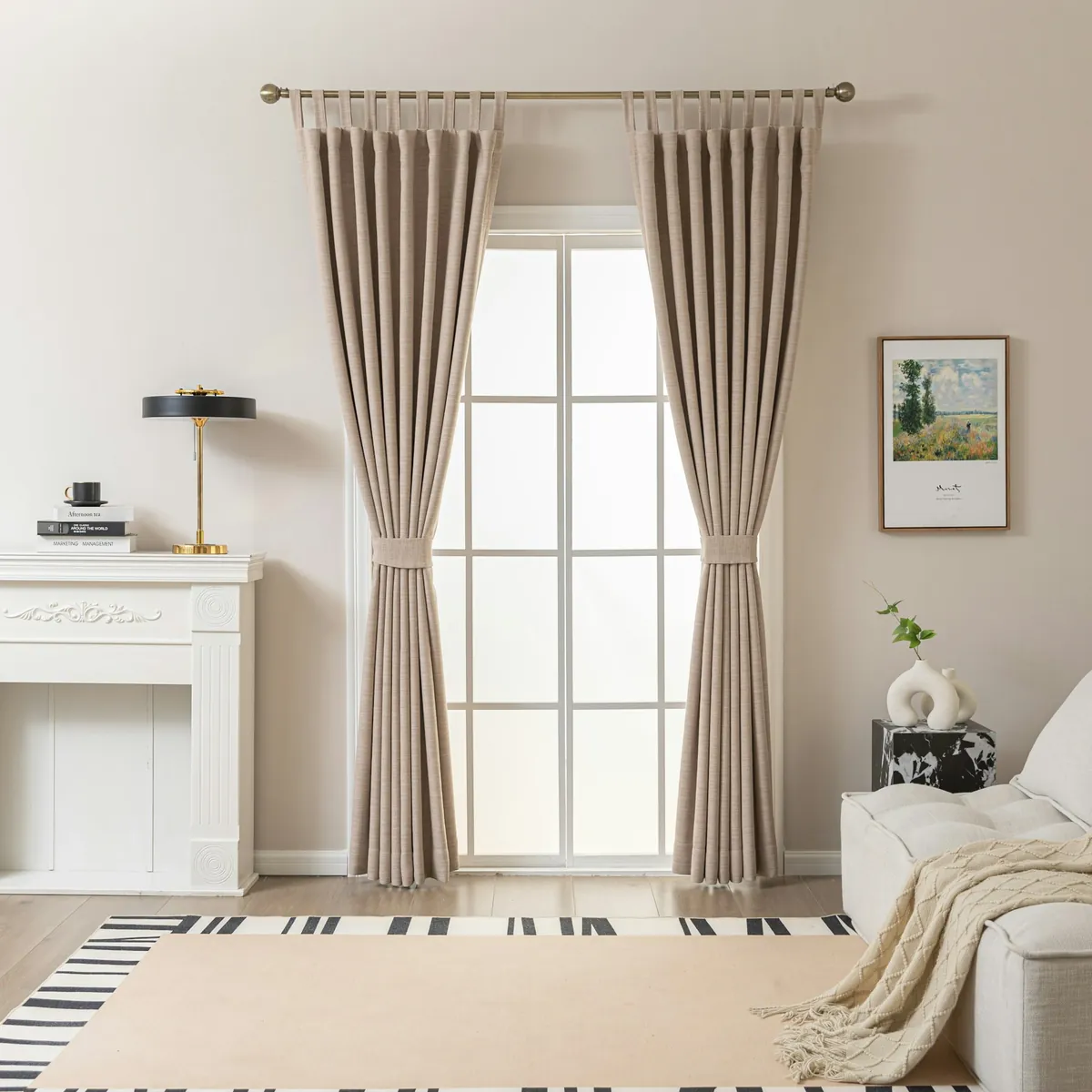
Low-Density Living and the Light
Dighton is spread out, with houses set well apart and fields or woods between them. Neighbours rarely look straight in, so screening the view matters less than it would on a crowded street. Evenings are the issue. After sunset, uncovered panes go black and a lamp-lit room feels exposed to the dark outside. A pale, light-filtering honeycomb let down at the end of the day replaces that black glass with a gentle glow, and the room instantly feels snugger.
Open land also means more sun and more wind reaching the house. The rooms that face the prevailing wind in winter benefit most from double cell, while west-facing rooms with nothing to shade them get the most from a shade let down on July afternoons, which keeps both the temperature and the fading in check.
Choosing Cellular Shades in Dighton, MA
Here are the decisions we work through with you, window by window.
Cell. Double cell on old sash and windward rooms, single cell on newer glass and sheltered rooms. Both look alike from the room.
Fabric. Light-filtering for living spaces and kitchens; room-darkening for bedrooms.
Colour. Soft whites and natural tones sit well against old painted trim and new frames alike, and they keep a room light. One street-side colour on every front window keeps the house even from the road.
Lift. Cordless shades raise and lower from the bottom rail with no cords hanging. A top-down, bottom-up lift lets light in over the top with the lower half closed. Motorised operation suits tall river-side windows.
Mount. Inside the frame where depth allows, so the trim stays on show; on the trim or wall where it does not, or where an old frame is too far out of square.
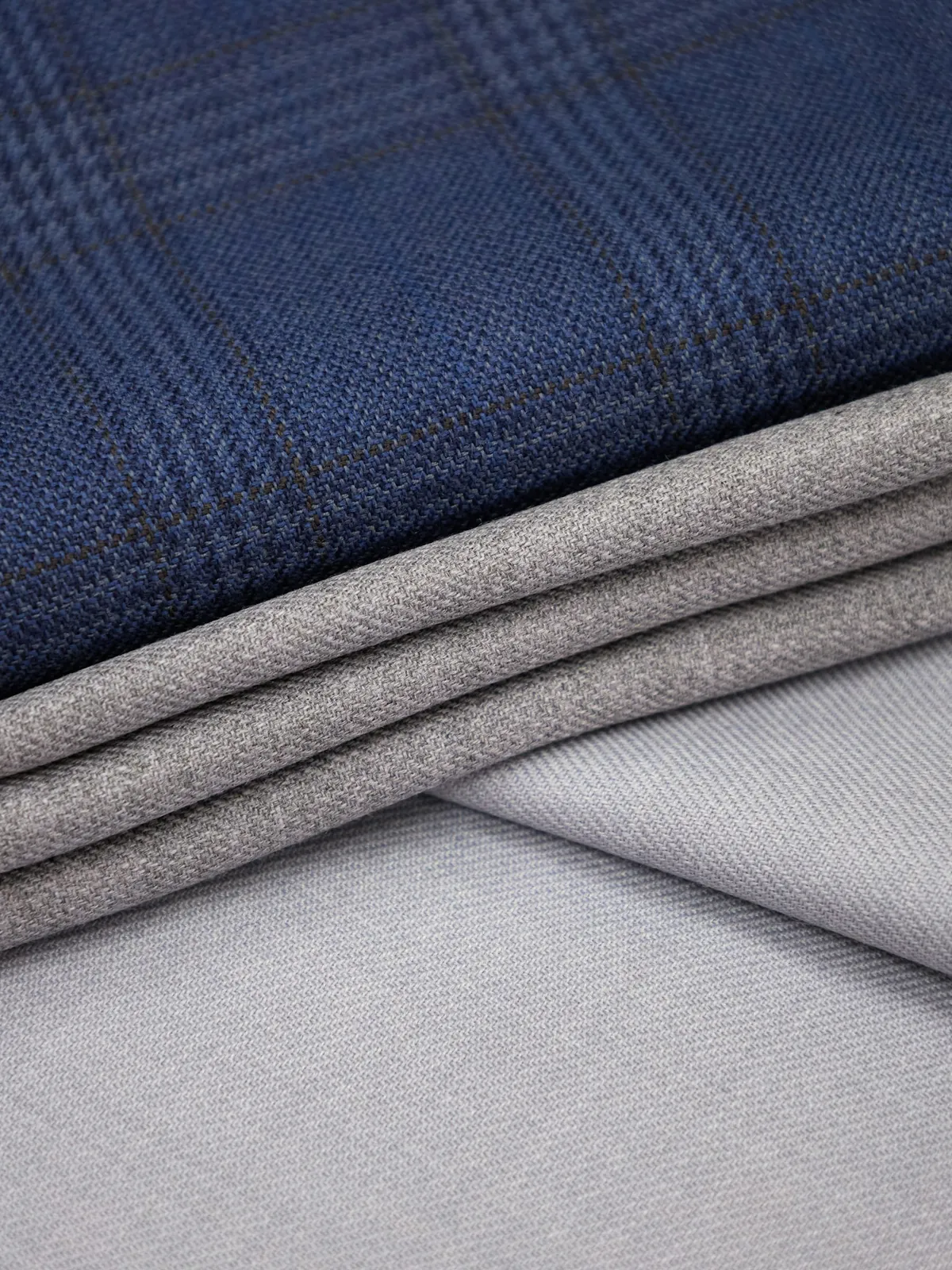
Pairing shades with drapes
In a farmhouse sitting room or a main bedroom, a honeycomb shade behind side drapes makes one of the warmest window treatments a room can have. The shade does the daily work; the drapes, drawn at night, add colour and a second layer across the wall. In a mixed room of old and new windows, matching drapes on both help tie the two together even more. We make custom drapes for Dighton homes as well as shades, so both can be chosen together and measured on the same visit.
Starting with the worst rooms
If you are doing the house in stages, start where the cold is worst: the rooms with original sash, the bedrooms upstairs and the windward side. Rooms in a newer addition can follow and still match, because we keep a record of the fabric and colour you chose.
How We Handle Your Order
Expect regular word from us from your first enquiry until the final shade is hanging. Here is the usual path for cellular shades in Dighton, MA.
- Ring through the call button or fill in the form, mention the rooms on your mind, and a free quote is arranged.
- A specialist calls at the house and records every window, original and new, with depth, squareness and any crank handle or sash lock noted.
- Together we settle cell, fabric, colour, lift and mount, using samples in your rooms or the displays in Swansea.
- Your quote arrives with each window itemised.
- Production follows the figures taken on site.
- Our installers hang the shades, level the raised heights across old and new windows, test each one and run through the controls with you.

Looking after honeycomb shades
Honeycomb asks for very little. Every few weeks, pass a feather duster or the soft brush of a vacuum over it; spot-clean with a barely damp cloth. Operate the lift with an even hand and the pleats stay sharp. Should an older shade start misbehaving, ring the store and we can say whether a repair makes sense.
A Family Store Just Down the Road
Our family opened Window Works in 1988 and the second generation runs it now. Over 37 years, the team has worked in old farmhouses and brand-new additions throughout 25 towns, from the SouthCoast of Massachusetts to the Rhode Island East Bay.
- Seasoned specialists take every measurement personally
- The people who fit your shades work for us
- You hear from us at each step until the work is complete
- Warranties are offered on what we sell
- Fabrics, lifts and the Norman range can be seen at the showroom
Our other services for the town are on the Dighton window treatments page, and the main cellular shades page covers how honeycomb shades work in more depth.
Questions from Dighton
Can the shades make old sash and a new addition look like one room?
Yes. We use the same fabric and colour on every window and line up the raised heights, while each shade is made to its own frame.
Do old and new windows need the same cell?
Not necessarily. Old sash often suits double cell and newer glass single cell. From inside the room, the two look almost the same.
What if my old window frame has shifted?
We take its width top, middle and bottom and build to suit. A badly shifted opening gets the shade mounted on the casing instead.
Will the shades block my view of the river?
Not when it is up. Raised, it compresses into a narrow strip under the head of the frame.
Is there a charge for a quote?
No, quotes are free. Ring through the call button or send the form.
Book Your Free Quote
Press the call button to reach the Swansea store, whether you want a free quote, a time for measuring in your home or a word about installation. Keen to handle fabrics before anything else? The contact page shows how to find the showroom. Window Works has earned a 5.0 rating on Google.