
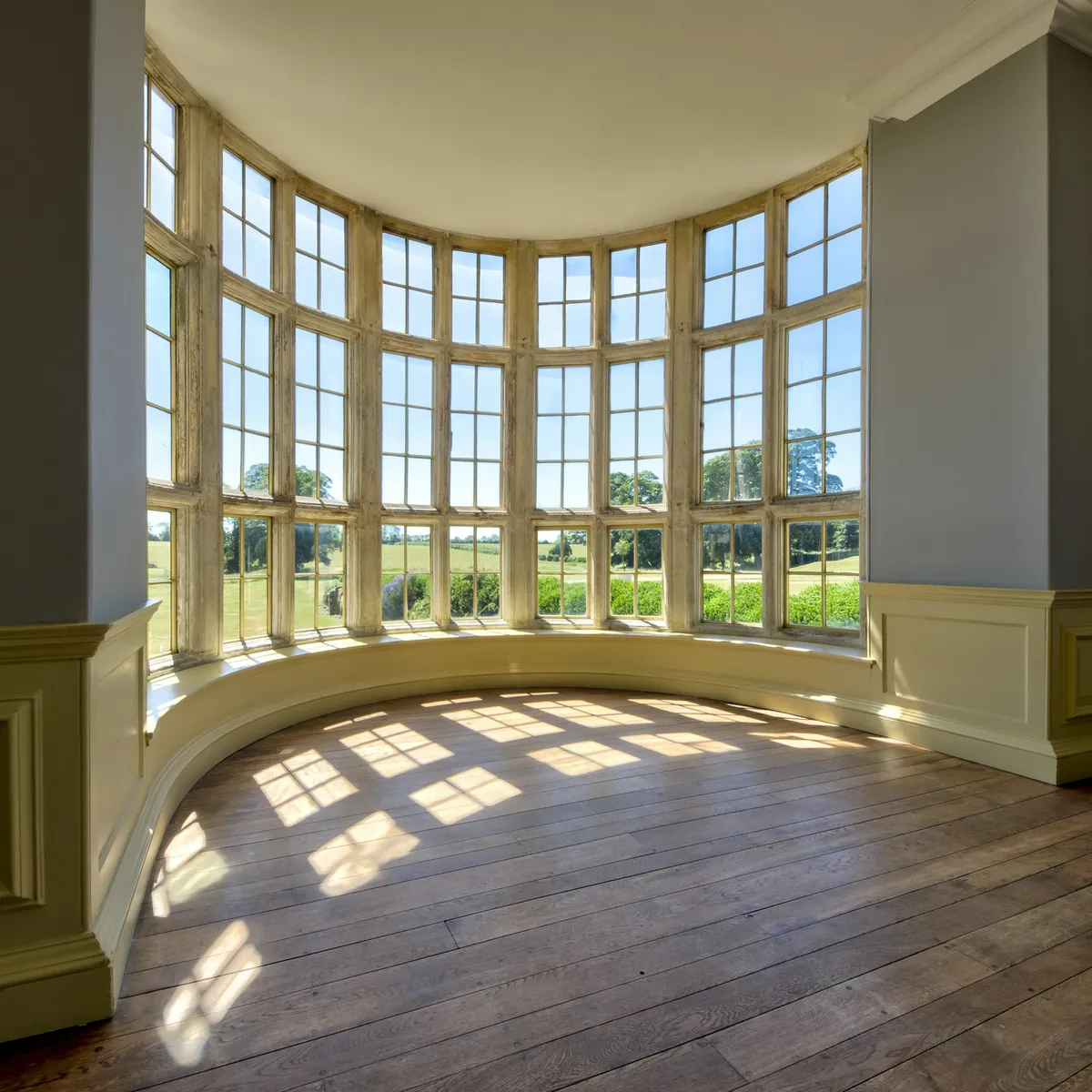
Bays, Transoms and Windows You Cannot Buy For
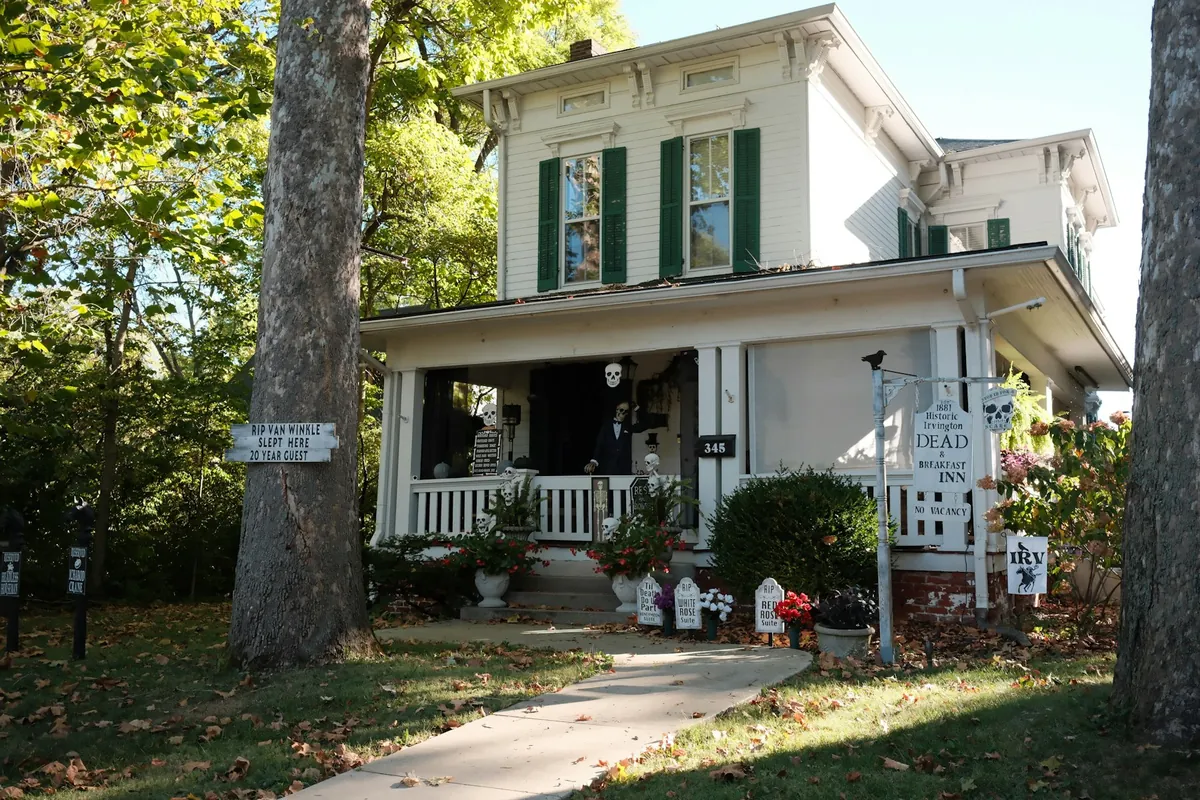
The Victorians and colonials near downtown and up on Oak Hill were built with windows that give a room its character: projecting bays in the front parlour, transoms set above windows and doors, tall sash with deep casings. None of these come in a standard size, and nothing off a shelf fits them properly. That is the first reason people ask us about cellular shades in Attleboro, MA. The second is that these handsome old windows are also the coldest part of the house in winter.
A honeycomb shade is made for exactly this. It is built to the measurements of one window and no other, so it fits each sash in a bay and sits neatly within an old frame. And its cells, each a sealed pocket of air, put a layer of still air against the glass when lowered. Still air passes heat very poorly, which is why a room with its shades down on a January evening holds its warmth so much better than one with bare glass.
- Single and double cell shades made to each window, bay sash included
- Measured in your home; installed by our own team
- Fabrics, colours and lifts on show at our Swansea showroom
Honeycomb Options for Attleboro Houses
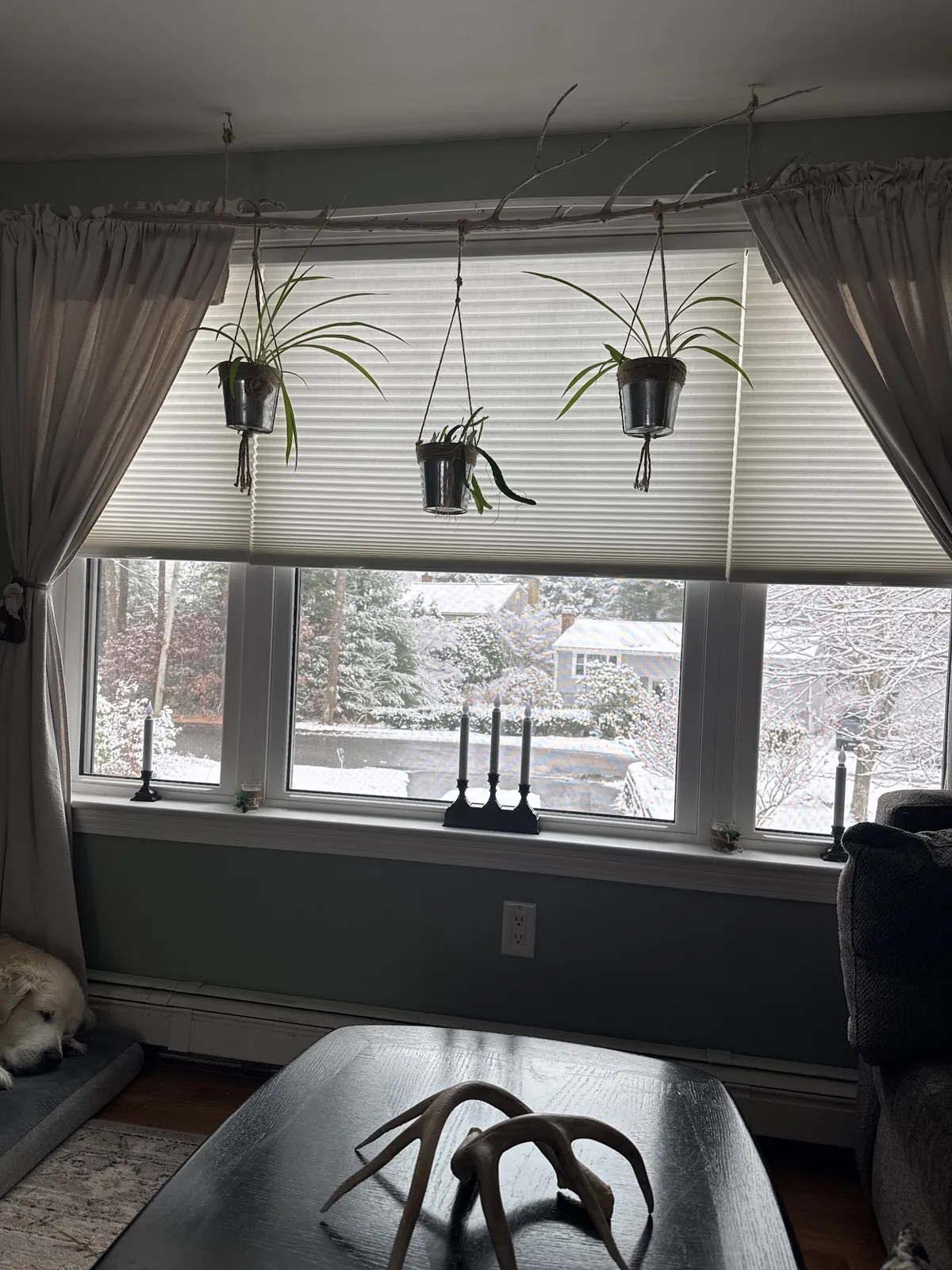
Shades for a bay
One shade per sash, sized so the edges meet cleanly at the angles of the bay.
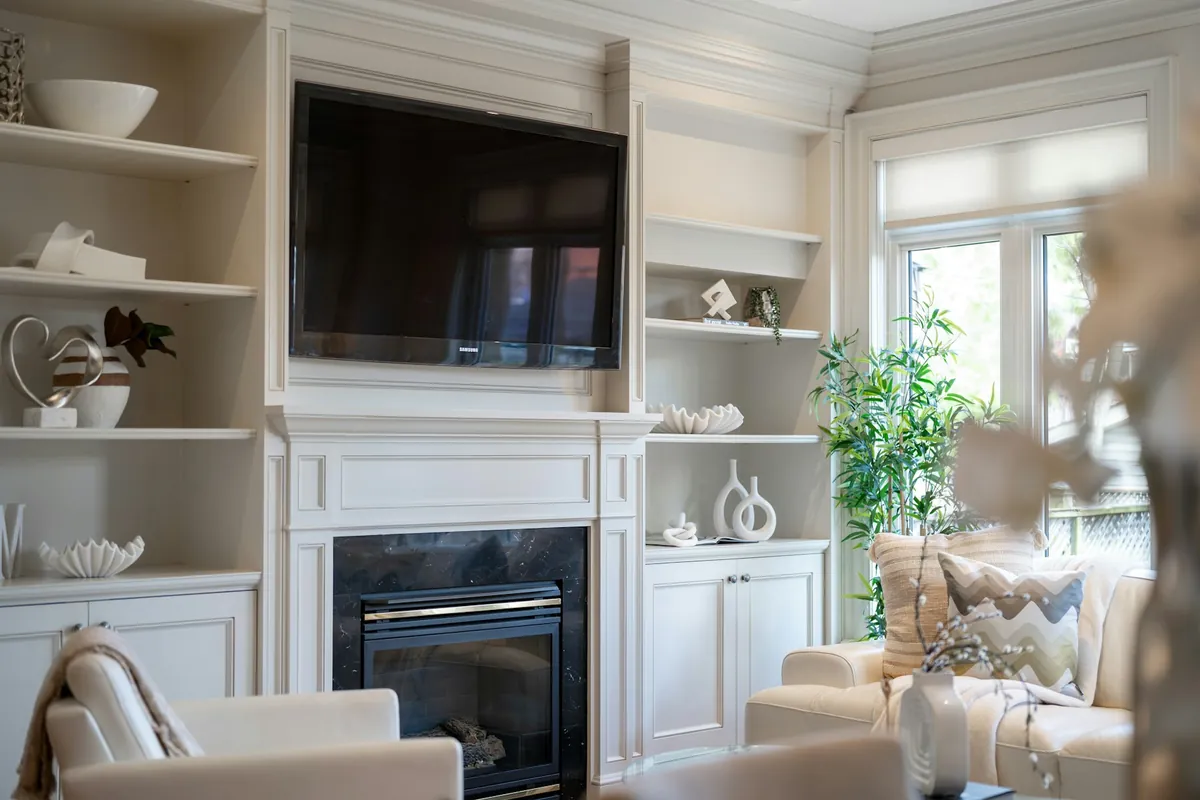
Single cell
A single layer of honeycomb for rooms that are comfortable already but need light control and privacy.
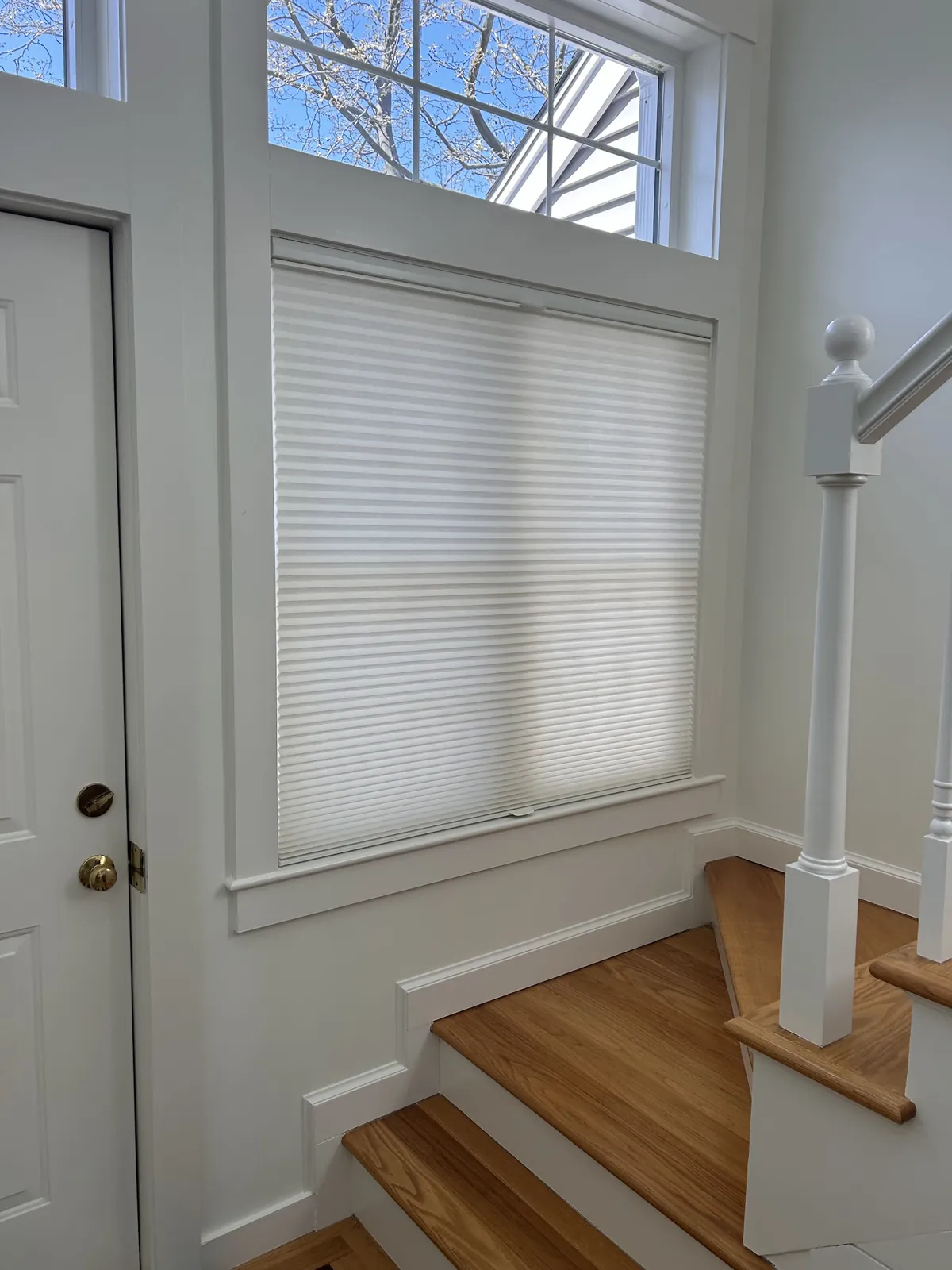
Double cell
Two layers of honeycomb for drafty old sash, north-facing rooms and bedrooms over a garage.
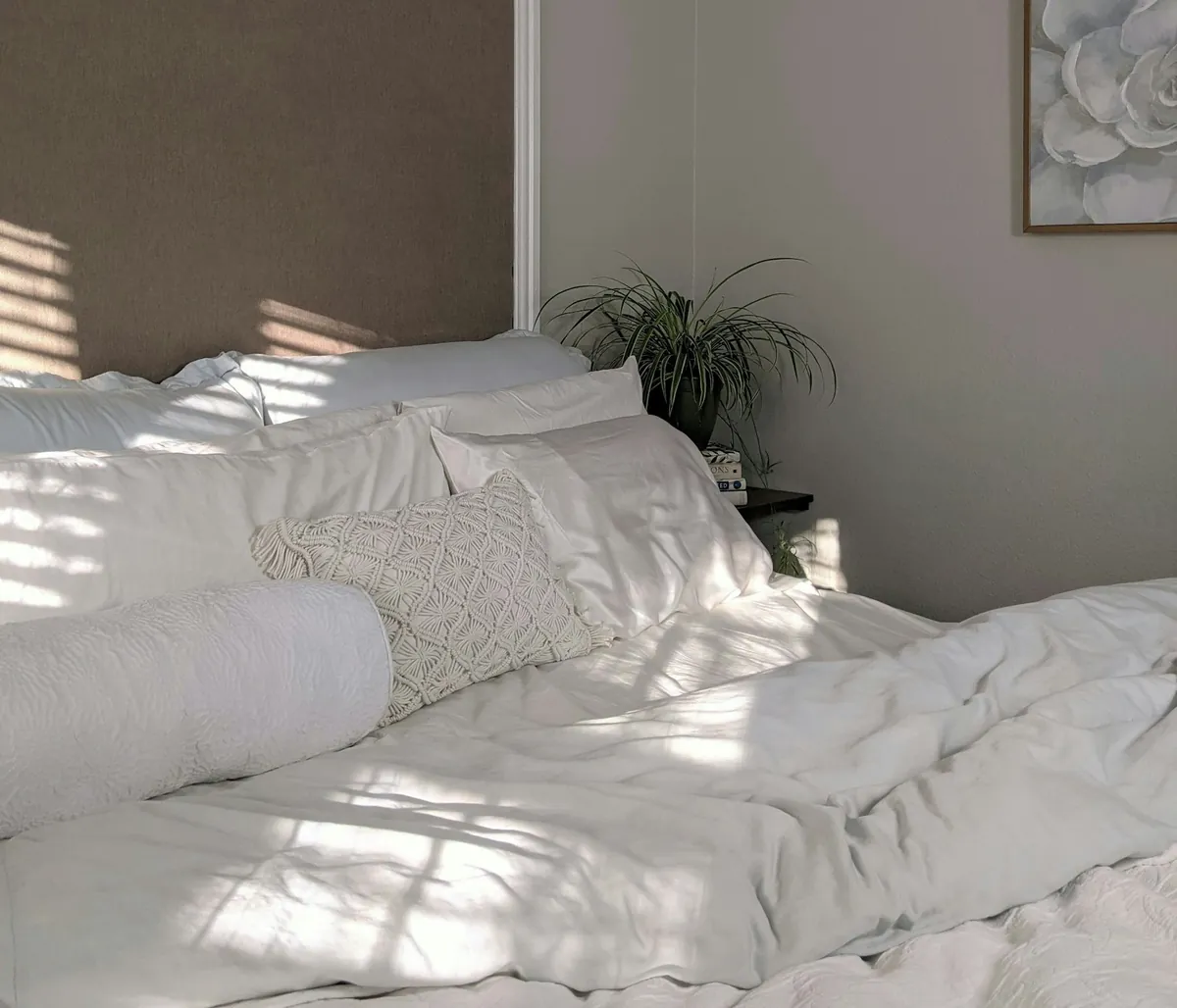
Room-darkening fabric
A dense fabric for bedrooms, keeping out the street light downtown and the sunrise in summer.
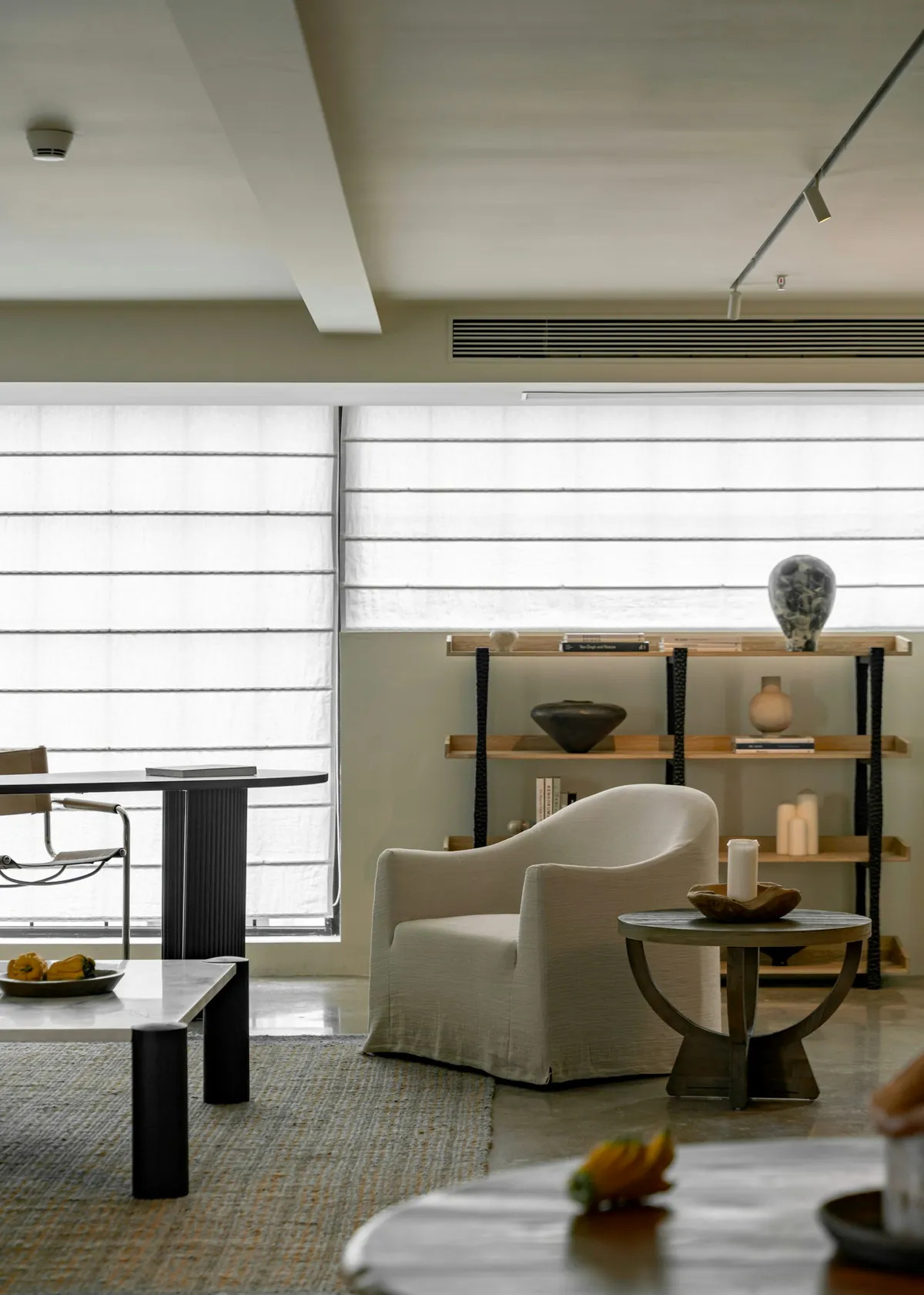
Motorised lift
Remote or wall-switch control for a row of shades, a tall stair window or glass you cannot reach.
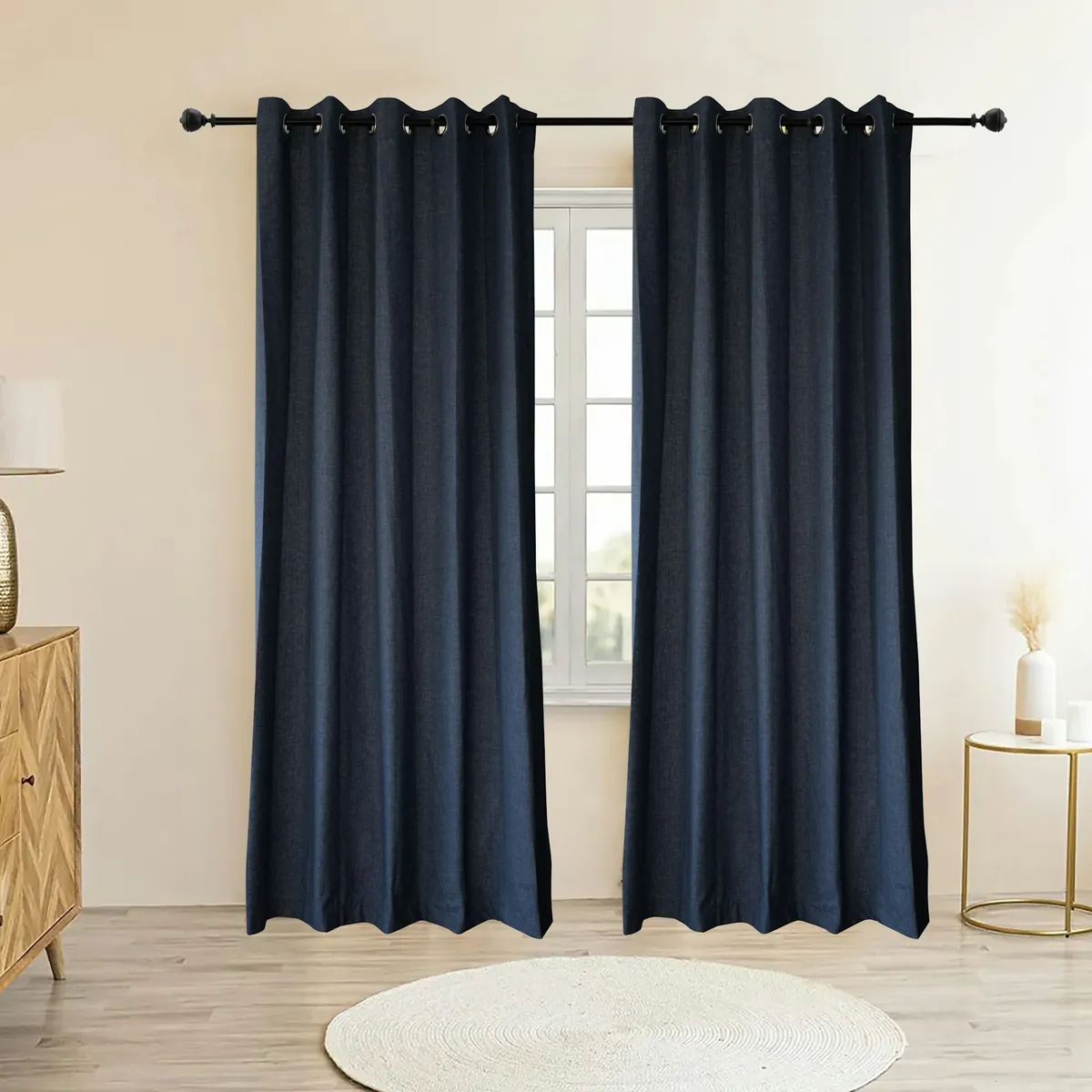
With curtains or drapes
A honeycomb behind side curtains, for colour by day and a second layer at night.
Fitting a Bay Window
A bay is the best spot in an old parlour and, on a cold night, the worst. It pushes out from the wall, so the glass has outside air wrapped around it on several sides, and the angled sash often sit in frames that have moved over the years. The usual result is a lovely window seat nobody wants to sit in after November.
We fit a bay one sash at a time. Each window gets its own honeycomb shade, measured at its own frame, because the side sash of a bay are rarely exactly the same width as each other or as the centre. Where the frames are deep enough, the shades go inside, so the casing and any panelling below the windows stay on show. We size them so their edges come together neatly where the angles turn, with no wide strip of bare glass between one shade and the next.
Once all the shades in a bay are lowered, the effect is striking. The bay stops pulling cold air down across the floor, and the parlour feels warmer at chair height. In summer, if the bay faces south or west, the same shades softened in a light-filtering fabric keep the afternoon sun from heating the room and fading the floor.
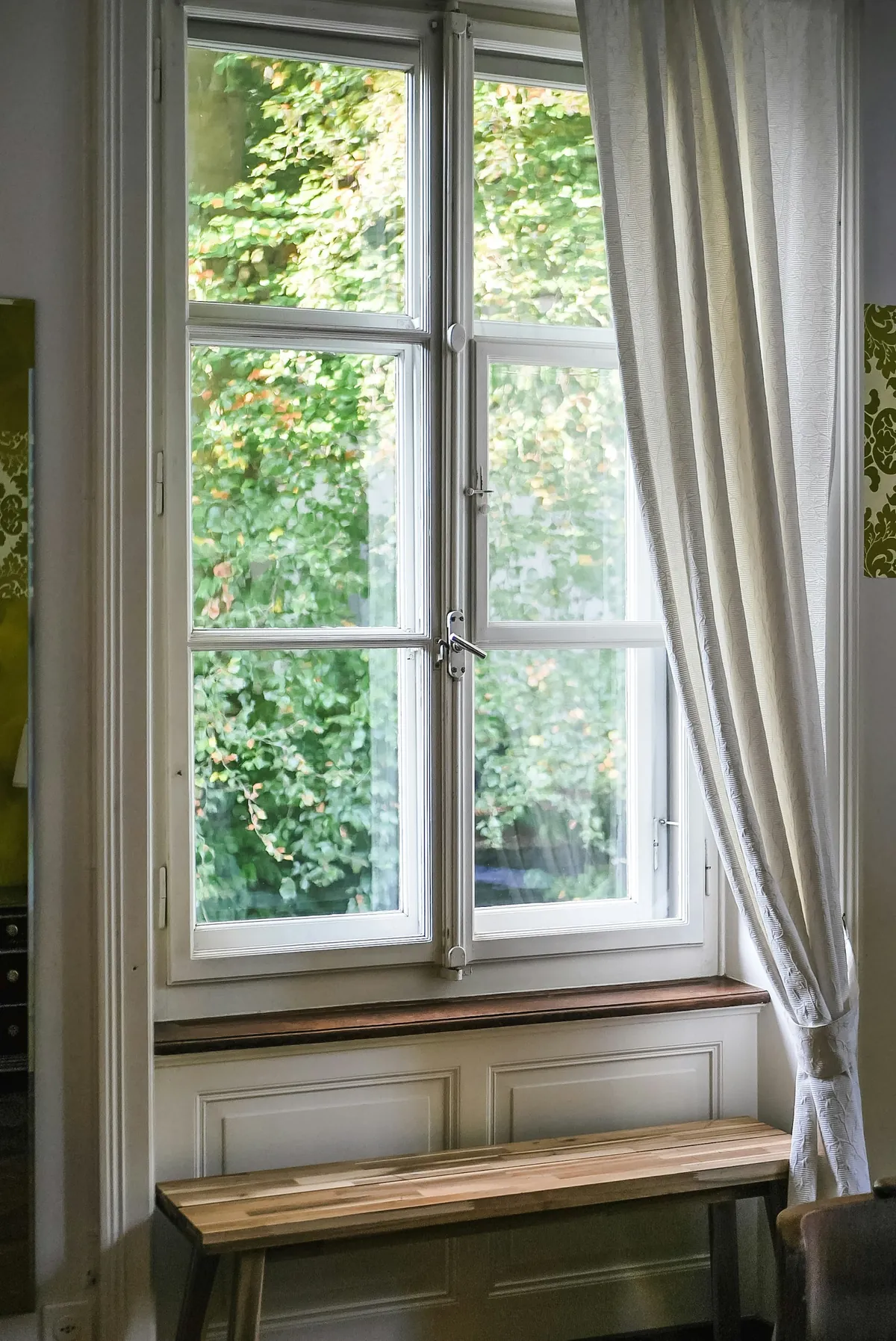
Window seats
Many bays have a built-in seat. A shade mounted inside the frame stops at the sill and clears the cushions. A top-down, bottom-up lift is especially useful here: lower the top of each shade for daylight and sky while the bottom stays closed, screening you from the pavement while you read.
Bays with drapes
A pair of drapes hung across the front of the bay, on a rod that follows the angles or across the opening, adds a second layer at night and turns the bay into a snug corner. The honeycombs do the daily work and the drapes close off the whole alcove after dark. We make both, so they can be chosen together and measured on the same visit.
Entry halls and stair windows
The front halls of the older houses often have a tall window on the stair landing, sometimes with a transom of its own, and a narrow window beside the front door. These windows are seen from the street, from the hall and from the floor above, so their shades are worth matching to the rooms around them. A stair window is also a cold one, with the stairwell drawing warm air up past it. A honeycomb shade lowered on winter evenings slows that loss, and a motorised lift saves leaning over the banister to reach it.
Kitchens in the older houses
Kitchens in the Victorians and colonials near the centre have usually been updated, but they often keep a tall original window or two. Fitting cellular shades in Attleboro, MA kitchens of this kind means choosing a light-filtering single cell fabric that keeps the room bright, with a cordless lift set low enough to reach across a counter. Where the kitchen faces the morning sun, a slightly denser fabric takes the glare off breakfast without darkening the room.
Transoms and Other Odd Shapes
Transoms, the shorter panes set above a window or a door, are common in the older houses near the centre. They add light and proportion to a room, and they make a window treatment more complicated, because the transom and the window below it usually need different answers.
Most of the time, the window below takes a honeycomb shade mounted within its own frame, and the transom above is left clear as a feature, letting a band of daylight in even when the shade is down. Where a transom lets in strong morning sun or faces a neighbour’s window directly, it can take its own small shade, made to its size and matched in fabric to the shade below, so the two read as one design. We look at each one in person and talk through which approach suits the room.
The same thinking applies to other odd shapes: a narrow window beside a chimney, a small stair window set at an awkward height, a pair of tall windows with a shared casing. A made-to-measure shade fits each of them, which is something a stock size cannot do. Odd windows are often the ones left bare for years simply because nothing fitted them, and they are usually the ones that make a room feel unfinished.
Tall sash and deep casings
Away from the bays, the older houses have tall double-hung windows with deep casings. A honeycomb mounted inside the frame leaves those casings fully visible, and when raised it folds into a slim band at the head of the window. On the tallest sash, a cordless lift set at a comfortable height, or motorised operation for the windows that are really out of reach, keeps them easy to use every day.
Victorians and Colonials near Downtown and Oak Hill
The older houses around the centre and up on Oak Hill tend to share some traits beyond bays and transoms. Ceilings are high, so warm air rises out of reach. Many still have original sash, which lets a little air move around the edges. Some have radiators under the windows. Each of these shapes the choice of shade.
High ceilings. With warm air collecting near the ceiling, any heat lost at the windows is felt more at floor level. Double cell on the main rooms’ windows helps keep the warmth where people sit.
Original sash. A shade fitted snugly within the frame quiets the small draughts around an old sash as well as adding its layer of air.
Radiators. An inside mount stops the shade at the sill, so the radiator’s heat rises into the room rather than being trapped behind fabric.
Street-facing rooms. Downtown, front rooms face the pavement. A top-down, bottom-up lift or a light-filtering fabric gives privacy while keeping the room bright.
Choosing cellular shades in Attleboro, MA older homes is mostly a matter of working through these points window by window, so each room gets what it needs while the house keeps one consistent look from the street.
Split-Levels off Route 123
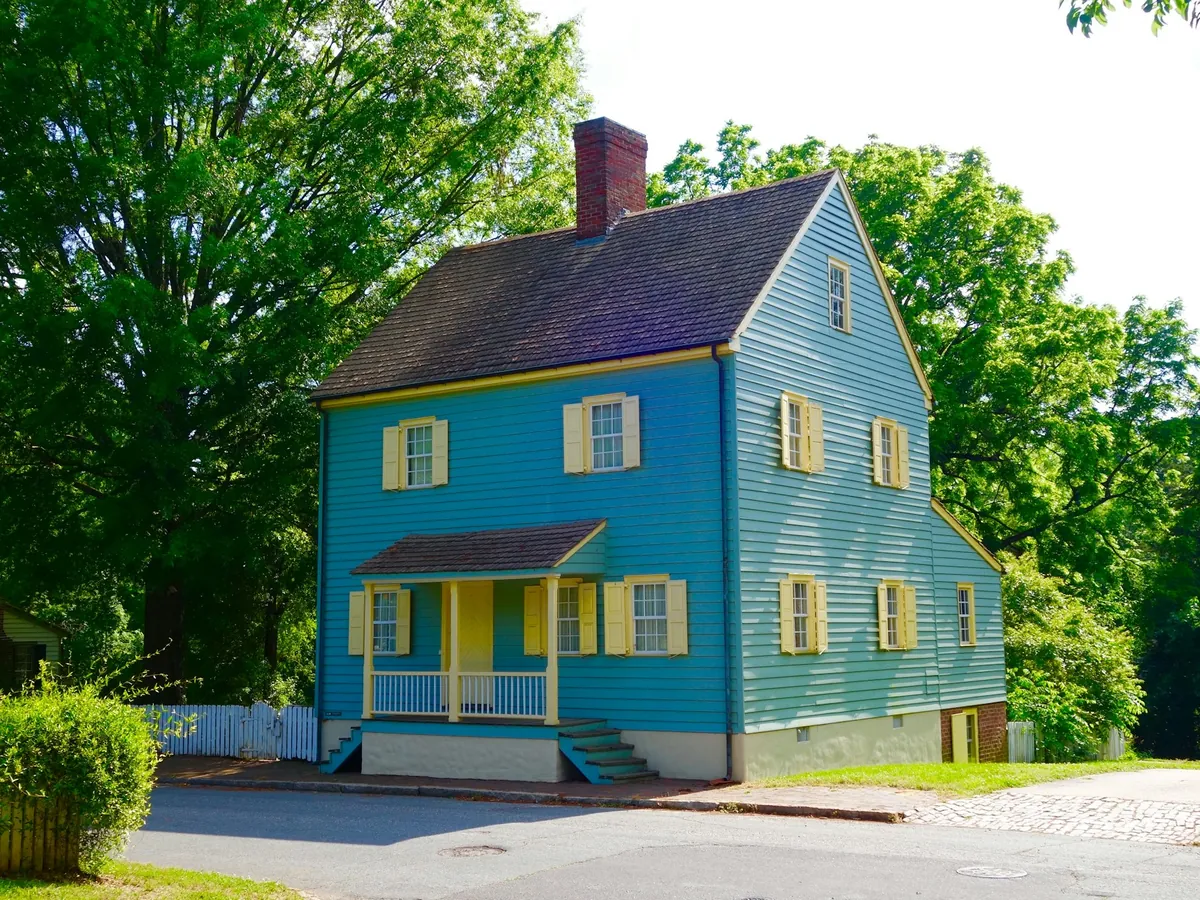
The 1960s split-levels off Route 123 are a world away from the Victorians. Rooms are arranged over half floors: an upper level with the living room, kitchen and bedrooms, a lower level partly below ground, and often a room over the garage. Windows are standard sizes, apart from the wide picture window that usually spans the front of the upper level.
That picture window is the main job. One wide honeycomb can cover it, or a pair or trio lined up with its divisions so one section can rise for light while the others stay down. A light-filtering fabric keeps the living room bright and private.
Below, the den or family room on the lower level tends to feel cool all year, with short windows set high in the wall. Double cell shades suit them, and the compact stack leaves the little windows almost clear when raised. The room over the garage, cold from below as well as at the glass, gets double cell too.
Splits with a slider
Many splits have a sliding door from the lower level or the kitchen to the yard. A honeycomb shade on a door used all day can be awkward, and a vertical blind is often more practical, in a colour that sits well beside the shades on the windows.
Ranches in South Attleboro
South Attleboro’s ranches put every room on one floor: living room at the front, bedrooms down a hall, kitchen at the back. Their windows are regular, and the house is simple to plan. Matching shades on every front window keep the house looking even from the road, double cell goes into any bedroom that runs cold, and light-filtering single cell suits the living room and kitchen.
A ranch’s front window is often wide and low, and in winter it can make the living room feel cool even when the rest of the house is warm. Lowering the shade at dusk changes that quickly. In summer, if the window faces west, lowering it through the afternoon keeps the heat down and the floor from fading. Ranch bedrooms on the east side get the first light of a June morning, so a room-darkening fabric there lets the household sleep a little longer, and the same shade adds warmth on winter nights.
When you plan cellular shades in Attleboro, MA ranches, it helps to think of the house as a set. From the street, a ranch shows every front window at once, so one street-side colour across all of them makes the house look tidy, whatever fabric each room uses inside.
Choosing Your Shades
Here are the questions we answer together for each window.
- How cold is the room? Double cell for drafty sash, bays, north-facing rooms and rooms over the garage. Single cell elsewhere.
- How much light do you want? Light-filtering keeps rooms bright with privacy. Room-darkening suits bedrooms and television rooms.
- What colour? Soft whites and natural tones suit old casings and keep high-ceilinged rooms light. Keep the street side consistent.
- How will you lift it? Cordless for a clean window. Top-down, bottom-up for bays, window seats and street-facing rooms. Motorised for tall sash and stair windows.
- Inside or outside? Inside where the frame is deep enough, to keep casings visible. Outside on the trim where it is shallow or out of square.
Starting where it matters most
If you are doing the house in stages, start with the bays and the coldest rooms. In a Victorian, that usually means the front parlour and the bedrooms upstairs. In a split, the lower level and the room over the garage. In a ranch, the front living room. Later rooms can match the first, because we keep a note of what you chose.
How We Work
From your first call to the last shade, we stay in contact and keep you informed. An order for cellular shades in Attleboro, MA usually runs like this.
- Call through the button or send the form, tell us about the rooms, the bays and any transoms, and we arrange your free quote.
- A specialist measures every window in your home, each sash of each bay separately, and notes frame depth, transoms, radiators and anything in the way.
- You choose cell, fabric, colour and lift, with samples brought to the house or at the Swansea showroom.
- You receive a quote listing every window.
- Each shade is made to its own measurements.
- Our installers fit them, line up the shades across each bay, check every one and show you how it works.

Caring for honeycomb shades
A feather duster or a vacuum brush on low lifts the dust from the cells, and a damp cloth deals with small marks. Raise and lower the shades evenly rather than pulling one side. If a cord or headrail gives trouble on a shade you already own, call the store and we can tell you whether it can be repaired.
A Family Store Since 1988
Window Works has been a family business in Swansea since 1988 and is now in its second generation. Over 37 years, our specialists have measured bays, transoms, picture windows and sliders in 25 towns across the SouthCoast and the Rhode Island East Bay.
- An experienced team of window treatment specialists
- Every window measured in your home, every bay sash on its own
- Installation by our own team
- In constant contact with you until the job is done
- Warranties offered on the products we sell
- A showroom with fabrics, lifts and the Norman range to see in person
You will find our other services for the city on the Attleboro window treatments page, and more about the honeycomb itself on the main cellular shades page.
Questions from Attleboro
Can you fit cellular shades to a bay window?
Yes. Each sash gets its own shade, measured at its own frame, and the shades are sized so their edges meet neatly where the bay turns.
What do you do with a transom?
Usually the window below takes a shade and the transom stays clear for light. Where a transom needs covering, it can have its own small shade matched to the one below.
Will shades work with radiators under the windows?
Yes. An inside mount stops the shade at the sill, so the radiator’s warmth still rises into the room.
What suits a split-level’s lower level?
Double cell shades on the short, high windows, which feel the cold most. The small stack keeps them nearly clear when raised.
Is the quote free?
It is. Use the call button or the form to arrange one.
Book Your Free Quote
Ring the Swansea store using the call button for a free quote, to set up measuring in your home or to ask about installation. If you would like to see the fabrics and lifts first, directions to the showroom are on the contact page. Window Works is rated 5.0 on Google.