
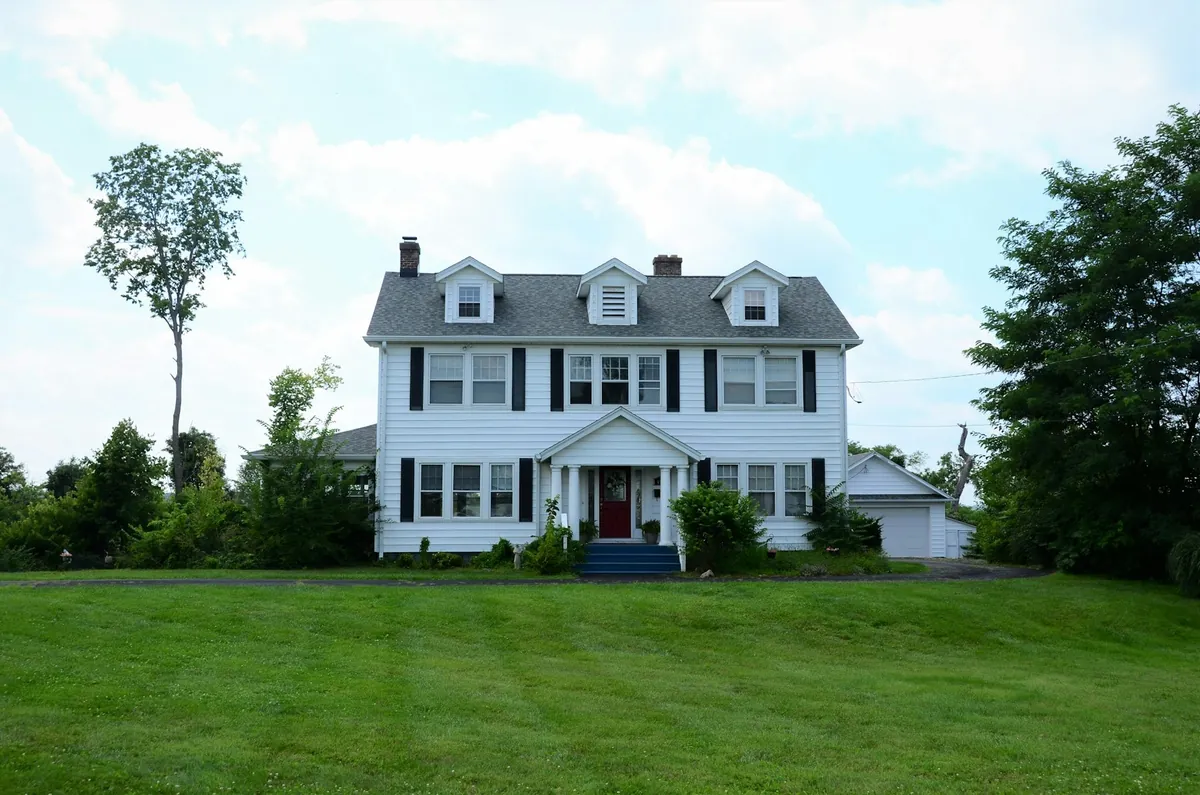
Long Glass, Low Sills and Formal Rooms
Barrington asks two quite separate jobs of a window shade, which is why cellular shades in Barrington, RI are measured house by house. Along Rumstick Road and Nayatt Road, a center-hall colonial with a formal front parlour can stand a few lots from a mid-century modern built around long runs of glass. One wants a shade that hides beneath drapery. The other wants a shade that can cover a whole wall of windows and still look light.
What both have in common is winter. Glass is the coldest surface in any room, and the houses that face the Barrington River take the wind straight off the water. A honeycomb shade is the warmest thing we make for a window, because every cell holds a pocket of still air between the glass and the room.
- Single cell and double cell honeycomb shades
- Every window measured where it stands, then fitted by our installers
- Fabrics and colours on display in Swansea, a short drive over the state line
Honeycomb Shades for Barrington Rooms
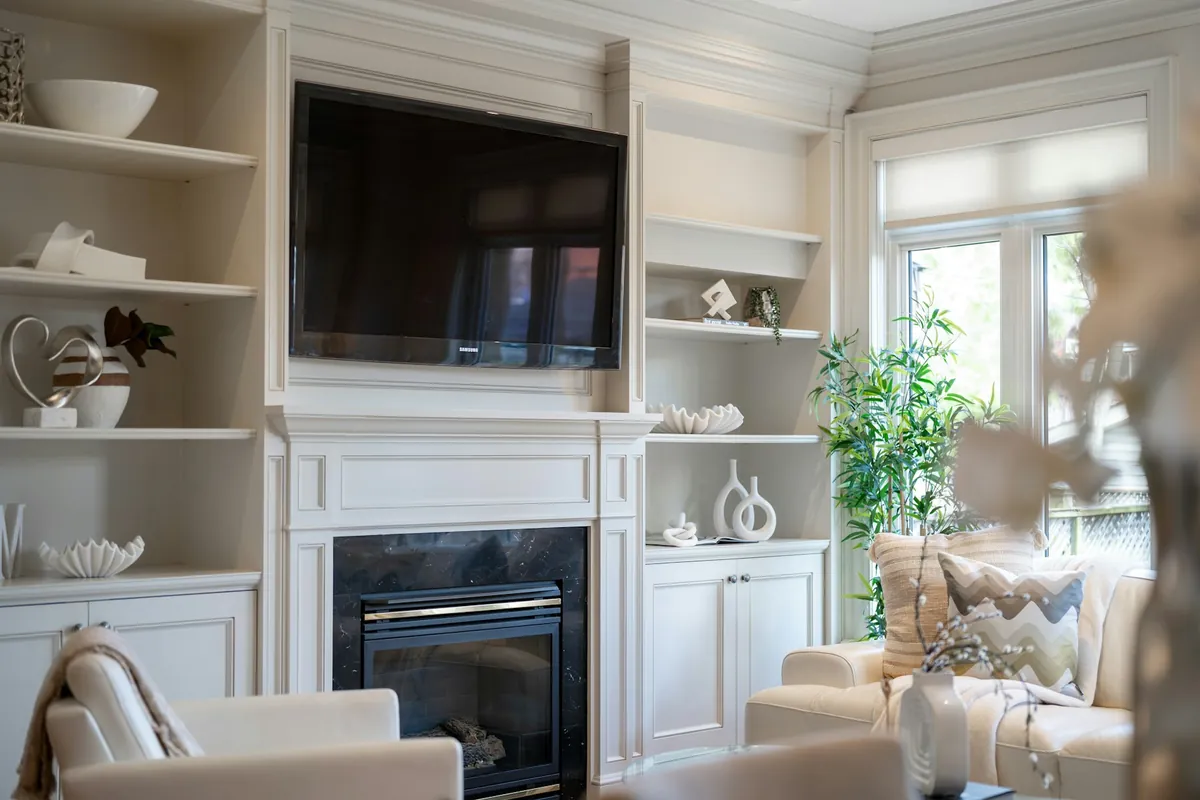
Single cell
One layer of cells across the window. It raises into a slim band at the top of the frame, which keeps a long run of mid-century glass looking open.
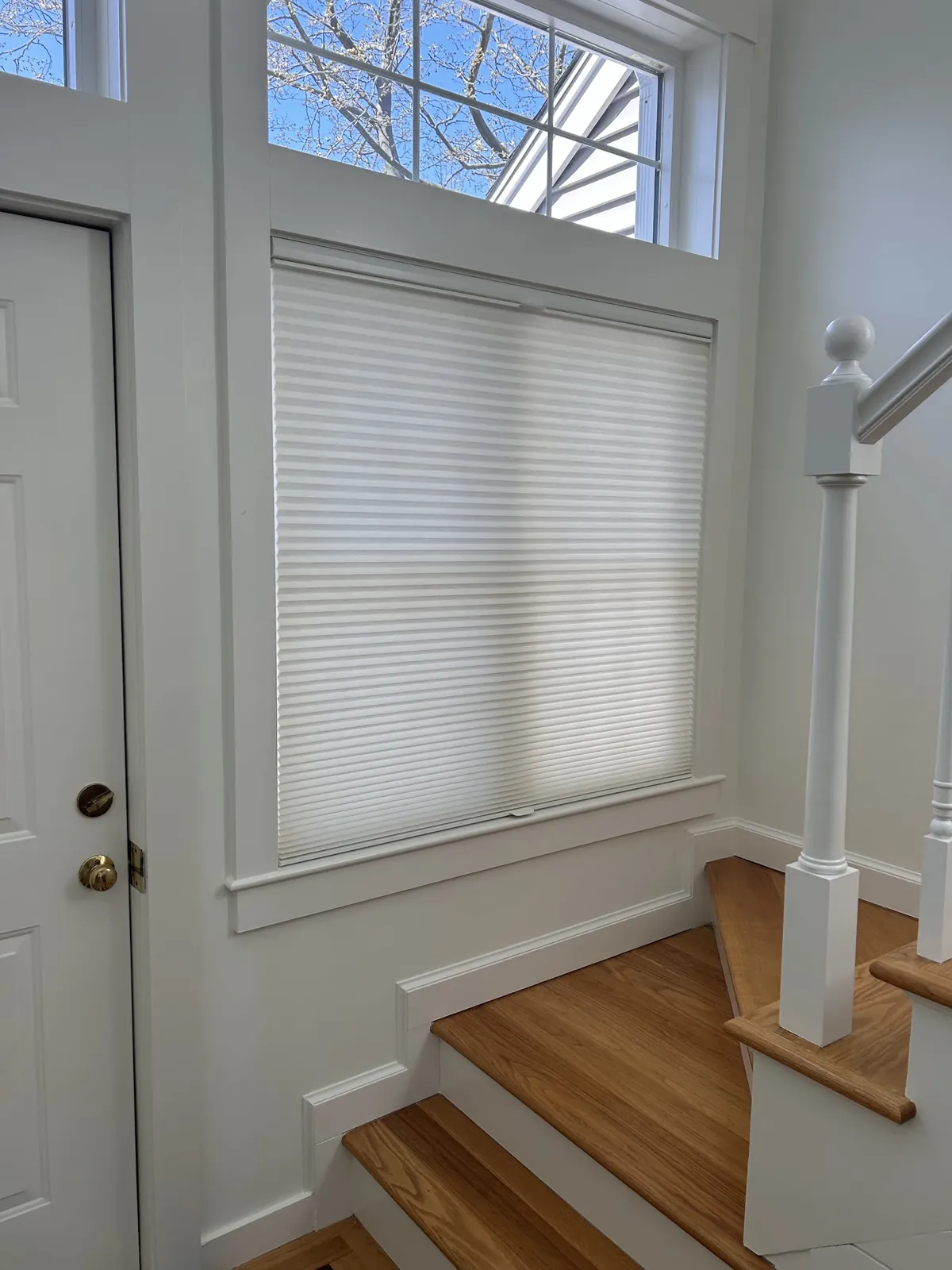
Double cell
Two layers of cells, one behind the other, so two pockets of air between you and the glass. The choice for a cold room, a bedroom on the water side or a draughty old sash.
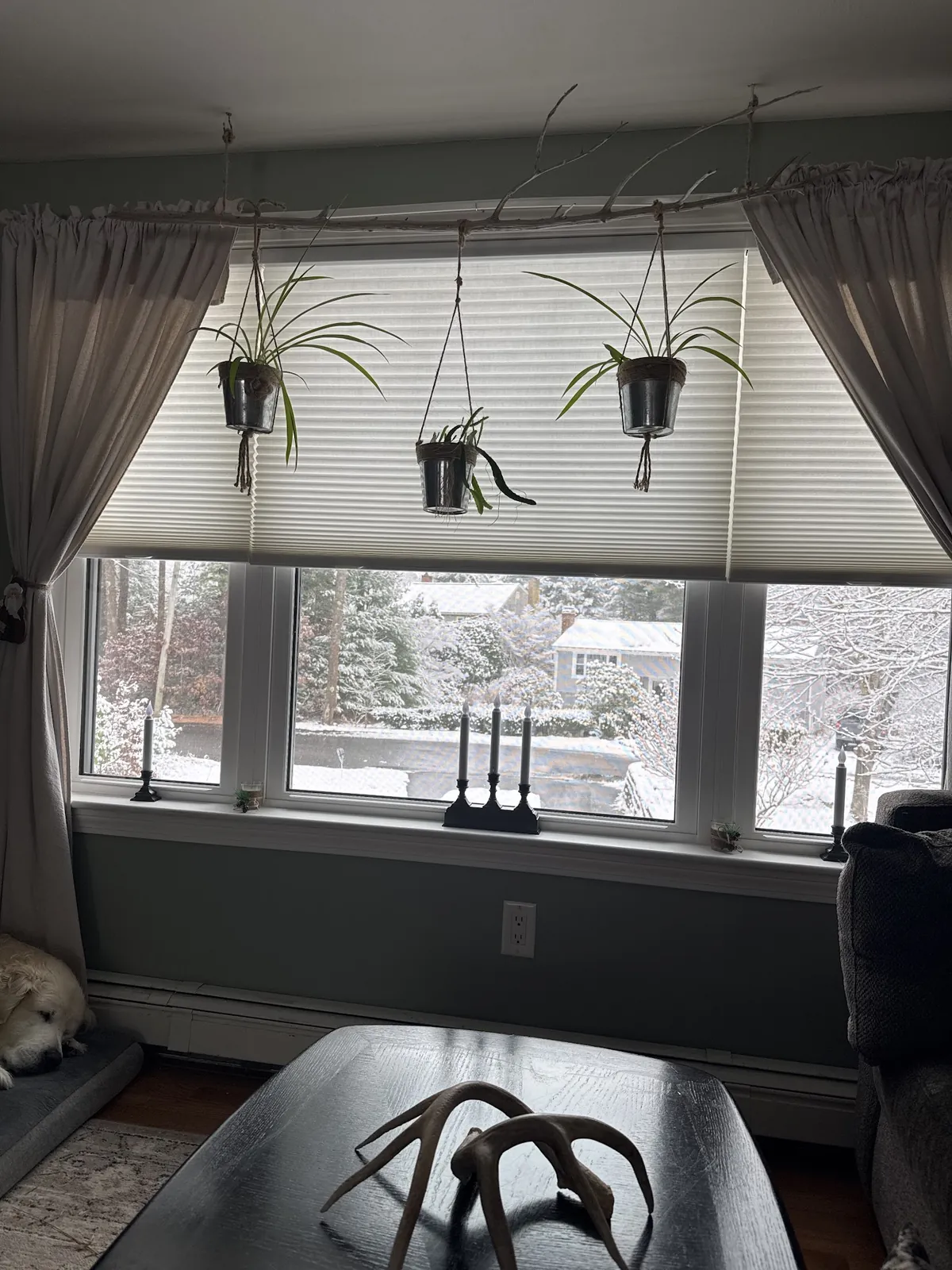
Shade and drapery together
A honeycomb shade fitted close to the glass, with drapery hung in front of it. The pairing suits the formal rooms of a center-hall colonial.
How a Honeycomb Shade Holds the Heat
Look at the edge of a cellular shade and you will see why it works. The fabric is folded into a row of closed tubes, like a slice of honeycomb laid on its side. When the shade is lowered, those tubes line up across the window and the air inside them stays put. Still air passes very little warmth along, so the heat in the room has a much harder time reaching the cold glass and leaking away.
A single cell shade gives one layer of that trapped air. A double cell shade stacks a second row of tubes behind the first, so there are two layers. That is the simple reason we suggest double cell for the coldest room in a house and single cell for rooms that are already comfortable. Plenty of Barrington houses finish with a mix of the two, picked room by room but kept to one colour so the front windows look matched from outside.
The shade is only as good as its fit. If there is a gap down each side, the cold air at the glass slides around the edges and into the room. That is why every one of the cellular shades in Barrington, RI that we make is built to the measurements of its own window, taken in the house, not from a standard size.
Mid-century houses and their long runs of glass
The mid-century moderns in Barrington were designed around the view. Their walls of glass often run most of the length of the living room, sometimes turning a corner, and the sills sit low to the floor. In summer that feels wonderful. In January the same wall is a broad, cold surface that can make the whole room feel cool, even with the heat running.
Covering that wall with one wide shade is rarely the answer. A long run of glass is usually divided by mullions or posts, and a row of shades, one to each section, follows those lines and lets you raise one panel for light while the others stay down. When they are all lowered at dusk, the row forms a continuous layer of still air along the wall. When they are raised, each shade folds into a narrow band, and the house looks the way its architect meant it to.
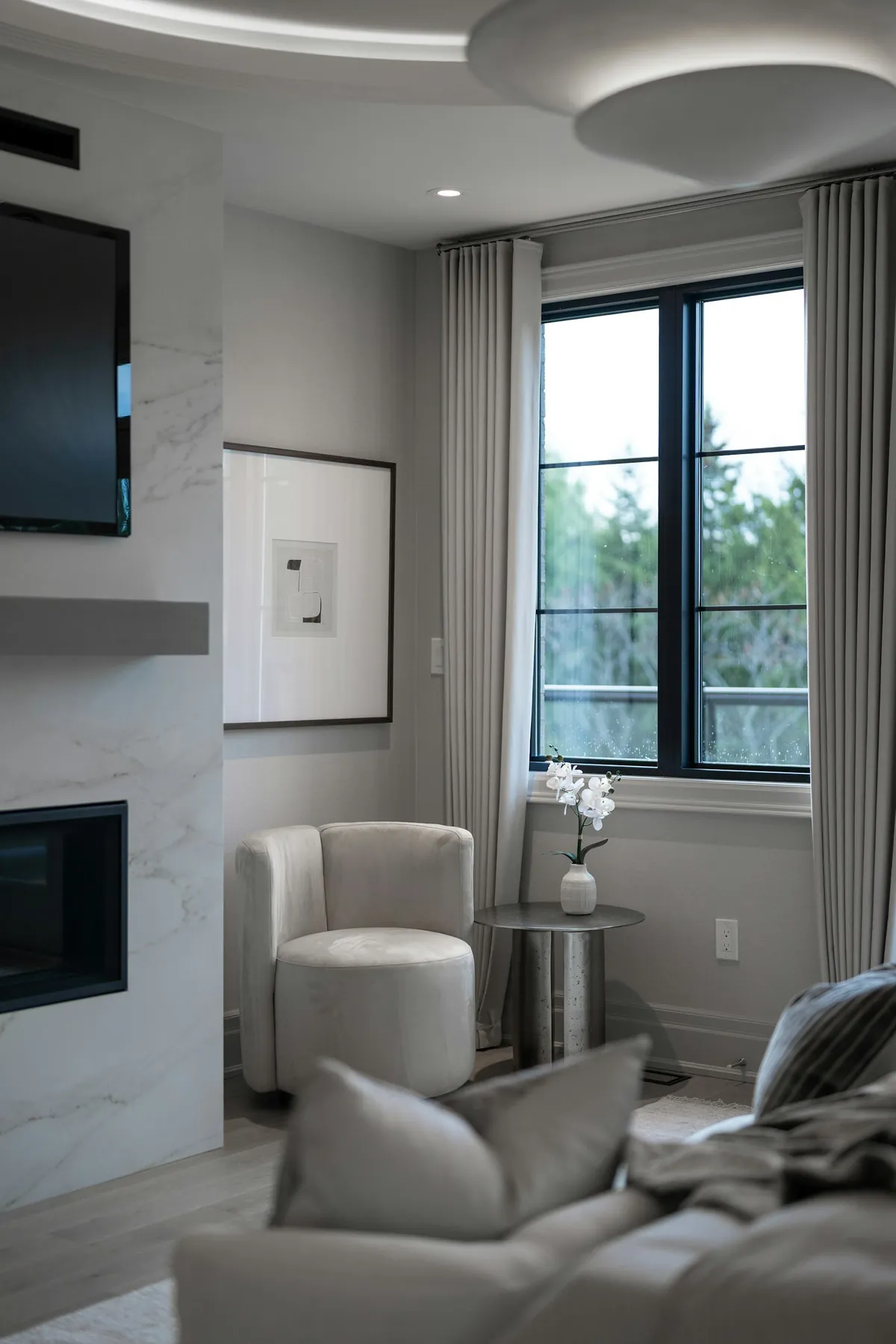
Low sills and what they mean for a shade
A low sill changes the job in two ways. First, the window is taller than it looks from outside, so the shade has more fabric to stack when it is raised. A honeycomb shade folds up small, which is why it suits these openings better than a heavier treatment. Second, a low sill puts the bottom of the window close to the floor, where chilly air settles on a winter night. A shade that comes right down to the sill, made to the exact height of the opening, closes off that bottom edge.
We also look at what sits in front of the glass. A sofa, a radiator, a built-in bench or a heating vent under a low sill all affect where the shade should stop and how it should be mounted. Those details are noted at the measuring visit so the finished shade clears everything it needs to.
Center-hall colonials on Rumstick Road
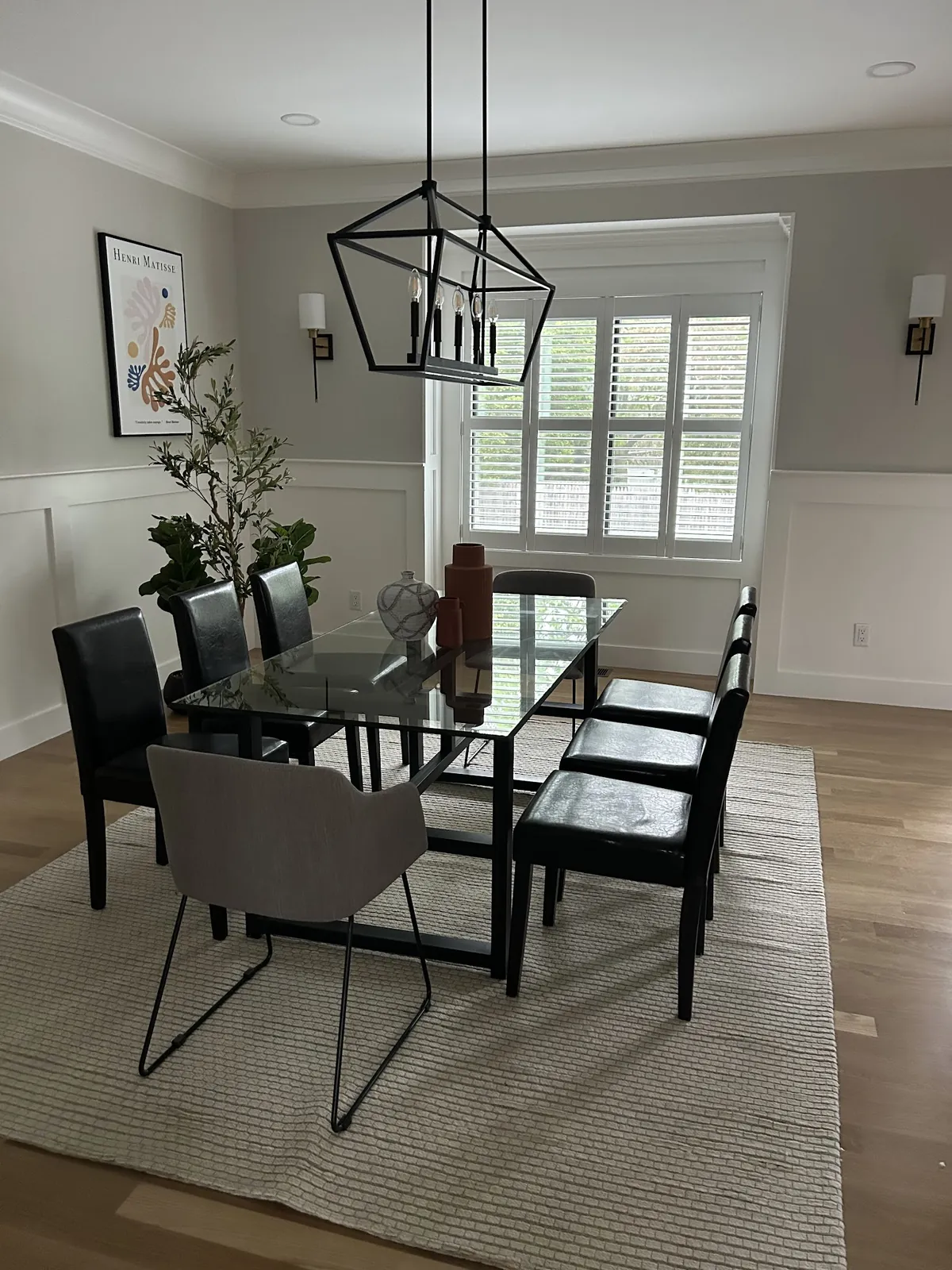
The center-hall colonials have a different character. Their formal rooms, the front parlour, the dining room and often the main bedroom, are rooms where drapery is expected rather than optional. A bare window in a formal dining room looks unfinished, and many of these houses have had lined drapery in those rooms for as long as anyone remembers.
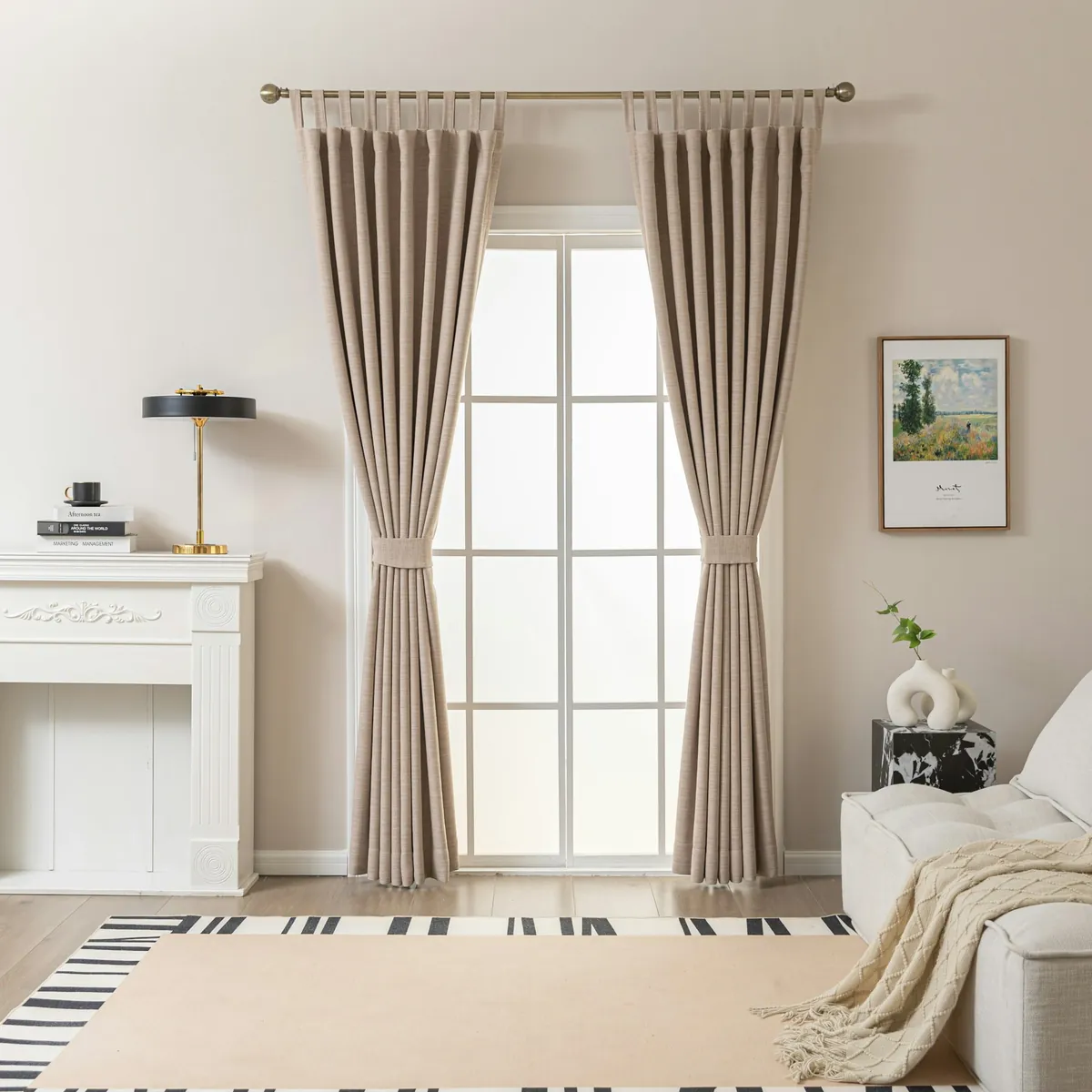
That does not rule out a honeycomb shade. It makes the shade more useful. Fitted inside the window frame, close to the glass, a cellular shade does the practical work: it holds the air, handles the light and gives privacy after dark. The drapery hangs in front of it, frames the window and adds a second layer of fabric across the wall when it is drawn at night. The shade is almost invisible when raised, so the drapery stays the star of the room.
Window Works makes drapery too, so shade and drapery are planned as one job and sized during a single visit. Our custom drapes in Barrington page covers the drapery side of that pairing.
The water side of the house
Houses with frontage on the Barrington River, or with a clear line to the bay, tend to have one side that takes the weather. The rooms on that side feel it first when the wind picks up in the colder months. Those are the rooms where we most often suggest double cell, even if the rest of the house has single cell.
The water side is also where the largest windows usually are, which can mean glass that is hard to reach. Where a shade sits high on a tall window or behind furniture that never moves, motorised blinds and shades let you raise and lower it from a remote or a wall switch.
Ordering Cellular Shades in Barrington, RI
Nothing about the order is complicated, and you hear from us at each stage, right up to the moment the last shade is working.
- Ring the Swansea store with the call button, or send the form, and say which rooms are on your mind. That books your free quote.
- One of our specialists visits to measure. Every opening is measured on its own, the frame depth is checked, and anything that could get in the way is written down: a casement crank, a sash lock, a radiator under a low sill.
- Room by room, you settle on single or double cell, then the fabric and the colour. The showroom has the samples to see and handle if you want to compare them first.
- The quote itemises each window, so there is no guessing about what is being made for which room.
- Your shades are built to the sizes taken in the house.
- The installers hang them, run each one up and down to be sure it travels evenly, and walk you through using them.

Inside the frame or on the trim
Most colonial windows in Barrington have enough depth for a shade to sit inside the frame. That keeps the painted trim on show and leaves room for drapery hardware outside it. Where the frame is shallow, or where an old sash is out of square, mounting the shade on the trim and sizing it to cover the whole opening gives better coverage at the edges.
Mid-century frames are often slim and flush, with little depth to work with. On those windows we look closely at how the frame is built before suggesting a mount, and we tell you why.
Light, privacy and the evening
Heat is the main reason most of our calls about cellular shades in Barrington, RI begin, but light comes a close second. A long mid-century window that faces the street makes a living room feel like a stage once the lamps go on, and a low sill means the view in reaches right down to the floor. Lowering the shades at dusk deals with both at once: the room keeps its warmth and stops being on show.
In the daytime the same fabric softens the light rather than shutting it out, so a room with a great deal of glass stops being glaring without turning dim. Bedrooms on the east side of a colonial, which catch the first light, are often given a heavier fabric than the rest of the house. We talk through how each room is used before anything is chosen, because a study, a guest room and a main bedroom rarely want the same thing.
Fabric, colour and the view from the street
A shade has two faces. Indoors, it should suit the walls, the floor and, in a formal room, the drapery hanging in front of it. Outdoors, all the shades across the front of the house are seen at once, so keeping those windows to a single shade colour makes a house on Rumstick Road or Nayatt Road look orderly, whatever is going on in the rooms behind.
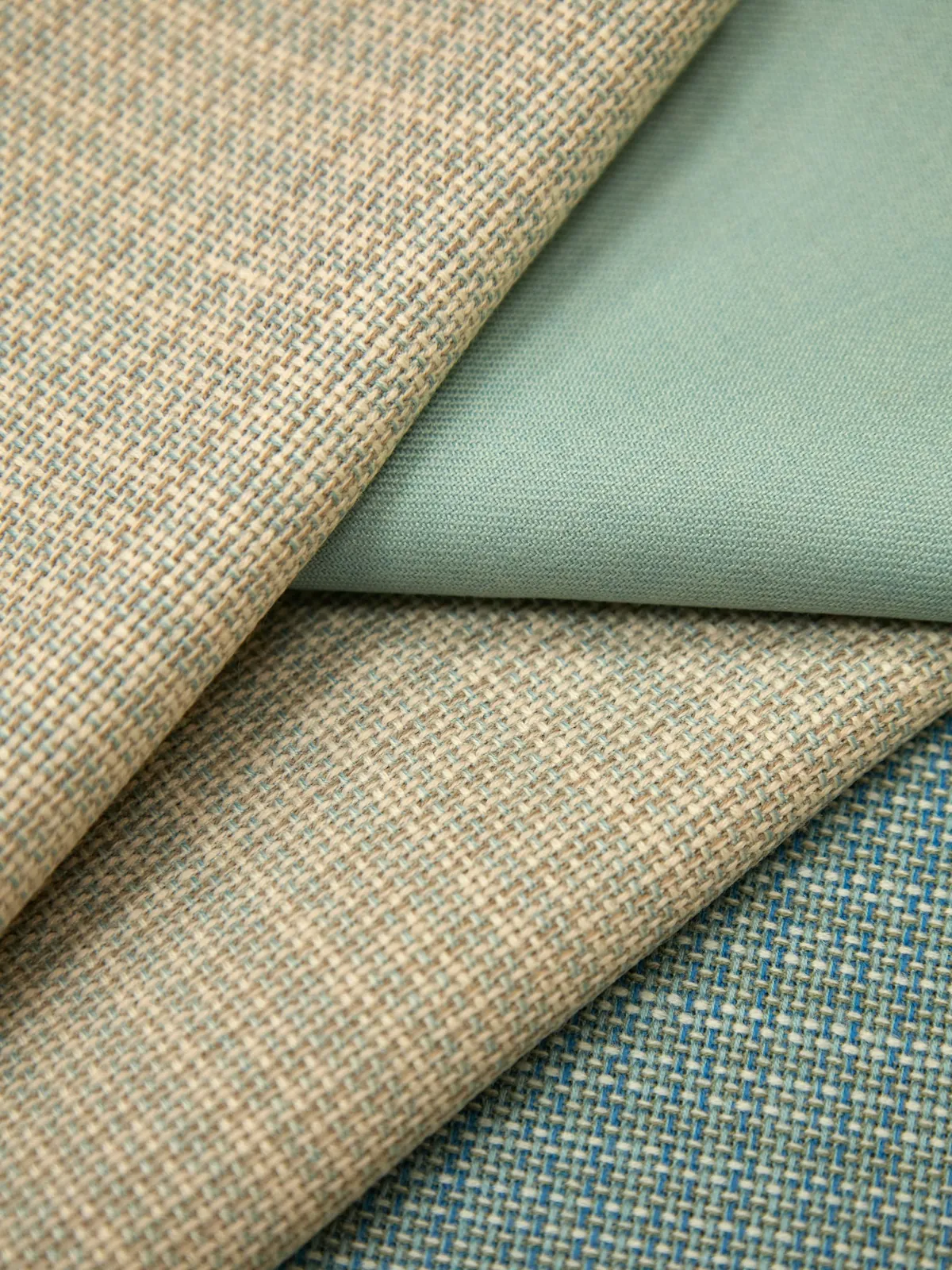
Center-hall colonials usually take white or a pale neutral, which sits cleanly against painted trim. A mid-century house can carry a warmer or deeper tone that picks up its wood ceilings and plain lines. Fabrics differ in how much daylight they pass, so a living room and a bedroom often end up with different ones. It is much simpler to decide with the samples in your hand at the showroom, and a photo of the room on your phone helps you picture each one at home.
Rooms where a honeycomb shade is the right call
Some rooms in a Barrington house gain more from a cellular shade than others. These are the ones we are asked about most.
- The living room on the river side, where a long run of glass is the coldest wall in the house
- Bedrooms facing the water, where double cell is usually the better choice
- A study or home office with one large window, where light needs to be softened without losing the room
- Formal rooms in a colonial, where the shade works quietly beneath drapery
- Glazed porches and sunrooms that are used well into the autumn
Not every window should get a honeycomb shade, and when another treatment would serve better we tell you. A kitchen may be happier with shutters, a bay with a Roman shade, a slider with a vertical track. Everything we offer the town is on the Barrington window treatments page, and the shades themselves are covered in full on our main cellular shades page.
Sunrooms, porches and the shoulder seasons
Several of the larger Barrington houses have a glazed porch or sunroom facing the river, a room that is a pleasure in May and October and hard to keep warm once the evenings draw in. Rooms like that are mostly glass, so the shades make up a large share of the wall. Fitting cellular shades in Barrington, RI sunrooms lets you keep using the room later into the autumn: lower them as the sun goes down and the air held in the cells sits between you and a great deal of cold glass.
The same rooms often have windows on three sides at different heights, with knee walls, transoms or a sloping ceiling. Each opening gets its own shade, and the measuring visit is where we work out which windows need to open, which sit behind furniture and which are simply too high to reach comfortably.
When a whole house is on the list
Doing every room at once is not necessary. Many orders begin with the coldest rooms, usually the water side bedrooms or the mid-century living room, and the rest of the house follows later in the same colour. Keep a note of the colour and fabric you chose, and a later order for the remaining rooms can be matched to the first, so the front of the house still looks like one decision.
A Family Store Since 1988
Window Works opened in Swansea in 1988 and the same family runs it today, now in its second generation. Over more than 37 years our specialists have worked in houses right across the Massachusetts SouthCoast and the East Bay of Rhode Island, Barrington among the 25 towns on our list.
- Specialists in window treatments, and nothing else
- Measuring done at your house, window by window
- Our own installers hang what we make
- We keep in touch with you from first call to finished job
- Warranties are offered on what we sell
The process is the same for one shade over a kitchen sink as it is for a house full of them.
See Single and Double Cell in Person
In Swansea you can hold a single cell sample against a double cell one and feel the difference straight away. A snapshot of your room, a paint card or a cutting of the drapery fabric helps our team point you toward the right shade. The Norman range is on show too, next to the blinds, shutters and other shades we make.
Questions from Barrington
Can a honeycomb shade cover a long wall of mid-century glass?
Yes. We usually make one shade for each section of the wall, following the mullions or posts, so you can raise one panel for light and leave the rest down. Lowered together, they cover the whole run.
Will a shade work under drapery in a formal colonial room?
It works very well there. The shade is fitted inside the frame close to the glass and does the practical work, while the drapery hangs in front. We can measure for both on one visit.
Single cell or double cell for a bedroom facing the river?
Double cell, in most cases. The second layer of cells holds a second pocket of air, which helps most in the rooms that take the weather.
Do you measure and install the shades yourselves?
We do both. A specialist measures each window at the house, and our installers return to hang the shades once they are made.
Is there a charge for the quote?
No, the quote is free. Press the call button or fill in the form, mention the rooms, and we will book a visit.
Ready When You Are
The quickest start is the call button: the Swansea store can book your free quote, set up a measuring visit or answer questions about installation. To handle the fabrics first, find the showroom directions on the contact page. Window Works is rated 5.0 on Google.