
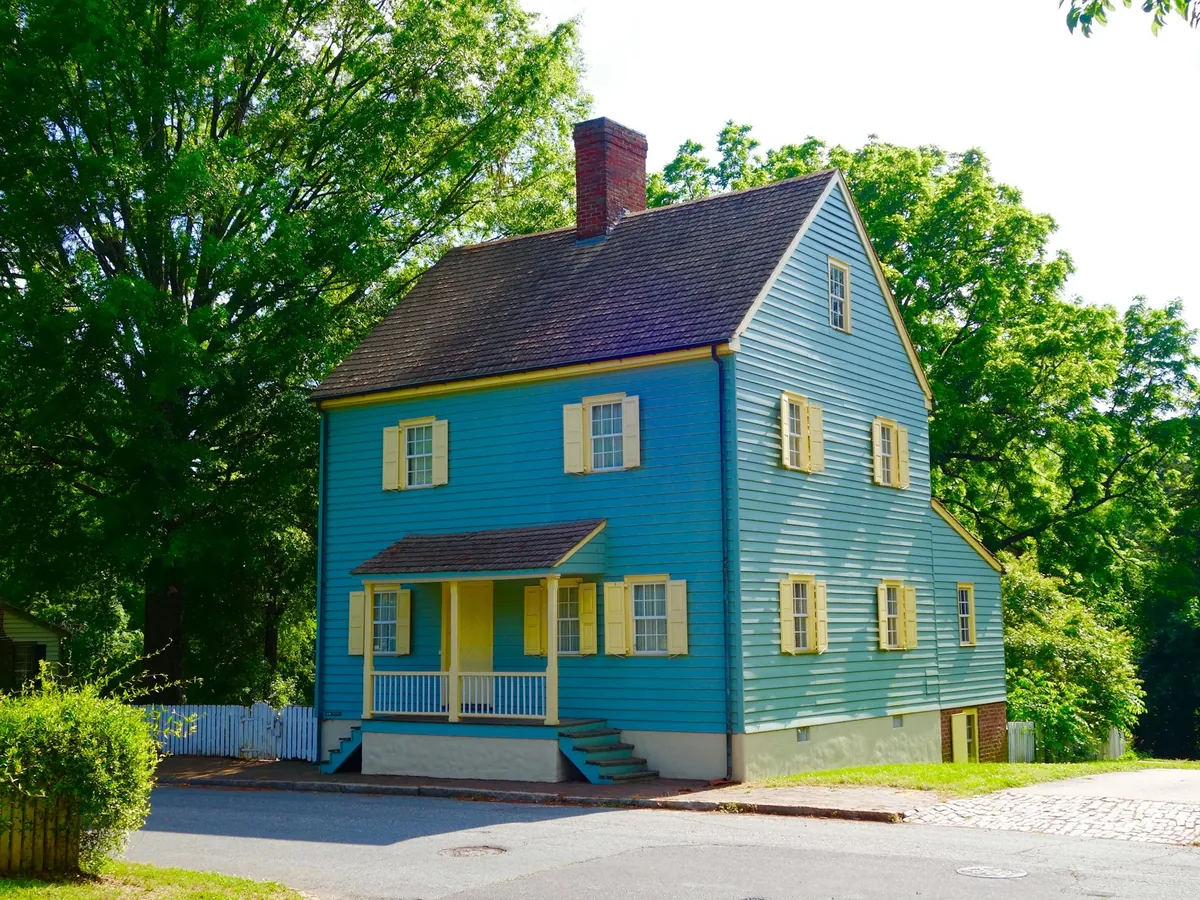
Close to the Street, Close Next Door
In the historic waterfront district, a Federal or a Victorian often stands only a few steps back from the sidewalk, with the house next door just as near on either side. That is the first thing we think about when we plan cellular shades in Warren, RI: a front room at street level needs privacy before it needs anything else, and it needs it without being turned into a cave.
A honeycomb shade handles that well. Lowered, it blocks the view in from the sidewalk while still letting soft daylight through the fabric. It also does something a plain blind cannot, because the folded cells hold a layer of still air against the glass, and that layer is what keeps an old room warm on a raw winter evening.
- One layer of cells or two, chosen room by room
- Each window measured at the house and fitted by our installers
- Fabrics and colours to handle in the Swansea showroom
What We Make for Warren Windows
Single cell
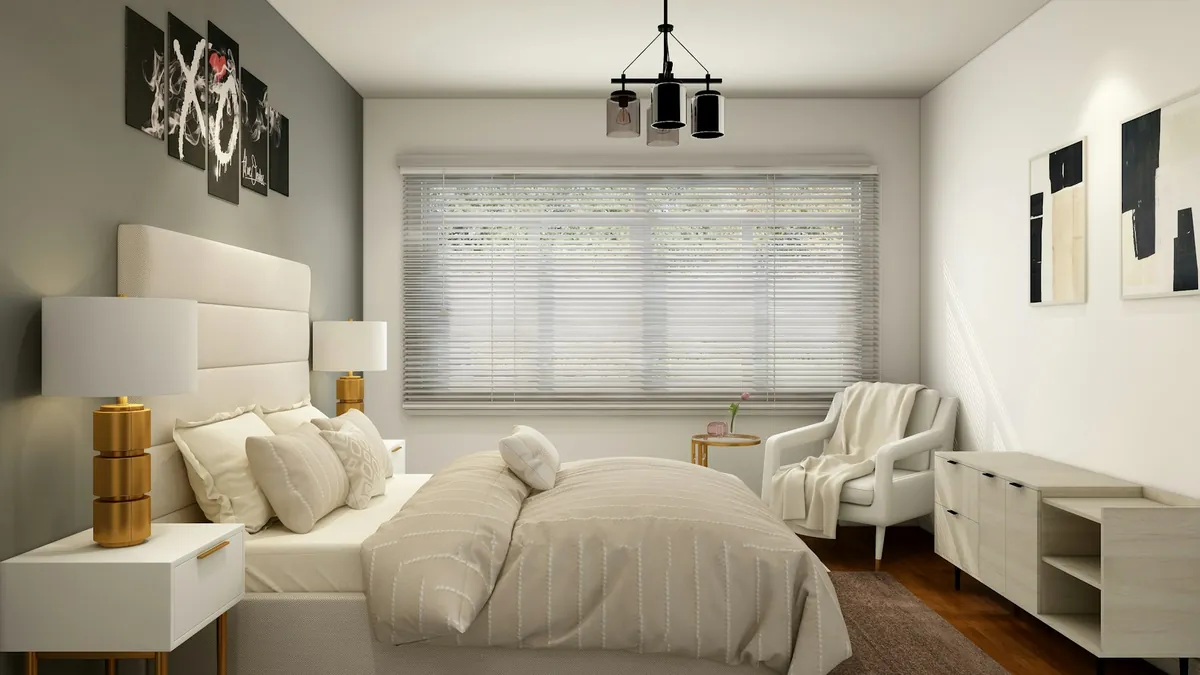
A single row of folded cells. Light to raise, compact at the top of the window, and right for most rooms in a house that is already reasonably warm.
Double cell
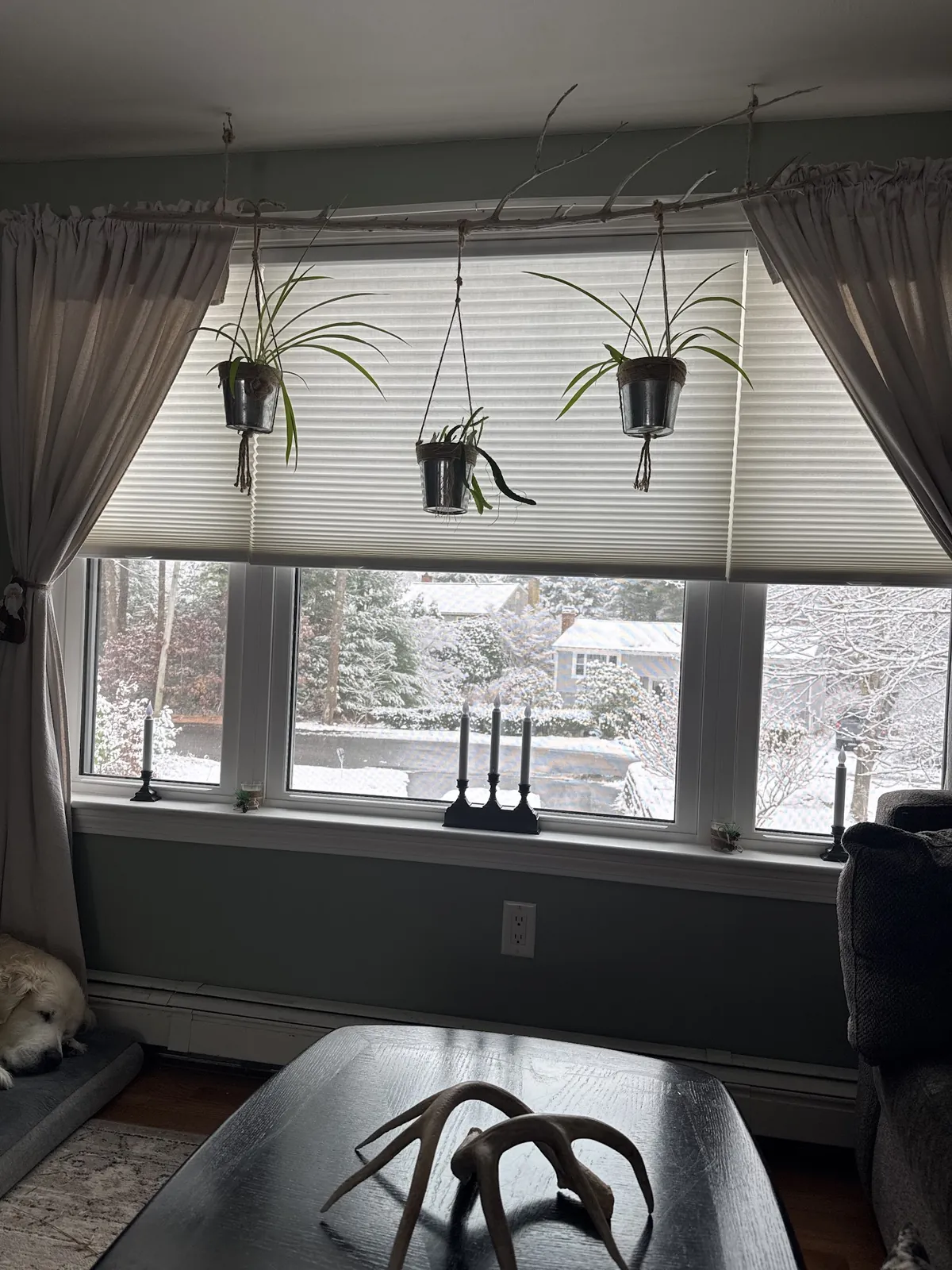
Two rows of cells, so two layers of held air. Our usual suggestion for the coldest bedroom, a north-facing parlour or a window that lets the wind in around the sash.
Fitted to old sash
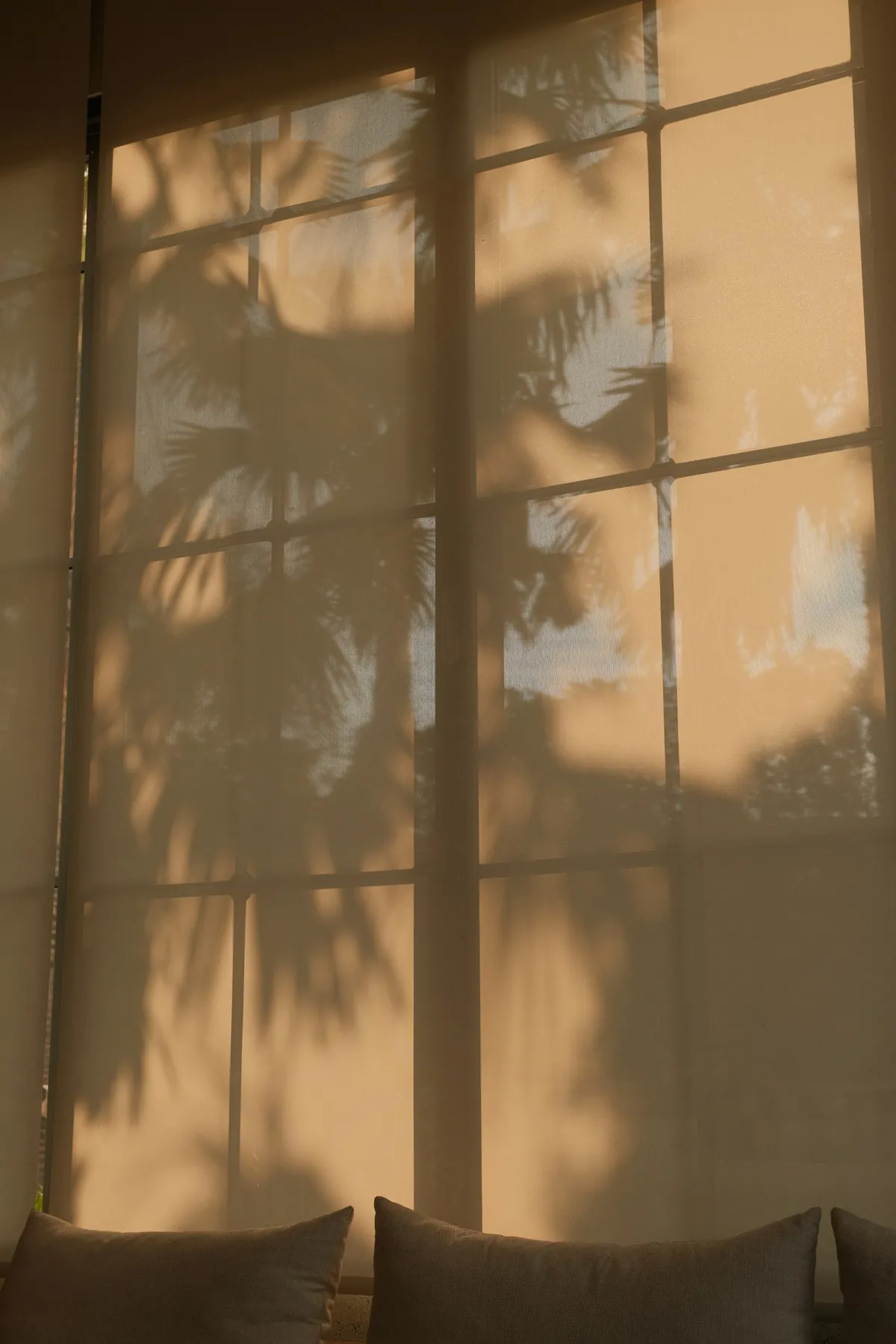
Tall, slim openings in older frames that are rarely square. Each shade is sized to its own window so it closes off the edges and stacks out of the way.
Privacy at the Sidewalk Without Losing the Daylight
Most front rooms in the waterfront district were built to face the street. The parlour windows sit low enough that anyone walking past can see straight in, and the house across the way is close enough to look into your rooms after dark. Many owners deal with that by keeping heavy curtains closed all day, which makes the room gloomy and wastes the light those tall windows were built to let in.
A cellular shade offers a better trade. Its fabric diffuses daylight instead of blocking it, so with the shade down the room stays bright while the view in from the sidewalk becomes a soft blur. At night, when the room is lit and the street is dark, the shade becomes a solid screen. You can choose a fabric that lets more light through for a living room and a heavier one for a bedroom on the street side.
For the rooms we are asked about most, the question is not whether to cover the window but how much of it, and when. Choosing cellular shades in Warren, RI usually starts with a walk through the ground floor, looking at which windows face the sidewalk, which face the neighbour and which look onto a yard where privacy matters less.
Why the cell keeps the room warm
The second reason the shade earns its place is winter. A window, especially an old single-glazed sash, is the coldest surface in the room. Warm air touches it, cools, and sinks to the floor, and the room never quite feels comfortable however high the heating is set.
A honeycomb shade interrupts that. The fabric is folded into closed tubes, and when the shade is lowered those tubes stand between the glass and the room, each one holding a small pocket of air. Air that cannot move does not carry warmth to the glass, so more of it stays in the room. A double cell shade has two rows of those tubes, so there is a second pocket behind the first. That is the whole of the idea, and it is why we steer the coldest rooms toward double cell and leave single cell for the rest.
Federals and Victorians Along the Waterfront
The Federal house and its tall sash
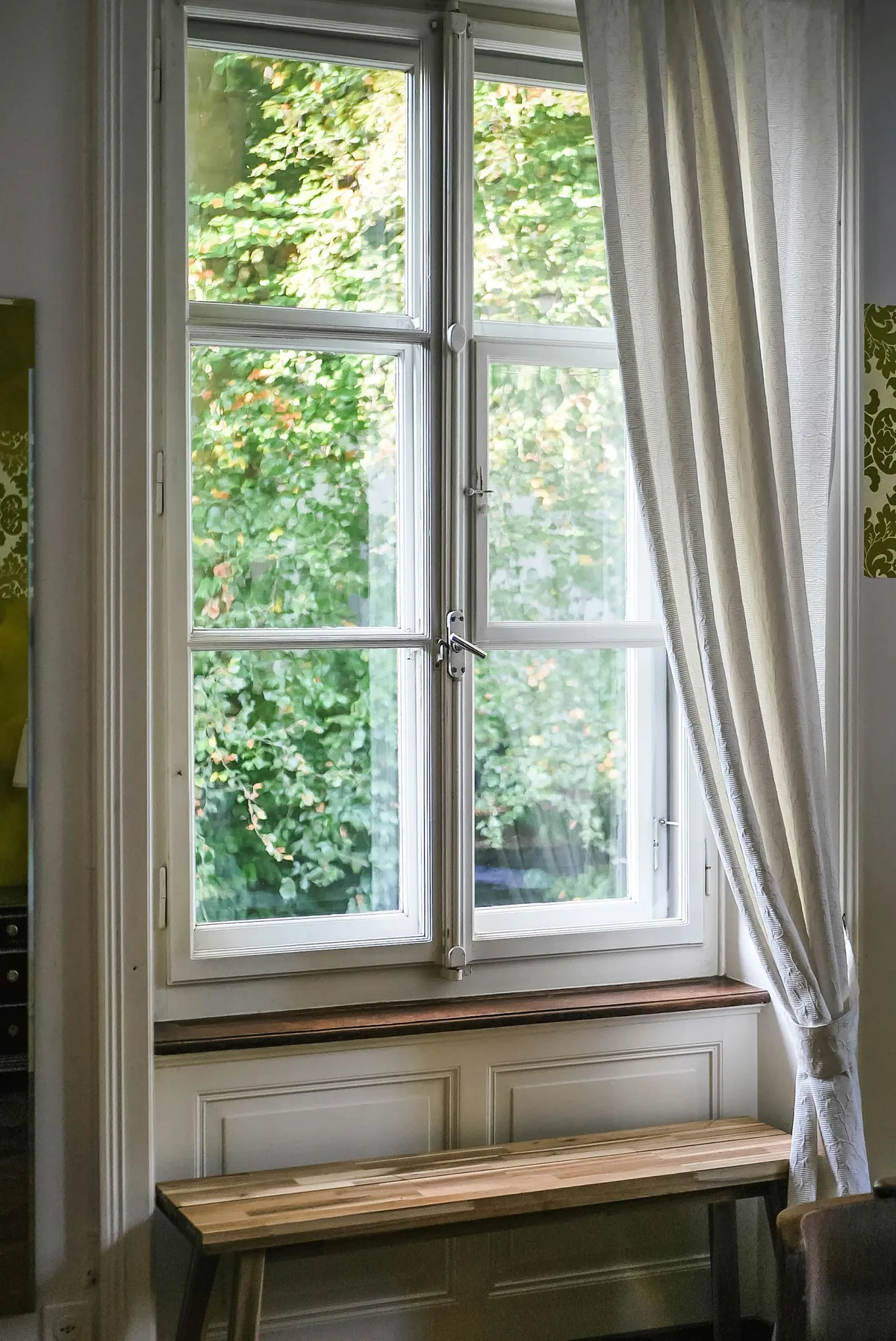
Warren’s Federal houses tend to have tall, evenly spaced double-hung windows across the front, set into deep frames with painted trim. Those windows are part of the house’s character, and the best treatment leaves them looking like themselves. A cellular shade fitted inside the frame does exactly that: raised, it folds into a narrow band at the top and the sash and trim are back on show.
Older frames are seldom square, and the depth can change from one window to the next. A sash lock, a pulley or a layer of old paint can sit right where a shade would go. We check each window separately rather than assuming the whole front of the house is the same. Where an inside mount will not sit cleanly, fixing the shade on the trim and sizing it to the trim’s width covers the gaps at the edges, which in an old house are often where the draught comes in.
Victorians, bays and taller rooms
The Victorians in the district bring higher ceilings, taller windows and, often, a bay on the front or side. Each window in a bay is its own opening, set at an angle to the next, and each gets its own shade so the bay can be covered completely without fabric bunching at the corners. In a bay facing the street, that means you can lower the side windows for privacy and leave the centre one up for the view, or the other way around.
Taller windows mean more fabric when the shade is raised, and here a honeycomb shade has the advantage over heavier treatments, because it stacks small. On the tallest windows, where the top of the shade sits well above reach, motorised blinds and shades let you raise and lower it from a remote or a wall switch.

Rooms that face the house next door
Side windows in a close-set house are a particular case. They often look straight across a narrow gap into a neighbour’s window, so privacy matters as much as at the front, but they also bring in light the room would otherwise not get. A light-coloured shade in a fabric that lets plenty of daylight through is usually the answer on those windows: the room keeps its brightness, and neither house looks into the other.
Halls, stairs and the rooms at the back
The narrow front hall of a Federal, with a window beside the door or a tall window on the stair landing, is easy to overlook and often one of the coldest spots in the house. Air chilled by that glass drops straight down the stairwell. A slim honeycomb shade on the landing window, lowered on winter nights, takes some of the chill out of the hall without blocking the light the stairs depend on by day.
The rooms at the back of a waterfront house are often a later addition: a kitchen extension, a mudroom or a small sunroom with windows on two or three sides. They tend to have more glass and less shelter than the original rooms, and they look onto a yard rather than the street. Privacy matters less there, so the shade is chosen mostly for warmth, and double cell is often worth it even when the front rooms are single cell. Because cellular shades in Warren, RI back rooms are not seen from the sidewalk, you are free to pick a colour that suits the room rather than the street.
Touisset and the Shore Lots
Out toward Touisset, the houses are quieter and set further apart on the shore lots, and the privacy question gives way to the weather. Windows on the water side face open air and take the wind as it comes off the bay. Those rooms are often the most pleasant in the house in summer and the hardest to keep warm in January.
That is where double cell does its best work. Lowered on a winter afternoon, a row of double cell shades across the water side of the house puts two layers of held air between the rooms and the cold glass. In the morning, raise them and the view is back, with the shades folded into slim bands at the top of each frame.
Shore houses often have a mix of window sizes on that side, from a wide picture window in the living room to small windows in a bathroom or stair. Each one is measured on its own, so cellular shades in Warren, RI houses by the water fit as closely as those in the village.
Shore cottages also tend to have a glazed porch or a sunroom that faces the bay, and those rooms are mostly glass. Fitting each window with its own shade lets you keep using the room into the autumn, lowering the row at dusk to hold a layer of air across the whole wall. Where the porch windows open, we note which way each one swings at the measuring visit, so the shade clears the handle and the window still works as it should.
How an Order for Cellular Shades in Warren, RI Goes
We keep in touch with you throughout, from the first question to the last shade being hung.
- You use the call button or the form, mention the rooms you are thinking about, and we book your free quote.
- A specialist from our team comes to the house and measures each window, checking the frame depth and noting anything that affects the fit, from an uneven sill to a sash lock in the way.
- You choose single or double cell for each room, then fabric and colour. The showroom has samples to see and handle if you want to compare them side by side.
- Your quote lists every window, so you know what is being made for each room.
- The shades are made to the measurements taken at your house.
- Our installers fit them, check each one runs up and down evenly, and show you how to use them.

Colour and the front of the house
In the waterfront district, the front windows are seen from the street as a set. Keeping the shades on those windows to one colour makes the house look calm and finished from the sidewalk, even if the rooms behind them use different fabrics or a mix of single and double cell. White and soft neutrals sit well against painted trim and keep a narrow front room light.
Inside, the colour should suit the room it hangs in. A warmer tone can suit a dining room with dark woodwork, while a bedroom at the back of the house can take whatever colour the room calls for, since it is not part of the view from the street.
Shades with curtains, or on their own
Some Warren rooms suit a honeycomb shade alone, especially kitchens, bathrooms and small bedrooms where there is no space for fabric at the sides of the window. Others, such as a front parlour or a dining room, suit a shade fitted close to the glass with curtains or drapery hung in front. The shade does the daily work of privacy and warmth, and the drapery adds colour and a second layer across the window at night. Our custom drapes in Warren page covers that side, and both can be measured on the same visit.
Keeping a shade looking right
A cellular shade needs very little looking after. Run a soft duster or a vacuum brush lightly across the fabric now and then, and dab a small mark with a damp cloth. Lower and raise it gently rather than tugging, and the pleats keep their shape for years of use.
Getting the most from the shades through the year
How you use the shades makes a difference. On a cold, bright winter day, raise the shades on the sunny side of the house in the morning and let the light in, then lower them all as the sun drops, before the glass turns cold. On the street side, many owners leave the shades partly down through the day for privacy and close them fully at dusk. In a room you rarely use, such as a spare bedroom at the back, keeping the shade down through the coldest weeks keeps that window from pulling heat out of the rest of the floor.
You do not have to do every room at once. Plenty of orders start with the parlour and the coldest bedroom, and the rest of the house follows later in the same colour and fabric, so the front still looks like one choice from the street.
A Swansea Family Store Since 1988
Window Works was founded in Swansea in 1988 and is now run by the second generation of the same family. For over 37 years we have measured and fitted window treatments in houses across the SouthCoast of Massachusetts and the East Bay of Rhode Island, and Warren is one of the 25 towns we serve.
- A team of experienced window treatment specialists
- Measuring at your house before anything is ordered
- Installation by our own installers
- In constant contact with you until the work is finished
- Warranties offered on what we sell

Handle the Fabrics First
Our showroom in Swansea is a short drive across the state line from Warren. Come in to compare single and double cell, feel the weight of the fabrics and see how the colours look in daylight. The Norman range is on show there as well. If you can, bring a picture of the room or a paint colour, and we will help you narrow down the choice.
Honeycomb shades are one of several treatments we make for the town. Our Warren window treatments page shows the full range, and the main cellular shades page explains the shades in more detail.
Questions from Warren
Will a shade give me privacy in a front room close to the sidewalk?
Yes. Lowered, the fabric blocks the view in while letting soft daylight through, and once the room is lit at night it becomes a solid screen.
Can you fit shades in the tall old sash of a Federal house?
Usually inside the frame, so the trim stays on show. We check the depth of each window, and where the frame is too shallow or out of square we fix the shade on the trim instead.
Which is better for a house on the shore at Touisset, single or double cell?
For the rooms that face the water and take the wind, double cell, because it holds two layers of air at the glass. Single cell is usually enough for the more sheltered rooms.
Can you cover each window in a Victorian bay?
Yes. Each window in the bay gets its own shade, so the whole bay is covered without fabric bunching at the corners, and you can raise one window and leave the others down.
How do I book a quote?
Use the call button or the form, tell us which rooms you have in mind, and we will arrange a time to measure. The quote is free.
Book Your Free Quote
Call the Swansea store with the button on this page to book a free quote, set up measuring at your house or ask about installation. If you would rather start by seeing the fabrics, the contact page has the way to the showroom. Window Works holds a 5.0 rating on Google.