
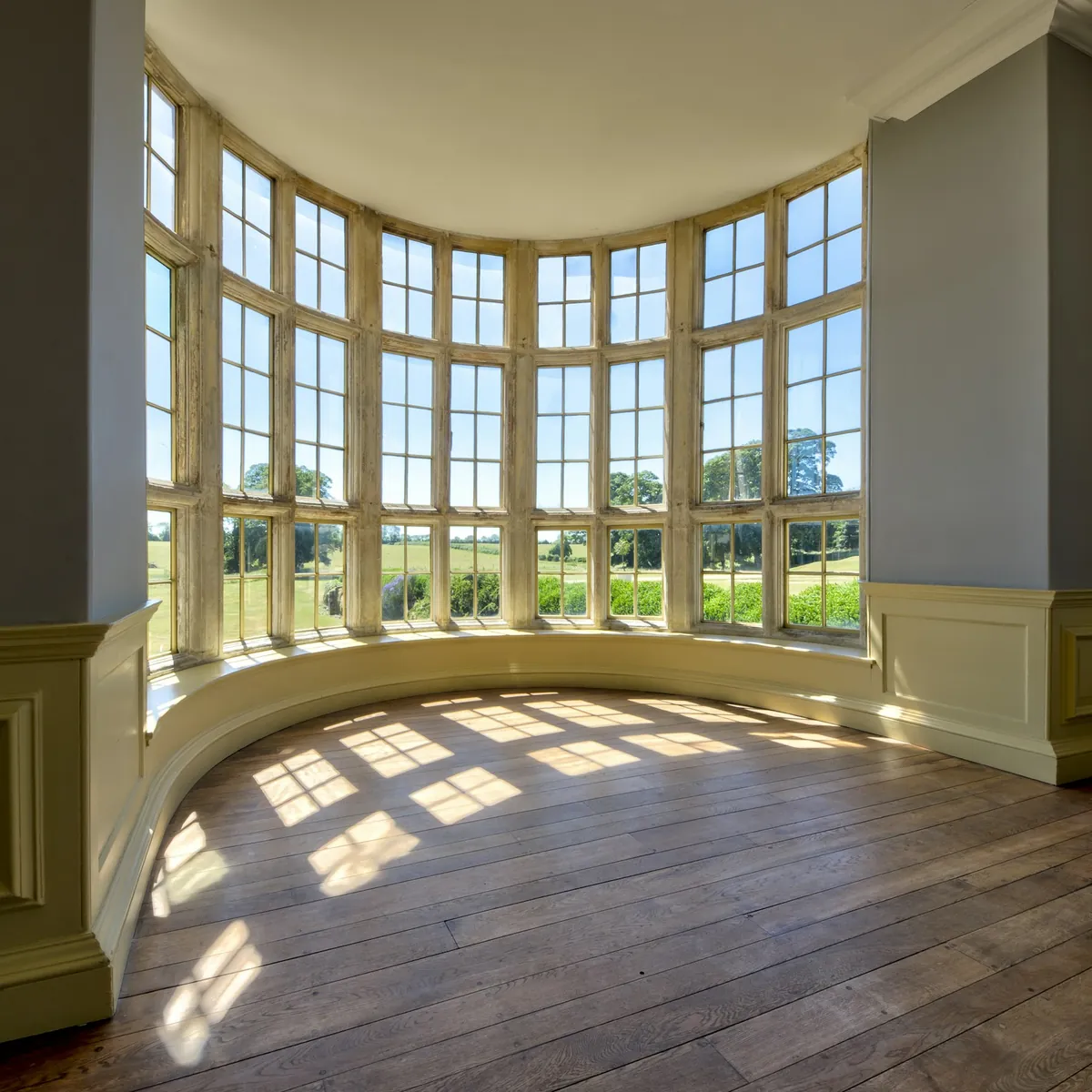
River Light and Mixed Windows in Somerset
Roller shades in Somerset, MA are asked to cover a wider spread of windows than you might guess from the size of the town. On the Taunton River side, plenty of houses had their back rooms opened up years after they were built, and a long sheet of glass now looks out over the water. A few streets inland, the colonials of Somerset Village hold on to slim double-hung sash that has been there since the start. In between are the Brayton Point and Riverside capes and ranches off County Street, put up across the decades after the war, each mixing a big front window with smaller ones.
What makes a roller shade useful here is that it is just one flat length of fabric wrapped round a tube. It can be built to the width and drop of nearly any opening, so the same product can serve a riverside glass wall and a skinny village sash. Only the fabric changes. Screen fabric goes where water glare is the trouble, a light filtering cloth goes where you want a soft glow, and blackout goes where you want the room properly dark.
- Roller shades and solar screen shades
- Light filtering and blackout fabrics
- Each opening sized on site, then fitted by our own installers
Roller Shade Options for Somerset Rooms
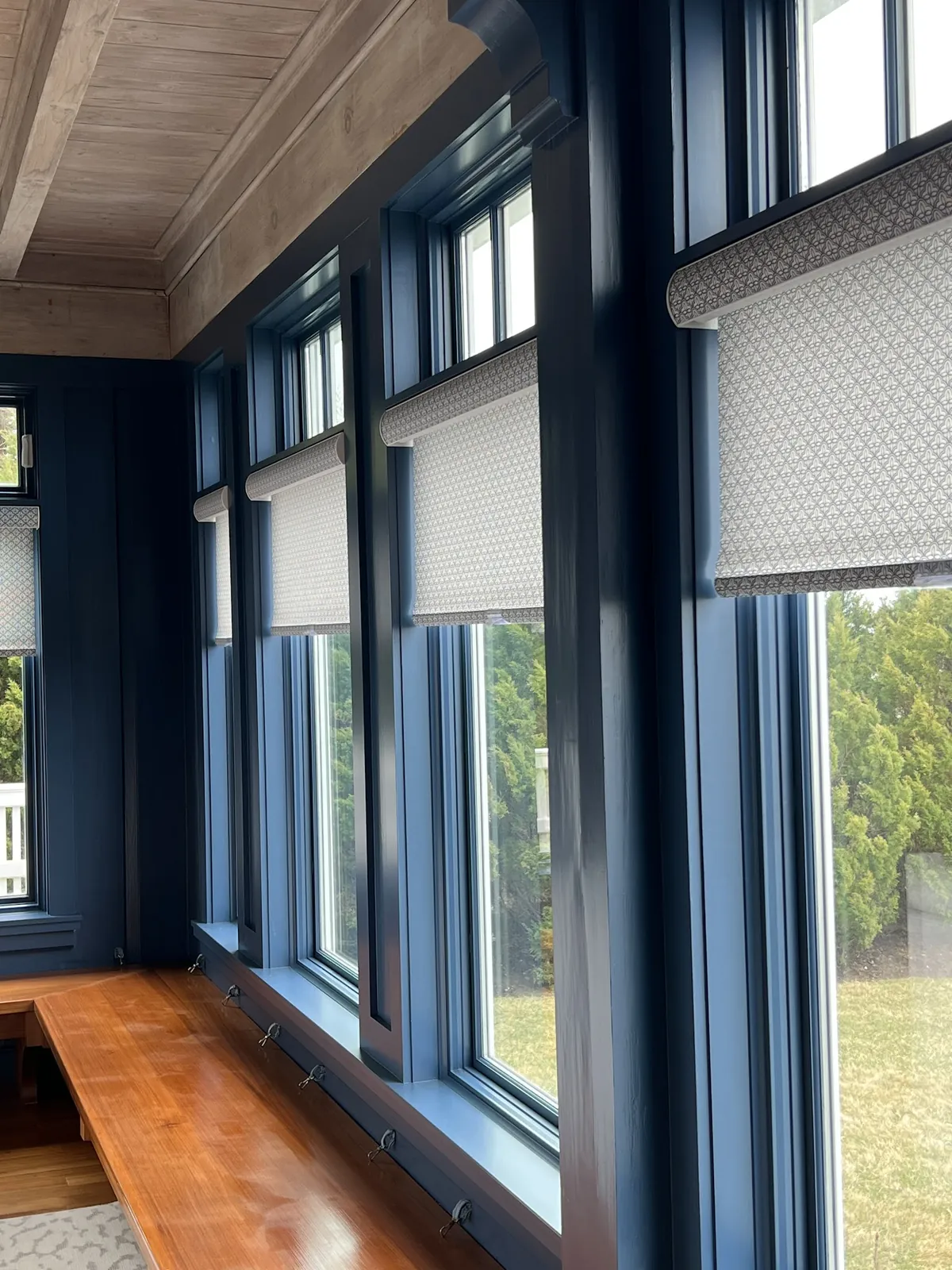
Solar screen
A woven screen that calms bright light off the river while the water stays in view behind it.
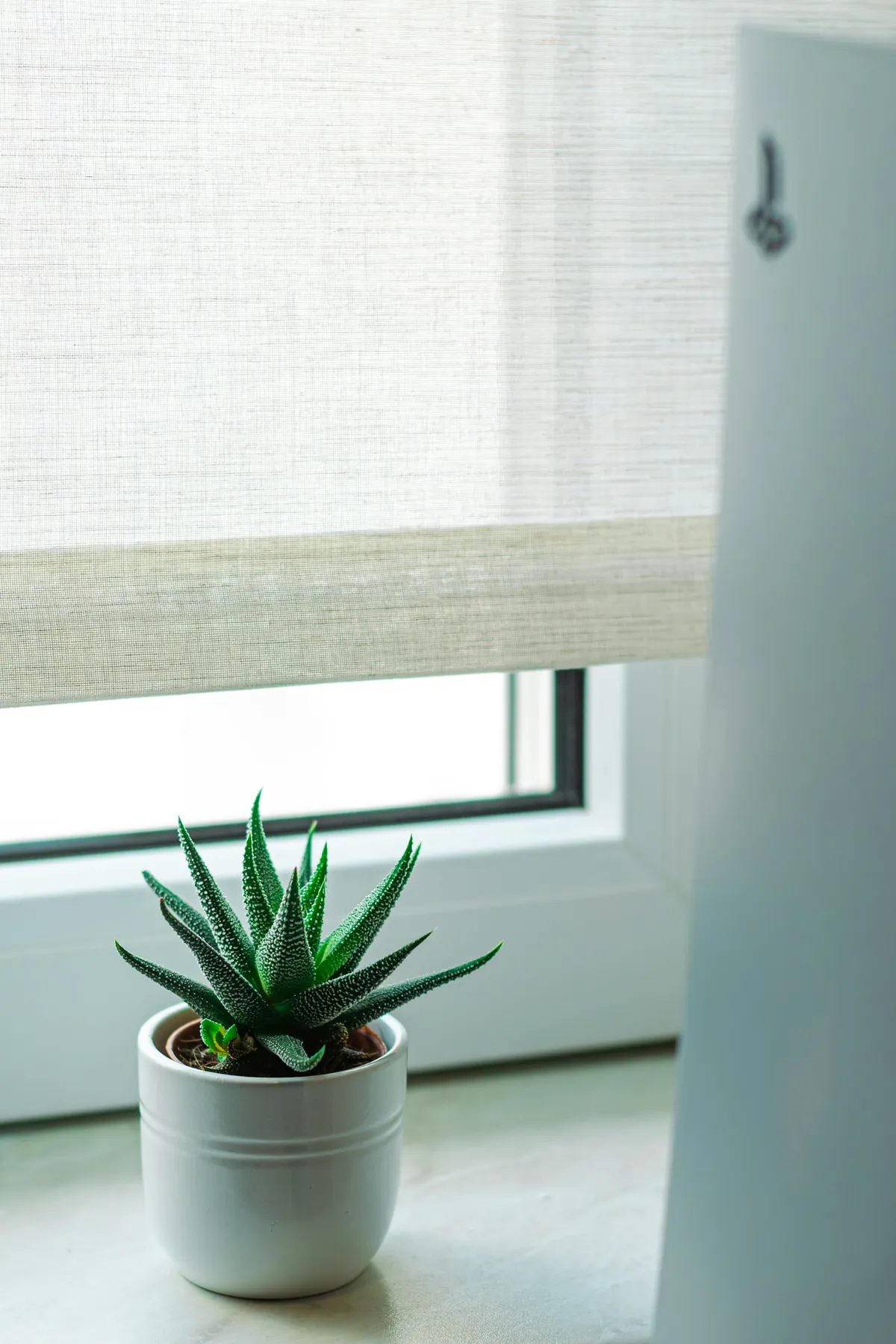
Light filtering cloth
Daylight comes through as a gentle glow and passers-by cannot see in. Kitchens and front parlours suit it.
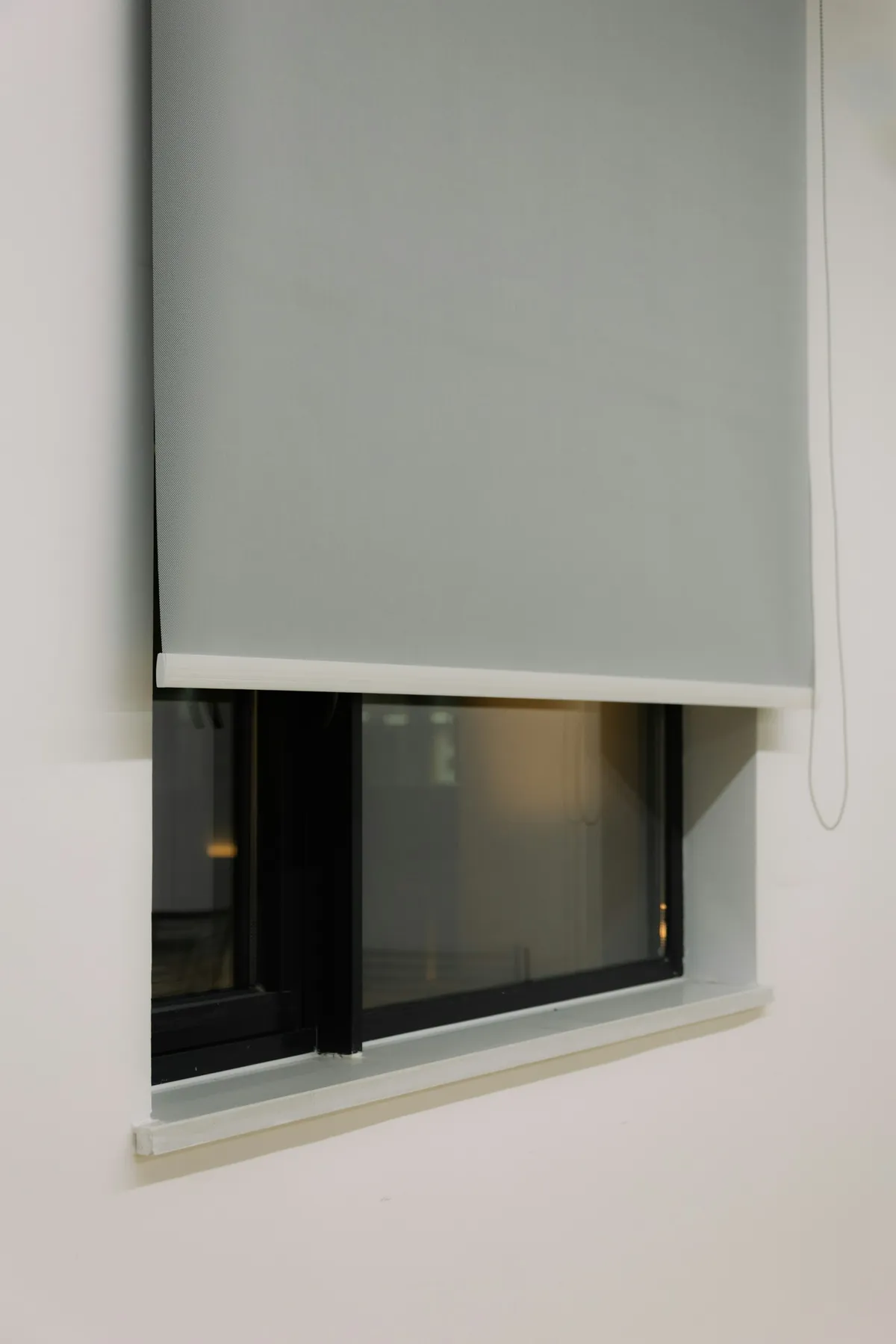
Blackout cloth
Solid fabric for the bedrooms of a cape or ranch, where a sunrise at the gable end comes early.
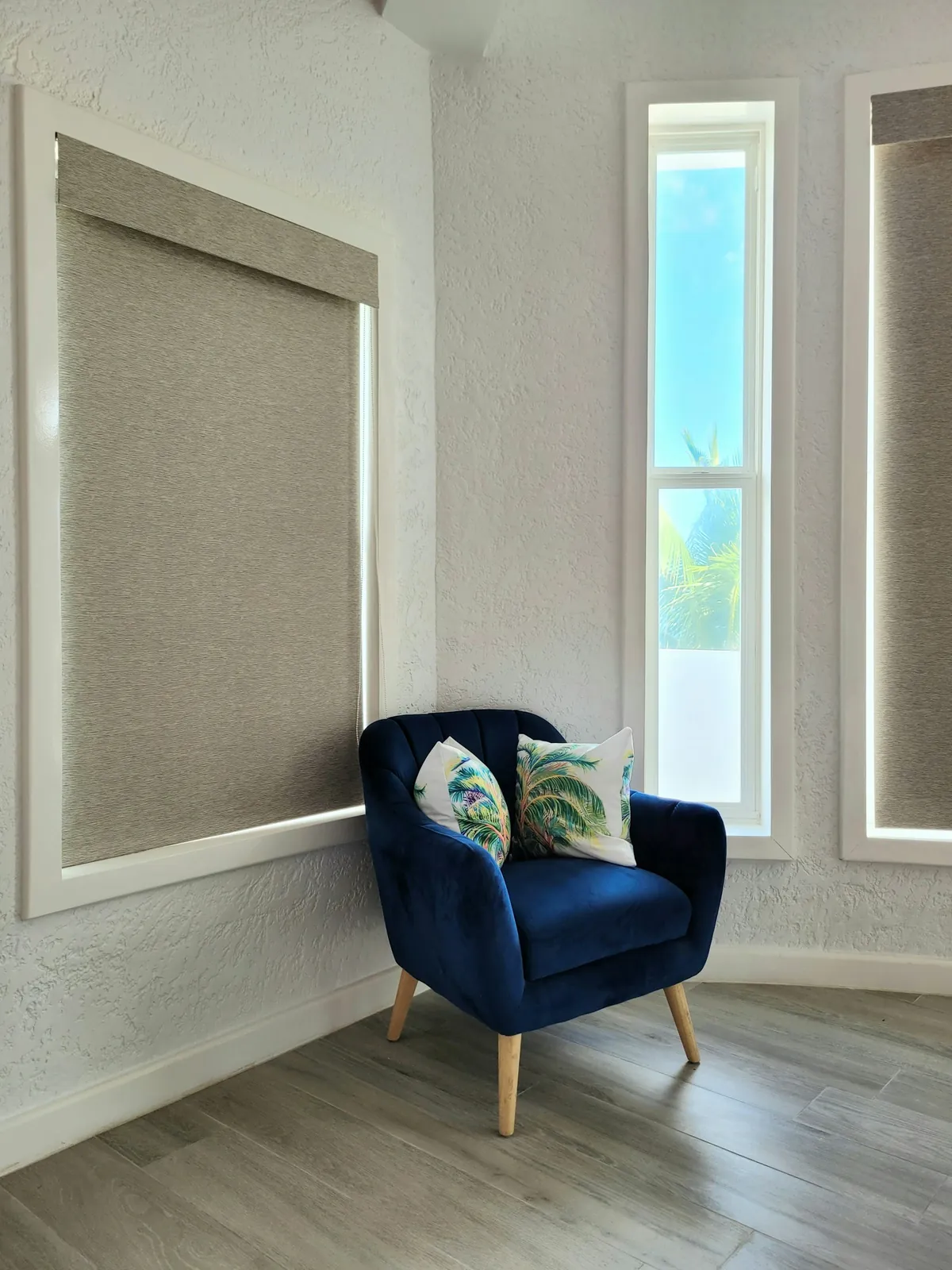
Remote or switch
Motorised roller shades go up and down from a handset or a switch on the wall, useful when a glass wall carries several of them.

Sized to the frame
Each window gets its own measurements, and we check how deep the frame runs before suggesting where the shade should sit.
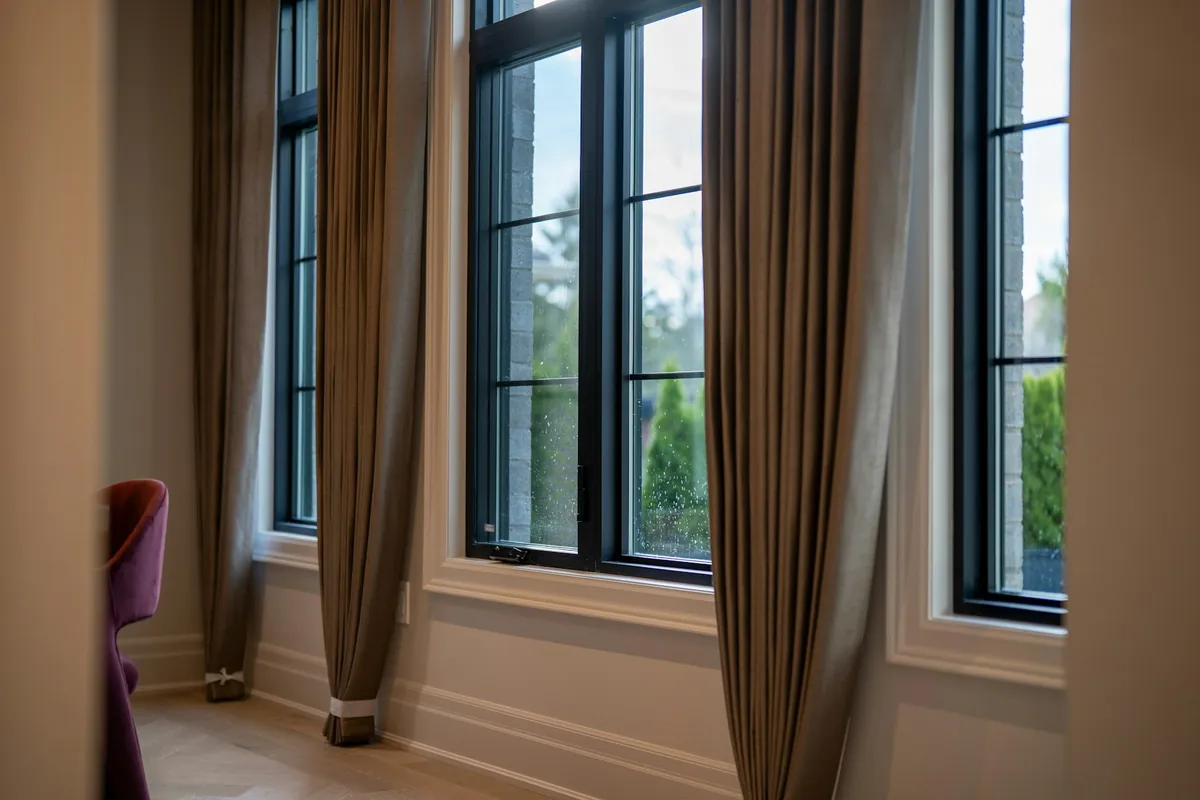
With side drapes
The shade handles sun and privacy day to day, and drapes either side bring colour to a dining room or main bedroom.
Picking Roller Shades in Somerset, MA
When we plan roller shades in Somerset, MA, colour is the last thing to settle, not the first. Start with what the sun does in a room from morning to evening, and what you would like it to do. Get that right and the cloth, the mounting position and the controls more or less choose themselves. Below, the three main kinds of Somerset house, one at a time.
Glass walls facing the Taunton River
When a river house gains a big run of new glass, that room becomes the one everyone wants to sit in, right up until a clear afternoon makes it impossible. Light bounces up off the water as well as coming down from the sky, and the glare reaches a long way across the floor.
This is the job solar screens were made for. The screen is a woven fabric with tiny openings between the threads, so with the shade down you still see the river, only softer. What you are really choosing is the openness of that weave. Open it up and you keep more of the view and more daylight. Close it down and you cut more glare and gain privacy from boats and the far bank. A family room with a television usually leans towards a tighter weave. A sitting room where the water is the whole point can go as open as you are comfortable with.
The colour of the screen changes things as well. Dark screens tend to give a crisper view out, since the threads pick up less light themselves. Pale screens disappear against white frames and light walls. We carry samples to the house so you can press them to the glass at the time of day the sun is fiercest.
Across a long glass wall we normally build a row of shades rather than one huge panel. Each section then lifts on its own, and none of them is too big to handle comfortably.
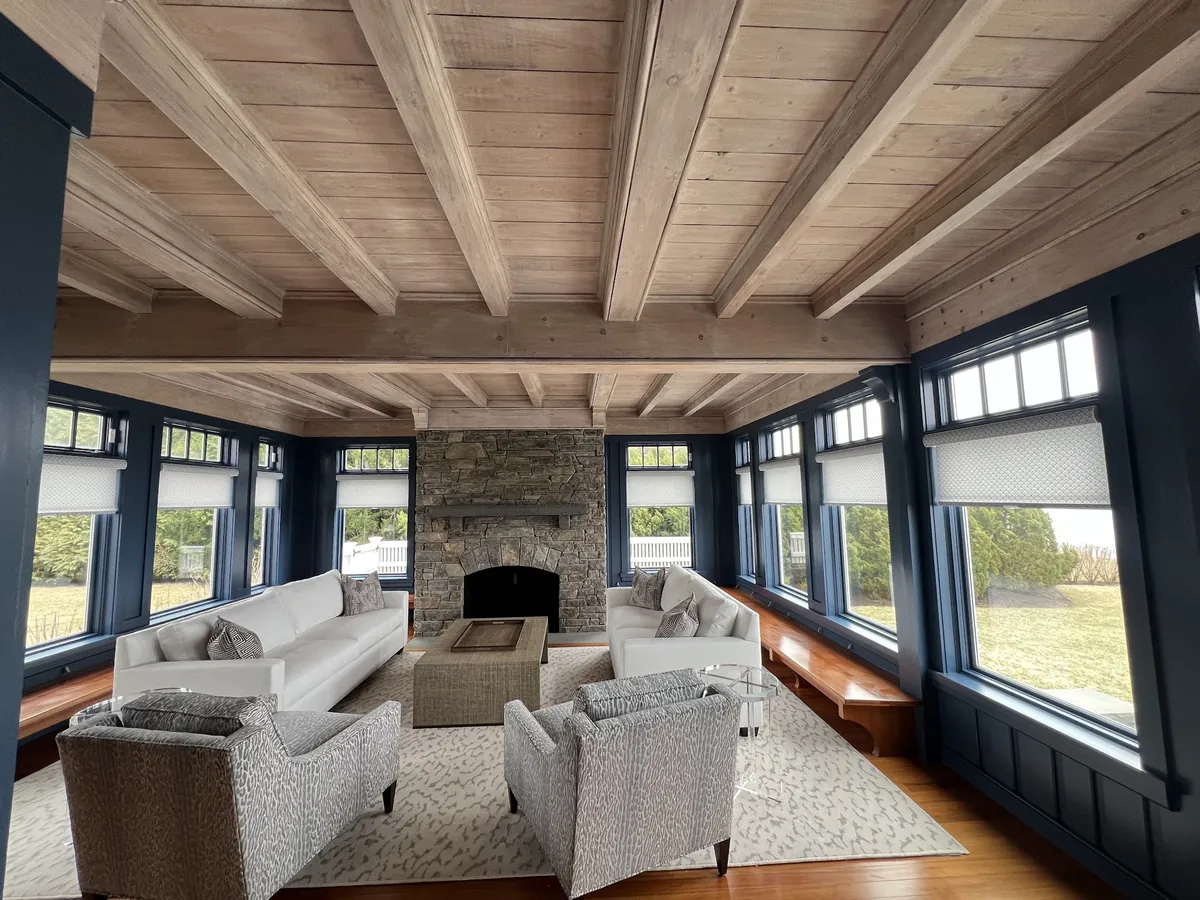
Slim sash in Somerset Village
The village colonials keep tall, narrow double-hung windows, usually framed by deep painted trim that gives the room its character. A roller shade treats these windows kindly. Rolled up, the fabric wraps tight round its tube and tucks almost out of sight at the top of the opening, so the trim and the glass look much as they always have.
Mounting the shade inside the frame is usually our starting point here. Older frames are seldom quite square, and the depth can vary from one opening to the next, so every window is checked separately. If a frame turns out to be too shallow, the shade can sit on the face of the trim instead, cut to the trim’s own width so it still looks deliberate.
In the front rooms of a village house, a light filtering cloth in an off-white or soft stone colour suits the age of the place. The street cannot see in by day, yet the room stays bright.
Brayton Point and Riverside capes and ranches
These houses are more regular than the village ones, but each still combines several window sizes: a wide living room window facing the road, a pair of matching bedroom windows, a small one above the sink and, in a cape, dormers tucked into the roof upstairs.
Bedrooms here are where blackout cloth pays for itself. It stops light coming through the fabric, though a thin line can still show at the sides of a shade mounted inside the frame. For a bedroom where full darkness matters, we often suggest fixing the shade outside the frame and making it a touch wider than the glass. We decide that window by window.
The wide front window can carry one broad shade or two narrower ones. A pair lets you drop just the half the sun is hitting and keep the other half clear, which tends to be handier than a single large panel. In a dormer, where the ceiling slopes down close to the glass, a roller shade’s small roll leaves the most window open when it is raised.
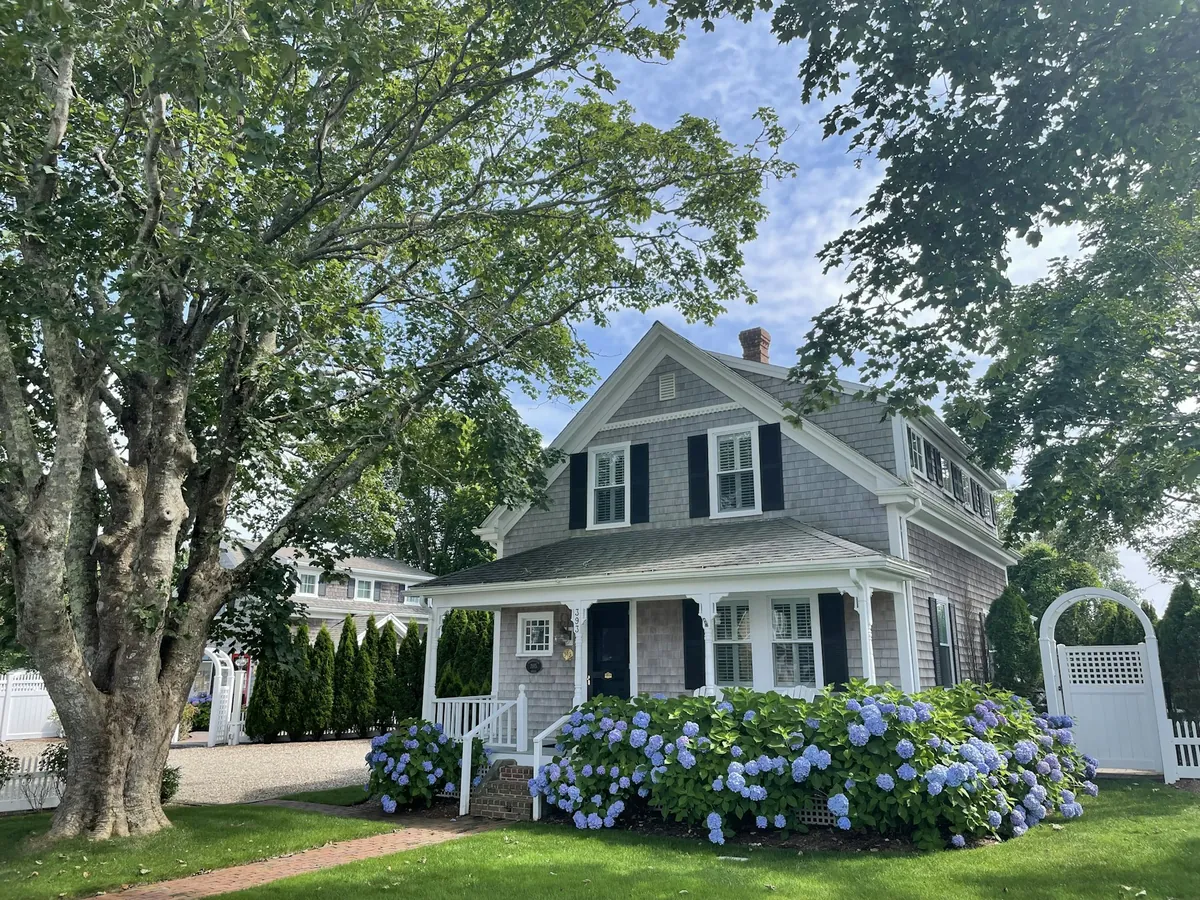
Kitchens, baths and the small windows
The little windows are easy to forget, and they are often the ones you notice most. A window above the kitchen sink faces steam and splashes, so a fabric that can be wiped clean makes sense there. A bathroom window wants privacy without darkness, which is what a light filtering cloth gives. A stair window seen from two floors should match whatever is in the rooms either side of it. None of these needs anything elaborate, just a shade that fits the frame closely and is easy to reach.
Small windows are also where an inside mount looks its best, because the shade sits neatly within the opening and leaves the wall around it clear. In a cape bathroom with a sloping ceiling, or a ranch kitchen where cabinets run right up to the window, there is often no room for anything mounted outside the frame anyway. We check the clearance at each one, so the shade fits the space that is really there.
Where new glass meets the original house
A renovated river house is really two houses in one. The added glass wall is wide, modern and plain, while the rest of the building keeps whatever windows it was built with, often smaller sash or the standard openings of a mid-century ranch. Shades that look right on the new wall can look out of place in the older rooms, and the reverse is true too.
The way through is to choose one colour family for the whole house and let the fabric change underneath it. The glass wall takes a screen, the older rooms take a light filtering or blackout cloth, and because the tones sit together, the house reads as one when you walk from room to room. We bring screen and cloth samples in matching shades to the visit, so you can see the two side by side before deciding.
Proportion matters as well. On the glass wall, a row of shades all stopping at the same height looks calm. In the older rooms, where windows vary, we set each shade to its own frame so none hangs short or long. Roller shades in Somerset, MA often have to bridge exactly this gap between the newest room in the house and the oldest, and planning them together is what keeps the whole place looking settled.
From First Call to Fitted Shades
Every order follows the same steps, and someone from the store keeps you informed the whole way through.
- Ring the Swansea store or fill in the form, mention the rooms that feel too bright, too dim or too exposed, and set up a free quote.
- One of our specialists visits to measure. Every opening is taken separately, with frame depth, crank handles, window locks and any lean in the frame written down.
- Pick fabric, openness and colour with samples pressed to your own glass, or call in at the showroom to see a wider selection.
- The quote you receive is broken down window by window.
- Your shades are built to the measurements from the visit.
- Our installers hang them, run each one up and down to be sure it rolls true and stops in the right place, and walk you through the controls.
Mixing fabrics in one house
Few Somerset houses use a single cloth throughout. A typical mix is screen fabric along the river side, light filtering in the kitchen and family room, and blackout upstairs. Seen from the road, the front still looks orderly as long as the street-facing shades share one colour, whatever fabric each one is made from.
Open layouts take a little more planning. Where a ranch’s living room flows into the dining area, keeping one colour across both makes the space feel settled, even if the sunny end has a screen and the other end a light filtering cloth. In a village colonial, with its separate rooms, each room can be decided on its own.
Screens after dark
Solar screens work best while it is light outside. With the yard brighter than the room, you look out through the weave and anyone outside sees very little. Once the lamps go on in the evening, that flips, and a screen on its own gives little privacy. If a river room gets used at night, plan a second layer from the start: drapes that pull across after sunset, or a light filtering or blackout shade sitting behind the screen. Both can be measured on the same visit.
Reaching the controls
How you raise a shade matters as much as what it is made of. Over a sink, behind a sofa, or high on a wall of glass, the control has to fall easily to hand and sit on the sensible side. We go through that at each window. Where a group of shades sits together, or the glass is awkward to reach, the motorised version answers to a remote or a wall switch, and the Somerset motorised page has more on that.
Light in each part of the day
It helps to think through a full day before deciding. The river side of town catches the afternoon and evening sun, so the shades there do their real work after lunch. Front rooms facing the road may need privacy more than glare control. Bedrooms on the east side see the earliest light. Mapping each room this way during the measuring visit means each shade is chosen for the hours it will actually be down, rather than for how it looks rolled up. It is the simplest way to make sure roller shades in Somerset, MA earn their place in every room, not only the bright ones.
Keeping shades clean
Roller shades ask for very little. Run a soft brush or a vacuum on a low setting over the fabric now and then, and most cloths will take a light wipe with a damp cloth. Rolling a shade all the way up from time to time helps it hold its shape. If an older shade starts rolling unevenly or a bracket loosens, look at blind and shade repair in Somerset.
When another product fits better
Now and then a different product suits a window better, and we tell you when that happens. A slider to a deck usually works better with a vertical blind in Somerset. A chilly north bedroom may call for a cellular shade, whose cells trap air. A formal dining room might want the soft folds of a Roman shade. Everything we make for the town is gathered on our window treatments for Somerset homes page, and the full roller shades page explains the range in more depth.
Why Somerset Calls Window Works
Window Works opened in Swansea in 1988 and is still family run, now by the second generation. For over 37 years we have measured and fitted shades on both banks of the Taunton River, and the store is only a few minutes from Somerset across the bridge.
- Window treatment specialists with years of experience, not a sales counter
- Every window measured on site so each shade fits its own frame
- Shades hung by our own installers
- Kept informed by the store from the first call until the work is finished
- Warranties available on the products we sell
The showroom lets you set fabrics and screens next to each other, and the Norman range is on display there too.
Questions from Somerset
Will a solar screen hide the river?
No. The screen is woven with small openings, so the water stays visible. A more open weave keeps more of the view, and a closer weave cuts more glare. We bring samples to try against your own glass.
What should go in a cape bedroom?
Blackout cloth. It blocks light through the fabric, and fixing the shade outside the frame, a little wider than the glass, cuts down the light at the edges.
Will it suit the narrow sash of a village colonial?
Yes. Each frame is checked, the shade sits inside it where the depth allows so the trim stays visible, and it moves to the face of the trim where it does not.
Can one shade cover a whole wall of glass?
It can, but we usually build several side by side, so each part lifts separately and none is unwieldy.
What does a quote involve?
Quotes are free. Press the call button or send the form with the rooms you have in mind, and we will set a time to come and measure.
Ready When You Are
The next step is a free quote for roller shades in Somerset, MA. Press the call button to book one, to set up measuring at your house or to ask about installation, or send the form and the store will get back to you. If you would rather handle the fabrics first, the Swansea showroom is just over the river; directions are on the contact page. Window Works holds a 5.0 rating on Google.