
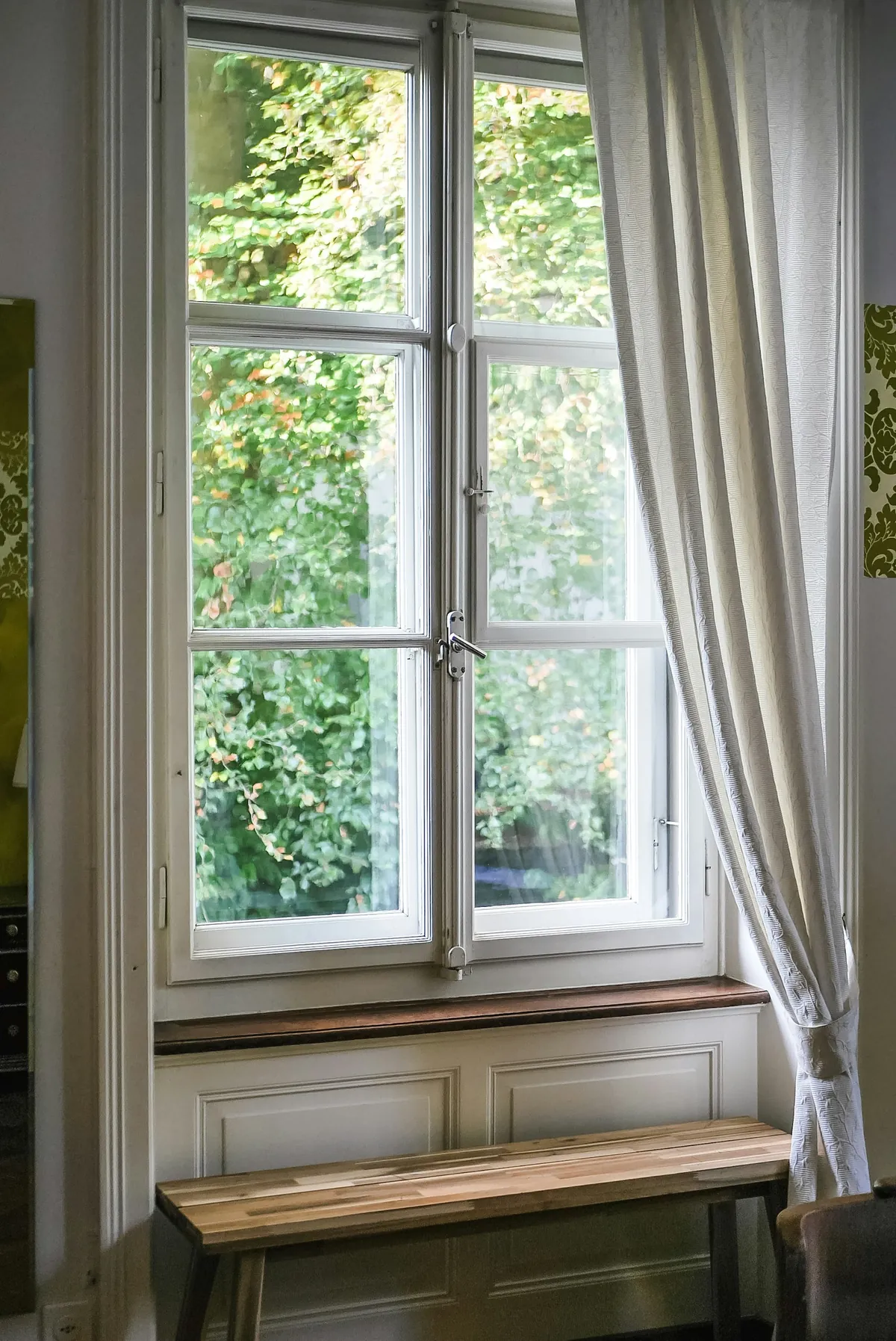
Bays, Transoms and Windows You Cannot Buy For
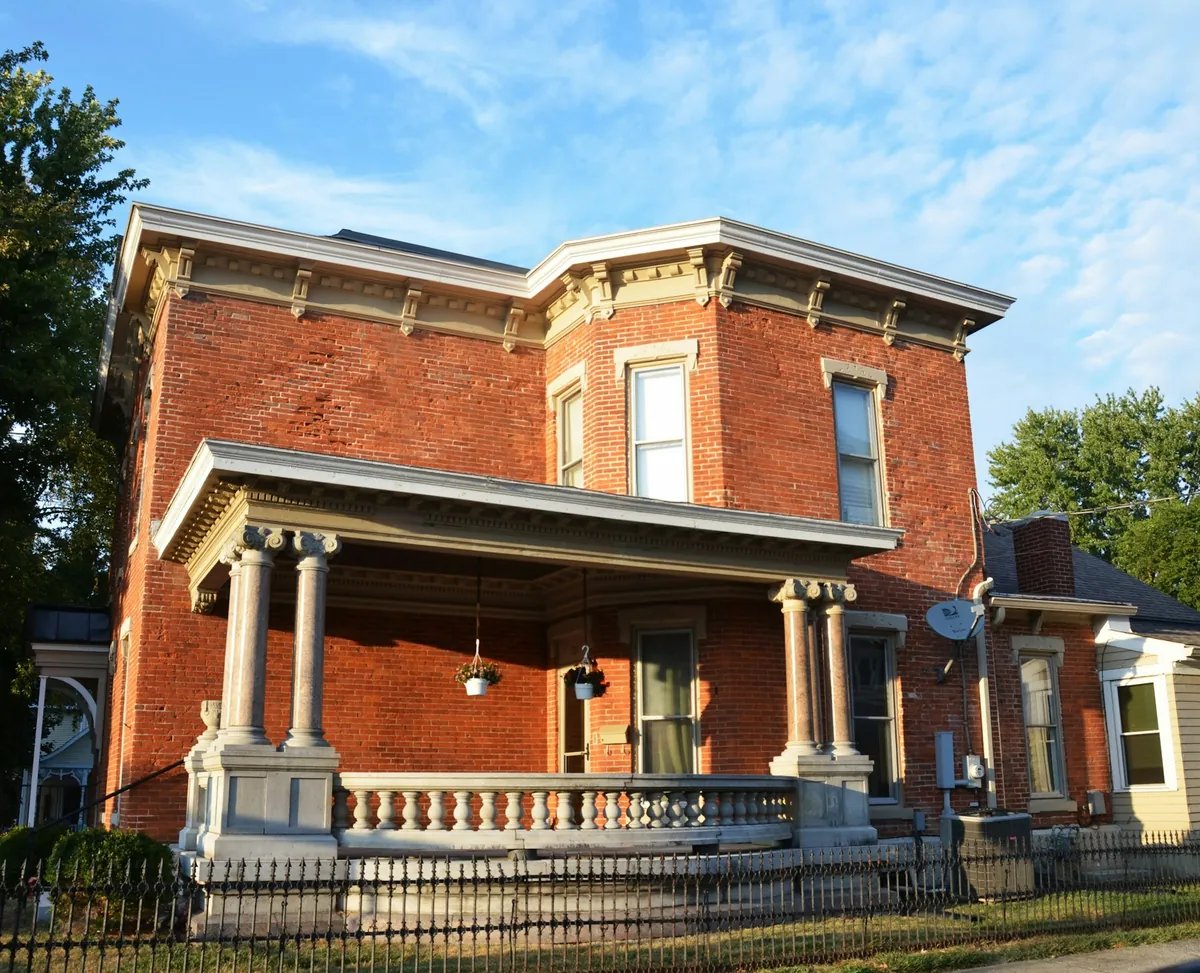
Roller shades in Attleboro, MA are frequently asked to cover windows that no shop stocks a shade for. Near downtown and up on Oak Hill, the Victorians and older colonials were built with bay windows that project from the wall in three or more angled faces, and with transoms, the panes of glass set above a door or a window to let extra light into a hall or room. Neither comes in a standard size. A bay’s side panels are often narrower than its centre, and a transom can be wide and shallow, arched or simply an odd dimension that only fits the house it was built for.
That is where made-to-measure pays for itself. Each face of a bay and each transom gets a shade built to that opening. Away from the centre, the split-levels off Route 123 and the ranches of South Attleboro have more regular windows, but the same principle holds: a shade made for the window fits better than one bought for an approximate size.
- Shades built to bay faces and unusual openings
- Solar screen, light filtering and blackout
- A measuring visit at the house, fitting by our team
Roller Shades for Attleboro’s Windows
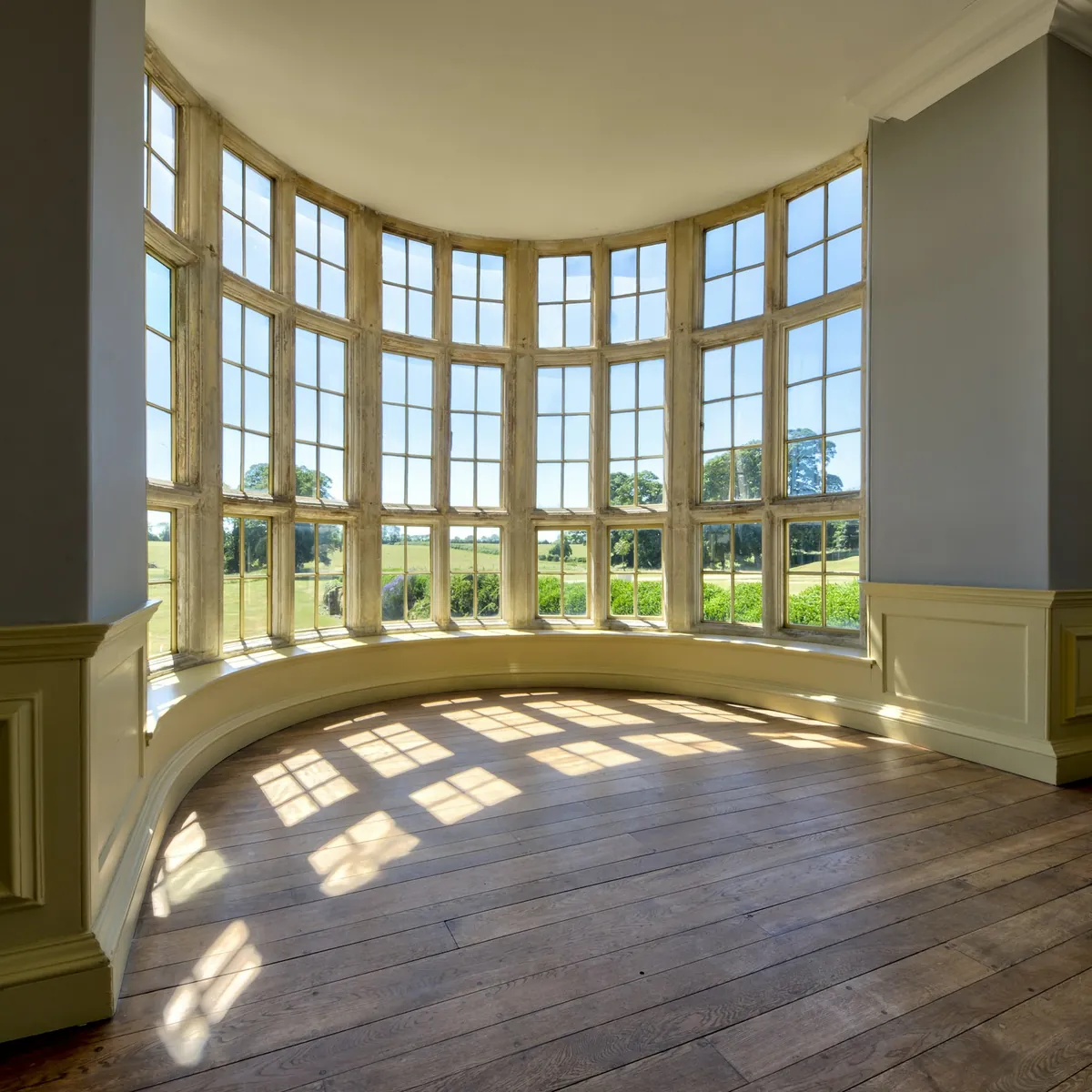
Bay windows
A separate shade on each face of the bay, each made to its own width, meeting neatly at the angles.
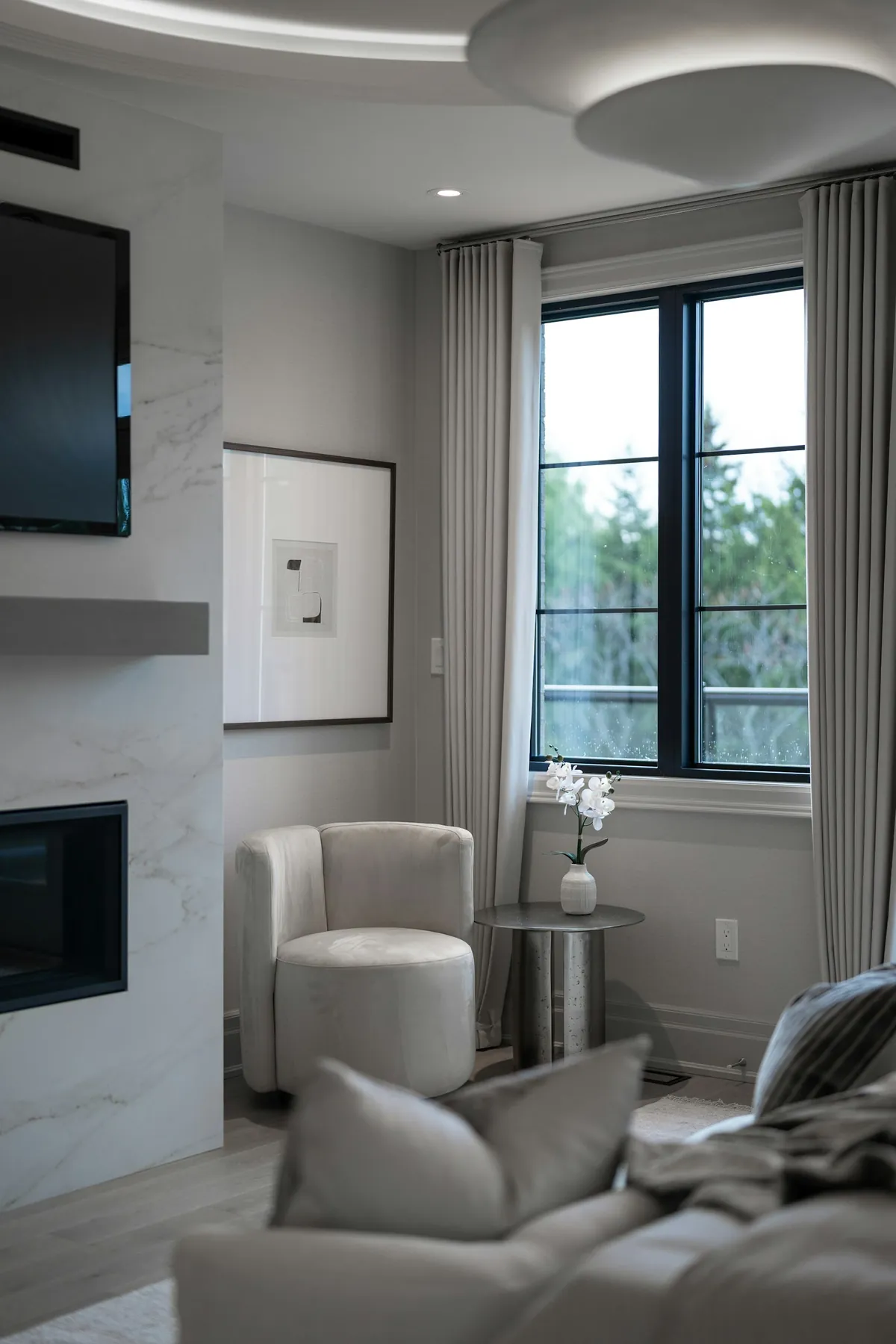
Transoms
A shade built to a transom’s own shape and size, or advice to leave it open for light where that suits.
Split-level rooms
Light filtering cloth for the living level and blackout for the bedrooms half a flight up.
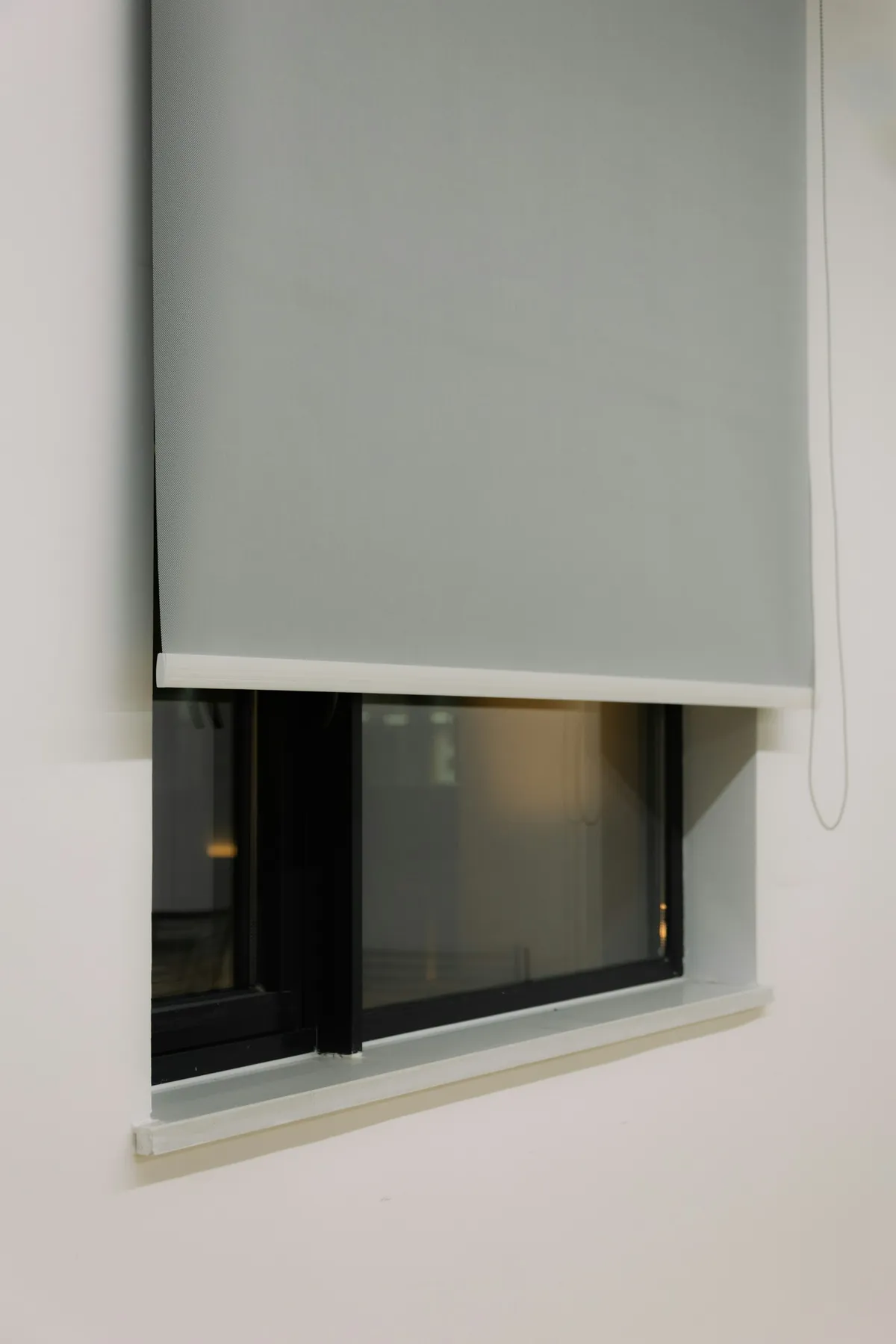
Ranch bedrooms
Blackout cloth that darkens a ground-floor bedroom and keeps it private from the yard.
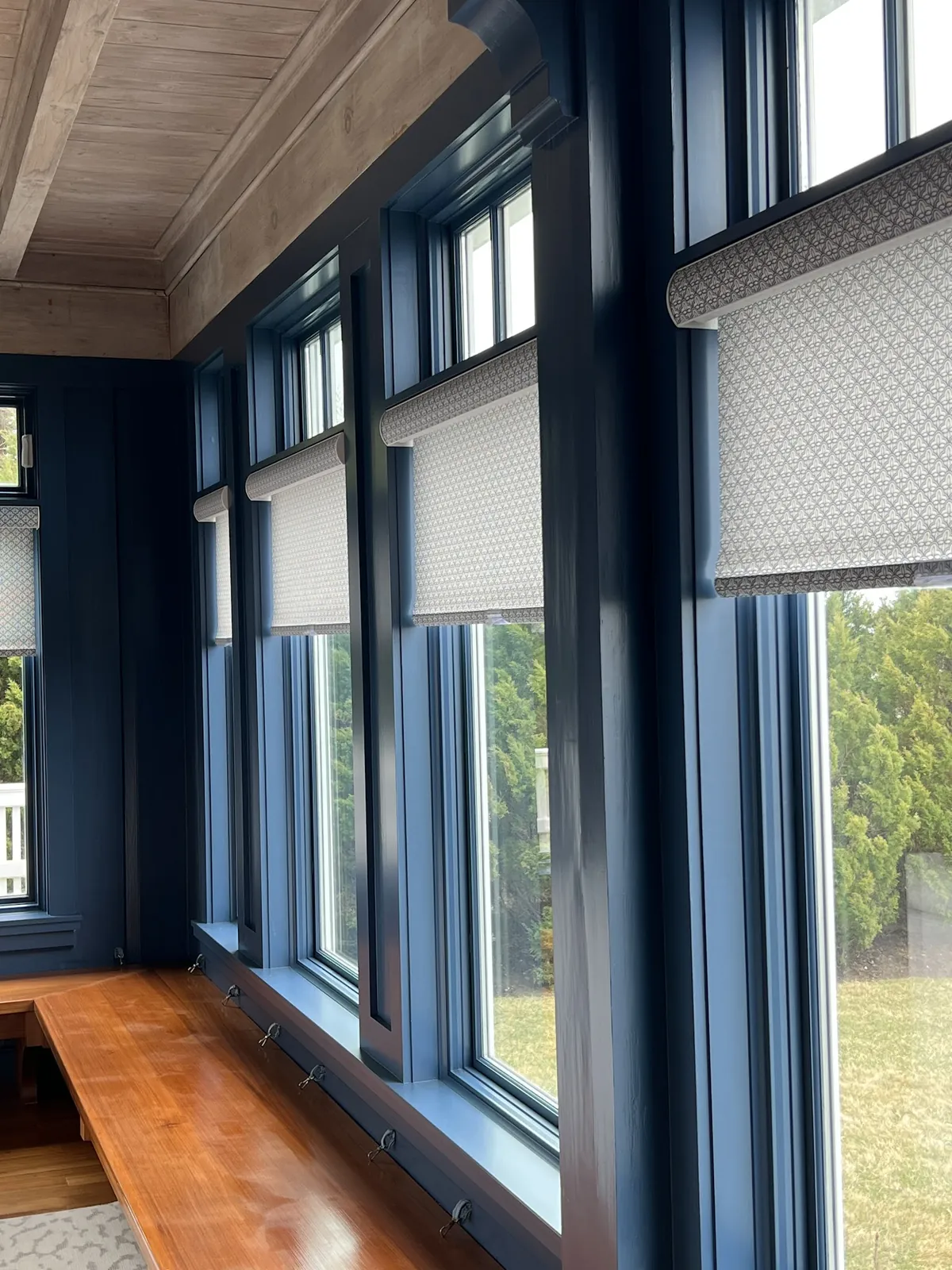
Bright rooms
Solar screen to calm the afternoon sun while the street or garden stays in view.
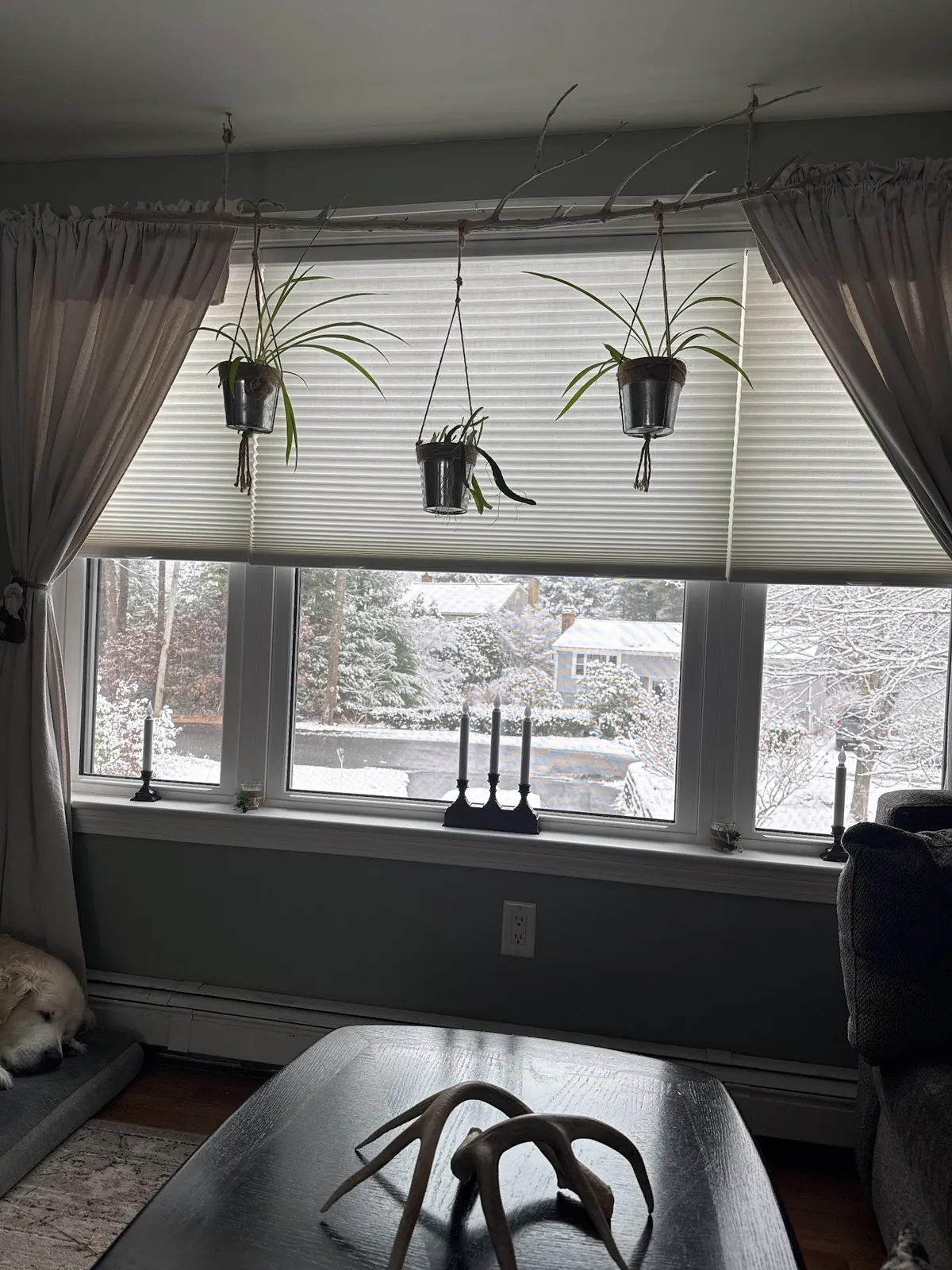
Softer bays
Some bays look best with drapes across the whole projection, and we make those too.
Making Roller Shades in Attleboro, MA for Older Houses
The Victorians and colonials near downtown and on Oak Hill are where the most interesting windows are, so they come first here.
How a bay is shaded
A bay is really several windows joined at angles. The usual arrangement is a wide centre window with a narrower window on each side, set back at an angle to the wall. Some bays have more faces, and some curve gently rather than meeting at sharp corners.
A roller shade suits a bay because each face can take its own shade. Each one is made to the width of its own window, and each can be raised or lowered independently. In the morning you might lower only the face the sun is hitting, and leave the others open; at night, lower them all.
The tricky part is where the faces meet. If the shades are mounted inside each window frame, they meet cleanly at the corners as long as the frames are deep enough, with the mullion between them hiding any small gap. If the frames are shallow, the shades can be mounted on the wall or ceiling above, and then we have to make sure the rolls do not collide where the angles meet. We measure every face, every angle and the depth at each corner before suggesting which way to go.
Measuring an old bay
Bays in older houses have usually moved a little over the years. The projection may have settled slightly away from the main wall, the faces may lean, and the angle at each corner may not match the one on the other side. None of that is a problem for the house, but it matters a great deal to a shade that has to fit inside each face.
So every face is measured at the top, the middle and the bottom, and the depth is checked at each corner. Each shade is then made to suit its own face, sized so it runs freely without rubbing where the frame narrows. If one corner is too shallow for two shades to meet inside the frames, we may mount that pair on the wall above and set them so the rolls clear each other. This is the part of the job that cannot be done from a catalogue, and it is the reason roller shades in Attleboro, MA for older bays are always measured on site.
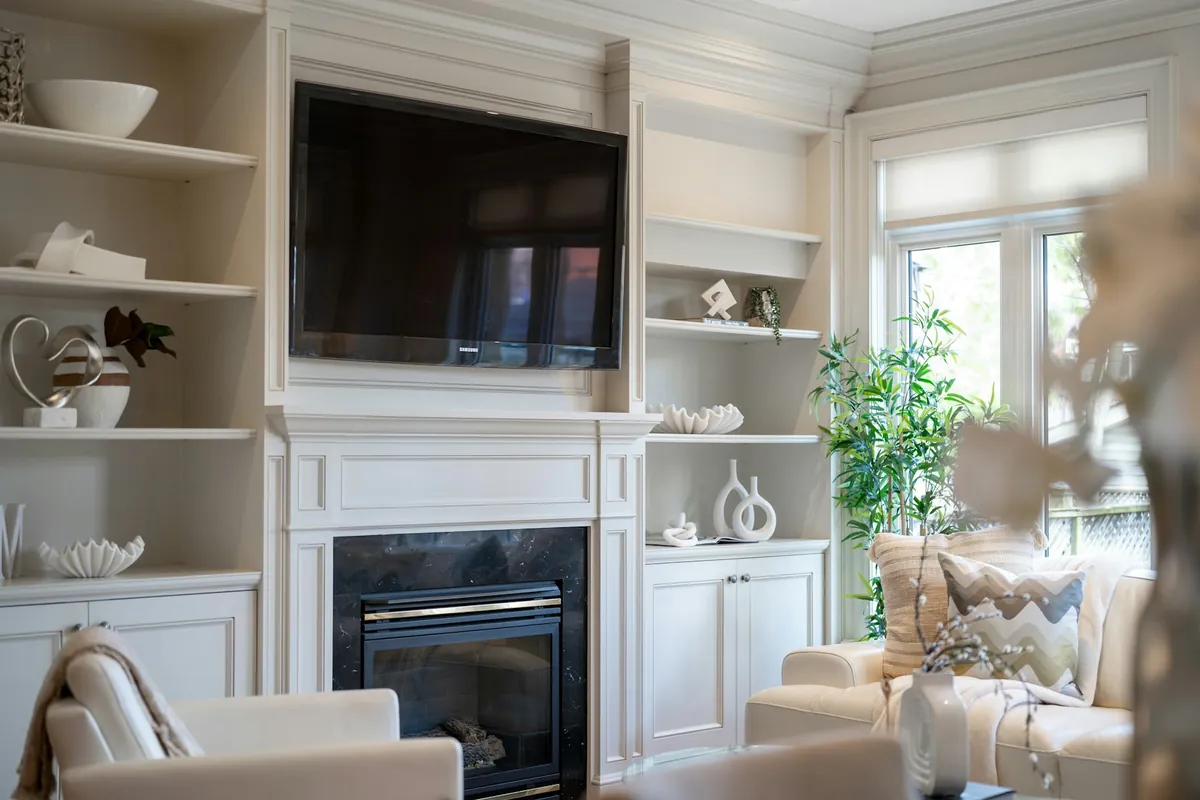
Lining a bay up
From inside the room, a bay is seen as one feature, so its shades should look like a set. That means the same fabric on every face and, when lowered partway, every hem stopping at the same height. Old bays are rarely perfectly symmetrical, and the side windows may not be quite the same height as the centre, so each shade is set individually to make that line come out level.
Light in a bay
Because a bay projects from the house, it catches light from three directions. A south-facing bay might see sun on its east face in the morning, its centre at midday and its west face in the afternoon. Independent shades let you follow that round. A light filtering cloth works for most bays in living rooms and dining rooms. Where one face takes hard afternoon sun, a solar screen on that face, in a matching colour, keeps the view and cuts the glare.
Transoms: shade or leave open
A transom was put there to bring light into a space that would otherwise be dark, usually a hallway, a stair or a room behind a door. In most cases, the best treatment is none: leave the transom open and let it do its job. When the window below it is shaded, the transom still lets daylight through.
There are rooms where a transom does need covering. A bedroom with a transom above its window can let in early light even when the main shade is down. A transom above a front door can let the street see into the hall at night. In those cases, a roller shade made to the transom’s own size, mounted within its frame, closes it off neatly. Because a transom is rarely opened and closed, the shade can be set up to stay down most of the time without needing to be reached often.
Covering a transom also changes the hall or room below it, so it is worth thinking about where the daylight will come from instead. In a narrow front hall, the transom may be the only natural light, and closing it off for privacy at night is often enough; by day, the shade can be raised again. We go through this with you at the door rather than guessing.
Arched transoms are a harder problem, since a roller shade is a straight panel. For those, we will talk through what is possible and suggest the most sensible option, which may be a different treatment altogether.
Oak Hill colonials
The older colonials on Oak Hill are more regular than the Victorians, with double-hung windows arranged evenly across the front, but they often have tall windows and original trim. An inside mount keeps that trim on show, and a light filtering cloth in a soft neutral suits the rooms. Upstairs, blackout cloth in the bedrooms. Each old frame is measured on its own, because they vary even on the same wall.
Where a colonial has a window on the stair landing, seen from both floors and from the front door, that window deserves the same care as the main rooms. A light filtering shade in the trim colour, set to match the height of the shades in the rooms either side, keeps the hall looking finished from every angle.
Split-Levels Off Route 123
The split-levels built off Route 123 in the middle of the last century arrange their rooms on three levels: a living level with the main window, the bedrooms half a flight up, and a family room half a flight down.
The living room window on a split is often broad, facing the street. A light filtering roller shade made to its full width softens the light and blocks the view in from the road. Where it is very wide, two shades side by side give more control.
The bedrooms half a flight up take the earliest sun. Blackout cloth is the usual choice, with an outside mount set a little wider than the glass where darkness matters most.
The lower family room is often partly below ground, with windows high in the wall. A pale light filtering cloth keeps out the view from the yard without making the room any darker.
Keeping a split looking even
A split-level’s front elevation shows windows from two or three levels at once, so the shades on all of them are seen together from the street. Choosing one colour for every front-facing window, whatever fabric is behind it, keeps the house looking orderly. Inside, the living level might take light filtering cloth, the bedrooms blackout and the family room a pale filtering fabric, but from outside they read as one set. It is a small decision that makes a big difference to how the house looks from the road.

South Attleboro Ranches
The ranches of South Attleboro are on one floor, with a living room window facing the street, bedrooms along the back or side, and a kitchen at the rear. They are straightforward houses to shade, which makes them a good place to see how roller shades handle everyday rooms.
Living rooms
A light filtering cloth in the front window keeps the room bright and private. If the room faces west, a solar screen can take the afternoon glare off a television while keeping the street in view; the openness of the weave decides how much view you keep and how much glare you cut, with a more open weave favouring the view and a tighter one favouring glare control and privacy.
Bedrooms
Ranch bedrooms at ground level need darkness and privacy. Blackout cloth gives both.
Kitchens
The window over the sink suits a light filtering cloth that can be wiped down, mounted inside the frame to clear the tap. If there is a slider to a patio nearby, a vertical blind may suit the door better than a roller, and the kitchen window can match it in colour.
What to Know About Solar Screens
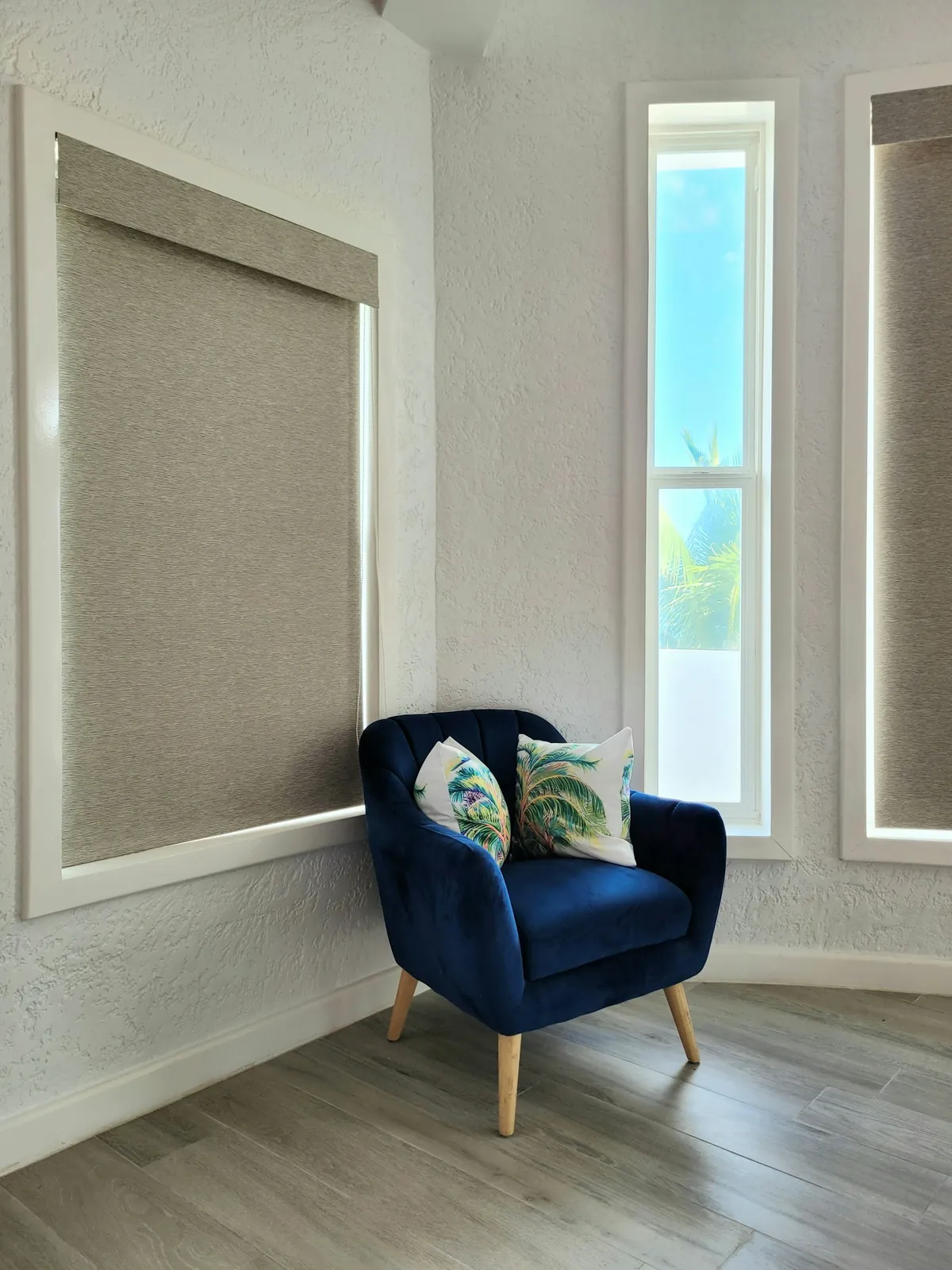
A solar screen is a woven fabric with small openings that let you see out while it cuts the glare. It is most effective by day, when it is brighter outside than in. After dark, with lamps on inside, a screen becomes see-through from outside and gives little privacy. For a front room you use in the evening, a light filtering cloth, or a screen paired with drapes, is the better choice. Screen colour matters too: a darker screen usually gives a clearer view out, while a lighter one blends with white trim.
How an Attleboro Order Comes Together
The store keeps in contact with you through each step, and the job is seen through until every shade is up.
- Call or use the form, tell us about the bays, transoms or other windows you have in mind, and book a free quote.
- A specialist measures each opening at the house: every face of a bay, every angle, every transom, and the depth of each frame.
- You choose fabric and colour with samples at your own windows, or visit the Swansea showroom to see more.
- The quote lists each opening separately, so you can see how a bay or transom is being handled.
- The shades are made to those measurements.
- Our installers fit each one, check that the shades in a bay meet cleanly and line up, and show you how to use them.
Colour for an older interior
Victorian and colonial interiors often have painted woodwork in warm whites and creams. A shade close to the trim colour makes a bay read as one framed feature; a shade close to the wall colour lets it recede. For a screen, the outward face is seen from the street, so a neutral that suits the house’s exterior is worth considering.
Simple care
There is not much to it. When dust shows, a duster or the soft brush on a vacuum clears it, and a slightly damp sponge lifts most marks. Shades in a bay are easy to reach from inside the projection, which makes them simpler to keep fresh than you might think. Every so often, run each shade fully up so the fabric rests flat on its tube.
Other treatments
A roller shade is not always the best answer. A cold room may suit a cellular shade, a dining room the folds of a Roman shade, and a bay sometimes looks best with drapes across the whole projection. Our window treatments for Attleboro homes page lists everything we offer, and the main roller shades page covers the full range of roller and solar fabrics.
Who Makes Your Shades
Window Works is a family store in Swansea, founded in 1988 and now run by the second generation. Over 37 years, our specialists have measured bays, transoms and every other kind of window across the SouthCoast and the East Bay, Attleboro among them.
- Experienced window treatment specialists
- Measuring at your house, every angle of a bay included
- Installation by our own installers
- Contact with you throughout, until the job is done
- Warranties offered on the products we sell
Come to the showroom to compare screens and cloths in person, and see the Norman range as well.
Questions from Attleboro
Can you fit roller shades in a bay window?
Yes. Each face of the bay gets its own shade, made to its width, set to line up with the others and to meet cleanly at the angles.
Should I cover my transom?
Usually not, because it is there to let light in. In a bedroom or above a front door, a shade made to the transom’s size can close it off when needed.
What suits the bedrooms in a split-level?
Blackout cloth, often mounted outside the frame and a little wider than the glass, since these rooms catch the earliest light.
Does a solar screen give privacy at night?
Not much. With lamps on inside, a screen becomes see-through from outside, so a light filtering cloth or drapes are better for evening privacy.
Is the quote free?
Yes. Ring the store with the call button or send the form, mention any bays or transoms, and a specialist will come out to measure.
Book Your Free Quote
Getting roller shades in Attleboro, MA under way starts with a free quote. Press the call button to arrange it, set a measuring date or ask any question about installation, or use the form if you would rather explain the bay or transom in writing first. Anyone who wants to see the screens and cloths before deciding is welcome at the Swansea showroom, and the contact page shows the way. Window Works holds a 5.0 rating on Google.