
Sun, Salt and the Houses of Tiverton
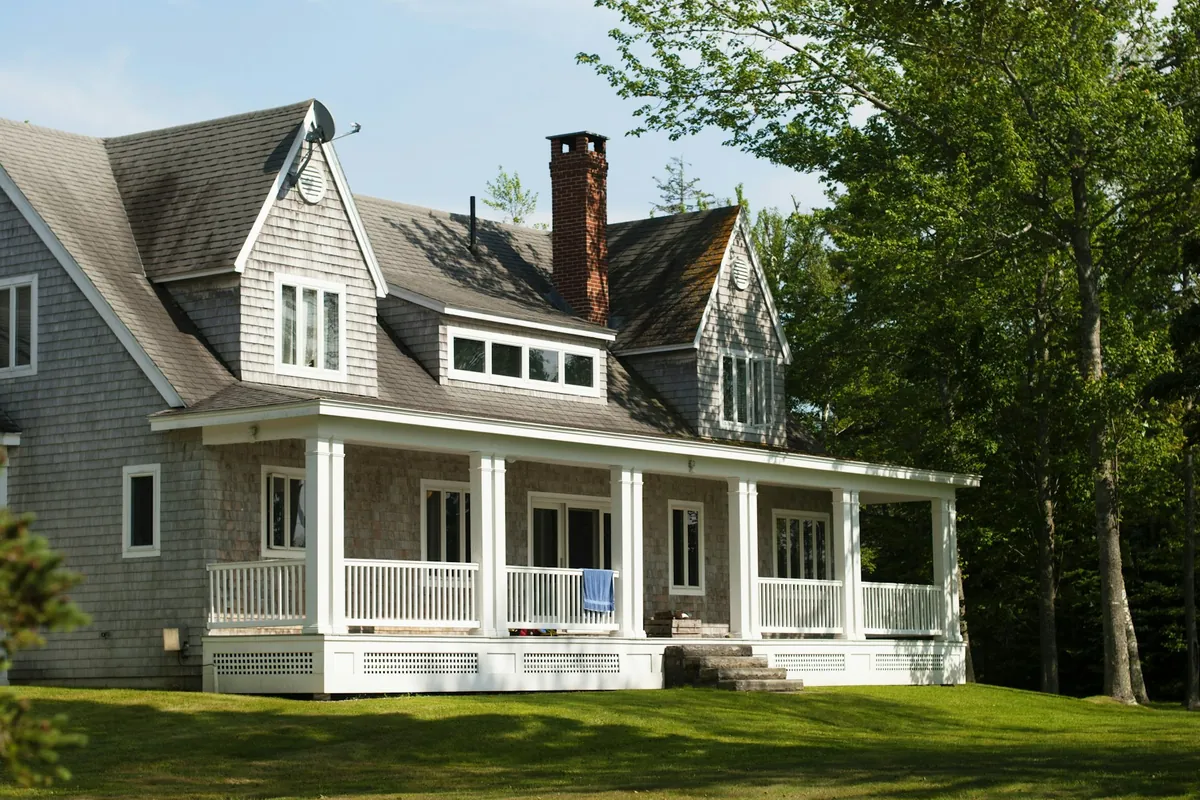
Tiverton’s houses split between the inland and the shore, and roman shades in Tiverton, RI have to suit both. Around Four Corners the farmhouses and shingled capes have modest, traditional windows, often double-hung sash in rooms with low ceilings and painted trim. Out on Nanaquaket and along the Sakonnet River, the waterfront houses are glazed heavily on the water side, with big panes and runs of windows that face the river and take the full weather.
In those water-facing rooms, the fabric is the decision that matters most. Strong sun off the water and salt in the air are hard on cloth, so we choose fabric and lining with the room’s exposure in mind before we think about colour or fold.
The farmhouse and cape rooms are a gentler job. There, a roman shade is about softness and pattern, adding warmth to a window that a blind would leave looking bare.
Three Folds, Many Fabrics
Flat fold
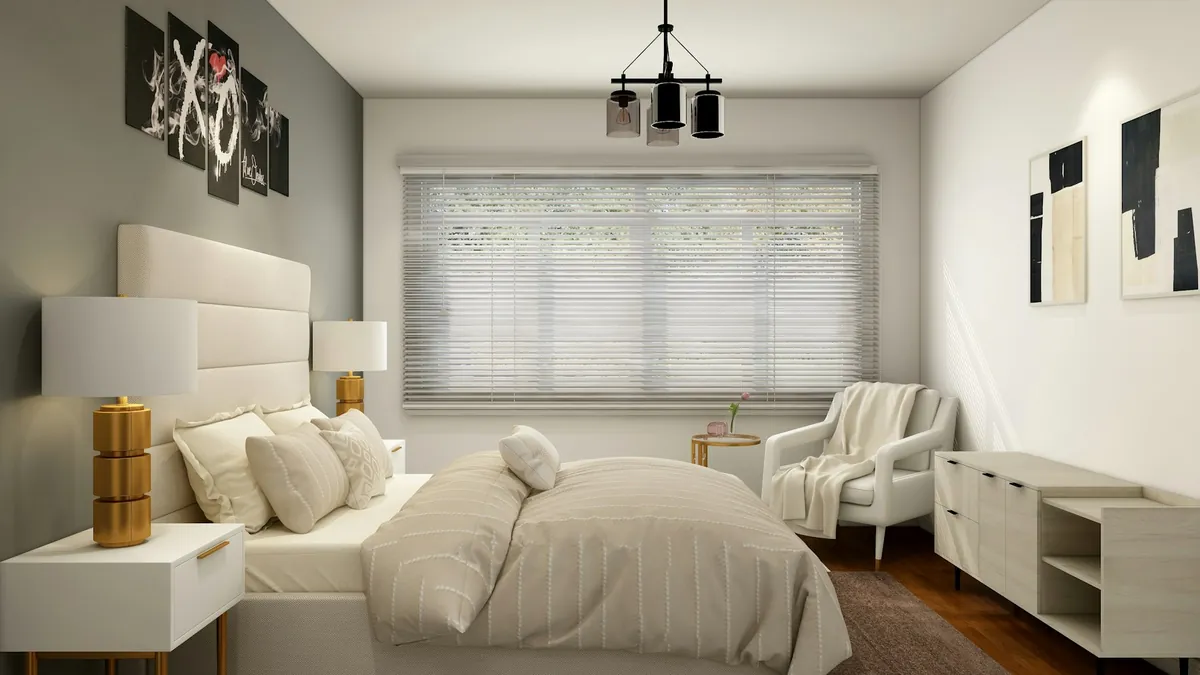
The fabric lies smooth when lowered and pleats into a tidy stack when raised. Spare and modern, it suits big waterfront glass.
Hobbled fold
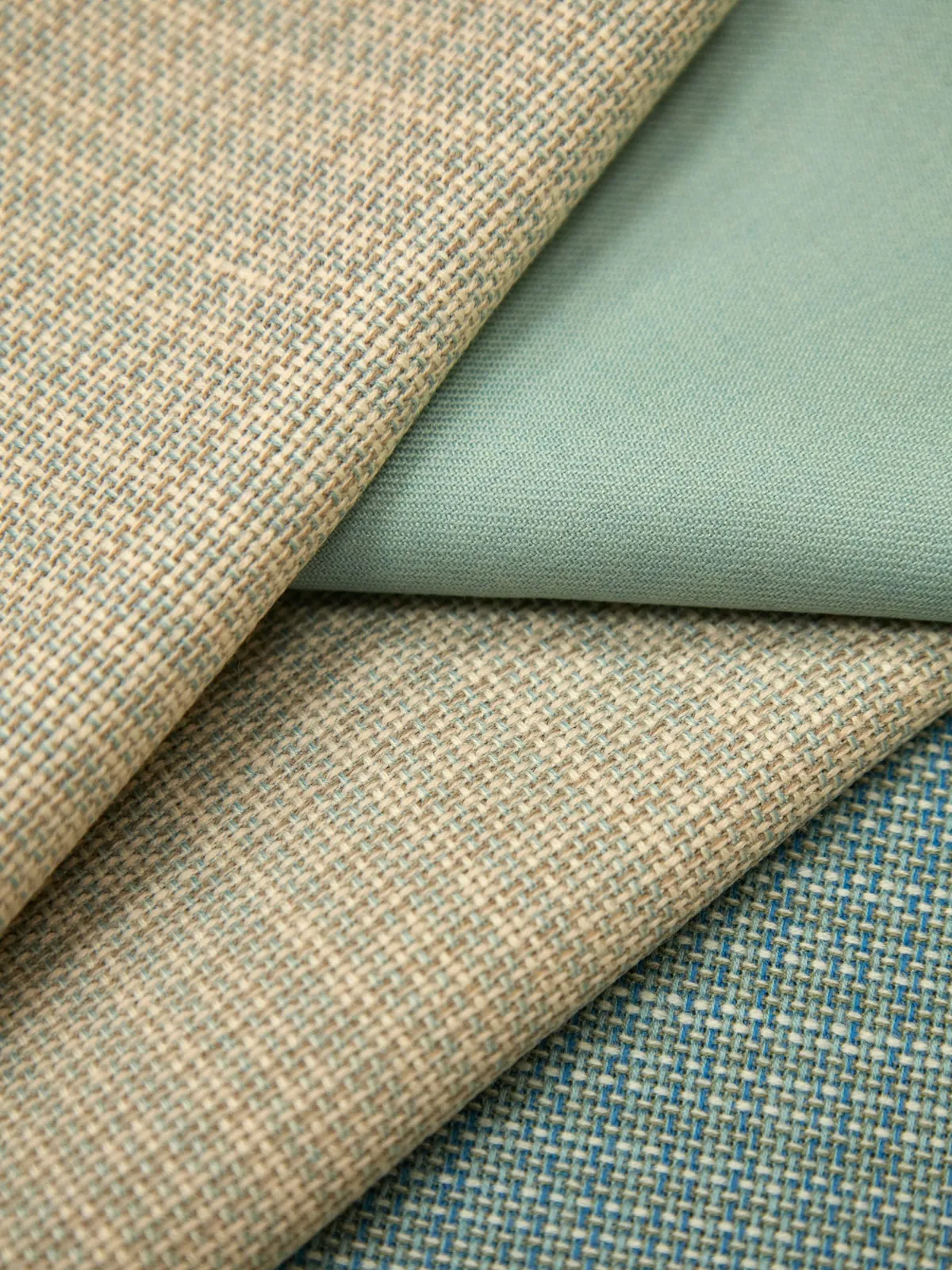
Layer upon layer of soft folds down the face of the shade. It brings depth to a cape’s front room or a farmhouse parlour.
Relaxed fold
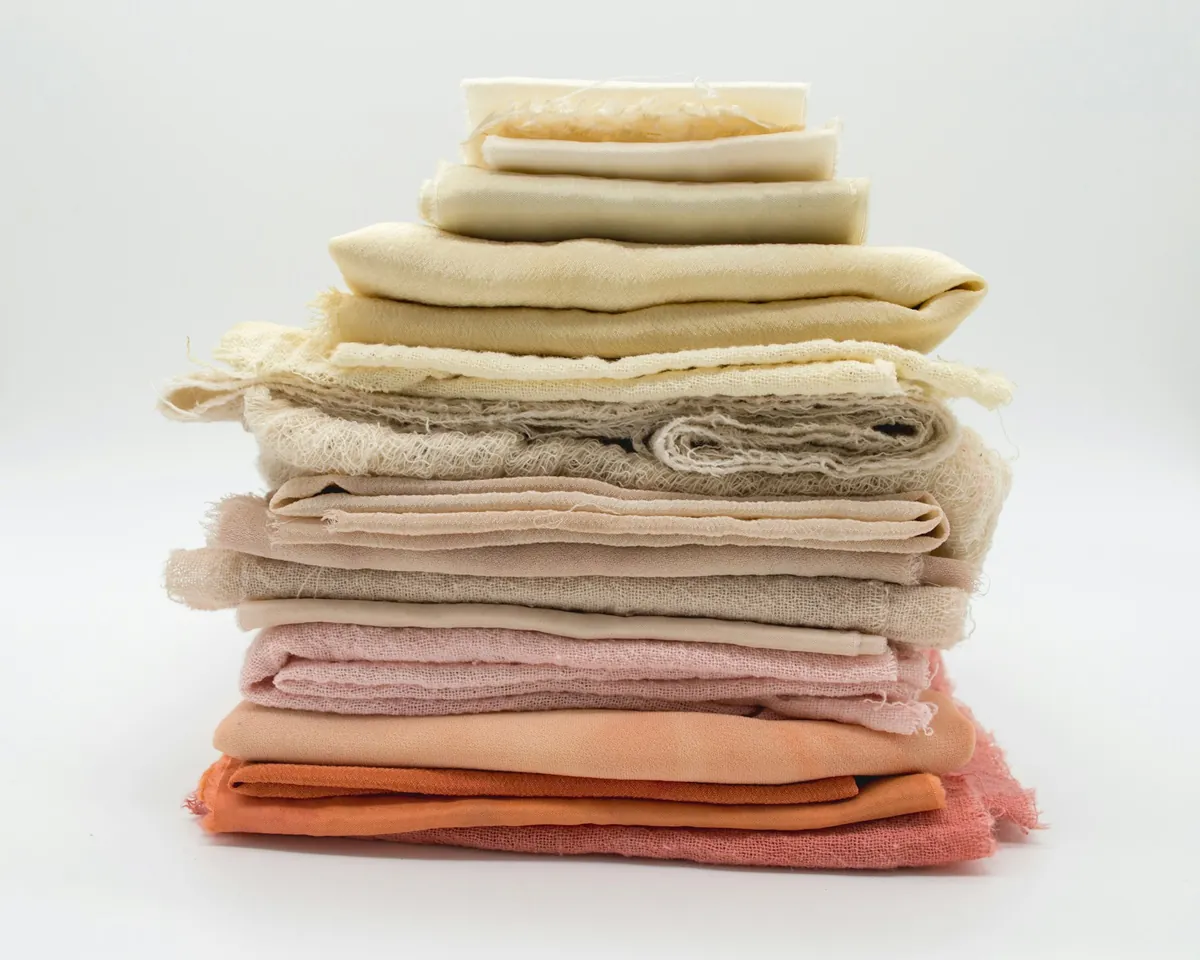
Smooth across the face with a slight, soft curve at the bottom. Informal and easy, and a natural fit for a shingled cottage.
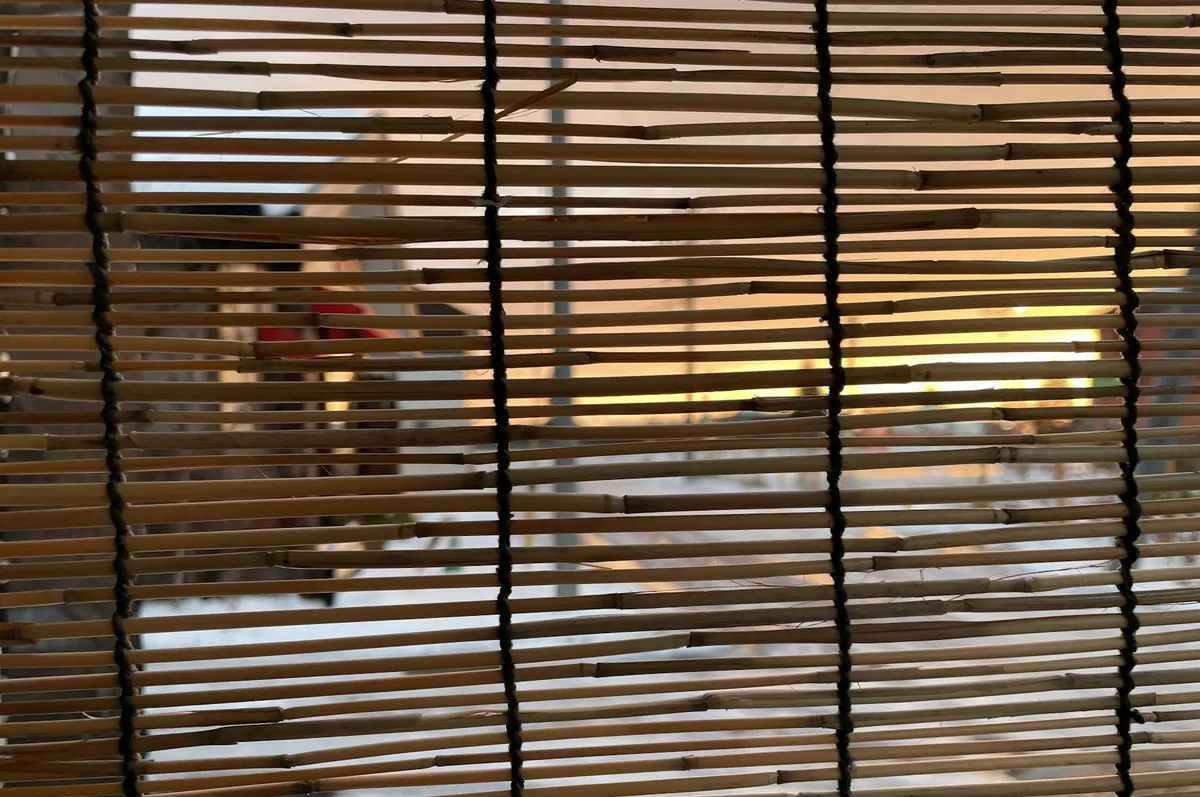
Woven wood shades
A natural weave that folds up in a similar way, filtering light with texture rather than cloth.
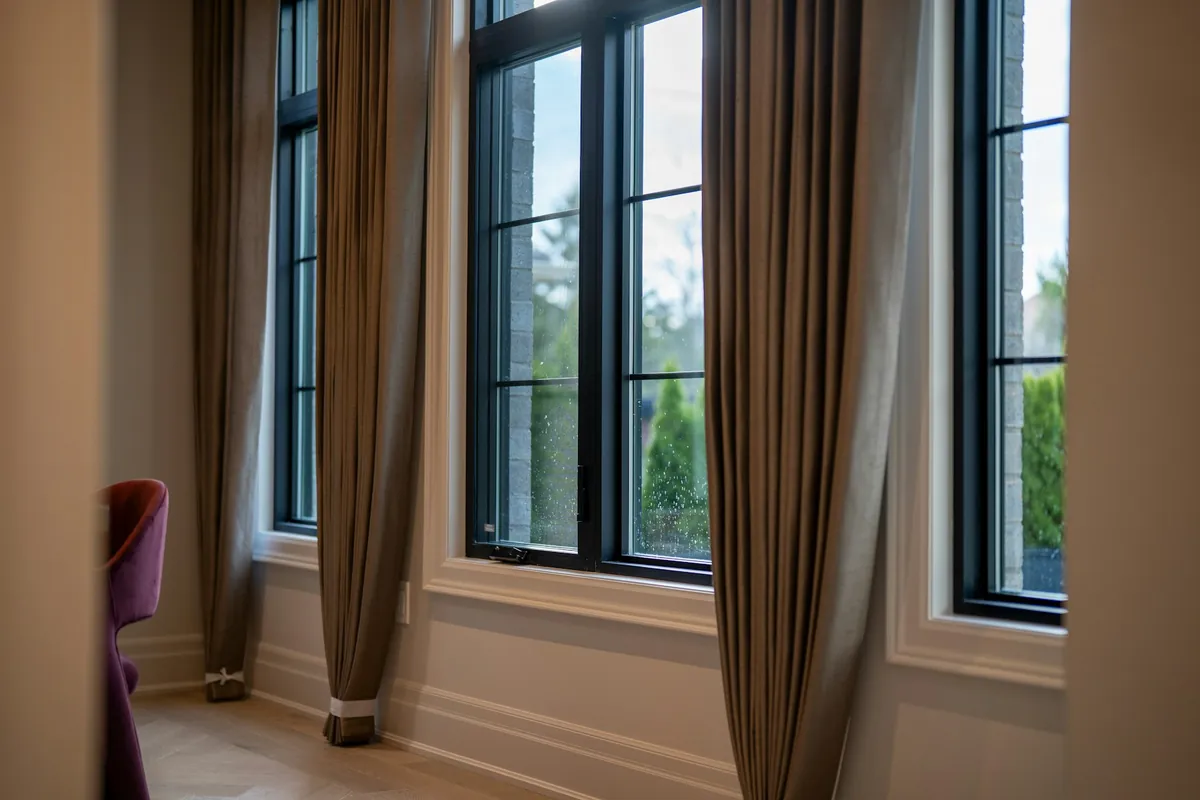
Custom drapes
Our specialty. Side panels can frame a run of water-facing windows and soften a big, bright room.
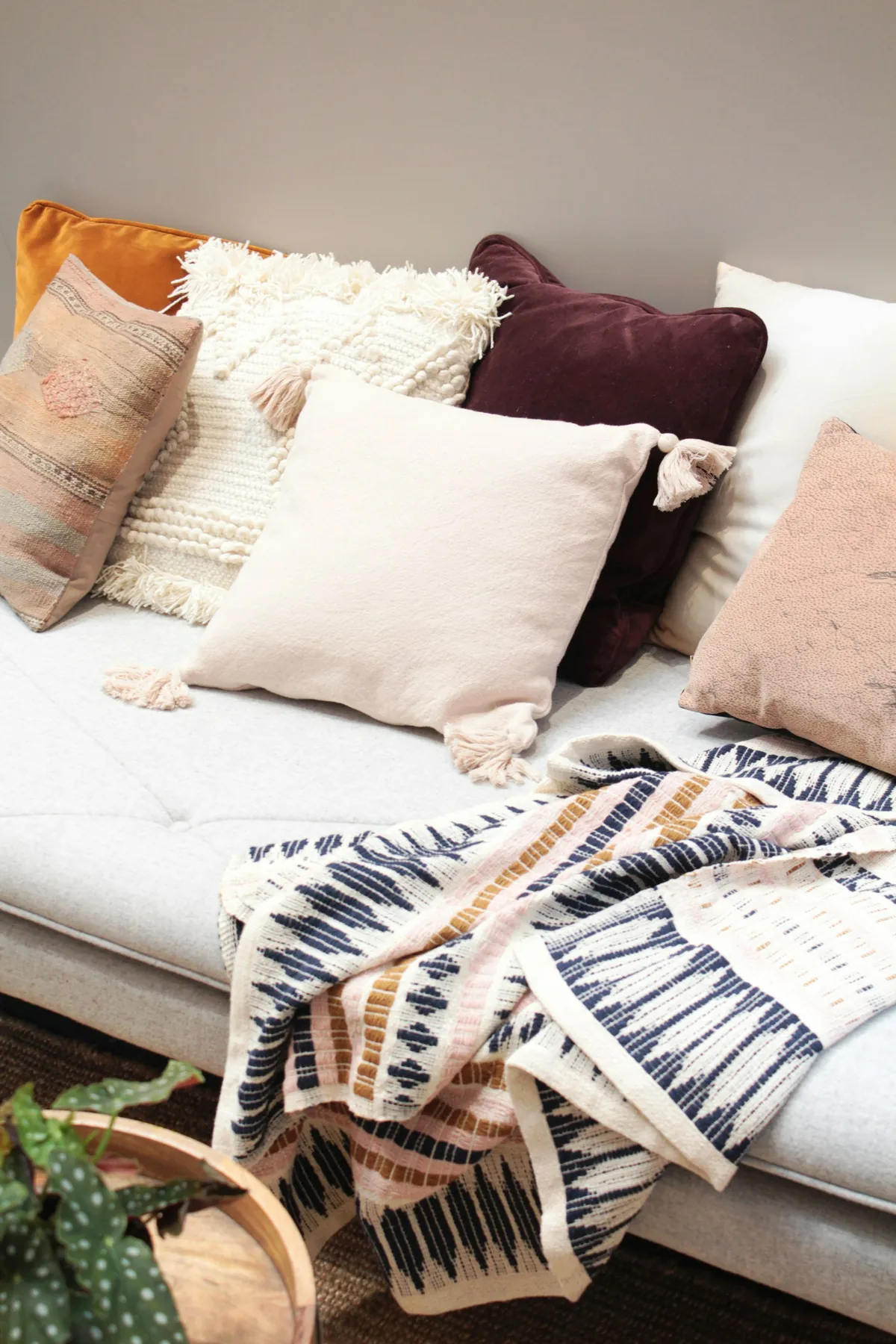
Fabric for the rest of the room
Pillows or a duvet cover in a fabric that ties to the shade bring the whole room together.
Roman Shades in Tiverton, RI for the Water-Facing Rooms
The waterfront houses on Nanaquaket and along the Sakonnet River are where roman shades in Tiverton, RI need the most thought. These rooms are built around the view, glazed generously on the water side and open to sun and weather in a way inland rooms are not. A treatment here has to do three things: keep the view when you want it, cut the glare when the sun is low over the water, and stand up to the light and air for years.
Choosing fabric for exposure
Sun is the first concern. A water-facing room gets direct sun and light bouncing off the river, and over time that fades and weakens many fabrics. A lining behind the face fabric shields it from the worst of the light, and a paler face fabric shows fading less than a deep, saturated colour. Heavier, tightly woven cloths tend to hold up better than loose, open ones.
Salt air is the second. Close to the shore, a little salt and damp reach the windows, and fabric that sits against the glass feels it first. Mounting a shade so it hangs slightly off the glass, and choosing a cloth that copes with some humidity, helps. We look at the room’s exposure when we measure and steer the fabric choice accordingly, and we will be straightforward about which cloths suit a room right on the water and which are better kept for the inland side of the house.
Keeping the view
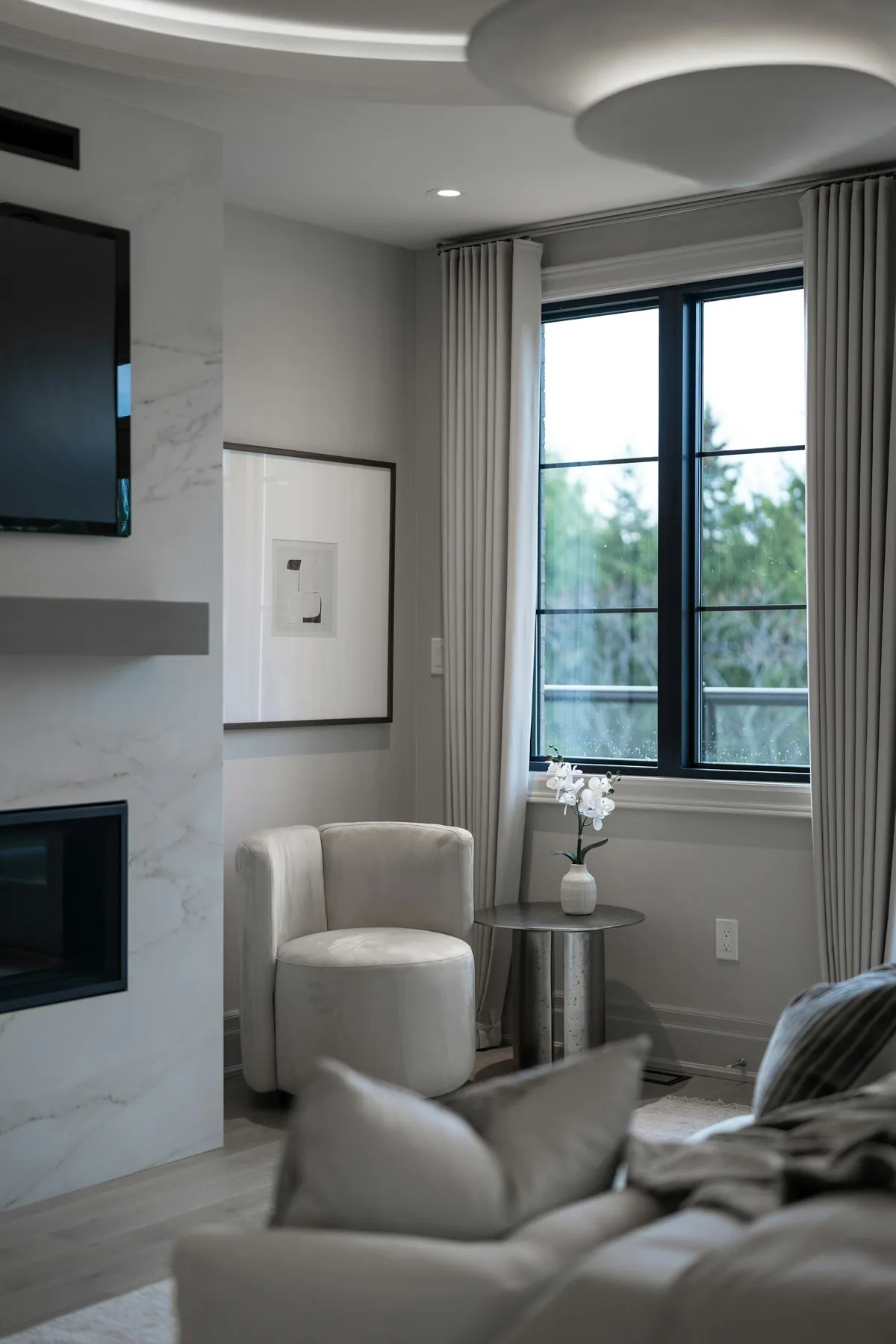
A roman shade raised fully stacks at the top of the window and leaves the glass almost entirely clear. That matters in a room where the river is the reason for the windows. When the shade is down, it can be lowered just far enough to cut the glare from a low sun, with the stacked folds sitting across the upper glass and the view still open beneath them.
Placement helps. A shade mounted on the wall above the frame, rather than inside it, can be raised so high that its stack clears the glass completely. On a big waterfront window that is often the better choice, because every inch of view is kept when the shade is up.
Big panes and runs of windows
Heavily glazed rooms rarely have one simple window. More often there is a run of three, four or more windows side by side, sometimes a large fixed pane with smaller opening windows beside it. One very wide roman shade across all of that becomes heavy and awkward. Separate shades for each window are easier to lift and let you shade one part of the room while leaving another open.
When the shades sit in a row, they need to line up. Each one has to stack to the same height and drop to the same line, so the run reads as one treatment from inside and from the water. We measure every window individually for exactly that reason.
Fold choice on the water side
Flat folds are the most common choice for big water-facing glass. They stack compactly, look clean against a wide view and make a large window feel calm rather than busy. A relaxed fold in a light cloth can suit a smaller water-facing bedroom. Hobbled folds use more fabric and are heavier, so they tend to be kept for the inland rooms where the windows are smaller.
Bedrooms that look over the river
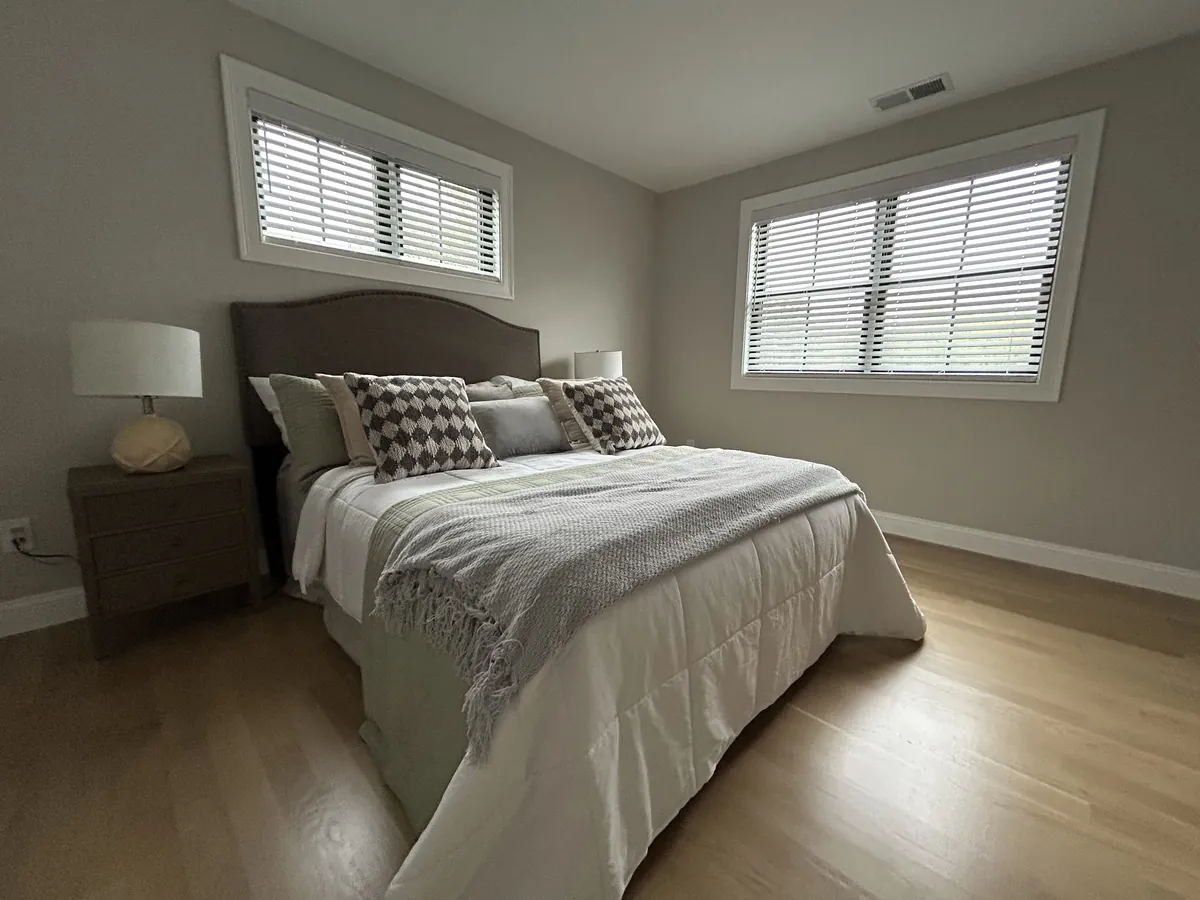
A bedroom on the water side has a different problem from a living room. By day you want the view, but early light off the river can wake the house, and on a clear morning it arrives bright and low. A lined shade, mounted outside the frame so it overlaps the edges of the window, keeps far more of that light out than one fitted inside, where thin strips of light can show down each side.
If you also want the option of soft light by day, two treatments can share the window: a lined roman shade for night and drapery panels in a lighter cloth that can be drawn across in the afternoon. We will look at the window and the wall around it to see how much room there is for both.
Colour beside the water
The light in a water-facing room is strong and slightly cool, and it changes how fabric looks. Whites and creams can read very bright, and pale blues and greens tend to sit comfortably against the view outside. Deep colours look rich in the showroom but can feel heavy against a wall of bright glass, and they show fading sooner. None of this is a rule, but it is worth holding a sample up to the window at different times of day before deciding.
Farmhouses and Capes Around Four Corners
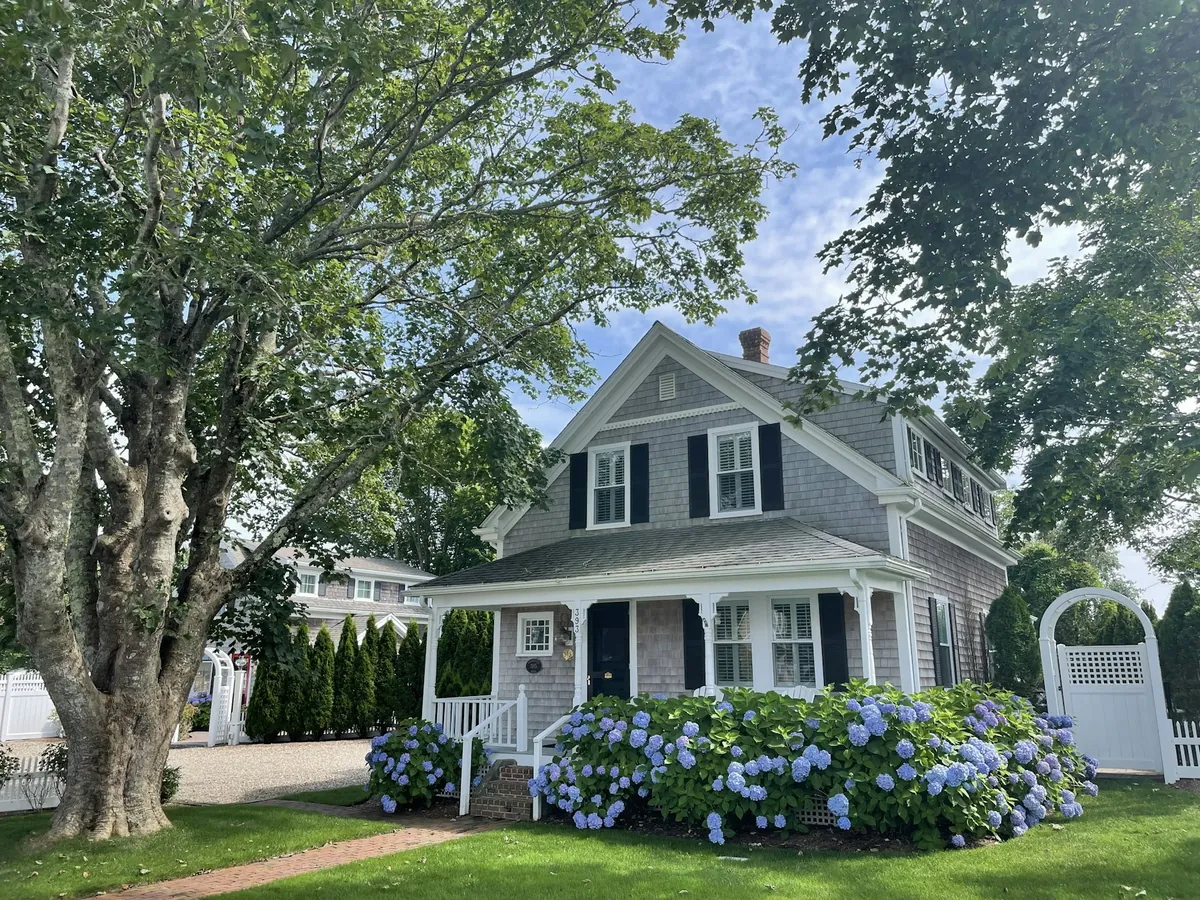
Inland, around Four Corners, the farmhouses and shingled capes ask something different of a roman shade. Their windows are smaller and more traditional, the rooms are cosier, and the sun is filtered by trees and porches rather than coming straight off the water.
Farmhouse sash
Farmhouse windows are usually double-hung sash with painted trim, often a little out of square after many years. A roman shade mounted inside the frame keeps the trim on show and looks right in an older room. Because older frames are seldom perfectly true, we measure each one at several points and make the shade to fit the frame as it is, so it hangs straight and does not leave a gap down one side.
Fabric can be richer here. A hobbled fold in a woven check or a heavier linen suits a farmhouse dining room. A flat fold in a small print sits nicely in a kitchen. The lower light inland is kinder to colour, so deeper shades of fabric are more of an option than on the water side.
Cape dormers and upstairs rooms
Shingled capes put their upstairs rooms under the roof, with small dormer windows set into the slope. Those windows are often the only daylight in the room, and the wall around them is close in. A roman shade is a good fit, because it lifts straight up and takes no space at the sides. On a dormer we keep the stack small, and where the frame is shallow we may mount the shade just above it, so the room loses as little light as possible when the shade is up.
Ground-floor rooms in a cape often have the porch in front of them, which already shades the windows. In those rooms, an unlined shade in a light cloth lets what daylight there is come through softly, and the shade becomes more about privacy in the evening than about sun.
A fold for every room
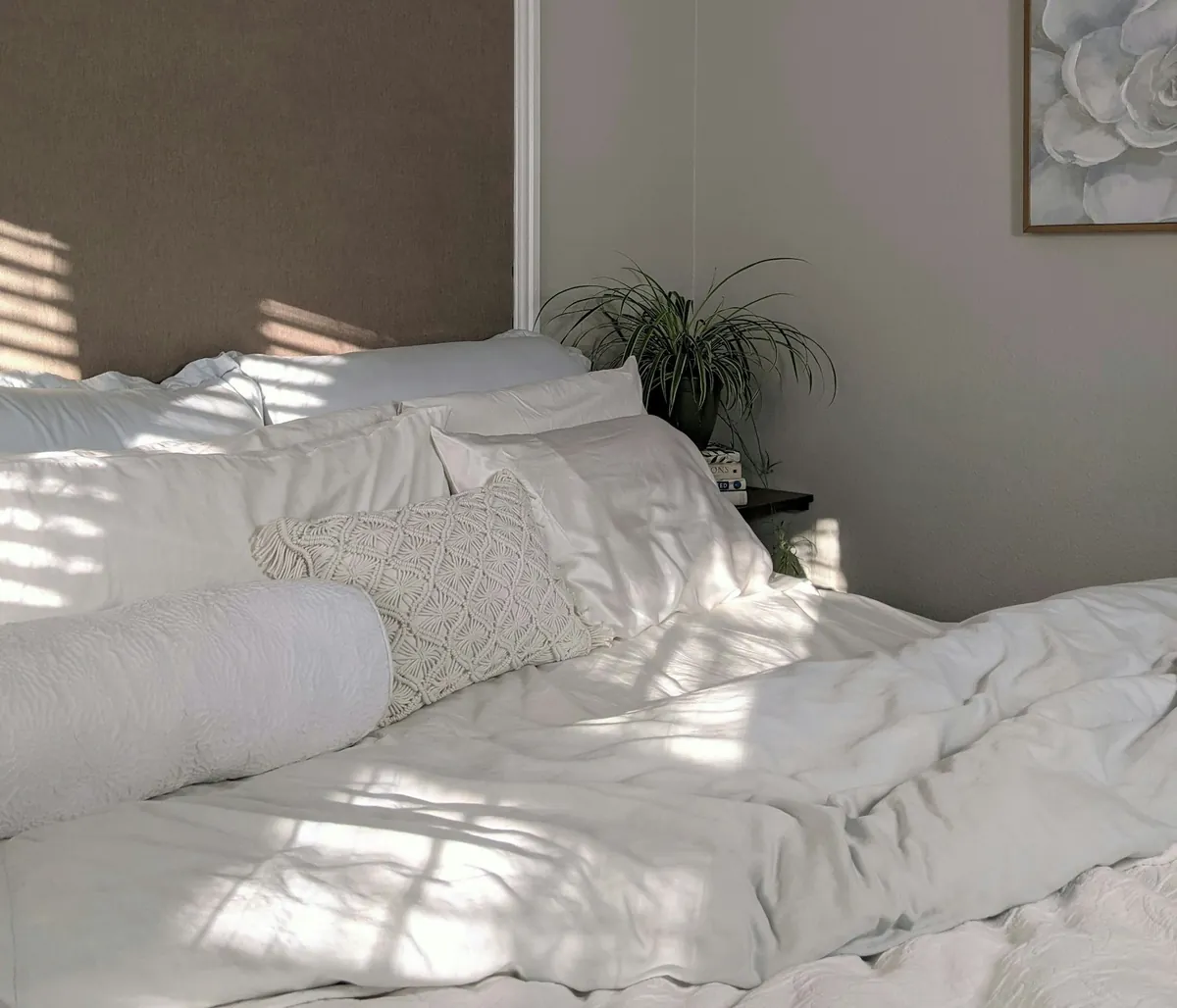
Most houses end up with more than one fold. A rough guide for Tiverton houses:
- Water-facing living rooms: flat folds, lined, one per window, mounted high so the view stays clear.
- River-side bedrooms: a lined shade mounted outside the frame, with drapes if you want a lighter layer too.
- Farmhouse dining rooms and parlours: a hobbled fold in a fuller cloth.
- Cape kitchens: a flat fold in a light, unlined fabric that lets the morning glow through.
- Dormer bedrooms: a relaxed or flat fold with a small stack, mounted above a shallow frame.
- Porch-shaded front rooms: an unlined shade for evening privacy without losing daylight.
Doing a house in stages
You do not need to cover every window at once. Many orders start with the water-facing rooms, where the sun is the most pressing problem, and move inland later. If you keep a note of the fabric and fold you chose first, later shades can be made to match, so the house still looks planned when it is finished.
The road side of a waterfront house
A house on Nanaquaket or along the Sakonnet is glazed heavily toward the water, but the rooms on the other side, facing the road or the driveway, have ordinary windows and far less sun. Those rooms do not need the same protective approach. They can take deeper colours, unlined cloths and hobbled folds that would be wasted, or fade too quickly, on the water side.
That contrast is useful. It lets one house carry two moods: calm, pale, flat folds facing the river, and warmer, fuller fabric shades in the hall, the study or a back bedroom. Choosing both on the same visit means the colours can still be chosen to relate to each other, so walking from one side of the house to the other feels natural.
Where a front door or a stair hall sits on that road side, the window there is often seen by anyone arriving, so a fabric that makes a good first impression from outside is worth a moment’s thought as well.
Ordering Roman Shades in Tiverton, RI
From the first question to the last shade, we stay in touch so you know where things stand. This is how a typical order goes.
- Get in touch through the call button or the form, describe the rooms, and arrange a free quote.
- One of our specialists measures each window at the house, noting sun exposure on the water side, frame depths and how high each shade will stack.
- You choose fabric, fold and lining, either from samples brought to the house or at the showroom in Swansea.
- You receive a quote with each window priced separately, so you can see exactly what is included.
- The shades are made to the measurements taken in your home.
- Our team installs them, checks that every shade lifts and stacks evenly, and shows you how to use them.

Lined or unlined
A lining gives a roman shade more body, cleaner folds and more control over light. On the water side it also shields the face fabric from sun. An unlined shade in a light cloth lets daylight glow through, which can be lovely in a cape kitchen or a porch-shaded sitting room. We will suggest which suits each room once we have seen it.
Pairing roman shades with other treatments
Many Tiverton rooms combine treatments. A wall of water-facing windows might take roman shades on each pane with drapery panels at either end. A farmhouse bedroom might pair a lined roman shade with a duvet cover and pillows cut from a coordinating fabric. Because the store makes drapery and fabric decor as well as shades, these can be planned together. Our Tiverton window treatments page lists every service we offer in town, and the main roman shades page explains the folds in more depth.
Care in a coastal house
Dust roman shades regularly with a soft brush or a vacuum on low, especially on the water side, where salt and grit settle on fabric. Blot small marks with a damp cloth after testing a hidden spot. Do not wash a shade at home, as it can shrink and lose its folds; a professional clean is the safer route.
A Swansea Family Store Since 1988
Window Works has been a family business since 1988 and is now in its second generation. For over 37 years it has served the SouthCoast of Massachusetts and the Rhode Island East Bay, a short drive across the line from Tiverton.
- An experienced team of window treatment specialists
- Drapery and fabric are the store’s specialty
- Every window measured in the house
- Installation by our own team
- Warranties offered on what we sell
- In constant contact until the job is complete
Compare Fabrics in Person
The showroom in Swansea is the best place to feel fabric weights, see the folds made up and judge colours in daylight before ordering roman shades for a Tiverton house. It carries the Norman range as well.
Bring a photo of the water-facing room or a swatch from a sofa, and we will help you narrow down the cloths that suit it.
Questions from Tiverton
Will a roman shade fade in a room that faces the Sakonnet?
Any fabric in strong sun can fade over time. A lining helps protect the face fabric, and a paler cloth shows fading less. We take the room’s exposure into account when helping you choose.
Can I keep the view when the shades are up?
Yes. A shade mounted above the frame can be raised high enough that its folds clear the glass, so the view is kept in full when the shade is up.
What do you suggest for a run of big waterfront windows?
A separate shade for each window, all stacking to the same height. They are easier to lift than one wide shade and let you shade part of the room at a time.
Do roman shades suit cape dormers?
Yes. They lift straight up and need no space at the sides. We keep the stack small, and mount above the frame where it is shallow, so the room keeps its light.
How do I arrange a quote in Tiverton?
Quotes are free. Use the call button or the form on this page, tell us about the rooms, and we will set a time to measure.
Book a Free Quote Today
A free quote is the place to start. Use the call button to reach the Swansea store, arrange measuring at your house or ask about installation, or send the form and we will reply. If you want to see the fabrics first, visit the showroom; the contact page has directions. Window Works holds a 5.0 rating on Google.