
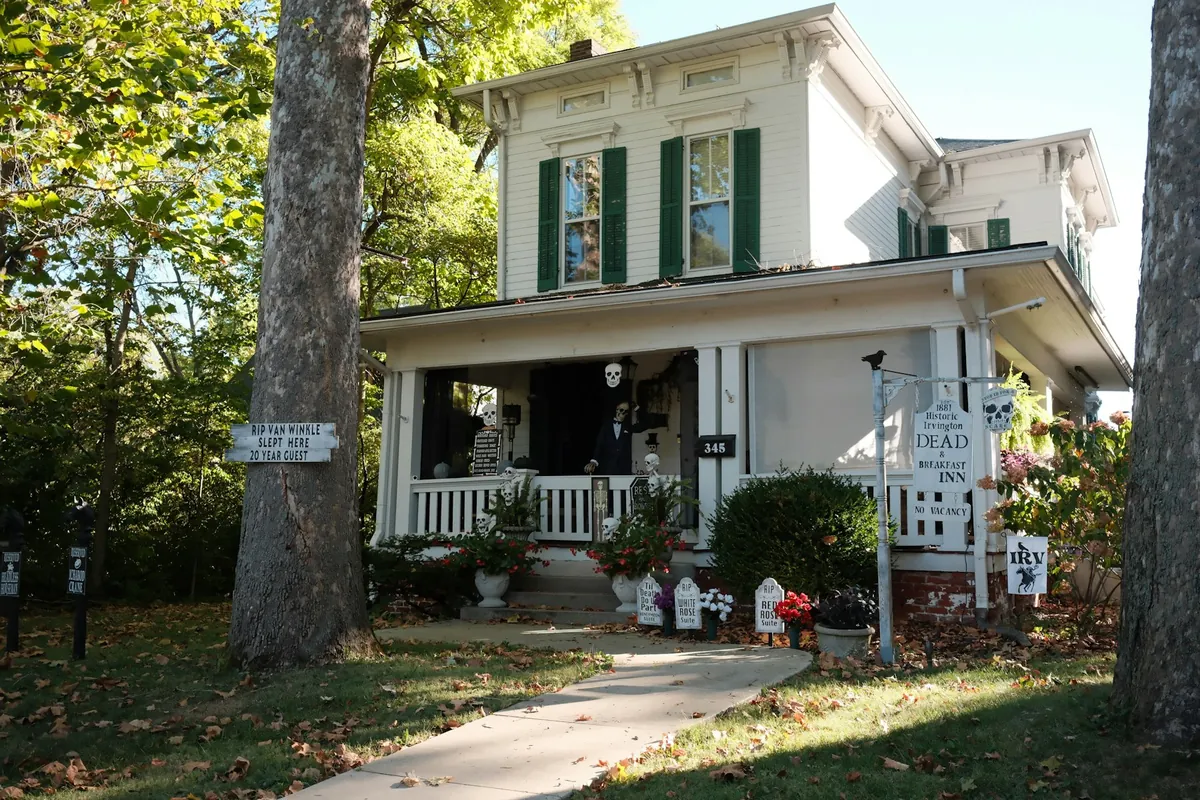
Tall Sash, Deep Reveals and a Hill
Fall River’s mill-era housing was built with tall, narrow double-hung windows set into thick walls, and that makes plantation shutters in Fall River, MA an unusually good fit. Through the Highlands and Corky Row, the three-deckers and Victorians stand close together, and the windows sit back in deep interior reveals that can hold a shutter frame completely inside the opening.
The city’s hills add a second thing to think about. On a slope, one side of a house can look out over rooftops into full sun while the other side faces a neighbour’s wall a few steps away. The same house can need a shutter tuned for glare in one room and for privacy in the next.
- Shutters fitted inside the house, never on the outside walls
- Louvres sized for tall, slim panels or for large modern glass
- Frames set into the reveal where the depth allows
Shutters Matched to the City’s Windows
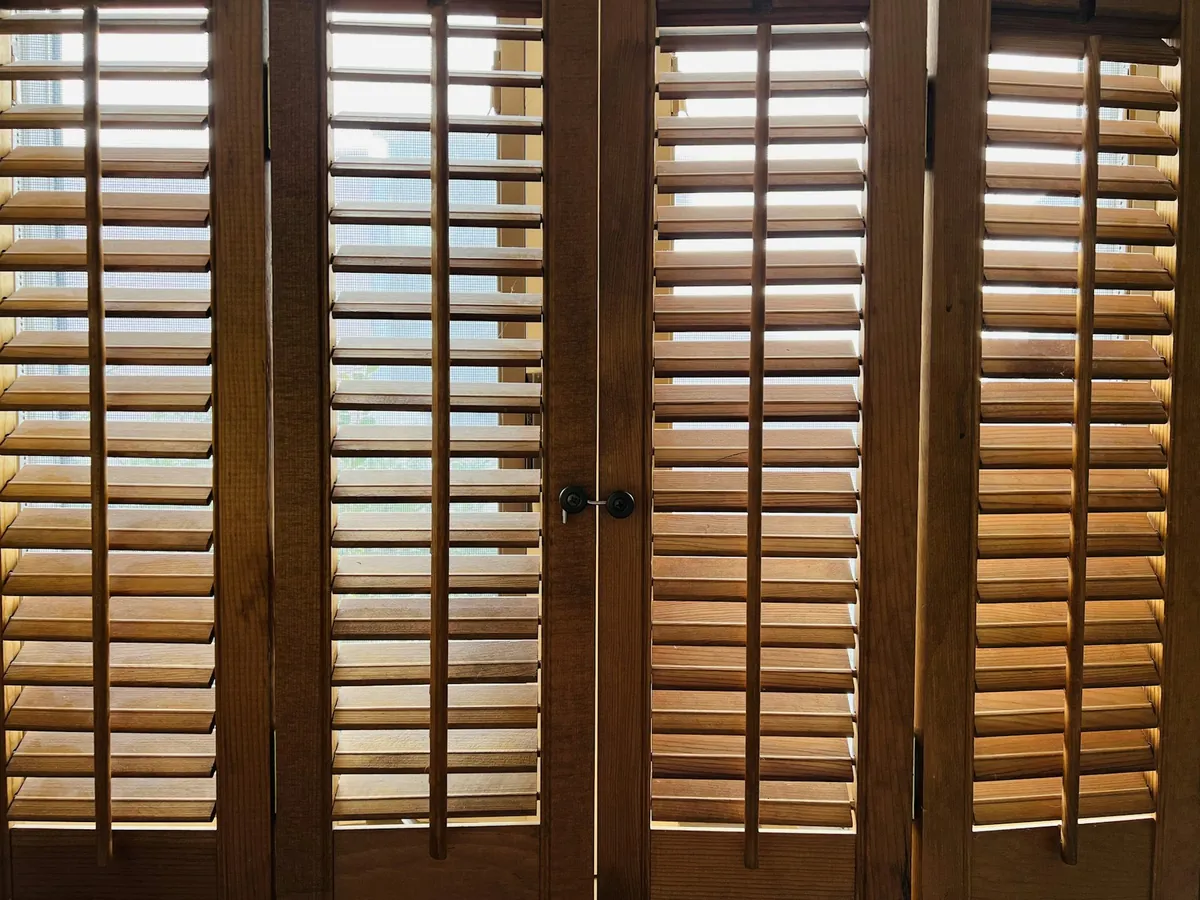
Parlour sash
Victorian front rooms have the tallest windows in the house. A pair of slim panels per window keeps the proportions of the sash.
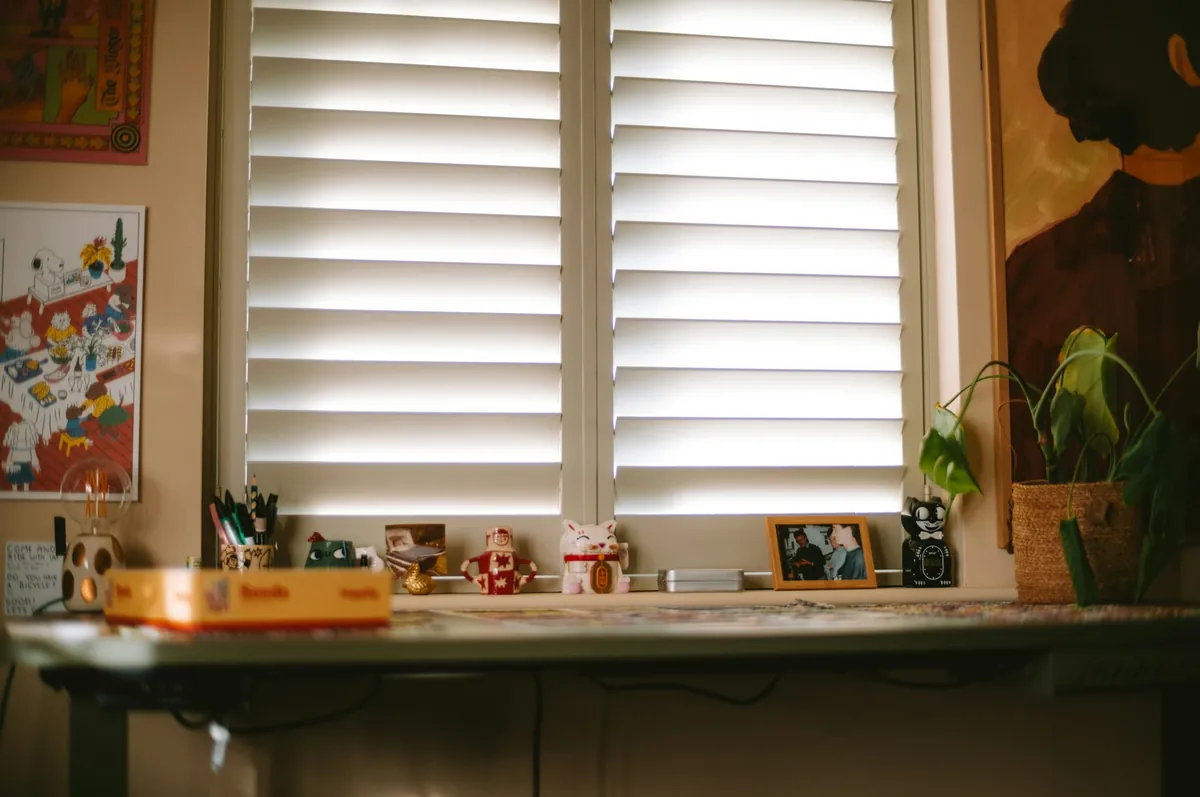
Flat by flat
Each floor of a three-decker can be done on its own, with matching louvres so the front of the building still looks even.
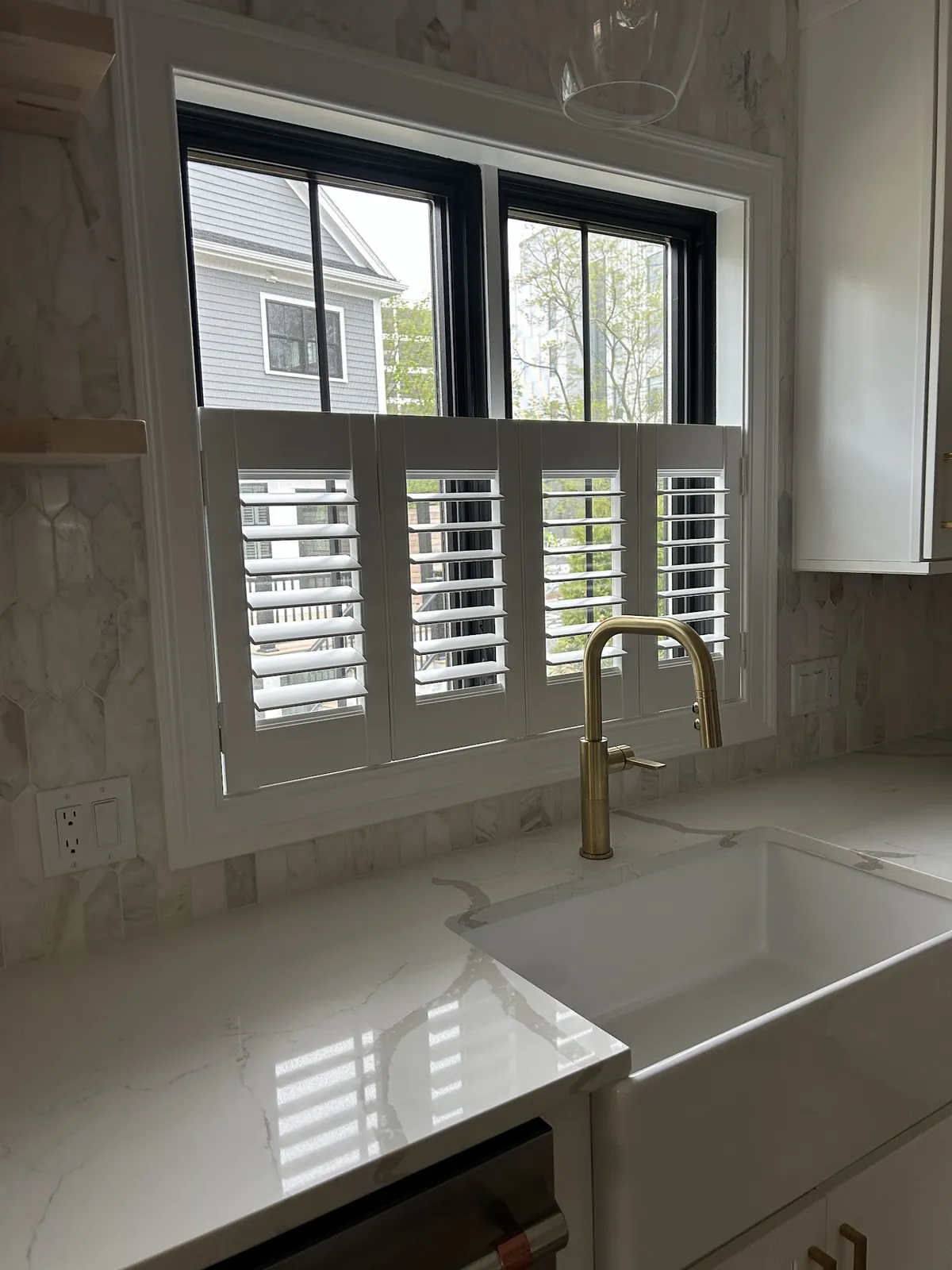
Kitchen at the back
Lower panels only, where the back window faces the next house close up, leaving the top of the sash clear for daylight.
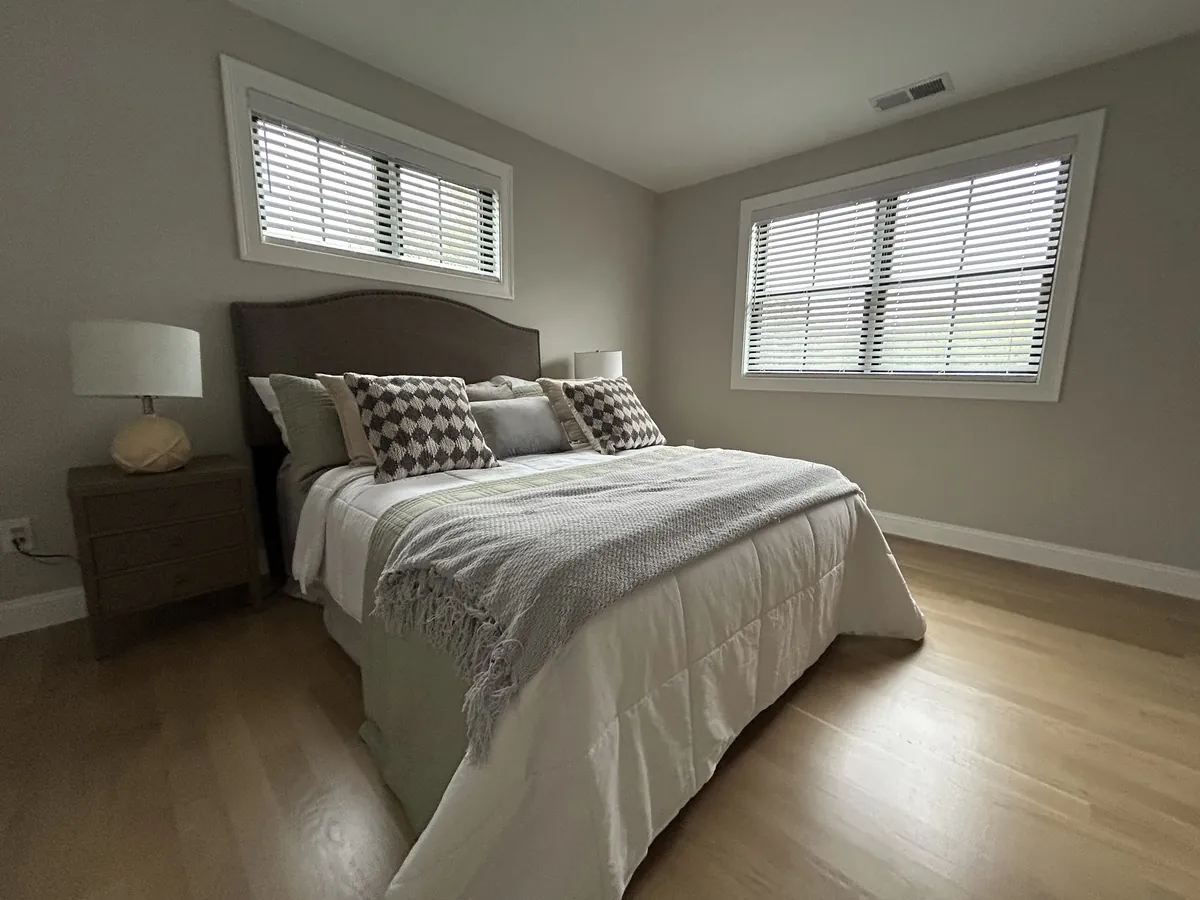
Bedrooms on the shaded side
Closed louvres for privacy from the house next door, opened to catch what light reaches that side of the slope.
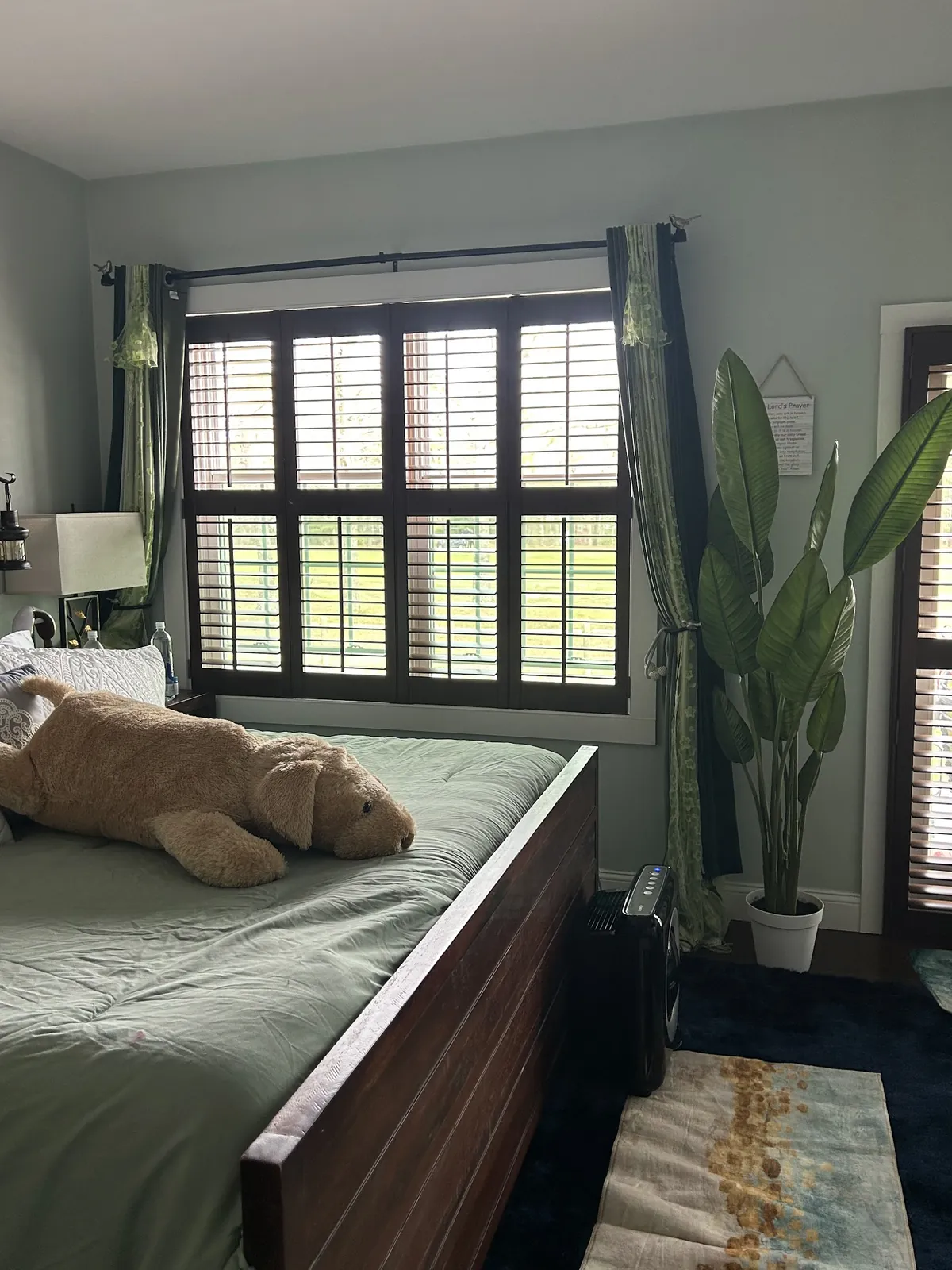
Wood-toned rooms
Where a Victorian keeps its stained doors and floors, a wood finish on the shutter can carry the same colour to the window.
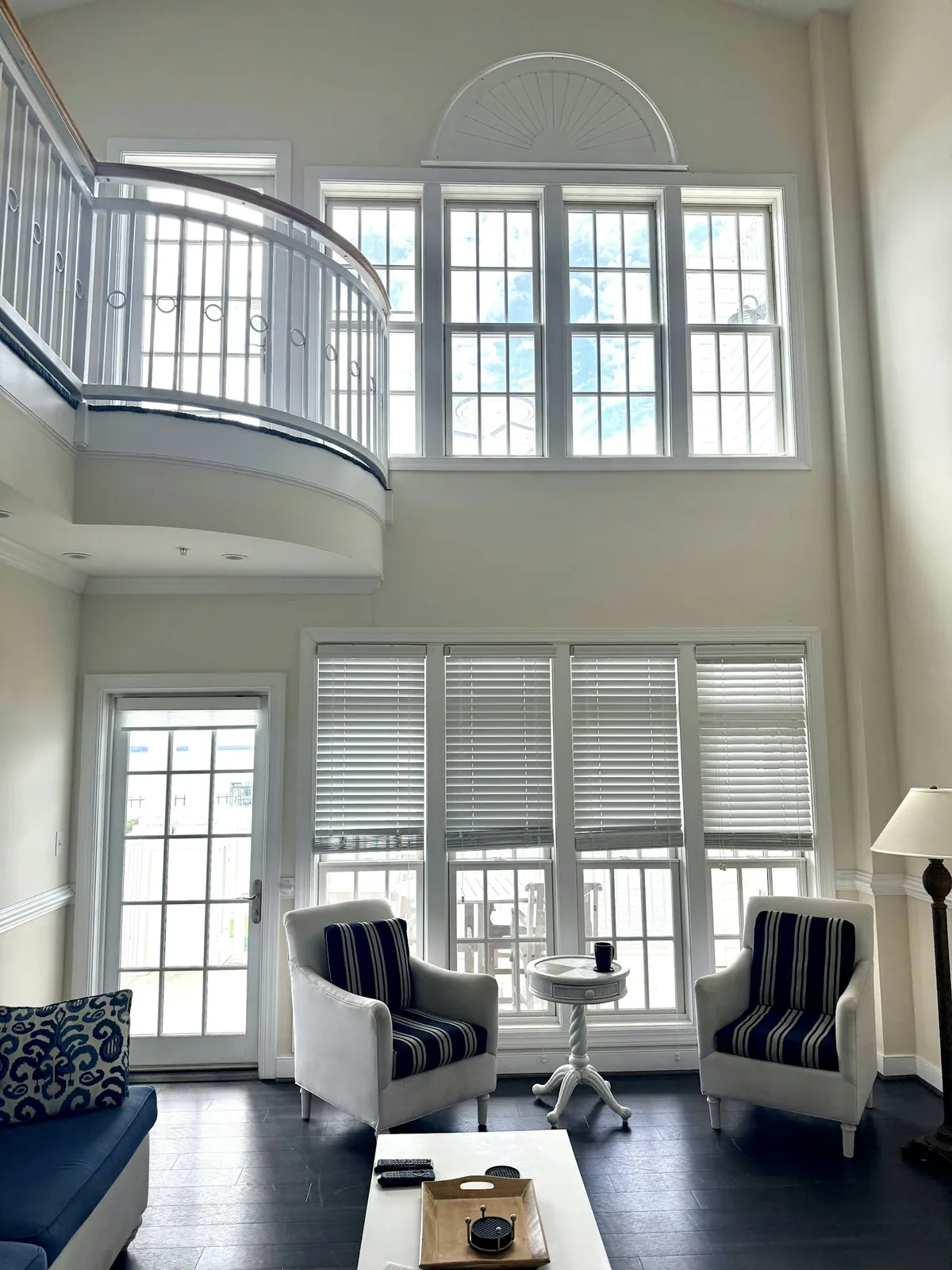
Condo glass
Large modern windows take wider louvres and more panels, so the water view opens up when the louvres lie flat.
Why the Reveal Matters
Most windows in the older Fall River housing stock are set well back from the face of the inside wall. That recess, the reveal, is where an inside-mounted shutter lives. When there is enough depth, the whole frame tucks into the opening, the casing around it stays visible, and the shutter looks as if it came with the house.
Depth is not only about holding the frame. When the louvres open, they swing back toward the glass, and they need room to do it without hitting the sash, the sash lock or the lifts. A deep reveal gives them that room easily, which means you can choose your louvre size for the look and the light rather than having it decided by a shallow opening.
We still measure every window. Three-deckers have often been worked on floor by floor over the years, and it is common to find replacement windows on one level and original sash on another, each with a different depth. Older openings can also lean slightly out of square. The shutter frame takes up that small difference so the panels meet cleanly down the middle.
Where a reveal is too shallow, or where the casing has been damaged or painted over many times, an outside frame fixed to the wall around the window is the alternative. It sits proud of the opening, covers the old casing and still lets the panels swing clear.
Choosing Louvres for Tall, Narrow Windows
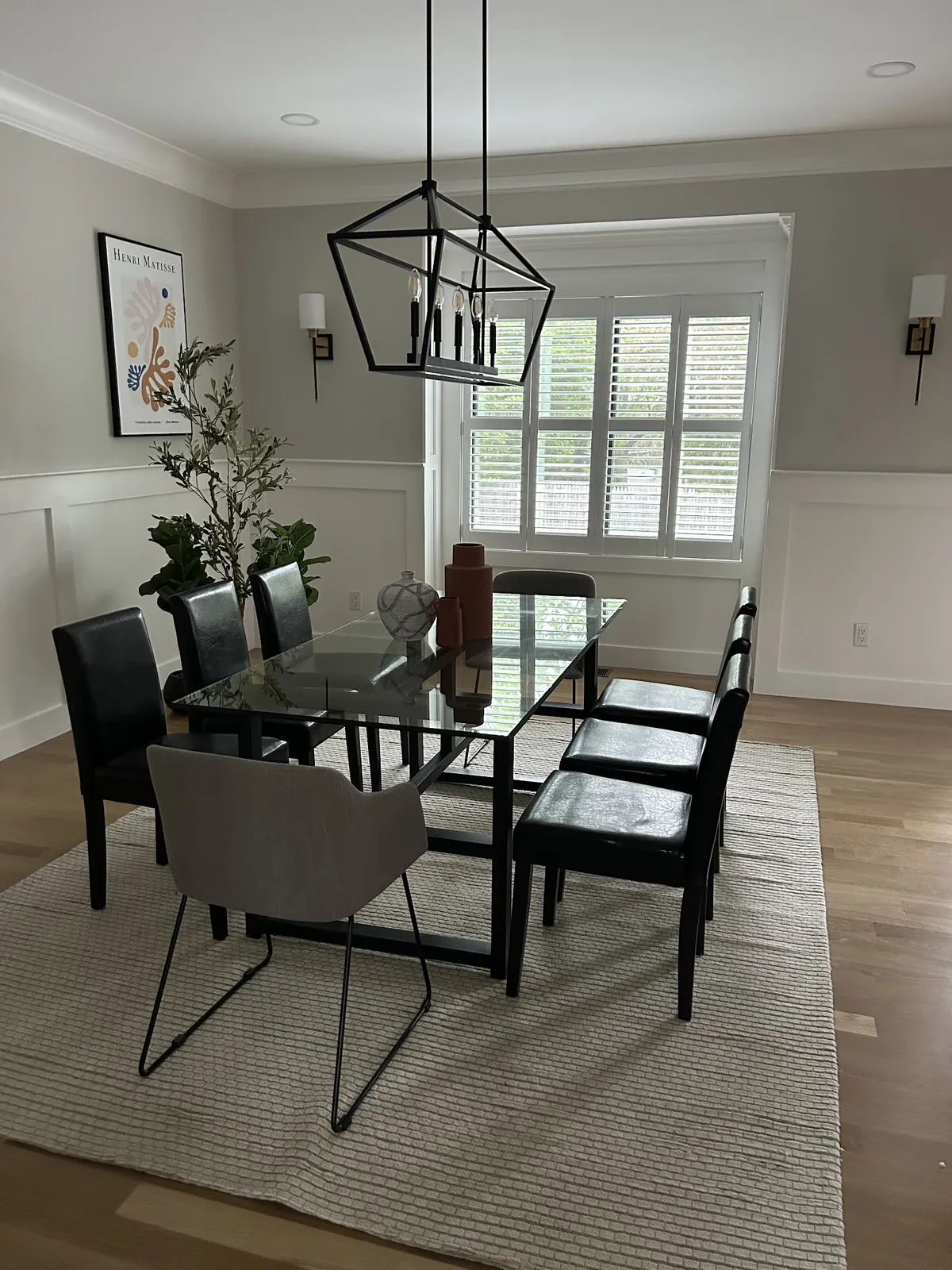
Fall River’s tall sash shapes the louvre choice more than anything else. A tall window with a narrow width gives you a long, slim panel. Put a very wide louvre into that panel and it looks heavy, with only a handful of slats running a long way down. A narrower or middle-sized louvre keeps the pattern fine and balanced, which tends to suit the Victorian rooms in particular.
Ceiling height plays into it too. Parlours and front rooms in the older houses often have high ceilings, and the windows rise to match. In those rooms, a slightly larger louvre can hold its own without looking out of scale, and it lets a little more light through when tilted open. The showroom has louvre sizes side by side, so you can compare them before deciding.
A rail across a tall panel
A very tall panel can be split by a rail across its middle, so the top louvres move separately from the bottom ones. In a front room facing the street, that lets you leave the upper louvres open for daylight and keep the lower ones closed against passers-by. Whether a rail suits your window depends on where the meeting rail of the sash falls, because lining the two up looks tidier.
Plantation Shutters in Fall River, MA, Side by Side with the Hill
Light behaves differently from street to street here, and that is worth thinking about before you choose plantation shutters in Fall River, MA. A house on the upper side of a hillside street may have its front rooms above the neighbours, open to the sky and the afternoon sun. The rooms on the downhill side might face straight into the next building.
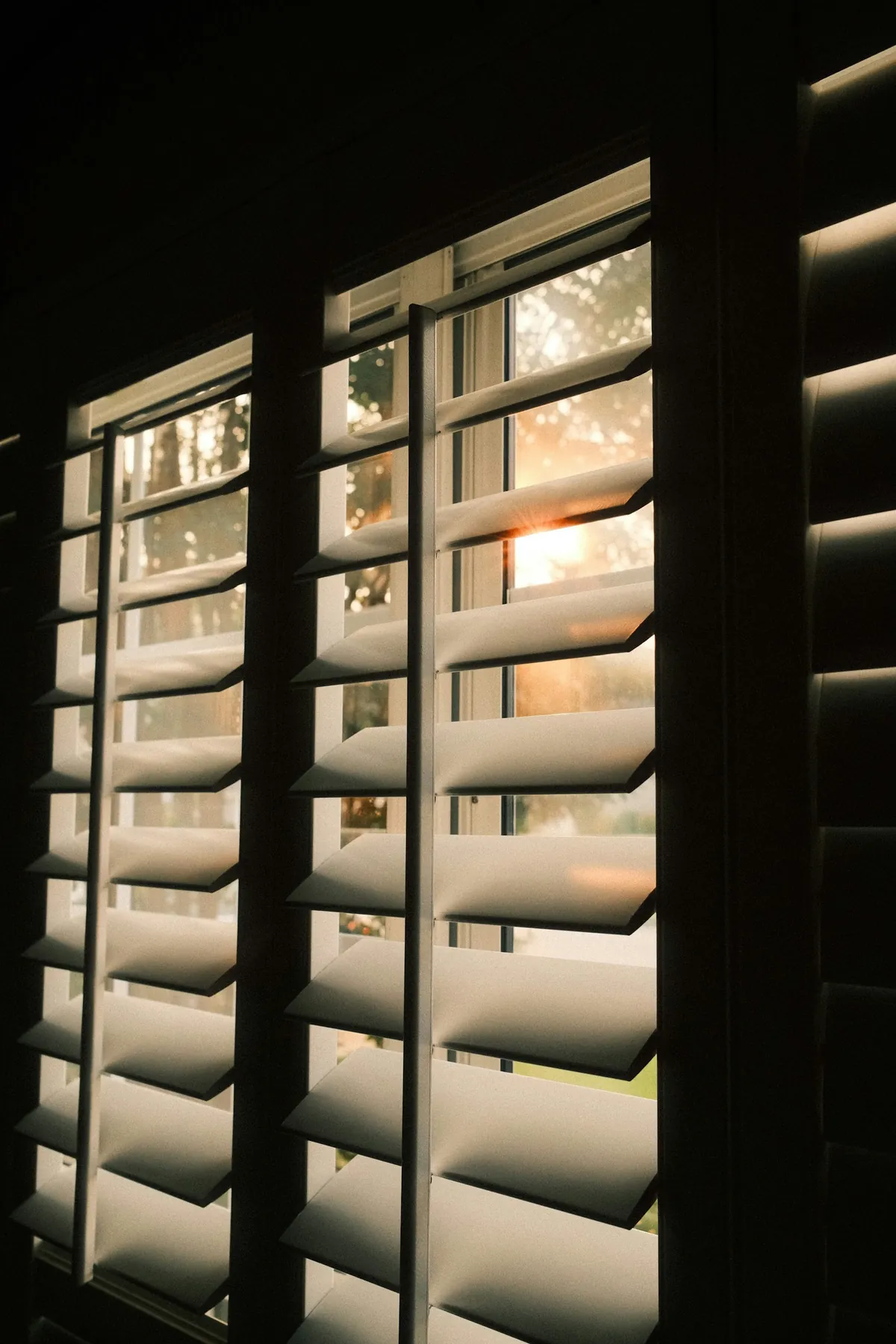
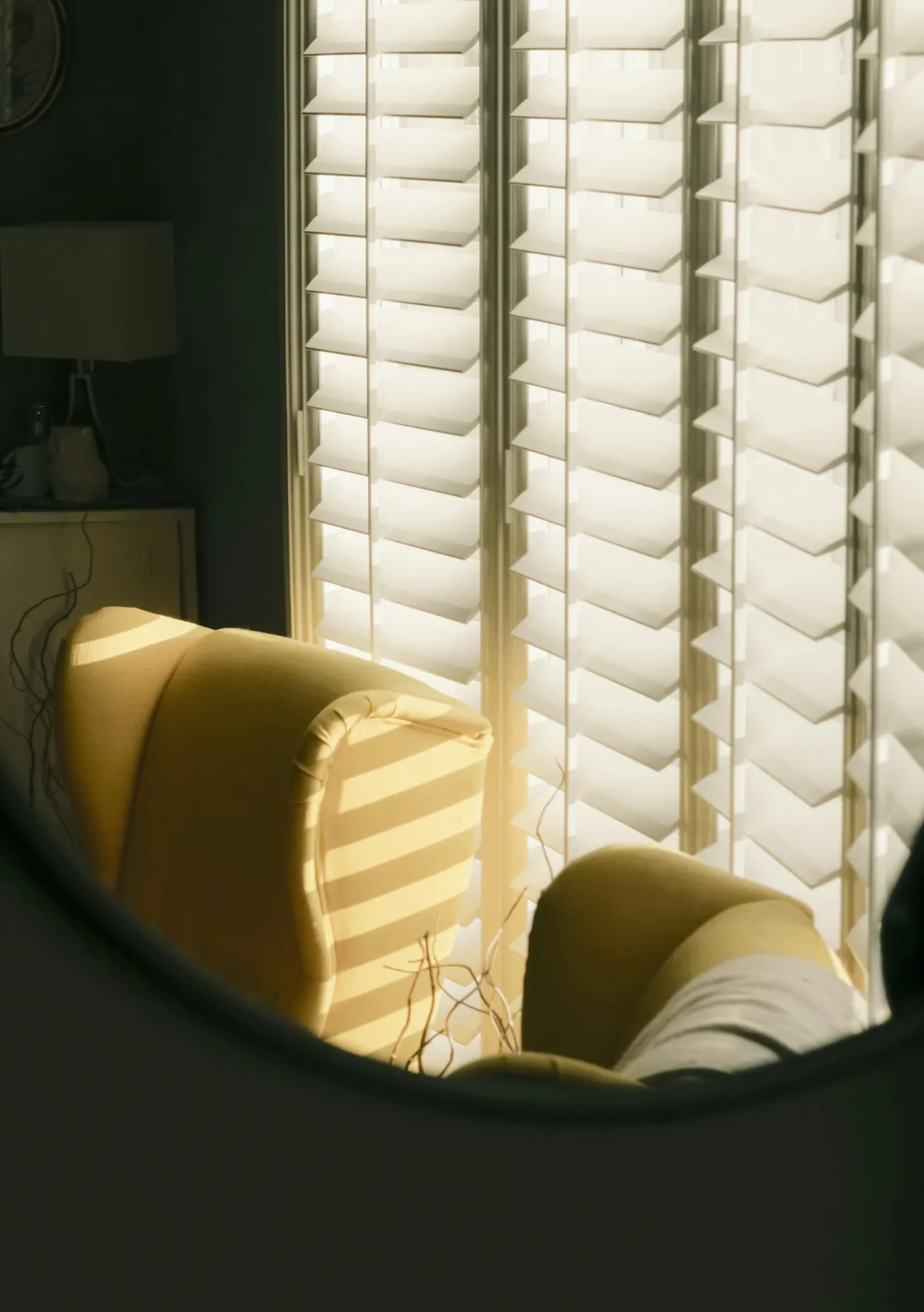
On the sunny side, louvres do the job of a blind and a curtain at once. Tilt them up to throw light onto the ceiling and keep the glare off a screen or a table. Tilt them down to see out over the rooftops while blocking the sky. Close them altogether when the sun is hardest.
On the shaded side, the issue is privacy without losing the little light that does arrive. Shutters help here because you can open the louvres just enough for daylight while the view in from next door stays blocked. Many households end up with the same louvre size throughout, set differently room by room through the day.
Three-Deckers, Floor by Floor
A three-decker is really three homes stacked one above another, and shutters can be ordered for one flat or for the whole building. If you own the building, matching the louvre size and finish across all three floors keeps the street face orderly. If you live in one flat, your shutters only need to suit your rooms, though keeping the front windows white tends to look right from outside.
The front bays and porches on many three-deckers bring their own windows: narrower side windows angled off the main face, and doors with glass. Each angled window takes its own shutter, with the frames meeting neatly in the corners. A porch door with glass may suit a shutter fixed to the door itself, which is something we look at on site.
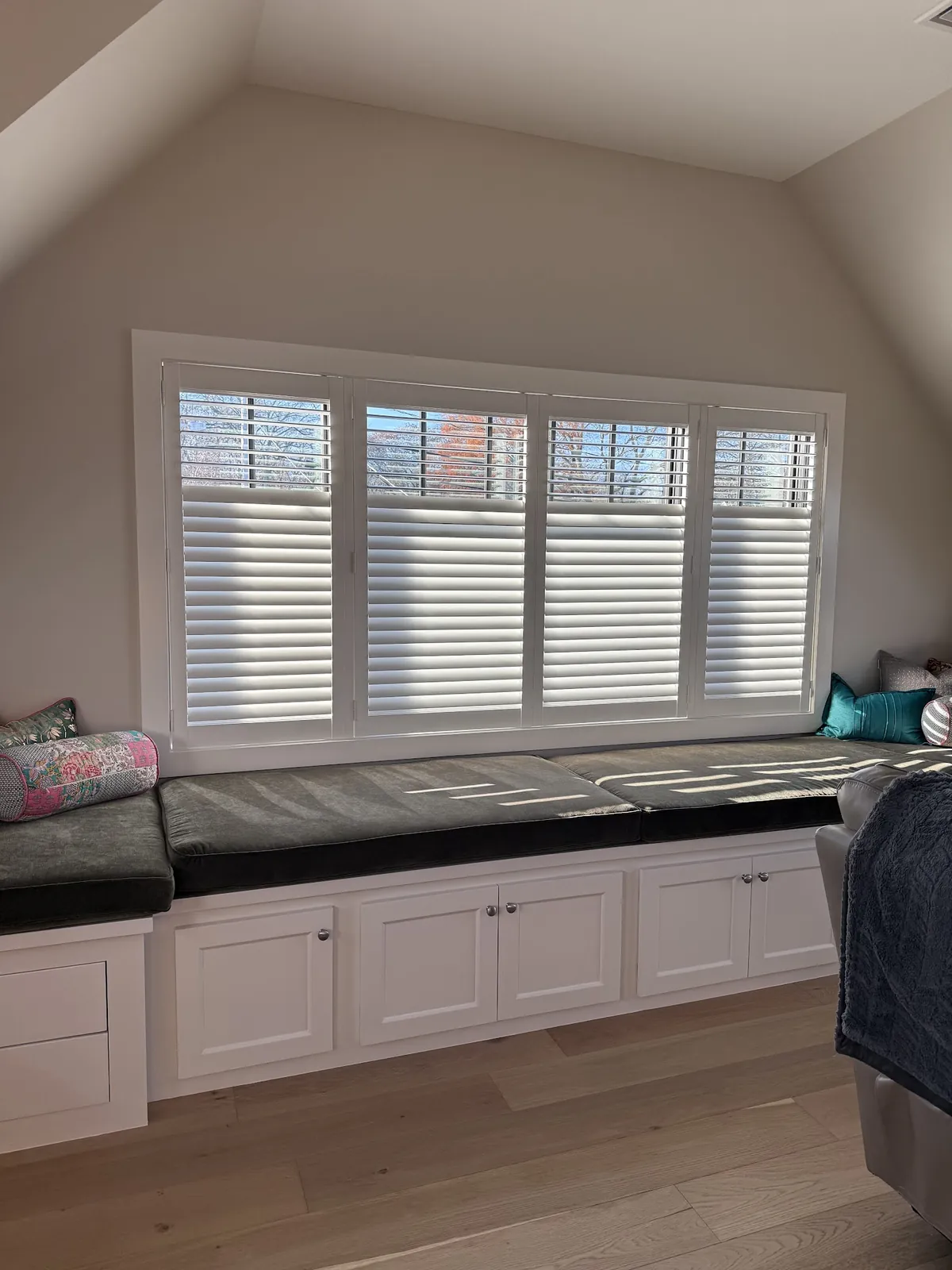
Back rooms are often the kitchen and a small bedroom, close to the next house. These are good places for cafe-style panels, which cover only the bottom half of the sash, so the room keeps its daylight while the counter and the bed are screened.
Waterfront Condominiums
The downtown waterfront condominiums are a different kind of home. Instead of slim sash in thick walls, they tend to have large modern windows, sometimes running most of a wall, with shallower openings and plain trim.
Here a wider louvre usually makes more sense. Tilted fully open, it gives the clearest view out past the panels, and across a big window it keeps the slat count sensible. Frames are often fixed outside the opening, which suits modern trim and gives the louvres the depth they need. A plain, square frame profile keeps the look clean against modern walls.
Big windows mean more panels, and more panels need somewhere to fold. We plan the layout so the panels fold back in pairs to the sides of the window and stay clear of heating units, furniture and doors. Where a balcony door is glass from top to bottom and slides, a shutter is not always the right answer; our vertical blinds in Fall River page covers the usual alternative.
Light off the water is the other thing to plan for in a condo. Late in the day, the reflection off the river and the bay can be strong enough to wash out a room. Angling the louvres downward cuts the glare from above while keeping the lower view, and closing them completely darkens the room for a film or an early night. Because the louvres are rigid, they stay where you set them, and there is no fabric to sit in strong sun day after day. If the condo has a bedroom with the same big glass, the shutters there can simply stay closed at night and fold right back in the morning.
Victorian Rooms Beyond the Parlour
The front parlour gets most of the attention, but a Highlands Victorian has plenty of other windows that suit a shutter. The stair hall often has a tall window on the landing, sometimes of an odd width, seen from both floors and from the street. A made shutter fills it properly, and painted to match the banister trim it looks like part of the staircase.
Dining rooms in these houses were often given the second-best windows in the house, tall and well proportioned, and they suit the formal, built-in look of a shutter. Upstairs, bedrooms under the eaves can have shorter windows set lower in the wall, where a shutter with a narrower louvre keeps short panels in proportion and needs no space above the glass for anything to stack into.
Bathrooms in older houses often have a single tall window facing the house next door. Whether a shutter is the right choice there depends on the room, and we will talk it through with you on the visit rather than suggest it for every bathroom.
Before the Measuring Visit
You do not need to do anything special before we measure for plantation shutters in Fall River, MA, but a little thought makes the visit quicker. Think about how each room is used and at what time of day, because a bedroom that has to be dark early and a front room that wants daylight all afternoon may suit different louvre sizes or panel splits.
If you rent or live in a condominium, check whether the owner or the association has any say in what goes on the windows. If you plan to keep existing curtains, tell us, so the shutter panels can be planned to open inside them. Our guide on what to bring to a free quote has a few more pointers.

From First Call to Fitted Shutters
Here is what happens after you get in touch with the Swansea store. You will hear from us at every stage until the job is finished.
- Tell us which rooms and which floors you are thinking about, and book your free quote by phone or with the form.
- A specialist comes out and measures each window, noting the reveal depth, the squareness of the opening, the sash locks and anything nearby that a panel could hit.
- You choose louvre size, frame style, finish and how the panels split and fold, either during the visit or by coming into the showroom to handle the panels.
- We send a quote that sets out every window separately.
- Your shutters are made to the measurements from your home.
- Our installers fit each frame, hang the panels, adjust them until they close square and show you how to tilt and fold them.
Finishes for Older Rooms and New Ones
A painted white or off-white shutter suits almost any Fall River room. In a Victorian with painted trim, it can be matched to the casing so the shutter reads as part of the woodwork. In a condo, a bright white keeps a large room light.
On a three-decker, think about the street face before choosing a colour for the front rooms. Three floors of windows stacked one above another are seen together, so a white or soft white on every front window keeps the building looking orderly, even if a back bedroom or a study inside takes a different finish. If you own only one flat, a white front shutter also sits comfortably next to whatever the neighbours above and below have chosen.
A wood finish suits the Victorian rooms that kept their stained doors, banisters and floors. Paired with drapes at the sides, it gives a parlour a finished, warmer look. We make drapes too, and our custom drapes for Fall River homes can be planned alongside the shutters and measured at the same appointment.
Care, and Help Later On
Shutters need little more than dusting. With the louvres closed, run a soft cloth or the brush of a vacuum down each panel, then reverse the tilt and do the other face. Painted shutters take a lightly damp cloth for marks; wood finishes are best kept dry. If a louvre goes loose or a panel starts to drop over time, get in touch with the store and we will tell you what can be done.
A Swansea Showroom Close to the City
Window Works opened in Swansea in 1988 and is still family owned, now with the second generation running it. For over 37 years our specialists have measured and fitted window treatments across the SouthCoast and the Rhode Island East Bay.
- An experienced team who handle window treatments every day
- Each window measured in your home before anything is made
- Fitted by our own installers
- Updates from us at every step until the work is complete
- Warranties offered on what we sell
In the showroom you can open, close and tilt shutters yourself, compare louvre sizes and finishes, and see the Norman range in person.
Every shutter we make is described on our main plantation shutters page, and the other services we offer in the city are on our Fall River window treatments page.
Questions from Fall River
Will a shutter fit inside the deep window openings in my three-decker?
Usually, yes. Deep reveals are ideal for a frame set inside the opening. We measure the depth of every window, because floors that have had replacement windows can differ.
Can I put shutters in just my own flat?
Yes. Shutters are ordered window by window, so one flat can be done on its own. Keeping the street-facing windows white usually looks right from outside.
What louvre size suits a tall Victorian window?
A narrower or middle-sized louvre usually keeps a long, slim panel looking balanced. In a room with a high ceiling, a slightly larger louvre can work. Both can be compared at the showroom.
Do shutters work on large condo windows?
Yes. Wider louvres and more panels suit big modern glass, folding back in pairs to open the view. A sliding balcony door may suit a vertical blind better.
How do I start with plantation shutters in Fall River, MA?
Book a free quote with the call button or the form. Tell us the rooms and floors, and we will arrange measuring in your home.
Book a Free Quote
When you are ready, start with a free quote. Use the call button to reach the Swansea store, set up measuring in your home or ask about installation, or send the form and we will reply. If you would like to see the shutters first, the showroom is in Swansea and the contact page gives directions. Window Works is rated 5.0 on Google.