
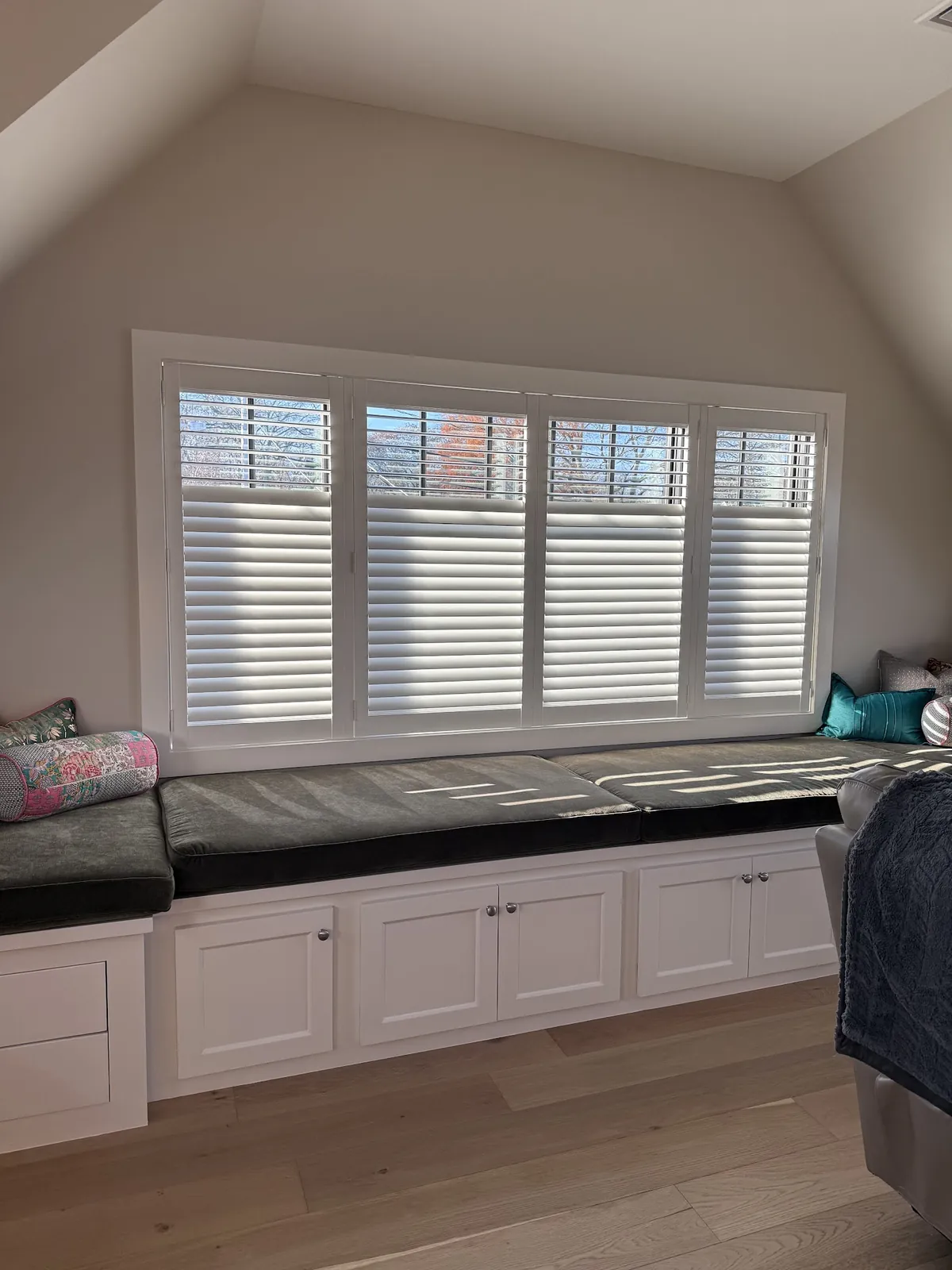
Deep Reveals and Historic Fronts
The Federal and Greek Revival houses along Hope Street and the Mount Hope Bay shore were built with thick walls, and thick walls make deep window reveals. That depth is good news for plantation shutters in Bristol, RI. A shutter frame needs room inside the opening for the panels to sit and the louvres to turn, and these windows usually have it to spare, so the shutter can be fitted inside the opening and look as though it came with the house.
The other thing that shapes the work is the street itself. These are houses people look at, in a district with clear expectations about how the old fronts should appear. Interior shutters are fitted inside, but they are seen through every front window, so their colour, louvre and proportions matter from the pavement as much as from the room. Out toward Poppasquash Point, the houses open more to the water, and the priorities shift toward light and view.
- Interior plantation shutters, made for each opening
- Louvre size and frame style chosen window by window
- Measured in your home and installed by our own team
What Bristol Houses Ask of a Shutter
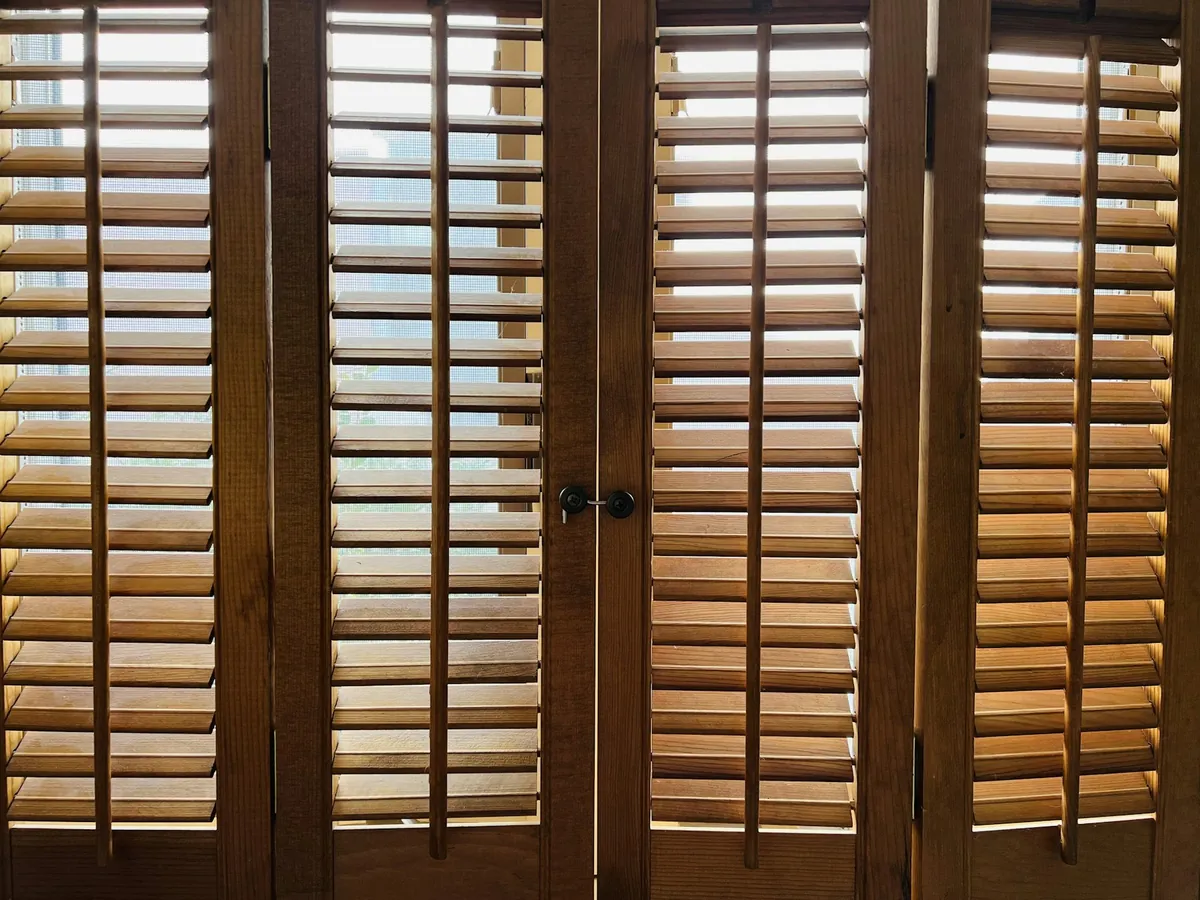
Set within the reveal
A deep opening lets the frame sit inside the window, clear of the casing, with plenty of room for the louvres to turn.
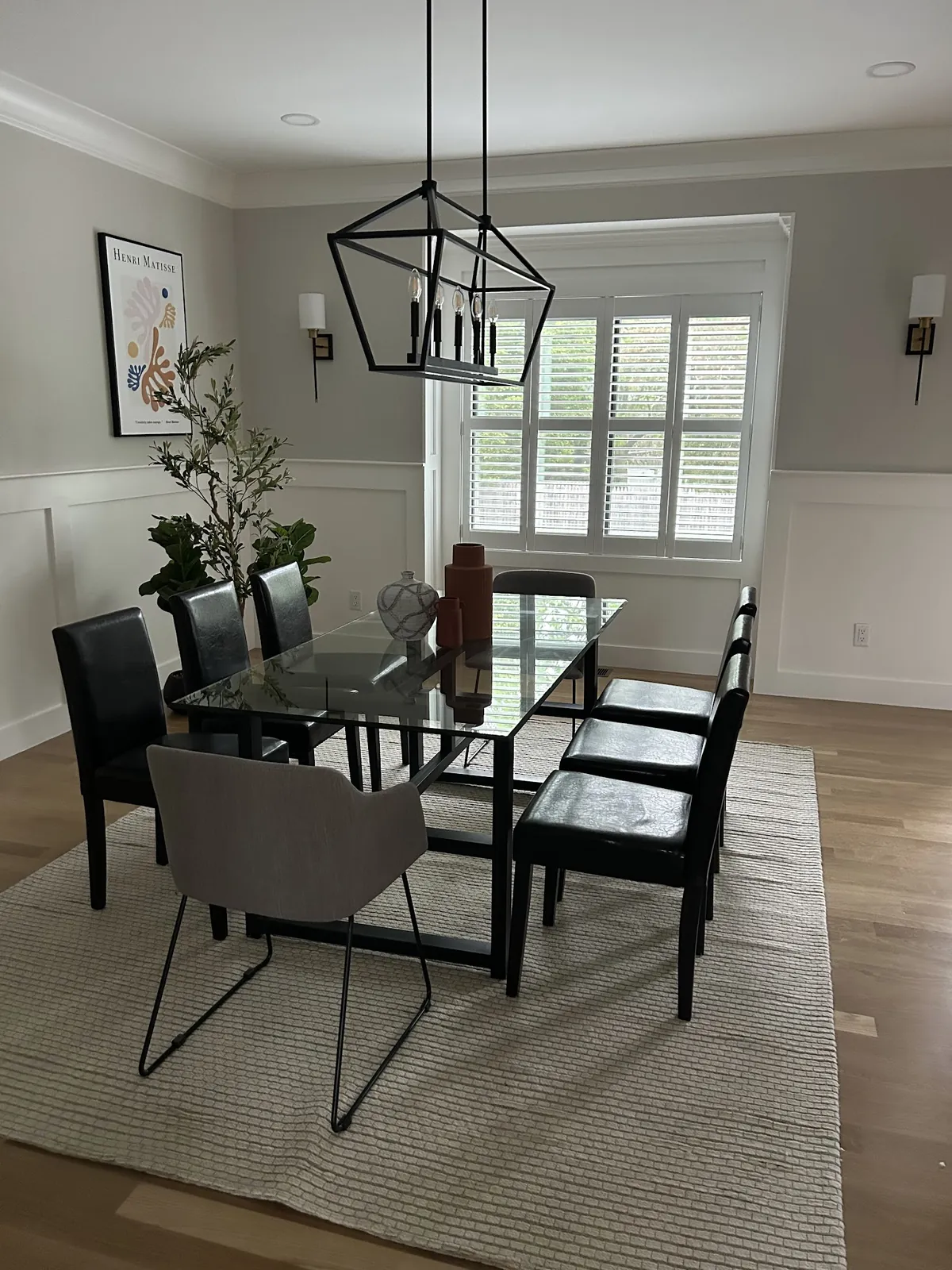
Formal front rooms
Matching shutters across a symmetrical Greek Revival front, so the house reads as one composed set from the street.
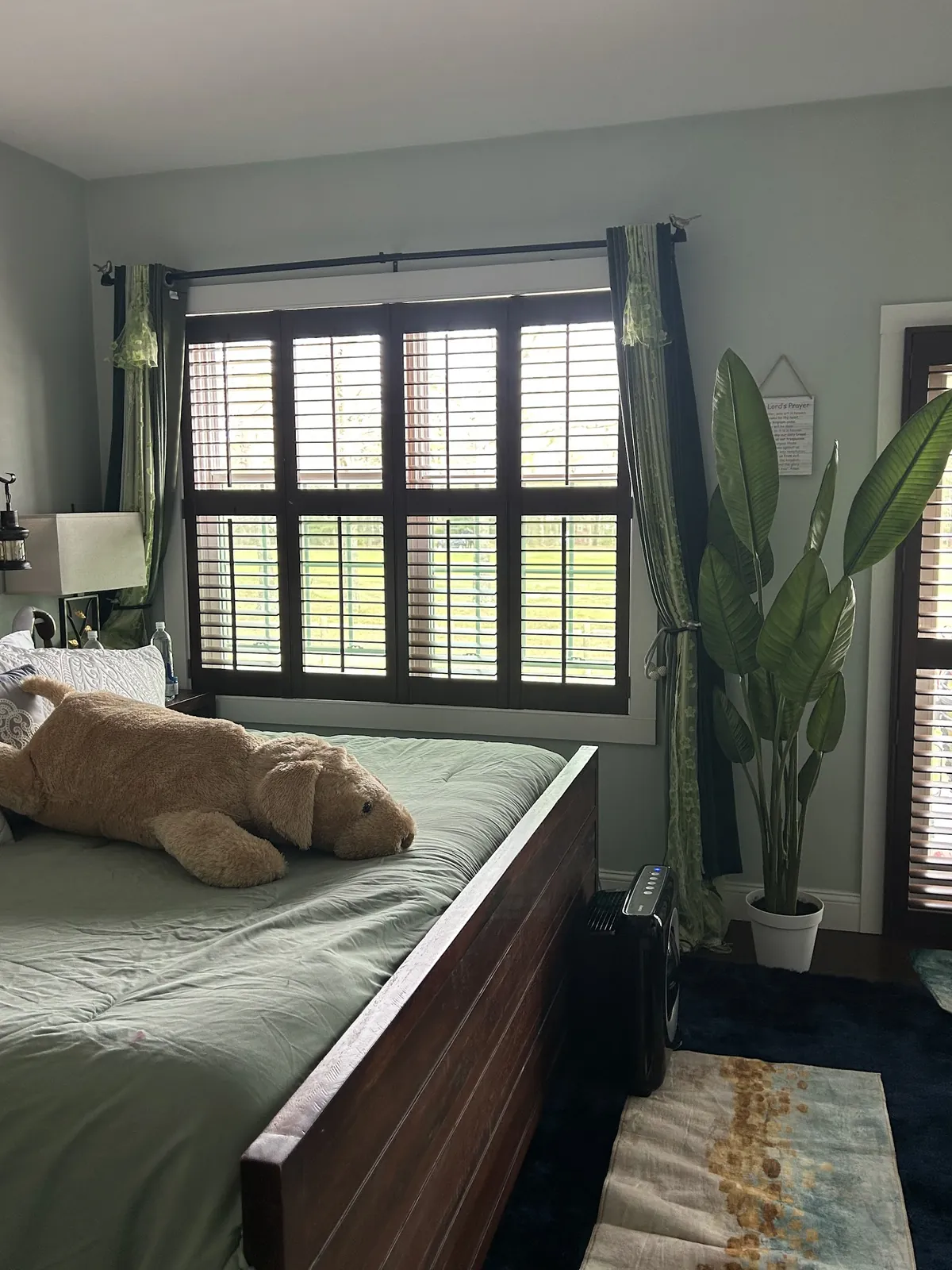
Rooms toward the bay
Wider louvres and panels that fold right back where the window looks over Mount Hope Bay.
Plantation Shutters in Bristol, RI and the Deep Window
A shallow modern window gives a shutter little choice: the frame either squeezes into the opening or goes on the wall around it. A deep reveal on Hope Street changes that. There is room for the frame to sit fully inside the opening with the louvres free to rotate, the casing untouched around it and the sill still usable.
That depth raises a design question most houses never ask: where in the reveal should the shutter sit? Set toward the room, it reads as part of the interior joinery and leaves a deep ledge between the panels and the glass. Set farther back, near the sash, it leaves the reveal itself on show, with its panelled or plastered sides framing the shutter like a picture. Each look suits a different room, and we talk it through with you at the window rather than deciding from a measurement sheet.
Deep reveals also make inside mounting more forgiving. Old walls are rarely perfectly true, and the extra depth lets the shutter frame be set where the opening is most square, with the frame itself taking up any small differences so the panels close in a clean line.
When the reveal is panelled
Some of the older houses have panelled reveals or shutter boxes from the days when interior folding shutters were part of the original design. Those details are worth keeping. A plantation shutter can be sized to sit within them without hiding the panelling, or set forward so the old boxes remain visible behind. We look at each window before suggesting either.
Using the sill
A deep sill is a useful shelf or even a seat. With the shutter set toward the room and hinged to swing inward, the sill stays reachable when the panels are open. Set back near the glass, the shutter leaves the sill in front of it, free for plants or books, and the louvres still turn without anything in the way.
Federal Houses on Hope Street
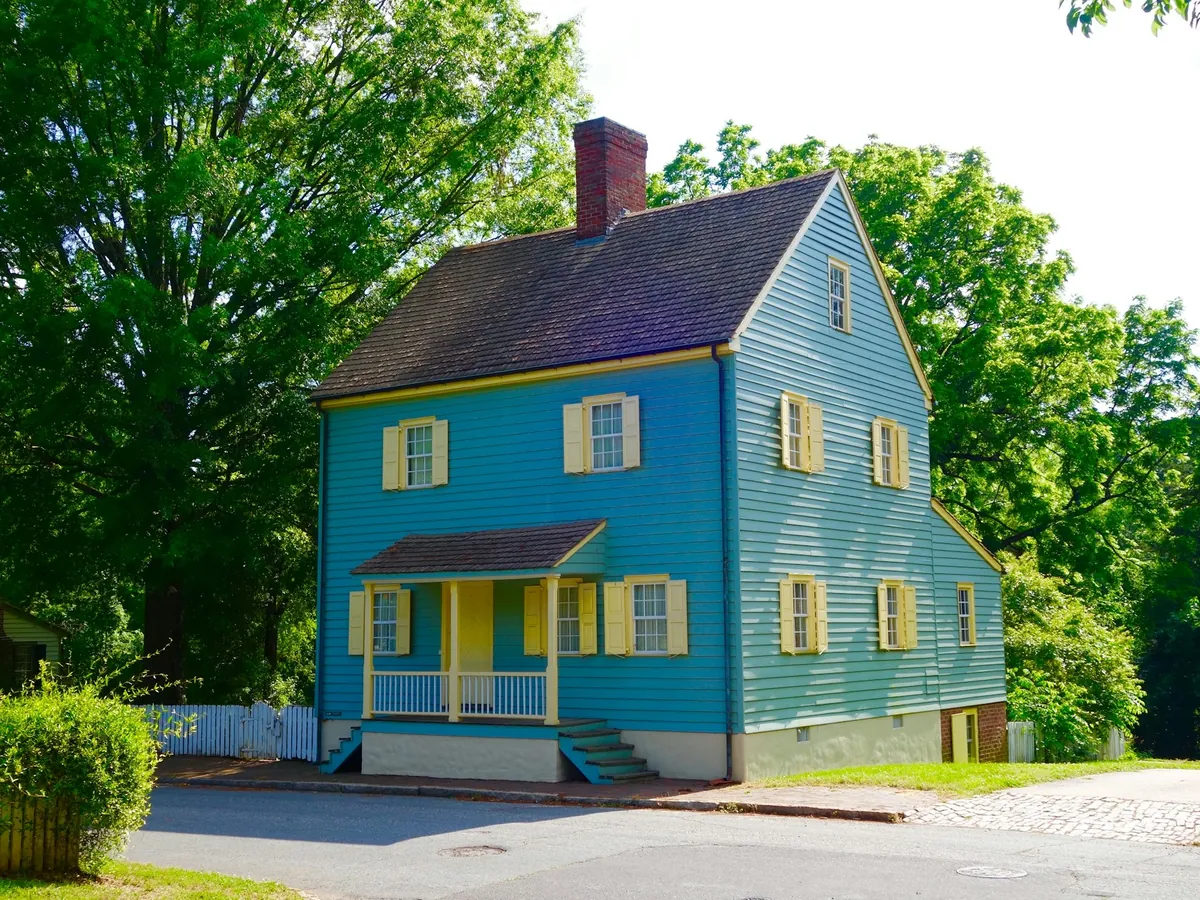
The Federal houses along Hope Street are tall, symmetrical and restrained, with sash windows evenly spaced across the front and fine detail at the door and cornice. Shutters for them should be equally restrained.
A narrow or medium louvre usually suits the tall, slim Federal sash, giving each panel enough slats to look balanced without becoming busy. A divider rail placed at the height of the sash’s meeting rail keeps the shutter in step with the window behind it, and it lets the upper louvres open to the sky while the lower ones stay angled against the view from the street.
Because the front of a Federal is seen as a whole, every window on that face takes the same louvre, frame and finish. Upstairs windows are often a little shorter than those below, and the divider rails are set so that, from outside, the lines still look consistent from floor to floor.
Frame profiles
A plain frame with a softly shaped edge sits well against Federal casings. A heavily moulded frame can compete with the original trim, so where the casing is already detailed we keep the shutter frame simpler and let the old woodwork carry the room.
Greek Revival Fronts
The Greek Revival houses that share Hope Street and the shore streets have bolder proportions: broad fronts, wide trim, sometimes taller ground-floor windows than a Federal and generous ceiling heights. Their windows are larger, and their shutters can be larger in feel too.
A medium or wider louvre often suits a Greek Revival window, because a narrow louvre across a big opening can look fussy. The bolder casing of these houses also allows a frame with a little more presence. As with the Federals, the shutters across the front are matched so the facade reads as one design.
On the ground floor, where the windows are tallest, panels are usually divided into pairs hinged to fold back to each side. This keeps any single panel from being too wide or heavy to swing, and it means the window can be opened fully on a fine day.
Living Behind a Historic Front
A house in a historic district is a house people look at, and the windows are where the inside shows. Plantation shutters for Bristol homes in the district are usually kept to a quiet, traditional look for that reason: white or off-white to match the trim, the same louvre on every front window, and the panels lined up so that, half open or closed, the windows read as an even set.
That does not mean every room has to look the same. The rooms at the back of the house, the kitchen, a study or a bedroom over the garden, are not seen from Hope Street, so they can take a stained finish, a different louvre or cafe-style panels without affecting the front at all.
If your house is under any historic review, it is worth asking whether interior work is part of it before you settle the details. Interior shutters are made and fitted inside, with nothing added to the outside walls.

Colour from the street
White shutters behind old glass look crisp and calm from the pavement. A stained shutter in a front room looks darker from outside, almost like an open window at dusk. Many owners of district houses paint the shutters on the street front and keep stain for the rooms behind. We can show you both finishes at the showroom so you can judge the difference in daylight.
The Shore and Poppasquash Point
The houses along the Mount Hope Bay shore and out toward Poppasquash Point face a different question. Their best rooms look over the water, and the light off the bay can be bright for much of the day. Privacy matters less than view and glare.
A wider louvre is the usual choice here. Tilted flat, it leaves larger gaps for the view to come through. Angled downward, it cuts the bright sky while keeping the water in sight. When the sun is low and strong, the louvres close fully. And when the day is clear, the panels fold back to the sides and the window is open from top to bottom.
Shore houses are often a mix: an older core with a later addition or a sunroom with wide glass. We plan the shutters so the old and new rooms share a finish, with the louvre in the wider windows chosen to suit their size.
Bays and corner windows
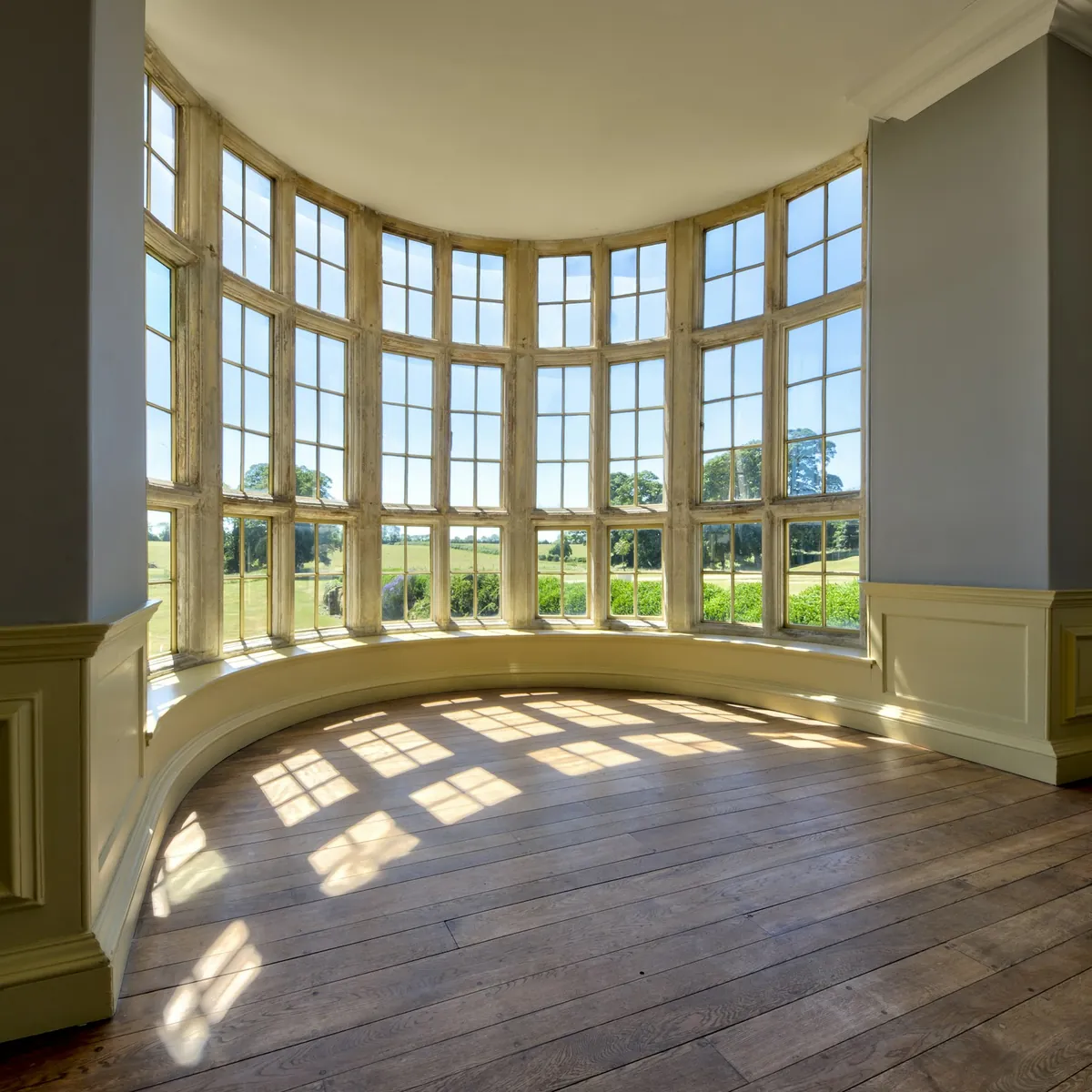
Rooms that catch the bay on two sides, or have a curved or angled bay of windows, are measured as a set of separate openings. Each window gets its own frame, made to its own size, and the hinging is planned so the panels in neighbouring windows do not collide as they swing.
Shutters and Drapery in Formal Rooms
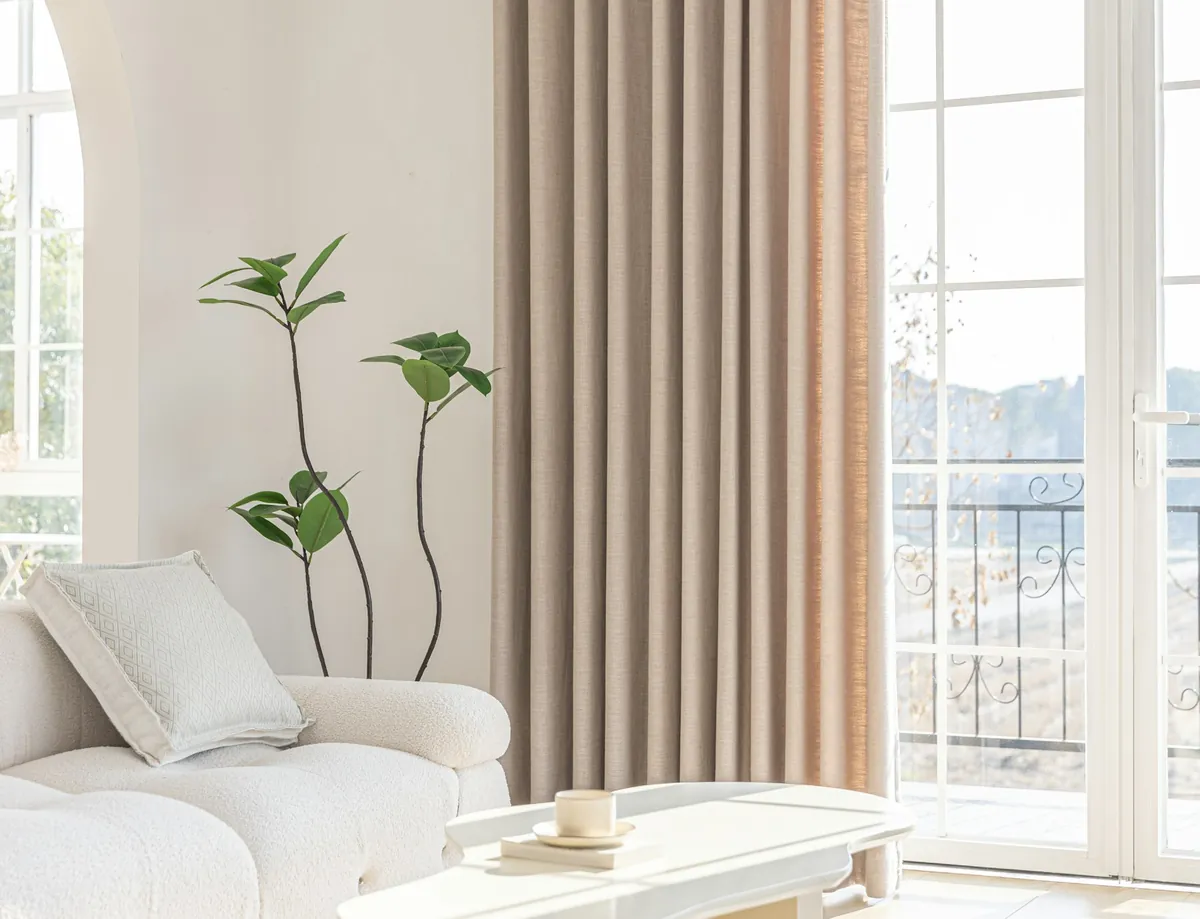
The parlours and dining rooms of Bristol’s older houses were made for drapery, and a shutter on its own can look a little bare among high ceilings and good furniture. Layering the two works well: the shutter controls light and privacy, and side drapes frame it, adding colour and softness.
The planning has to start with the shutter. In a deep reveal, the shutter may swing out into the room, so the drapery rod is set high and wide enough that the fabric stacks clear of the panels. We make drapery as well as shutters, so we can measure for both on the same visit. Our custom drapes in Bristol page covers the fabric side.
The Rooms Behind the Front
Once the street front is settled, the rest of the house can be planned around how each room is used.
Bedrooms
Upstairs bedrooms in a Federal or Greek Revival often have the same deep reveals as the rooms below, which suits plantation shutters in Bristol, RI very well: the frame sits snugly inside the opening, and closed louvres meet the frame with little room for light to creep round the edges. That makes a real difference on early summer mornings. During the day the louvres tilt open, and the panels swing back entirely when you want the window clear.
Kitchens and baths
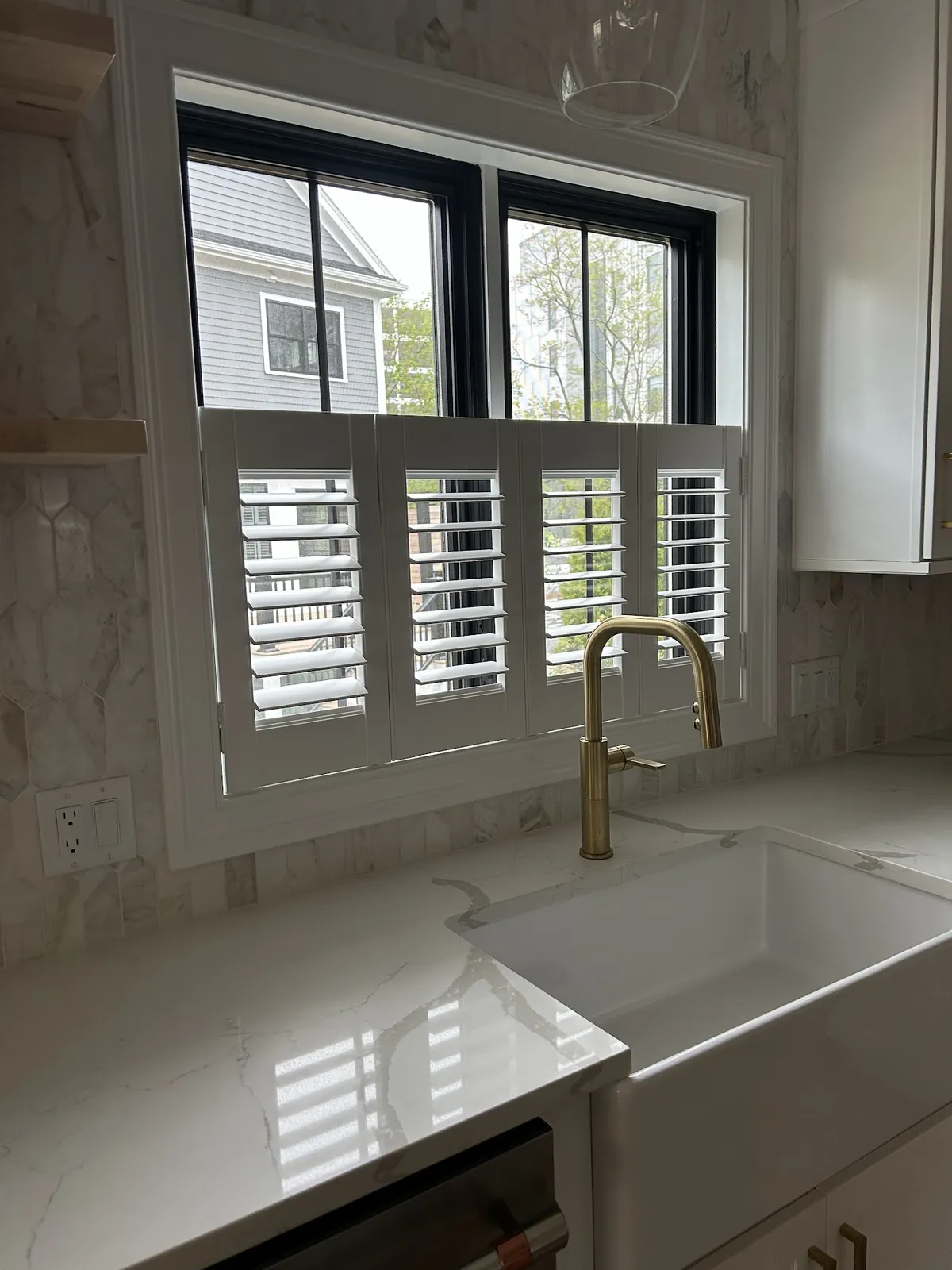
Kitchens in older houses have usually been remodelled at some point, and their windows can be anything from an original sash to a later, wider unit over the sink. Cafe-style panels on the lower part of a kitchen window give privacy at the counter and leave the upper glass open. In a bathroom, a painted shutter handles steam far better than a fabric treatment and cleans with a wipe.
Studies and libraries
A room lined with books or panelling suits a stained shutter, which brings out the wood grain and sits naturally beside old furniture. Because these rooms are often at the side or back of the house, a stained finish there does not affect how the front looks from Hope Street.
Additions and sunrooms
A later addition, a sunroom or a family room off the kitchen may have much larger or more modern windows than the original house. A wider louvre usually suits them, with panels that fold back in pairs. Keeping the finish the same as the older rooms ties the old and new parts of the house together. It is one of the simplest ways to make plantation shutters in Bristol, RI feel like part of the whole house rather than a room-by-room collection.
Keeping Shutters Looking Their Best
Shutters ask for very little. Close the louvres one way, dust down the panel with a soft cloth or a vacuum brush, then tilt them the other way and dust again. Near the bay, a film can build up on the frames and louvres; a cloth that is only just damp lifts it from a painted finish, while stained wood is best kept to a dry cloth.
If a hinge works loose or a louvre will not hold its angle after years of daily use, call the store and describe it. Many small problems with a shutter we fitted can be put right with an adjustment.
How a Bristol Order Comes Together
Here is the order of events, with no surprises along the way.
- You get in touch, through the call button or the form, and tell us which rooms you are thinking of. We set up a free quote at a time that suits you.
- A specialist comes to the house with a tape and a notebook. Every reveal is measured for width at the top, middle and bottom, for height on both sides, and for depth, because depth decides where the frame can sit.
- Panelling, shutter boxes, deep sills, sash locks and nearby furniture are noted, since each affects how the panels are hinged and where the frame goes.
- You decide on louvre width, frame profile, finish, divider rails and tilt rod, and where in the reveal the shutter should sit. Samples are at the Swansea showroom if you would like to handle them.
- You receive a quote with every window listed separately.
- The shutters are built to the figures from your house.
- Our installers fit each one, adjust the hinges and the louvre tension, and show you how everything works.
We stay in contact with you from the first conversation to the final adjustment.
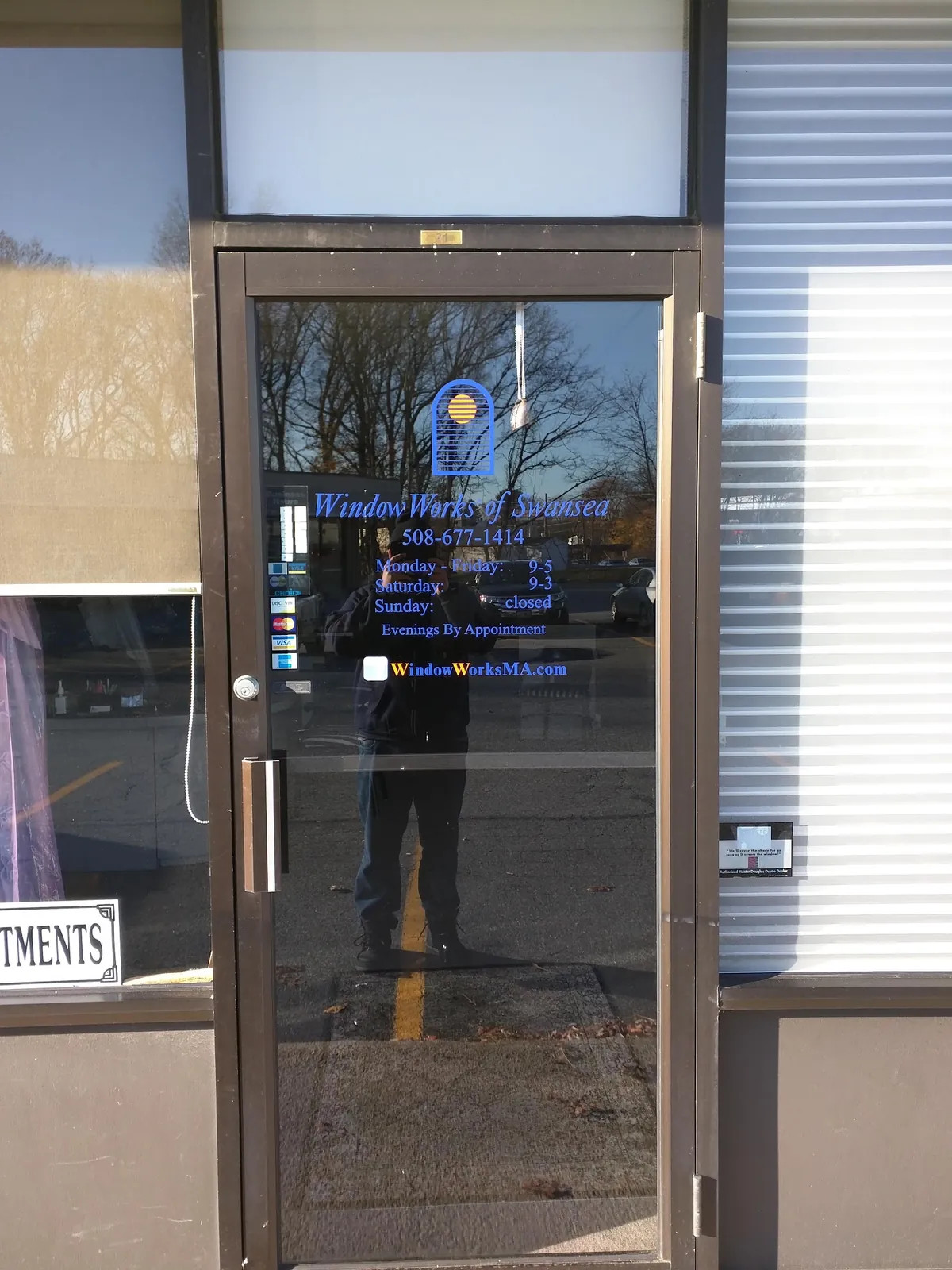
A Family Store Across the Bay
Window Works was founded in Swansea in 1988 and is now in its second generation, still a family store. For over 37 years we have measured and fitted window treatments around Mount Hope Bay, on both the Massachusetts and the Rhode Island side.
- An experienced team that has worked on many older houses
- Each window measured in person at your house
- Our own installers fit and adjust every shutter
- We keep in touch with you until the work is finished
- Warranties are offered on the products we sell
The showroom has shutters to open and close, louvres to tilt and finishes to compare, along with the Norman range.
For more on louvres, frames and finishes, see the main plantation shutters page. Everything else we make for houses in town is on the window treatments for Bristol page.
Questions from Bristol
My windows have very deep reveals. Is that a problem?
The opposite. Deep reveals give the frame room to sit fully inside the opening, and you can choose whether it sits toward the room or back near the glass.
Can shutters be fitted without covering old panelling?
Usually. The shutter can be sized to sit inside panelled reveals or set forward of them. We look at each window before suggesting which.
What finish works best on a house in the historic district?
Many owners paint the shutters on the street front white or off-white to match the trim, and use stain in rooms that are not seen from the street.
Which louvre suits a Greek Revival window?
Often a medium or wider louvre, which keeps the panel in proportion on a large opening. On slimmer Federal sash, a narrower louvre usually looks better.
Can shutters and drapes be used together?
Yes. We plan the rod so the drapery stacks clear of the panels as they swing, and we can measure for both on the same visit.
Book a Visit
A free quote is where it begins. Press the call button to speak with the Swansea store about measuring at your house or installation, or fill in the form and we will be in touch. To see shutters in person first, the showroom is a short drive around the bay, and the contact page shows the way. We are rated 5.0 on Google.