
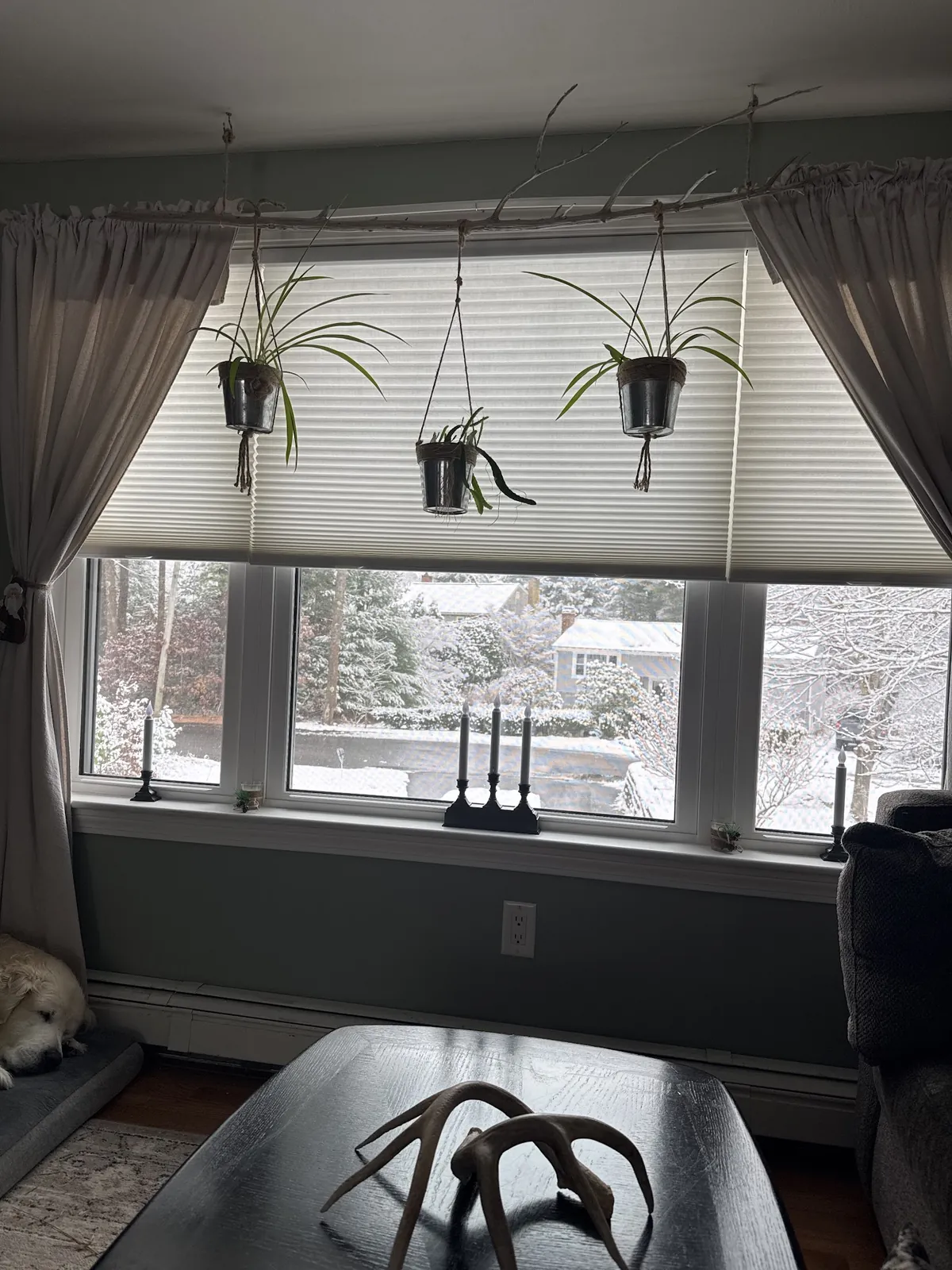
Somerset Houses Give Drapes Plenty to Do
Drapery is the part of the trade Window Works is best known for, and custom drapes in Somerset, MA are made the way the store has always made them: from the fabric up. You pick the cloth first, and everything else, the lining, the heading, the length and the rod, is worked out around how that cloth hangs at your window.
Somerset’s housing gives fabric a good mix of jobs. The mid-century capes and ranches around Brayton Point, Riverside and the side streets off County Street have broad front windows and plain walls that look unfinished without something soft on them. The colonials in Somerset Village still have their tall, slim double-hung sash. The houses along the Taunton River often had a wide run of glass added during a later renovation, and those big openings are where a well-made drape earns its place.
- Drapery and curtains sewn from the fabric you choose
- Sized from measurements taken in your home
- Hung and dressed by our own team
Drapery Made for Somerset Rooms
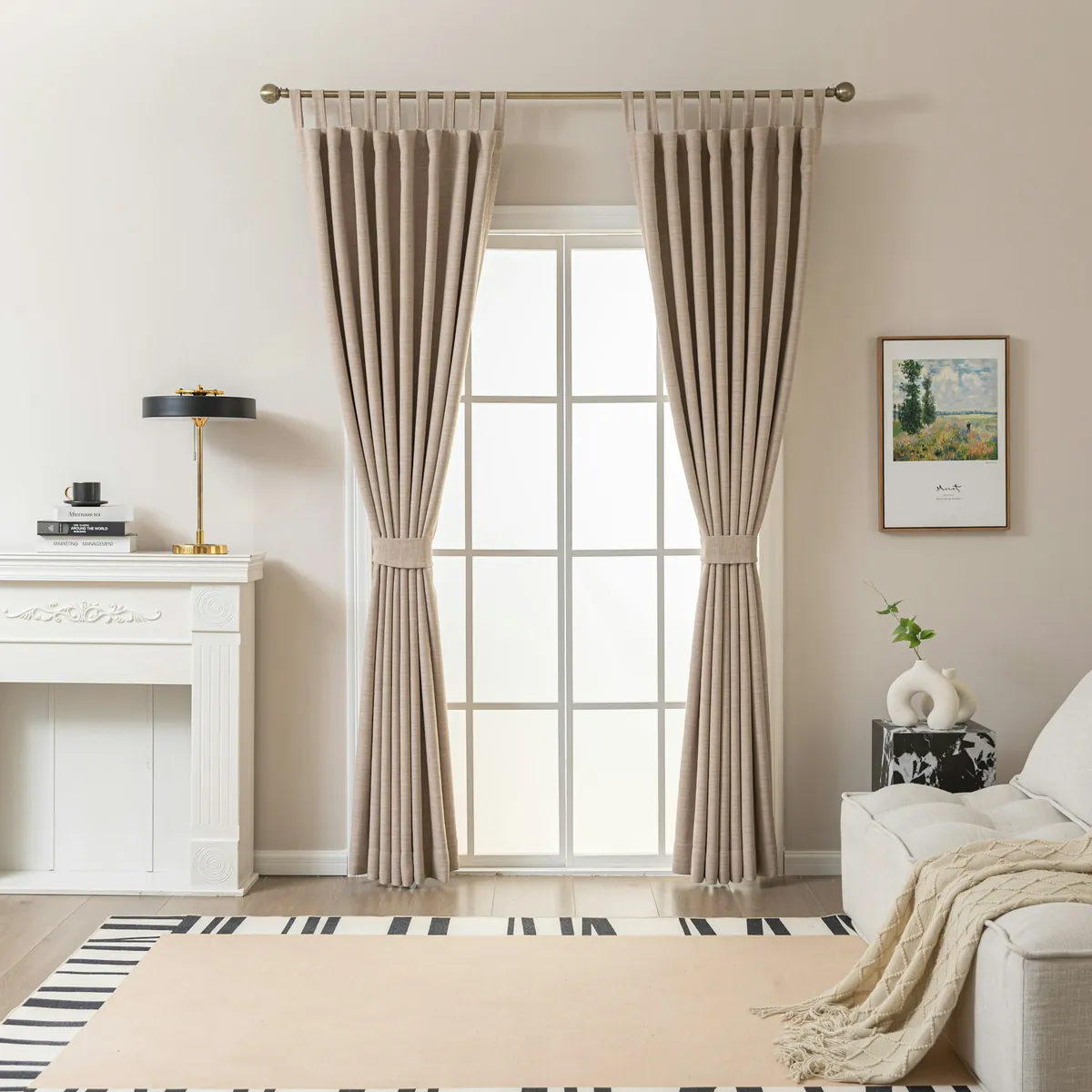
Tailored pleated drapes
Crisp folds set at the top and held all the way down. A good fit for a village colonial’s dining room or front parlour.
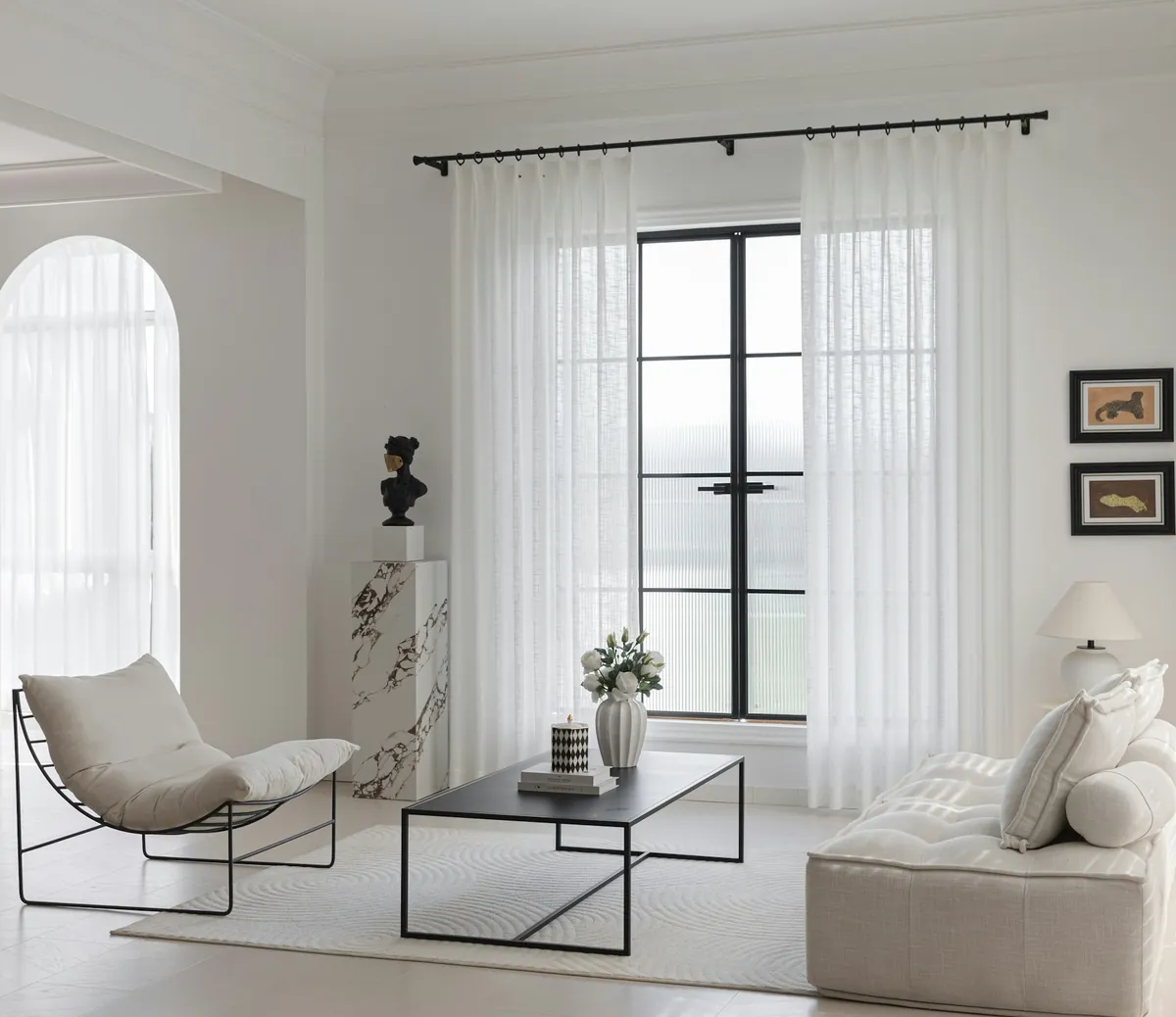
Light, airy sheers
Soft fabric that lets the day through but blurs the view in. Handy on a river-facing window wall you never want to close off fully.

Heavier drapery for warmth
Weighty cloth and a lining give deep folds and a cosier room on a cold evening, especially in a ranch bedroom on the windy side of the house.
Choosing Custom Drapes in Somerset, MA
When you shop for custom drapes in Somerset, MA, the useful place to start is the fabric rather than the style. A drapery fabric decides how the panel falls, how much daylight comes through, how it copes with sun and how it feels to draw every night. Two pairs with the same heading and the same length can look nothing alike once one is in a soft linen and the other in a dense woven cloth.
That is why the first part of any order with us is time with the fabric. In the Swansea showroom you can hold the cloth up to the window, fold it in your hand and see how a colour shifts between morning and late afternoon light. Our specialists will tell you honestly how each one is likely to behave at your size of window.
Weight and drape
Lighter fabrics move easily and look relaxed. They suit the living room of a cape, where the drapes are opened and closed daily and a casual look fits the house. Heavier cloth hangs straighter and holds a fold, which suits a formal room or a tall window where you want a clean, column-like line. If a room faces a busy part of County Street, a heavier fabric also does more to quiet the view in.
Colour, pattern and fading
Plain fabrics let the shape of the drape do the talking. Patterned ones become the main feature of the room, so they need to sit well with the floor, the walls and the furniture. Any fabric left in strong sun will fade over time, so we look at which way each window faces before you settle on a deep colour. A lining helps protect the face fabric, and a lighter shade hides gradual change better than a dark one.
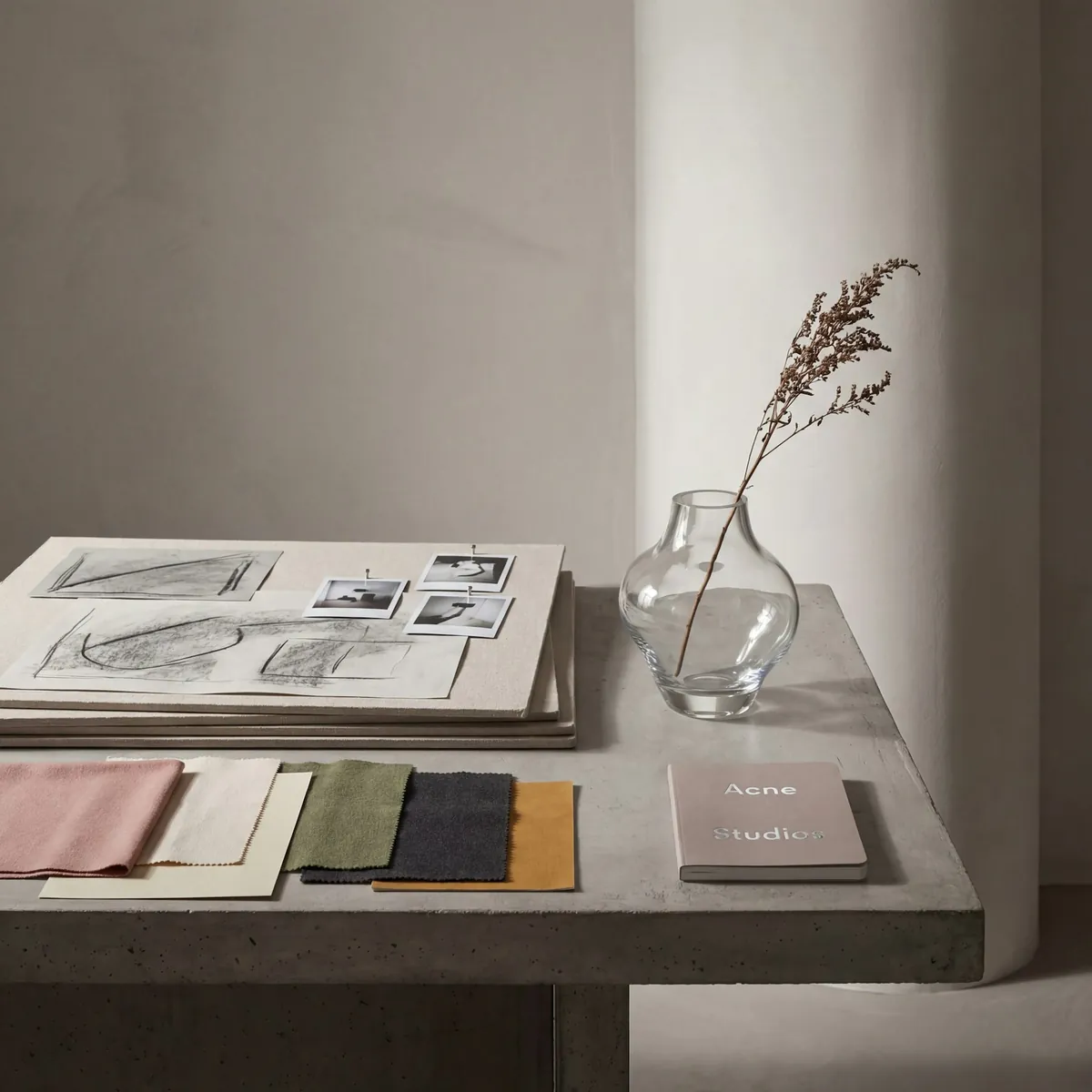
What a lining adds
Most drapes benefit from a lining. It gives the panel body so the folds fall evenly, it shields the fabric from the sun and it cuts down the light coming through. Some rooms want more of that than others. A bedroom that faces east may want the darkest option you can get. A sitting room may be nicer with an unlined panel that glows when the sun is behind it. We will go through the lining choices that suit each room when you are choosing.
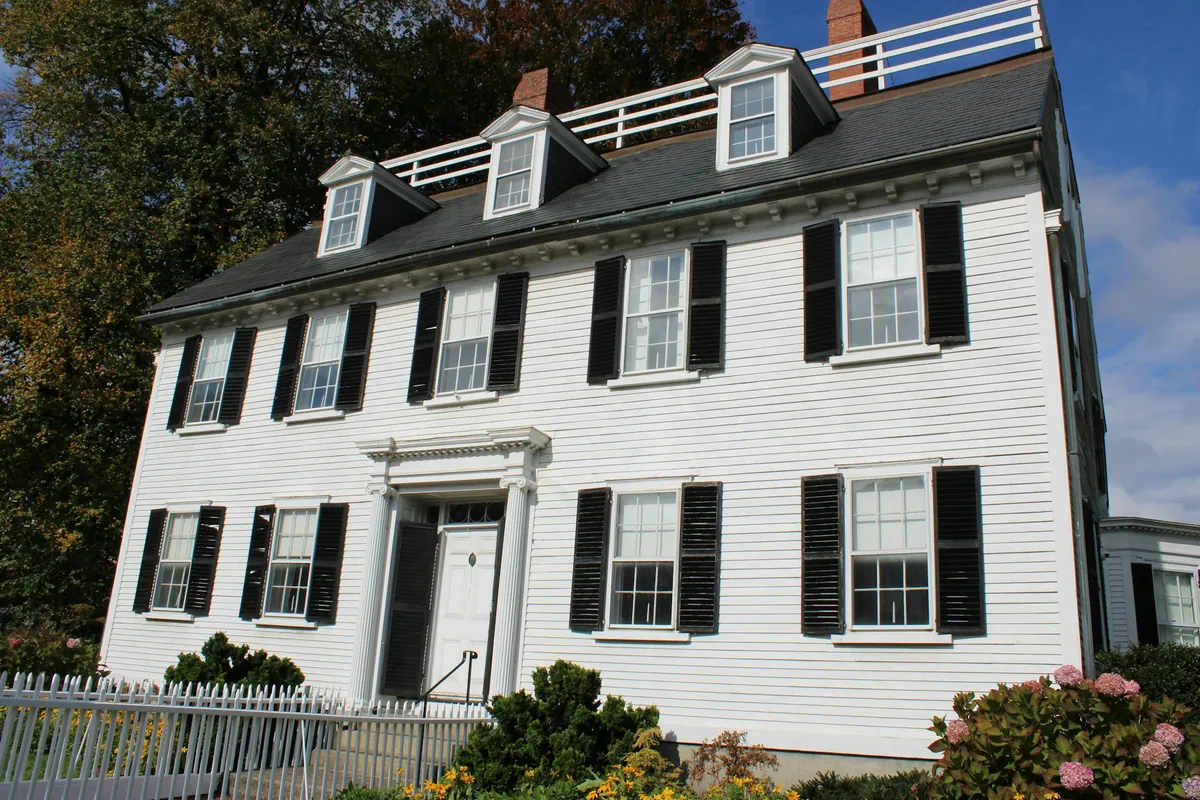
Somerset Village Colonials and Their Narrow Sash
The village colonials keep their original double-hung windows, and those openings are tall, narrow and framed by trim that is part of the house’s character. A drape on these windows works best as a frame rather than a cover. Panels hung from a rod set a little above the trim, and long enough to reach the floor, make the window look even taller and leave the woodwork on show.
Because each window is slim, the stack matters. Stack is the bundle of fabric that gathers at the side when a drape is open. On a narrow sash a bulky stack can swallow half the glass, so we plan the rod to extend past the trim, letting the open panels sit mostly on the wall. In rooms with two or three of these windows on one wall, a single long rod across all of them can tie the wall together, with panels at each end and between the windows.
Capes and Ranches off County Street
The capes and ranches from the middle of the last century share a few habits. There is usually one wide front window in the living room, a run of similar bedroom windows, sometimes a slider to the back yard, and ceilings on the lower side. Drapes can do a lot here.
On the wide living room window, a pair of panels on a rod that runs well beyond the frame softens a big expanse of glass and lets you clear it completely by day. Mounting the rod close to the ceiling rather than just above the window adds height to a room that can feel low. In the bedrooms, drapes over a blind or shade give a soft layer for the evening while the blind handles privacy through the day.
Upstairs in a cape, the dormer windows sit in a small alcove with the roof close on each side. A full drape rarely fits there. A short curtain inside the alcove, or drapes hung on the main wall to frame the whole dormer opening, usually works better. We look at the space before suggesting either.
Wide Window Walls on the Taunton River Lots
Many river houses had a long wall of glass put in when they were renovated, to open the main room up to the water. Those walls are often left bare because nothing ready-made is wide enough, and they can turn a room cold at night and very bright in the late afternoon.
Drapes for a wide wall are planned as one piece. We measure the full width, decide whether the panels should draw to one side or split from the centre, and work out where the fabric will stack so that the view stays clear when it is open. On a very wide run, two or more pairs on one long rod can look more balanced than a single huge pair. A traversing rod, where the panels move on a cord or a wand rather than being pulled by hand, makes long drapes easier to use day to day.
Sheers are a good match for this kind of wall. They take the glare off the water and keep a little privacy without blocking the river from the room. A heavier drape on the same rod, or a second rod in front, can then close fully at night.
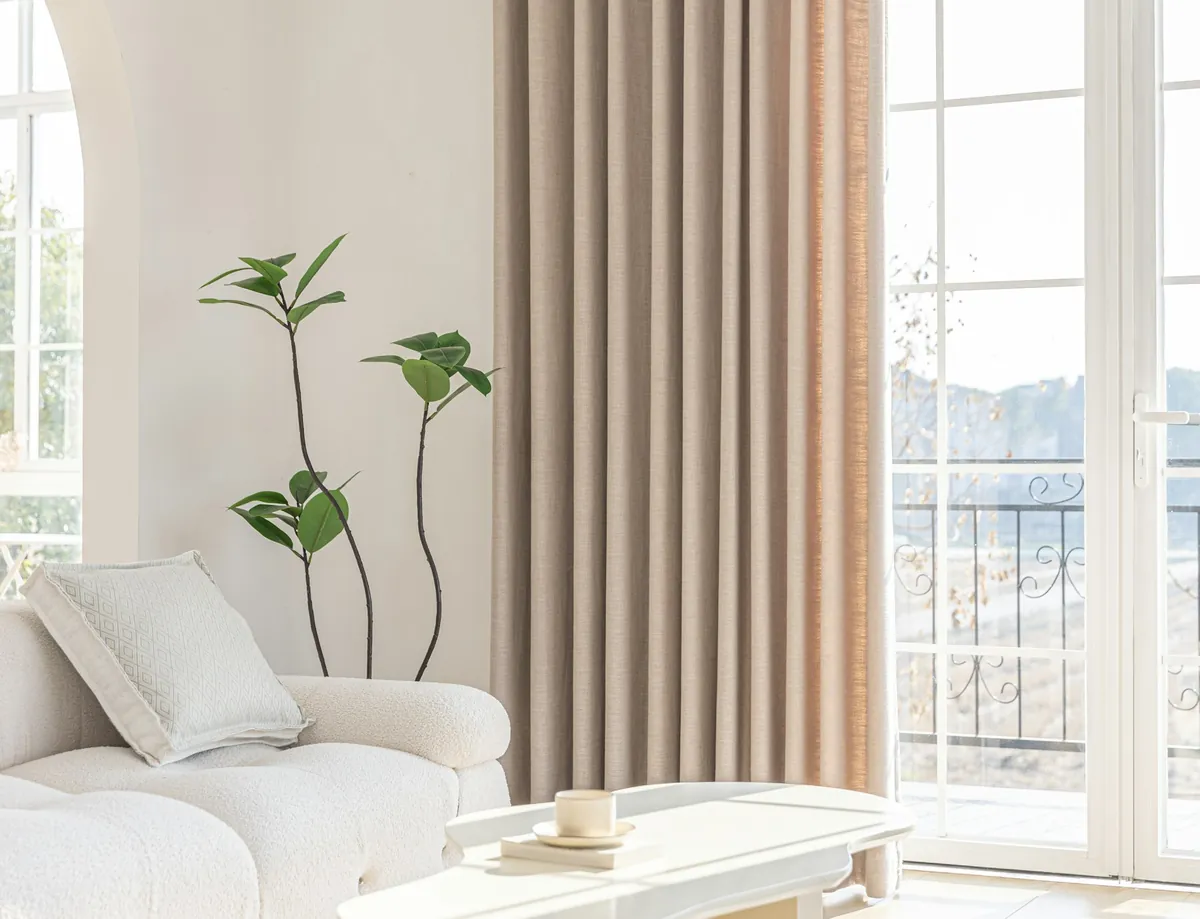
If the wall includes a slider out to a deck, we make sure the panels can be pulled right past the door frame so it opens without catching the fabric. You can read more about treating that kind of opening on our vertical blinds in Somerset page if you would rather pair the drapes with a vertical blind.
Length, Fullness and Where the Rod Goes
Three measurements shape how a finished drape looks in the room, and we take all three on the measuring visit rather than guessing from the window alone.
How long the panels should be
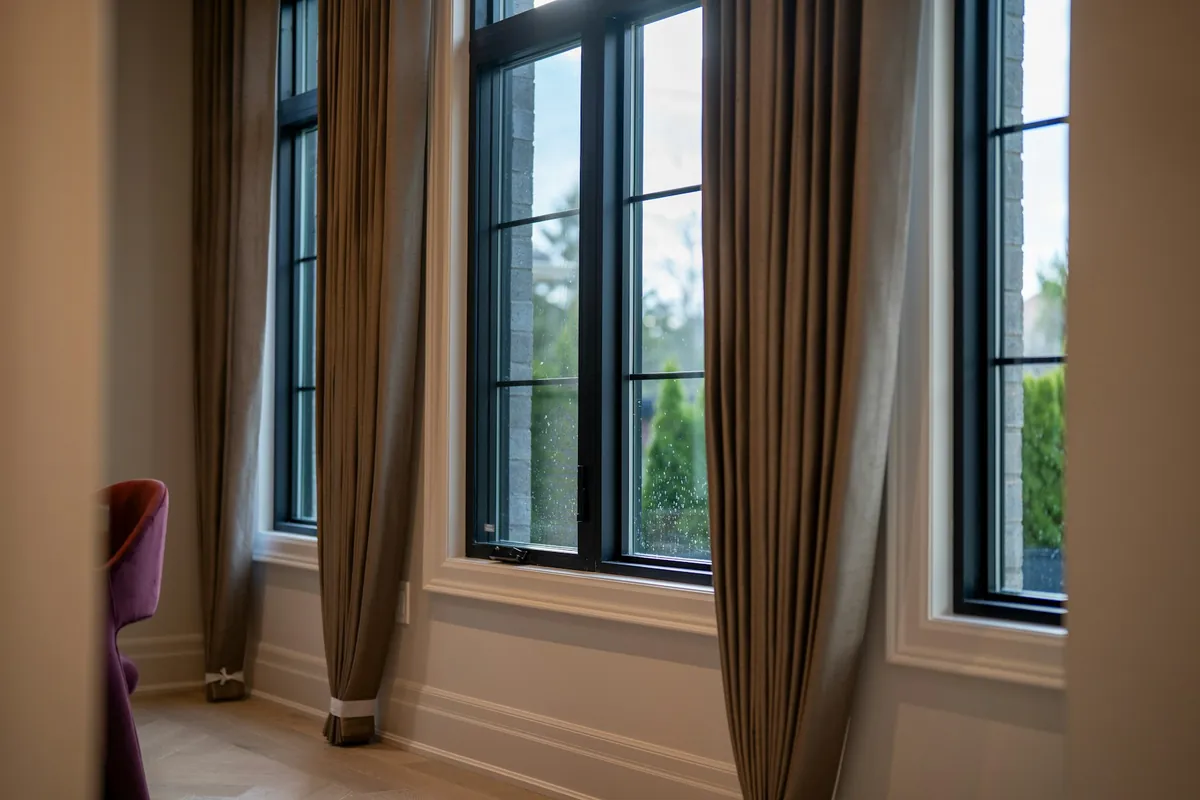
Panels can stop just clear of the floor, kiss it, or pool slightly on it. In a busy family room or a ranch living room where the drapes are drawn every day, a hem that sits just above the floor keeps the fabric clean and easy to move. In a formal colonial dining room that is used less often, a hem that just touches the floor looks richer. A longer pool of fabric suits a room where the drapes are mostly left open as a frame. Short curtains, ending at the sill or just below it, still have their place on a kitchen window or in a dormer alcove.
How full they look
Fullness is how much fabric goes into a panel compared with the width it covers. Too little and the drape looks thin and flat when closed. Plenty gives soft, even folds. A heavier cloth needs a little less fullness to look generous, and a sheer needs more, because it is so light. We work this out with you once the fabric is chosen, so the panels look right both open and closed.
Where the rod sits
The rod’s height and width change the shape of the window as you see it. Set close to the ceiling, it makes a low cape room feel taller. Set wider than the frame, it lets the open panels clear the glass and makes the window look broader. On a Taunton River window wall the rod may run almost corner to corner. Getting this right is a large part of why custom drapes in Somerset, MA are measured in the house rather than ordered from a size chart.
Privacy Close to the Road
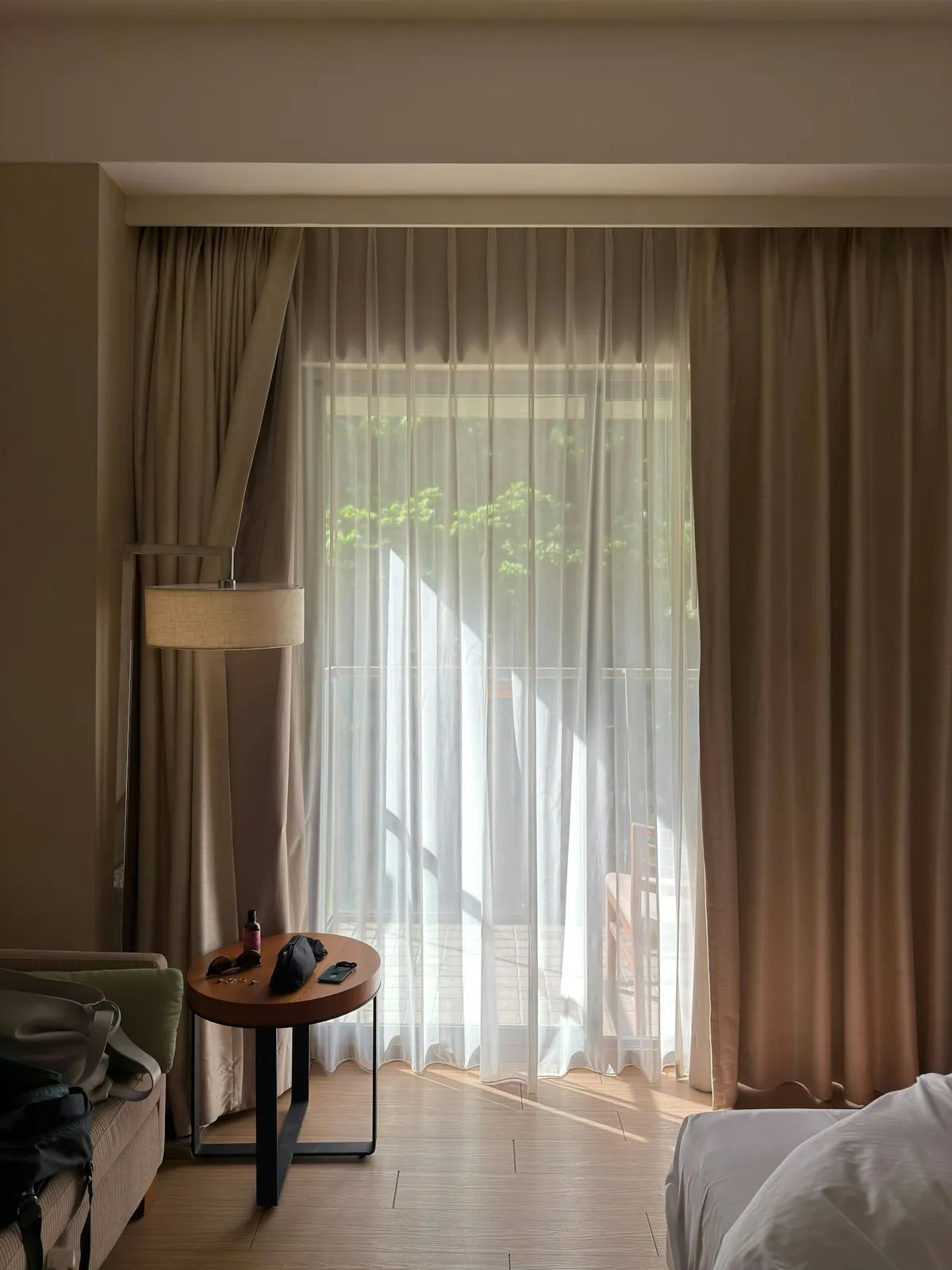
Plenty of Somerset rooms sit close to the street, particularly in the ranches and capes where the living room faces the road with only a short front yard. Drapes help with that in two ways. A sheer drawn across by day blurs the view in while keeping the room bright, and a lined drape drawn at night closes the window off completely once the lamps are on. Hung together on a double rod, the two give you a choice through the day without changing anything else at the window.
Bedrooms on the front of a house often need the darkest option, both for privacy and because a streetlight or passing headlights can shine straight in. A darker lining, panels that overlap in the middle and a rod that returns to the wall at each end all help keep stray light out at the edges.
How an Order for Drapes Runs
Every order goes through the same steps, and we stay in touch with you from the first question until the panels are hanging.
- Get in touch through the call button or the form, mention the rooms you are thinking about, and book a free quote.
- One of our specialists visits to measure, taking the window, the wall around it, the ceiling height and the spot where the rod will go.
- You choose the fabric, the lining, the heading and the length, with time in the showroom to compare the cloth in person.
- You receive a written quote that lists each room and each window.
- The drapes are sewn to the measurements taken in your home.
- Our team puts up the hardware, hangs the panels and dresses the folds so they fall straight.
Drapes Layered with Shades and Blinds
Drapes do not have to work alone. Behind them, a shade or blind can handle light and privacy through the day, leaving the drapes free to add colour and warmth. In the colonials, a roman shade or a set of shutters behind side panels is a classic pairing. In a ranch bedroom, a cellular shade behind lined drapes gives a warm, dark room. On the river walls, sheers with a heavier panel in front give two levels of light control on one window.
Because Window Works makes both, the fabric and the hard treatment can be chosen together and measured on the same visit, so the drapes clear the shade’s headrail and the colours sit well side by side. The fabric can also carry beyond the window, through custom fabric decor in Somerset, into pillows and duvet covers that match.
Caring for your drapes
A soft brush on the vacuum, used from the top down every so often, keeps dust out of the folds. Most lined drapes are best cleaned by a professional rather than washed at home, because the face fabric and the lining can shrink at different rates. When you choose a fabric we will tell you how it should be looked after. Sun is the other thing to watch. On a river-facing wall, drawing the drapes partly closed through the brightest hours, or keeping a shade down behind them, slows fading and keeps the colour even across the panel.
What Sets Window Works Apart
Window Works opened in Swansea in 1988 and is now run by the family’s second generation. For over 37 years drapery has been at the centre of what it does, for homes on both sides of the river and across the SouthCoast and the Rhode Island East Bay.
- Specialists who know how a fabric will hang before it is cut
- A showroom where you can handle the cloth in daylight
- Measuring in your home and hanging by our own team
- Warranties offered on what we sell
- Constant contact with you until the job is finished
If you are just starting to think about custom drapes for your Somerset home, the custom drapes page explains the full range, and the Somerset window treatments page shows everything else we make for the town.
Questions from Somerset
Can drapes make my village colonial’s narrow windows look taller?
Yes. A rod set above the trim with panels that reach the floor draws the eye upward, and extending the rod past the frame keeps the open fabric off the glass.
What works on a wide window wall facing the river?
A drape planned across the whole width, often with sheers behind, so you can soften the glare by day and close the room in at night. A traversing rod makes long panels easier to draw.
Do I need lined drapes?
Most rooms benefit from a lining, because it helps the panel hang and protects the fabric from the sun. A sitting room with sheers can be the exception. We talk it through room by room.
Can I see the fabrics before I decide?
Yes. The Swansea showroom has the fabric range to see and handle, so you can judge colour and weight in daylight before anything is made.
How do I get a quote?
Quotes are free. Use the call button or the form on this page and tell us which rooms you want to dress.
Ready to Talk About Drapes
Your next step is a free quote. Use the call button to speak with the Swansea store, set up a time for measuring in your home or ask about installation. If you would rather start with the fabric, drop into the Swansea showroom and bring a photo of the room; the contact page has the directions. Window Works holds a 5.0 rating on Google, and drapes for Somerset homes are a big part of why.