
Where the Weather Writes the Brief
In Westport, the coast sets the rules. Sun bounces off the water, salt rides in on the breeze, and many rooms toward Horseneck and the Westport River were designed around the view, with glass where other houses would have wall. That makes custom drapes in Westport, MA a question of fabric before anything else, which suits us well. Drapery is the specialty at Window Works, and every order starts with the cloth, chosen for how it will hold up and hang in that particular room.
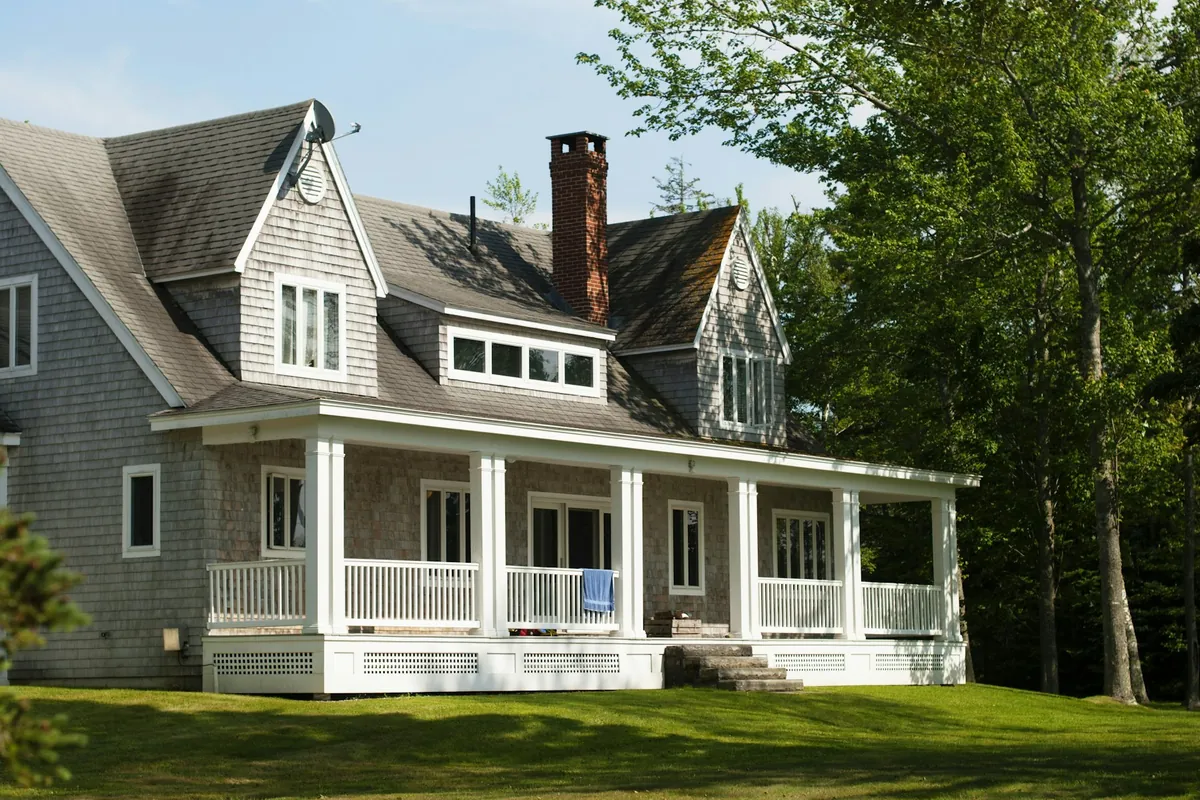
The shingled capes and farmhouses strung along Main Road have smaller, more traditional windows and plenty of wall to frame them. The larger newer homes nearer the shore open whole walls to the harbour. Both deserve drapes that suit them, and they rarely deserve the same ones.
- Fabric chosen for sun, salt air and the room’s use
- Every window and wall measured at your house
- Panels hung and finished by our own installers
What We Make for Coastal Rooms
Sheers across the view
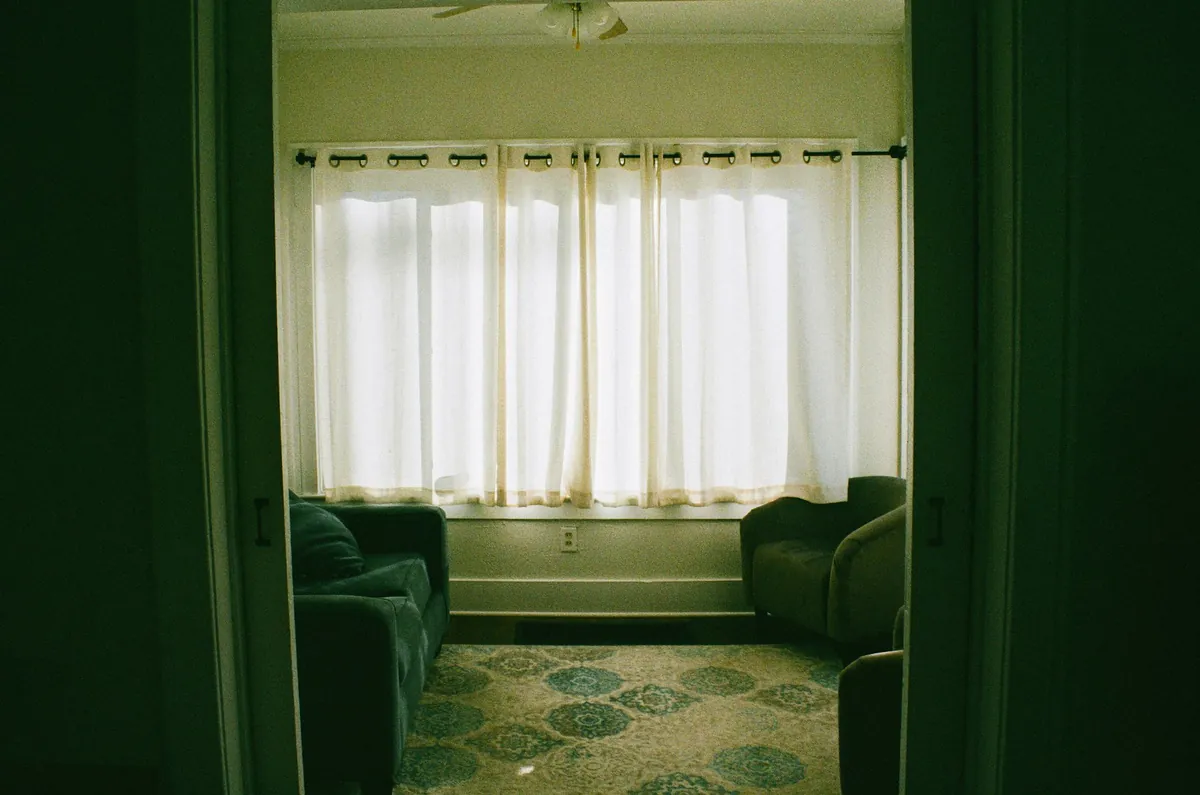
A fine, light cloth drawn across the glass takes the glare off the water and leaves the view softly visible.
Natural linen panels
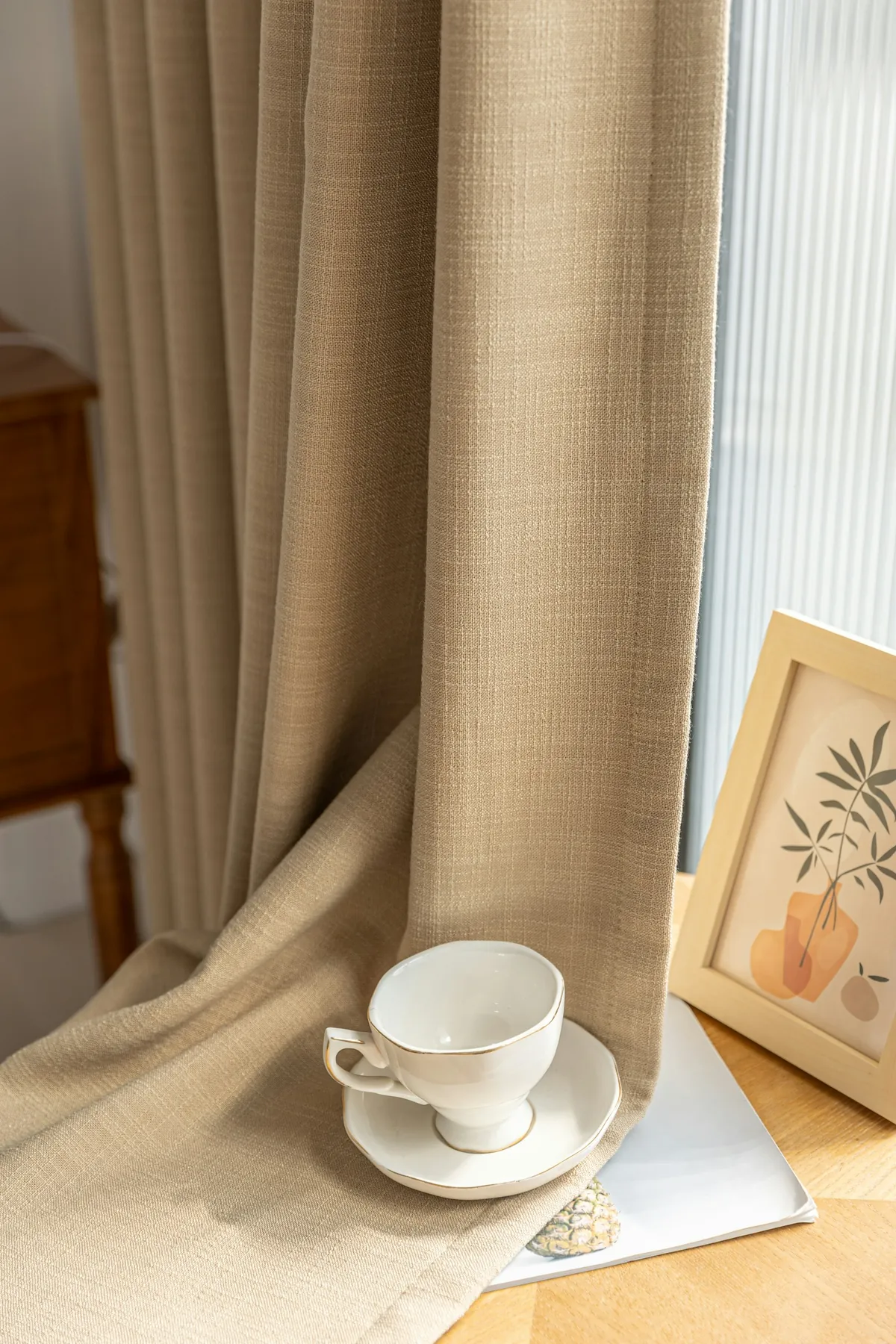
Relaxed and easygoing, with the slightly rumpled fall that suits a shingled cape or a farmhouse bedroom.
Hard-wearing weaves
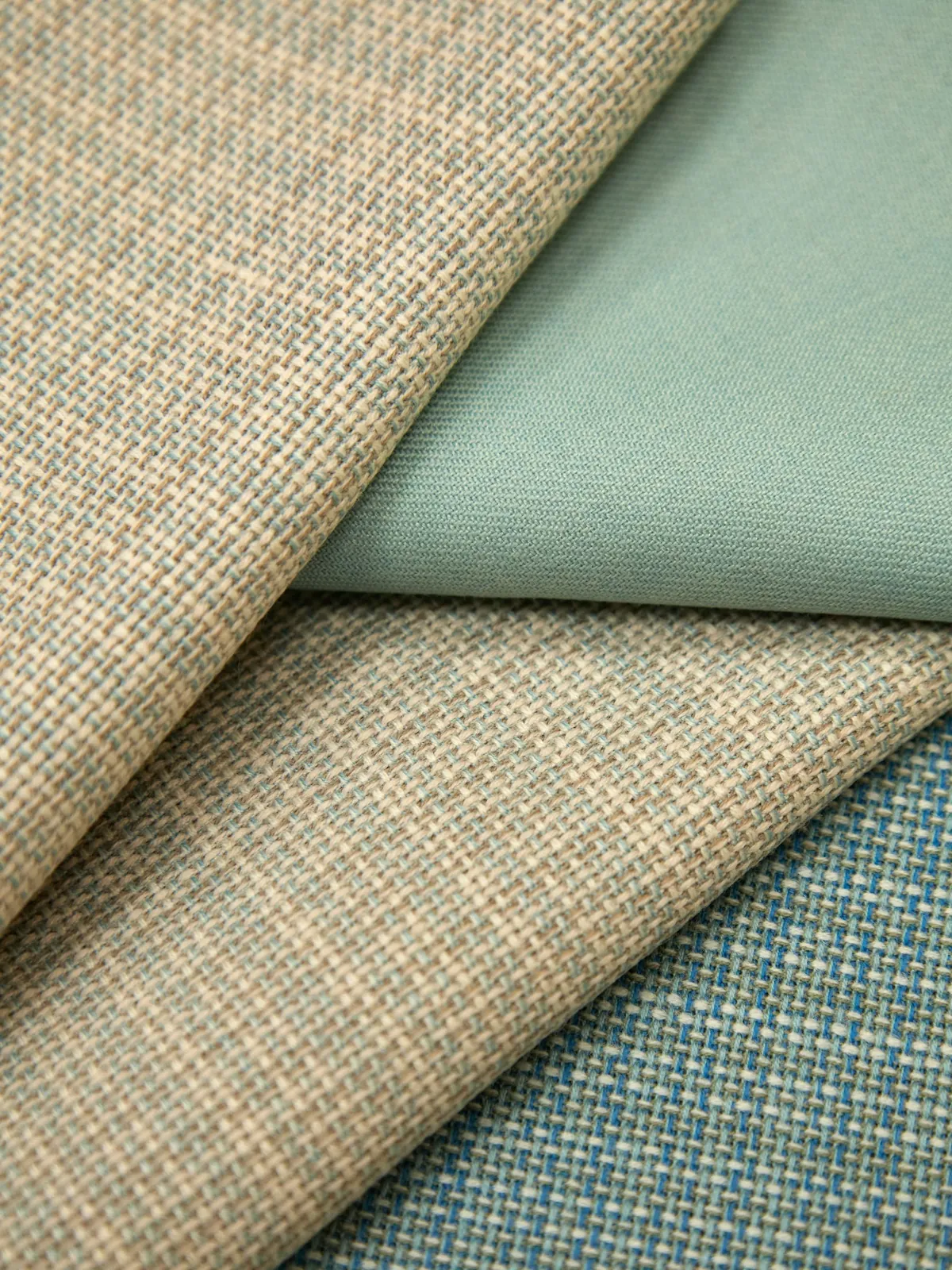
Sturdier woven cloth in soft coastal colours, for family rooms and windows that are drawn every day.
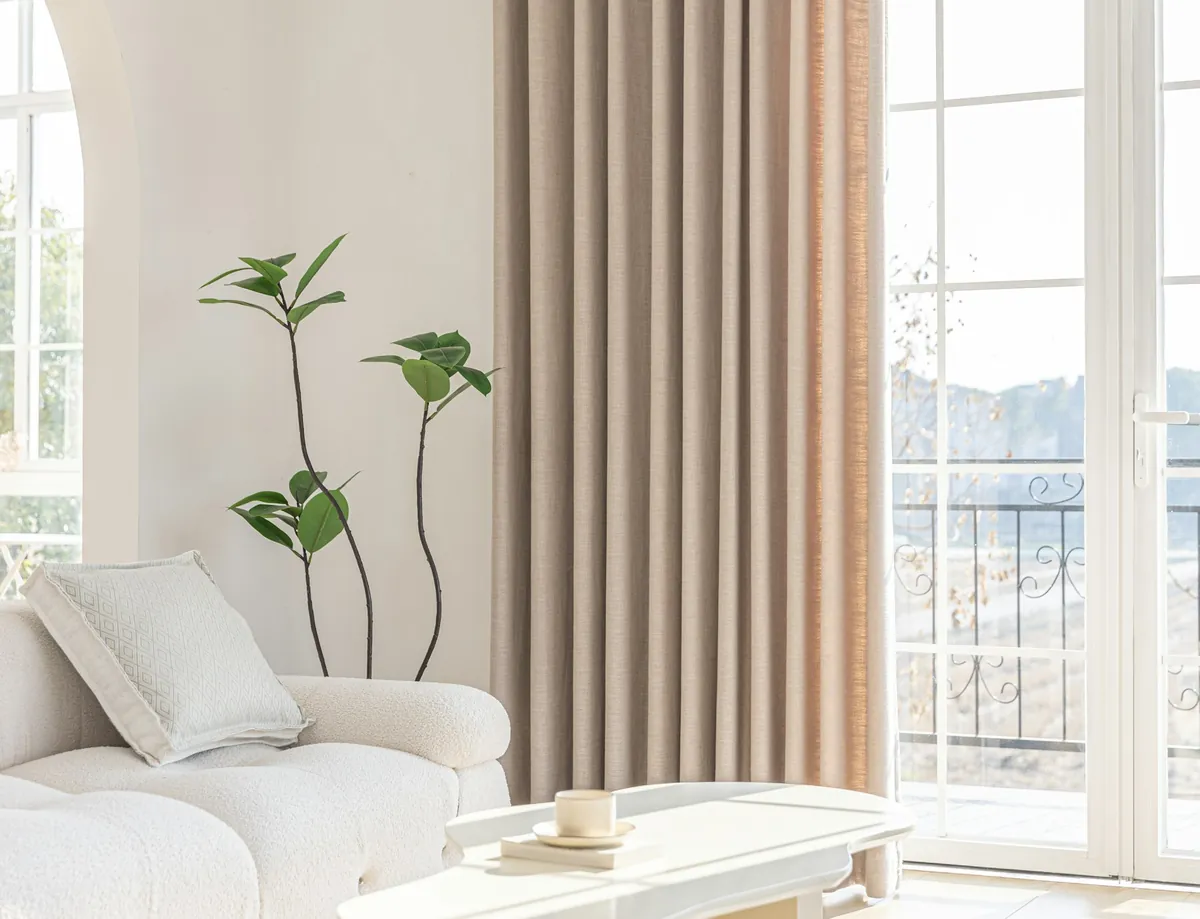
Panels for French doors
Long side panels set wide of a door to the deck, so they frame the opening and never catch as you step through.
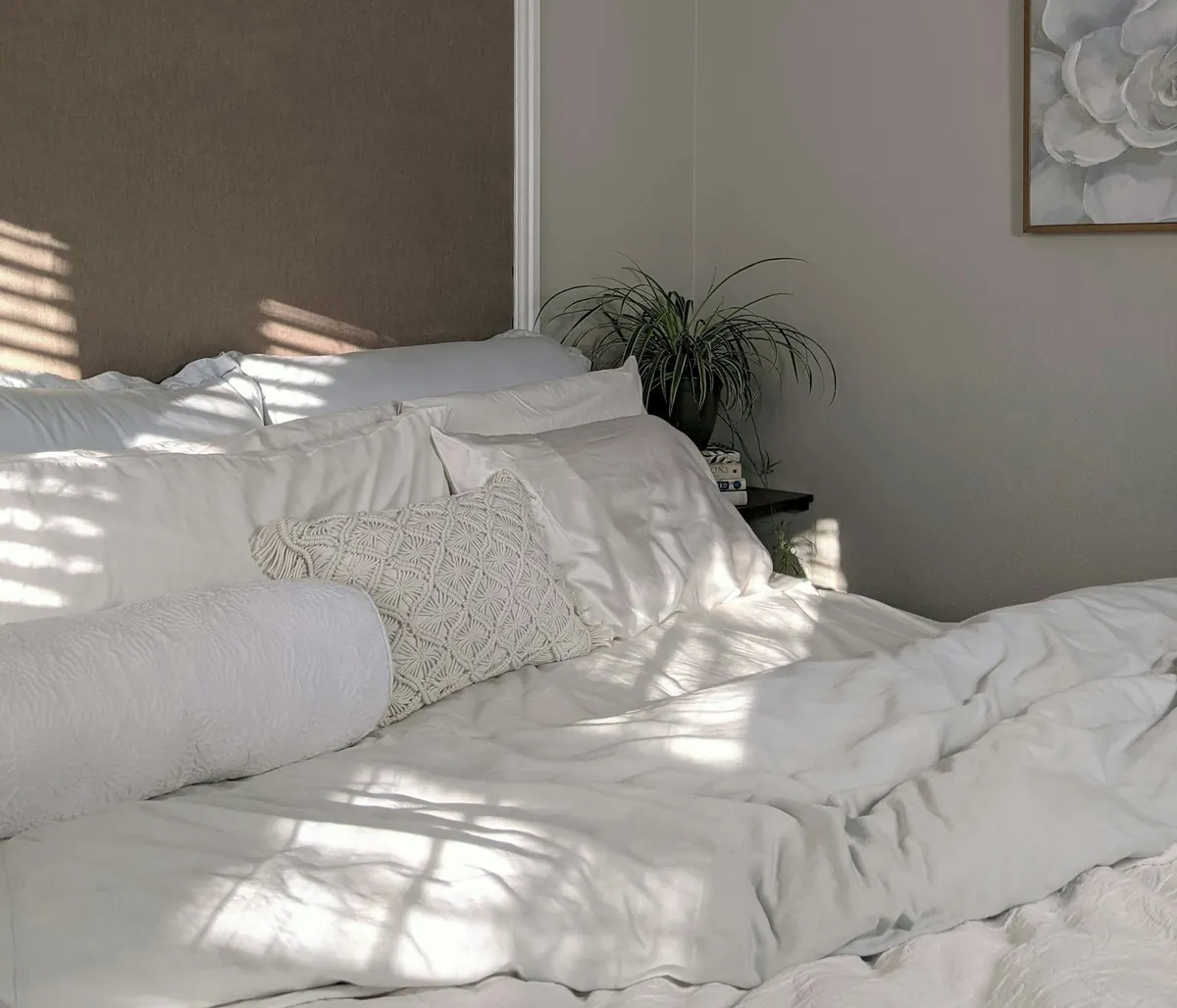
Bedding to match
Duvet covers and pillows sewn in fabric that picks up the bedroom curtains, through our fabric decor service.
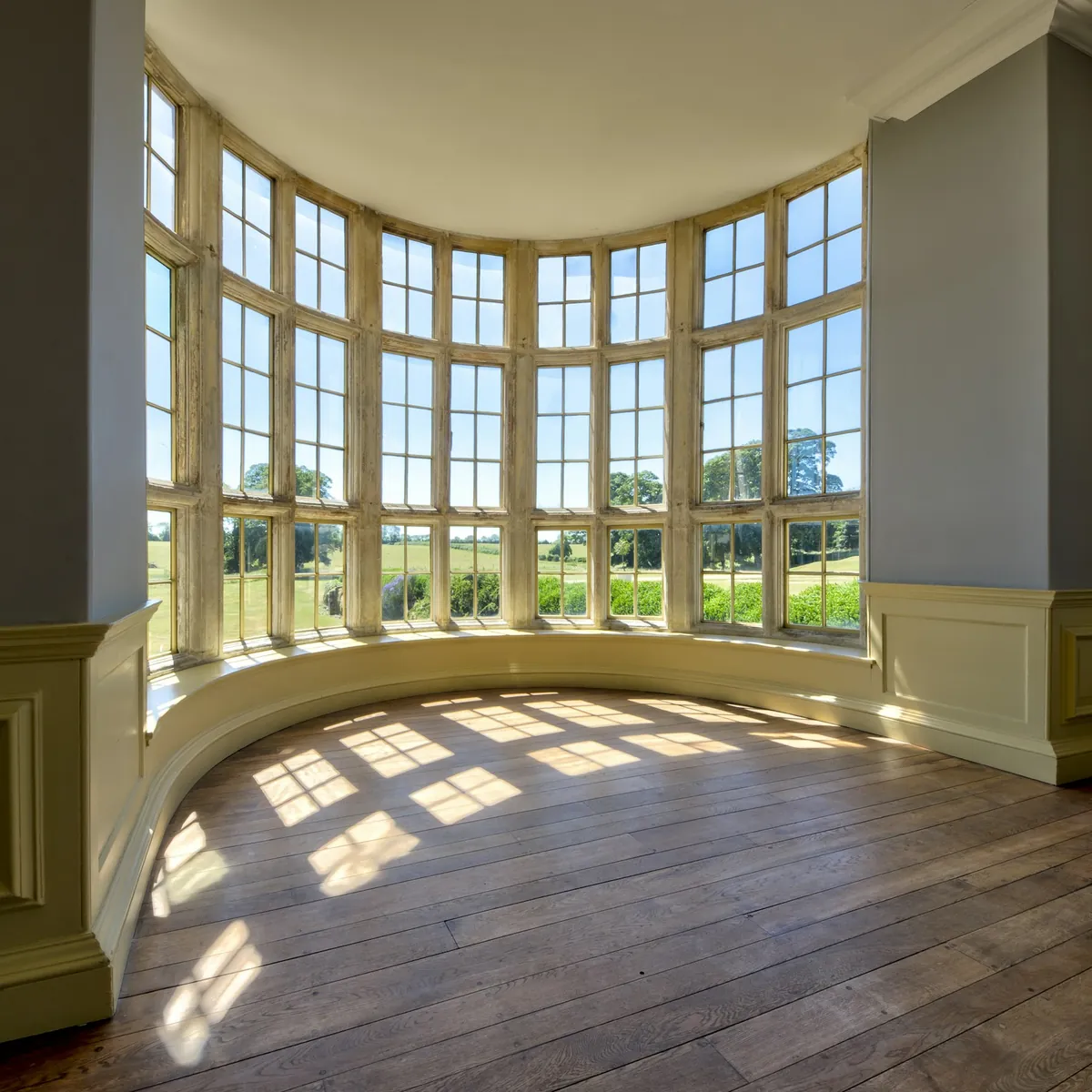
Curved and bay windows
Bays and angled walls fitted with a rod shaped to the run of the glass, so the fabric follows the curve.
Fabric That Copes with Sun and Salt
Choosing custom drapes in Westport, MA starts with an honest look at the exposure. A room facing the harbour or the river can take hours of direct sun, plus the light reflected off the water, and that is hard on any fabric. Salt in the air settles on cloth, holds damp and can leave fabric feeling limp or dull over time.
None of that means you cannot have drapes by the water. It means choosing well.
Colour and fading
Every fabric fades in strong light; the question is how gracefully. Pale and natural tones, the sandy, stone, white and soft grey shades that suit a coastal house anyway, show gradual change far less than deep navies or reds. If you love a strong colour, consider it for a less exposed window, a pillow or a bedroom on the land side of the house, and keep the harbour wall in something lighter.
Linings as protection
A lining sits between the face fabric and the glass and takes much of the sun’s punishment. On a harbour-facing window it is often the single most useful choice you can make, because it protects the fabric you see and helps the panel keep its body. We will talk through the lining weights that suit each room.
Fabrics that breathe
In a house near the water, fabrics that let air move through them tend to stay fresher than very dense ones. Lighter weaves dry out quickly on a damp day and shake free of dust and salt more easily. For heavier drapes, regular airing and a good lining help.

Rooms Built around the View
The newer homes toward Horseneck and the Westport River often put the view first. Living rooms, kitchens and main bedrooms open onto the water through tall windows, sliders and glass doors, sometimes running wall to wall with almost no solid surface between them. That makes drapery planning different from anywhere inland.
Where does the fabric go when it is open?
Every drape needs somewhere to gather when it is drawn back. On an ordinary wall, it sits on the wall beside the window. On a glass wall, there may be no wall at all, so the open panels end up standing in front of the glass and hiding part of the view you built the room for. We plan the stack before anything else, often keeping it to the very ends of the run or tucking it against a corner or a short return wall.
Side panels that stay put
In some rooms the best answer is not to draw the drapes at all. Stationary panels at each end of a window wall frame the view, add softness and warmth to a room full of hard surfaces, and never get in the way. A separate shade close to the glass then handles glare and privacy.
When there is no wall above the glass
Where the windows run right up to the ceiling, the rod or track may need to go on the ceiling itself. A ceiling-hung drape that falls all the way to the floor can look striking against a glass wall, and it lets the fabric glide across the full width.
Shingled Capes and Farmhouses along Main Road
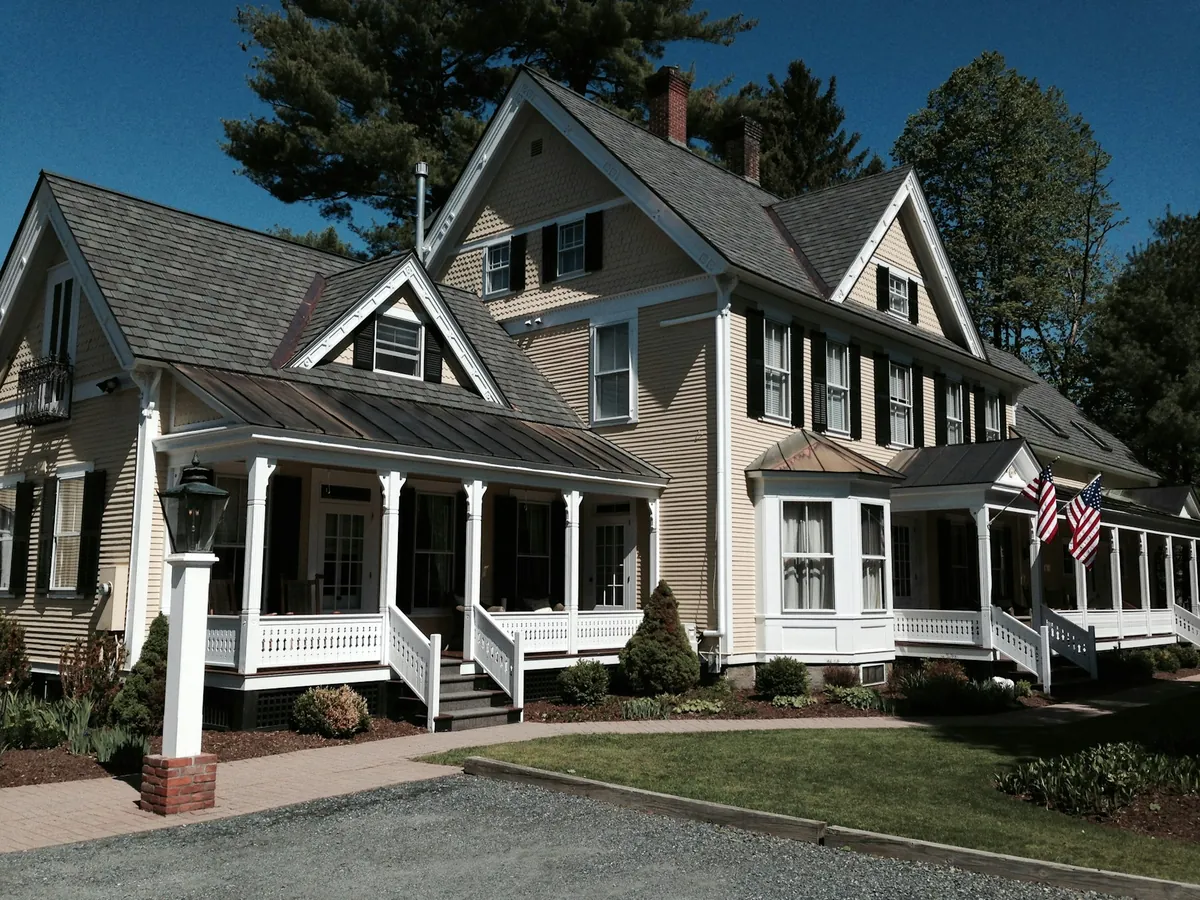
Inland along Main Road, the older shingled capes and farmhouses tell a different story. Here the windows are smaller, often double-hung with a traditional proportion, and there is plenty of wall around them. These houses suit drapery that frames rather than fills.
A pair of panels hung from just above the trim, falling to the floor or stopping neatly at the sill, gives a farmhouse room a settled, lived-in look. In the upstairs rooms of a cape, where dormers and sloping ceilings crowd the window, a short curtain inside the dormer or a single panel to one side usually fits better than a full pair. Linen, cotton and simple checks or stripes look at home in these houses, and they can be lighter than the drapes nearer the shore because they face less exposure.
Farmhouse kitchens and keeping rooms often have a window over the sink or a bench. A short gathered curtain on a slim rod keeps those windows practical and pretty, and it is easy to take down and freshen.
Bedrooms That Wake Up to the Water
A bedroom with a view of the river or the harbour is a fine thing until the sun comes up over the water at dawn in midsummer. East-facing bedrooms near the shore get the full force of the sunrise, and the reflection off the water makes it brighter still.
For those rooms, the lining does most of the work. A darker lining behind the face fabric keeps the room dim well into the morning, while the fabric you see can still be light and airy. Getting the edges right matters just as much: panels that overlap where they meet, a rod that brings the fabric back to the wall at each end, and a length that reaches close to the floor all reduce the bright lines of light that creep round a drape.
If you like waking to the view on some days and sleeping in on others, a sheer and a darker drape on the same double rod give you both. Matching duvet covers and pillows in a related fabric then tie the room together.
Glare, Heat and the Afternoon Sun
Water amplifies light. A west-facing room on the river can be comfortable at midday and unbearable by late afternoon, as the sun drops low and bounces off the surface straight into the house. Drapes are one of the simplest ways to take control of that.
A sheer drawn across in the afternoon cuts the glare while keeping the view and the brightness. On the hottest days, a lined drape drawn over it blocks more of the heat and protects floors and furniture from fading. Hung together on a double rod, the two let you choose the level of light hour by hour. In a bedroom that faces east over the water, the same idea works in reverse, with a darker lining keeping out the early sunrise.
We take note of which way every window faces when we measure, because it changes the fabric and the lining we suggest.
Open Windows and a Sea Breeze
Summer in a coastal house means windows thrown open, and a breeze off the water that sets light curtains billowing. That can be lovely, or it can mean a sheer tangled round a lamp and a panel that never hangs straight.
A few details help. A slightly heavier hem keeps a light curtain hanging down rather than lifting with every gust. Fabric that stops just clear of the floor rather than pooling on it is less likely to catch on furniture as it moves. On windows you open often, holdbacks or tiebacks at the side let you pin the drapes clear of the opening while the breeze comes through. We look at which windows you actually open when we plan each room, because a window that stays shut can carry a lighter, airier drape than one that is open all summer.
The Road Side of the House
Even in a house built around the harbour, one side faces the road, and along Main Road that side can be quite close to passing traffic. Those rooms need different drapes from the ones facing the water.
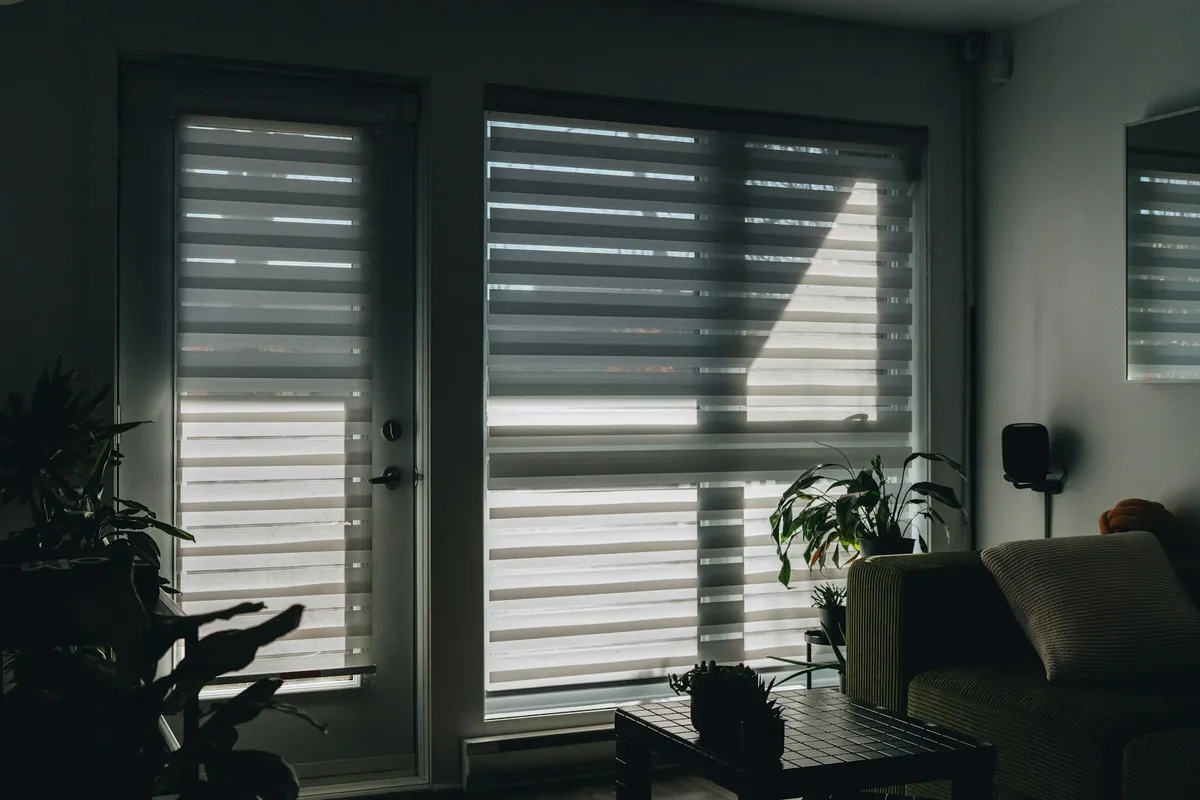
Privacy is the main job here. A sheer or a light, semi-opaque fabric drawn by day keeps a front room bright while screening it from passers-by. At night, a lined panel closes it off completely. In bedrooms on the road side, panels that overlap in the middle and return to the wall at each end stop headlights from sweeping across the ceiling. Because these windows face less sun than the harbour side, they can take deeper colours and richer fabrics that would fade too quickly elsewhere in the house.
Headings and How Often You Draw Them
The heading, the way the top of the drape is finished and hung, changes both the look and how easy the drapes are to use. When we plan custom drapes in Westport, MA, the question we ask is simple: how often will you open and close them?
On a harbour wall that is drawn every afternoon, a heading that slides freely, on rings or a smooth track, saves wrestling a long run of fabric twice a day. A tailored pleated heading gives a neater, more formal look and suits a dining room or a living room where the drapes are drawn less often. A softly gathered heading on a slim rod suits short curtains in a cape kitchen or a dormer. Stationary side panels, never drawn, can take whichever heading looks best, since ease of movement does not matter.
The heading also affects how much room the drapes take up when open. Some styles gather into a tighter stack than others, which can matter on a glass wall with little space to spare. We will show you the options for each window and explain the trade-offs.
How Custom Drapes in Westport, MA Come Together
Ordering is straightforward, and you will hear from us at every stage until the last panel is up.
- Tell us about the rooms through the call button or the form, and we will arrange your free quote.
- One of our specialists comes to the house to measure the windows, the wall around them, the ceiling and any doors the drapes must clear.
- At the Swansea showroom you compare fabrics in daylight and settle the cloth, the lining, the heading and the length.
- A written quote follows, window by window.
- Each panel is sewn to the measurements taken at your house.
- Our installers fix the hardware, hang the drapes and set the folds, then show you how to draw them.
Looking after Drapes by the Shore
A little regular care goes a long way near the coast. Open windows on a dry, breezy day help air the fabric. A soft brush on the vacuum, run from top to bottom, lifts dust and salt before they settle in. Lighter curtains can be shaken out on the line now and then.
Most lined drapes should be cleaned by a professional rather than washed at home, since the face fabric and the lining can shrink unevenly. Unlined sheers and kitchen curtains are often easier to look after. We will explain how to care for the particular fabric you choose, so your custom drapes for the Westport house stay bright and hang well.
Drapes Paired with Shades
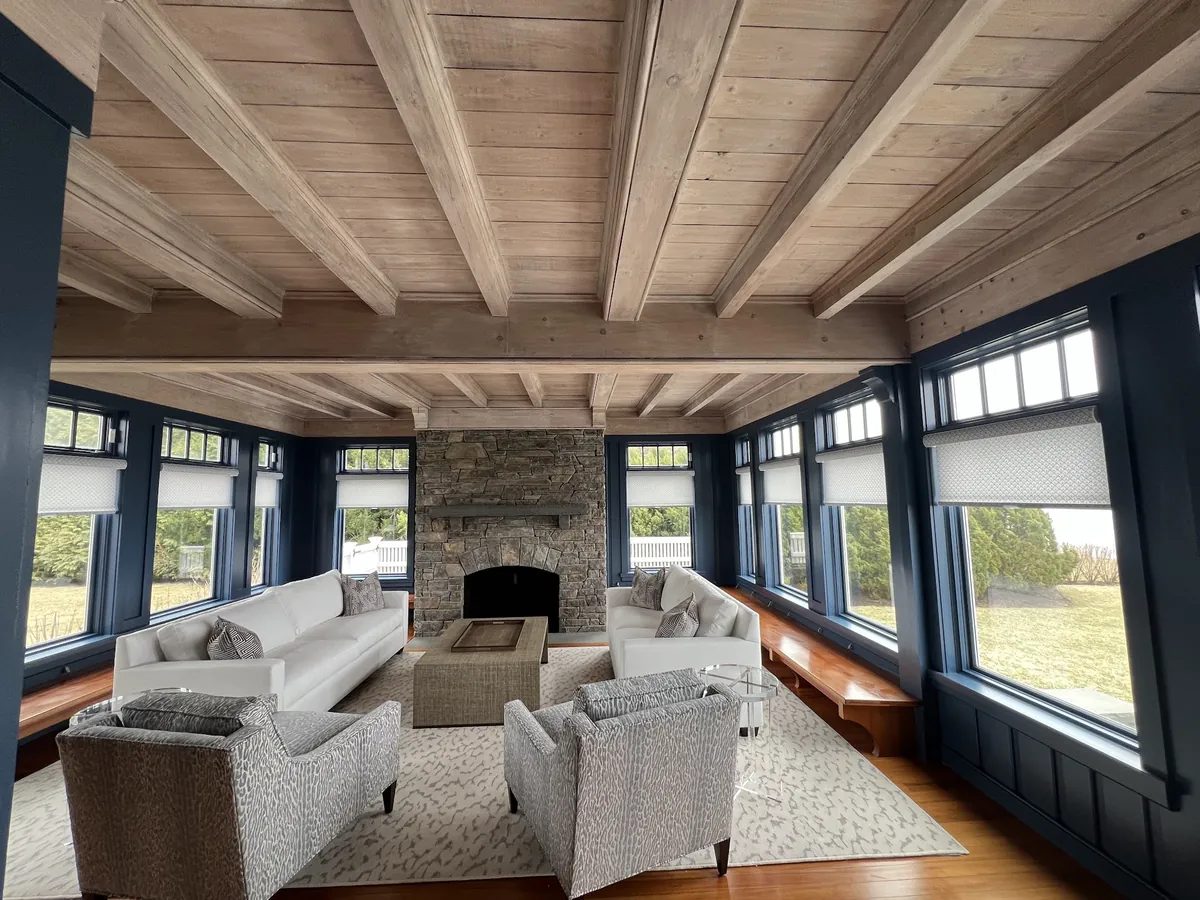
In a bright coastal room, drapes often work best with a shade behind them. A roller shade or a solar screen close to the glass handles glare during the day, and you can see the water through it. Drapes in front add colour, warmth and privacy for the evening, and they frame the windows even when they are not drawn.
Because Window Works makes shades, blinds and shutters as well as drapery, the two layers are chosen and measured together. The drapes are hung to clear the shade’s headrail, and the colours suit each other. The same fabric can also go into cushions and bedding through custom fabric decor in Westport.
Who Makes Your Drapes
Window Works is a family store, founded in Swansea in 1988 and now run by the second generation. Drapery has been its specialty for over 37 years.
- An experienced team of window treatment specialists
- Measurements taken at your house, and our own team for installation
- A fabric range you can handle in the showroom
- Warranties offered on the products we sell
- In constant contact with you until the work is finished
To read more about drapery in general, visit the main custom drapes page. For everything else we make for the town, see the Westport window treatments page.
Questions from Westport
Will drapes fade in a room facing the harbour?
All fabric fades in strong sun over time. A lining, paler colours and drawing a sheer across in the brightest hours all slow it down considerably.
My living room is almost all glass. Where will the drapes go when they are open?
We plan the stack first, usually at the very ends of the run or against a corner, or we use stationary side panels so the view is never blocked.
Does salt air damage curtains?
It can leave fabric dull and limp over time. Fabrics that breathe, regular airing and a soft brush now and then keep drapes fresher near the water.
What suits a shingled cape on Main Road?
Usually lighter linens, cottons, checks or stripes, framing the window from above the trim, with short curtains or single panels in the dormers upstairs.
Is the quote free?
Yes. Quotes are free. Start one with the call button or the form here.
Your Next Step
A free quote is the place to begin. The call button reaches the Swansea store directly, where you can also book measuring at your house or ask about installation. If you would rather start with the fabrics, call into the showroom; the contact page gives directions. Window Works holds a 5.0 rating on Google.