
Deep Reveals and Historic Fronts
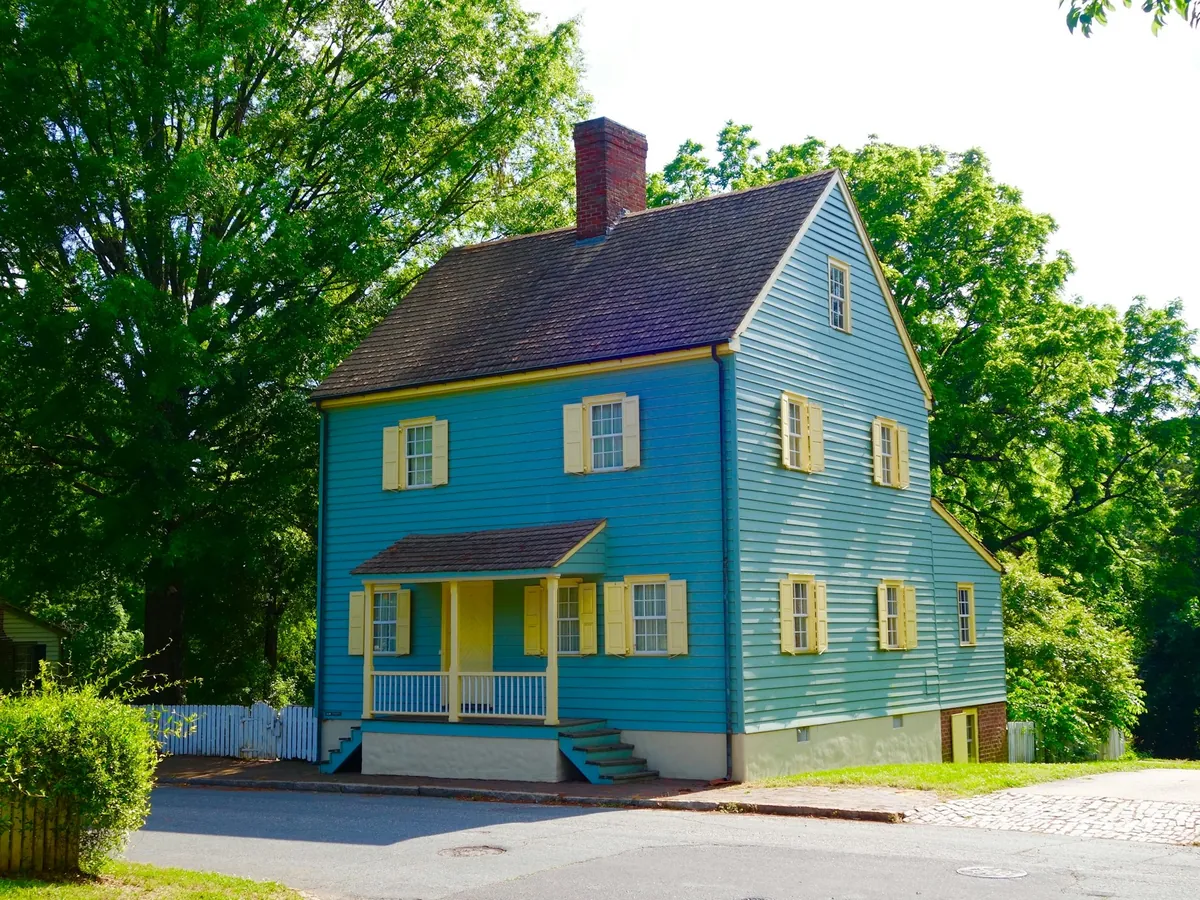
The Federal and Greek Revival houses along Hope Street were built with thick walls, and their windows sit back in deep reveals framed by substantial trim. Toward the Mount Hope Bay shore and out on Poppasquash Point, the houses open up to the water. In both places, where a drape can be mounted is the first question, and the answer is different from one window to the next. That is why custom drapes in Bristol, RI are planned at the window, with the measurements taken in your home.
Historic district expectations add another layer. The view of the windows from the street is part of the character of these houses, so the lining colour that shows through the glass, the way the panels sit and how the trim is treated all matter from outside as much as inside.
We make every pair from the fabric up, and we plan the mounting before the cloth is cut.
Drapery Options for Bristol Houses
Linen panels
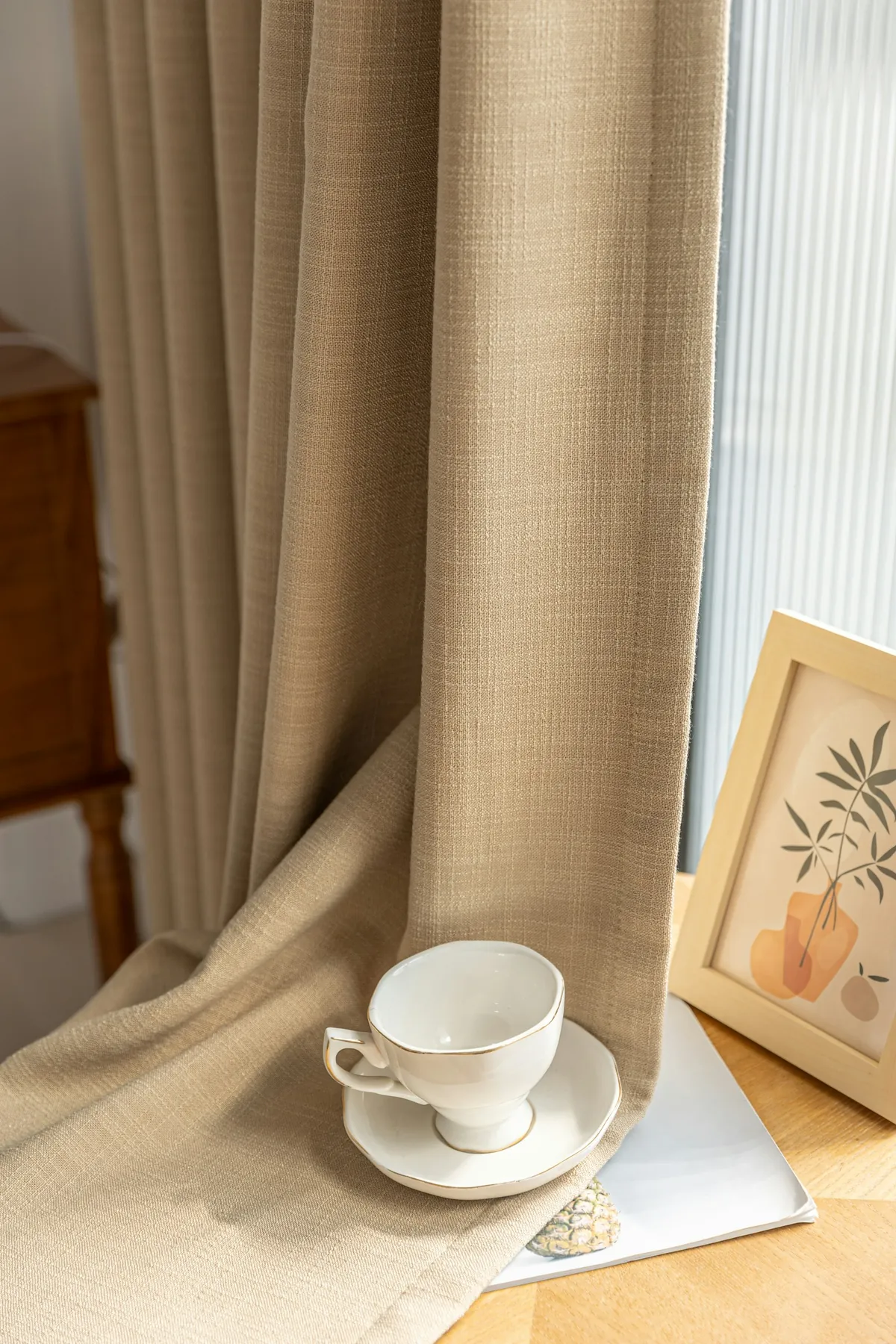
A natural weave with an easy, slightly textured fall. It suits the restrained rooms of a Federal house and looks right at a shore window.
Woven texture
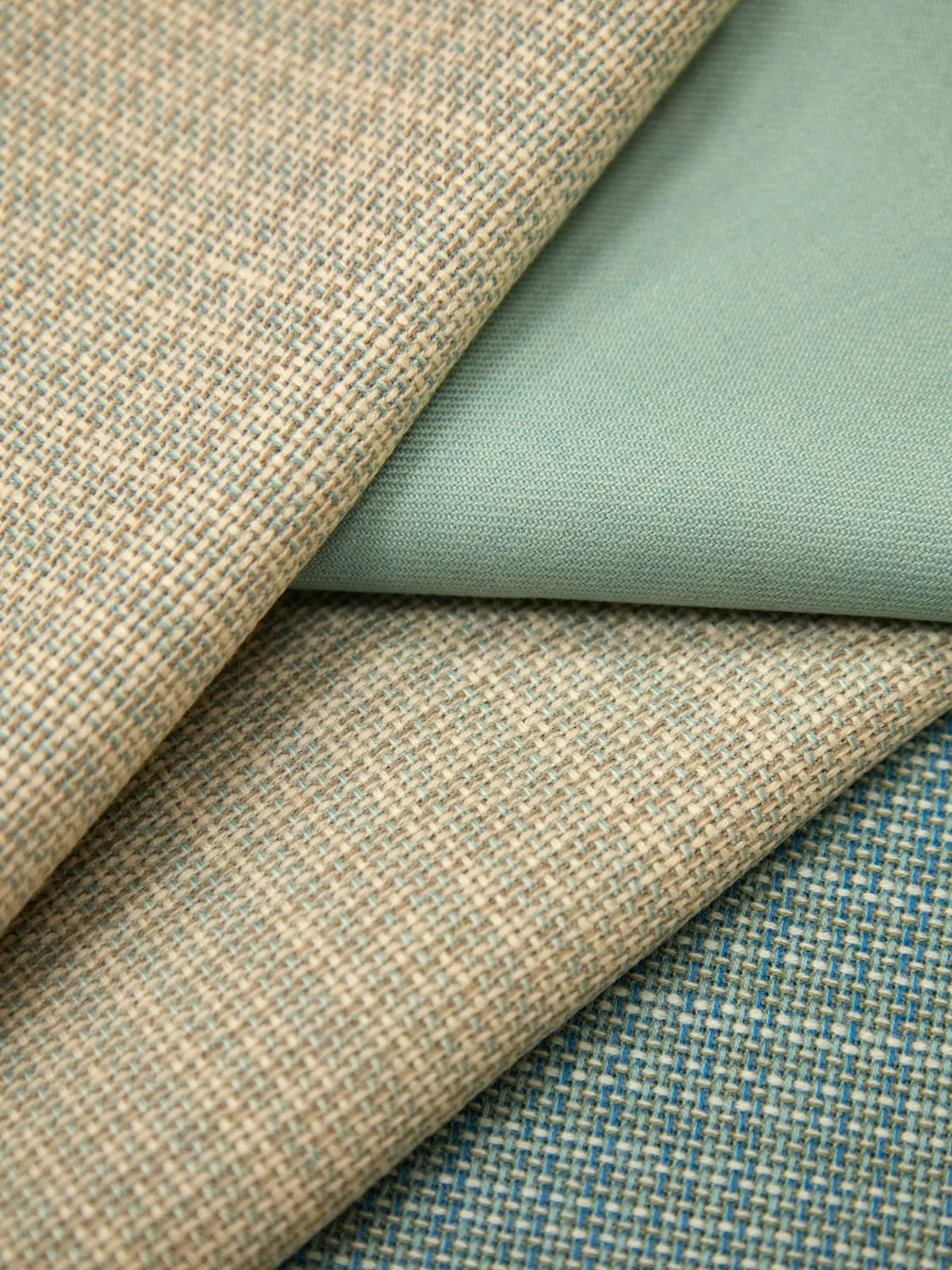
Heavier woven cloths in muted colours, for a room that needs warmth and body without a busy pattern.
Top treatments
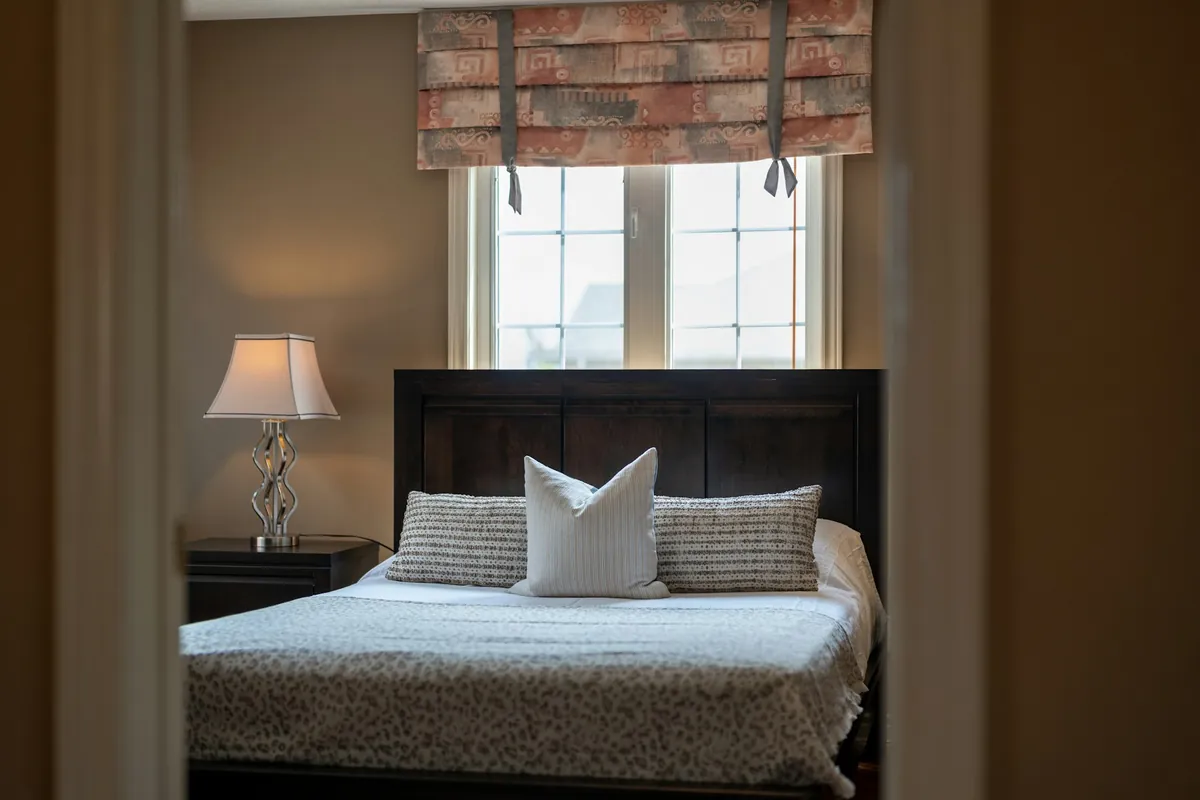
A valance or shaped top across the head of the window, useful where a full drape would crowd a deep reveal.
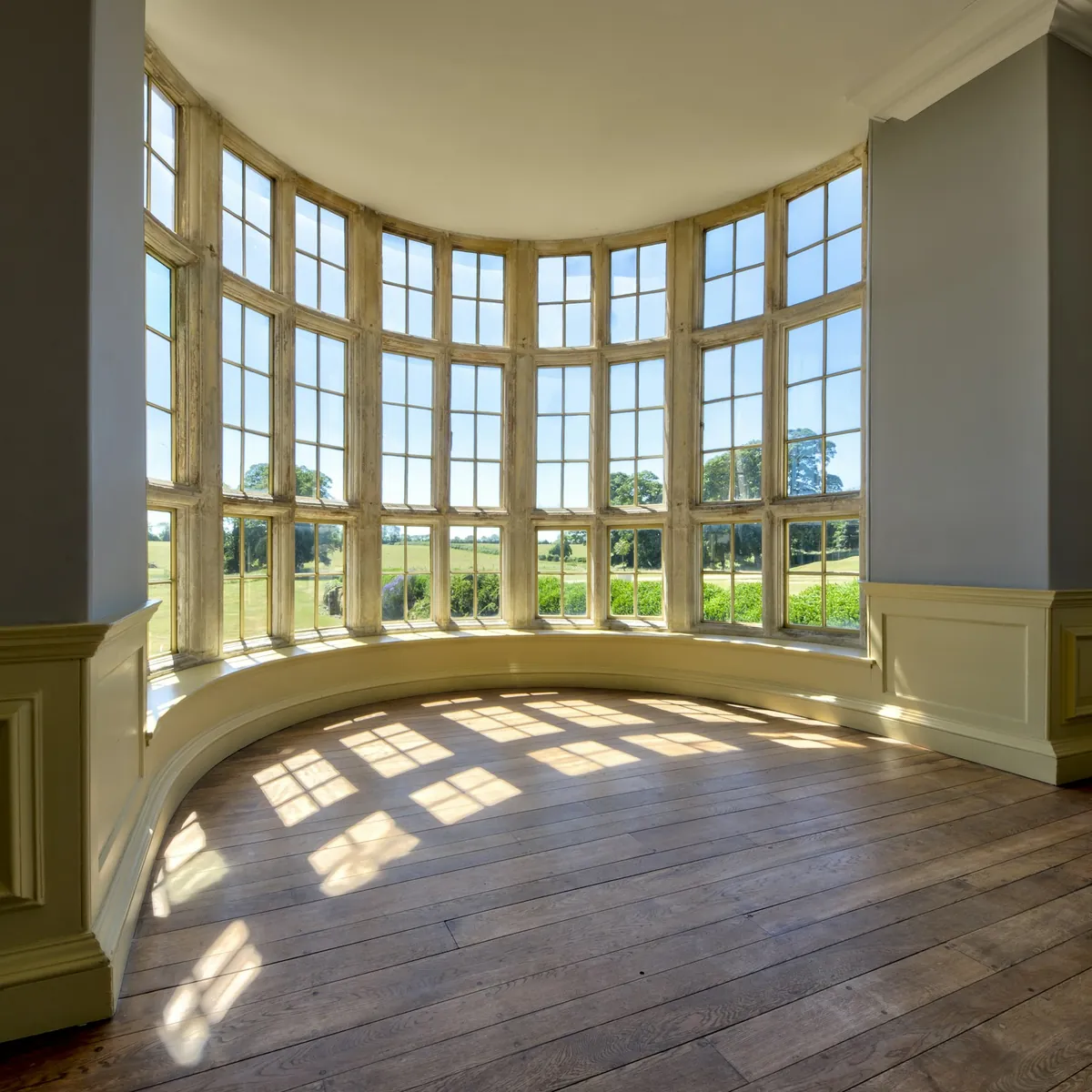
Bay and bow windows
Panels planned around each angle of a bay, so the fabric frames the whole projection and the glass stays clear.

Measured where they hang
The reveal depth, the trim width and the wall on each side are all measured in your home before a panel is made.
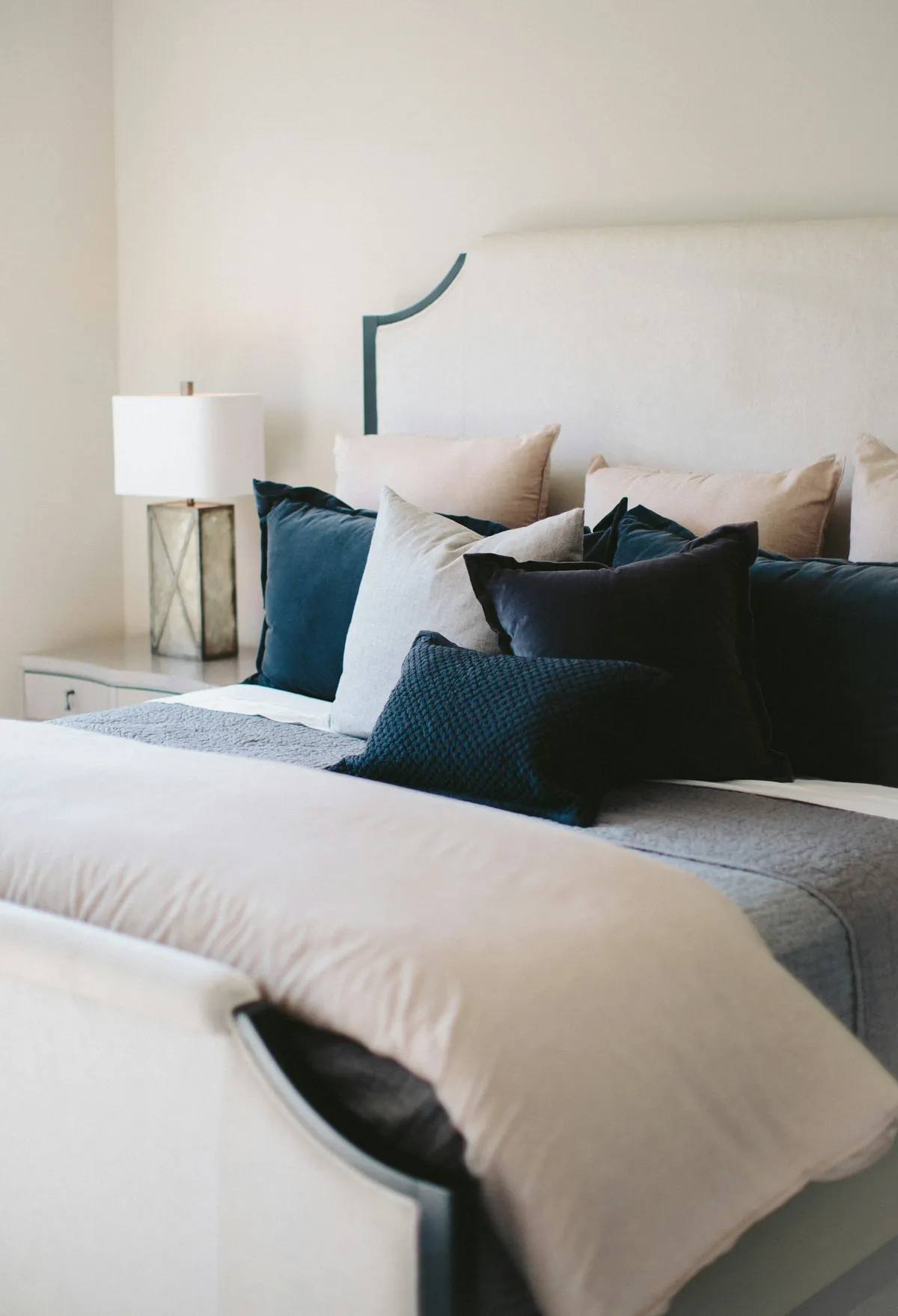
Bedding in the same cloth
Duvet covers and pillows made to sit with the bedroom drapes, through our custom fabric decor work.
Custom Drapes in Bristol, RI and the Question of Where They Hang
On a modern house, a curtain rod usually goes a few inches above the frame and that is the end of the discussion. On a Hope Street Federal or Greek Revival, the deep reveal and the heavy trim open up three different places to hang fabric, and each gives a different result.
Outside the trim
The most common choice for formal rooms is to mount the rod on the wall above the casing, running past the trim on each side. The panels then hang in front of the wall, and when drawn open they rest beside the window rather than over it. The reveal and the trim stay visible as a frame within a frame. This suits living rooms and dining rooms where the drapes are mainly decorative and are drawn only in the evening.
The detail to get right is height. Many of these houses have a cornice or a crown moulding not far above the window head. The rod and the heading have to sit in a clean line below it, or above the window but clear of the moulding, and we measure that gap rather than guessing.
Inside the reveal
A deep reveal can hold a rod of its own, fixed between the two sides of the recess. Panels hung there sit back within the thickness of the wall, so the trim and the face of the wall stay completely clear. This is a neat answer for a bedroom or a study where you want fabric for privacy but do not want anything in front of the woodwork. It does mean the panels cover some of the glass when they are open, so it works best with lighter fabrics and a slim stack, or with a single panel drawn to one side.
Across the head only
Sometimes the right answer is not a full drape at all. A valance or a short shaped top across the head of a deep window adds softness and colour while leaving the glass and the sill clear. Paired with a shade inside the reveal for privacy, it gives a finished look without competing with the trim. We can make the valance and the shade fabric together so they match.
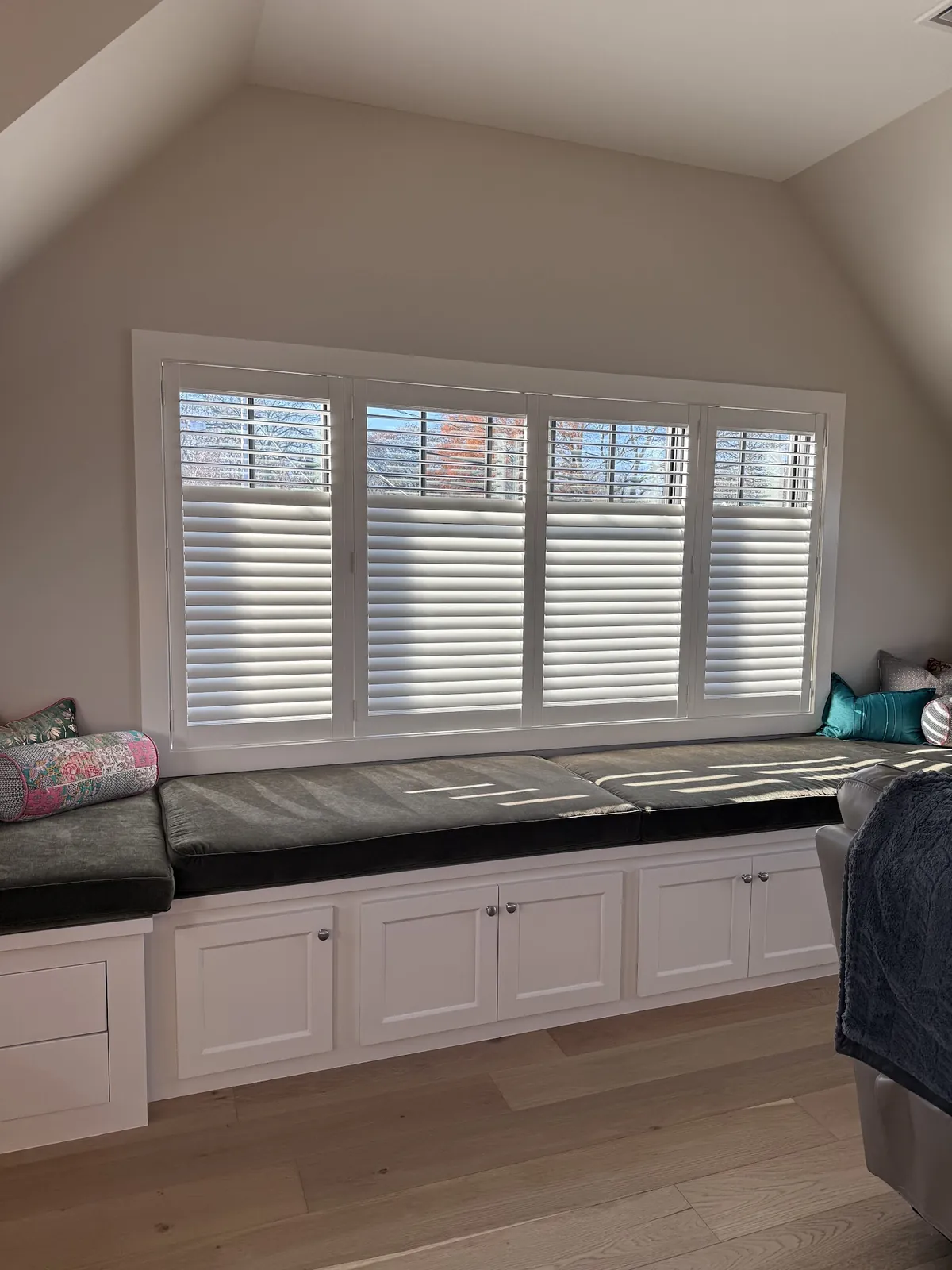
Window seats and deep sills
Thick walls often mean deep sills, and some Bristol houses have window seats built into the reveal. A drape that falls to the floor in front of a window seat hides it and makes it hard to use. The usual solution is either panels that stop at the seat, mounted inside the reveal, or panels outside the trim that draw well clear of the opening so the seat stays open to the room. Where shutters or a shade cover the glass, side panels outside the reveal can frame the whole recess, seat included.
Upper floors
The second-floor windows of a Hope Street house are often a little shorter than those below, and the rooms behind them are bedrooms, studies and dressing rooms rather than formal spaces. Drapery here can be simpler, but it often has more work to do. A bedroom over the street wants full darkness and full privacy at night, so lined panels that close edge to edge are the usual choice, sometimes over a shade set inside the reveal. Under a sloping ceiling or a dormer, the rod position is limited, and a short panel or a single curtain on a slim rod inside the recess may be the only clean option. We look at each upstairs window as its own case, because the thick walls that make the ground floor so generous can make the top floor tight.
Matching up and down matters as well. Seen from the street, the upper windows and the lower ones read together, so a consistent lining across both floors keeps the front of the house even.
Federal and Greek Revival: What Each Asks For
Both styles are formal, but they handle windows differently, and the drapery follows.
Federal rooms
Federal houses have elegant, fairly slender windows and refined trim, often with fine detailing at the head. The rooms are well proportioned and not overly tall. Drapery suits them best when it is tailored and quiet: a pleated heading, floor-length panels in a plain or finely patterned fabric, and enough fullness for even folds without bulk. Overdone fabric and heavy trims can swamp the delicate woodwork.
Greek Revival rooms
Greek Revival houses tend to have taller first-floor windows and bolder trim, sometimes with heavy flat casings and a strong head. The rooms can carry more weight. Richer fabrics, deeper colours and fuller panels sit well here, and a long drape from close to the ceiling down to the floor emphasises the height the style was built around. A plain fabric in a strong colour can be more striking in these rooms than a large print, letting the architecture supply the drama.
Keeping the street view consistent
In a historic district, the facade reads as a whole. However different the rooms are inside, keeping the same lining colour on every street-facing window means the house looks settled from the sidewalk. White and ivory linings are the usual choice, because they read as calm and even against painted sash. This is one of the easiest ways to respect the character of the house while still choosing whatever face fabric you like for each room.
Houses Along the Mount Hope Bay Shore and Poppasquash Point
Closer to the water, the windows change. Some are larger, some face the bay directly, and the light that comes off the water is strong for much of the day.
Protecting the fabric
Strong light fades fabric. On windows that face the bay, a lined drape is the practical choice, because the lining takes the sun and the face fabric keeps its colour. If the drapes stay open most of the day, the stacked panels at the sides take the light too, so a fabric with good colour fastness is worth asking about when you choose.
Keeping the view
On the water side, most people want the glass clear during the day. That means rods that run well past the frame so the open panels stack against the wall, and a fabric weight that keeps the stack slim. In a room with a long run of windows facing the bay, panels that part in the middle or draw to the ends can be planned around the best part of the view.
Larger shore houses sometimes have tall windows grouped together, a pair of French doors onto a porch, or a big window at the turn of a stair. Each one is its own drapery problem. French doors need the panels to clear the swing of the doors completely, so the rod runs well wide and sits high enough that the doors open under it. A stair window is seen from two levels, so its fabric has to look right from below and above, and the rod has to be reachable or the panels left stationary. We plan these with you at the measuring visit rather than leaving them to chance.
Evening and weather
When the light goes, a wall of glass facing the water becomes dark and cold. Lined drapes drawn across it make a room feel enclosed and warmer, and they stop the reflections that make a window at night feel like a mirror. If a room needs glare control by day as well, a roller shade in Bristol can sit inside the reveal behind the drapes.
Damp, salty air near the bay leaves a film on cloth over the seasons. Tightly woven fabrics shrug it off better than loose, open ones, and an occasional airing on a dry day helps. Ask about it when you choose, and we will point you toward cloths that handle a shoreline room.
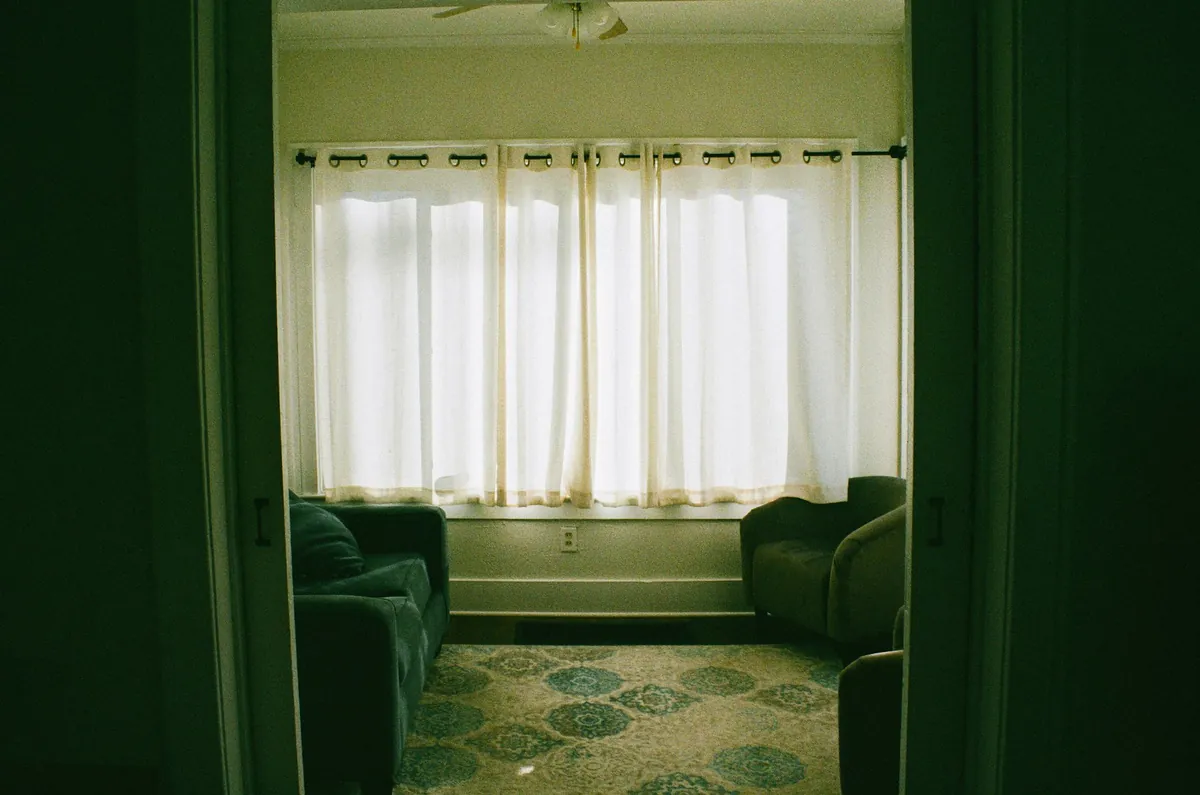
Fabric Comes First
Everything about a drape depends on the cloth: how it falls, how much light passes through, how it stacks, how it wears. When we make custom drapes in Bristol, RI, the fabric is chosen first and the heading, lining and length follow from it. Some general guidance:
- Linen and cotton for a natural, relaxed fall in shore houses and Federal rooms
- Velvets and heavier weaves for formal Greek Revival parlours and dining rooms
- Sheers for daytime softness on windows where the drapes are drawn at night
- Small patterns and textures where the woodwork should stay the main feature
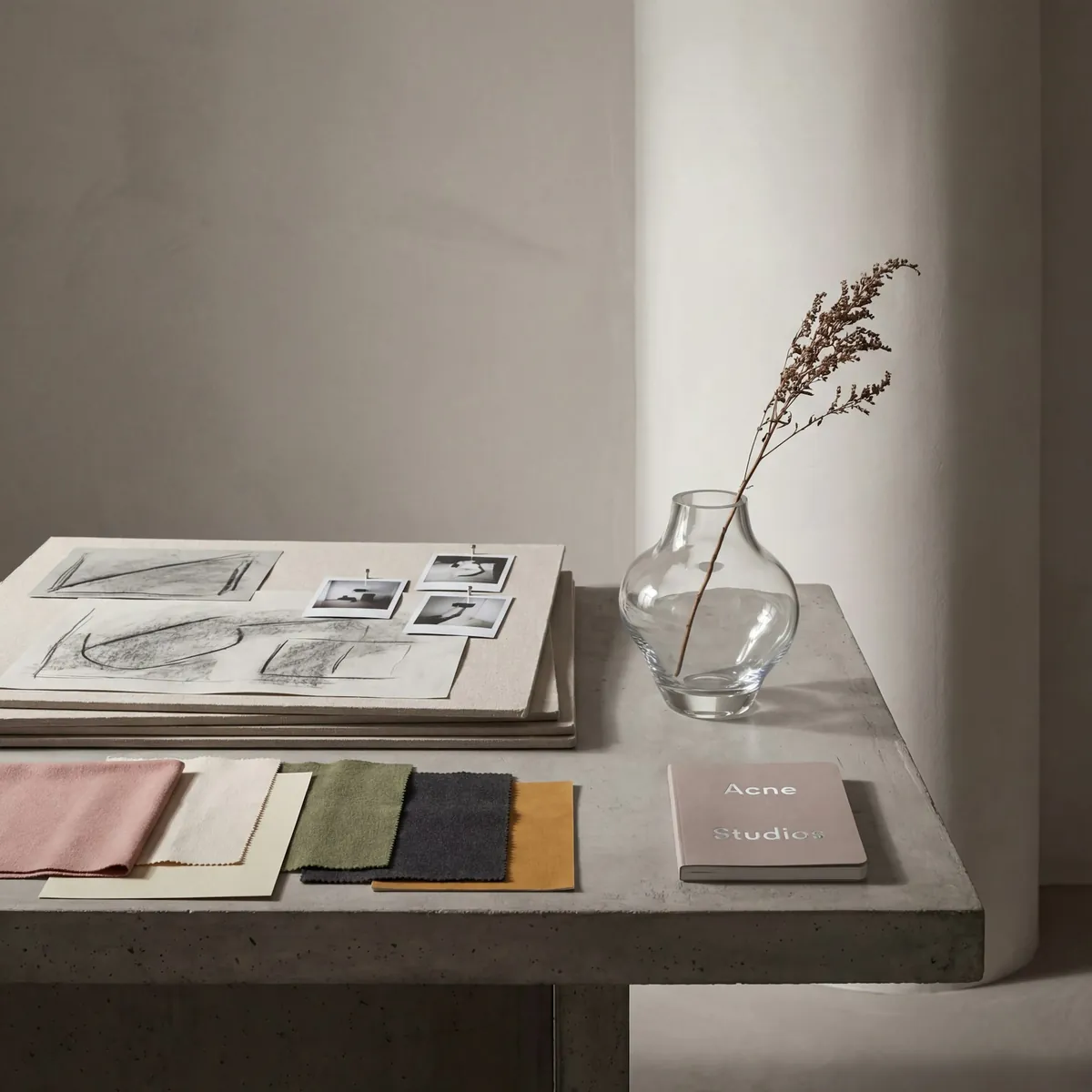
Seeing the cloth matters more than reading about it. In the showroom you can drape a length over your arm, check how it moves, and set two colours next to each other in natural light before you commit.

Living with drapes in an old house
Thick masonry and old plaster keep a house cool in summer and slow to warm in winter, and the windows are where the warmth escapes first. Lined custom drapes in Bristol, RI drawn across the glass on a winter evening make a room feel noticeably snugger, particularly when the panels are full enough to overlap at the centre and long enough to touch the floor. On the sunniest windows, closing them during the brightest hours of a summer afternoon keeps both the room and the furniture cooler.
For care, a soft brush on the vacuum now and then is enough for most panels. Lined drapery is best cleaned by a professional, since face fabric and lining can shrink at different rates when washed. If a hem drops or a heading loosens after a season, call the store that made them and we will look at it.
How the Work Is Done
- Book a free quote with the call button or the form, and tell us which rooms you have in mind.
- A specialist comes to measure in your home. On a Bristol house that includes the depth of each reveal, the width of the trim, the height to any cornice and the wall space on each side.
- We go over the mounting choices for each window, outside the trim, inside the reveal or across the head, and suggest what suits the room.
- You choose the fabric, lining and heading, comparing them in the showroom.
- You receive a quote with each window listed.
- Your drapes are made to the measurements from your home.
- Our team hangs them, dresses the folds and makes sure every panel draws cleanly.
We stay in touch with you through all of it until the job is done.
A shutter or shade in the recess, fabric outside it
Thick Bristol walls practically invite two layers. The reveal holds a hard treatment flush within the opening, and the drapes hang on the face of the wall, framing it. Louvred shutters fitted inside the recess suit the period trim well; read about them on our plantation shutters in Bristol page. With one team planning both, the rod projection is worked out so the shutter panels can swing open without brushing the fabric, and everything is measured during a single visit.
Window Works, Swansea, Since 1988
Drapery has been the heart of Window Works since the store opened its doors in 1988. Today it is run by the second generation of the family, still from Swansea, and still making curtains and drapes for houses on both sides of the state line.
A Bristol order is handled by specialists who know how a particular cloth will behave in a deep reveal or a tall Greek Revival room. They take the measurements, they place the order, and they come back to hang what was made. You hear from us at each stage, right up to the final fitting. Warranties come with the products we sell.
Our Bristol window treatments page shows the full range we offer in town.
Questions from Bristol
My windows sit in deep reveals. Where should the drapes go?
It depends on the room. Outside the trim frames the whole window and keeps the glass clear when open. Inside the reveal keeps the woodwork completely clear. A valance across the head leaves both the glass and the sill open.
Will drapes hide the trim on a Federal or Greek Revival window?
Not if they are mounted above and past the casing. Drawn open, the panels rest on the wall and the full trim stays on show.
What lining colour should I choose for street-facing windows?
Usually the same light lining on every front window, so the house looks consistent from outside whatever face fabrics you choose for each room.
Can drapes work with a window seat?
Yes. Panels can stop at the seat inside the reveal, or hang outside the trim and draw well clear so the seat stays usable.
Do you hang the drapes as well as make them?
Yes. Our own team installs the finished panels, sets the folds so they fall evenly and checks that each one draws cleanly past the trim.
Start With a Free Quote
Planning custom drapes in Bristol, RI begins with a quote, and quotes cost nothing. Press the call button and the Swansea store will set a time for measuring in your home and answer questions about installation, or leave your details on the form. Prefer to look at cloth first? Directions to the showroom are on the contact page. Our main custom drapes page covers every style we make, and Google reviewers give Window Works a 5.0 rating.