
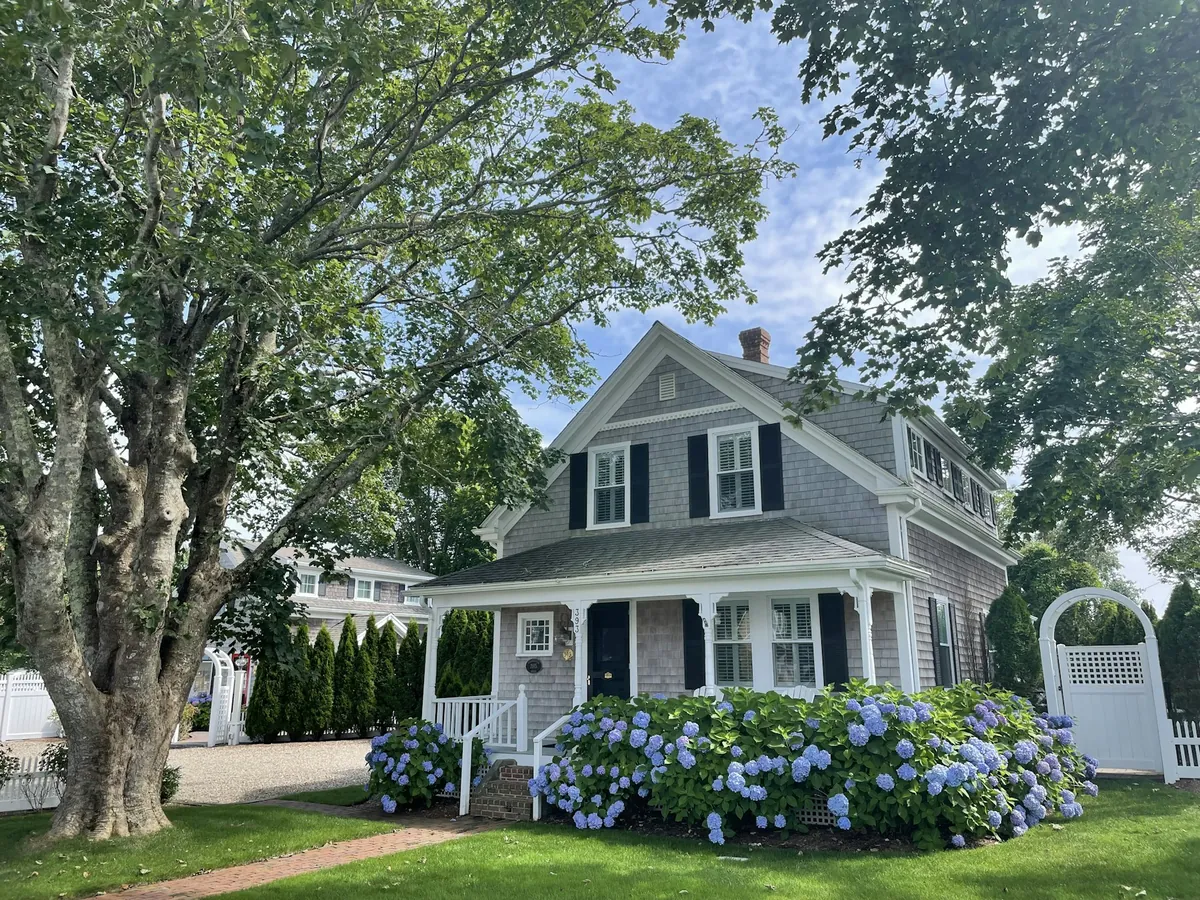
A Natural Weave for Three Kinds of Somerset House
A woven shade changes a room through texture and through the way light breaks up as it passes between the strands. That is why we treat woven wood shades in Somerset, MA as a window-by-window job: the same weave behaves one way on a slim village sash and quite another on a wall of glass facing the Taunton River.
Somerset has three broad kinds of house within a few minutes of each other. The mid-century capes and ranches around Brayton Point, Riverside and the side streets off County Street mix one broad living room window with smaller bedroom and kitchen windows. The colonials in Somerset Village keep their original narrow double-hung sash. The river lots often have a wide run of glass added in a later renovation. A woven shade can suit all three, as long as the weave, the liner and the mount are chosen for each one.
- Woven wood and bamboo shades, with or without a fabric liner
- Measured at your windows and installed by our own team
- Weaves to handle at the Swansea showroom across the river
Six Ways We Set Up a Woven Shade in Somerset
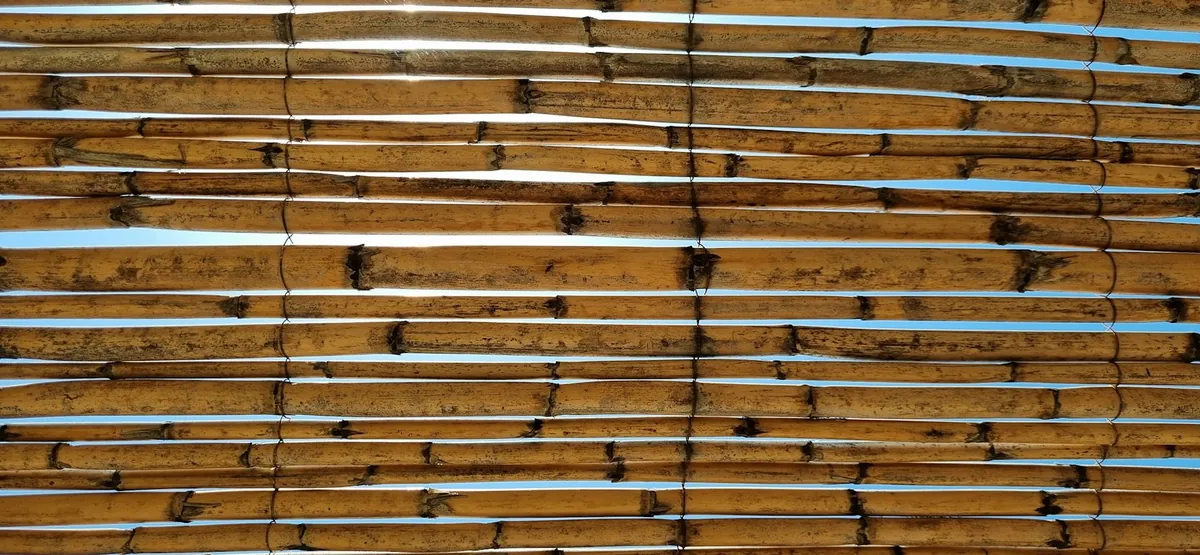
Fine bamboo for village sash
Slim bamboo slats, closely woven, keep a narrow colonial window looking neat and let through an even, soft light.
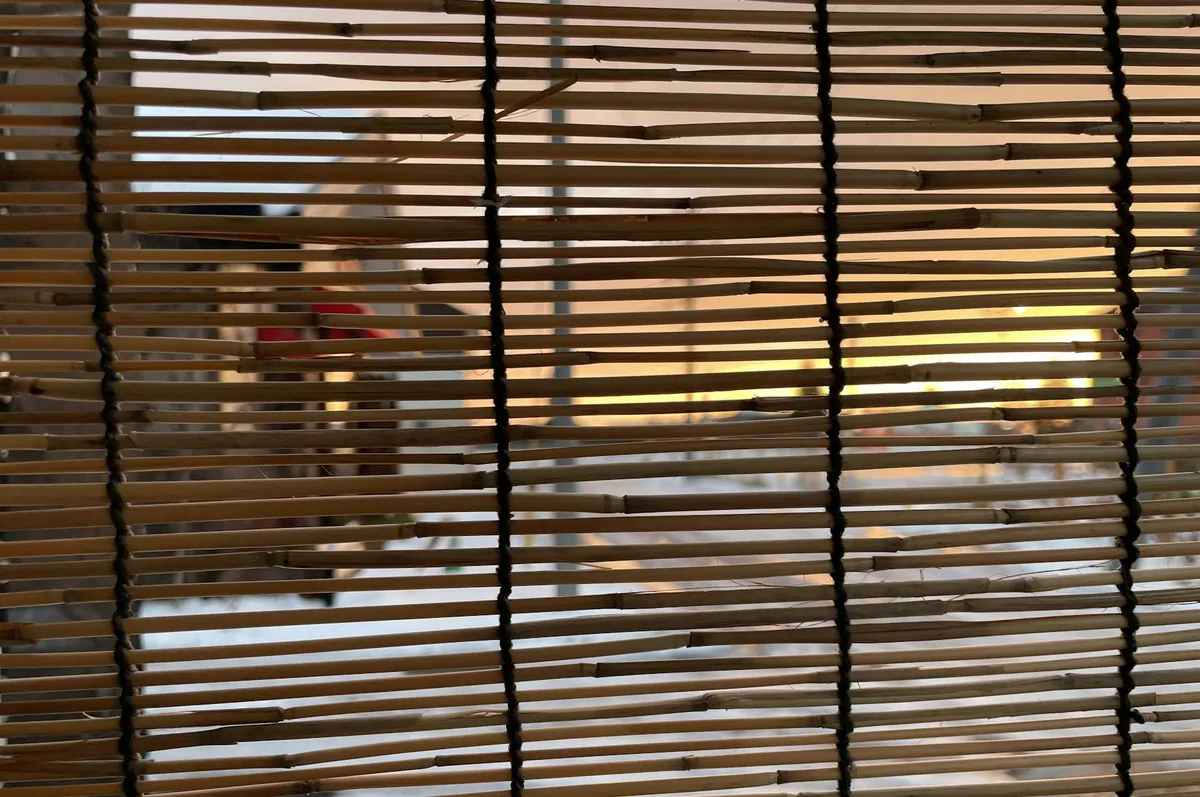
Open weaves for the river rooms
A looser mix of wood and grass takes the hard edge off the glare from the water while the outline of the view still shows through.
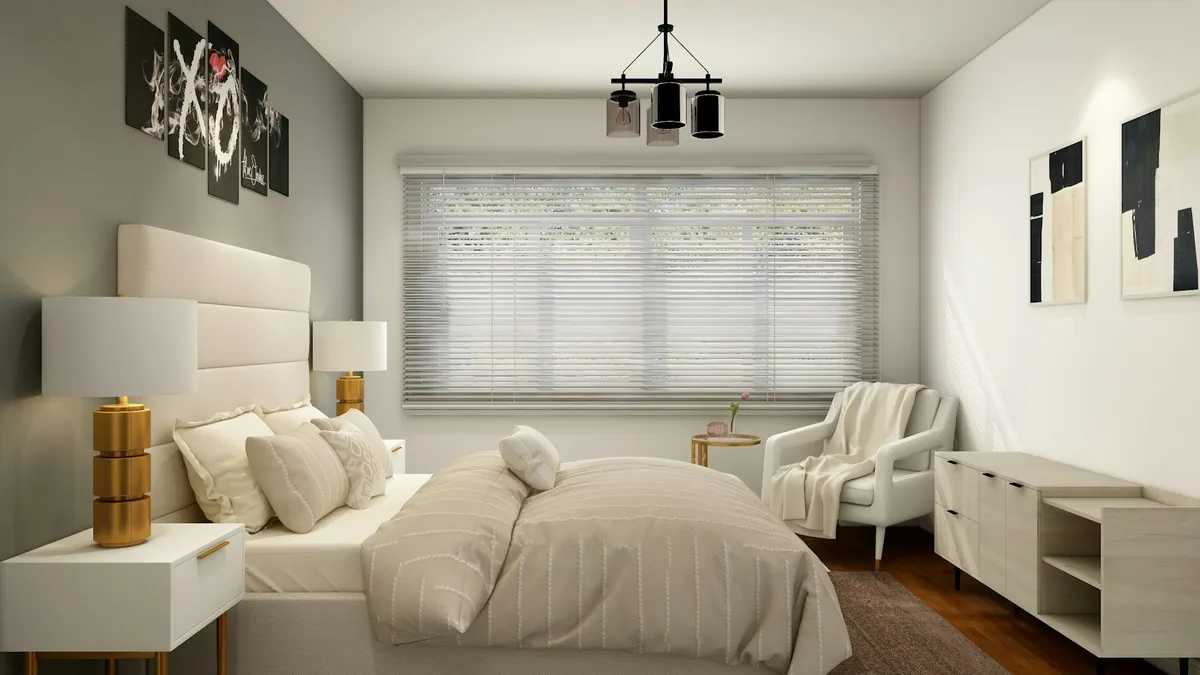
A liner for the street side
Ground-floor bedrooms in a ranch close to the road usually want a privacy or room-darkening liner sewn to the back of the weave.
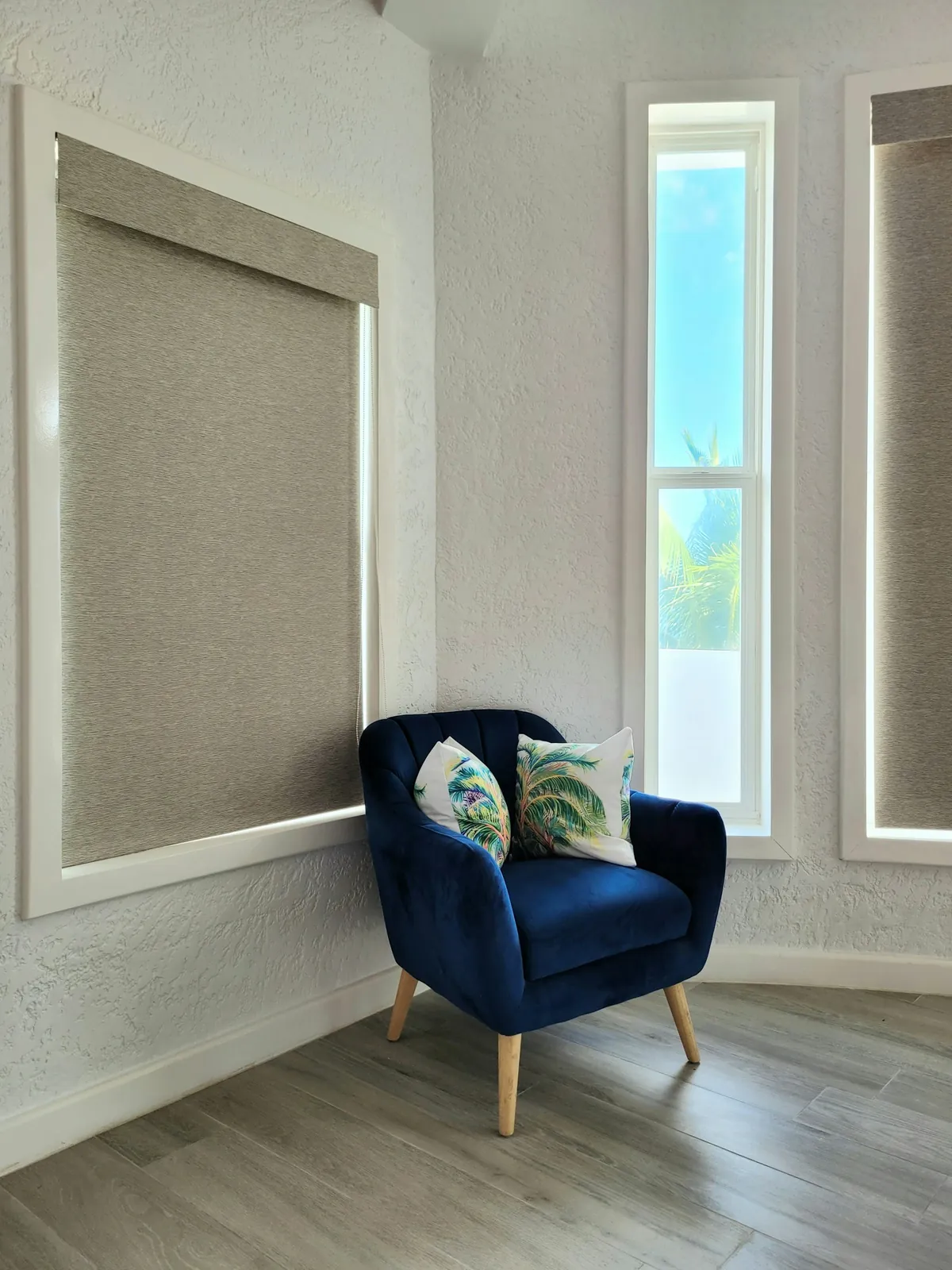
Matched along a ranch front
Several shades in one weave and one colour, each sized to its own opening, so the front of the house reads as a set.
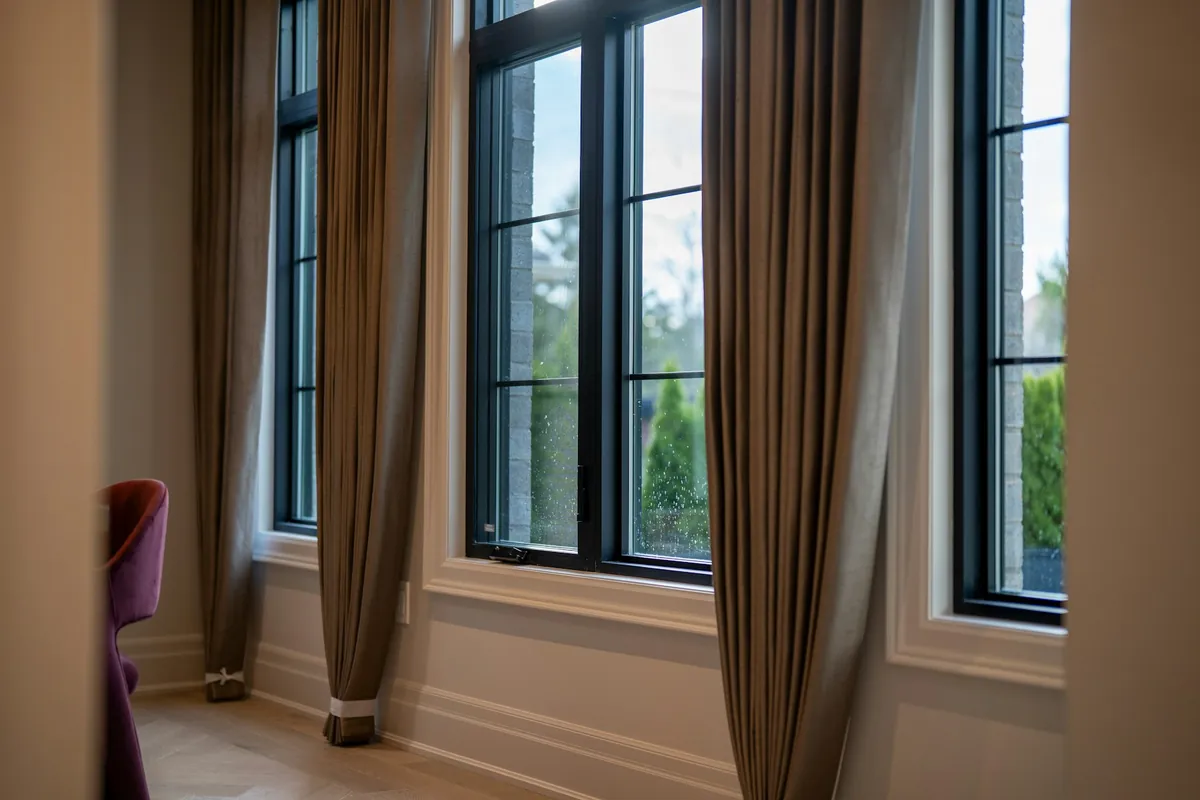
Framed with drapery
Side panels in a plain linen soften a woven shade in a dining room, and we make both in the same order.
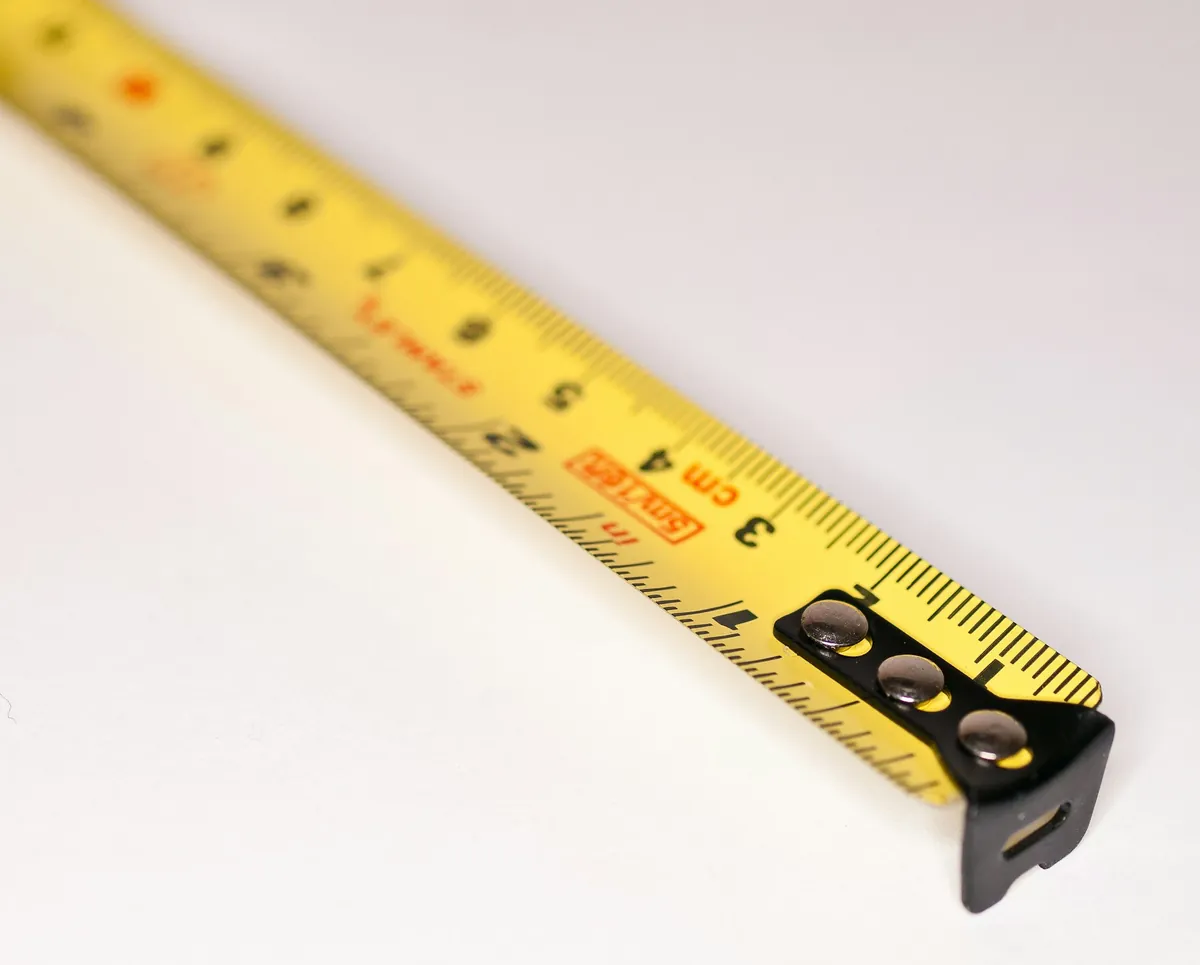
Sized frame by frame
Old sash is rarely square, so every opening is measured where it stands, including the depth of the frame and the wall above it.
What Light Does Through Woven Wood Shades in Somerset, MA
When people first look at woven wood shades in Somerset, MA, the question they usually start with is how much light gets through. The honest answer is that it depends on two things: how tightly the shade is woven, and whether a liner sits behind it.
An unlined shade glows. Sun comes through the gaps between the strands and lands on the floor and walls in a soft, broken pattern, warmer than the light through a plain fabric because it picks up the colour of the wood or grass. A tight bamboo weave keeps that glow even and gentle. A looser weave lets through more brightness and more of the view, with stronger flecks of light and shadow.
A liner changes the picture. It is a layer of fabric on the room side of the shade, and it evens out the light so the room feels calmer. A privacy liner screens the room after dark, which matters because an unlined shade in a lit room shows shapes moving behind it to anyone outside. A room-darkening liner goes further and suits bedrooms that face the morning. From outside, a lined shade looks the same as an unlined one in daylight. The difference only shows at night, or from inside.
So the first conversation is about the room. A living room that faces the river may be happiest unlined, with the texture and the view as the point. A front bedroom in a Riverside ranch, a few steps from the sidewalk, almost always wants a liner.
Narrow sash in Somerset Village colonials
The village colonials have tall, slim double-hung windows, often with deep original trim. A woven shade on this kind of window has two jobs: to look tidy in a narrow space and to keep the trim on show.
An inside mount, with the shade fitted within the frame, usually does both, but only if the frame has the depth for the headrail and the folds. That depth changes from window to window in an older house, so we check it each time. Where an inside mount will not fit, the shade can go above the trim with a headrail cut to the trim’s own width, so the woodwork still frames it.
Bamboo with a fine, close weave tends to suit these rooms best. The slim strands echo the proportions of the sash, and the light through them stays soft rather than spotty. Darker weaves can feel heavy on a narrow window; mid tones and natural honey colours sit better against painted trim.
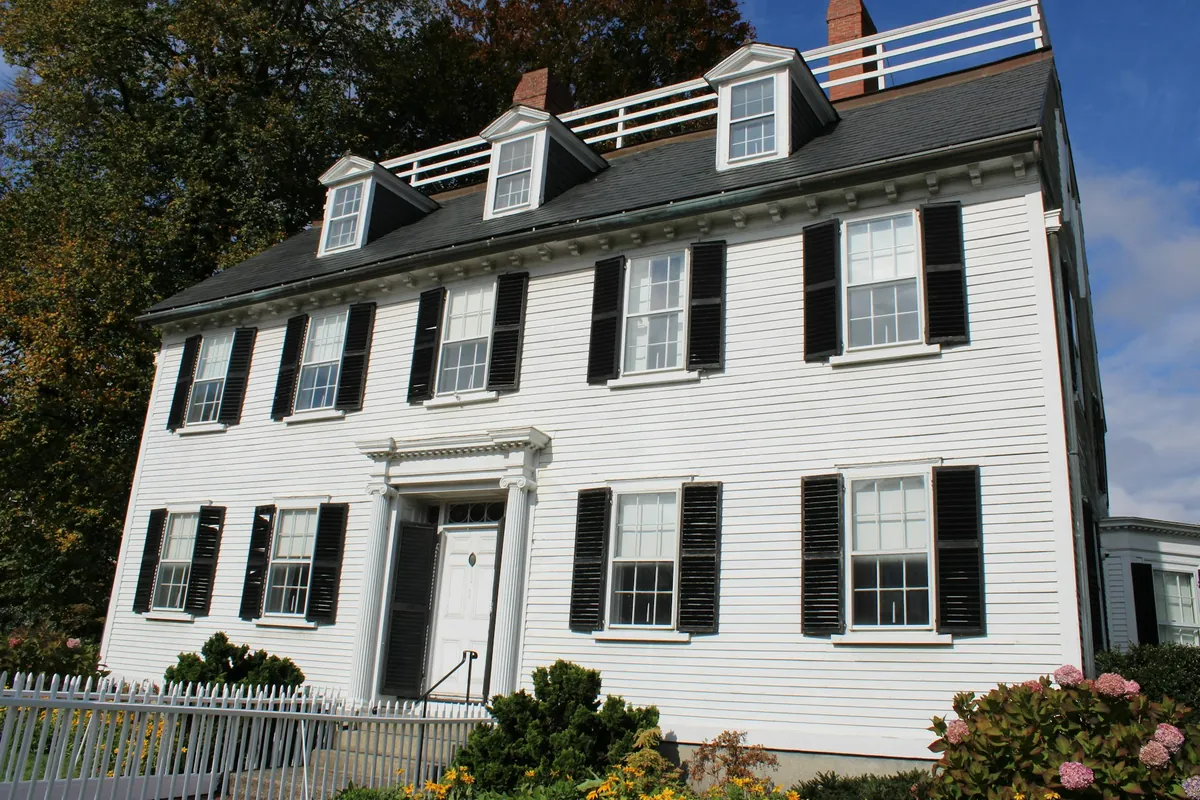
Capes and ranches around Brayton Point and Riverside
The mid-century capes and ranches off County Street are more regular, but no two windows in the house are the same size. A typical ranch has a wide picture window in the living room, two or three bedroom windows, a short window over the kitchen sink and a door or slider to the yard.
The living room window is where a woven shade earns its keep. One wide shade gives an unbroken run of texture. Two or three shades side by side are easier to raise and let you lift one part while leaving the rest down. Which is better depends on the frame and whether there is a mullion or centre post, and we look at that on the day we measure.
Capes have their own quirk upstairs: dormer windows tucked into the roof, short and close to the ceiling. A woven shade folds into a fairly deep stack when raised. On a short dormer, mounting the shade on the wall above the window lets that stack sit clear of the glass, so the one window in the room still gives its full light.
The kitchen sink window is usually a place to skip woven wood. Steam and splashes are hard on natural materials, and a faux wood blind or a fabric shade is the more practical choice. We will say so when we see it.
River lots and wide window walls
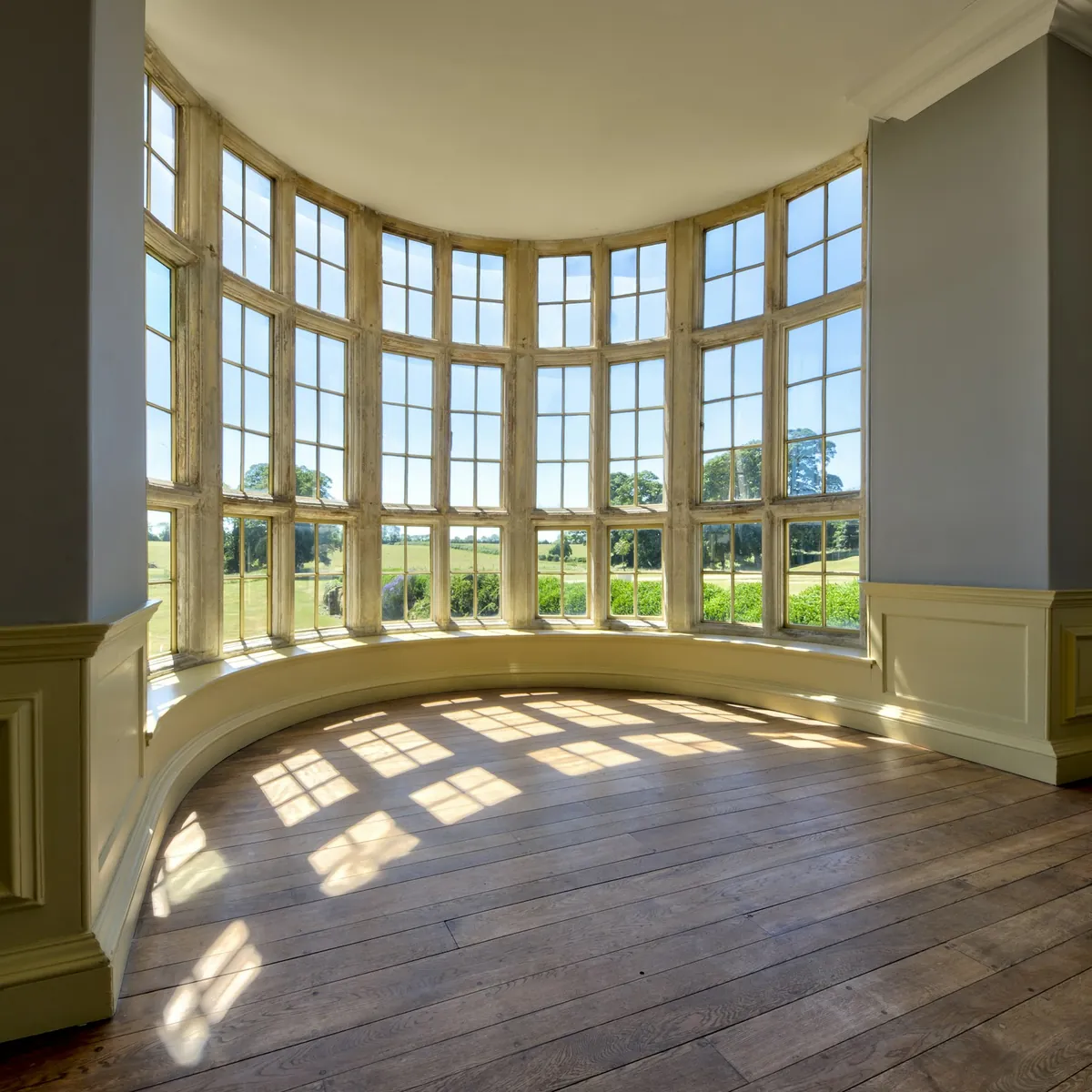
Many houses on the Taunton River lots gained a wall of glass in a renovation. These rooms are bright for most of the day, and the water adds reflected glare in the afternoon. They are also the rooms where a woven shade looks most at home.
A wide window wall is normally dressed as a row of shades rather than one huge one. Each shade is sized to its own section of glass so the bottom edges line up across the wall, and each can be raised on its own as the sun moves round. A looser weave keeps the view in sight. A tighter weave, or a light liner on just the panes that take the worst of the afternoon sun, keeps the room comfortable without losing the texture.
If the wall includes a sliding door, a woven shade is not usually the best answer for the door itself, because it has to be raised every time someone goes out. Vertical blinds or a panel track often suit a slider better, and our vertical blinds in Somerset page explains how they work alongside woven shades on the windows beside it.
How We Take a Somerset Order from Call to Install
You hear from us at each stage until the last shade is up and working.
- Tell us about the rooms. Use the call button or send the form, say which windows you have in mind, and book a free quote.
- We come to measure. A specialist measures every window in your home, checks the frame depth for an inside mount and the wall space above for the stack.
- You pick the weave and the liner. Look at samples in the showroom, or talk them through with us when we measure, and decide room by room.
- Your quote lists each window, with the weave, liner and mount written next to it.
- The shades are made to the sizes taken at your house.
- Our team installs them, raises and lowers each one with you, and checks the line along any row of windows.
Choosing a colour in Somerset light
Natural materials never match a printed swatch exactly. Each strand of bamboo or grass varies a little, and that variety is what gives a woven shade its depth. It also means the colour you see on a counter is not quite the colour you will see in the window with the sun behind it.
A few rules of thumb help. Pale weaves keep small rooms, such as cape bedrooms and village back rooms, light and airy. Mid browns pick up oak floors and older furniture. Darker weaves give a warm, rich light in a den or a study but can feel heavy on a narrow window. On the river side of a house, the light is strong enough that even a pale shade glows warmly, so you may want to go a shade lighter than you first thought.
Folds, rolls and the top of the shade
Woven shades are usually made either to fold into soft, even pleats as they rise or to roll up. Folding styles give the classic layered look and suit most windows. Rolling styles keep a flatter face and a slimmer profile when raised. A valance in the same weave can cover the headrail for a finished top edge, which is useful in a village colonial where there are no drapes to hide it.
We will talk through how each shade should lift, which side the controls should sit on and how high it needs to stack, particularly for a shade behind a bed, a sofa or a counter.
Bedrooms and the hours after dark
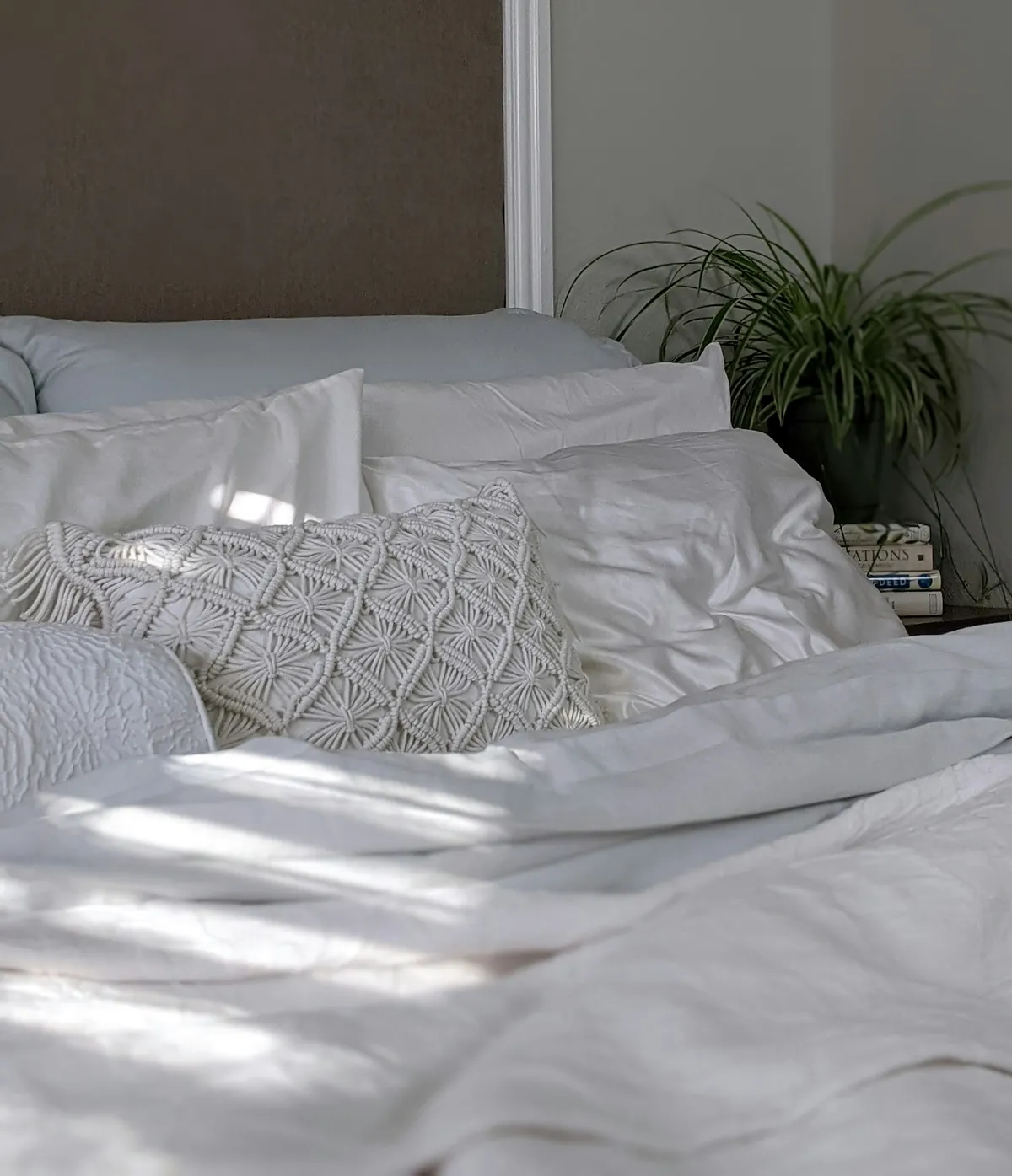
Bedrooms are where the liner decision matters most. An unlined weave is lovely in a bedroom during the day, but at night, with a lamp on, it turns into a lit screen. In a Riverside ranch where the bedroom windows face the street, or a cape where the front bedroom looks across to the house opposite, that is rarely what anyone wants.
A privacy liner fixes the evening problem and still lets a gentle light through in the morning. A room-darkening liner is the better pick for a bedroom that faces east, for anyone who works nights, or for a child’s room where an early sunrise wakes the household. Upstairs in a village colonial, where the windows look out over gardens rather than the road, many people go unlined in the bedrooms and simply enjoy the glow.
Starting with one room
You do not have to dress the whole house at once. Many Somerset orders begin with the room that bothers people most, often the river room with the afternoon glare or the front living room that the street can see into. Once that room is done and you have lived with the weave and the liner for a while, later rooms can be matched to it, so the house still looks planned rather than pieced together.
Mixing woven shades with other treatments
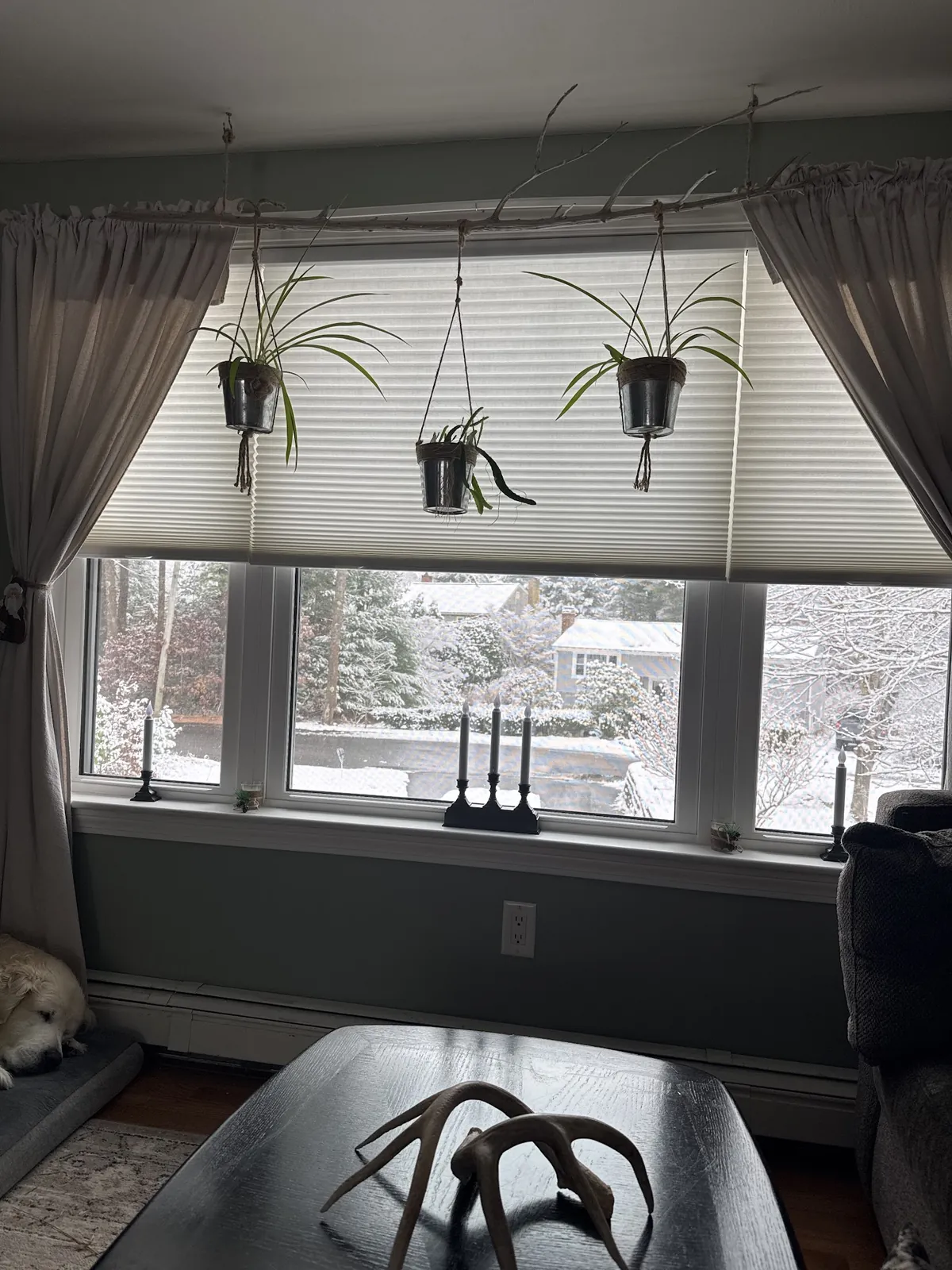
Very few houses use one kind of treatment in every room, and a woven shade sits comfortably beside others. A Somerset ranch might have woven shades along the living room front, cellular shades in a cold back bedroom and a faux wood blind over the kitchen sink. A village colonial might pair woven shades with drapes in the dining room and the parlour.
Where woven shades and drapes share a window, the shade handles light and privacy, and the drapes add colour, softness and a little extra warmth when drawn at night. We make both, so the two can be chosen together and measured on the same visit. Our window treatments for Somerset homes page has every service we offer in town, and the main woven wood shades page covers the full range of weaves.
Looking after woven shades
Woven shades need little care. A soft brush, or a vacuum with a brush head on low, run gently down the shade every few weeks keeps dust out of the weave. Spot clean with a barely damp cloth and dry it straight away, because natural fibres do not like getting wet. Keep them away from steamy rooms and from windows that are often left open in the rain.
If a cord or a lift on a shade you already own stops working properly, call us. We can often repair it rather than replace it.
Who Does the Work
Window Works opened in Swansea in 1988, a short drive over the river from Somerset, and today the second generation of the family runs it. Over 37 years the store has dressed windows across the SouthCoast and the Rhode Island East Bay.
- Window treatment specialists, with years of experience between them
- We measure in your home and our own team does the installing
- One store to call, in touch with you until the job is finished
- Warranties offered on what we sell
Woven wood shades in Somerset, MA are ordered and fitted the same careful way whether it is one dormer or a whole river room.
Handle the Weaves Before You Choose
Woven shades are easier to judge in person than on a screen. At the Swansea showroom you can run your hand over bamboo and mixed woods, hold a weave up to the daylight, and see a lined sample next to an unlined one.
Bring a photo of the room or a cushion or paint chip you want to match, and our specialists will help you narrow the choice. The showroom also carries the Norman range of blinds, shades and shutters.
Questions from Somerset
Will a woven shade fit the narrow sash in my village colonial?
Usually, yes. We check the frame depth at each window and mount the shade inside the frame where there is room, or above the trim where there is not.
Can I still see the river through a woven shade?
With an unlined, looser weave, yes. You see the outline of the view and the light, softened. A tighter weave or a liner gives more privacy and less view.
Do I need a liner on every window?
No. Rooms facing the street or used at night usually benefit from one. River rooms and sunrooms are often left unlined for the texture and light.
What do you suggest for the slider in a river room?
A woven shade is awkward on a door used every day. Vertical blinds or a panel track usually suit the slider, with woven shades on the windows beside it.
How do I arrange a quote?
The quote is free. Use the call button or send the form, tell us which windows you have in mind, and we will set up a time to measure.
Your Next Step
For woven wood shades in Somerset, MA, start with a free quote. Use the call button to book measuring in your home or to ask about installation, or send the form and we will come back to you. If you would like to see the weaves first, the Swansea showroom has them on display, and the contact page has directions. Window Works holds a 5.0 rating on Google.