
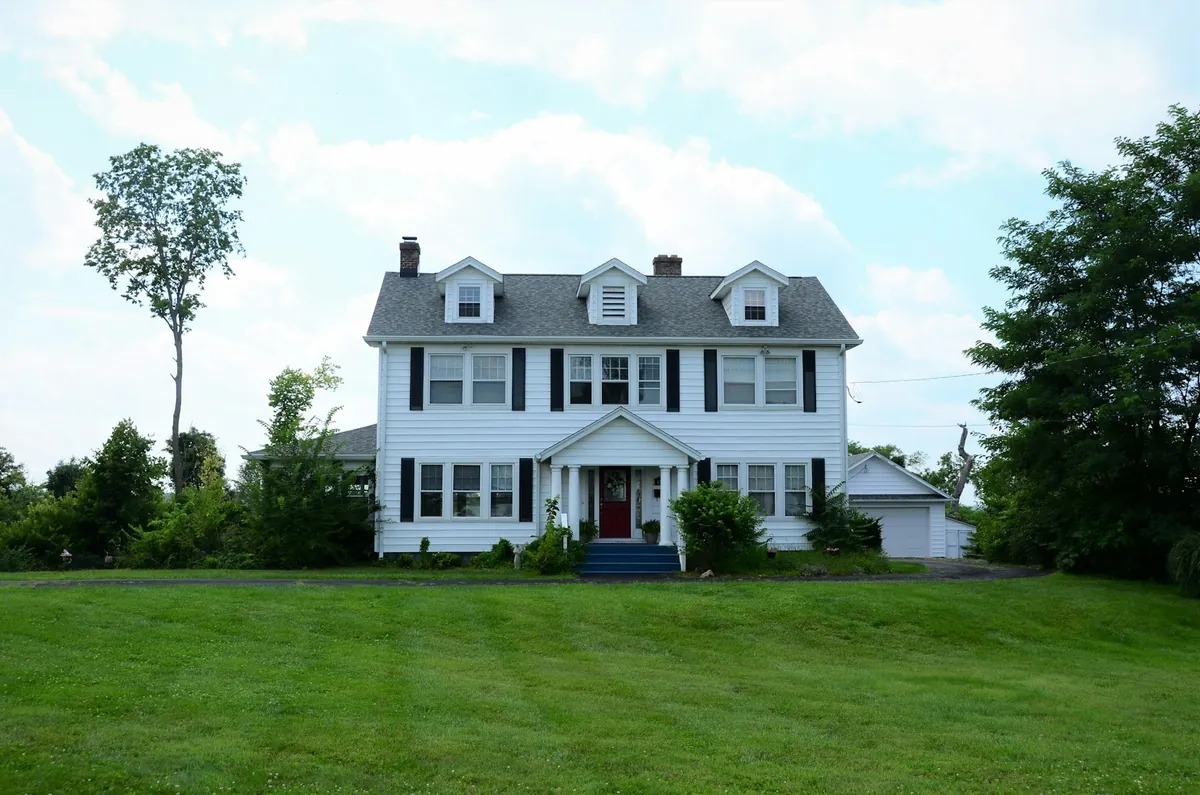
Corner Rooms on Open Lots
Berkley houses sit on generous lots, with room between neighbours, and most of their rooms get daylight from two sides. That is the starting point for woven wood shades in Berkley, MA: a single shade is not lighting a room on its own, it is working with a second window around the corner that sees a different part of the sky at a different time of day.
The town is mostly capes, ranches and newer colonials off Padelford and Myricks Street, with the Assonet Bay shore at its edge. A cape’s living room might have a front window facing the road and a side window facing the yard. A colonial’s family room often has windows on the back and the side. Light from two directions is lovely, but it means each window in the room may want a slightly different weave or liner.
- Woven wood and bamboo, lined or unlined
- Each window measured in your home, both sides of every room
- Installed by our own team, with weaves to handle in Swansea
Woven Shades for Two-Sided Rooms
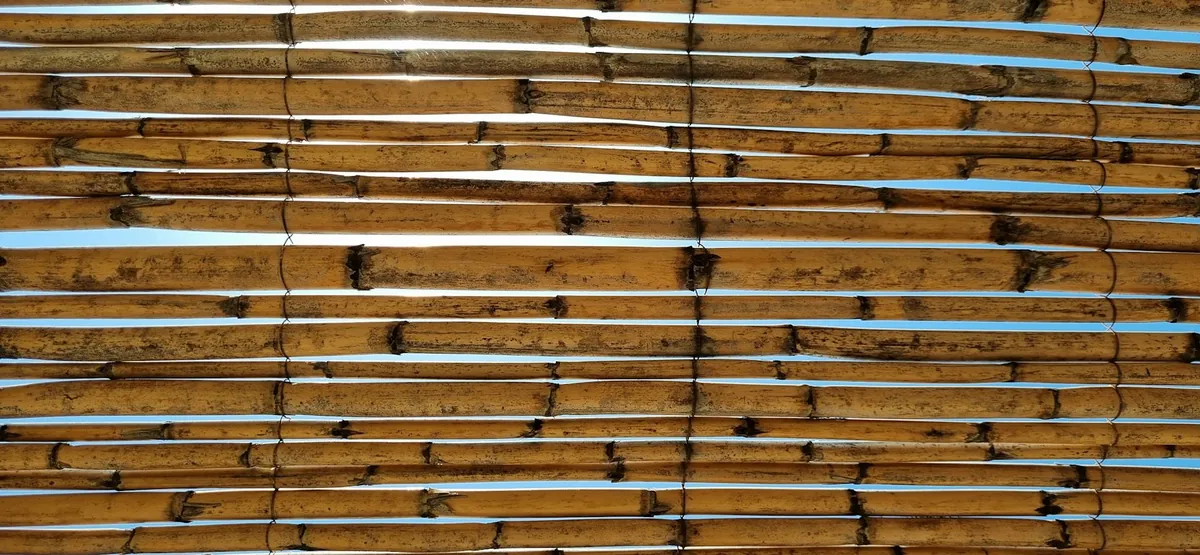
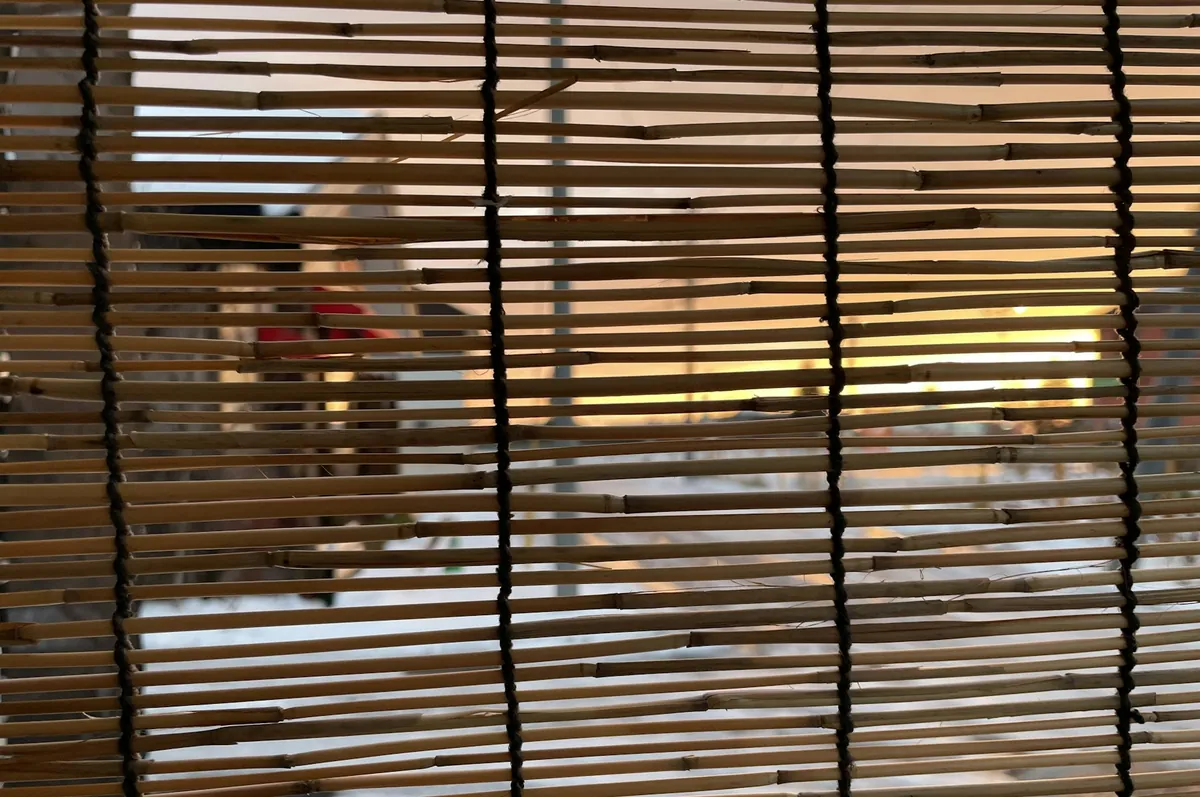
Pale bamboo
A close, light weave that keeps a bright corner room bright. A good match for a cape with white trim and a sunny front window.
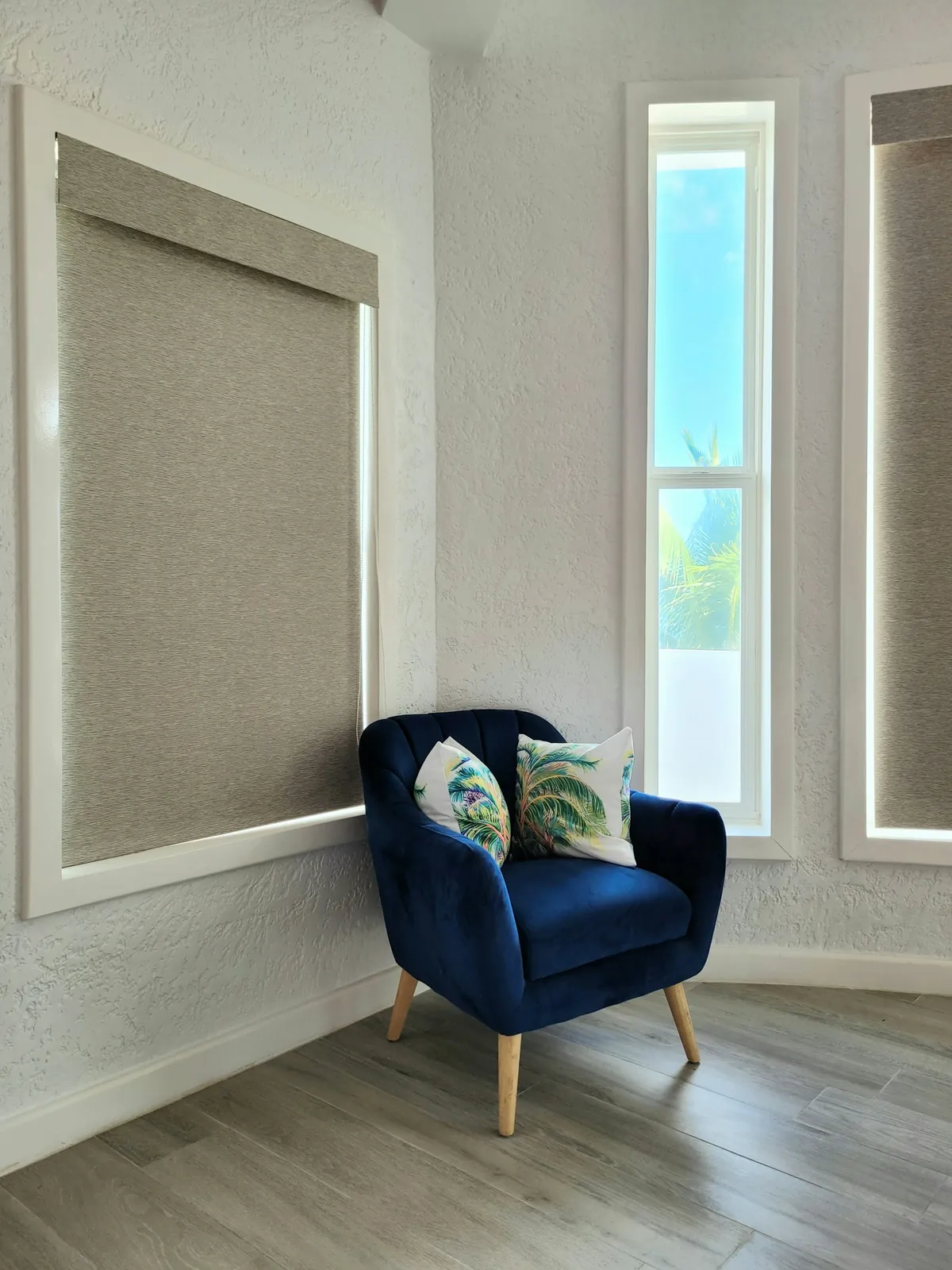
Natural mixed weaves
Woods and grasses with more texture and a warmer tone, for the bigger family rooms of a newer colonial.
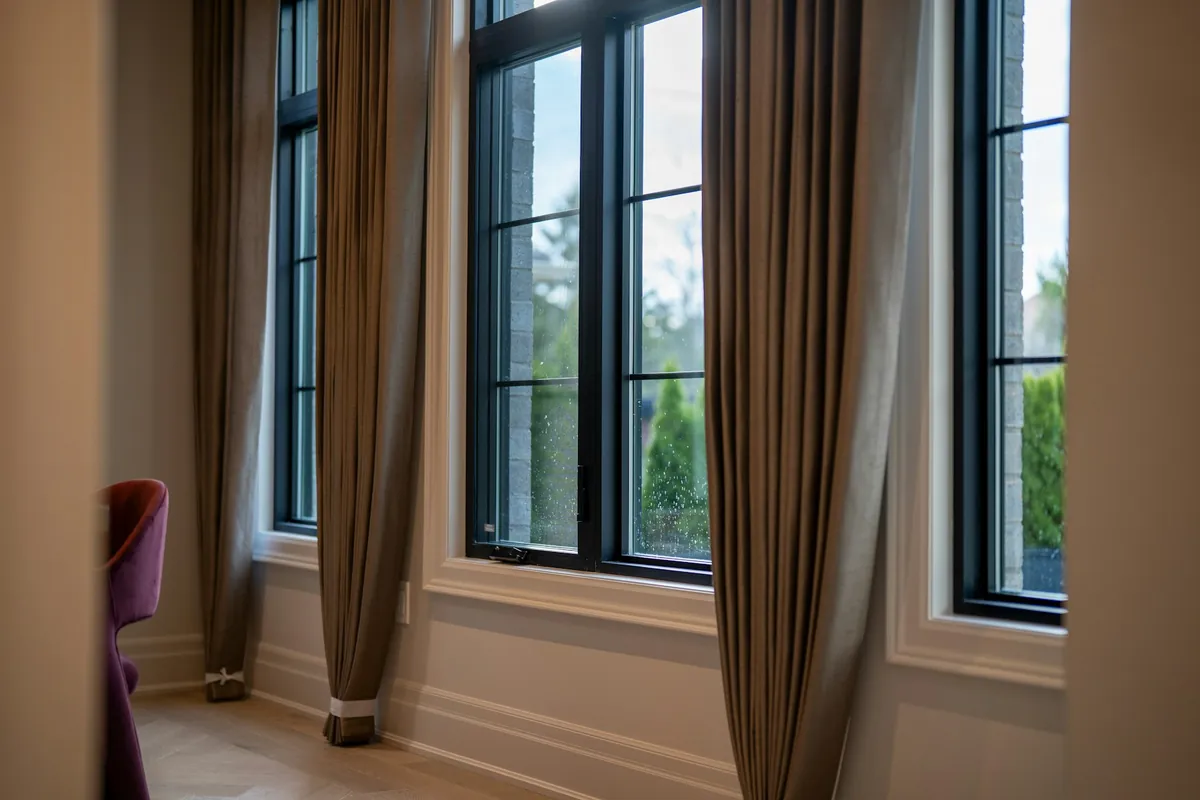
Shades inside drapery
Side panels around a woven shade add softness and an extra layer at night. Window Works makes the drapes too.
Two Windows, Two Kinds of Light
A room lit from two sides is the most pleasant room in a house to sit in, but it is also the easiest to over-treat. If both windows get a heavy shade, the room loses the even light that made it nice. If both get the same open weave, one of them will be too bright at certain hours. Choosing woven wood shades for Berkley, MA rooms usually means deciding window by window, inside one room, how much light each should let in.
Start with the direction each window faces. A south or west window takes the strongest sun, especially in the afternoon, and that is the one where a tighter weave or a light liner earns its place. A north or east window gets gentler light for most of the day, and an open weave there keeps the room from feeling dim when the other shade is lowered. The two shades can share the same material and colour, so the room still looks matched, while the weave density or the liner differs.
Next, think about the hours you use the room. A family room used mostly in the evening needs privacy more than glare control, because the lamps are on and the house is visible from the yard. A kitchen used in the morning needs the east window softened. A home office needs the window behind the screen dimmed while the other window stays open for daylight.
Finally, think about the view. On these open lots, many side windows look across a lawn, a field or a stand of trees, with no neighbour close by. Those windows can often stay unlined, because there is nobody to see in. The front windows facing the road are the ones that usually need a privacy liner for the evenings.
What the light does through a weave
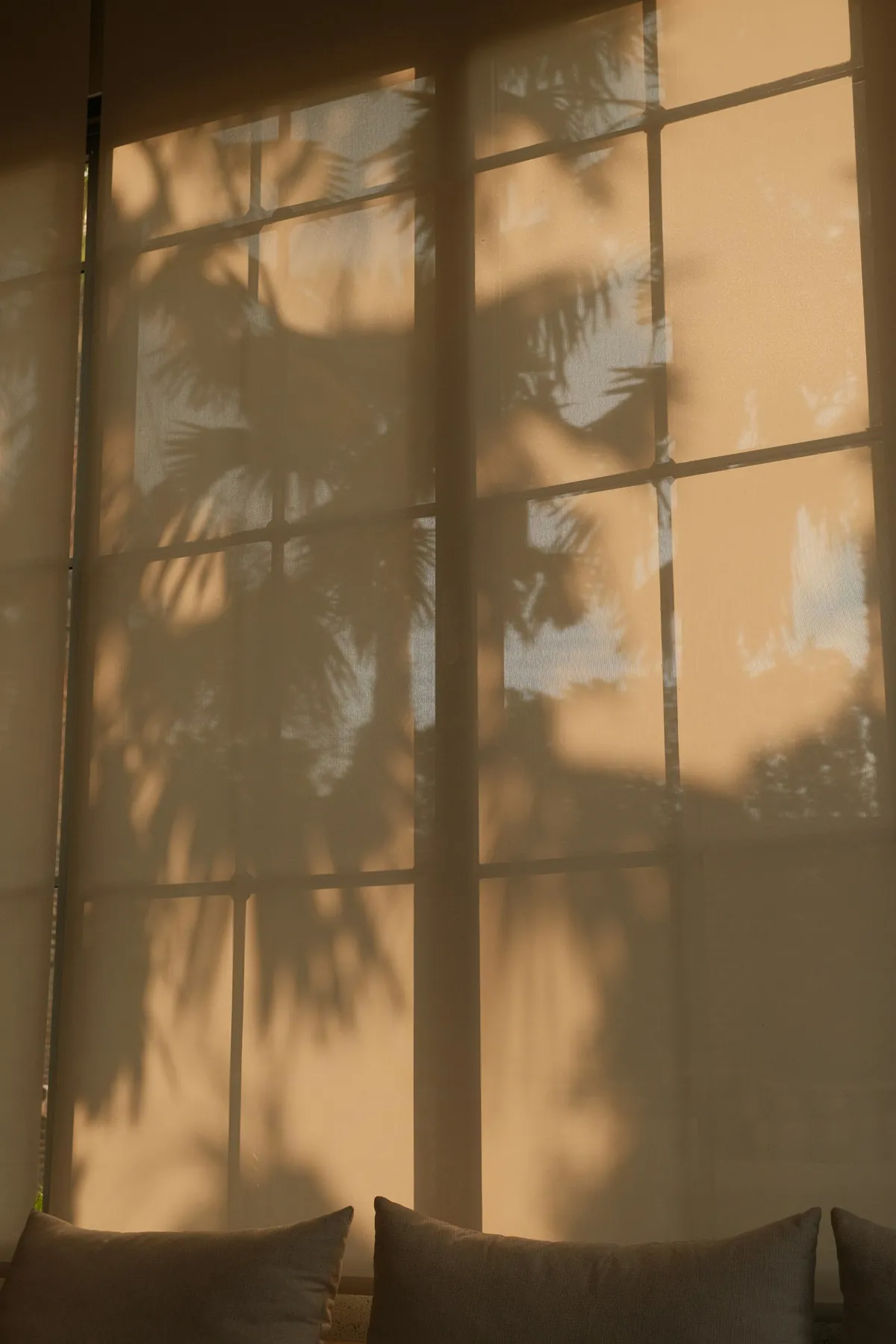
Light does something different through a woven shade than through a smooth fabric. Instead of a flat glow, it comes through the gaps in small points and short lines, so the room takes on a dappled, textured light. In a two-sided room that effect doubles: the late sun through a west window throws a pattern across the floor while the north window gives a steady, soft fill. Many people find that combination is exactly what they wanted when they chose a natural shade.
The looser the weave, the stronger the pattern and the more you see out. The tighter the weave, the softer and more even the light. A liner turns the shade into a solid layer, with the texture showing only on the room side, so the dappled effect goes. That is why we suggest leaving at least one window in a two-sided room unlined where privacy allows, to keep the character of the material.
Capes, Ranches and Newer Colonials
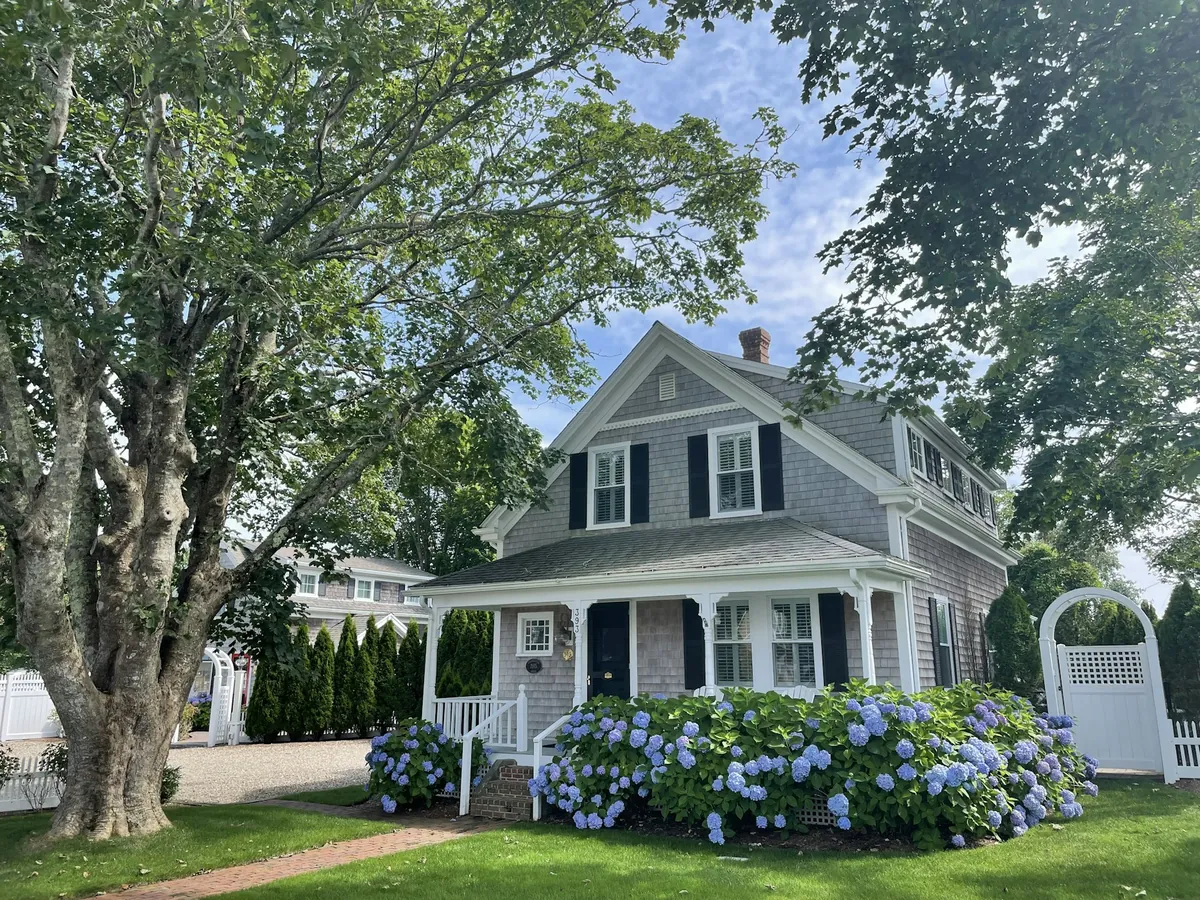
Capes
The capes in town are usually compact, with a living room across the front, bedrooms upstairs under the roof and dormer windows set into the slope. The front windows are modest in size and often repeat across the house, which makes it easy to give them all the same weave so the house looks even from the road. Upstairs, the dormers are small and the wall around them is close, so a fine weave that folds into a slim stack keeps the most glass clear when the shade is raised.
Ranches
A ranch puts every room on one floor, often with a long living room that has a wide window at the front and a second window or a slider at the side or back. The wide front window is a good place for a woven shade, either as one long shade or two matched shades, depending on whether the frame has a centre post and how easy you want it to be to lift. The side window can take the same material in a different weave if it faces a brighter part of the sky.
In a ranch, the bedrooms usually sit close to the ground and close to the yard, so a liner for privacy in the evenings is common there. A room-darkening liner suits a bedroom whose second window faces east.
Newer colonials
The newer colonials off Padelford and Myricks Street tend to have larger rooms, taller windows and family rooms that open off the kitchen, often with windows on two walls and a door to a deck. Here woven shades can give a big room warmth and texture without the weight of full drapes. On a run of windows across the back of the house, each shade is sized to its own frame, so the bottom edges line up across the wall.
A two-storey foyer or a stair landing in a colonial is lit from high windows and seen from both floors. A woven shade there needs to look right from below as well as from the landing, and if it is hard to reach we talk about how it will be raised and lowered.
The door to the deck is the one window in these family rooms that a woven shade may not suit. A shade over a door has to clear the handle and the traffic in and out, and it is raised and lowered far more often than a window shade. We look at each door on its own and will suggest a treatment made for doors where that is the better answer, in a colour that sits with the woven shades on the windows beside it.
Sunrooms and Bright Back Rooms
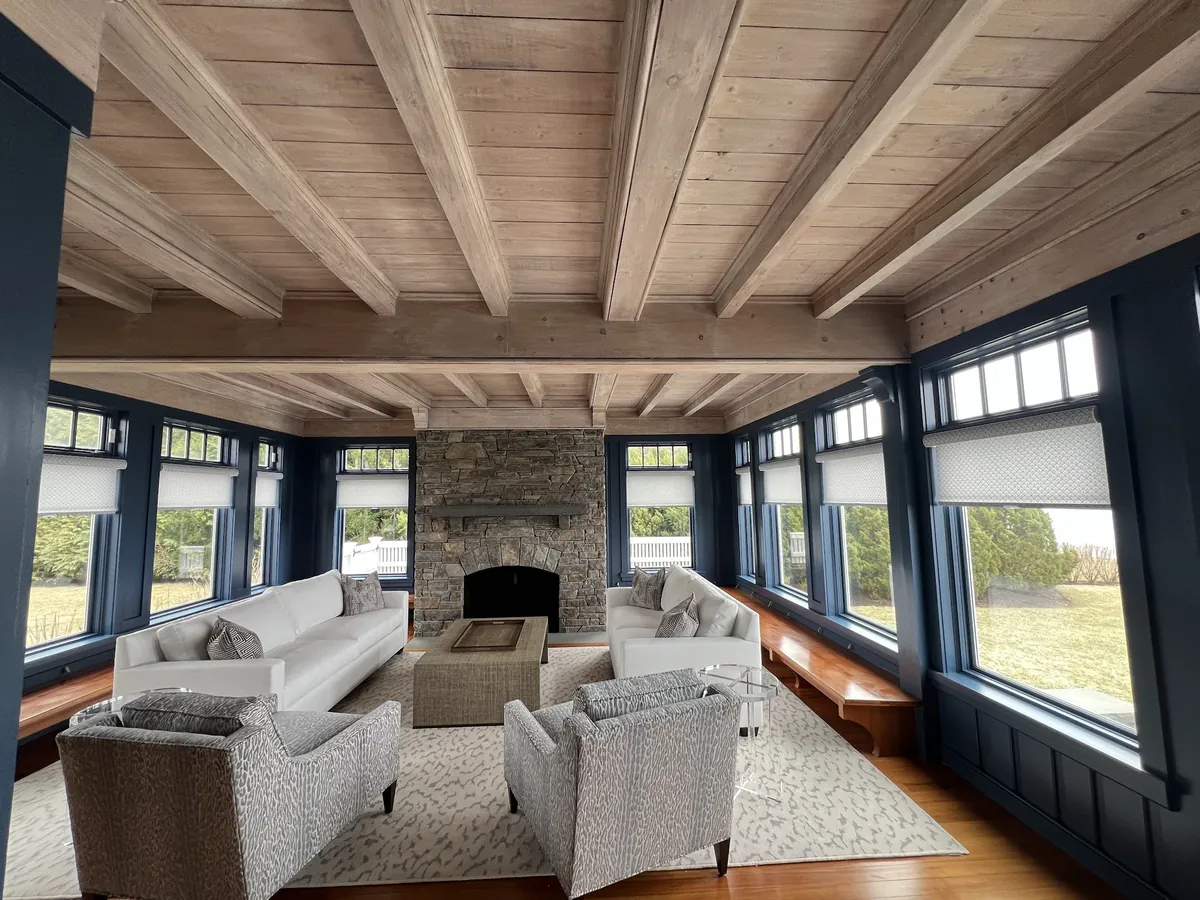
The brightest rooms on a Berkley lot are often the ones added at the back: a sunroom, a three-season porch or a family room with glass on three sides. In those rooms the two-sided problem becomes a three-sided one, and the light swings around the room as the day goes on.
Woven shades bring a relaxed, natural feel to a room like this. Each window is measured on its own so the whole run lines up, and the weave can be chosen per wall: tighter on the side that takes the afternoon sun, more open on the side that looks over the yard. Where a smoother look suits the room better, roller shades are the other option we often show, and we will help you decide between them.
The Assonet Bay edge
The houses near the Assonet Bay shore have rooms that face the water, and water adds glare. On a bright afternoon the light off the bay comes in low and strong, often through the same room’s second window as well. An open woven shade lowered over the water-side glass softens that glare while keeping the shape of the bay in view. If the room is used for reading or a screen, a tighter weave helps more. Natural materials are happiest in dry rooms, so near the water we keep woven shades to living rooms, bedrooms and dry porches, and suggest other materials for anything damp.
How We Plan and Fit the Shades
We stay in touch with you from the first call until the last shade is fitted. For a Berkley house, it usually goes like this.
- Book a free quote through the call button or the form, and mention which rooms you want to cover.
- A specialist comes to the house and measures every window in each room, noting which way each one faces, the frame depth and the space above it for the stack.
- In each room, we suggest a weave and liner for each window so the pair works together, and explain why.
- You compare weaves, colours and liners, either from samples during the conversation or by visiting the Swansea showroom.
- You receive a quote with each window listed.
- Your shades are made to the measurements taken in your home.
- Our team installs them and makes sure each one lifts, lowers and lines up with its neighbour.
Liners, window by window
A liner is a layer of fabric sewn to the back of the weave, and it is the simplest way to tune one window in a two-sided room without changing the look from inside. There are three broad choices.
With no liner, the shade filters the light, shows its texture from both sides and lets you see out. It is the brightest option and the one that shows off the material best. Its one weakness is the evening: with the lamps on, shapes in the room show through to anyone outside.
A privacy liner keeps the room screened at night while still letting soft light through by day. From the room it looks the same as an unlined shade. From outside it reads as a plain, even panel. This is the usual choice for front windows facing the road.
A room-darkening liner blocks much more light and is meant for bedrooms. In a bedroom lit from two sides, it is often enough to line only the window that faces east, where the early sun comes in, and leave the other one with a lighter liner or none.
Because the liner sits behind the weave, it also takes some of the direct sun off the natural material, which helps a shade on the brightest window keep its colour. We will hold each liner behind the weave you like, so you can see how much each one stops before you decide.
Lifting, stacking and the top of the shade
A woven shade gathers into a stack as it rises, and that stack is deeper than on most smooth fabrics. On a tall window in a colonial it hardly matters. On a short cape window or a dormer it can cover a good share of the glass. Where there is wall above the frame, we mount the shade higher so it clears the window when raised. Where there is not, a finer weave folds smaller.
In a corner room, it helps to set both shades so they stop at the same height when raised and hang at the same line when lowered. That small detail is what makes two different windows look like a pair. We also note which side each control should sit on, so neither one ends up behind a sofa or a lamp. A matching valance made from the same weave can finish the top of the shade on a window without drapes.
One room first
Many people start with the room that bothers them most, often the bright back room or the living room with the sunny side window, and add other rooms later in the same material. We keep a note of the weave, colour and liner chosen, so when you come back for the next room, your woven wood shades in Berkley, MA rooms still match from one end of the house to the other.
This also works well when a room changes use. A spare bedroom that becomes a home office may need its sunny window dimmed for a screen, while the second window stays open. Adding a liner or swapping one shade for a tighter weave is a small order, and because the material matches, the room still looks finished.
Colour across a whole house
Natural materials vary slat to slat, which gives a woven shade its soft, uneven tone. Pale bamboo and light grasses keep a room airy. Mid browns sit well with wood floors and furniture. Darker weaves suit a den or a study. In a two-sided room, the same colour can look lighter on the sunny window and darker on the shaded one, which is normal and part of the look. If you are doing several rooms, choosing one material for the whole ground floor, with liners only where needed, keeps the house calm from outside. For other treatments in town, see our Berkley window treatments page.
Looking after them
A woven shade needs only a gentle dusting with a soft brush or a vacuum on its brush setting now and then. Spot clean with care and keep it dry. If the lift on a shade you already own stops working evenly, our team can often repair it.
Window Works, in Swansea Since 1988
Window Works is a family store in Swansea, founded in 1988 and now in its second generation. For over 37 years our team of specialists has been measuring and fitting windows across the SouthCoast of Massachusetts and the Rhode Island East Bay, and Berkley is a short drive away.
- We measure in your home, so every shade fits its own frame
- Our own team does the installation
- We stay in touch until the job is done
- Warranties are offered on what we sell
The showroom is the best place to see woven wood shades for your Berkley, MA house before you choose, with the weaves and liners laid out to compare, and the Norman range on show as well. The main woven wood shades page explains the materials further.
Questions from Berkley
Should both windows in a corner room get the same shade?
The same material and colour, usually yes, so the room looks matched. The weave or liner can differ, with more protection on the sunnier window.
Do the side windows need a liner?
Often not. On an open lot with no near neighbour, a side window can stay unlined. The road-facing windows are where a privacy liner matters after dark.
What suits a ranch’s wide front window?
One long shade or two matched shades, depending on the frame and how easy you want it to lift. We decide when we see the window.
Can I use woven shades near the Assonet Bay shore?
Yes, in dry rooms. An open weave softens glare off the water and keeps the view. Damp rooms are better with another material.
How do I start?
Book a free quote through the call button or the form, and we will arrange measuring in your home.
Book Your Free Quote
A free quote is the first step toward woven wood shades in Berkley, MA. Use the call button to book it, arrange measuring in your home or ask about installation, or send the form and the Swansea store will come back to you. To compare the weaves in person first, the contact page has directions to the showroom. Window Works holds a 5.0 rating on Google.