
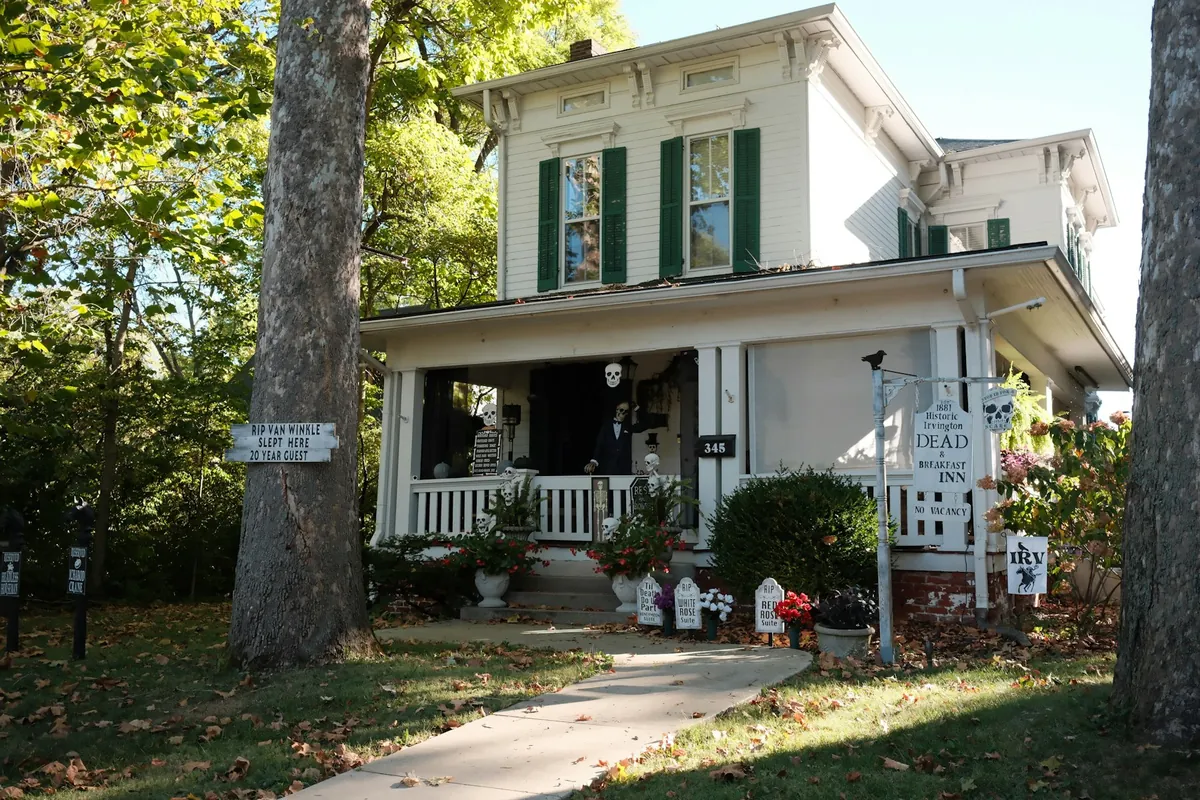
High Ceilings, Tall Glass and a Natural Weave
Downtown Taunton is built upright. The Victorians and triple-deckers around the Green and through Weir Village have high ceilings and tall, narrow windows, and a window of that shape shows off a natural weave better than almost any other. That is the starting point for woven wood shades in Taunton, MA: a long drop of bamboo or woven wood lets the texture run from the top of the frame nearly to the floor, and the light comes through it soft and warm.
The rest of the city asks for something different. The mid-century ranches across East Taunton have lower ceilings and a broad front window. The larger colonials off Bay Street are newer, with wider rooms and more glass. Each of those houses is measured window by window, so the shade suits the frame it hangs in rather than an average size.
- Woven wood and bamboo, with or without a fabric liner
- Every window measured in your home, every shade installed by our team
- Weaves and liners to handle in the Swansea showroom
Ways to Dress a Taunton Window in Woven Wood
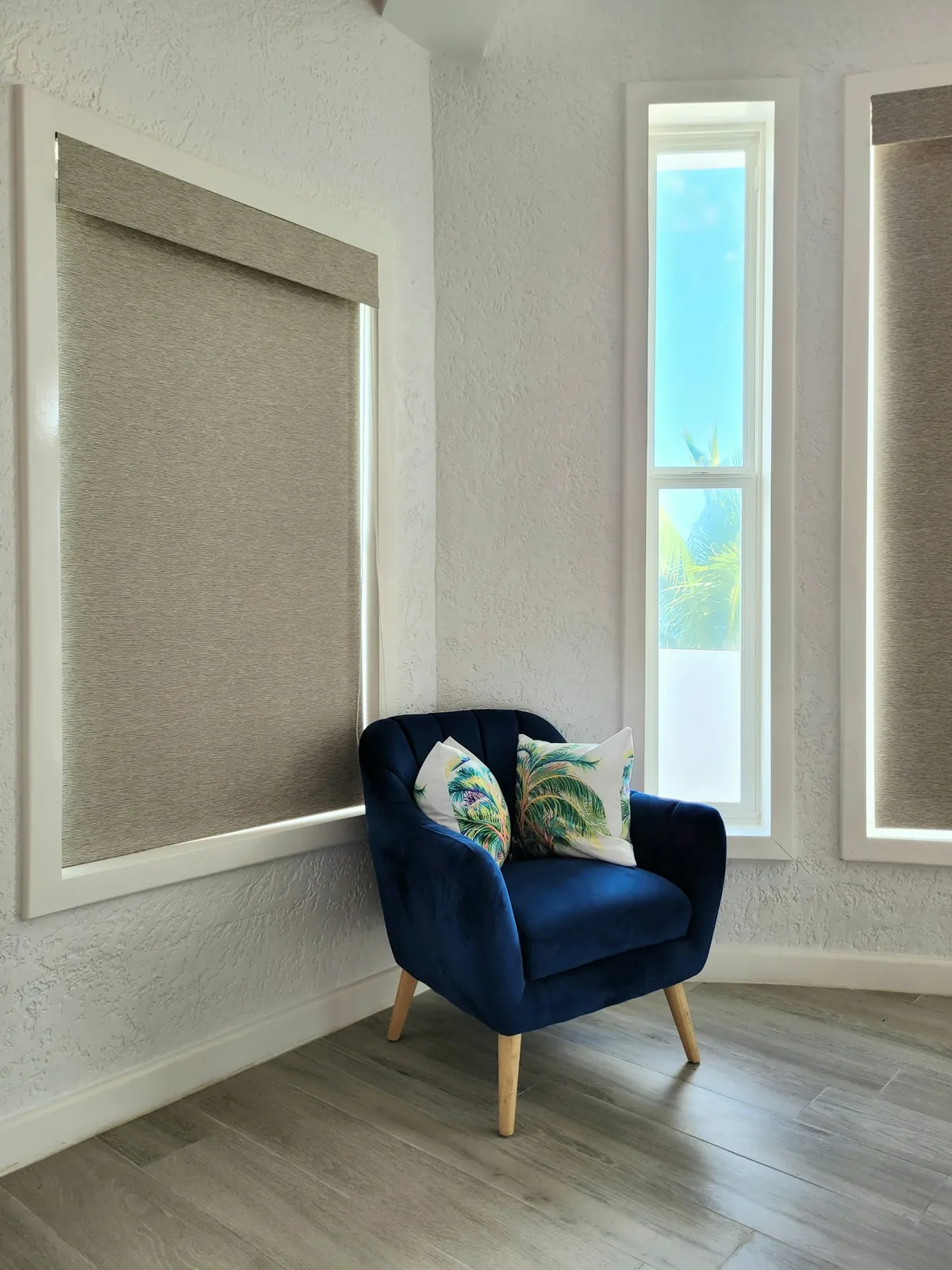
A long drop for tall sash
Made to the full height of a Victorian window, so the weave reads as one piece from the head of the frame down.
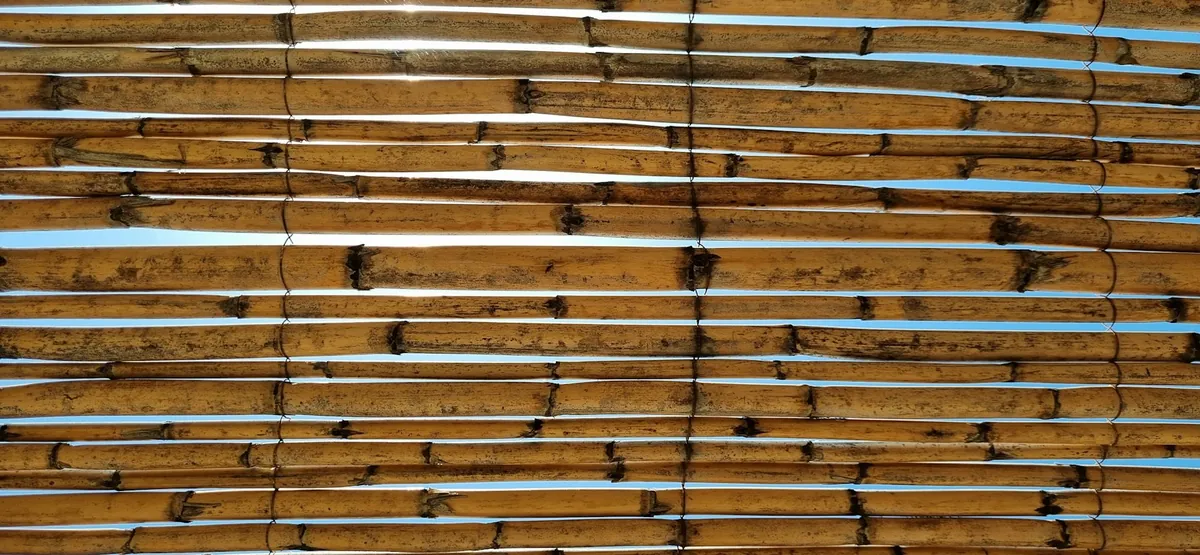
Fine bamboo
Slim slats laid close together for an even texture and a calm, filtered glow in a parlour or a den.
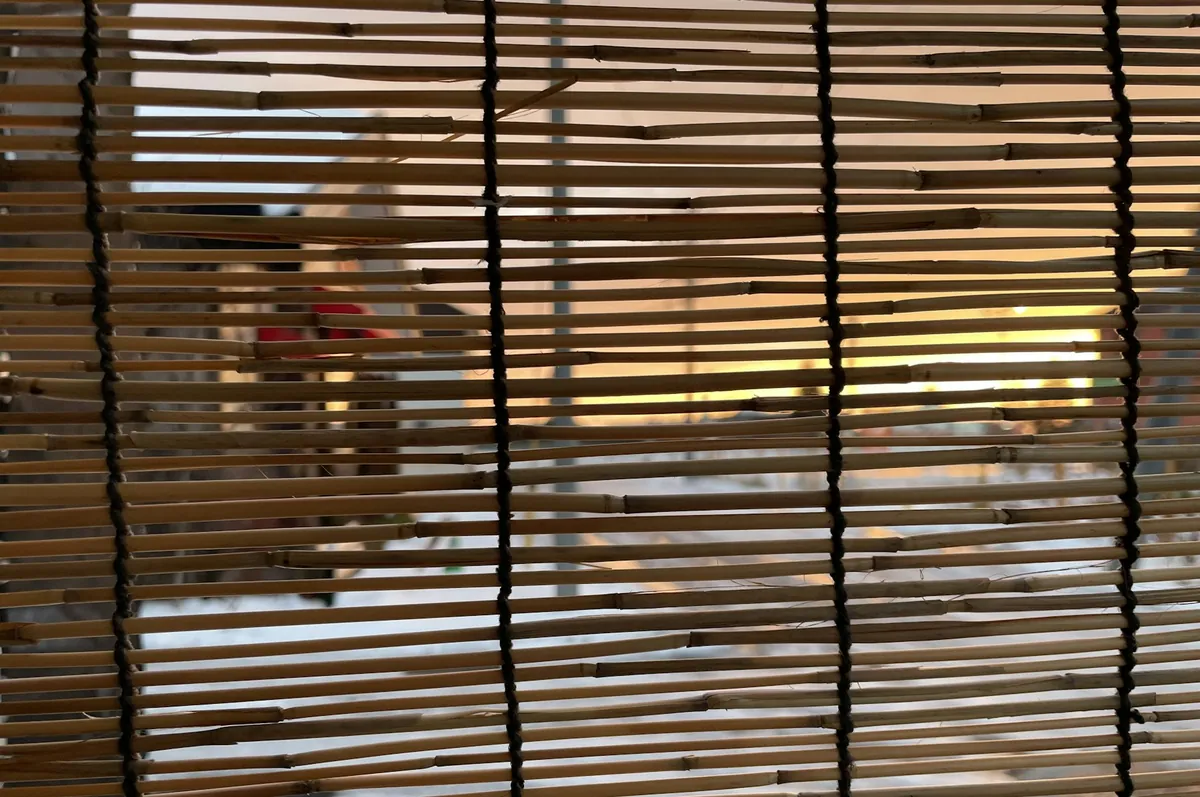
An open weave
Looser strands that keep the street or the yard in soft focus and let plenty of daylight through.
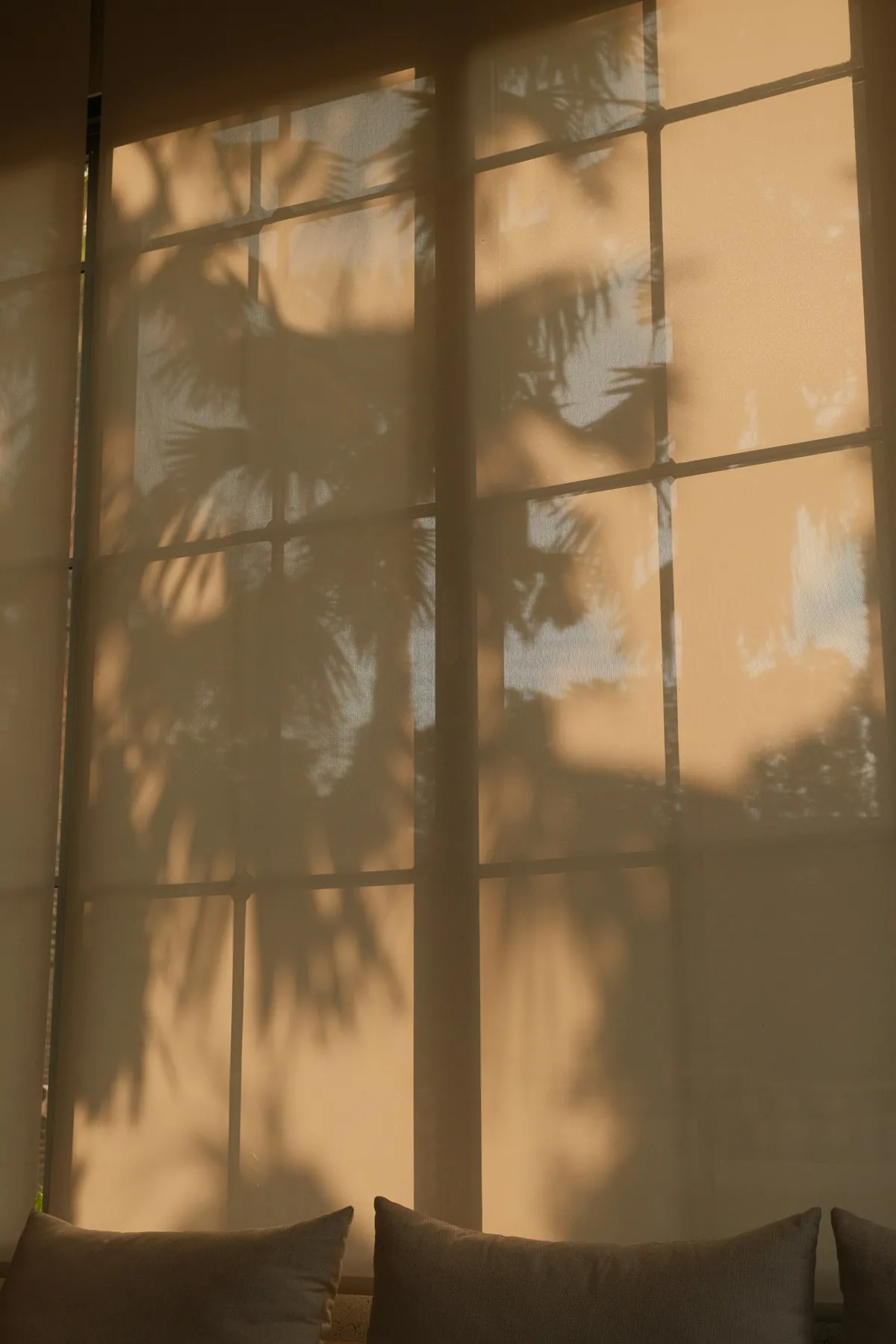
Privacy lining
A fabric layer on the back that keeps a front room screened after dark, with the weave still showing.
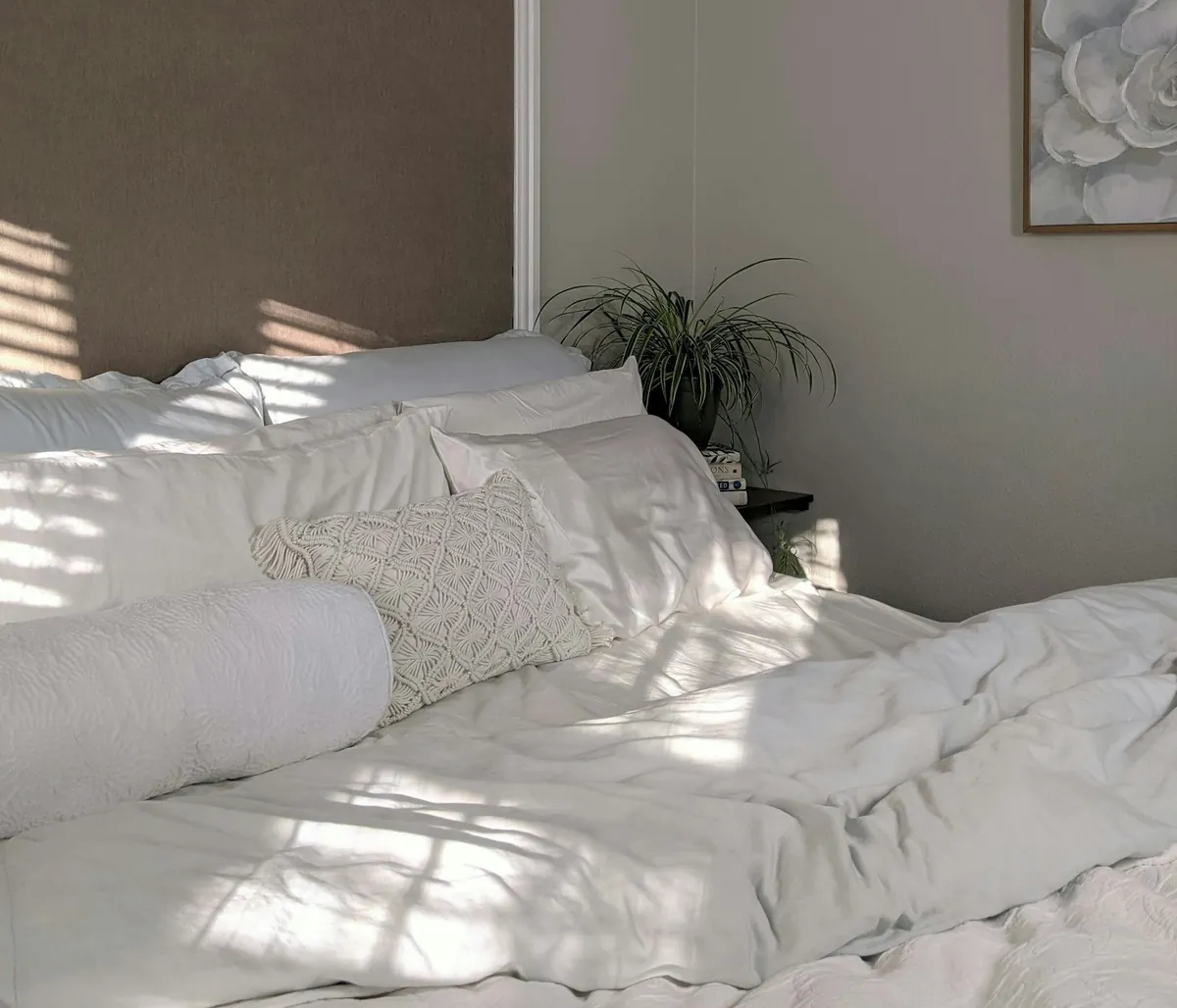
Darkening lining
A heavier backing for a bedroom, so the early sun through a tall window stays outside.
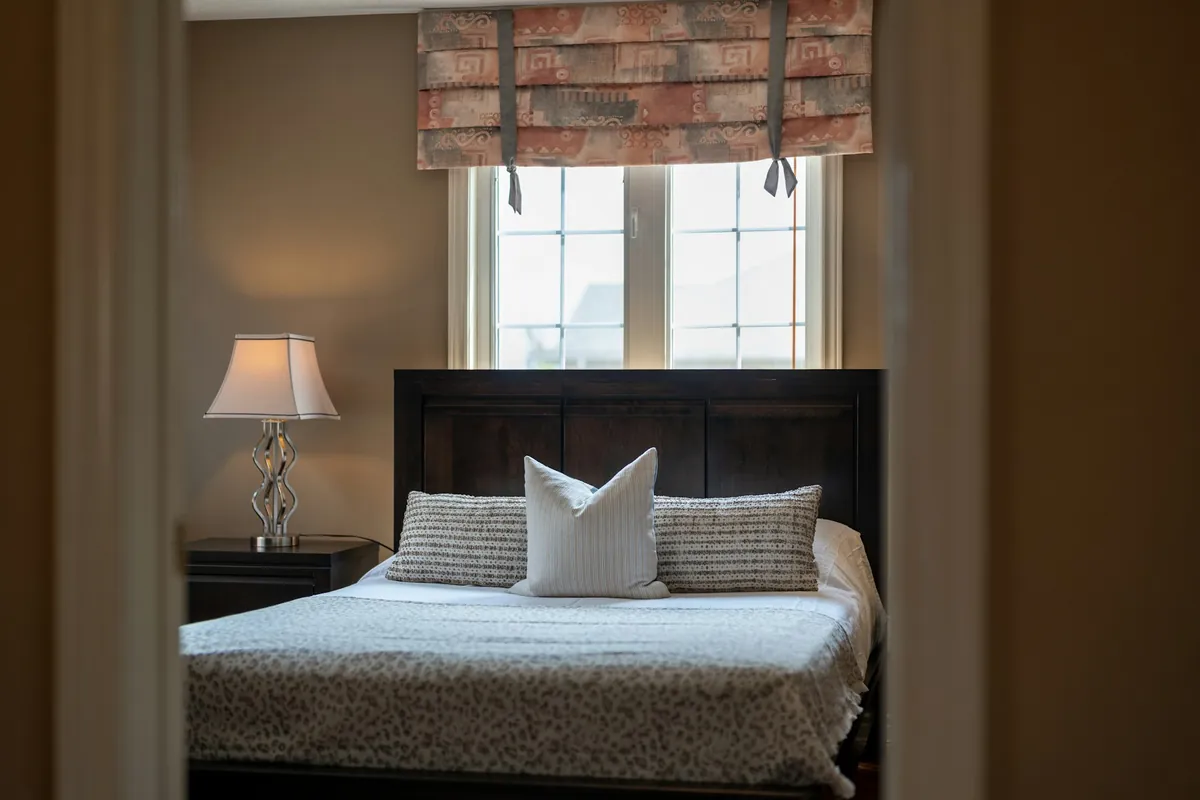
A valance at the top
A matching strip across the head of the shade that hides the headrail on a window with no drapes.
Getting Woven Wood Shades in Taunton, MA Right for Each House
The order we usually follow for woven wood shades in Taunton, MA is weave first, liner second, then mount and lift. Weave decides the character of the light. The liner decides what happens after dark. Mount and lift decide how the shade sits on a particular frame, and in Taunton those frames vary a great deal from one part of the city to the next.
What happens to light in a room with a high ceiling
A tall window in a high room lets light travel a long way across the floor and up the opposite wall. Through an open weave that light breaks into a fine, shifting pattern of bright and shadow. Through a tight weave it arrives as an even, honey coloured wash. Neither is better. A Victorian parlour that faces the street often suits the tighter weave, because it keeps passers by from seeing in during the day. A back sitting room over a garden can take the open weave and enjoy the pattern.
Colour changes the light too. Pale bamboo lets the room stay bright and cool. A mid brown wood warms it noticeably. A dark weave gives a deep, amber light that suits a study or a dining room used mostly in the evening.
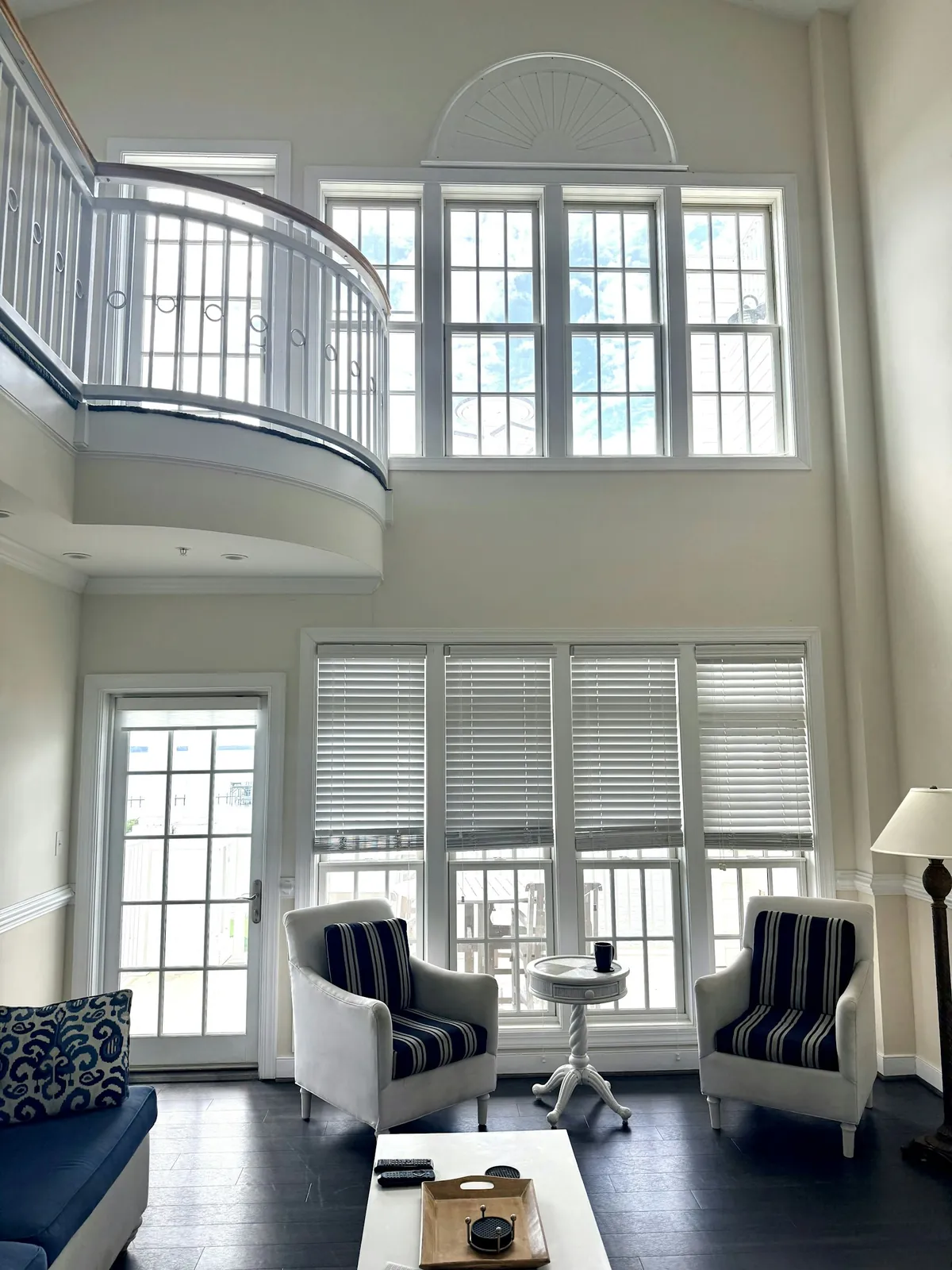
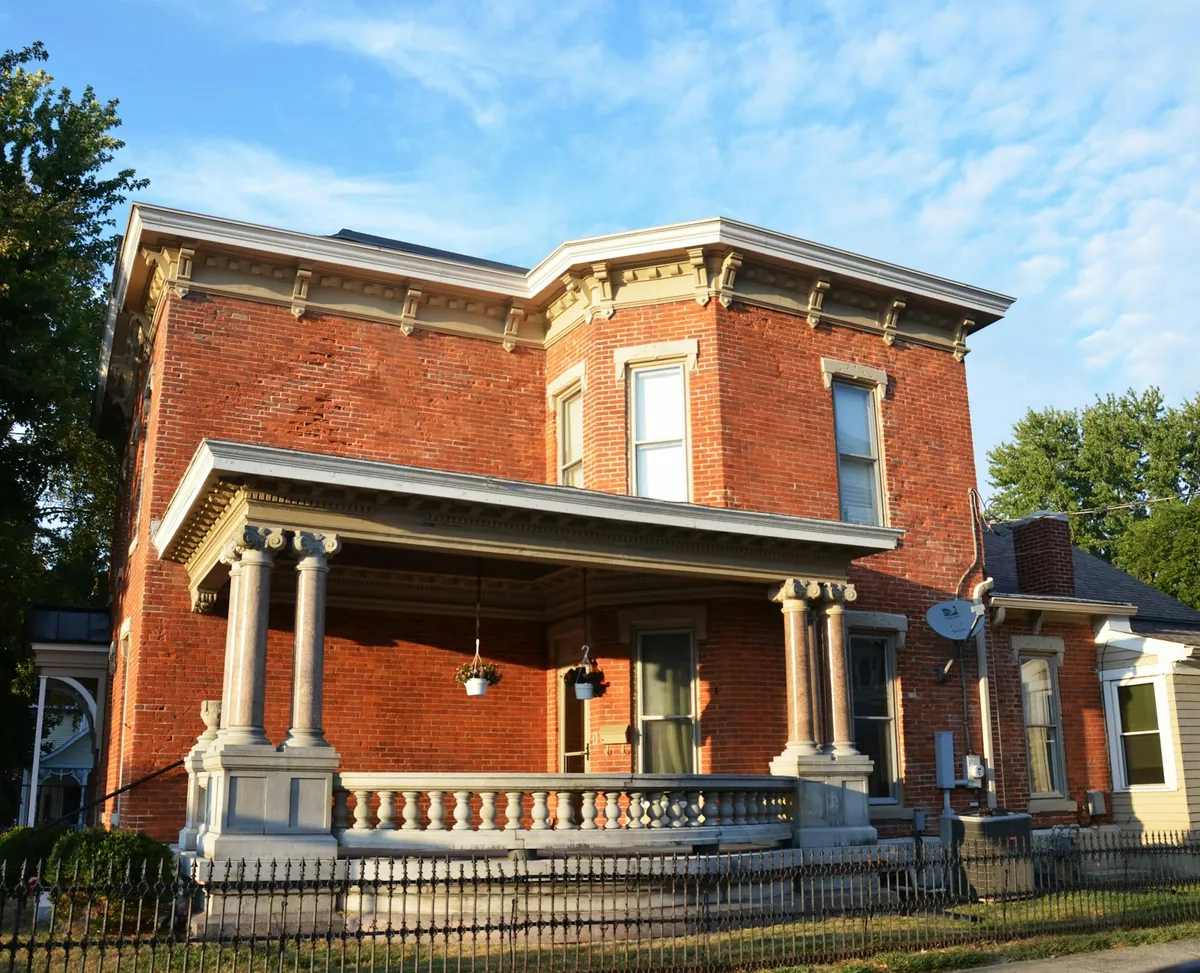
Victorians and triple-deckers near the Green
These houses have the tallest windows in the city, and the deep original trim around them is worth keeping in view. Where the frame has the depth, an inside mount sets the shade within the trim so the woodwork stays on show. Where it does not, we mount just above and size the headrail to the trim’s width so it looks deliberate.
The stack matters on a tall window less than on a short one, because the folded shade sits in the top band of glass that is often above eye level anyway. That is one reason woven shades suit these rooms. On the upper floors of a triple-decker, where each flat may have its own front room and bedrooms, matching weaves on the street side keep the building looking even from outside while each room inside chooses its own liner.
Old frames are rarely square. We measure the width at the top, middle and bottom of every window, and the height on both sides, so the shade is made to the narrowest point and hangs straight.
Folding or rolling
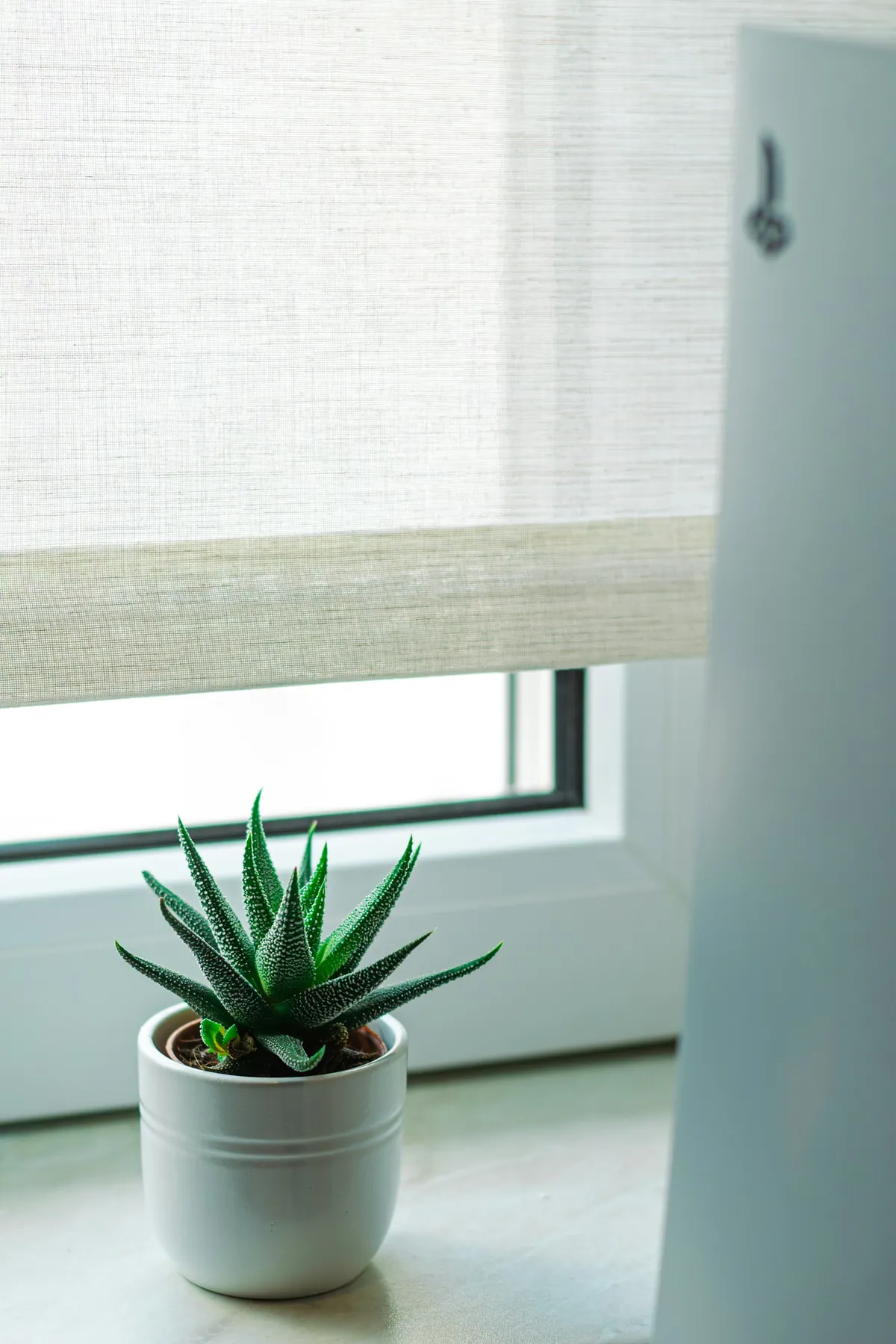
Woven shades lift in one of two ways. A folding shade gathers into soft, flat pleats as it rises, much like a Roman shade, and the pleats stay on view as part of the look. A rolling shade wraps around a tube at the top and tends to give a slimmer stack. On a tall Victorian window either can work, and the choice usually comes down to how tidy you want the top of the window to look when the shade is up and how often it will be raised.
Height to reach matters on the tallest sash. A shade on a window that starts well above the floor needs its cord or lift on the side you can get to easily, clear of a radiator or a piece of furniture. We note that at each window when we measure, so it is not left to chance.
Third floors and rear porches
The top flat of a triple-decker often has the brightest rooms in the building, with sun on the glass for much of the day and no trees to soften it. A tight weave in a pale tone takes the edge off that light without making the room feel dim, and a privacy liner keeps the rooms screened from the houses across the street, which on a narrow lot can be at the same height. Where a flat opens onto an enclosed rear porch, a row of matching woven shades on the porch windows gives a relaxed, natural texture and filters the afternoon sun.
Weir Village rooms and the street
The houses through Weir Village sit close to the road and close to each other. A front room here needs to stay private by day without feeling closed in. A tight weave does that well in daylight, but an unlined woven shade shows silhouettes once the lamps go on. For a front room used in the evening, a privacy liner is usually the answer, and it still lets the room glow softly from outside. Side windows facing a neighbour a few feet away can take the same liner, while rear rooms are often fine unlined.
East Taunton ranches
The mid-century ranches across East Taunton are simpler shapes with a lower ceiling, a wide living room window and a run of standard bedroom windows. Here the stack is the thing to plan for. A woven shade folds into a fairly deep bundle at the top, and on a ranch window that bundle can sit right across the view. Mounting the shade on the wall above the frame lifts the stack clear of the glass when the shade is raised.
The wide front window may be one opening or two or three windows grouped together. One long shade gives a clean line, but it is heavier to lift. Two or three shades side by side, one per section, are easier to use and let you raise one while keeping another down. We look at the mullions and decide with you.
Ranch bedrooms sit close to the ground and often face the street or a neighbour’s yard, so they want privacy at night and a darker room in the morning. A woven shade with a darkening liner covers both, and it keeps the same natural face as the living room shades, so the front of the house still looks of a piece.
How a Taunton Order Comes Together
We stay in touch with you throughout, from the first call until the last shade is hanging.
- Use the call button or the form and tell us which rooms you have in mind. We book your free quote.
- A specialist visits for measuring in your home, takes several measurements at each window and checks the depth for an inside mount and the wall space above for the stack.
- We talk through weave, colour and liner for each room, and you can come to the Swansea showroom to see the full range in daylight.
- Your quote lists each window and what is being made for it.
- The shades are made to those measurements.
- Our installers hang every shade, check that it raises and lowers evenly and show you how to work it.

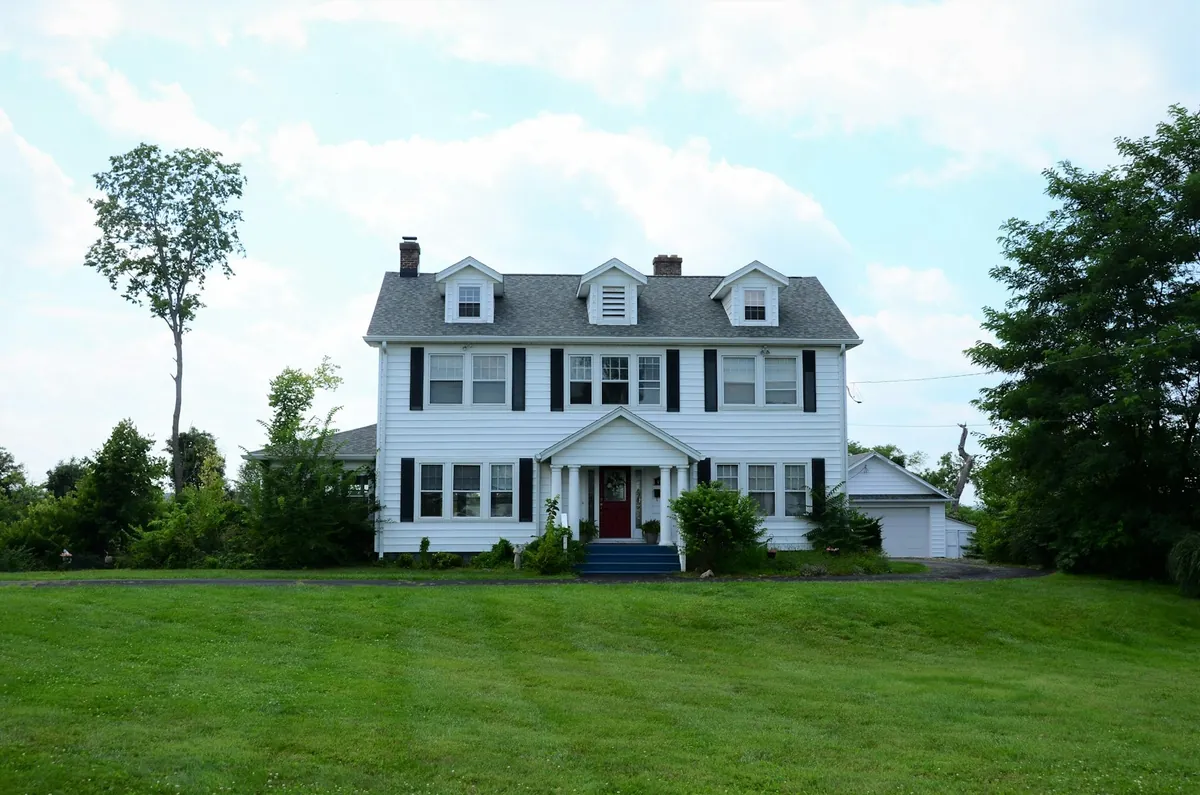
Newer colonials off Bay Street
The larger colonials off Bay Street have wider rooms, family rooms with more glass and often a sliding door to a deck. Woven shades suit their main rooms well, and a family room with three or four windows in a row looks good with matching shades lowered to the same line.
A sliding door is a different matter. A woven shade on a wide door is heavy and has to be raised fully every time someone walks through. For that opening we usually suggest a vertical blind or a panel track instead, and keep the woven shades for the windows beside it. The two can be chosen in colours that sit well together.
These houses also tend to have a two-storey entry or a stair window. Those are seen from two floors, so a tight weave in a neutral tone usually works from both sides.
Choosing a liner, room by room
A liner is the decision people most often wish they had thought about sooner, so we go through it window by window.
- No liner. The weave shows from both sides and the light is at its most natural. Best for rooms you use in daylight, porches and windows that face the yard.
- Privacy liner. Screens the room at night while still letting light through by day. Right for living rooms and dining rooms that face the street.
- Darkening liner. Cuts much more light for bedrooms and anyone who sleeps late. The weave still shows on the room side.
The same weave can carry a different liner in each room, so a house can look consistent from the street while each room works the way it is used.
Colour against old woodwork
Many downtown houses keep stained or painted original trim, and a woven shade sits right against it. With dark stained trim, a mid or dark weave looks settled and continuous with the wood. With white painted trim, pale bamboo or a light grass keeps the window crisp. Floors count as well, because in a high-ceilinged room the light through the shade lands on them for much of the afternoon. Natural strands vary slat to slat, so every shade has a gentle, uneven tone, so at the showroom we always suggest holding a sample up to the daylight before deciding.
Woven shades with drapes in a tall room
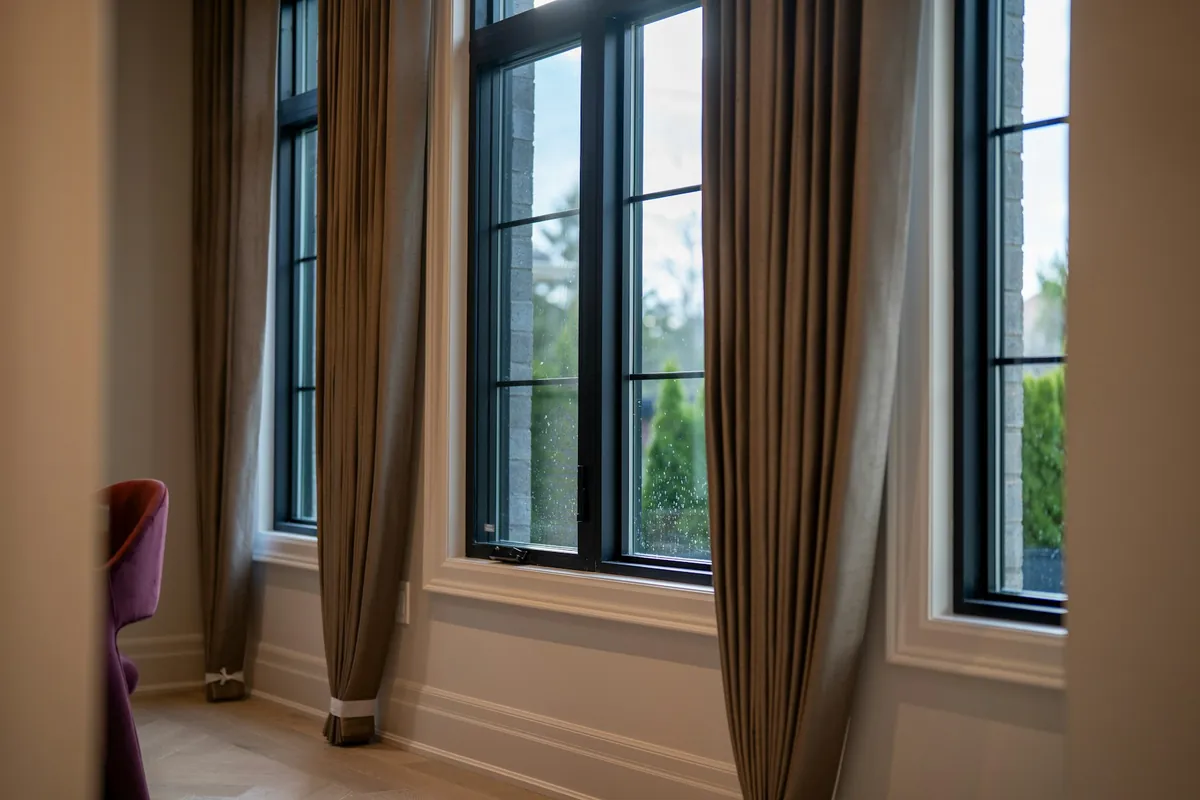
High ceilings can make a single shade look small on a big wall. Side drapes hung from a rod set close to the ceiling make the window look taller still and frame the weave with colour. The shade does the daily work of light and privacy, and the drapes add softness and can be drawn on a cold night. We make both, so they can be measured on the same visit. See our custom drapes in Taunton page for the fabric side.
One house, several rooms
Few Taunton orders are a single window. In a colonial off Bay Street the front windows are seen together from the road, so they usually share a weave and colour even when the rooms behind them need different liners. In a downtown Victorian, the parlour, dining room and front bedroom often line up on the street side in the same way. Rooms at the back, out of sight of the road, are free to go their own way, perhaps an open weave in a sunny kitchen corner and a darkening liner in a bedroom over the yard.
You do not have to do every room at once either. Many orders start with the two or three windows that bother you most, and the rest follow later in the same weave, measured and made to match.
Where woven shades are not the answer
Natural materials do not like steam or splashes. A bathroom with a shower or the window right behind a kitchen sink is better with a faux wood blind or a roller shade. We will say so when we measure. The city’s other window treatments are on our Taunton window treatments page, and every weave and liner we offer is on the main woven wood shades page.
Keeping woven shades looking right
Run a soft brush or a vacuum with a brush head down the shade every few weeks to lift dust out of the weave. Blot a mark gently rather than rubbing, and keep the shade dry. If a cord frays or a lift sticks on a shade you already own, call us, because it is often something our team can repair.
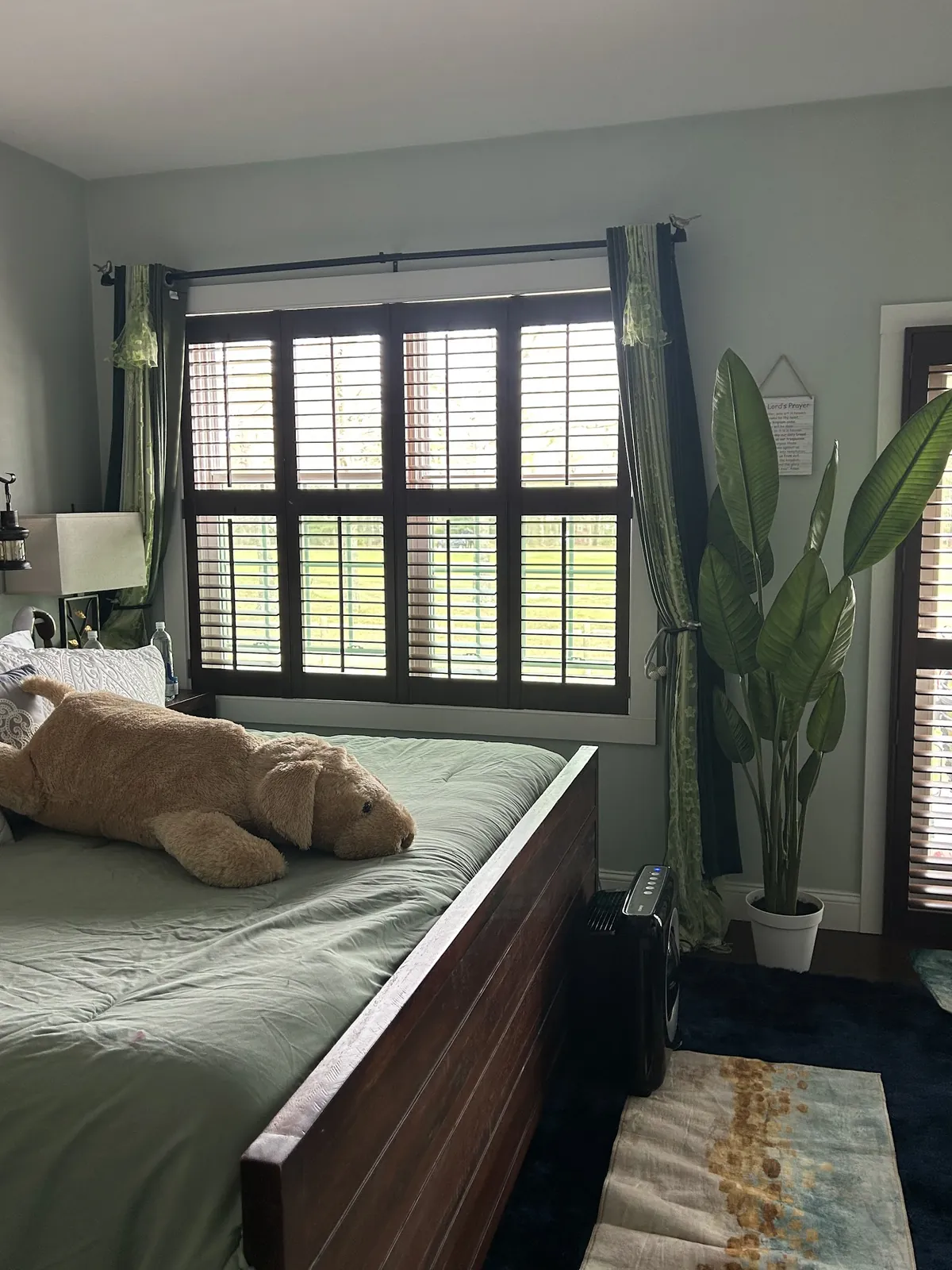
What Sets Window Works Apart
Window Works opened in Swansea in 1988 and is run today by the second generation of the family. Taunton is a short drive up the road, and we have been measuring and fitting windows across the SouthCoast and the East Bay for over 37 years.
- Window treatment specialists who measure every opening themselves
- Installation by our own team, not a delivery service
- We keep in contact with you until the job is finished
- Warranties offered on the products we sell
- A showroom with the full range of weaves to see in person
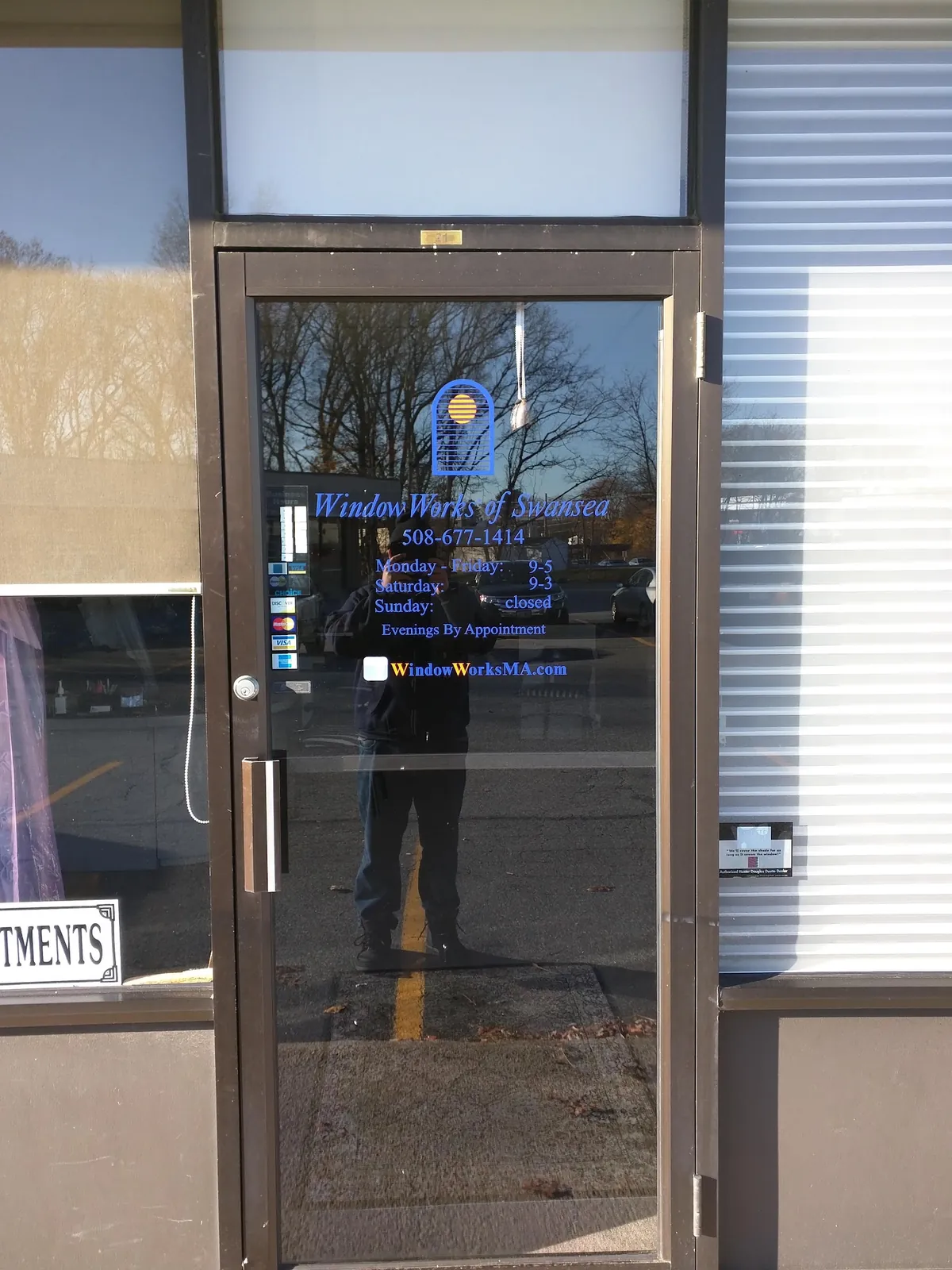
See the Weaves Before You Decide
A weave looks different on a screen than it does in your hand. At the Swansea showroom you can hold bamboo and woven wood up to daylight, see how each liner changes the light, and compare colours against a paint chip or a photo of your room. Our specialists can help you narrow it down for woven wood shades in Taunton, MA before we come out to measure.
The showroom carries other shades, blinds, shutters and drapes as well, including the Norman range, so you can compare the woven look with other options for rooms where it may not fit.
Questions from Taunton
Will a woven shade suit the tall windows in an older downtown house?
Yes, tall windows are one of the best places for them. The shade is made to the full height, and the stack sits high on the glass when it is raised.
My ranch window is short. Will the shade block it when raised?
It can, which is why we often mount it on the wall above the frame. That lets the folded shade sit above the glass rather than across it.
Can the front rooms be private at night with a woven shade?
Add a privacy liner. Without one, an unlined shade shows shapes when the lights are on inside.
Do you put woven shades on sliding doors?
We usually recommend vertical blinds or a panel track for a slider and woven shades for the windows around it.
How do I get started?
Book a free quote with the call button or the form, and we will arrange to measure.
Book a Free Quote for Your Taunton Home
When you are ready, use the call button to talk to the Swansea store, book a free quote and arrange measuring in your home, or ask about installation. You can also send the form on this page. If you would like to handle the weaves first, the contact page has directions to the showroom. Window Works holds a 5.0 rating on Google, and we look forward to helping with woven wood shades in Taunton, MA.