
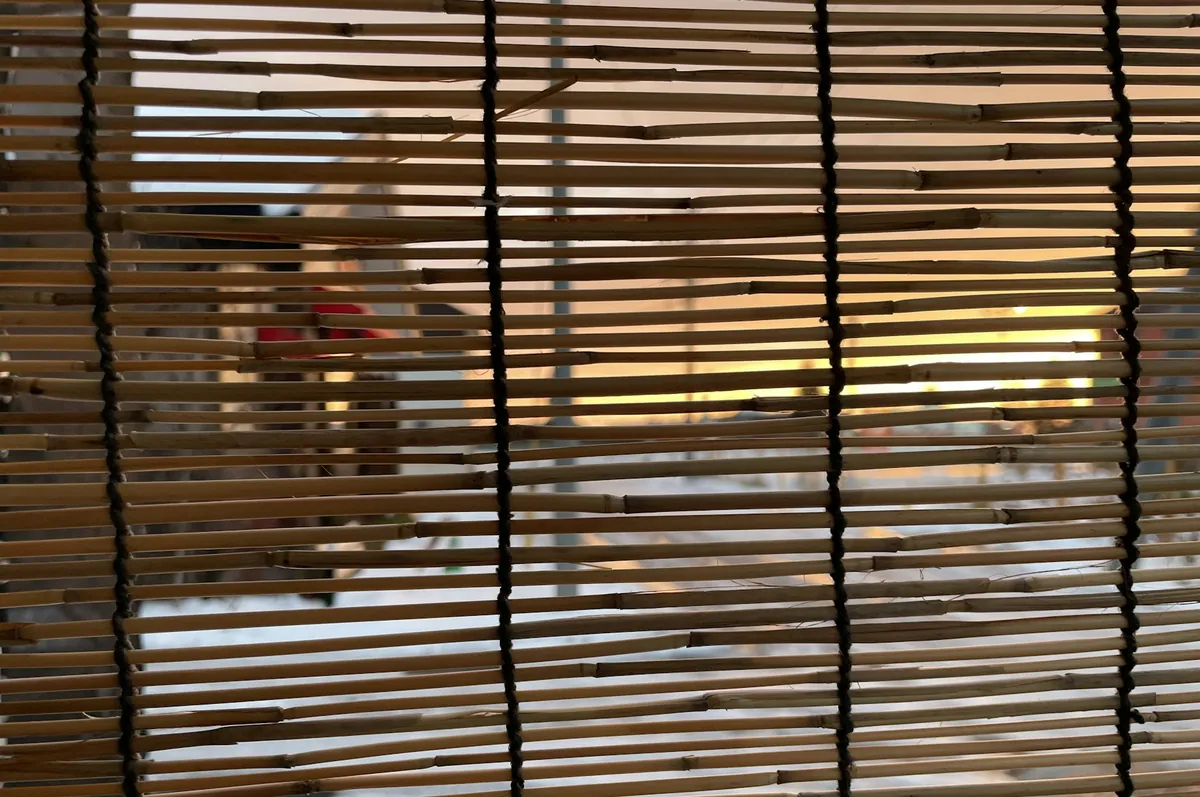
A Bright Side and a Shaded Side
Portsmouth is an island town with water on both sides, and many of its houses turn one face to a bay view and the sun and the other inland, into shade. That split is the heart of choosing woven wood shades in Portsmouth, RI. Windows on the bright side want the glare softened without losing the water. Windows on the shaded side want privacy after dark without making a dim room dimmer.
A natural weave can do both jobs, because one material can be made tight or open, lined or left plain. The cottages at Island Park and Common Fence Point, the newer colonials off East Main Road and the larger houses elsewhere on the island each balance their two sides differently, and every window is planned around that.
- Natural weaves in bamboo, reed and wood, lined or left open
- Every window sized on site, water side and land side alike
- Fitted by our installers, with the weaves on display in Swansea
Choices for an Island House
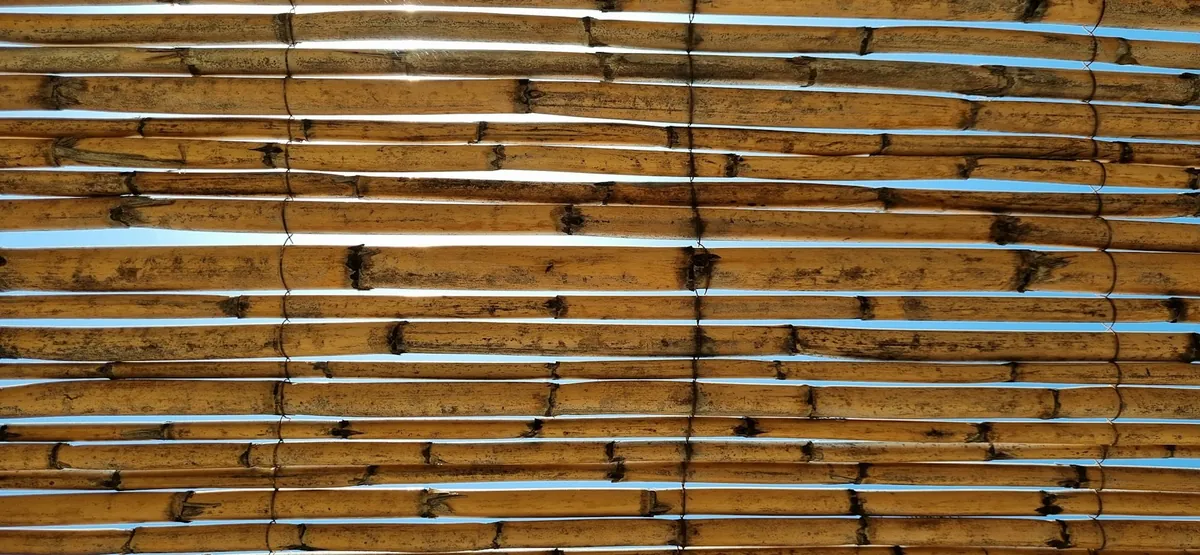
Fine bamboo for cottages
A light, close weave for the smaller windows of a cottage. It gathers neatly and stays out of the way when raised.
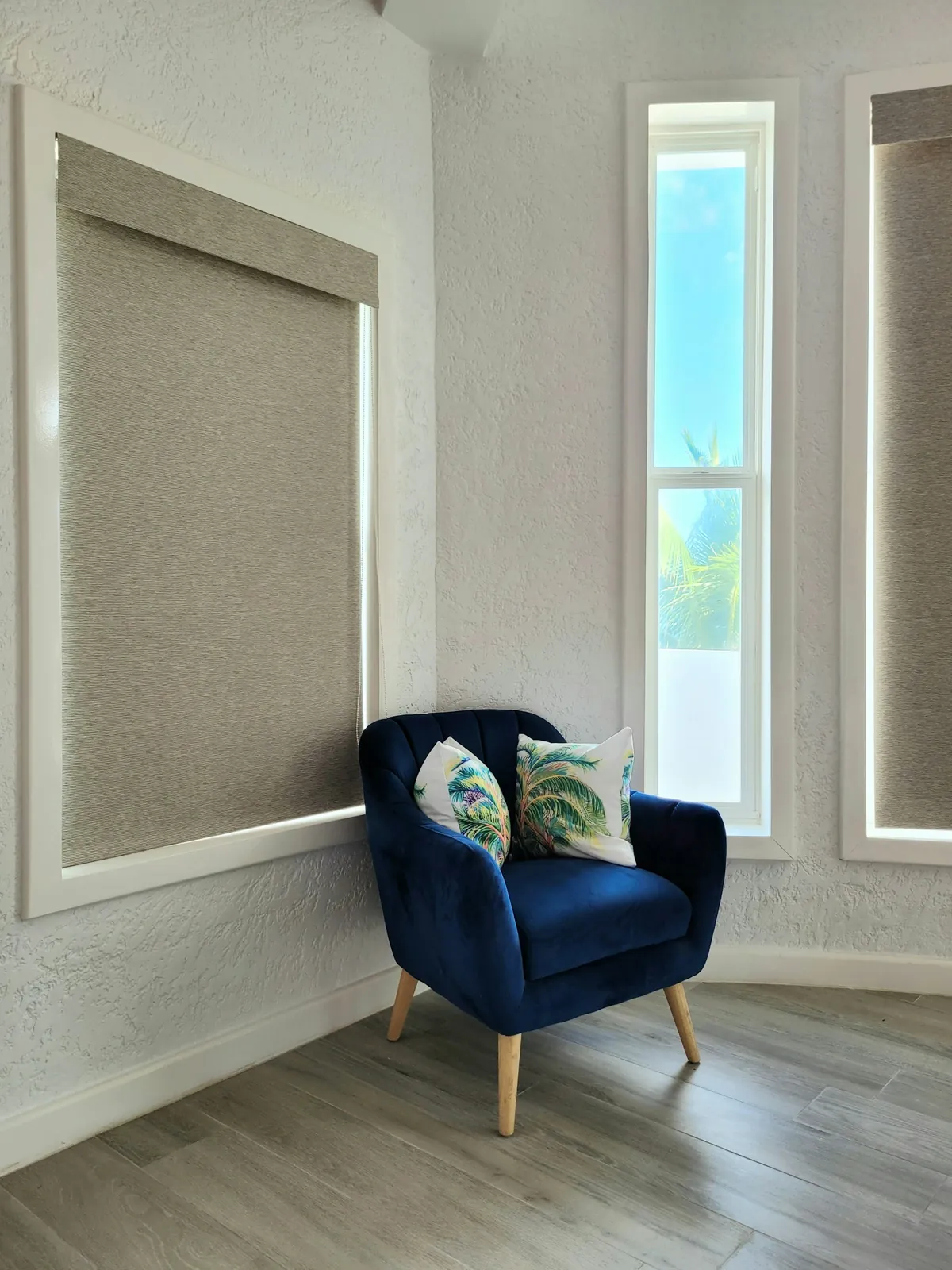
Richer woven wood
Mixed woods and grasses with deeper texture, for the taller windows of a colonial or a larger island house.
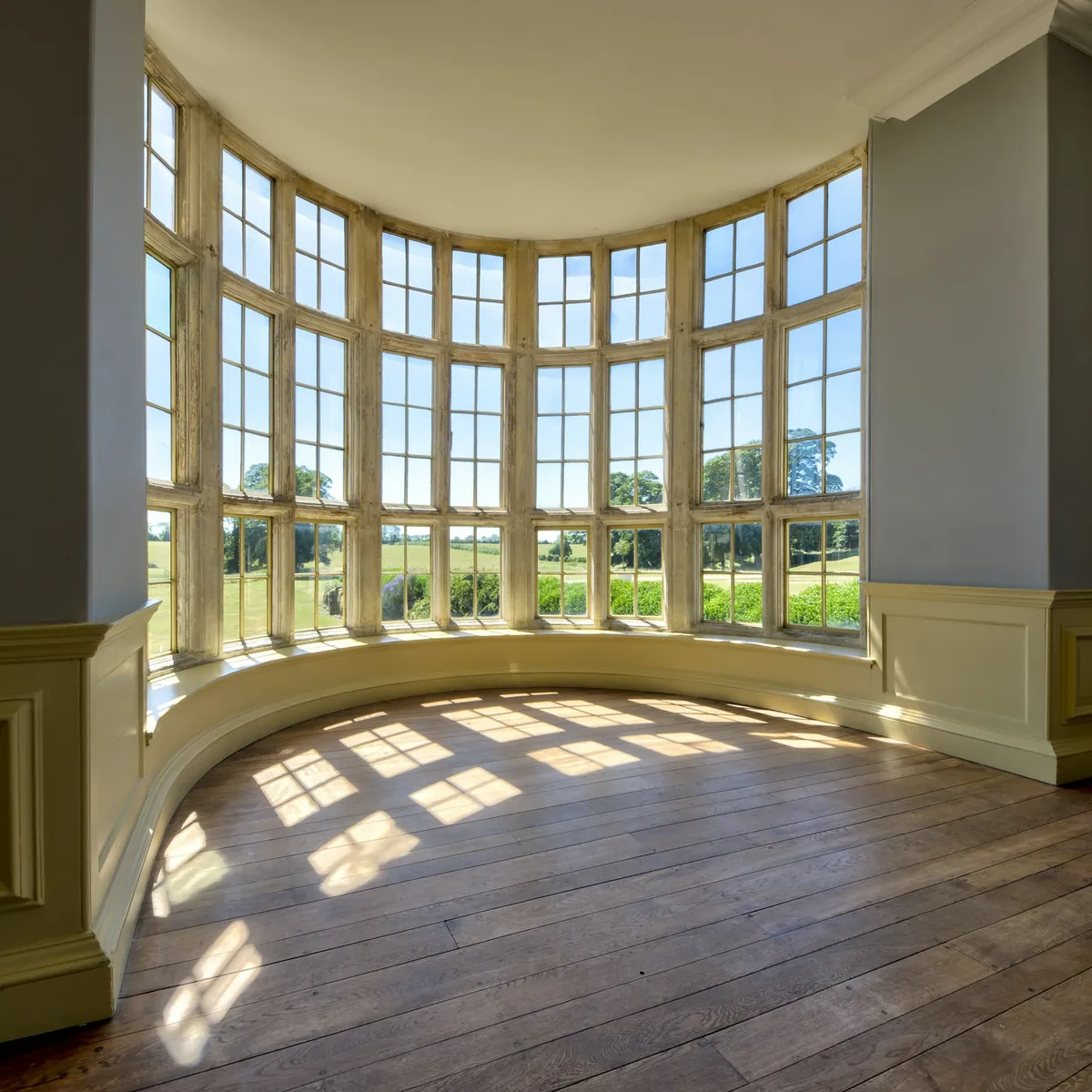
Open weave on the bay side
Left plain, a looser weave tames the brightness coming off the bay while the horizon stays visible.
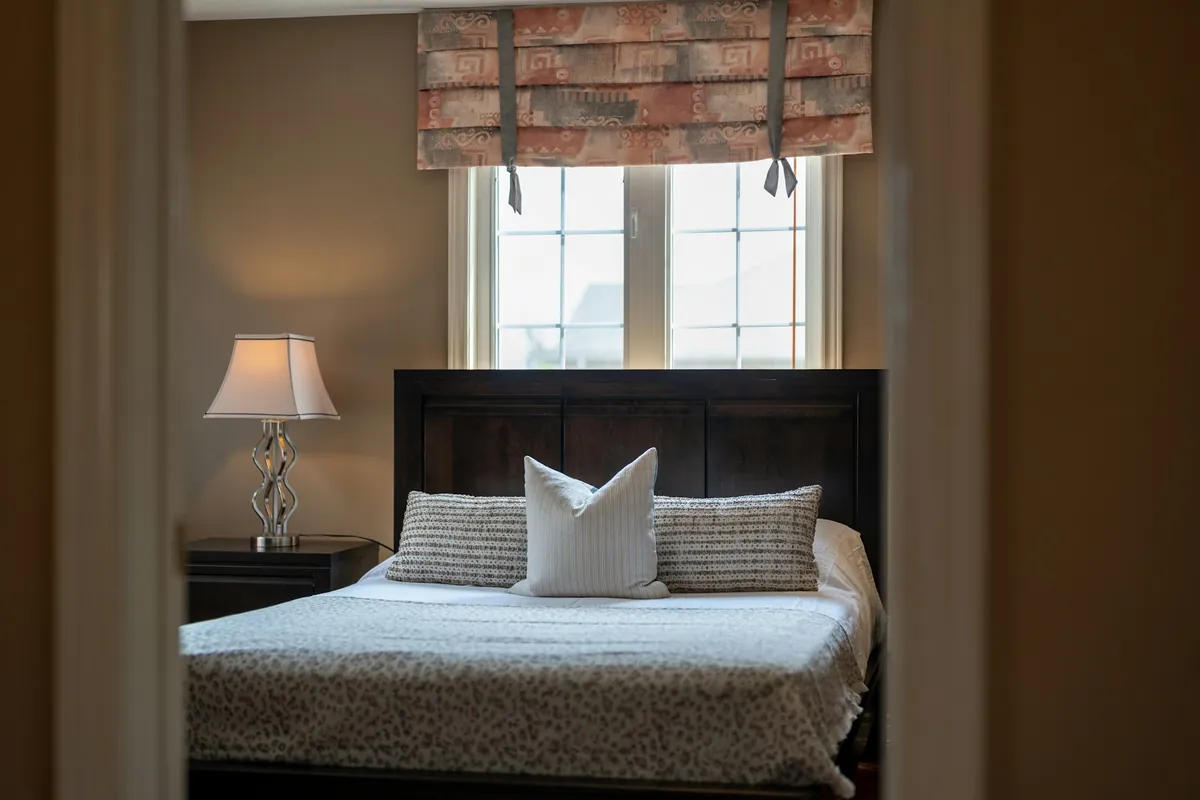
Lined on the shaded side
A privacy or room-darkening liner behind the weave screens a bedroom that faces the road or a neighbour.
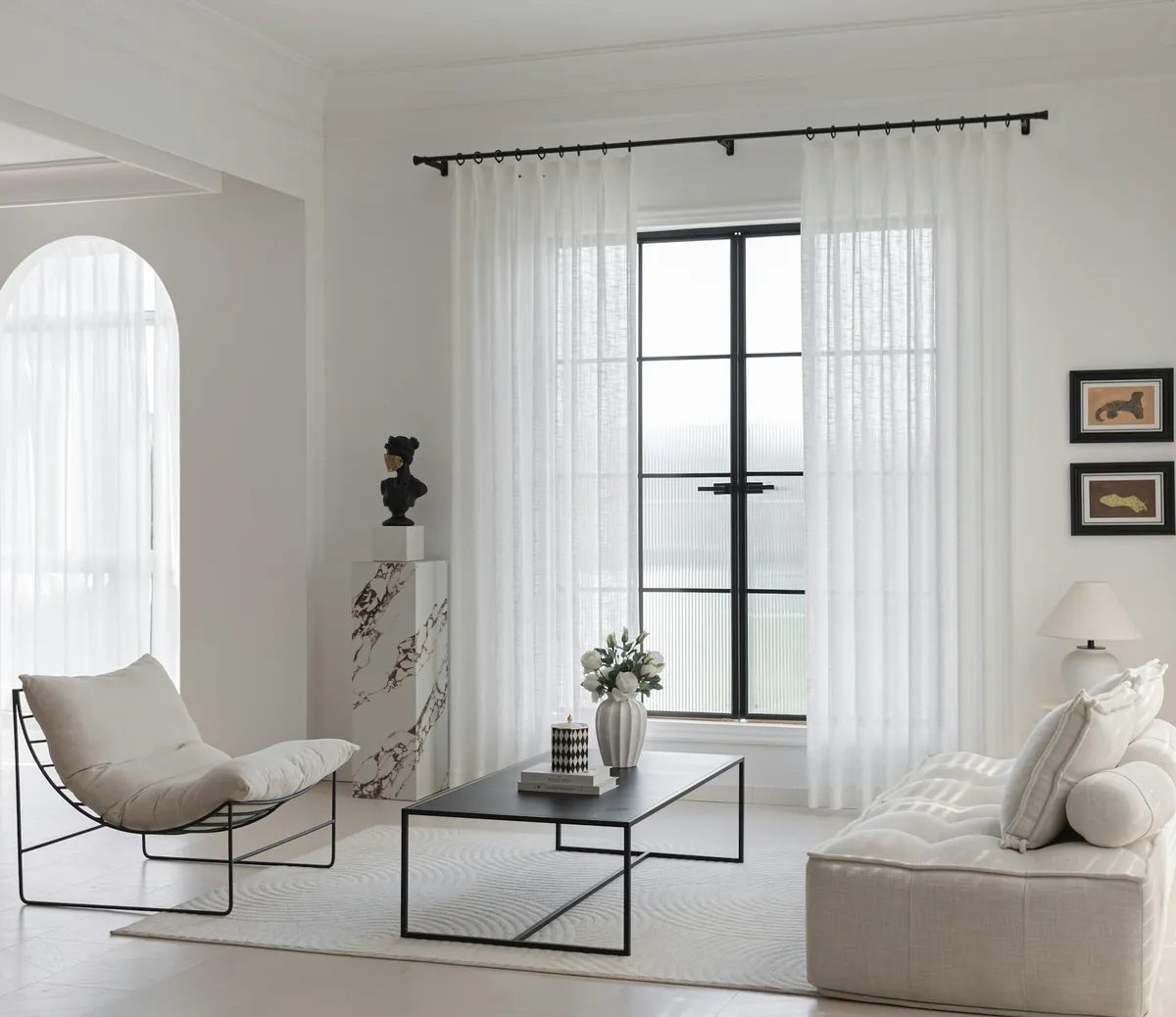
Framed with drapery
Sheers or side panels beside a woven shade soften the window and add a layer for evening. We make both.

Colour held to the light
Natural fibres change tone with daylight behind them, so colour is judged at the glass, not from a picture.
Planning Woven Wood Shades in Portsmouth, RI, One Side at a Time
The easiest way to plan woven wood shades in Portsmouth, RI is to walk round the house and sort the windows into two groups: those that look toward the water and the sun, and those that look inland. Keep the material and colour the same throughout, so the house hangs together, and let the weave and the liner change between the groups.
The bright side
Windows that look out over the bay take strong light most days, and the water bounces still more of it into the room. They are also the windows nobody wants to cover, because the view is why the room was built that way.
A plain, open weave suits them best. Let down, it breaks the sunlight into a soft, speckled glow, and through the gaps you still make out the shoreline opposite and the boats on the water. Those small points of light drift across the boards through the afternoon, which feels very different from the flat glow behind a smooth fabric. Pulled up, the shade gathers into a tidy band of texture over the glass.
If the room is a place for reading or a screen, a closer weave dims it more while leaving you a view out. On the window that works hardest, a light liner is worth considering too, because it shades the natural fibres themselves and helps them hold their colour over the years.
The shaded side
On the inland face of the house the light is gentler and privacy matters more. A bedroom looking onto East Main Road or toward a neighbour has to be screened at night, and a plain weave cannot do that alone: once the lamps go on, movement inside shows through it. Sewing a privacy liner to the back closes that gap, while the room still sees the natural weave. For a bedroom where you want real darkness, a room-darkening liner is the stronger choice.
Because those rooms start out shaded, a paler material helps on that side. Light bamboo or grass keeps a north room from feeling heavy even with a liner behind it, and it still matches the bright side in look and texture.
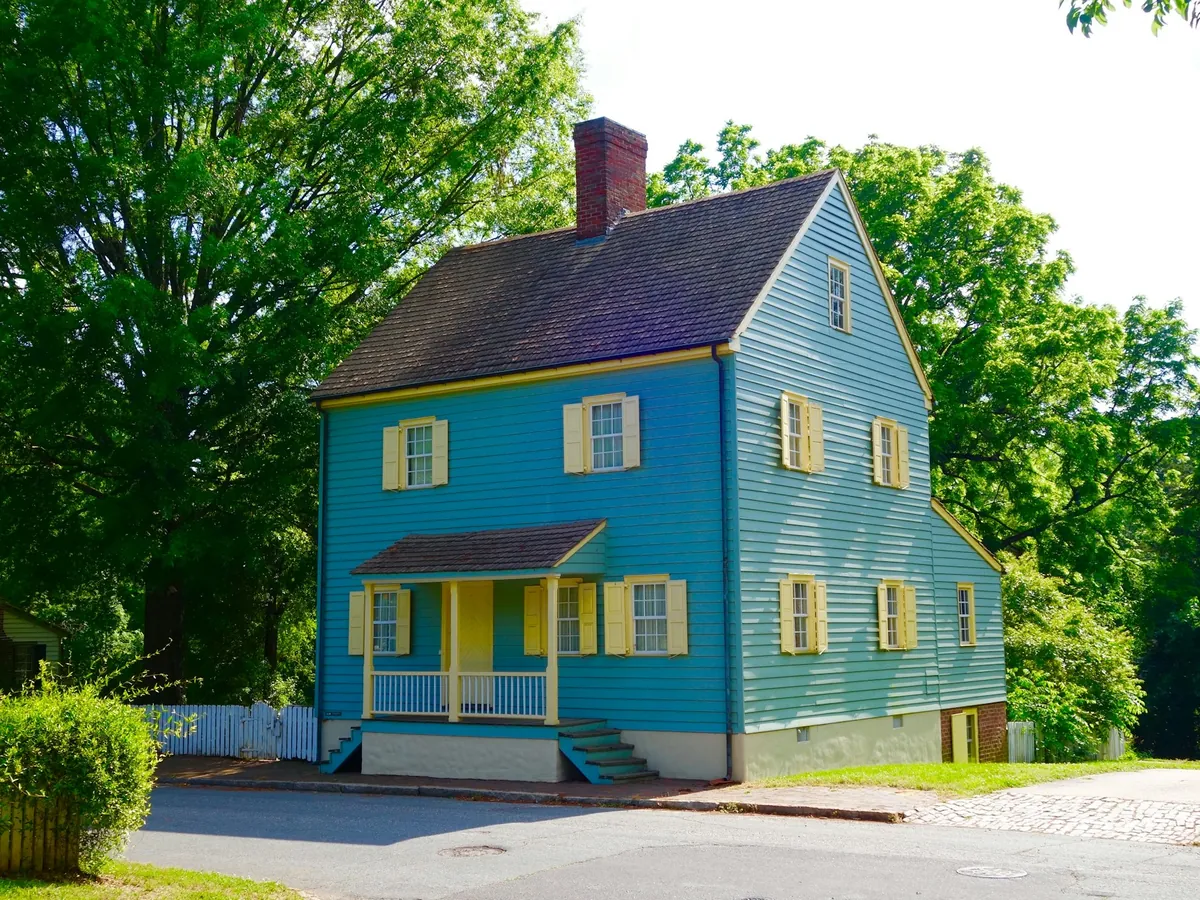
Winter sun on the bright side
The bright side changes with the seasons. In summer the sun rides high and much of it lands on the roof and the deck. In winter it sits low over the water and reaches deep into the room for most of the afternoon, straight into your eyes if you are sitting facing the bay. Many island owners find that winter is when they lower their water-side shades the most.
That is a good reason to choose a weave you are happy to look through, not just one that looks good raised. An open weave lowered in January keeps the room bright and the bay in view while stopping the low sun dazzling you. Where a room has a fireplace or a reading chair on the water side, we look at where you sit before suggesting how tight the weave should be.
Island Park and Common Fence Point Cottages
The cottages at Island Park and Common Fence Point sit close to the shore, often on small lots near their neighbours. Many started life as summer places and have since been made year-round, so one cottage may combine small original windows with larger replacement glass. Rooms are compact, ceilings are modest, and it is common to have the water outside one window and the next house outside another.
Here a single material does a lot of work. Toward the water, an open weave holds on to the view. Toward the cottage next door, the same weave with a privacy liner keeps the room screened, so nothing needs to change in style from one wall to the next. The small windows suit a fine bamboo, which gathers into a slim stack and leaves most of the glass clear when raised.
Shore air carries salt and damp, and natural fibres need a little looking after. Use woven shades in living rooms, bedrooms and dry porches, and keep them away from a bathroom with a shower, an outdoor shower or a back door where wet coats and towels hang. A gentle brushing every few weeks keeps salt and dust from settling into the weave.
Short windows under low ceilings need a little planning. If there is wall space over the frame, fixing the shade there lifts it clear of the glass when raised and makes a small window seem taller. We measure that space at every window, because in a cottage that has been altered over the years it rarely matches from one room to the next.
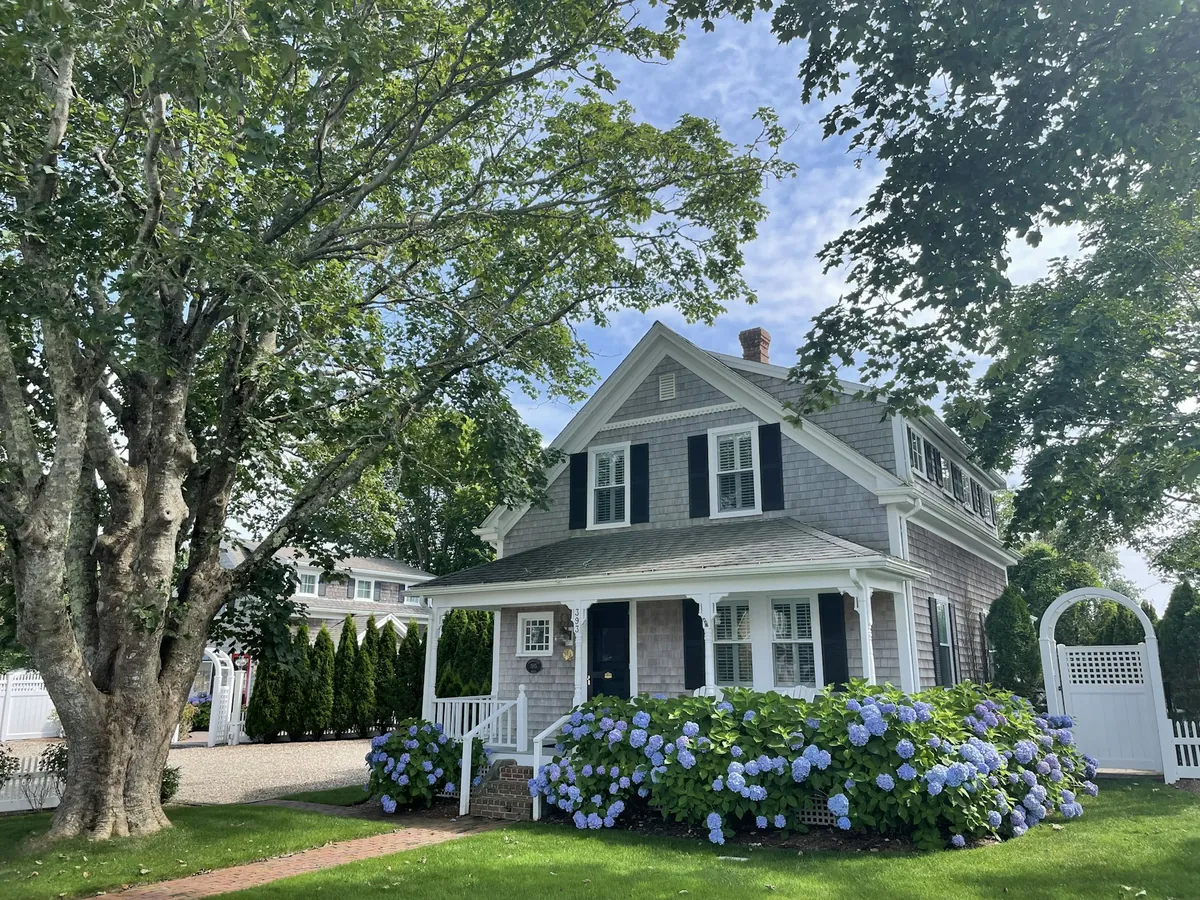
Cottages that changed with the seasons
A cottage built for summer and later lived in all year often has a mix of rooms: an old sleeping porch turned into a bedroom, a kitchen extended toward the water, a front room with its original small windows. Each of those rooms may have been done at a different time with different window sizes. We measure every one, and where the sizes are close we can often set the shades to hang at the same height so the cottage looks planned from outside.
A former sleeping porch usually has a long row of windows close together, sometimes on three sides. Woven shades suit it well, with each window sized to its own frame. If that room is now a bedroom, the windows facing the neighbour can be lined and the ones facing the water left open for the morning light.
Colonials off East Main Road
The newer colonials along and off East Main Road have more regular windows than the cottages, usually in a handful of sizes repeated across the house, and taller ceilings. Their family rooms often open off the kitchen, with windows on two walls and a slider out to the deck, and the front rooms look onto the road.
Repeated sizes make the order straightforward: the front windows can share one weave, one mount and one height, and the house looks even from the road. Front rooms used in the evening generally want a privacy liner. The back of the house, if it faces open land or the bay, can often be left plain for the light.
A colonial’s two-storey foyer or stair landing is lit from a high window that is seen from both floors. A woven shade up there has to look right from below, and if it is out of easy reach we go through how it will be raised and lowered before ordering.
The slider to the deck is the one opening where we may suggest something other than a woven shade. A door is used many times a day, and a shade over it has to clear the handle and the people going in and out. We look at each door and recommend whatever will be easiest to live with, in a colour that sits with the woven shades next to it.
Larger Houses on the Island
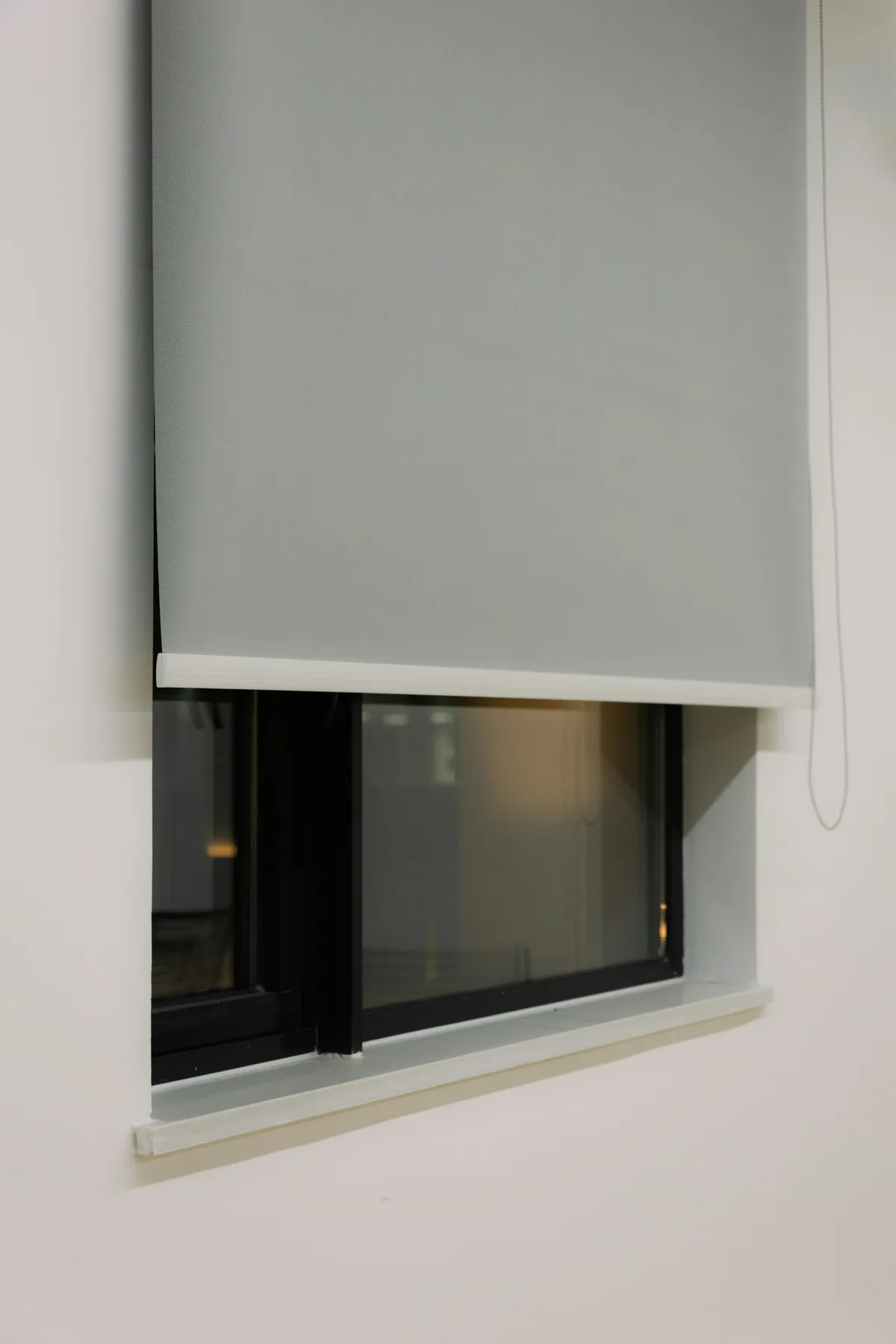
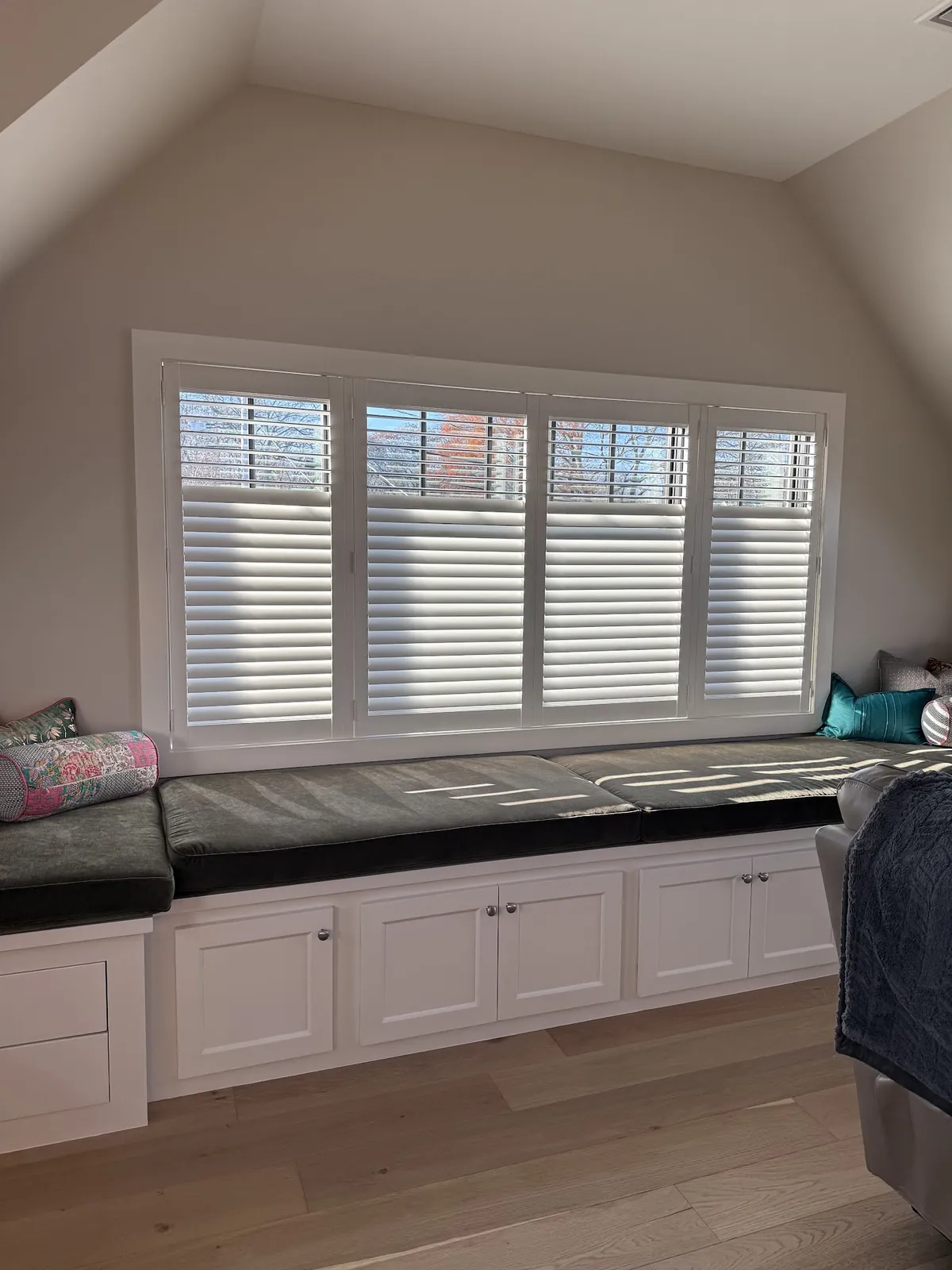
The larger houses elsewhere on the island tend to have the biggest glass in town, with main rooms laid out around a bay view and sometimes whole walls of windows. A single shade across a very wide opening is heavy to raise, so we usually divide the width into two or three shades meeting over the frame divisions. Each is cut to its own frame, so when all of them are down their hems form one straight line, and you can drop just the section catching the late sun.
In these houses the bright side and the shaded side can be very different in scale, with tall glass on the water and ordinary windows on the land side. Running one weave through both, closer or lined where the room needs it, keeps the house reading as one.
How Your Order Runs
We keep in touch with you throughout, until every shade is fitted and working. For an island house, the steps usually run like this.
- Book a free quote through the call button or the online form, and let us know which side of the house to start on.
- Our specialist visits and measures each window, recording which way it faces, how deep the frame is and how much wall sits above it.
- Together we go round the house, deciding where an open weave, a closer weave or a liner suits best.
- If you want to see more before deciding, stop in at the Swansea showroom and hold the weaves up with the liners behind them.
- You receive a written quote listing every window.
- The shades are made to your measurements, and our installers fit each one and check that it raises, lowers and hangs level with the next.
When the shaded side needs something else
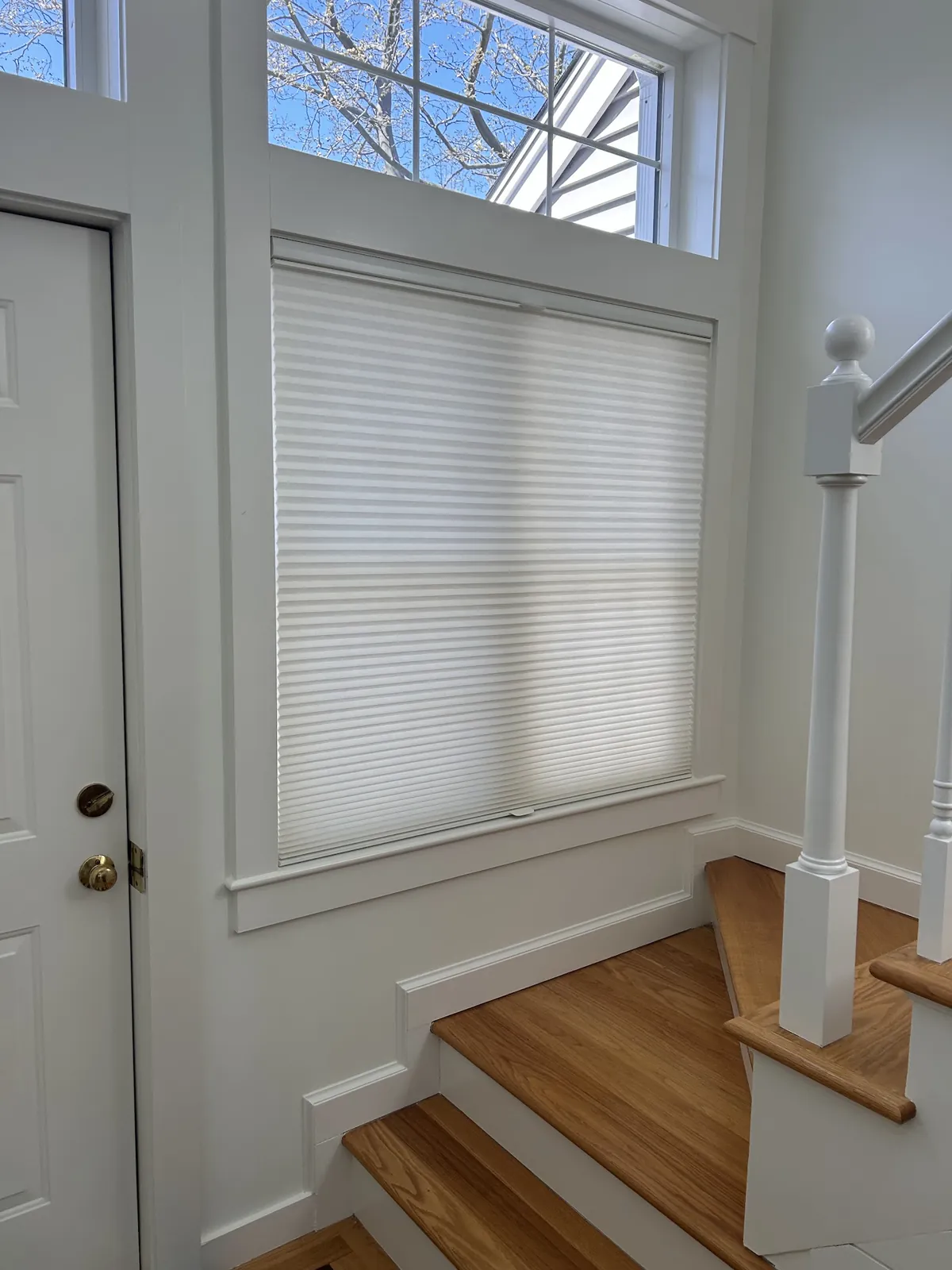
Sometimes the shaded side of a house is also the cold side, especially in a cottage that was built for summer. A room that loses heat through its windows may be better served by a cellular shade, which holds air in its cells. The two can live side by side: woven shades in the bright rooms toward the water, cellular shades in the cold north rooms, in colours chosen together. Our cellular shades in Portsmouth page covers that option, and every service we offer on the island is on the Portsmouth window treatments page.
Colour, texture and the rest of the room
Natural materials are never perfectly even. Each slat or reed carries its own tone, so a woven shade has a gentle variation that printed fabric cannot copy. On an island house that softness sits well with painted boards, white trim and the greys and blues people often choose near the water. Pale bamboo and light grasses keep a room airy. Honey and mid browns pick up wood floors and old furniture. Darker weaves suit a study or a den on the shaded side, where a deeper, warmer light feels right.
The same colour can look lighter on a sunny window and a shade darker on the inland side, which is normal and part of the charm. If you are covering several rooms, choosing one material for the whole ground floor, with liners added only where they are needed, keeps the house calm from the road and from the water.
A woven shade can also carry a valance in the same weave across the top, hiding the headrail on a window that has no drapes. On a long run of windows in a bay-facing room, a continuous valance ties the shades into one line. On a small cottage window, a plain top usually looks lighter.
Starting with one room
You do not have to do the whole house at once. Many owners choosing woven wood shades in Portsmouth, RI begin with the brightest room on the water side, live with it through a season, then add the inland rooms later in the same material. We keep a record of the weave, colour and liner you picked, so the next rooms match the first.
Who Will Be Doing the Work
Window Works began in Swansea in 1988 and the same family runs it today, now in the second generation. Our window treatment specialists have spent over 37 years working in houses on both sides of Mount Hope Bay, and Aquidneck Island is part of that ground.
- Each window is sized where it is, during a visit to your home
- The people who fit your shades work for us
- You hear from us all the way through, until the work is finished
- Warranties are offered on what we sell
For more on the materials themselves, see the main woven wood shades page.
See the Weaves in Swansea
The Swansea showroom has the woven materials and liners set out, so you can feel the weight of a weave, hold it up to the daylight and see how much each liner holds back. Bring a photo of the room or a fabric you would like to match. The Norman range is on display there too.
Questions from Portsmouth
Can one shade suit both the water side and the inland side?
One material and colour, yes. Toward the water it is usually left plain in an open weave. Inland, a closer weave or a liner gives more privacy.
How do woven shades cope with shore air?
Well in dry rooms, given a light brushing now and then. Keep them out of bathrooms, outdoor showers and any spot where they will get wet.
Will I still see the bay with the shade lowered?
With an open, plain weave, yes. It softens the brightness while the shoreline stays in view.
What works on the small cottage windows?
A fine bamboo, which gathers into a slim stack. Where there is wall above the frame, fixing the shade higher leaves the glass clear.
What does a quote cost?
Nothing: quotes are free. Book one with the call button or the form, and we will set up a time to measure at your house.
Starting Your Project
Woven wood shades in Portsmouth, RI start with a free quote. Press the call button to book it, and ask about measuring at the house and installation while you are on the phone, or fill in the form and the Swansea store will get back to you. If you would rather handle the weaves before anyone measures, directions to the showroom are on the contact page. Window Works has a 5.0 rating on Google.