
When the Street Is Right Outside
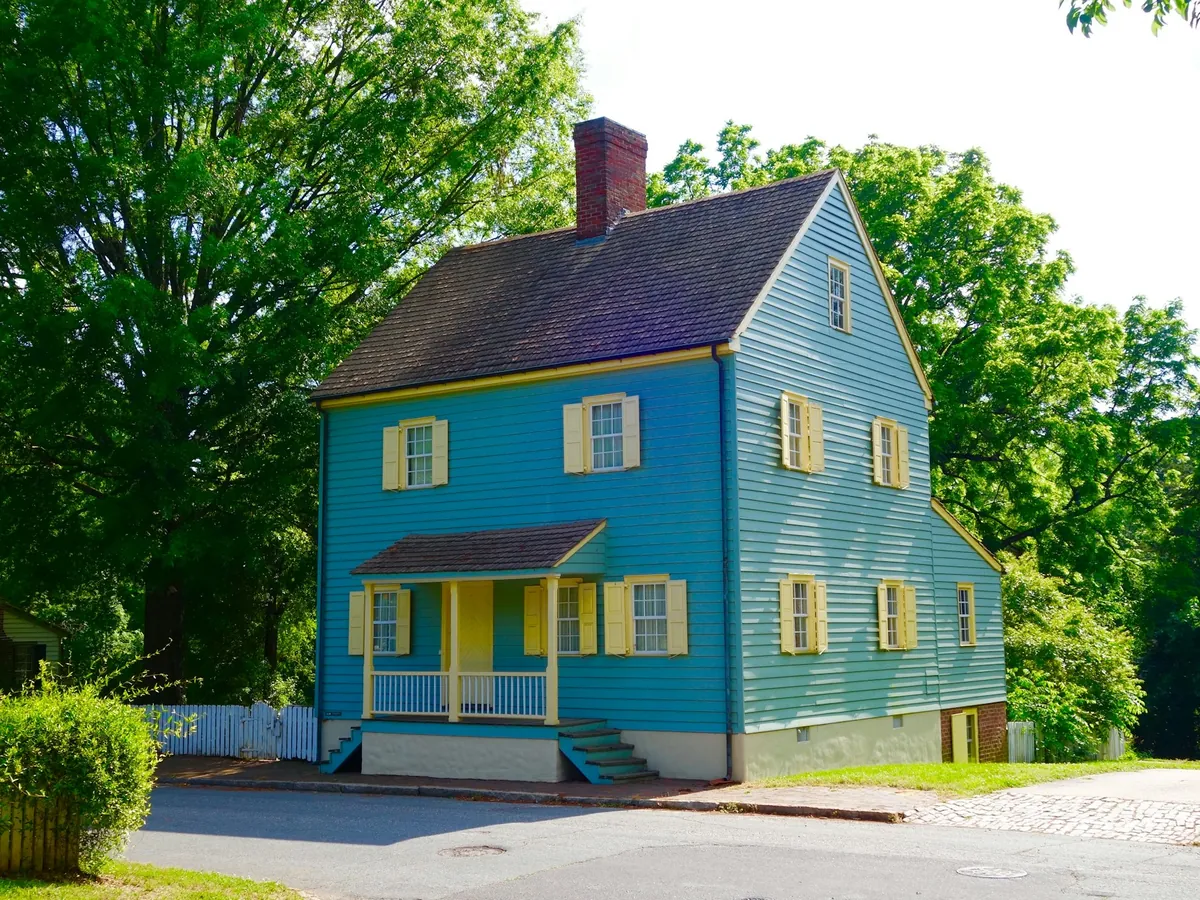
In the historic waterfront district, a front parlour window can be a step or two from the pavement, and the house next door may be close enough to touch from a side window. That is the first thing woven wood shades in Warren, RI have to deal with: privacy at street level, before colour, texture or anything else.
The Federals and Victorians through the district were built close to the road and close to each other, with tall sash on the ground floor at the eye level of anyone walking past. A woven shade suits these houses beautifully, because its natural texture belongs with old clapboard and painted trim. It just has to be chosen with the street in mind, which mostly comes down to how tight the weave is and what liner sits behind it.
Out in Touisset the picture changes. The shore lots are quieter and more open, and there the shade can be about light and the view rather than about who is passing.
- Woven wood and bamboo, lined or unlined
- Measured at each window and installed by our own team
- Weaves and liners to compare at the Swansea showroom
Three Ways to Set Up a Warren Shade
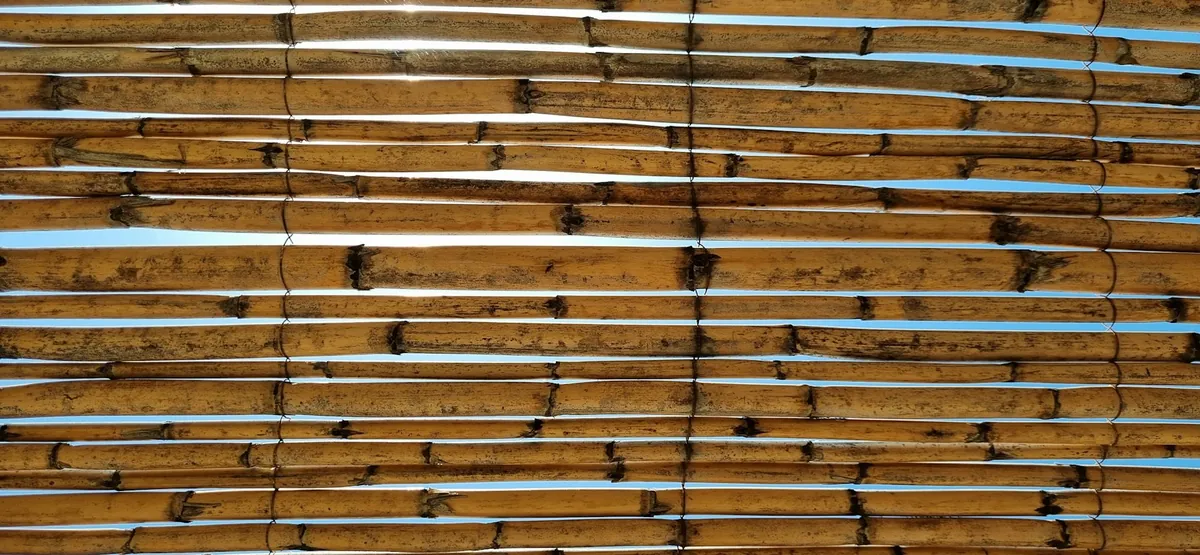
Tight weave for the front rooms
Close-packed bamboo blurs the view in from the pavement by day while the room keeps a warm, filtered light. The usual starting point for a parlour on the street.
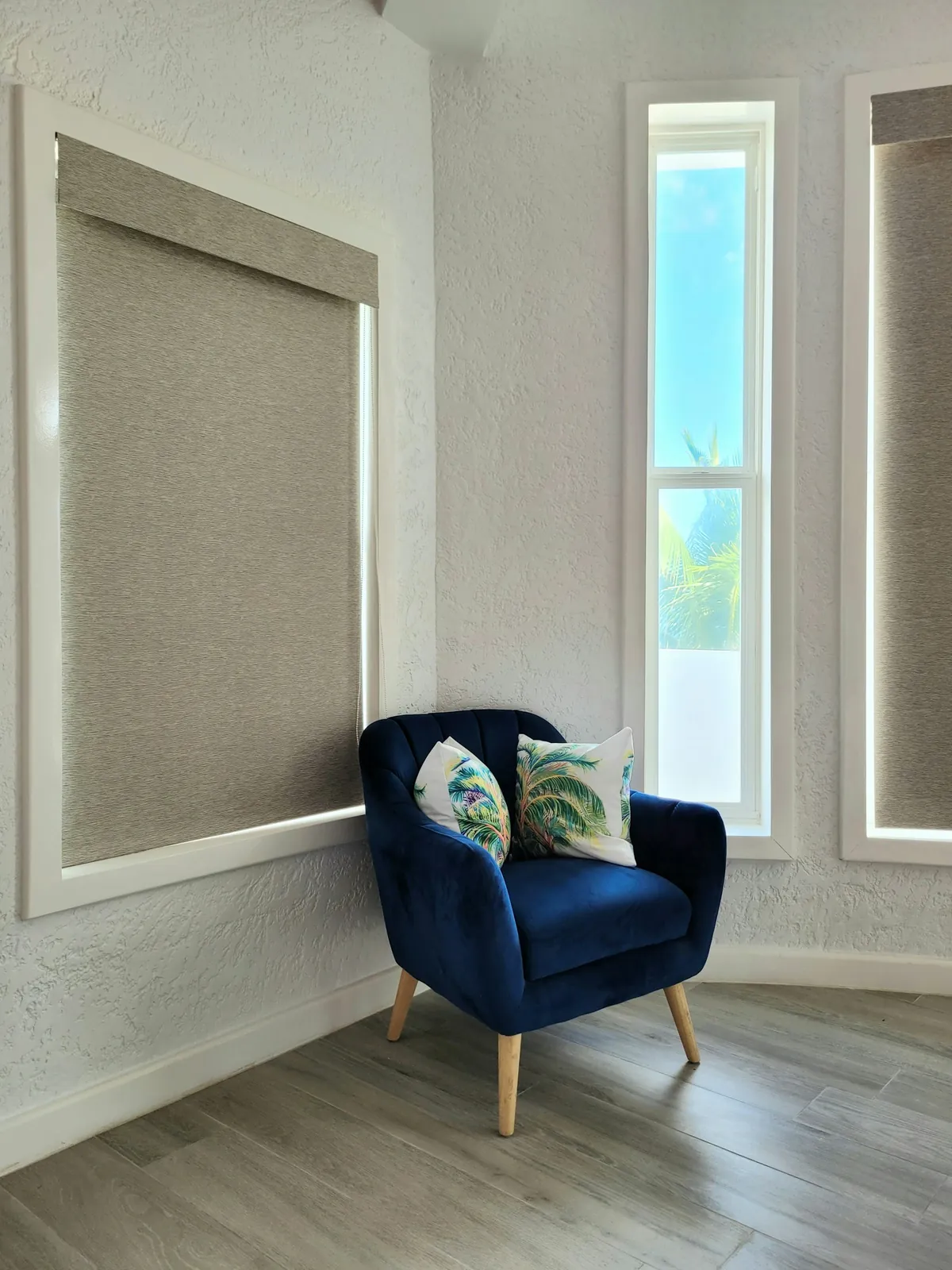
Lined for the evening
Once the lamps go on, any weave shows shapes from outside. A privacy liner on the back keeps the room screened at night and still glows softly by day.
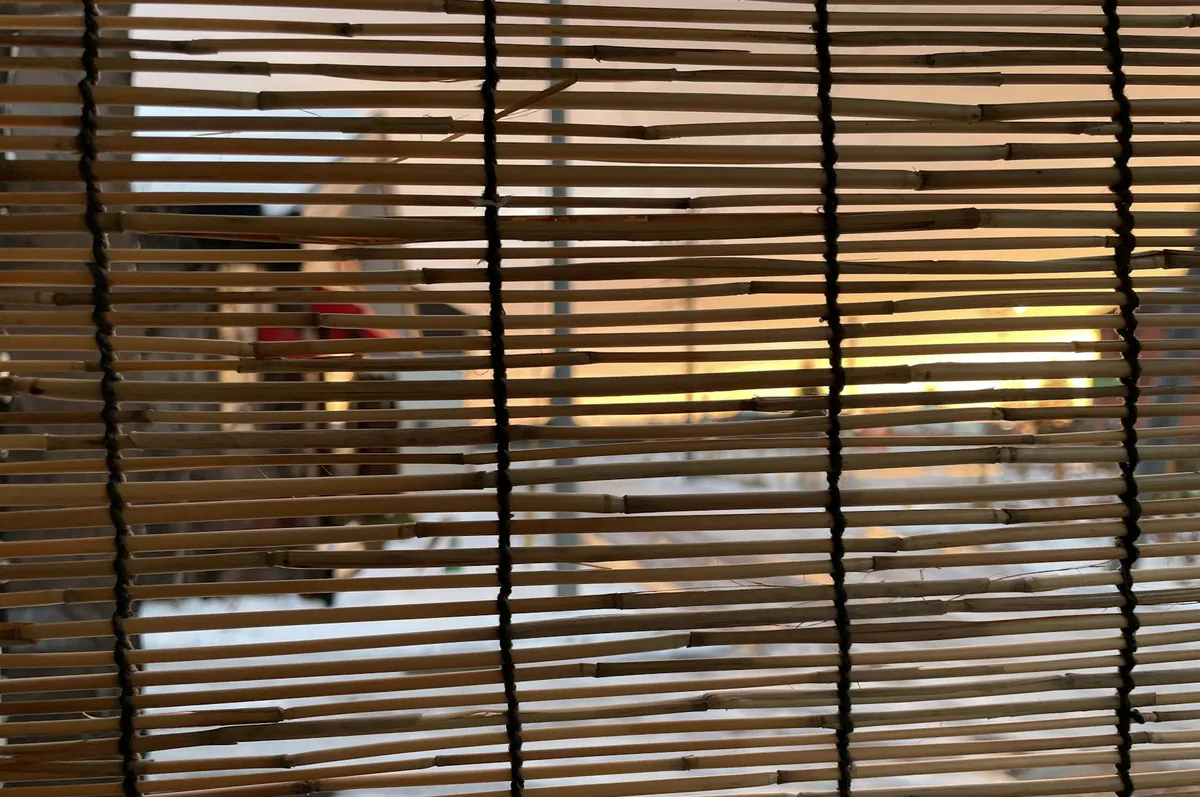
Open weave by the shore
On a Touisset lot with nobody close by, a looser weave keeps the water in view and throws a fine pattern of light across the floor.
Privacy First: Woven Wood Shades in Warren, RI
The question we hear most about woven wood shades in Warren, RI is a simple one: can people see in? The honest answer is that it depends on the time of day, the weave and the liner, and once you understand how those three work together, choosing the right shade for each window gets much easier.
By day, the street is brighter than your room. Looking in from outside through a woven shade, a passer-by mostly sees the shade itself, while you can still make out the street from inside. A tight weave makes that effect stronger. At night it reverses. With the lights on inside, the room is the bright side, and an unlined weave lets shapes and movement show through to the pavement. That is why a liner matters so much in a district where the houses sit right on the road.
Ground-floor rooms on the district’s narrow streets
The front rooms of a Federal or a Victorian in the district are usually the ones closest to passers-by. For these we nearly always suggest a privacy liner. It turns the shade into a solid screen after dark without making the room feel shut in during the day, because the liner still passes a soft, even light. The weave on the front of the shade stays exactly as you chose it, so the room keeps all the texture of the natural material.
If the room is used mostly by day and you like seeing out, an unlined tight weave can work, with the shade lowered in the evening and perhaps drapery to draw across as well. We will talk through how you use each room before suggesting either.
Side windows facing the house next door
Side windows are a different problem. A narrow gap between two houses means a neighbour’s window may look straight into yours, often at the same height, and that is true all day rather than only at night. A tight weave alone may not be enough here.
A lined shade that stays lowered most of the day keeps those rooms private while still letting daylight in, which matters in a close-set house where the side windows can be the main source of light for a stair or a dining room. Choosing a pale weave and a pale liner keeps the room from going dim. We often find the side windows need a different setup from the front windows of the same room, and that is fine: the fronts of the shades can still match.
Tall sash in the Federal houses
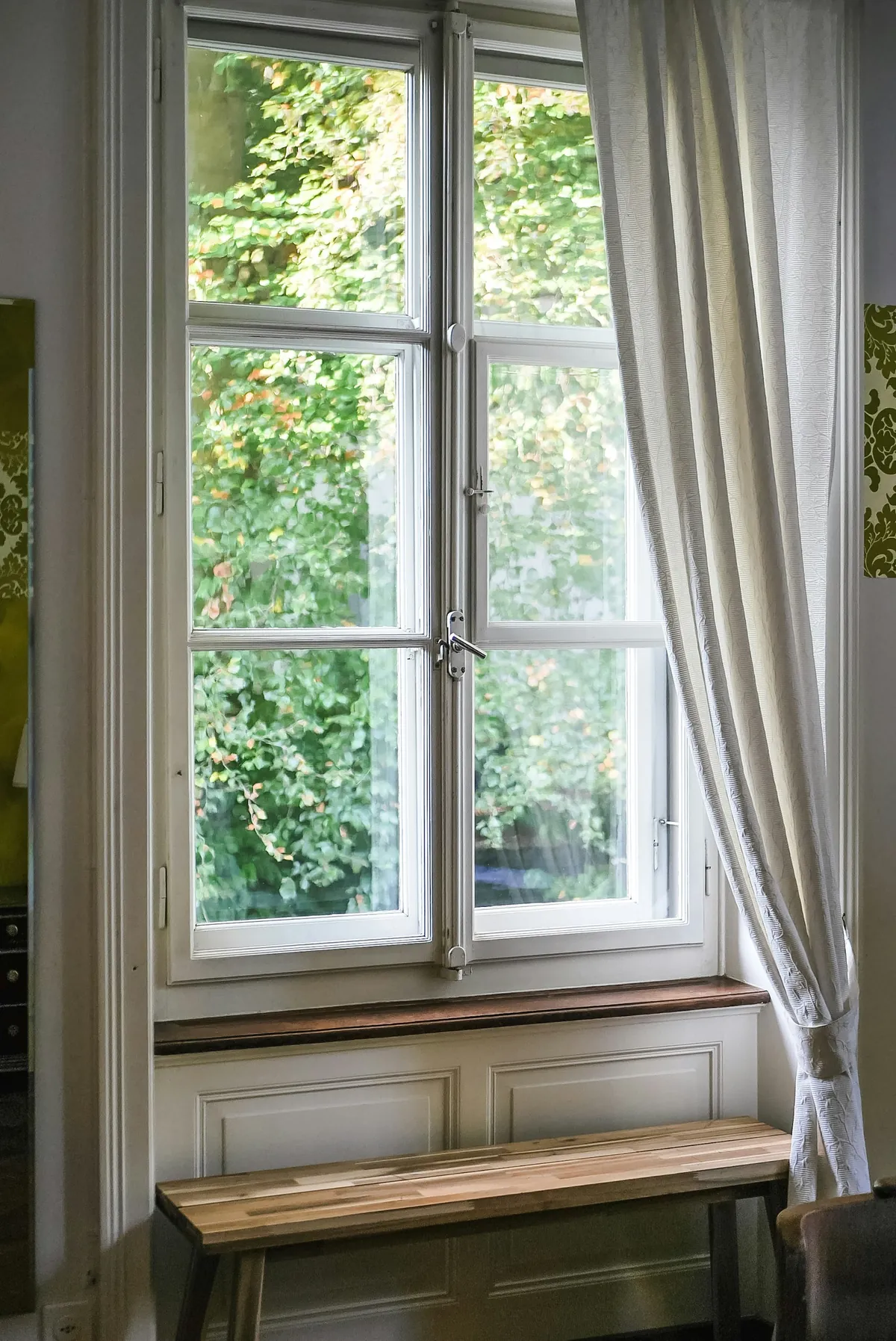
The Federals through the district have tall, well-proportioned double-hung sash, often with deep frames and original trim worth showing off. A woven shade mounted inside the frame keeps that trim on view, as long as the frame is deep enough to take the headrail and the raised stack. Frame depth in an older house can change from one window to the next, so we measure it at every opening.
A tall shade also has a long drop, and on a woven shade that means a fair amount of material to gather when it is raised. Where the stack would cover too much of the top sash, mounting the shade just above the frame lets it lift clear of the glass. That is a judgement made window by window.
Bays and turned corners in the Victorians
The district’s Victorians often have bay windows, sometimes on more than one floor. A bay is usually best treated as a set of separate shades, one to each window, so each can be raised on its own and the shades follow the angles of the bay. Getting the hems to line up across the angled windows takes careful measuring, and it is one of the reasons we measure every window in person rather than working from a standard size.
Victorian rooms also tend to have high ceilings and tall windows with ornate trim. A warmer, mid to dark woven wood often looks at home against that woodwork, while a pale bamboo can lighten a room that faces north or sits in the shade of the house next door.
Upper floors, where the street matters less
Climb a flight of stairs in a district house and the privacy problem eases. The second-floor windows sit above the eye line of the pavement, so a passer-by can see little of the room even at night. That gives you more freedom with woven wood shades in Warren, RI on the upper floors: a lighter weave, or an unlined shade in a study or a sewing room, can work here where it would not downstairs.
The house next door is still close, though, and its upstairs windows may face yours across the gap. Bedrooms usually keep a liner for that reason, and for the early light. Attic rooms under the roof often have small or oddly shaped windows tucked into gables and dormers, with little wall around them. For those we look at a compact headrail and a mount that keeps the raised shade off the glass, because in a room with one small window, every inch of daylight counts.
Touisset’s Shore Lots
The houses on Touisset’s quieter shore lots have more room around them, and privacy from the street is less of a worry. That frees the shade to do what woven wood does best: soften the light and keep the outdoors in view.
On the water side, an open or medium weave, often unlined, lets you see the shoreline through the shade as a soft blur and takes the glare off the afternoon sun. The light that comes through has a warm, natural cast and lands on the floor in a fine pattern of shadow, which many owners consider the whole point of a woven shade.
Bedrooms are the exception. Even on an open lot, a bedroom facing the morning sun over the water usually needs a room-darkening liner, unless you like waking with the light. The fronts of those shades can match the open weave downstairs, so the house still reads as one from inside.
Salt air comes with a shore lot, and natural materials need a little care because of it. A light dusting every so often keeps salt and grit from settling into the weave. Woven shades are at home in the living rooms, bedrooms and porches of a shore house, but not in a steamy bathroom or anywhere they will get wet, and we will point you to something else for those windows.
Porches and back rooms
Many houses on both sides of town have an enclosed porch or a back room added onto the original house, with a long row of windows looking over the yard. These are the rooms where woven wood shades for Warren homes are at their most relaxed. With no street outside, an unlined medium weave takes the heat out of the afternoon sun and leaves the garden in view, and the texture suits a room furnished for sitting rather than for show.
A long row of windows needs its shades to match exactly. Each window is measured separately, because porch framing is seldom perfectly regular, and each shade is made so that the hems sit on one line when they are all lowered together.
How a Warren Order Runs
We stay in contact with you from the first call until the job is done. The order of things is straightforward.
- Ring the Swansea store from the call button, or use the form, and ask for a free quote. Mention which rooms face the street.
- One of our specialists visits to measure, writing down each frame depth, the clearance above the trim and which windows look onto the road or the house next door.
- If you want to see every weave and liner together, call into the showroom. Some people decide on the spot; others take a few days.
- Weave, colour and liner are settled room by room, and the quote you receive itemises each opening.
- Production follows, working only from the measurements taken at your house.
- Our installers hang the shades, run each one up and down to be sure it travels straight, and walk you through the controls.
Picking colour for an old house
Natural materials vary from strand to strand, so a woven shade never has the flat, printed colour of a fabric. That variety is part of its appeal, and it also means the colour changes depending on the light behind it. A shade that looks honey-coloured on a table can glow amber with the sun coming through.
In the district’s older houses, the trim colour and the floors usually guide the choice. Dark, original floorboards and stained woodwork suit a mid or deep woven wood. Painted white trim and lighter floors suit bamboo or pale grasses. We always suggest holding a sample against the window you are choosing for, because the light at that window is what decides how the shade will look every day.
What the street sees
From the pavement, the back of a lined shade is what passers-by see. Because the houses sit so close to the road, that view is part of how the house looks from outside. A neutral liner gives every window the same quiet face, whatever the colour of the weave inside. If you choose an unlined shade, the street sees the weave itself, which suits a house where the natural texture is part of the look you want from outside as well.
It also helps to keep the shades on the front of the house at one height when they are part lowered. On a street where every house is seen face on, a row of hems at slightly different levels catches the eye far more than it would at the back. We set each shade so its lowered and raised positions match its neighbours, and we show you how to bring them back into line.
Where a different treatment may suit
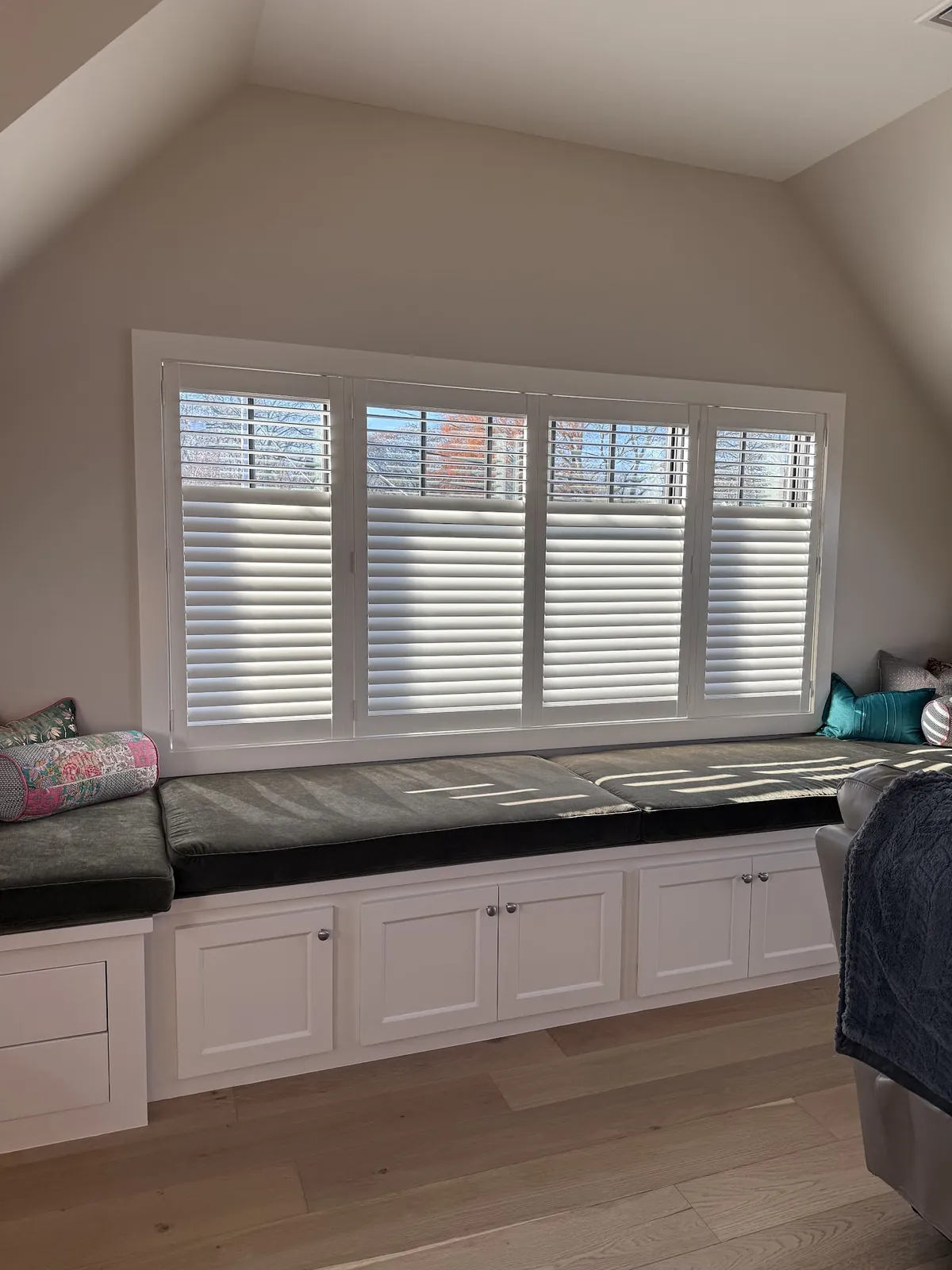
Not every window in a close-set house is best with a woven shade. A ground-floor room that needs privacy all day with the window open might suit shutters better, with louvres tilted to block the view down while light comes in above. Natural fibres and a steamy bathroom do not mix. A bedroom you want truly black might take a cellular shade. Our plantation shutters in Warren and cellular shades in Warren pages cover those, and the Warren window treatments page lists everything we do in town.
Shades with drapery
In a front parlour or dining room, a lined woven shade with drapery panels at the sides gives the most control and the most finished look. The shade screens the street and the panels add colour and softness. In the evening, drawing the panels doubles the privacy. Because we make drapes as well, the two can be chosen together and measured on one visit.
Looking after woven shades
Dust is the main enemy, and it comes off easily with a feather duster or the upholstery nozzle of a vacuum on a low setting. Water is the thing to avoid: blot a mark gently instead of scrubbing it. Should the lift cord on an existing shade wear through or the mechanism start to slip, give us a call, since a repair is often all it needs.
What Sets Window Works Apart
Window Works is a family store, founded in Swansea in 1988 and now in its second generation. In over 37 years we have measured and fitted window treatments throughout the SouthCoast and the Rhode Island East Bay, and Warren is close to home for us.
- Specialists in window treatments, with years of experience behind them
- Each window measured at the house before anything is made
- Shades hung by the people who measured for them, our installers
- Kept up to date at every stage, right to the finish
- Products sold with warranties
To read about every weave and liner we offer, go up to our woven wood shades page.
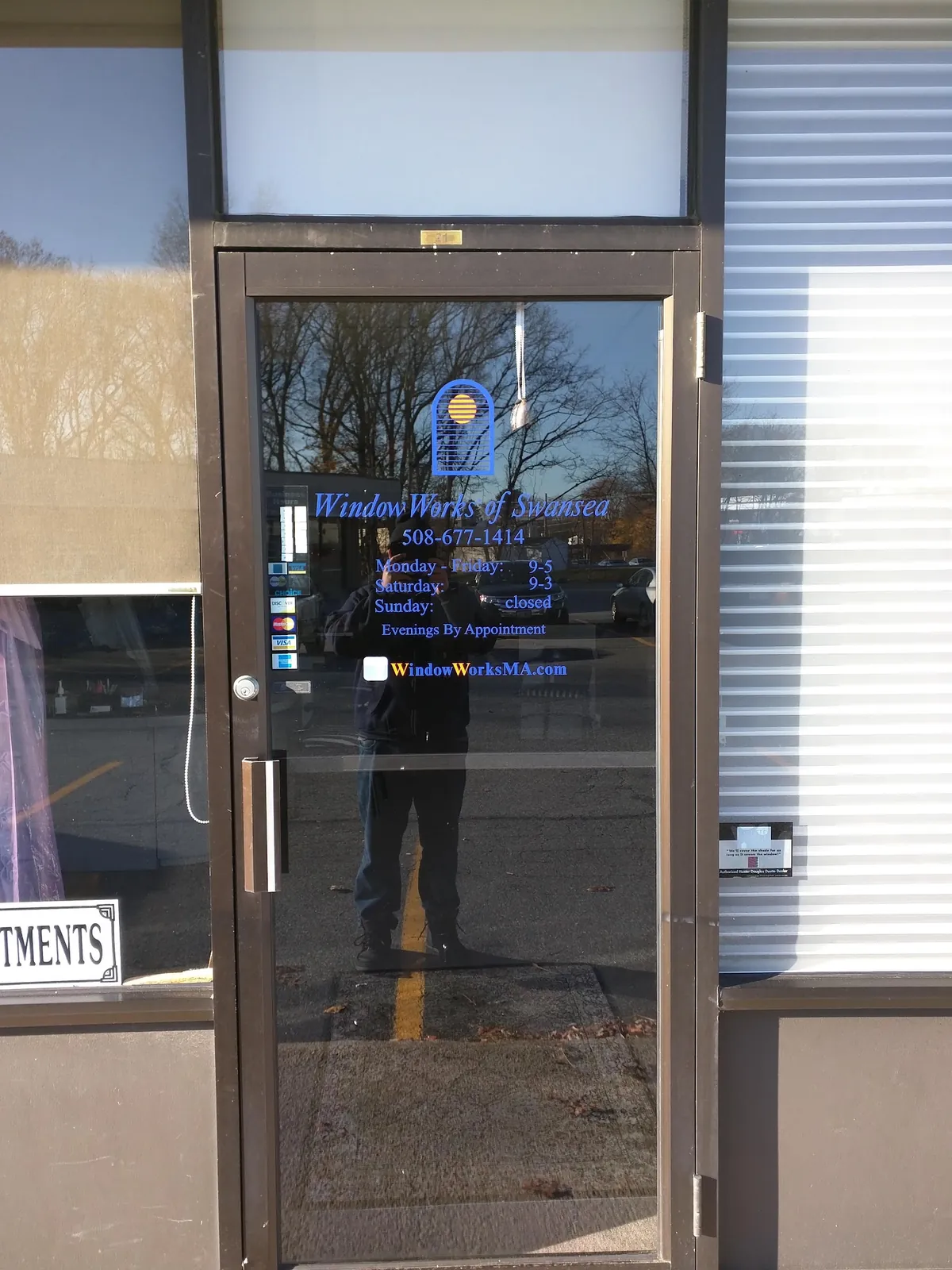
Compare Weaves in Person
Privacy is easier to judge with a shade in your hand. In Swansea you can hold a tight weave and an open one up against daylight, flip each sample over to see how a liner changes what shows through, and settle on a colour by natural light. A snapshot of your street-facing windows helps us help you. Norman products are on display as well.
Questions from Warren
Can people on the pavement see into my front room through a woven shade?
By day, very little, especially with a tight weave. After dark, with lamps lit, an unlined shade shows shapes, so for street-facing rooms we usually suggest a privacy liner.
My side windows look straight at the house next door. What works?
A lined shade that can stay down through the day keeps those rooms private while still letting light through. A pale weave and liner keep the room bright.
Will a woven shade fit inside the frame of an old Federal window?
Often, yes, if the frame is deep enough for the headrail and the raised stack. We measure the depth at every window, because it changes in an older house.
Are woven shades a good idea on a Touisset shore lot?
Yes, for living rooms, bedrooms and porches. An open weave keeps the water in view. They are not suited to steamy bathrooms or anywhere they will get wet.
How do I get a quote?
There is no charge for a quote. Press the call button or fill in the form and list the windows you have in mind.
Book Your Free Quote
Getting started costs nothing: a quote is free. The call button puts you through to our Swansea store, where we can set up a measuring visit at your house and answer questions about installation. The form works just as well if you would rather write. Directions to the showroom are on the contact page for anyone who wants to see the weaves first. Google reviewers give Window Works a 5.0 rating.