
Small Windows, Wide Sills, Open Land
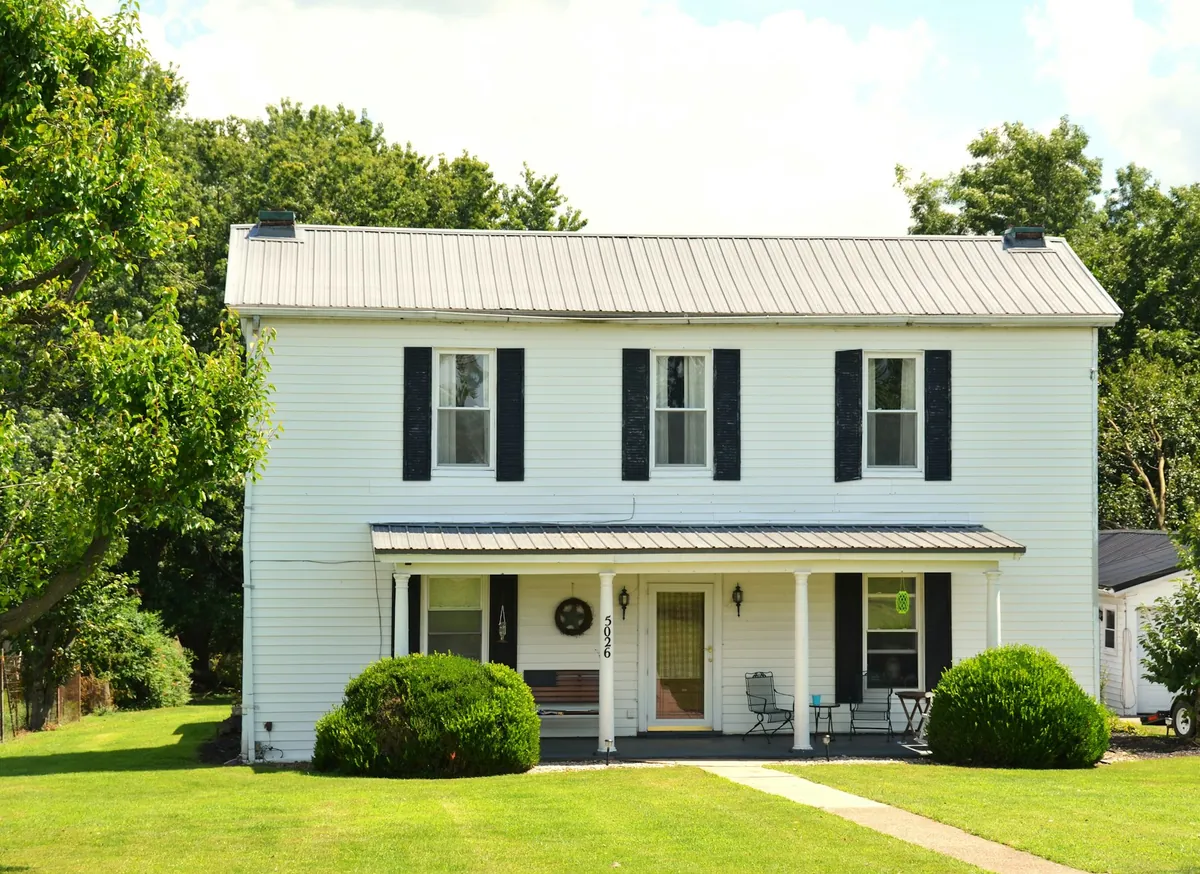
The antique colonials and farmhouses along Winthrop Street and Route 44 were built with small windows set deep into thick walls, and the sills inside are wide enough to hold a row of plants. Those windows are lovely and awkward in equal measure, and they are the first thing we think about when fitting Norman blinds in Rehoboth, MA. Every piece in the range is made to the opening it will sit in, so a small, deep-set window gets a treatment sized and mounted for its own frame.
Window Works carries the Norman range of blinds, shades and shutters, and it is on show at our Swansea showroom for you to try. Norman is the single brand our store names.
Many of the older houses stand on large lots in farm country, with no close neighbours to look in. That changes the brief. In plenty of Rehoboth rooms the job is less about privacy from next door and more about light, view and warmth, while the newer colonials off Bay State Road bring their own, more familiar set of windows.
- The Norman range on display in Swansea
- Deep-set windows measured one by one in your home
- Installed by our own team
Treatments for Rehoboth Houses, Old and New
Norman shutters
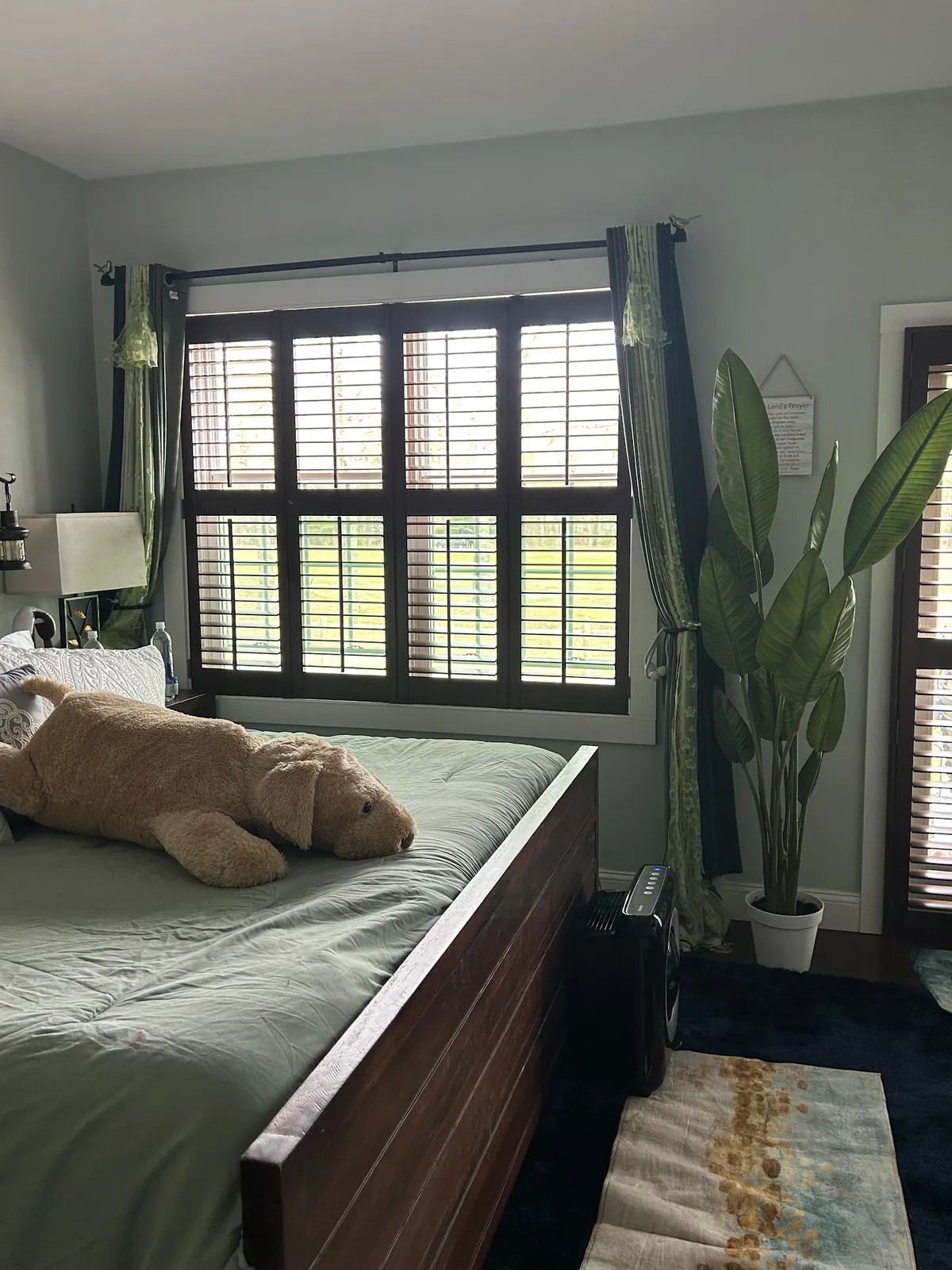
Fitted inside a deep window reveal, a shutter frames the old opening without hiding the sill or the casing.
Norman shades
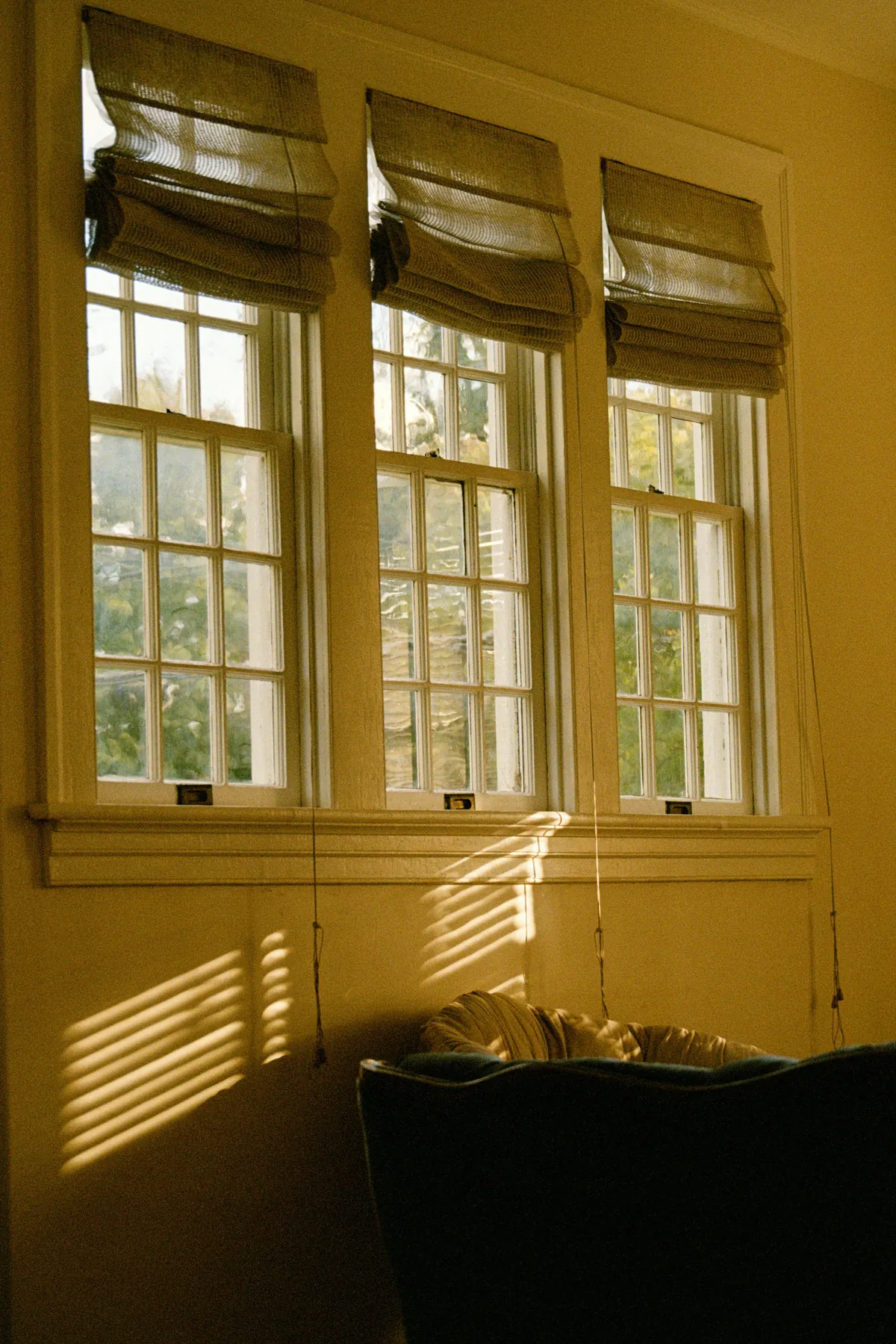
Soft fabric that lifts neatly above a small window and keeps the sill clear for plants and books.
Norman blinds
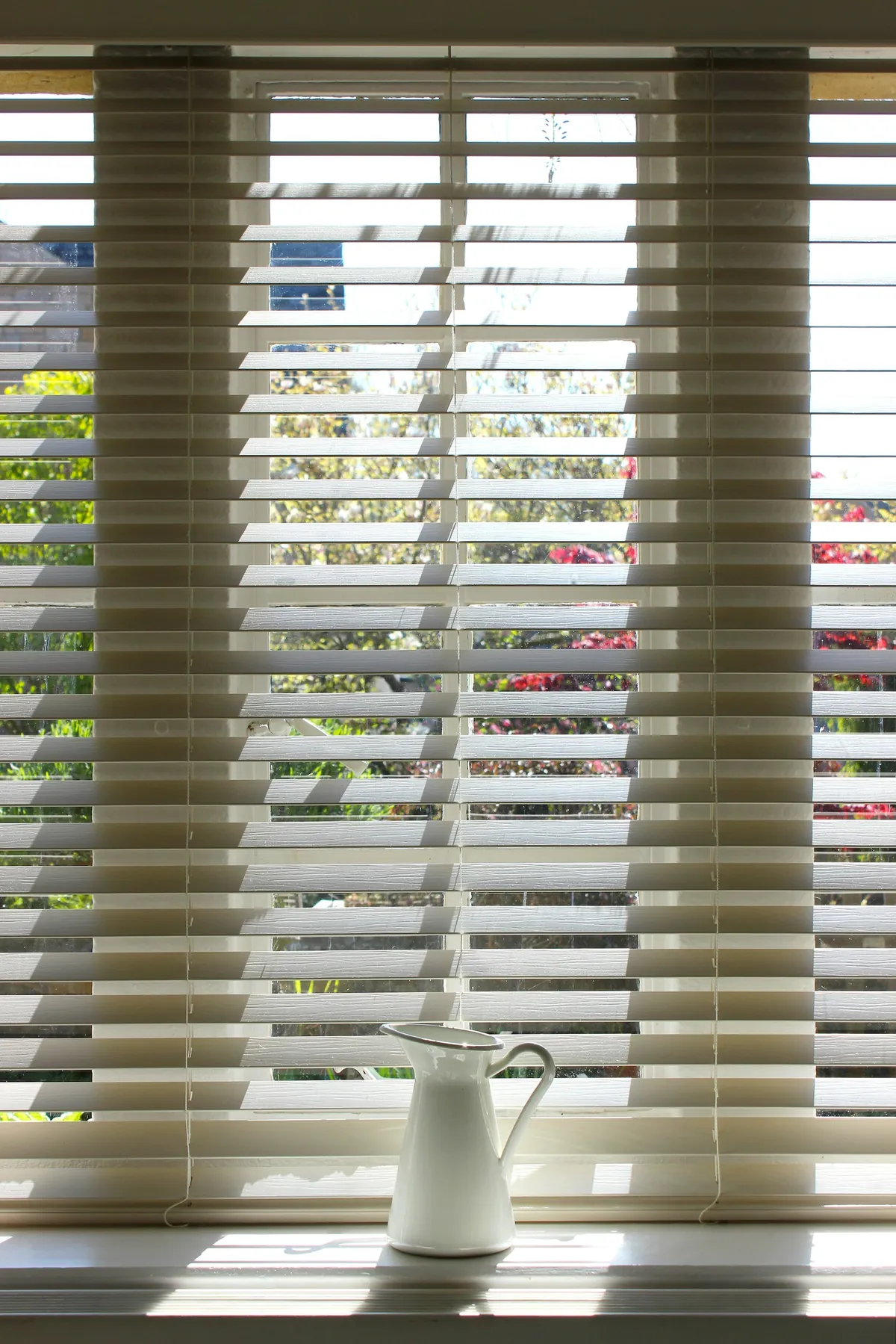
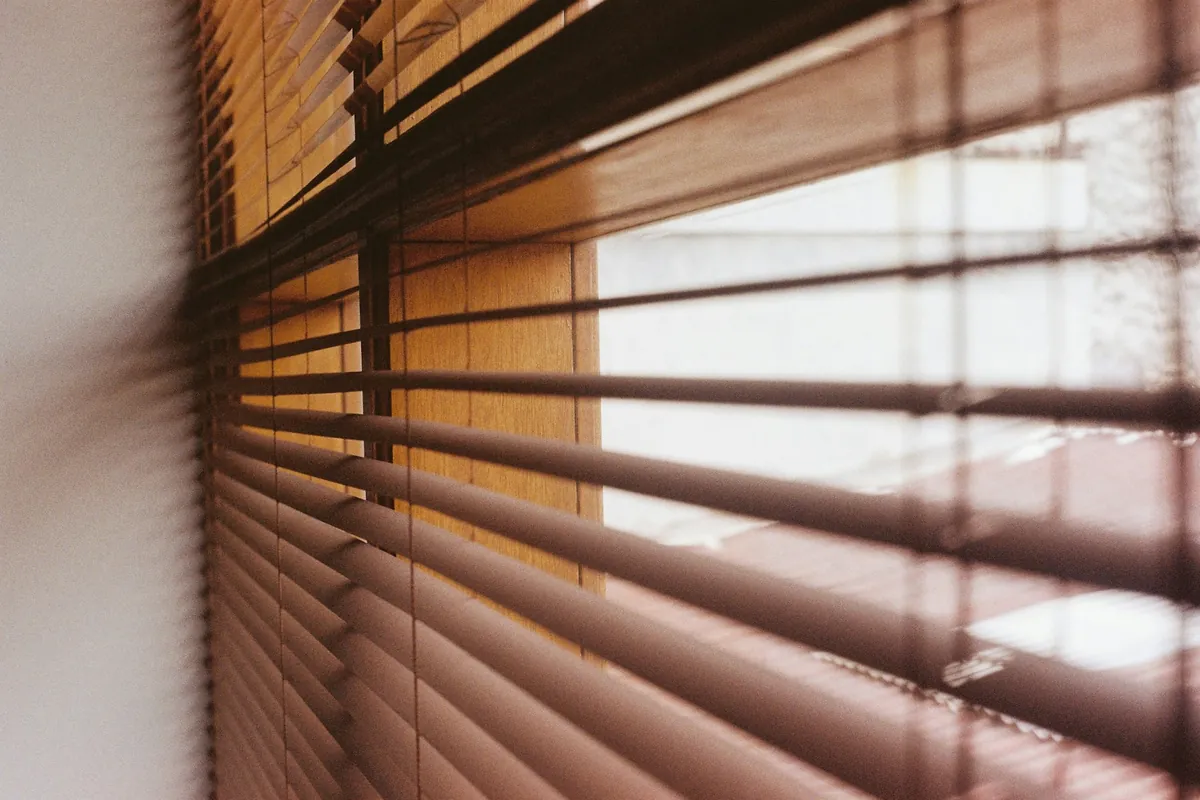
Wood or faux wood slats, sized to each opening, for bedrooms, kitchens and the newer family rooms.
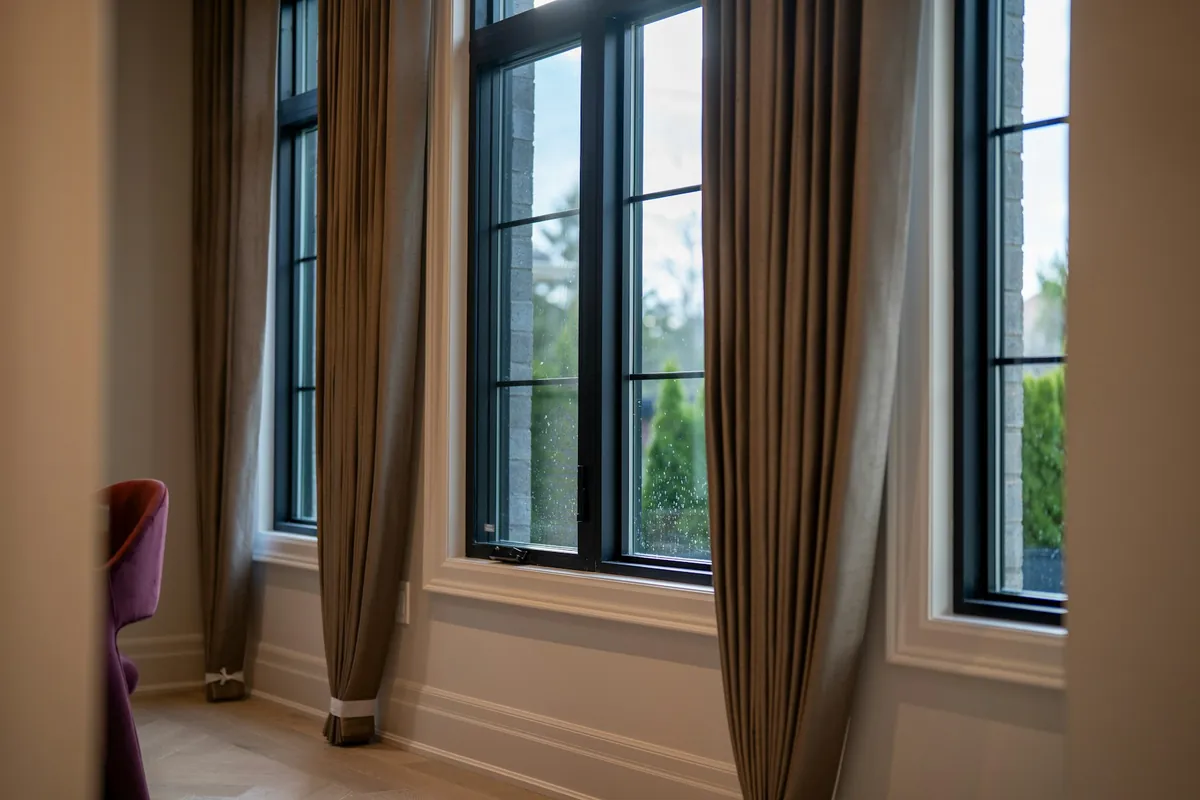
Custom drapes
Lined drapery made to measure, often paired with a blind or shade in the older houses.
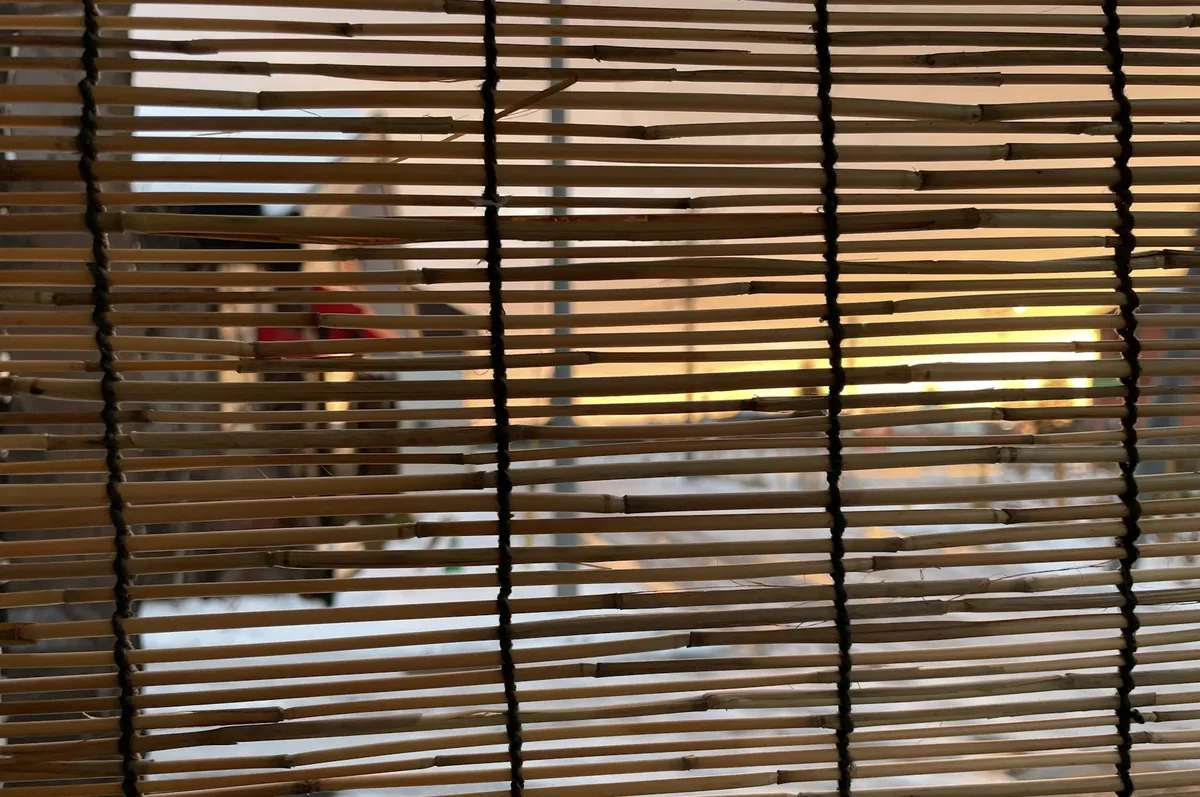
Woven wood shades
Natural weaves that suit a farmhouse kitchen or a sunny back room.
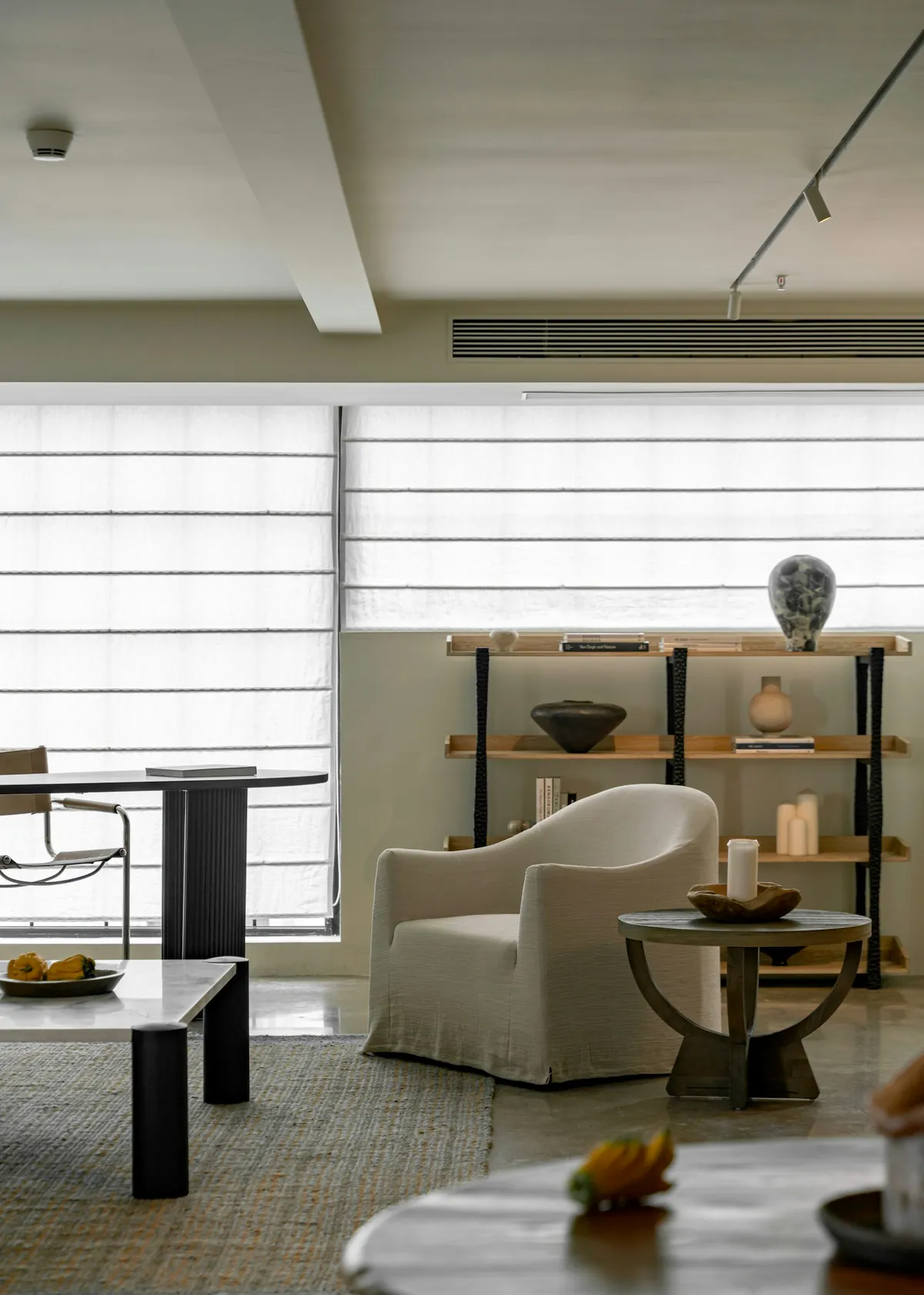
Cellular shades
Honeycomb shades for rooms that need to hold their heat through a long winter.
Fitting the Deep-Set Windows of an Antique House
The thick walls of an antique colonial or farmhouse put each window at the back of a deep opening, with a wide sill in front of the glass. That depth gives you a choice that shallower modern frames do not: the treatment can sit right inside the opening, close to the glass, or on the face of the wall in front of the opening.
An inside fit is usually our first suggestion in these houses. It keeps the old casing and the full depth of the reveal on show, and it leaves the sill clear, which matters if you use it for plants, books or a window seat. A Norman shutter fitted inside a deep reveal can look as if it has always been there. A shade fitted the same way lifts clear of the small glass when raised and disappears into the top of the opening.
The difficulty is that antique openings are rarely square or uniform. Over many winters, frames settle and lean, and the reveal can be a little wider at the top than at the bottom, or deeper on one side than the other. Our specialist measures each window at several points before anything is ordered, and if a frame is too far out of true for a neat inside fit, we talk through an outside mount that still respects the trim.
Small windows and the size of the stack
On a small window, every bit of a raised treatment counts. A blind with a deep stack can cover a large share of a short window even when it is fully raised. A shade that folds or rolls compactly leaves more of the glass clear, and so does a shutter whose panels swing completely out of the way. In a room where one small window provides all the daylight, that difference is easy to see, and the showroom is the place to compare it.
When Privacy Is Not the First Concern
Most window advice assumes neighbours close by. Many of the antique houses on Winthrop Street and Route 44 do not have that problem. They sit back on large lots, sometimes surrounded by fields, and nobody can see in from the road. In those rooms, a treatment is chosen for other reasons.
Light. Small old windows let in less daylight than modern ones, and you do not want a treatment that steals what there is. A shade or shutter that opens fully is the right call for the main living rooms.
View. If the window looks out over a field, a wood line or a garden, you will want to see it. A blind tilted open, or a light-filtering shade, softens strong sun while keeping the view.
Darkness. Out in farm country, nights are properly dark, and a lit room is visible from a long way off. Even without close neighbours, many owners want to close the house in once the lamps are on. A fully closing blind or a lined shade does that.
Warmth. Older houses can be drafty, and small single-glazed windows lose heat. A fabric shade fitted close to the glass inside the reveal adds a layer between the room and the cold, which helps on a winter evening.
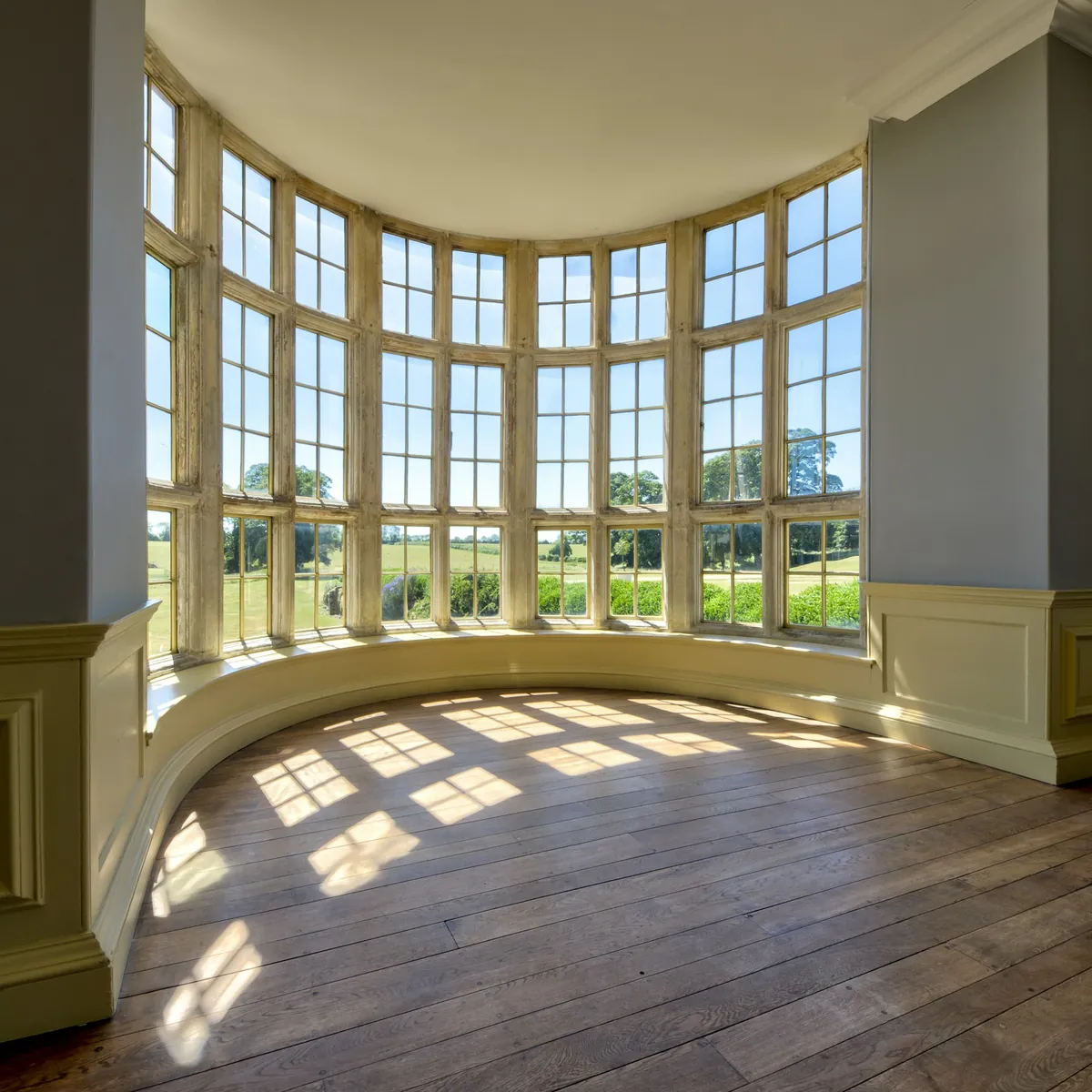
Sun across open fields
The same open land that keeps neighbours at a distance also leaves many Rehoboth houses with nothing between the windows and the sun. With no houses or tall trees close by, a west-facing room can take the full low sun of a summer evening, straight across the fields and into the room at eye level. Rugs, floors and furniture near those windows fade faster, and the room can get warm.
For rooms like that, a treatment that cuts glare without shutting out the day earns its place. A light-filtering Norman shade softens the whole window evenly. A blind can be tilted to send the light up toward the ceiling, so the room stays bright but the sun no longer lands on the sofa. A shutter with the louvres angled does a similar job and gives you the option of closing the room completely on the hottest afternoons. Owners who ask us about Norman blinds in Rehoboth, MA for a sunny back room often try all three in the showroom before deciding which feels right.
Thinking about the house this way usually leads to a mix of products. The main rooms get something that opens fully for light and view. The bedrooms get something that closes tight for dark mornings in summer. And the coldest rooms get a fabric that helps them hold heat.
Norman Blinds in Rehoboth, MA for the Newer Colonials
The newer colonial subdivisions off Bay State Road are a different job. Their windows are larger, square and consistent, often double-hung in matching sizes across the front of the house, with a family room at the back that has more glass and a slider to a deck or patio. Here neighbours are closer, so privacy comes back into the picture.
Choosing Norman blinds in Rehoboth, MA for one of these houses usually starts with the front. Windows that face the street read as a set, so most owners choose one product and colour for every front window, even when the rooms behind them differ. A blind in the dining room, a shade in the living room and matching blinds in the upstairs bedrooms can all share a colour and look like one decision from outside.
At the back of the house, the family room is where the most choices meet. A run of windows across one wall can take a row of matching shades or blinds, each made to its own opening. A slider needs something that draws to the side, such as a vertical blind or a panel track, in a colour that sits with the treatment on the windows beside it. A kitchen window over the sink is a good place for faux wood slats that cope with steam.
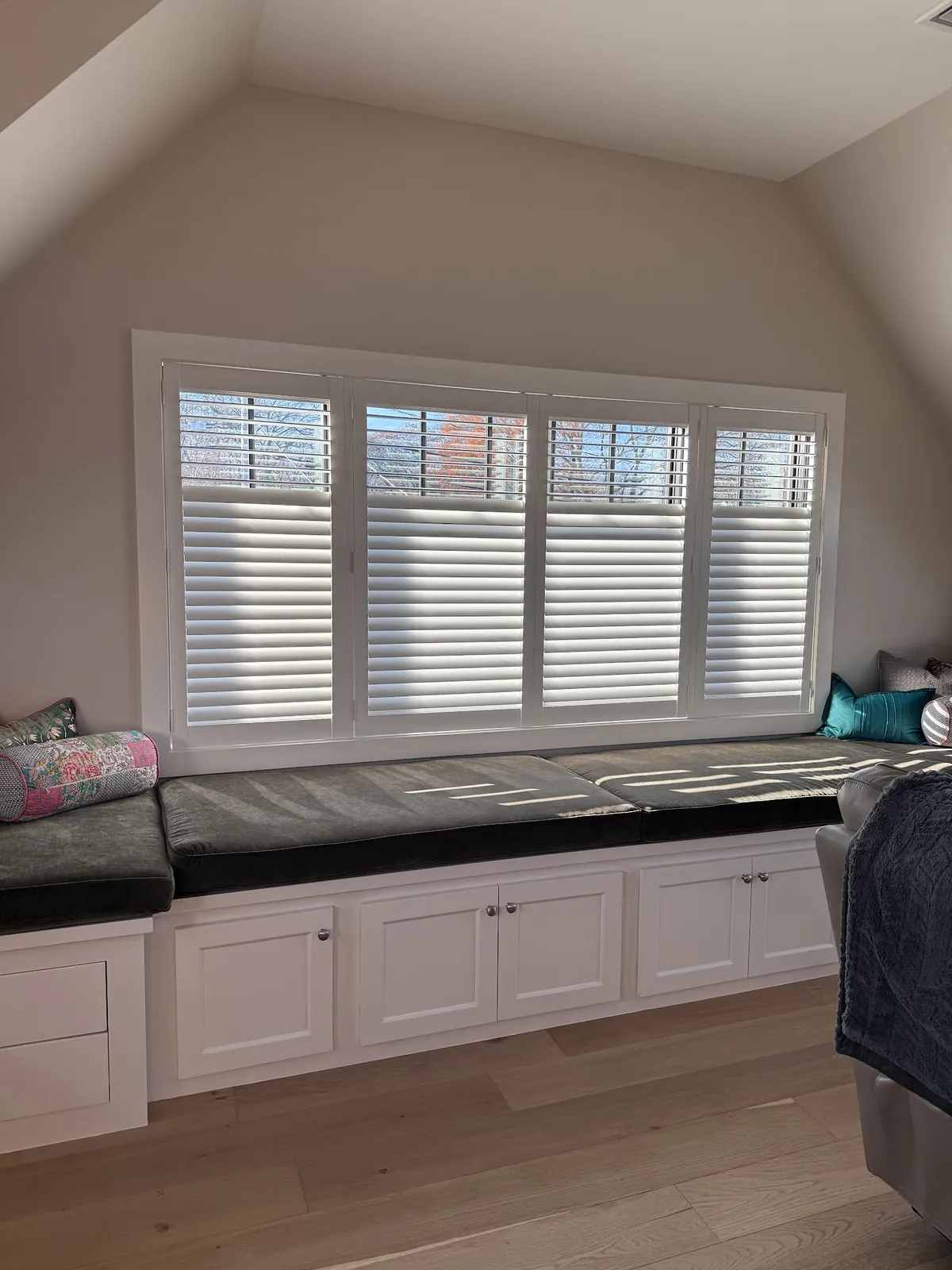
What the Showroom Lets You Test
A visit to the Swansea showroom is the best way to choose among the Norman range before anyone measures your windows. Seeing the products in person answers questions a picture cannot.
- Inside fit. Look at how a shutter or shade sits inside a deep frame, and picture it in your own reveal.
- Stack. Raise a blind and a shade fully and compare how much space each takes at the top. On a small antique window, this matters.
- Fabric and light. Hold shade fabrics against the daylight to see how much they filter, and choose a lined or darkening cloth for bedrooms.
- Finish against your woodwork. Bring a photo of the casing or a piece of the trim colour, and set finishes beside it.
Our specialists can point you to the products best suited to deep-set windows, to the larger windows of a newer colonial, and to sliders. You do not need to decide on the day.
The order, step by step
We keep you informed at every stage until the work is complete. An order for Norman blinds in Rehoboth, MA usually goes like this.
- Call the store or send the form and book a free quote, mentioning the rooms and the age of the house.
- Try the range at the Swansea showroom, if you would like to see it first.
- A specialist comes to Rehoboth and measures every window, checking reveal depth, squareness and anything in the way, such as old hardware or a radiator.
- You choose product, fabric or slat, colour and operation, window by window.
- You receive an itemised quote.
- The order is made to the measurements taken in your home.
- Our installers fit it, check every piece and show you how it all works.

Room by Room in an Antique Farmhouse
Antique houses often have rooms that work very differently from each other. A few notes from the rooms we see most often:
The front parlour. Usually the most formal room, with the best woodwork. Shutters fitted inside the reveal suit it, or a shade with side drapes for colour.
The kitchen. Often in a later addition or a converted back room, with a window over the sink. Faux wood slats or a moisture-friendly shade are the practical choice.
The bedrooms under the eaves. Small windows, sometimes set low in the wall where the roof slopes. A compact shade that lifts clear is often best, and a darkening fabric helps with early summer light.
The back room or sunroom. Sometimes added later with larger, newer windows and a lot of light. A light-filtering shade or woven wood softens the sun without darkening the room.
The stair and landing. Old staircases often have a single small window on the turn, seen from both floors. Something simple and light works best there, in a colour that sits with the rooms above and below.
The study or home office. A small room with one deep window, where screen glare is the main problem. A blind with slats tilted upward bounces daylight onto the ceiling and keeps it off the screen.
Each room can take a different product while the house still looks consistent, as long as the colours are chosen together.
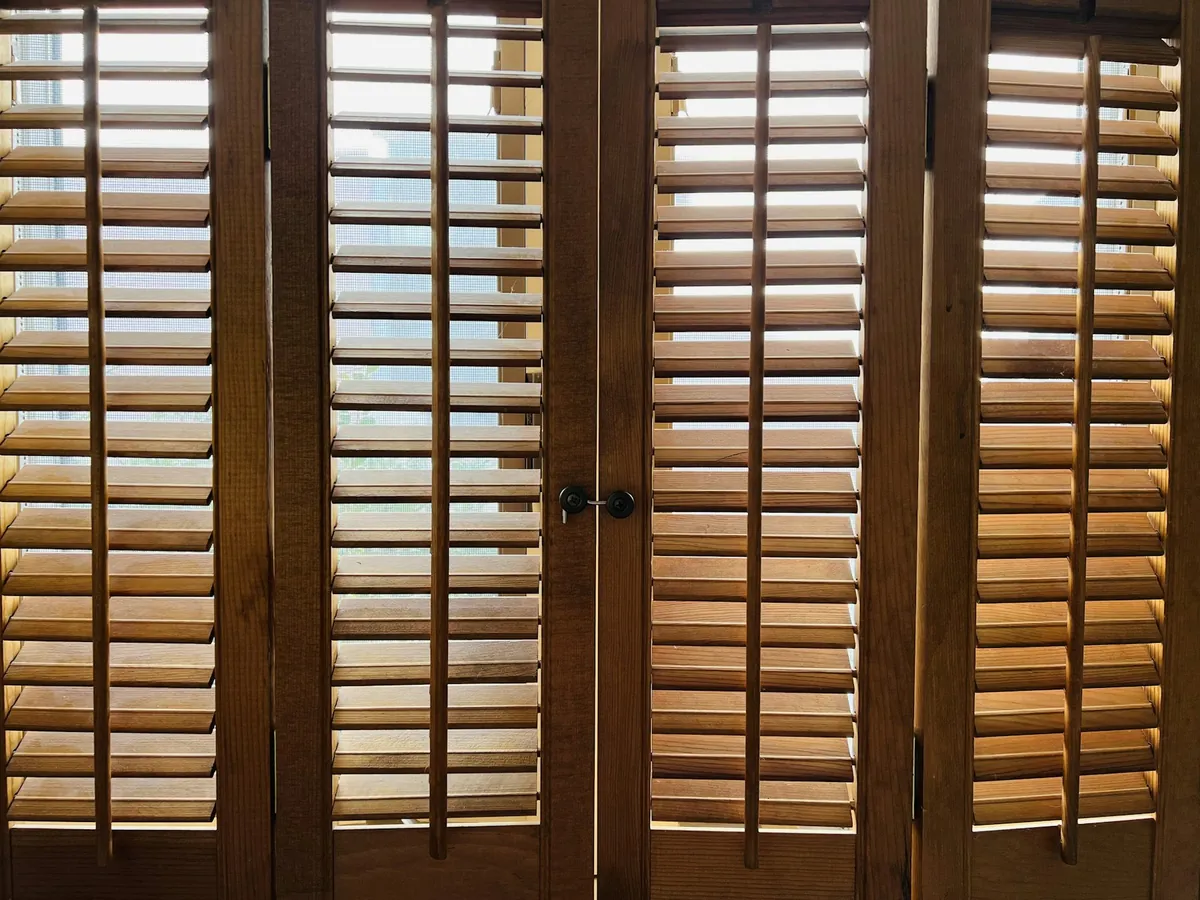
Finishes for old woodwork
Antique colonials and farmhouses often keep their original trim, sometimes painted many times over, sometimes stripped back to the wood. The finish you choose for a blind or shutter should sit comfortably with it. A painted white or cream finish against painted trim looks crisp and simple, and it suits the plain, practical rooms of a farmhouse. A stained wood finish beside natural woodwork looks warmer and more traditional, and it can make a parlour or a study feel settled.
Matching a stain exactly is rarely possible, and it is not usually the goal. A finish a shade lighter or darker than the trim tends to look intentional, while one that is nearly but not quite the same can look like a mistake. Bring a photo of the trim in daylight, or better still a loose piece of moulding if you have one, and compare finishes in the showroom. Our specialists can also look at the trim during the measuring visit and suggest what will work.
Planning over time
Not every antique house is done in one go. Many owners start with the rooms used most, such as the kitchen and the main living room, and add the bedrooms or the parlour later. We keep a note of the product, finish and colour on every order, so the next room can match the first even if it comes a season or two later. That matters in an antique house, where the rooms are often finished one at a time as other work on the house allows, and where a matching finish from room to room is what makes the whole place feel settled.
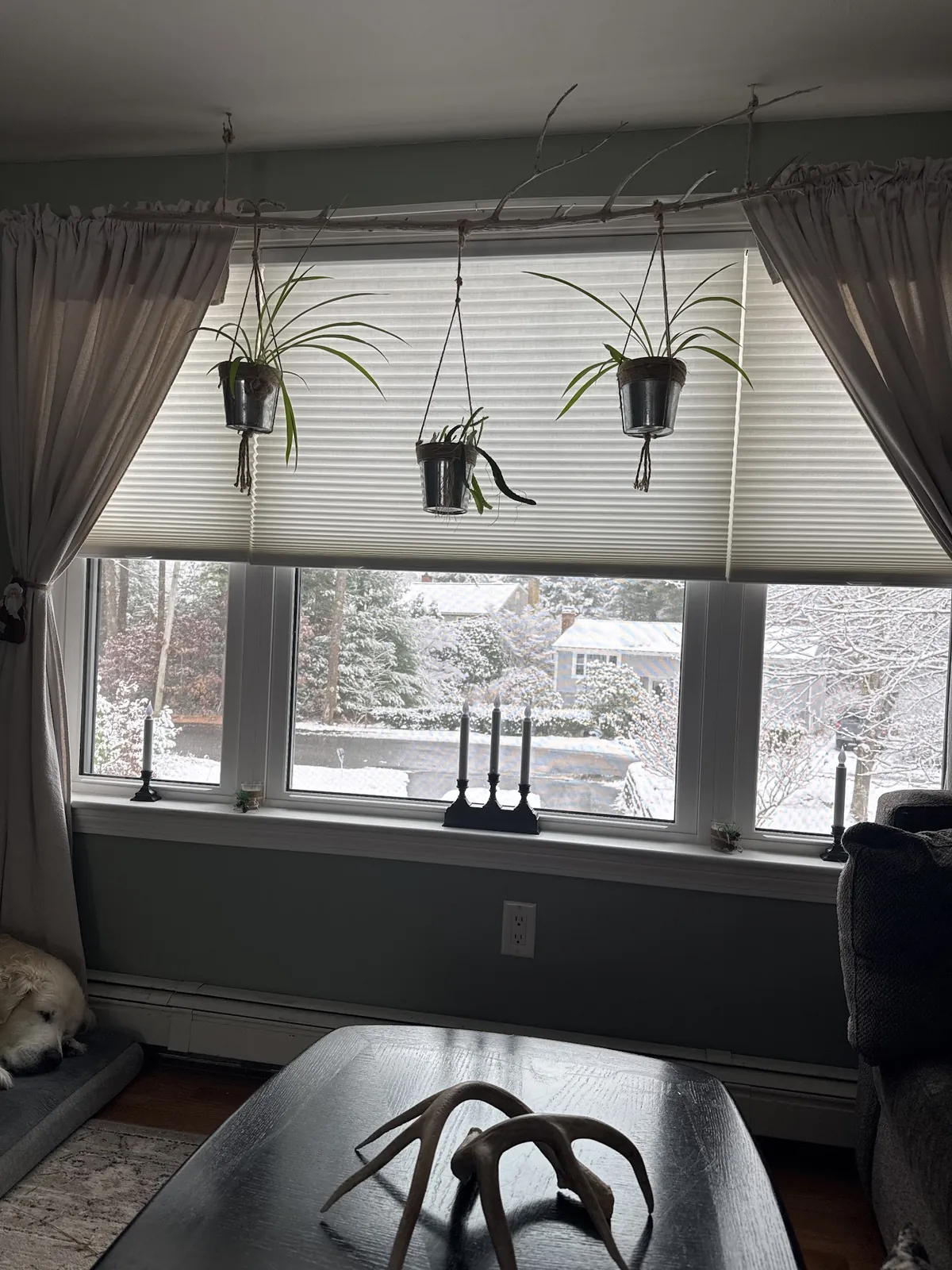
Why Rehoboth Homes Choose Window Works
Window Works has been a family business in Swansea since 1988 and is now in its second generation. For over 37 years, the store has fitted windows from the SouthCoast into the Rhode Island East Bay, in antique houses and new ones alike.
- Window treatment specialists with long experience of older houses
- Measuring in your home, so every piece is made to its own frame
- Installation by our own team
- In constant contact with you until the job is done
- Warranties offered on the products we sell
- The Norman range on display to compare in person
Drapes with Norman blinds and shades
In an antique colonial, a fitted Norman shade or blind inside the reveal often pairs well with drapes hung outside the frame, for colour and warmth. Window Works makes custom drapes too, so both can be planned on one visit. Our Rehoboth window treatments page shows everything else we offer in town, and the main Norman blinds page tells you more about the range.
Looking after your new treatments
A soft cloth or duster keeps blinds and shutters looking right. Faux wood can be wiped with a damp cloth. Keep real wood dry. Most shades need only a light dusting or a soft vacuum brush. If a cord, wand or headrail on something you already own gives trouble, tell us when you call.
Questions from Rehoboth
Can Norman products fit the small, deep-set windows in an antique house?
Yes. Deep reveals suit an inside fit. We measure each window at several points, because antique frames are rarely square or uniform.
Will a treatment cover the wide sill?
Not with an inside fit. The treatment sits close to the glass at the back of the reveal and leaves the sill clear.
My house has no close neighbours. Do I still need something that closes fully?
For the main rooms, many owners choose something that opens fully for light and view. For bedrooms and evenings, a blind or lined shade that closes tight is still useful.
Do you work in the newer subdivisions off Bay State Road too?
Yes. We measure and install throughout Rehoboth, in antique houses and newer colonials alike.
How do I book a quote?
Use the call button or the form. The quote is free.
Ready When You Are
Book your free quote through the call button, and on the same call ask about measuring in your home or installation. If writing suits you better, send the form. To see the Norman range in person first, come into the Swansea showroom; directions are on the contact page. Window Works is rated 5.0 on Google.