
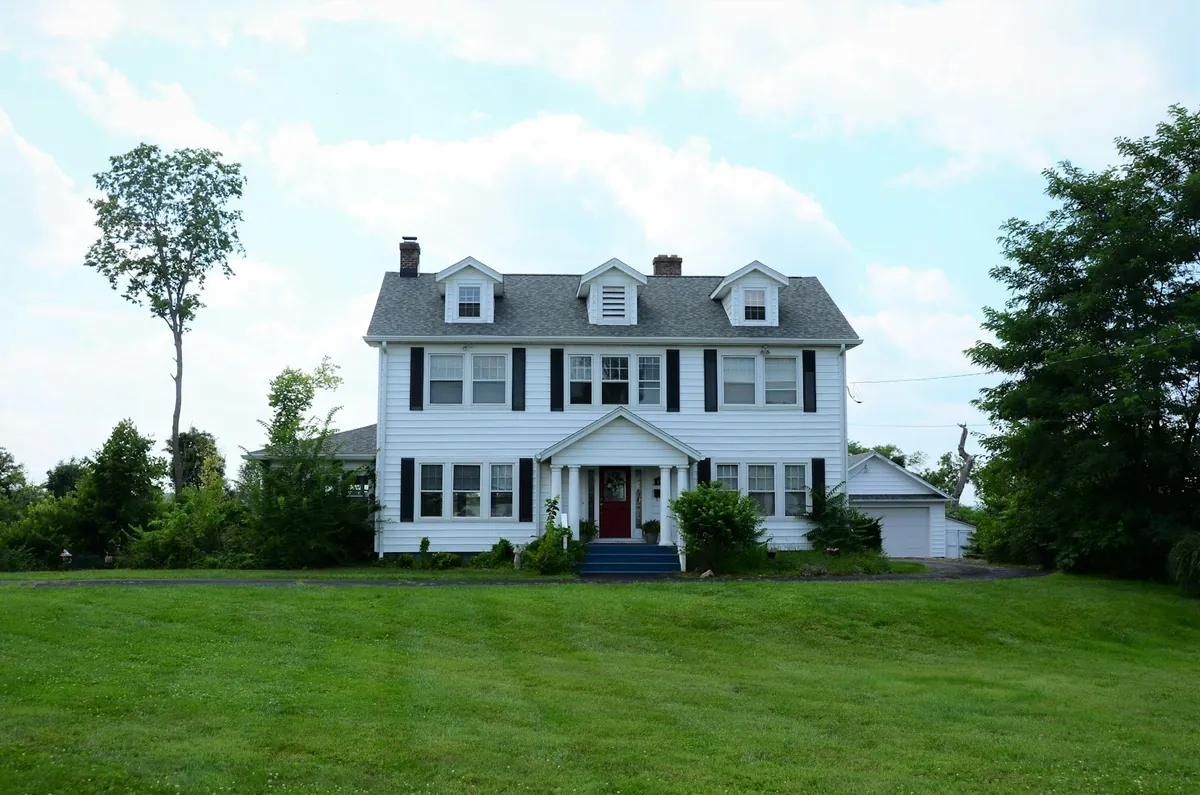
Old Sash and New Glass in One Room
Walk into many Dighton houses and you will find two eras of window in the same room: original nineteenth-century sash on one wall and the modern glass of a later addition on another. Making those two look like they belong together is the most common puzzle we meet with Norman blinds in Dighton, MA. Because every piece in the range is made to its own opening, a slim old sash and a broad new window can each get a treatment sized for it, in one finish that ties the room together.
Window Works carries the Norman range of blinds, shades and shutters and keeps it on show at our Swansea showroom. Norman is the one brand we name. Seeing the range first makes it much easier to picture how an old window and a new one will look side by side.
The housing in town is low density and mostly older: farmhouses and capes along Main Street and Somerset Avenue, and river lots on the Taunton River, each with its own light and its own mix of windows.
- The Norman range on display in Swansea
- Old and new windows measured one by one
- Installed by our own team
Choices for Dighton Windows
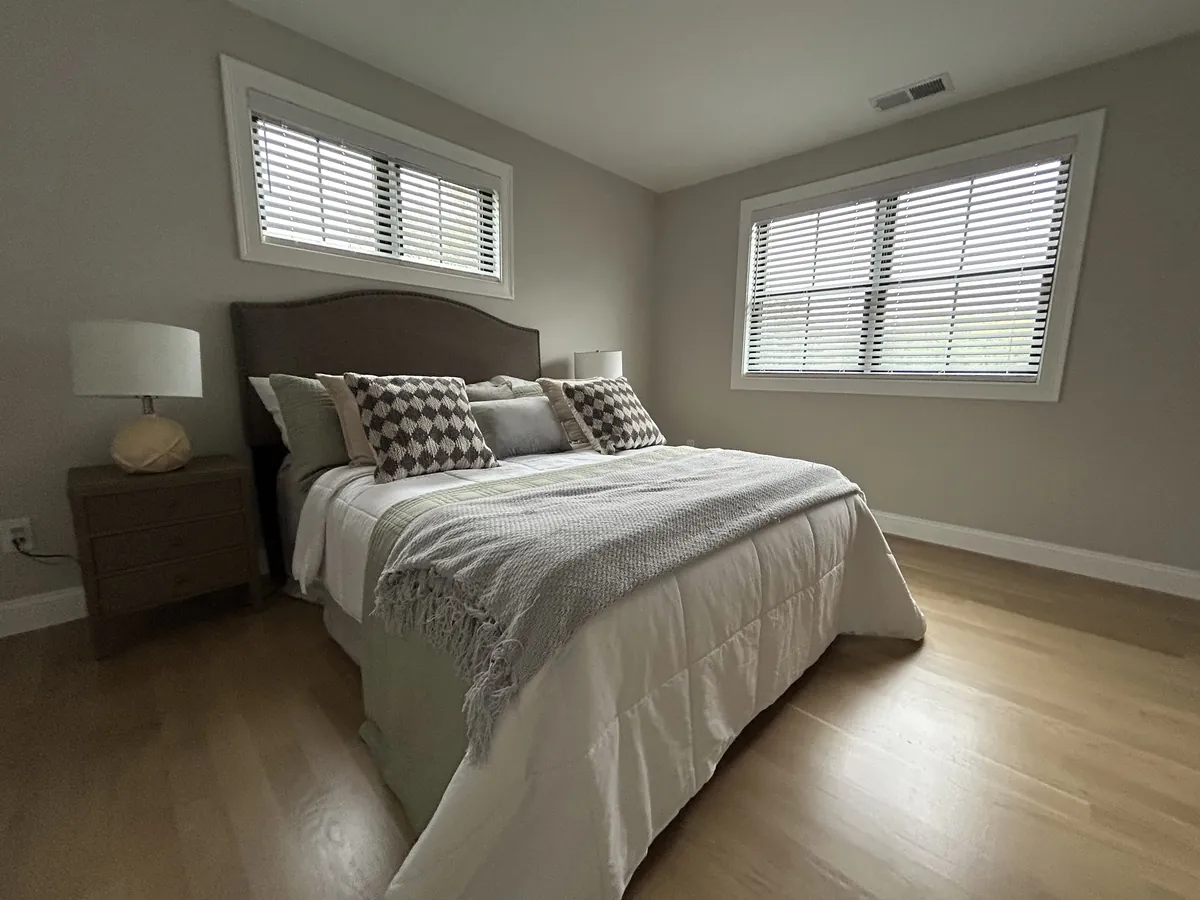
Norman shutters
A frame built for each opening, so an old sash and a new window can carry matching shutters at their own sizes.
Norman shades
Fabric that softens light evenly, good for the bigger glass of an addition or a river-facing room.
Norman blinds
Wood and faux wood slats that tilt for privacy and light, made to fit narrow sash or wide new frames.
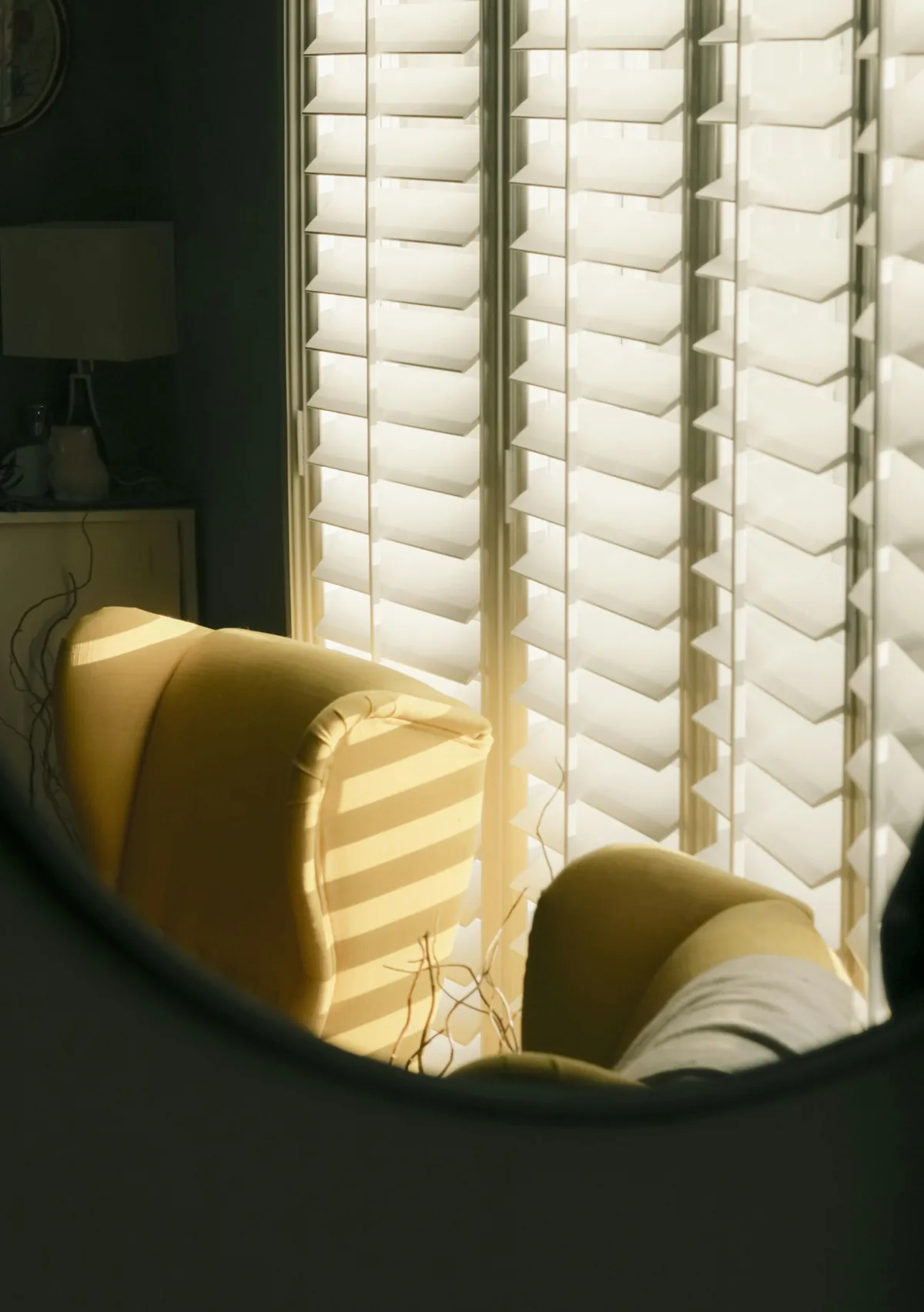
Plantation shutters
Louvre sizes and frame styles for Dighton’s farmhouses and capes.
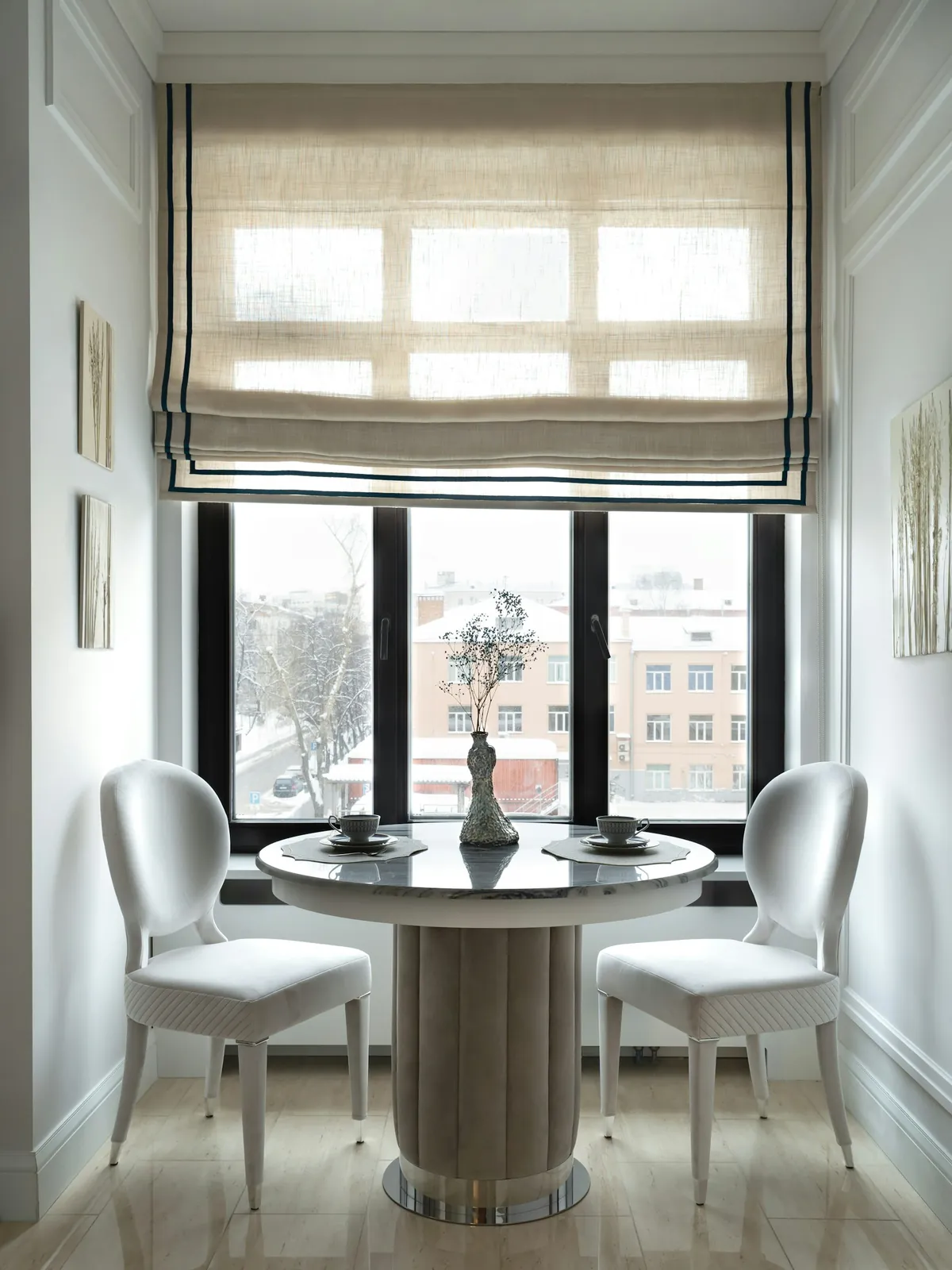
Roman shades
Soft fabric folds for bedrooms, kitchens and sitting rooms.
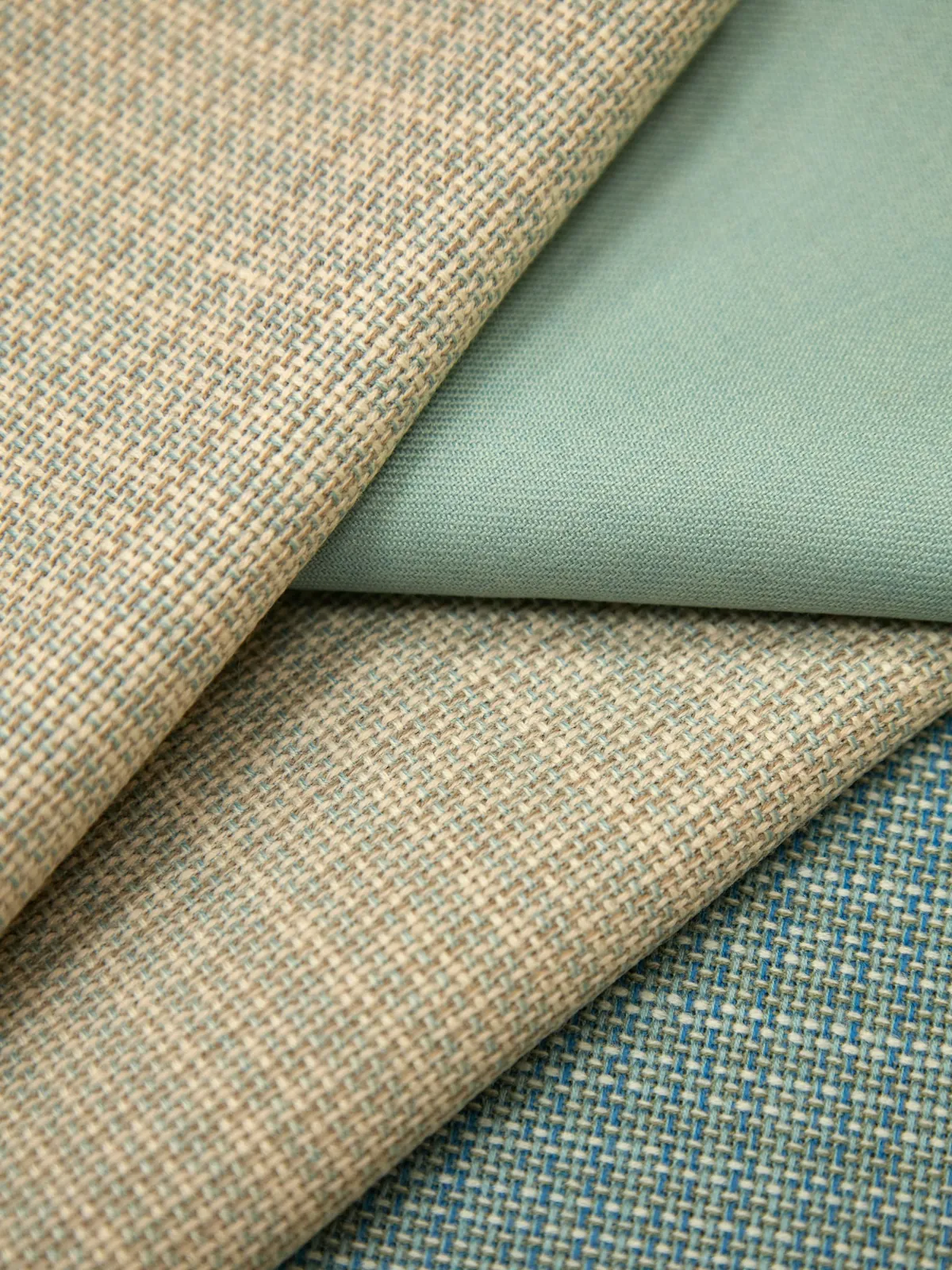
Fabric decor
Pillows and duvet covers in fabrics that tie back to the windows.
Making Two Kinds of Window Agree
An addition is usually built to modern sizes, with large double-hung or casement windows, sometimes a slider or French doors, and frames that are square and true. The original part of the house keeps its old sash: narrower, often taller in proportion, set in deeper trim and rarely perfectly square. When the addition opens into an old room, or when one room spans both parts of the house, you see both kinds of window at once.
The temptation is to treat each window on its own terms. That tends to look patchy. The better approach is to choose one product family and one finish for the whole room, then let each window take its own size and mounting.
Here is how we usually plan a room like that.
- Look at the old sash first. Its depth and trim decide whether the treatment can sit inside the frame or needs to go outside it.
- Look at the new windows next. They are usually easier, but larger, so the weight and stack of the treatment matter more.
- Choose a product that suits both. Shutters and shades often bridge the gap well, because they look at home on old sash and modern frames alike.
- Match the finish and colour across every window in the room, even when the sizes differ.
- Line up the tops where you can, so the room reads level even if the old and new windows sit at slightly different heights.
That last point is often overlooked. Old and new windows rarely start at exactly the same height on the wall. Where the trim allows, mounting the treatments so their tops align makes a mixed room look calm and intentional.
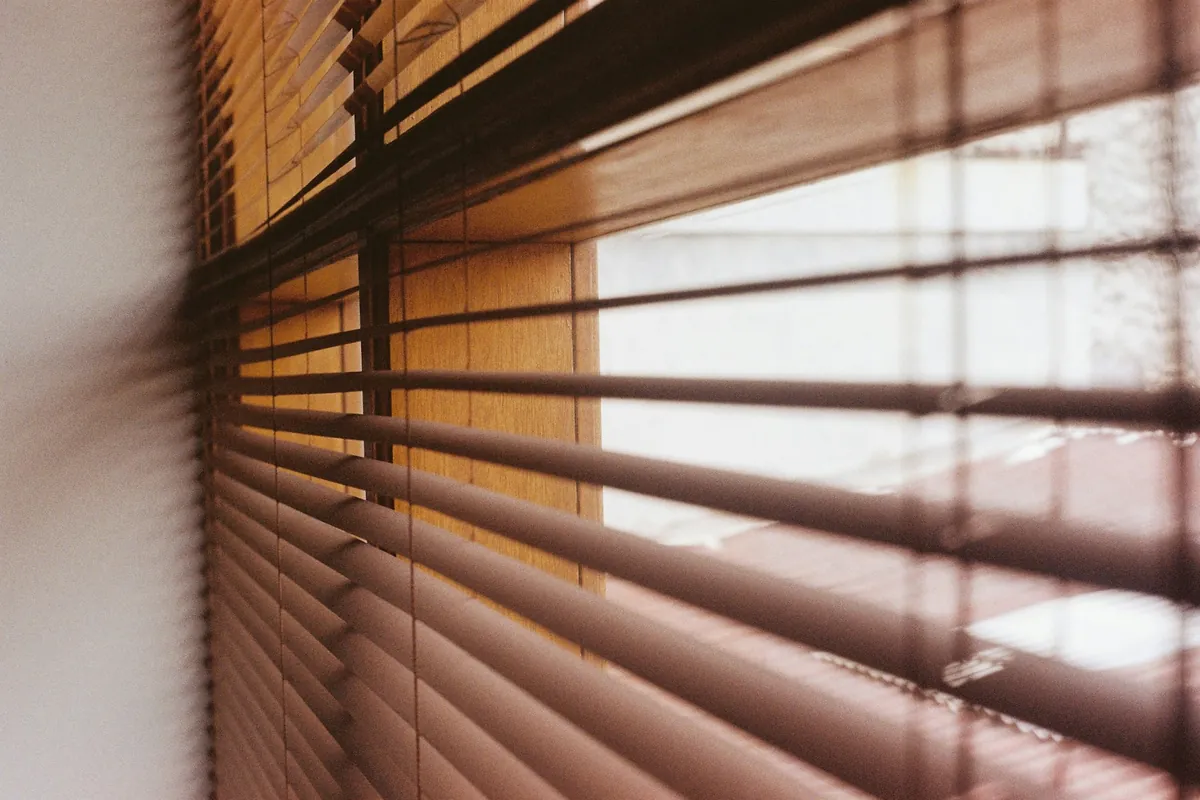
Light from two eras
The difference between old and new is not only in size. A modern window lets in far more light than an old sash of the same wall area, because the glass is larger and the frame slimmer. In a room where an addition meets the original house, the new end can be bright while the old end stays dim. A treatment can help even that out.
On the new windows, a light-filtering fabric or slats tilted part way take the edge off the brightness. On the old sash, something that opens fully, such as a shutter that swings back or a shade that lifts clear, lets every bit of daylight through. The room ends up feeling balanced rather than split in two. Owners looking at Norman blinds in Dighton, MA for a room like this often find that the same product, set differently at each end, does exactly that.
Shutters across old and new
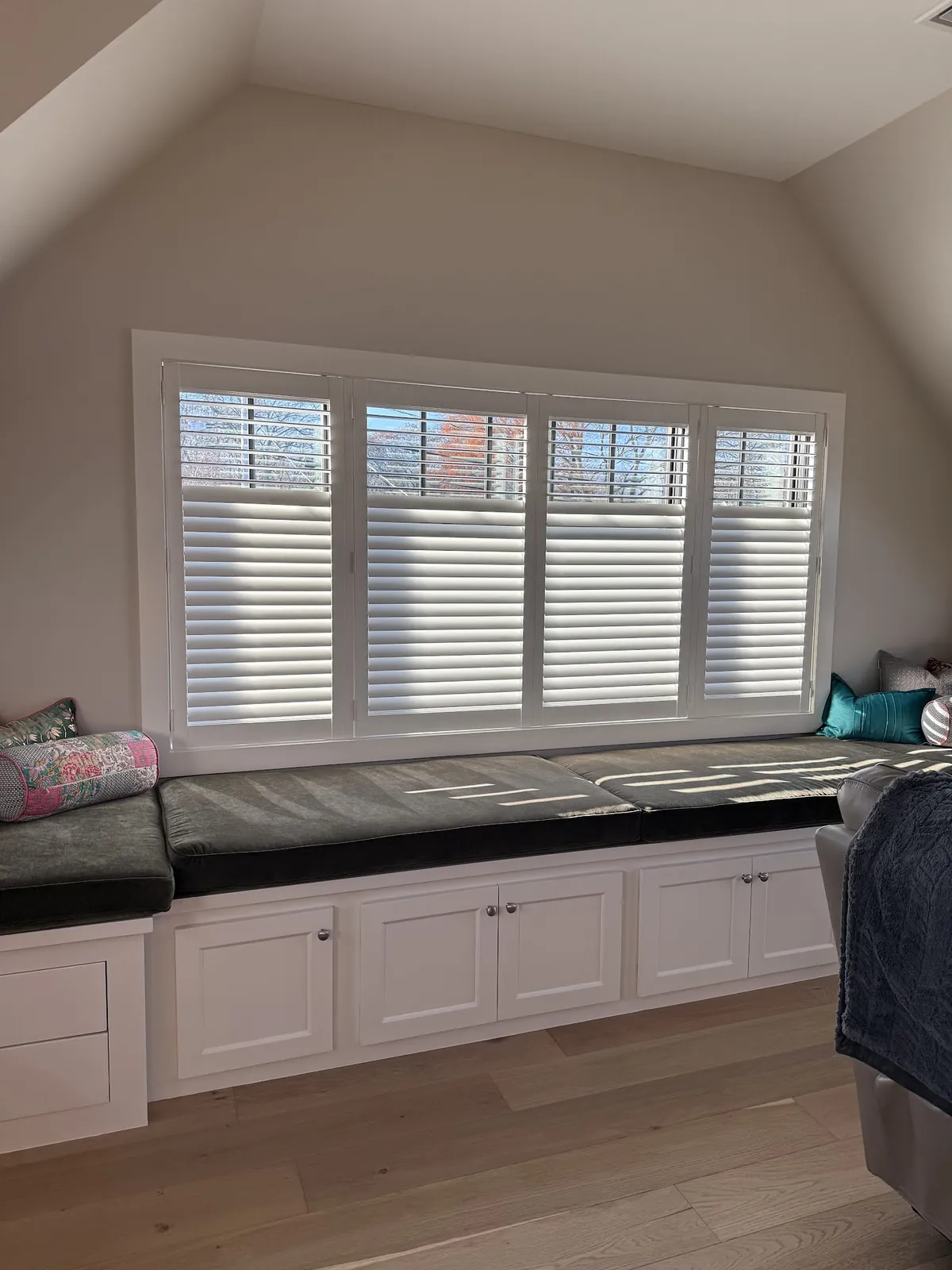
A Norman shutter is a good bridge between eras. Fitted inside the deep frame of an old sash, it looks traditional. Fitted to a large modern window in the addition, with louvres of the same size and the same finish, it looks like part of the same plan. The frame is built for each opening, so the different sizes are handled in the making, not on the wall.
Shades across old and new
A shade does the same job more softly. The fabric looks the same on every window, and only the width changes. On the larger glass of an addition, a shade folds or rolls up into a compact stack that leaves the view clear. On the narrow old sash, it sits neatly inside the frame.
Blinds across old and new
A blind works too, though on a very large modern window it can be heavy to raise. In that case, splitting the window into two blinds that match the old sash beside it is often the tidier answer.
The Farmhouses and Capes on Main Street and Somerset Avenue
The farmhouses and capes along Main Street and Somerset Avenue make up much of Dighton’s older housing. The farmhouses have tall windows in their main rooms and smaller ones upstairs. The capes have modest windows downstairs and dormers above. Both often keep original trim worth showing off.
In these houses, choosing Norman blinds in Dighton, MA usually means respecting the trim. An inside fit keeps the casing on view and makes the treatment look like part of the window. Old frames vary, so our specialist measures every window rather than assuming the first is a pattern for the rest, and suggests an outside fit with a headrail sized to the trim where a frame is too shallow or too far out of true.
Upstairs, cape dormers sit close under the roof with little room around them. A compact shade that lifts clear is often the best choice there. The farmhouse bedrooms are usually roomier, and blinds or shutters suit them well.
Low density, open outlooks
Dighton’s housing is spread out. Many houses stand on decent lots with fields, trees or the river nearby, and close neighbours are less common than in the busier towns. That shapes what a treatment needs to do. In many rooms, privacy from next door is not the main concern. Light, view and evening comfort are.
For a living room with a pleasant outlook, a treatment that opens fully is usually the right call. For a bedroom, closing tight on a bright summer morning matters more. For a room that faces the road, privacy in the evening comes back in, especially where a farmhouse or cape on Main Street or Somerset Avenue sits close to the road with a deep lot behind it. A front parlour near the pavement can use a shutter with the lower panels closed and the upper ones open, which keeps the room bright by day and screened once the lamps go on. Planning room by room this way usually leads to a sensible mix: shutters or shades in the main rooms, blinds or darkening shades in the bedrooms.
Norman Blinds in Dighton, MA on the River Lots
The houses on the Taunton River lots face the water, and their main rooms are often arranged to look over it. Some have larger windows on the river side, sometimes added in a renovation, alongside older windows elsewhere in the house.
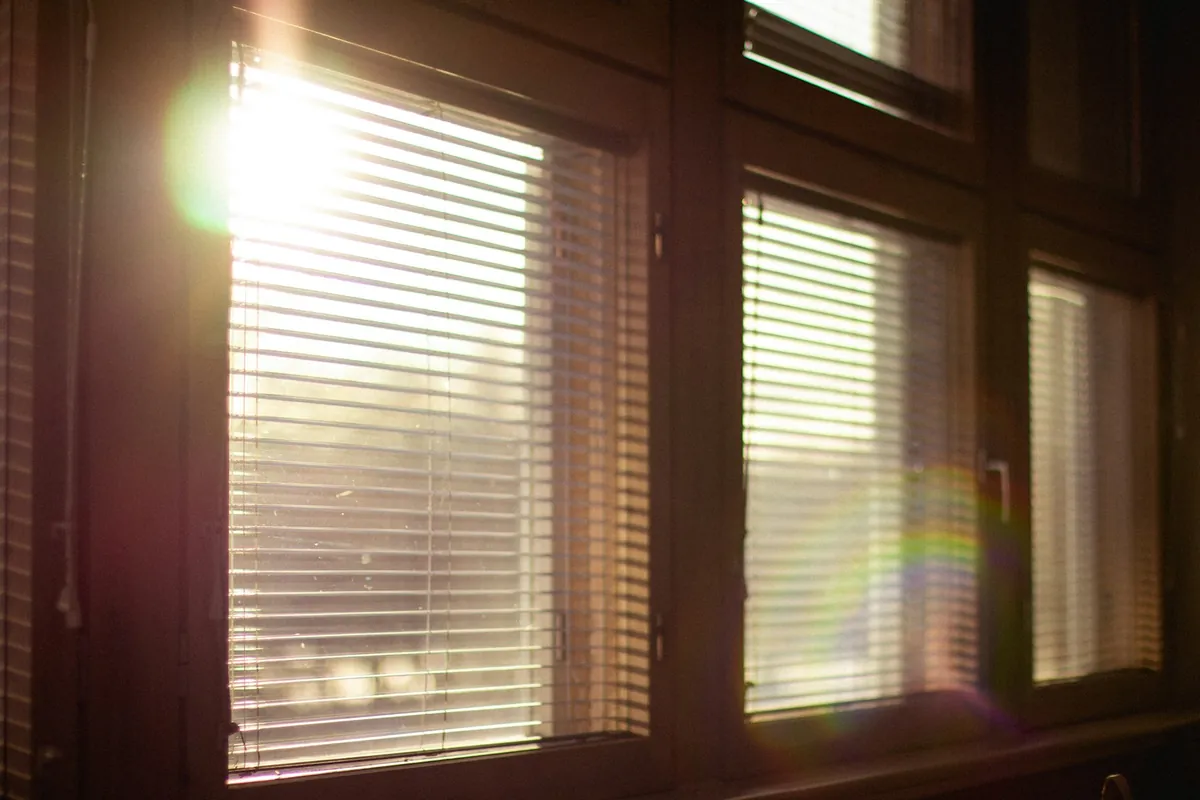
River light is bright and reflects off the water in the afternoon, so glare control is the main job on the river side. A light-filtering Norman shade softens it evenly and keeps the river in soft view when lowered. A blind tilted upward redirects the light toward the ceiling, which helps in a room with a television or a desk. Either way, the treatment should lift fully clear of the glass when you want the whole view.
Damp air near the river is worth considering too. Faux wood blinds and shutters in a moisture-friendly material handle it well, and they suit kitchens, bathrooms and any room that sits close to the water. Real wood is happier in drier rooms further from the river.
Choosing Norman blinds in Dighton, MA for a river house often comes down to two zones: the river side, where glare and view rule, and the road side, where privacy matters. Planning both at once keeps the colours consistent.
Seeing the Range Before You Choose
The Swansea showroom is the easiest place to work out what will suit a mixed room. With the Norman range on display, you can see shutters, shades and blinds at different sizes and imagine them on your own old sash and new windows.
- Bring two photos. One of an old window and one of a new window from the same room, if you have that mix.
- Compare stack heights. Raise a shade and a blind fully and see which leaves more glass clear.
- Hold finishes beside your trim colour. A photo of the old woodwork in daylight helps.
- Try the operation. Feel the weight of lifting a wide blind against a wide shade.
Our specialists will help you narrow the choice. You do not need to decide that day.
If the house has an addition, it helps to know roughly when each part was built and which rooms join the two. That tells us where old sash and new glass meet, and which rooms will need the most thought. A rough sketch of the ground floor, with the windows marked, is more than enough. With that in hand, the showroom visit can focus on the two or three products that will bridge the gap, rather than the whole range.
What to Expect From Your Order
We keep in touch at every step until the work is done.
- Use the call button or the form to book a free quote and tell us about the house, including any additions.
- Come to the showroom if you want to see the range in person.
- A specialist visits and measures each window, old and new, recording depth, squareness and height on the wall.
- You choose products, finishes and operation, window by window, with the room as a whole in mind.
- We send a written quote listing every window.
- The order is made to those measurements, and our installers fit it and show you how it all works.

Additions with French doors or sliders
Many additions open onto a deck or patio through French doors or a slider. These need treatments that clear the opening completely. French doors can take a shade or blind mounted on each door. A slider usually takes a vertical blind or panel track that draws to the side. Either can be chosen in a finish that matches the treatments on the windows in the same room.
Cold rooms in the old part of the house
The original rooms of a farmhouse or cape are often the coldest in winter. The old single-glazed sash loses heat, and draughts find their way round the frame. The addition, with modern windows, usually stays warmer. A fabric shade fitted close to the glass inside the old frame adds a layer between the room and the cold, and lowering it at dusk makes the room noticeably more comfortable. If keeping heat in is the main aim, it is worth comparing cellular shades as well; the showroom has both side by side.
Choosing one colour for a mixed room
Colour does more than anything else to make old and new windows look like one plan. A single finish across every window in the room, whether painted white, a soft neutral or a wood stain, pulls the sizes together. Where the old trim is stained and the addition’s trim is painted, a neutral finish that sits between the two often works better than matching either one exactly. Bring photos of both kinds of trim to the showroom and set the finishes beside them.
Stair and hall windows
The stair in an older farmhouse often has a small window on the landing, seen from both floors and sometimes from the front door too. A simple, light treatment in the same colour as the rooms above and below keeps it from standing out. On a narrow hall window, a slim slat or a compact shade suits the proportions best.
Kitchens and bathrooms
Older kitchens and bathrooms often have a single window over the sink or the tub. A slat that copes with steam is the safe choice, and some shades are suited to damp rooms too. Ask in the showroom which parts of the range fit. In an addition, the kitchen window is often larger and newer, so the same faux wood slat can carry on from the old part of the house to the new.
Why Dighton Homes Call Window Works
Window Works was founded in Swansea in 1988 and is family run, now in its second generation. For over 37 years our team has worked in older houses across the SouthCoast and the Rhode Island East Bay, including plenty with additions.
- Experienced window treatment specialists
- Measuring in your home, window by window
- Installation by our own team
- In constant contact with you until the job is done
- Warranties offered on our products
- The Norman range on display to compare in person
Bringing in fabric
A fitted shade or blind can be finished with drapes at the sides, and in a mixed room the drapery can help tie old and new windows together, hanging at the same height across both. Window Works makes custom drapes and fabric decor as well. Everything we offer in town is on our Dighton window treatments page, and the full range is on the main Norman blinds page.
Questions from Dighton
How do you make old sash and new addition windows match?
We choose one product and finish for the room, then make each piece to its own window. Shutters and shades bridge old and new especially well.
My old windows are not square. Can Norman products still fit?
Yes. We measure each frame at several points and fit inside where it works, or outside with a headrail sized to the trim where it does not.
What suits a river-facing room?
A light-filtering Norman shade softens glare off the water. Faux wood blinds or shutters cope well with damp air near the river.
Do you install as well as measure?
Yes. Our specialists measure in your home, and our own installers fit the finished order.
Is the quote free?
Yes, quotes are free. Book one with the call button or the form.
Book a Free Quote
A free quote is where it starts. Use the call button to reach the Swansea store and arrange measuring in your home or ask about installation, or send the form and we will reply. If you would like to see how shutters, shades and blinds look before you decide, the Swansea showroom has the Norman range on show, and the contact page has directions. Window Works holds a 5.0 rating on Google.