
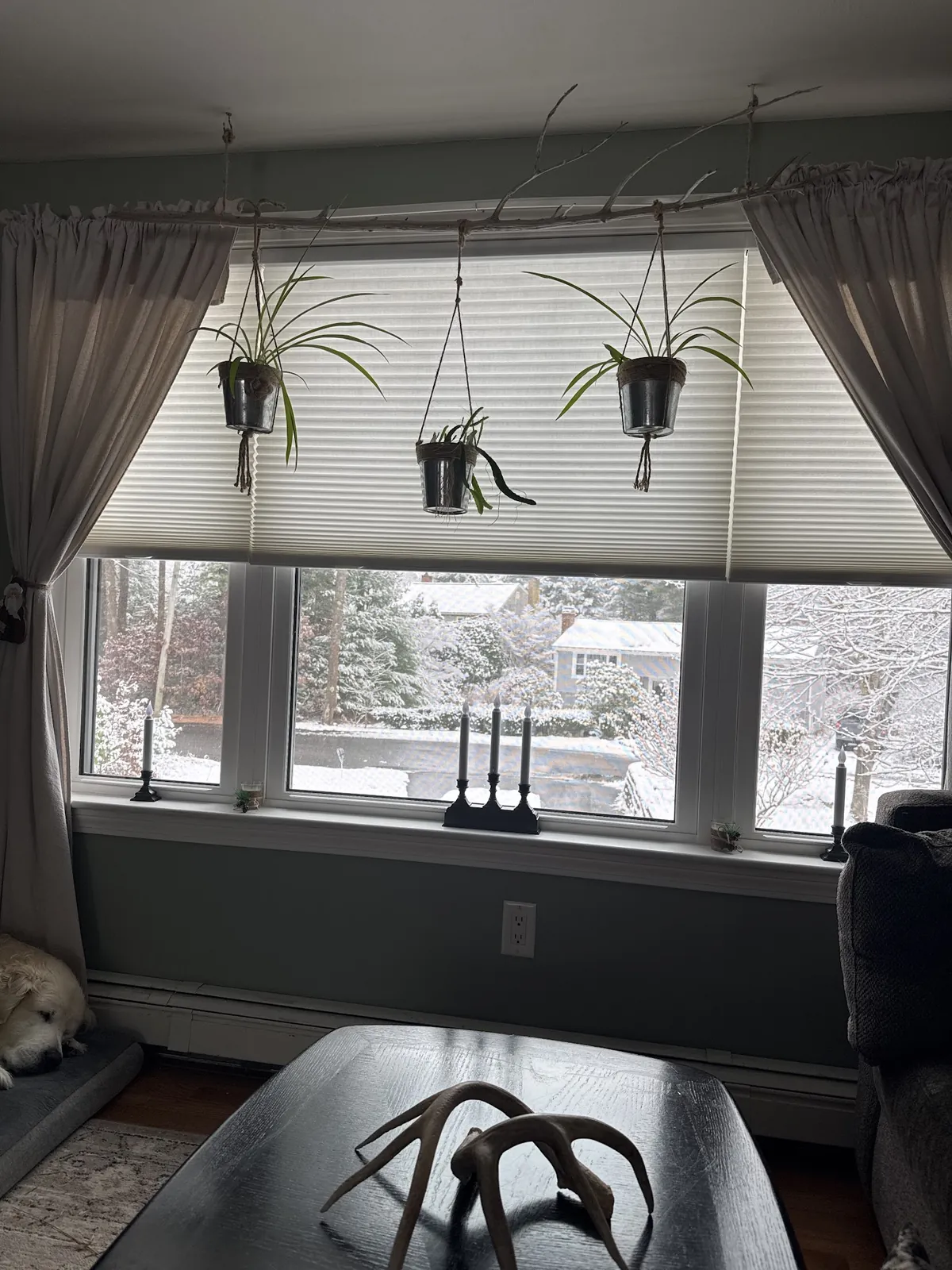
Bays and Transoms Need Made Treatments
The Victorians and colonials near downtown and around Oak Hill were built with features that no stock blind was ever designed for: bay windows that project out from the wall in three or more angled sections, and transoms, the smaller windows set above a door or a main window. Those openings need treatments that are made rather than bought, and that is where Norman blinds in Attleboro, MA come in. Each piece is built to a measured opening, so the angled panes of a bay and the odd shape of a transom are handled in the making.
Window Works stocks the Norman range of blinds, shades and shutters. It is the one brand we name, and you can try it at our Swansea showroom before a specialist comes to measure.
Attleboro’s housing goes well beyond the older centre. The split-levels off Route 123 bring wide windows and patio doors, and the South Attleboro ranches spread across one floor with a broad front window and a bedroom wing. We cover all of them.
- The Norman range on show in Swansea
- Bays and transoms measured pane by pane
- Fitted by our own installers
What the Range Covers in Attleboro
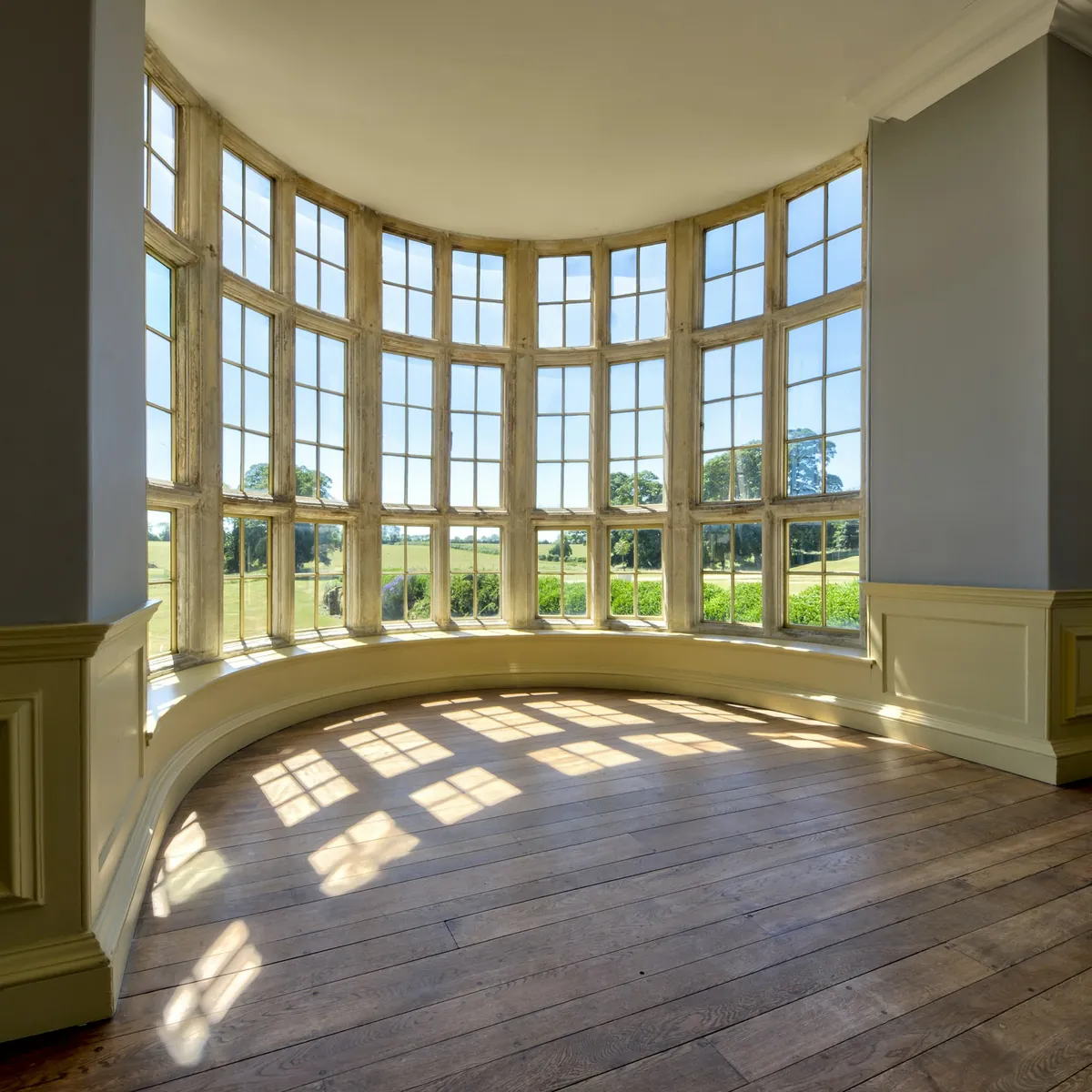
Norman shades for a bay
A separate shade for each pane of a bay, made to its own width, lowered together or one at a time.
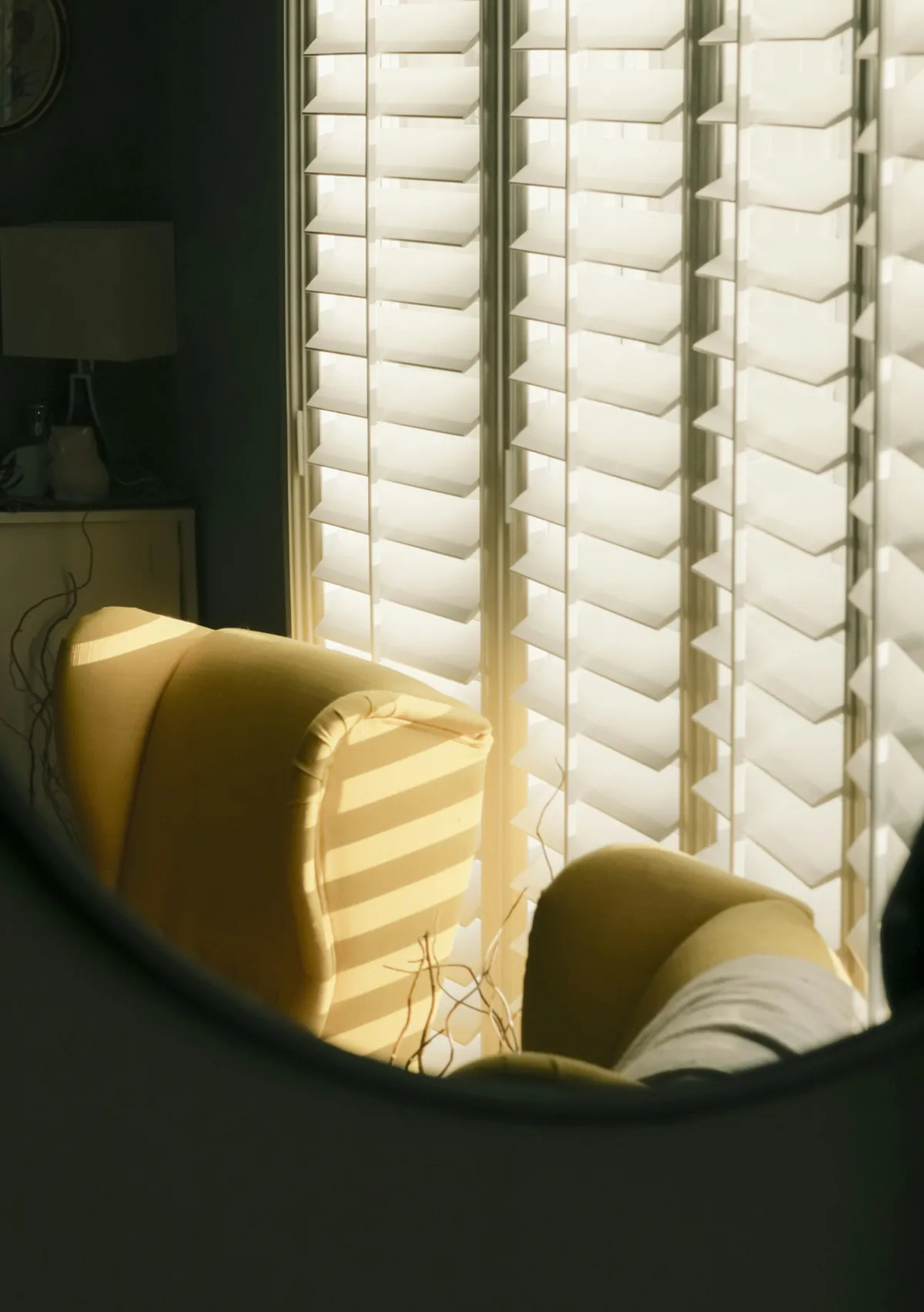
Norman shutters for formal rooms
Shutters on a frame built for each window, a natural fit for the parlours and dining rooms of the older houses.
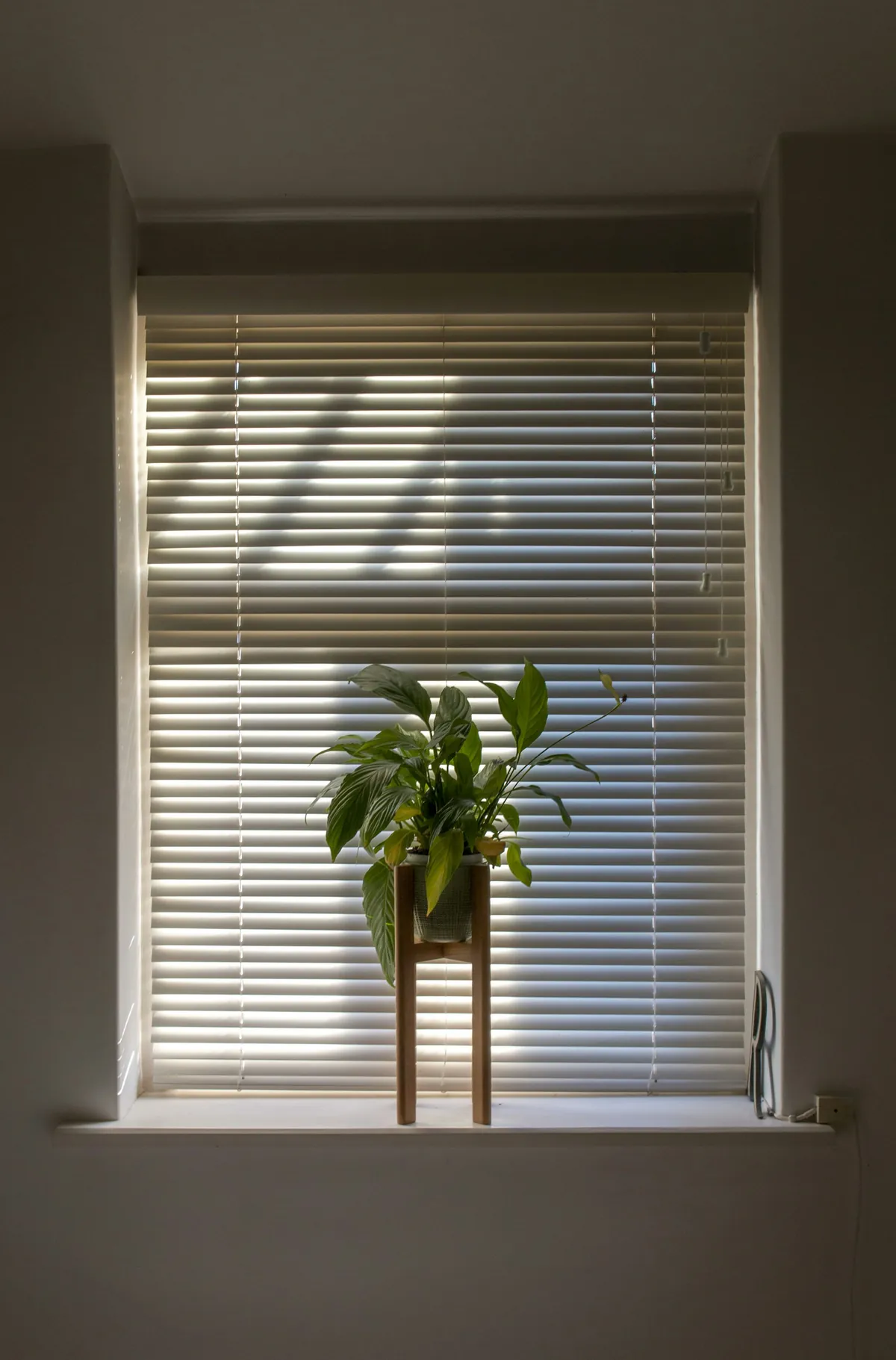
Norman blinds for the everyday rooms
Slats that tilt for privacy and light in bedrooms, kitchens and studies.
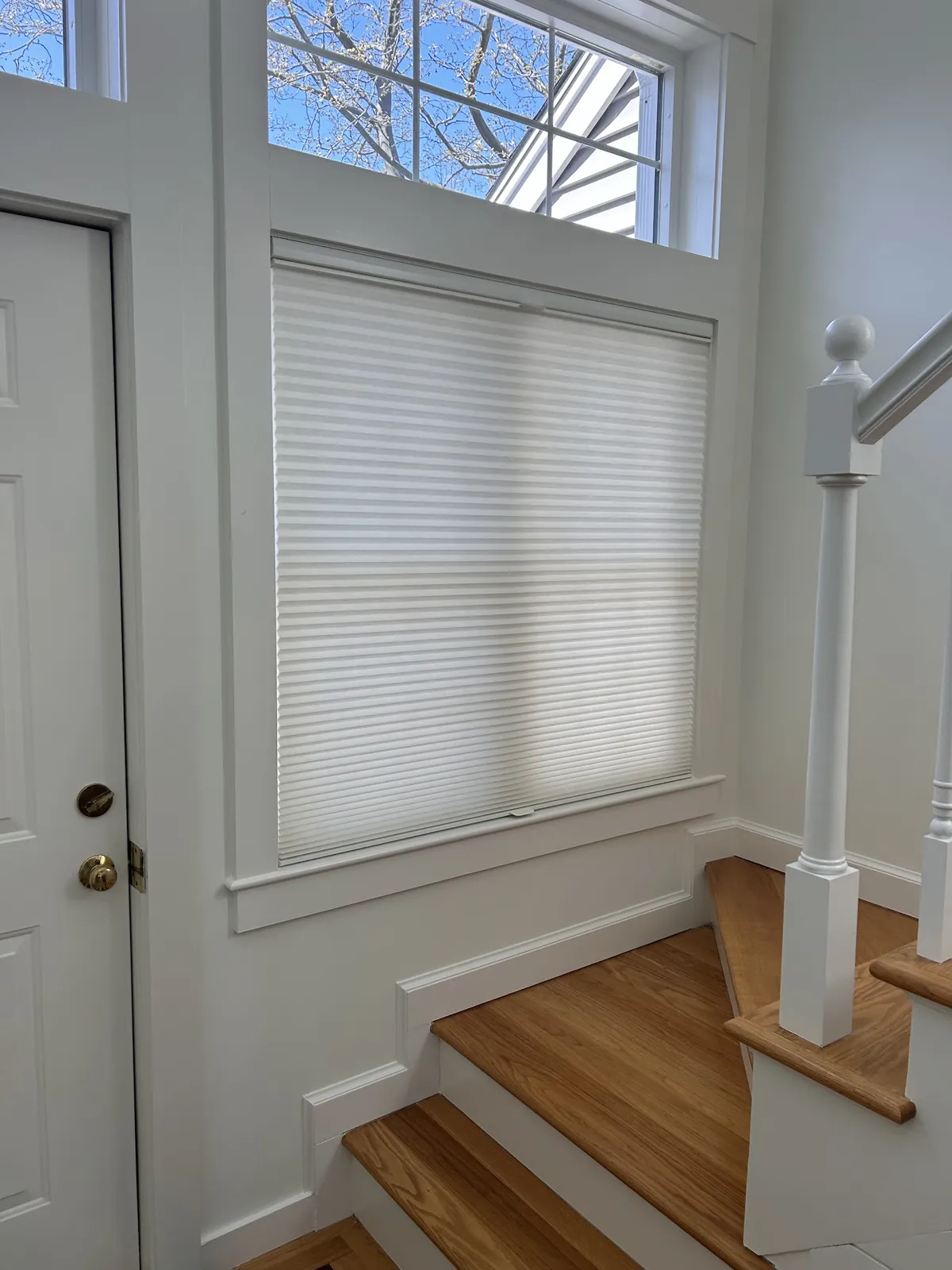
Cellular shades
Honeycomb shades for older rooms that need help holding heat.
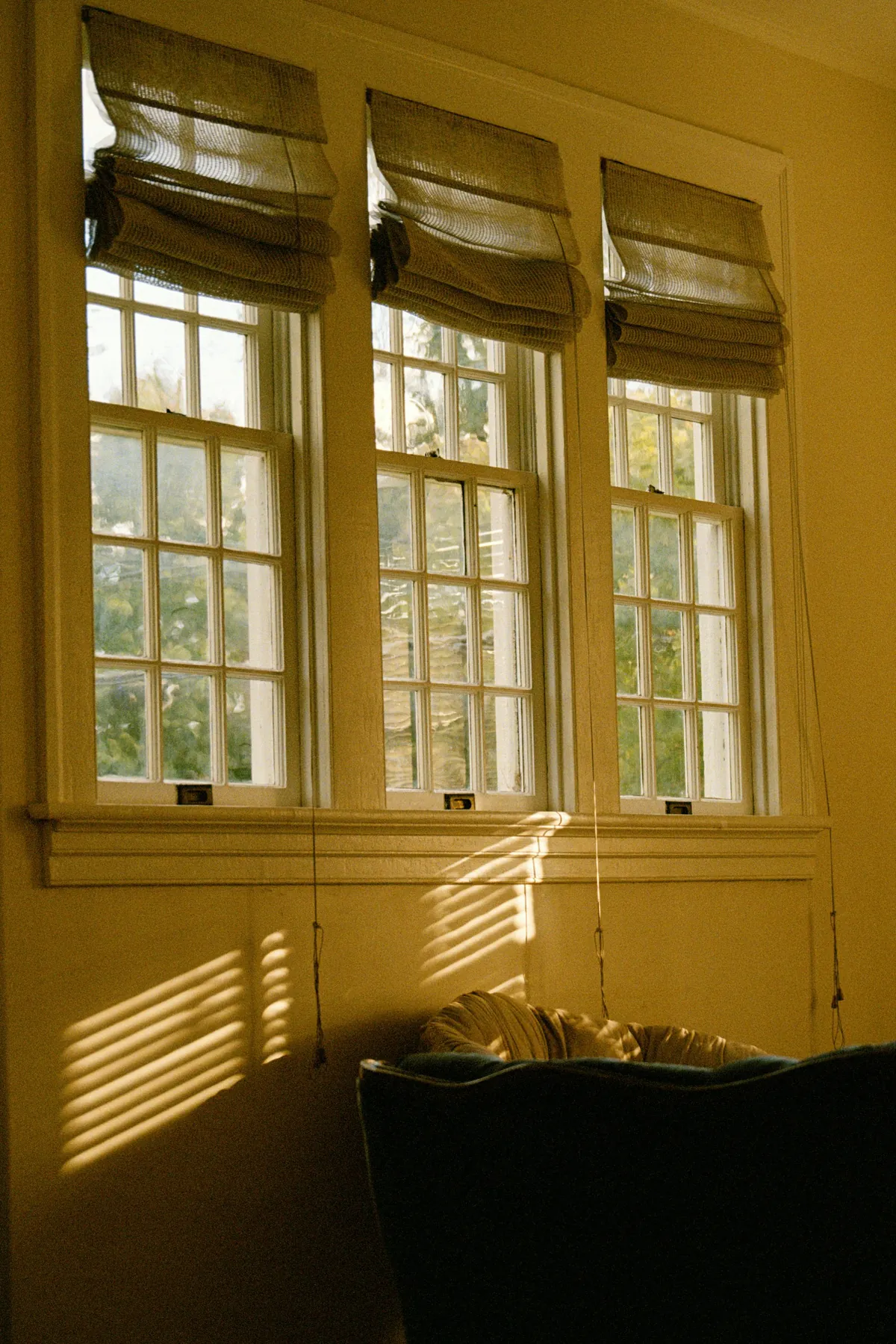
Roman shades
Fabric folds that suit a bay or a bedroom.
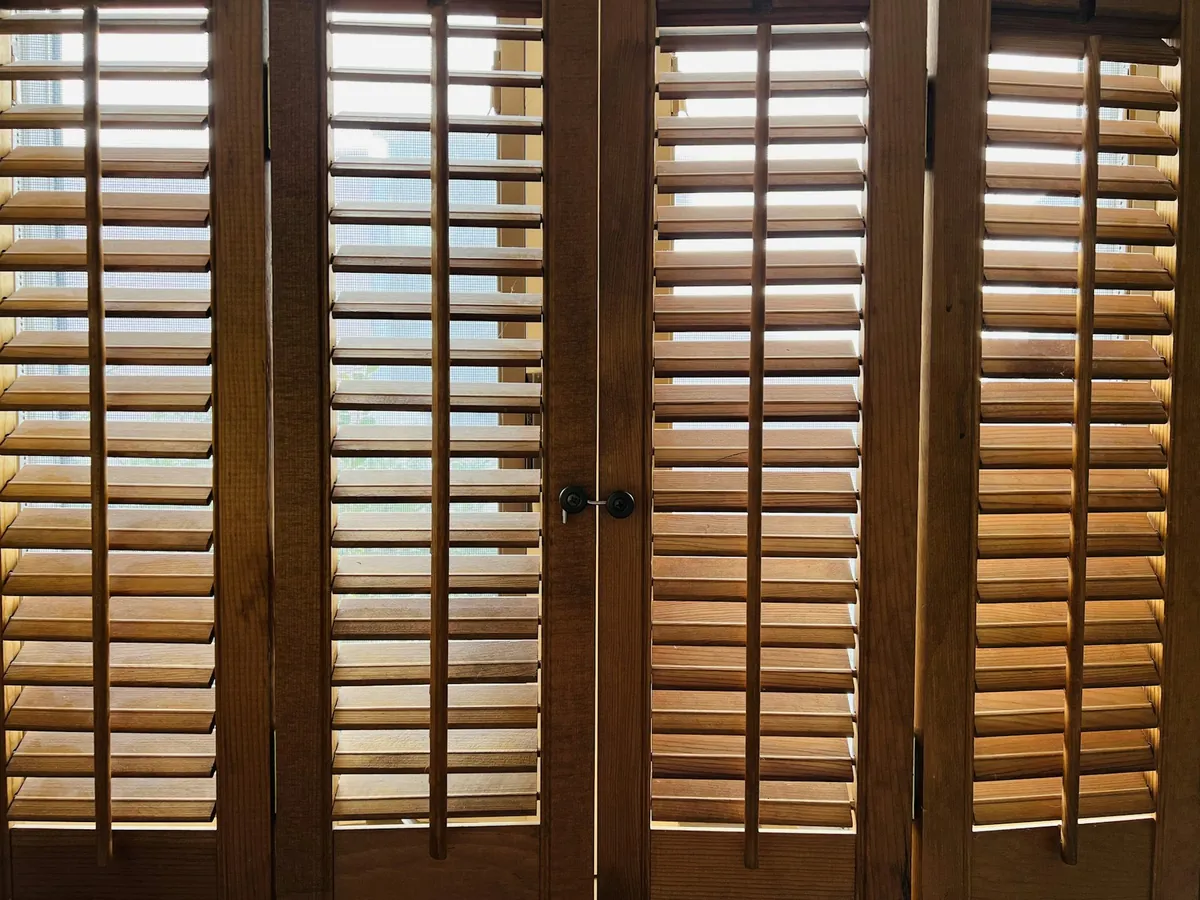
Plantation shutters
Louvre and frame choices for Attleboro homes.
Dressing a Bay Window
A bay window projects out from the wall, usually with a wide centre pane and a narrower pane on each side set at an angle. Some bays have more sections. The result is a bright, roomy corner, often with a window seat or a small table, and it is one of the best features of the older houses near downtown and on Oak Hill. It is also one of the hardest windows to treat.
There are two main approaches.
One treatment per pane. Each section of the bay gets its own Norman shade, blind or shutter, made to its width. This follows the shape of the bay exactly, keeps the angles crisp and lets you lower some panes and leave others open. It is our usual suggestion.
A treatment across the opening. Drapes or a single treatment hung across the mouth of the bay, in front of it, close the whole alcove off from the room. This suits a bay used as a reading nook that you want to shut away at night, and it is often combined with treatments on each pane.
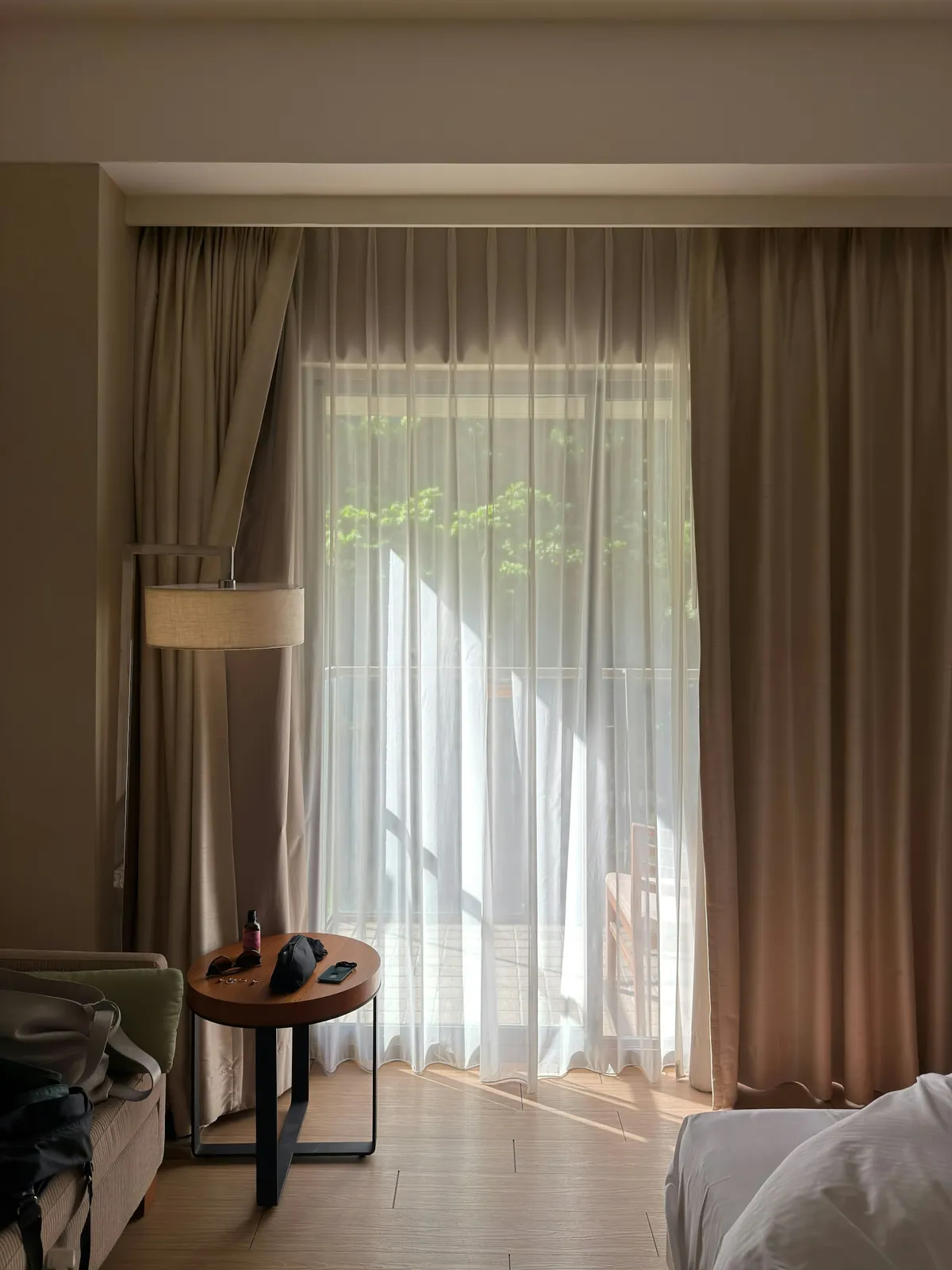
The angles
Where two panes meet at an angle, the treatments on each must meet neatly, without a gap of light between them and without colliding as they are raised and lowered. That depends on precise measuring of each pane and of the angle between them, and on choosing a product with a headrail that suits the joint. Our specialist measures every section and the corners where they meet.
Inside or outside the frame
Many bays in older houses have deep frames, which allows an inside fit: each treatment sits within its own pane’s frame, leaving the woodwork between the panes on show. That is usually the neatest look. Where the frames are shallow or uneven, an outside fit can work, with each headrail sized to its pane’s trim.
Light in a bay through the day
Because a bay faces three ways, it catches the sun for longer than a flat window. The side pane facing east takes the morning, the centre pane the middle of the day, and the side pane facing west the afternoon. That is a strong argument for treating each pane on its own. You can lower the shade on the sunny side, leave the others up and keep the bay bright without glare on the seat or the table. Owners who choose Norman blinds in Attleboro, MA for a bay often like this most of all, because tilting the slats on one pane at a time follows the sun round the bay through the day.
Which product suits a bay
Shades are a popular choice because the fabric looks continuous around the bay when lowered. Shutters give a bay a strong architectural look and can be opened pane by pane. Blinds offer the finest control of light, which suits a bay that faces strong sun. You can see all three at the showroom.
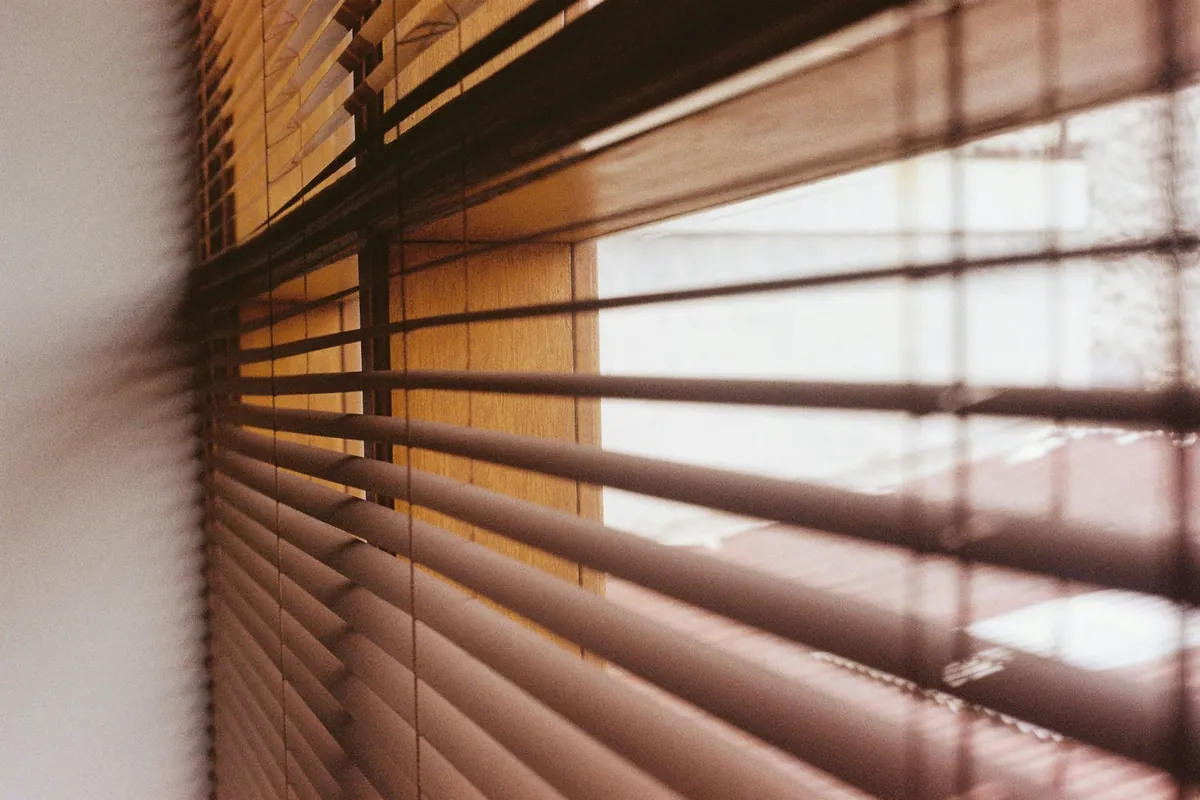
Transoms: The Windows Above
A transom is a small window above a door or above a larger window, often rectangular, sometimes arched or fan-shaped in the oldest houses. It lets in light high up, and in many cases it is best left bare. But a transom over a bedroom window can let in early light, and one above a front door can make an entry hall bright at night under a streetlight.
If a transom needs covering, it has to be made to measure. A rectangular transom can take a small fixed shade or a blind sized to it. Arched or unusual shapes need careful measuring and a product suited to the shape, and the specialist will talk through what is possible when they see it.
Transoms over the front door
The transom above a front door lights the entry hall by day, and at night it can let a streetlight or a porch light shine straight in. In an older house near downtown, the front door often opens almost onto the pavement, so the entry hall is on view too. A small treatment made to the transom, in a light-filtering fabric, keeps the hall bright by day and stops the glare at night. Once set, it rarely needs touching, which suits a window that is out of reach above the door.
Often the best plan is to treat the main window below and leave the transom open, or to match the transom treatment closely to the window below so the two read as one. In a Victorian, where transoms and tall windows are part of the character, our aim is to keep that character visible.
Norman Blinds in Attleboro, MA for the Older Centre
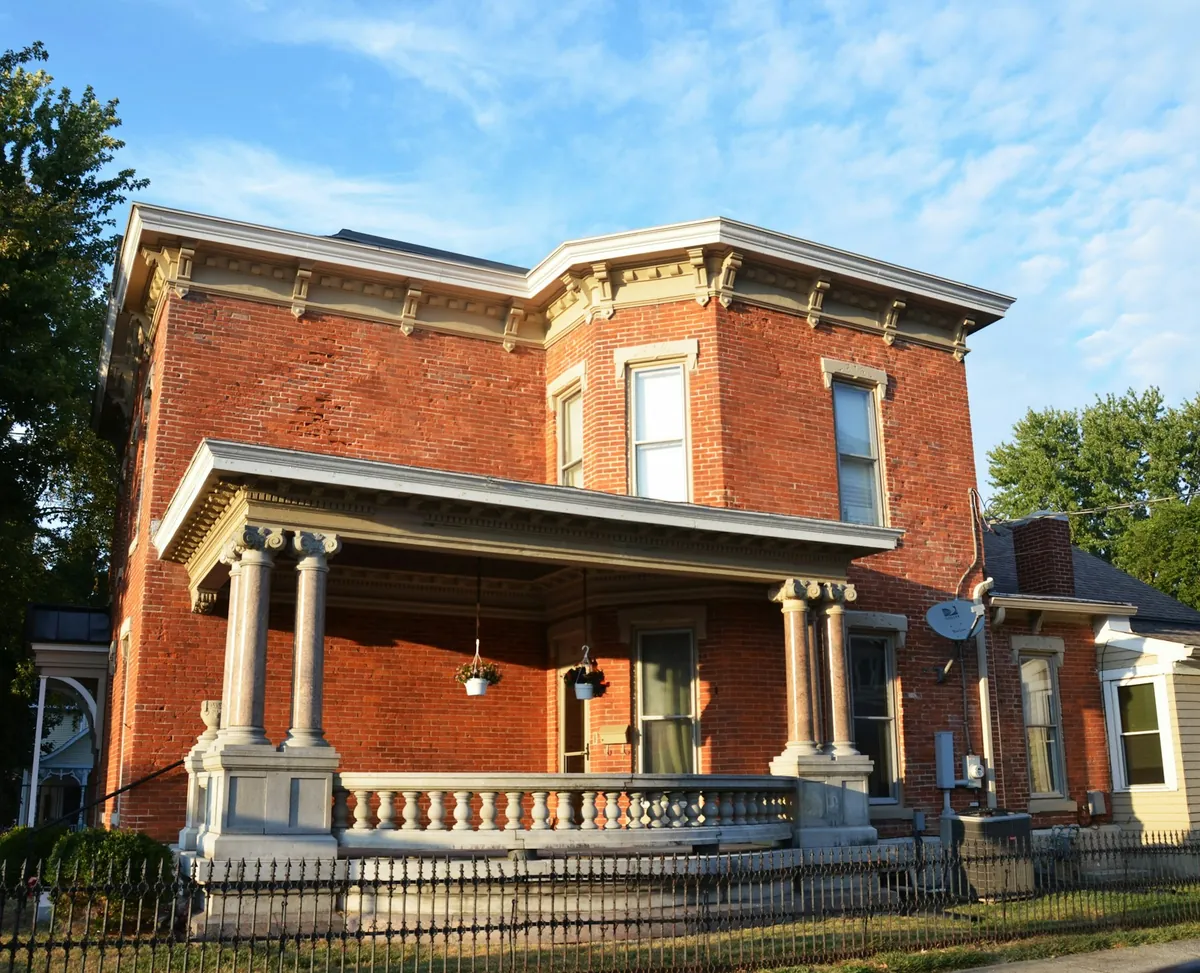
Beyond the bays and transoms, the Victorians and colonials near downtown and on Oak Hill share other traits: tall windows, high ceilings, original woodwork and rooms that often face the street closely.
Choosing Norman blinds in Attleboro, MA for these houses usually starts with the trim. An inside fit keeps casings and woodwork on view, and a slat or louvre size in proportion with a tall, slim window looks most at home. Old frames are rarely square, so each window is measured separately rather than taking one as the pattern.
On the street side, privacy is the main concern. A blind tilted upward keeps the view out while letting light in toward the ceiling. A shutter with separate upper and lower panels lets you close the bottom half and leave the top open. On upper floors, where privacy matters less, a shade that opens fully lets in the most light.
Formal rooms and woodwork
The parlours and dining rooms in these houses often have the best woodwork, and the treatment should complement it. A Norman shutter in a painted finish against painted trim looks clean and traditional. A stained finish against natural wood looks warm. Bring a photo of your trim in daylight to the showroom and compare finishes beside it.
Studies and upstairs rooms
Many of the older houses have a small study or a sewing room on the upper floor, often with a single tall window and a desk beneath it. Screen glare is the usual problem in a room like that. A blind with slats tilted upward sends the daylight onto the ceiling and off the screen while keeping the room bright. On the top floor of a Victorian, where a window may sit in a gable or under a steep roof, the frame can be an unusual shape or size, and it is measured with the same care as the bays downstairs.
The Split-Levels Off Route 123
The split-levels off Route 123 date from the years after the war, and they follow a familiar pattern: a living room with a wide front picture window, bedrooms half a floor up, a family room half a floor down and often a patio door at the back.
The picture window is wide and fairly shallow, so a treatment that stacks compactly matters. One wide Norman shade gives a clean line; two or three side by side make each section lighter to lift. The upper bedrooms take matching blinds or shades. The lower family room, partly below ground, may have short windows high in the wall, where a compact shade suits.
The patio door needs a treatment that draws to the side, such as verticals or a panel track, in a colour that sits with the windows beside it. Choosing the door and the windows together keeps the room from looking patchy.
South Attleboro Ranches
The ranches in South Attleboro put everything on one level: living room at the front, bedrooms down a hall, kitchen and family room at the back. Every window is at ground level, so evening privacy matters throughout.
A ranch is straightforward to plan in zones. The front windows read as a set from the street, so one product and colour across them looks even. The bedrooms want darkness in the morning, which a room-darkening shade does better than slats. The kitchen window over the sink suits faux wood, which copes with steam. The family room, often with a slider, needs a door treatment that matches the windows.
Many owners ordering Norman blinds in Attleboro, MA for a ranch choose blinds for the front and kitchen, shades for the bedrooms and a matching panel track or verticals on the slider.
Seeing the Range in Swansea
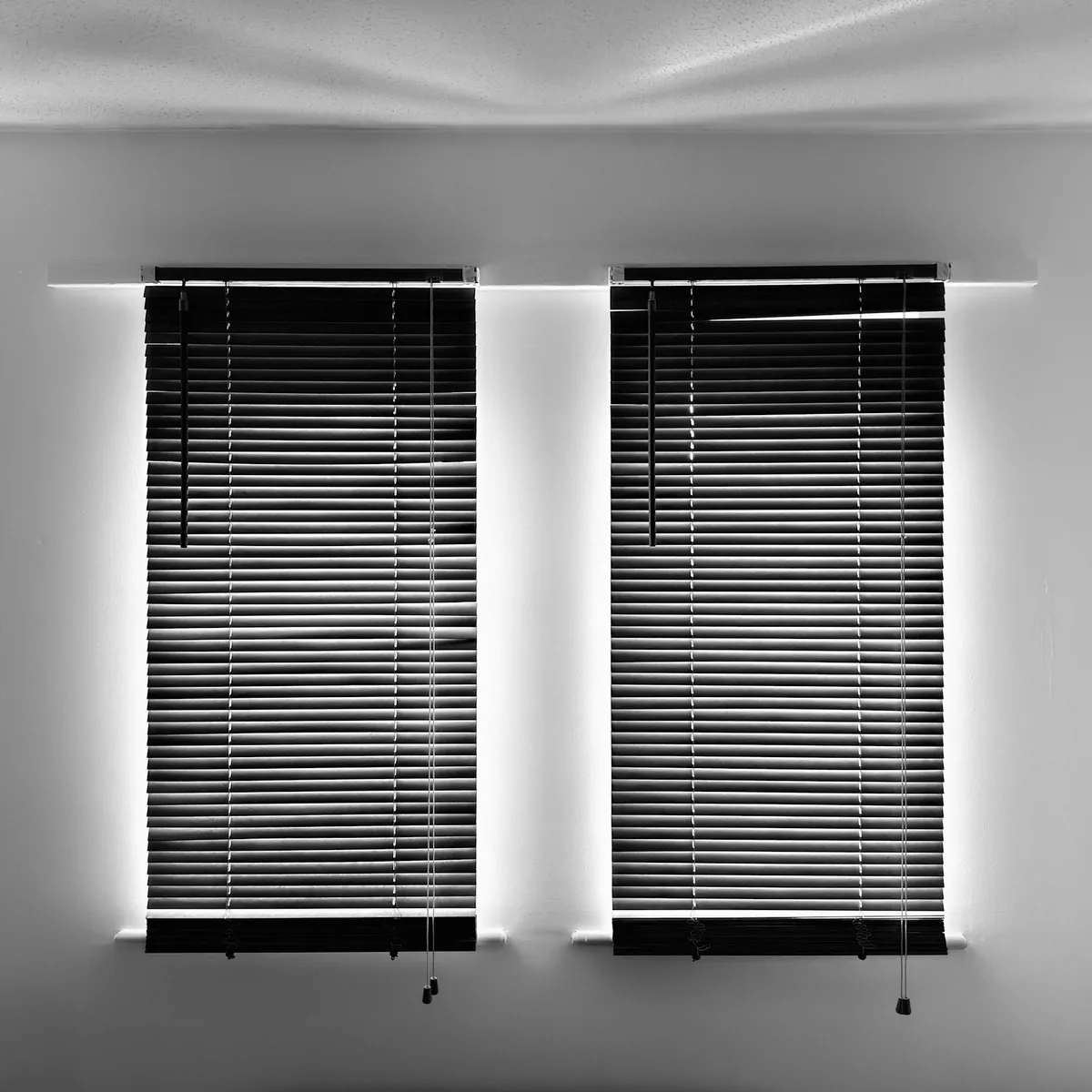
The Norman range is on display at our Swansea showroom, and a visit helps you picture how each product will look on a bay, a transom or a picture window.
Some things to bring and try:
- A photo of the bay or transom. Ideally one from inside and one from a little way back, showing the trim and the angles.
- Rough measurements, if you have them. Not for ordering, just to help narrow the choice. The specialist takes the real ones.
- A paint chip or cushion from the room. Finishes look different beside your own colours.
- Questions about operation. Try lifting a shade and tilting a blind, and ask how controls work on a bay where panes are close together.
You do not need to decide on the day. Many customers narrow the choice to two products and decide at the measuring visit.
From First Call to Fitted Bay
We stay in touch with you until the job is done. An Attleboro order usually follows these steps.
- Book a free quote by phone or with the form, and mention any bays or transoms.
- Visit the showroom to try the range, if you would like to.
- A specialist measures every window in your home, pane by pane in a bay, including the angles and the depth of each frame.
- You choose products, colours and operation for each window.
- You receive a written quote, listing every pane.
- Once the order is made, our installers fit it, check every piece moves freely and show you how it works.

Bays and window seats
Many older bays have a built-in window seat. A treatment fitted inside each pane leaves the seat free to use, with nothing hanging down in front of it. Where a seat has cushions, choose a fabric shade colour that sits with them, or have Window Works make the cushion covers to match; we make custom fabric decor as well as window treatments.
If the seat lifts for storage, the specialist checks that the treatment’s bottom rail clears the lid when lowered. On a deep bay where the seat runs right into the angles, the shades on the side panes can be set to stop just above the cushion, so nothing rests on it and the fabric stays clean.
Bays and the cold
A bay sticks out from the house, so it has glass on three sides and can be the coldest part of the room in winter. A fabric shade on each pane, lowered at dusk, adds a layer between the room and the glass. Drapes across the mouth of the bay can close it off entirely on the coldest nights. If warmth is a priority, cellular shades are worth comparing.
Attleboro and Window Works
Window Works is a family store, started in Swansea in 1988 and run today by the second generation. For more than 37 years our specialists have worked in houses across the SouthCoast and the Rhode Island East Bay, plenty of them with bays and old trim.
- People who specialise in window treatments every working day
- A specialist measures each window and pane at your house
- Our own team fits what we sell
- We stay in touch until the job is complete
- Warranties offered on our products
- The Norman range there to handle at the store
Drapes in the older houses
High ceilings and bays are made for drapery. A Norman shade on each pane of a bay, with drapes hung across or beside the opening, adds colour and softness and frames the bay as the room’s feature. Window Works makes custom drapes, so both can be planned on one visit. Everything else we offer in town is on our Attleboro window treatments page, and the main Norman blinds page tells you more about the range.
Questions from Attleboro
How do you treat a bay window?
Usually with a separate Norman shade, blind or shutter on each pane, made to its own width, so the bay keeps its shape and each pane can be lowered on its own.
Can a transom be covered?
Yes, if it needs it. A rectangular transom can take a small treatment made to size; unusual shapes are measured and discussed on site. Many owners leave transoms open and treat the window below.
Will the treatments meet neatly at the angles of the bay?
Yes. The specialist measures each pane and the angle between them, so the treatments meet without a gap and raise without catching.
Do you work in the split-levels and ranches too?
Yes. We measure and install throughout Attleboro, including the split-levels off Route 123 and the South Attleboro ranches.
What does a quote cost?
It is free. Ask for one with the call button or the form.
Next Steps for Your Attleboro Home
To get started, ask for a free quote with the call button. The Swansea store can also book a time to measure at your house and answer questions about installation. If you would rather write, the form reaches us directly. If you want to see how the Norman range might look on your own bay first, the showroom has it set out, and the contact page has directions. Window Works holds a 5.0 rating on Google.