
Glass Facing the Sakonnet
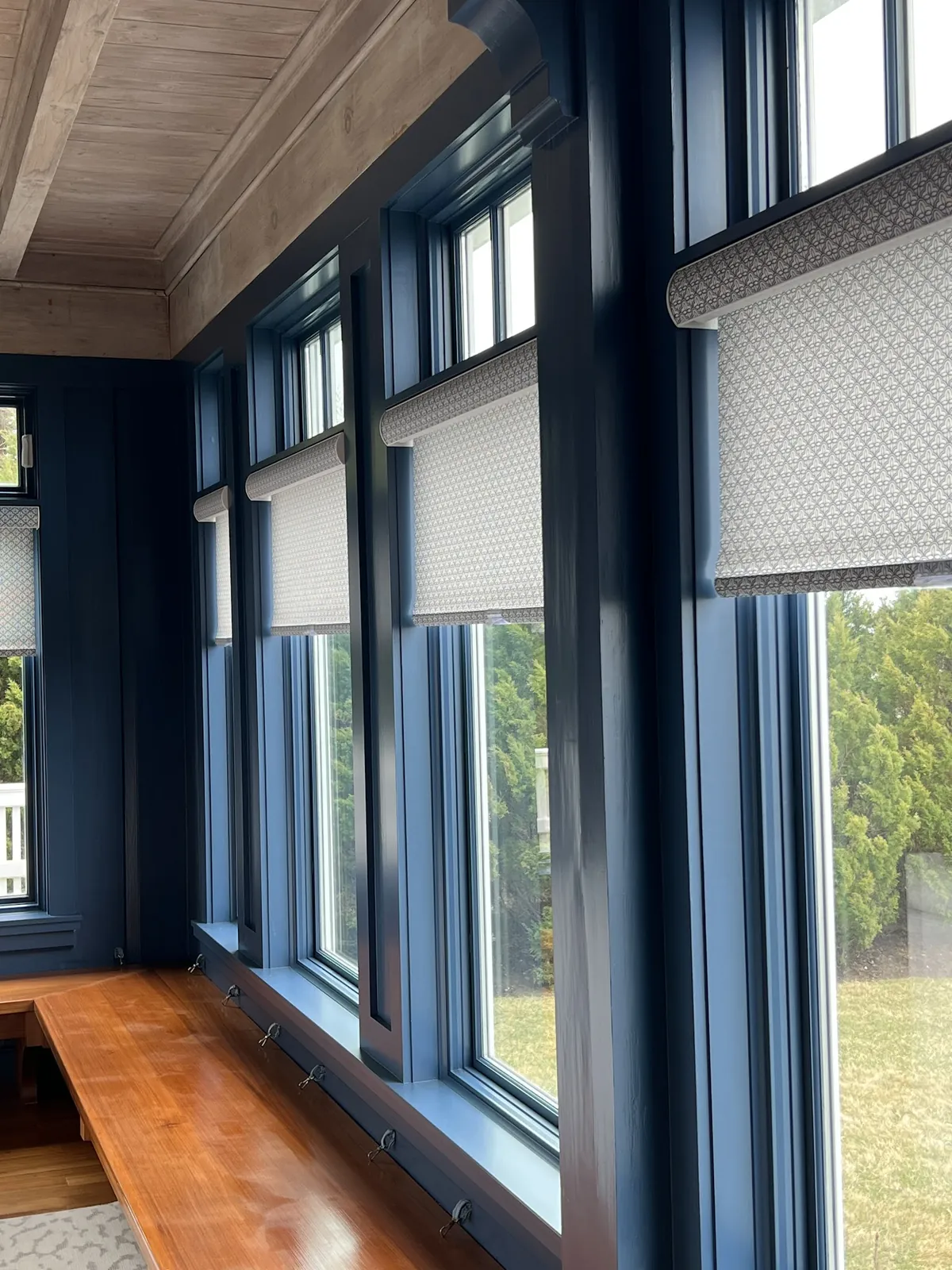
Tiverton’s waterfront houses on Nanaquaket and along the Sakonnet River are glazed heavily on the water side, and those rooms are exposed: full sun off the river, wind, and salt in the air for much of the year. In rooms like that, the fabric you choose matters more than almost anything else, and fabric is where most conversations about Norman blinds in Tiverton, RI begin. A shade cloth that suits a sheltered inland bedroom may not be the right one for a wall of glass above the river.
Norman is the brand Window Works carries and names, and it is the only one. Its blinds, shades and shutters are laid out in our Swansea showroom, a short drive across the state line, so you can hold fabrics to the light and feel slats and louvres before choosing.
Away from the water, the town’s farmhouses and shingled capes around Four Corners have smaller windows and quieter needs. We cover those as carefully as the river houses.
- Norman fabrics, slats and louvres to compare in Swansea
- Water-facing rooms planned for sun and salt
- A specialist to measure at the house, our installers to fit
Norman for Tiverton Windows
Shades for the river rooms
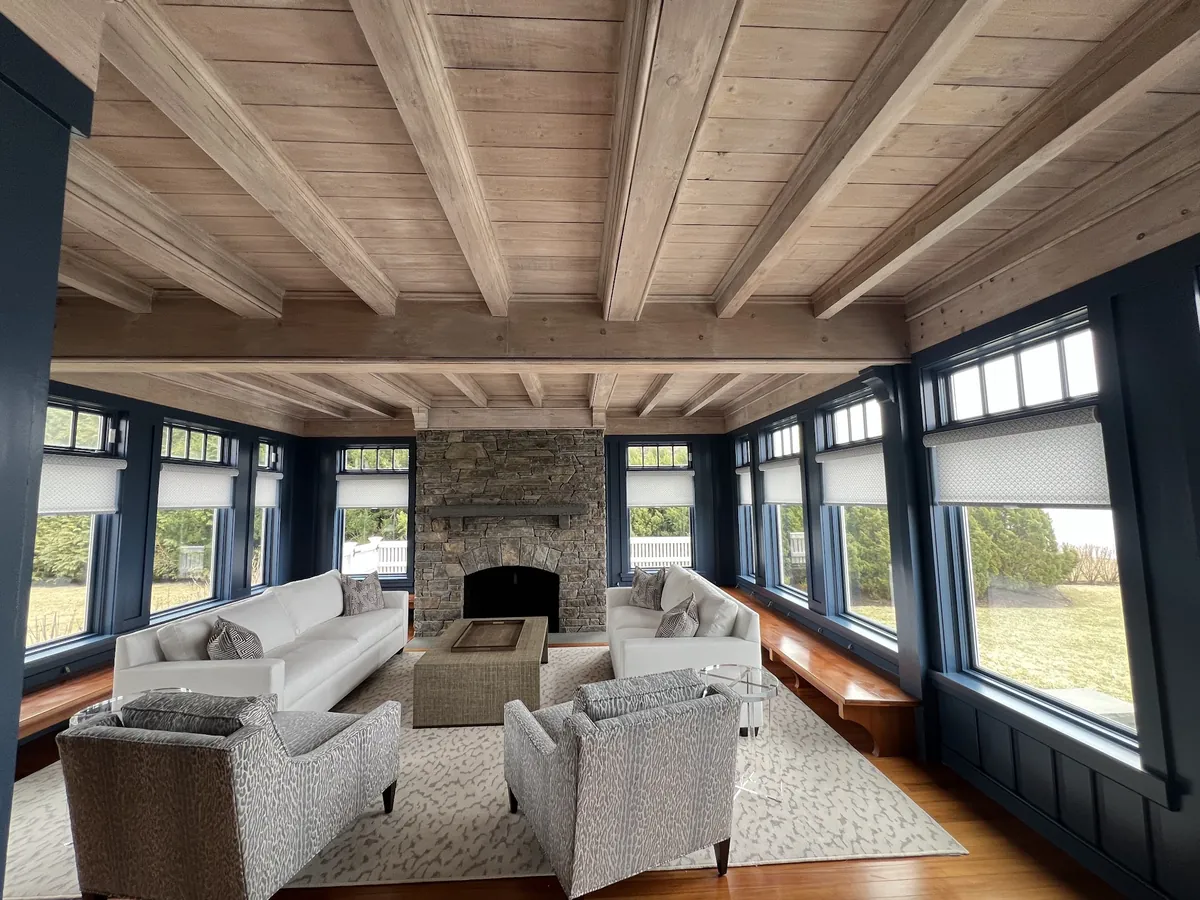
Light-filtering fabric that tames the sun off the water while leaving the river in soft view.
Shutters for the Four Corners houses
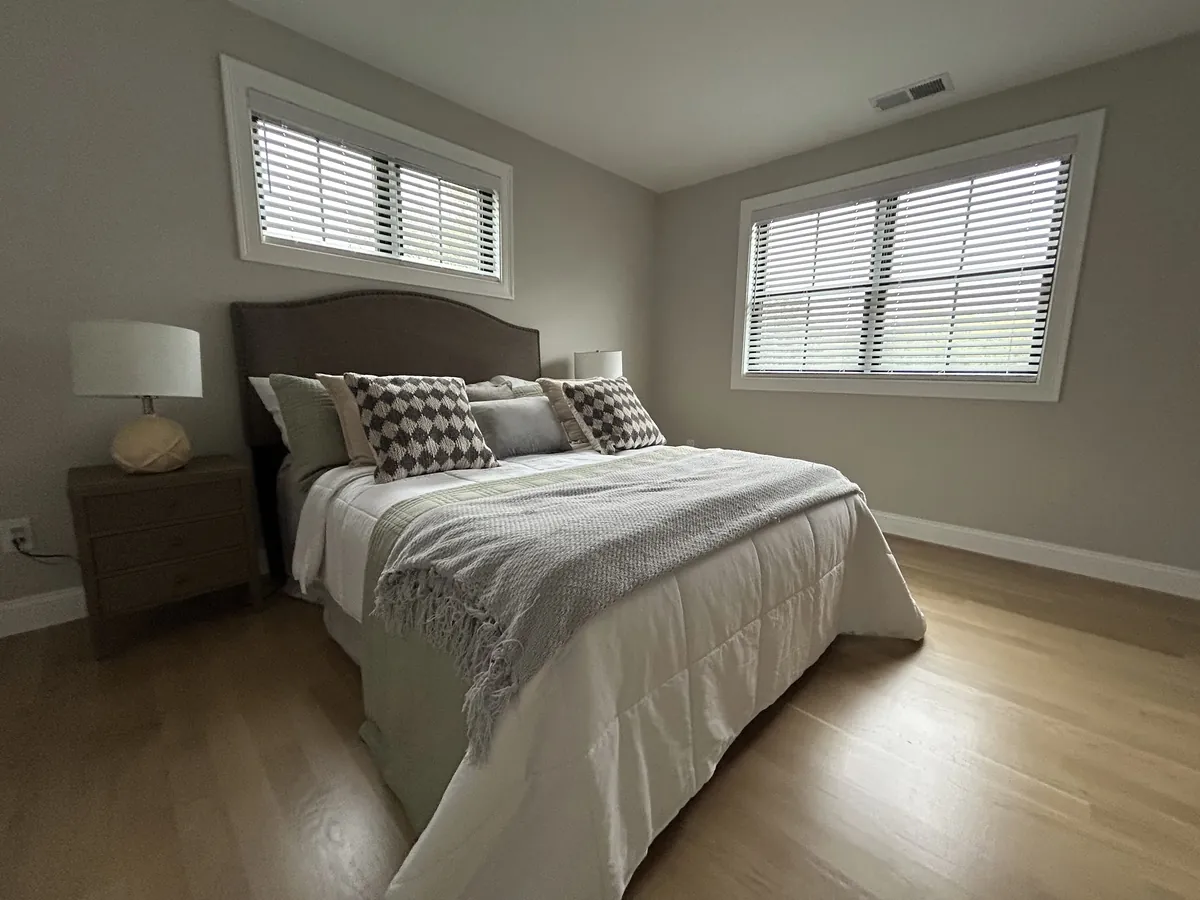
Shutters hinged on a frame made for each window, at home in a shingled cape or an old farmhouse.
Blinds for damp rooms
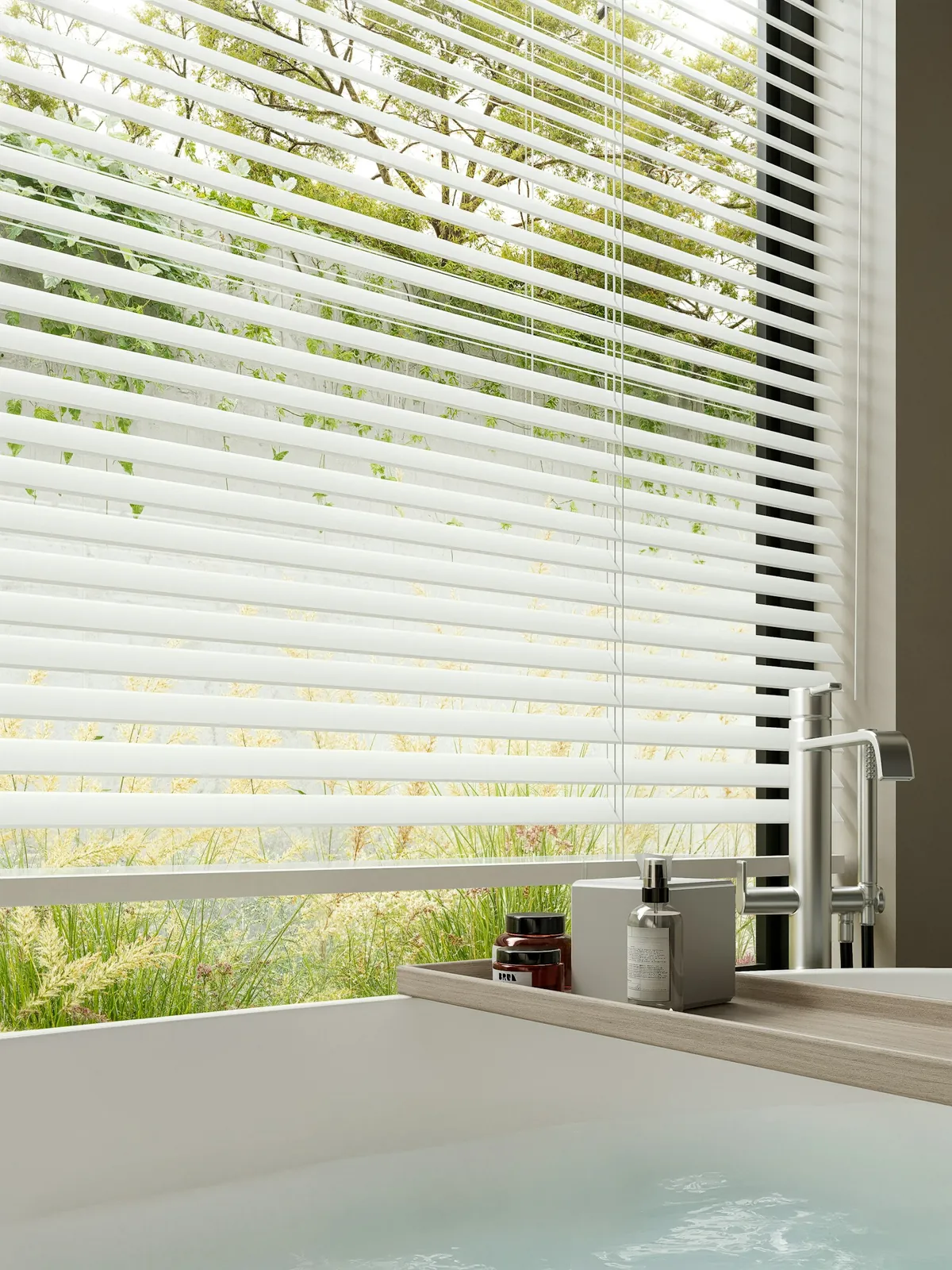
Moisture-friendly slats for kitchens, baths and rooms near the water.
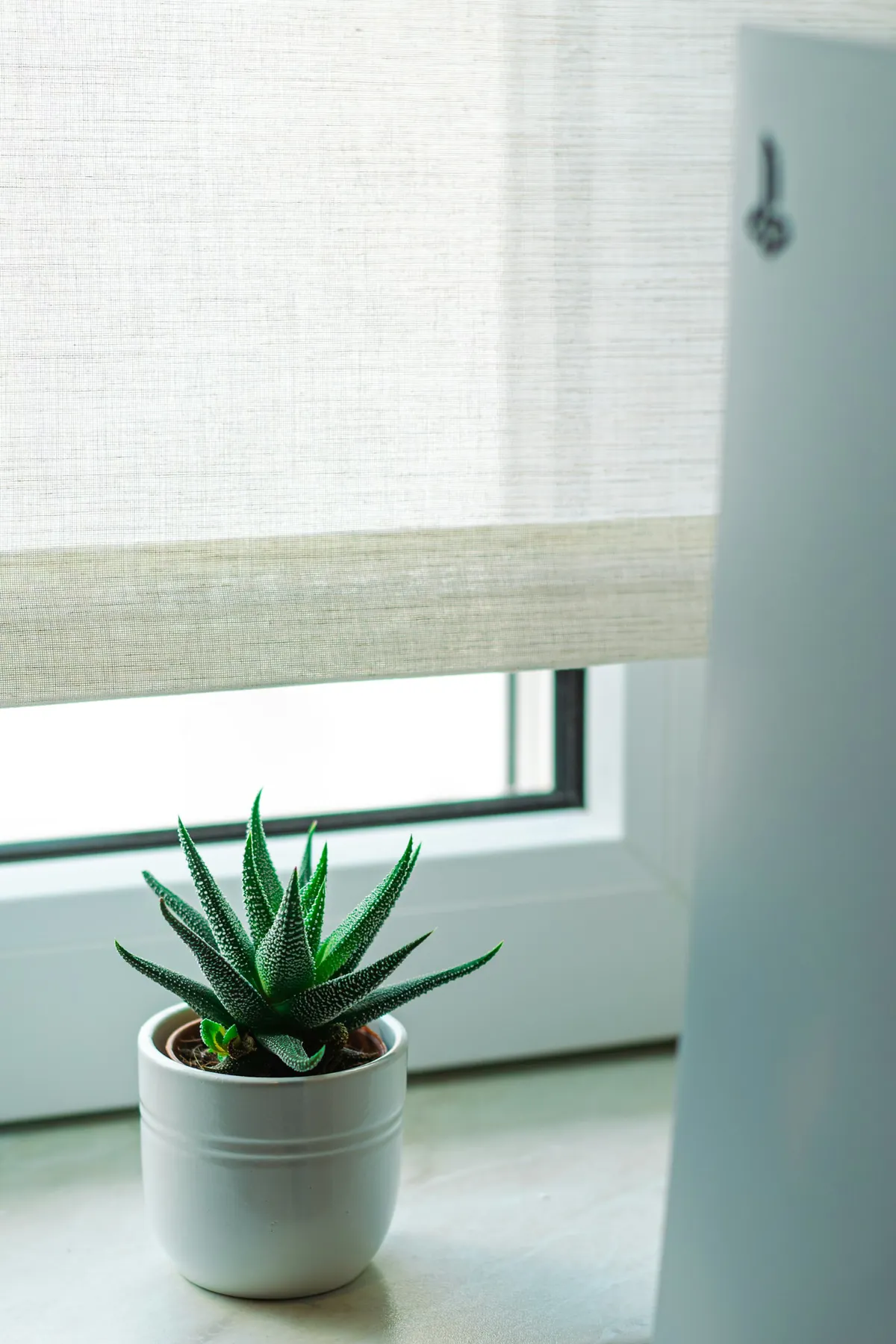
Roller and solar shades
Plain and screen rollers for Tiverton windows.

Custom drapes
Drapery made to measure, lined for the sunniest rooms.
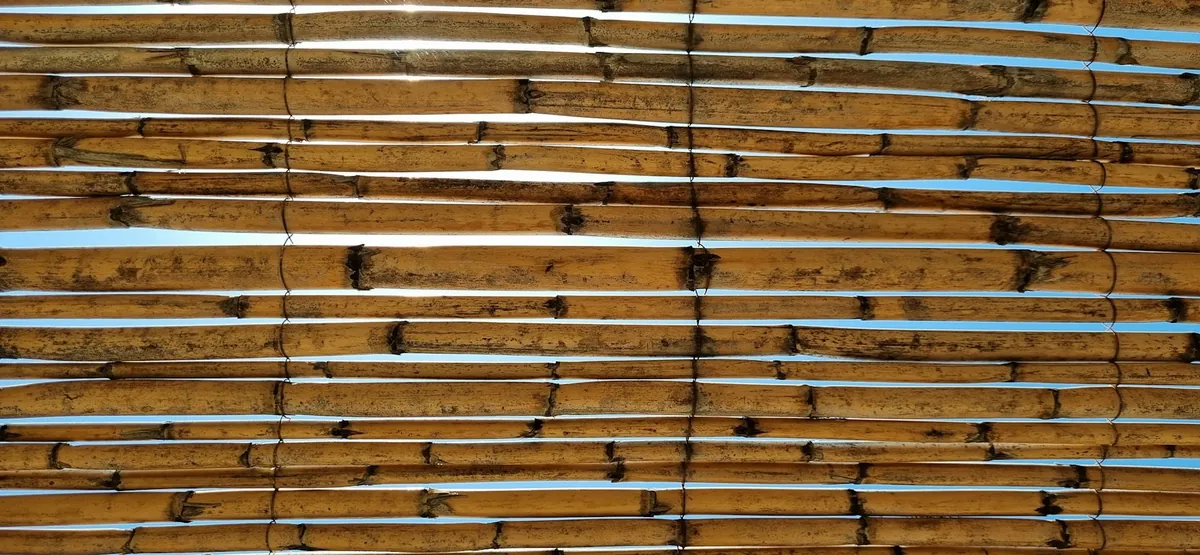
Woven wood shades
Natural weaves for a cottage room or a sunny porch.
Choosing Fabric for a Water-Facing Room
A heavily glazed room on the river has three things working on its window treatments at once: strong sunlight, much of it reflected off the water; salt carried in on the breeze; and the simple fact that the room is designed for looking out. A good fabric choice balances all three.
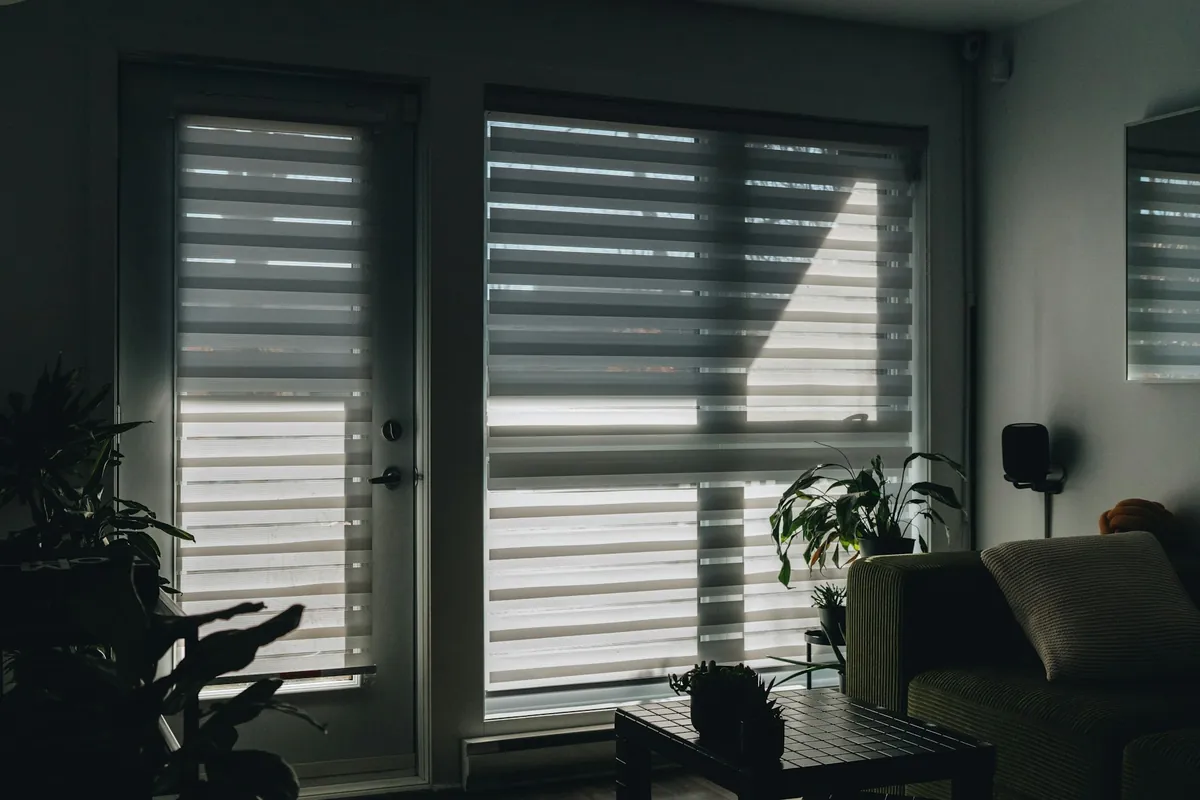
How much light it lets through. Shade fabrics run from sheer and light filtering, which soften the light and keep a view, to room darkening, which shut it out. On the water side of a living room, a light-filtering fabric is usually right: it cuts the glare and protects the room while the river stays visible as a soft outline. In a bedroom facing the water, a darkening fabric earns its place on summer mornings.
How it handles the sun. Every fabric fades in time in strong sun, but some show it far more than others. Pale, neutral colours tend to age gracefully because there is less colour to lose. Deep, saturated colours look striking on day one and can change most. If you love a strong colour, it can work in a room that gets less direct sun, or as a lined drape beside a paler shade.
How it handles salt and damp. Salt settles on fabric as on everything else near the water. A fabric that can be dusted or lightly vacuumed easily is a practical choice. In the dampest spots, close to an often-opened door or in a bathroom, a moisture-friendly slat or shutter may suit better than fabric.
How it looks from outside. Shades are seen from the water as well as from the room. A consistent colour across the river side of the house looks finished from a boat or from across the cove.
The Swansea showroom is the place to compare. Hold each fabric against the daylight from the store window and see how much comes through, and how the colour shifts with the light behind it.
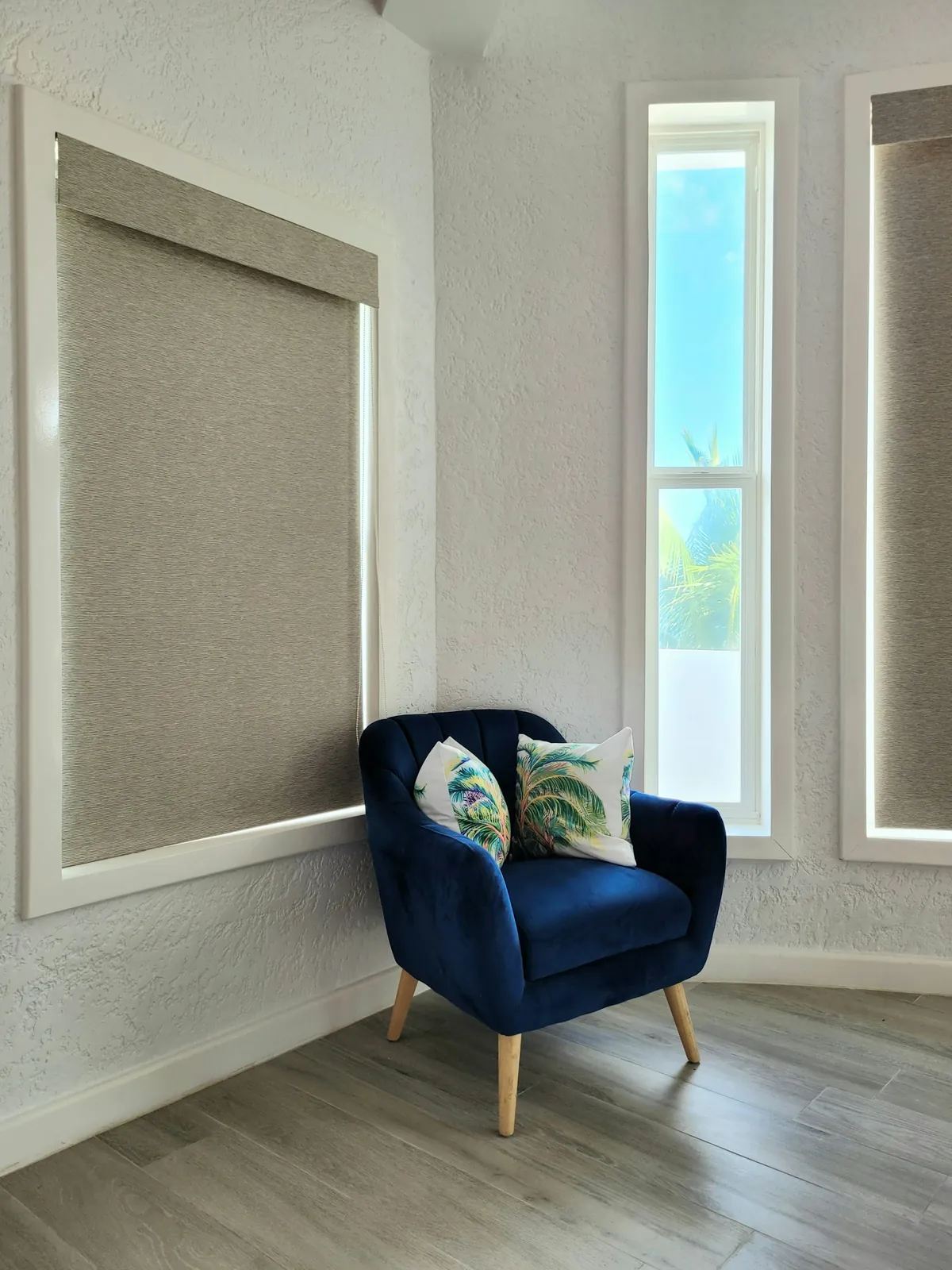
What happens after dark
A light-filtering fabric that keeps the river in view by day behaves differently at night. With the lamps on inside and darkness outside, the room becomes the bright side of the glass, and shapes inside can show through a thin fabric to anyone on the water or the shore. For most water-side living rooms that hardly matters. For a room where you want real privacy in the evening, it is a reason to add a second layer, such as lined drapes or a darker shade behind the first, or to choose a heavier fabric to begin with.
Linings and layering
A single shade fabric does not have to do everything. Layering gives you more control. A light-filtering Norman shade on the glass can sit behind lined drapes at the sides, so you soften the light by day and close the room fully at night. Window Works makes custom drapes as well as stocking the Norman range, so both can be planned on one visit. In a sunny room, a lining on the drapes also protects the drapery fabric itself from the sun.
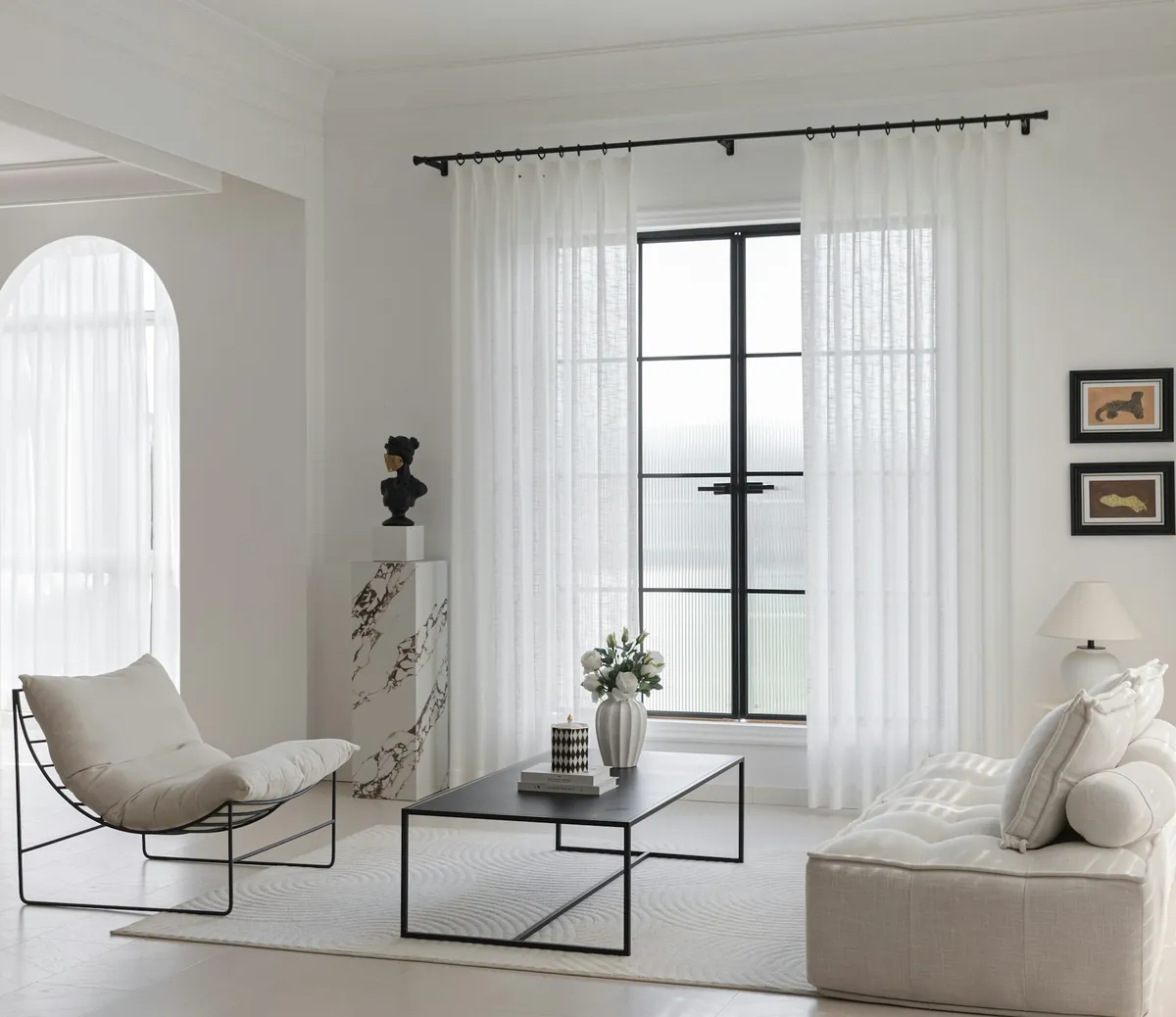
Colour beside shingle and water
Tiverton’s river houses look out on greys, blues and greens, and many are clad in weathered shingle. Treatments in soft whites, sand and stone tones sit quietly against that, from inside and from the water. They also tend to hide the gentle fading that any fabric shows after years of river sun. Stronger colour can come in through drapes, cushions or a bedroom shade on the land side, where the sun is gentler.
Raising it clear
On a wall of glass above the water, how a treatment looks when raised is as important as how it looks lowered. Every bit of stack at the top of the window covers some of the view. A shade that rolls or folds compactly leaves more glass clear, and the specialist checks the space above each window so the treatment can lift fully out of the way when you want the whole river.
Norman Blinds in Tiverton, RI for Farmhouses and Capes
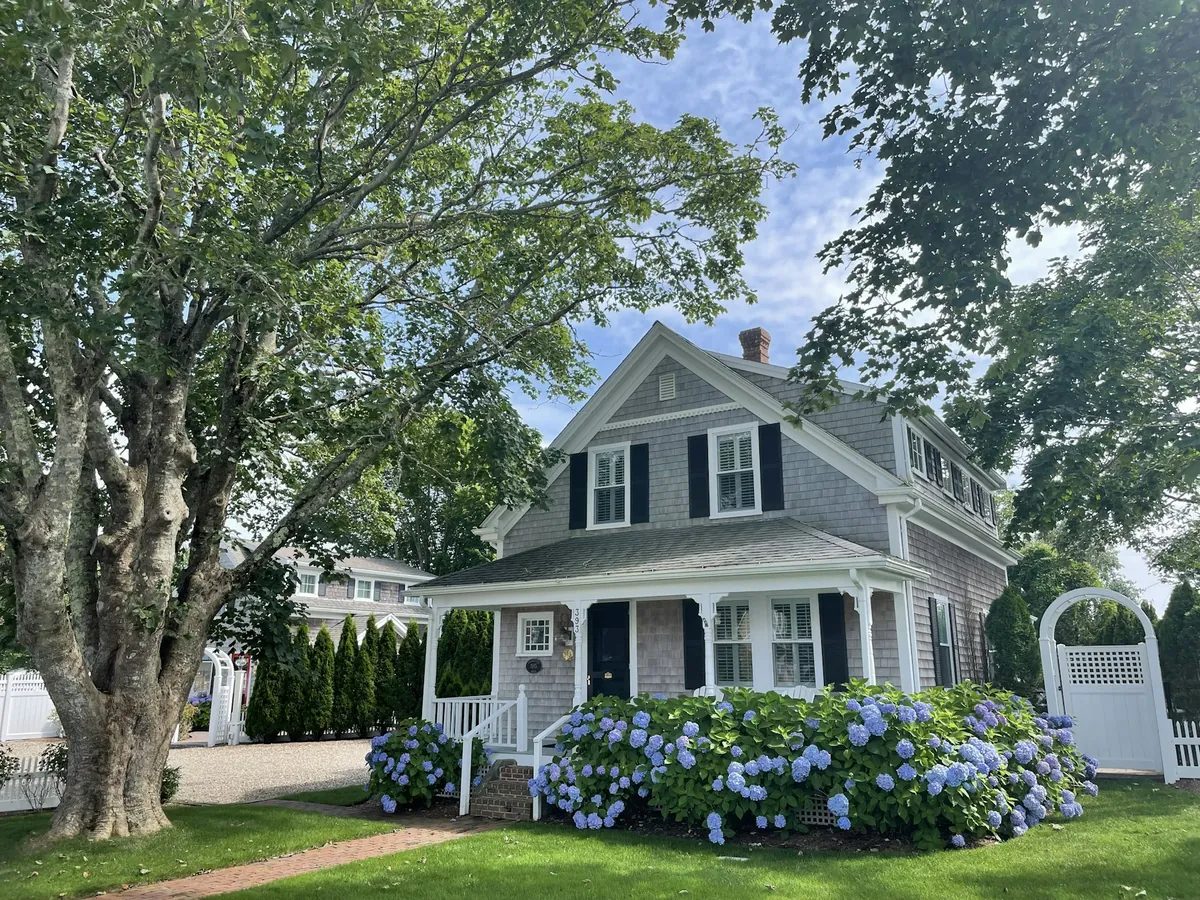
Around Four Corners, Tiverton’s older houses are a different story. The farmhouses and shingled capes have modest windows, set in simple trim, with rooms that are often lit from more than one side. Many sit back from the road, and the water is out of sight.
In these houses, Norman blinds in Tiverton, RI, along with the shutters and shades in the range, are chosen for everyday comfort rather than for the view. A shutter fitted inside a cape’s window frame looks right at home and gives fine control of the light. In the farmhouses, with their larger main rooms, a mix works well: shutters or shades in the front room, blinds in the kitchen and bedrooms, all in one finish.
The upper floor of a shingled cape is usually two small bedrooms lit by dormers, each window boxed in by the roof slope. There is not much width to spare beside the glass, so a slim shade that tucks up tight is generally a better fit there than slats. Pick a darkening cloth if those rooms face the sunrise.
Farmhouse kitchens and back rooms
The farmhouses near Four Corners often have a big working kitchen at the back, sometimes in a later addition, with a window over the sink and another looking onto the yard. Steam and cooking call for a slat that copes with damp, and a white or soft neutral faux wood keeps a farmhouse kitchen bright. Back rooms and mudrooms, where boots and coats come in, want the same practical approach. A simple shade or faux wood blind in these rooms, in the same colour as the front of the house, keeps everything feeling of a piece.
Front rooms and the road
Some of the older capes sit fairly close to the road around Four Corners, and their front rooms ask for privacy once the lamps are lit. A shutter with separate top and bottom panels is the classic answer: close the bottom for privacy, open the top for daylight. A blind does a similar job with the slats tilted upward. Either suits a shingled front, and from the road the house looks finished with a matching treatment in every front window.
Old frames, careful measuring
Older frames are rarely square, and windows that look identical can differ slightly in width or depth. Our specialist measures every window on its own, at several points, rather than taking one as the pattern for the rest. Where a frame is deep enough, an inside fit keeps the trim on show. Where it is not, an outside fit sized to the trim still looks tidy.
The farmhouses can be particularly varied, because many have been added to over the years and a single house may hold windows of several sizes and ages. Measuring each one on its own, then choosing one finish for the whole house, is what turns that variety into something that looks planned. It also means a later room can be matched exactly, because the measurements and finish are on record.
Nanaquaket and the Sakonnet River Houses
The houses on Nanaquaket and along the Sakonnet River are built around the water. The main rooms face it, often with large windows, glass doors or a whole wall of glass, and a deck or porch beyond. These rooms are bright for most of the day and very exposed.
For these houses, we usually plan two zones. The water side, where glare, sun and salt govern the choice, tends to take light-filtering Norman shades, sometimes with drapes. The land side, facing the road or the neighbours, needs privacy and evening comfort, which blinds or shutters handle well.
Doors out to the deck are walked through all day, so whatever covers them must get out of the way completely. Over a swinging door, a shade hung well above the frame rolls or folds up clear. On a slider, verticals or a sliding panel system pull to one side. Either can be chosen in a colour that matches the shades on the windows beside it.
Corner windows, where two walls of glass meet, need treatments that meet neatly without a gap of light at the join. The specialist measures for that on the visit.
Kitchens with a river view
Plenty of river houses put the kitchen on the water side, so the view is there while you cook. That kitchen faces both steam and strong sun. A moisture-friendly slat over the sink copes with the first, and a light-filtering shade on the larger windows beside it handles the second. In matching colours, the two read as one plan, and the sink window can be tilted open for the view while the bigger glass stays shaded.
Bedrooms over the water
Bedrooms facing the river take the sunrise across the water in summer, and on a clear night the moon can light the room. A room-darkening Norman shade fitted close to the frame keeps those rooms dim. If you would like to wake to the view, a light-filtering shade with lined drapes beside it lets you choose night by night.
Wind and open windows
A river breeze through an open sash will set a lowered treatment swinging. Shutters ride it out, since the panels are hinged to a fixed frame and the air slips between the louvres. With a shade, the simple answer is to pull it up past the open lower sash. Tell the specialist which windows stay open all summer.
Keeping Treatments Fresh Near the Water
Salt and damp mean a little more care near the river than inland, but not much. Run a soft cloth over shutters and slats now and then. Faux wood will take a damp wipe, which lifts the faint film that salt leaves behind; keep water off real wood. Fabric only needs the soft brush on the vacuum. And if something you already own develops a stiff lift or a worn cord, we can usually repair it, so mention it.
Making the Most of the Showroom
Plenty of Tiverton customers like to start at the Swansea showroom before anyone measures. A few tips help the visit go further:
- Photograph the water-side rooms in daylight. It helps you judge how fabrics will look in your own light.
- Hold fabrics to the store window. See how much light each lets through, and how the colour shifts.
- Compare stack heights. Raise a shade and a blind fully and see which leaves more glass clear.
- Bring something from the room. A cushion or a paint chip is a quick way to check colours.
When you have a short list, the measuring visit takes it from there. Owners asking about Norman blinds in Tiverton, RI often leave the showroom with two fabrics in mind for the river side and a blind chosen for the kitchen.
Your Order, Start to Finish
We stay in contact with you until the job is done. A Tiverton order generally goes like this.
- Phone us or fill in the form for a free quote. It helps to say which rooms look over the river.
- Drop into Swansea to see fabrics side by side, if that suits you.
- Our specialist comes to the house and takes measurements at each opening, checking how exposed it is, how deep the frame runs and how much wall sits above it.
- Room by room, you settle on product and fabric, weighing sun and salt where the glass faces the water.
- An itemised quote follows.
- When the order arrives, our installers put it up, test it and talk you through it.

Tiverton and Window Works
A Swansea family founded Window Works in 1988, and its second generation runs the store now. Tiverton lies just over the state line from us, inside an area we have served for more than 37 years, from the SouthCoast of Massachusetts to the Rhode Island East Bay.
- A team that has worked with window treatments for years
- Measurements taken in your home, not guessed
- Installation by our own people
- Regular contact from us until the work is finished
- Warranties offered on the products we sell
- The Norman range to compare in person
More for Tiverton homes
Everything else we offer in town is listed on our Tiverton window treatments page, and the main Norman blinds page has more about the range. Choosing Norman blinds in Tiverton, RI alongside drapes or fabric decor? Both can be measured on the same visit.
Questions from Tiverton
What fabric suits a room facing the Sakonnet?
A light-filtering Norman shade in a pale or neutral colour usually suits best. It softens glare off the water and ages well in strong sun.
Will salt air damage my treatments?
Salt settles on everything near the water, but regular dusting keeps it in check. Moisture-friendly slats wipe clean, and they suit the dampest rooms.
Can I keep the view and still darken a bedroom?
Yes. A light-filtering shade with lined drapes beside it lets you choose: view by day, a dark room at night.
Do you work around Four Corners as well as on the water?
Yes. We measure and install throughout Tiverton, RI, from the farmhouses and capes to the waterfront.
Is the quote free?
Yes. Book it through the call button or the form.
Book a Visit
When the time is right, the call button connects you with the Swansea store for a free quote; book a measuring date or ask about fitting on the same call. You can also write to us through the form. To compare fabrics before anyone measures, visit the showroom; directions are on the contact page. Window Works holds a 5.0 rating on Google.