
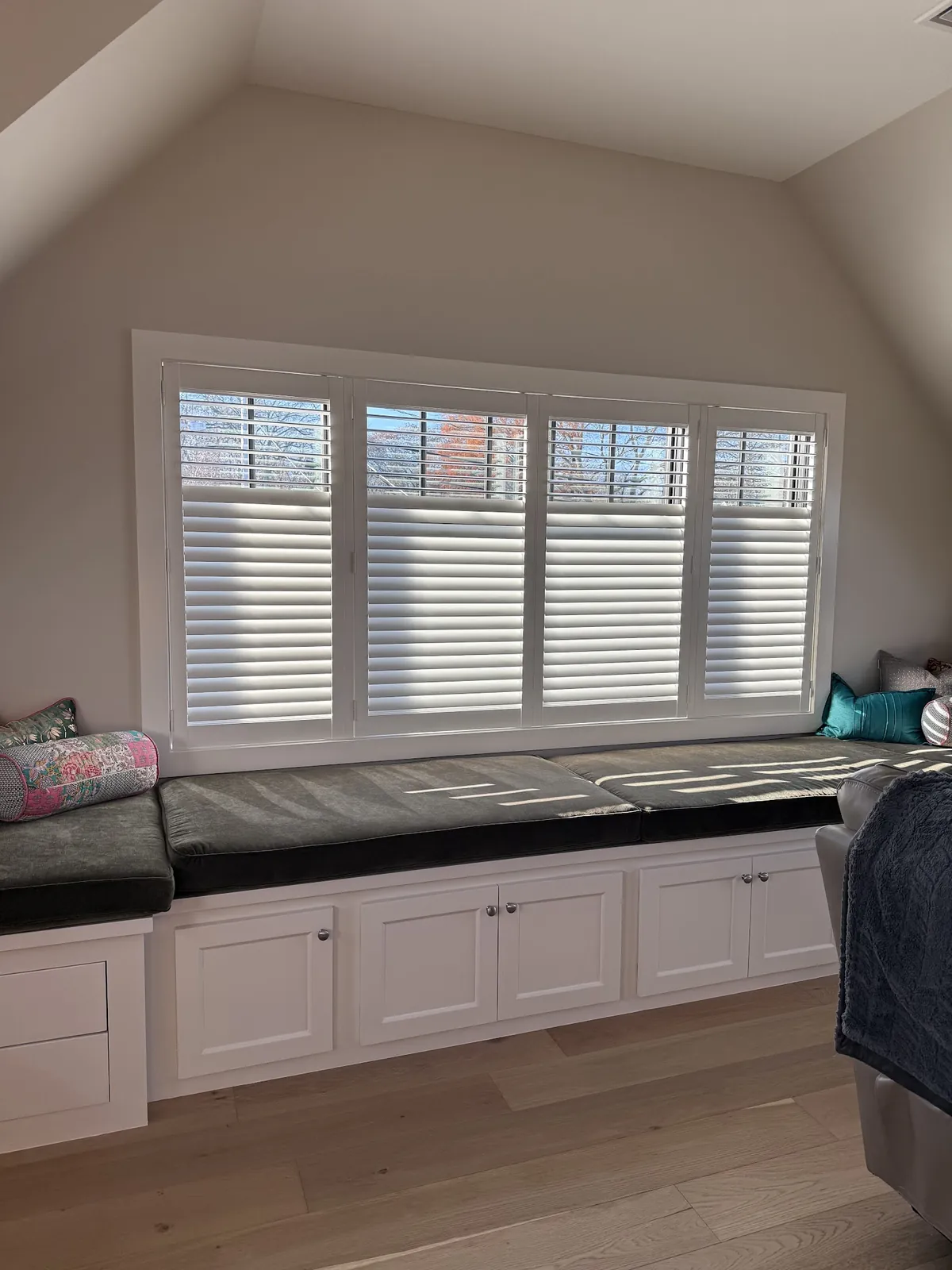
Long Glass, Formal Rooms and the River
Barrington gives a window treatment two very different jobs, and that is the starting point for Norman blinds in Barrington, RI. On Rumstick Road and Nayatt Road a center-hall colonial with a formal front parlour can stand a few doors from a mid-century modern whose living room is mostly glass, and plenty of both look out across the Barrington River.
The modern houses run their windows in long horizontal bands, often with sills near the floor or set just above a built-in bench. The colonials keep tall, evenly spaced sash in matching pairs either side of the front door, and their dining and living rooms are the kind of space where drapery is expected rather than optional. The Norman range of blinds, shades and shutters covers both, and the skill is in matching the right piece to each kind of opening.
- Norman blinds, shades and shutters, a range we carry
- On show at our Swansea showroom, ready to try
- Measured at your windows and fitted by our own installers
Norman Pieces for a Barrington House
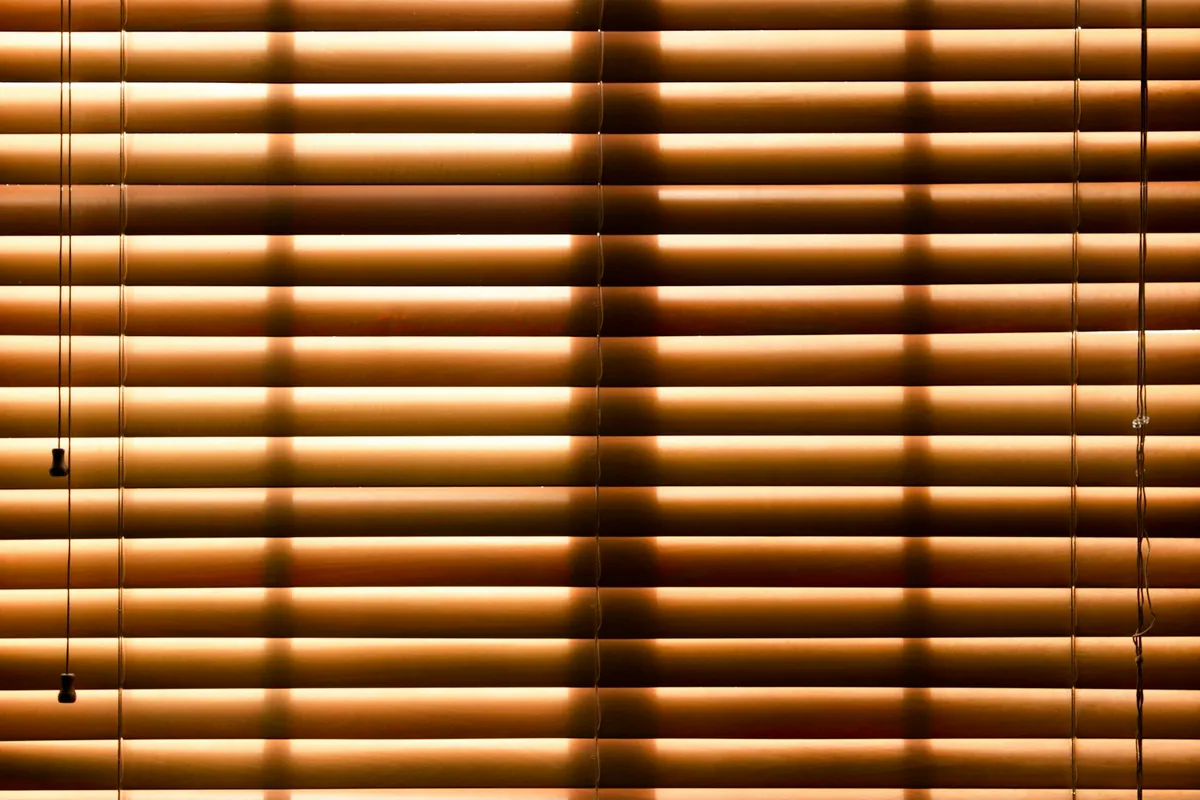
Blinds with a real slat
Slats that tilt to aim daylight where you want it. A natural fit for a colonial study, a den or a bedroom tucked under the eaves.
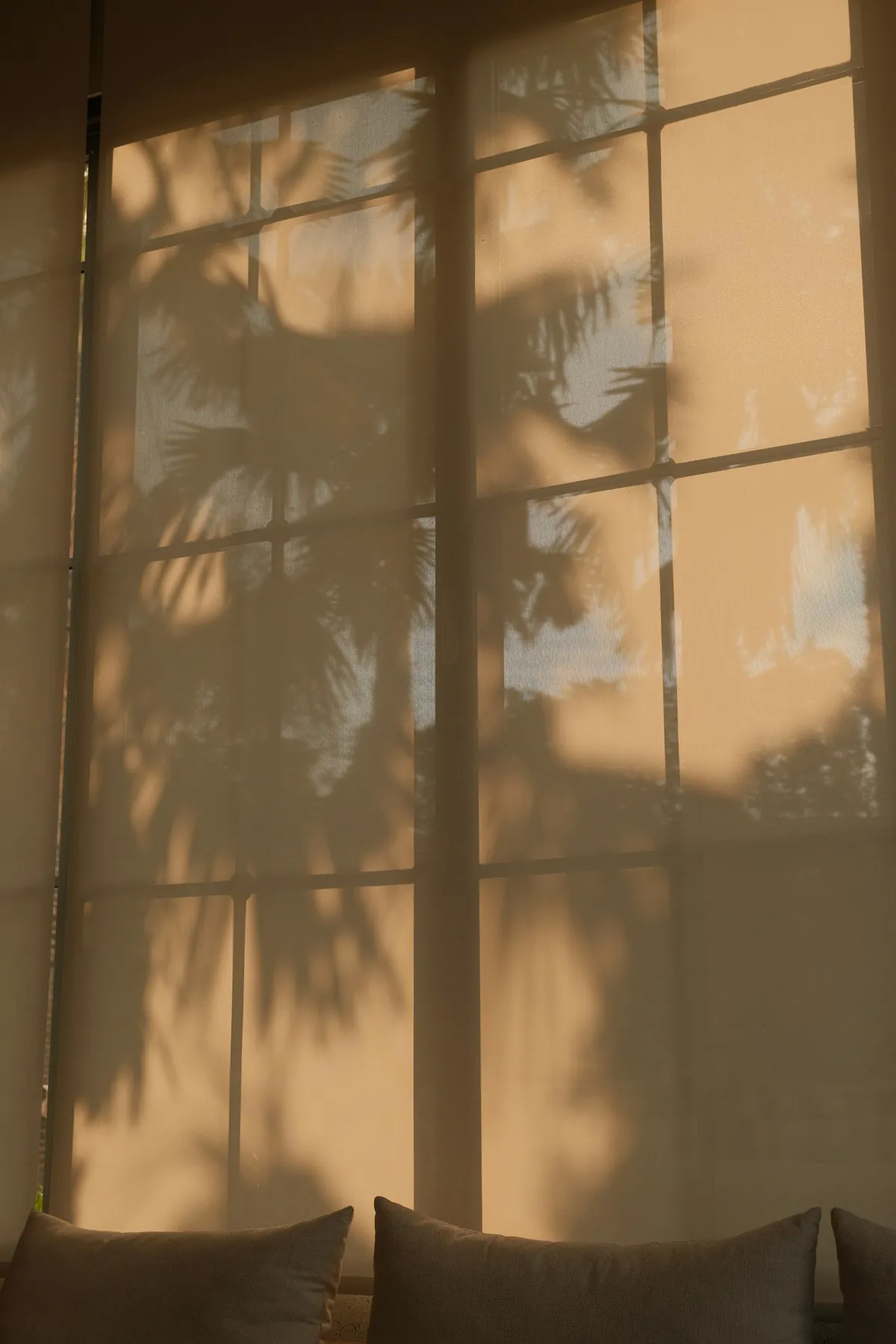
Soft fabric shades
Cloth instead of slats, in weights from light filtering to room darkening. Quiet and clean against a long run of modern glass.
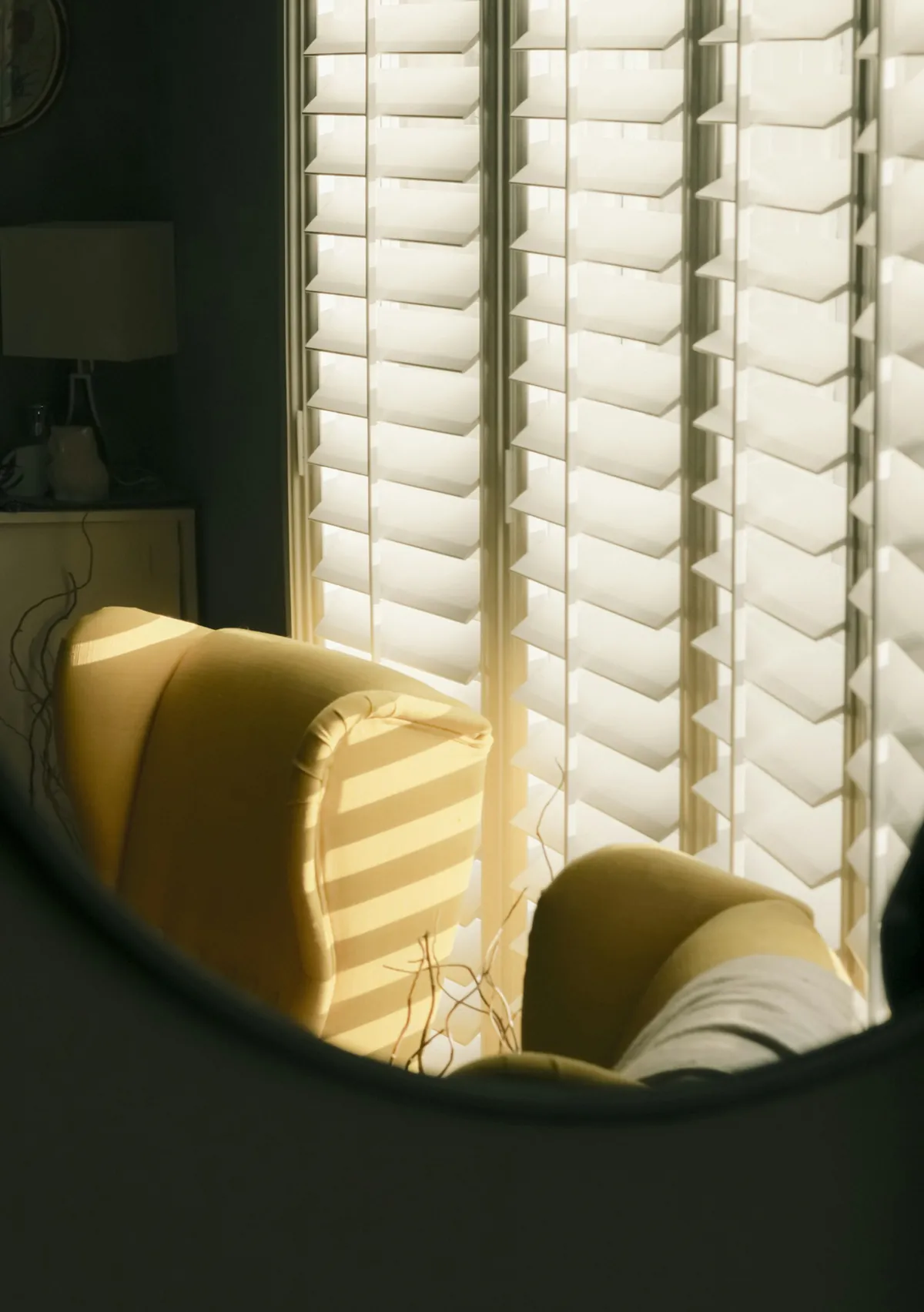
Interior shutters
Louvred panels on a frame made for the opening. They suit a window seat, a breakfast room or a colonial sash with good trim.
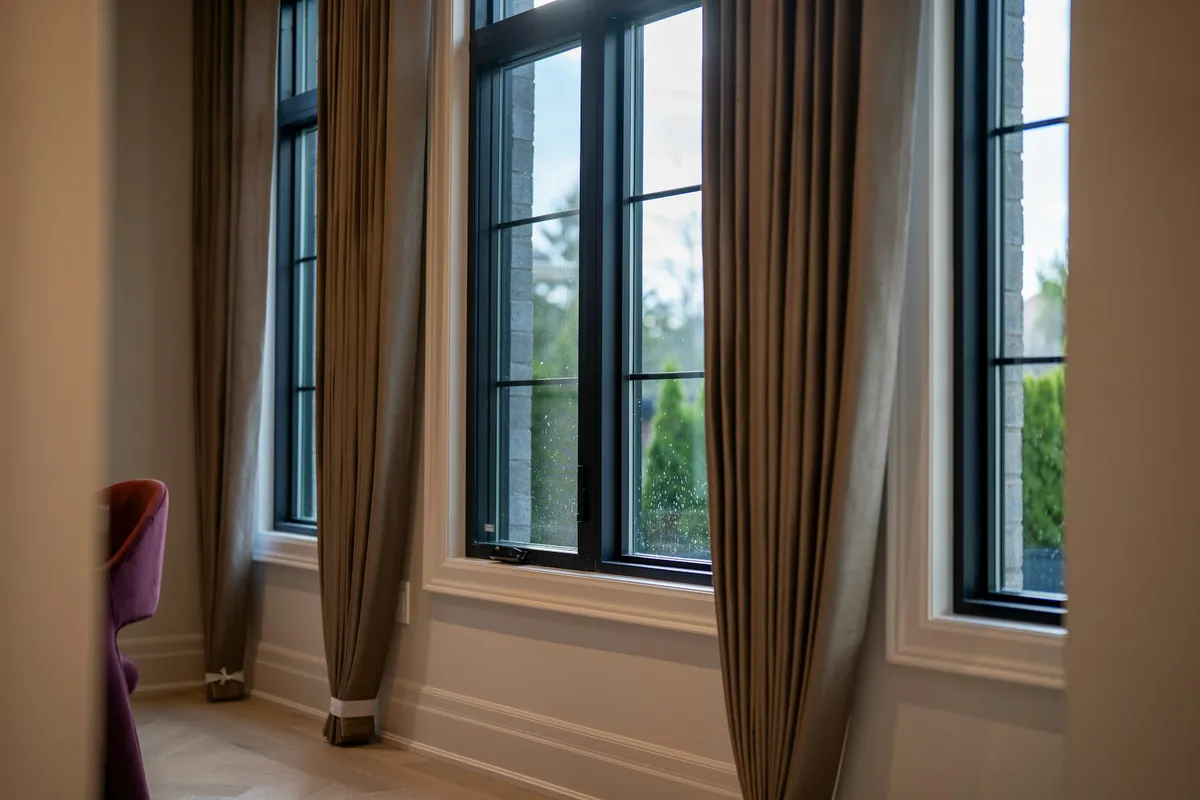
Drapery for the formal rooms
Side panels and lined drapes to hang over a Norman blind or shade in a parlour or dining room.
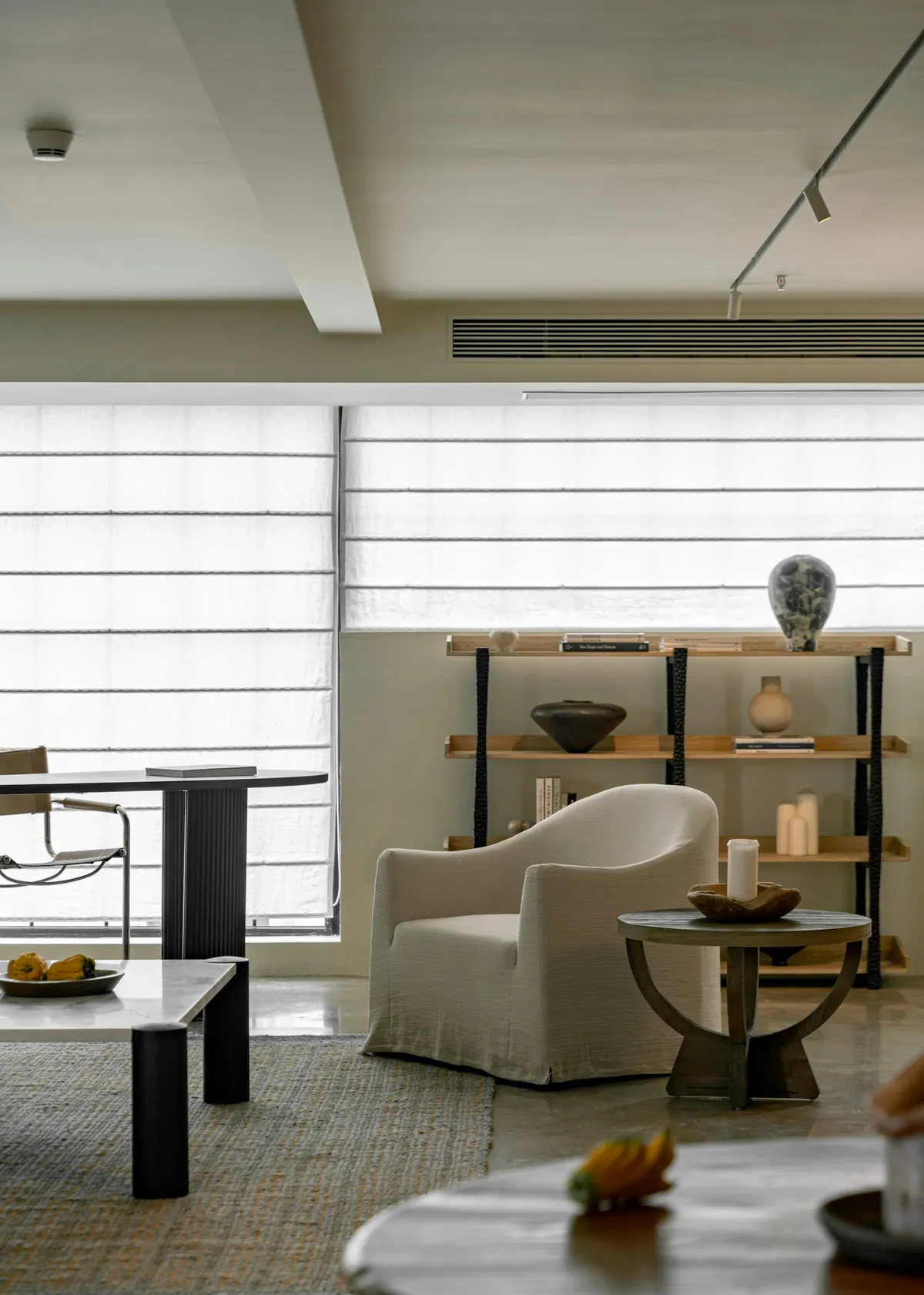
Cellular shades for cold glass
A honeycomb cloth that holds air against the pane, useful on the long windows of a mid-century plan.

Every service in town
Blinds, shades, shutters, drapery and fabric decor, all planned together for one Barrington house.
Planning Norman Blinds in Barrington, RI
Choosing Norman blinds in Barrington, RI begins with a walk through the rooms, not a page of swatches. We look at which windows face the river or the road, which rooms are used at night, which ones get the hard afternoon light and which already have drapery hardware on the wall. Two houses on one street can need completely different answers, and the colonials and the moderns almost always do.
Mid-century houses and their long bands of glass
The mid-century moderns in Barrington were built to open the living room to the yard and the water. That usually means a run of windows that reads as one long opening, sometimes broken by slim mullions, sometimes by a door to a terrace. Covering it well is mostly about proportion. Several narrower blinds, one per pane, keep the lines of the frame crisp. A single wide shade can look calmer, but only if it can still be raised by hand without strain.
Low sills add a second question. When the bottom of the glass sits just above the floorboards, a bench or a radiator cover, the treatment has to stop cleanly where the frame stops. A fabric shade fitted inside the frame does that well, and it leaves the sill free for a cushion or a plant. If the reveal is too shallow for an inside fit, we mount above and match the headrail to the width of the frame so it does not overhang the wall.
Stack height matters in these rooms as well. When a blind is fully raised, its slats or folds gather at the top of the window. On a tall colonial sash that hardly shows, but on a long, low band of modern glass it can steal a real share of the view. We look at the stack on each window before suggesting a product.
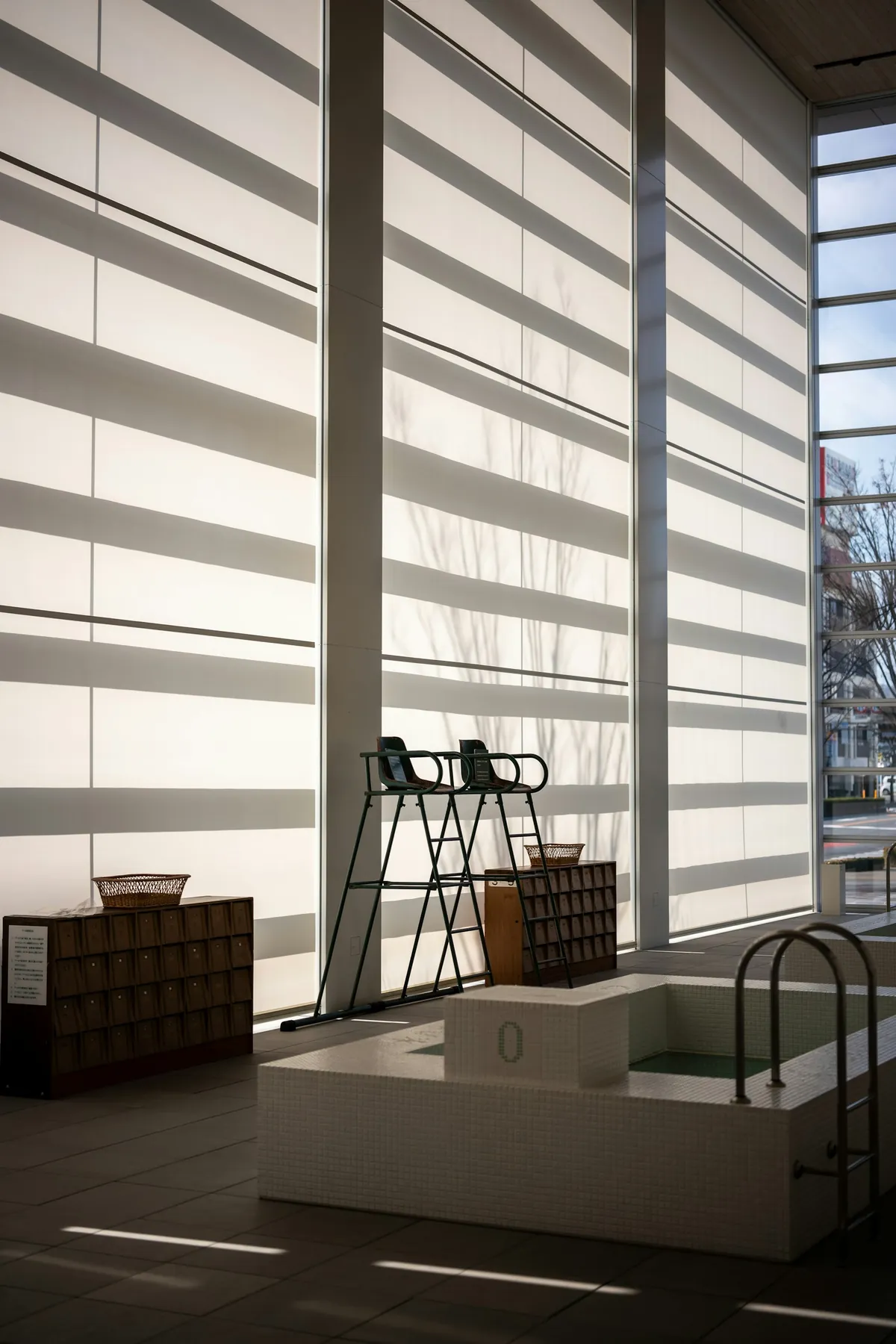
The terrace door in a modern plan
Many of these houses have a glass door, or a pair of them, opening from the living room to a terrace or a lawn that runs down toward the water. A door like that is used all day, so whatever covers it has to stay out of the way of the handle and let the door swing or slide without catching. A shade mounted high above the frame, raised clear of the glass by day, is one answer. A blind fixed to the door itself is another, and it moves with the door instead of hanging in front of it. We look at the hardware and how often the door is opened before suggesting either.
Center-hall colonials and rooms that expect drapery
Barrington’s center-hall colonials are laid out around a central stair, with a formal room on each side. Those front rooms usually carry drapery, and the real question is what hangs behind it. A Norman blind or shade does the daily work, handling privacy and glare, while the drapes frame the window and soften the room. Picked together, the colours agree and the hardware does not fight.
For these sash windows our first thought is usually an inside fit, so the casing stays visible around the drapes. That depends on the depth of each opening, which we measure at every window instead of assuming one size fits the whole house. Upstairs, where drapery is less common, a Norman shutter or a simple shade can stand alone in the bedrooms.
The colonials also tend to have smaller windows that are easy to forget: a landing window halfway up the stair, a pantry window, a bathroom off the back hall. A slim blind with a small stack often suits these best, and deciding them alongside the big rooms keeps the front elevation tidy.
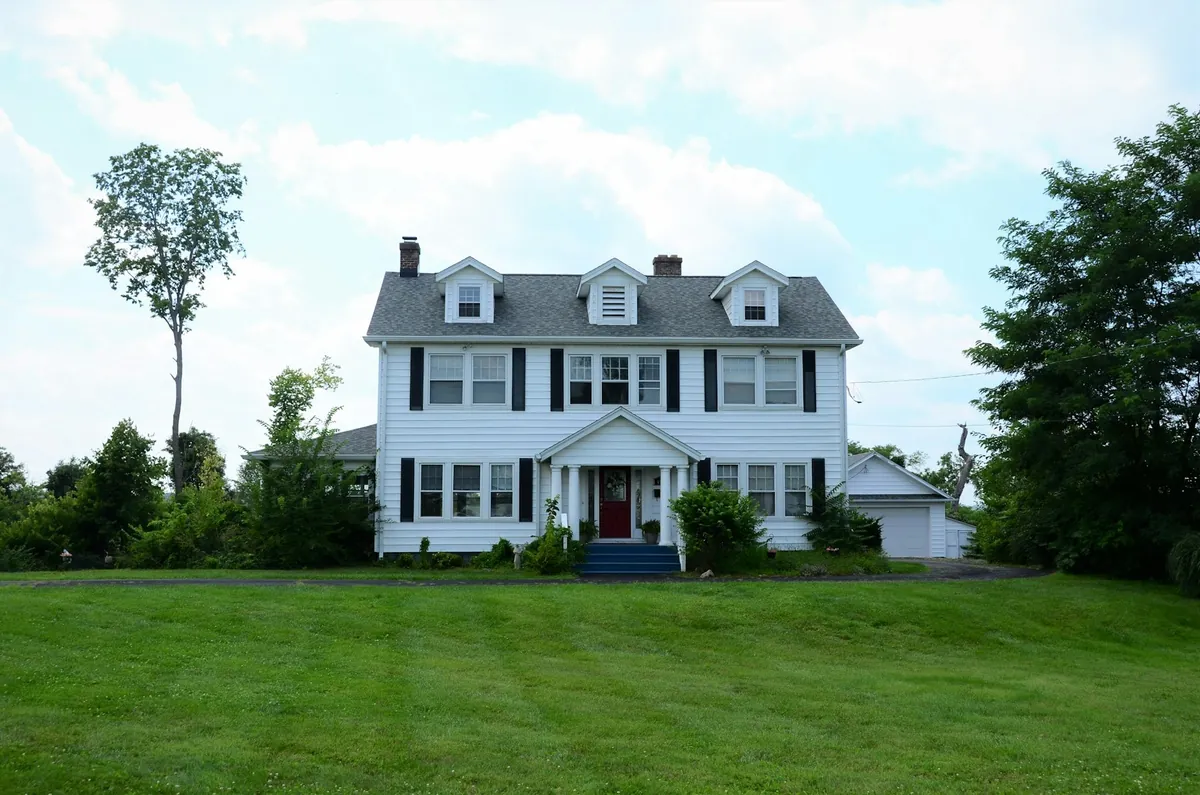
Bedrooms under a colonial roof
The upper floor of a colonial often has bedrooms with windows set close under the roofline, and sometimes a dormer with the ceiling sloping down on either side. There is little height above the frame for a headrail, and in a dormer the walls crowd the window. A compact blind or a shade with a slim roll fits these openings better than anything bulky. Where a bedroom faces east over the river, a darkening fabric earns its place, because the morning light arrives early and bright.
River frontage and bright water light
Houses with Barrington River frontage take light from two directions: from the sky, and bounced off the water. That second source arrives low and strong, and it can wash across a living room for hours. Slats are good at managing it. Tilted upward, a blind sends the glare to the ceiling and keeps a band of view below, so you can still see the river without squinting at it.
Bedrooms on the water side are the other half of the story. A room-darkening shade fitted close to the glass, with very little gap at the edges, keeps out both early light and the late reflection off the river. In a guest room or a nursery that is often the single most useful thing in the house.
Shutters for a window seat or a breakfast room
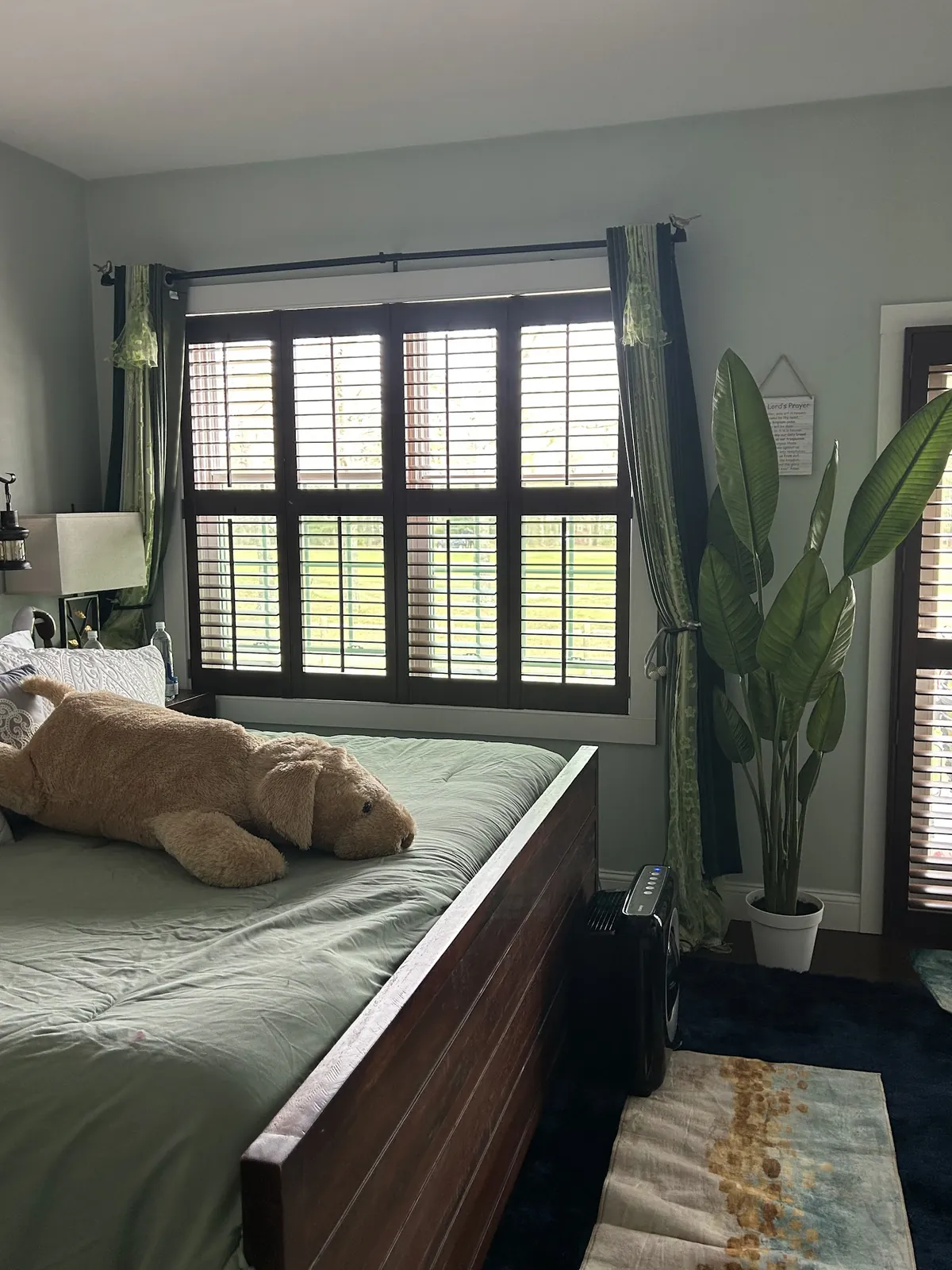
Interior shutters have a place in both house types. In a colonial they suit a breakfast room, a kitchen or a study, where they sit inside the trim and read as part of the woodwork. In a mid-century house they work well on a window above a built-in seat, because the panels open back flat against the wall and leave the seat clear. Louvre size and frame style shape how a shutter looks, and both are far simpler to judge with a sample in your hand.
Blind, shade or shutter: a room-by-room guide
Most Barrington houses end up with a mix, because each room asks for something different. As a rough guide to where each part of the range tends to land:
- Formal living and dining rooms in a colonial: a slim blind or a light-filtering shade behind lined drapes, fitted inside the casing.
- The long living room glass of a mid-century house: fabric shades, one per pane or one per unbroken run, in a warm neutral that sits well with natural wood.
- Kitchens and breakfast rooms: shutters or a moisture-tolerant faux wood blind, which shrug off steam from the stove.
- Bedrooms facing the river: a room-darkening shade close to the glass, sometimes with a blind or drapes in front for looks.
- Studies and dens: wood slats, tilted up through the day to keep glare off a screen.
- Bathrooms and back halls: a compact blind with a small stack, so the little window stays clear when raised.
None of this is a rule. It is where the conversation usually starts, and the showroom is where you test it. Thinking about Norman blinds in Barrington, RI room by room like this also makes the quote easier to read, because each line matches a window you can picture.
How a Barrington Order Comes Together
The specialist who measures is part of the team that fits, and you hear from us at each stage until the work is finished. Most Barrington jobs run in this order.
- You get in touch by phone or through the form, mention the rooms on your list, and we set up a free quote.
- A specialist comes out and measures each window, checking reveal depth, sill height, mullions and anything that could interfere, such as a door handle or a radiator cover.
- You visit the Swansea showroom to try Norman blinds, shades and shutters next to each other, lifting, tilting and holding fabrics up to daylight.
- We settle the product, colour and operation for each window together, along with any drapery that will hang in front.
- A quote arrives with each window itemised.
- Your Norman order is built to the figures taken on site.
- Our installers hang every piece, test it, and walk you through how it works before they leave.

Why every opening is measured where it is
Made to measure only works when the numbers are right. Older colonials rarely have perfectly square frames, and a reveal can change depth from one window to the next. Mid-century frames are often truer, but their long runs of glass leave no room for error across the width. Measuring every opening in place lets each blind, shade or shutter sit snugly and run smoothly from day one.
Controls on low and long windows
How a treatment is worked matters more than most expect. On a low sill beside a sofa, a control that hangs down onto the cushions is a nuisance, so we decide which side it belongs on and how long it should be. On a wide run of glass, separate units may be easier to raise than one long one. On a high colonial window behind a dining table, the control has to be within reach without moving furniture. We settle this window by window at the planning stage, so the finished room is easy to live with.
Colour against painted trim and warm wood
Colonials usually have painted casings, often white or a soft cream, and a treatment in a matching tone lets the window read as one clean shape. A stained slat can work too, especially in a study or a library with darker woodwork. Mid-century houses often carry natural wood in the ceilings, the built-ins or the window frames themselves, and there a fabric shade in a warm neutral sits more comfortably than a bright white. Seeing samples against your own trim colour is the surest way to judge.
One house, one look from outside
Seen from the road, a colonial’s front windows behave like a matched set. Using one colour and style on every street-facing opening keeps that front orderly, even if each room behind it has a different product. A modern house shows its long glass to the yard instead, and there the aim is a clean, continuous line along the whole band. Either way, plan the house as a whole even if the work is done room by room.
Looking after it near the water
River air leaves a fine film on everything by the glass, so a regular wipe pays off. Faux wood slats and shutter louvres take a barely damp cloth. Real wood prefers a dry duster and should be kept away from wet cloths. Fabric shades usually need only a light pass with a soft brush attachment on the vacuum. If a cord frays or a lift starts to stick on something you already own, mention it when you call, because it is often a simple repair.
Why Barrington Families Choose Window Works
Window Works opened in Swansea in 1988, and the family business is now in its second generation. For over 37 years our specialists have measured, ordered and fitted window treatments from the SouthCoast of Massachusetts to the East Bay of Rhode Island.
- A seasoned team that does nothing but window treatments
- We come to measure, and our own crew installs
- Regular contact from the first call to the last fitting
- Warranties are offered on our products
- Drapery and fabric decor sewn to sit with the blinds and shades
When you ring back months later with a question, you reach the same store that did the work.

The Norman Range, Up Close
Barrington is a short trip from our Swansea showroom, where the Norman range is set out to handle. Feel how a blind lifts, open and close a shutter panel and watch a shade fabric change as daylight comes through it. A swatch from your drapes or a chip of your trim paint makes the choice quicker, and a specialist will be on hand to talk it through.
More on the range is on our Norman blinds and shades page, and the full list of what we make for the town is on the Barrington window treatments page.
Questions from Barrington
Can a Norman shade cover the long glass in a mid-century living room?
Yes. Depending on how the frame is divided, we suggest either one shade per pane, which keeps the frame lines crisp, or a wider shade where the run is unbroken. We measure the whole band before advising.
Will a blind still work with drapes in a formal dining room?
It is one of the most common pairings in Barrington’s colonials. The blind or shade looks after daylight and privacy, the drapes frame the window, and both are planned in one visit so colours and hardware agree.
My sills are very low. Does that rule anything out?
No, but it shapes the choice. A shade or blind fitted inside the frame stops neatly at the sill, and we place the controls so they do not trail onto a bench or a sofa.
Can I see Norman products before I commit?
Yes. Norman blinds, shades and shutters are on show in our Swansea showroom, where you can try them side by side.
How is a price worked out?
Each window is priced on the free quote, line by line, once it has been measured and you have chosen the product and colour.
Start With a Free Quote
When you are ready, press the call button to ask the Swansea store about Norman blinds in Barrington, RI, to set up a measuring visit or to talk about installation. The form on this page reaches us too. If you would rather handle the range first, drop in at the showroom; directions are on the contact page. Google reviewers give Window Works a 5.0 rating.