
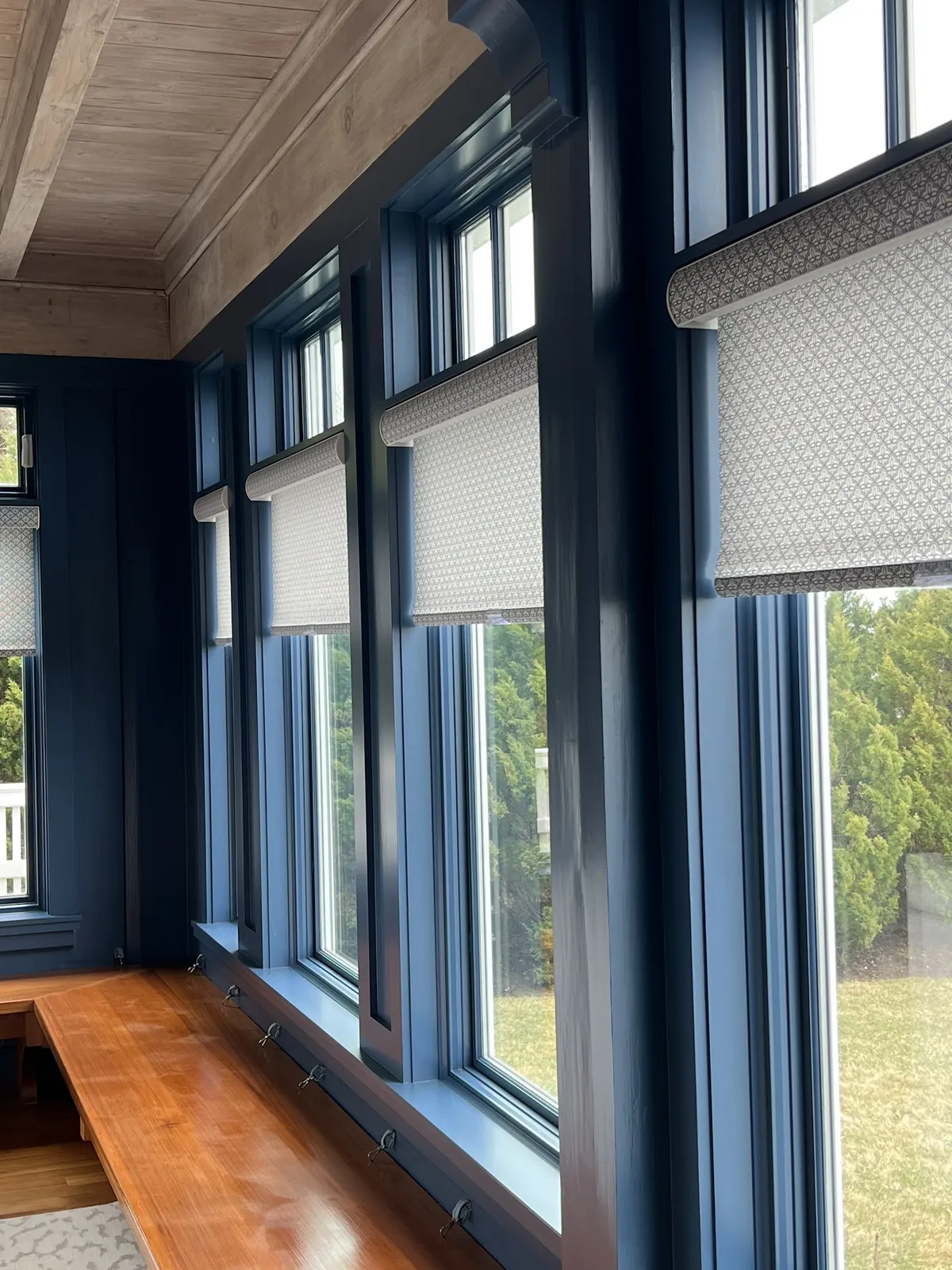
Where a Motor Earns Its Place in Somerset
A motor makes the most sense on the windows you avoid touching, and Somerset has a good share of them. Motorized blinds in Somerset, MA let you lower the shades along a river-facing wall from a remote in your hand, or bring a stairway blind down from a switch by the door, without leaning across furniture or reaching for a step stool.
The town gives us three quite different starting points. Along the Taunton River, many lots gained wide window walls in later renovations, opening the main rooms to the water. Off County Street, around Brayton Point and Riverside, the mid-century capes and ranches mix broad living room windows with small dormers upstairs. In Somerset Village, the colonials keep their original narrow double-hung sash. Each of those asks something different of a powered blind or shade, and we plan for it on the measuring visit.
- Remote control, wall switch, or both in the same room
- Made to the size of each opening
- Fitted and set up by our own installers
Somerset Windows That Suit a Motor
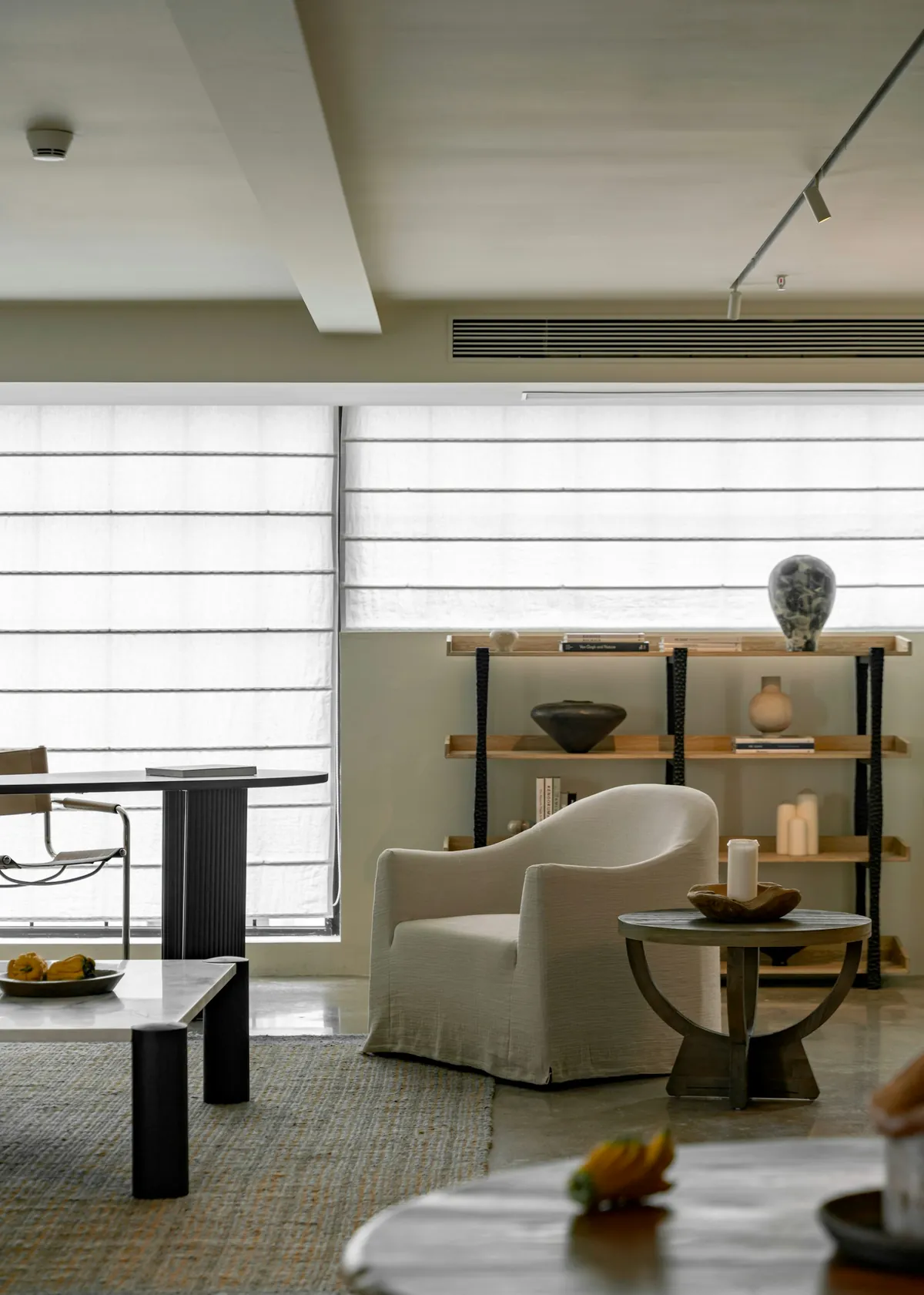
A river window wall
Several shades side by side across a renovated wall of glass, each one lowered without walking the length of the room.
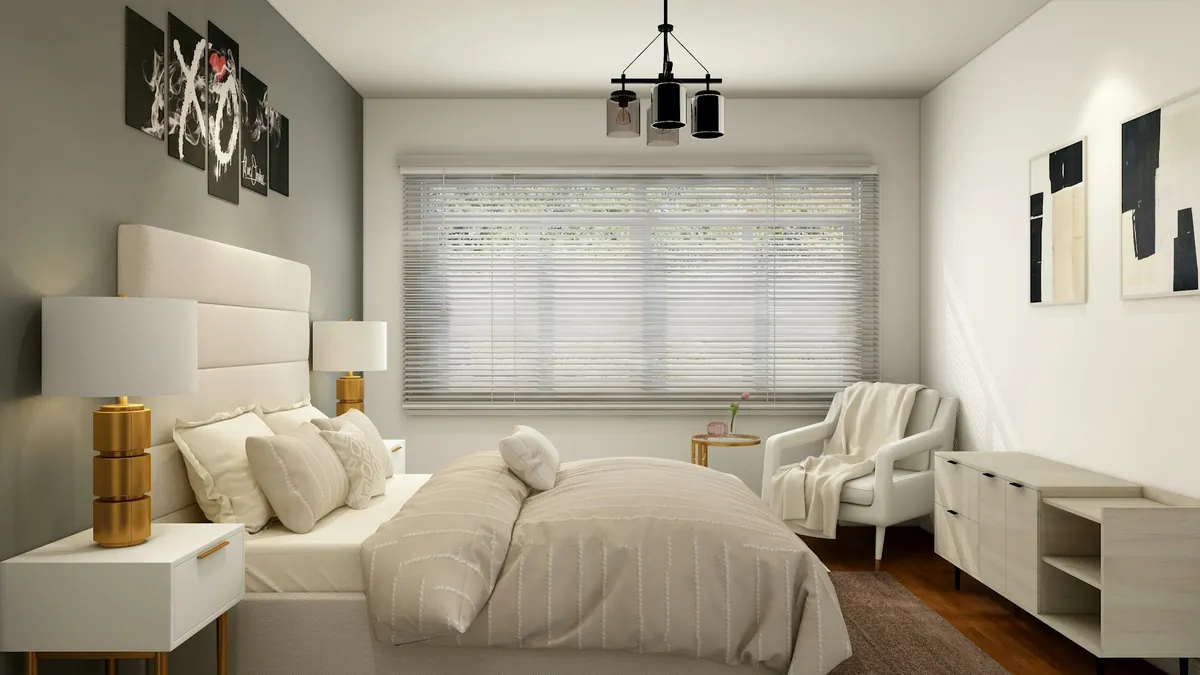
Upstairs dormers
Cape bedrooms where the dormer sits deep in the roof and the bed or a dresser stands between you and the cord.
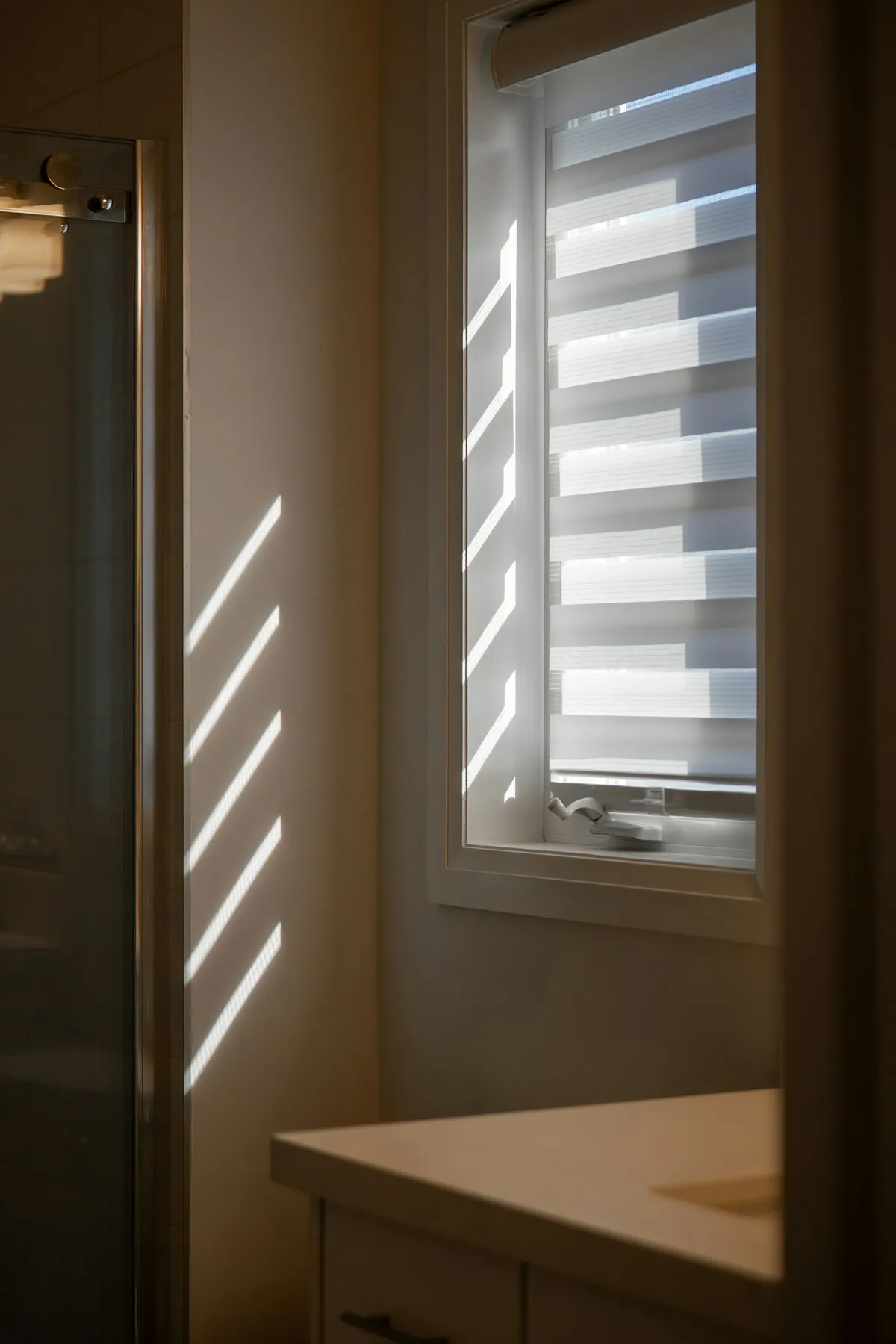
Village sash
Tall, slim colonial windows on a stair or landing, run from a switch at the foot of the steps.
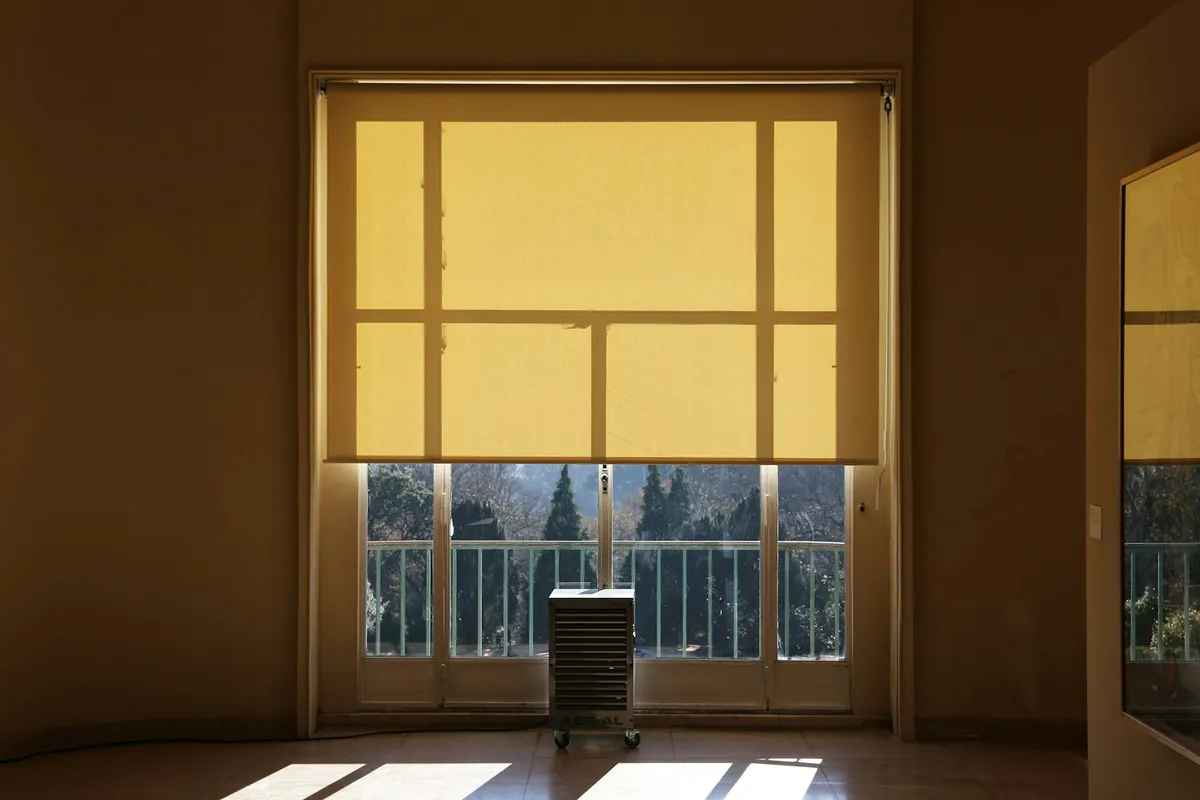
Remote in hand
Adjust the light from the sofa or the bed as the sun moves round, rather than getting up for each window.
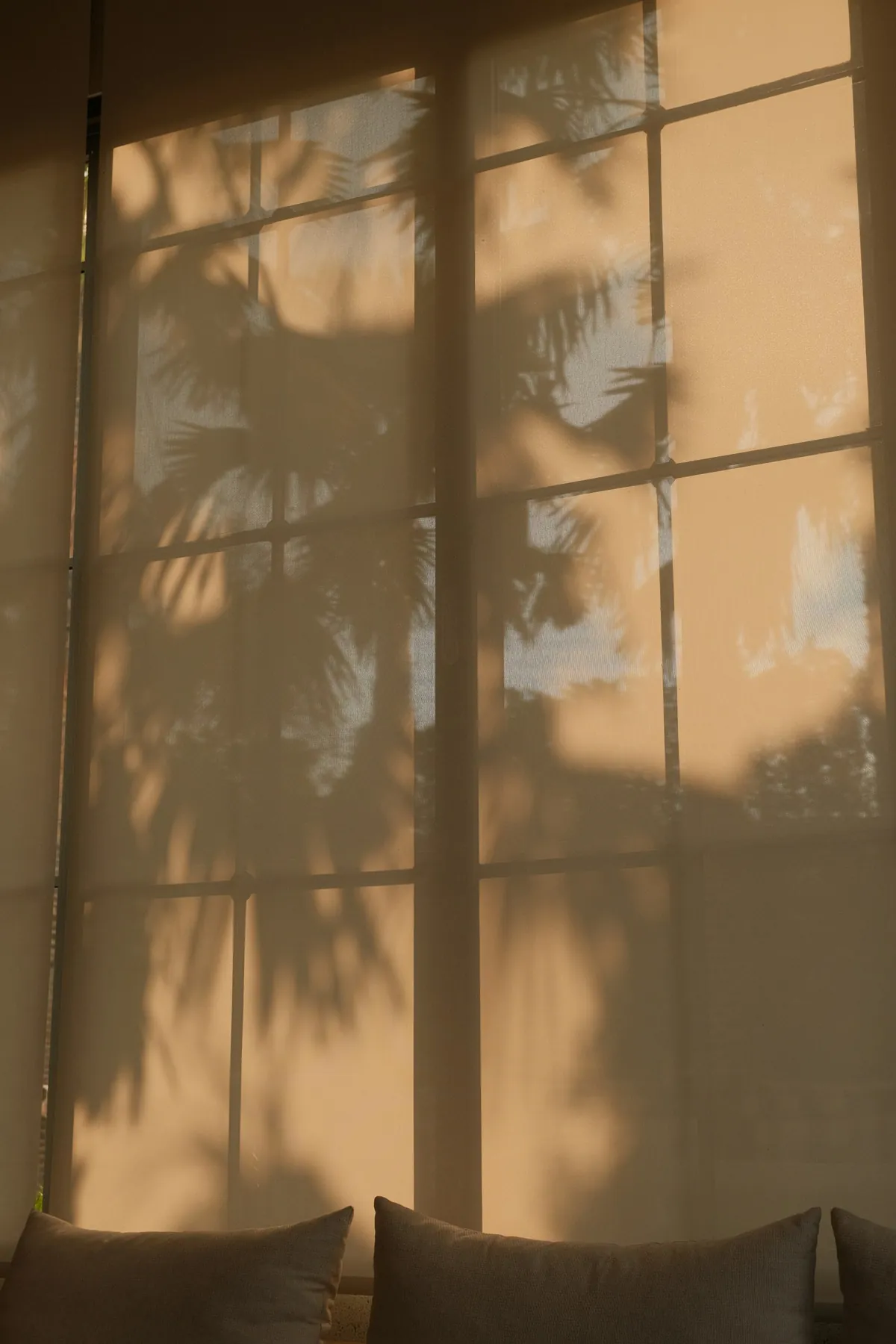
Switch on the wall
A plate by the doorway, as easy as a light, for rooms you pass through more than sit in.

Sized at the house
Every opening measured where it is, including the space above the glass where the motorized headrail has to fit.
Planning Motorized Blinds in Somerset, MA
When we plan motorized blinds in Somerset, MA, we begin by asking which windows are a nuisance today. Usually there are only a few: the long run of glass facing the river, a landing window over the stairs, a bedroom dormer behind the bed. Those are the ones worth powering. The rest of the house can keep ordinary controls, in matching colours, so nothing looks out of step from the street.
Below we go through the three kinds of Somerset house in turn, then the choice between a remote and a wall switch, then how an order runs.
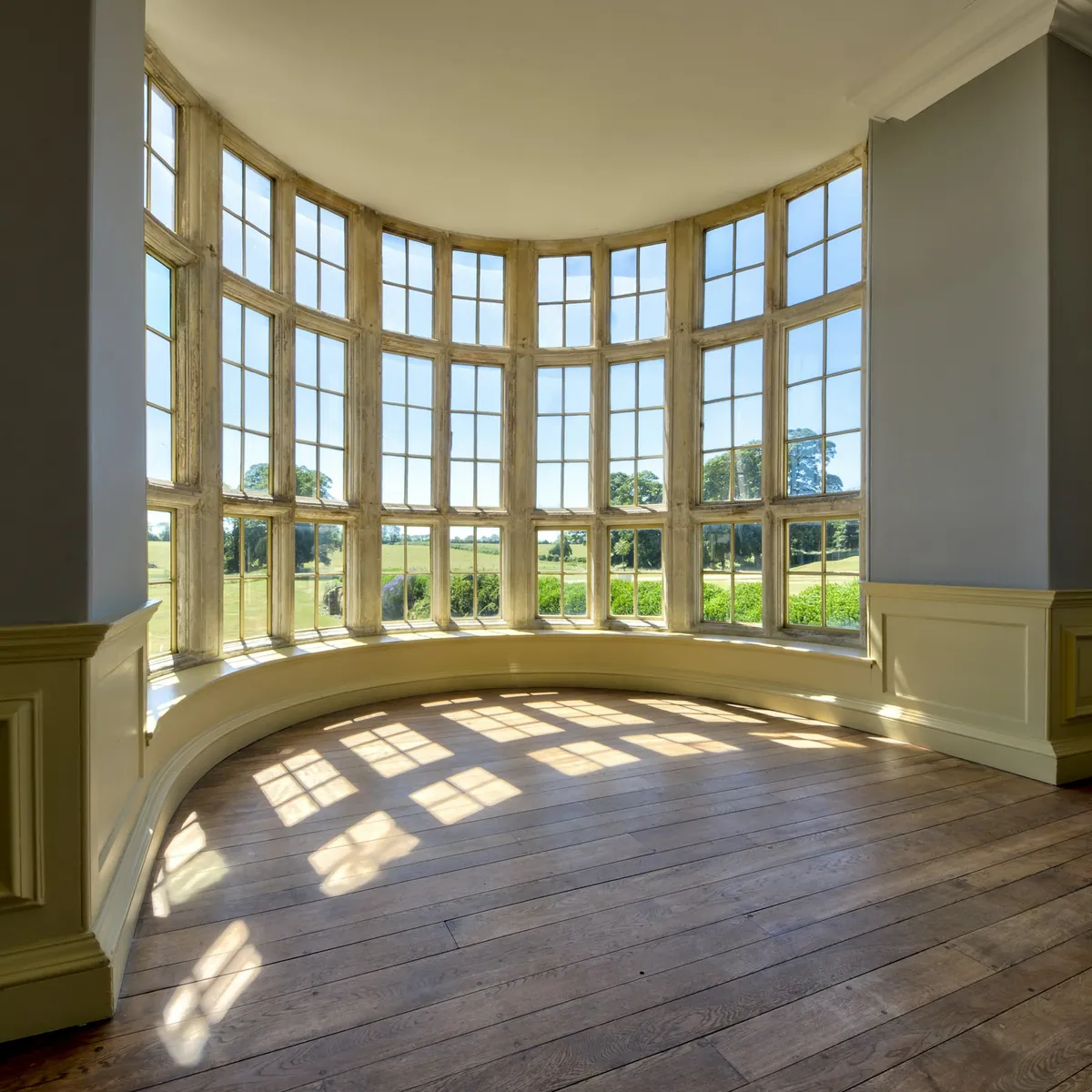
River lots and their renovated window walls
The wide window walls on the Taunton River lots are the clearest case for a motor in town. A wall like that may hold four, five or six separate windows, or a few very wide panes. Covering them by hand means walking from one end of the room to the other, morning and evening, and in practice the shades end up left in one position all day. Some stay down and hide the river. Others stay up and let the strongest afternoon light across the floor.
With motorized shades on that wall, the room becomes easy to manage. Lower the shades on the bright end in the afternoon, raise them again when the sun moves on, close the whole run at dusk. Each window still gets its own shade, made to its own width, so the wall reads as one even row when every shade is down.
These walls were added in later renovations, and the framing above them varies from house to house. Some have a deep header with plenty of room for a headrail. Others have the glass running almost to the ceiling. We look at every one before suggesting a style, because the motor sits in the headrail and that space decides what will fit cleanly.
Capes and ranches off County Street
The capes and ranches built in the middle of the last century around Brayton Point and Riverside are more regular, but they still have a window or two that suits a motor. In a ranch it is often the broad front window in the living room, where a single wide shade is heavy to lift by hand and a long cord hangs untidily beside it. A motor raises that shade evenly every time, with nothing dangling.
In a cape, the upstairs rooms are tucked under the roof, and the dormer windows sit at the back of a small alcove. With a bed pushed against the wall beneath, or a chest of drawers in the dormer, the cord or the bottom rail of the shade is a stretch away. A remote kept on the bedside table solves that neatly. You can darken the room at night and let the morning in without getting out of bed.
Kitchens in these houses often have a window over the sink, behind a deep counter. It is the window people lean over most, usually with wet hands. A small motorized shade there is a modest change that gets noticed every day.
Somerset Village colonials
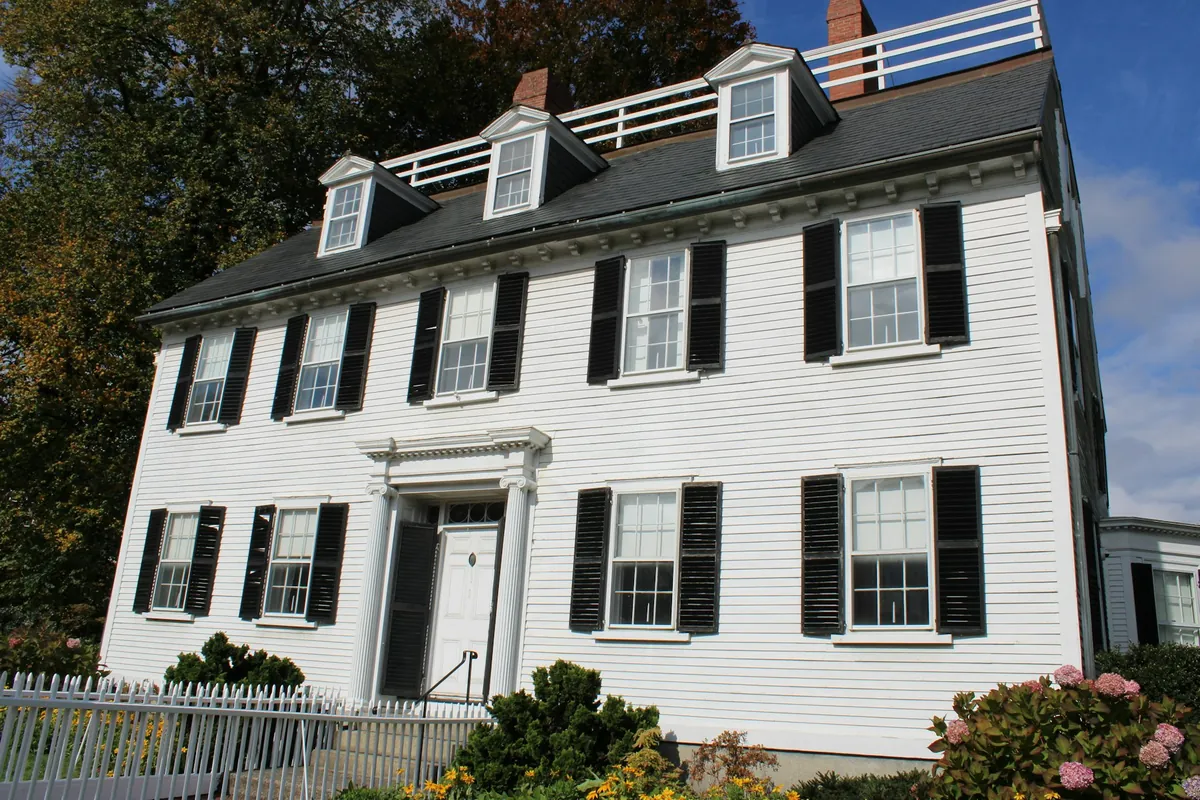
The colonials in the village keep their narrow double-hung sash, and many have a window on the stair landing or high in a front hall that is awkward to reach. These windows reward a careful fit. The opening is tall and slim, the trim is part of the room’s character, and the space inside the frame is often shallow.
A motorized blind or shade for a window like this has to fit a slim headrail into that opening, or sit above the trim as an outside mount sized to the trim’s own width. We check the depth window by window rather than assuming the whole house matches. Where an inside mount works, the trim stays on show and the powered shade sits quietly within the frame. A switch at the foot of the stairs then runs the landing window as you go up.
Remote or wall switch, room by room
The choice between a remote and a wall switch comes down to how you use each room.
A remote suits rooms where you settle in: the living room facing the river, the main bedroom, a den with a television. You can keep it beside your chair and change the light whenever the sun moves or the room gets too bright to see the screen.
A wall switch suits rooms you walk through or walk into: a front hall, a stair landing, a sunroom you open up in the morning. The switch sits by the door, so the shades go up as you come in and down as you leave.
Many Somerset houses end up with both, in different rooms or even in the same one. A bedroom might have a remote on the nightstand and a switch by the door. We ask about your routine on the measuring visit and suggest what fits, rather than adding controls you will never touch.
From the First Call to the First Press of the Button
You hear from us at every stage, and we stay in touch until the job is done. A typical order runs like this.
- You call the Swansea store or send the form, tell us which Somerset windows are bothering you, and book a free quote.
- A specialist comes out for measuring in your home, sizes each opening and checks the space above the glass for the headrail.
- Together we decide which windows to motorize, and whether each room is better on a remote, a wall switch or both.
- You choose the style, fabric and colour, ideally at the Swansea showroom, where you can see and handle the samples.
- You receive a quote listing each window, so it is clear what is powered and what is not.
- The blinds and shades are made to the sizes taken in your home.
- Our installers fit every one, set up the controls and show you how to run them before they leave.

Choosing the shade before the motor
The motor is the convenience. The shade itself still does the real work, so we choose it first. On a river wall that catches a lot of light, a fabric that softens glare while keeping some of the view may suit you better than one that blocks the light completely. In a cape bedroom, a room darkening fabric makes a lowered shade do its job at night. In a village colonial, a fabric or slat that sits well against painted trim keeps the room looking as it should.
Once the shade is chosen, the motor is added to the windows where it helps. That means a powered shade on the river wall and a hand-operated one in the guest room can be the same fabric and colour, and look like one decision. You can see the wider range for Somerset on our window treatments for Somerset homes page, and the roller shades in Somerset and cellular shades in Somerset pages cover two of the most popular starting points.
Why no cords matters in a busy house
Motorized blinds and shades have no lift cord hanging beside the glass. In a living room where children play or a dog sleeps under the window, that removes something loose within reach. It also keeps the window tidier, which shows on a wide river wall where several cords would otherwise hang side by side. Our guide to cordless blinds and child safety goes into the safety side in more detail.
Fitting around what sits by the window
A powered shade comes down the same way every time, so it helps to know what is in its path. On the measuring visit we note anything under or near each window: a radiator cover, a deep sill with plants, a window you leave open in summer, a crank handle on a casement. Where a sash is often open, we talk through where the shade should stop so it never lands on the frame. Small details like these are easier to settle before the order than after.
Following the light across a river house
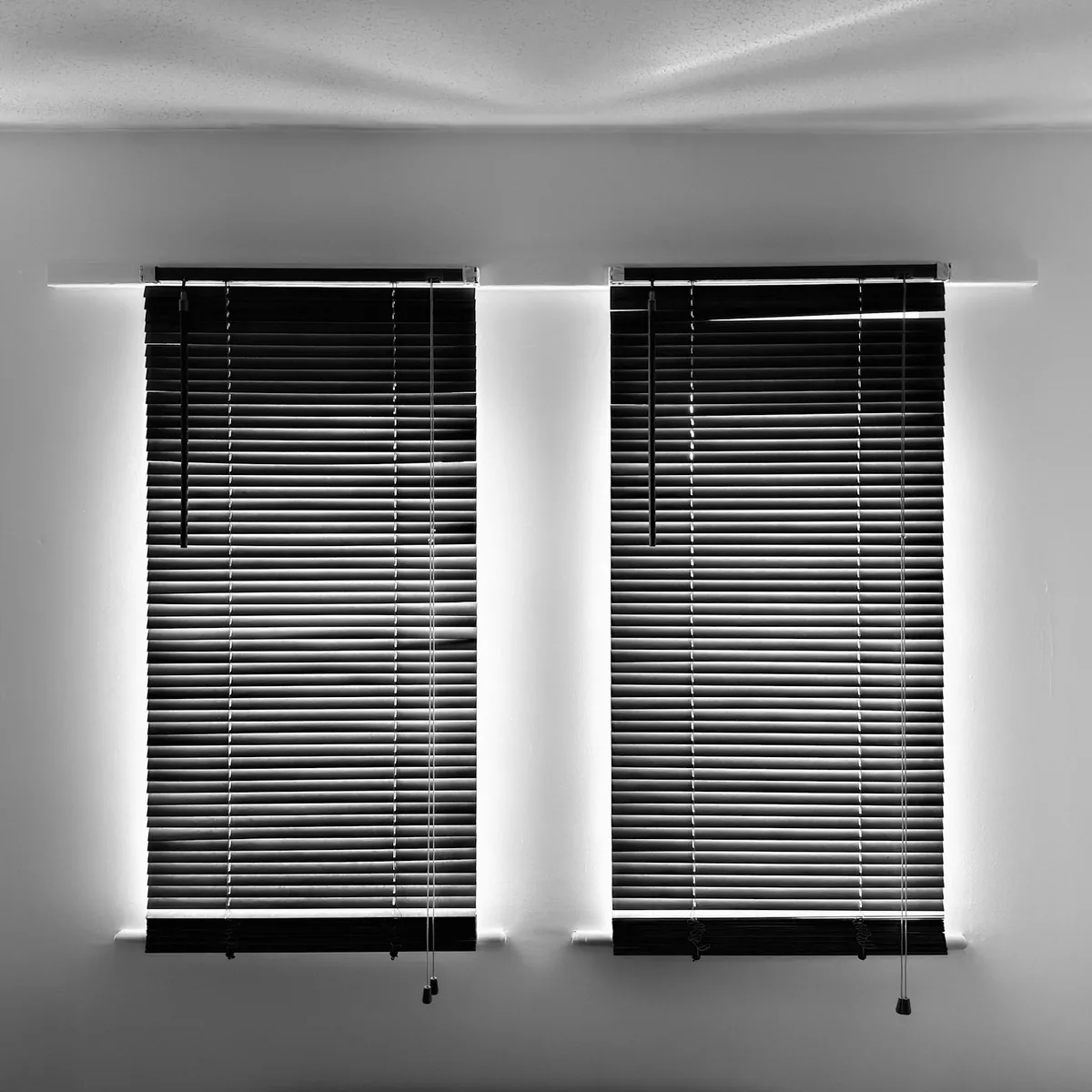
A house on the Taunton River does not get the same light all day. The rooms facing the water take the sun at one end of the day, the street side at the other, and the glare off the river adds to it when the sun is low. That shifting light is the reason a powered shade gets so much use on these lots. Instead of choosing one position in the morning and living with it, you adjust the river side as the afternoon wears on and leave the street side open.
It also changes how the rooms behind a window wall can be used. A reading chair by the glass stays comfortable later into the afternoon. A television on the facing wall can be watched without the reflection of a bright window across it. A dining table set by the view can be laid in the evening with the shades half down, so the light softens without the river disappearing. None of that needs a crowd of controls. One remote in the main room covers it, with a wall switch by the door if you want the shades to go up as you walk in.
Keeping the house even from the street
Somerset streets are close, and from the road the front windows of a cape, a ranch or a village colonial read as a set. When only some windows are motorized, we keep the fabric, the colour and the height of every lowered shade on that face of the house the same, so a passer-by cannot tell which ones are powered. The headrails are chosen to look alike too. On the river side, where the window wall is seen from the water rather than the road, a row of matching shades lowered to the same line does the same job.
That consistency matters most on the colonials in the village, where the front of the house is symmetrical and a single odd window shows. It is one more reason to plan the motorized blinds in Somerset, MA homes as part of the whole house rather than one window at a time, even when only one or two windows are being powered now.
Living with them day to day
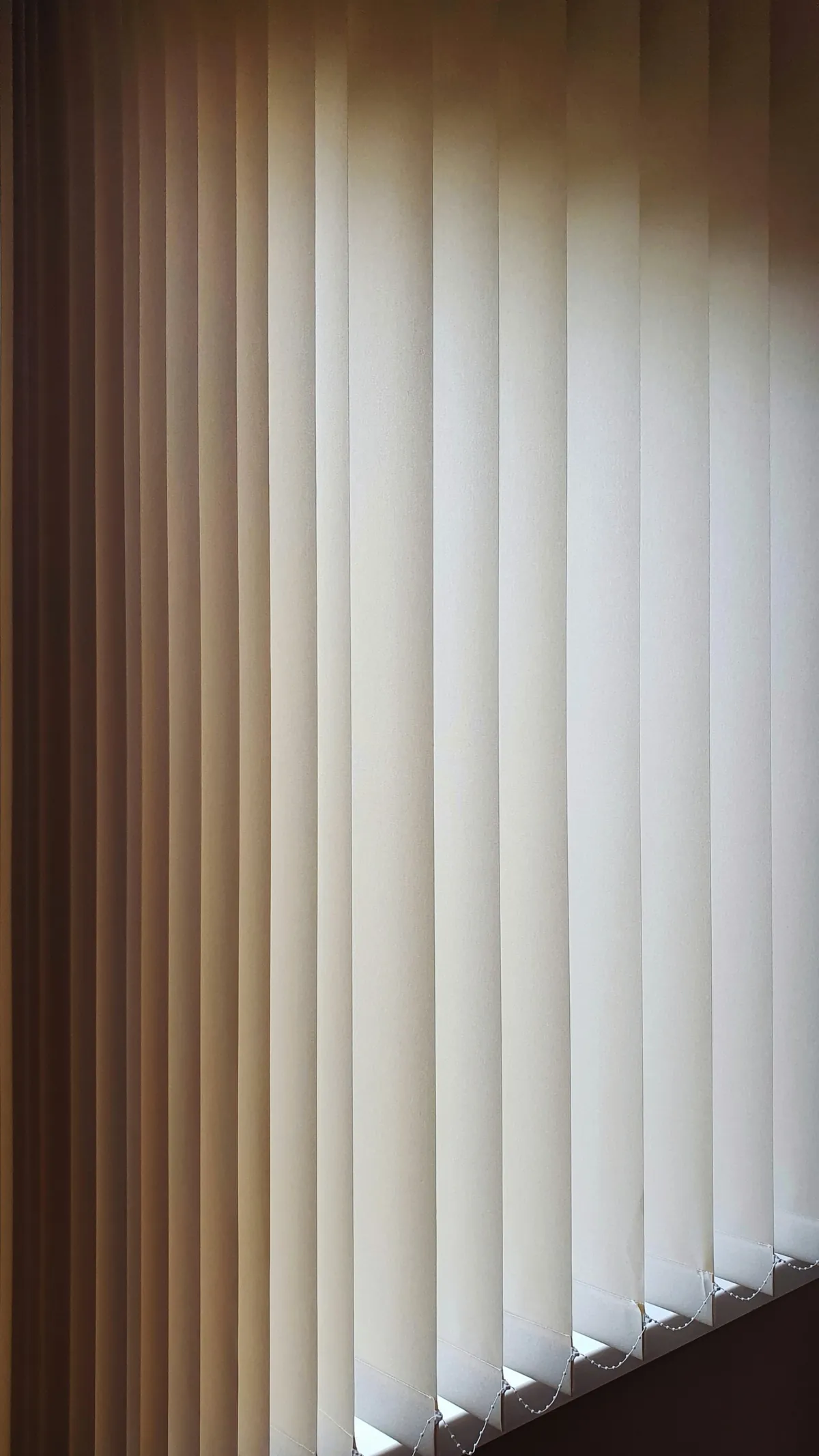
The change tends to be larger than it sounds. Shades that were awkward to reach start to get used properly: lowered when the low sun comes across the river, raised once it has gone, closed in the evening. Floors and furniture near the glass are spared the harshest light. A bedroom can be made dark from bed. Anyone who finds stretching or climbing a stool difficult can manage every powered window in the room from one spot.
Care is simple. Dust the fabric or slats lightly, and use a damp cloth only where the material allows it. Keep the path under each shade clear. Run the ones you rarely use all the way up and down now and then, so you notice early if one starts to move unevenly, and call the store if anything seems wrong.
Starting small and adding later
You do not have to power the whole house at once. An order can start with one room, such as the river wall or a single landing window, and more can be added once you have lived with it. When you come back, we can match the new shades to the ones already hanging. The full range of motorized styles is on our main motorized blinds page.
What Sets Window Works Apart
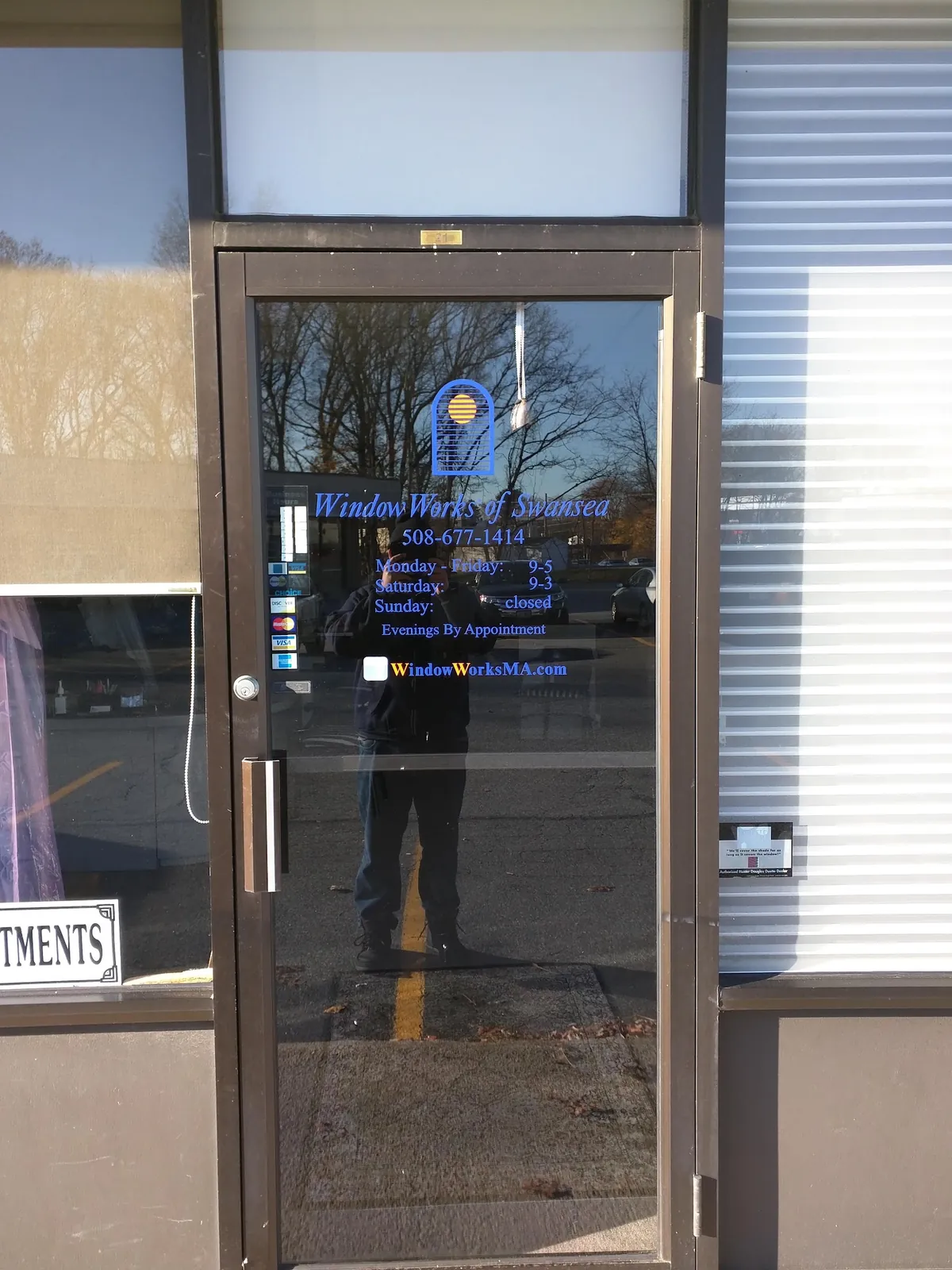
Window Works opened in Swansea in 1988 and is now run by the second generation of the same family. That is over 37 years of fitting window treatments on both sides of the Taunton River, Somerset included, and across the SouthCoast and the Rhode Island East Bay.
- A team of experienced window treatment specialists
- Measuring in your home and installation by our own people
- Warranties offered on what we sell
- Regular contact from us until everything is finished
- A showroom over the river where you can try the styles first
Questions from Somerset
Can you motorize a shade on a renovated window wall facing the river?
Yes. Each window in the wall gets its own shade made to its width, and we check the space above the glass at every one, since the motor sits in the headrail.
Will a powered blind fit the narrow sash in a village colonial?
Often, yes. We measure the depth inside each frame. Where it is deep enough, the shade fits within the frame and the trim stays on show; where it is not, an outside mount is sized to the trim.
Should I choose a remote or a wall switch?
A remote suits rooms where you sit, such as a living room or bedroom. A switch suits rooms you walk into, such as a hall or landing. Some rooms have both.
Do I have to motorize every window in the house?
No. Most homes power only the high, wide or awkward windows and keep ordinary controls on the rest, in matching colours.
How do I get a quote for my Somerset home?
Quotes are free. Use the call button or the form, list the windows you have in mind, and we will arrange measuring in your home.
Book Your Free Quote
Ready to talk through motorized blinds in Somerset, MA? Use the call button to reach the Swansea store, book a free quote, arrange measuring in your home or ask how installation works. You can also send the form and we will get back to you. If you want to see the shades and try the controls first, the showroom is a short drive over the river, with directions on the contact page. Window Works holds a 5.0 rating on Google.