
Old Sash and New Glass Under One Roof
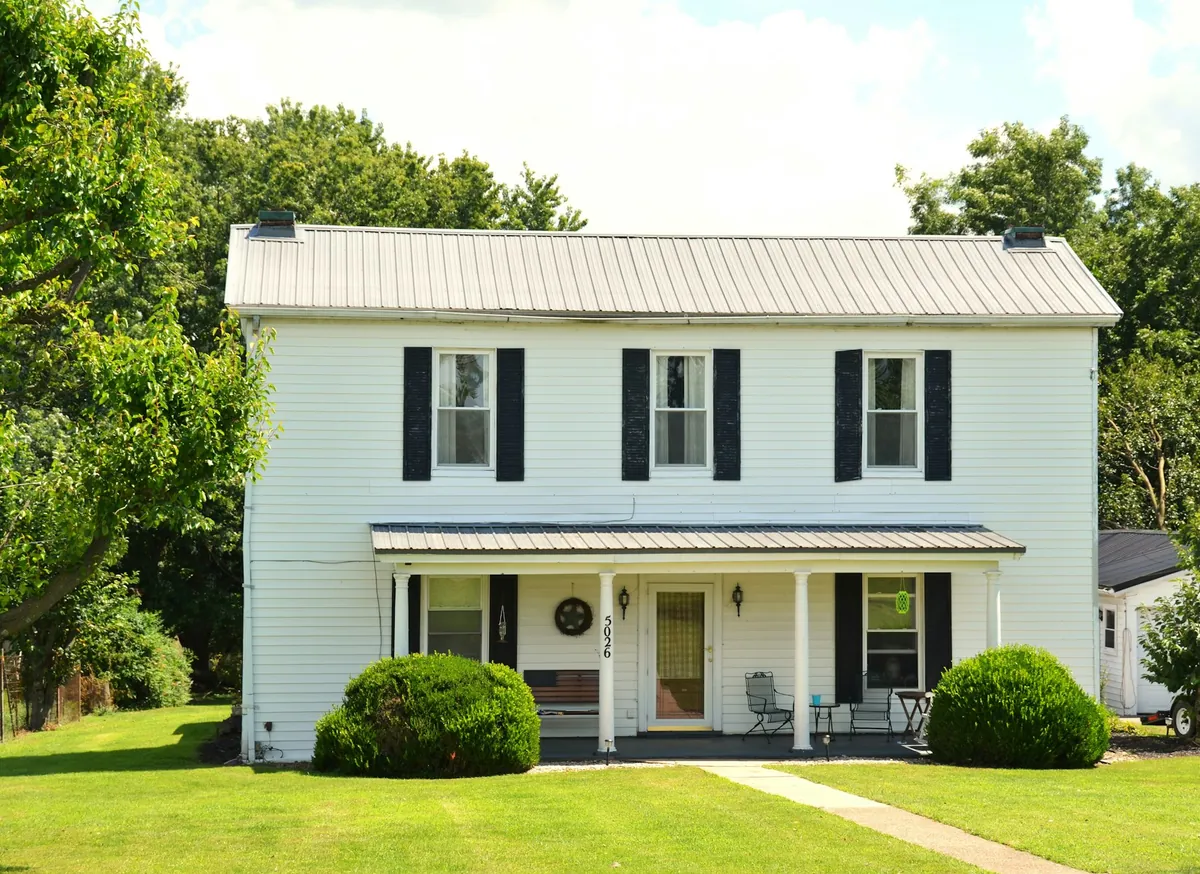
Plenty of Dighton houses have grown over the years. A farmhouse on Main Street or a cape on Somerset Avenue gains a family room or a kitchen addition, and suddenly one room holds two kinds of window: the original sash on the old wall, and wide modern glass on the new one. Motorized blinds in Dighton, MA help pull a room like that together, because the big new windows that are hard to work by hand can be powered while the old sash keeps simple controls, all in one matching fabric.
The town’s housing is older and spread out, with farmhouses and capes along the main roads and river houses on the Taunton. The newer additions, with their larger panes, usually take in the most light of any room in the house. That is where a remote or a wall switch makes the biggest difference.
- Operation by remote, by wall switch, or both
- Powered and hand-operated shades matched in one room
- Measured on site and installed by our own team
Windows Worth Powering in Dighton
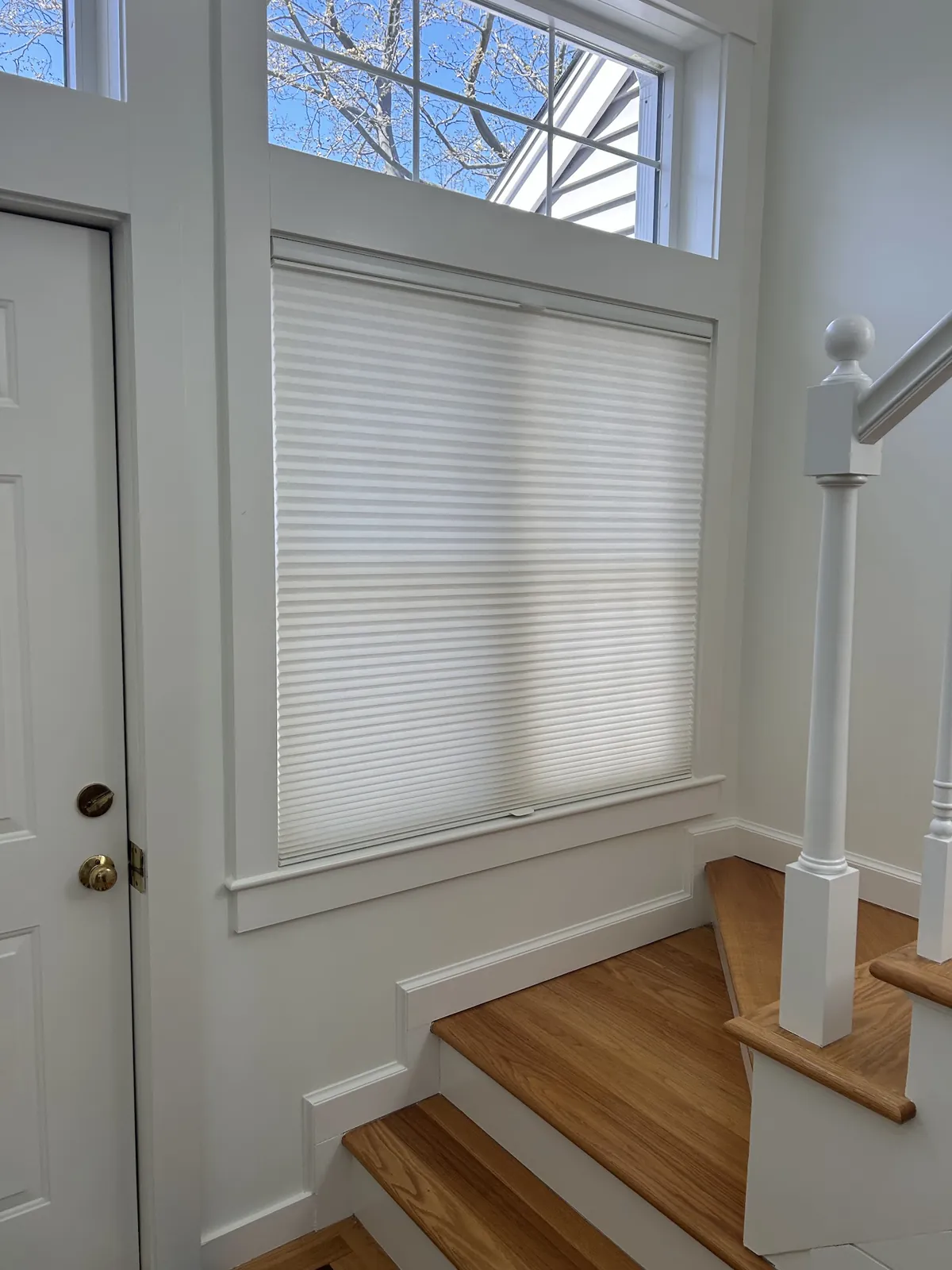
The addition’s wide glass
Big modern windows in a newer wing, where a large shade is heavy to lift and the sun comes in hardest.
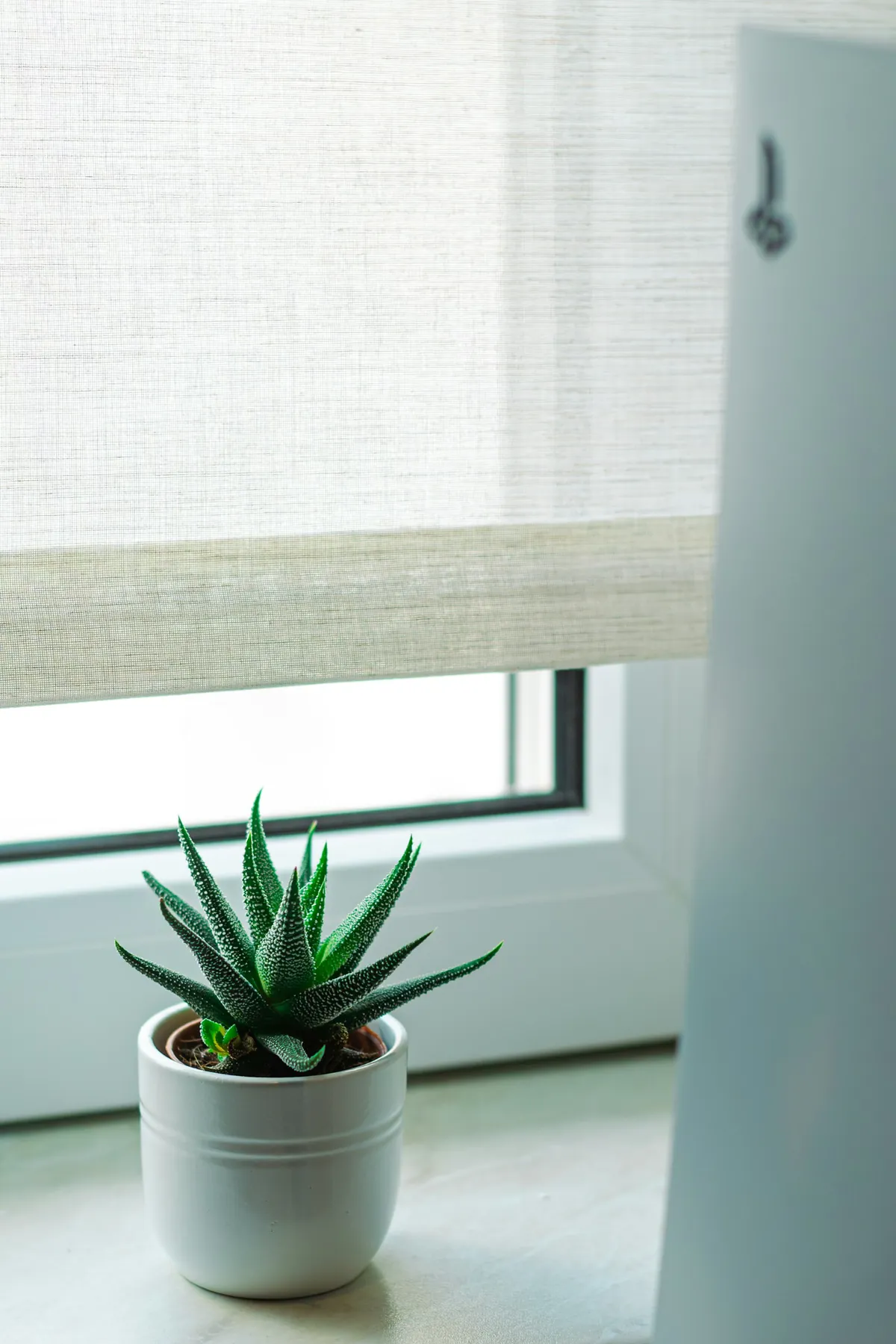
Original sash beside it
The older windows in the same room, given a matching shade so the two walls look like one choice.
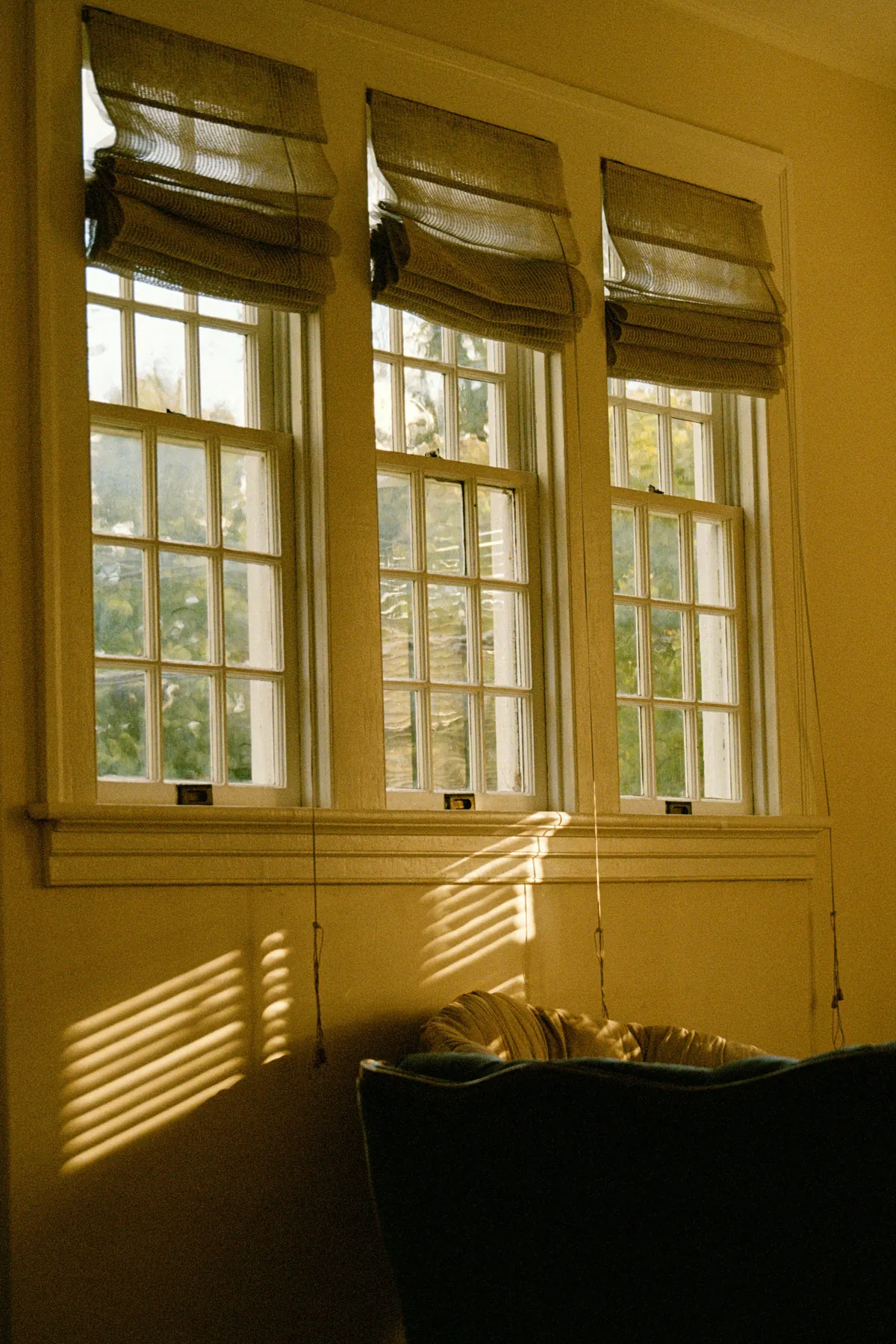
River-side rooms
Rooms facing the Taunton where the low sun comes off the water late in the day.
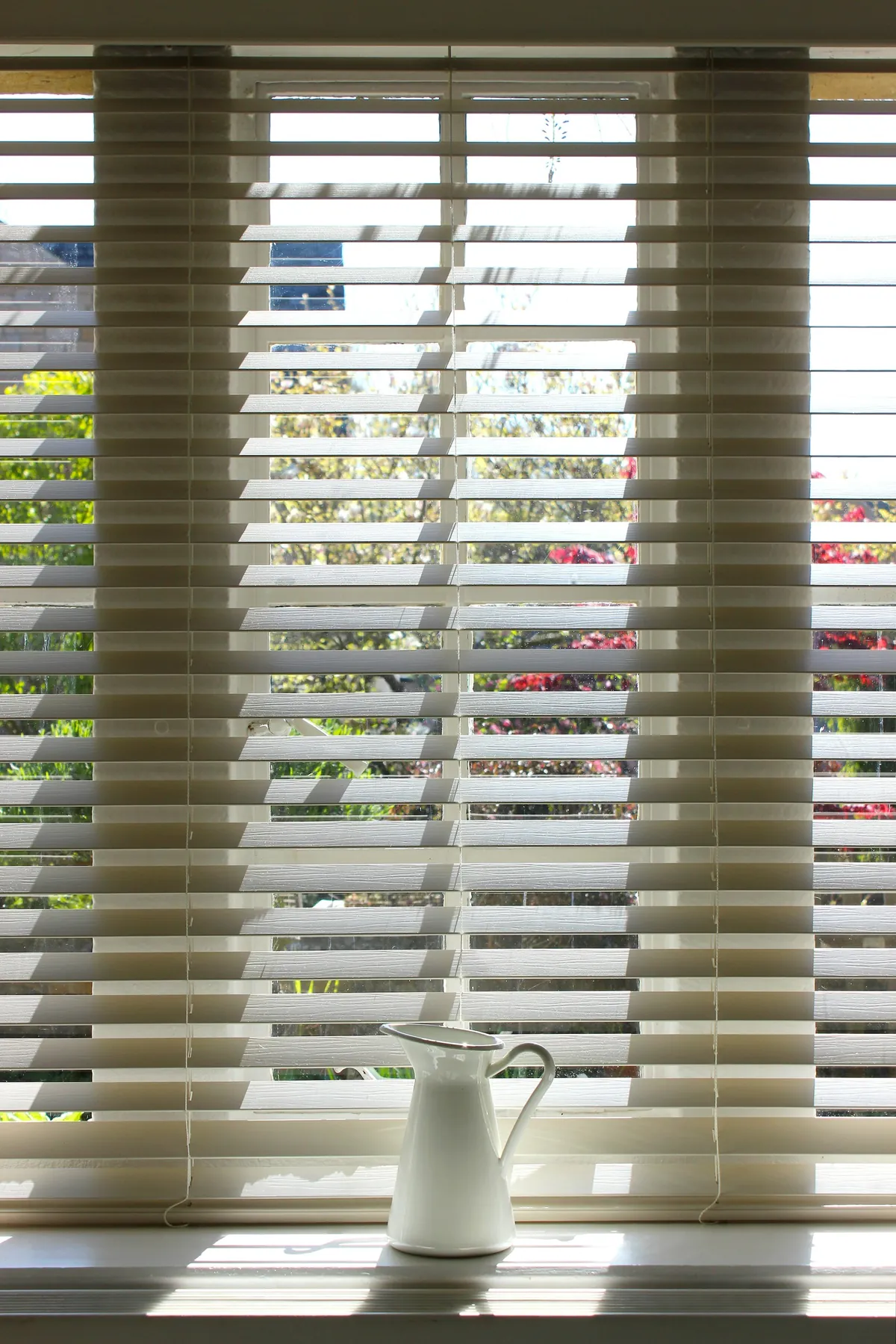
Remote control
Change the light from the armchair or the bed, with nothing to get up for.
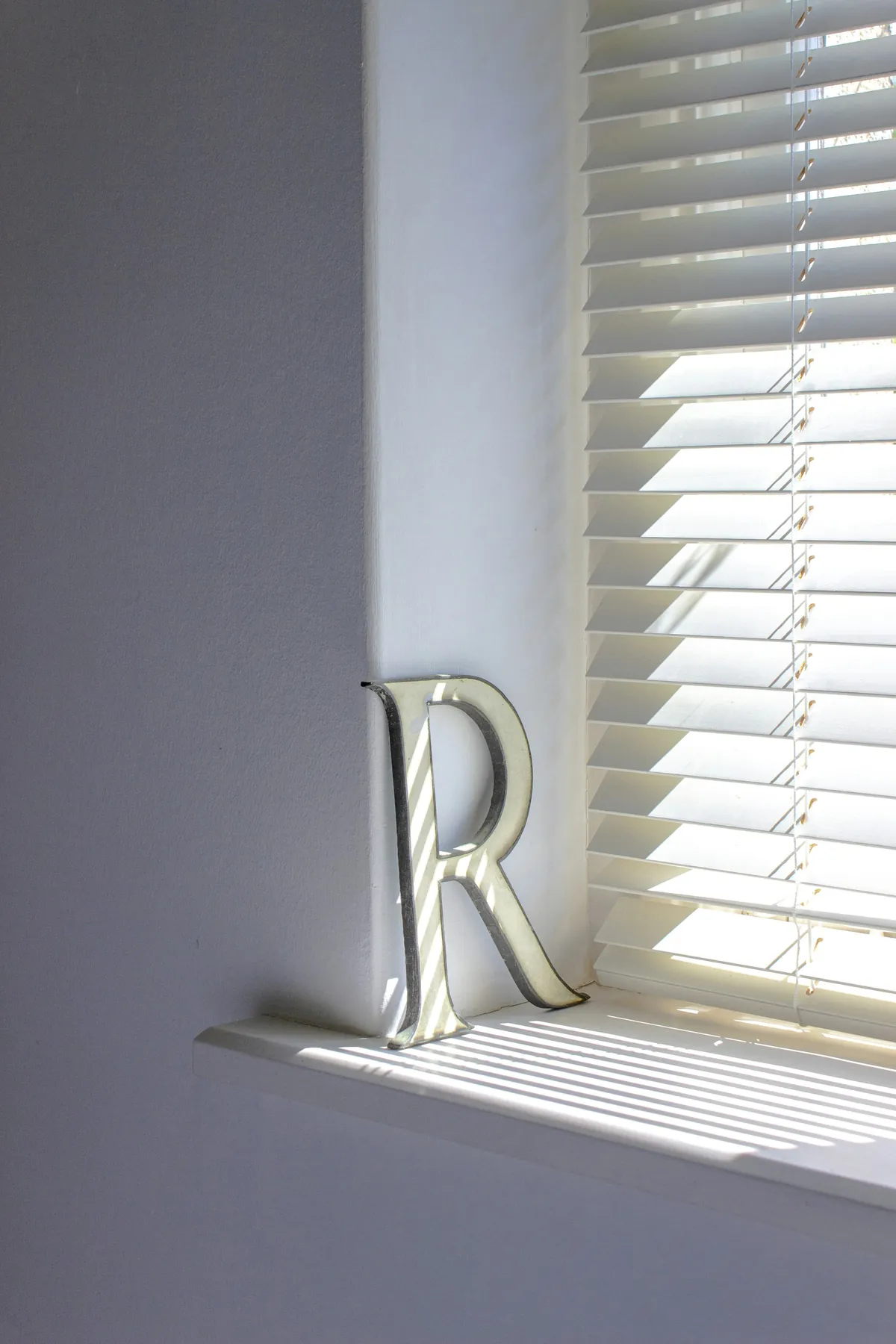
Wall switch
A switch beside the door for rooms you walk into, so the shades move as you arrive.
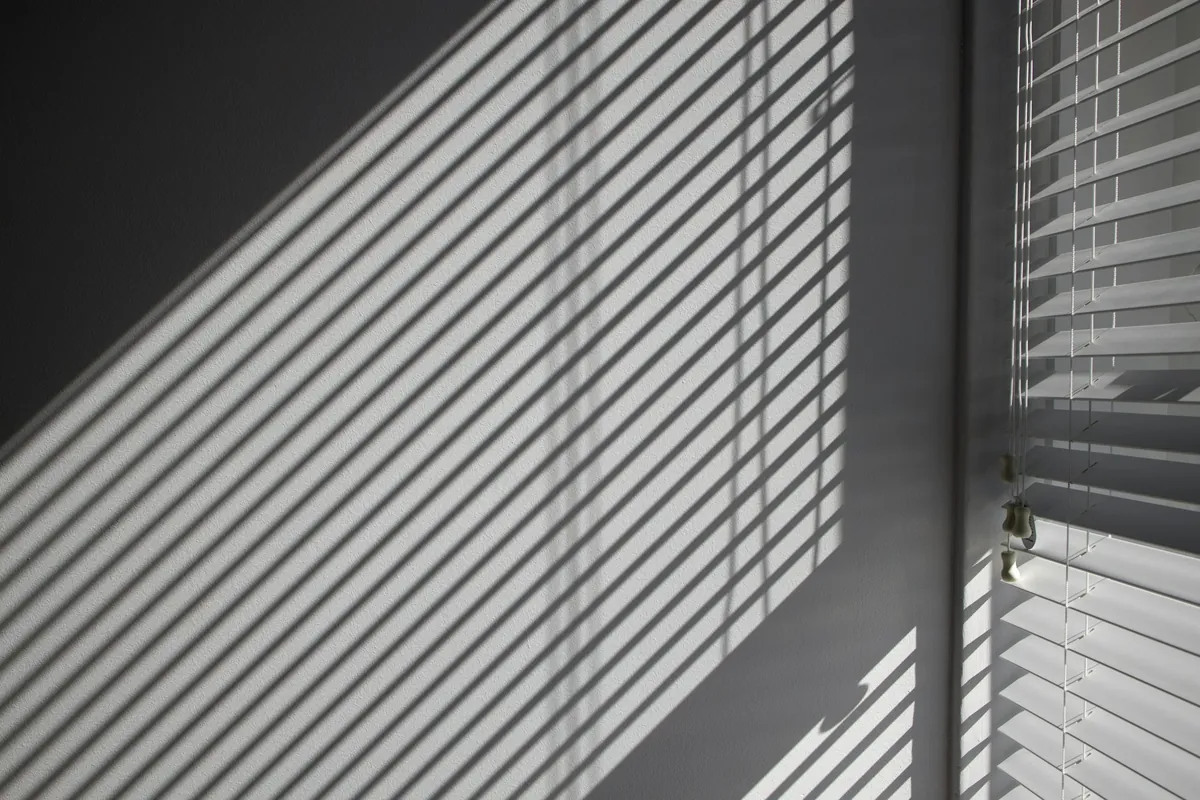
No hanging cords
A powered shade has no lift cord at the glass, which keeps a window tidy and nothing loose within reach.
Motorized Blinds in Dighton, MA Homes with Additions
The commonest Dighton question we hear is how to treat a room that is half old house and half new. Motorized blinds in Dighton, MA are often part of the answer, but the starting point is the room, not the motor.
An addition usually brings a wall of wider, taller glass than the old house ever had, sometimes a slider or French doors as well. The original side of the room keeps its narrow sash, often with deep old trim and a shallow sill. If you choose a shade for each wall separately, you can end up with two quite different looks facing each other. We prefer to pick one fabric and colour for the whole room, then decide window by window how each one is operated.
Why the new side usually gets the motor
The newer glass is where the effort is. A shade sized to a wide addition window is heavy to lift by hand, and the windows tend to face the garden or the river, so they catch the strongest sun. Those are the shades people leave down all day or up all day because adjusting them is a chore. Powered, they move evenly at the press of a button, and you can lower them as the sun comes round and raise them again once it has passed.
The original sash, by contrast, is usually small enough to work by hand without trouble. Keeping ordinary controls there costs nothing in looks if the fabric matches, and it keeps the order sensible.
Lining up the two walls
The fiddly part of a mixed room is height. Modern windows rarely start and stop at the same heights as the old ones. When the shades are lowered, a line of fabric that steps up and down around the room looks untidy. On the measuring visit we note the heights of the head and sill on both walls, and where it suits the room we set the powered shades to stop at a line that matches the old windows, so lowered shades read as one even band.
We also look at the trim. Original sash often has wide casing that is part of the room’s character, so an inside mount that keeps it on show can be the right choice there. The addition’s windows may have plain modern trim, where an outside mount covering a little more glass gives better light control. Both can be done in one fabric so the room still looks deliberate.
Kitchen additions and the counter reach
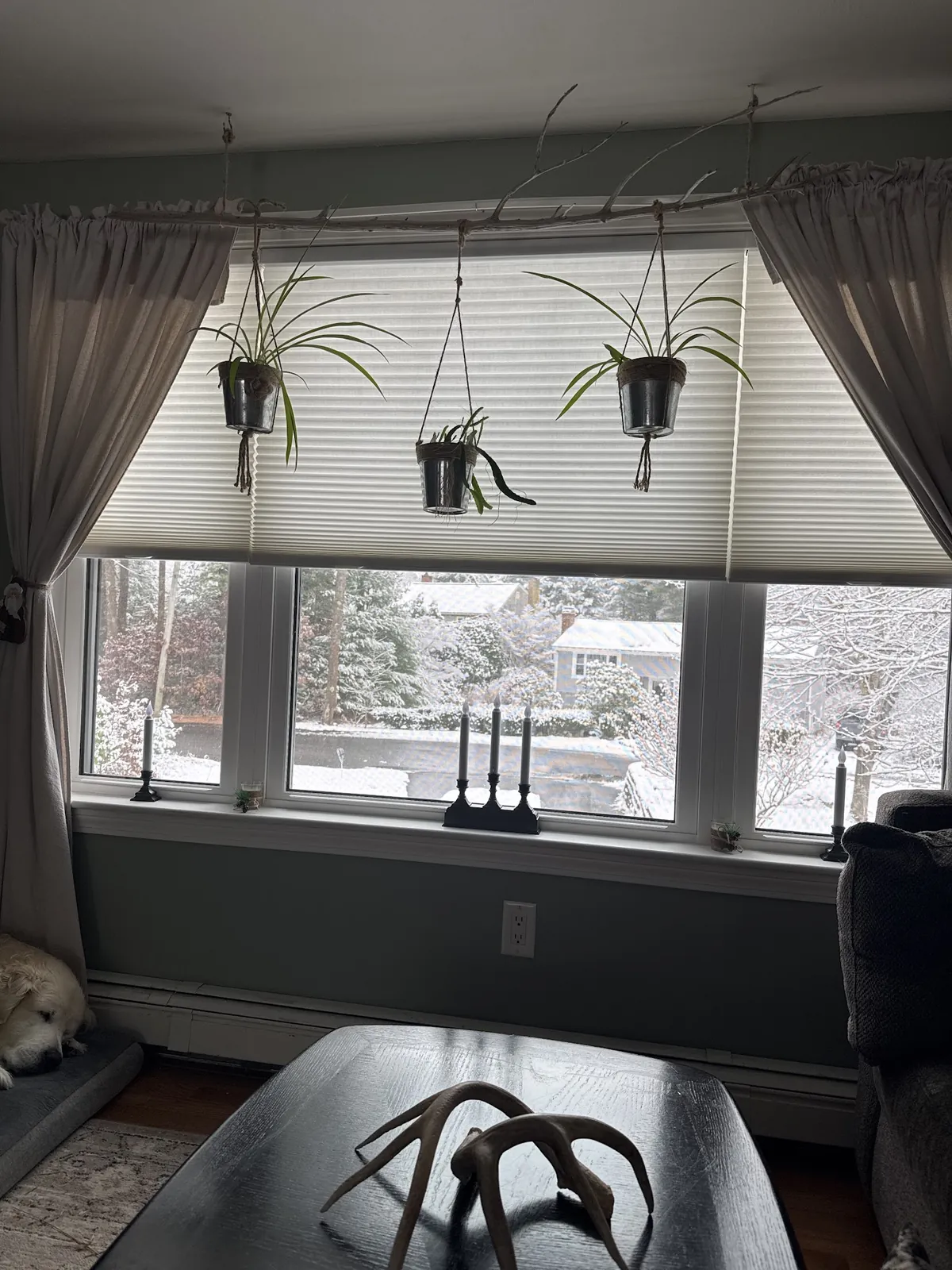
A good share of Dighton additions are kitchens, pushed out the back of an older house to make room for an island and a run of counters. The windows in a kitchen like that usually sit over the sink or behind a long worktop, often with a second window over a breakfast table. Every one of them means leaning across something to reach a shade, usually with your hands full or wet.
A powered shade over the sink is a small change that gets used several times a day. Lower it when the evening sun lands on the counter, raise it in the morning to see out to the yard. In a kitchen we lean toward fabrics that wipe clean and cope with a bit of steam, and we keep the shade’s lowered position clear of the faucet and anything standing on the sill.
Summer heat in a room full of new glass
An addition with a lot of glass can get warm on a summer afternoon, much warmer than the thick-walled rooms of the old house next to it. The simplest way to keep it comfortable is to lower the shades on the sunny side before the room heats up, and that is exactly the habit a hand-pulled shade makes hard to keep. With powered shades, bringing them down as the sun comes round takes a second, so the room stays pleasant and the floors and furniture by the windows are spared the strongest light. Motorized blinds in Dighton, MA earn their keep in these rooms when the fabric is chosen for the sun as well, so the shade does real work when it is down.
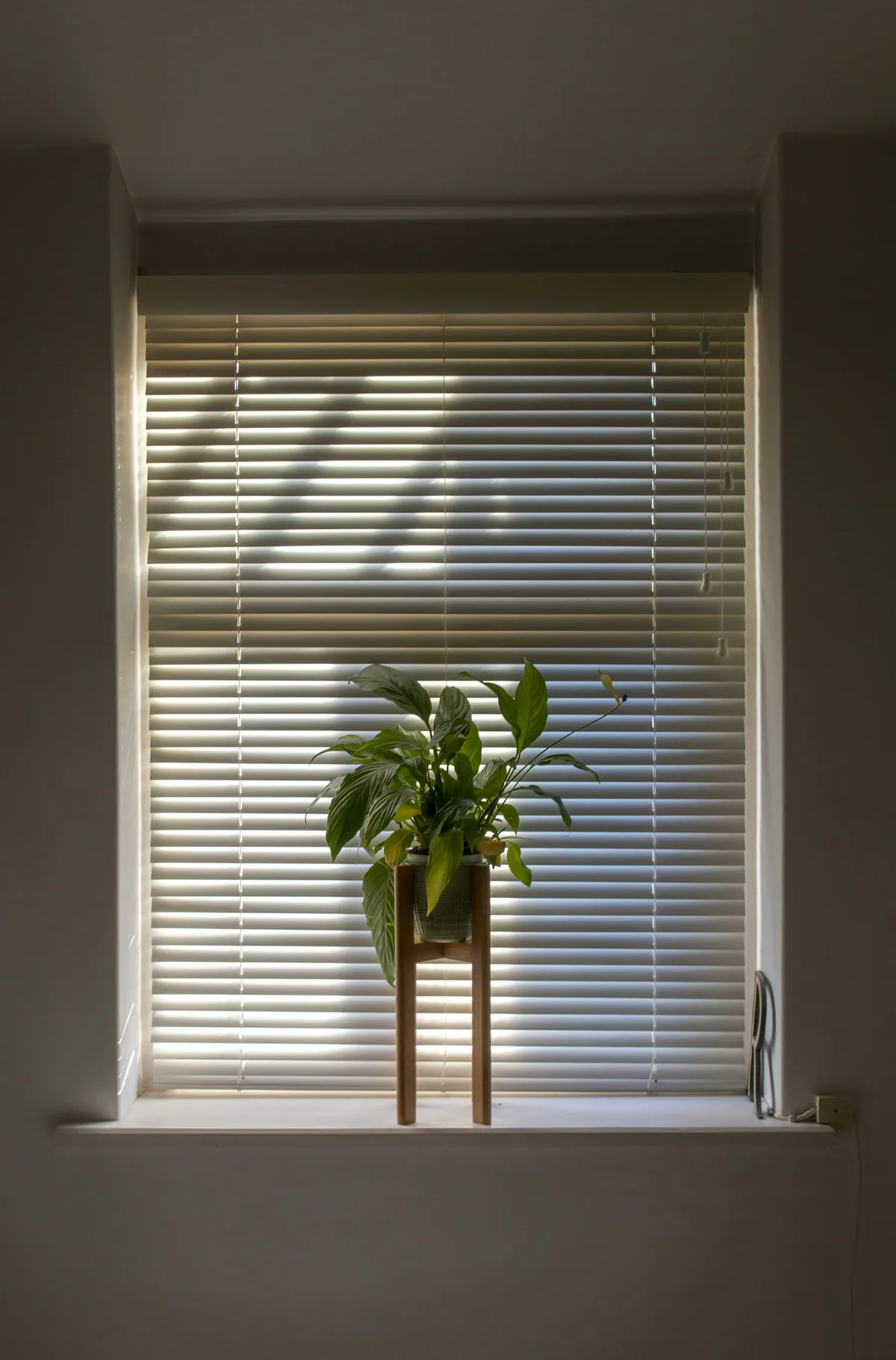
Farmhouses along Main Street
Away from the additions, Dighton’s farmhouses on Main Street have their own reasons for a motor. Some have a window high in a gable or over a stair landing, which is usually left bare because covering it by hand needs a step stool. Others have a kitchen window behind a deep counter or a range, where leaning over to reach a cord is awkward at best.
Those windows are good candidates. A shade on a landing window can be run from a switch at the foot of the stairs. A kitchen window can be lowered from across the room when the evening sun hits the counter. The rest of the farmhouse can keep its ordinary blinds or shades, and nobody need know which windows are powered.
Capes on Somerset Avenue
The capes along Somerset Avenue usually have the classic layout: living rooms on the ground floor with regular double-hung windows, and bedrooms upstairs with dormers set back under the roof. The dormers are the reach. With a bed or a dresser standing in the alcove, getting to the shade means climbing over something. A powered shade, run from a remote kept on the nightstand, lets you close the room at night and open it in the morning without moving.
Space can be tight above old dormer windows, so we measure the clearance above the glass carefully. The motor lives in the headrail, and the headrail has to fit cleanly into whatever room the window allows.
River lots on the Taunton
The houses on the Taunton River lots face the water on one side, and their main rooms tend to be opened up toward it, often by one of those additions. Late in the day the sun drops across the river and the glare off the water lights the whole room. A row of powered shades on the river side means you can soften that light from your seat, keep some of the view through a fabric with a little openness, and close the room fully once it is dark and the lamps are on.
Rooms on a river lot also face the road on the opposite side, so the light changes from one wall to the other through the day. Powering only the river side, and keeping the road side by hand, is often all a house needs.
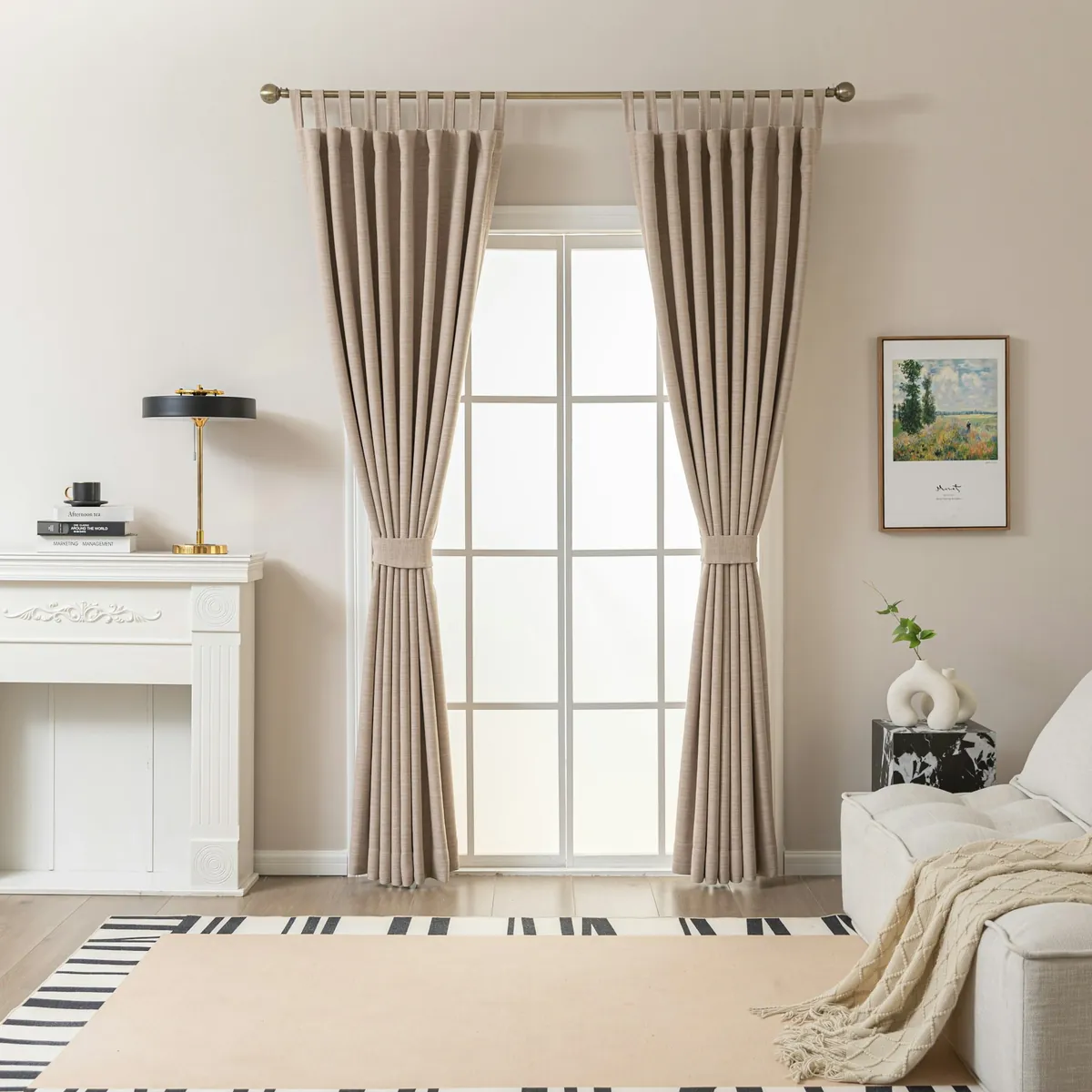
Sliders and French doors in a new wing
Many additions open onto a deck or a patio through a slider or a pair of French doors. A shade on a door has to clear the handle when raised and stay out of the way of the swing. A powered one can be sent up in the morning and left there all day, then lowered at night, without anyone reaching past the latch. We measure each door with the handle and hinges in mind, and where a vertical treatment suits a wide slider better, the vertical blinds in Dighton page shows that option.
In summer those doors are often left open for the breeze, sometimes with a screen across them. A powered shade needs to know that, so we talk through where it should stop and whether a door shade or a separate treatment beside the doors makes more sense for the way you use the room. On a busy back door that the dog uses all day, keeping the shade raised and out of reach until evening is often the simplest arrangement.
Matching what the street sees
From Main Street or Somerset Avenue, the front of an older house reads as a set of windows, and an addition at the back is often out of sight. That gives some freedom: the powered shades in the new wing can be chosen purely for the room, while the front windows keep a consistent look from the road. Where the addition does show from the street, we keep its lowered shades in step with the front windows in colour and height.
What Sets Window Works Apart
Window Works has been a family business in Swansea since 1988, and the second generation runs it today. Over 37 years it has fitted window treatments in houses old and new across the SouthCoast and the Rhode Island East Bay, Dighton included.
- A team of experienced window treatment specialists
- Measuring in your home, and installation by our own installers
- Warranties offered on what we sell
- In constant contact with you until the work is finished
- A Swansea showroom where you can compare fabrics and try the controls
How an Order Comes Together
Each order follows the same plain route, and we keep you up to date all the way through.
- A phone call to the Swansea store, or the form on this page, books your free quote and gives us a first idea of the rooms.
- A specialist comes out for measuring in your home, sizes every window in the room, old and new, and notes the heights of each head and sill.
- With those figures in hand, we suggest which windows to power and whether each room suits a remote, a wall switch or both.
- You pick the fabric and colour, best done at the showroom with the samples in front of you.
- A written quote follows, window by window, showing which shades are motorized.
- Everything is made to the sizes from your home.
- Our installers hang the shades, set the stopping points, and show you the controls before they leave.
Choosing between remote and switch
Think about how you enter and use each room. In a family room in the addition, where you sit for the evening, a remote by the sofa is the natural choice. In a hallway, a stair landing or a mudroom you pass through, a switch by the door is quicker, because it is there as you walk in. A main bedroom can use both: the remote on the nightstand, the switch by the door.
We talk this through on the visit, so each room gets the control it needs and nothing more.
The fabric still matters most
A motor makes a shade easier to use, but the fabric decides how the room feels. On a sunny addition wall, a light filtering fabric keeps the room bright while taking the edge off the glare. In a bedroom, a room darkening fabric does the job at night. Beside old sash with painted trim, a soft neutral or a warm texture tends to sit better than a stark white. Our cellular shades in Dighton page shows one family of fabrics for a mixed room, and the showroom has the rest to see in person.
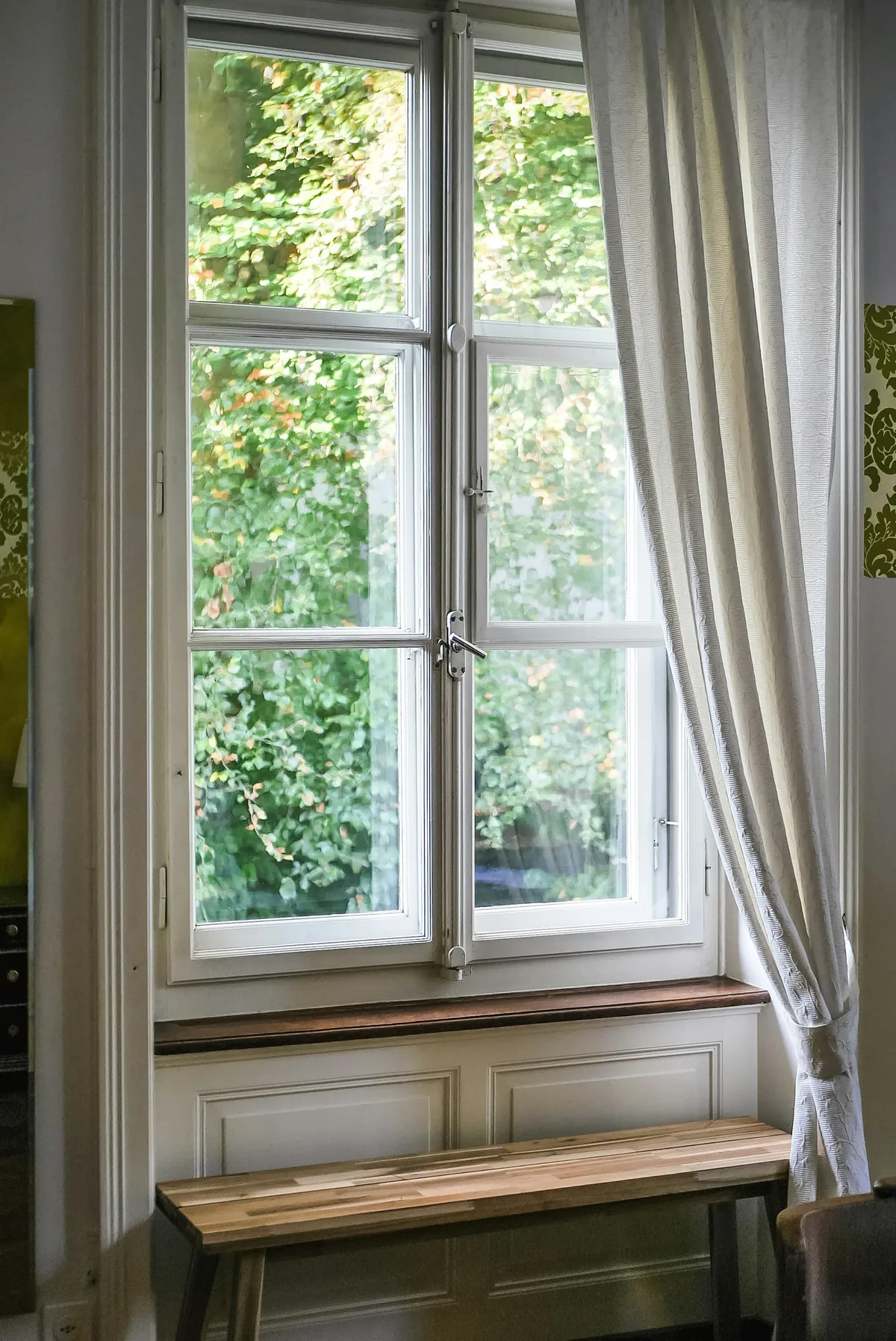
Respecting the old part of the house
The original rooms of a Dighton farmhouse or cape have a character worth keeping: wide painted casings, narrow sash, sometimes old glass with a gentle ripple in it. A motorized shade does not have to fight with any of that. Fitted inside the frame where the depth allows, it leaves the trim fully on show, and with the headrail kept slim it barely shows when raised. Where the frame is too shallow, an outside mount sized to the width of the casing looks tidy and keeps the proportions of the window right. We look at each window on its own merits rather than applying one rule to the whole house, because in an older home no two frames are quite the same.
Room by room, over time
There is no need to do the whole house at once. An order can begin with the addition, where the effort of lifting big shades is greatest, and other rooms can follow. When they do, we match the new shades to those already hanging so the house stays consistent. The window treatments for Dighton homes page shows everything we make for the town, and the motorized blinds page covers powered styles in general.
Simple upkeep
Dust the fabric or slats lightly every so often, and use a damp cloth only where the material allows it. Keep the path under each shade clear of plants, lamps and furniture so it can lower freely. Run any shade you rarely use all the way up and down from time to time, so a problem shows early. If a shade ever moves unevenly or stops short, call the store, tell us which window and what it is doing, and we will take it from there.
Questions from Dighton
Can powered and hand-operated shades share one room?
Yes. The fabric and colour match, so the room looks like one choice, while the wide new windows are motorized and the old sash keeps ordinary controls.
Will the lowered shades line up when the old and new windows are different heights?
Where it suits the room, we set the powered shades to stop at a height that matches the older windows, so lowered shades form an even line.
Is there enough room above a dormer window for a motor?
The motor sits in the headrail. We measure the space above each window and choose a style with a compact top where it is tight.
What about the slider in our addition?
A shade on a slider or French doors is measured with the handle and swing in mind. For wide sliders, vertical blinds can be the better fit, and we will show you both.
How do we start?
Book a free quote through the call button or the form. Tell us which rooms you have in mind, and we will arrange measuring in your home.
Your Next Step in Dighton
The easiest way in is a free quote. Press the call button to reach the Swansea store about motorized blinds in Dighton, MA, arrange measuring in your home or ask how installation works, or send the form and we will reply. If you want to see the fabrics and try a remote and a switch first, the showroom is close by, and the contact page has directions. Window Works is rated 5.0 on Google.