
Somerset Windows and the Parts That Wear
Blind and shade repair in Somerset, MA is about the small working parts of a window treatment you already own: the strings that lift it, the cord that holds it, the wand that turns it and the headrail that carries all of it. When one of those gives out, the slats or fabric are often still sound, and the treatment can go back to work once the worn part is dealt with.
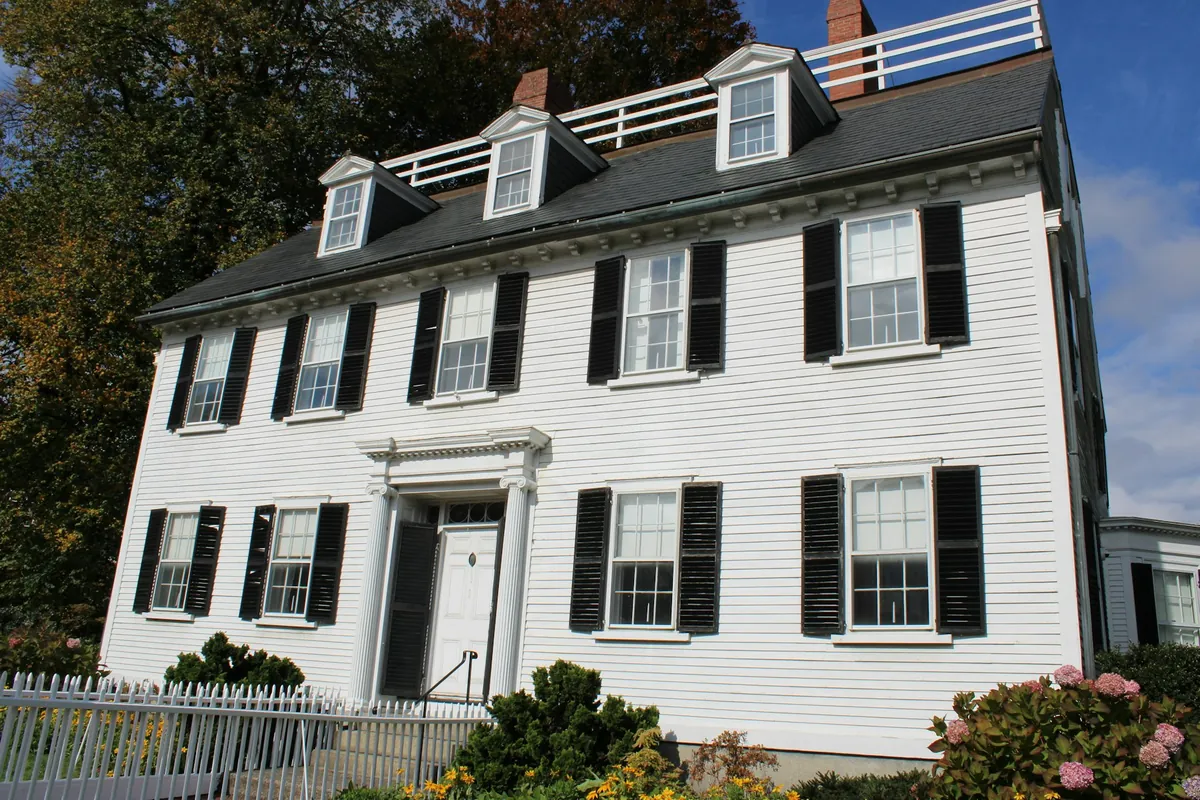
Somerset’s housing puts those parts through different kinds of use. The colonials in Somerset Village still have their original narrow double-hung sash, and the blinds fitted to them are slim, with small headrails squeezed into shallow frames. The capes and ranches around Brayton Point and Riverside, off County Street, mix one broad living room window with a run of ordinary bedroom windows. The houses on the Taunton River lots gained wide window walls in later renovations, and the treatments on those walls are the biggest and heaviest in town.
- Restringing blinds and fabric shades
- Replacing lift cords and tilt wands
- Headrails that stick, slip or will not tilt
Repairs We Can Talk Through
Restringing
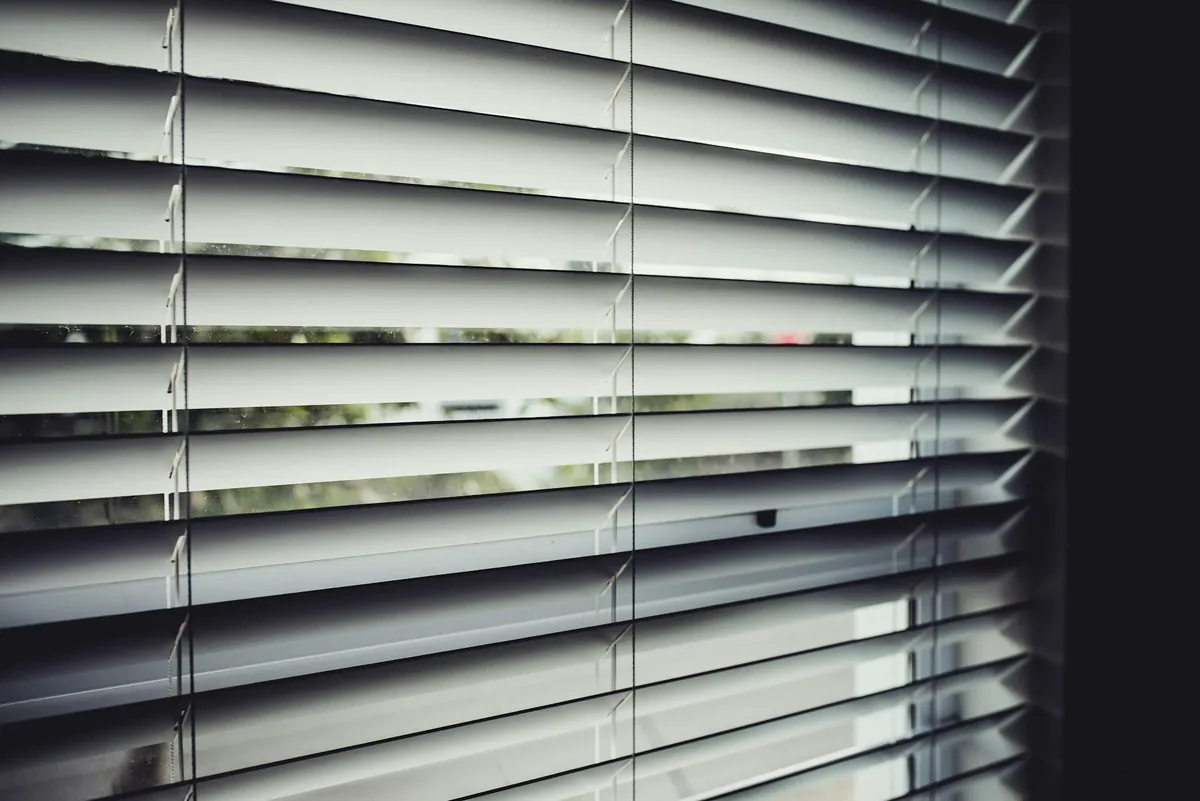
New strings run through a blind or shade whose cords have frayed, stretched or snapped, so it rises level and drops evenly again.
Cords and wands
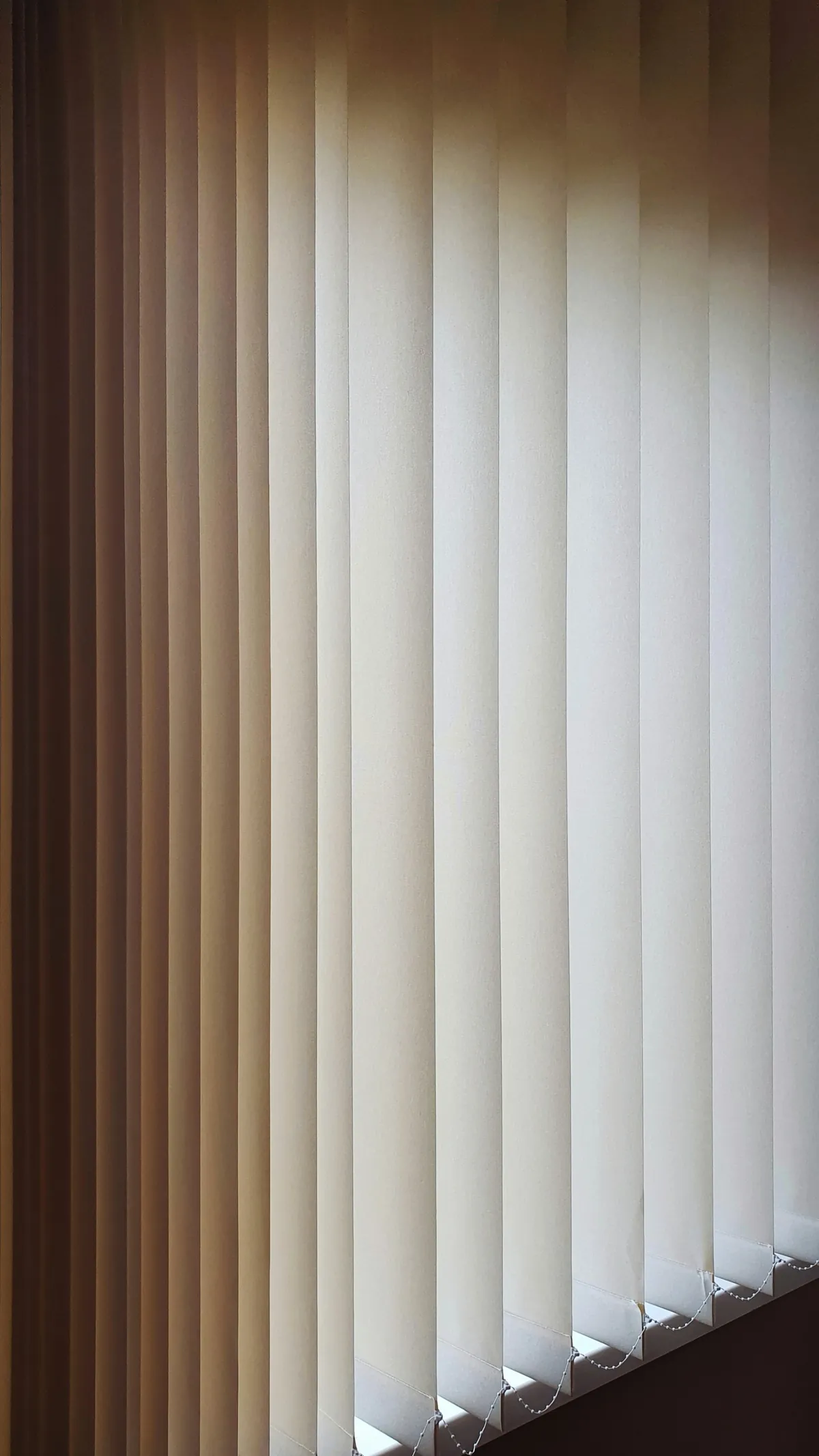
A tired lift cord or a wand that spins without turning anything, replaced so the treatment works the way it did when it was new.
Headrails
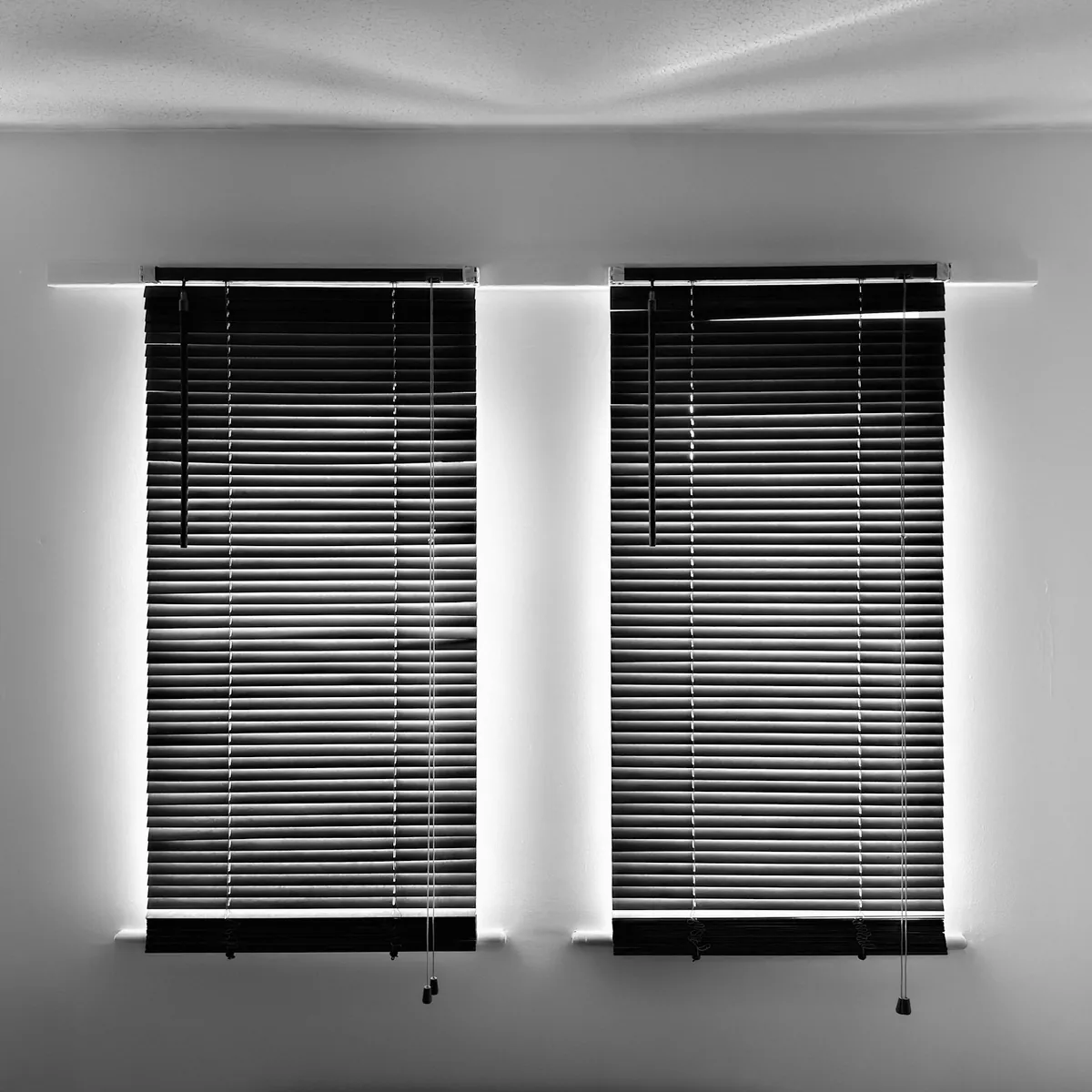
The rail along the top holds the tilt gear, the cord lock and the drums. When it sticks or tilts one end only, that is where we look.
How Blind and Shade Repair in Somerset, MA Starts
Most repairs start with a short description. Tell us what the treatment is, what it does when you pull the cord or turn the wand, and what it used to do. That is usually enough to narrow it down to a cord, a wand or something inside the headrail, and to say whether it is worth repairing at all. Describe the problem and we will talk it through with you before anything else happens.
How and where a particular repair is handled depends on the treatment and the fault, so that is part of the same conversation. Nobody is asked to commit to anything before they know what the job involves.
- Use the call button or the form, and tell us what kind of blind or shade it is and what has gone wrong.
- We talk through the likely cause, whether it is a cord, a wand, the cord lock or the headrail.
- If a repair is the sensible answer, you get a free quote for it first.
- The repair is made, and the treatment is raised, lowered and tilted to check it works evenly from one end to the other.
If we think a repair is not worth your money, we say so at step two, not after the work is done.
Narrow Sash in Somerset Village
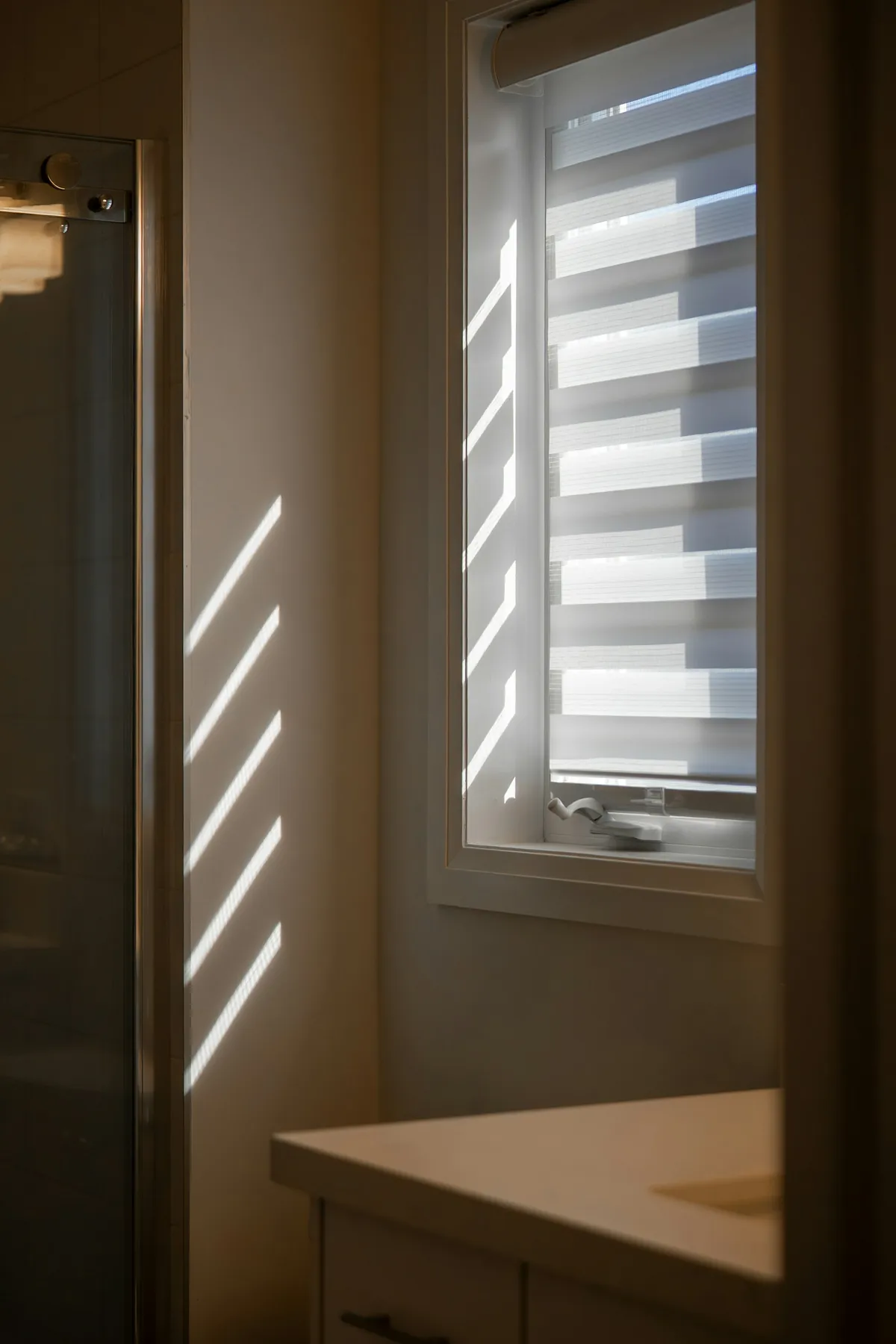
The village colonials keep their original narrow double-hung sash, and blinds on those windows tend to be small, inside mounted and close to the glass. That tight fit is what makes them look right against the old trim, and it is also what makes their parts wear in particular ways.
Headrails in shallow frames
In an old sash frame there is often very little depth between the face of the trim and the window itself. A headrail mounted inside that frame may sit right against the top sash, or within reach of the window lock. Each time the window is opened, the rail can be nudged. Over time the brackets loosen, the rail sits slightly out of level, and the blind starts to lift crooked or tilt unevenly. Often the parts inside the rail are fine and it is the rail’s position that needs putting right, along with any cord that has been rubbing as a result.
Small cords doing a lot of work
A narrow blind has short, light cords, which sounds like an easy life. In practice, narrow windows by doors and on stair landings get pulled at quick and awkward angles, often by someone reaching past the window rather than standing square to it. The cord then wears where it leaves the headrail, on one side more than the other. If one cord has frayed through, look closely at the other: it has usually had the same treatment and may not be far behind.
Wands knocked by the sash
The tilt wand on a narrow blind hangs close to the window and gets caught when the lower sash goes up. A wand that has come off its hook, or that turns loosely without moving the slats, is one of the most common small faults on these windows. It is also one of the quickest to put right.
Capes and Ranches off County Street
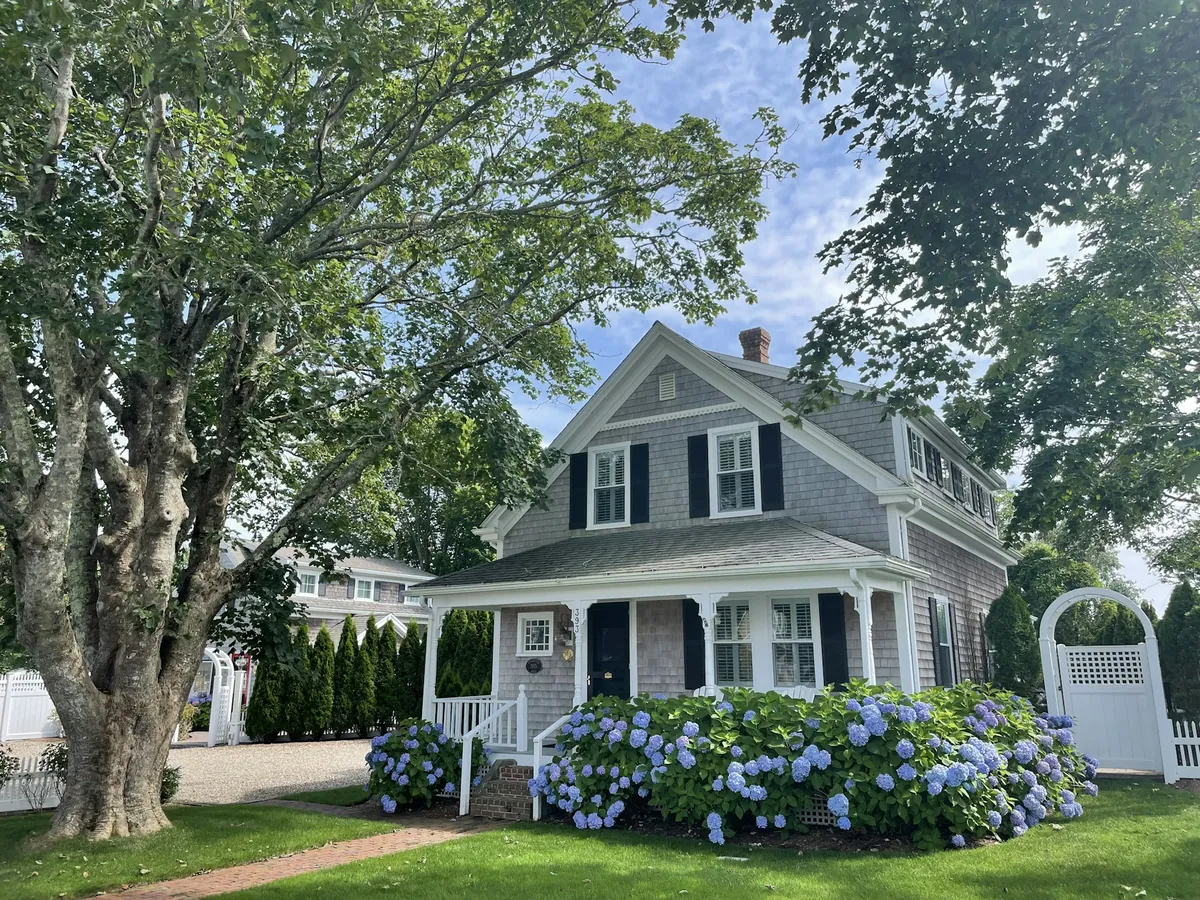
The capes and ranches around Brayton Point and Riverside have more regular windows than the village houses, but they mix sizes within one house. That mix shows up in the kinds of repair they need.
The broad living room window
The widest window in most of these houses is the one at the front of the living room, and its blind carries the most weight. A wide blind lifted from one side puts uneven strain on its cords, so one end comes up first and the bottom rail tilts. Left that way, the cord on the heavy side wears faster and the cord lock grips unevenly. Restringing with new cords, and making sure the lock catches both evenly, is usually what brings it back level.
If the living room window has two blinds side by side rather than one, it is worth checking both when one fails. They went up together, they get used together, and they tend to wear out together.
Bedroom sets that should match
The bedroom windows in a cape or ranch usually carry a matching set of blinds, which keeps the house looking even from the street. That is a good argument for repair. Replacing one blind in a set rarely matches the others exactly, while a restring or a new wand keeps the original blind in its place among the rest.
Bathrooms and kitchens
Blinds over a kitchen sink or in a bathroom take steam and splashes, and the cords on them can stiffen and discolour. Where the slats are faux wood or aluminium and still in good shape, new cords are often all the blind needs.
Fabric shades on the same windows
Not every window in these houses has a blind. Cellular, pleated and Roman shades turn up in bedrooms and living rooms too, and they wear in their own ways. A cellular or pleated shade lifts on thin cords that run through the fabric itself, and when one of those cords stretches or breaks, the shade hangs at an angle or will not rise past a certain point. A Roman shade lifts on cords that run through rings sewn on the back, and a cord that has slipped out of its rings makes the folds stack unevenly. Restringing either one is often possible when the fabric is still in good order. Tell us which kind of shade it is, and whether it has a cord to pull or none at all, because that changes what is inside the headrail.
The Window Walls on the Taunton River Lots
Many of the river houses gained wide window walls in later renovations, opening the main rooms up to the water. The treatments on those walls are the largest in town, and size changes how they wear.
Vertical blinds on wide openings
Where a window wall or a slider has vertical blinds, the wand does two jobs. It turns the vanes and draws them along the track. Pulled across a wide opening many times a day, the wand loosens at the top, the small carriers in the track wear, and vanes start to turn out of step with each other. A vane that hangs at a different angle from its neighbours, or a stretch of track where the vanes bunch, usually points to the carriers or the wand.
Long blinds and heavy stacks
A wide horizontal blind on a window wall has long cords and a heavy stack when raised. That weight lands on the cord lock and on the point where each cord turns inside the headrail. If the blind creeps down on its own, the lock is the first thing we ask about. If it lifts unevenly, the cords have usually stretched by different amounts.
Fabric shades in bright rooms
Rooms built around river light tend to have shades that stay partly down through the day. Cellular and pleated shades in those rooms can begin to hang crooked as their cords age in the sun. Restringing usually straightens them, provided the fabric itself has not faded or torn.
Repair or Replace?
A repair makes sense when the slats or fabric are in good condition and the fault is in the parts that move. It makes less sense when the treatment itself is tired. We look at three things before suggesting either.
- The slats or fabric. Cracked, bowed or warped slats, or fabric that is faded, stained or split, will still look tired after new cords go in.
- The headrail. A rail that is bent along its length, or a housing that has cracked, can be beyond a simple part.
- The rest of the room. If the other windows in the room are due for a change anyway, a single repair may not be the best use of money.
Age on its own is not a reason to replace. A well made wood blind on a village sash can outlast several sets of cords, and a cellular shade that has kept its shape and colour is worth restringing. What matters is whether the part you can see is still worth keeping once the part you cannot see is working again.
When replacing is the better answer, we will say so plainly, and the custom blinds for Somerset homes or cellular shades in Somerset pages show what is made to measure for the same windows. When a repair is the better answer, we will say that too. You can read more about the service as a whole on the main blind and shade repair page.
What to Notice Before You Call
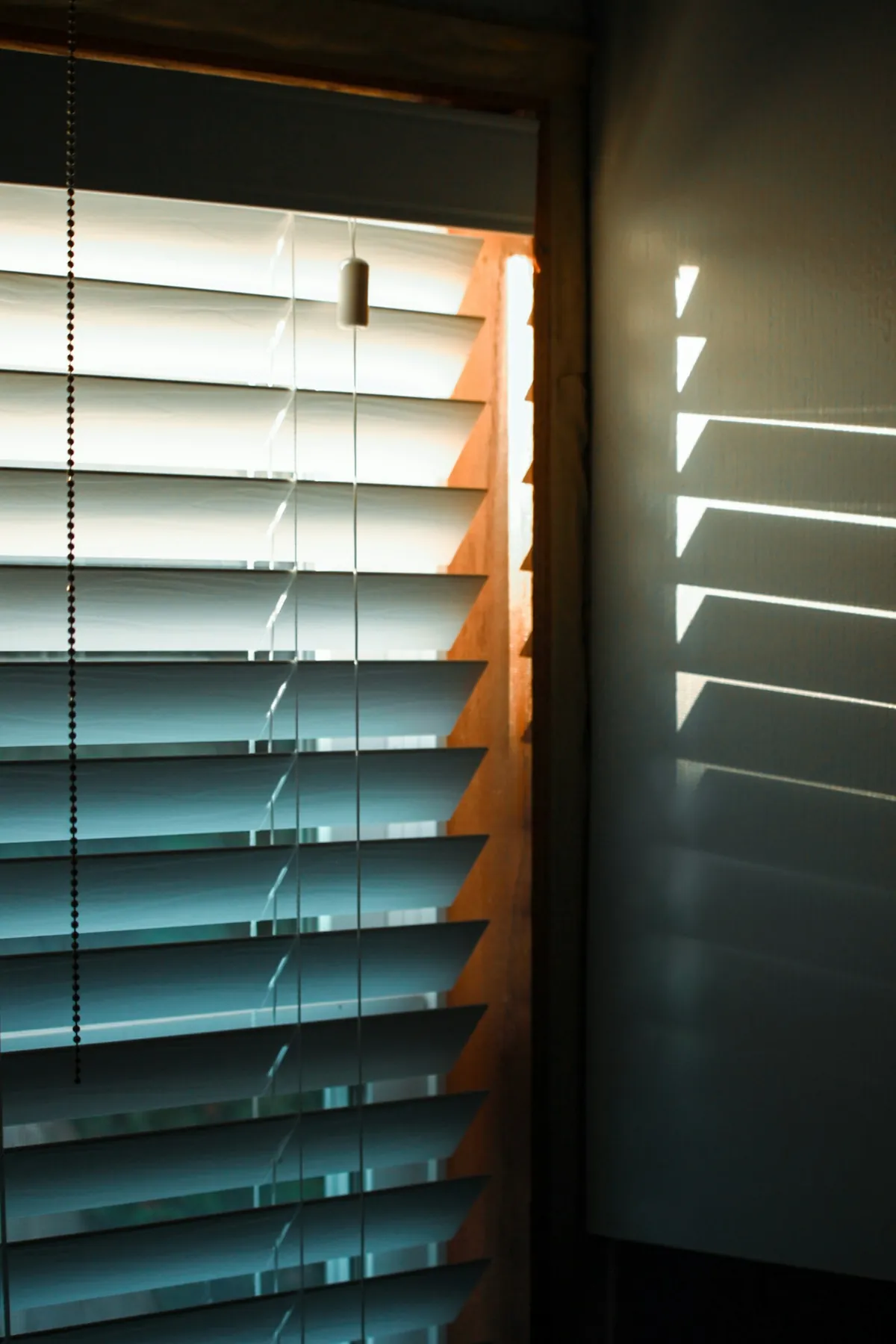
A few details make a request for blind and shade repair in Somerset, MA much easier to answer. You do not need to take anything apart to find them.
- Which treatment it is. Wood, faux wood or aluminium blind, vertical blind, or a cellular, pleated or Roman shade.
- What it does wrong. Will not rise, will not stay up, hangs at an angle, will not tilt, or the wand turns without moving the slats.
- Where the fault seems to be. One cord or both, one end of the rail or the middle, one vane or the whole track.
- Roughly how wide it is. A narrow sash blind and a blind across a river window wall are very different jobs.
- A photo or two. One of the whole treatment, and one close up of the part that has failed.
Small habits that help cords last
Lift a blind with both cords together, or from the centre, so neither side takes all the strain. Tilt the slats open before raising a horizontal blind, so they stack neatly rather than dragging. Never force a wand that resists, because the gear inside can strip. Draw vertical blinds fully back before opening a slider. A light dusting now and then keeps grit out of the headrail, where it wears the moving parts.
Loose cords and loops
When a cord frays, it is tempting to tie a knot in it and carry on. A knot changes the length of the cord, so the blind lifts crooked, and it can jam in the cord lock. It is better to leave the blind lowered until it is restrung. While you are thinking about cords, look at where the loose ends hang. Long cords and loops that drop to the floor are worth keeping up out of reach of small children and pets, and a repair is a good moment to talk that through as well. Many requests for blind and shade repair in Somerset, MA begin with one snapped cord and end with every cord in the room put right at the same time, which saves a second call a few months later.
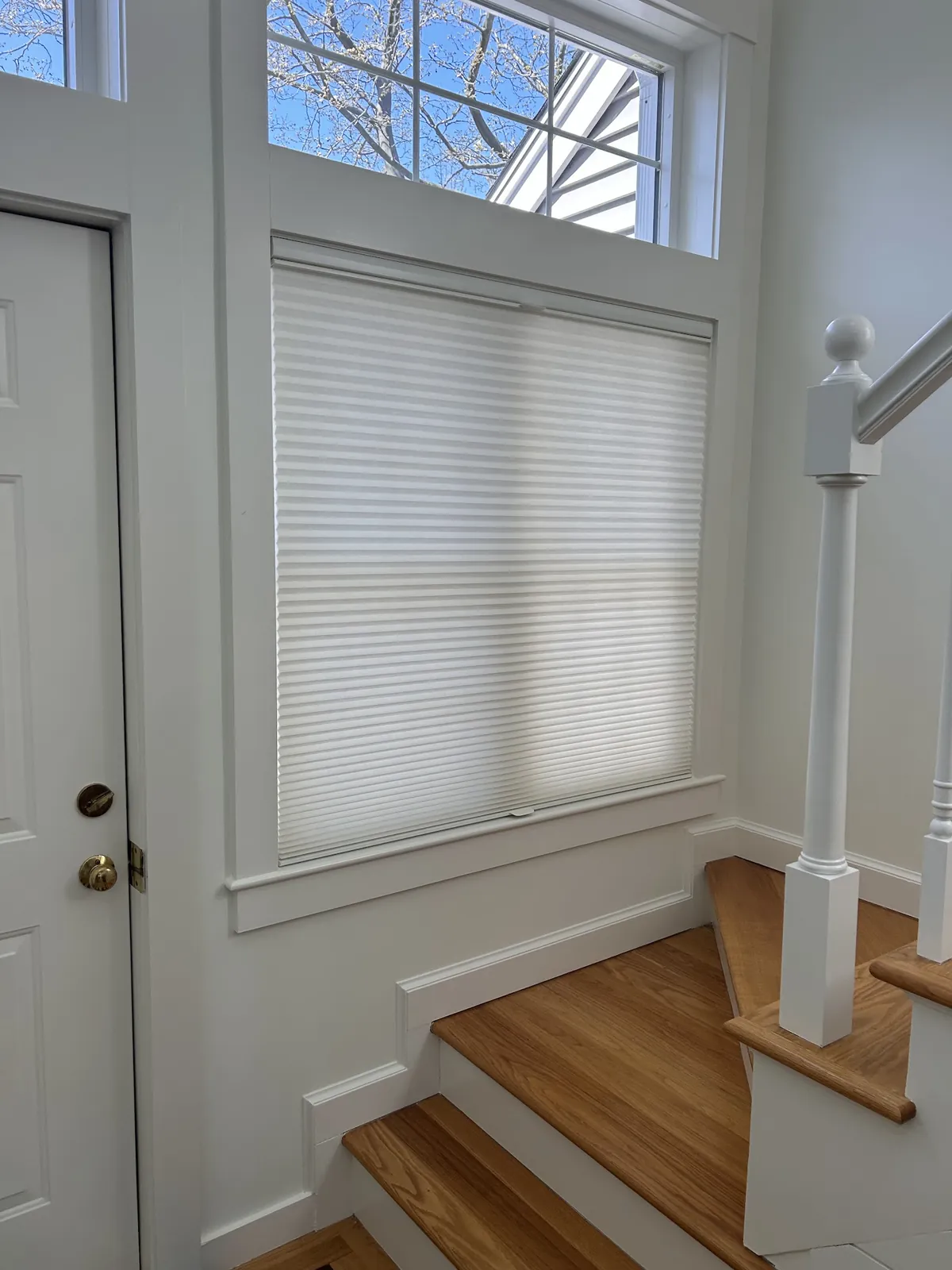
A Family Store Close to Somerset
Window Works has been a family store in Swansea since 1988, and it is now in its second generation. For more than 37 years the store has measured, installed and looked after window treatments in homes across the SouthCoast and the Rhode Island East Bay, with Somerset just over the river.
- An experienced team of window treatment specialists
- In constant contact with you from the first call until the job is done
- Repairs on blinds and shades you already own
- Warranties offered on the products the store sells
A repair is a modest job, and it is handled with the same care as a whole house of new blinds.
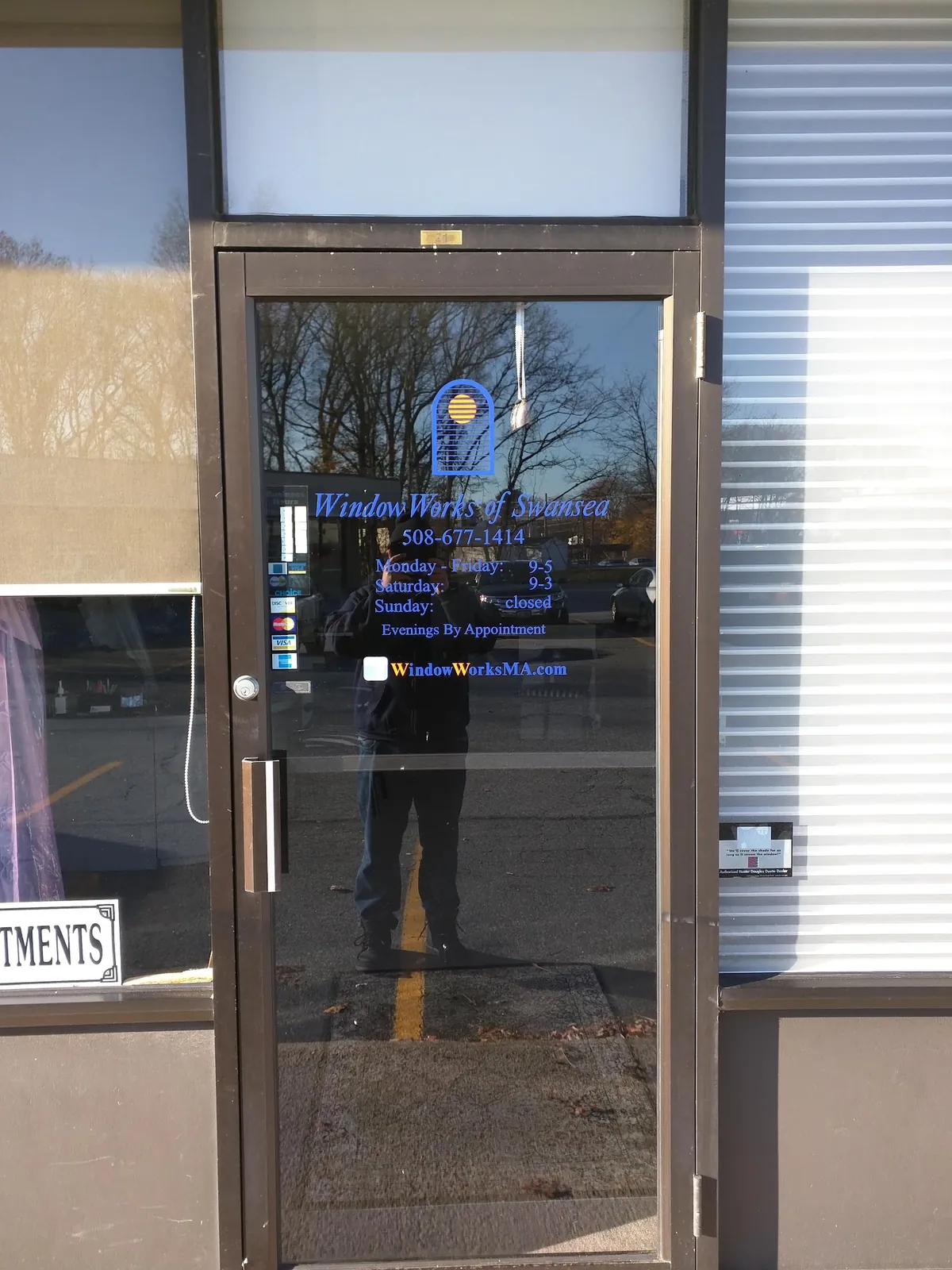
Talk It Over at the Showroom
If you would rather describe a problem face to face, the Swansea showroom is a short drive from Somerset. Bring a photo of the blind or shade and the part that has failed, and our specialists can talk through what is likely wrong.
The showroom is also the place to compare new blinds and shades side by side if a repair turns out not to be worth it, with samples to see and handle.
Questions from Somerset
My village colonial blind tilts unevenly. Is that a repair?
Often, yes. On narrow sash the headrail can be nudged out of level by the window, and the cords then wear unevenly. Describe what it does and we will talk through whether it is the rail, the cords or the tilt gear.
Can you fix a vertical blind on a river room slider?
Wands and the moving parts in the track are a common repair on vertical blinds. If vanes are turning out of step or bunching on the track, tell us and we can talk it through.
Is one broken cord worth fixing on an old blind?
If the slats are still sound, usually yes. The other cord has often worn just as much, so restringing the whole blind tends to be the sensible job.
Will you tell me if replacing makes more sense?
Yes. If the slats are cracked or the fabric is faded or torn, we will say so before any work is done.
How do I get a quote for a repair?
Quotes are free. Use the call button or the form, describe the treatment and what it is doing, and add a photo if you can.
Describe the Problem and We Will Talk It Through
Use the call button to talk to the Swansea store about blind and shade repair in Somerset, MA, or send the form with a note on the treatment and what it is doing. If a new treatment would serve you better, we can also book a free quote and arrange measuring in your home. The contact page has directions to the Swansea showroom, and you can see every service we offer in town on our window treatments for Somerset homes page.