
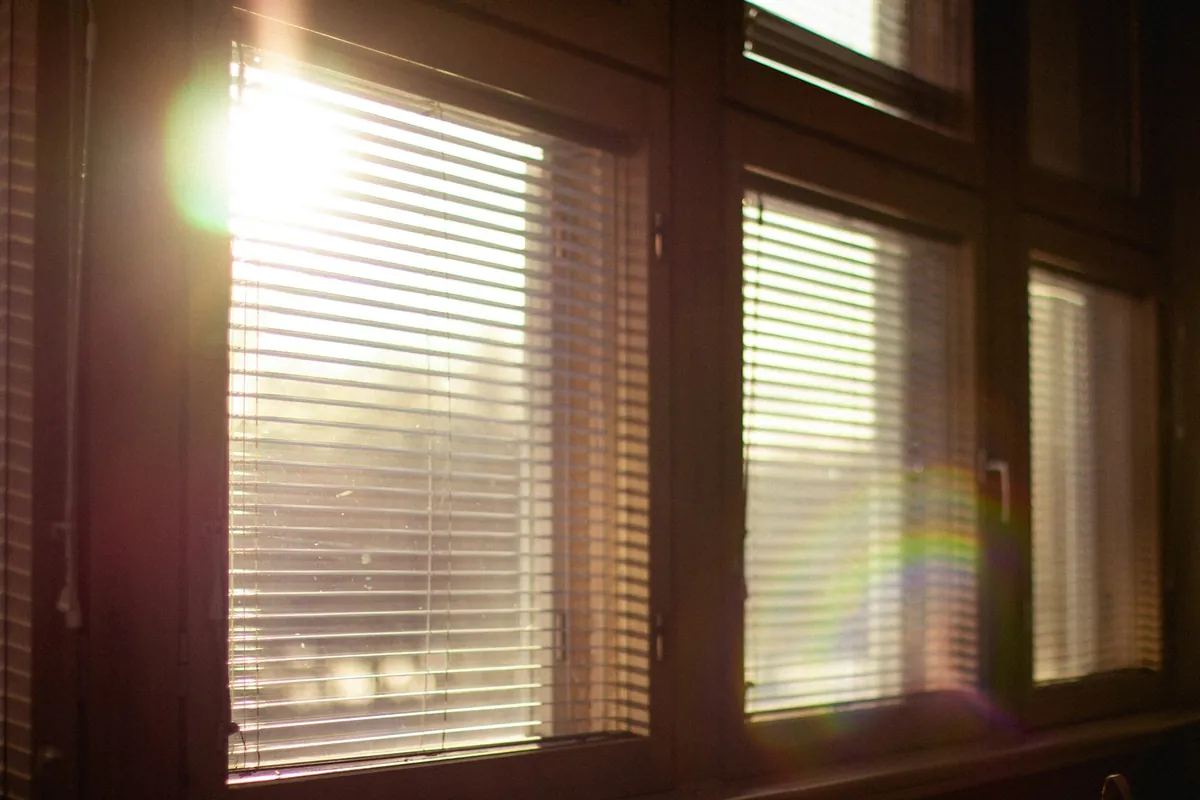
Wide Picture Windows and the Blinds That Cover Them
Ask about blind and shade repair in Seekonk, MA and the conversation very often turns to one window: the picture window. The split-levels and ranches off Newman Avenue and Arcade Avenue have picture windows that are wide and shallow, a shape that rules out a lot of ready-made sizes. The blind or shade on that window was usually made to measure, and that alone makes it worth keeping going when a cord or a wand lets it down.
The rest of the house matters too. Split-levels put windows beside half-flights of stairs, ranches tend to have a slider out to the back yard, and the newer houses toward the Providence line have larger glass of their own. Each wears its treatment in a different way, and in most cases the fault is in a part that can be replaced, not in the slats or fabric.
- Fresh strings for blinds and corded shades
- Replacement pulls, cord locks and wands
- Headrail faults, including sagging rails
Common Repairs on Seekonk Blinds and Shades
Strings and cords
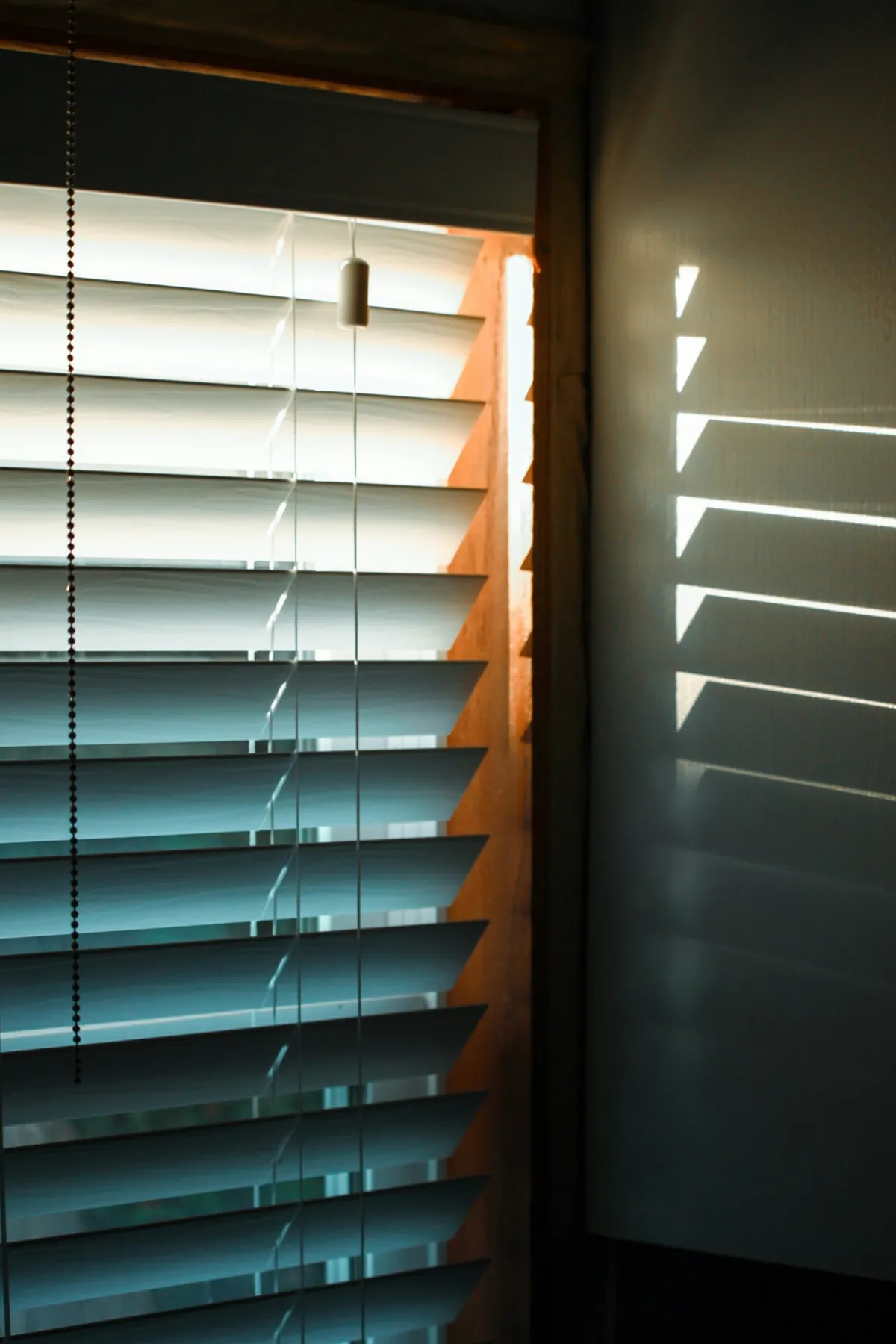
New strings through a blind or shade that has frayed, stretched or snapped a cord, so it lifts level across its full width again.
Tilting
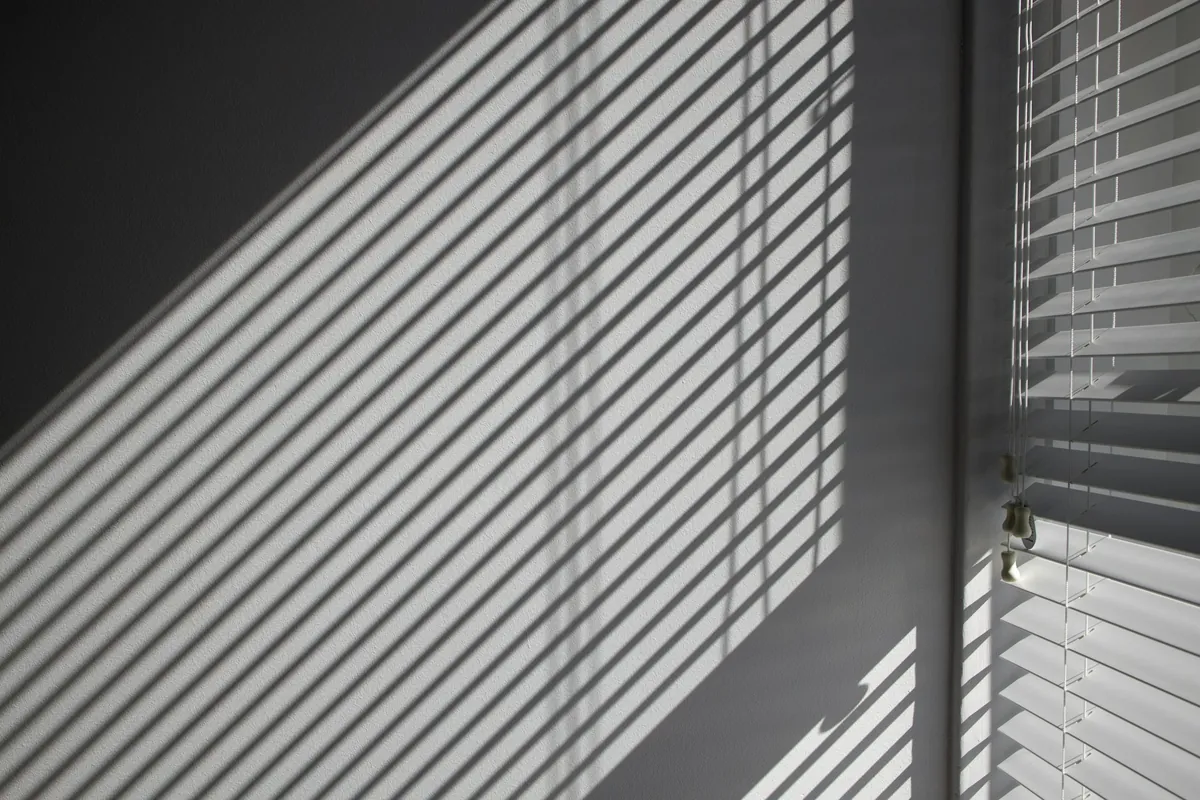
A wand that turns without moving the slats, or slats that will not close all the way, traced back to the wand or the tilt gear.
Pulls and locks
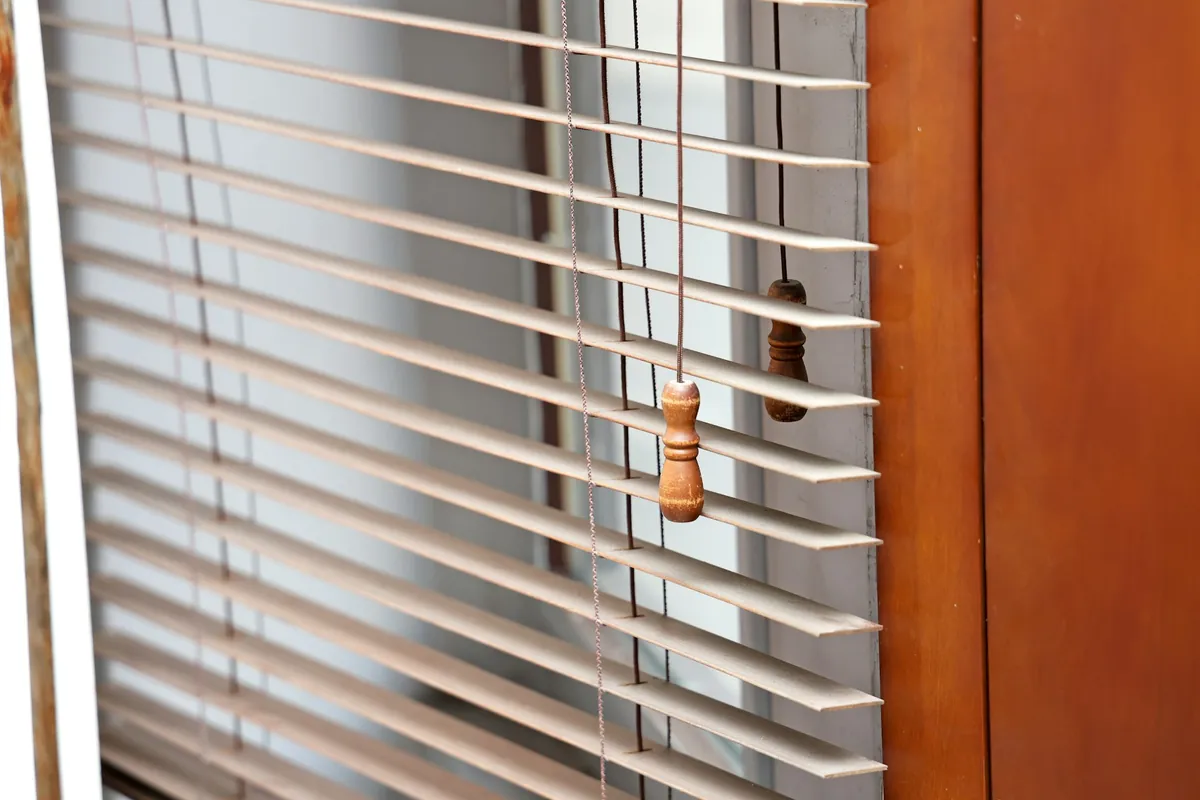
A blind that will not hold its height, or a cord pull that has come off, put right so the blind stays where you leave it.
Blind and Shade Repair in Seekonk, MA, by Symptom
Most people do not know what part has failed. They know what the blind is doing. So this guide starts there, with the faults we hear about most from Seekonk houses, what usually causes each one, and what tends to fix it. If none of these match, tell us what you are seeing and we can work it out together.
The middle of a wide blind sags
On a long blind across a picture window, the headrail spans a big gap. Most wide blinds are held by an extra support bracket somewhere along the middle, and if that bracket has worked loose, or was never there, the rail bows slightly in the centre. The slats follow the rail, so the blind looks as if it is smiling. The cords then run at a slight angle inside the rail and wear faster. Before anything else, we will ask whether the rail itself is straight, because a sag is often a support problem rather than a cord problem.
One end comes up first
A wide blind lifts on three or more cords spread along its length, gathered into one pull at the side. If one of those cords has stretched, its section of the blind lags behind and the bottom rail rises on a tilt. On a shallow, wide picture window this is easy to spot, because the bottom rail runs close to the sill and any slant shows. Restringing the whole blind sets every cord to the same length again. Replacing only the stretched cord tends to leave the others slightly out, so the full restring is usually the better job.
It will not stay up
A blind that drifts down after you let go almost always has a cord lock that is no longer gripping. Sometimes the cords have worn smooth where the lock bites. Sometimes the lock has been forced at an angle so many times that it no longer seats properly. On a heavy picture window blind, the lock is under more strain than on a small bedroom blind, and it is often the first part to tire.
The slats will not close
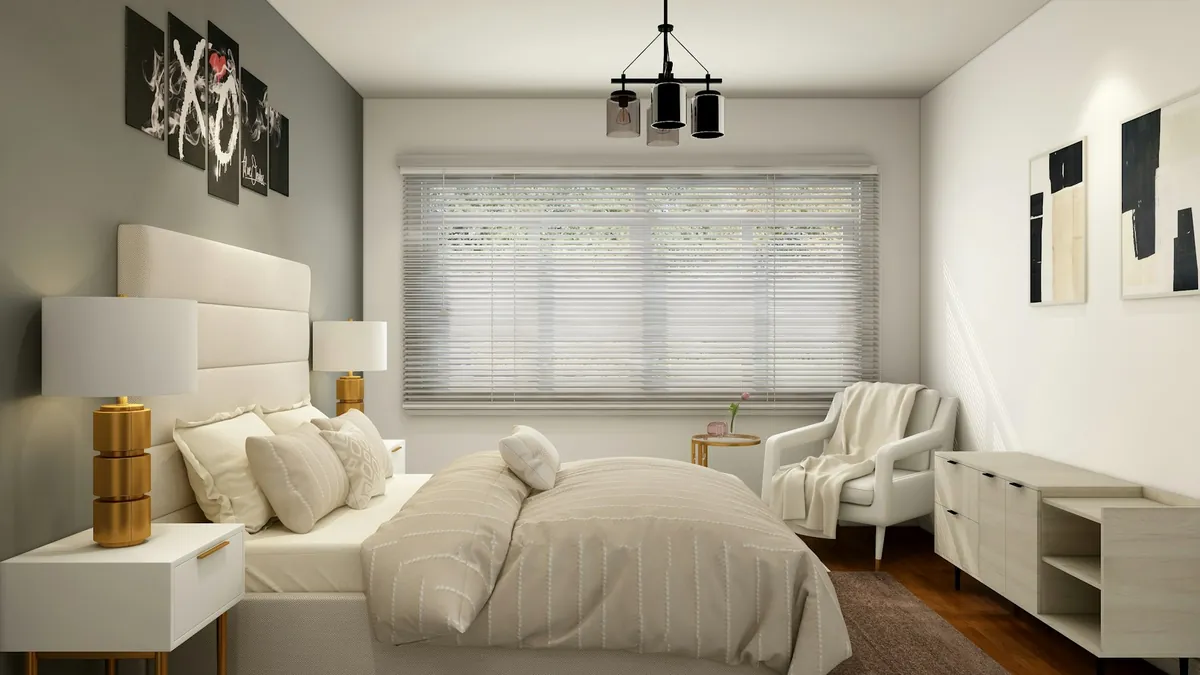
When a blind’s slats tilt part way and stop, or tilt at one end and not the other, the cause is usually the tilt gear in the headrail or the rod that runs along it. On a wide blind that rod is long, and if it has slipped out of one of its cradles, the far end of the blind stops turning. A wand that spins freely with no effect points the other way: the wand has come off its hook, or the gear it turns has worn.
The wand has gone
Wands snap, slip off and go missing. A missing wand on a blind beside a sofa or a desk is one of the simplest repairs there is, and the blind is often perfectly sound otherwise. The thing to check is the little hook the wand hangs from. If the hook itself has snapped off inside the headrail, a new wand alone will not grip, and the tilt gear needs looking at as well. A quick look up at the top of the blind, or a photo of it, usually shows which. On a picture window blind the wand is often long and gets leaned on by furniture or curtains, so if it keeps coming off, mention what sits near it.
A fabric shade hangs on a slant
Cellular and pleated shades lift on fine cords threaded through the fabric. When one breaks or stretches, the shade rises unevenly and creases along its lower edge. A Roman shade lifts on cords running through rings on its back, and when a cord slips out of a ring the folds bunch on one side. Both can usually be restrung if the fabric itself is still clean, flat and holding its colour.
Houses off Newman Avenue and Arcade Avenue
The split-levels and ranches in these streets share a few habits that show up again and again in repair requests.
Split-level stair windows
Split-levels have short flights of stairs between levels, and there is often a window at the turn or beside the half-flight. A blind there is usually raised and lowered by someone on the stairs, reaching across at an angle. That pulls the cord against the edge of the headrail where it exits, and the cord wears through at that point. If you can, stand square to the window when you pull the cord: it makes a real difference to how long new cords last.
The kitchen and dining level
On many splits the kitchen and dining area share one level and one long run of windows. When the blinds there were bought as a set, it is worth repairing a failed one rather than replacing it, because a new blind rarely matches the old ones exactly in colour and slat. Fixing the one that failed keeps the set looking like one choice.
Bedrooms along the hall
On the bedroom side of a ranch, the windows are usually ordinary in size and the blinds on them lead a quiet life: lowered at night, raised in the morning. Faults here tend to come from age rather than heavy use. Cords discolour and stiffen, the plastic pulls crack, and the tilt wand on a blind beside a bed gets knocked and loosened. These are small, simple fixes, and because the blinds were often bought together with the ones in the living room, keeping them working keeps the front of the house even. When a single bedroom blind fails, look at its neighbours as well, since they have aged in the same way and over the same years.
Sliders in the ranches
Ranches often have a sliding door to a patio or deck, and many of those sliders carry vertical blinds. Each vane hangs from a small carrier in the track, and the carriers are linked so they turn together. A slider gets used many times a day, so the wand loosens, the carriers wear, and vanes begin to point in different directions or bunch at one end. Tell us whether the problem is one vane or the whole row, as the repair is quite different.
Newer Houses toward the Providence Line
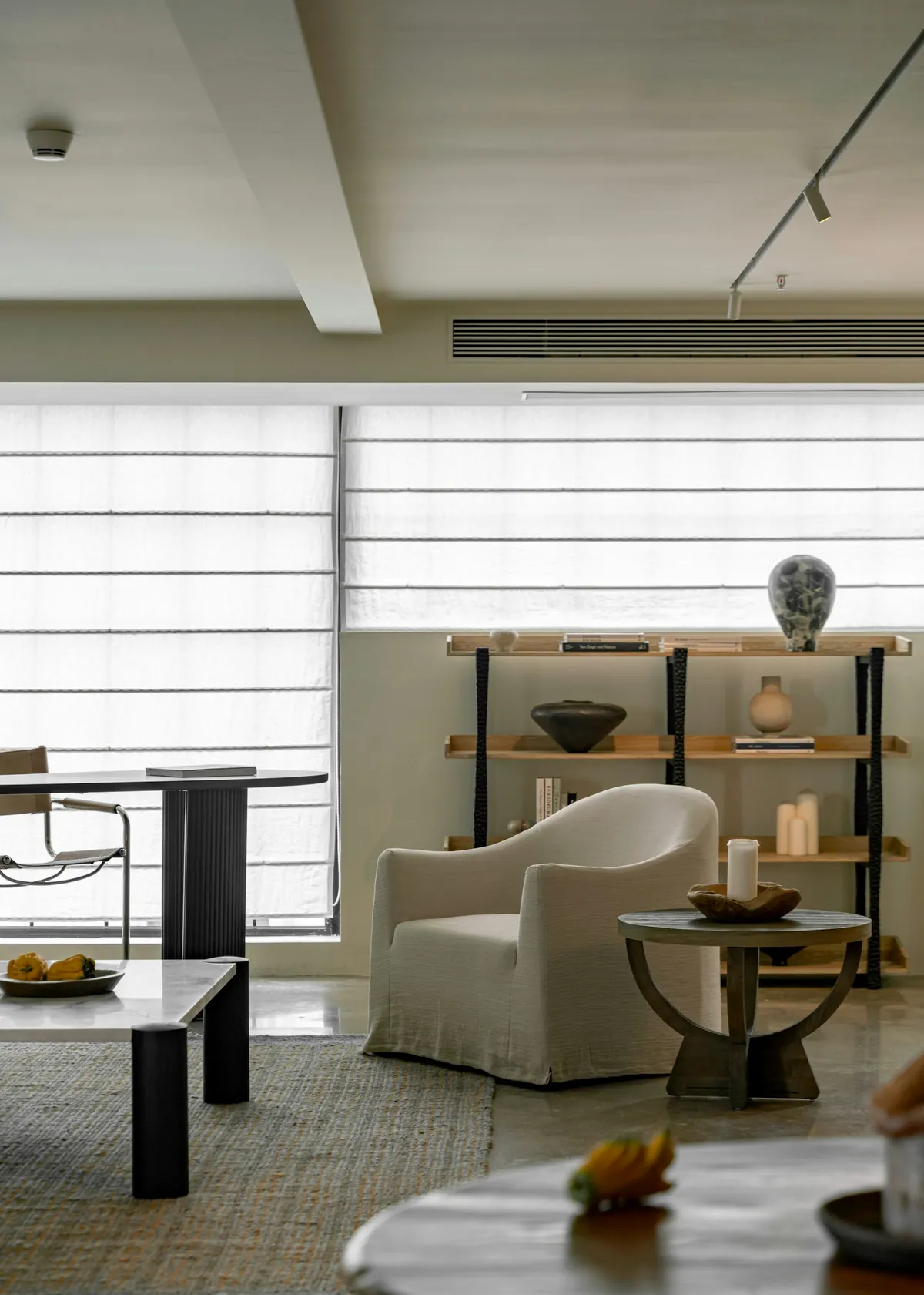
The newer construction toward the Providence line tends to have larger windows and, in many rooms, fabric shades rather than blinds. Larger glass means wider treatments and more cords per shade, and the same rules apply: a stretched cord makes a slanted shade, a tired lock makes a shade that will not hold, and a headrail that has been pulled out of line makes everything lift unevenly.
Some shades in newer houses have no cord at all and are raised by hand from the bottom rail. The mechanism inside those is different from a corded shade, so if your shade has no cord, say so when you describe the problem. We will tell you plainly whether it is something we can help with.
Busy roads and privacy
Rooms that face the commercial stretch along Route 6, or any busy road, tend to keep their blinds closed or tilted most of the time for privacy. That means the tilt gear is used more than the lift cords. On those blinds, the faults we hear about are mostly wands and tilt mechanisms, not strings, and they are usually straightforward to put right.
Blinds that came with the house
In newer homes, the first blinds are often ones that went up when the house was finished, chosen for the whole house at once and sized to standard windows where they could be. Those blinds are frequently fine in themselves but light in their working parts, and a few years of daily use can wear a cord lock or crack a tilt gear. A request for blind and shade repair in Seekonk, MA from a newer house is often exactly this: a sound blind with one tired part. Before replacing a whole set, it is worth asking whether the parts that failed can be put right.
How a Repair Request Works
The process is short, and we stay in touch with you until the job is finished.
- Get in touch by phone or through the form, naming the blind or shade and the symptom from the list above that fits best.
- Together we narrow down what has failed and whether mending it is good value.
- When it is, a free quote comes before any work is agreed.
- After the work, the blind or shade is tried across its full width: raised, held, lowered and tilted at each end.
Every repair is a little different, so how and where yours is done is settled with you during that first conversation rather than fixed beforehand.
Five things to have ready
When you get in touch about blind and shade repair in Seekonk, MA, these details save time.
- The treatment. A slatted blind, metal or wooden, a set of vertical vanes, or a fabric shade of any kind.
- The symptom. Sags in the middle, lifts at one end, drifts down, will not tilt, wand missing, or vanes out of step.
- The window. A wide picture window, a stair window, a slider or an ordinary bedroom window.
- Whether it has a cord. Corded and cordless shades work differently inside.
- Photos. A wide shot, a close shot of whatever has failed, and the headrail if you can see it from a steady step.
When a New Blind Is the Better Answer
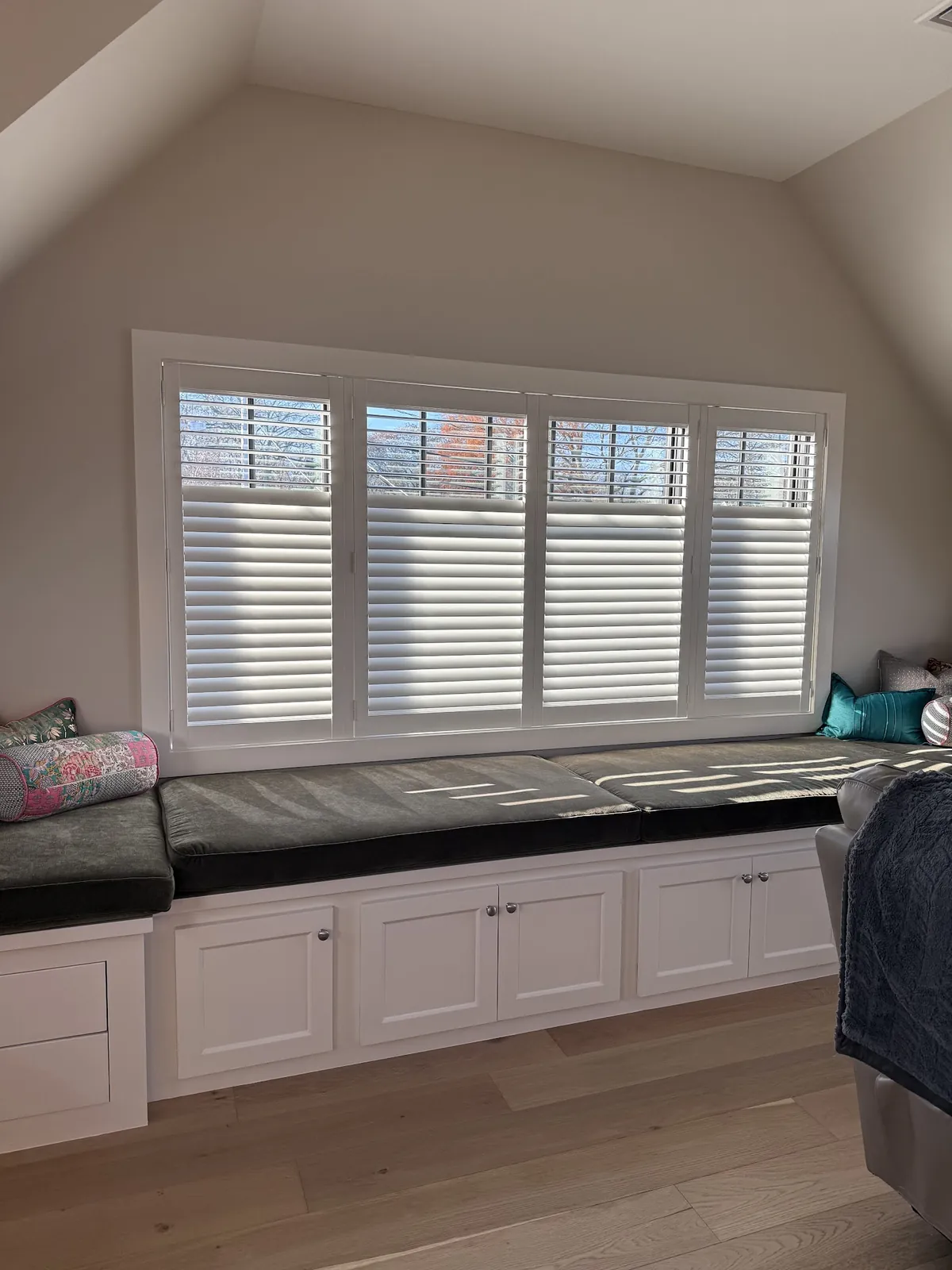
Because the picture windows in Seekonk’s splits are an awkward shape, replacing a blind there means having one made to measure, so repair is worth a careful look first. Even so, it is not always the right call. A repair is poor value when:
- The slats are warped, cracked or permanently bent where they have been knocked
- The fabric of a shade is faded in bands, stained or splitting at the folds
- The headrail is twisted or cracked along its length
- The room is due for new treatments anyway
If that is where things stand, we will say so honestly. The custom blinds for Seekonk homes and vertical blinds in Seekonk pages show what can be made to measure for wide picture windows and sliders, and a free quote with measuring in your home is the place to start. The blind and shade repair page explains the service across our area.
Helping repaired blinds last
On a wide blind, draw the pull evenly and downward, not across your body. Level the slats before lifting so the stack sits flat. A wand that will not turn should be left alone rather than forced, because the gear it drives is tiny. Slide vertical vanes right back before opening the door so they are not caught. If a string frays, lower the blind and leave it there instead of tying a knot, which shortens one side and may jam the lock.
Where pulls and loops hang to the floor, wind them up out of reach of little ones and pets. That is worth raising with us when you call.
Window Works, a Short Drive from Seekonk
Window Works is a family store in Swansea, founded in 1988 and now run by the second generation. For over 37 years it has worked in homes across the SouthCoast and the Rhode Island East Bay, and Seekonk is close by.
- A team of experienced specialists in window treatments
- We keep in constant contact from first call to finished job
- Repairs for the blinds and shades already in your rooms
- Measuring in your home and installation for anything new
- Warranties offered on what the store supplies
Ask in Person at the Showroom
If you would like to talk a repair over face to face, come into the Swansea showroom with your photos. Our specialists can look at them with you and explain what is likely going on.
And if a new blind turns out to be the better answer for a wide picture window, the showroom has samples to see and handle, including the Norman range.
Questions from Seekonk
The blind on my picture window sags in the middle. Can it be fixed?
Often, yes. A sag on a wide blind usually comes from a loose or missing centre support, which then wears the cords unevenly. Tell us what you see and we will work out whether it is the support, the cords or both.
Is it worth repairing a picture window blind rather than replacing it?
Usually, if the slats are sound. Wide, shallow picture windows rule out many ready-made sizes, so a replacement would be made to measure. Repairing a good blind keeps the one you already have working.
My slider’s vertical blinds point in different directions. What is wrong?
Most likely the carriers in the track or the wand have worn. Say whether it is one vane or the whole row, and we can talk through the repair.
Can you repair a shade with no cord?
Cordless shades work differently inside. Describe the shade and what it does, and we will tell you plainly whether we can help.
How much does it cost to get a quote?
Nothing: quotes are free. Ring us or fill in the form, explain the fault, and a photo always helps.
Get in Touch about a Repair
Tap the call button and the Swansea store can talk you through blind and shade repair in Seekonk, MA, or fill in the form and mention which symptom fits. Should you prefer new treatments, we will book a free quote, measure in your home and go over installation. Find directions on the contact page, and see all our Seekonk services on the window treatments for Seekonk homes page.