
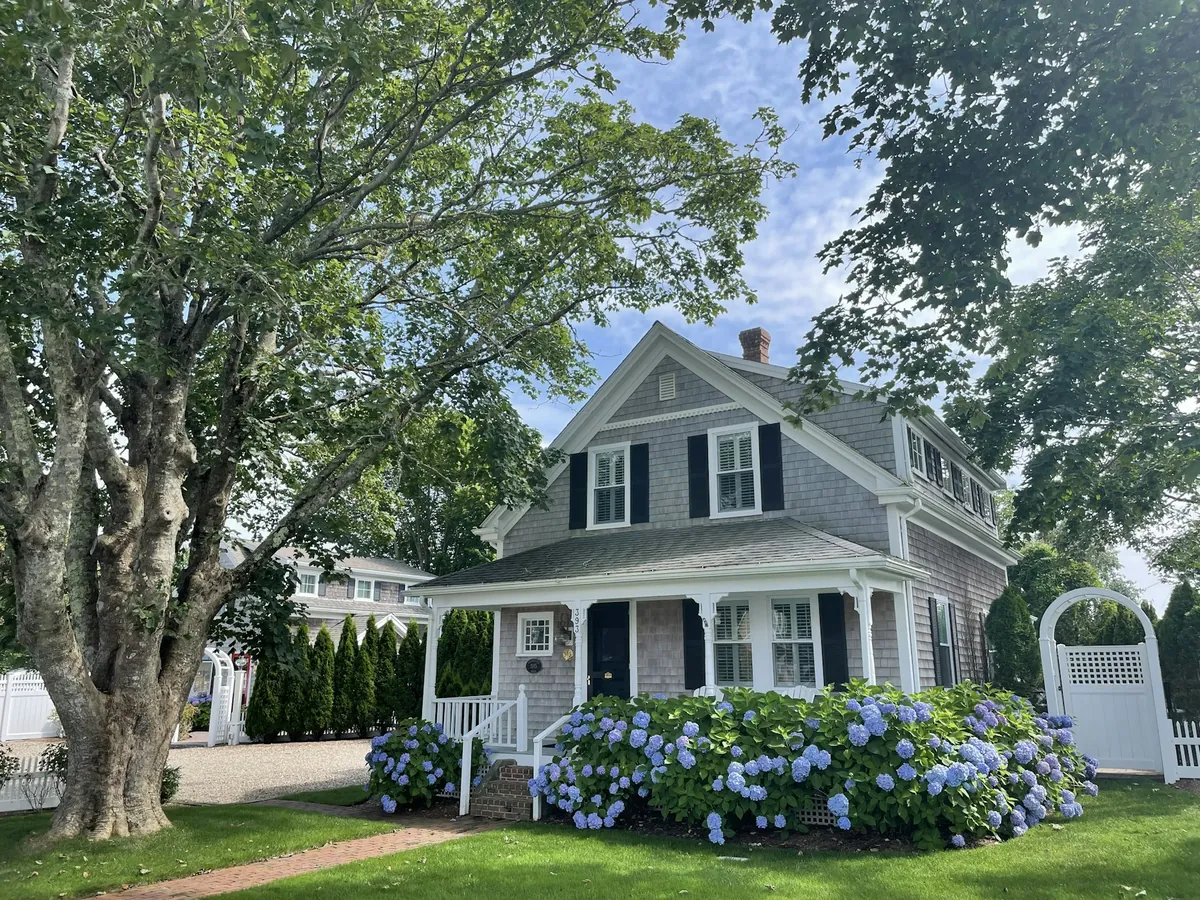
Old Sash, New Glass, One Room
The question that comes up most with window treatments in Dighton, MA is what to do when two very different windows share a wall. Many of the farmhouses and capes along Main Street and Somerset Avenue have had additions over the years, and the new glass was set right beside the original nineteenth-century sash. One window is narrow, a little out of square and framed in old trim. The one next to it is wide, modern and sized to a catalogue. Both need to look like they belong.
The rest of the town’s housing is just as varied. River lots on the Taunton River face the water across wide lawns, and much of the older stock sits on quiet, low-density roads where houses are spread out. We measure every window on site, because no two of these houses share a set of sizes.
- Treatments that make old and new windows read as a pair
- Measured in your home and fitted by our own team
- Samples of every option at the Swansea showroom
Window Treatments Made for Dighton
Roman shades
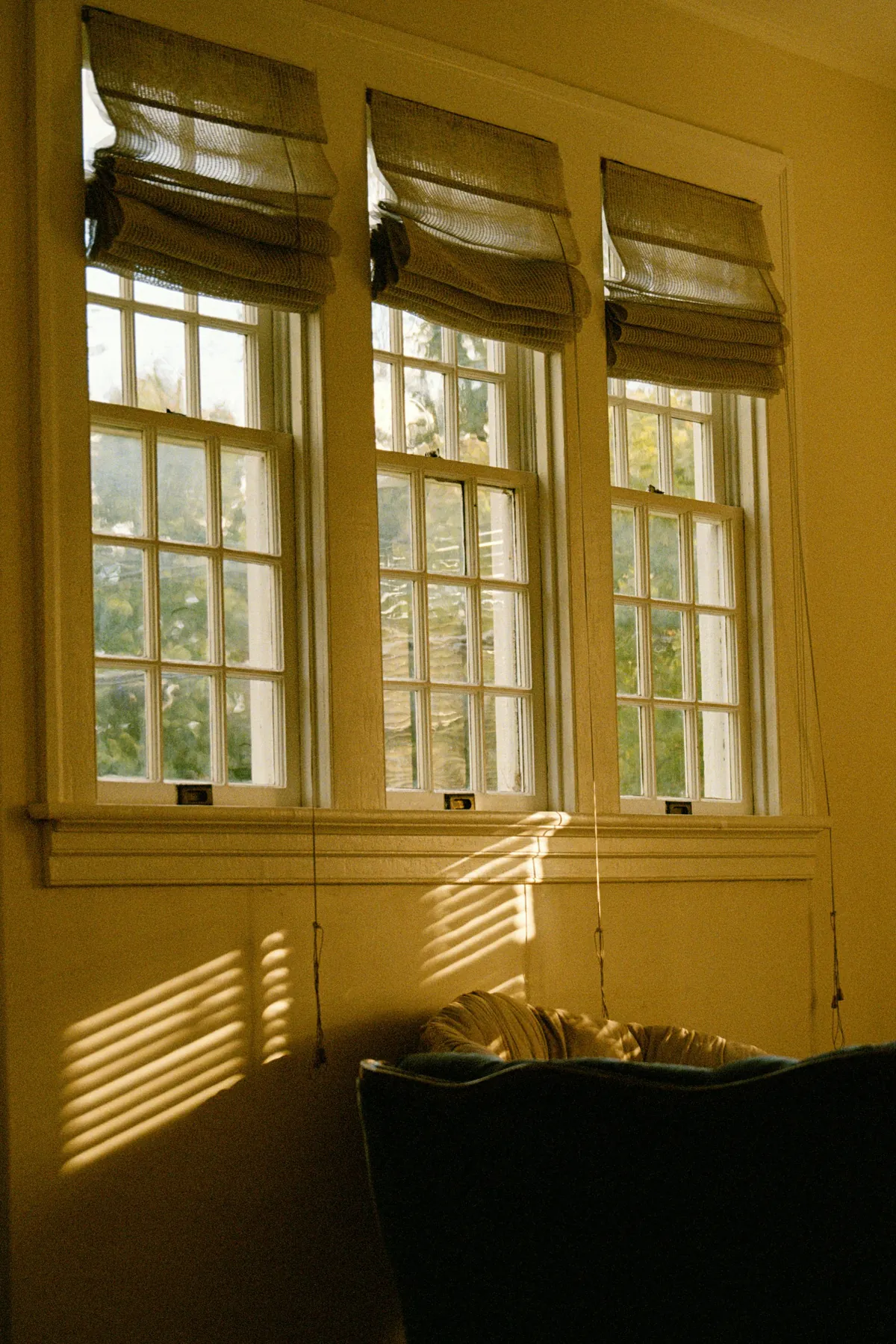
One fabric, made in two widths, ties an old sash and a new addition window together.
Custom blinds
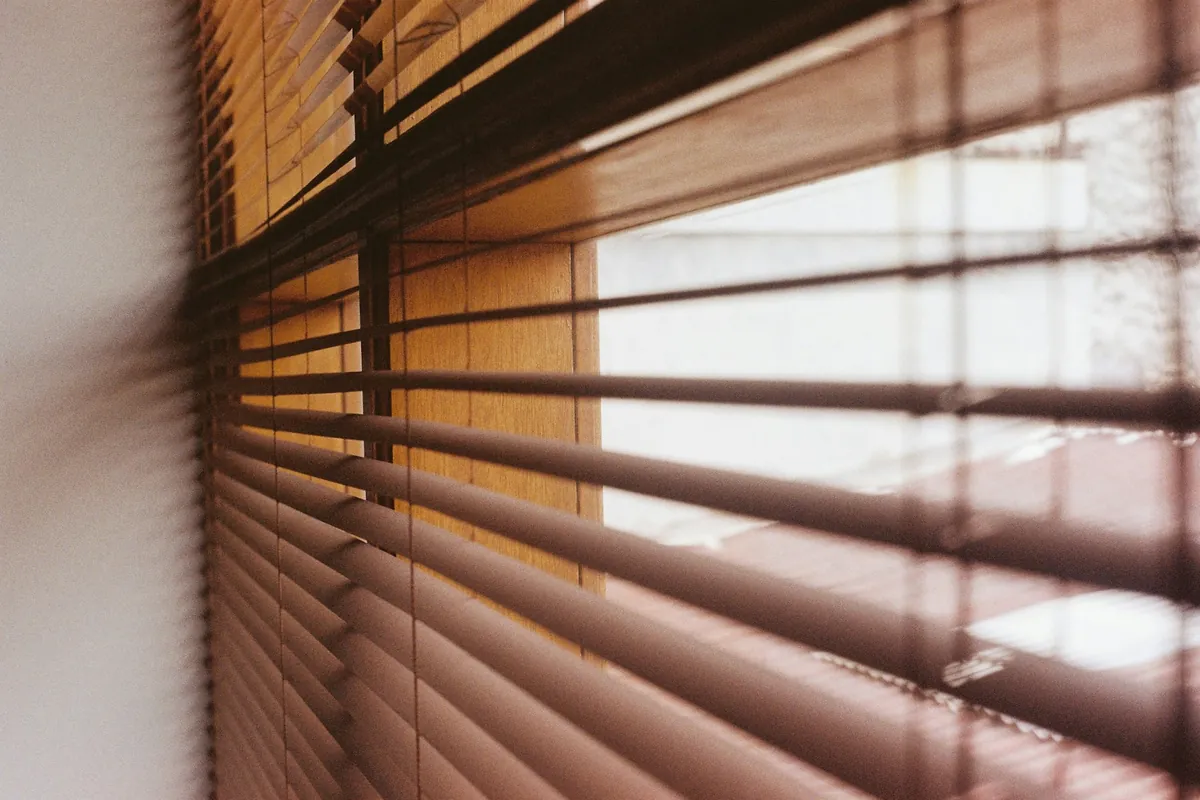
Wood, faux wood, aluminium and vertical blinds sized to each frame, square or not.
Plantation shutters
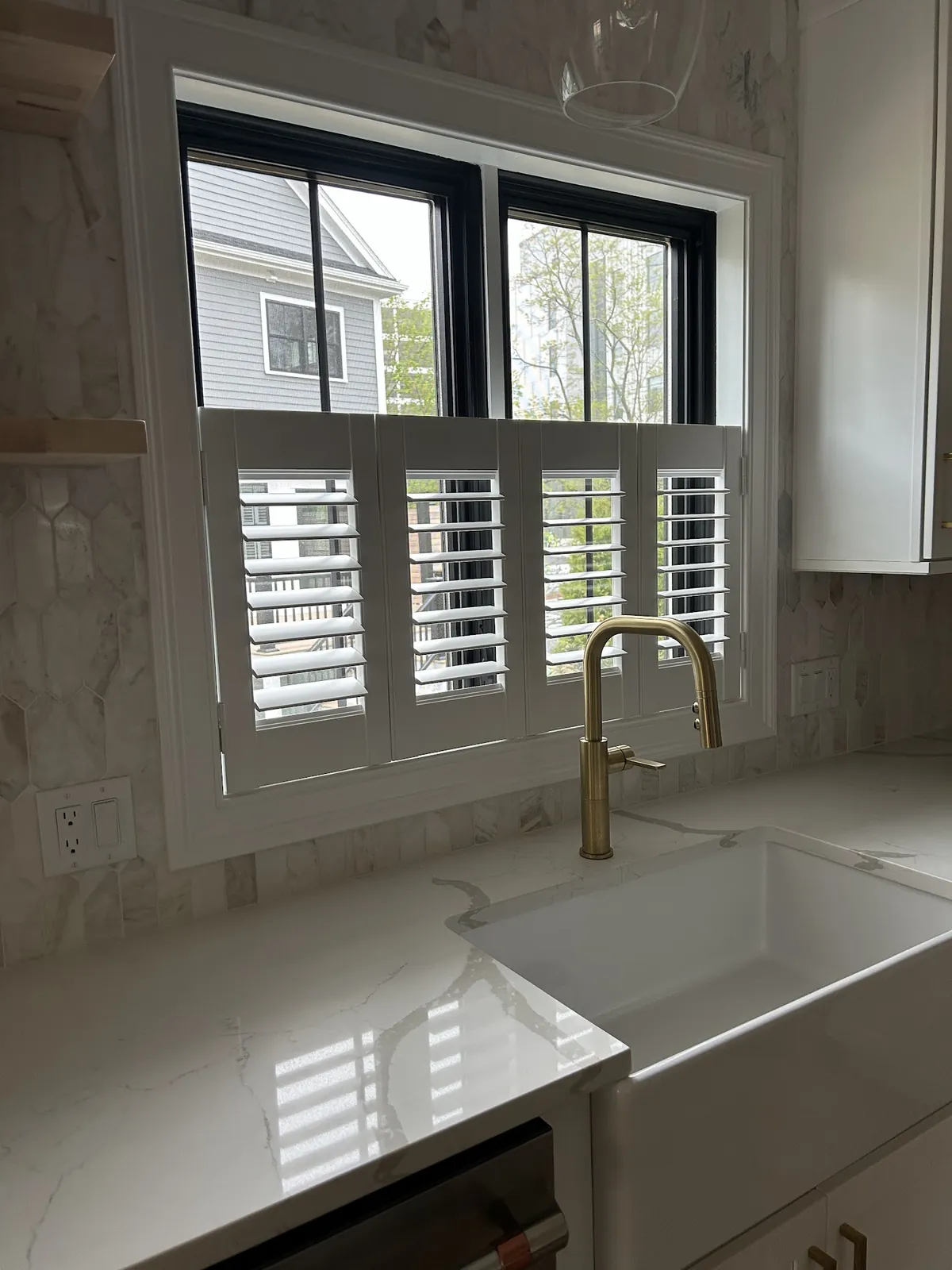
Interior shutters with one louvre size across every panel, so mismatched windows still match.
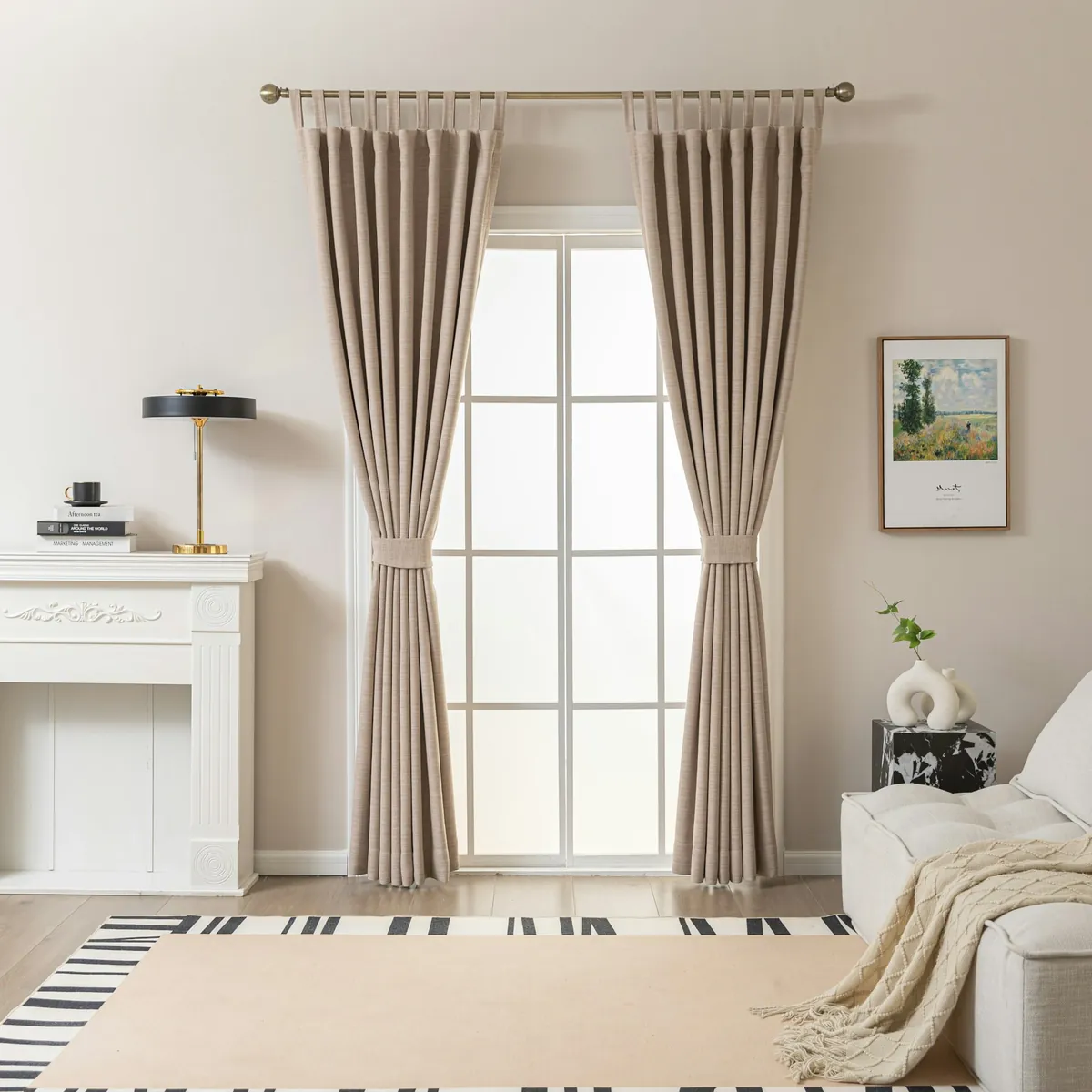
Drapes and curtains
Our specialty: lined drapes that soften a wide addition window and warm an old one.
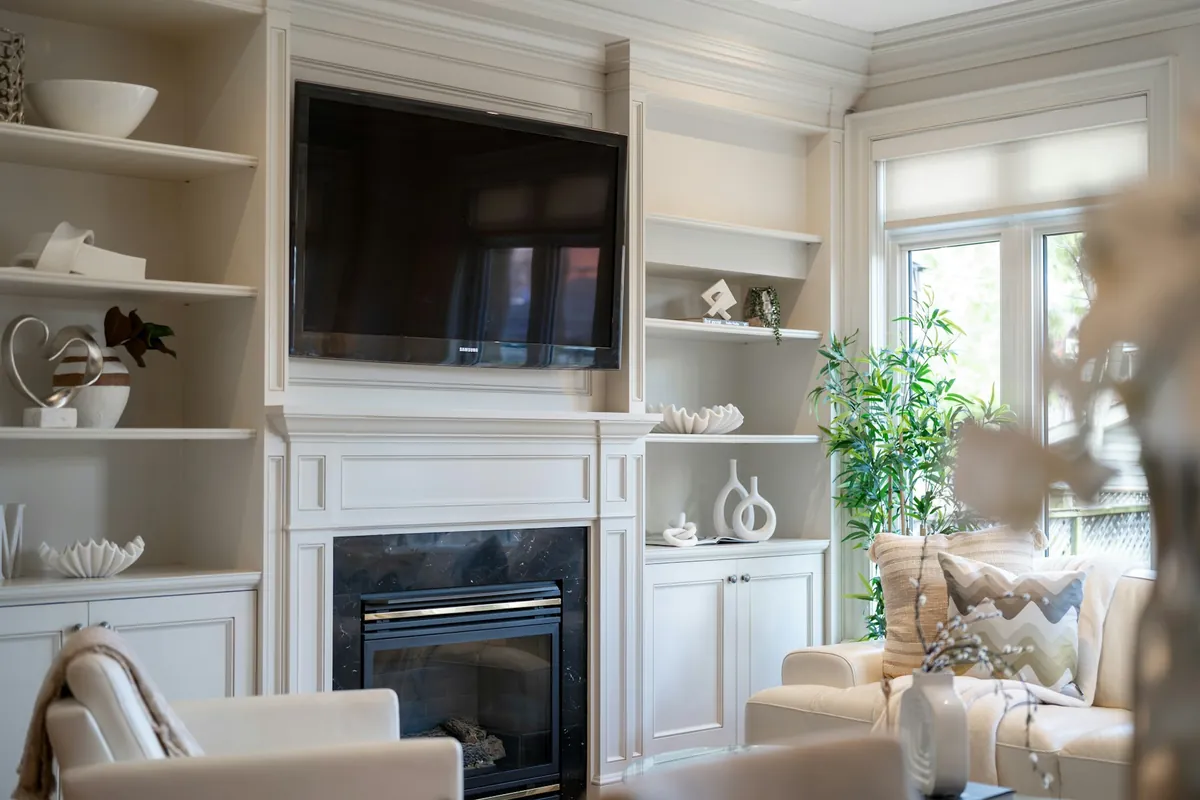
Cellular shades
Single and double cell shades that hold air at older single glazed sash.
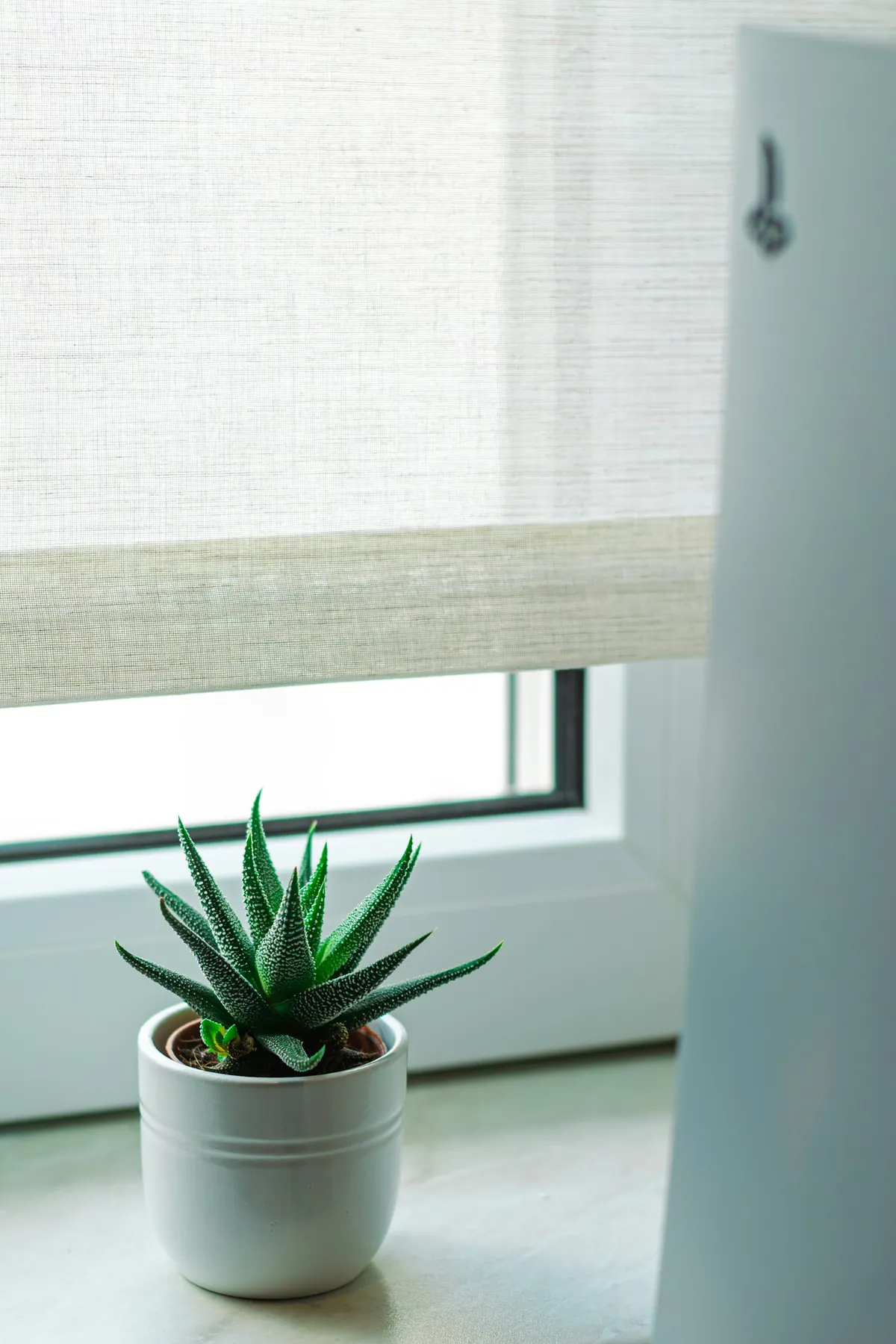
Roller shades
Roller and solar screen fabrics for river-facing rooms that take strong afternoon sun.
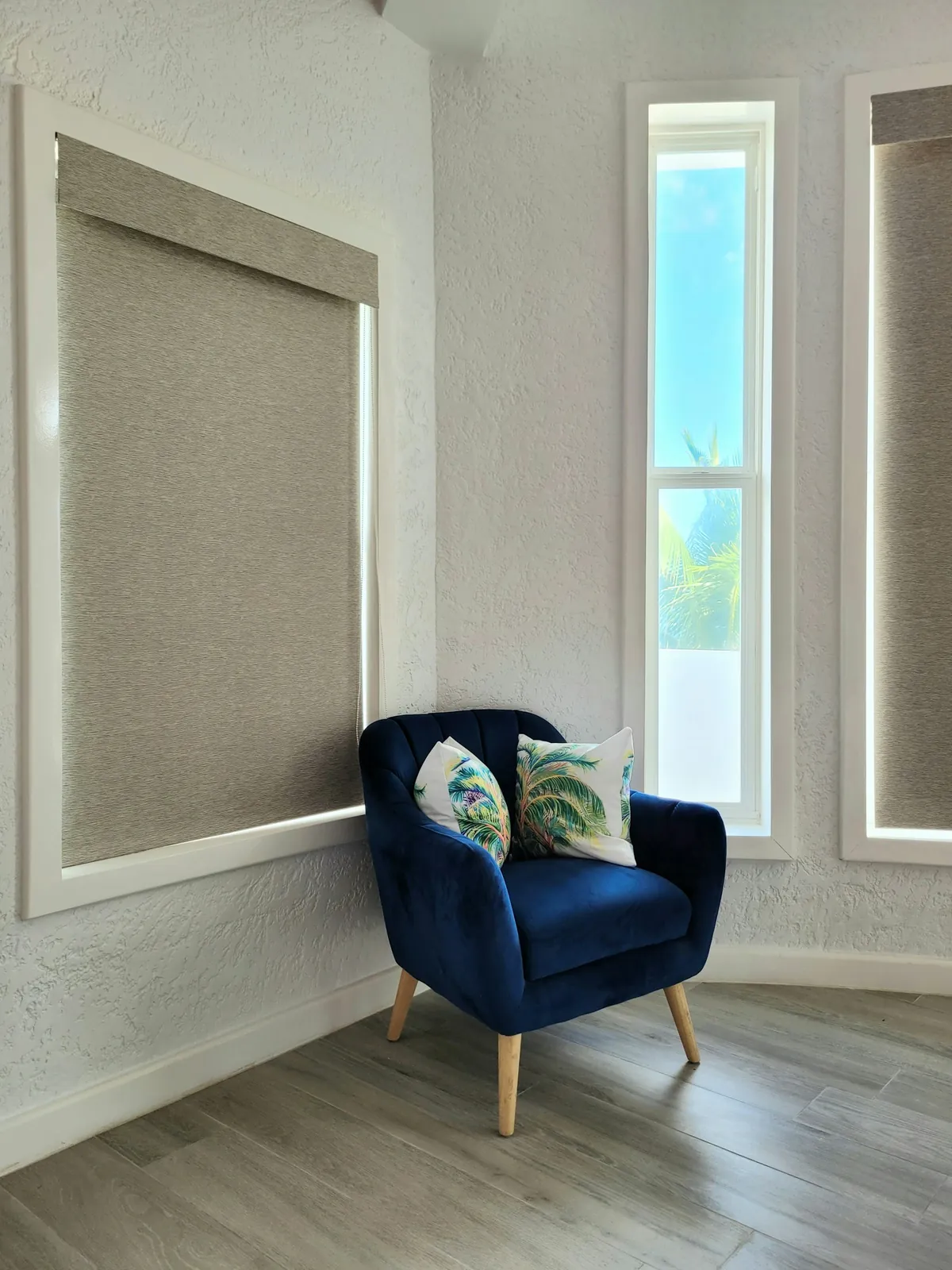
Woven wood shades
Natural weaves with an optional liner, at home in a farmhouse room.
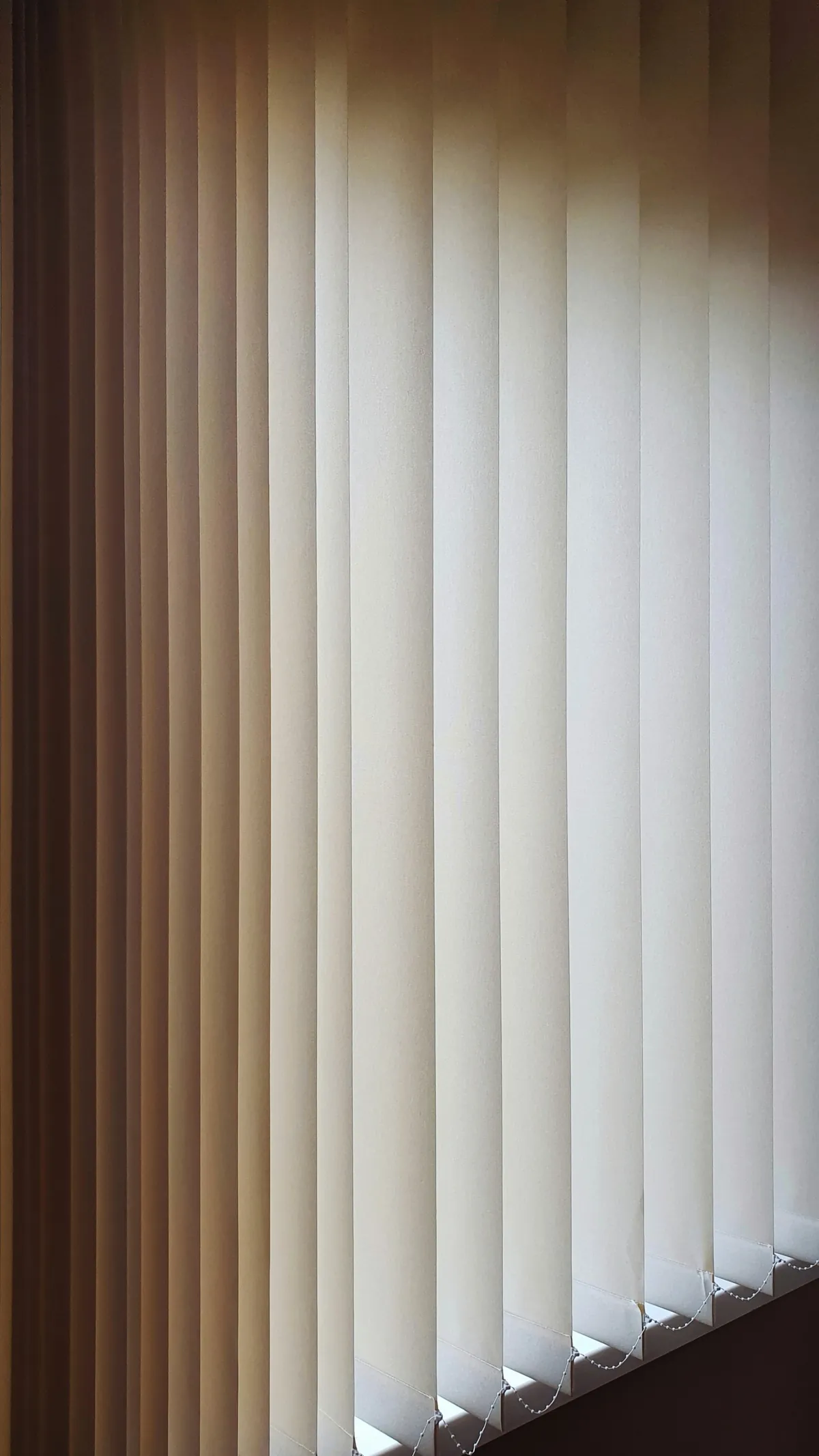
Vertical blinds
Verticals and panel tracks for the sliding doors that so many additions brought.
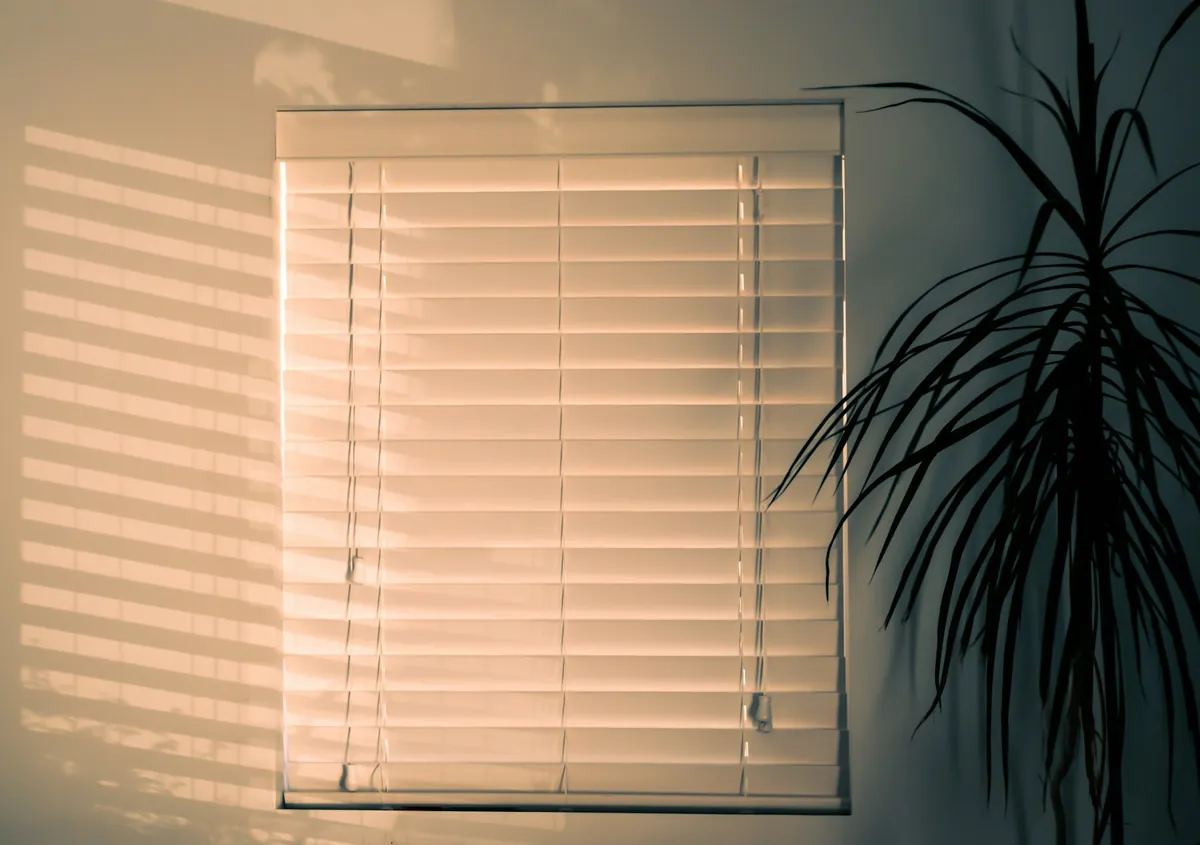
Motorized blinds and shades
Remote and wall switch operation for high or hard to reach addition glass.
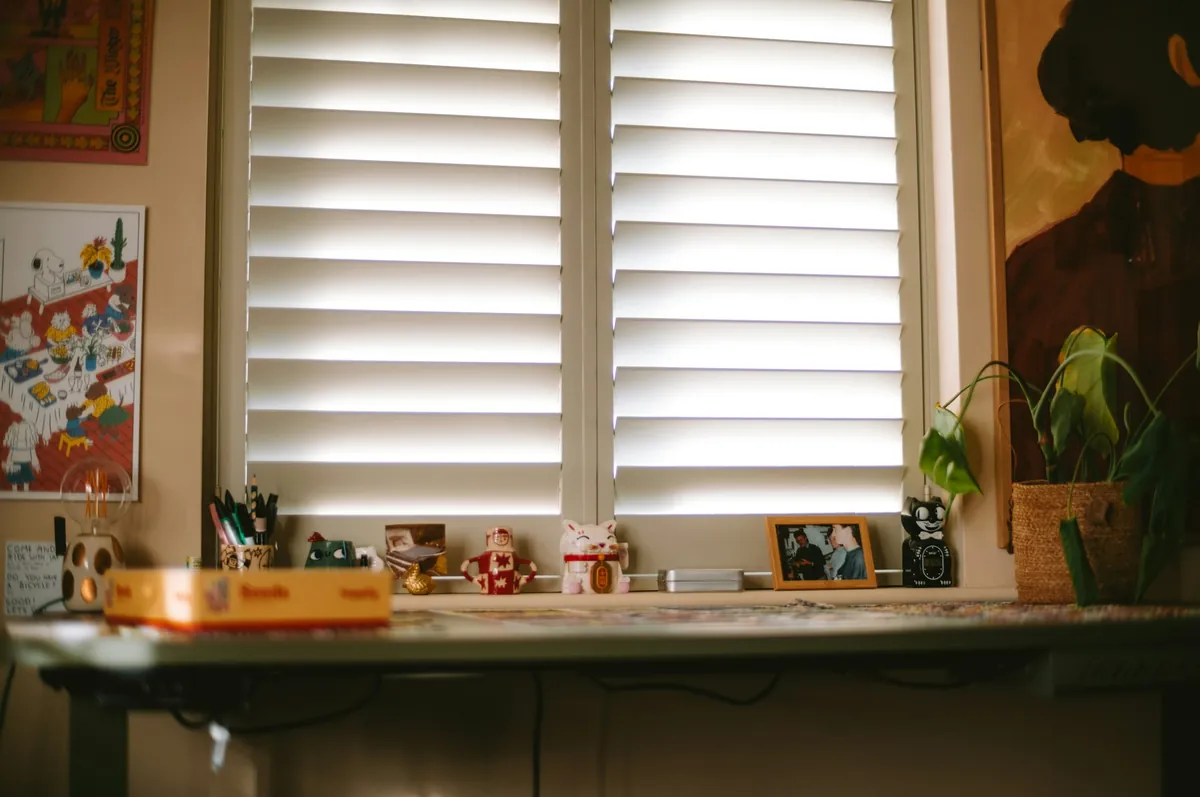
Norman window fashions
The Norman range of blinds, shades and shutters, which we carry and show in Swansea.
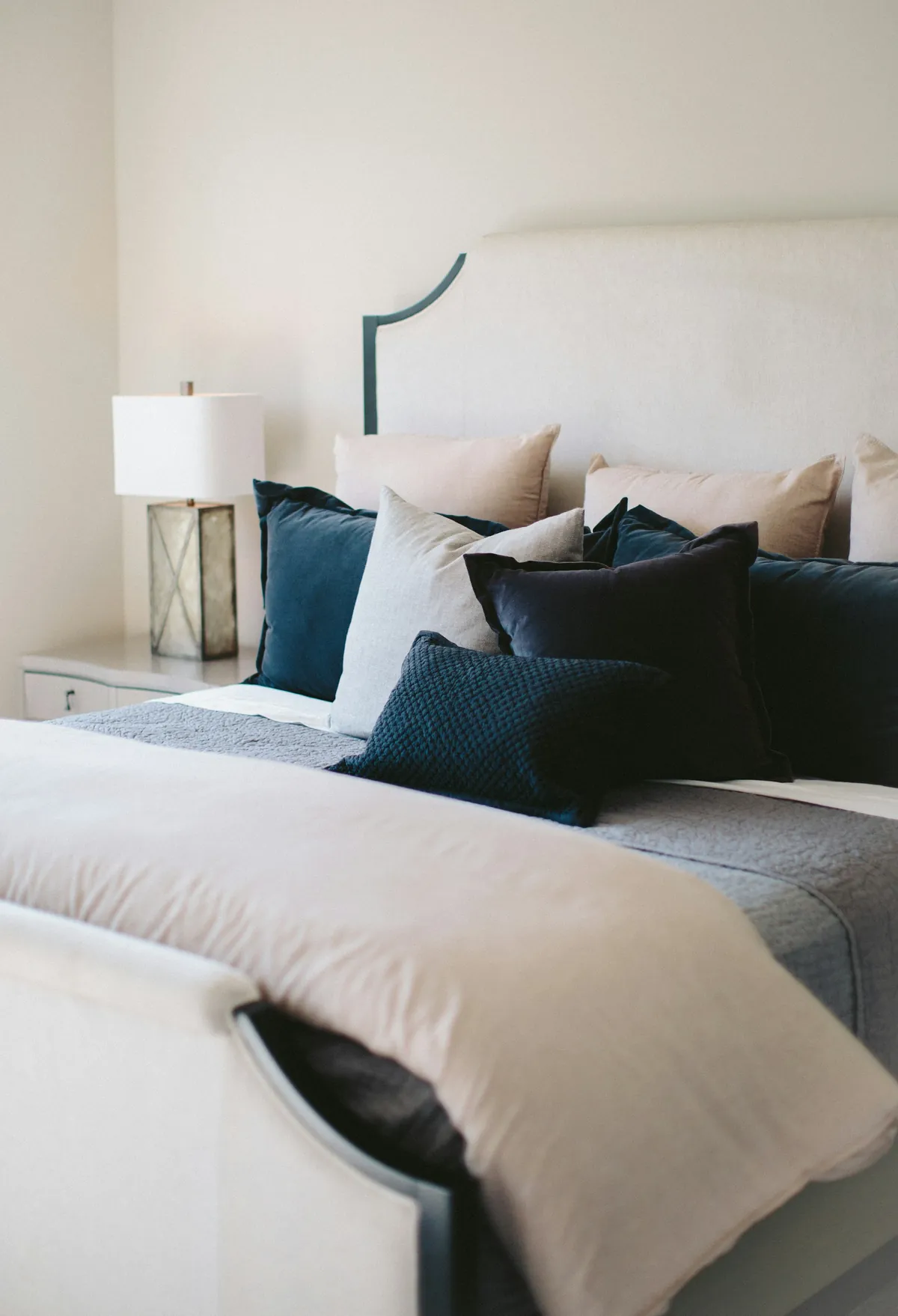
Custom fabric decor
Pillows, duvet covers and some upholstery made to go with your window fabric.
When an Addition Meets the Original House
An addition changes a room’s windows more than people expect. The builder fits modern units, often larger and set at a different height, and the original windows stay as they were. Standing in the room, you see a slim old sash with deep trim on one side and a broad new window, perhaps a slider or a pair of casements, on the other. Choose a treatment for one and the other often looks wrong.
There are a few good ways through this, and the right one depends on how strong the difference is.
Keep one material, change the width. Roman shades, roller shades and cellular shades can all be made very narrow or very wide in the same fabric. Hung at the same top line, they look like a set even when the windows underneath are not. This is usually the simplest answer.
Line up the tops. When the new window sits higher or lower than the old ones, mounting every treatment at a common height above the frames evens out the wall. The shade on the lower window simply has a little more fabric above the glass.
Let fabric cover the change. Drapes hung from one long rod across the wall can frame both windows at once, hiding a difference in trim and size behind a single run of fabric. A blind or shade inside each frame then does the daily work of light and privacy.
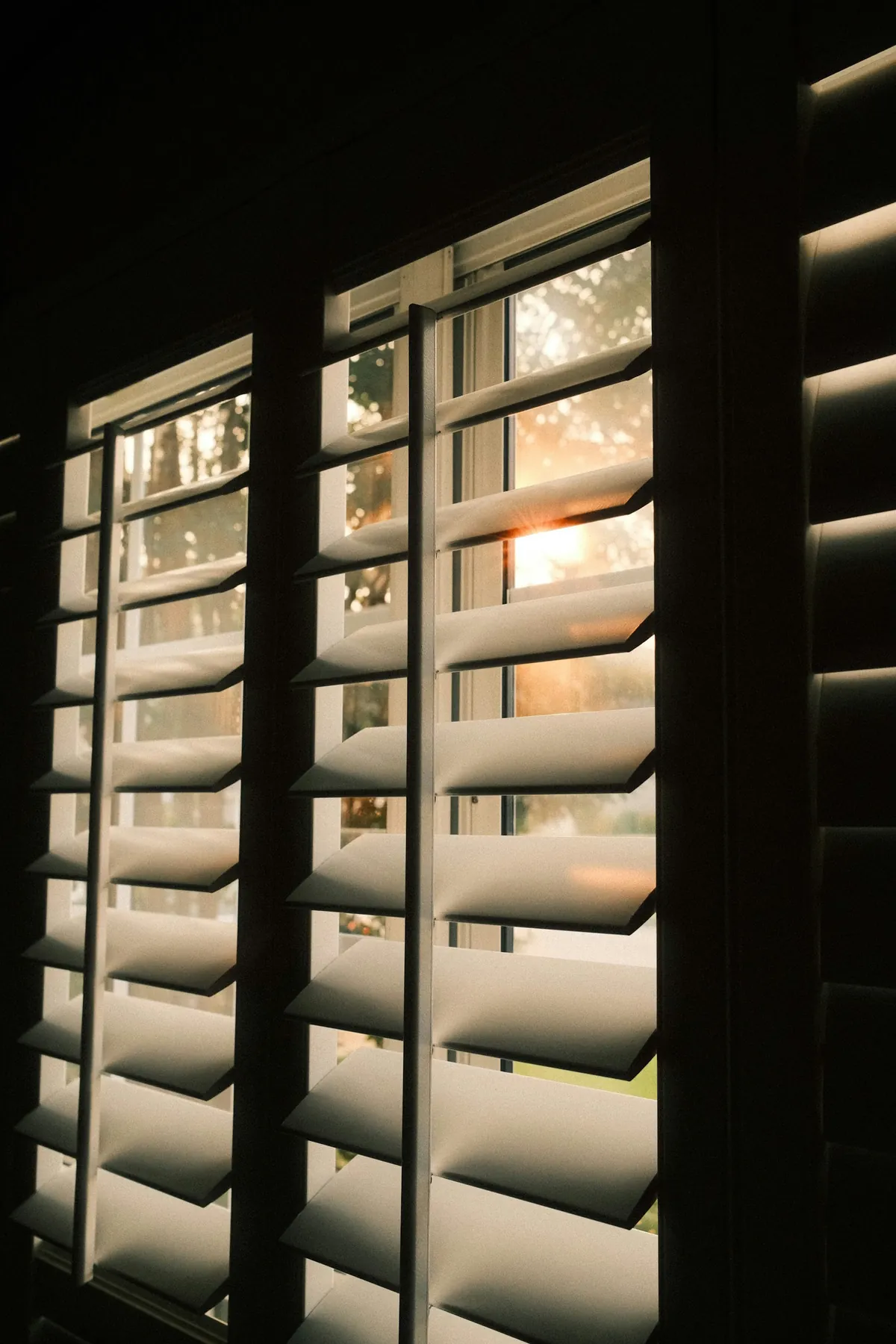
Use shutters with a common louvre. Plantation shutters made with the same louvre size and frame style on every window read as one design, even when one panel is twice as wide as another.
The old sash itself
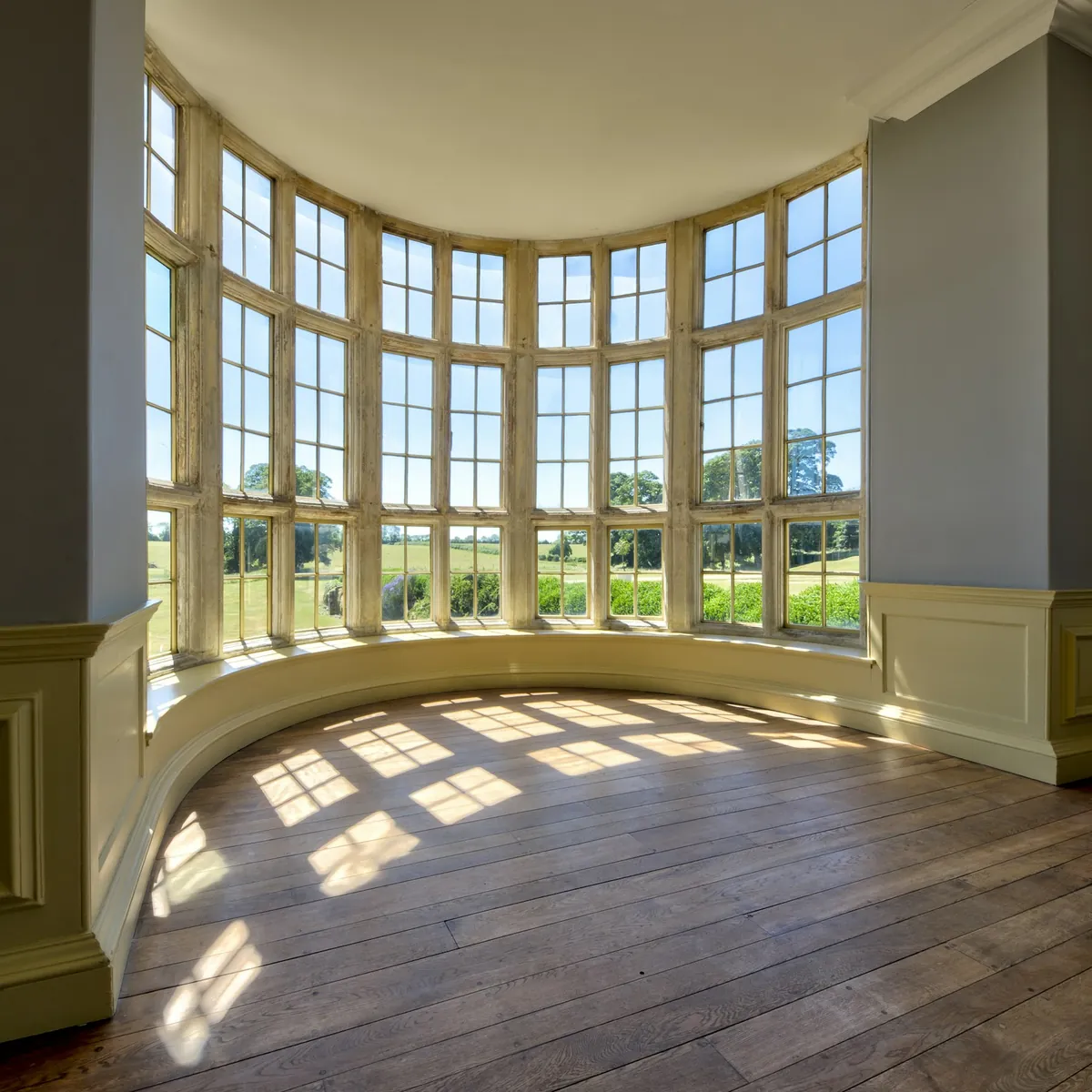
Nineteenth-century sash has its own needs. Frames are rarely perfectly square after so many years, so we measure each one in several places rather than once. The trim is often wide and handsome, and covering it with an outside mount hides some of the house’s character, so an inside mount is our first thought wherever the frame is deep enough. Old glass is often single glazed, and the room can feel cool beside it in winter.
That last point makes cellular shades a natural partner for old sash. The cells trap a layer of air between the glass and the room, which is why the room holds its heat better with the shade down. A double cell holds a little more. They also stack very small when raised, which matters on a narrow window where you do not want to lose any light. More detail is on our cellular shades page.
The new glass
Addition windows tend to be bigger and to bring in a lot more light than the old ones. A family room or kitchen addition built off the back of a farmhouse may face south or west across a yard and take the full afternoon sun. Solar screen roller shades cut the glare and protect the floor and furniture from fading while keeping the view out to the garden. The openness of the screen decides how much of the view stays clear.
Where an addition has a sliding door, vertical blinds or a panel track will handle it, drawing fully to one side when the door is in use. Where it has tall windows reaching up into a vaulted ceiling, motorized shades make the top glass easy to manage, raised and lowered by remote or by a switch on the wall.
Window Treatments Dighton, MA River Lots Ask For
The houses on the Taunton River lots have water in front of them and open lawn around them, and both affect the windows. Light reflects off the river into the front rooms, and those rooms often have the largest windows in the house. Planning window treatments for Dighton, MA river houses usually means balancing three things: the view by day, glare in the afternoon and privacy after dark, when a lit room can be seen from the water and the road.
Layering handles all three well. A solar screen or a light filtering shade sits close to the glass for daytime use. Lined drapes on the same window draw across in the evening and give the room a softer look. In a bedroom facing the river, a room darkening cellular shade fitted close to the frame keeps the early light out. On the side of the house away from the water, where the light is softer, a single light filtering shade is often all a room needs, so the river rooms and the back rooms can be treated quite differently and still share a colour. Furniture and rugs near the big front windows fade fastest, which is another reason to keep some filtering in place on sunny afternoons.
Woven wood in a farmhouse room
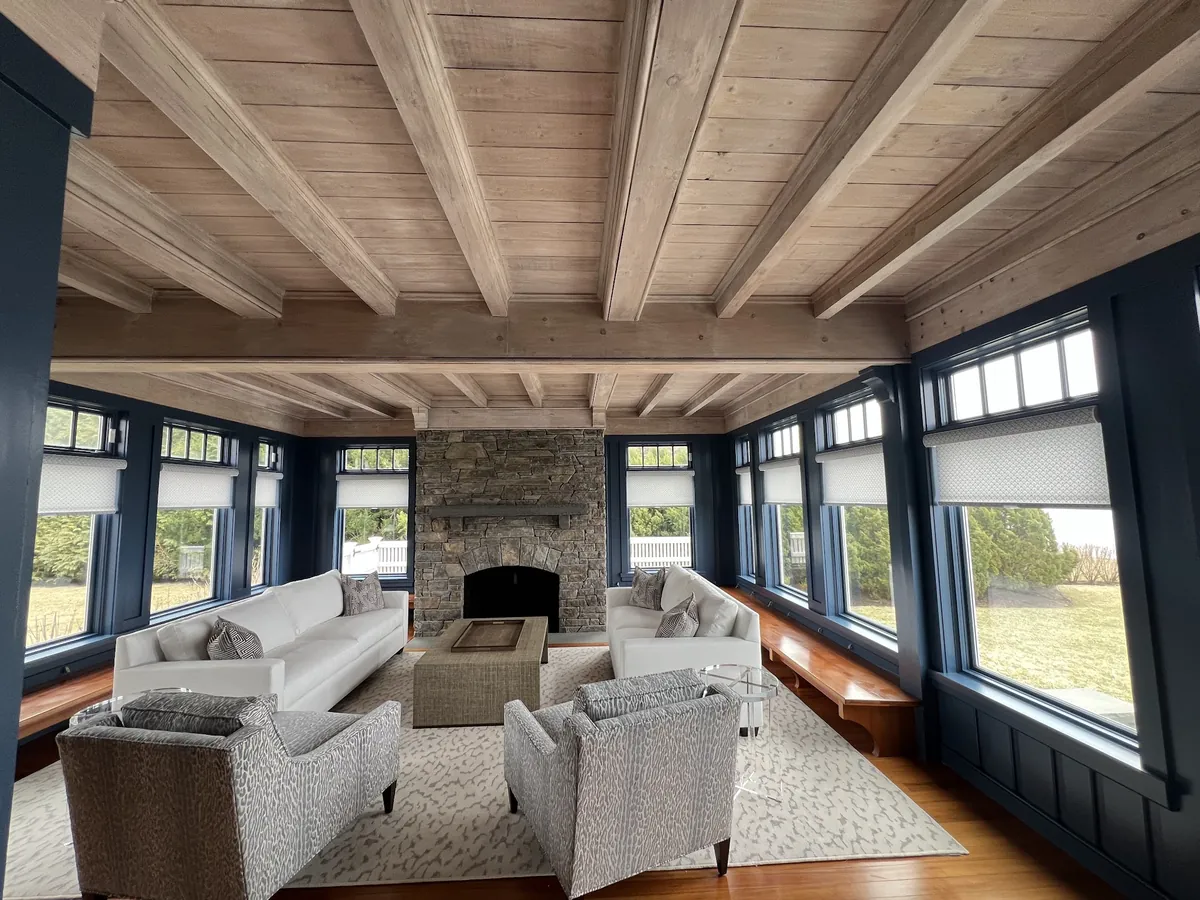
A farmhouse kitchen, a den with exposed beams or a back room with wide pine boards often suits a natural material better than a smooth fabric. Woven wood shades bring the texture of reed, grass or bamboo to the window, and the light through them falls in soft broken lines across the floor. Unlined, they filter sun and keep a glimpse of the yard. With a privacy liner they close off the room at night. Because they are made to measure, the same weave can cover a narrow original sash and a wide addition window in one room, which makes them another good way to tie old and new together.
Upstairs rooms under the roof
Upstairs in the older capes, rooms sit under the slope of the roof, with a dormer window or a small window in the gable end. The walls close in around the glass, and there is little room for a bulky headrail or a drape that stacks out to the side. Inside mounted cellular shades and slim blinds suit these windows best, and a room darkening fabric makes a dormer bedroom comfortable on a bright summer morning. Where a gable window is very small or oddly placed, a made to measure shade means it no longer has to be left bare.
Seeing the house as a whole
Window treatments for Dighton, MA houses work best when they are planned for the whole house, even if you treat a few rooms at a time. From the road, a farmhouse or cape shows its front windows together, so one colour across those windows keeps the house looking tidy, whatever is used in the rooms behind them. Inside, an addition that opens off an older room should share a colour or a fabric with it, so the join between the two parts of the house is softened rather than underlined. Starting with the rooms that need it most is fine; later rooms can be matched.
Farmhouses and capes on Main Street and Somerset Avenue
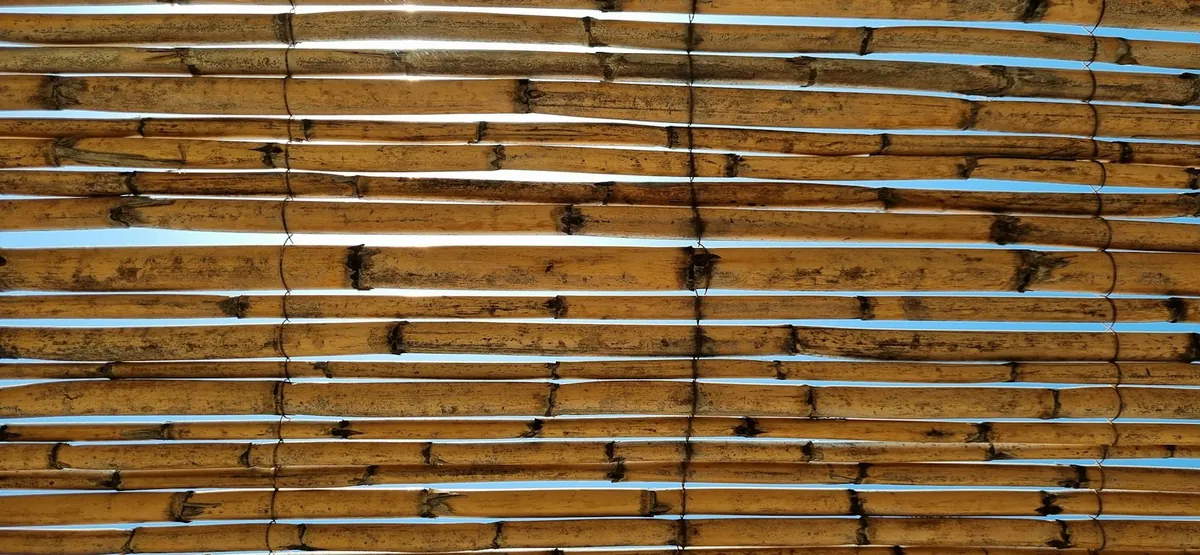
Away from the river, the older capes and farmhouses have smaller windows, low ceilings upstairs and often a dormer or two. These rooms need treatments that do not crowd them. A Roman shade with a shallow fold, a slim aluminium blind or a cellular shade that compresses tight will leave the most glass clear when raised. Shutters suit the ground-floor rooms, especially a front parlour or a dining room, where the louvres can tilt up for daylight and close fully for privacy from the road.
Kitchens in these houses often have a window over the sink and another beside a back door. Faux wood blinds are the practical choice by the sink, as steam and splashes do them no harm. A cafe shutter, covering only the lower half, is a tidy way to screen a kitchen from the road while keeping the sky in view.
Hardware that suits the period
In a house with nineteenth-century trim, the visible parts of a treatment matter as much as the fabric. A heavy modern headrail can look out of place against an old moulding, while a slim one, or a valance in the shade’s own fabric, sits quietly. Drapery rods and rings come in finishes from plain painted wood to dark metal, and a simple choice usually suits an old farmhouse better than an ornate one. For the addition side of the room, the same rod or valance carried across keeps the two halves in step. We bring finish samples on the measuring visit so you can hold them against the trim.
Low-density roads and night-time privacy
Houses spread out along quiet roads have little around them to screen a window. That is pleasant by day and less so at night, when a lit room is easy to see from a passing car. Bedrooms and living rooms on the road side are where privacy matters most. A top down, bottom up shade lets daylight in over a covered lower pane during the day, then closes completely in the evening. Lined drapes do the same with more softness.
From a phone call to fitted shades
The same store handles your order from the first conversation to the last bracket, and keeps you updated all the way.
- Tell us what you need. A call or the form on this page is enough to start, and we book your free quote.
- We come out and measure. Where an addition joins the old house, the specialist records the height of every window on that wall, the sill lines and how deep each frame runs.
- You decide on the details. Swatches and finish samples travel to the house, or you can look through them at the showroom.
- You see the figures. The quote names each window and the room it is in.
- We order. Everything is made to the sizes recorded at the house.
- We fit. The installer hangs each piece, runs it up and down, and explains the controls before leaving.
Drapes and fabric across the house
Drapes are the store’s genuine specialty, and in a Dighton farmhouse or a renovated cape they often solve the old and new problem more gracefully than anything else. A single drapery treatment carried across a wall, or the same fabric used in every room on one floor, gives the house a sense of order that the windows alone do not. Lining protects the face fabric from sun and makes a draughty room feel warmer. The full range of headings, weights and linings is on the custom drapes page.
The same cloth can be carried into pillows, a duvet cover or some upholstery, so a bedroom or living room is finished as a whole. Fabric samples are easiest to judge in your own light, so we bring them to the house.
A Family Store Just Down the River
Window Works was founded in Swansea in 1988 and is family owned, now in its second generation. Over 37 years it has served homes up and down the Taunton River and across the SouthCoast and the Rhode Island East Bay.
- An experienced team of window treatment specialists
- Tailored solutions for each house and each room
- Measuring in the home and installation by our own team
- In constant contact with you until the job is done
- Warranties offered on what we sell

Compare It All Side by Side
The Swansea showroom is a short drive from Dighton. It is the best place to see window treatments for your Dighton home together before you choose: a Roman shade beside a cellular shade, a painted shutter beside a stained one, sheers beside lined drapes. You can try the controls, including a motorized shade on its remote.
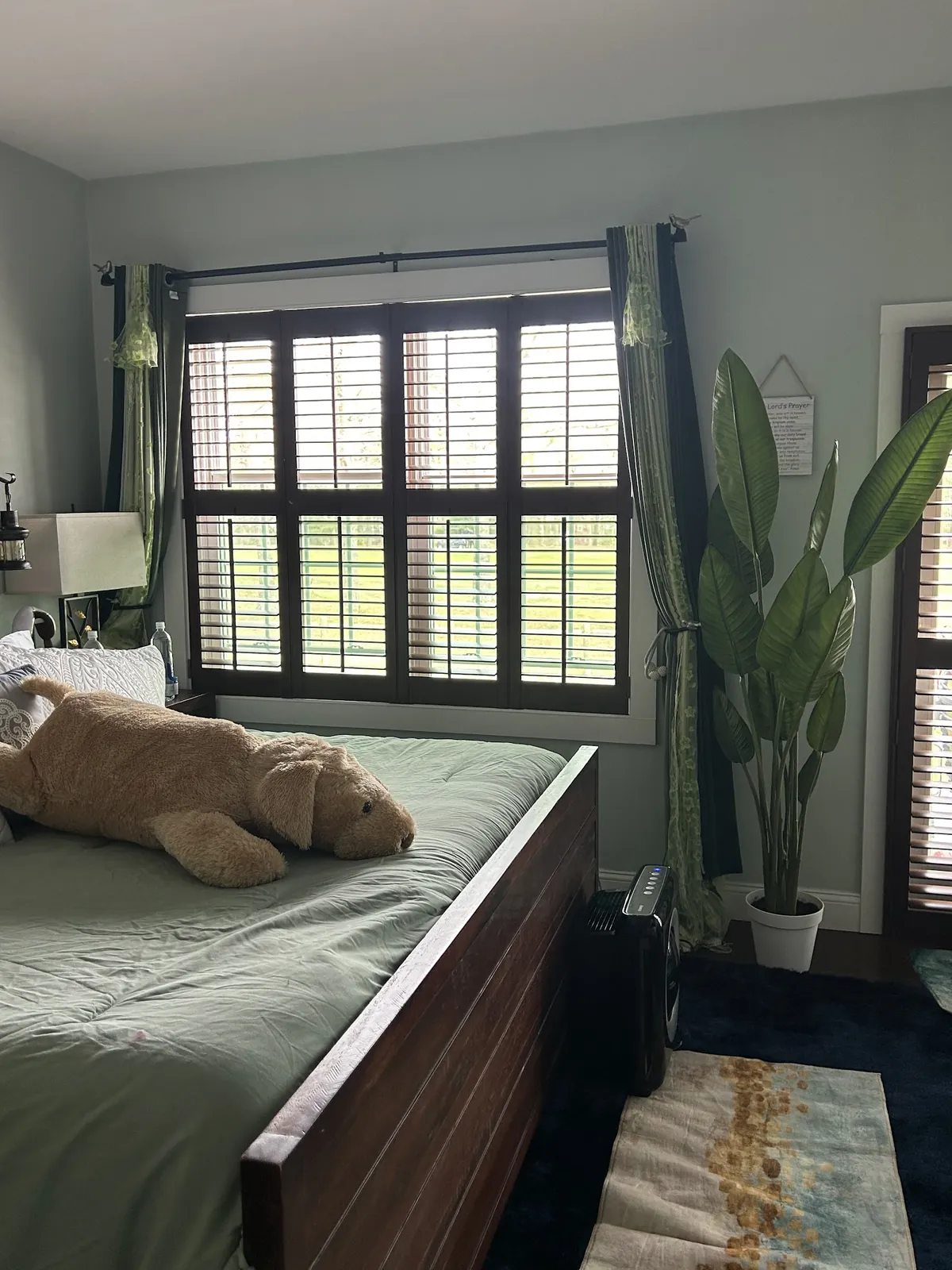
Norman blinds, shades and shutters hang in the showroom too. A snapshot of the room, with the addition and the old windows both in frame, helps our specialists suggest what will tie the wall together.
Questions from Dighton
My addition has big modern windows beside old sash. How do I make them match?
Use one material made in different widths, mount every treatment at a common top line, or carry drapes across the whole wall. Shutters with one louvre size also make mismatched windows look like a set.
Will a shade fit an old frame that is out of square?
Yes. We measure each old frame in several places and make the treatment to suit it, inside the frame where the depth allows so the trim stays on show.
What keeps glare off the river out of the front rooms?
Solar screen fabric on a roller takes the edge off the glare and still lets you look out at the water. Lined drapes on top close the room off once it gets dark.
Do you install as well as measure?
Yes. We measure in your home and our own team installs the finished treatments.
How do I get started?
Ask for a free quote through the call button or the form, and we will arrange a time to measure at your house.
Start with a Free Quote
Ready when you are. The call button connects you with the Swansea store for a free quote, a time for measuring at the house or a question about fitting, and the form works just as well if you would rather write. Anyone who likes to see the fabrics in person first will find the way to the showroom on the contact page. Window Works has a 5.0 rating on Google. To browse every product, start at the window treatments page.
Window Works serves 25 towns across the SouthCoast and the Rhode Island East Bay; you can see them all on our service areas page.