
Colonials, Mid-Century Glass and the River
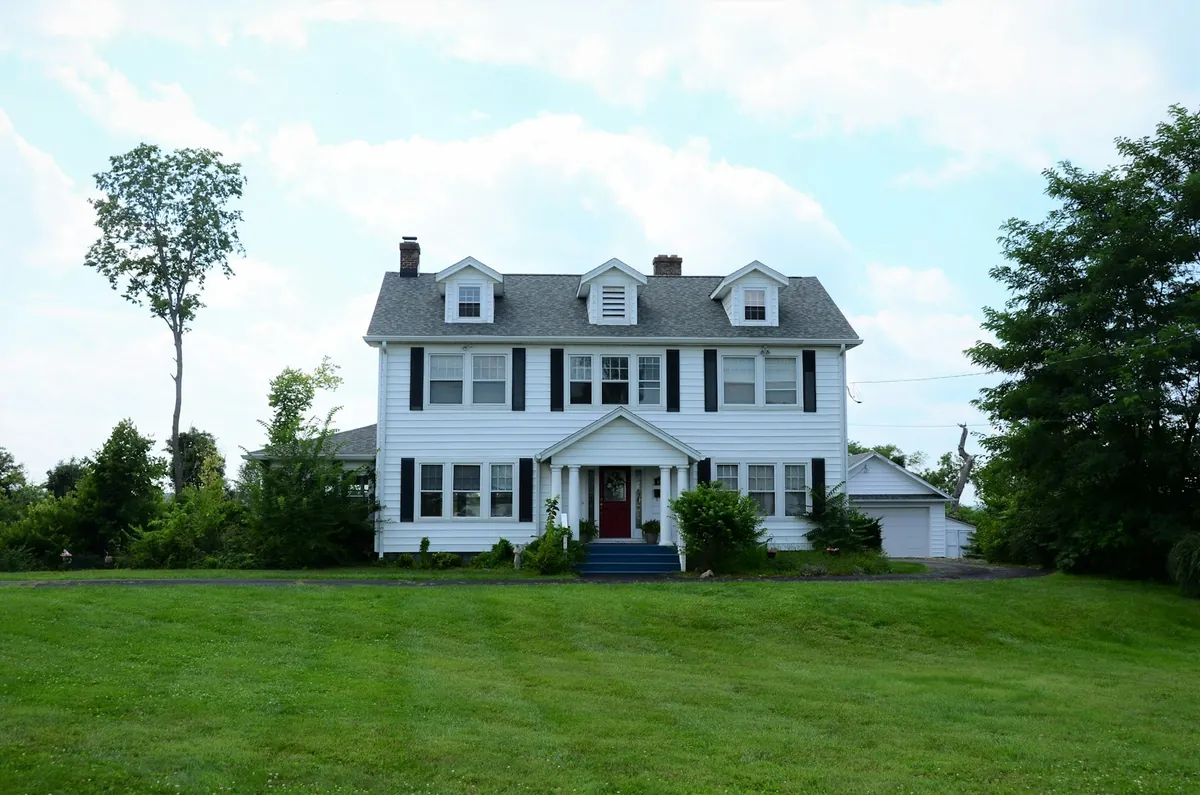
Barrington has two kinds of house that rarely want the same thing at the window, and that shapes how we approach window treatments in Barrington, RI. Along Rumstick Road and Nayatt Road a center-hall colonial with its formal living and dining rooms can sit near a mid-century modern built around long runs of glass, and both may look out over the Barrington River.
The colonials are about proportion and fabric. Their front rooms were laid out for drapery, and a bare or half-dressed window there looks unfinished. The mid-century houses are about glass: wide stretches of it, often set low to the floor, with sills a chair or a child can reach. One house asks for softness and formality, the other for control over a lot of daylight without losing the view.
- Drapery made for formal colonial rooms
- Shades and blinds sized to long, low runs of glass
- Measuring in your home, then installation by our own team
What We Make for Barrington Houses
Each service has its own Barrington page with more about how it suits the town’s houses.
Drapes and Curtains
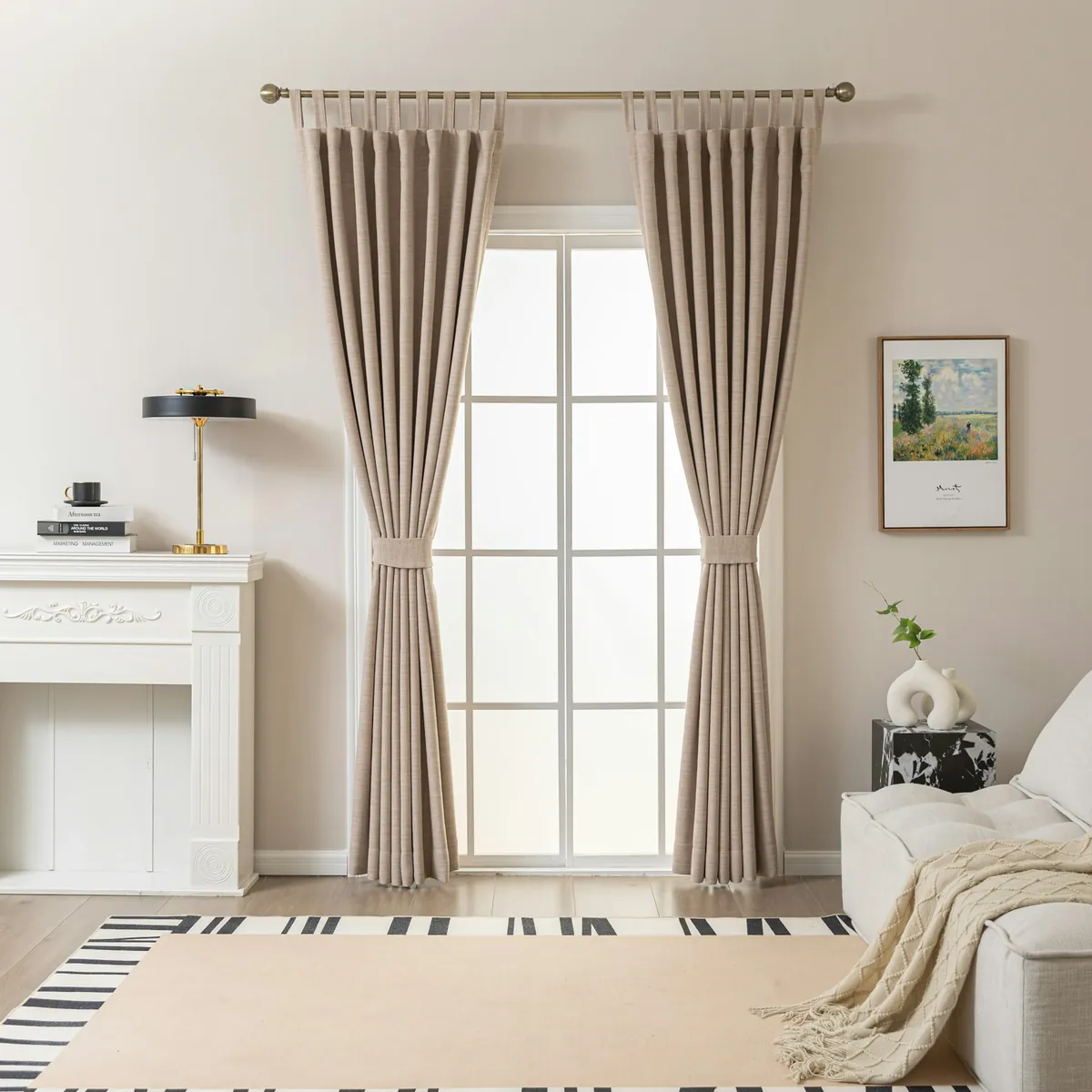
Our real specialty. Pinch pleats, lined panels and full-length drops for the colonial living and dining rooms that were planned around them.
Roman Shades
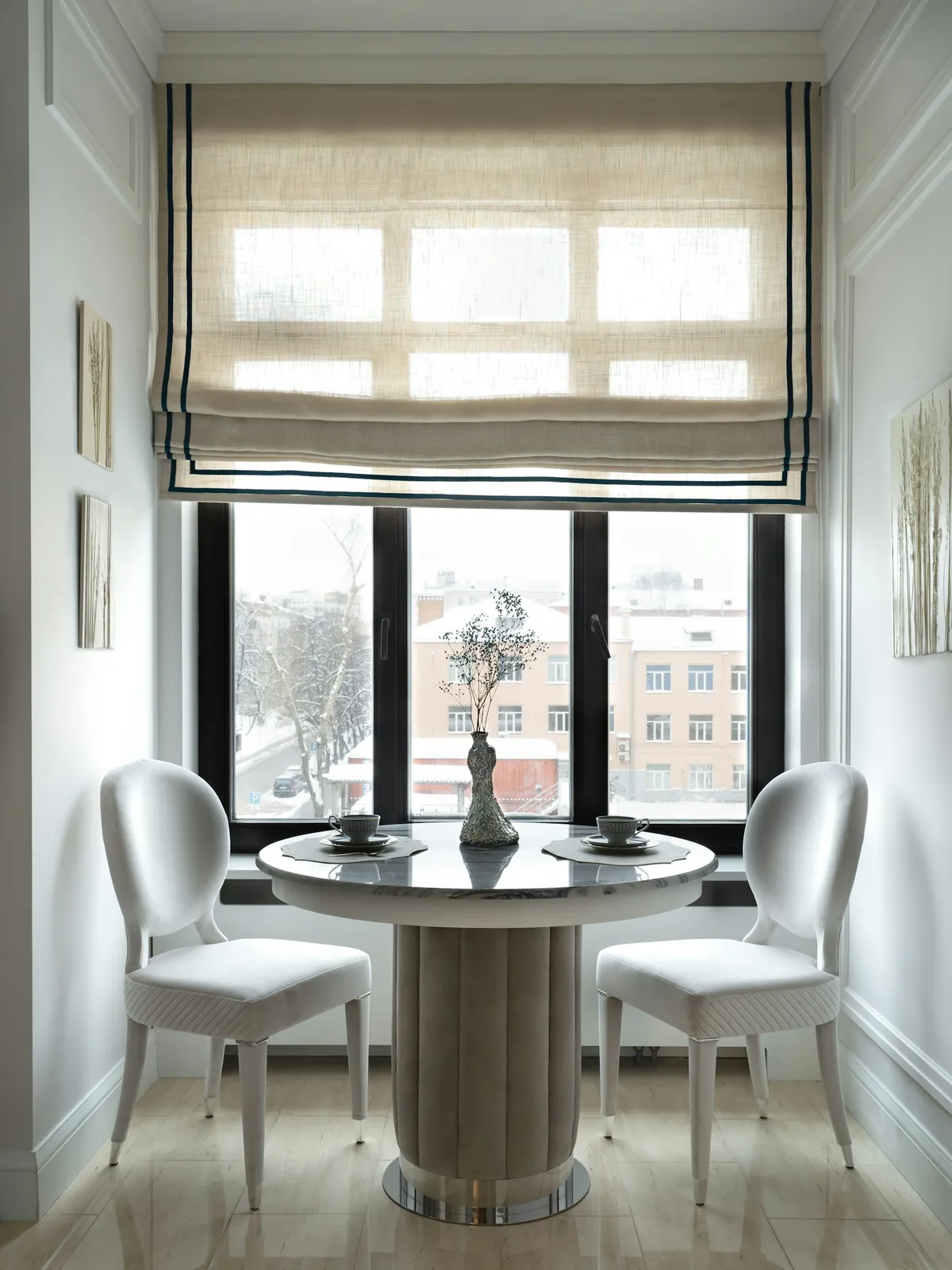
A tailored fabric shade for the smaller colonial windows, a study or a breakfast room, chosen to sit with the drapery next door.
Motorized Blinds and Shades
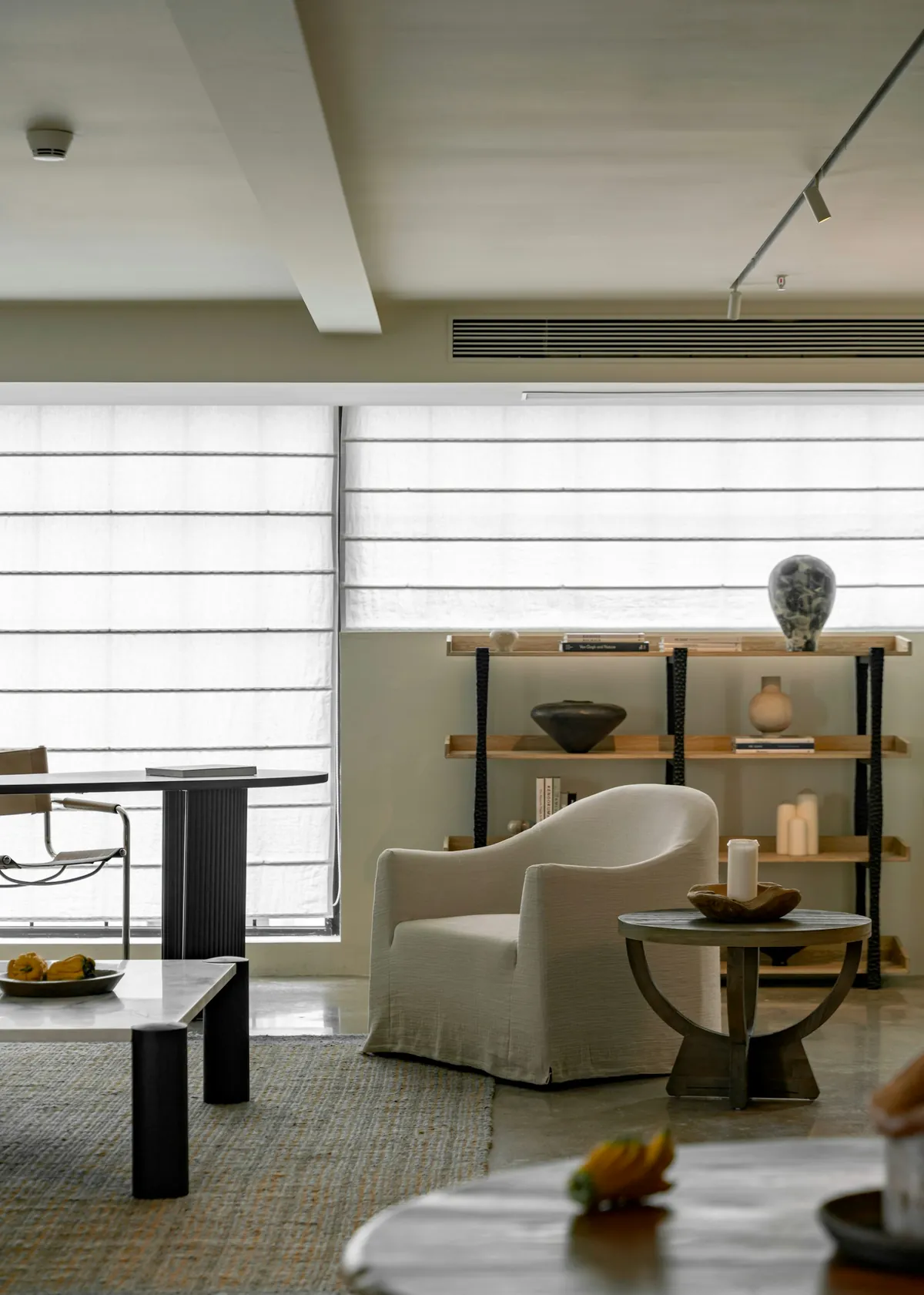
A row of shades on a long mid-century window wall, raised or lowered together from a remote or a switch by the door.
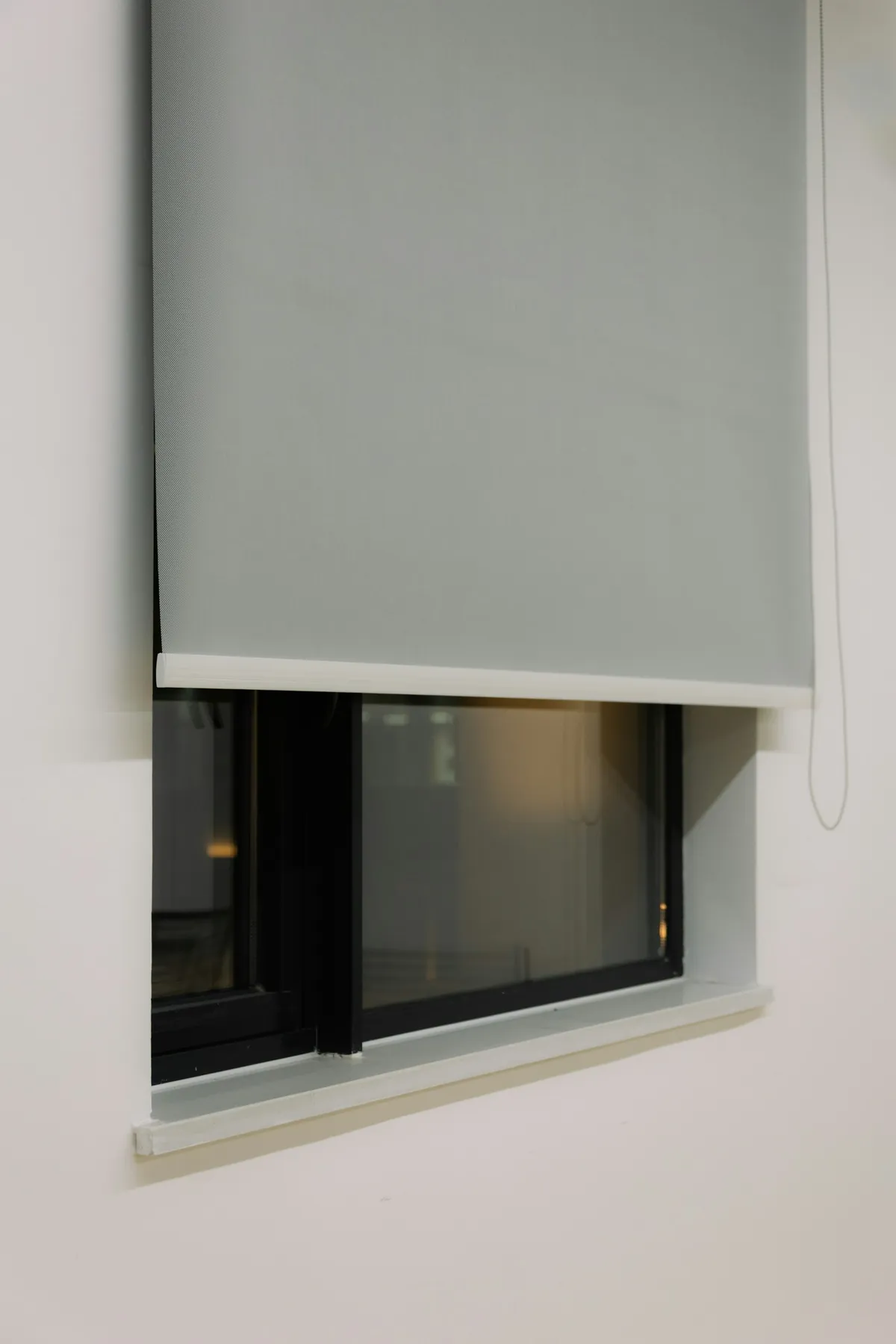
Roller Shades
Solar screen or plain fabric on a slim roll. The openness you pick sets how much river view stays visible through the shade.
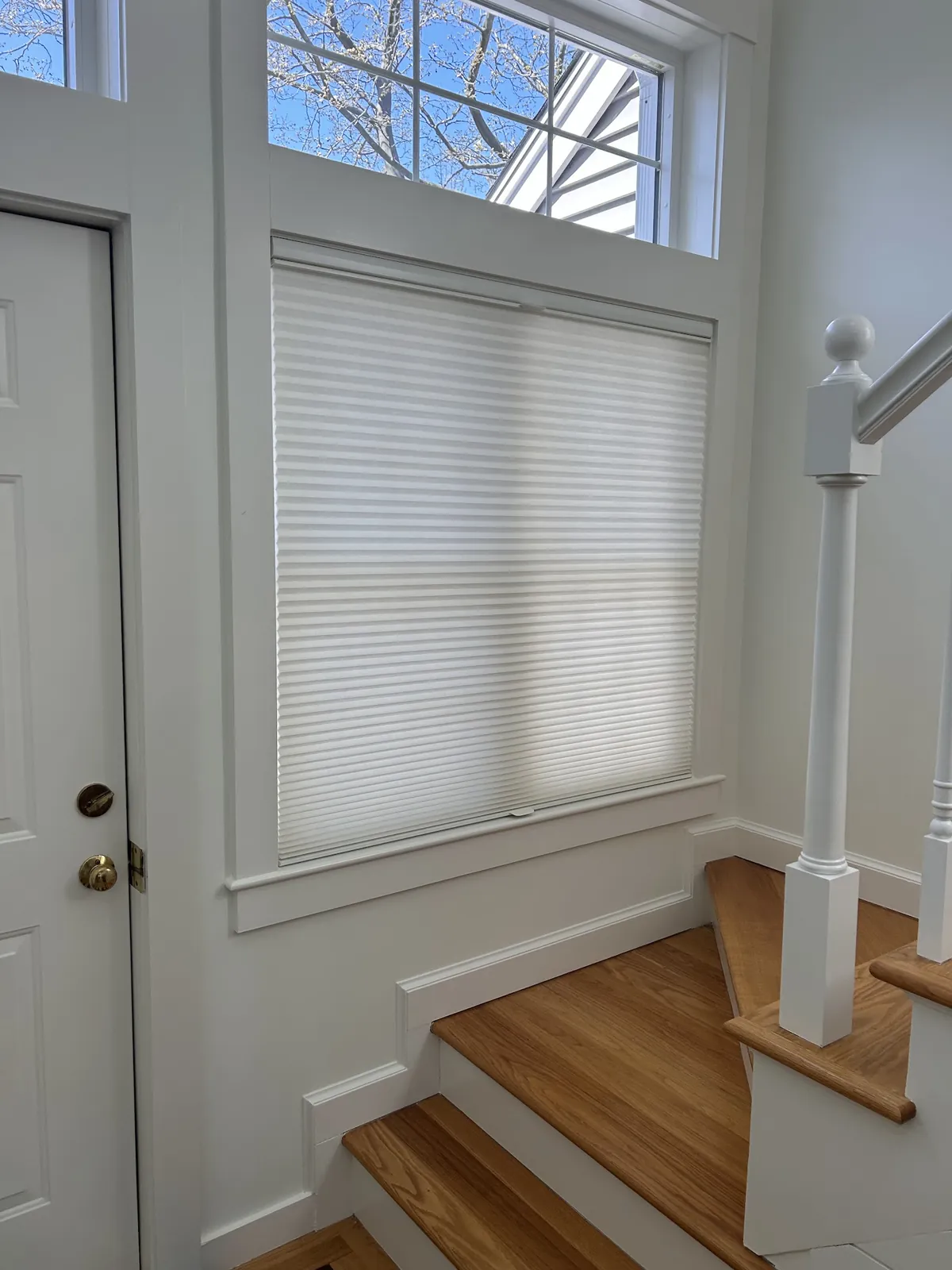
Cellular Shades
Single or double cell fabric that traps air in each pocket, a help to the rooms with the most glass when the wind comes off the water.
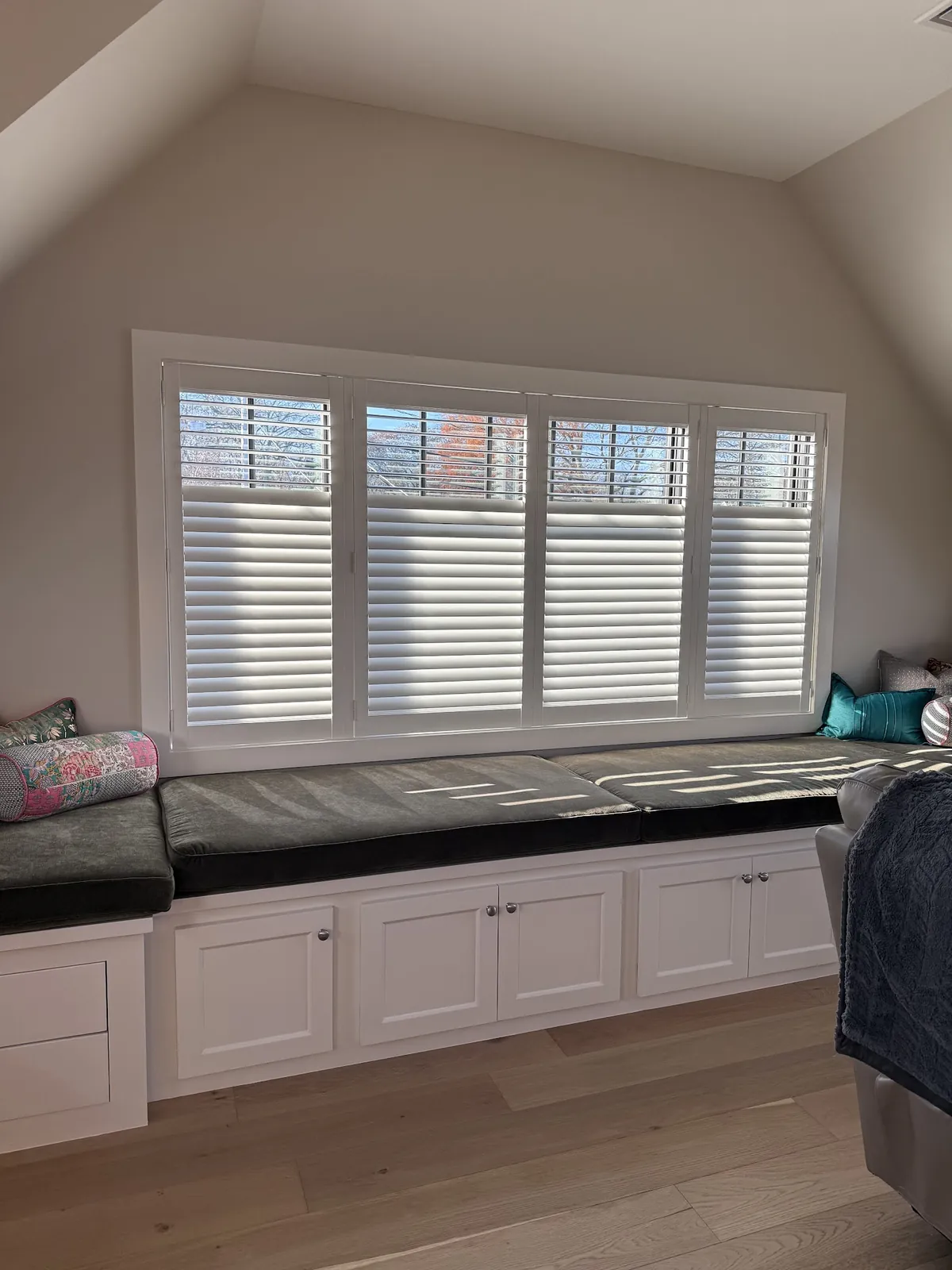
Plantation Shutters
Interior shutters framed to a colonial’s casings or to a window seat, with the louvre size picked for the window behind.
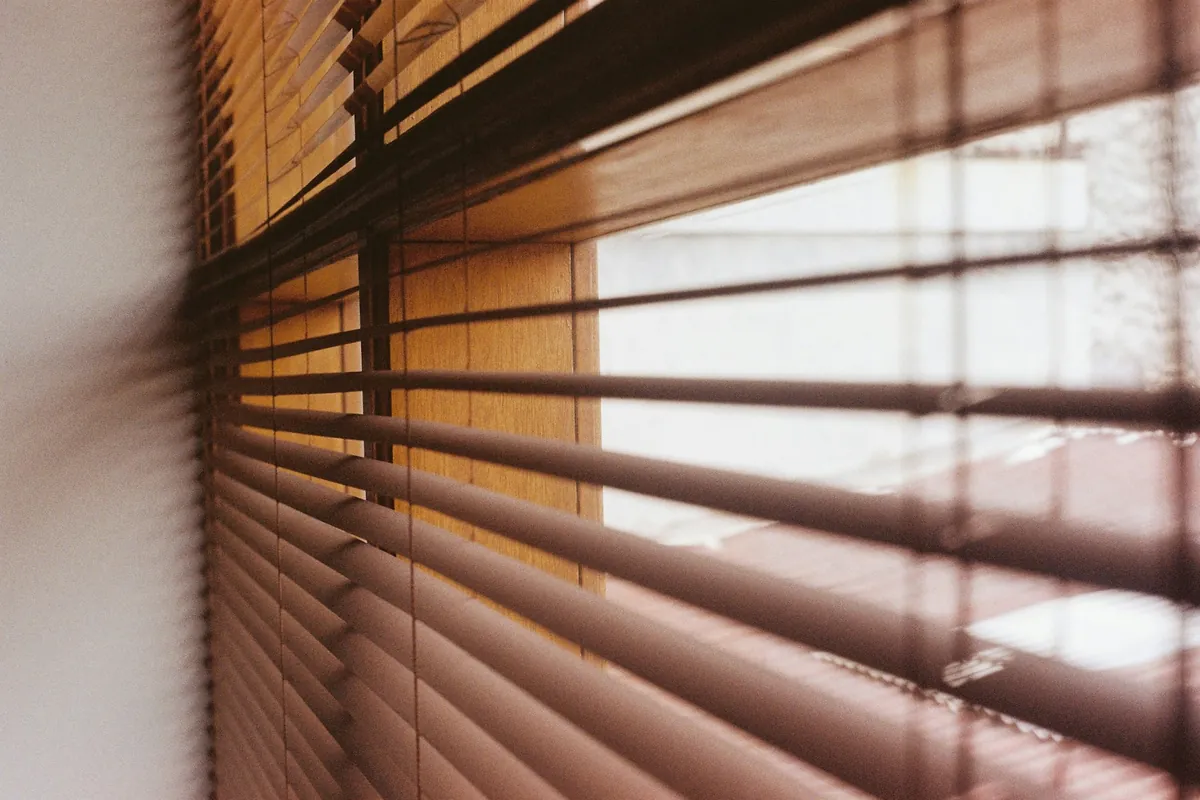
Custom Blinds
Wood, faux wood or aluminium slats for bedrooms, kitchens and baths, where a tilt does the work a heavy fabric would in the front rooms.
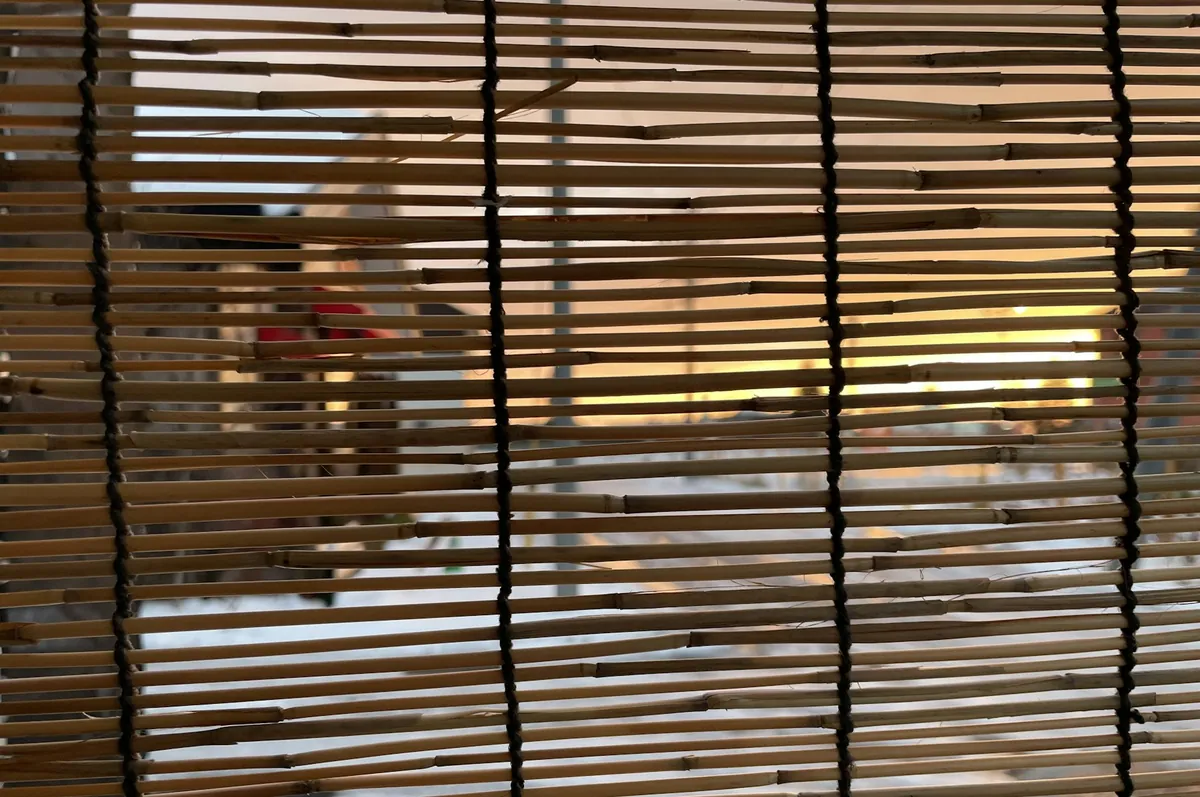
Woven Wood Shades
Natural weaves that warm up a mid-century room. Add a liner for privacy or leave it off and let filtered light through.
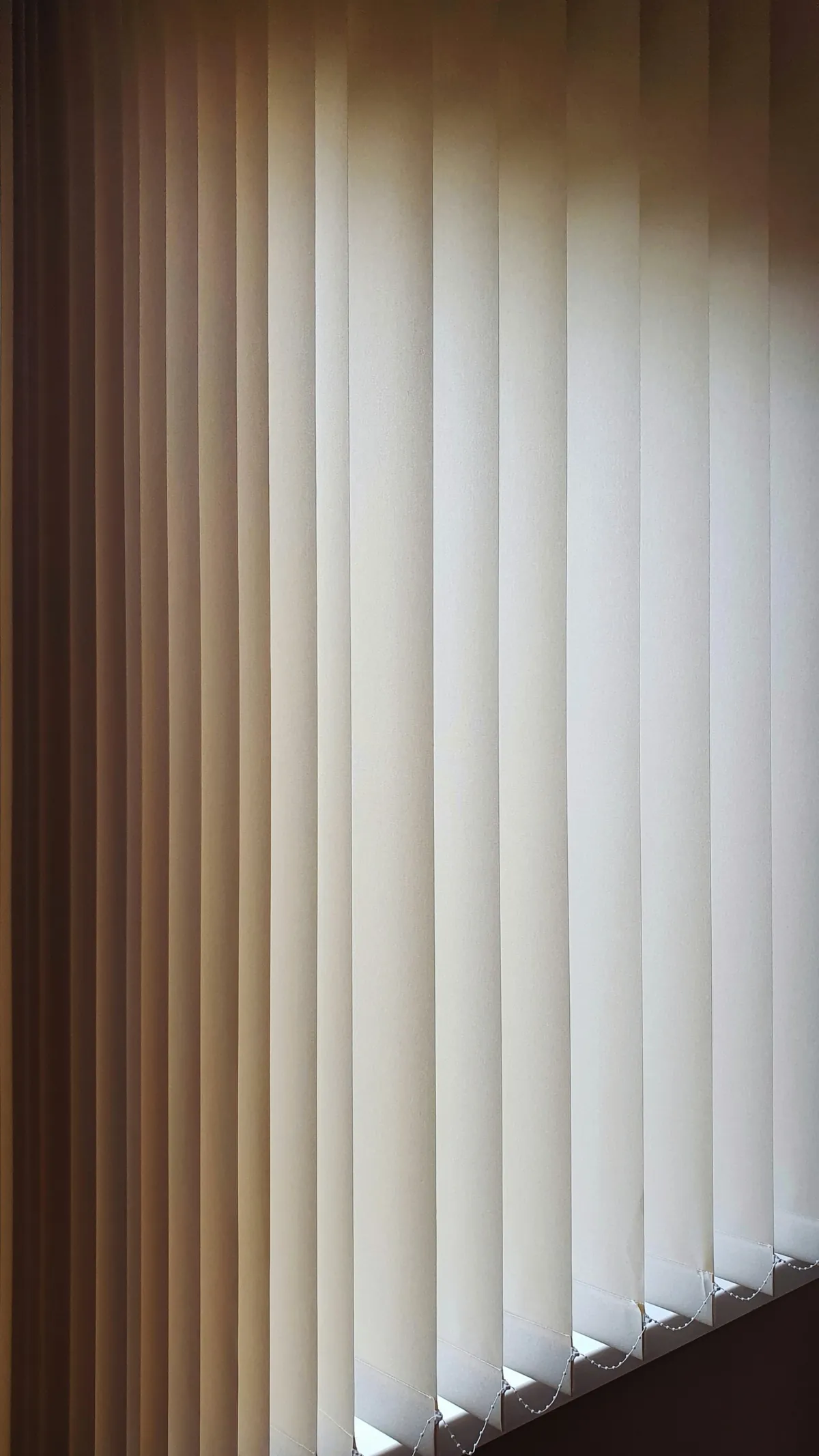
Vertical Blinds
Vanes on a track or wide panels that glide, for sliders to a deck and the widest openings facing the river.
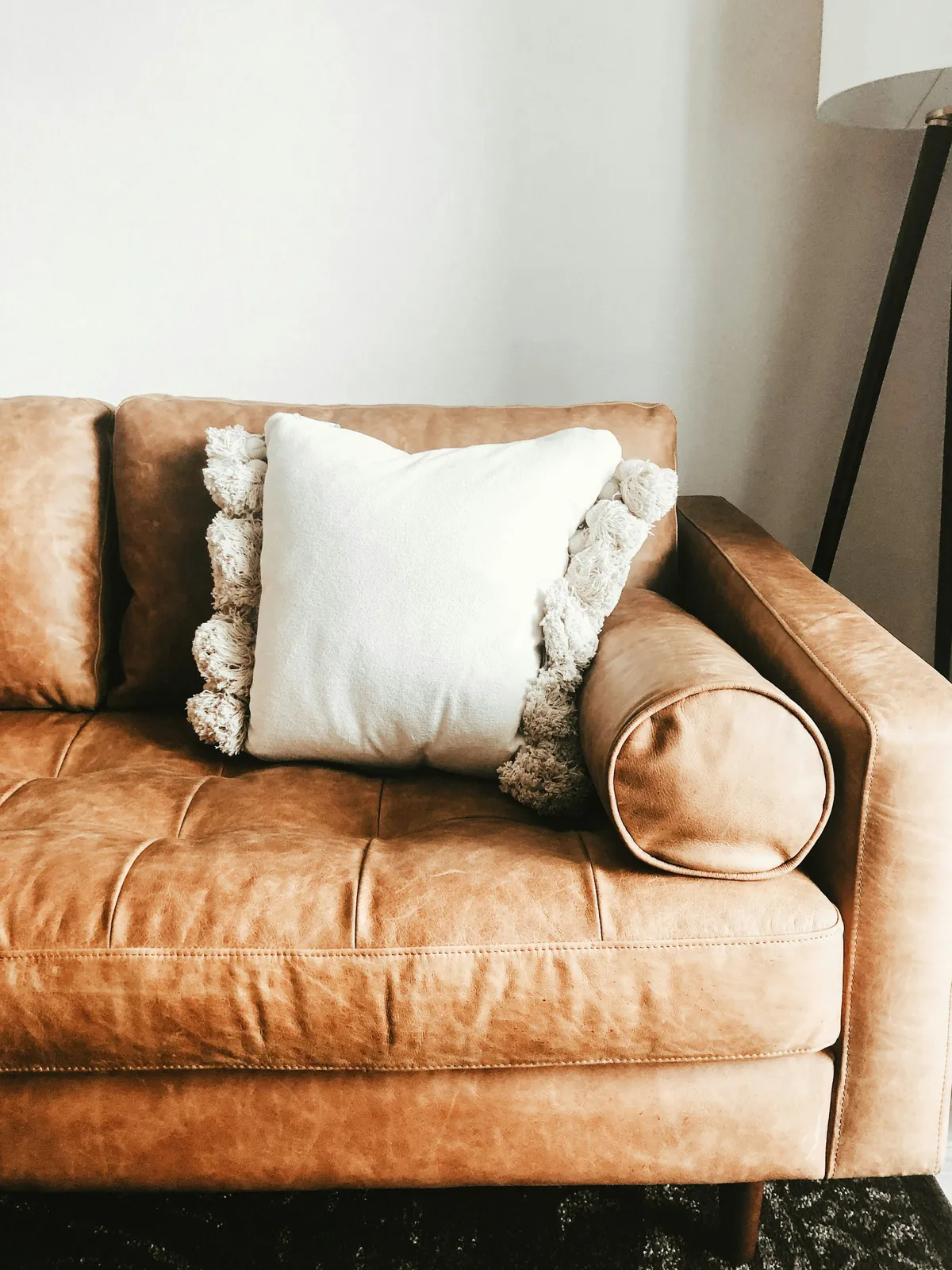
Custom Fabric Decor
Pillows, bolsters, duvet covers and some upholstery cut from the same cloth as the drapery, so a formal room hangs together.
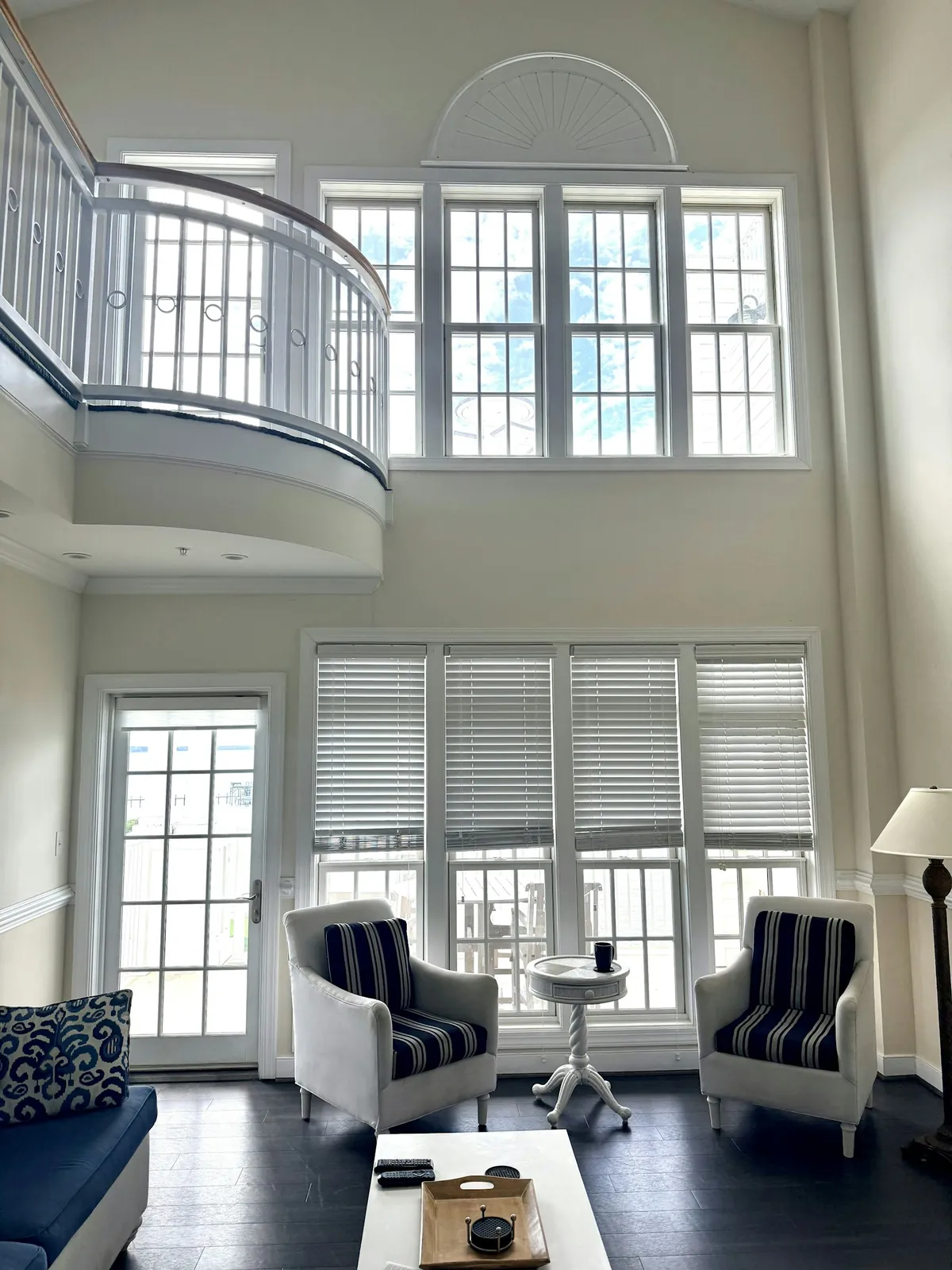
Norman Window Fashions
The Norman range of blinds, shades and shutters, carried by the store and set up in the Swansea showroom to see in person.
Planning Window Treatments in Barrington, RI
Most people who call us about window treatments in Barrington, RI are not doing one window. They have a front room that has never felt finished, a family room full of glass that cooks in the afternoon, and bedrooms that need to go dark. The two house types in town pull in different directions, so the plan has to start with the house rather than with a product.
The center-hall colonials and their formal rooms
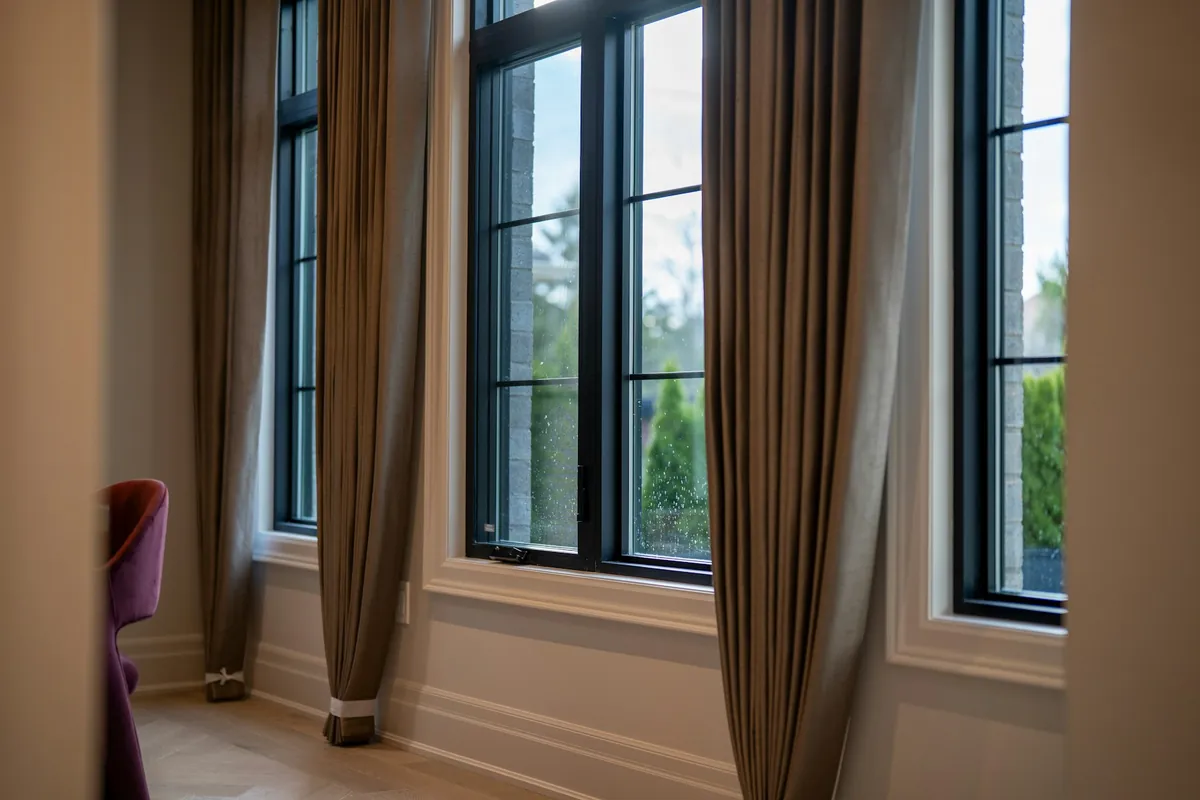
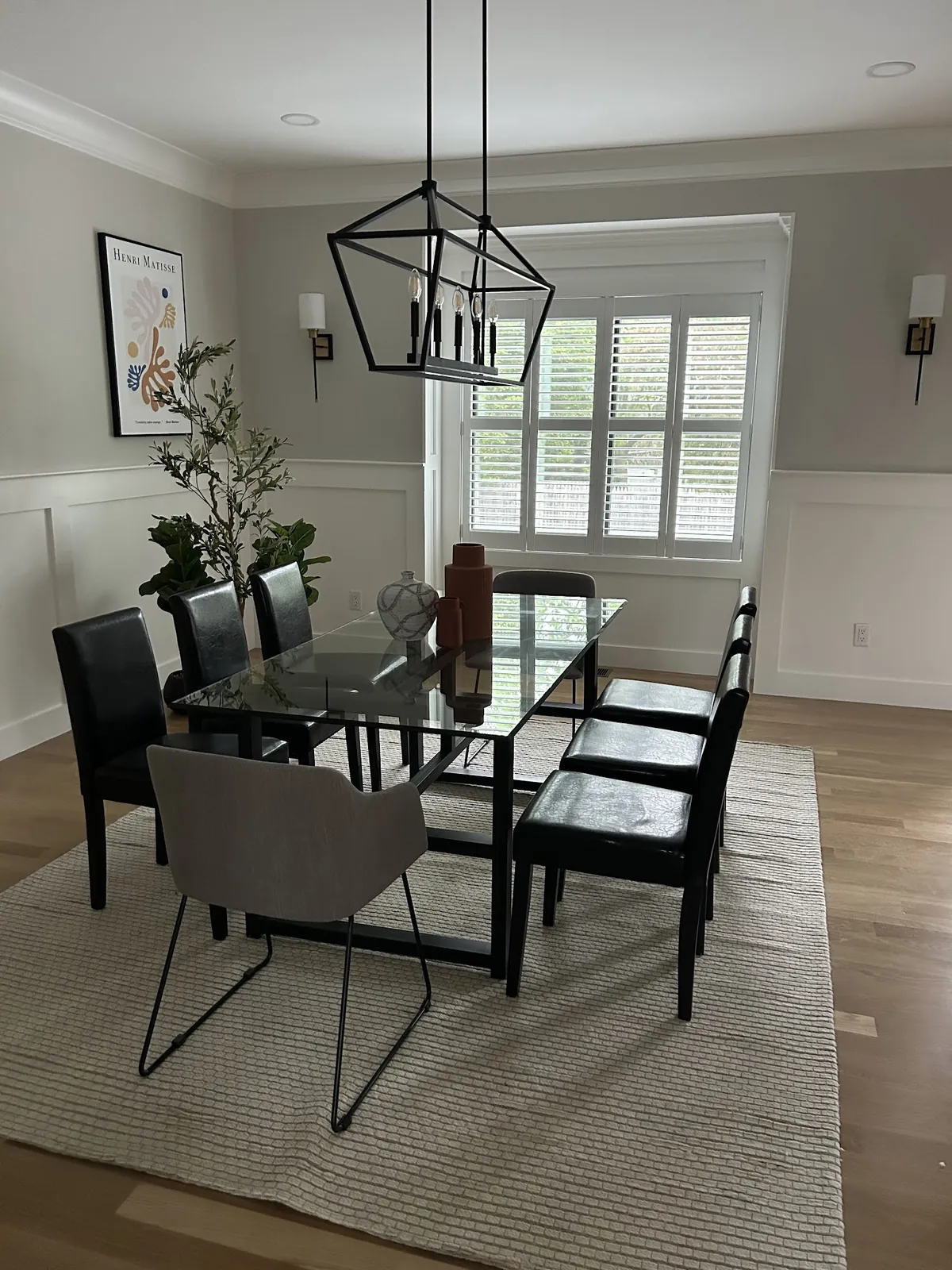
A center-hall colonial is symmetrical by design. The front door sits in the middle, a living room on one side, a dining room on the other, and windows placed in matching pairs across the front. Those rooms were built to be dressed, and in them drapery is expected rather than optional. Take it away and the room loses its frame.
That is where we usually begin. Full-length panels that break just at the floor or kiss it, hung high enough to make the ceiling feel taller, give the windows the weight the room was built around. Pinch pleats suit the formal rooms well. A lined panel hangs better, keeps its folds and protects the face fabric from the sun. A heavier interlining adds body and helps the room hold warmth on a winter evening.
Drapery on its own does not always do everything, though. Side panels that never close look lovely but leave the glass bare at night. So in many colonials we pair the drapery with something at the glass itself: a Roman shade, a cellular shade or a wood blind that handles privacy and light while the panels handle the look. Because we make all of them, they can be chosen together and measured on one visit.
The symmetry matters from outside as well. Matched pairs of windows across the front read as a set from the street, so the treatment behind each should match in colour and line, even where the rooms behind are used differently.
Long glass and low sills in the mid-century houses
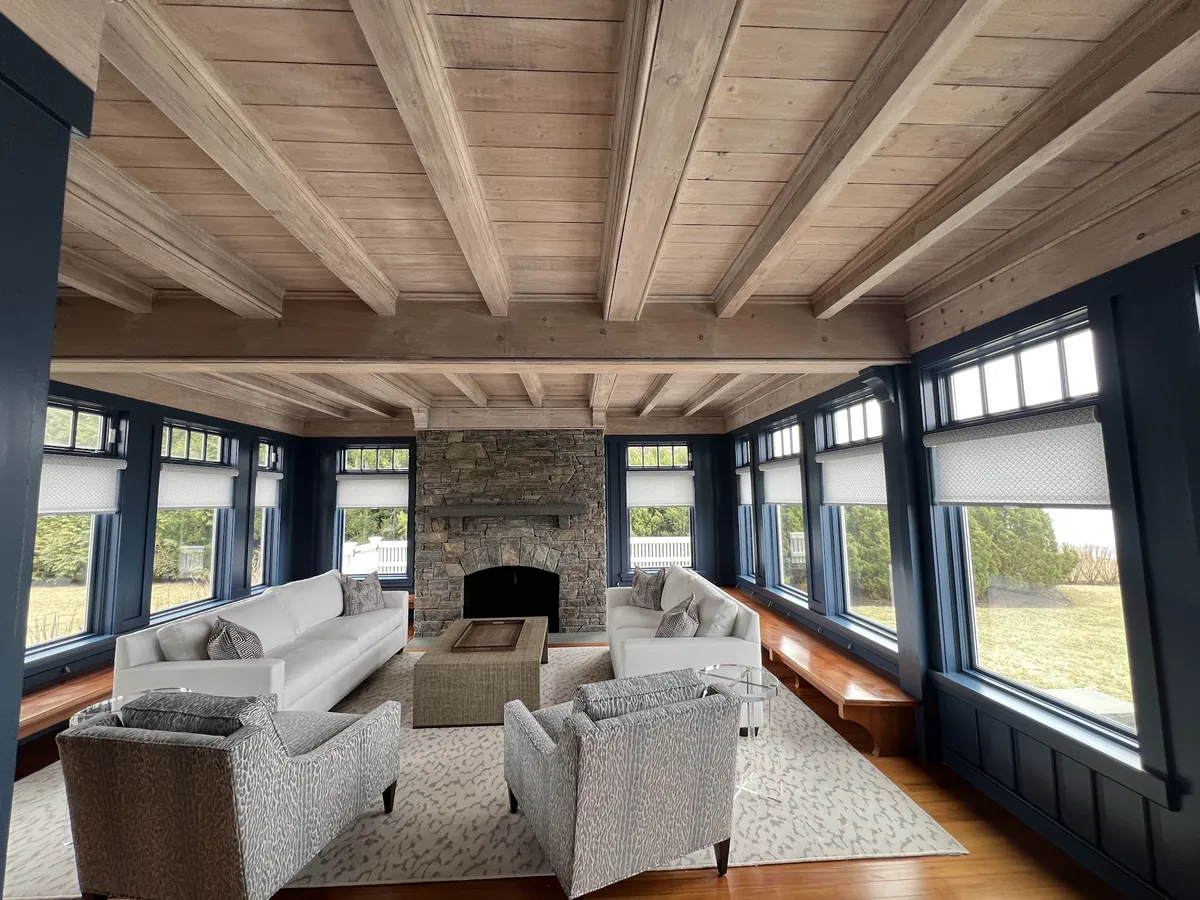
The mid-century moderns in town are a different job entirely. Their main rooms open up through long runs of glass, sometimes a whole wall, often with the sill set low to the floor. That glass is the point of the house, so whatever covers it has to disappear when you want the view and work properly when you do not.
Low sills change the choices. A shade or blind on a window that starts near the floor is in reach of children, pets and furniture, so we look closely at how it is operated. Cordless lifts and motorised operation keep loose cords away from the floor, and a shade that stacks up tight into its headrail leaves the glass clear.
Width matters too. A run of glass can be one long opening or several panes divided by mullions or posts. One long shade across the lot can look clean, but it is heavy to lift and can sag over a great span. Several shades side by side, each matched to its pane, often look neater and are easier to live with. We measure the whole run and look at how it is framed before suggesting either.
The style of the house usually leans toward clean lines. Roller shades, cellular shades and woven wood shades sit well in a mid-century room because they read as part of the architecture rather than decoration laid over it. Heavy swagged drapery would fight the house. A simple, straight drapery panel on a slim track can still work at the ends of a window wall when you want some softness.
Living with the river
Houses along the Barrington River get the view and the glare together. Light bouncing off the water can fill a room in the late afternoon, and the windows that face the river are usually the largest in the house.
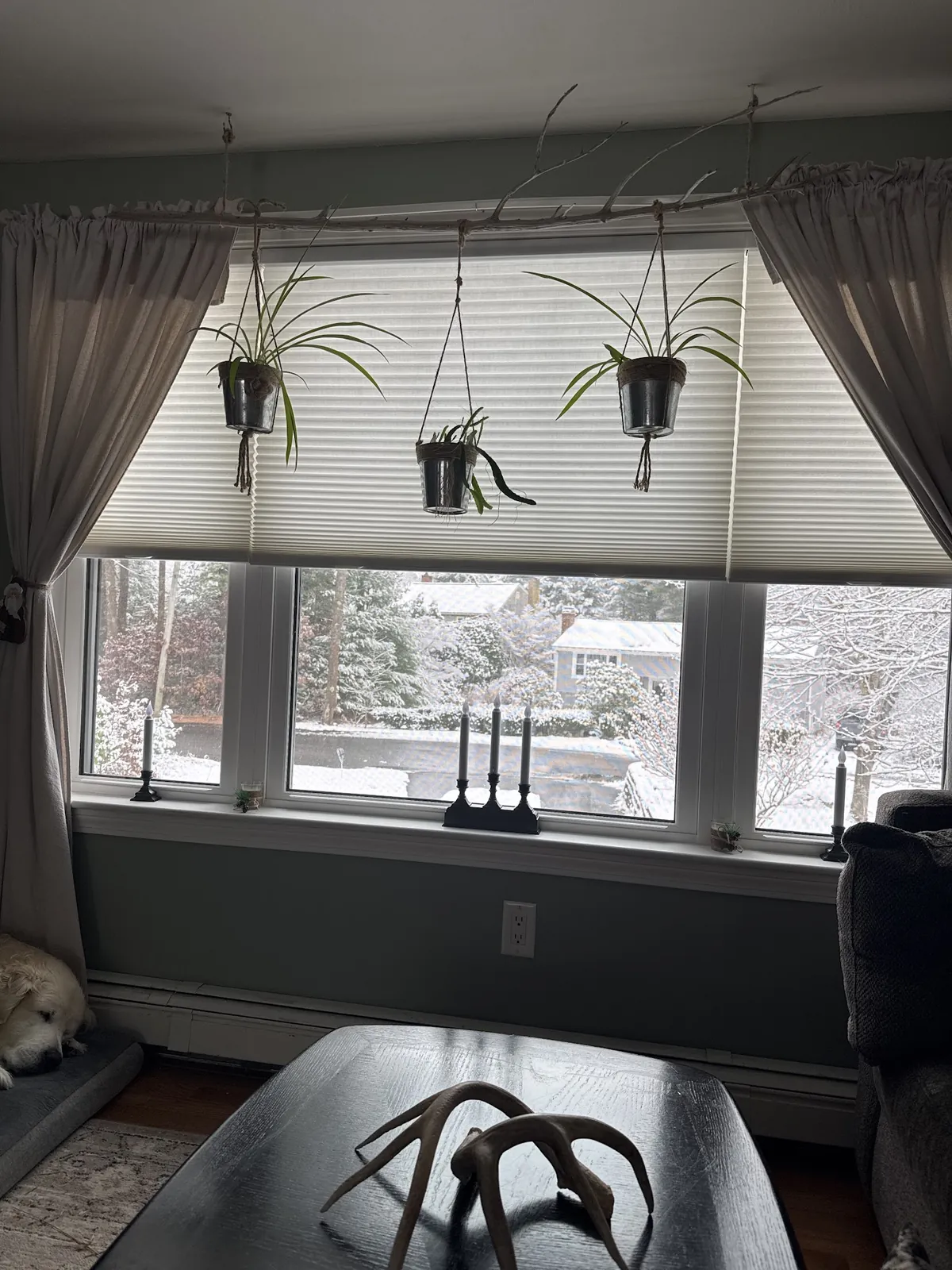
Solar screen roller shades are often the first thing we show for these rooms. The weave lets you see out while cutting the glare, and the openness you choose sets the balance. A more open weave keeps more of the view. A tighter one does more to calm the light on a bright day. Neither one makes a room dark, so a second layer such as a blackout shade or drapery is the way to go for a bedroom that faces the water.
Woven wood shades are another good match on the river side. The weave softens the light into something warmer, and a liner can be added for privacy at night without losing the texture by day.
One house, two families of treatment
Good window treatments in Barrington, RI often have to bridge both styles at once, because plenty of houses here mix the two: a colonial with a family room addition full of glass at the back, or a mid-century house with a more formal living room at the front. That is worth planning as a whole. A colour or fabric that runs through the house, a drapery panel in the formal room and a matching Roman shade in the kitchen, keeps the place feeling like one house rather than a set of separate decisions.
We find it helps to walk the house room by room on the measuring visit and talk about how each one is used. Who sleeps where and when, which rooms get the morning sun, where the television sits and which windows face the neighbours. Those answers point to the right treatment faster than any catalogue page.
How a Barrington Order Comes Together
From the first conversation until the last bracket is on the wall, one team handles your job and keeps you posted. For a mix of drapery and shades across a Barrington house, the steps usually look like this.
- Start with a call or the form. Mention the rooms on your list, a formal front room or a glass-walled family room, and ask for your free quote.
- A specialist visits to measure. Every opening gets its own numbers, along with the casing depth, the height of a low sill and any post that splits a long run of glass.
- Fabric and samples come next. We bring options to your house, and the Swansea showroom holds the wider range if you want to look further.
- Your quote arrives itemised opening by opening, drapery listed apart from the shades behind it.
- Each piece is made to the figures taken on that visit.
- Our installers hang the hardware, fit the panels and shades, test every lift and draw, and show you how each one is worked.

Choosing fabric for the formal rooms
Fabric is where most colonial projects take their time, and that is fine. The drapery in a front living room is the largest piece of fabric in the house, so it sets the tone for the rest. A plain linen look keeps a room calm. A woven pattern or a subtle stripe gives it more presence. Velvet adds depth for a dining room used mostly in the evening.
Lining is the other big choice. A standard lining gives the panel body and keeps the colour from fading. A blackout lining is worth it in a bedroom. An interlining adds weight and makes the folds fuller. We bring samples so you can hold the fabric up to your own windows and see it in your own light, which looks different from the showroom.
Motorised operation for the long runs
Motorised blinds and shades make the most sense on the windows that are hardest to work by hand. A wall of mid-century glass with five or six shades across it is a good example. With a remote or a wall switch, the whole row rises or falls together, without walking along the wall pulling each one. On low sills there are no cords hanging near the floor at all.
Motorisation also helps with any window behind furniture, above a built-in or high on a stair. We go through which windows would benefit, and which are fine as they are, on the measuring visit.
Bedrooms that need to go dark
Bedrooms in both house types face the same question: how dark does it need to be? A cellular shade with a room-darkening fabric does a great deal on its own. Pair it with lined drapery and the room goes properly dark, and the drapery covers the light gaps at the edges of the shade. In a mid-century bedroom with a long low window, a blackout roller shade on a slim headrail keeps the clean line of the house. In a colonial bedroom, wood blinds behind side panels keep the traditional look while letting you tilt the slats for morning light.
Kitchens, baths and the hard-working rooms
The kitchen and baths rarely want the same treatment as the living room. Steam, splashes and cooking all argue for something that wipes clean, such as faux wood blinds, a moisture-friendly roller shade or a café-style shutter over the sink that keeps the top of the window open for light. A mudroom or laundry room off the back door is usually best with something simple that can take daily use.
Even in these rooms, it is worth matching colour to the rest of the house. A white faux wood blind in the kitchen can sit beside white wood blinds in the next room and look like one decision.
Pillows, bedding and the rest of the room
Because we make custom fabric decor as well, the cloth at the window does not have to stop there. Pillows for the sofa, a bolster for a window seat, a duvet cover for the main bedroom and some upholstery can all be made from the fabric you chose for the drapery or from a coordinating cloth. In a formal colonial living room, that tie between the window and the furniture is often what makes the room feel finished.
What Sets Window Works Apart
The store opened its doors in Swansea back in 1988, and a second generation of the same family runs it today. Over 37 years that has meant work in colonials and moderns alike, on both sides of the state line, with Barrington among the 25 towns on our list.
- Specialists in window treatments who can talk lining and louvres as easily as slats
- Every opening measured at the house itself
- Our own installers on the day the work goes up
- Regular updates from us right through to the finish
- Warranties available on the products we supply
Whoever quotes your Barrington job follows it through ordering and fitting, so a question always has a familiar answer.
See and Handle Everything in Swansea
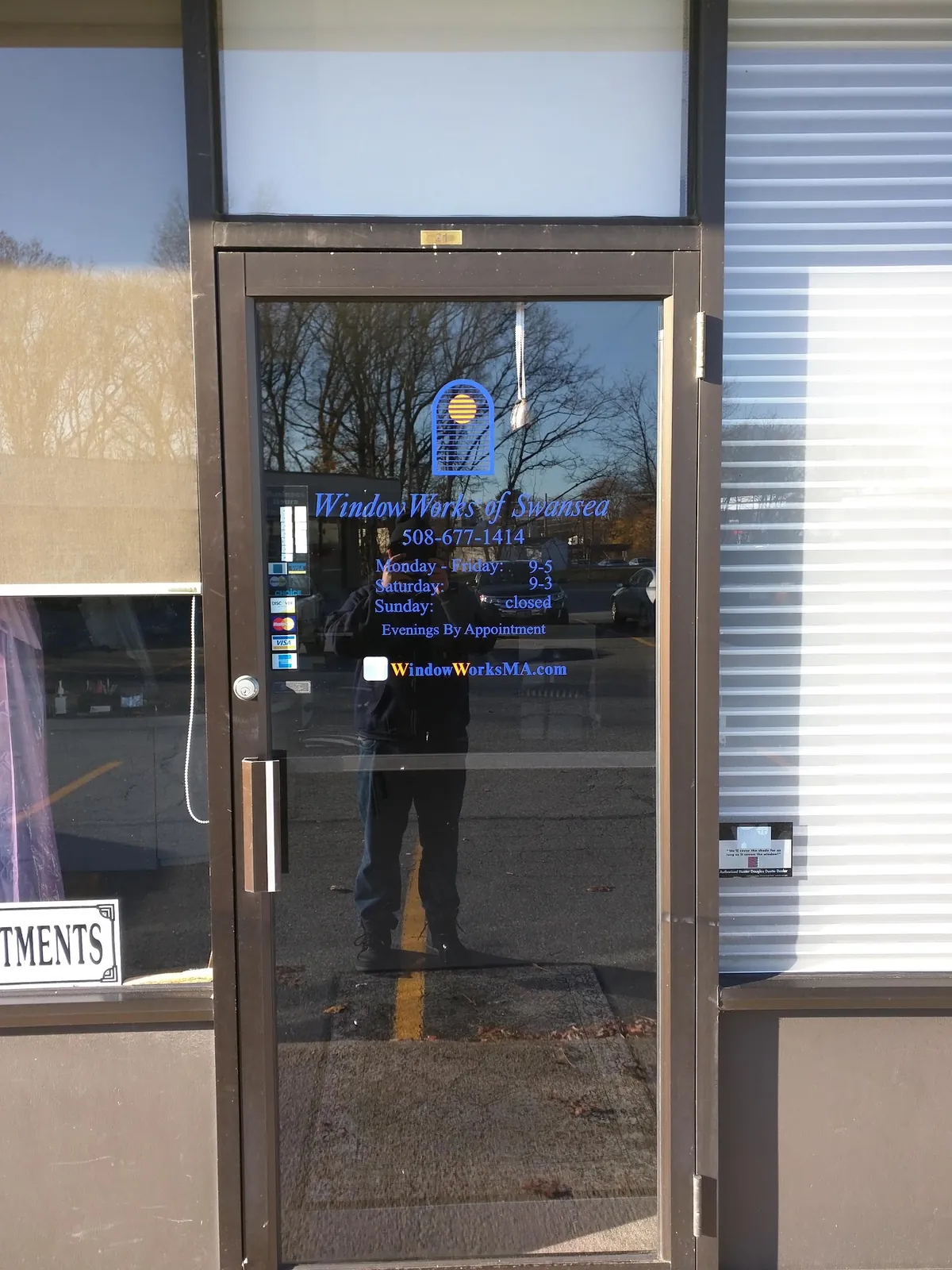
From Barrington, the Swansea showroom sits just over the state line. Drapery fabric hangs beside shades, blinds and shutters, so you can watch a lined panel fall, hold a solar screen up to daylight and lift a cellular shade yourself before choosing window treatments for your Barrington, RI rooms.
Snapshots of the windows help, and so does a cushion or a scrap of wallpaper you hope to match. Norman blinds, shades and shutters are on display there as well.
Questions from Barrington
Do you make drapery for a formal colonial living room?
Yes. Drapery is our specialty. We measure the room, help you pick fabric and lining, make the panels to length and install the hardware and the drapery together.
What works on a long run of glass with low sills?
Shades that stack tight and keep cords off the floor work best, such as cordless or motorised cellular, roller or woven wood shades. We often fit several shades side by side, one to each pane, rather than one very wide shade.
Can I cut the river glare and still see the water?
Yes. Solar screen roller shades let you see out while cutting the glare. A more open weave keeps more of the view, and a tighter weave does more to calm the light.
Can shades and drapery be ordered together?
Yes. We make both, so we can measure for a shade at the glass and drapery around it on the same visit and quote them together.
Is there a charge for the quote?
No. Every quote we give is free. Reach us through the call button or the form and we will set up a visit to measure.
Start With a Free Quote
When you are ready, ring the Swansea store with the call button to ask for a free quote, set up a measuring visit at the house or talk over installation. Prefer to write? The form reaches the same team. Directions to the showroom are on the contact page if fabric is the first thing you want to see, and you can read why customers have given Window Works a 5.0 rating on Google.
Window Works serves 25 towns across the SouthCoast and the Rhode Island East Bay; you can see them all on our service areas page.