
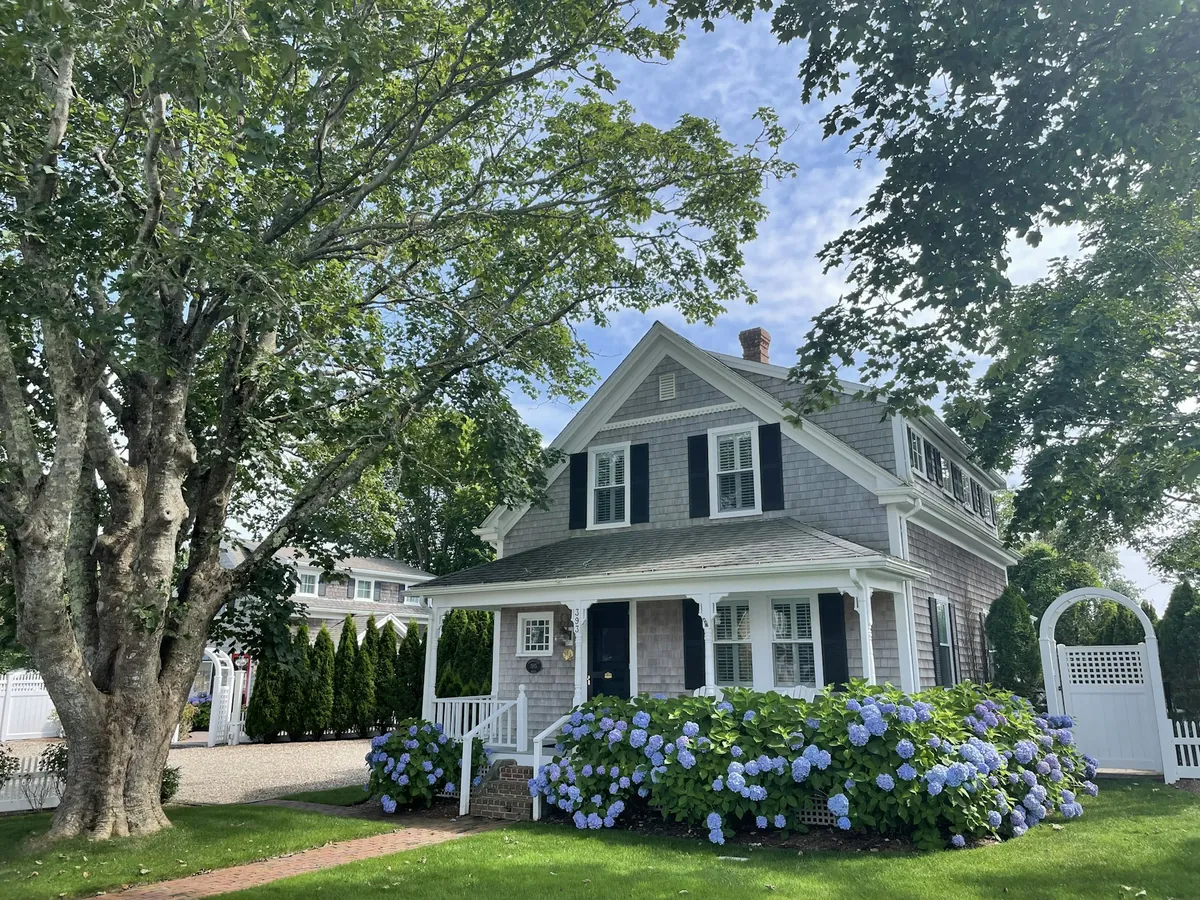
Somerset Homes, Window by Window
Somerset’s houses ask different things of a blind, and that is why custom blinds in Somerset, MA are measured in the home and made to each opening rather than picked off a shelf. A mid-century cape off County Street, a ranch in Riverside, a Somerset Village colonial with its original sash and a Taunton River house with a wide window wall added in a later renovation can sit within a short drive of each other, and no two of them share the same window sizes.
The capes and ranches around Brayton Point and Riverside tend to mix a broad living room window with smaller bedroom windows. The village colonials keep narrow double-hung sash, often with deep old trim. The river lots bring the widest glass in town. Each one needs a blind sized to its own frame.
- Wood, faux wood, aluminium and vertical blinds
- Measured in your home and installed by our team
- Samples to see and handle at the Swansea showroom
What Our Custom Blinds Cover
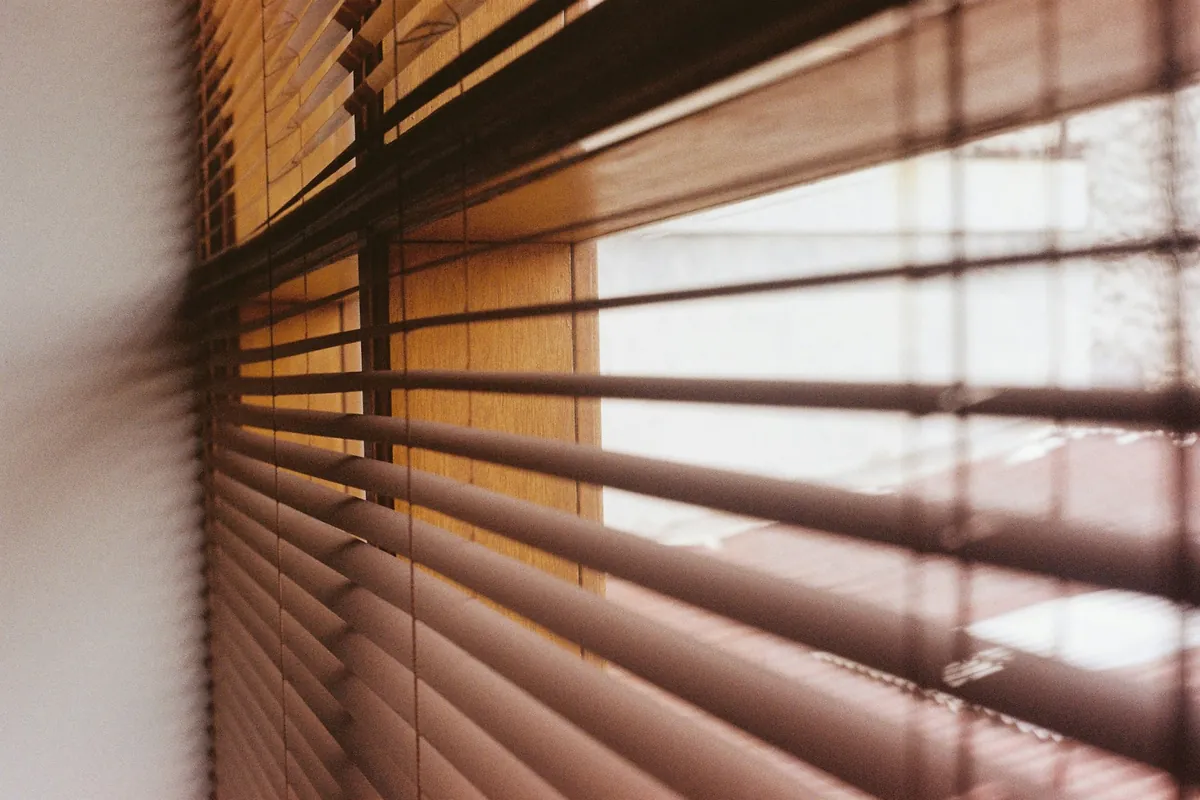
Wood blinds
Real wood slats with a warm grain. They suit living rooms, dining rooms and studies, and they sit well against the painted trim of an older colonial.
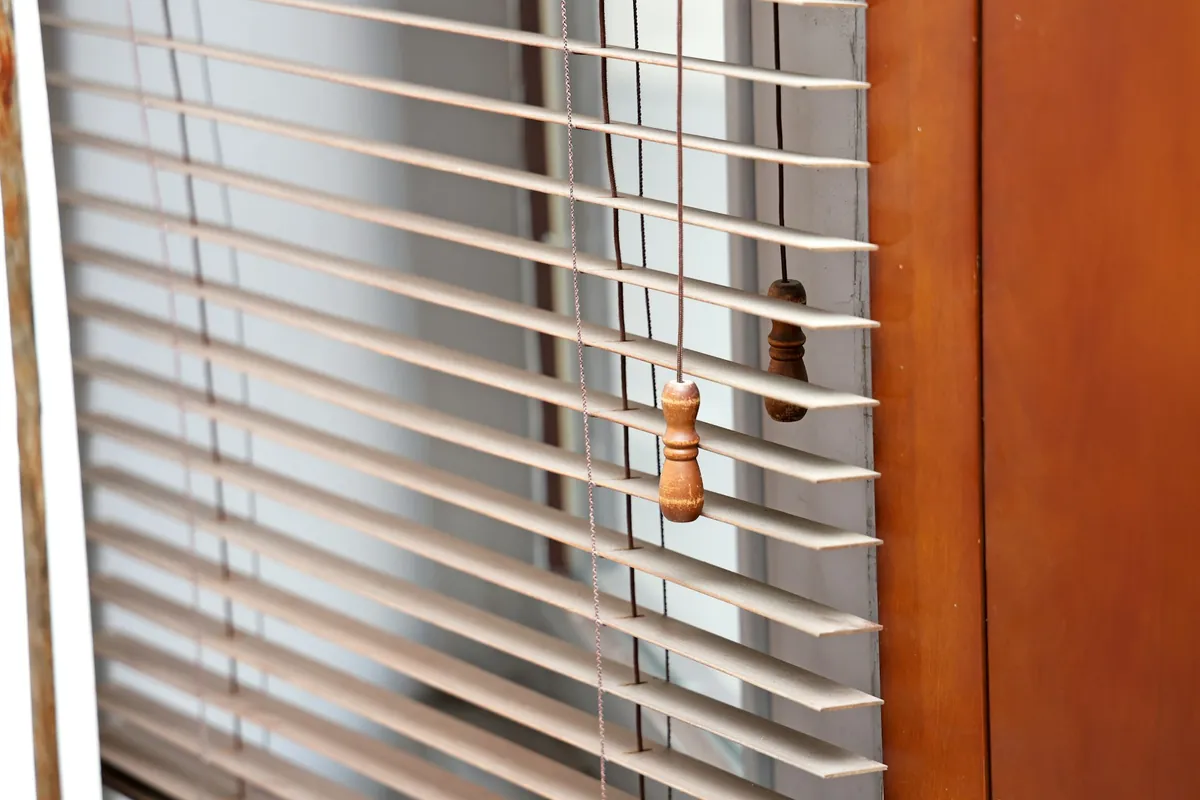
Faux wood blinds
The look of a painted wood slat in a material that copes with steam and splashes. A sensible choice for kitchens, bathrooms and laundry rooms.
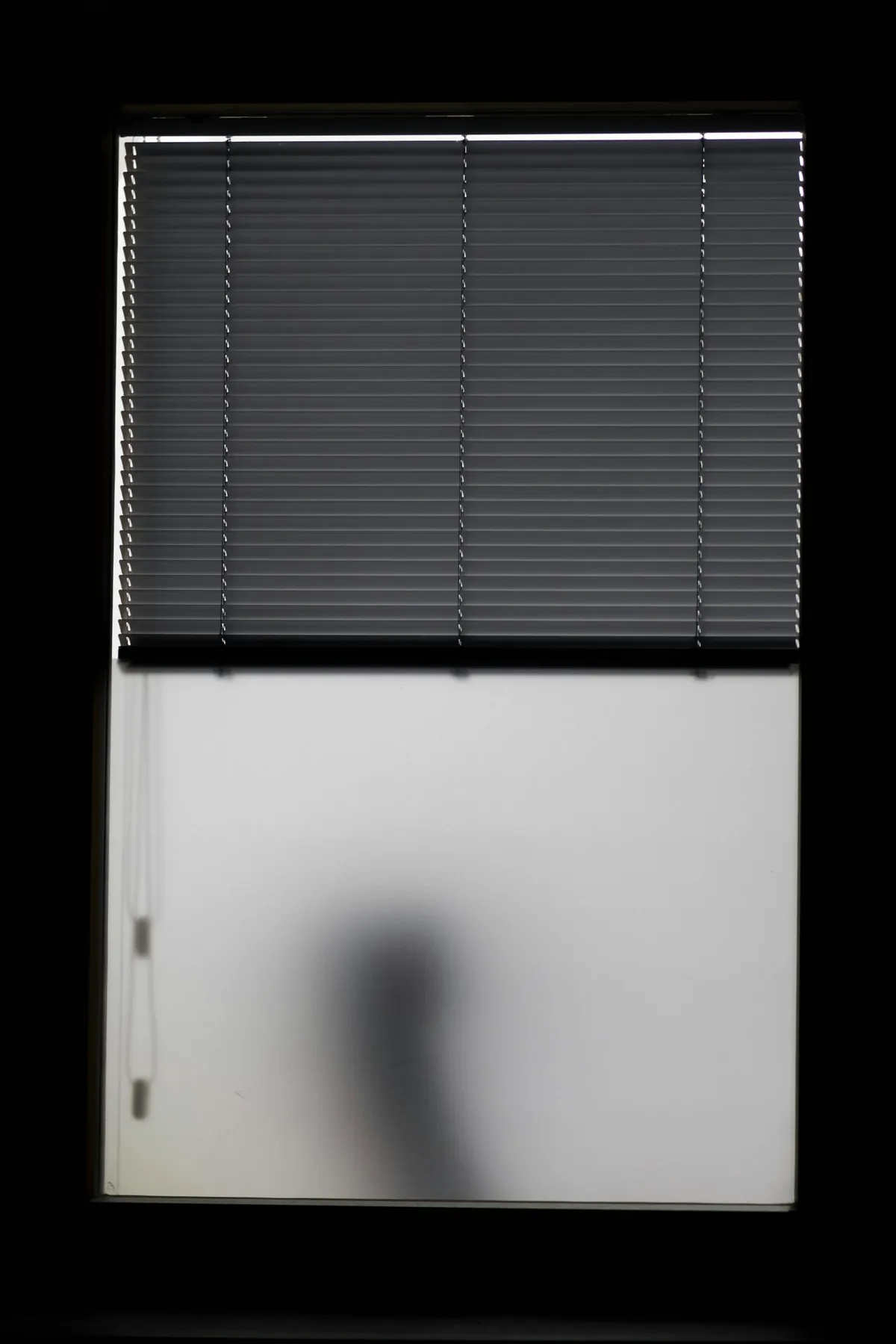
Aluminium blinds
Slim metal slats that stack small when raised. Good for narrow sash, small bathroom windows and anywhere you want a simple, clean line.
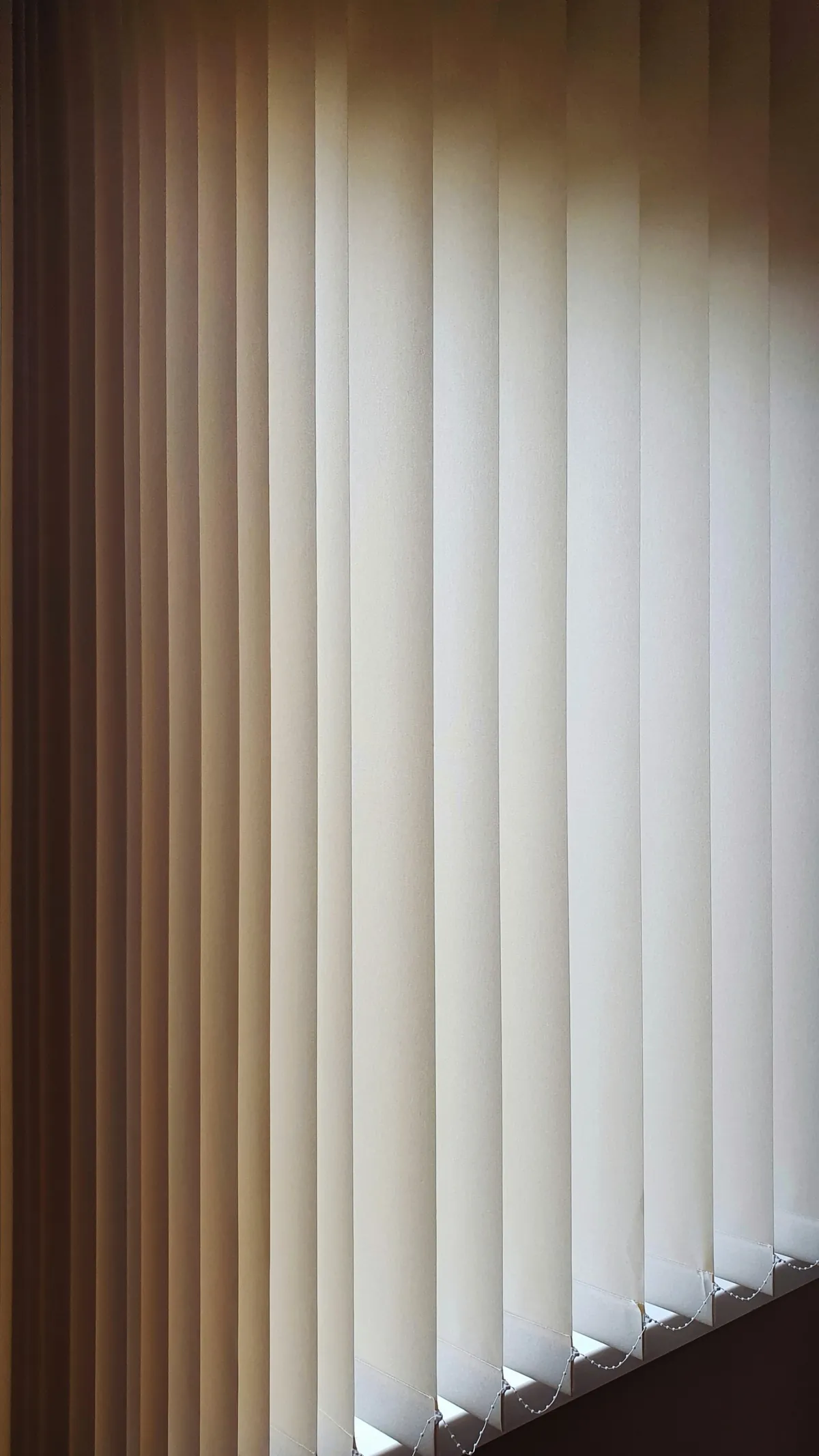
Vertical blinds
Vanes that hang from a track and draw to one side. Made for sliding doors and the wide window walls added to many Taunton River houses.
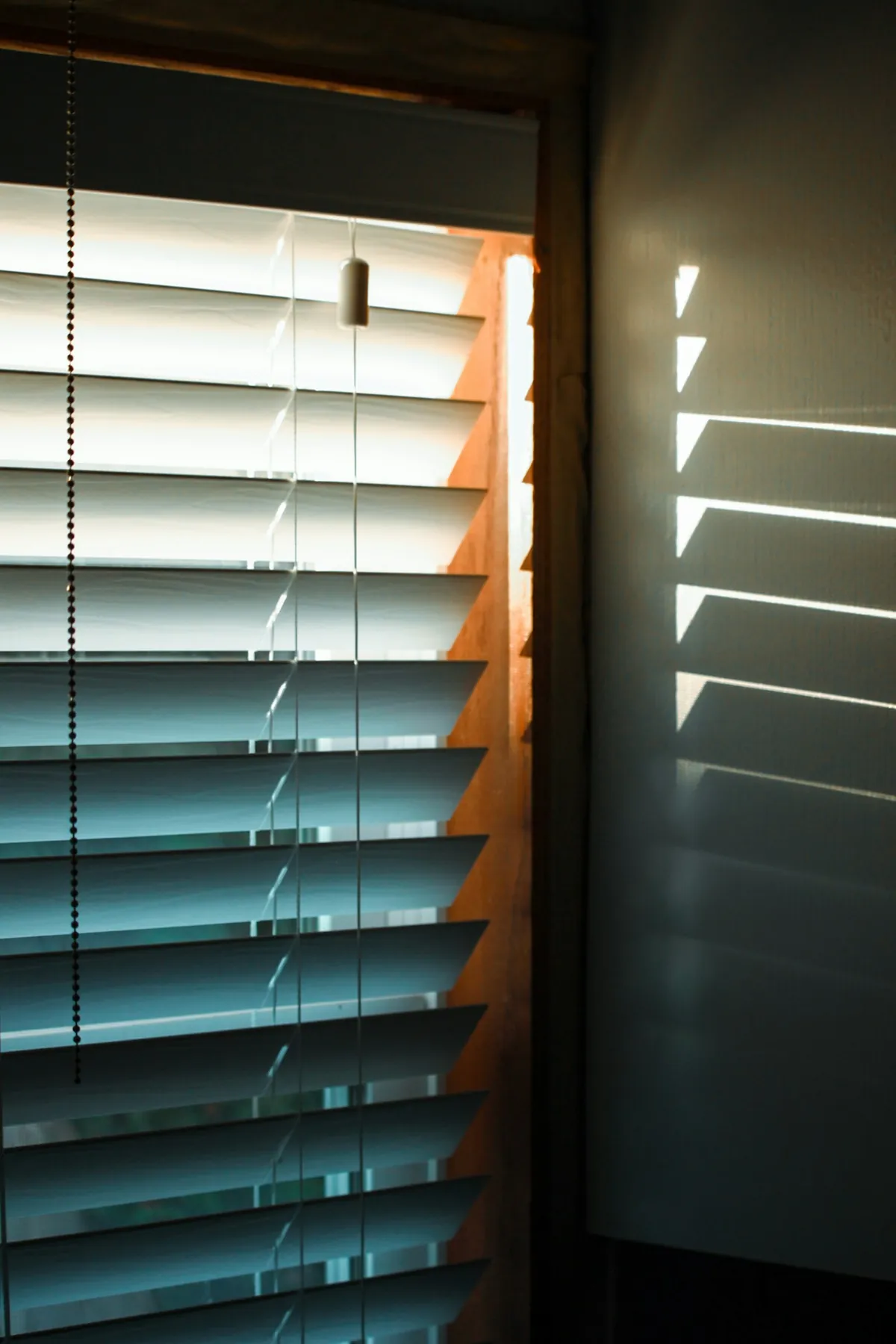
Lift and tilt
Every blind is set up for the way the room is used: how it raises, how the slats tilt and which side the controls sit on.
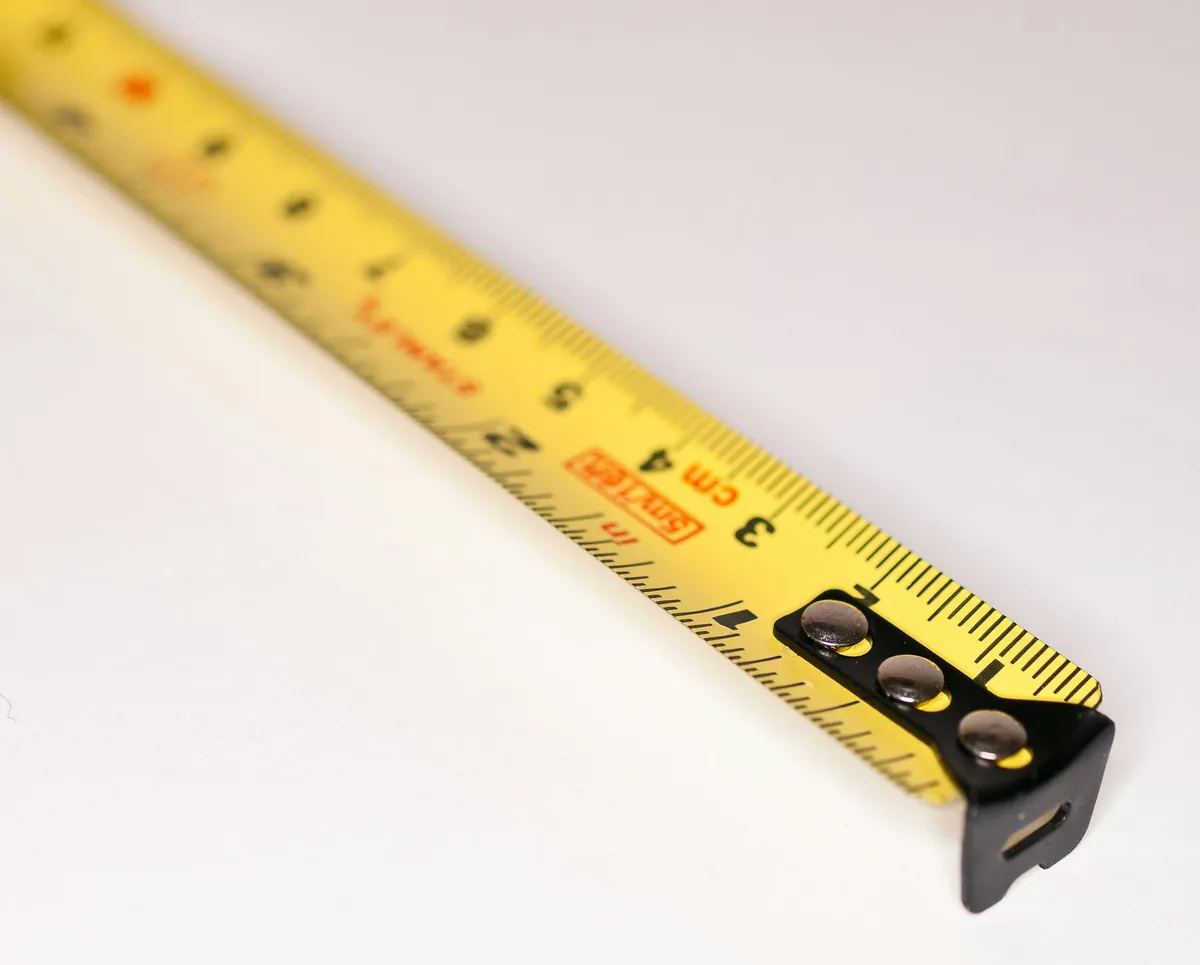
Measured in your home
We measure each window where it is, so the blind is made to that opening and fits it on the day it goes up.
Choosing Custom Blinds in Somerset, MA
Buying custom blinds in Somerset, MA starts with the windows rather than the catalogue. A blind made to measure fits the frame without light gaps down the sides, raises and lowers square, and tilts closed so a room is properly private at night. A ready-made blind sized to the nearest standard width rarely does all three, and in Somerset’s older houses, where frames are seldom perfectly square and no two windows match, the difference shows straight away.
Below is how we approach the main kinds of house in town, how to choose between the four materials, and what happens from the first call to the day the blinds go up.
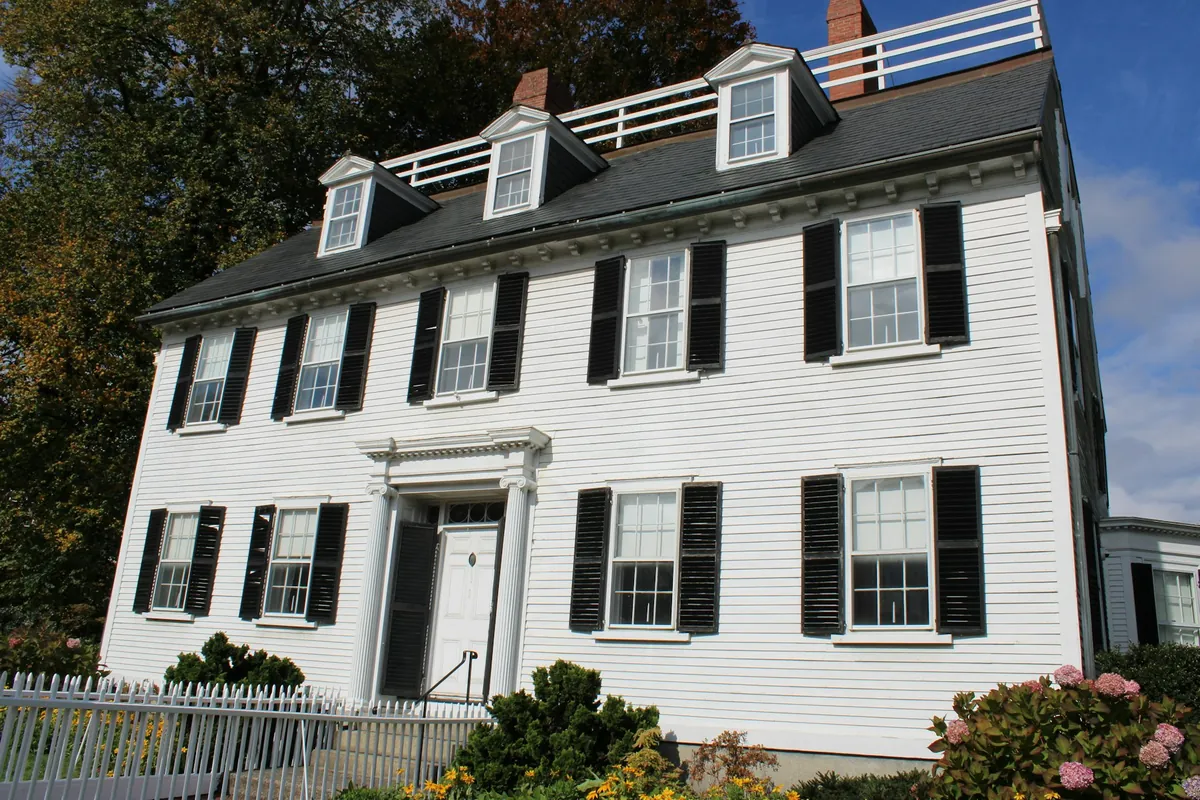
Somerset Village colonials and their narrow sash
The colonials in Somerset Village keep their original narrow double-hung sash, and those windows reward a careful fit. The opening is tall and slim, the sill is often shallow, and the trim around it is part of what gives the room its character. A blind that is too wide hides that trim. One that is too narrow leaves a bright strip of light on each side.
For these windows we usually look at an inside mount first, with the blind fitted within the frame so the trim stays on show. That only works if the depth is there, so we check it at every window rather than assuming the whole house is the same. Where the frame is too shallow, an outside mount above the trim can still look tidy if the headrail is sized to the trim’s own width.
Material matters here too. Wood blinds are a natural partner for a colonial’s painted woodwork, and a slat in a stain close to the floor or the doors ties the room together. Aluminium suits the smallest of the old windows, such as a narrow pantry or stair window, where a slim slat stacks neatly and keeps the glass clear when raised.
Capes and ranches off County Street
The capes and ranches built through the middle of the last century around Brayton Point, Riverside and the streets off County Street are a different job. Their windows are more regular than the village sash, but each house mixes sizes: a wide front window in the living room, standard bedroom windows, a small window over the kitchen sink and sometimes a slider out to the back yard.
That mix is where measuring every opening pays off. The living room window may need a single wide blind or two blinds side by side, depending on whether there is a centre post and how you want to raise them. The bedrooms usually take a matching set, so the house looks even from the street. The kitchen window above the sink is a good place for faux wood, which shrugs off steam and wipes clean.
In a cape, the upstairs rooms often have dormer windows set into the roof, with the wall close in around them. A blind with a compact headrail and a slat that stacks small leaves more of the window clear when raised, which matters in a room where that one window is the only daylight.
Taunton River lots and wide window walls
Many houses on the Taunton River lots gained wide window walls in later renovations, opening the main rooms up to the water. Those walls bring in a great deal of light, and they are also the windows most likely to be left bare because nothing off the shelf fits them.
Vertical blinds are made for this kind of opening. The vanes hang from a single track measured across the whole width, draw to one side or split in the middle, and turn to angle the light without blocking the view. By day you can turn them almost edge on and keep the river in sight. At night they close fully for privacy. A slider to a deck or patio takes the same treatment, and you can read more on our vertical blinds in Somerset page.
Where a window wall is made up of separate windows rather than one sheet of glass, a row of horizontal blinds, each made to its own pane, can look cleaner than one long run. We look at how the wall is framed before suggesting either.
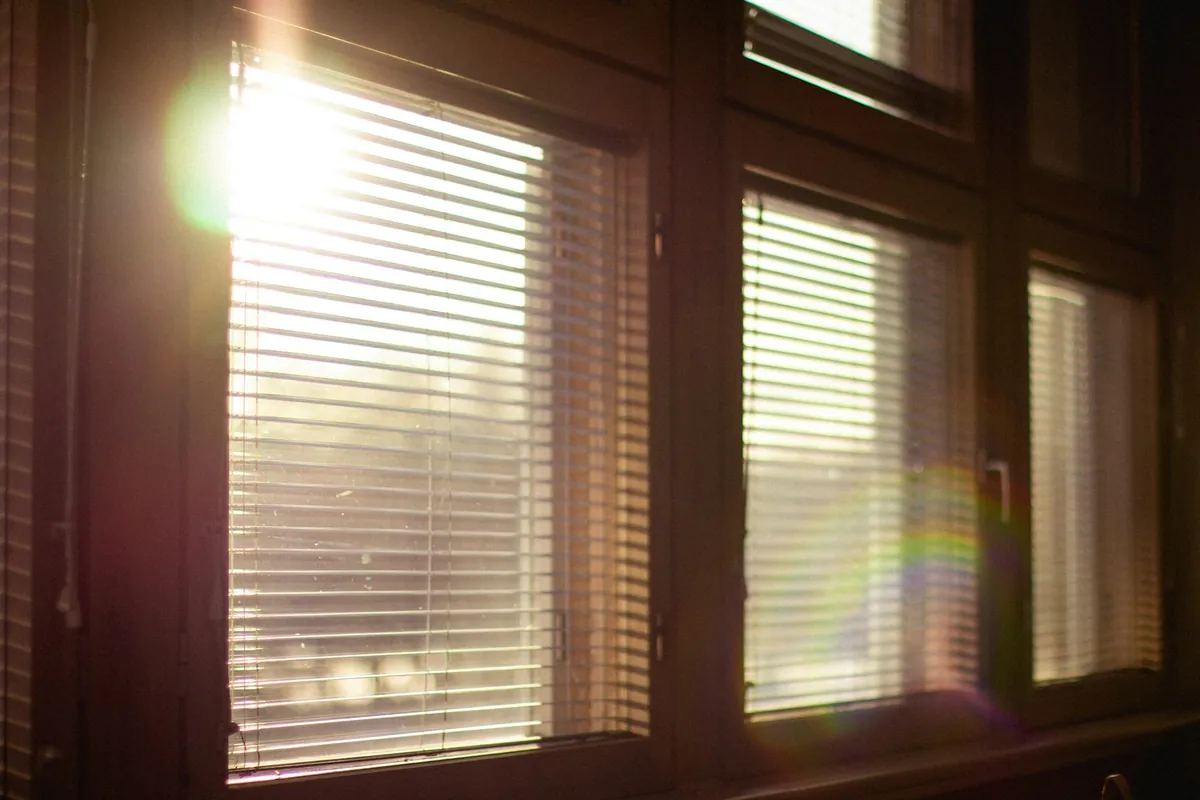
Choosing between wood, faux wood, aluminium and vertical
Most Somerset houses end up with more than one kind of blind, because each room asks for something different. Here is how the four compare in day-to-day use.
Wood is warm and natural, and it is the lightest of the larger slats to lift. It is a good fit for living rooms, dining rooms, bedrooms and home offices. It is happiest away from steam, so it is usually kept out of bathrooms.
Faux wood gives the look of a painted wood slat in a material made to handle moisture. Kitchens, bathrooms and laundry rooms are its natural home, and it is easy to wipe down. Many households pair wood in the main rooms with matching faux wood in the wet rooms, so the house still reads as one.
Aluminium has the slimmest slat and the smallest stack. It suits small and narrow windows, modern rooms and anywhere you want the blind to stay quiet.
Vertical blinds cover wide openings and sliding doors, where a horizontal blind would be heavy to lift and awkward to use.
Colour and slat size are the other two choices. A wider slat gives a more open view when tilted. A narrower slat suits a small window. White and soft neutrals keep a room light, while a stained wood slat warms it. All of this is easier to judge with samples in your hand, which is what the showroom is for.
How an Order Runs, from First Call to Installation
We keep the process plain and stay in touch with you at every stage until the job is done. A typical order for custom blinds in Somerset, MA runs like this.
- You call the Swansea store or send the form, tell us which rooms you have in mind, and book a free quote.
- We arrange measuring in your home. A specialist measures each window, checks the frame depth for an inside mount and notes anything unusual, such as a crank handle, a slider or an out-of-square frame.
- You choose the material, colour, slat size and controls, either with samples at home or by coming into the showroom to compare in person.
- You get your quote, with each window listed, so you can see exactly what is being made.
- Your blinds are made to the measurements taken in your home.
- Our team installs them, checks that every blind raises, lowers and tilts as it should, and shows you how they work.
- If anything needs a second look after installation, you call the same store, and we stay in touch until the job is done.
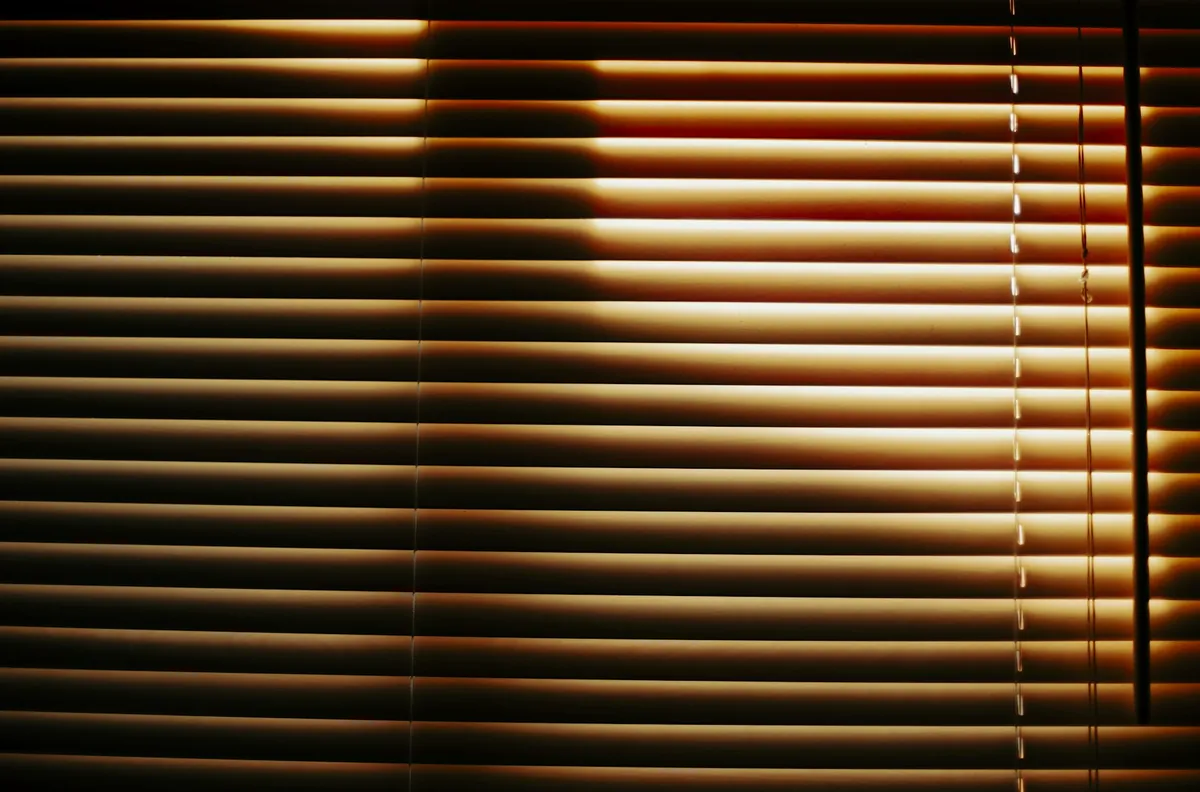
Controlling light and privacy room by room
A blind’s real job is control, so we talk through how each room is used before anything is ordered. A bedroom usually wants the slats to close tight and the blind to sit close to the frame, so that early light stays out. A living room tends to want the slats tilted open through the day for soft light, then shut in the evening when the lamps are on and the street can see in. A home office benefits from tilting the slats upward, so daylight bounces off the ceiling instead of across the screen.
Ground-floor rooms close to the road, common in the ranches and capes, often need privacy and light at the same time. Tilting horizontal slats upward lets light in while blocking the view from the pavement, which is one of the simplest reasons people choose a blind over a shade.
Controls are part of this. We go over the lift and tilt options for each window, which side the controls should sit on and how high the blind should stack, so a blind beside a chair, a bed or a counter is easy to reach and does not get in the way.
Blinds alongside drapes and other treatments
A blind does not have to work alone. In a dining room or a main bedroom, a blind that handles light and privacy can sit behind side drapes that bring colour and softness, and that combination suits the colonials and the larger river houses well. Window Works makes drapes and fabric decor as well as blinds, so the two can be chosen together and measured on the same visit.
Some rooms also suit a different treatment altogether. A bay might take shades and drapes, a kitchen might suit shutters, and a sunroom might be better with roller shades. If a blind is not the right answer for a window, we will say so and show you what is. You can see the full range for the town on our window treatments for Somerset homes page, and every blind we make is covered on the main custom blinds page.
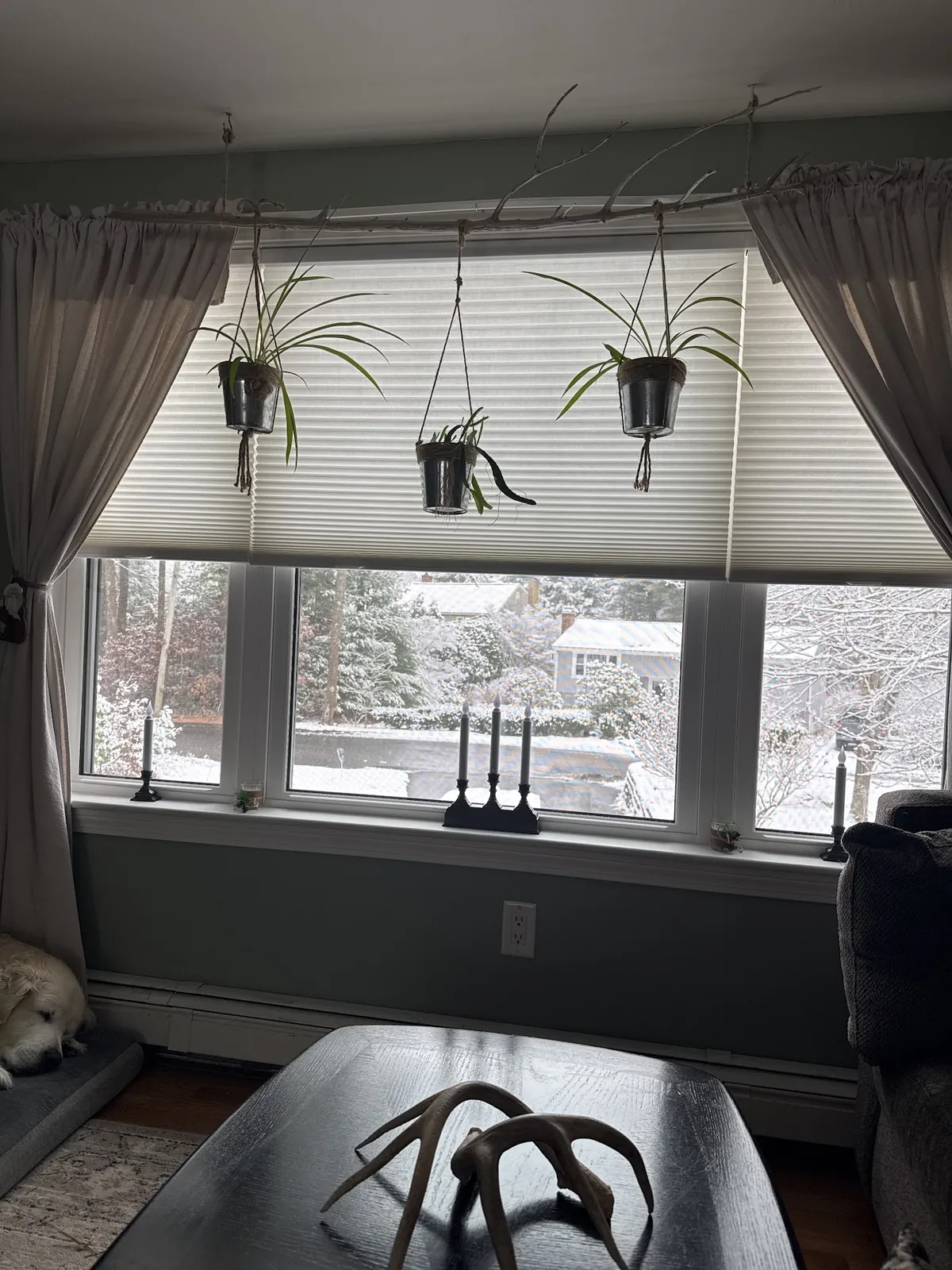
Looking after your blinds
Custom blinds need very little care. A light dusting with a soft cloth or a duster keeps wood and faux wood slats looking right, and faux wood and aluminium can be wiped with a damp cloth when a kitchen or bathroom calls for it. Wood should be kept dry. Vertical vanes are dusted in place and can be turned to reach both sides.
If a cord frays, a wand stops turning or a headrail sticks on a blind you already own, our team can look at it. It is often a repair rather than a replacement.
Keeping a whole house consistent
When you are doing more than one room, it helps to think about the house as a whole before choosing room by room. From the street, the front windows of a cape or a colonial read as a set, so it usually looks right to keep the same colour and slat on every window that faces the road, even if the rooms behind them use different materials. A white faux wood in the front bathroom can sit beside a white wood blind in the living room and look like one choice from outside.
Inside, it is the open spaces that need the most thought. In a ranch where the living room, dining area and kitchen run together, blinds of the same colour and slat size across all three keep the space calm, with faux wood over the sink and wood elsewhere. On a stairway or landing in a colonial, the blind is seen from two floors, so its colour should sit well with both.
You do not have to do the whole house at once. Many orders start with the rooms that need it most, and later rooms can be matched to them.
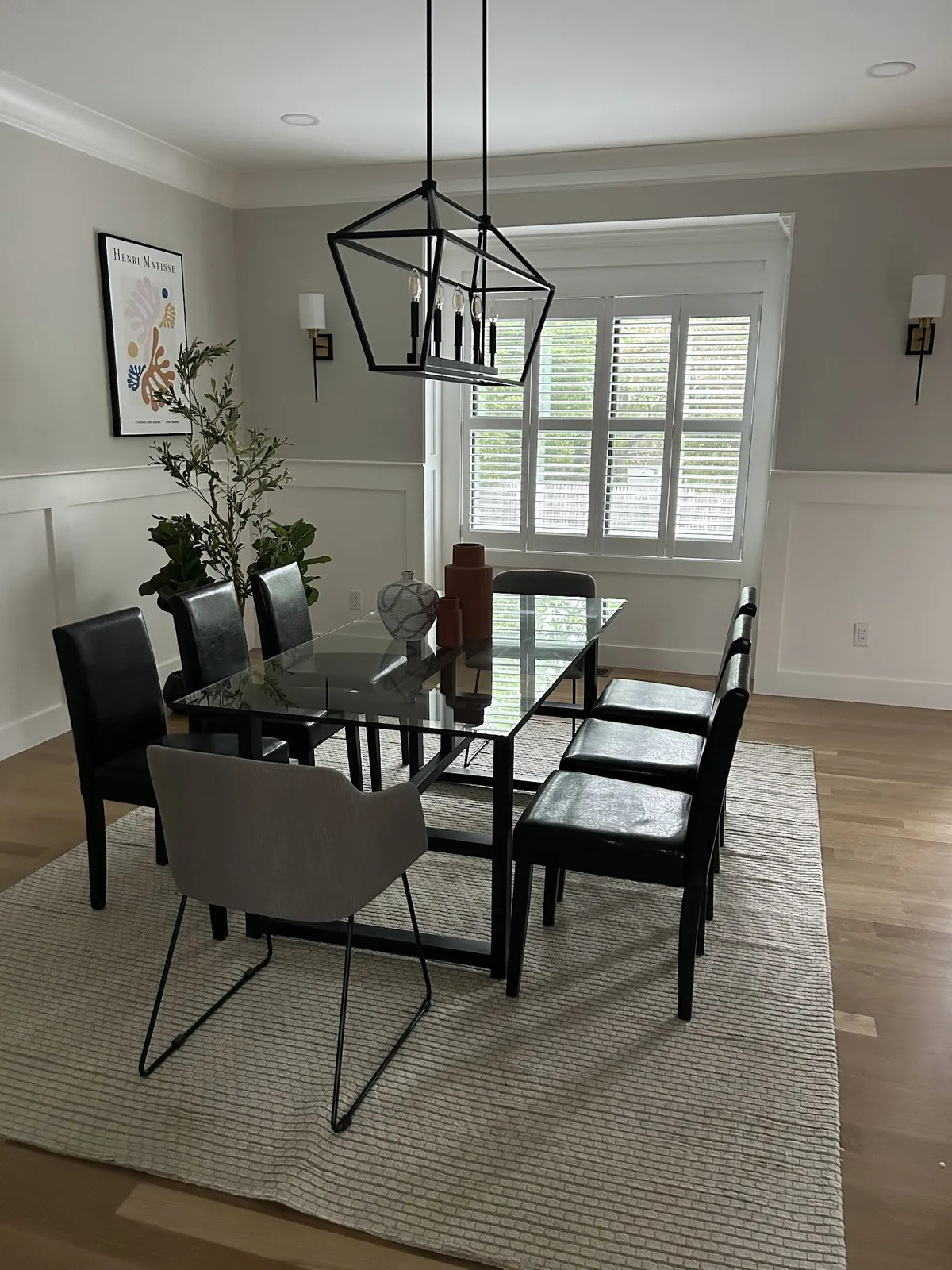
What Sets Window Works Apart
Window Works has been a family store in Swansea since 1988, and it is now in its second generation. For more than 37 years it has served homes on both sides of the Taunton River, Somerset among them, and across the SouthCoast and the Rhode Island East Bay.
- An experienced team of window treatment specialists, not a sales counter
- Measuring in your home, so every blind is made to its opening
- Installation by our own team
- In constant contact with you until the job is done
- Warranties offered on the products we sell
Every job is measured, ordered and fitted the same way, whether it is one kitchen blind or a whole house.
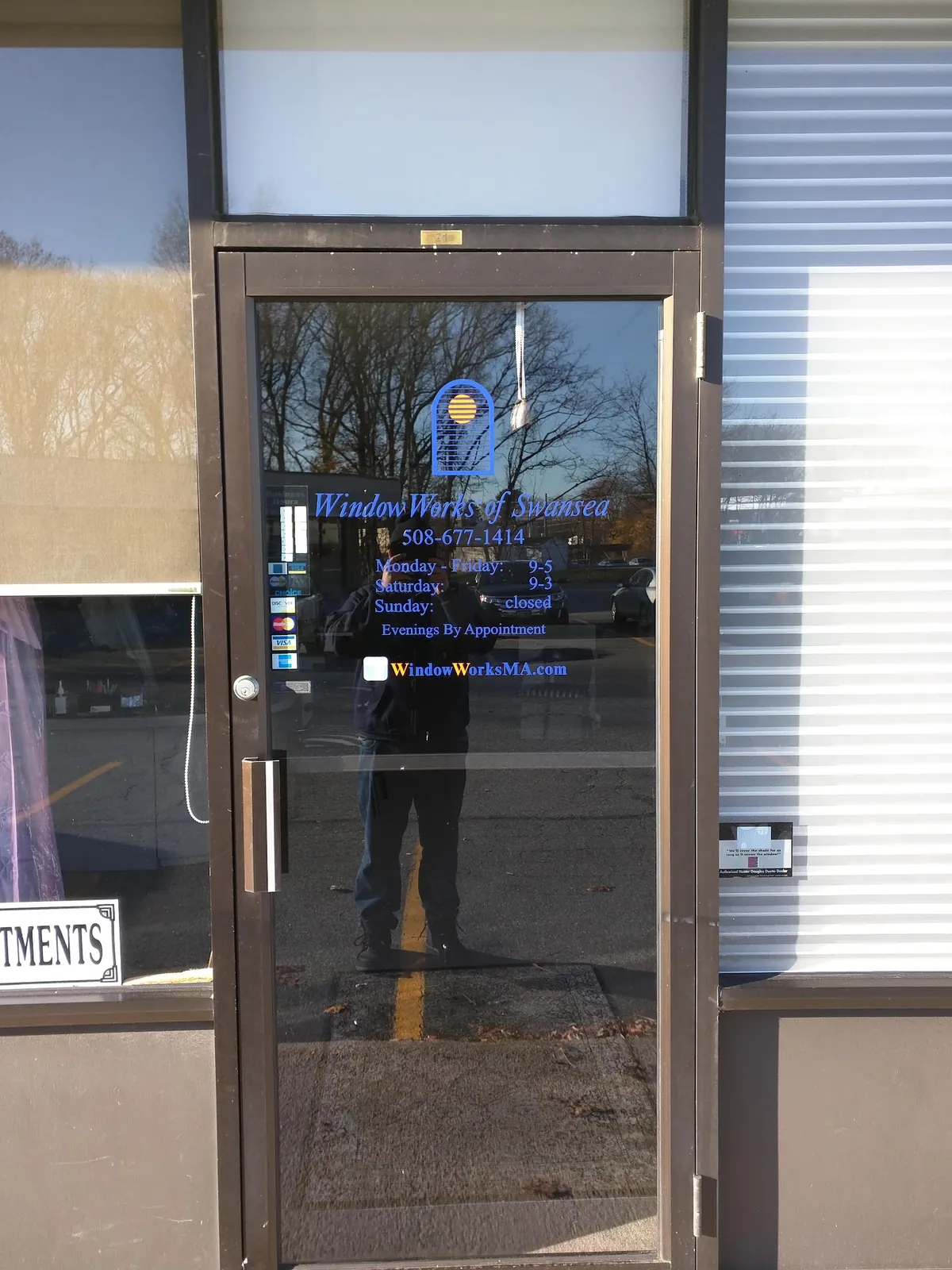
Seeing Blinds Before You Choose
The Swansea showroom is a short drive from Somerset, over the river. It is the easiest place to see custom blinds for your Somerset home before you order, and to compare wood, faux wood and aluminium side by side, feel the weight of a slat, see how a colour looks in daylight and try the controls for yourself.
Bring a photo of the room, a paint chip or a fabric swatch if you have one, and our specialists will help you narrow the choice. The showroom also carries the Norman range, so you can see those blinds in person as well.
Questions from Somerset
Do you measure the windows in my Somerset home?
Yes. We arrange measuring in your home, so every blind is made to the opening it will hang in. Our team then comes back to install the finished blinds.
Which kinds of custom blinds can I choose?
Wood, faux wood, aluminium and vertical blinds, each made to measure. You also choose the colour, slat size and controls for each window.
Will a blind fit the narrow sash in an older village colonial?
Yes. We check the frame depth at each window, fit the blind inside the frame where it is deep enough so the trim stays on show, and size an outside mount to the trim where it is not.
What works on a wide window wall or a slider to the deck?
Vertical blinds are made for wide openings and sliding doors, measured across the whole width. Where the wall is a row of separate windows, matching horizontal blinds for each pane can be the neater choice.
How do I get a quote?
Quotes are free. Use the call button or the form on this page, tell us which rooms you have in mind, and we will arrange a time.
Book Your Free Quote
The next step is a free quote. Use the call button to talk to the Swansea store, arrange measuring in your home or ask about installation, or send us the form and we will be in touch. If you would rather see the samples first, come into the Swansea showroom, and the contact page has the directions. Window Works holds a 5.0 rating on Google.