
Rooms With Light From Two Sides
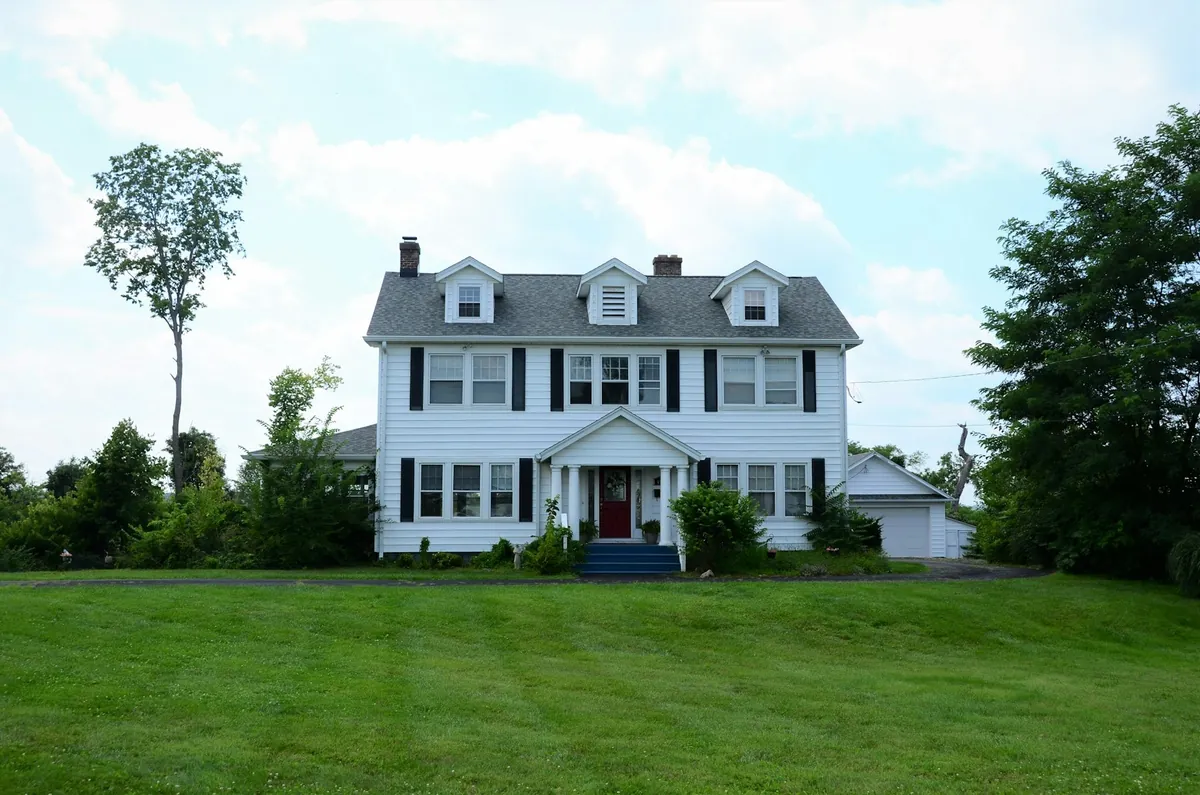
On a generous lot with open ground all round, most rooms get daylight through two walls, and that shapes how custom blinds in Berkley, MA should work. A living room in a cape off Padelford Street might have a front window facing the road and a side window catching the afternoon sun. A kitchen in a newer colonial off Myricks Street might look east over the yard in the morning and south by midday. Each window sees a different sky at a different hour.
A single treatment repeated on every window rarely suits a room like that. One wall needs shade while the other needs every bit of light it can get, and the balance shifts through the day and the seasons. Blinds made to each opening, and set up for the direction it faces, let you tune the room rather than simply open or close it.
- Capes, ranches and newer colonials, each window measured where it is
- Waterfront rooms at the edge of Assonet Bay
- Wood, faux wood, aluminium and vertical blinds made to fit
What a Well Made Blind Does
Steers the light
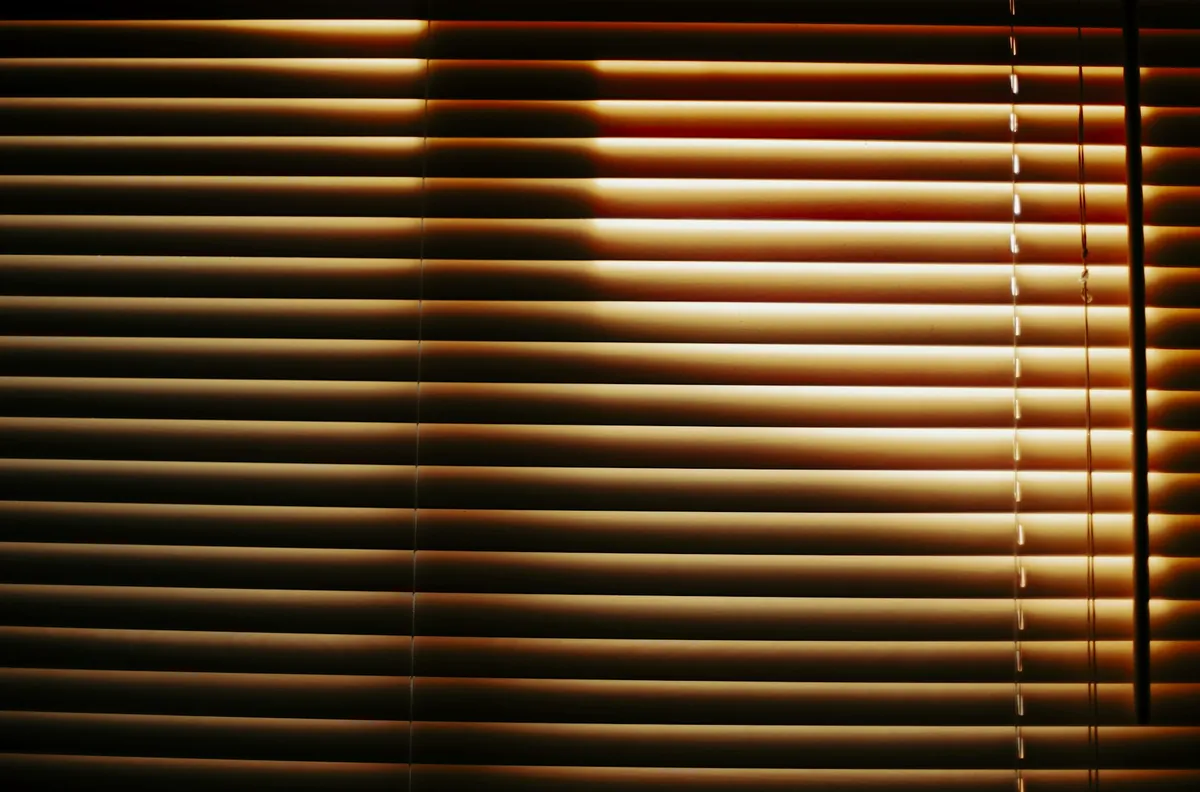
Tilt the slats up and sunlight bounces off the ceiling. Tilt them down and you see out while the room stays shaded. It is the simplest way to soften a bright wall.
Clears the glass
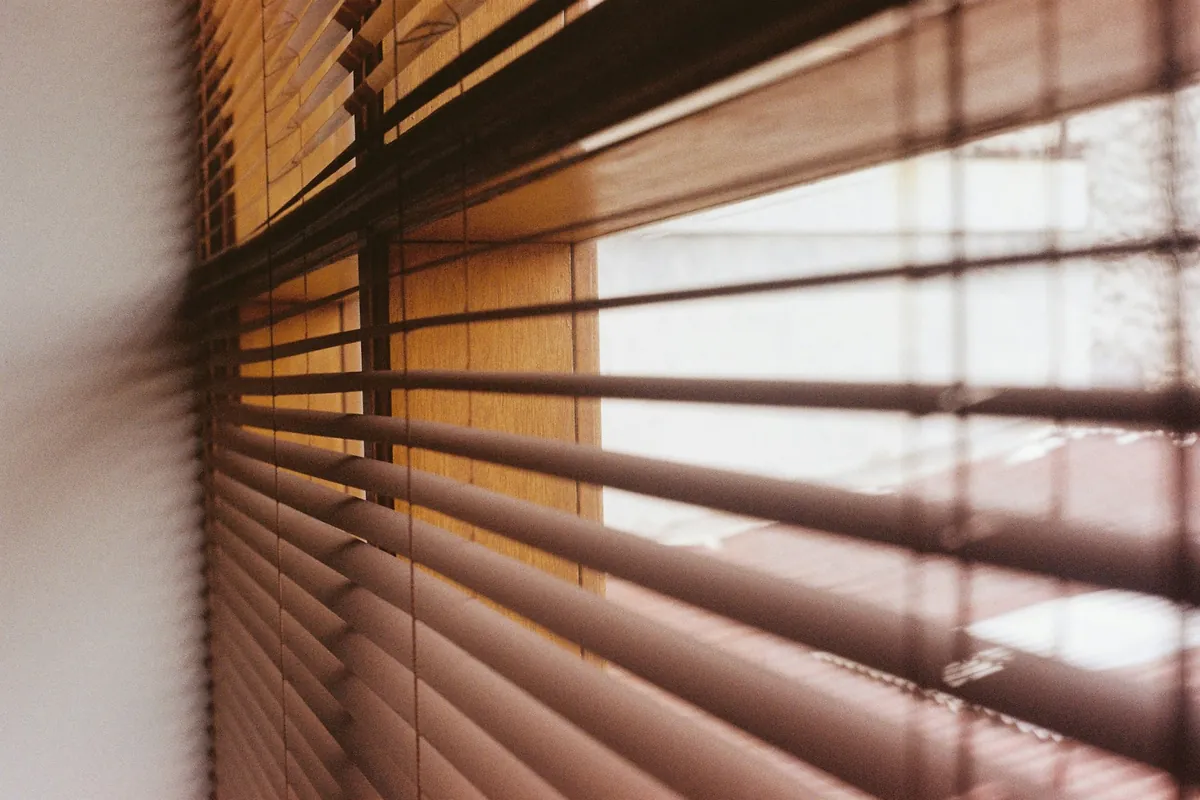
On a dim wall you want the window open to the sky. A blind made to the right size stacks neatly at the top and leaves the glass clear.
Balances two walls
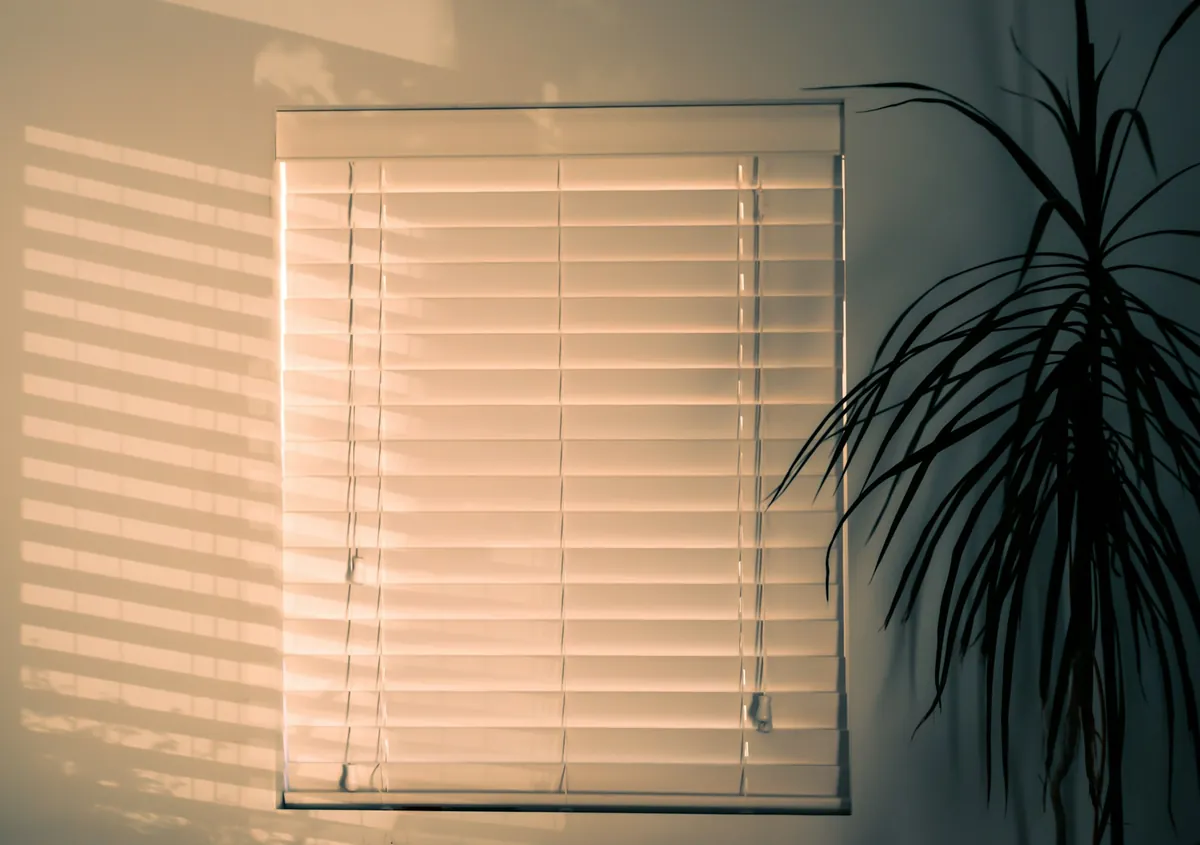
When light comes in from two directions, matching blinds on both walls can sit at different settings and still look like one choice.
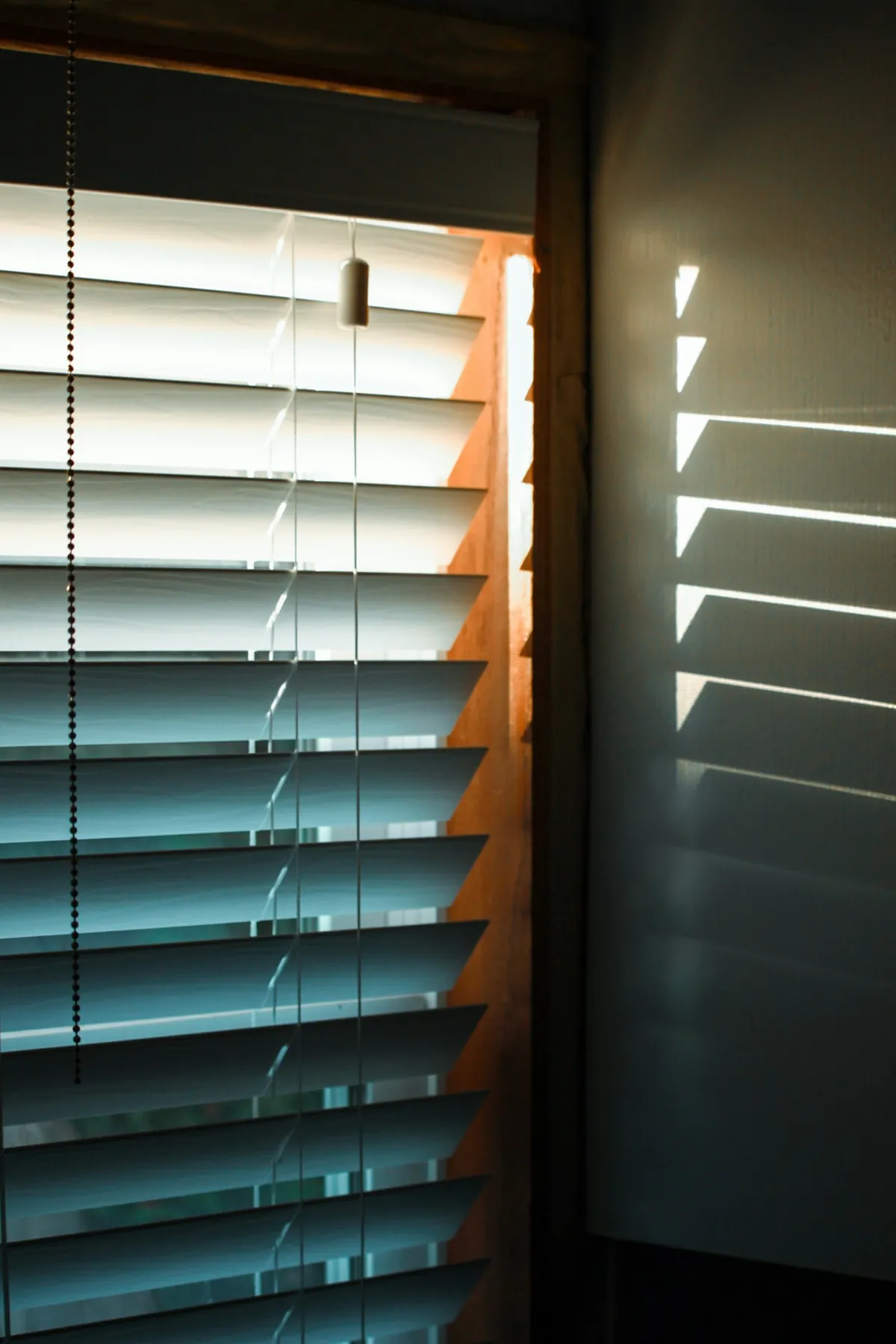
Closes the room at night
With windows on two walls, a lit room shows from two sides after dark. Slats that close tight and a blind fitted close to the frame keep it private.
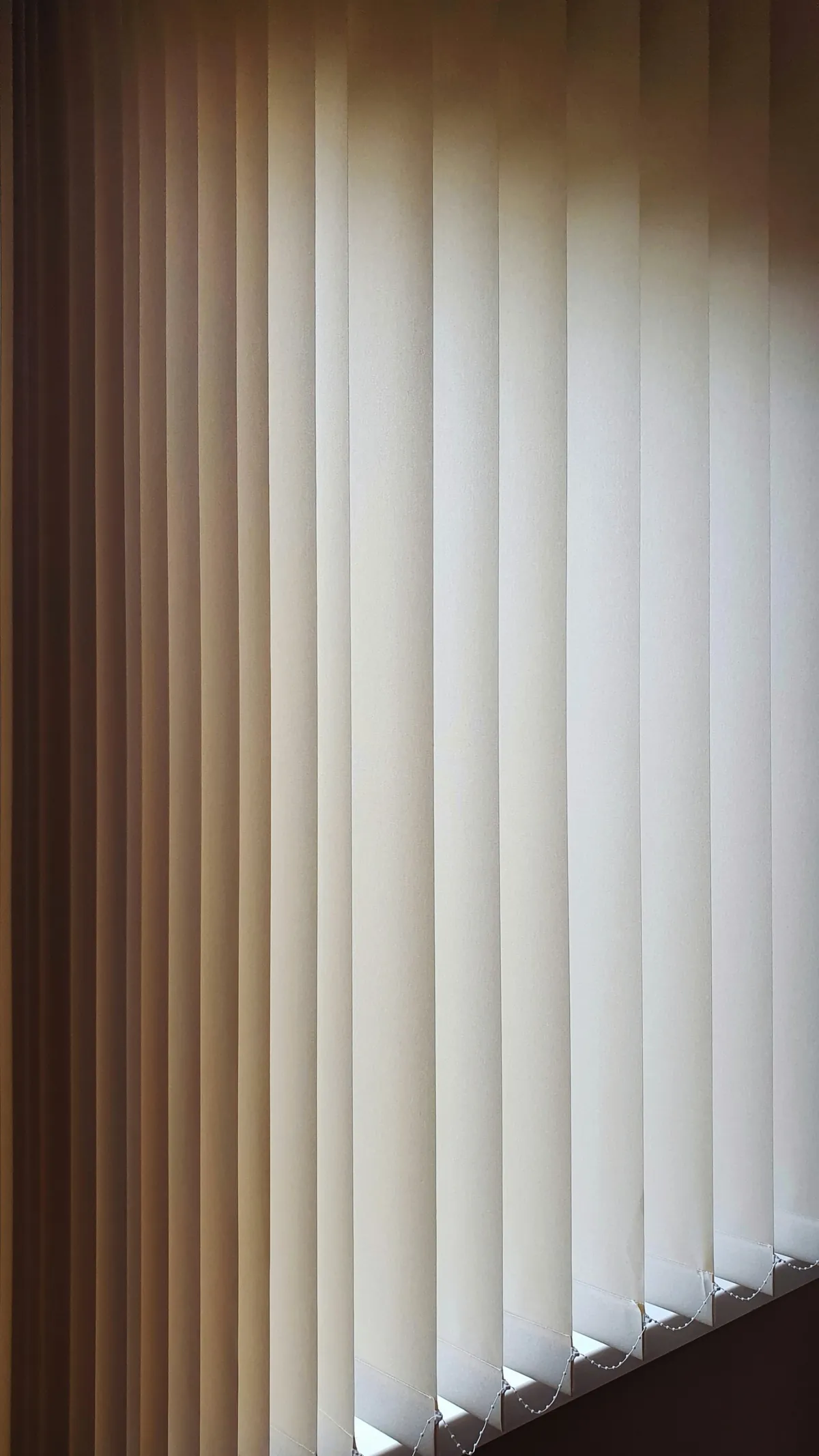
Opens a slider
Vertical vanes on a single track draw to the side for a patio or deck door and turn to angle the light when the door is shut.
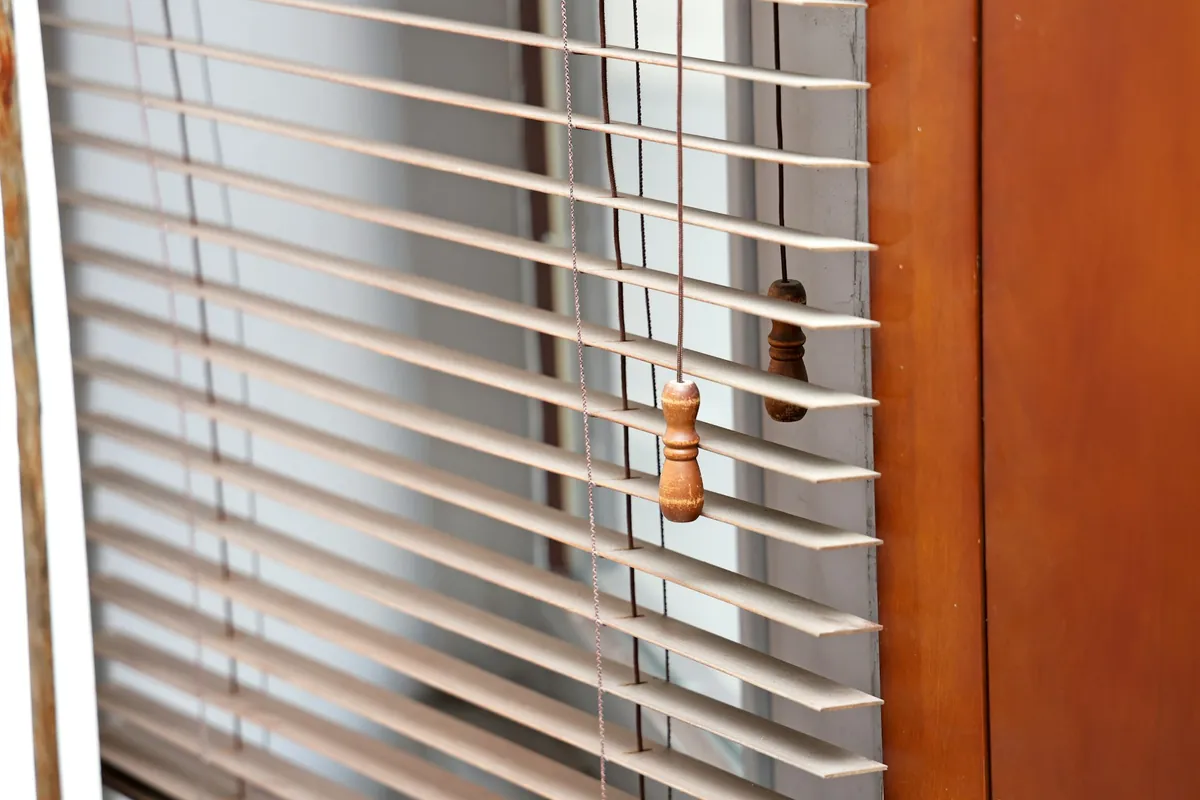
Stands up to steam
Faux wood slats keep their shape in kitchens and bathrooms and wipe clean, so the wet rooms can match the rest of the house.
Getting Custom Blinds in Berkley, MA Right
The test of custom blinds in Berkley, MA is whether a room feels comfortable at nine in the morning, at noon and at five in the afternoon, without someone constantly adjusting every window. In a house where most rooms have windows on two walls, that means thinking about each wall on its own and then about how the two work together.
The sections below look at the main kinds of house in town, how to handle two-sided light room by room, the waterfront at the bay, and how an order runs from the first call to the finished fitting.
Working out which wall needs what
The direction a window faces tells you most of what you need to know. East windows bring strong, low sun early, which is lovely in a kitchen and unwelcome in a bedroom. South windows give the steadiest light and the most warmth through the middle of the day. West windows deliver the hottest, lowest sun of all in the late afternoon, right when people are home. North windows give soft, even light that rarely needs controlling.
In a corner room, you might pair a west window that needs real shading with a north window that you will hardly ever close. In that case we often make both blinds in the same colour and slat width so they match, but set them up differently. The west blind might have its tilt control on the side nearest a chair, so it is easy to adjust as the sun moves. The north blind might be set to stack as high and small as possible, so the window gives all the light it can.
That kind of planning is easier when the person measuring can see the room at the time of day it matters. If you know a room is too bright at a certain hour, tell us when we visit, and we will take it into account.
Capes and ranches off Padelford and Myricks Street
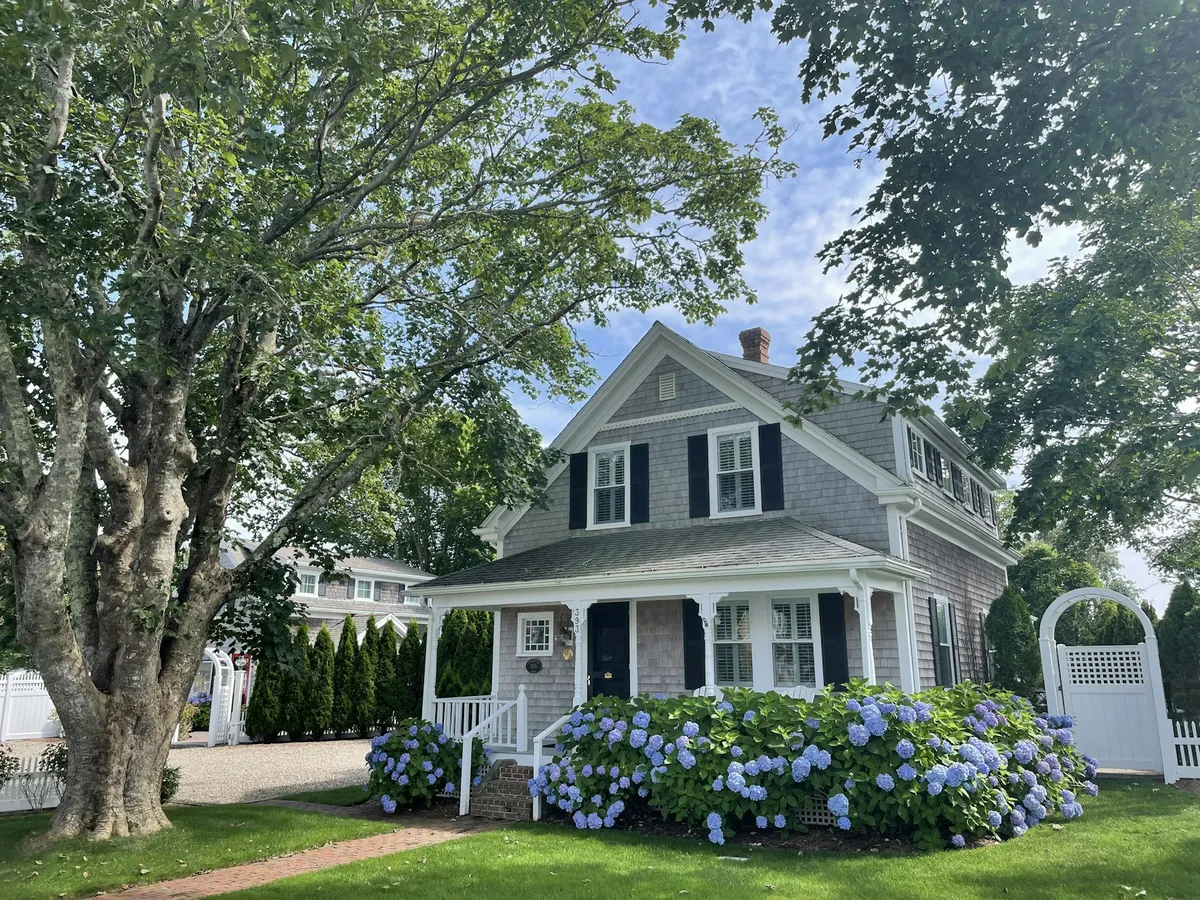
The capes and ranches in town tend to have regular double-hung windows, but with plenty of variety from room to room. A ranch might run a wide picture window across the front living room, smaller windows in the bedrooms down the hall, and a window over the kitchen sink. A cape adds dormer windows upstairs, set into the roof with the ceiling sloping in close around them.
On a ranch, the long front window is often the brightest in the house and also the most visible from the road. A single wide blind can be heavy to lift, so we may suggest two or three blinds side by side, divided at the window’s own mullions, which are easier to raise and let you open one section while leaving the rest. The bedrooms then get a matching set, so the front of the house looks even.
In a cape’s dormers, the window is often the only daylight in the room, and the side walls block much of the sky. A blind with a compact headrail and a slim stack leaves the most glass clear. Here a light colour helps, because it reflects what daylight there is back into the room.
Newer colonials and their open plans
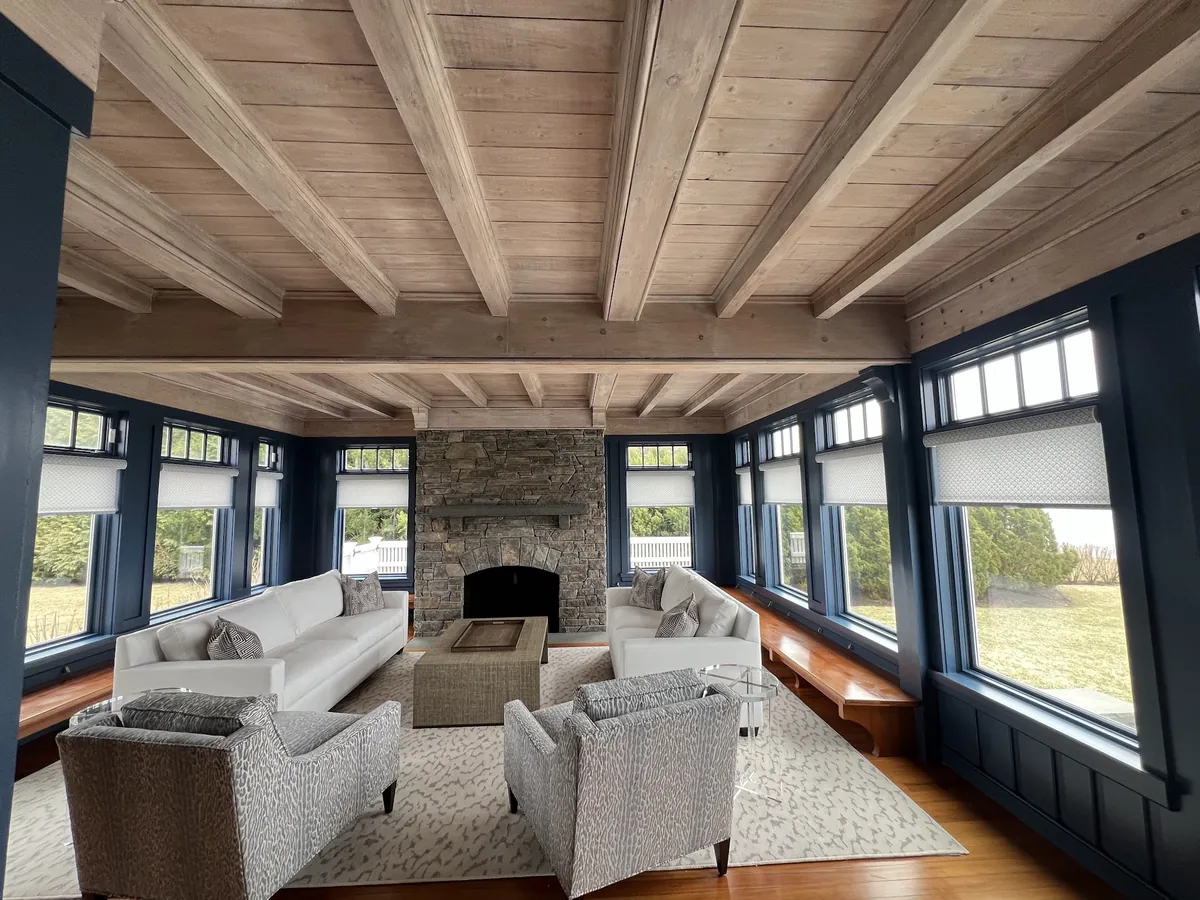
The newer colonials have larger windows and more open layouts, with a kitchen, eating area and family room flowing together. These spaces often have windows on three walls and a slider out to the back. They are bright and pleasant, but the light can be hard to control because it arrives from so many directions.
Keeping one colour and slat width across the whole open area is the starting point, because those windows are all seen together. After that, each blind is matched to its position: faux wood over the sink, wood or faux wood elsewhere, and a vertical blind on the slider. You can read more about sliders and wide openings on our vertical blinds in Berkley page.
Upstairs, colonial bedrooms often have windows on two walls too. A bedroom with east and south windows may need blinds that close tightly against the morning sun on one wall and simply tilt for privacy on the other.
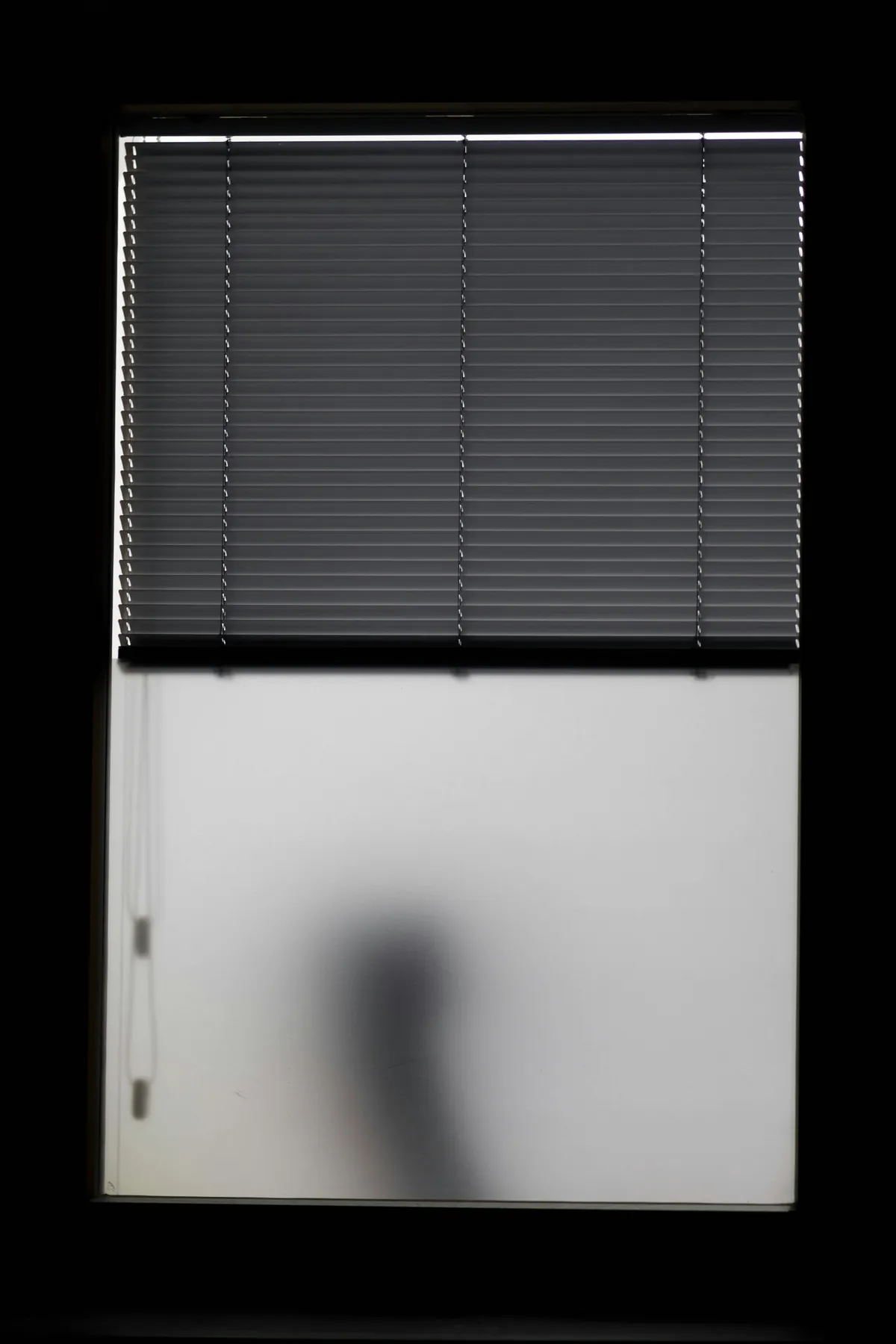
The waterfront at Assonet Bay
At the edge of town, the houses near Assonet Bay add water to the picture. Sun reflected off the bay reaches deeper into a room than direct sun alone, and the main rooms on the water side often have bigger windows to take in the view. Damp air off the water is also a factor in the rooms closest to it.
For these rooms, we tend to steer toward materials that cope with moisture, such as faux wood and aluminium, on the side facing the water, and keep real wood for rooms further back. Slats that can tilt to a fine angle let you keep the view while blocking reflected glare. A slider or wide window facing the bay is a natural place for vertical blinds.
Choosing the material
Each of the four kinds of blind has its strengths.
Wood is warm, natural and comfortable to live with. It suits living rooms, dining rooms, bedrooms and studies away from steam and damp.
Faux wood looks like a painted slat and is made to handle moisture, which makes it right for kitchens, bathrooms, laundry rooms and rooms near the water.
Aluminium is light, with a thin slat that stacks small. It works well on small windows, in bathrooms and in rooms where a clean, simple line matters.
Vertical blinds hang from a track and suit sliders and wide windows, where horizontal slats would be heavy to raise.
The Steps From Quote to Fitting
We stay in contact with you from the first call until the work is finished. A typical order for custom blinds in Berkley, MA runs in these steps.
- You call the Swansea store or fill in the form, tell us the rooms you have in mind and which ones feel too bright or too dark, and we arrange a free quote.
- A specialist visits for measuring in your home, measures each window separately, checks the frame depth and notes which way each window faces.
- We go through the rooms together, wall by wall, and work out the material, colour, slat width and control placement for each window, with samples to look at.
- You receive a quote that lists every window, so you can see exactly what will be made.
- Your blinds are made to the measurements taken in the house.
- Our team installs them, tests each one for lift, lower and tilt, and shows you how to set them for different times of day.
- If anything needs another look after installation, you call the same store and we follow up.
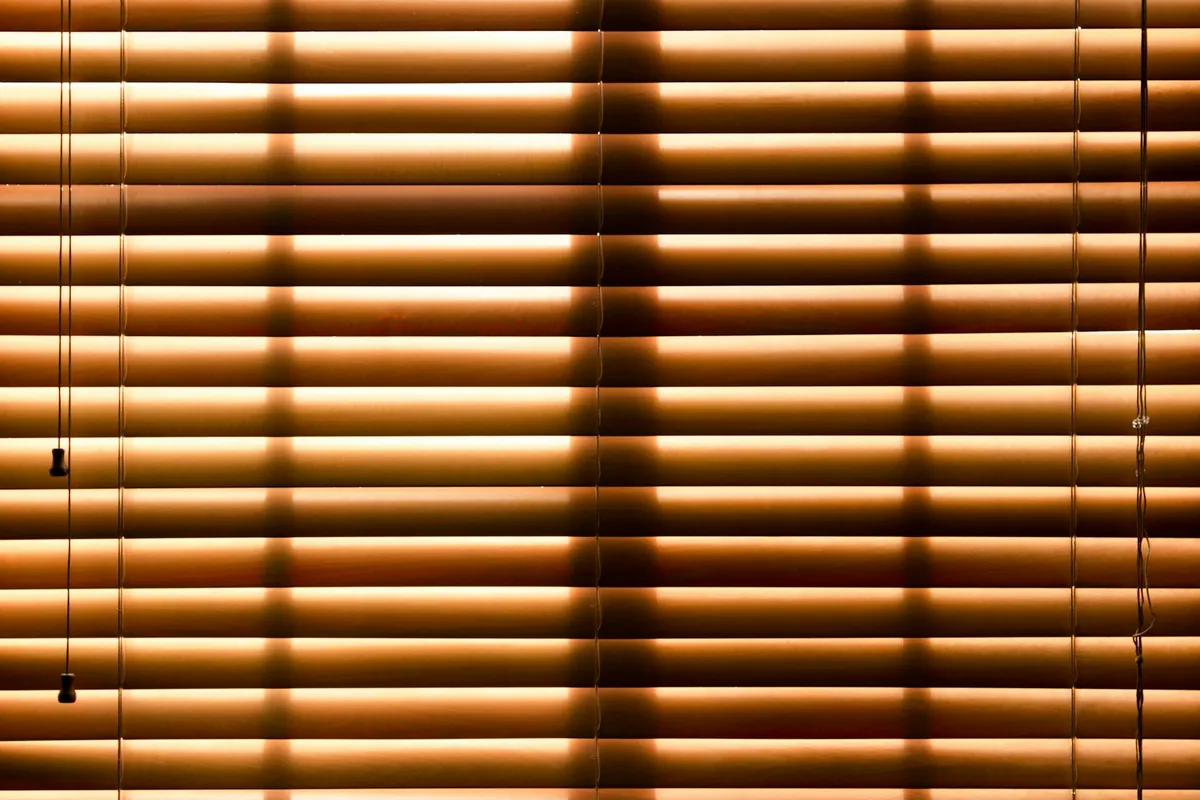
Heat, glare and the seasons
Rooms that take sun through two walls warm up faster in summer and can lose the sun earlier in winter, depending on which way they face. A blind helps with both. In summer, closing or tilting the blinds on the sunny wall during the hottest hours keeps the room cooler and protects floors and furniture from fading. In winter, opening the blinds on the south wall by day lets the low sun in, and closing them at dusk adds a layer between the room and the cold glass.
Glare is often the bigger everyday issue. A television on one wall or a computer on a desk can catch reflections from a window on the wall opposite. Tilting the slats upward sends that light toward the ceiling and keeps the screen clear, while the other window in the room stays open.
A walk through the house, room by room
It can help to picture a whole house before choosing anything. Here is how two-sided light tends to play out in the rooms we see most often in town.
The kitchen. With a window over the sink and another on a side wall, the kitchen is usually the first room to get the morning sun. Faux wood on both windows copes with steam. The sink window is often left tilted open all day for light, while the side window may need closing when the sun comes straight across the counter.
The family room. Often at the back of the house, with a slider on one wall and a window on another, this is where the late sun lands. A vertical blind on the slider and a horizontal blind on the window, in colours that sit well together, give you control over both without making the room feel closed in.
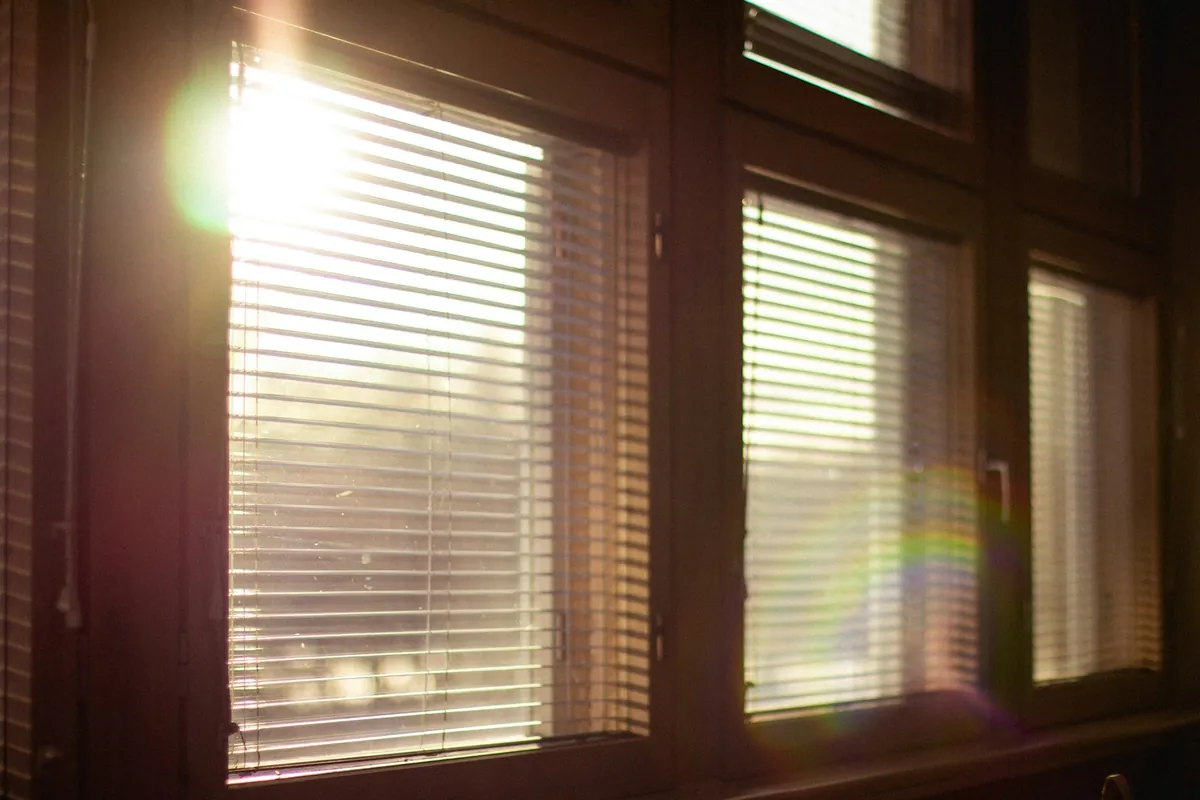
The main bedroom. Bedrooms with windows on two walls are the hardest to get dark. Blinds fitted close to the frame with slats that close tight make the biggest difference, and the window that faces the sunrise is the one to get right first. On the other wall, a blind that tilts for privacy may be all that is needed.
A home office. A desk placed between two windows can get glare from both. Tilting the slats upward on each keeps light on the ceiling and off the screen, and placing the tilt controls within reach of the chair means you can adjust them without getting up.
The bathroom. Usually a single small window, often frosted. Aluminium or faux wood in a narrow slat gives privacy and stacks small when you want the light.
Seen like this, it becomes clear why custom blinds in Berkley, MA are worth planning room by room rather than ordering one size for every window. You do not have to do every room at once, either. Many people start with the bedroom or the family room and add the rest later, matched to the first.
When a blind is not the right choice
Some windows suit a different treatment better. A window beside a front door might take a cellular shade that lets light in while giving privacy. A sunroom with glass on three sides may suit roller shades. A main bedroom might want drapes as well as blinds, for colour and for a softer look. Window Works makes all of these, and we will tell you plainly when a blind is not the best answer for a window.
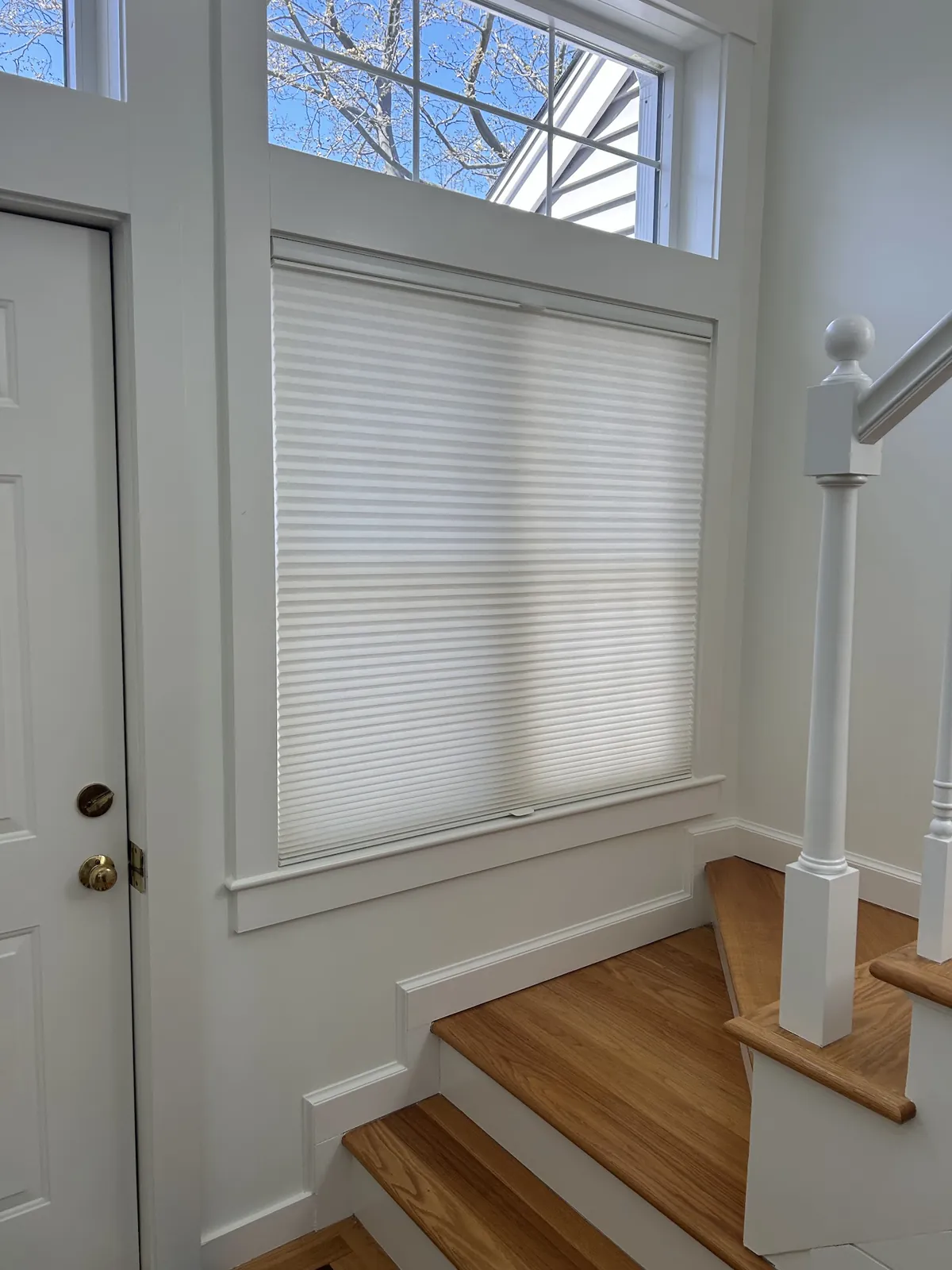
Every service we offer in town is on our window treatments for Berkley homes page, and the full blind range is on the main custom blinds page.
Keeping them in good order
Blinds need very little upkeep. A soft duster now and then keeps the slats clean. Faux wood, aluminium and vertical vanes can be wiped with a damp cloth. Wood should be kept dry and just dusted. If a cord frays, a wand slips or a headrail sticks on a blind you already own, call the store and our team can look at it.
Why Window Works
Window Works is a family store in Swansea, founded in 1988 and now in the hands of the second generation. Over more than 37 years it has worked in homes across the SouthCoast and the Rhode Island East Bay, and Berkley is just up the road.
- Experienced window treatment specialists
- Measuring in your home, so every blind fits its own window
- Installation by our own team
- In constant contact with you until the job is done
- Warranties offered on what we sell
A single kitchen blind or every window in the house, the work gets the same attention.
Try Them Before You Choose
The Swansea showroom is an easy drive from Berkley. Come in to see wood, faux wood, aluminium and vertical blinds side by side, compare slat widths, and try how the tilt changes the light in a room.
Bring a few photos of the rooms you are thinking about, ideally taken at the time of day they feel too bright, and our specialists can help you choose. The Norman range is on display as well, so you can see those blinds in person.
Berkley Homeowners Ask
My living room has windows on two walls. Should both blinds be the same?
Usually the same colour and slat width, so they look like a pair, but each set up for its own wall, with controls placed and stacking chosen for the light that window gets.
What helps with the late afternoon sun on a west window?
Horizontal slats tilted to block the low sun, fitted close to the frame. Faux wood or wood in a pale colour also reflects some heat back out.
Can a long ranch picture window take one blind?
It can, but two or three blinds divided at the window’s own mullions are often easier to raise and let you open one section at a time.
What do you suggest near Assonet Bay?
Faux wood or aluminium on the water side, since they cope with damp air, and vertical blinds for a wide window or slider facing the bay.
Is the quote free, and do you measure?
The quote is free. We also measure in your home and install the finished blinds. Use the call button or the form to arrange a time.
Book a Time to Talk
Start with a free quote. Use the call button to reach the Swansea store, arrange measuring in your home or ask about installation, or send the form and we will be in touch. If you would like to see samples first, visit the showroom, and you will find directions on the contact page. Window Works has a 5.0 rating on Google.