
Tall Sash, High Ceilings and a Long Winter
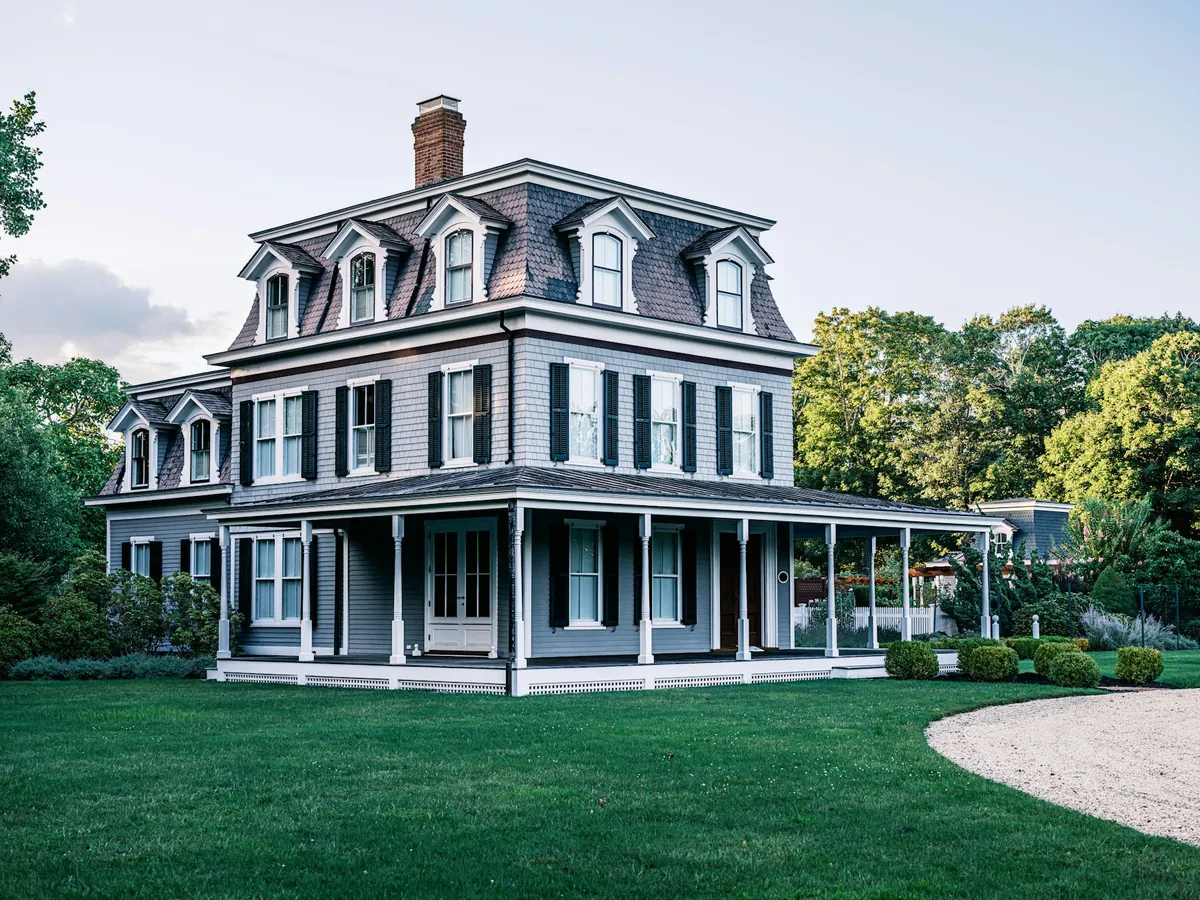
The housing in the Highlands and around Corky Row was built for a mill city: three-deckers stacked close along the hillside streets, and Victorians with tall, narrow double-hung windows set into deep interior reveals. Those windows are handsome, and in January they are where the warmth goes. That is why cellular shades in Fall River, MA so often end up in the rooms people actually sit in at night.
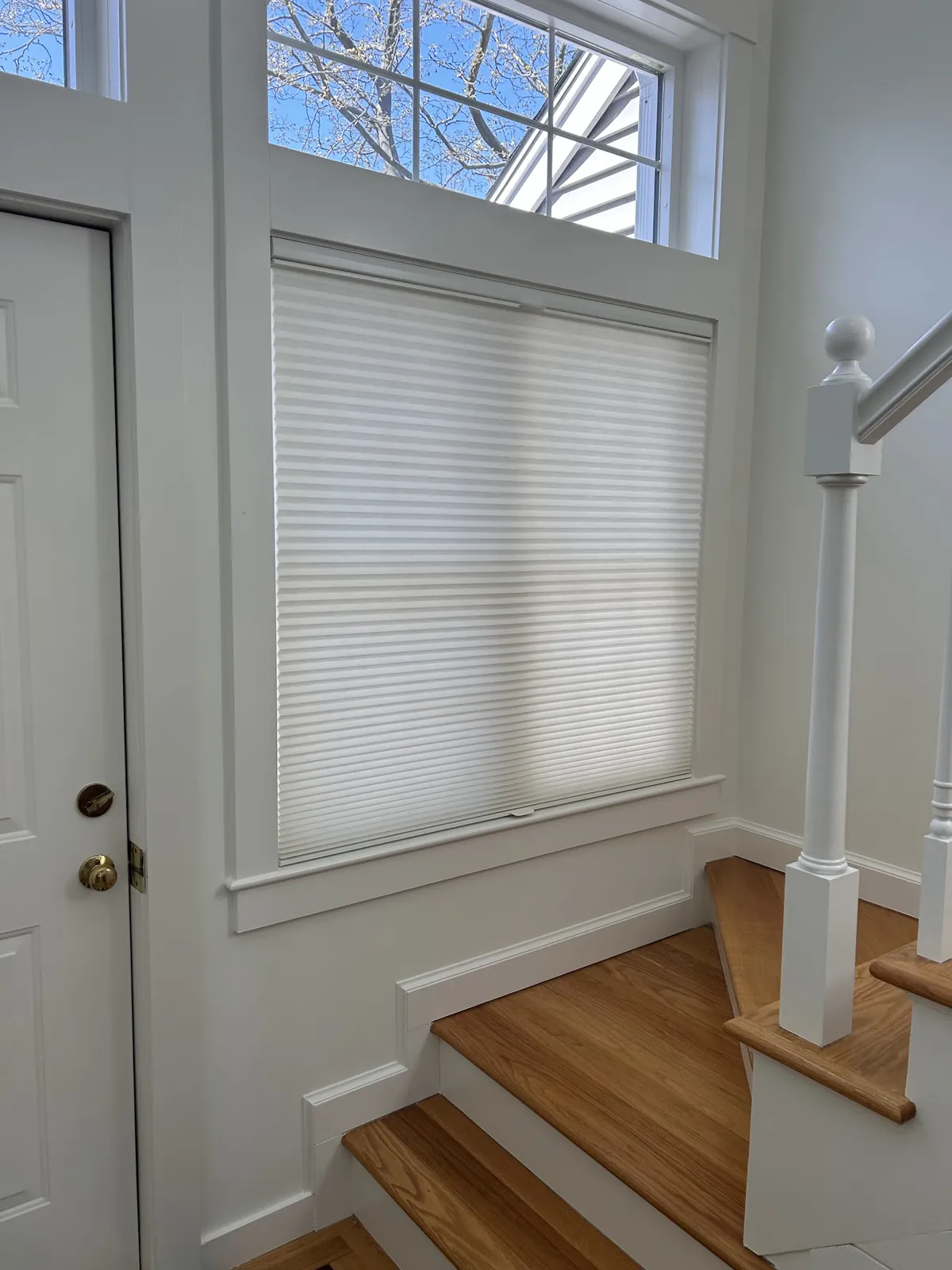
A honeycomb shade is built around trapped air. Every cell is a closed pocket, and a band of still air across the glass slows the heat leaving the room. Pair that with the deep reveals on these older houses, which give a shade a snug place to sit inside the frame, and you have one of the warmest answers for a cold Fall River room.
- Single and double cell shades, made to each window
- Measured in the house by a specialist, installed by our own people
- Swansea showroom a short drive away for fabrics and colours
Honeycomb Options for Fall River Homes
Single cell shades
One layer of cells for a lighter look and a slim stack when raised. Right for most living rooms and kitchens.
Double cell shades
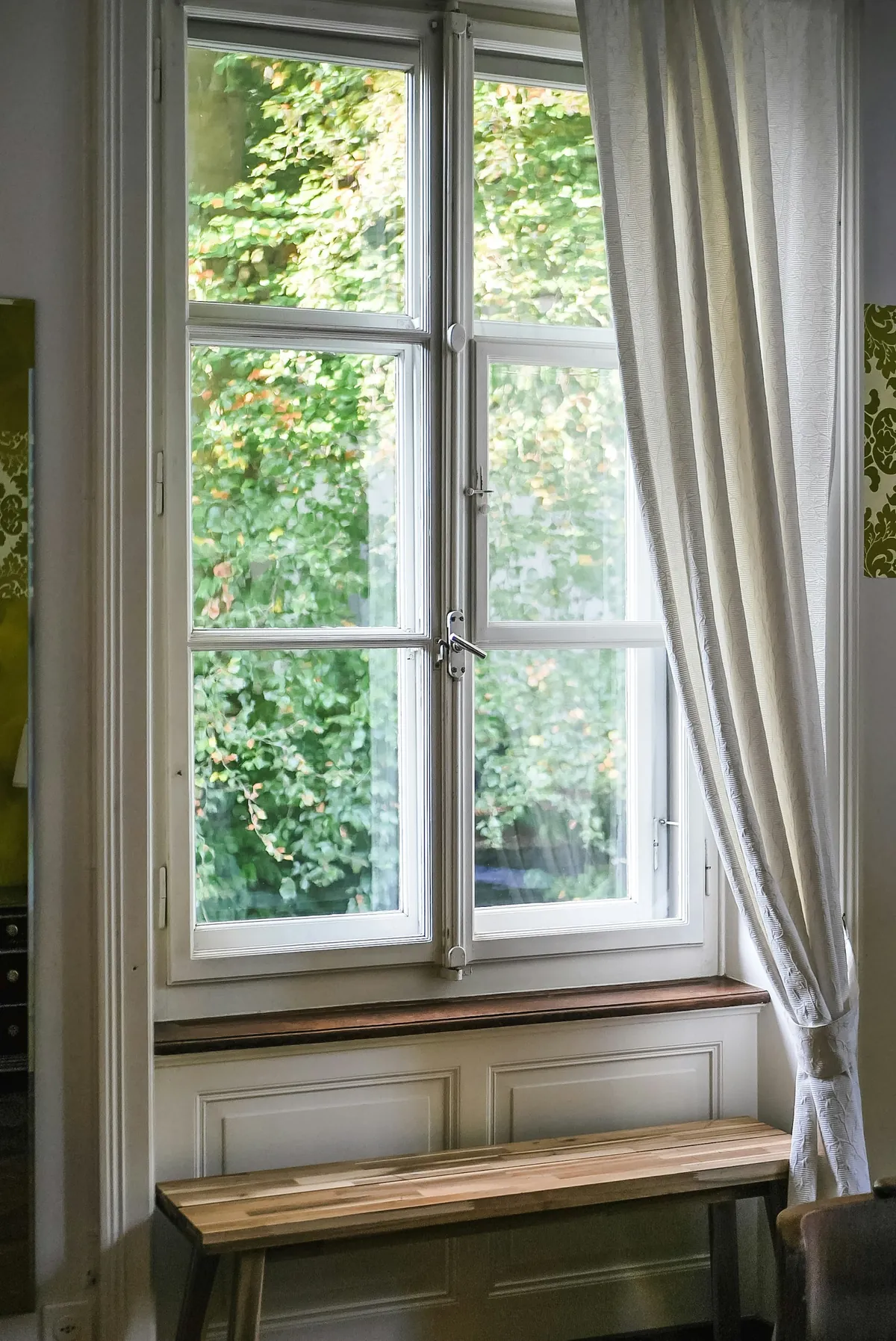
A second layer of cells behind the first. Our usual answer for a top-floor bedroom or a north-facing room.

Room-darkening fabric
Holds back the early light on the east side of the hill and the streetlights at night.
Motorised lift
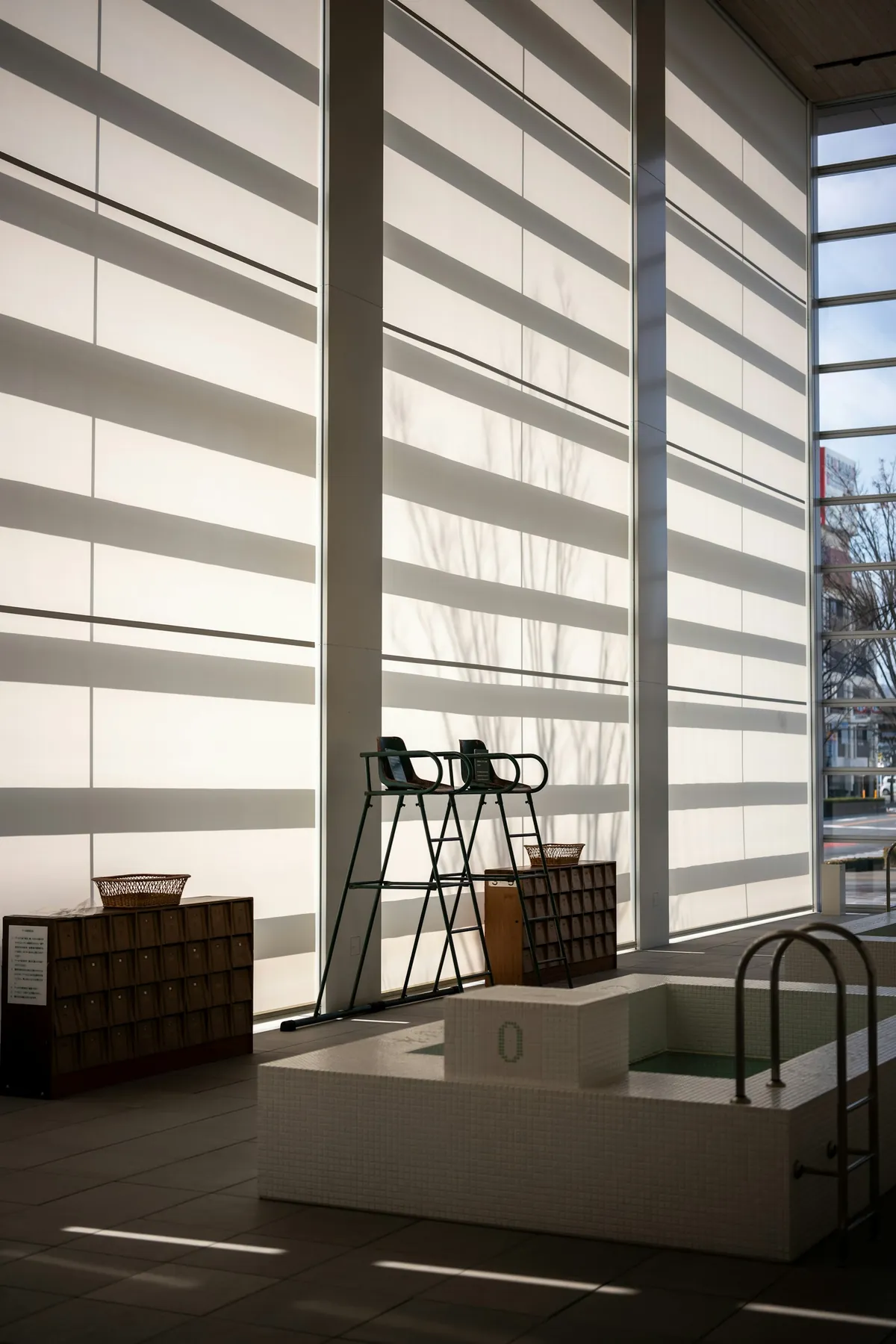
Remote or wall-switch control for tall sash in high-ceilinged rooms and wide condo glass.

Shades with drapes
A honeycomb behind lined drapes is about as warm as a window can get. We make both.

Fabric and colour samples
Bring samples home or compare them in the showroom, against your own trim and walls.
The Three-Decker Question: Which Floor Feels It Most
Anyone who has lived in a three-decker knows each floor has its own climate. The first floor sits over a cellar and can feel damp and cool at the front windows. The middle floor is often the most comfortable, sandwiched between neighbours. The top floor has the roof overhead and exposed walls all round, and in winter its windows feel like open doors.
For that top floor, double cell is nearly always our suggestion. The extra row of cells puts a deeper layer of air between the room and the glass, and on a floor that loses heat through every outside wall, that extra layer at the windows is worth having. Lower floors often do well with single cell, especially at the back where the house next door shelters the windows.
Because each floor of a three-decker is usually its own home, we often fit shades for one flat at a time. The windows on each level tend to be the same sizes from floor to floor, but we still measure each one; settling over a century means no two are quite alike.
Deep reveals and inside mounts
The deep interior reveals on Fall River’s older houses are a gift when you are planning cellular shades in Fall River, MA. There is room for the headrail to sit right back inside the frame, close to the glass, which is exactly where the shade does its best work. Mounted that way, it leaves the casing and trim fully visible, and the room keeps its period look.
A shade tucked deep into the reveal also stacks out of sight when raised. On a tall window that matters, because you want every inch of daylight a narrow sash can give in the short days of December.

Victorians with Tall, Narrow Windows
The Victorians in the Highlands share the three-deckers’ tall sash but often add bay windows, high ceilings and big front parlours. High ceilings bring their own challenge: warm air rises toward the plaster, leaving the floor level cooler, so any heat lost at the windows is felt more where people sit.
Cellular shades in Fall River, MA Victorians usually run the full height of the sash, made to clear any lock or lift on the lower window. On the tallest windows, reaching the bottom rail to raise the shade can mean stretching, so we talk about lifts at the measuring visit. A cordless shade with the rail set at a comfortable height works for many, and motorised operation from a remote or wall switch suits the windows you would otherwise need a step stool for.
In a bay, each sash gets its own shade, sized so the edges line up where the angles turn. A run of matching honeycombs across a bay turns the coldest part of the parlour into its most comfortable corner once they are lowered on a winter evening.
Pocket doors, transoms and the details you keep
Victorian rooms often have details worth keeping clear: a transom over an inner door, carved casings, deep window stools. A honeycomb shade is a modest thing. It sits within the window, adds no bulk to the trim, and when raised it leaves the architecture to speak for itself.
Hillside Light: Two Sides of One House
Fall River’s hills mean one side of a house can look out over the rooftops into full sun while the other faces straight into the slope or the house next door. Rooms on those two sides need different things from a shade, even when they sit side by side.
On the sunny side, the job is glare and summer heat. A light-filtering fabric spreads the sun into an even glow, and the cells slow the warmth building up behind the glass on a July afternoon. Lowering those shades while you are out also saves floors and furniture from fading.
On the shaded side, the job is warmth and privacy. Those rooms already lack daylight, so a dark, heavy fabric would make them gloomy. A pale light-filtering honeycomb keeps what light there is, while still blocking the view from a window that looks straight across to a neighbour. A top-down, bottom-up lift helps here: open the top for sky, keep the bottom closed for privacy.
We plan the fabric side by side with you, so both halves of the house look consistent from the street even when the shades inside are doing different jobs.
Waterfront Condominiums near Battleship Cove
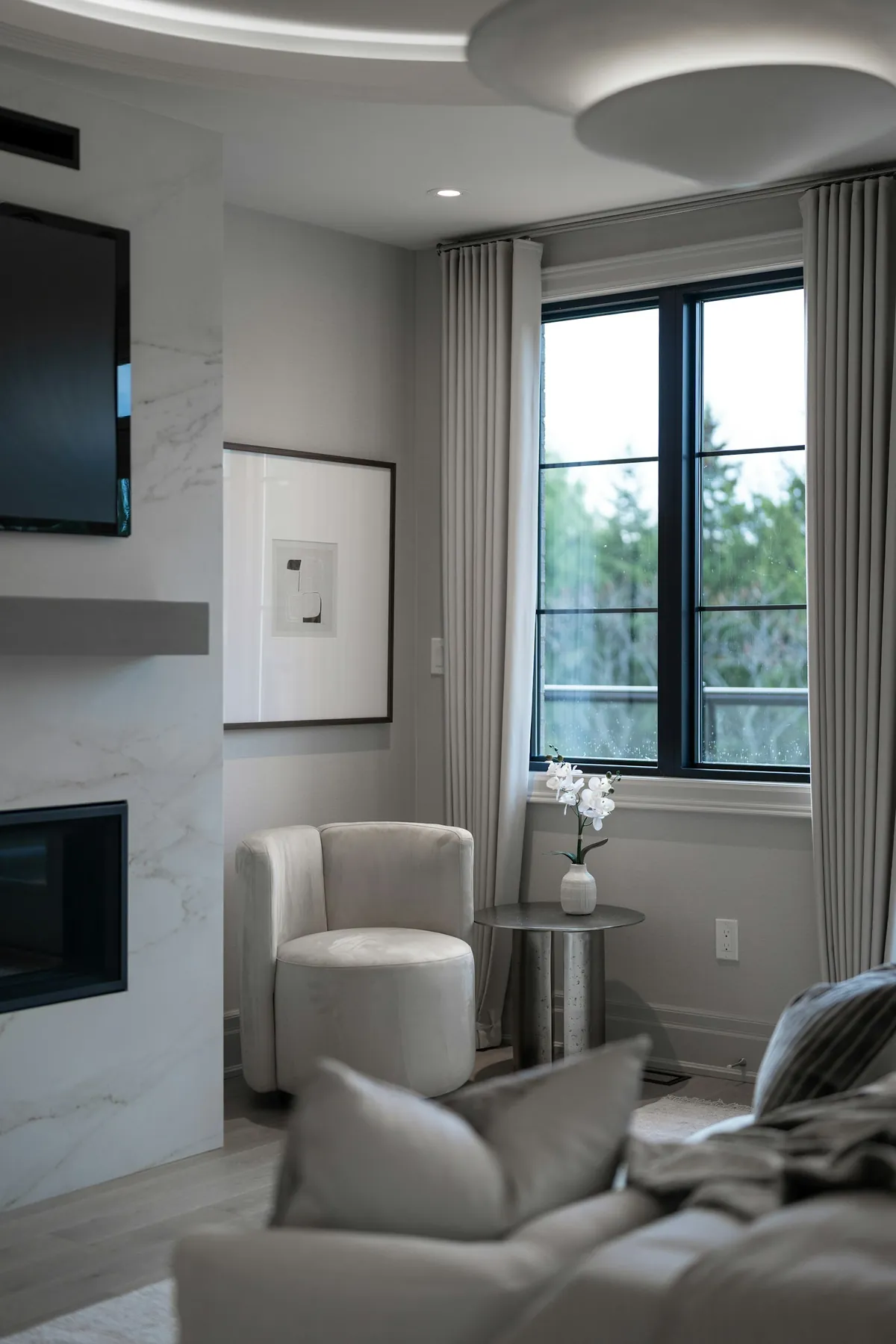
The condominiums near Battleship Cove are a different kind of home altogether: large modern glass, often floor to ceiling, facing the harbour and the bridges. The windows are well made, but there is a lot of glass, and on a bright day the light off the water can be fierce.
Cellular shades suit this glass well. A wide light-filtering shade tames the glare while keeping the room bright, and in winter the trapped air takes the chill off a whole wall of windows. Where a window is too wide for one shade to lift comfortably, we split it into two or three that line up with the frame’s own divisions.
Many condo owners prefer motorised shades here. A row of shades across a glass wall can be raised or lowered together from a remote or a wall switch, which makes them far more likely to be used through the day. Light, bright colours keep the look calm and modern, and from the water the building looks uniform.
Single or Double Cell, Room by Room
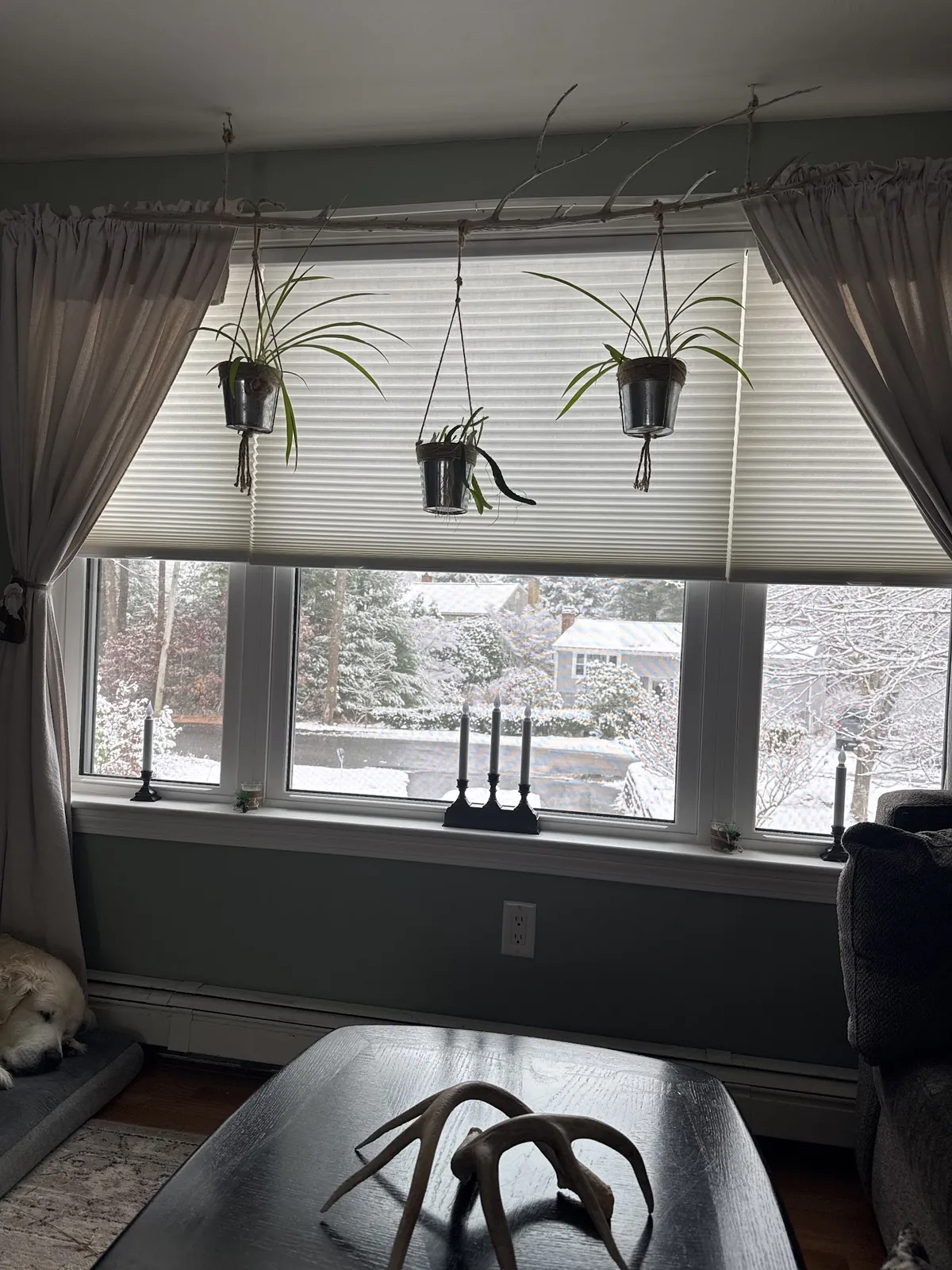
People often ask whether the whole house should be double cell. Usually not. The second row of cells is worth it where a room is clearly colder than the rest, and single cell covers the others perfectly well. In a typical Fall River house the split looks something like this.
Top-floor bedrooms and attic rooms. Double cell. These rooms sit under the roof and lose heat in every direction, and they are often where people sleep.
North-facing rooms and corner rooms. Double cell where the room feels cold to sit in, single cell where it is merely cool. A corner room with windows on two outside walls nearly always deserves the second layer.
Front parlours and living rooms. Often single cell in a light-filtering fabric, so the room stays bright in the day and private once the lamps go on.
Kitchens at the back of the house. Single cell, in a pale fabric that keeps the room light. Kitchens tend to be warm from the stove, and the back windows are often sheltered by the next house along.
Bathrooms. A small single cell shade in a light-filtering fabric gives privacy without darkening the room, and the slim stack keeps the window clear when you want air.
Choosing cellular shades in Fall River, MA this way keeps the money where the cold is, and because every shade can come in the same colour, the house still looks like one job from outside.
Keeping the front of a three-decker even
From the street, a three-decker shows a stack of matching windows on every floor. When one flat does its shades in white and another in beige, the front looks patchy. If you own the building, it is worth agreeing one street-side colour for every front window, even when the fabrics behind them differ from floor to floor. Choosing white or a soft off-white for the street side is the simplest way to keep the stack looking even, and we can bring samples of each option to the measuring visit so you can see them against the outside of the house.
Stair halls and back porches
The enclosed stair halls and back porches on many three-deckers are often the coldest spaces in the building. If a porch has been closed in with windows and is used as a room, a set of single or double cell shades makes it far more usable in spring and autumn, holding the day’s warmth into the evening.

Streetlights and early mornings
The Highlands and Corky Row are city neighbourhoods, with streetlights outside the front windows and cars passing late. For bedrooms on the street side, a room-darkening honeycomb keeps the orange glow out at night and the low sun out in the morning, while the cells do their usual work against the cold. Mounted inside a deep reveal, the shade sits close to the glass and leaves only a thin line of light at the edges. If you want the room darker still, an outside mount that overlaps the casing closes those edges off.
For a child’s room or a night-shift sleeper, that combination of a dark fabric and a close fit makes a real difference. In the living room on the same side of the house, a light-filtering fabric in the same street-side colour keeps the front looking consistent.
What to have ready for the measuring visit
The visit goes quickest when you have thought about each room beforehand. It helps to know which rooms feel cold, which get too much sun and which you use at night. If you have paint colours or fabric for the room, keep a sample handy so the shade can be matched. Clear the sills where you can, so the specialist can check each reveal and any lock or radiator underneath. And if you are planning drapes for a room as well, say so, because the shade and drapes are best measured together.
How We Handle an Order

From your first call to the day the last shade goes up, someone at the store keeps you posted. Ordering cellular shades in Fall River, MA follows these steps.
- Call through the button on this page or send the form, tell us the rooms you are thinking about, and arrange a free quote.
- One of our specialists comes to measure, checks each reveal for depth, and notes locks, radiators under the sill, or frames that have shifted out of square.
- You choose single or double cell, fabric, colour and the lift, with samples brought to the house or at the Swansea showroom.
- A written quote shows each window so you know what is being made.
- The shades are made to the measurements taken on site.
- Our installers fit them, test every one, and show you how to work them.
Radiators under the window
Many older houses here still heat with radiators set beneath the windows. A honeycomb shade mounted inside the frame stops at the sill, which keeps the fabric clear of the radiator and lets the warmth rise into the room. A shade that hung down over the radiator would trap that heat behind it, so we always check before choosing the mount.
Care in a city house
City windows collect a little more grime than country ones. A feather duster or a vacuum brush on low lifts dust from the cells, and a damp cloth deals with small marks. If a cord frays or a headrail sticks on a shade you already have, our blind and shade repair service can often fix it rather than replace it.
A Family Store Next Door
Window Works has been in Swansea, the next town over, since 1988, and the business is now in its second generation. For more than 37 years we have measured and fitted treatments across the SouthCoast and the Rhode Island East Bay, in 25 towns in all, and Fall River’s three-deckers, Victorians and condos are among the houses we know best.
- A team of window treatment specialists who measure every window themselves
- Our own installers, who check every shade before they leave
- Kept up to date by us until your job is finished
- Warranties offered on the products we sell
- A showroom to compare fabrics and lifts, with the Norman range on display
Fall River homes use more than shades, of course. Every service we offer in the city is on the Fall River window treatments page, and the full story of the honeycomb shade is on our main cellular shades page.
Questions from Fall River
Which floor of a three-decker benefits most?
The top floor, usually. With the roof above and exposed walls, its windows lose the most heat, so double cell shades make the biggest difference there.
Will a shade fit inside the deep reveals of an older house?
Yes, and they suit it well. The deep reveal lets the shade sit close to the glass with the trim fully visible. We measure the depth at every window.
What about the large windows in a waterfront condo?
Wide light-filtering shades cut the glare off the harbour, and motorised operation lets you raise or lower a whole row from a remote or wall switch.
Is there a problem with radiators under the window?
Not with an inside mount. The shade stops at the sill, so the radiator’s heat rises into the room instead of being trapped behind the fabric.
How do I arrange a quote?
Use the call button or the form. Quotes are free, and we will set a time to come and measure.
Book a Time with Us
Ring the Swansea store using the call button for a free quote, to book measuring in your home or to ask about installation. If you would rather start with the fabrics, find directions to the showroom on the contact page. Window Works is rated 5.0 on Google.