
Picture Windows That Stock Sizes Miss
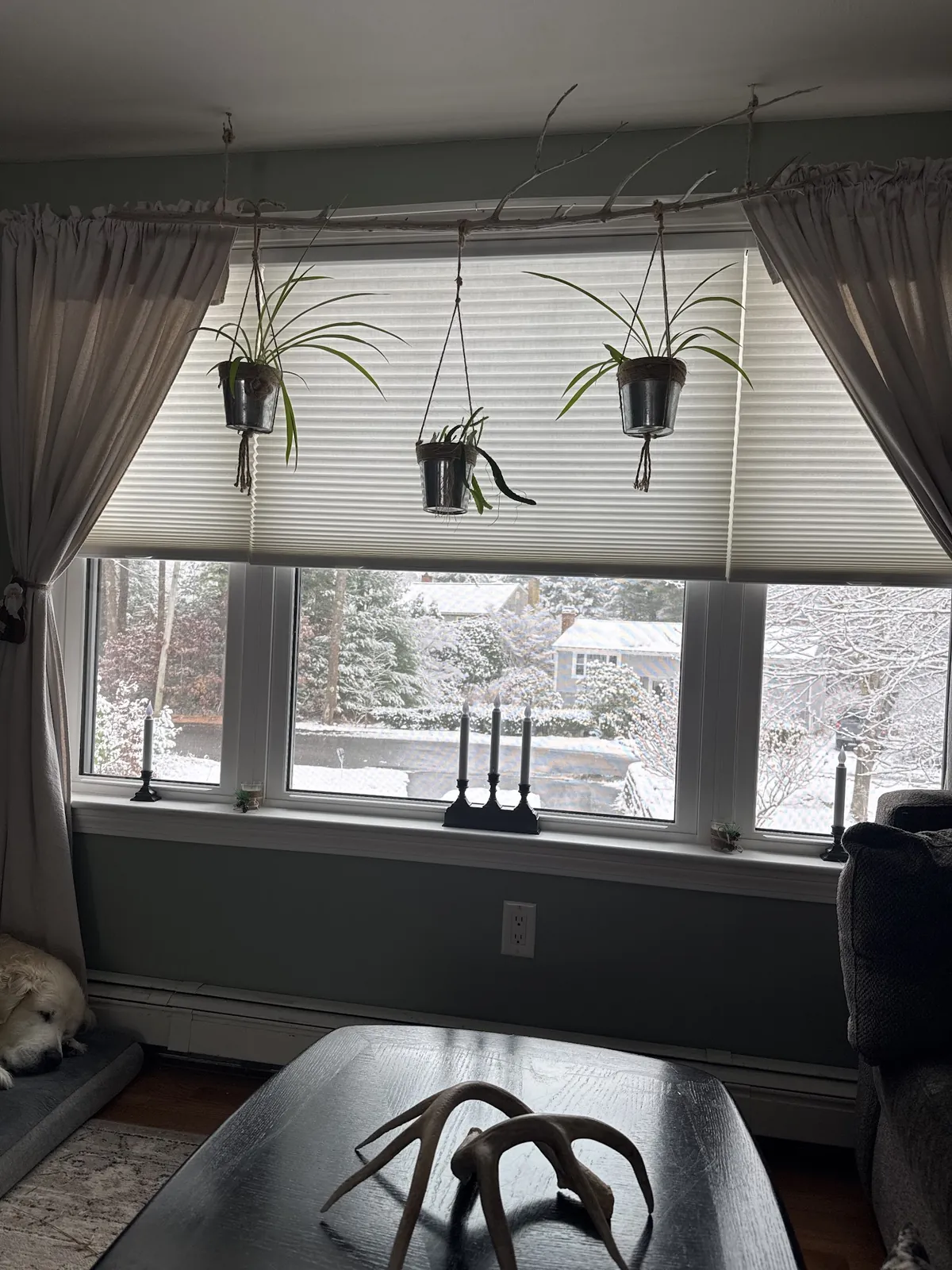
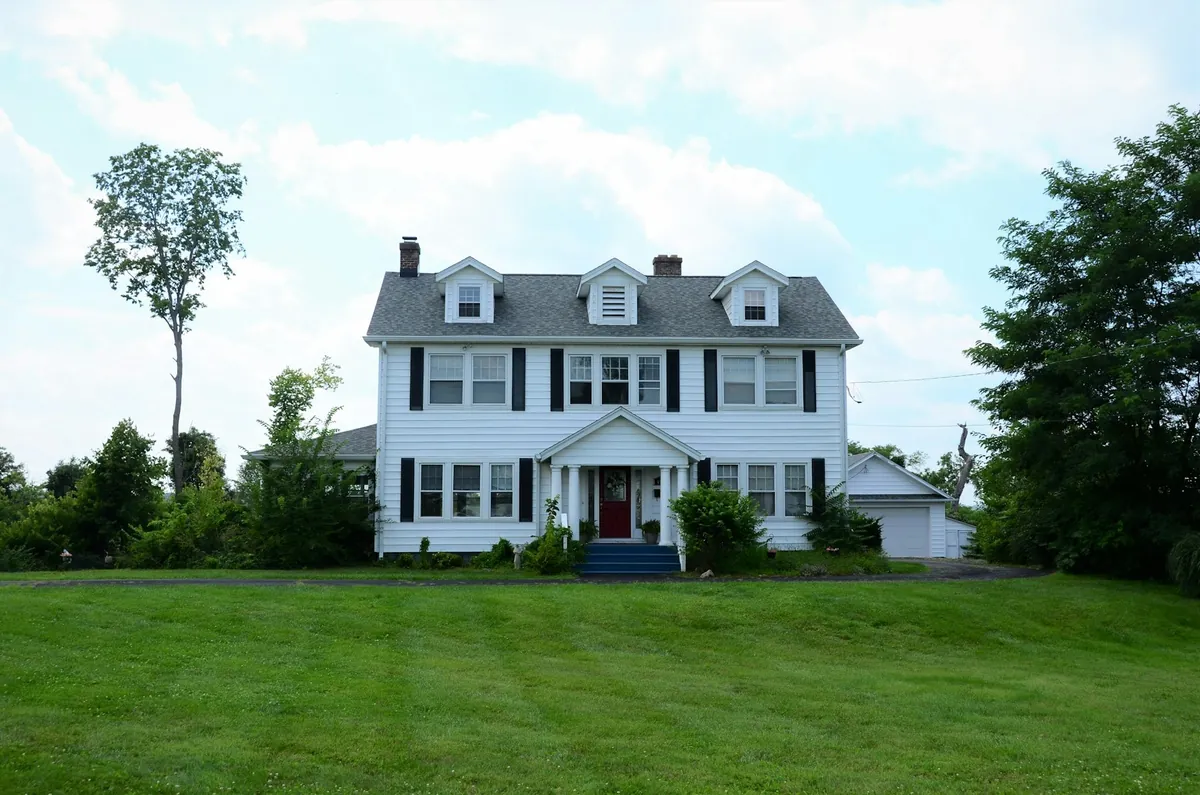
The split-levels built off Newman Avenue and Arcade Avenue in the 1960s share a signature feature: a broad picture window across the front of the upper level, wide but not very tall, and often set in a fairly shallow frame. It is a shape that rules out a lot of stock sizes, and it is the main reason so many enquiries for cellular shades in Seekonk, MA start with the living room.
That window is also where much of the room’s heat escapes in winter, simply because it is the biggest piece of glass in the house. A honeycomb shade puts a layer of still air across it. The air sits inside the cells, it cannot move, and so it slows the warmth leaving the room. Made to the exact width of the opening, the shade covers the glass edge to edge, which is what lets that layer of air do its job.
- Single and double cell shades, built to the window’s own width and depth
- Each opening measured on site, then fitted by our installers
- Fabric samples to compare at our Swansea showroom, a short drive south
Honeycomb Choices for Seekonk Homes
Single cell
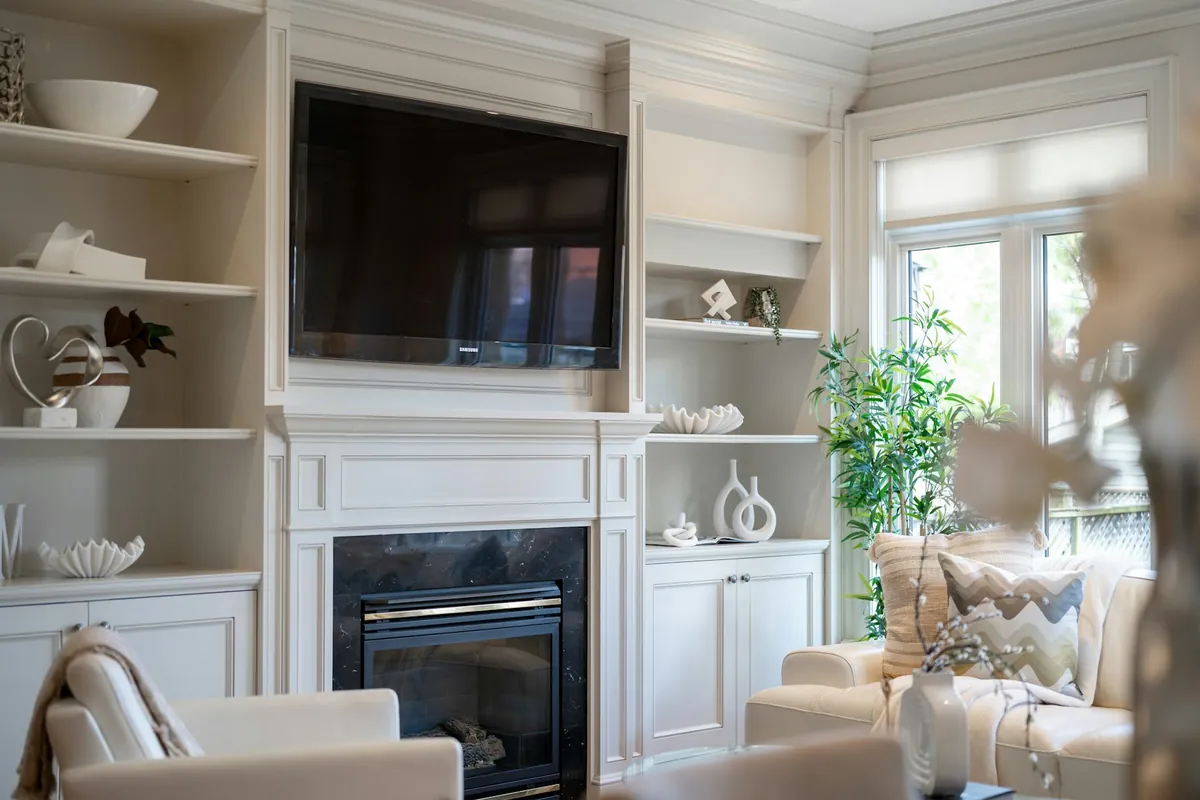
One row of cells and a slim stack, which matters on a shallow picture window where every bit of glass counts.
Double cell
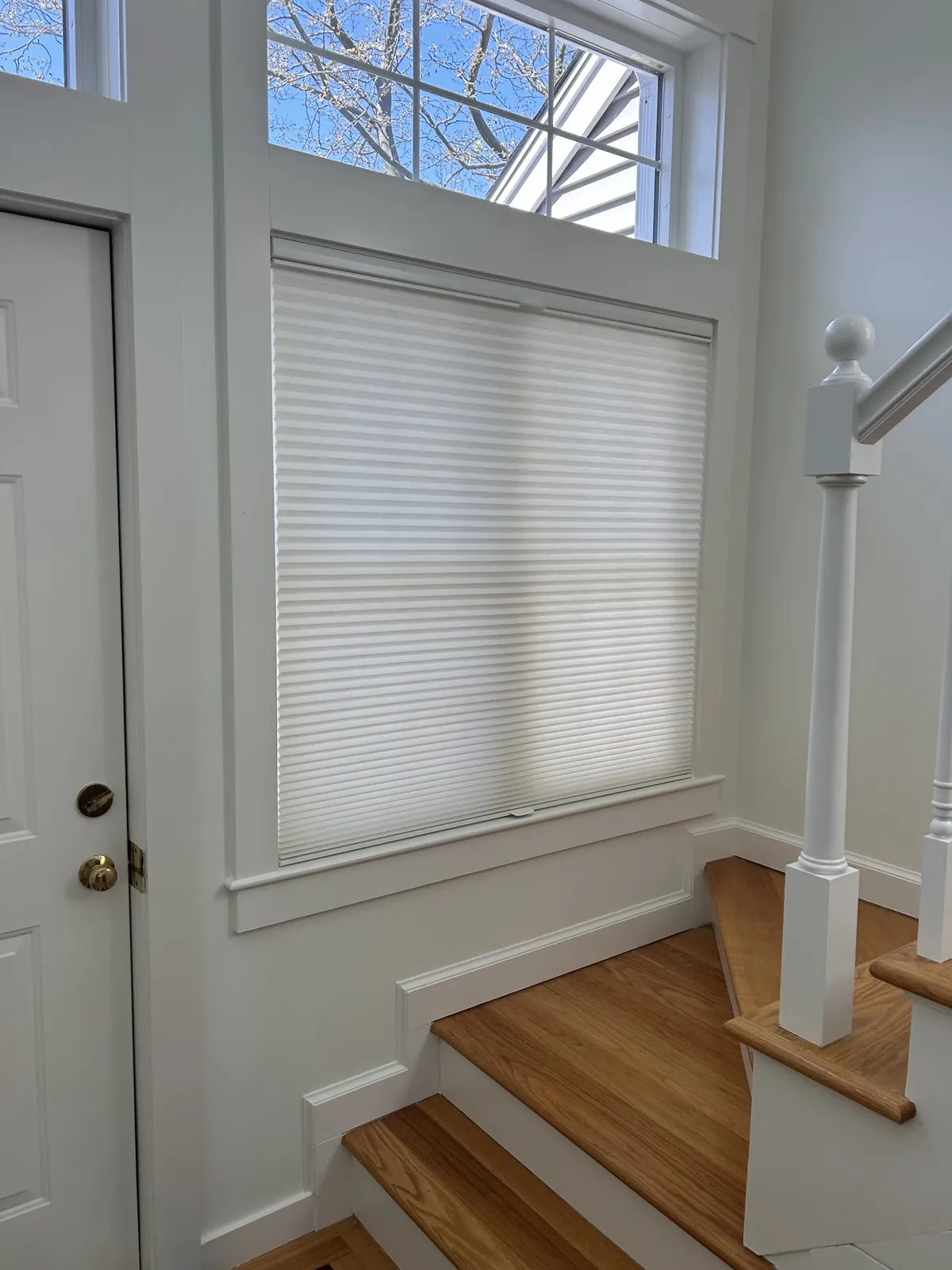
Two rows of cells for rooms that stay cold, such as the lower level of a split or a bedroom over the garage.

Fabric and colour
Light-filtering or room-darkening, in colours to suit the room and keep the front of the house even.
Wide, Shallow Frames and How We Fit Them
A picture window on a Seekonk split-level is typically much wider than it is tall, with a frame that does not leave a great deal of depth inside. Both facts shape the shade.
Depth comes first. An inside mount, with the headrail tucked within the frame, looks neat and leaves the trim on show, but it needs enough room behind the casing for the headrail to sit flat. A honeycomb shade has a slim headrail, which helps, but on the shallowest frames we sometimes recommend an outside mount, fixed on the trim or the wall just above. That also lets the shade overlap the sides of the frame, closing off the gaps where cold air would otherwise slip round the edges.
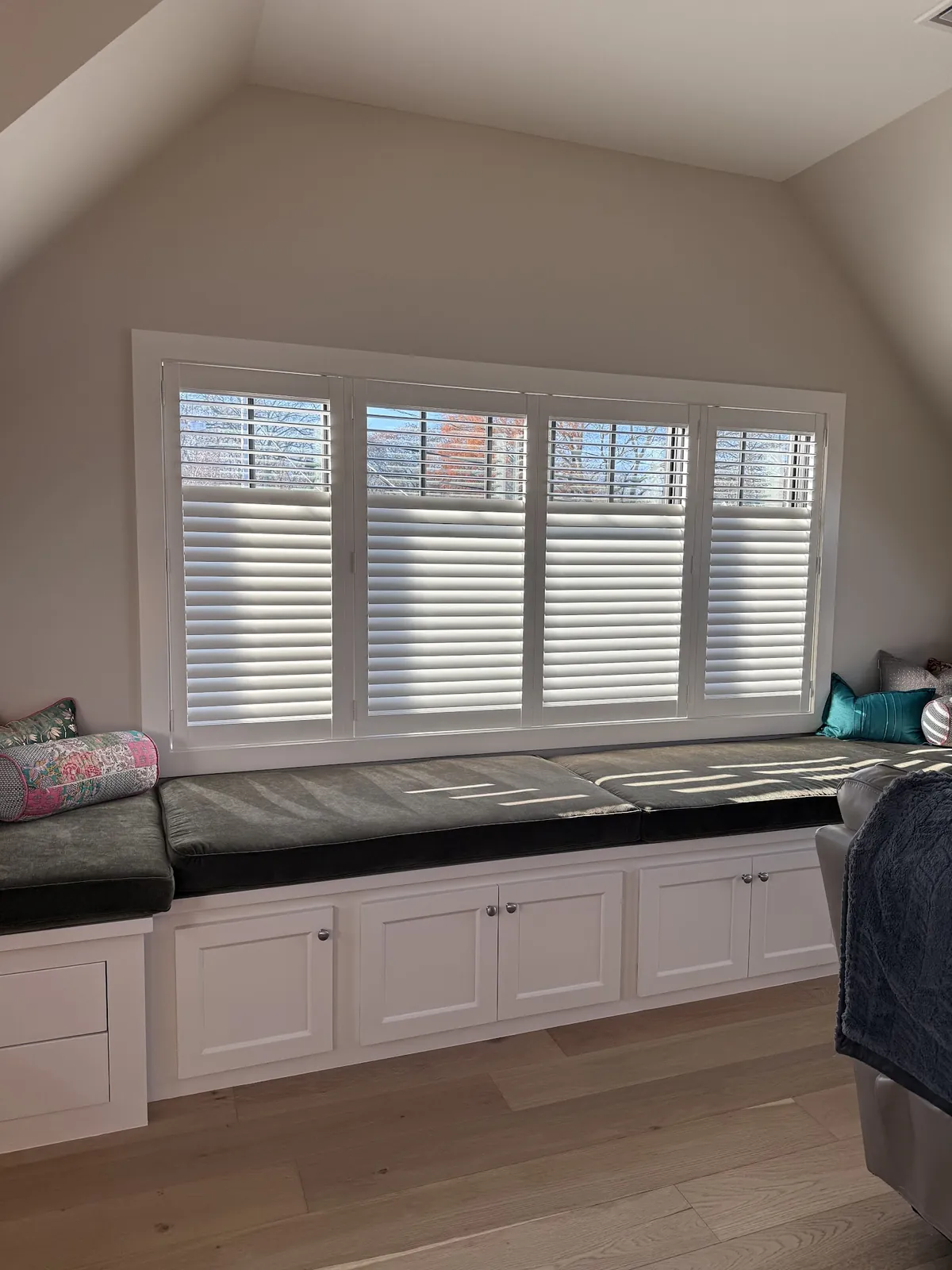
Width comes second. A single honeycomb can span a wide window, but a very long shade is heavier to lift and raises as one block. Many owners prefer two or three shades lined up with the window’s own mullions or divisions, so they can raise one section for daylight while the others stay down for privacy or warmth. We look at how the window is divided and how you use the room before suggesting either.
Keeping the view from the upper level
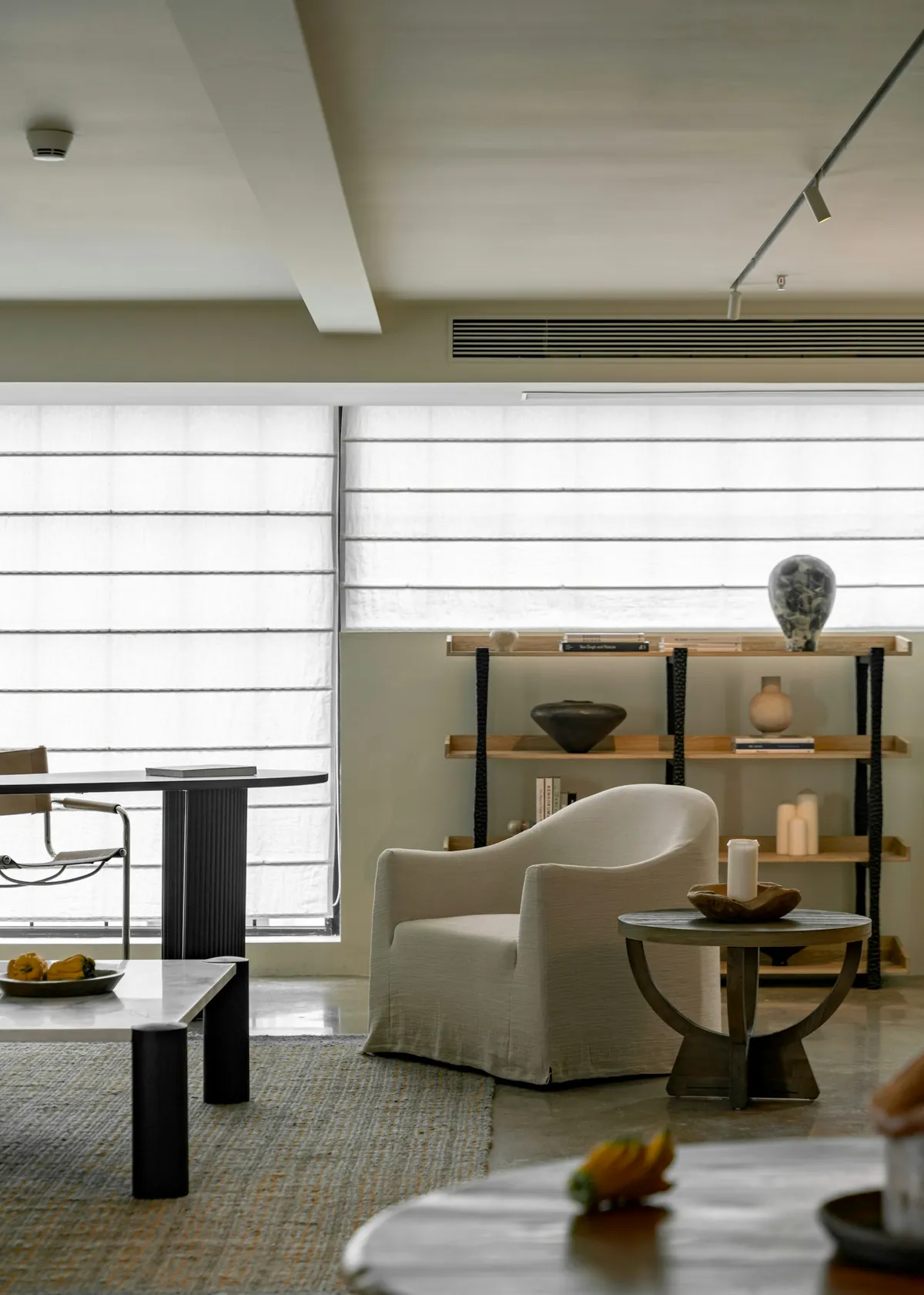
On a split-level, the living room sits half a floor up, and the picture window looks out over the front yard and the street. Raised, a honeycomb shade folds into a narrow band at the top of the frame, so it barely interrupts that view. That small stack is one of the main reasons cellular shades suit these windows better than a heavier treatment.
When you want privacy without losing the light, a top-down, bottom-up lift lets you lower the top of the shade to bring in sky and keep the lower part closed against the view from the pavement. On a window this wide, that flexibility makes the room far more pleasant through the day.
Split-Level Houses, Floor by Floor
A split-level puts different parts of the house at different heights, and each level behaves differently in winter.
The upper level. Living room, kitchen and often the bedrooms. The picture window is the coldest wall, and the bedrooms at the back usually have standard double-hung windows. Single cell often suits the living room in a light-filtering fabric, with double cell or a room-darkening fabric in the bedrooms.
The lower level. Partly below the ground, with a family room, a den or a spare bedroom. These rooms tend to feel cool all year, and their windows are often short and set high on the wall. A double cell shade is the natural choice, and its small stack keeps that short window as clear as possible when raised.
The room over the garage. Many splits and ranches have a bedroom or bonus room above the garage. With cold air below as well as at the windows, it is often the hardest room in the house to keep warm, and double cell shades are our usual suggestion.
Ranches across the town
Seekonk’s ranches spread everything across one floor: a living room at the front, often with a picture window of its own, bedrooms down a hall and a kitchen at the back. The same approach applies. The front window gets the most attention, the bedrooms get matching shades so the house looks even from the road, and any room that feels noticeably colder gets double cell.
Bedrooms down the hall
The bedrooms in a ranch or the upper level of a split usually have one or two standard double-hung windows each, often on the back or side of the house. They are simpler to fit than the picture window, but they are where the choice of fabric matters most. A room-darkening honeycomb lets a child sleep past sunrise in June and keeps the room snug in January. A guest room that is mostly closed off in winter benefits from double cell, so it does not pull warmth from the rest of the house. And a home office, now common in the smallest bedroom, often suits a light-filtering fabric that cuts screen glare without making the room dim.
Why the Cell Matters
It helps to understand what the shade is actually doing. Glass conducts cold readily, so a bare window chills the air next to it. That cool air sinks to the floor and draws warmer air across the glass behind it, a slow loop that steadily drains warmth from the room. Anyone who has sat in a chair next to a big picture window on a January night has felt it.
A cellular shade interrupts that loop. Lowered, it holds a layer of trapped air between the room and the window. Air held still inside a closed cell carries very little heat, so the room keeps more of its warmth and the chair by the window stops feeling like the coldest seat in the house.
A double cell shade adds a second layer of those pockets behind the first. In practice, single cell suits most rooms in a Seekonk ranch or split, and double cell earns its place in the colder ones. The same principle works in reverse in summer: lowered across a sunny window, the shade slows the heat coming into the room.
Newer Homes toward the Providence Line
The newer houses built toward the Providence line tend to have larger windows than the older splits and ranches: taller sash, more glass across the back of the house, and sometimes transoms or tall windows in a two-storey entry or family room.
Modern windows are tighter than old ones, but a large area of glass still loses heat, and it can let in a great deal of sun. In these homes, the shades often have as much to do in summer as in winter. A light-filtering honeycomb lowered across a south or west wall cuts the glare and slows the heat building up, while keeping the room bright.
For tall windows where the bottom rail sits out of easy reach, or for a family room with several windows in a row, motorised shades raise and lower from a remote or a wall switch. Lowering a whole row at once at the end of the day is the kind of convenience that means the shades actually get used.
Houses near the Route 6 stretch
Homes close to the commercial stretch along Route 6 see more passing traffic and more light at night than those on quieter side streets. For the rooms that face the road, privacy after dark is often the priority. A room-darkening fabric in the bedrooms keeps out headlights and signs, and a light-filtering fabric in the living room lets the day in while blocking the view. Keeping one street-side colour across every front window makes the house look tidy from the road whatever the fabric inside.
The slider to the deck
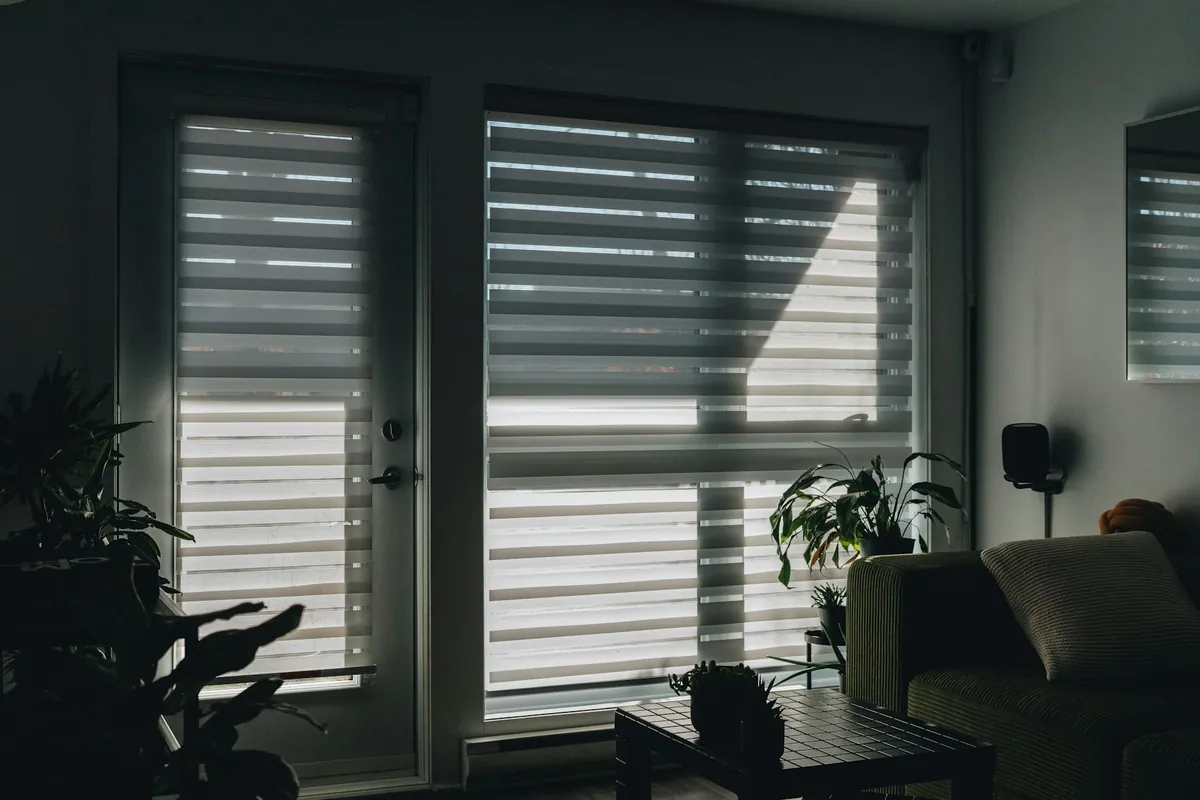
Most ranches and splits in town have a sliding door to a deck or patio, and it is worth being straightforward about it. A honeycomb shade on a busy door is not always the most practical choice. A vertical blind for the slider often suits it better, and it can be chosen in a colour that sits well alongside the cellular shades on the windows around it.
Which Way Does the Picture Window Face?
The direction of that big front window changes what the shade needs to do, and on Seekonk’s streets the splits and ranches face every way.
Facing south or west. The room gets strong sun for much of the day, and in summer the heat builds behind the glass by the afternoon. A light-filtering honeycomb in a pale colour softens the glare, slows the heat and protects the floor and furniture from fading, while the room stays bright. Lower it before you leave for work on a hot day and the living room is noticeably more comfortable when you get home.
Facing north or east. The room gets little direct sun, and winter is the bigger concern. Double cell makes sense here, especially if the room already feels cool, and a lighter fabric keeps what daylight there is.
Choosing cellular shades in Seekonk, MA this way, by the direction each window faces rather than one fabric for the whole house, gives every room what it actually needs. The colour on the street side can still be the same throughout.
Shades with drapes in the living room
A honeycomb shade does the everyday work of light, privacy and warmth. Side drapes add colour, softness and a second layer across the wall when they are drawn at night. On a wide picture window, a pair of drapes hung just beyond the frame also makes the window look more generous. We make both, so the shade and the drapes for your Seekonk home can be chosen together and measured on the same visit.
Kitchens and the window over the sink
The window over a kitchen sink is small and often hard to reach across the counter. A cordless honeycomb with the rail set where you can reach it comfortably is a good fit, and a light-filtering fabric keeps the kitchen bright. It also takes the chill off the glass behind the sink on a winter morning, which is where many people stand longest. In a ranch where the kitchen opens to the eating area, matching the kitchen shade to the ones in the dining space keeps the whole open area looking calm and deliberate.
Planning Cellular Shades in Seekonk, MA
These are the decisions we work through with you, window by window.
- Cell type: single cell for most rooms, double cell for the cold ones
- Fabric: light-filtering where you want daylight, room-darkening where you sleep or watch television
- Colour: soft whites and neutrals keep rooms bright and the street side even
- Mount: inside the frame where the depth allows, on the trim where it does not
- Lift: cordless for a clean look with no hanging cords, top-down, bottom-up for privacy with light, motorised for tall or hard-to-reach windows
- Layout: one wide shade or several side by side across a picture window
If you are planning cellular shades in Seekonk, MA in stages, starting with the picture window, the lower level and any room over the garage gets the most benefit first. Later rooms can match in colour and fabric.

What Happens When You Order
Someone from the store stays in touch with you all the way through, from the first conversation to the last shade. Ordering cellular shades in Seekonk, MA looks like this.
- Get in touch through the call button or the form, mention the rooms you have in mind, and we book your free quote.
- A specialist visits, measures every opening, and checks frame depth so we know where an inside mount will work on those shallow picture windows.
- You choose cell type, fabric, colour, lift and layout, with samples at home or at the Swansea showroom.
- You receive a quote that lists each window.
- The shades are made to those measurements.
- Our installers fit them, run each one up and down, and walk you through the controls.
Care and repairs
Dust the shades every so often with a soft duster or a vacuum brush on low, and dab small marks with a damp cloth. Raise and lower them steadily rather than yanking the rail. If a cord or headrail on a shade you already own stops working properly, our blind and shade repair service can often fix it.
A Swansea Store with Long Roots
Window Works started in Swansea in 1988, and the same family runs it today in its second generation. In more than 37 years, our team has measured and fitted treatments in 25 towns across the SouthCoast and the Rhode Island East Bay, Seekonk’s splits and ranches among them.
- Experienced specialists who measure every window in person
- Our own installers for every job
- Regular updates from us until the work is complete
- Warranties offered on the products we sell
- A showroom with fabrics, lifts and the Norman range to see in person
See every service we offer in town on the Seekonk window treatments page, or read more about how honeycomb shades work on our main cellular shades page.
Questions from Seekonk
Will a shade fit my split-level’s wide, shallow picture window?
Yes. We measure the frame depth and fit the shade inside where it will sit flat, or on the trim above where it will not. Very wide windows can take two or three shades side by side.
Which rooms in a split-level should get double cell?
The lower level, any bedroom over the garage and any room that feels noticeably colder than the rest. Single cell suits most of the upper level.
Can I let light in and keep privacy from the street?
Yes. A top-down, bottom-up lift lowers the top of the shade for daylight while the bottom stays closed.
What about the sliding door to the deck?
A vertical blind usually suits a busy slider better than a honeycomb shade. We can match its colour to the shades on the windows.
How much is a quote?
Quotes are free. Use the call button or send the form to arrange one.
Let’s Get Started
Use the call button to speak with the Swansea store about a free quote, measuring in your home or installation. If you want to compare fabrics before anyone visits, the contact page has the way to our showroom. Window Works holds a 5.0 Google rating.