
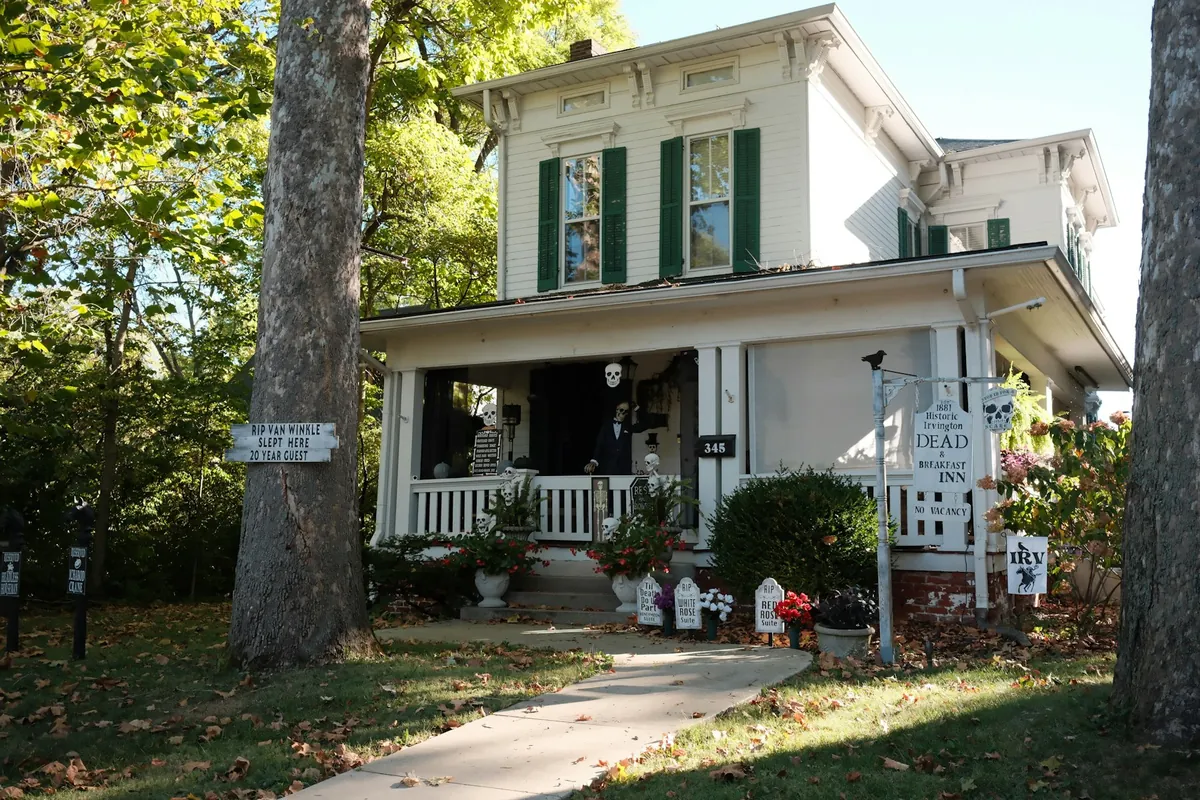
Tall, Narrow and Close Together
Pawtucket’s older houses share a window: tall, narrow and double-hung. You find it across the Victorians of Oak Hill and Quality Hill, and again in the mill-era three-deckers on the side streets off Broadway. The houses are close-set, so many of those tall windows look across a few feet of side yard at the house next door. For custom blinds in Pawtucket, RI, that puts two things ahead of everything else: getting the length right, and giving each room privacy without losing its light.
Width is rarely the difficulty. A narrow window takes a narrow blind, and the frames, while old, are seldom wide. The challenge is a long drop in a slim opening, a stack that does not swallow the top of the glass, and slats that can be set to block a neighbour’s view while still lighting the room.
- Wood, faux wood, aluminium and vertical blinds
- Every tall window measured at the house, top to bottom
- Fitted by our own installers and set up for privacy
Blinds Built Around Tall Windows
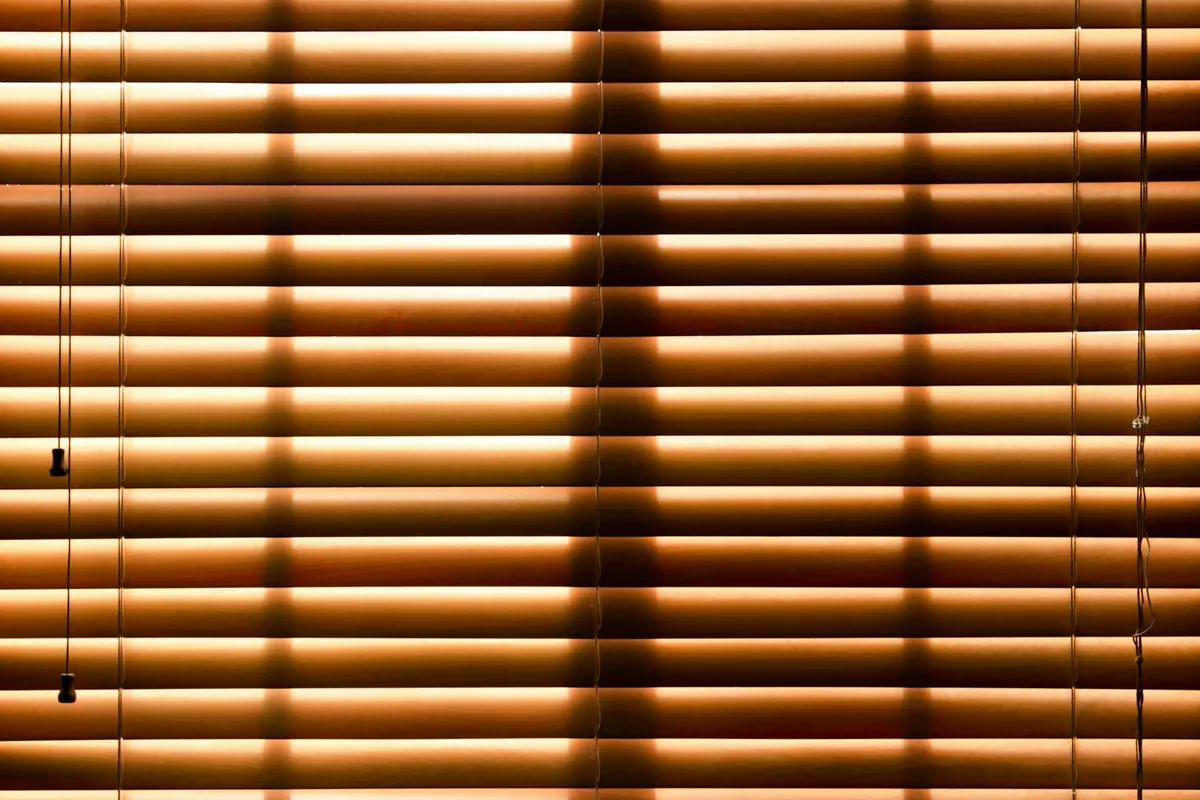
Long drops
Made to the exact height of each window, so the bottom rail meets the sill and the blind hangs straight in a frame that may have settled.
Slim slats for narrow frames
A narrower slat suits a narrow window, keeps the blind in proportion and gathers into a shorter stack when raised.
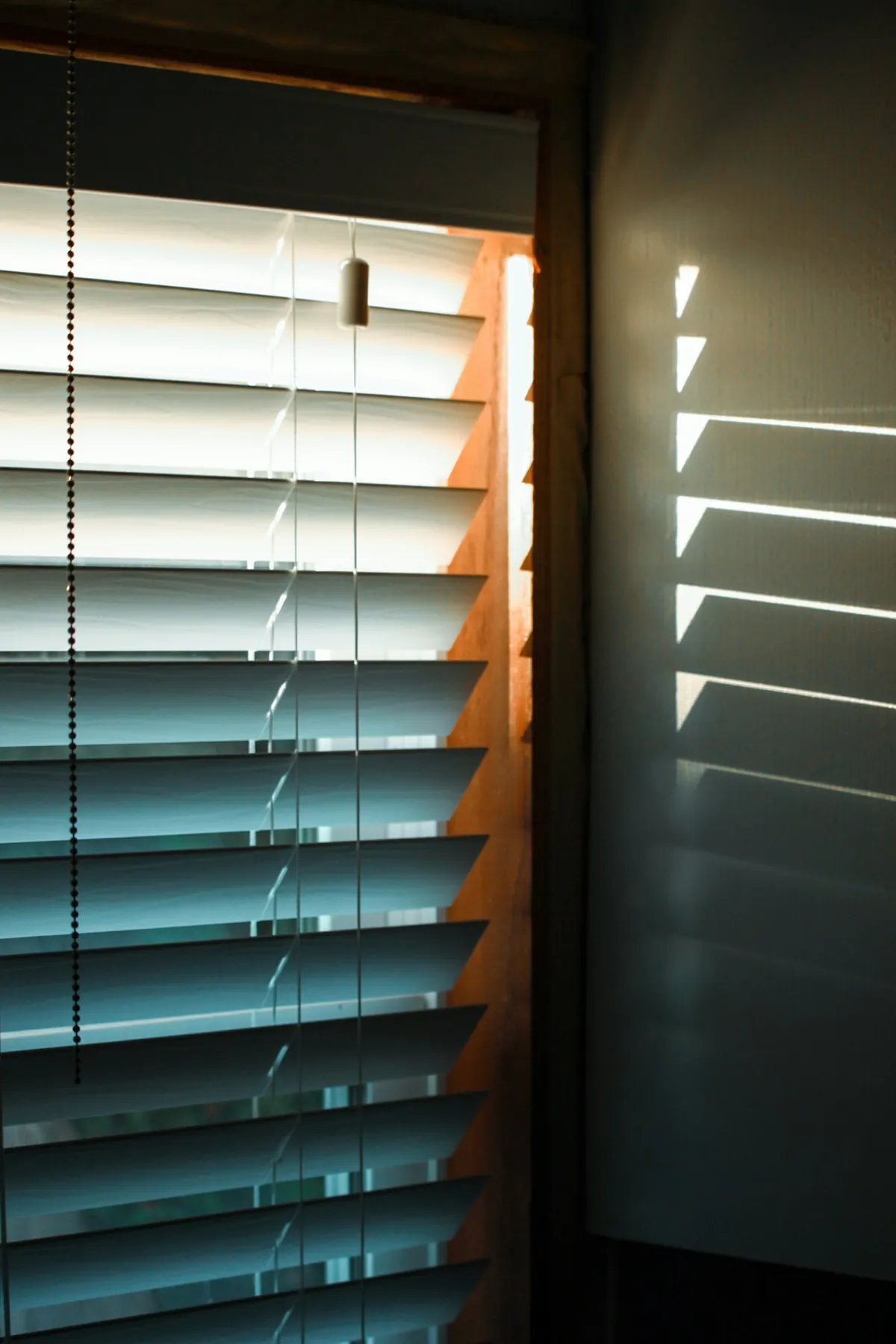
Privacy that keeps the light
Slats tipped upward light the ceiling while the house next door sees nothing. Closed, they give full privacy.
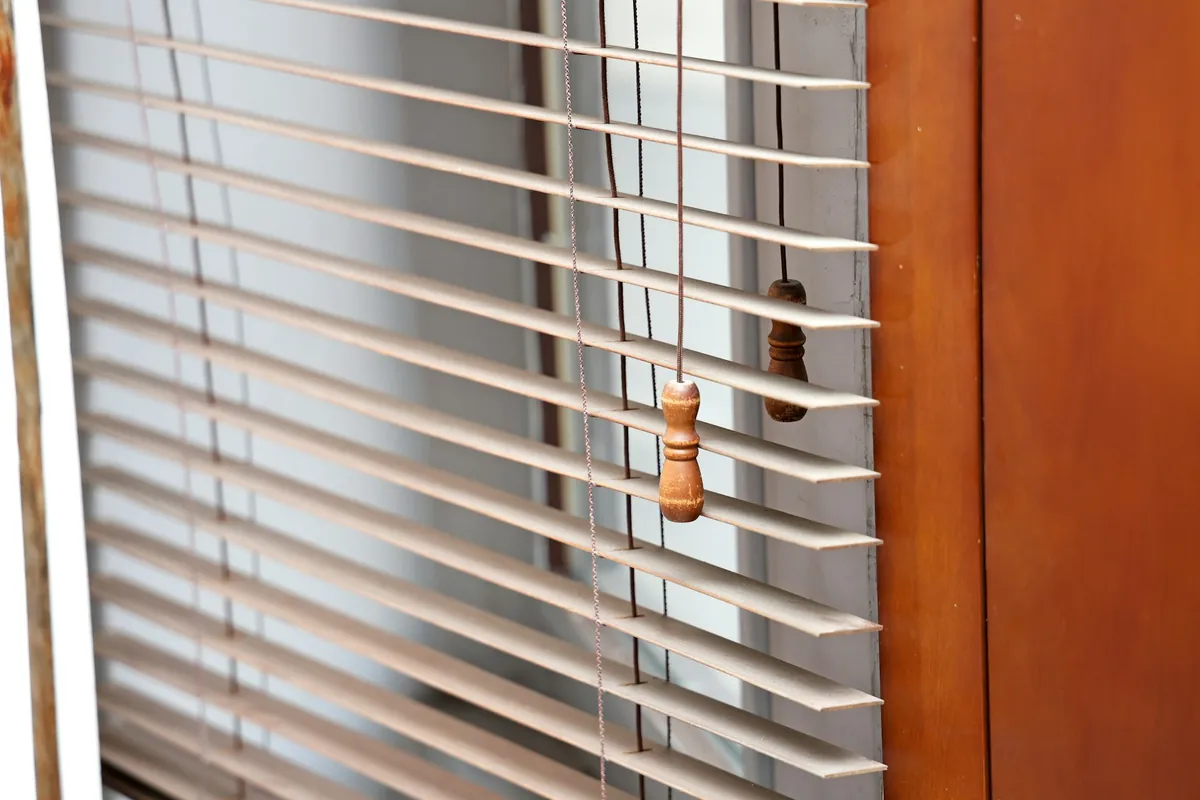
Faux wood for kitchens and baths
Holds up to steam in three-decker kitchens and old bathrooms, and wipes clean.
Length Before Width: Custom Blinds in Pawtucket, RI
On a tall double-hung window, the length of a blind decides how it looks and how well it works. Too long, and the bottom rail rests in a heap on the sill. Too short, and a strip of light shows under it, right where you sit. In an old house where the frame has shifted, the left side of the window can be a little longer than the right, so we measure the drop at both sides and the middle and make the blind to suit.
Where the blind ends also depends on the mount. Fitted inside the frame, it stops at the sill and the trim stays on show. Mounted above the trim, it can run down past the sill to the bottom of the apron below, which covers more of the window and blocks light at the edges. On a tall Victorian window with good trim, most people choose the inside mount. On a plainer three-decker window, the outside mount can make the window look taller and gives a little more privacy at the sides.
The stack matters on a long blind too. Raise a tall blind and its slats gather at the top, and the longer the blind, the deeper that stack. A slimmer slat makes a smaller stack, and an outside mount lets it rest on the wall above the glass, so the whole window is clear when the blind is up.
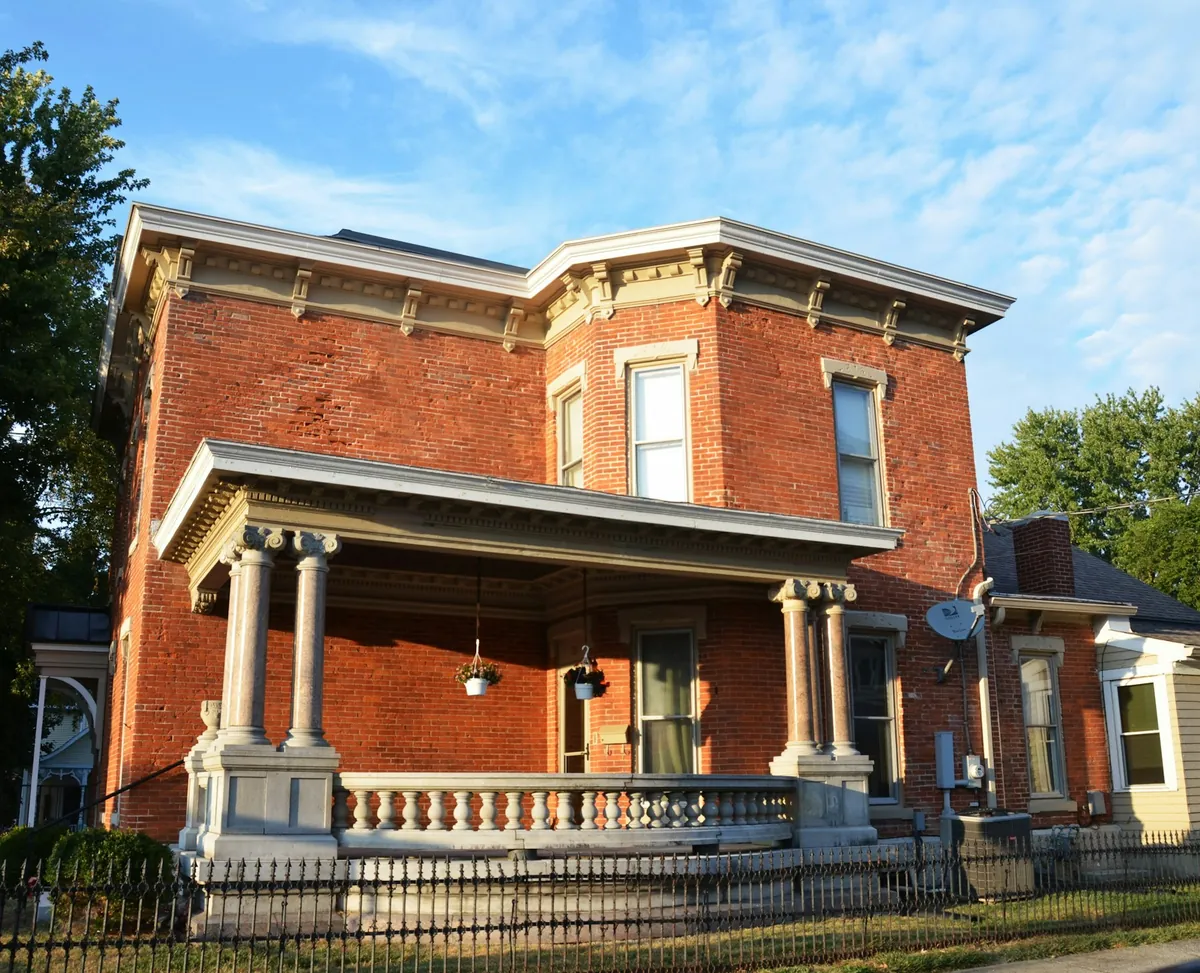
Oak Hill Victorians
Oak Hill’s Victorians have the tallest of the town’s windows, often in the front parlour and dining room, with high ceilings above them and moulded trim around them. Many have a bay at the front, its windows set at angles, and a long stair window lighting the hall.
A wood blind is the usual choice for these rooms: it is light for its length, it suits old woodwork, and a stained slat warms a tall room. In a bay, each window takes its own blind, made to the same drop so the bottom rails line up around the angle. The stair window, often taller than any other in the house, takes a long blind with its controls set where you can reach them from the stair.
Quality Hill
Quality Hill’s houses are of the same family, with tall narrow windows and close neighbours, and frames that have had a century or more to settle. Two windows that look identical across a front room may differ enough to matter, so each is measured on its own. Inside mounts are common here, keeping the period trim on view, and where a frame is too shallow, the blind goes above the trim, sized to the trim’s width so it sits square.
Mill-era three-deckers off Broadway
The houses on the side streets off Broadway went up when the mills were running, and many are three-deckers: a flat on each level and the same slim, tall sash repeated top to bottom. Each level tends to follow a plan of street windows at the front, a line of side windows down the length of the flat, the kitchen at the rear and a door out to the back porch.
Down the side is where privacy is hardest. Buildings here can stand close enough that a side window looks almost directly into the flat next door. Kept lowered, with the slats angled up, a blind lets the ceiling catch the daylight while the neighbour’s view is cut off. At the rear, faux wood is the sensible material for a kitchen that sees steam every day, and the porch door takes either vertical vanes or a full-length horizontal blind mounted on the door.
Seen from the pavement, the three front rows of windows make up the face of the building. A single colour and slat across all of them keeps that face orderly, and since owners often do one flat at a time, we keep the details of each order on file for the next.
Privacy Between Close Houses
Privacy is the reason most Pawtucket orders begin, so it is worth knowing how a blind handles it through the day.
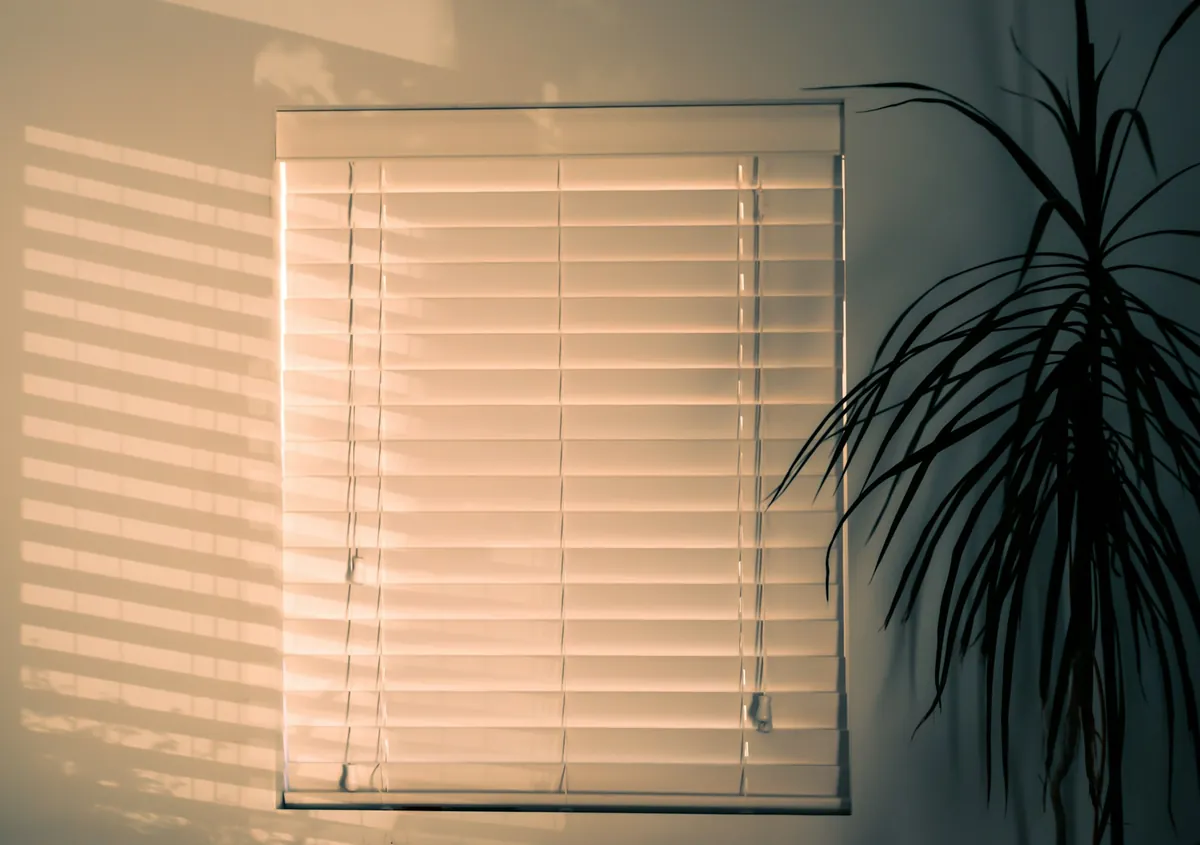
- Morning and afternoon: slats tipped upward. The room is bright, light bounces off the ceiling, and from next door or the street you see only slats.
- Evening: slats closed fully. A lit room is easy to see into after dark, and a closed blind stops that.
- Bedrooms: slats closed and the blind fitted close to the frame, so the street lamp and early light stay out.
- A desk by the window: slats angled up, so daylight lands on the ceiling instead of the screen.
- Windows facing a yard or nothing at all: raised out of the way.
Because a blind gives privacy by angle rather than by covering the glass, a tall window can stay fully lowered all day and the room still feels light. That is why blinds suit close-set streets so well, and why we ask, at every window on the measuring visit, what can be seen from outside and what you would like to see from in.

How Your Order Runs
- Call the Swansea store or use the form to book a free quote, and tell us which rooms and floors you have in mind.
- A specialist visits and measures each tall window at both sides and the middle, checks the frame depth and notes the trim, the sash locks and anything near the window.
- You pick the material, colour and slat width for each window, with samples at home or at the showroom, and decide on inside or outside mount.
- Your quote shows each window and what will hang in it.
- The blinds are made to the measurements we took.
- Our installers fit them, check each one hangs straight, lifts evenly and tilts fully closed, and show you the controls.
- We keep in touch through the order, and the same store is there if anything needs another look.
Radiators, sash locks and old hardware
Older Pawtucket houses keep a lot of their original fittings, and those decide details that a standard blind ignores. A cast iron radiator under a parlour window may sit close to the sill, so the bottom rail must stop clear of it and the controls must hang where they will not rest against hot metal. A sash lock at the meeting rail can stand proud of the frame, which affects whether an inside-mount blind can tilt without catching. Old sash lifts, shutter hinges left from interior shutters and picture rail mouldings near the ceiling can all change where the brackets go.
None of that is a reason to avoid an inside mount. It is a reason to look at each window properly, which is what the measuring visit is for. We note every fitting, and where something is in the way, we either adjust the depth of the blind or move it above the trim.
The four materials in a tall narrow house
- Wood for the parlour, dining room, bedrooms and stair hall. Light for its length, warm in tone and at home with old trim. Keep it out of steamy rooms.
- Faux wood for kitchens, bathrooms and the back of a three-decker flat. It handles moisture and looks like painted wood, so it can match wood blinds from the street.
- Aluminium for the narrowest and smallest windows, attic gables and the odd short window on a stair. The thinnest slat and the shortest stack.
- Vertical for porch doors and the occasional wide opening. A single track, vanes that draw aside and turn.
Stair halls and landings
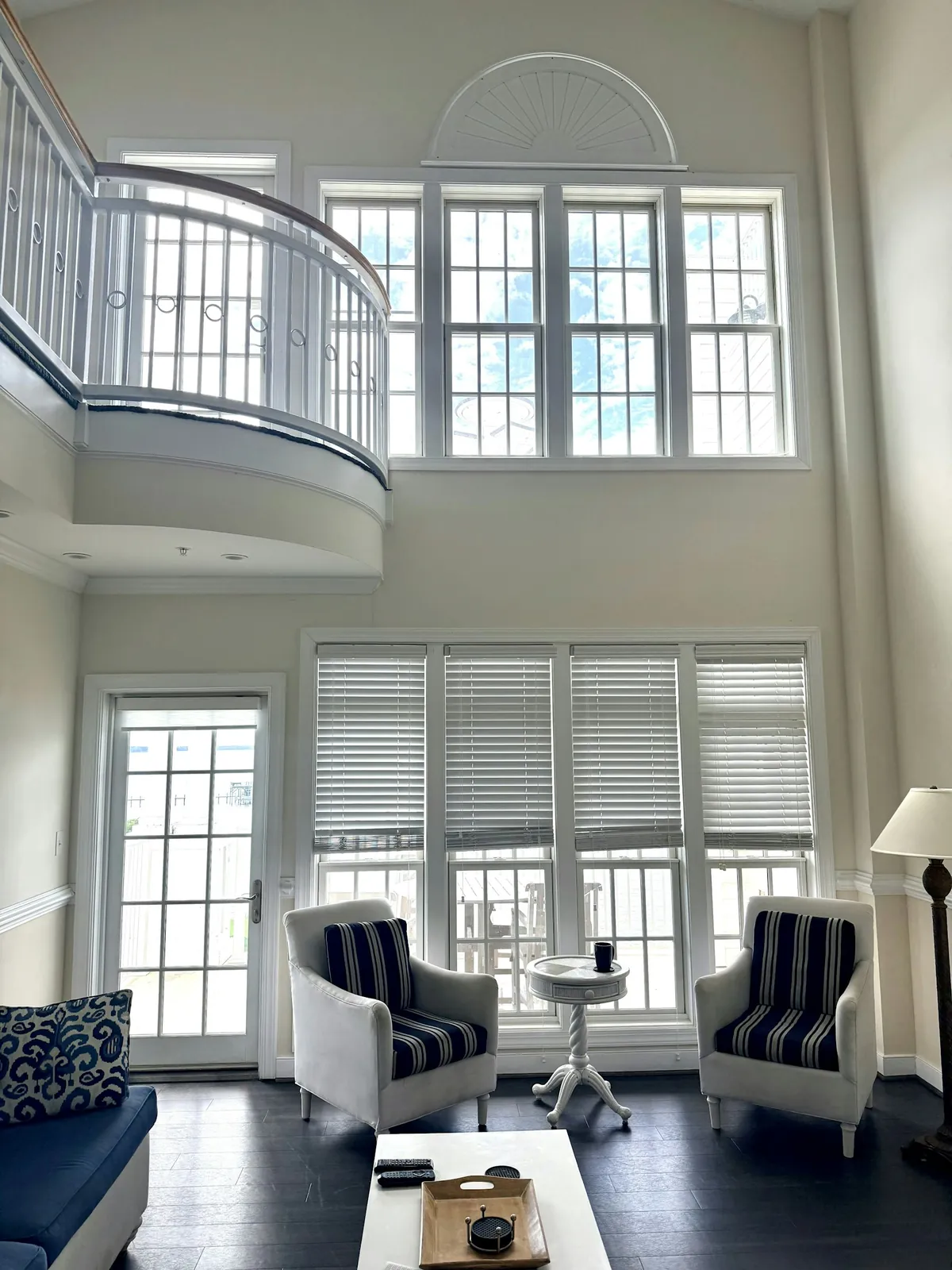
Victorians in Oak Hill and Quality Hill usually have a stair hall with a long window at the turn of the stair or on the landing, and three-deckers have a shared stair with windows at each half level. These are some of the tallest windows in the house, often the hardest to reach, and they are seen from two floors at once.
A blind for a stair window needs its controls on the side and at the height you can reach from the steps, not from a floor that is half a flight away. Its colour should suit the walls above and below. And because a stair window is rarely opened, many people leave the blind lowered with the slats tilted to light the stairs, which makes a slim slat and a neat stack worth having. We measure stair windows from the steps themselves, so the blind is made to the window as it actually sits.
Top floors and attic rooms
The top floor of a Victorian, or the third floor of a three-decker, often has lower ceilings and smaller windows, some set into the roof or under the eaves. These rooms catch the most sun and the most heat, and they are often bedrooms. Custom blinds in Pawtucket, RI for a top-floor bedroom are usually chosen to close tight, in a slat that seals well, mounted close to the frame. Aluminium suits the smallest gable windows, where its short stack keeps the little glass there is clear.
Slat width on a narrow window
A slat that looks right on a wide window can look heavy on a narrow one. On tall, slim Victorian and three-decker windows, a narrower slat keeps the blind in proportion and makes a smaller stack. A wider slat gives a more open view between the slats when tilted, which some people prefer in a parlour where the view matters. We bring both sizes to the measuring visit so you can hold them against the window.
Blinds with drapes and other treatments
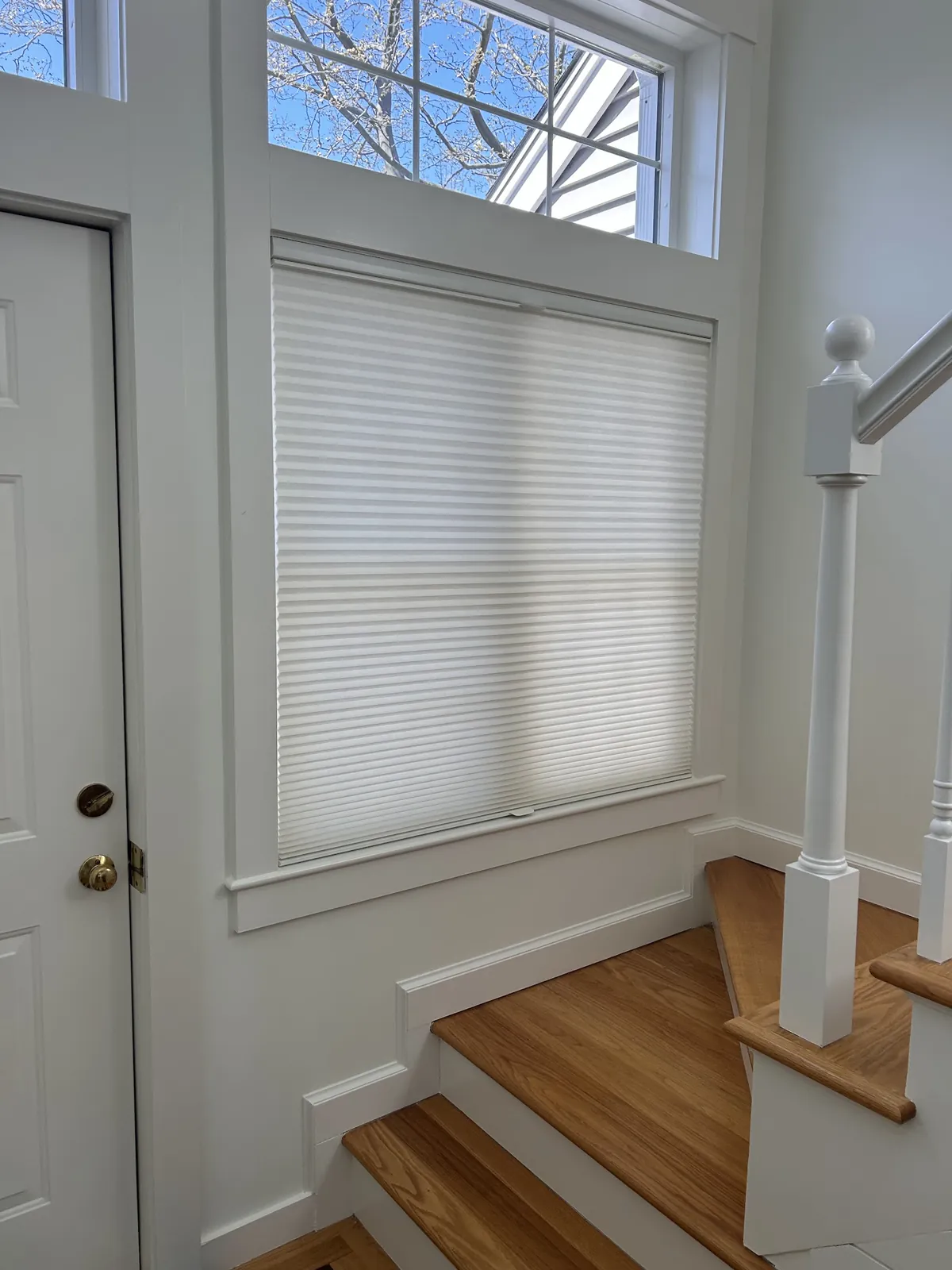
Tall windows look their best with a blind inside and full-length drapes outside: the blind gives privacy and light control, the drapes add height, colour and softness. Window Works makes drapes and custom fabric decor as well as blinds, so they can be chosen together. Some windows are better with a different treatment, such as a cellular shade by a front door or a roller shade on a porch, and we will tell you if so. See all our services in the city on the Pawtucket window treatments page, the vanes for porch doors on our vertical blinds in Pawtucket page, and every blind on our main custom blinds page.
Where to start
If the whole house cannot be done at once, start with the windows that face the neighbours. Side windows and the front rooms at street level are where privacy matters every hour of the day, and getting custom blinds in Pawtucket, RI right on those windows settles the colour, the slat width and the mount for the rest of the house. The upper floors, the kitchen and the stair can follow, matched to the first order.
Looking after long blinds
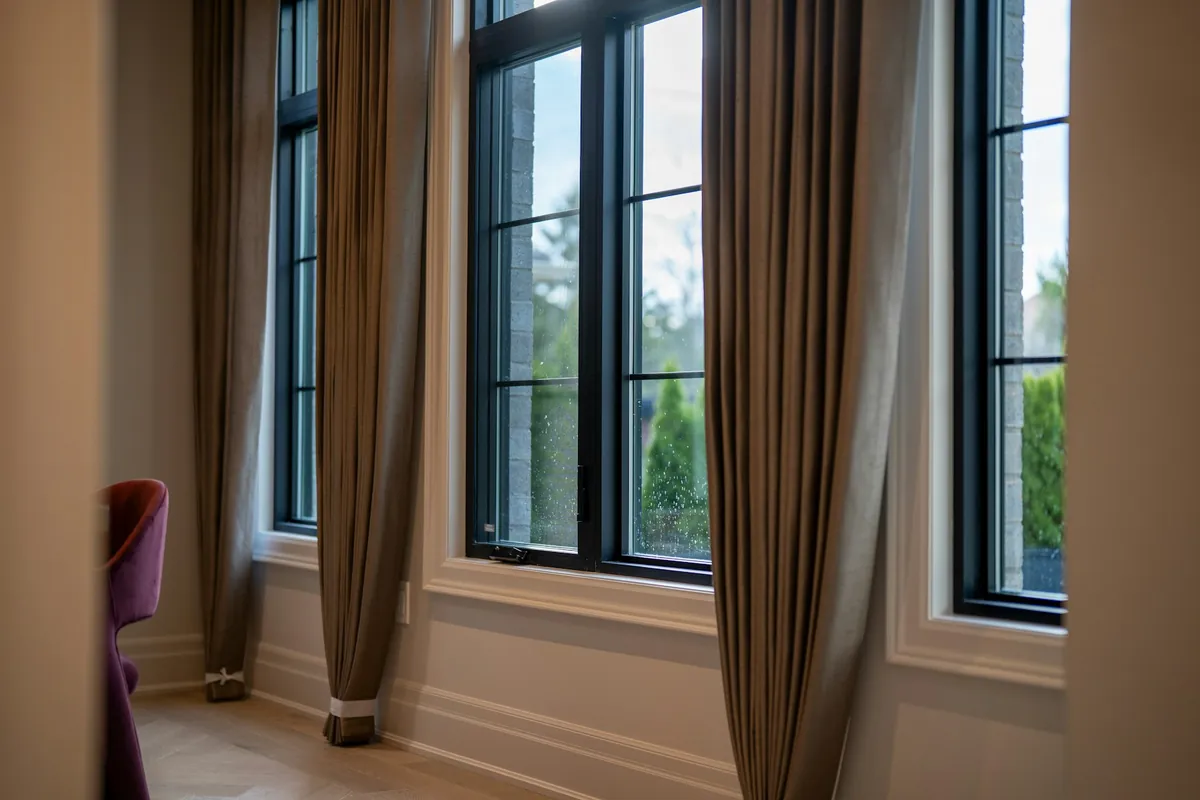
Lower a tall blind fully and close the slats before dusting, so you can reach every slat in one pass, then tilt them the other way and dust again. Faux wood and aluminium can be wiped with a damp cloth. Wood should stay dry. Verticals are dusted where they hang.
Why Pawtucket Homes Choose Window Works
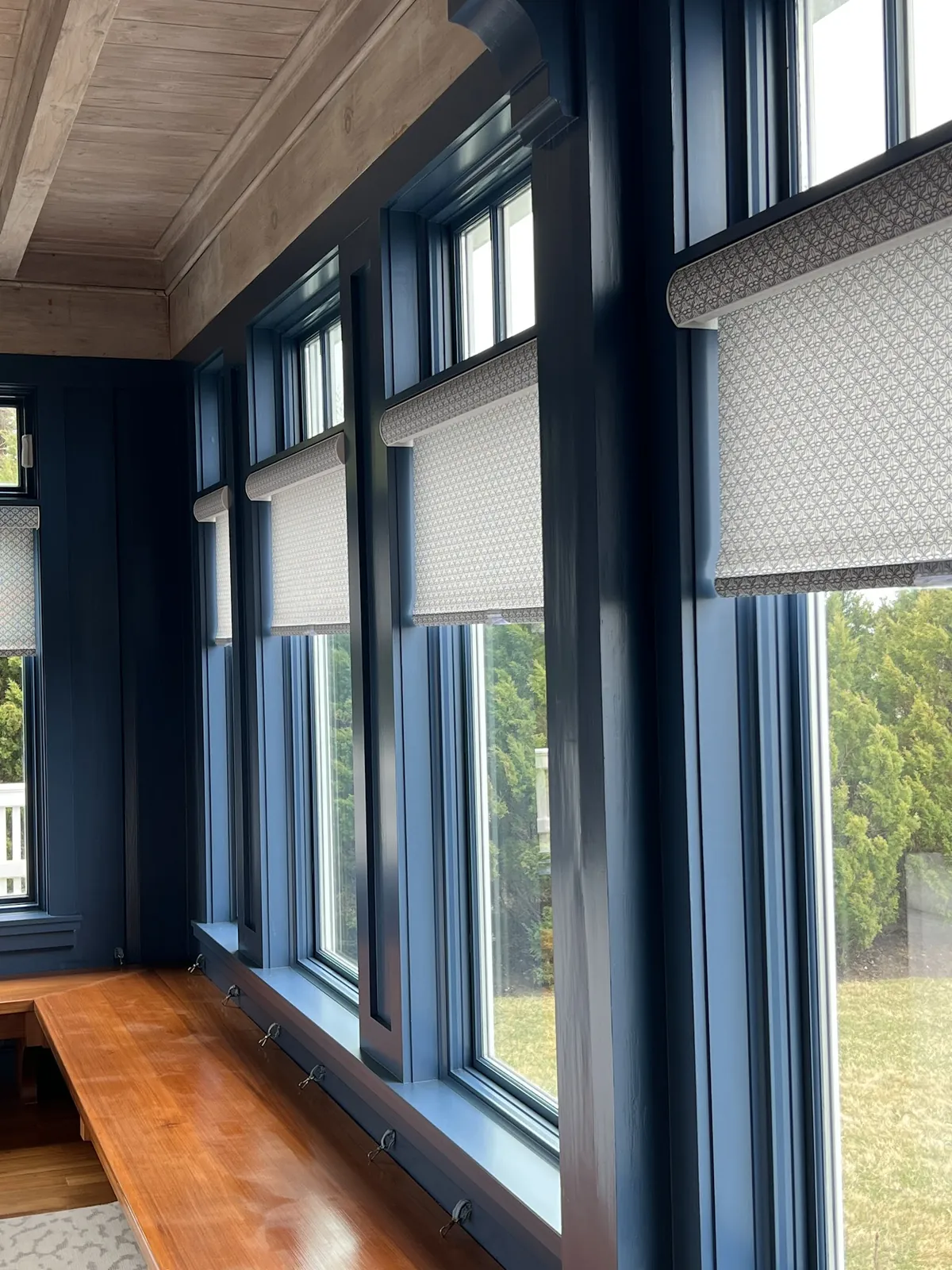
Window Works is a family store, founded in Swansea in 1988 and now run by the second generation. For more than 37 years it has worked in homes across the SouthCoast of Massachusetts and the Rhode Island East Bay, and Pawtucket’s tall windows are familiar work.
- Window treatment specialists, not a sales desk
- Each window measured at your home
- Installation by our team
- Kept in touch with you until the job is done
- Warranties offered on what we sell
See the Blinds in Swansea
Before you choose custom blinds in Pawtucket, RI, you can see them at full size in the Swansea showroom. Compare the slat widths against each other, hold wood beside faux wood, and try lifting a long blind for yourself. The Norman range is on show as well. Bring a photo of the room or a paint chip and our specialists will help you choose.
Questions from Pawtucket
How do blinds give privacy when the next house is only a few feet away?
Lower the blind and tip the slats upward. Light comes in toward the ceiling, and the view from next door is blocked. Close the slats fully at night.
Will a long blind block the top of a tall window when it is raised?
Its slats gather into a stack at the top. A narrower slat keeps the stack small, and mounting above the frame lets it rest on the wall so the glass is clear.
Can the front windows of a three-decker all match?
They can. Every flat is measured on its own, and the details of each order are kept on file, so a flat done next year looks like the one done this year from the street.
Do you come out to measure?
Yes. A specialist measures every window at the house, and our team comes back to install.
What does a quote cost?
Nothing. Quotes are free. Call from the button on this page or send the form, and tell us which rooms you are thinking about.
Book Your Free Quote
The call button puts you through to the Swansea store: book your free quote, arrange a time for us to measure, or ask about fitting. The form on this page works too. If you would like to see the blinds in person first, the contact page has directions to the showroom. Window Works is rated 5.0 on Google.