
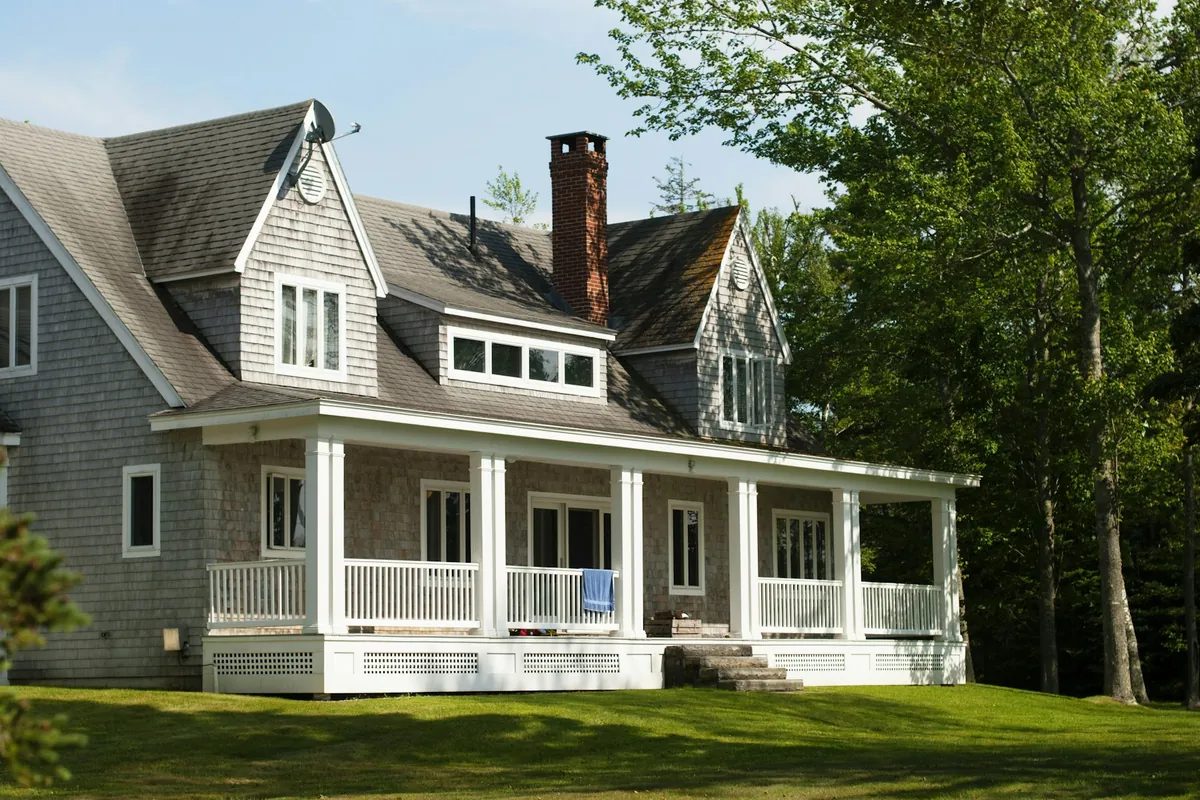
Bungalow Windows Come in Groups
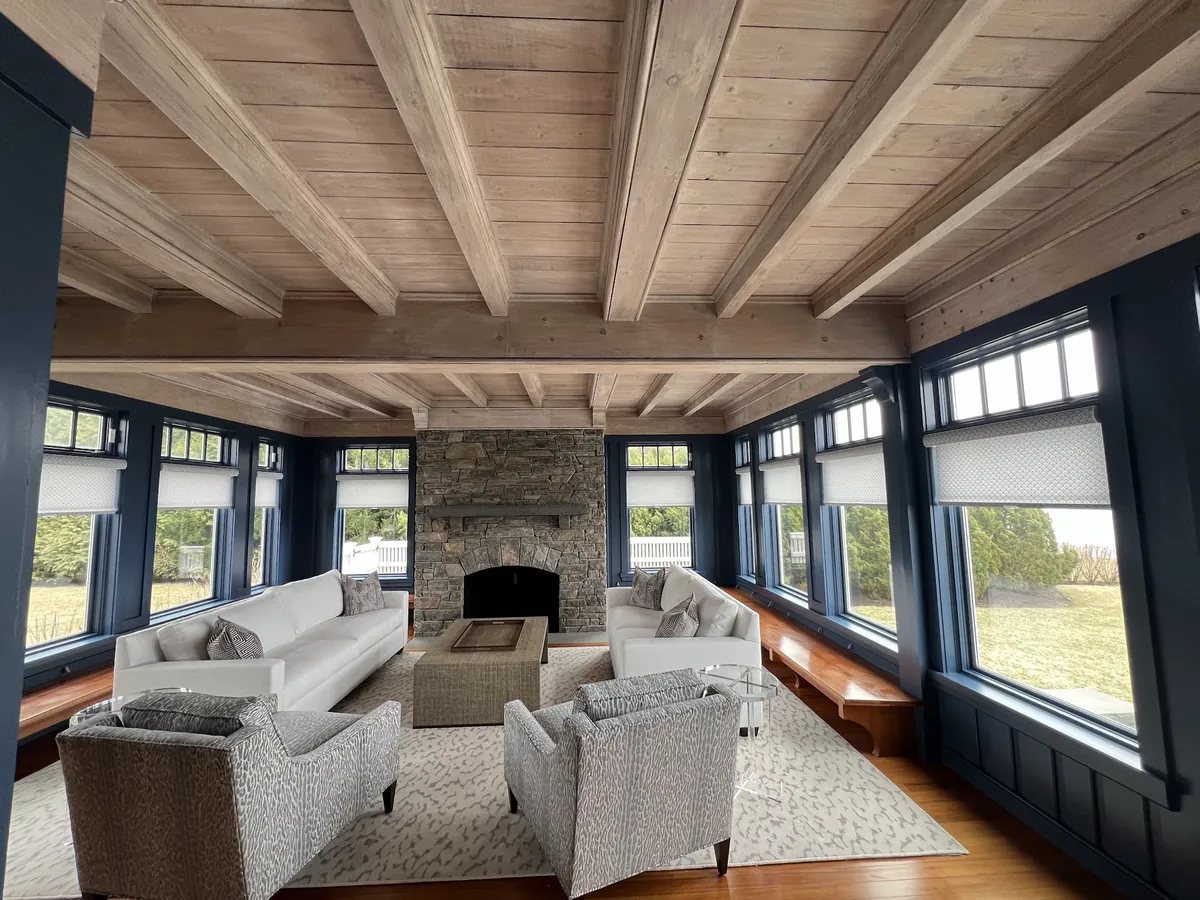
Walk past the bungalows in Riverside and Rumford and you notice the windows before anything else. They come in groups: two, three or four sashes set side by side under one header, so that from the street and from inside they read as a single opening. Planning cellular shades in East Providence, RI for these houses starts with that group, because it is usually treated as one window, not three.
The rest of the city brings other shapes. The colonials built alongside the bungalows have evenly spaced single windows. Watchemoket’s older houses have taller, narrower sash in frames that have settled over the years. And the newer construction at Kettle Point has larger panes and cleaner, modern frames. A honeycomb shade suits all of them, because it holds a layer of still air against the glass, but each one needs the shade made to its own shape.
- Single cell for comfortable rooms, double cell for cold ones
- Grouped windows planned as one opening
- Measured in your home, installed by our team
The Shades We Make for East Providence Homes
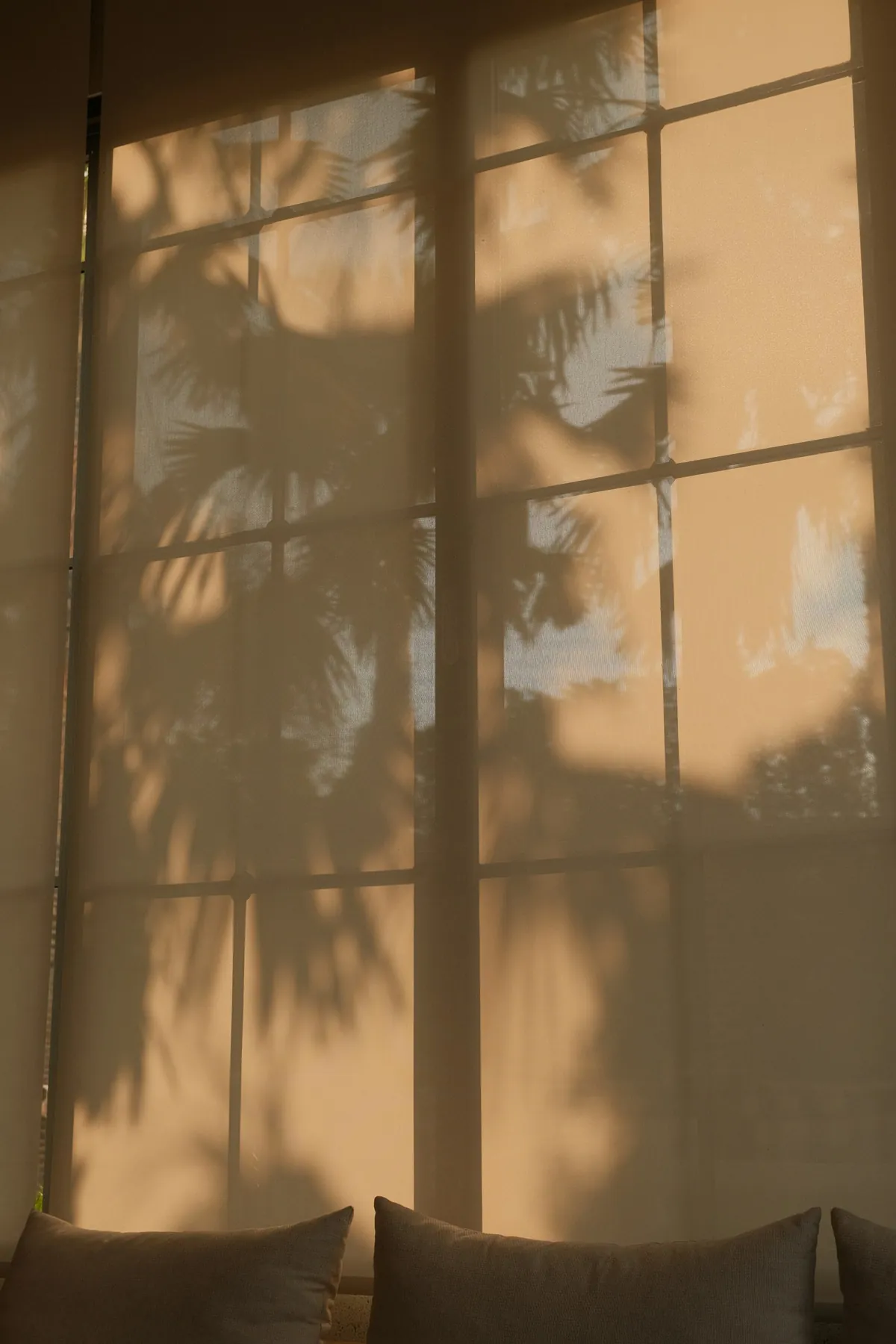
Single cell
One row of cells, slim when raised and easy to lift. The everyday choice for living rooms, kitchens and bedrooms that already hold their warmth.
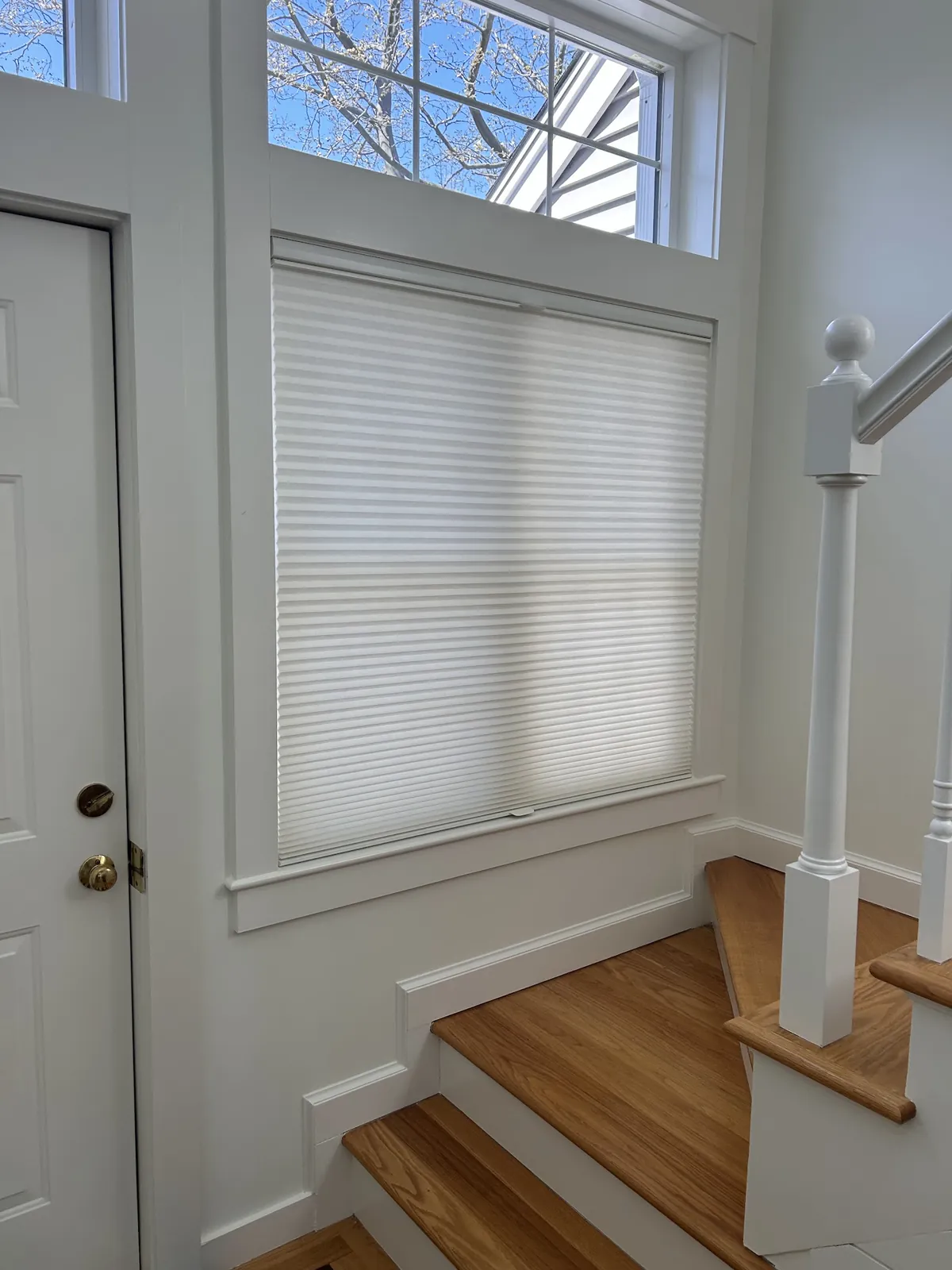
Double cell
Two rows of cells and two pockets of held air. For the sunporch that turns cold in November, the back bedroom over the garage or a draughty old sash.
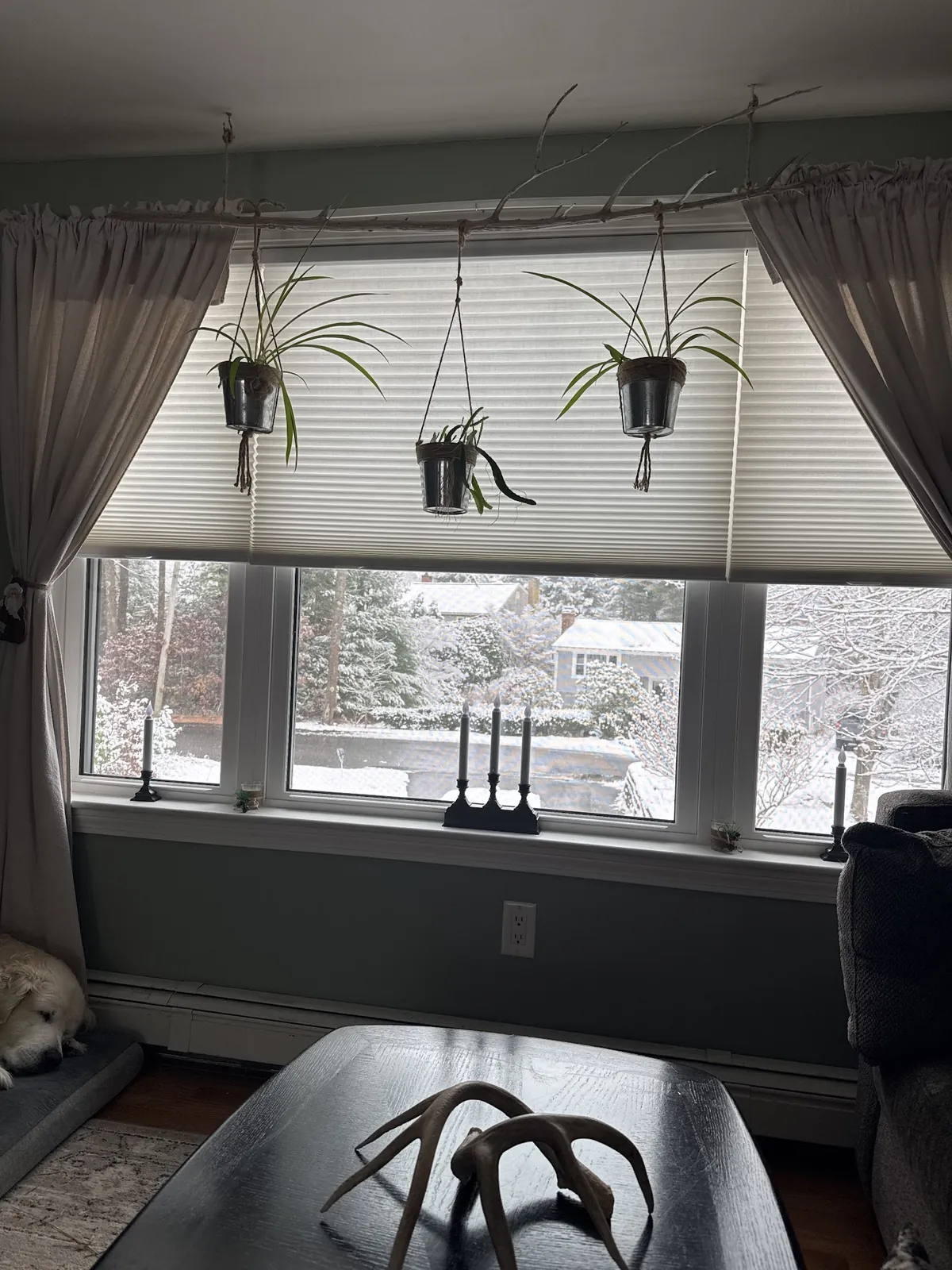
Grouped windows
A bungalow’s band of windows covered so it still looks like one opening, with the shades matched in height, colour and fold.
Treating a Band of Windows as One
The grouped windows of a bungalow were designed to look like a single wide opening, and they look best when they are covered that way. Hang a different treatment on each sash, or let the shades sit at different heights, and the band breaks up into a row of separate windows. Keep the shades matched and lined up, and the opening reads as one calm strip of fabric from the street and from the sofa.
There are two good ways to do it, and the right one depends on how the group is built.
One shade per sash. Where the windows are separated by mullions or narrow posts, a shade made to each sash, fitted inside its frame, keeps the woodwork between them on show. Made together, from one set of measurements, the shades line up at the top and bottom and match exactly in colour and fold. The benefit is control: you can raise the middle shade for light and leave the outer ones down, or the other way around.
One shade across the group. Where the windows sit tightly together with only thin divisions, a single wider shade mounted above the trim can cover the whole band. It gives the cleanest line of all and covers the joins between the sashes, which in an older bungalow is often where the cold creeps in. It also means one shade to raise rather than three.
We look at the group at the measuring visit and suggest one or the other, with the reasons. Sometimes the answer is a mix: a single shade across the front band in the living room, and individual shades on the paired windows in the bedrooms.
Corners, bays and the odd window out
Not every group is a straight row. Some bungalows wrap a band of windows around a corner of the living room, and some have a shallow bay with three windows set at angles. In a corner, each side is measured and made as its own run, so the two meet neatly without fabric overlapping at the joint. In a bay, each window gets its own shade, matched to its neighbours, so the bay is covered completely and still reads as one feature.
Then there is the odd window out: the small high window beside a fireplace, the narrow window in a stairwell, the little square window in a bathroom. These are easy to forget when a house is being done, and they are often the ones that let the cold in, because nobody has ever covered them. When we plan cellular shades in East Providence, RI houses, we measure those too, so the whole house is matched rather than just the main rooms. Adding a small window to the order is a modest extra job on installation day, and it often makes a hallway or a bathroom noticeably more comfortable through the winter.
Why held air keeps a room warmer
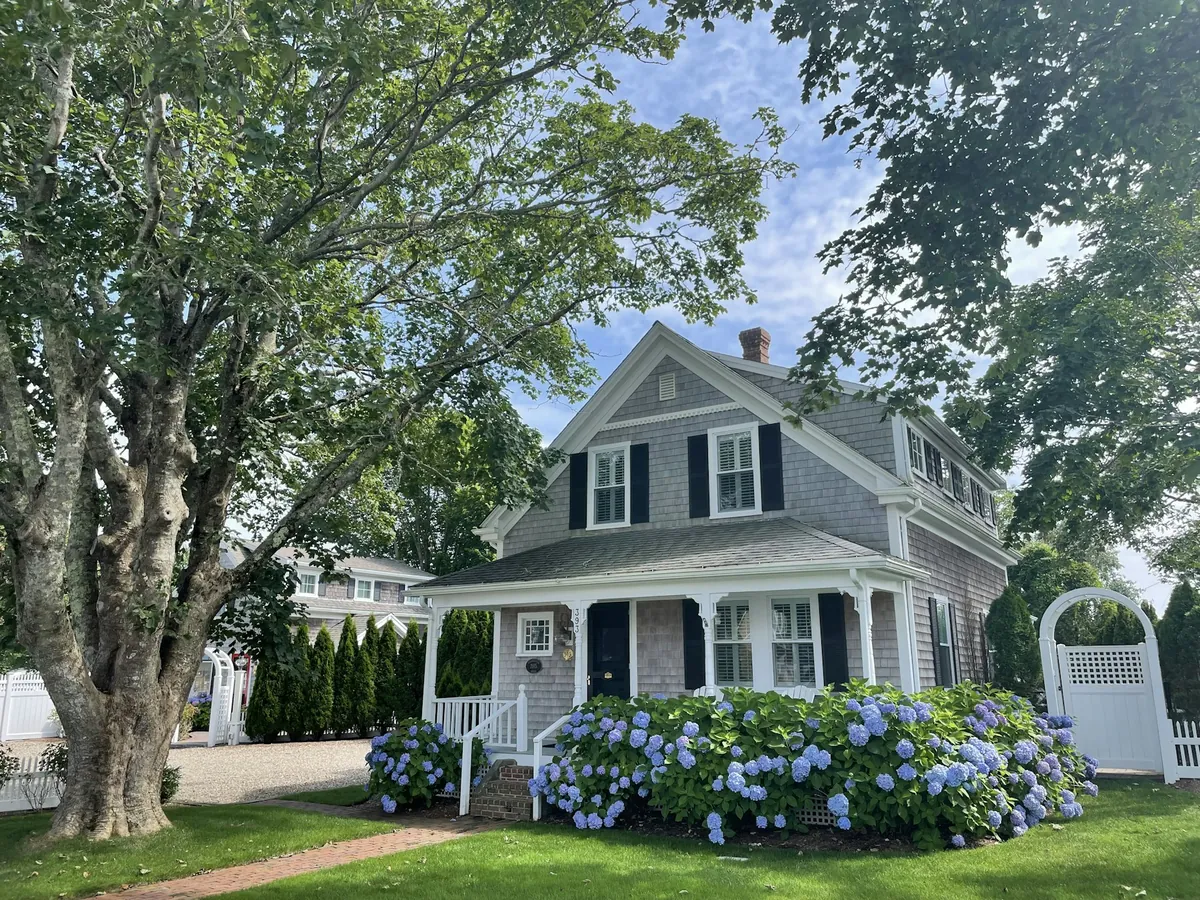
Whatever the shape of the window, the reason a honeycomb shade warms a room is the same. Its fabric is folded into a row of closed cells, and when the shade is down those cells sit between the glass and the room, each holding a small pocket of air. Air that is trapped and still is poor at carrying heat. The warmth from the room reaches the shade, not the cold glass behind it, and more of it stays where you want it.
A double cell shade adds a second row of cells behind the first. Two layers of still air do more than one, and that is why we suggest double cell for the coldest rooms. A bungalow’s band of glass is often the largest cold surface in the house, so a double cell shade across it can make the biggest single difference to how the front room feels in January.
Riverside and Rumford Houses
Bungalows with front porches
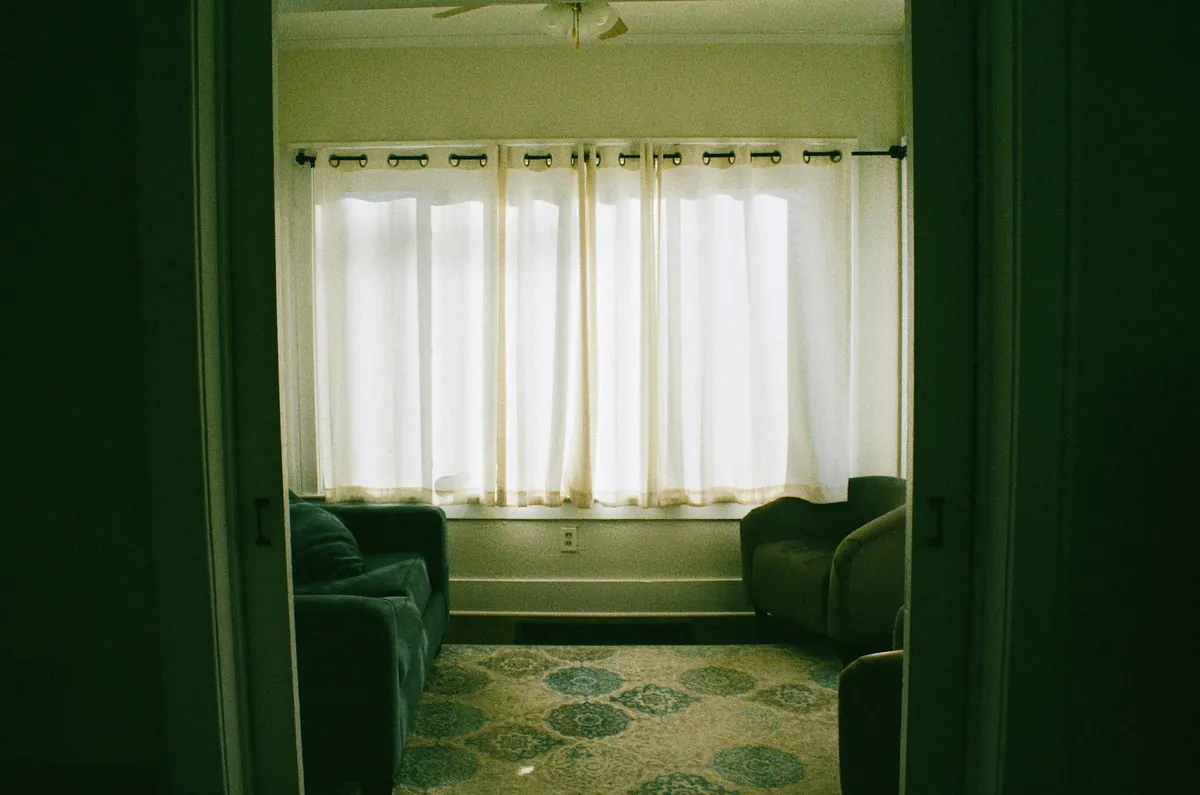
Many Riverside and Rumford bungalows have a front porch under a deep roof, with the living room windows looking out across it. The porch roof shades those windows in summer and keeps the room dim through much of the winter too, so the shades in that room are often chosen to let plenty of light through. A lighter fabric keeps the room bright with the shades lowered for privacy, and still holds the air at the glass.
Some porches have since been enclosed, turning into a sunporch with windows on three sides. Those rooms are mostly glass and cool quickly once the sun goes down. A double cell shade on each window lets you use the room later into the evening and later into the year, and because each sash gets its own shade, you can keep the side facing the street closed while the side facing the yard stays open.
Dormers and half-storey bedrooms
Bungalows often put bedrooms under the roof, lit by a dormer or by small windows in the gable ends. Those windows are the only daylight in the room, and the space around them is tight, with the roof sloping down on either side. A honeycomb shade fitted inside the frame takes up nothing beyond the window itself and folds up small enough to leave the glass clear when it is raised. Rooms under the roof also tend to be the coldest in winter, so double cell is usually worth it there.
The colonials built alongside them
The colonials from the same decades have a simpler pattern: single double-hung windows spaced evenly along each wall, a pair on either side of the front door, and smaller windows in the bathrooms and on the stairs. Those windows are often close to standard sizes, but it still pays to measure each one, because frames in a house of that age rarely match exactly. Cellular shades in East Providence, RI colonials are usually fitted inside the frame, with one colour across every front window so the house looks even from the street.
Watchemoket’s Older Houses
Watchemoket holds some of the oldest housing in the city, with taller, narrower windows and frames that have shifted with the years. Those windows are a different job from a bungalow’s band. Each one stands alone and is often noticeably out of square, a little wider at the top than at the bottom, or deeper on one side.
We measure those openings at more than one point and note the depth on each side, so the shade is made to the window as it actually is. Where the frame is deep enough, the shade sits inside it with the trim on show. Where an old frame is too shallow or too far out of square, a shade fixed on the trim and sized to the whole opening covers the edges, which in an older sash are usually where the draught comes through.
Taller windows mean a longer shade, and a honeycomb shade stacks very small for its height, so even a tall Watchemoket window keeps nearly all of its glass clear when the shade is raised.
Newer Homes at Kettle Point
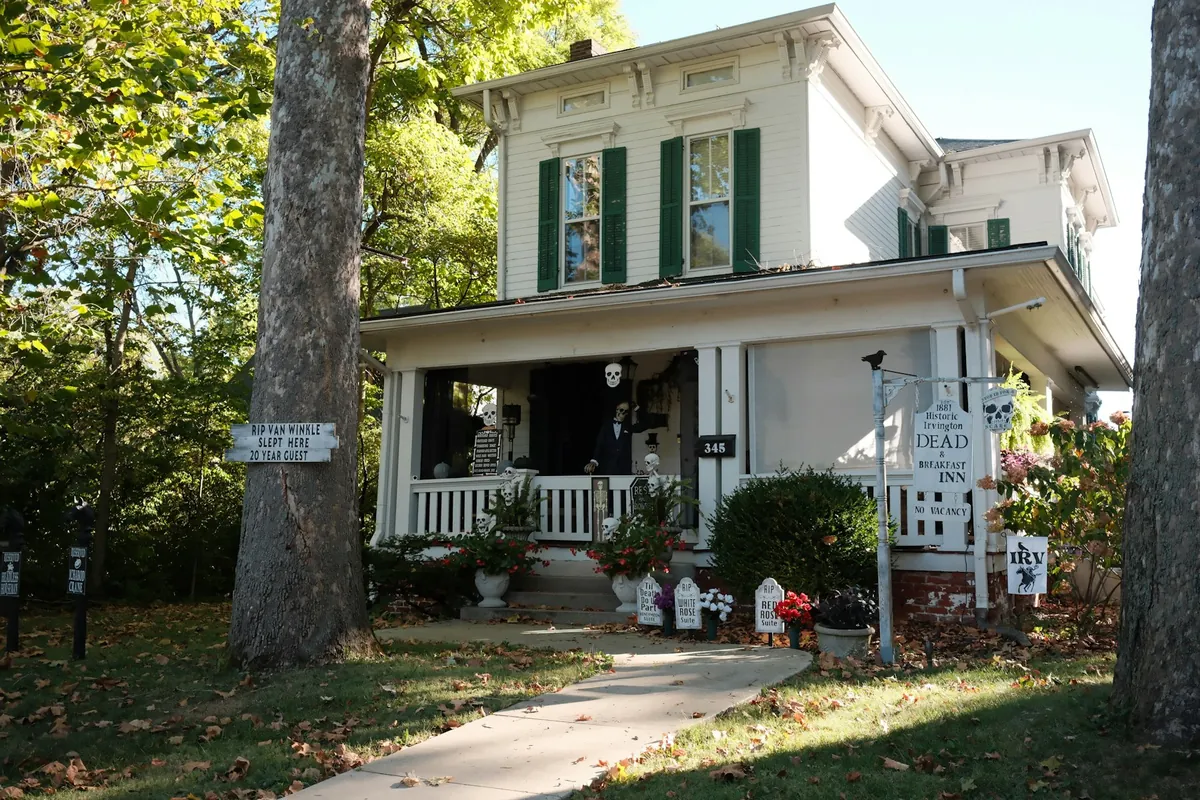
The newer construction at Kettle Point is built around light and the water. Windows are larger, frames are cleaner and more modern, and some rooms open onto a deck or a balcony through wide glass. Those windows bring in a great deal of light and, on a cold evening, a great deal of cold.
Many of the cellular shades in East Providence, RI that we make for newer homes go on this kind of window. A run of honeycomb shades across a large modern window, one to each pane, follows the frame and stacks into narrow bands at the top when raised, which suits the clean lines of a newer house. For large or tall panes that are awkward to reach, motorised blinds and shades raise and lower from a remote or a wall switch. A sliding door to a deck is usually better served by a vertical track, and our vertical blinds in East Providence page covers that.
How We Make Cellular Shades for East Providence, RI Homes
From your first call to the last shade being hung, we stay in contact, so you always know where things are.
- Ring the Swansea store with the call button, or use the form, and let us know which rooms you are thinking about. We book your free quote.
- A specialist comes out to measure. A bungalow’s group is measured as a whole and window by window, old frames are checked for square, and anything in the way is noted.
- You decide on single or double cell room by room, then the fabric and colour, with samples to see and handle at the showroom.
- A quote follows, setting out every window and what is being made for it.
- Once the shades are made, our installers fit them, run each one up and down and show you how they work.
Fabric and colour, from the street in
Every shade has a side that faces the street. On a bungalow, the band of front windows is the face of the house, so the shades there should match. White and soft neutrals are the safe and usual choice, sitting cleanly behind the glass. Inside, the same shade can be any tone that suits the room, so long as the front band reads as one.
Fabrics vary in how much light they let through. A lighter fabric suits a living room behind a shaded porch. A heavier one suits a bedroom that faces east or the street. Plenty of houses use the lighter fabric at the front and the heavier one at the back.
Shades with curtains or drapery
In a bungalow living room, a honeycomb shade on the grouped windows often works alone, because the band of windows already spans most of the wall and there is little room for drapery at the sides. In a colonial dining room or a main bedroom, the shade can sit close to the glass with drapery hung in front, so the shade does the daily work of warmth and privacy while the drapery adds colour and a second layer at night. We make both, so they can be planned together and measured in one visit.
Getting the most from them
A honeycomb shade does its best work when it is down at the right time. On a cold, sunny day, raise the shades on the sunny side and let the light in, then lower them before the sun drops and the glass turns cold. In a room you rarely use, keep the shades down through the coldest weeks. Care is minimal: a light dusting with a soft brush and a dab with a damp cloth for any small mark.
What Sets Window Works Apart
We are a family store, founded in Swansea in 1988 and now in our second generation. For over 37 years we have worked in houses across the Massachusetts SouthCoast and the Rhode Island East Bay, and East Providence is one of the 25 towns we cover.
Our window treatment specialists measure every window in your home before anything is ordered, and our own team installs what we make. Warranties are offered on the products we sell, and we are in constant contact with you until the job is done.
See It Before You Choose
From East Providence, the Swansea showroom is a straightforward drive. Compare single and double cell side by side, see how the colours look by daylight and try the fabrics in your hand. The Norman range is on show too. A photo of your bungalow’s front windows on your phone helps us suggest how to treat the group.
Honeycomb shades are one of many treatments we make for the city. See them all on our East Providence window treatments page, or read more on the main cellular shades page.
Questions from East Providence
Should a bungalow’s group of windows get one shade or several?
It depends on how the group is built. Where the sashes are divided by posts, a matched shade on each keeps the woodwork visible and lets you raise one at a time. Where they sit tight together, one wider shade across the group gives the cleanest line.
Will the shades fit an older Watchemoket window that is out of square?
Yes. We measure each opening at more than one point. Where the frame is deep and true enough the shade sits inside it, and where it is not, we fix it on the trim to cover the edges.
Are double cell shades worth it in an enclosed porch?
Usually. A sunporch is mostly glass and cools fast after dark, and the second row of cells gives the most help on that kind of room.
Can you do the large windows in a newer Kettle Point home?
Yes. We make one shade per pane so the frame stays visible, and motorised shades with a remote or a wall switch suit panes that are hard to reach.
Is the quote free?
It is. Use the call button or the form, tell us the rooms, and we will set up a time to measure.
Take the Next Step
Use the call button to reach the Swansea store and book a free quote, arrange measuring in your home or ask about installation. To start with the fabrics, the contact page shows the way to the showroom. Window Works has a 5.0 rating on Google.