
Familiar Windows, Real Choices
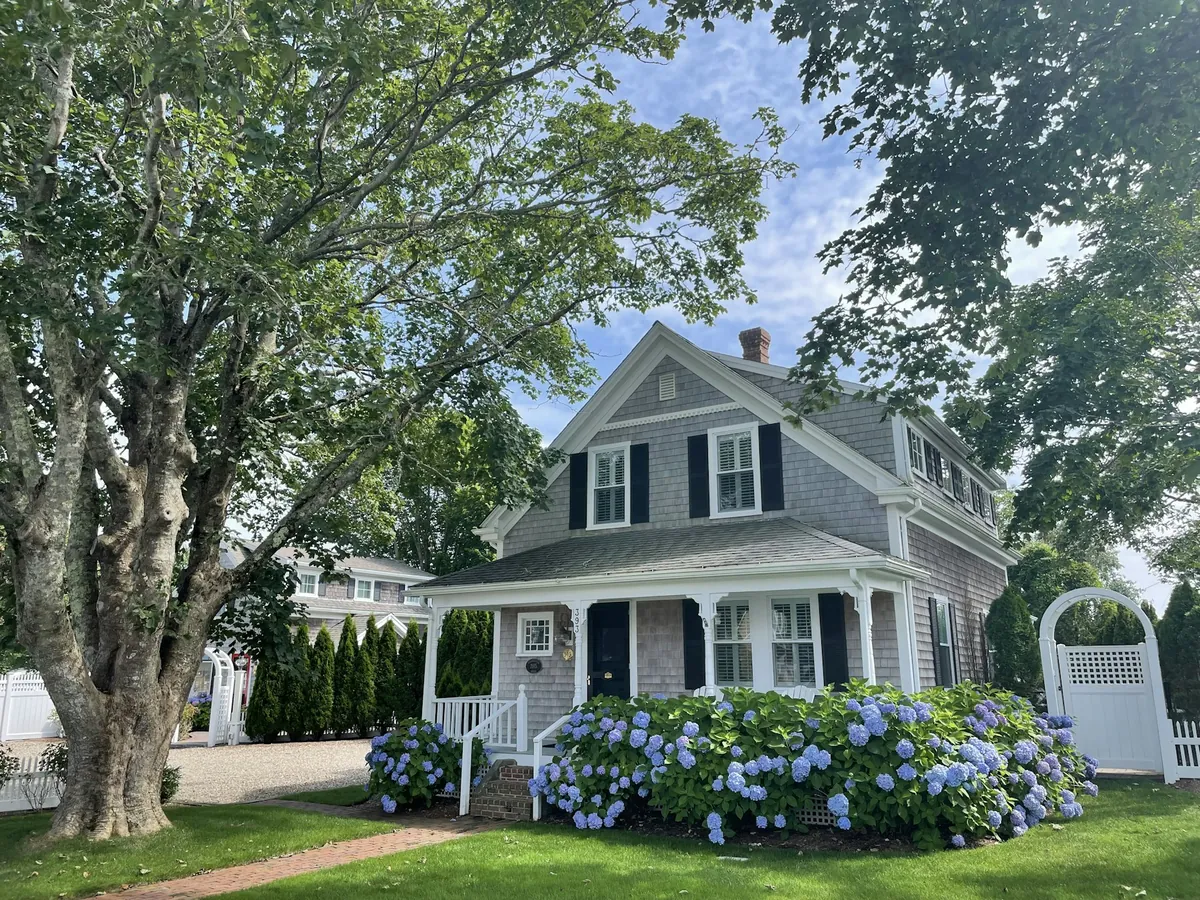
Most of the houses in Centredale and Fruit Hill went up in the years after the war: ranches, capes and split-levels with windows close to the standard sizes of their day. That makes fitting the easy part. When we talk through cellular shades in North Providence, RI with an owner, the conversation is mostly about choices instead: one layer of cells or two, which fabric for which room, what colour faces the street and how each shade is raised and lowered.
Those choices matter because a honeycomb shade is more than a cover for the glass. Its folded cells hold pockets of still air in front of the window, and that air is what keeps a room warm on a cold night. Picking the right cell and fabric for each room is how you get the most out of it.
- Single or double cell, depending on how cold each room runs
- Fabrics from airy to dense, picked for how a room is used
- A specialist measures, our own crew installs
Honeycomb Shade Options for North Providence Rooms
Single cell
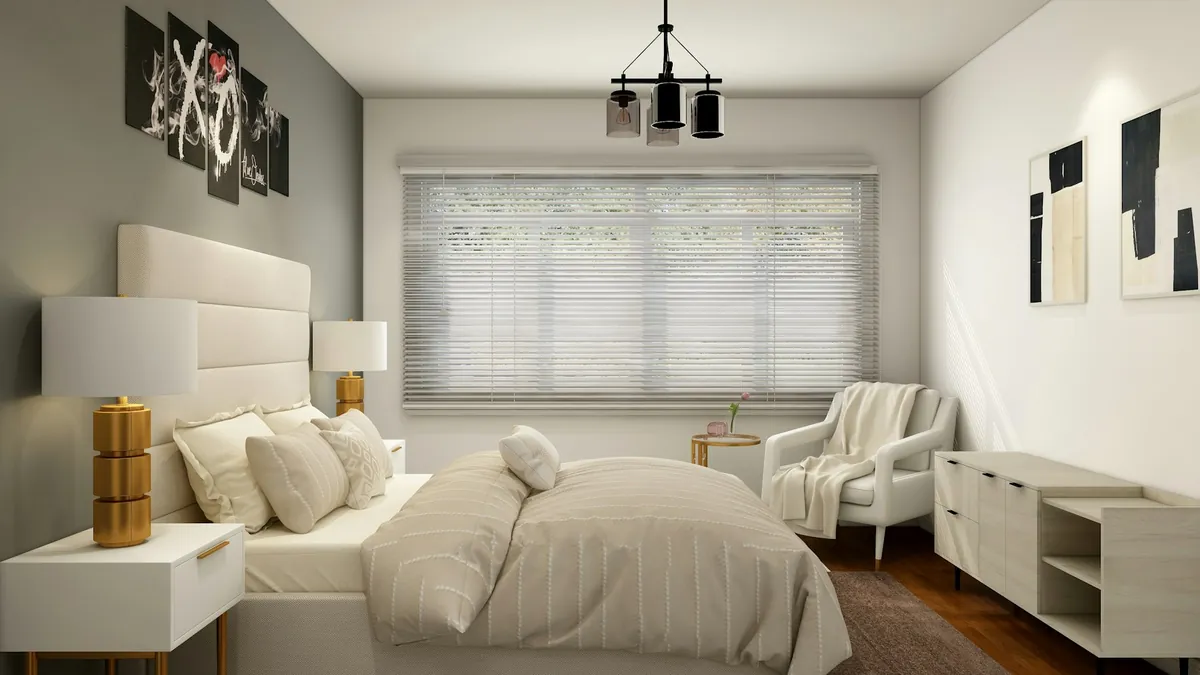
One layer of cells. Slim, light and right for rooms that already feel comfortable: most kitchens, living rooms and bedrooms on the warm side of the house.
Double cell
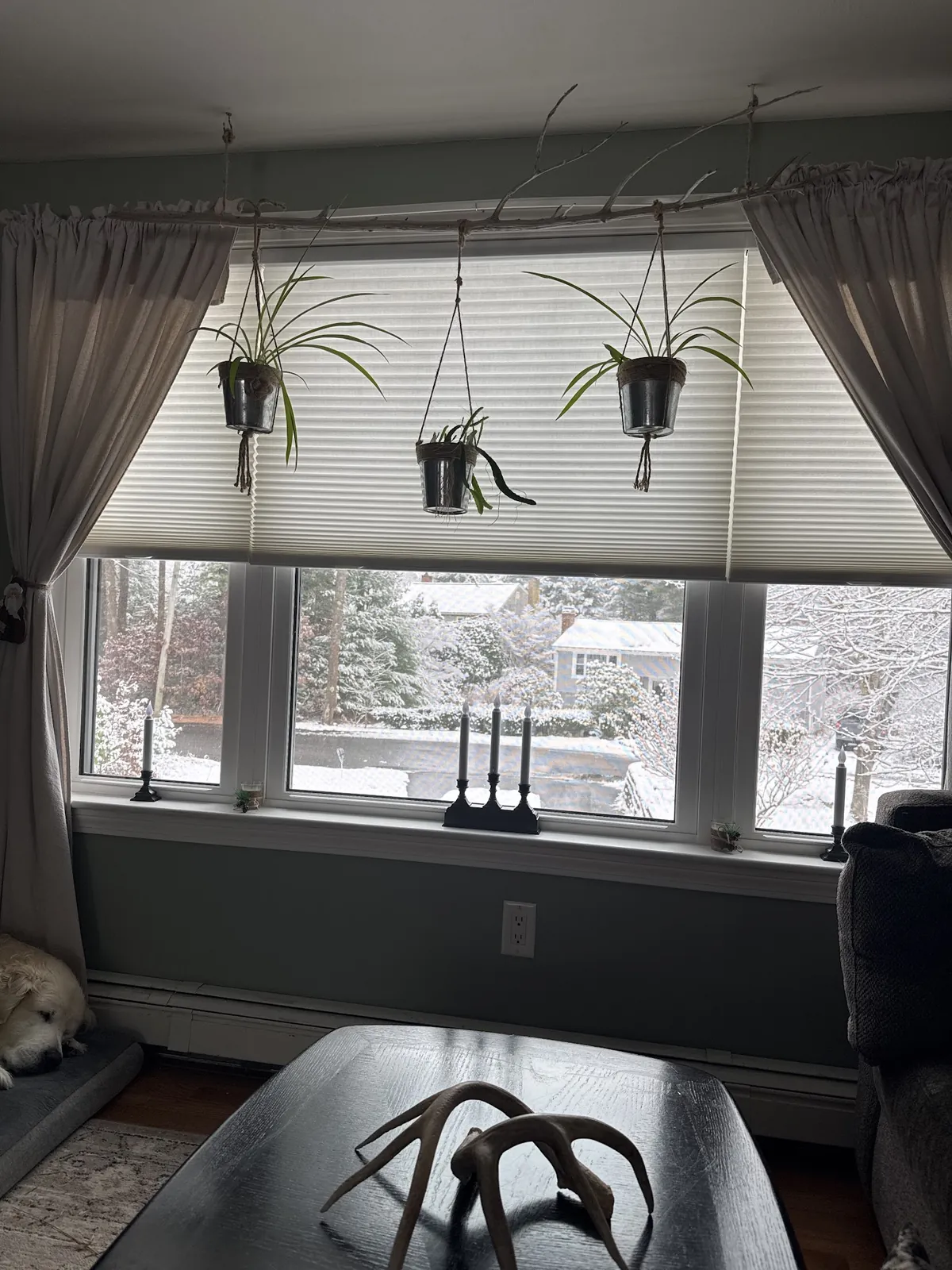
Two layers of cells, one behind the other. For the lower level of a split, a bedroom over the garage or a room with a big north-facing window.

Lighter fabrics
Fabrics that let daylight through while blurring the view in. Good for living rooms and kitchens where you want privacy and brightness together.
Denser fabrics
Heavier cloth that holds back more of the light. Often chosen for bedrooms that catch the morning sun or face the street.
Raised by hand or motor
Most shades are raised and lowered by hand. Motorised shades work from a remote or a wall switch, for windows that are hard to reach.

Still measured in the house
Standard sizes are close, not exact. Every window is measured where it is, so each shade fits its own frame.
Four Decisions for Cellular Shades in North Providence, RI
One cell or two
The cells are the heart of the shade. Each one is a closed tube of fabric holding a small pocket of air, and when the shade is lowered, those pockets form a layer between the glass and the room. Still air is slow to pass heat along, so less of the room’s warmth reaches the cold window. A single cell shade gives one such layer. A double cell shade gives two, one behind the other.
The simplest way to decide is to ask which rooms you notice in January. A lower-level family room with windows near the ground, a bedroom over an unheated garage, or a living room with a big picture window facing north all tend to run cold, and double cell is worth it there. Rooms on the sunny side, or rooms that are always comfortable, usually manage well with single cell. Both come in the same colours, so the house can mix them without it showing from outside.
Which fabric for which room
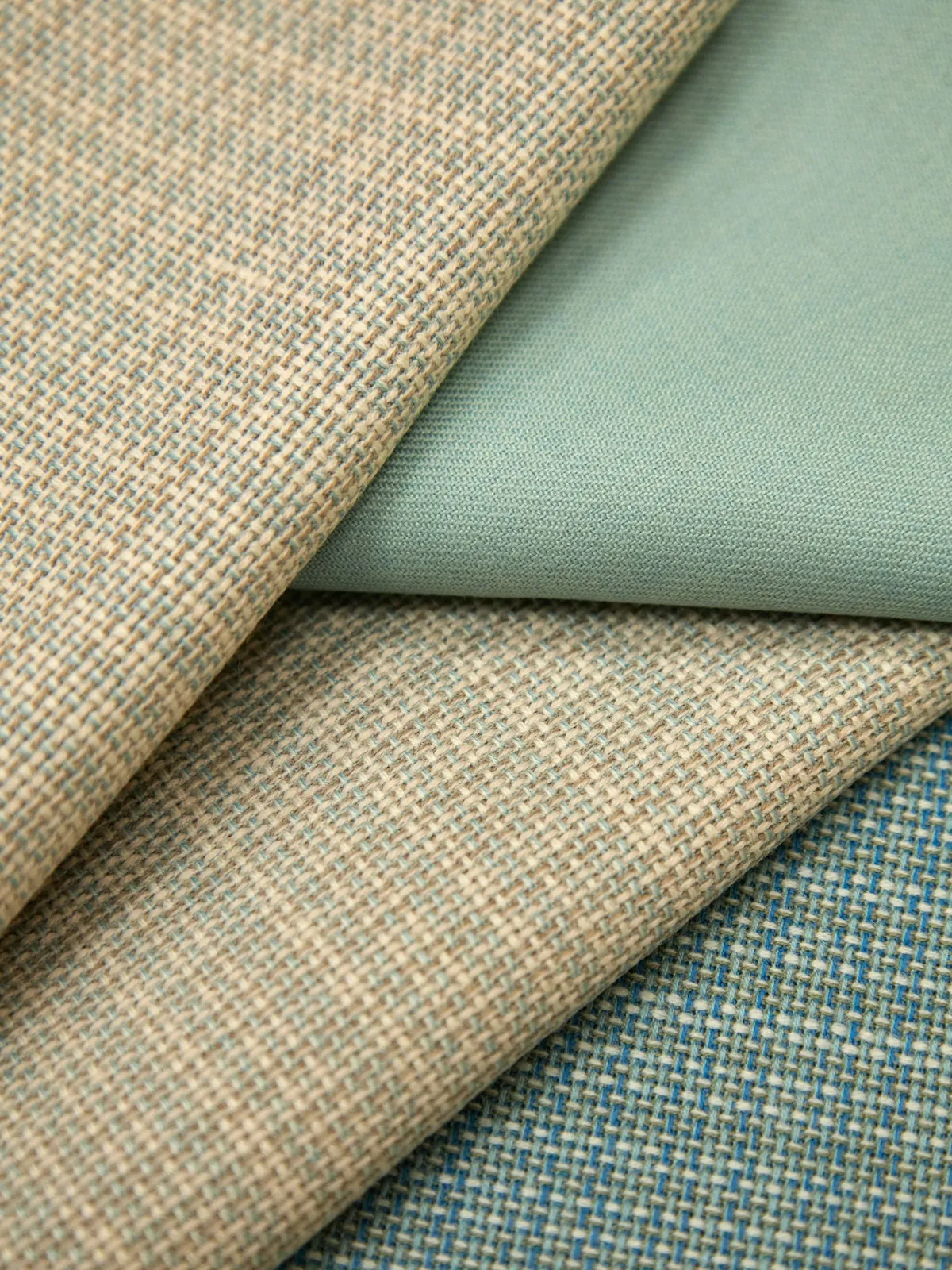
Fabrics vary in how much light they let through. At the lighter end, the room stays bright with the shade down and the view in from outside becomes a soft blur. At the denser end, much more of the daylight is held back. Most houses use more than one: a lighter fabric in the living room, kitchen and family room, a denser one in the bedrooms.
Think about the time of day each room is used. A bedroom on the east side catches the earliest light, so it often gets the densest fabric in the house. A home office benefits from a lighter fabric that softens glare on a screen without leaving the room dim. A room facing a neighbour’s driveway needs privacy at all hours, which a lighter fabric gives during the day and any fabric gives once the lights are on.
What colour faces the street
A shade shows one face to the room and another to the road. Ranch and cape fronts are short and low, so a passer-by takes in every front window at a glance. Giving all of them the same shade colour keeps that view orderly, whatever fabric or cell count each room behind has. That is why white, ivory and pale neutrals are so common on the street side. Indoors, the colour only has to suit its own room, and bedrooms at the back are entirely your call.
How each shade is raised
Most honeycomb shades are raised and lowered by hand from the bottom of the shade, and on a standard window that is all you need. Some windows are a different matter: a window above a kitchen sink, a high window in a split-level’s stairwell, or a window behind a heavy piece of furniture. For those, motorised blinds and shades raise and lower from a remote or a switch on the wall. We look at each window at the measuring visit and suggest where motorised operation makes sense and where it does not.
Centredale and Fruit Hill Houses
Ranches and the picture window
The classic ranch puts a large picture window at the front of the living room, often with narrower panes on either side, and standard double-hung windows down the bedroom wing. That front window is usually the largest cold surface in the house, and the room in front of it can feel chilly at seat height through the winter.
A single shade can cover a picture window, but many owners prefer separate shades for the centre and the side panes, lined up at the top, so the side panes can be raised for air or light while the centre stays down. Double cell is often worth it on that window even when the rest of the house is single cell. Down the bedroom wing, matching shades in one colour keep the side of the house even from the street.
Capes and their upstairs bedrooms
Capes from the same years usually put two bedrooms upstairs under the roof, lit by dormers. Those rooms are small, with the roof close overhead and walls tight around each window. There is rarely space for drapery, and the dormer is often the room’s only daylight. A shade set inside the dormer frame takes up none of the room and folds up small to leave the glass clear. Dormer bedrooms take the weather first, so they are high on the list for double cell.
Capes also tend to have a front door flanked by a pair of windows, with a small window in the bathroom and another on the stairs. The stair window is the one that gets forgotten. Covered with a shade of its own, lowered on cold nights, it stops the chill sliding down the stairs into the living room. Many of the cellular shades in North Providence, RI capes that we fit go on exactly these small windows, alongside the main rooms, so the whole house is covered rather than just the obvious windows.
Split-levels and their half-flights
Split-levels are where a house in North Providence most often surprises its owners. The levels sit half a flight apart, so the windows sit at different heights: a lower level partly below the ground with shorter windows near the lawn, a main level with the living room and kitchen, and bedrooms up the next half-flight.
The lower level is usually the coldest part of the house. Its windows sit close to the cold ground and the room often has less heat than the floors above. Double cell shades on those short windows help that room hold its warmth. The upper-level bedrooms, with the roof above them, are another good place for double cell, while the main level often does well with single cell.
The stair windows in a split can be the hardest to reach, set high on the wall over a half-flight. A motorised shade with a wall switch at the top or the bottom of the stairs solves that neatly.
Older houses toward Greystone
Toward Greystone, at the edge of town, the housing is older and less uniform, and the windows are more likely to vary in size and to have frames that have settled over the years. Those houses get the same careful measuring as anywhere, at more than one point on each window, so each shade suits its frame as it is.
Back rooms, sunrooms and additions
Plenty of ranches and capes in town have grown since they were built. A family room off the back, a sunroom on the side or a kitchen pushed out toward the yard usually brings bigger windows, sliding doors and sometimes a run of glass on two walls. Those additions were often built with more glass than the original house and can be the hardest rooms to keep warm in winter and the brightest in summer.
Rooms like that make a strong case for double cell. With a shade on each window, lowered as the light fades, the room holds onto its warmth instead of losing it through the glass. Where the addition faces the back yard and privacy matters less, a lighter fabric keeps it bright during the day. The slider is usually better served by a vertical track than a shade, and we will plan the two together so they match.
Making the shades last
A honeycomb shade asks for very little. Dust it lightly with a soft brush now and then, dab a small mark with a damp cloth, and raise and lower it with an even hand rather than a yank. Choosing cellular shades in North Providence, RI houses with every window properly measured means each one fits its frame from the first cold night.
Doing the house in stages
There is no need to cover every window in one go. A common pattern is to start with the rooms that feel the cold most, usually the lower level of a split or the dormer bedrooms of a cape, and to come back for the rest of the house later. If you do, keep a note of the colour and fabric you picked, so the next rooms match from the street. The second round is measured just like the first, window by window, and the house ends up looking as if it was all done at once.
How an Order Comes Together
Expect to hear from us at every turn. Nobody should have to ring a store to find out where their order has got to.
- Press the call button or send the form with a line about the rooms in question, and a free quote goes in the diary.
- Our specialist visits, works through the house with a tape, records how deep each frame runs and flags cranks, locks or awkward reaches.
- Room by room, you settle the cell, the fabric, the colour and whether the shade is raised by hand or by motor. Samples live at the Swansea showroom for you to look at and handle.
- The quote spells out each window and the shade planned for it.
- Production follows the figures from the visit.
- On the day, our crew fits each shade, cycles it up and down, and runs through how it operates with you.
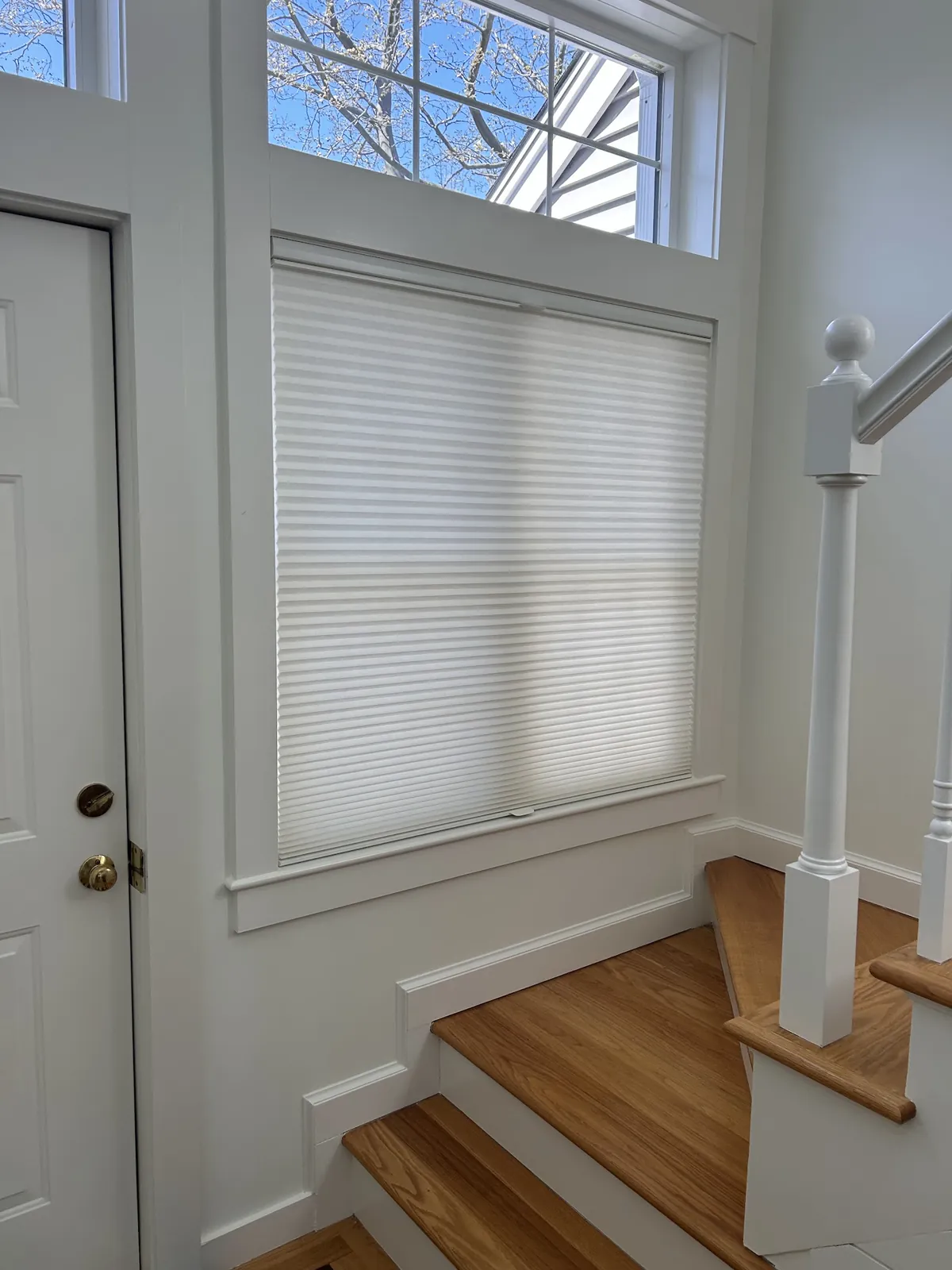
Inside the frame or on the trim
Ranch, cape and split-level frames usually have the depth for an inside mount, the neatest look, with the trim left visible. A shallow frame, or a crank handle sitting where the headrail would go, points to a mount on the face of the trim, sized wide enough to cover the opening. Each window is judged on its own.
When a different treatment suits better
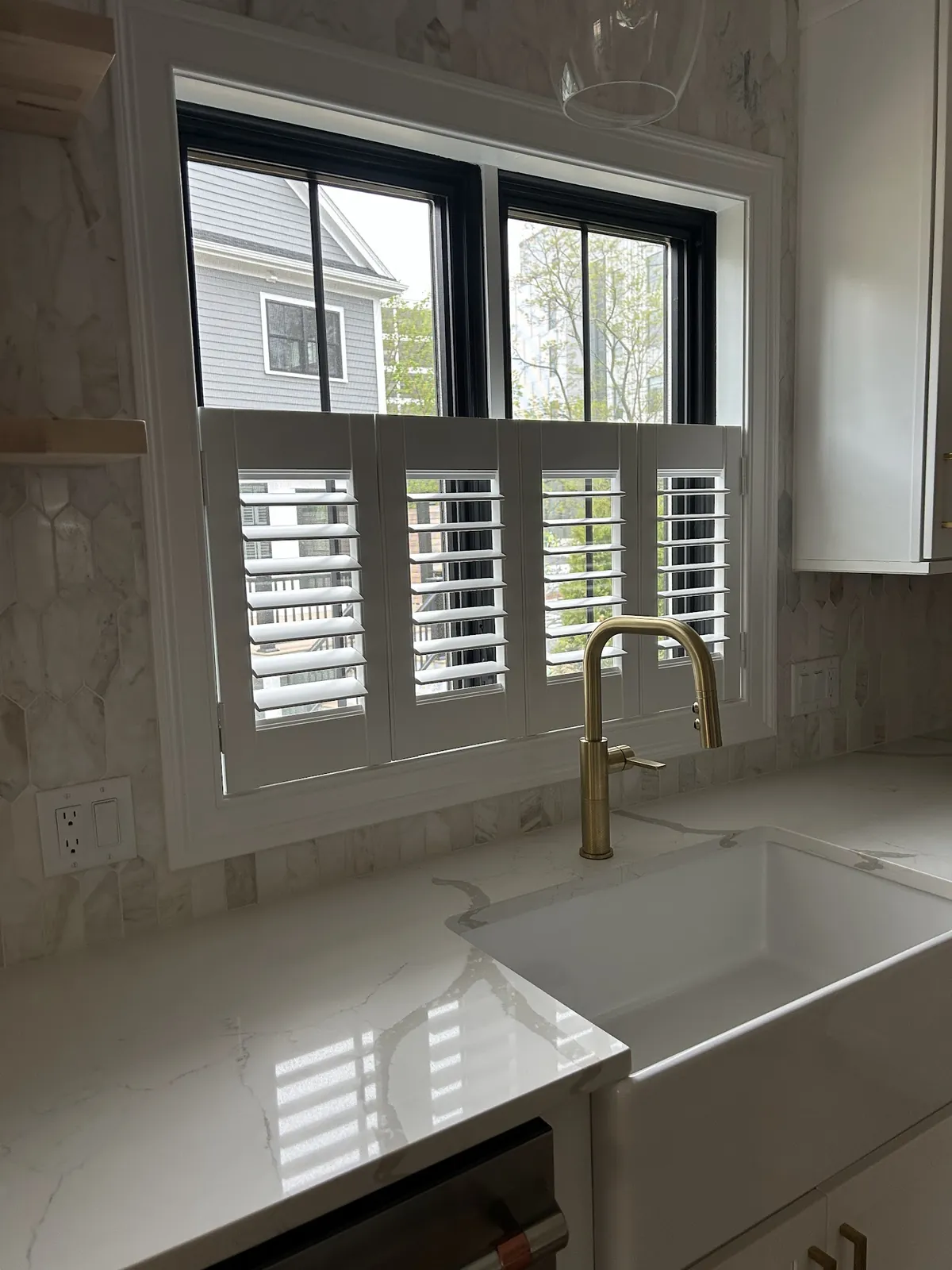
A honeycomb shade is not the answer to every window. A kitchen window over the sink might suit a faux wood blind that copes with steam, and a slider to the back yard is usually better with a vertical track. Our custom blinds in North Providence page covers the blinds side, and we will tell you plainly at the visit if a window would be better served by something else.
Cellular shades in North Providence, RI houses usually end up on most of the bedrooms and living spaces, with blinds or shutters in the wet rooms, all chosen in colours that work together from the street.
Swansea Since 1988
Window Works opened its doors in Swansea in 1988. Two generations of one family later, it is still a specialist store that does window treatments and nothing else. In more than 37 years, our team has worked across the SouthCoast of Massachusetts and the East Bay of Rhode Island, and North Providence is on our list of 25 towns.
When you book, the person measuring is a seasoned window treatment specialist, and the people fitting are our own installers. Warranties are offered on our products. And we keep you in the loop from your first call to the day the work is signed off.
Decide with the Samples in Hand
Choices about cells, fabric and colour are far quicker to make in person. At the Swansea showroom, fold a fabric in your hand, hold a single cell next to a double and check each colour by daylight from the windows. Norman products are on show as well. Bring a few phone photos of the rooms and we will suggest where to start.
Everything we offer the town is gathered on the North Providence window treatments page, and the main cellular shades page goes deeper into the shades.
Questions from North Providence
My windows are standard sizes. Do you still measure them?
Yes. Standard sizes are close, not exact, and frames vary even within one house. Each window is measured where it is so the shade fits its own frame.
Which rooms in a split-level need double cell?
Usually the lower level, which sits close to the cold ground, and the bedrooms on the top level under the roof. The main level often does well with single cell.
Can a shade cover a ranch’s picture window?
Yes, either with one wide shade or with separate shades on the centre and side panes, lined up at the top so they look like one.
What is the best fabric for a bedroom?
A denser fabric that holds back more of the light, especially in a bedroom facing east. Living rooms and kitchens usually suit a lighter fabric that keeps the room bright.
Do I pay for the quote?
You do not; quotes are free. Ring us from the call button or send the form and we will pick a day to come and measure.
Get Started
A tap on the call button reaches our Swansea store: ask for a free quote, a measuring visit at home, or anything about installation. Want to see the fabrics before anyone comes out? Directions to the showroom sit on the contact page. Window Works has a 5.0 rating on Google.