
The Hardest Window in Town
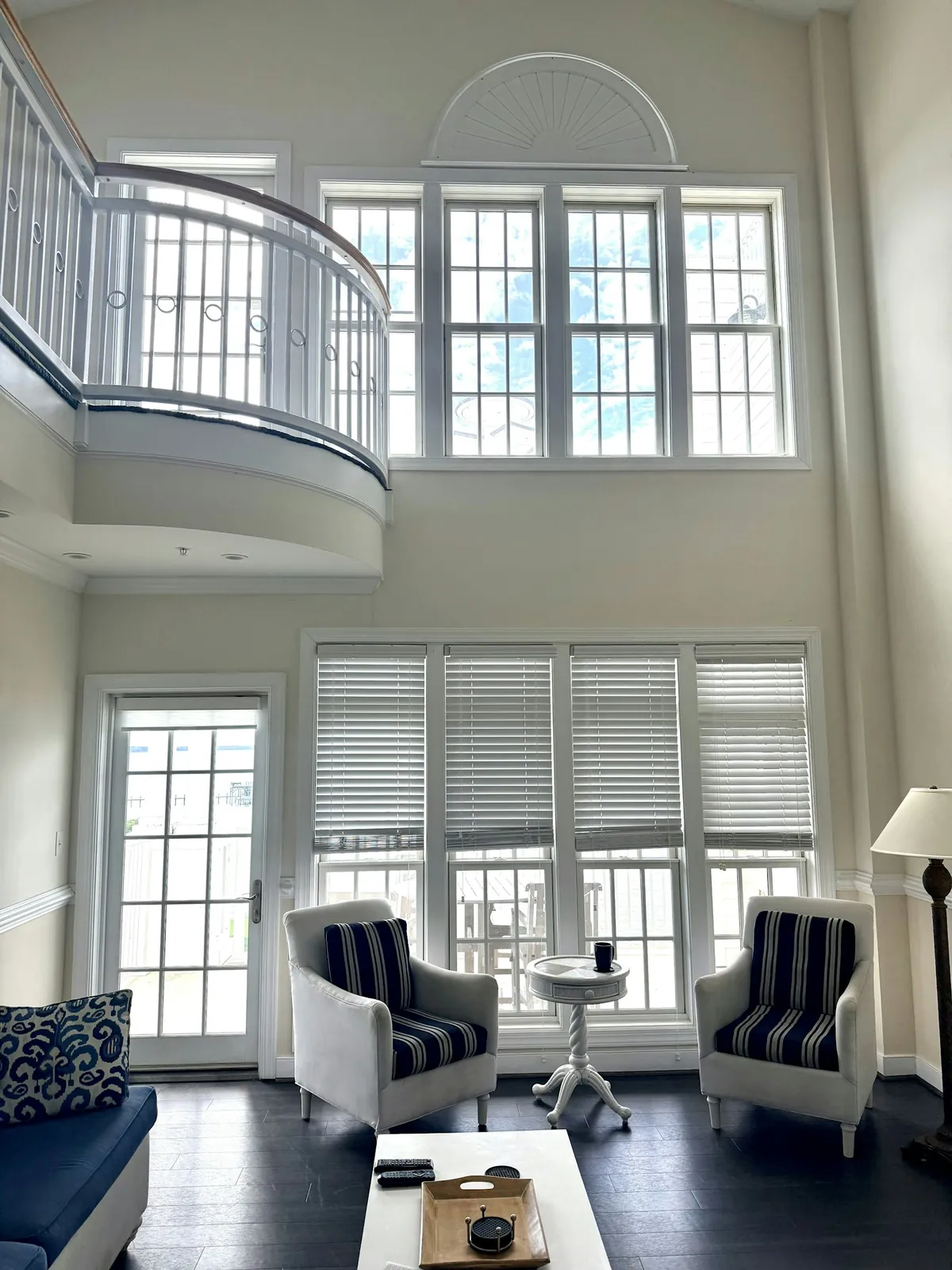
Ask about the most awkward window in Cumberland and the answer is nearly always the same: the two-storey entry window in one of the newer subdivisions off Mendon Road. It floods the foyer with light, it can be seen from the street and from the landing, and its upper panes sit far out of anyone’s reach. Many have never been covered at all. When we plan cellular shades in Cumberland, RI houses of that kind, that window is where the conversation starts.
The rest of town asks other things. The colonials around Diamond Hill and Arnold Mills have regular, evenly spaced windows, and the older houses in Valley Falls have frames that have settled with time. A honeycomb shade suits all of them for the same reason: its cells hold a layer of still air in front of the glass, and that air is what keeps a room warm.
- Single cell and double cell, room by room
- Remote and wall-switch operation for windows out of reach
- Measured in your home, hung by our installers
Choosing Cellular Shades in Cumberland, RI
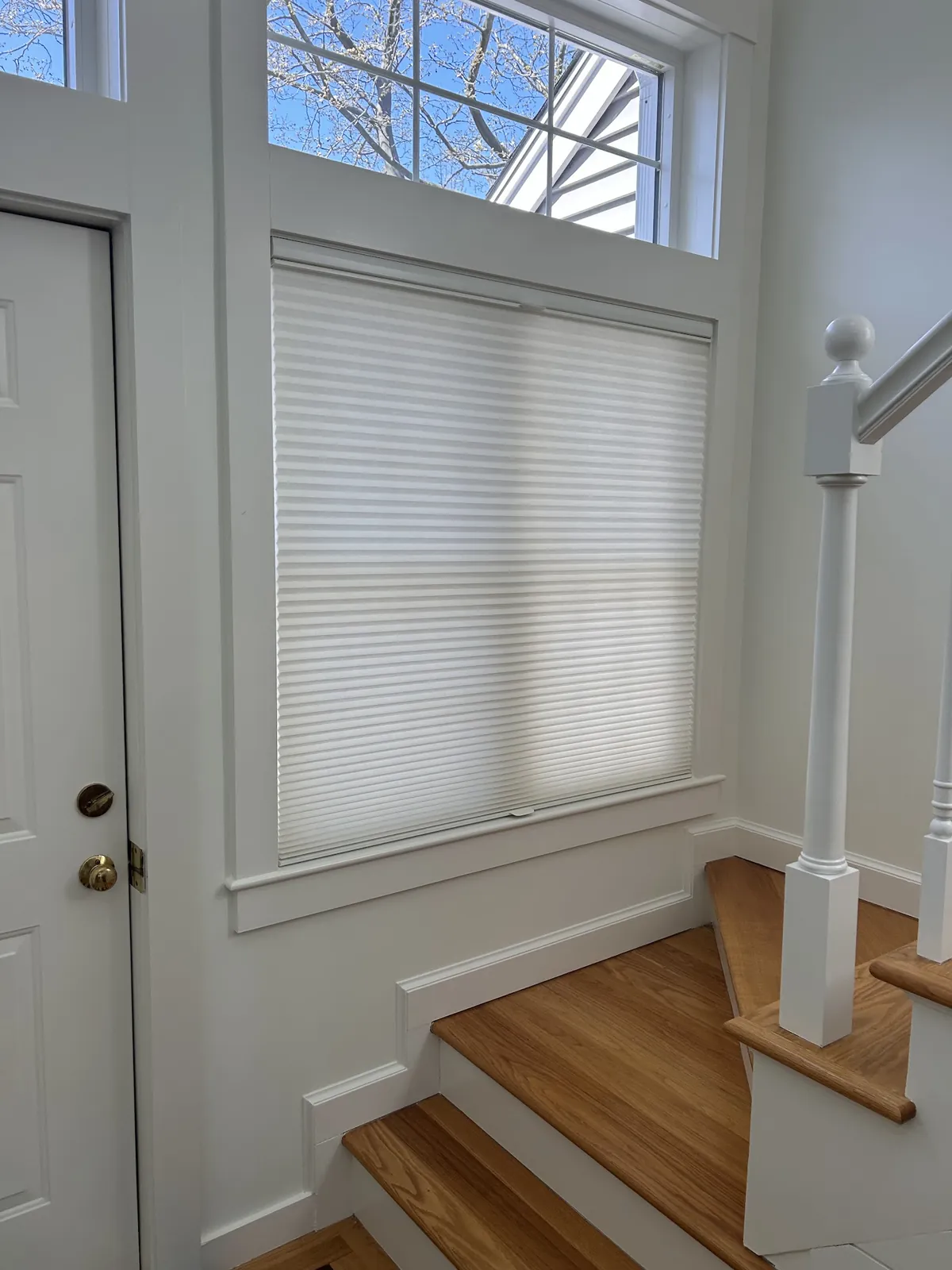
Single cell
A single row of cells. Light, slim when raised and suited to rooms that already feel comfortable, from a kitchen to a sunny living room.
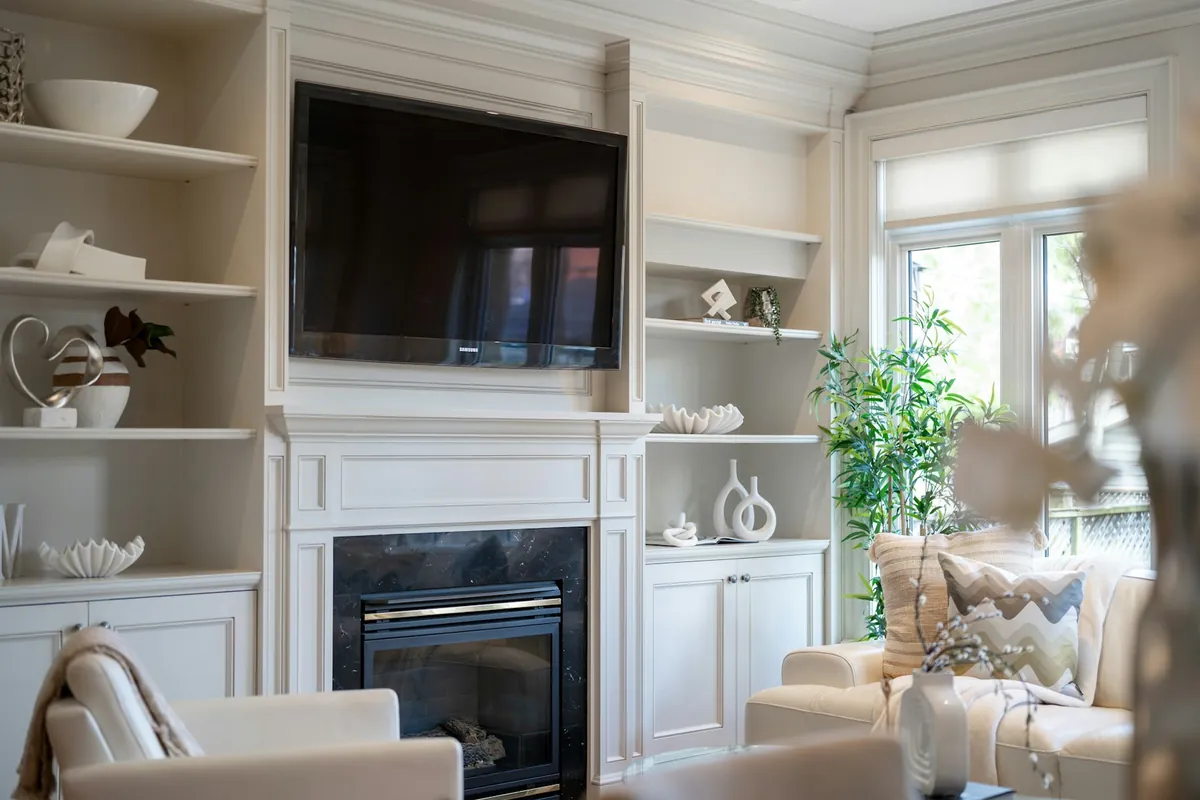
Double cell
Two rows of cells for two layers of trapped air. For a tall foyer, a bonus room over the garage or a north-facing bedroom in an older colonial.
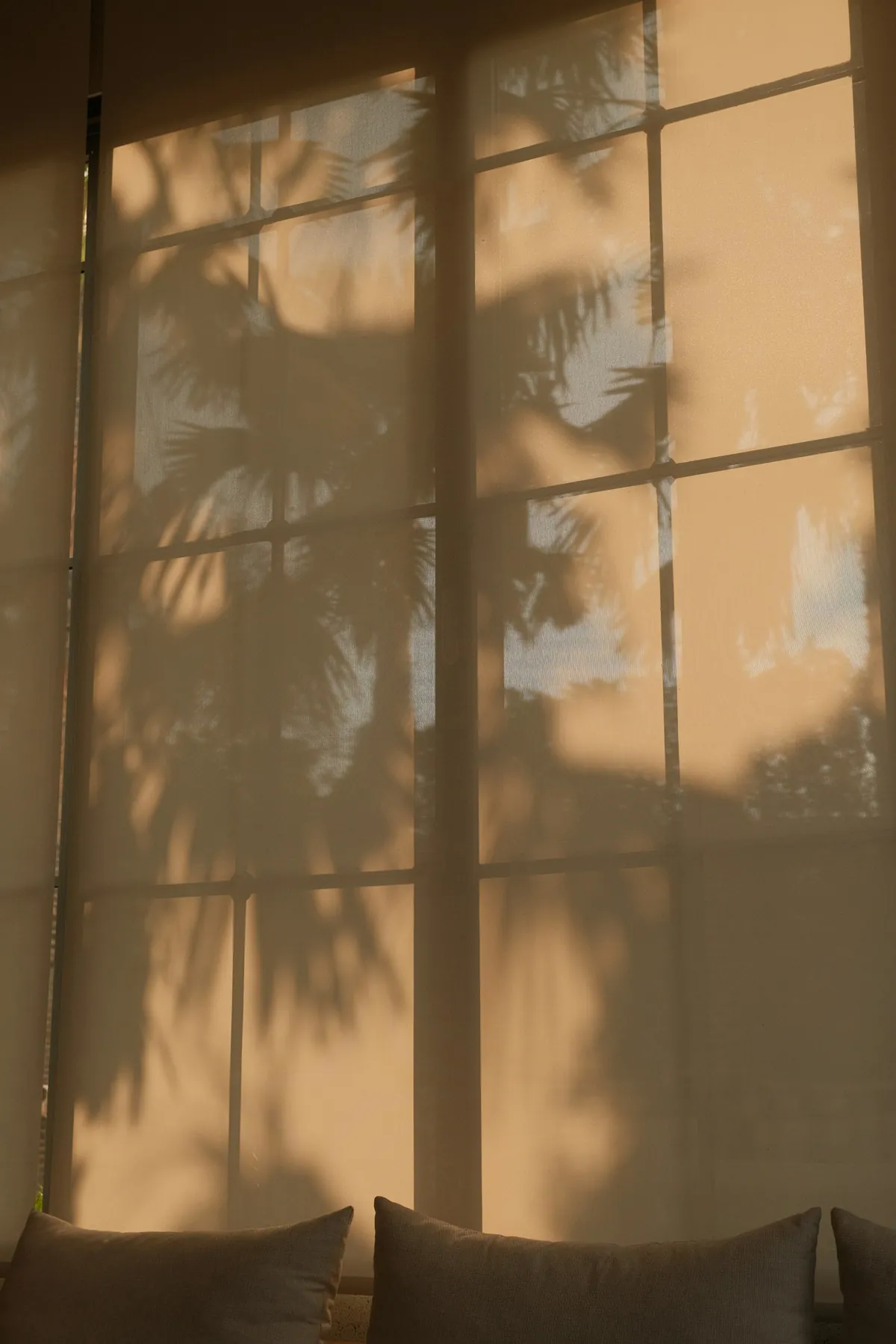
Remote or wall switch
High windows are raised and lowered by motor, from a handheld remote or a switch on the wall, so nobody needs a ladder to close a shade.
The Two-Storey Entry Window
A tall entry window does three things to a house. It lights the foyer and the stairs beautifully. It puts a large sheet of glass in the coldest, most open space in the house, where warm air rises to the ceiling and meets the coldest part of the window. And it gives anyone outside a clear view up into the landing and, in some layouts, along the upstairs hall.
Covering it solves all three, but only if you can actually use the cover. A shade at the top of a window that sits well above the second-floor landing is no help if raising and lowering it means fetching a ladder. That is the reason most of these windows stay bare, and it is the reason we look at operation first on this window, before fabric or colour.
Motorised shades for windows out of reach
The practical answer for most two-storey windows is a motorised honeycomb shade. It raises and lowers from a handheld remote, or from a switch on the wall placed wherever it is easiest to reach, such as at the foot of the stairs or beside the front door. On a tall window made of a lower section and an upper section, each can have its own shade, so you can lower the top for privacy or warmth while the bottom stays open to the light. Our motorised blinds and shades in Cumberland page explains more about how they work.
For the lower panes of an entry window, the ones you can reach from the floor, a shade raised and lowered by hand is often enough. Many owners end up with a mix: motor where the glass is high, hand operation where it is not.
Getting the measurements right
A window that is hard to reach is also a window that is hard to measure, and it is the one where accuracy matters most, because a shade that misses the mark is hard to put right on glass that high. We measure each section of the entry window where it stands, note the shape of the frame and check where a switch could go. If there is an arched or half-round pane at the very top, we talk you through what can be done with it at the visit, separately from the rectangular sections below.
What Trapped Air Does for a Tall Foyer
The air in a two-storey foyer behaves like the air in a chimney. Warm air from the house rises to the top of the space, where it meets the upper panes of the entry window. The glass cools it, it sinks, and a slow, chilly current runs down past the stairs into the hall. That is why a tall foyer can feel cold even when the rest of the house is warm.
A honeycomb shade interrupts that current at its source. Its fabric is pleated into sealed cells, and with the shade down, each cell holds a little pocket of air that cannot move. That layer sits between the warm air and the cold glass, so far less heat is drawn out at the window. With double cell, there are two layers of those pockets, which is why we suggest double cell for the upper sections of a big entry window in particular.
The same principle works on every window in the house. Single cell is enough for rooms that are already comfortable. Double cell earns its place in the cold ones.
Diamond Hill and Arnold Mills Colonials
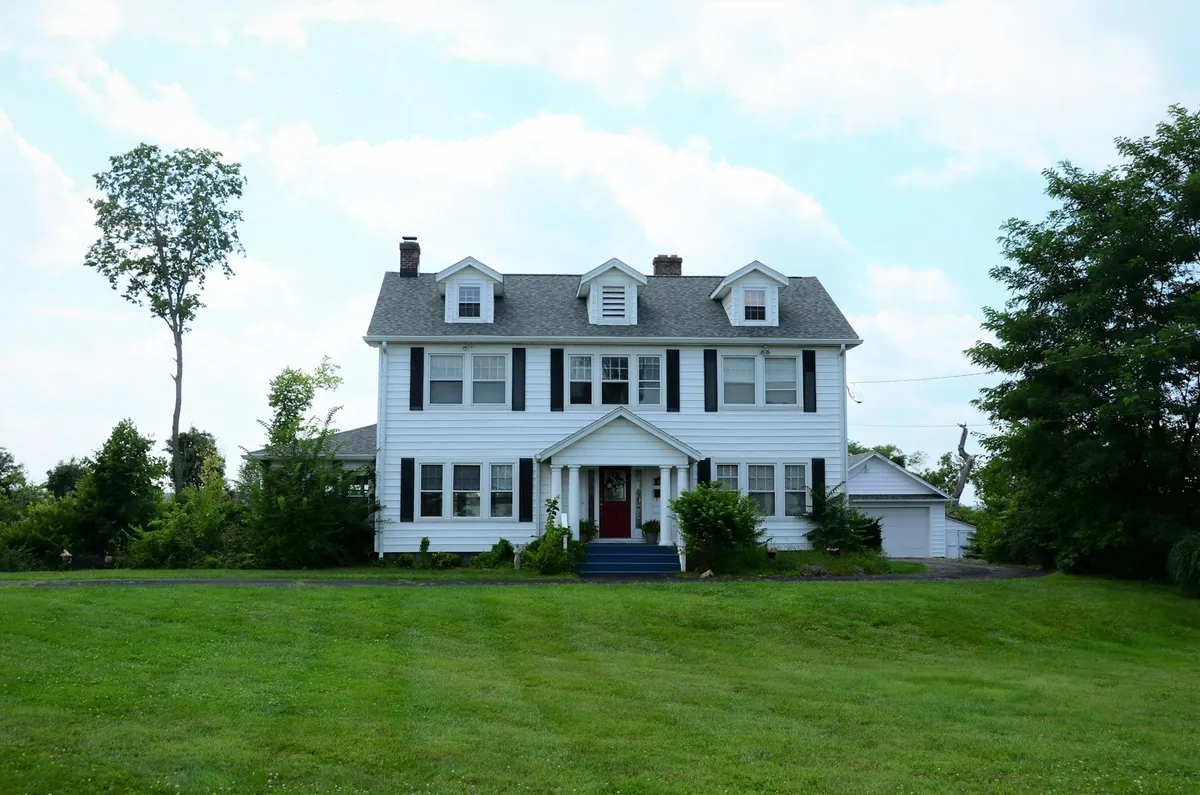
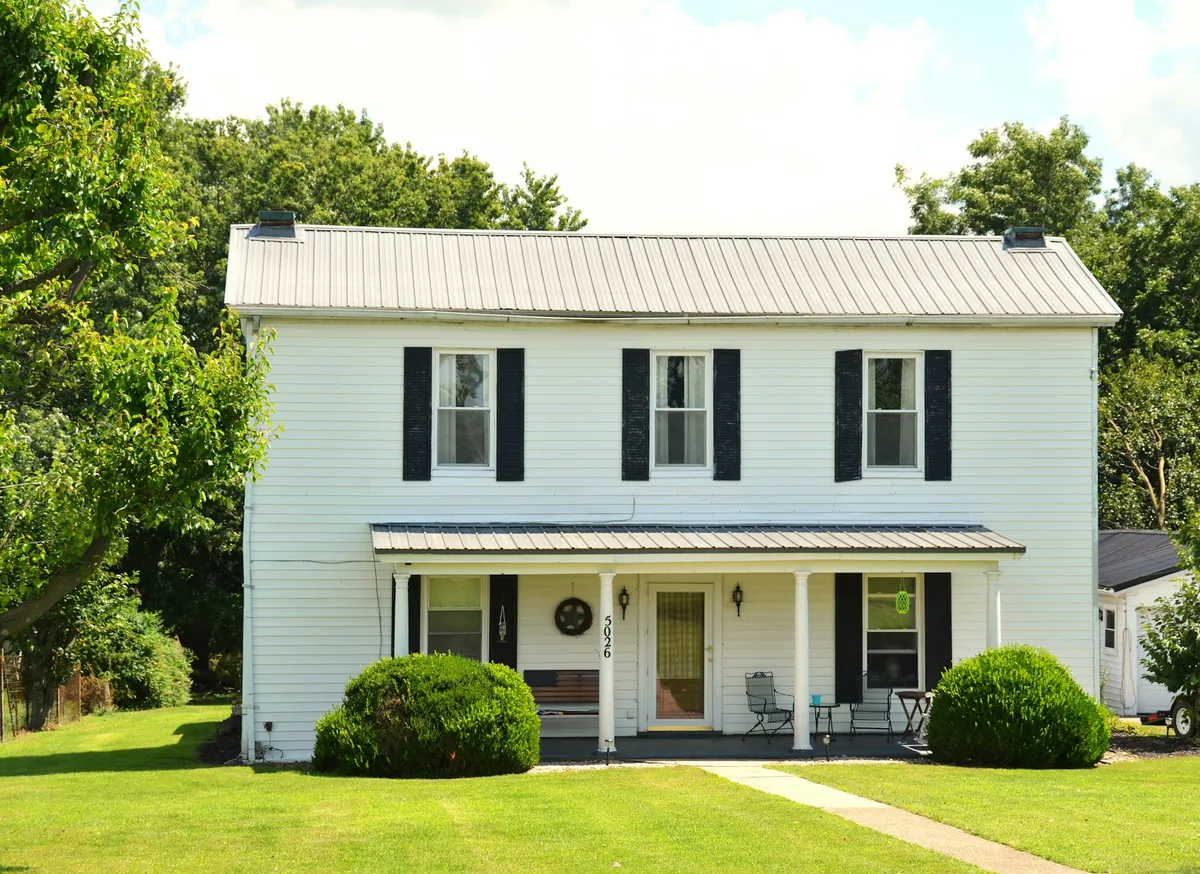
The colonials around Diamond Hill and Arnold Mills follow a familiar pattern: windows spaced evenly across a symmetrical front, a pair on either side of a centre door, matching windows upstairs and smaller windows on the stairs and in the bathrooms. Their windows are mostly close to standard sizes, and their frames usually have enough depth for a shade to sit inside, with the trim left on show.
Because the front of a colonial is seen as one composition from the road, every shade on it should be the same colour and sit at the same height when lowered. White and soft neutrals sit cleanly behind the glass. The rooms at the back, which nobody sees from the street, can take whatever colour suits them.
Colonials on larger lots around Arnold Mills often have a family room or a sunroom added at the back, with more glass than the rest of the house. Those rooms are the ones that cool fastest after dark, and double cell suits them best. Cellular shades in Cumberland, RI colonials usually end up as a mix: single cell in most rooms, double cell in the additions and the bedrooms that face north.
Bedrooms and the morning light
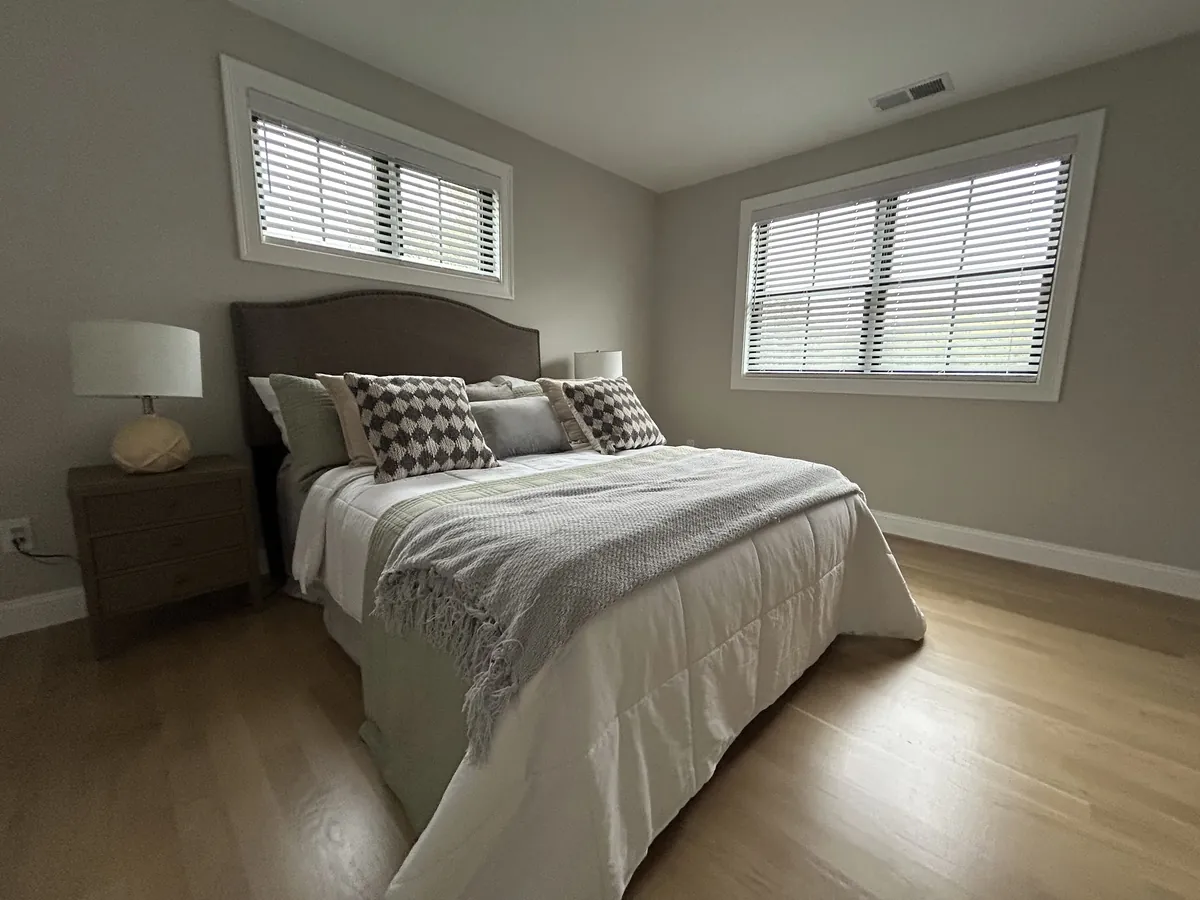
Colonial bedrooms often have two windows, sometimes on two different walls. One faces the morning, and that is the one that wakes you. A denser fabric on that window holds back more of the early light. The other window can take a lighter fabric, or the same one for consistency. If a bedroom faces the street, the fabric also has to give privacy once the lamps are on, which any honeycomb fabric does after dark. Children’s rooms are worth a thought too: a denser fabric helps with early bedtimes on long summer evenings, and the extra cell layer keeps a corner bedroom warmer in January.
Newer Subdivisions Off Mendon Road
The entry window is the headline, but the newer houses off Mendon Road have more windows than any older house in town, and more kinds of window. A typical layout includes a great room with a wall of glass to the back yard, a kitchen with a slider, a dining room with a pair of windows, bedrooms with standard double-hung windows and often a bonus room over the garage.
The great room is the second most awkward space after the foyer. Its windows can be tall too, sometimes with a second row of glass above the first. The same approach works there: hand-operated shades on the lower windows, motorised shades on the upper ones, all in one colour and fabric so the wall reads as one.
The bonus room over the garage is the room most likely to be cold. It sits above an unheated space, with the roof close above, and it often has windows on two or three sides. Double cell shades on every window make that room far more usable through the winter.
The slider in the kitchen is better served by a vertical track than a shade, and we will plan the two together so they match.
Home offices and the afternoon sun
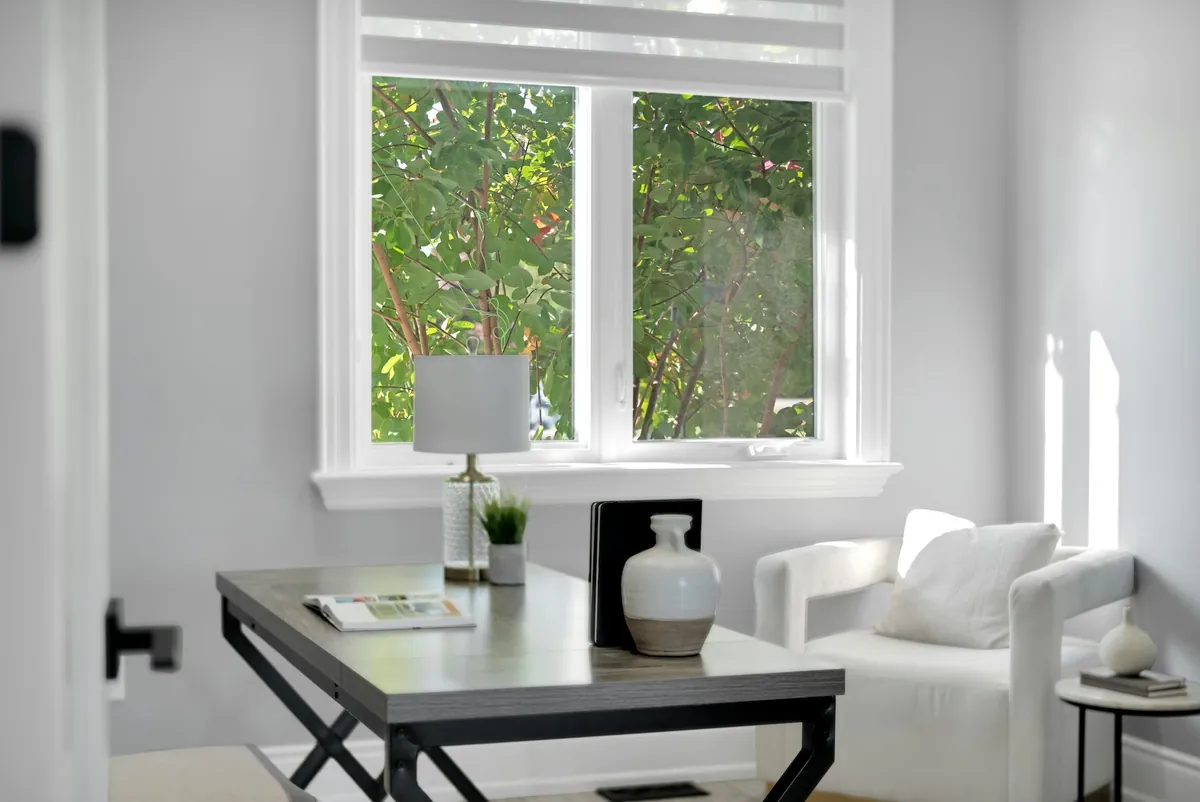
Many of the newer houses have a home office on the first floor, often in the front room beside the foyer, with a pair of windows facing the street. A room used for work all day has its own needs: steady light without glare on a screen, privacy from the road and a comfortable temperature through the afternoon. A honeycomb shade in a lighter fabric softens the daylight without leaving the room dim, and lowered in the late afternoon it screens the room from the street as the light changes. Matching it to the shades on the entry window, which sits right beside it on the front of the house, keeps that side of the house consistent. Fitting cellular shades in Cumberland, RI home offices is often the second job after the entry, because the two windows are seen together from the drive.
Many windows, one plan
With this many windows, the order is worth planning as a whole, even if it is done in stages. Choose a colour for every window seen from the street, and a fabric for each type of room, and the house will look consistent whichever rooms are done first. We measure every window you want covered at the visit and list each one on the quote, so you can see the whole picture before deciding.
Older Houses in Valley Falls
Valley Falls has some of the oldest housing in town, and its windows are a different job again. Frames have moved with the house over the decades, openings can be slightly out of square, and the depth of a frame can vary from one window to the next. A shade made to a standard size would leave gaps down the sides, which is exactly where cold air finds its way round.
So each window is measured at several points, with its depth checked on both sides. Where the frame is deep enough and true enough, the shade sits inside it. Where it is not, the shade is fixed on the trim and sized to cover the whole opening, closing off the edges of an old sash. Planning cellular shades in Cumberland, RI houses this old is mostly a matter of that care at the measuring stage.

How an Order Runs
From your first call to the last shade, someone from the store keeps you informed.
- Use the call button or the form, mention which rooms you want to cover, and especially whether there is a two-storey window. We book your free quote.
- A specialist measures each window, including every section of an entry or great-room window, checks frame depth and squareness, and looks at where a wall switch could sit.
- You choose single or double cell, fabric, colour and operation for each window. Samples are at the Swansea showroom to see and handle.
- Your quote lists every window and what is planned for it.
- The shades are made to the measurements taken in your home.
- Our installers fit every shade, high and low, test the motorised ones with their remote or switch, and show you how it all works.
Fabric and colour for big spaces
In a tall foyer or a great room, the shade is seen from a long way off and from more than one floor. A light, neutral colour keeps a large window from feeling heavy and sits well with the white trim common in newer houses. A fabric that lets daylight through keeps the foyer bright with the shades lowered, which matters in a space that relies on that one window for light.
In bedrooms, home offices and the bonus room, the choice is more personal. A denser fabric suits a bedroom, and a lighter one suits an office where you want softened light without glare on a screen.
When a shutter or a blind is the better call
A honeycomb shade is not always the best answer. A kitchen window over a sink might suit a shutter, and some owners prefer the look of shutters in a formal dining room. Our plantation shutters in Cumberland page covers that option, and we will say so plainly if a window would be better served by something other than a shade.
Family Run, Second Generation
Window Works started in Swansea in 1988 and is still a family store, now led by the second generation. Over 37 years in, we work across the SouthCoast of Massachusetts and the East Bay of Rhode Island, and Cumberland is one of the 25 towns we serve.
The specialist who measures your windows knows window treatments inside out, and our own installers do the fitting, including the high windows. Warranties are offered on what we sell, and we keep in constant contact with you until the work is done.

See How a Shade Folds
At the showroom in Swansea you can compare single and double cell, watch a shade stack and judge each colour by daylight. The Norman range is on display too. A photo of your entry window, taken from inside and out, gives our team a head start.
Every treatment we make for the town is on our Cumberland window treatments page, and more about the shades is on the main cellular shades page.
Questions from Cumberland
How do I raise and lower a shade on a two-storey entry window?
With a motorised shade, from a handheld remote or a wall switch placed where it is easy to reach. Lower panes you can reach from the floor can be operated by hand.
Does covering the entry window make the foyer warmer?
It helps. The upper glass cools the warm air that rises to the top of the foyer, and a shade over it puts a layer of still air in the way. Double cell helps most.
Can the top and bottom of a tall window be covered separately?
Where the window is made of separate sections, yes. Each section gets its own shade, so the top can be lowered while the bottom stays open.
What suits a cold bonus room over the garage?
Double cell shades on every window. The room sits over an unheated space with the roof close above, and the second row of cells gives the most help.
Is there a charge for the quote?
No, the quote is free. Use the call button or the form, tell us the rooms and mention any high windows, and we will arrange a time to measure.
Book a Free Quote
Use the call button to reach the Swansea store. We can book your free quote, arrange measuring in your home or answer questions about installation. To see the fabrics first, the contact page has the directions to the showroom. Window Works has a 5.0 rating on Google.