
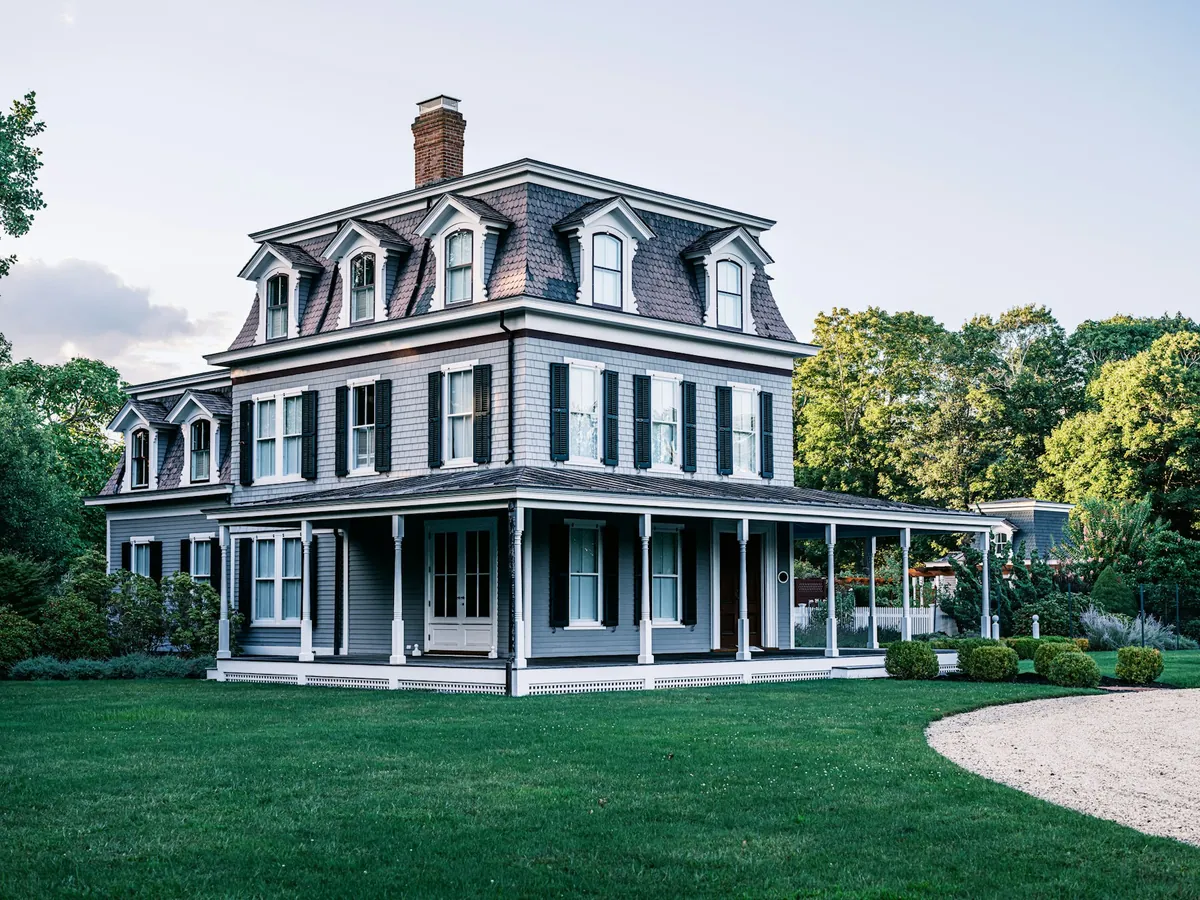
Tall Sash, High Ceilings, Stacked Flats
On Blackstone Boulevard and across College Hill, the Victorians and Colonial Revivals share three constants: tall sash, high ceilings and historic-district review. Each one shapes how roller shades in Providence, RI are planned. A long window in a high room needs a shade that drops the full length cleanly and winds out of sight at the top, and in a house under review, the side of the shade that faces the street deserves as much thought as the side you live with.
Across the city, the triple-deckers of Federal Hill and Elmhurst ask a different question. Each floor is its own home, with front windows close to the street and side windows facing the house next door. Privacy on every level, and light that still reaches the middle of a long flat, usually matter more than anything else.
- Roller fabrics from airy to fully darkening
- Solar screens that cut glare while the view stays
- Measured at your windows and installed by our own team
Roller and Screen Options for City Houses
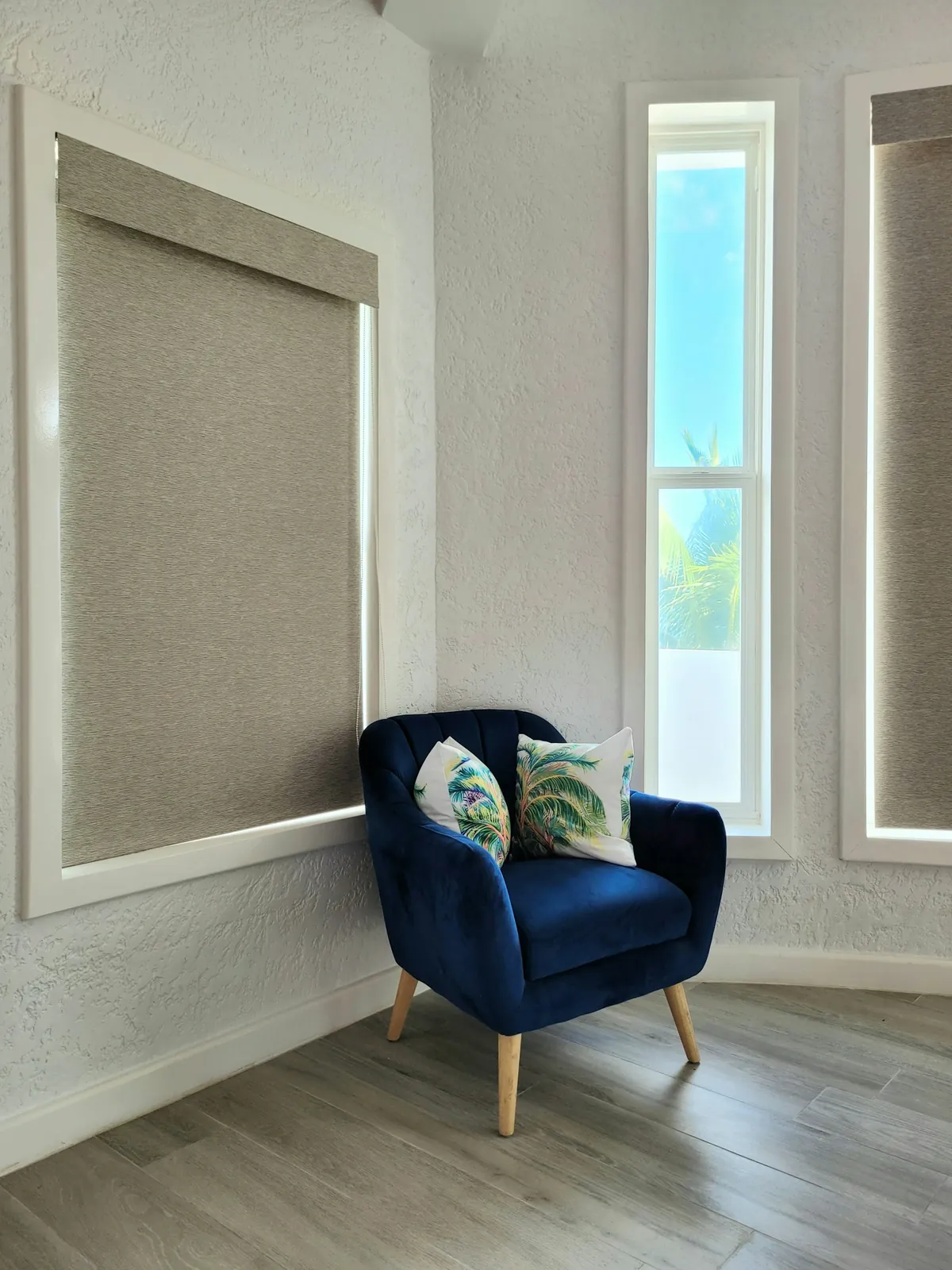
Woven texture
A textured weave gives a tall Victorian window some depth, and it sits well beside old woodwork and plaster.
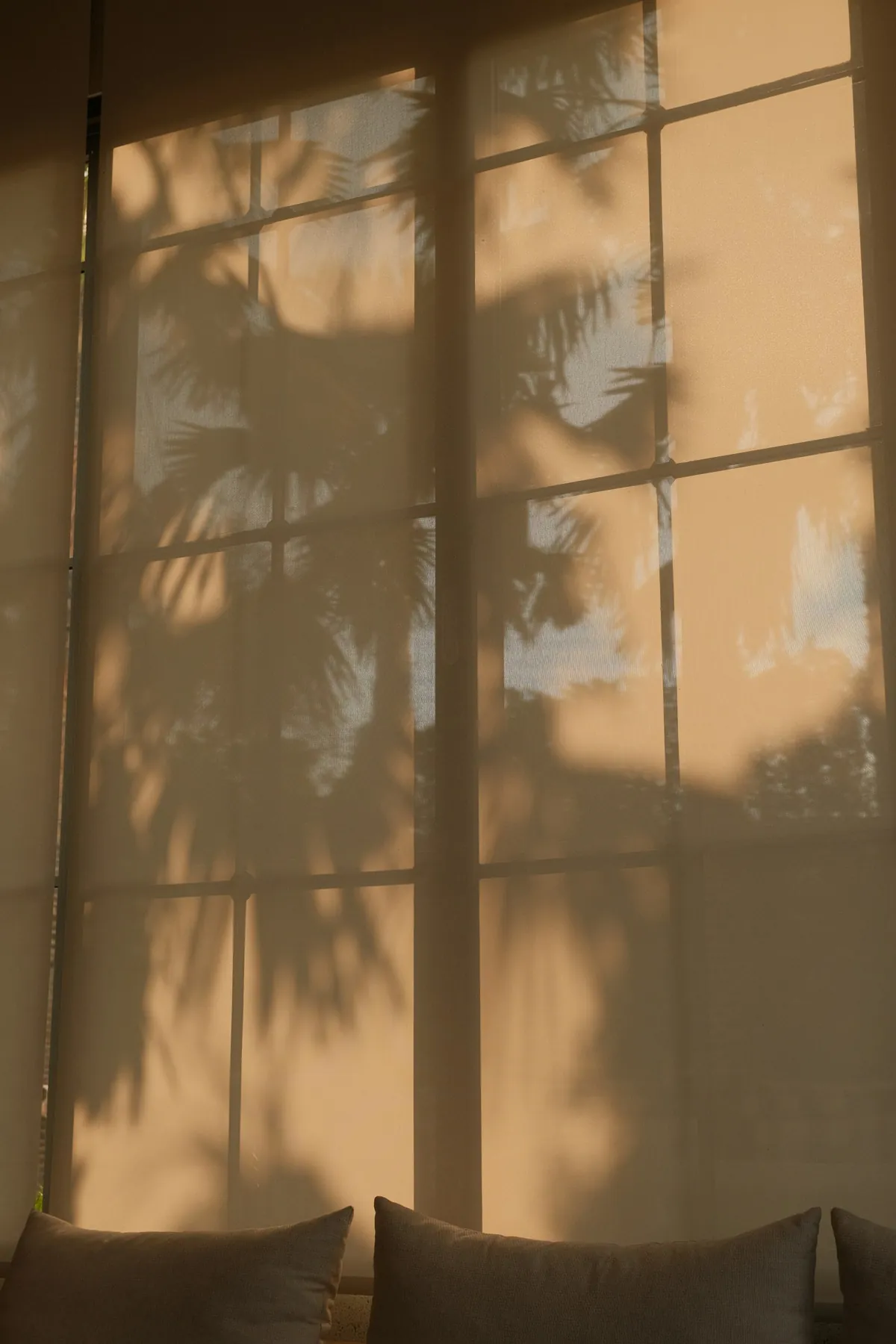
Pale fabric for tall glass
A light-coloured fabric keeps a high-ceilinged room bright and lets the outline of the trees fall across it.
Solar screen
An open-weave screen that calms glare and still lets you look out at the street or the yard.
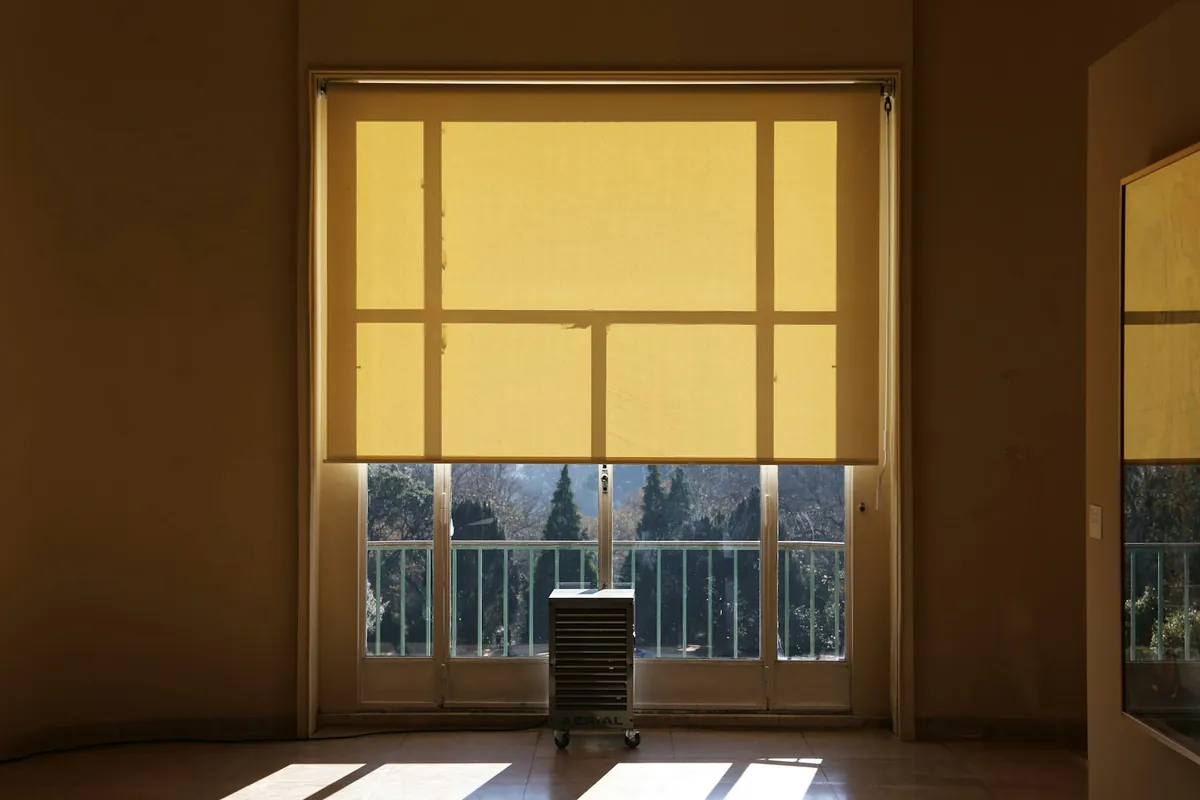
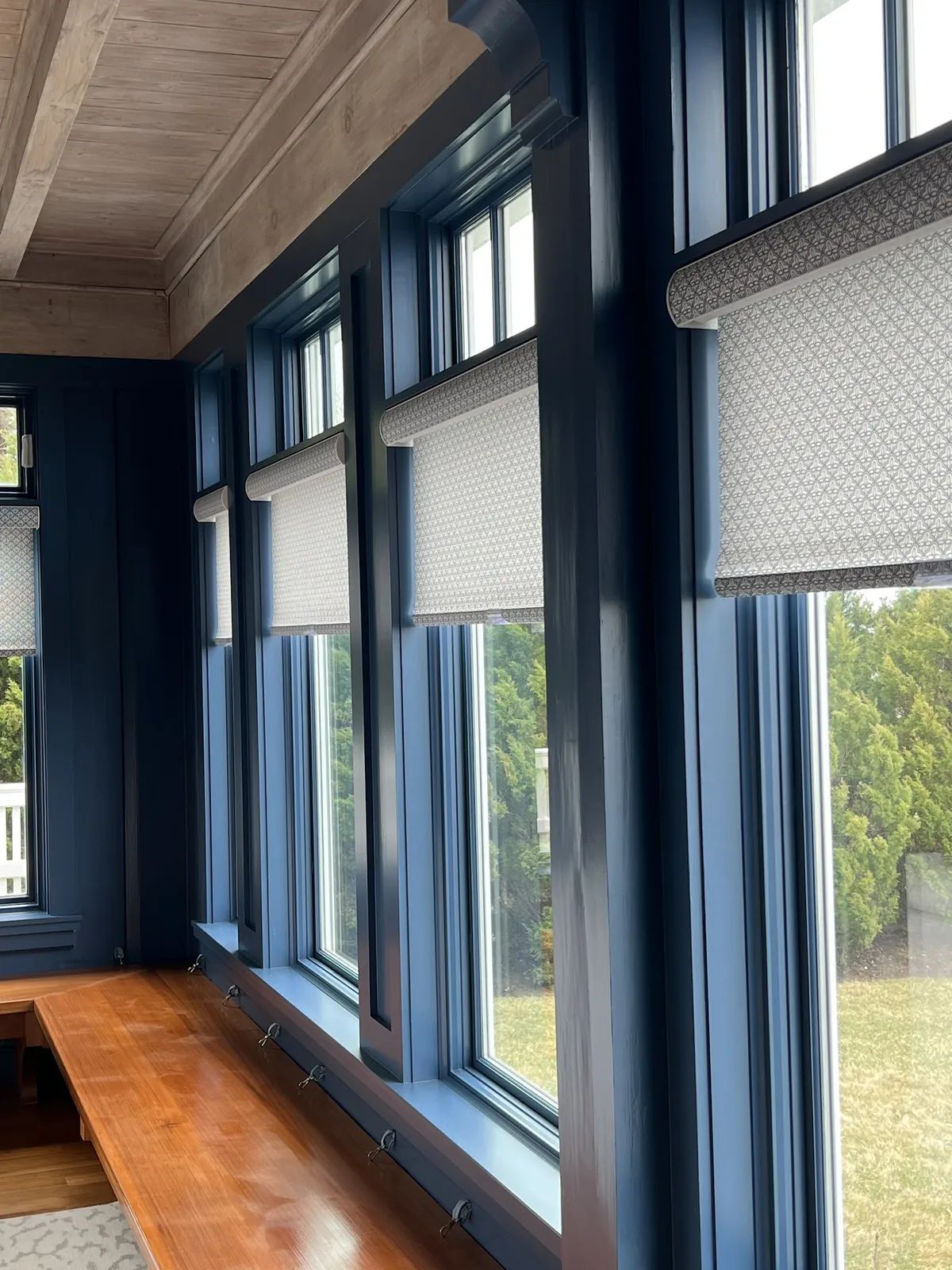
A splash of colour
Strong colours suit a triple-decker kitchen or a study where the shade is meant to be noticed.
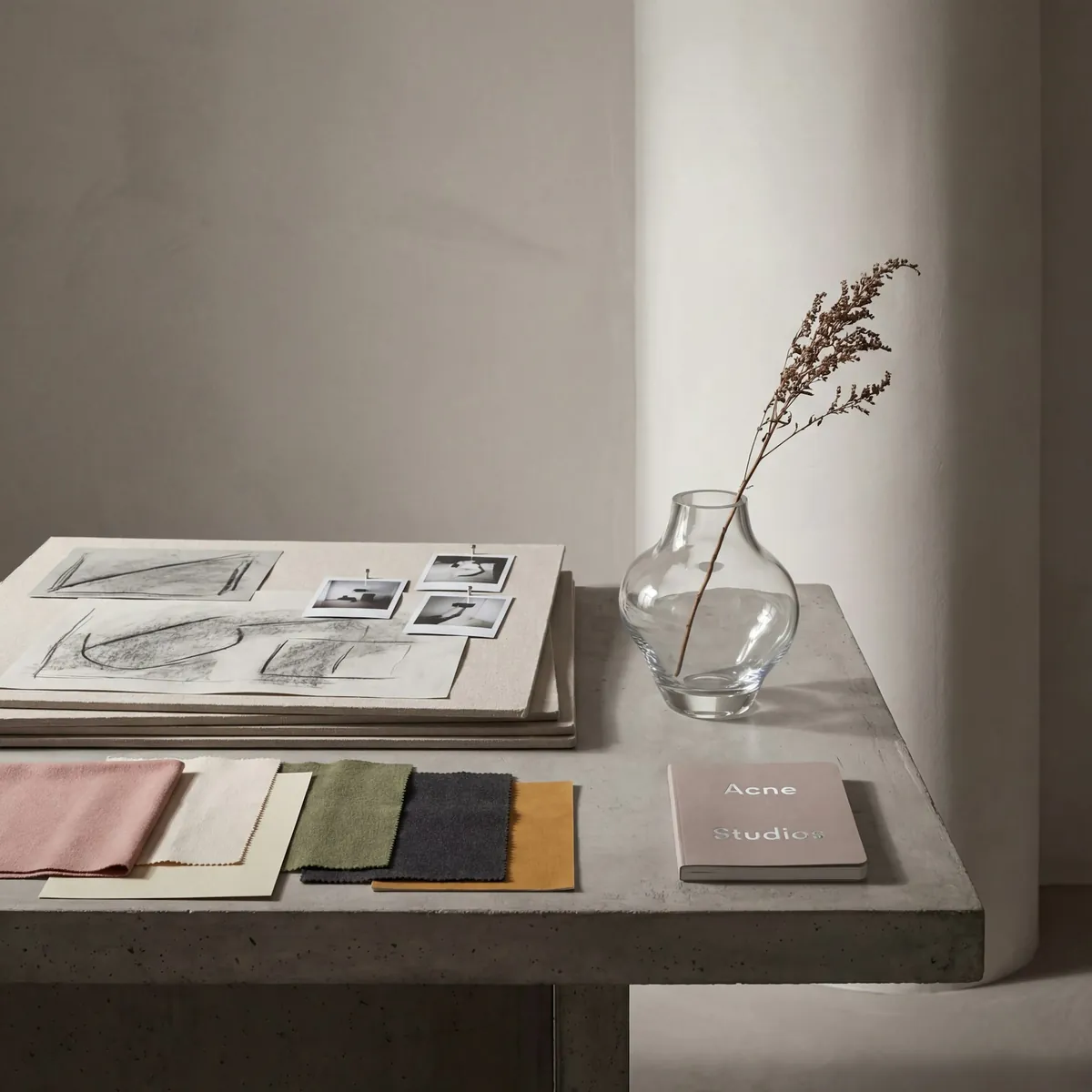
Fabric chosen in person
Samples in your hands, held up at your own glass, are the surest way to choose.
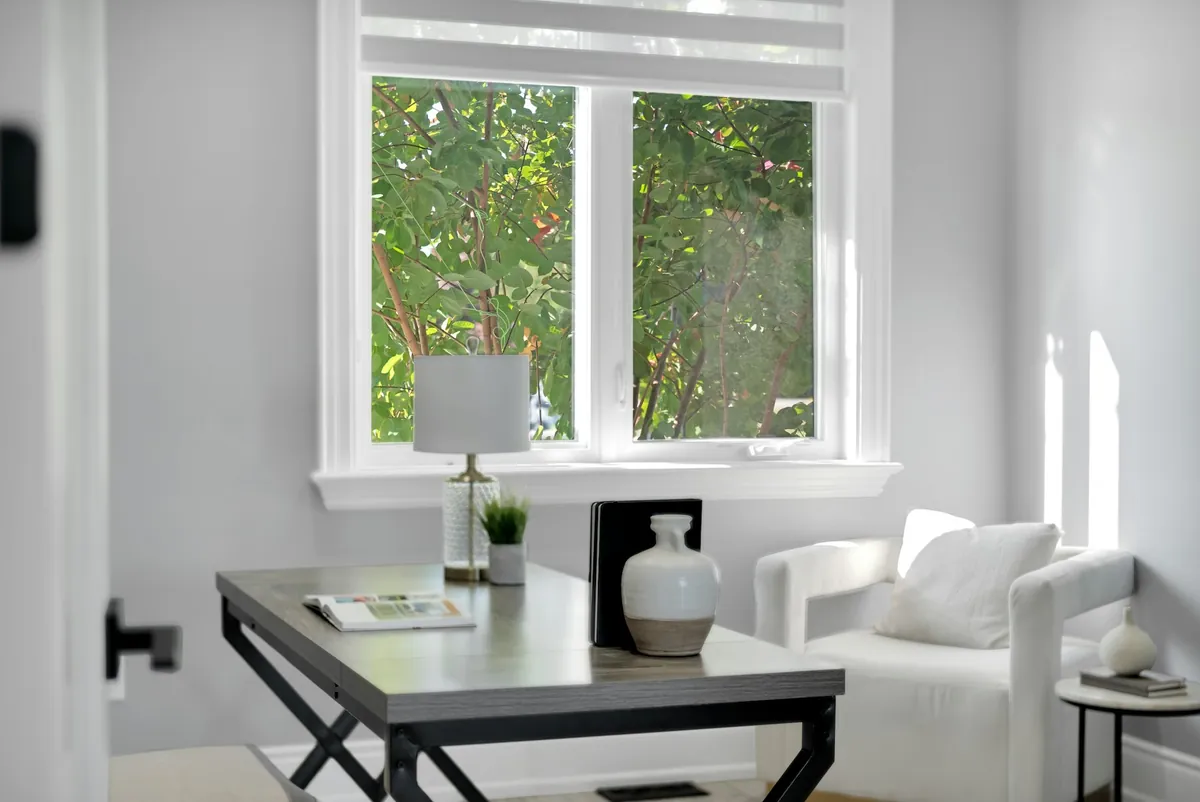
Shades for a working room
A study or home office needs daylight on the desk without glare on the screen.
How We Approach Roller Shades in Providence, RI
The city’s houses split broadly into two families: the large single-family houses of the East Side and the stacked flats of the triple-decker neighbourhoods. They need different thinking, so we take them in turn, then look at fabric, screens and how an order runs.
East Side Victorians on College Hill
A Victorian on College Hill typically has narrow, very tall double-hung sash, often several to a room, with deep moulded casings and sometimes interior shutters or pockets long since painted over. The windows are the room’s main feature, and the best shade is one that respects them.
Height is the first challenge. A long shade made to the full drop of a tall sash has to hang straight and roll evenly, with a hem bar that keeps the fabric flat. We measure each sash separately, because in an older house two windows that look identical can differ, and a shade made to the wrong height either stops short of the sill or bunches at the bottom.
The second challenge is the trim. Many East Side owners want the casings to stay fully visible. That means fitting the shade inside the frame, which works when the frame is deep enough and close to true. Where the depth is not there, a shade mounted on the casing’s top edge, sized to the casing’s own width, still looks deliberate rather than added on.
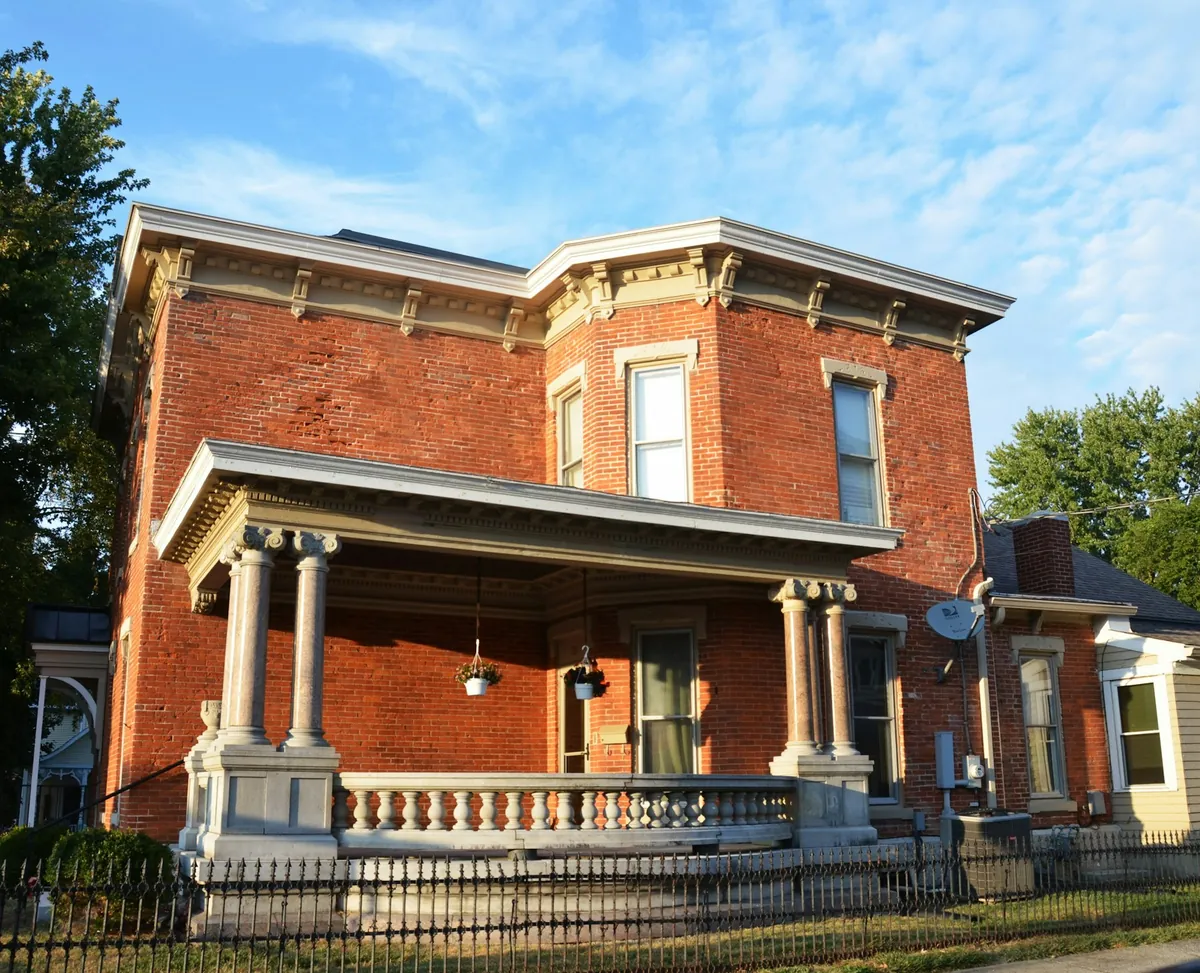
Colonial Revivals on Blackstone Boulevard
The Colonial Revivals along Blackstone Boulevard tend to have more regular windows than the Victorians: symmetrical fronts, multi-pane sash and broad rooms with windows on two or three walls. A room with light from several sides is lovely in the morning and can be harsh by late afternoon, especially on the west-facing side of the house.
These houses suit a calm, consistent approach. One fabric colour on every street-facing window keeps the façade even, and a solar screen on the sunniest rooms handles glare without making the room feel closed. In a formal dining room, a roller shade can sit quietly behind side drapes, doing the practical work while the drapery provides the softness.
Historic-district review and the street side
Much of the East Side sits within historic districts. What is visible from the street matters to the look of the whole block, so many owners prefer shades whose street side is plain and uniform across the front of the house. If your house is in a district, it is worth checking whether anything about window treatments needs a word with the district before ordering. We will plan the front windows so they look consistent from outside, whatever happens inside.
Federal Hill and Elmhurst triple-deckers
A triple-decker flat usually runs front to back, with a living room at the street end, bedrooms along the side and a kitchen at the rear. Front windows face the sidewalk at close range, side windows often look straight across a narrow gap to the next building, and the middle of the flat can be the darkest part.
That layout calls for a mix. At the street end, a fabric that lets daylight through but blocks the view in keeps the front room bright and private. Along the side, where the house next door is close, a solid fabric in the bedrooms gives privacy at any hour. At the rear, a kitchen window can take a lighter fabric, or a screen if it faces the afternoon sun. Many triple-decker owners also have bay windows at the front, which suit one shade per window, all hemmed to the same line.
Because each floor is a separate home, owners of a whole building sometimes want every flat to match from the street. That is easy to plan on one measuring visit, with the same colour on every front window from the first floor to the third.
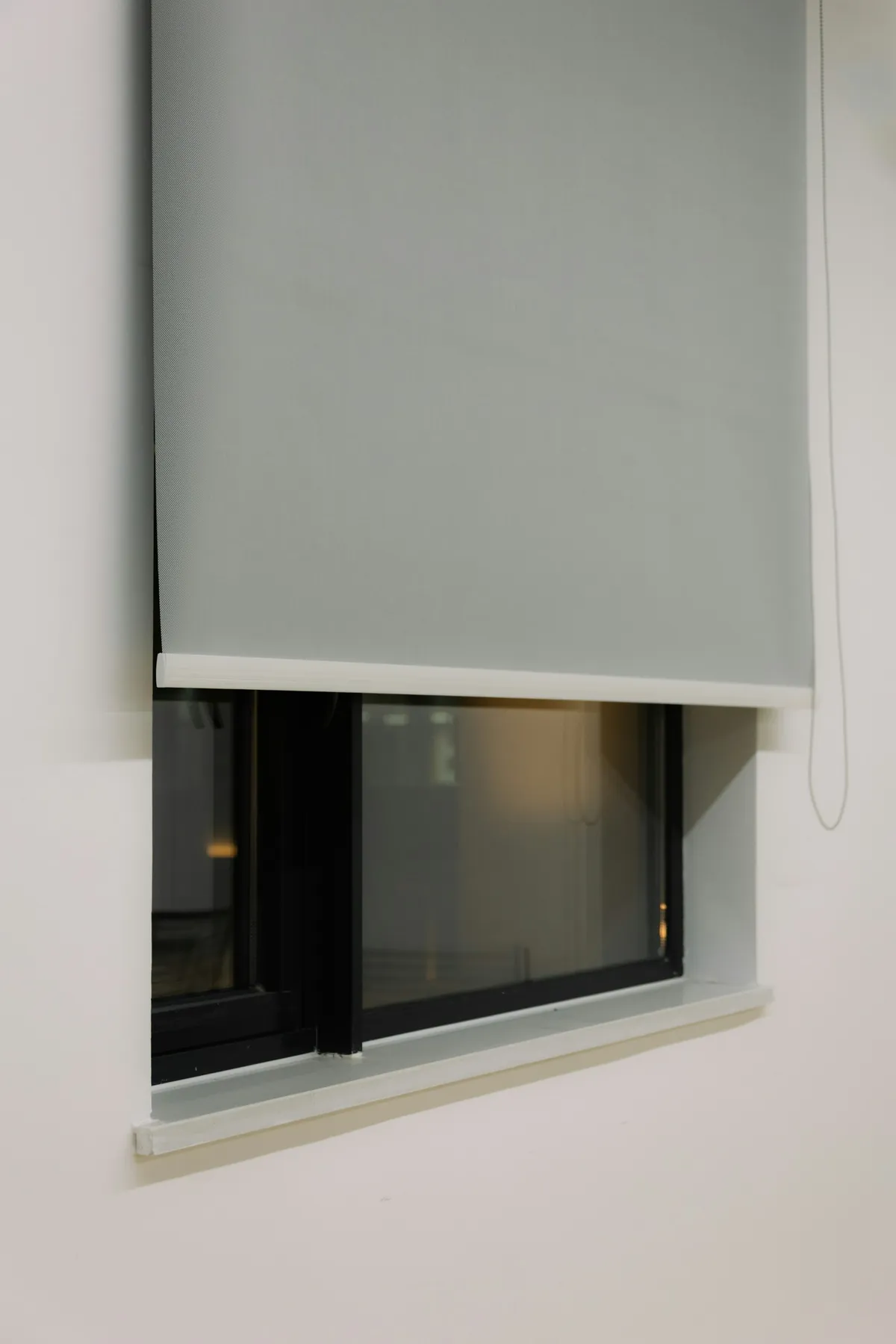
Porches, bays and back stairs
Triple-deckers in Elmhurst and Federal Hill often have a porch on each floor at the front or the back, with a door and a window or two opening onto it. Those porch windows sit in shade for part of the day and in full sun for the rest, and they look straight out to the street or the yard. A light filtering fabric there gives privacy from the porch without darkening the room behind it. The back stair windows, which light the shared stairway, can take a simple solid fabric in a neutral colour that suits every flat.
The bays found on many fronts are a pleasure to dress but need care. Each window in the bay is measured on its own, because the angled side windows are rarely the same width as the centre one, and the shades are made so that their hems line up all the way round. Done that way, a bay with three shades looks like one finished window from the room and from the street.
Upper floors and the light they get
On the top floor of a triple-decker, the windows are higher than the trees and the houses opposite, so the light can be stronger and the views longer. That changes the choice. A bedroom on the third floor may need a darkening fabric more than one on the first floor, because nothing outside softens the morning sun. A living room up there may suit a solar screen, keeping the long view while taking the glare off it.
On the East Side, the same applies to the upper rooms of the large houses. A Victorian’s second-floor bedrooms, often with the tallest sash in the house, get the earliest and brightest light, and they are where owners most often ask about blackout roller shades in Providence, RI. Lower down, where trees and neighbouring houses filter the sun, a lighter fabric is usually plenty.
Fabric, Screen and Openness
Every room in a city house gets a little different light, and roller fabrics come in three broad kinds to match.
Light filtering fabric is solid but lets daylight pass, so the room stays bright while the street cannot see in. It is the usual choice for living rooms, parlours and kitchens.
Blackout fabric stops the light through the cloth. Bedrooms, nurseries and media rooms use it, and a shade mounted outside the frame reduces the light at the edges. In a triple-decker bedroom beside a streetlight, it makes a real difference to sleep.
Solar screen is an open weave that keeps the view. The openness of the weave decides how much you see and how much glare is held back: a more open screen favours the view, a closer screen favours glare control and privacy. A darker screen usually gives a clearer view out; a lighter one blends with white trim. We bring samples so you can judge them at your own window, at the hour the sun is strongest.
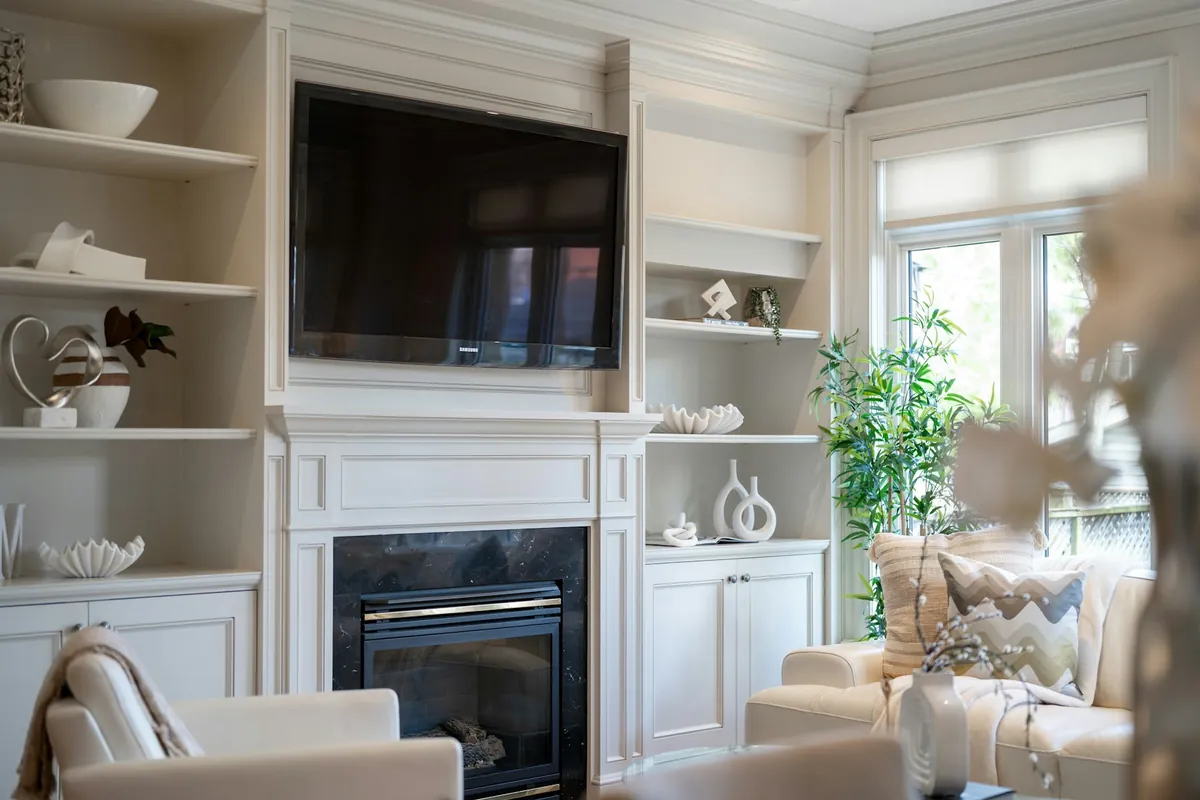
Matching a whole house or a whole flat
High ceilings and tall sash mean a room’s shades are seen at eye level and well above it. Choosing one fabric family for a room, and often for a whole floor, keeps that height from looking busy. In a Victorian with a front parlour and a back parlour joined by a wide opening, both rooms are seen together, so their shades should match even if one room faces the sun and the other does not. In that case a light filtering fabric in one room and a solar screen in a matching colour in the other can look like one decision.
Hard-to-reach windows
Tall sash in a high room, or a stair window above a landing, can be awkward to reach. Motorised roller shades, worked from a remote or a wall switch, solve that without a step stool. You can read more on the motorised blinds and shades in Providence page.
The Order, Step by Step
From the first conversation to the final adjustment, we keep you informed about where your order stands.
- Get in touch through the call button or the form, mention which rooms or which floors you have in mind, and arrange a free quote.
- A specialist visits and measures every window, recording the drop of each tall sash, the depth of the frame, the width of the casing and anything that is out of true.
- You decide on fabrics, screens and colours, with samples at your windows or side by side in the showroom.
- You get a quote that sets out every window one by one.
- Each shade is made to the measurements taken in your home.
- Our installers fit the shades, check that every one hangs straight and stops at the right height, and show you how to use them.

Why measuring at the window matters here
In a city of older houses, few windows are exactly what they seem. Sash that have been painted many times, sills that have settled and frames that have moved all affect how a shade fits. Taking the measurements at each window, rather than from a plan or a single sample window, is how roller shades in Providence, RI end up hanging straight in houses that are not quite square. It also lets us spot the things that change the order: a radiator under the sill, a lock that sticks out, a storm window inside the frame.
Other treatments for the same rooms
Some city rooms are better served by something else. Drafty tall sash in a Victorian bedroom may suit cellular shades in Providence, which hold air at the glass. A formal room on the East Side may want drapery alongside or instead of a shade, and we make custom drapes in Providence too. If a different product would serve a window better, we will say so. All the treatments we offer in the city are on our window treatments for Providence homes page.
Care
A soft brush or a vacuum on a low setting is all most roller fabrics need. Many can be wiped gently with a damp cloth. Let the shade roll fully up every so often so it keeps its shape. If a shade you already own stops rolling evenly or a bracket loosens, ask us to take a look.
Radiators, storms and other things in the way
Older city houses often keep cast radiators under the windows, interior storm panels inside the frame, or sash locks and lifts that stand proud of the glass. Each of these affects where a shade can sit and how far down it can come. A shade that would brush a radiator can be set to stop just above it. A frame with an interior storm may have too little depth left for an inside mount, so the shade goes on the casing instead. We note all of this on the measuring visit, so the shades are made around what is really there rather than what the window looked like when it was new.
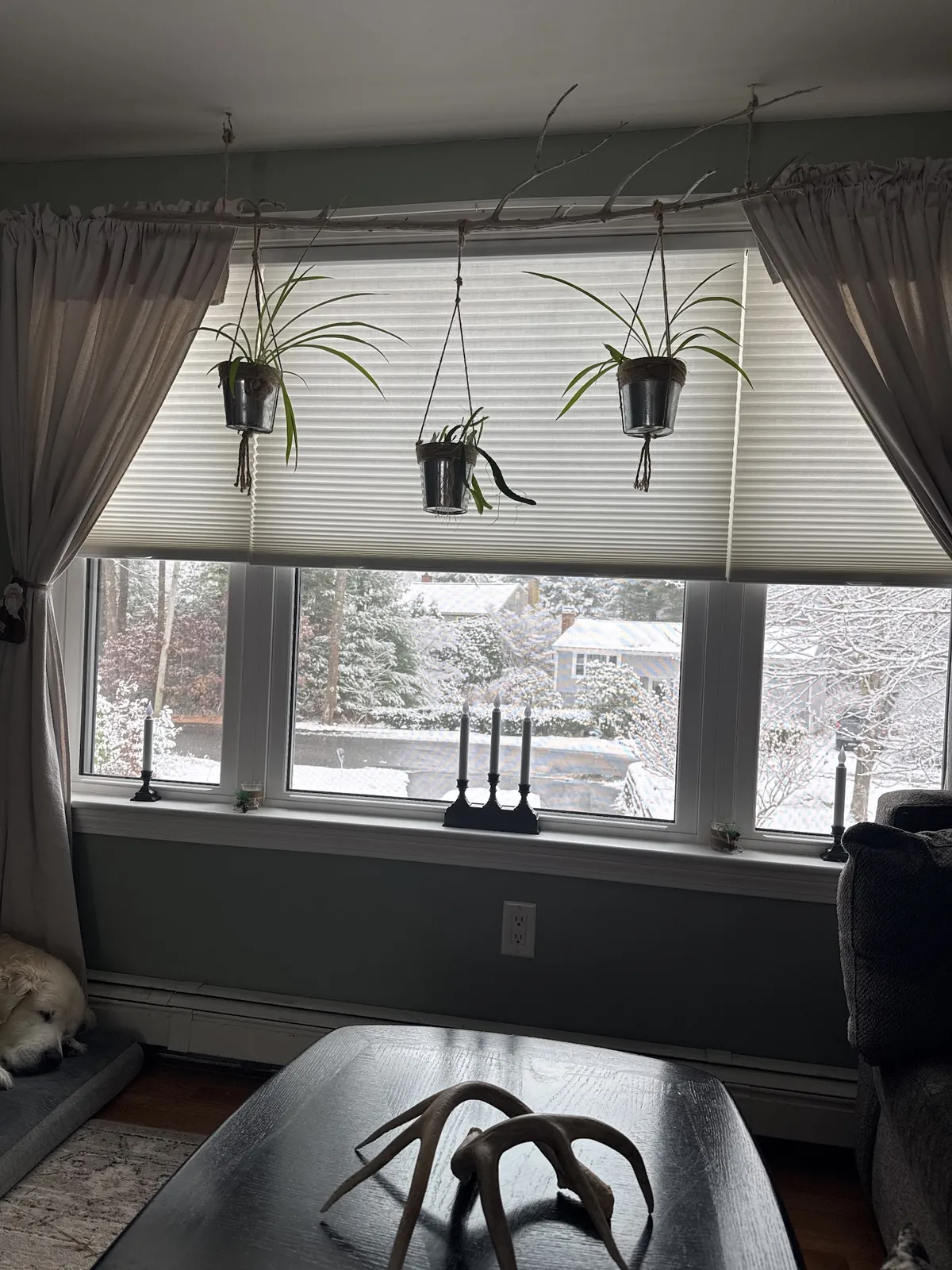
Shades Alongside Drapery
Plenty of East Side rooms are finished with both a shade and drapery. The shade handles the light and privacy, and the drapery adds colour, softness and height to a tall window. Window Works makes both, so they can be measured on the same visit and chosen together for one consistent look.
In a triple-decker, the same idea works on a smaller scale: a roller shade at a bay window with simple side panels can make a front room feel finished without crowding it.
- Shades and drapery planned together
- Fabrics compared side by side
- One measuring visit for both
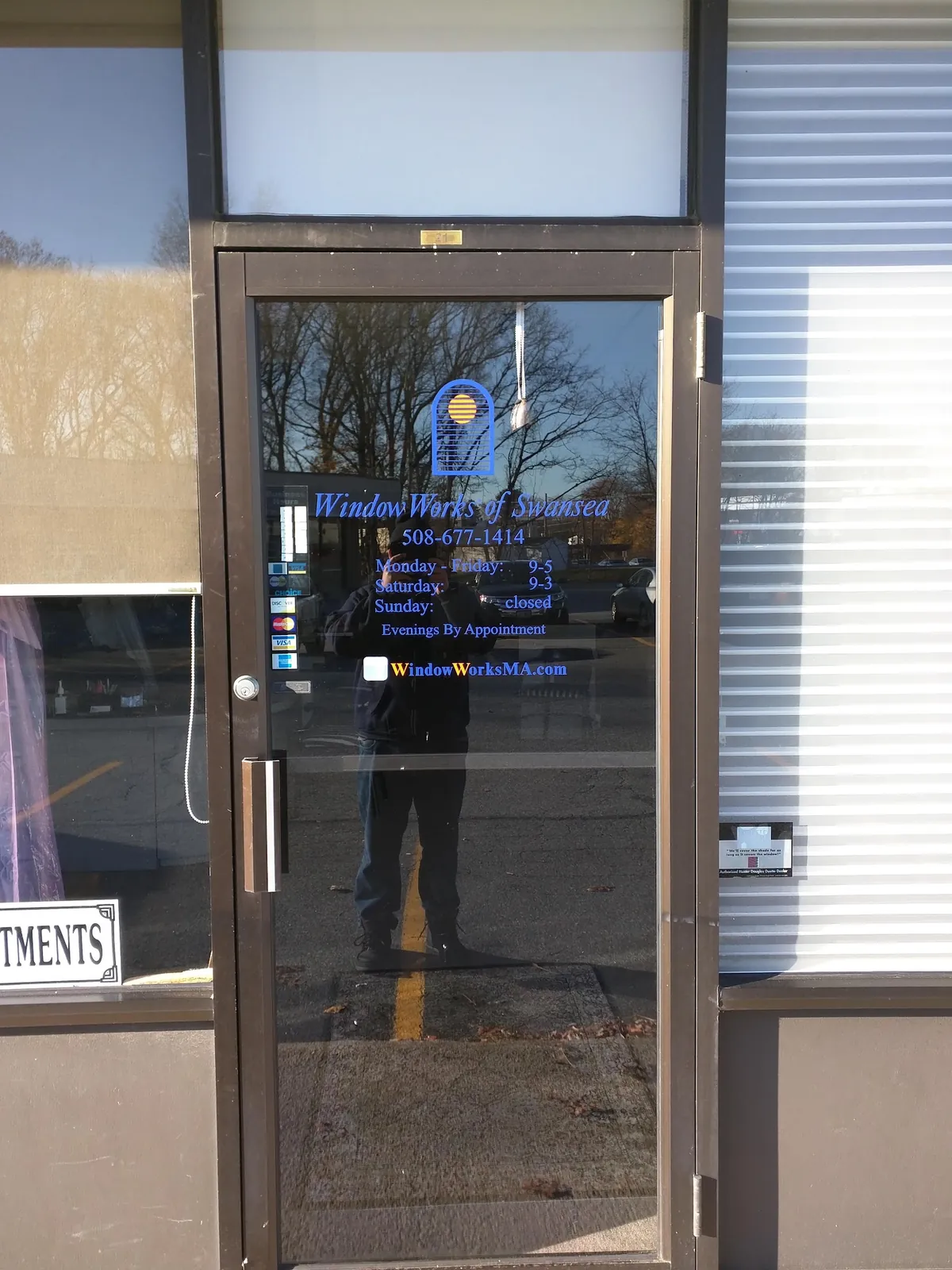
A Family Store in Swansea
Window Works was founded in Swansea in 1988 and is now in its second generation. For over 37 years it has worked across the SouthCoast of Massachusetts and the Rhode Island East Bay, with Providence among its 25 towns. An experienced team of window treatment specialists measures in your home, our own installers fit the order, warranties are offered on what we sell, and we stay in constant contact with you until the job is done.
The showroom is the place to compare fabrics and screens in daylight before you decide on roller shades in Providence, RI. It also carries the Norman range, which you can see in person.
Questions from Providence
Can a roller shade fit a very tall Victorian sash?
Yes. Each shade is made to the full drop of its own window, measured in your home, so it hangs straight from top to sill.
Will the trim on my College Hill windows stay visible?
Where the frame is deep enough, we fit the shade inside it so the casings stay on show. Where it is not, we mount the shade on the casing’s top edge, sized to its width.
What suits a triple-decker flat with windows close to the next house?
Usually a mix: a light filtering fabric at the front, a solid fabric in side bedrooms for privacy, and a screen at the rear if it faces the afternoon sun.
How do I choose between a more open and a closer solar screen?
A more open weave keeps more of the view. A closer weave holds back more glare and gives more privacy. Samples at your own window make the choice clear.
How do I book a quote?
Quotes are free. Use the call button or the form on this page and tell us which rooms or floors you have in mind.
Book Your Free Quote
The next step is simple. Use the call button to reach the Swansea store, book a free quote, arrange measuring in your home or ask about installation, or send the form and we will get back to you. To compare fabrics first, visit the showroom; directions are on the contact page. Every roller and solar screen option is on the main roller shades page. Window Works holds a 5.0 rating on Google.