
Tall Sash, Close Neighbours
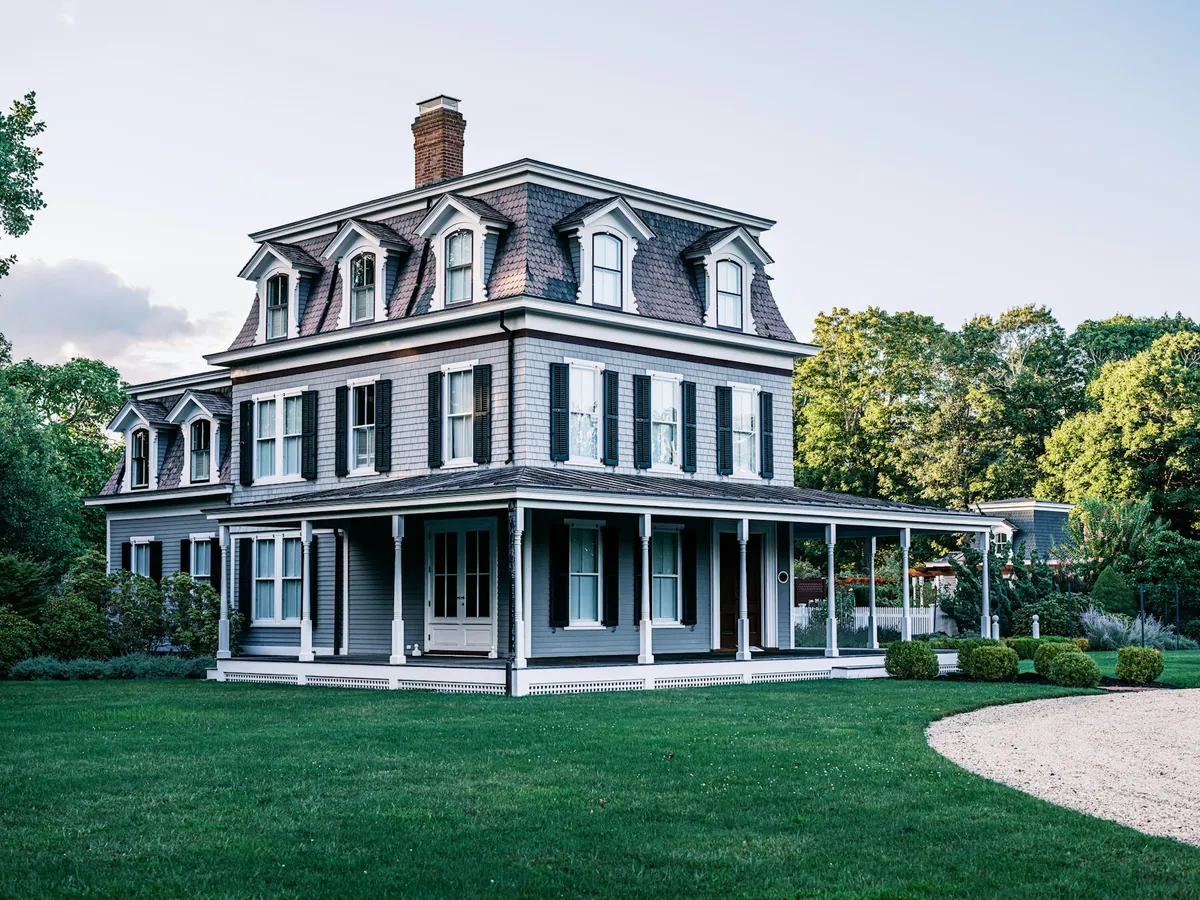
Most windows in this city are taller than they are wide, and that single fact shapes how we approach roller shades in Pawtucket, RI. The Victorians on Oak Hill and Quality Hill were built with long double-hung sash that reach from a low sill almost to the ceiling. The mill-era three-deckers off Broadway repeat a similar narrow window on every floor, stacked one above the other, with the next house only a driveway away.
In houses set this close together, a shade has two jobs before it has any others. It has to cover a long drop cleanly from top to bottom, and it has to give privacy from the house next door without turning the room dark. Width is rarely the hard part here. Length and privacy are.
- Roller shades and solar screen shades
- Fabrics that soften daylight, and fabrics that shut it out
- Every window measured where it stands, then fitted by our team
Shades for Long, Narrow Windows
Light filtering fabric
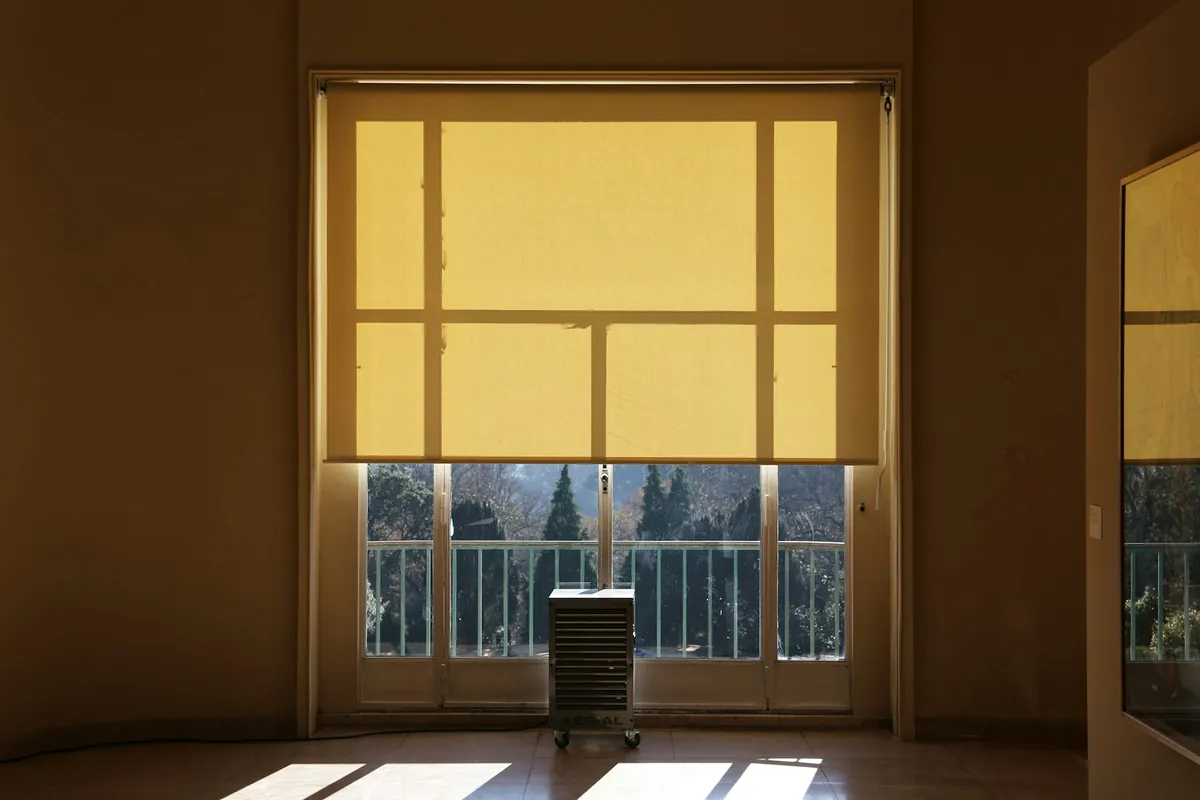
Daylight comes in, and the neighbour’s side window sees only a glowing panel. The everyday answer for parlours, kitchens and stair landings.
Blackout fabric
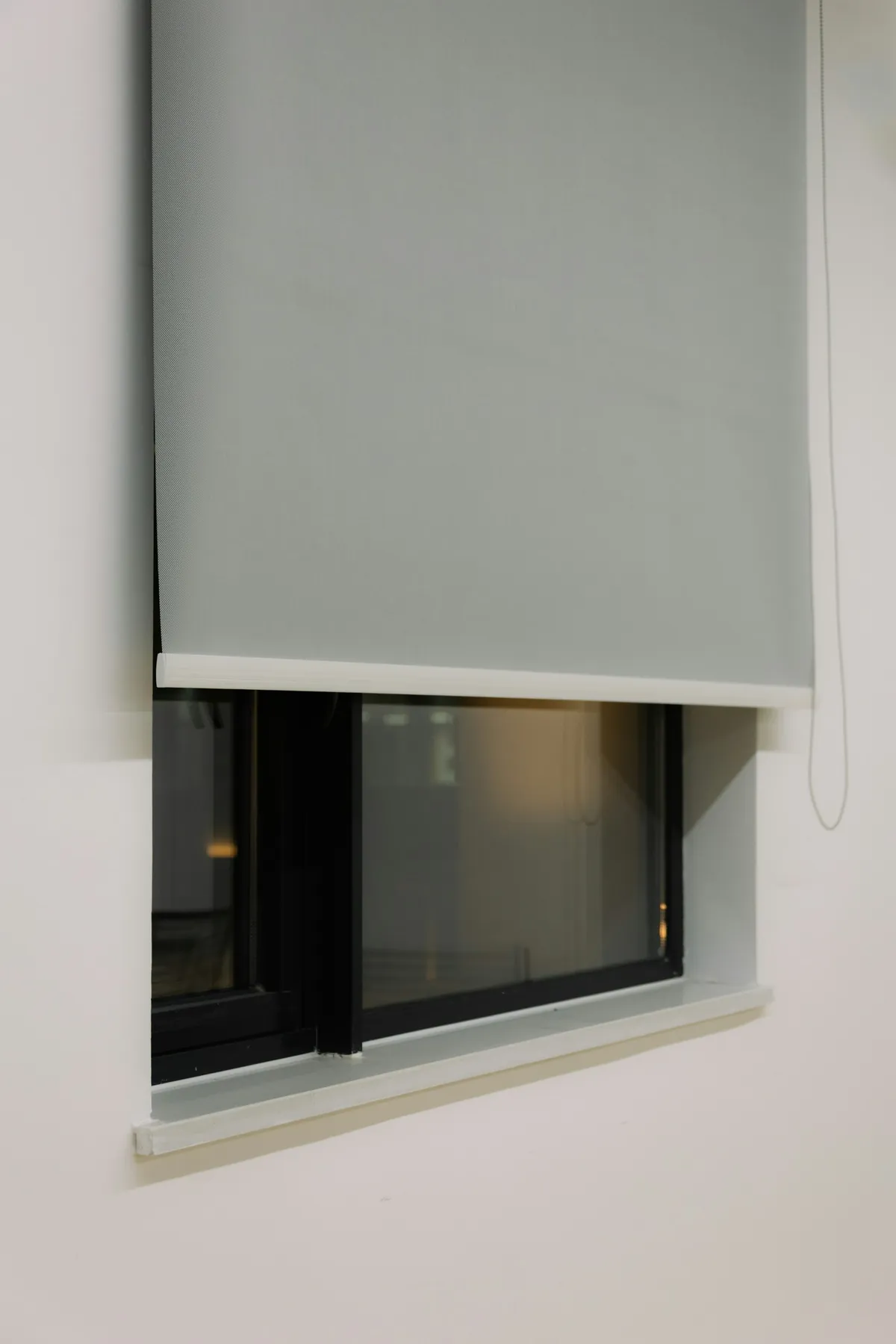
A solid fabric for bedrooms, including the front bedrooms of a three-decker that face a lit street at night.
Solar screen
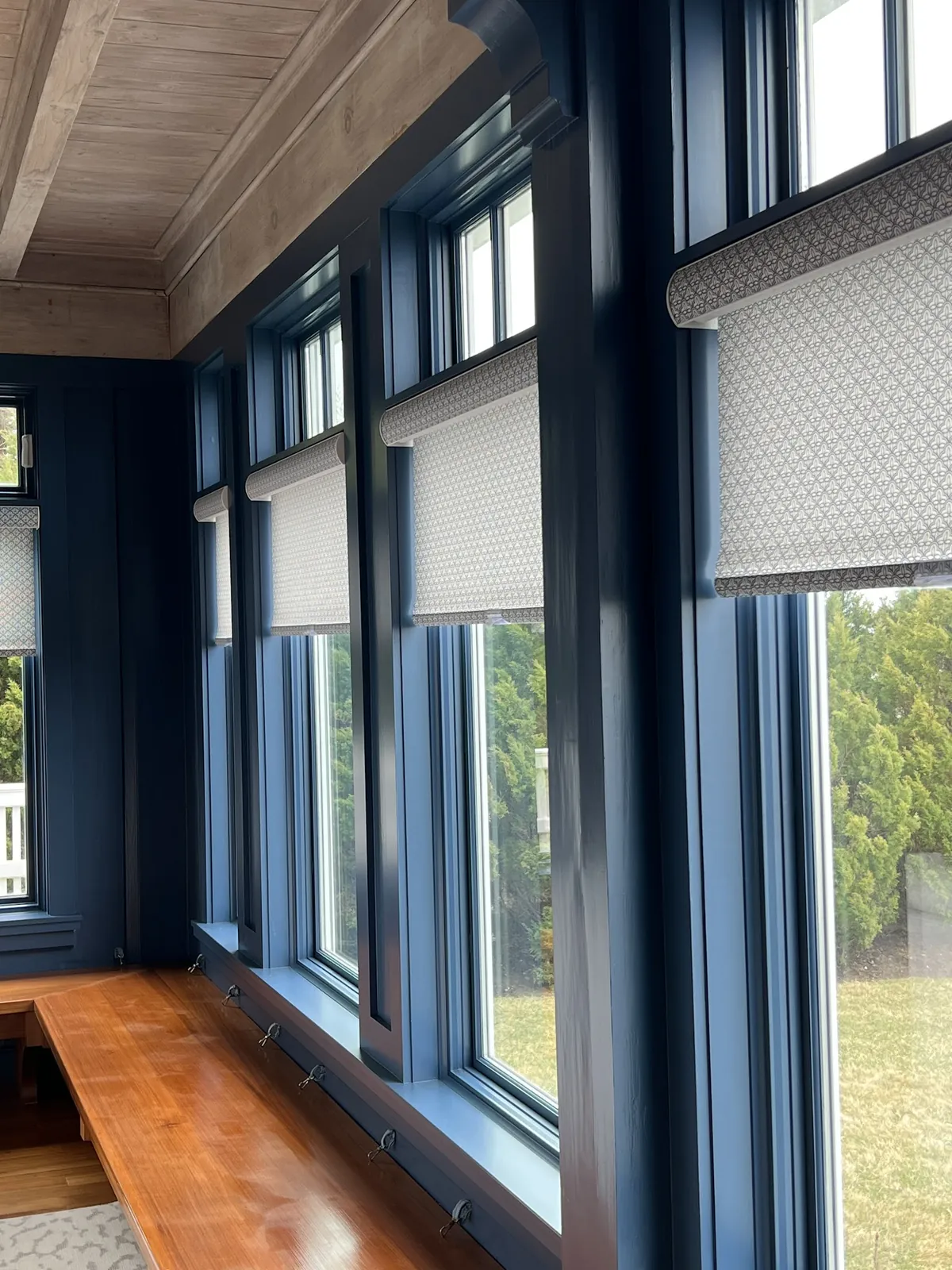
An open weave that tames glare while keeping a view out. Suited to the upper floors and rear porches that catch the sun.
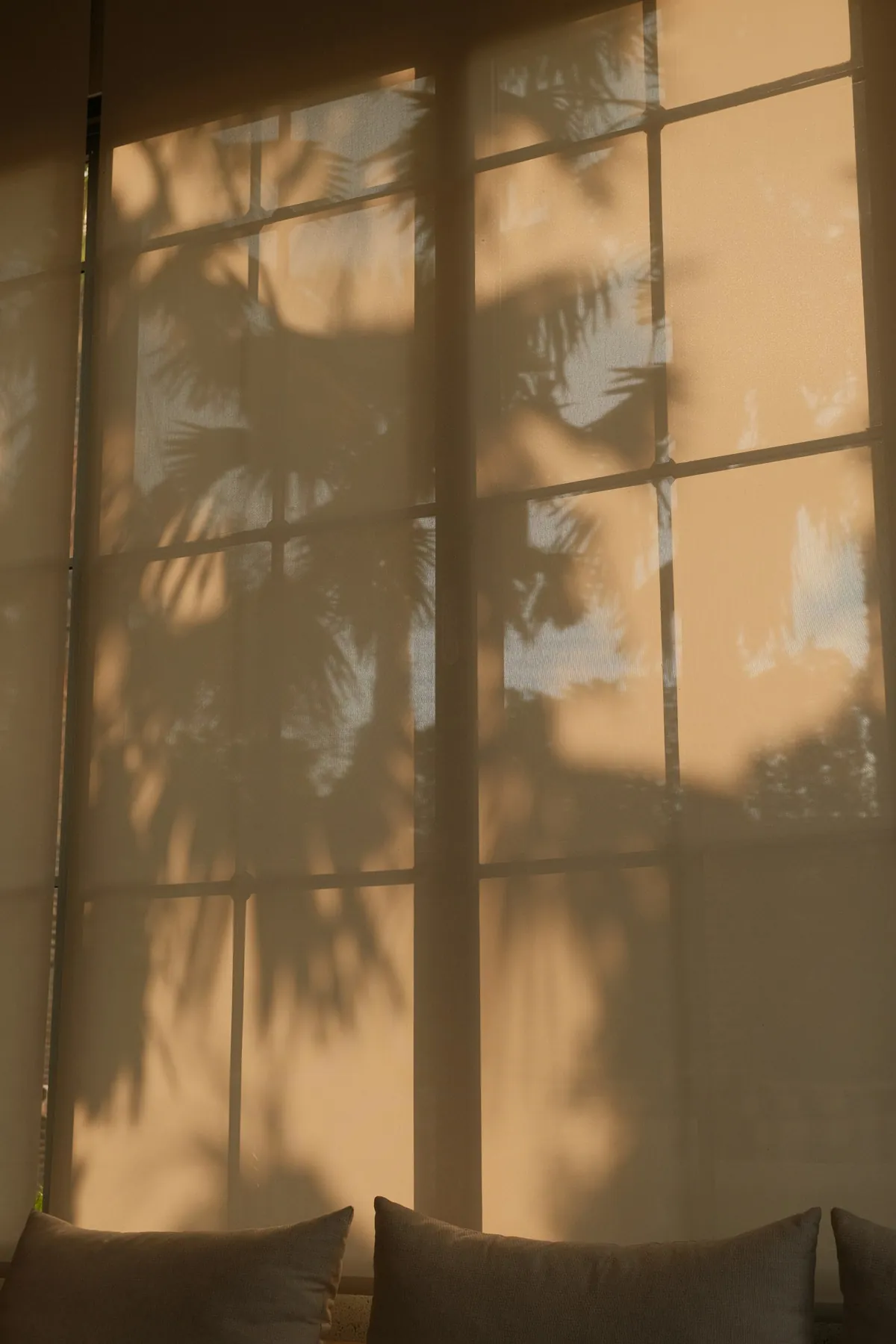
Shades on a long drop
Each shade is made to the full height of the sash, so it covers the glass without a gap at the sill.
Choosing Roller Shades in Pawtucket, RI
Few window treatments are simpler. The fabric winds onto a roll at the head of the window when raised and hangs as a single smooth sheet when lowered. That simplicity is a strength in an older house, where the trim, the tall proportions and the plaster walls already carry the character of the room. The shade’s job is to work well and stay out of the way.
Picking roller shades in Pawtucket, RI comes down to three decisions for each window: which fabric, how it is mounted, and how it is raised and lowered. What follows is how those decisions play out in the city’s two main kinds of house, the hill Victorian and the mill-era three-decker.
Oak Hill and Quality Hill Victorians
The Victorian houses on the two hills have some of the tallest sash in the area. A front parlour may have a pair of long windows facing the street, a bay with three narrow windows, and a side window that looks straight at the neighbouring porch. Ceilings are high, so the windows climb with them.
For these rooms we usually start by fitting the shade within the window frame. It keeps the original casing on show, which matters in a room where the woodwork is half the point. We check the depth of every frame first, because old sash weights, pulleys and later storm windows can eat into the space, and no two windows on a hill Victorian are quite the same.
A bay is treated as three separate windows rather than one curved opening. Each narrow window gets its own shade, made so the three hems line up when lowered. That keeps the bay looking even from the street and lets you lower only the side panel that faces the neighbours while leaving the centre open.
Fabric in these rooms is usually a light filtering weave in a colour that sits quietly against painted trim. Off-whites, linens and soft greys suit most Victorian rooms. A stronger colour can work in a dining room or a study, where it reads as a deliberate choice against the woodwork.
Many hill Victorians also have small windows that are easy to forget: a stained or patterned transom over a door, a narrow window on the stair, a little window in a pantry or a back hall. Some of these are best left bare to show off the glass. Others, like a bathroom window at street level, need covering as much as any bedroom. We go through the whole house with you and note which windows really need a shade, rather than quoting for every opening by default.
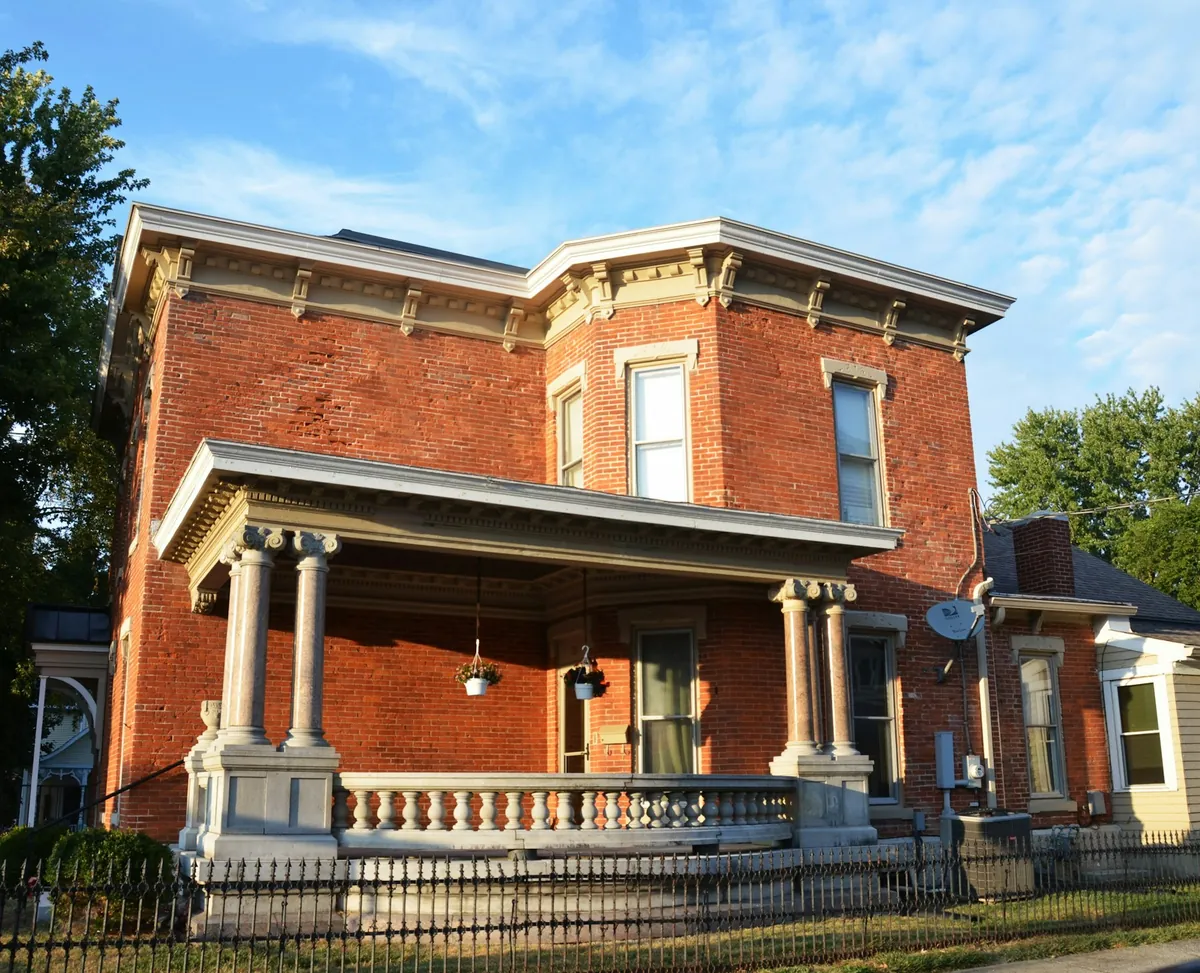
Three-deckers off Broadway
The three-deckers built for mill workers around Broadway are a different kind of job, though the windows are just as tall and narrow. Each floor is its own home, so the windows on the first floor face a porch and the street, the windows on the second and third floors look across at the next building, and the back rooms open onto stacked rear porches.
On the first floor, privacy from the sidewalk is the main concern. A light filtering fabric lowered to the sill hides the room by day and still brightens it. On the upper floors, the neighbouring house is often the closer view, and a shade that can be lowered partway lets you block the window opposite while keeping the sky at the top of the sash.
The rear rooms of a three-decker, often a kitchen and a back bedroom, tend to get the afternoon sun. That is where a solar screen earns its place. It cuts the glare so the kitchen is comfortable through the afternoon, and you can still see out to the porch and the yard beyond.
Because every floor shares a similar window, owners of a whole building sometimes choose one fabric and one colour for every unit. From the street, a three-decker with matching shades on all three floors looks tidy and considered. If you own one floor and rent out the others, the same thinking applies on a smaller scale: the windows that face the street read as a set, so it pays to keep their hem heights and colour consistent even when the rooms behind them differ.
Enclosed rear porches
Some three-deckers have had their back porches closed in with windows over the years, turning them into sunrooms, offices or a spot for a small table. These rooms are glass on two or three sides and can be too bright to use for much of the day. A set of matching solar screens, each made to its own window, lets the room stay bright and keeps the yard in view while taking the glare off. Where the porch doubles as a spare bedroom, a blackout fabric on the side that faces the neighbours makes it usable at night as well. The windows in these enclosures were often added piecemeal, so sizes vary from one opening to the next, and that is exactly the kind of room where measuring each window pays off.
Light filtering, blackout or solar screen
Each fabric does a different thing, and most homes here end up with more than one.
Light filtering fabric softens daylight and blocks the view in. It is the natural choice for living rooms, kitchens and halls, and on a narrow window it keeps a dim room from feeling closed in.
Blackout fabric stops the light coming through. Bedrooms that face a street light, a lit porch or the next building’s windows are the usual candidates, as are rooms with a television.
Solar screen is a woven mesh instead of a solid cloth. Its openness describes how loose the weave is. Looser means a clearer view out and brighter rooms. Closer means less glare on screens and floors and less seen from outside. On a close-set street, many homes choose a closer weave on windows that face a neighbour and a looser one on windows that face the yard or the sky.

Measuring a long drop properly
On a tall window, small errors in measuring show up as big faults. A frame that is slightly out of square, which is common in an older house, can leave a light gap down one side that widens towards the sill. A shade made a fraction too long can bunch on the sill, and one too short leaves a bright strip at the bottom.
That is why we measure every window in your home rather than working from a list of sizes. A specialist checks the width at the top, middle and bottom of the frame, the height on both sides, and the depth available for fitting inside. Anything that will affect the shade, such as a sash lock, a window air conditioner bracket or a storm window frame, is noted before anything is ordered.
From Parlour to Third Floor: the Order, Step by Step
Whether it is one flat in a three-decker or a whole hill Victorian, the order follows the same path, and Window Works keeps you posted along the way.
- Start with the call button or the form. Mention the floors and rooms involved, and we set up your free quote.
- A specialist comes to the house to measure. Each sash is checked at several points, frame depth included, because old frames drift out of square.
- Fabric samples come with us so you can hold them against your own glass at the time of day the light bothers you, or you can come over to the Swansea showroom and compare there.
- Your quote arrives window by window, so nothing on the order is a surprise.
- Production starts from the sizes taken on site, not from a standard chart.
- On fitting day our installers hang each shade, run it down and up to be sure it tracks true and stops at the right height, then hand over the controls.
- Should anything want adjusting later, the same Swansea team picks it up until it is right.
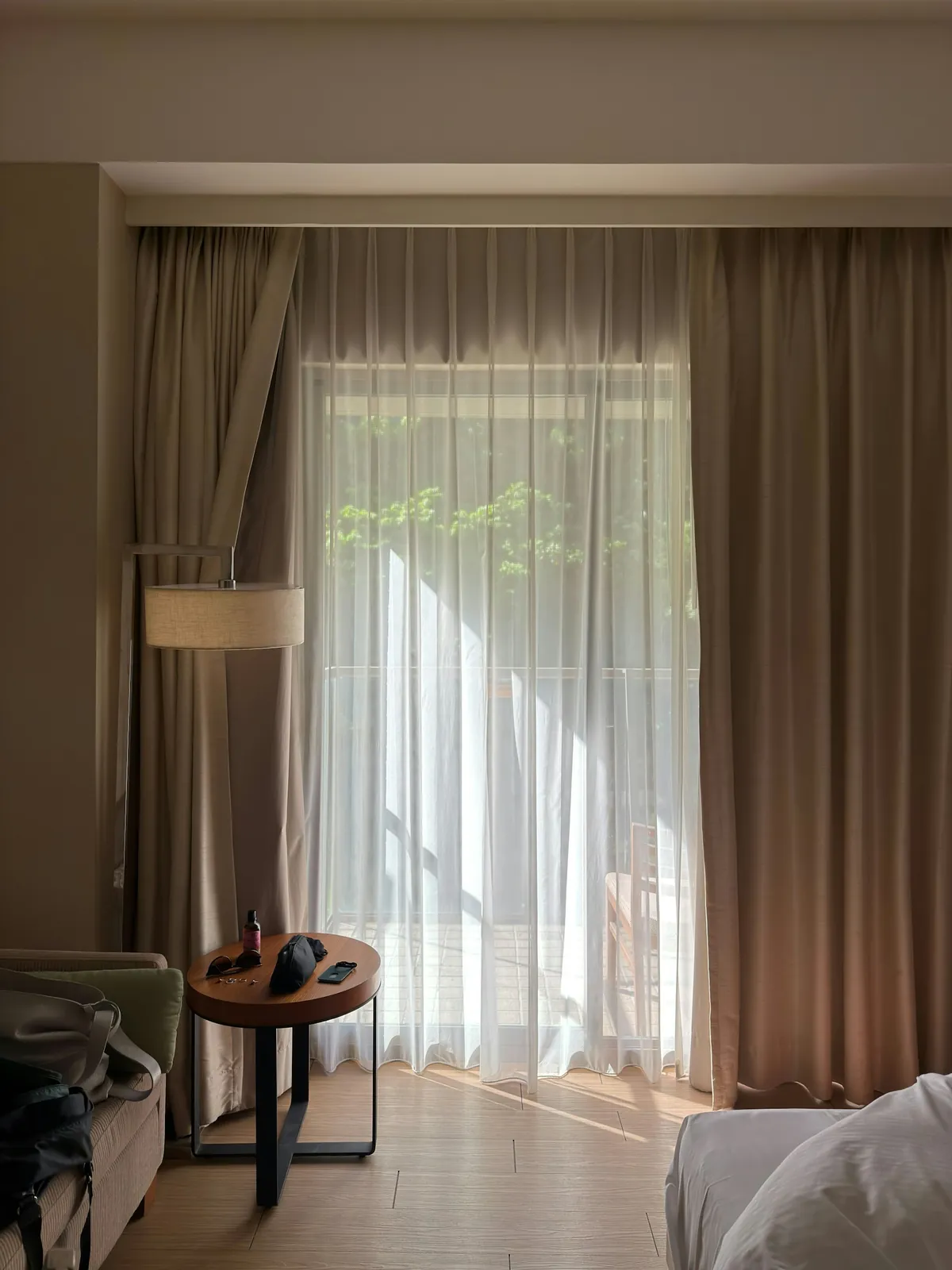
Mounting choices on older frames
Fitting the shade inside the frame looks neatest on a period window, because the casing stays fully visible. The catch is depth: the roll must clear the sash locks and any pulley housing.
Fitting it outside means fixing it to the wall or the casing above the window, so it covers a little more than the glass. That is the right answer when the frame is shallow, when a storm window or a lock gets in the way, or when a bedroom needs as little light round the edges as possible. On a Victorian with wide, decorated casing, we size the shade to the casing itself so it looks planned rather than added.
After measuring, you get a recommendation for each window with the reason behind it.
Layering shades with drapes
In a front parlour or a main bedroom, a roller shade often sits behind side drapes. The shade handles privacy and light, and the drapes add colour, softness and a frame for a tall window. The long proportions of Pawtucket’s sash suit floor-length panels well, and the shade tucked inside the frame keeps the layering neat. Window Works makes custom drapes in Pawtucket as well, so both can be measured on the same visit.
Reaching the top of a tall window
Some of the tallest sash on the hills are hard to reach, especially over a radiator, a built-in or a staircase. For those windows, motorised roller shades go up and down at the press of a remote or a wall switch, so nobody has to lean over furniture to pull a shade down. Our page on motorised blinds and shades in Pawtucket covers them in more detail.
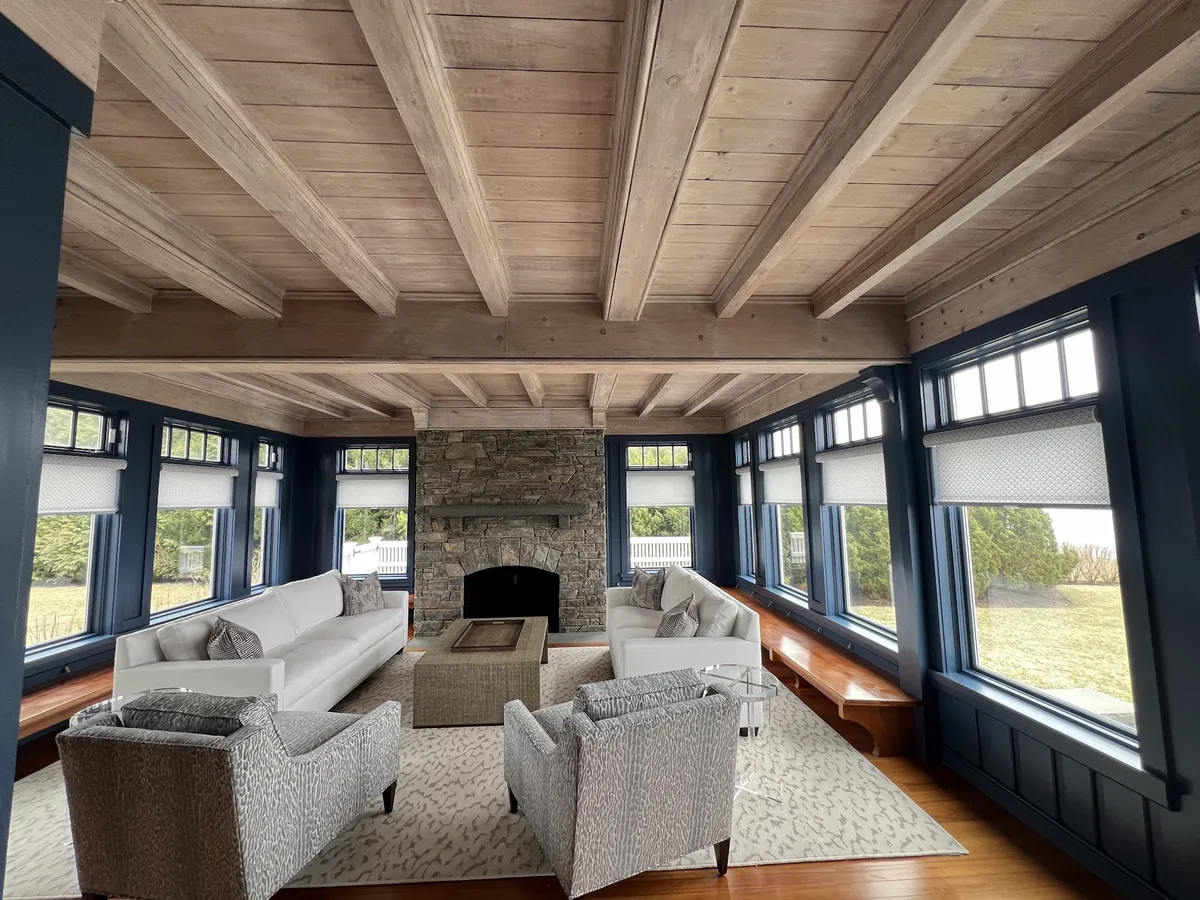
Who Does the Work
The shades on this page come from Window Works, the family window treatment store in Swansea that dates to 1988 and has passed to its second generation. Pawtucket sits at the northern end of the area the store covers, which reaches from the Massachusetts SouthCoast through the East Bay of Rhode Island, and the work here is handled exactly as it is closer to home.
- Specialists in window treatments, nothing else
- A visit to measure each opening, and our installers to hang the result
- Advice fitted to the house in front of us
- Regular contact from the store, all the way to a finished job
- Warranties offered on the products
Over 37 years the method has stayed the same: look at the window, measure it, make the treatment for it.
When a different treatment fits better
A roller shade is not always the best answer, and we will tell you when it is not. A cold back bedroom on a top floor may be better served by a cellular shade, which holds air in its cells and helps the room keep its heat. A formal room might suit a Roman shade’s soft folds. Everything we make for the city is gathered on the window treatments for Pawtucket homes page, and our full range of roller and solar screen options is on the main roller shades page.
Keeping shades clean on a busy street
A house close to Broadway or another through road collects road dust on its window coverings faster than a quiet back lot. Running a soft duster or the upholstery tool of a vacuum over the fabric every few weeks keeps it from building up, and many fabrics tolerate a light sponging where a kitchen leaves marks. Letting a shade roll fully up from time to time helps it hang flat. When an older shade you already have starts to drift sideways or sag at the hem, ask us to look at it before replacing it.
Seeing fabrics before you decide
Colour on a tall window behaves differently from a swatch on a table. Daylight passes through the full length of the fabric, and a shade that looks white in the hand can glow warm or cool once it hangs at the glass. Comparing roller shades for a Pawtucket, RI house is easiest at the Swansea showroom, where light filtering, blackout and solar screen fabrics hang next to each other and the Norman range is on display too. Bring a photo of the room or a paint chip if you have one.
Questions from Pawtucket
Can a roller shade cover the full height of a tall Victorian sash?
Yes. Each shade is made to the height measured at your window, so it covers the glass from the top of the frame down to the sill.
How do I get privacy from the house next door without losing daylight?
Pick a fabric that glows rather than blocks, or a closer-woven solar screen that still lets you look out. Either can be lowered partway to block the window opposite and leave the sky clear.
Do the windows in a three-decker all take the same size shade?
Often they are close, but older frames are rarely identical, so we measure each window. That way every shade fits its own opening.
My frames have storm windows. Does that rule out a shade inside the frame?
Not always. It depends on how much depth is left once the storm frame is accounted for. Where there is too little, the shade goes on the casing above the window instead, sized to the casing.
What does a quote cost?
Nothing. The quote is free. Press the call button or fill in the form, mention the windows involved, and the store sets up a visit.
Book Your Free Quote
Ready to sort out those tall windows? Ring the Swansea store with the call button to book a free quote for roller shades in Pawtucket, RI, set up the measuring visit or ask how installation works, or leave your details in the form. Prefer to see the fabrics first? Directions to the showroom are on the contact page. Window Works is rated 5.0 on Google.