
Narrow Old Openings, Many New Ones
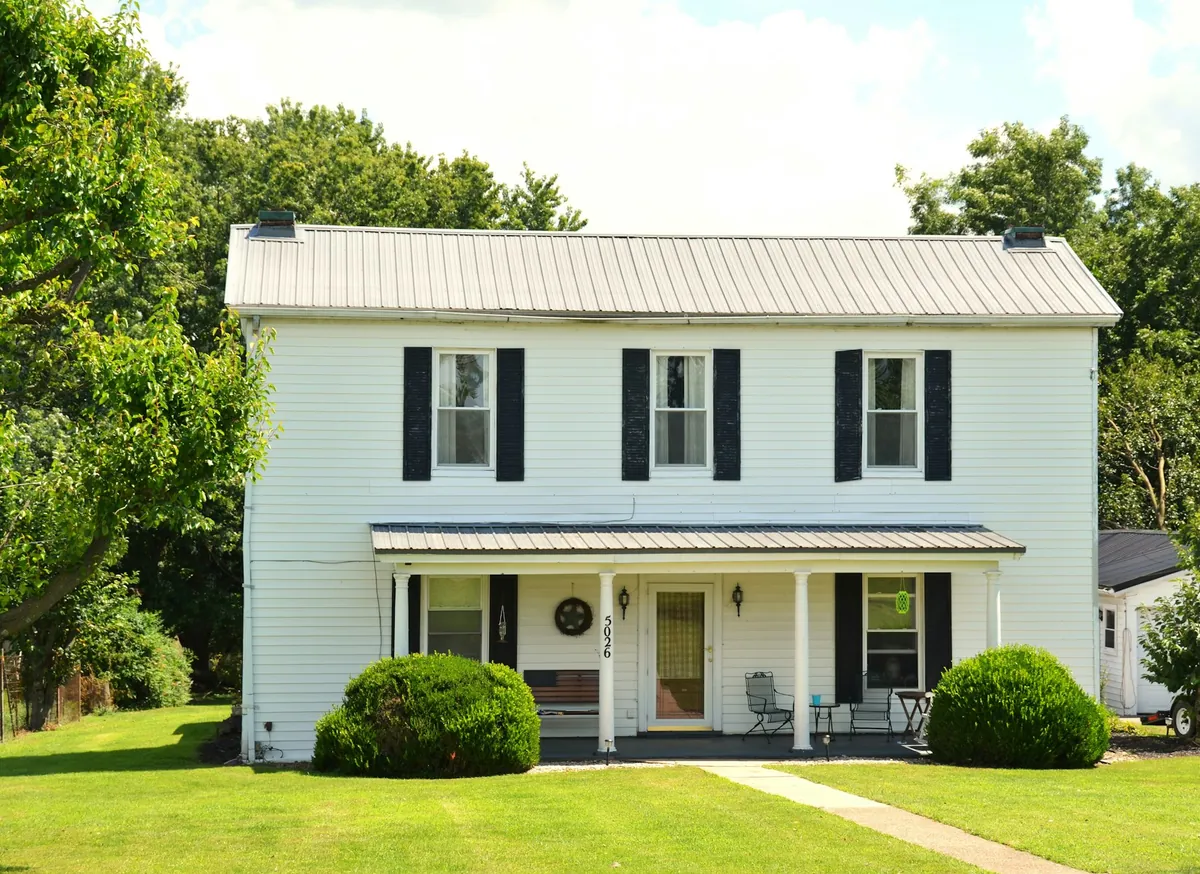
Lincoln’s housing pulls in two directions. In Lonsdale and Manville, the mill housing keeps its original narrow window openings, set in walls that have stood a long time. Around Lincoln Woods and Breakneck Hill, the newer colonials have standard window sizes, and a lot more of them. Roman shades in Lincoln, RI have to handle both: a slim old opening that needs a shade made with care, and a house full of similar windows that needs a plan.
Off Great Road, the large-lot houses add a third kind of job: bigger rooms, longer views over open ground and fewer neighbours looking in.
A fabric shade works in all three. What changes is how we measure, how we choose the fabric and how we think about the house as a whole.
Fabric Shades for Lincoln Houses
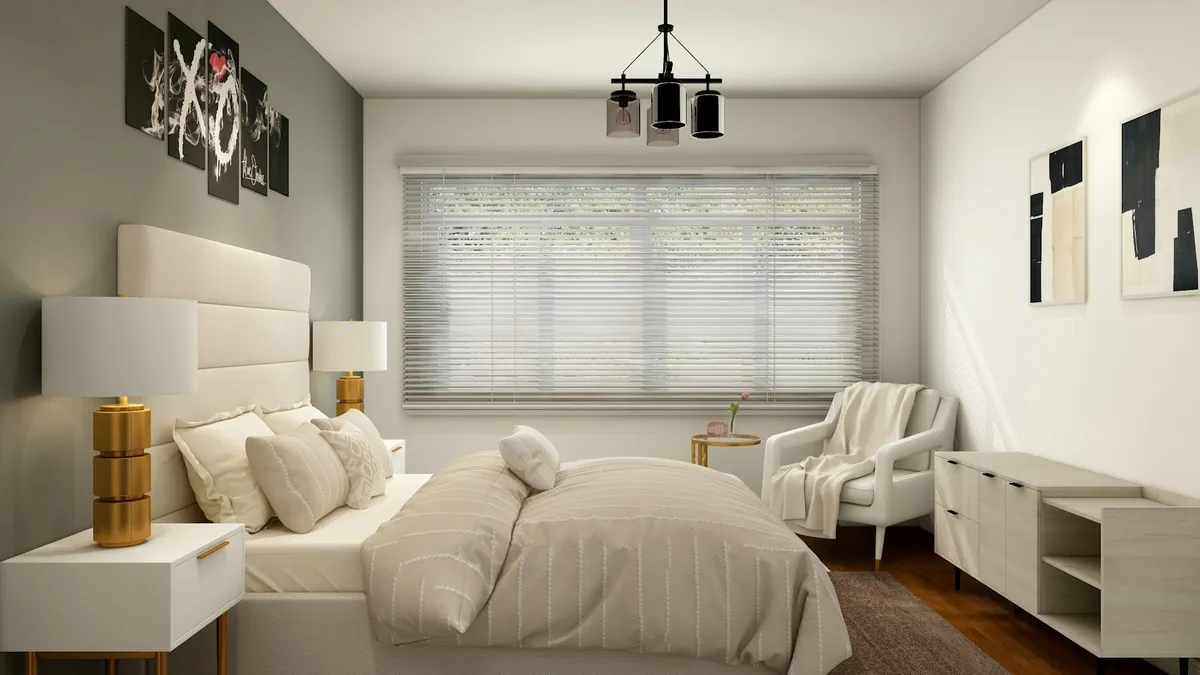
Flat folds, neat and compact
Tidy pleats and a small stack. The natural choice for a narrow mill-house window and for a matched set across a colonial.
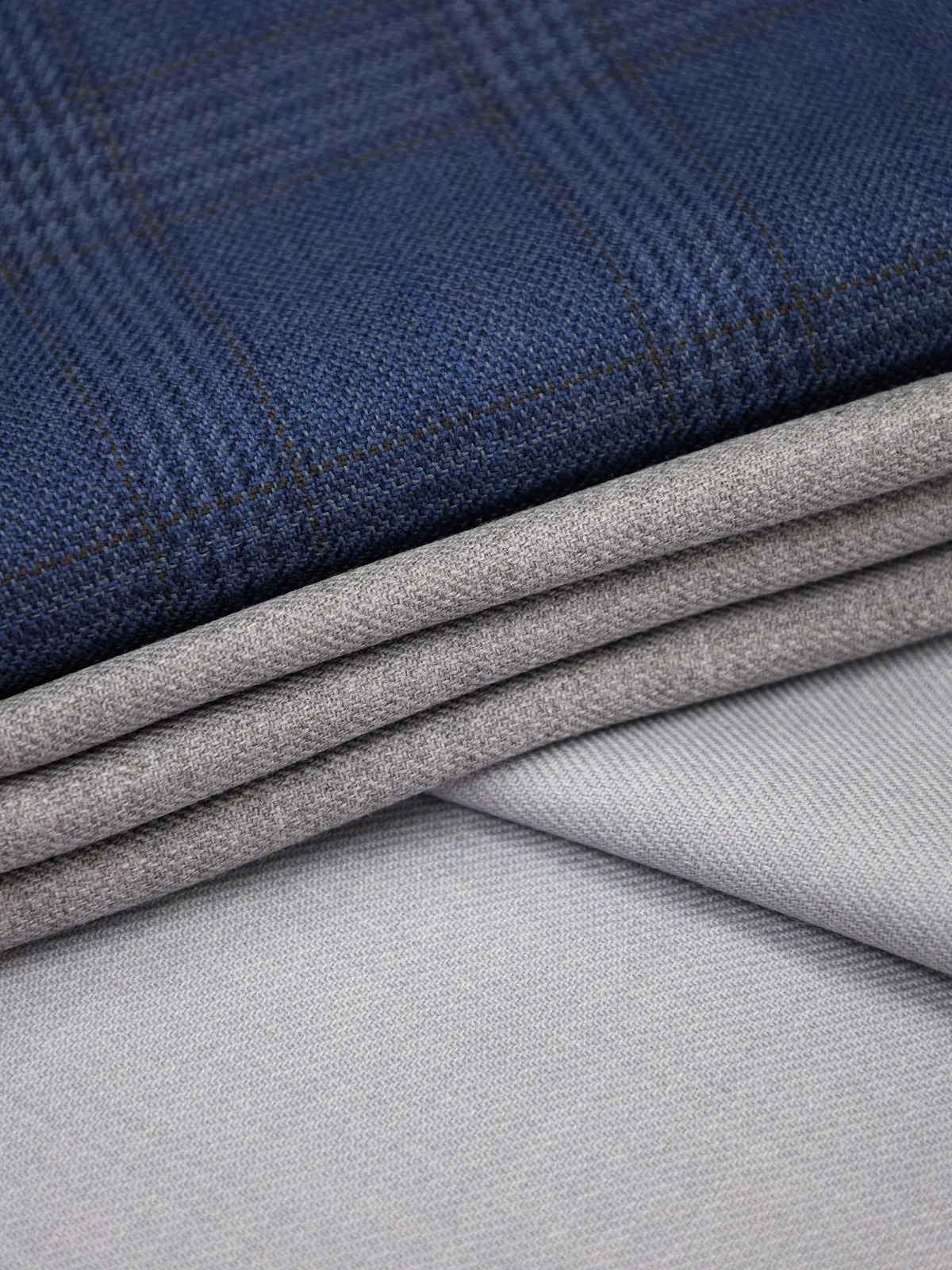
Hobbled folds, layered and warm
Rounded tiers of cloth down the full drop. A good fit for a formal room in a larger house off Great Road.
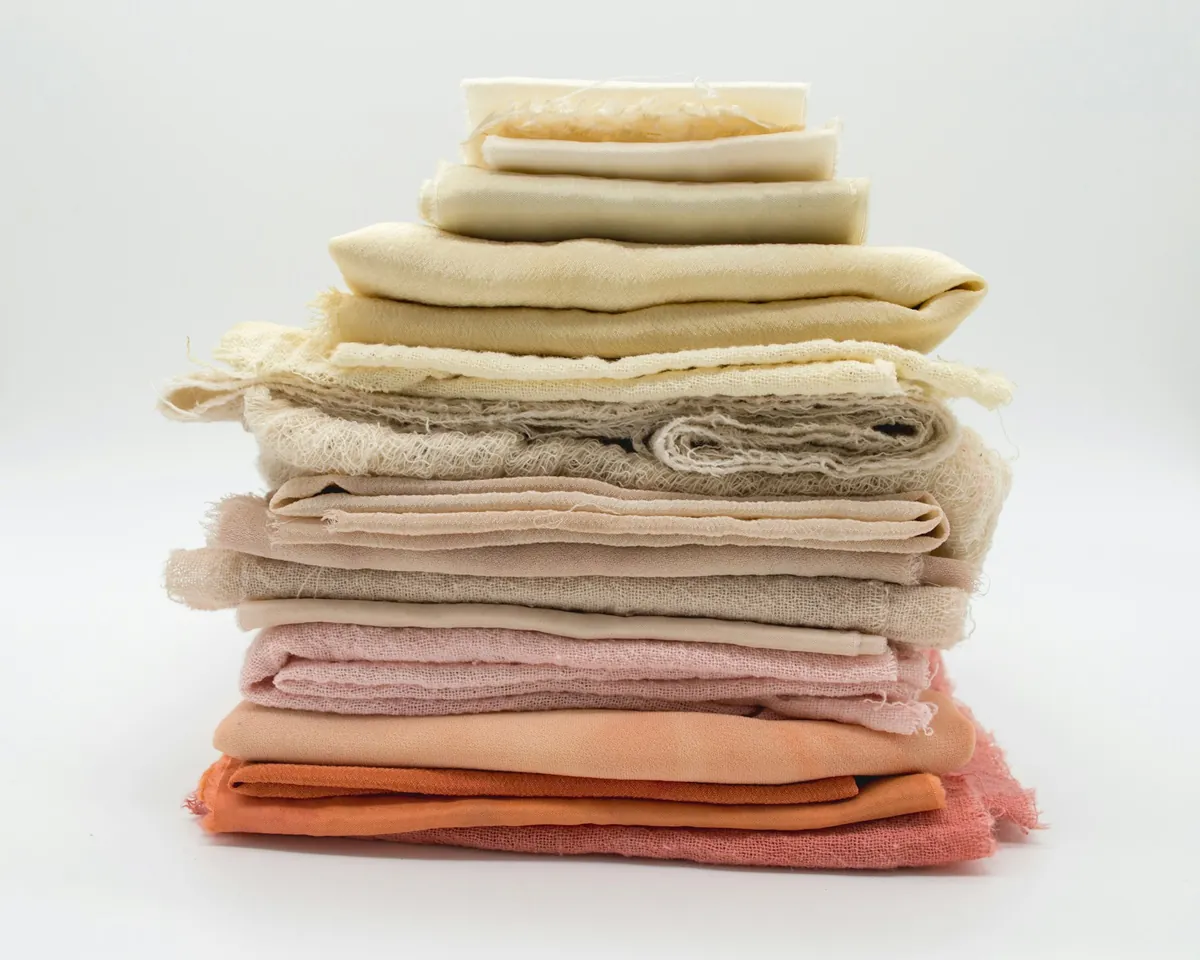
Relaxed folds, soft at the hem
A plain face with a gentle bow at the bottom. Restful in a bedroom or a sunny kitchen.
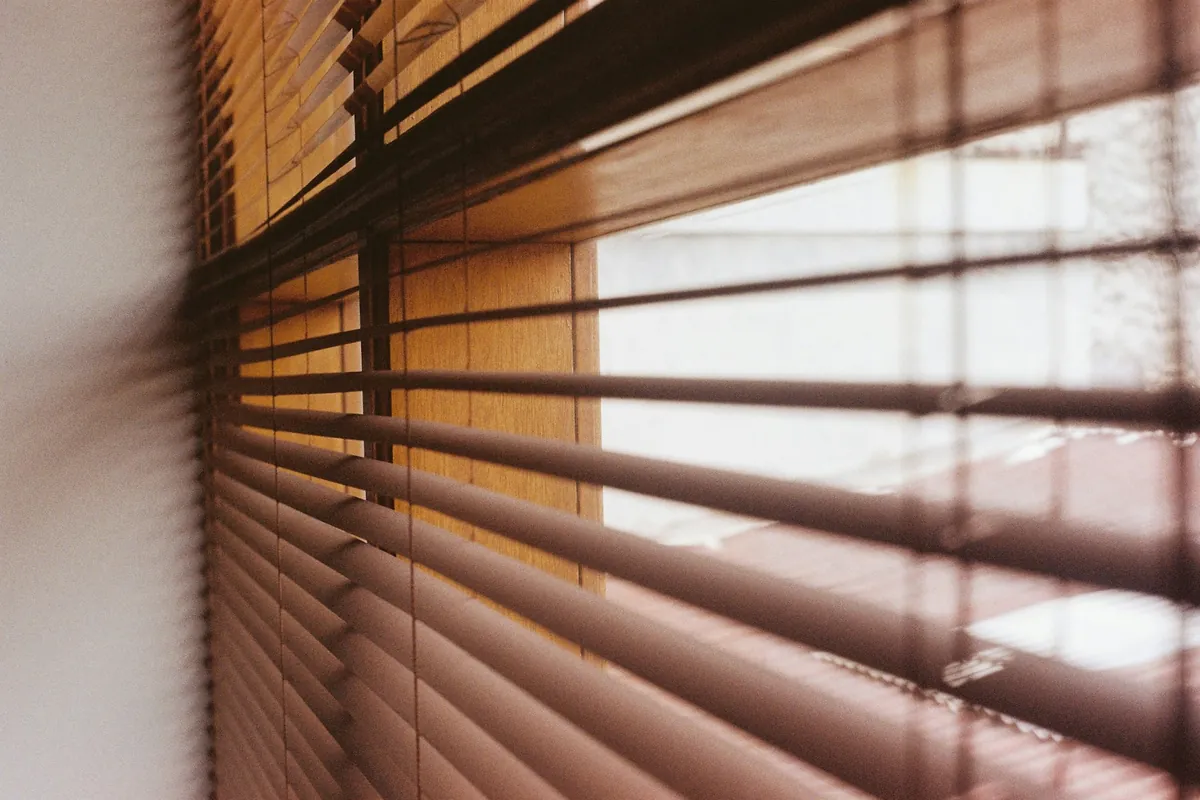
Custom blinds for working rooms
Kitchens and baths in a busy house can suit a blind. We make wood, faux wood and aluminium blinds too.
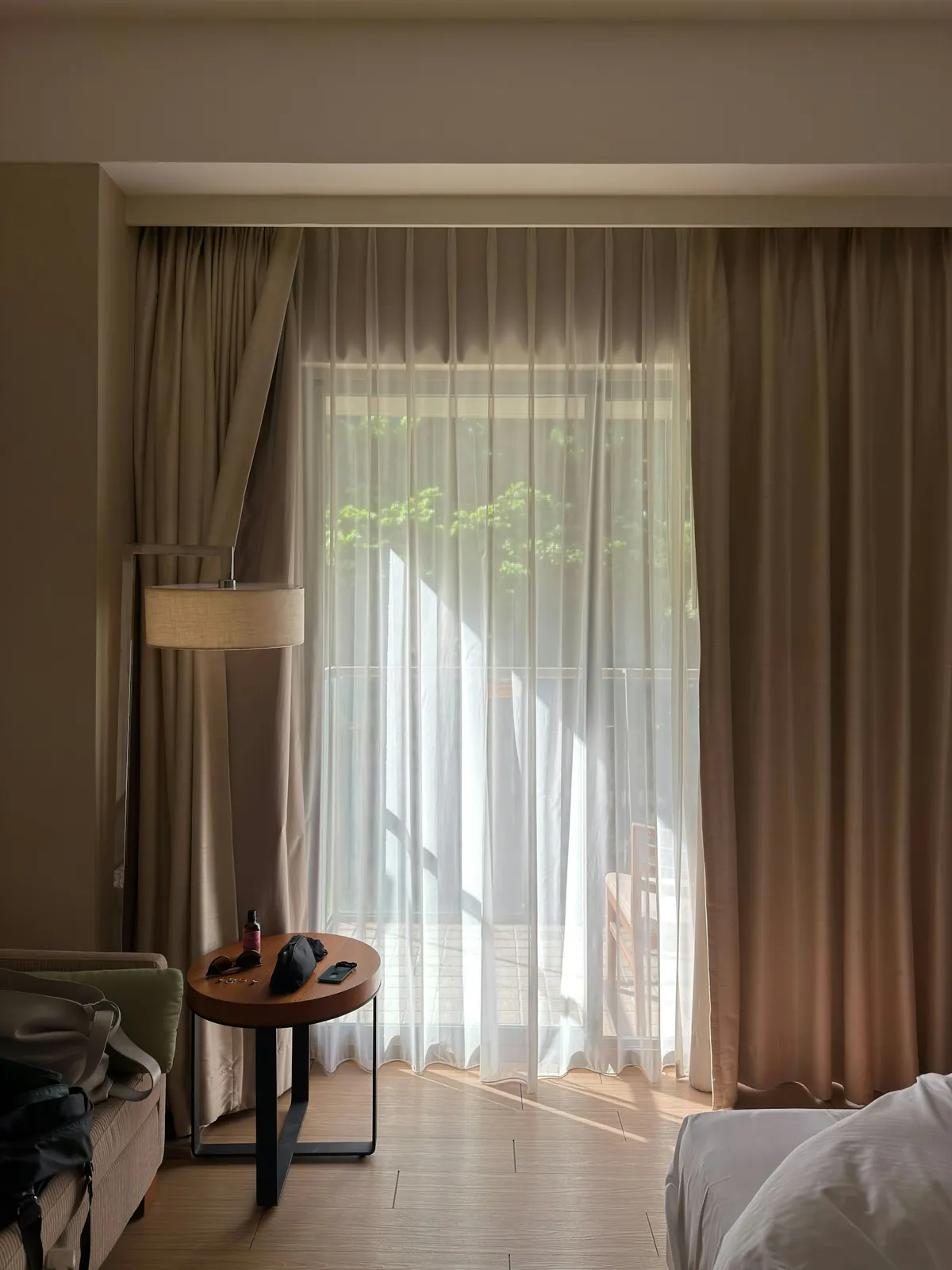
Drapery for the big rooms
Our specialty. Side panels frame the larger windows of a Great Road living room.
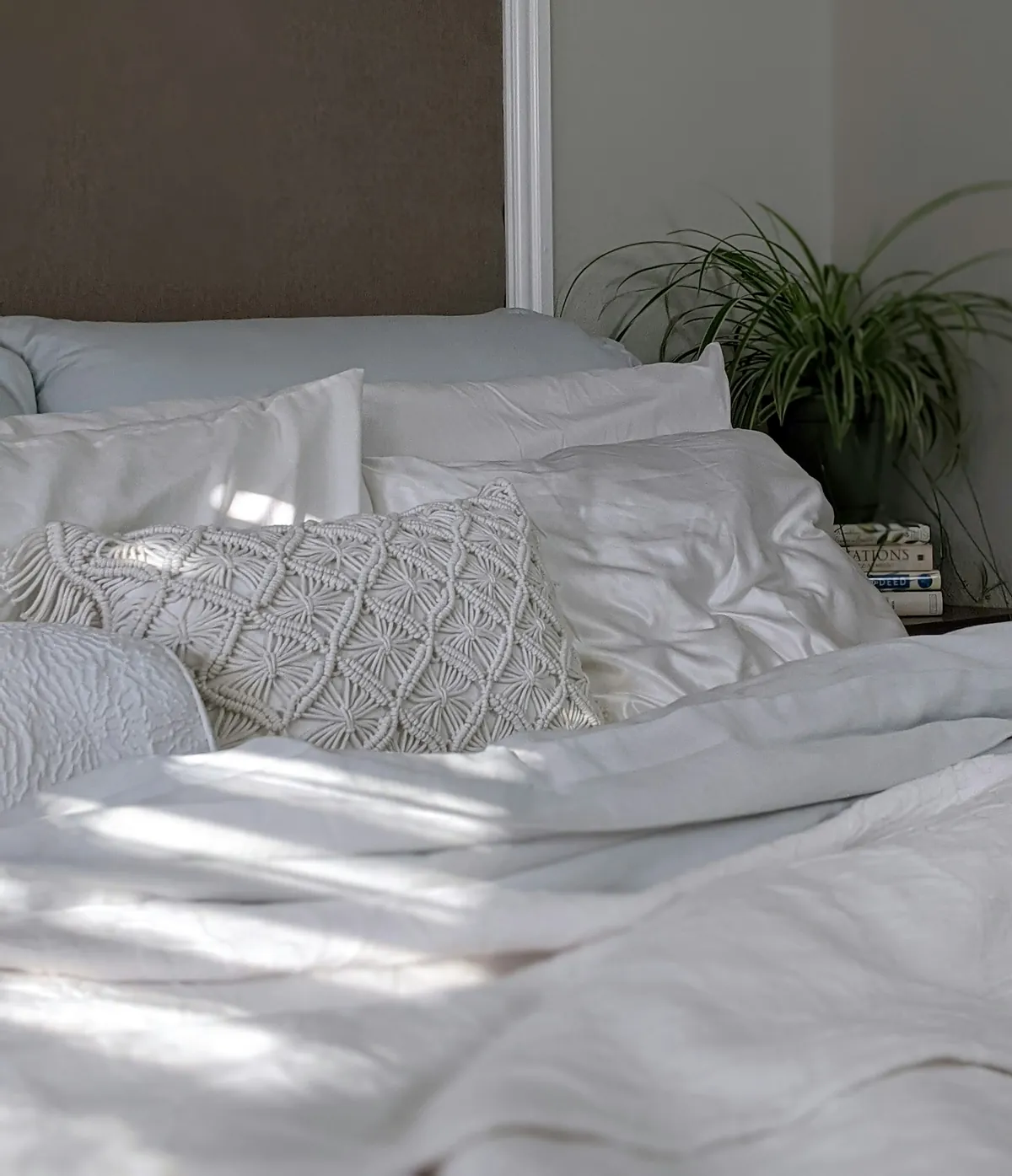
Bedding to match
A duvet cover or pillows in a fabric tied to the bedroom shade finish the room.
Lonsdale and Manville Mill Housing
The mill housing in Lonsdale and Manville was built for workers at the mills, and much of it keeps its original openings: narrow double-hung windows set in thick old walls, often in rooms that are smaller than modern ones. These windows are full of character, and they reward a shade made exactly to them.
Measuring an old, narrow opening
An old frame is rarely square, and a narrow one shows every fraction of a gap. We measure each window at the top, middle and bottom, and check the depth of the frame at the head, where the shade is fixed. If one side of the opening is a little wider than the other, we size the shade to the narrowest point for an inside mount, so it never rubs, and look at the gap that leaves before deciding. Where the frame is too far out of true, a shade fixed to the trim above the opening gives a cleaner line.
A shade in proportion
A narrow window looks best with a fabric scaled to it. A large pattern gets cut off at the sides of a slim shade, so a small print, a fine stripe or a plain textured cloth usually suits better. On a narrow window, a flat fold stacks neatly in the small space at the top, leaving most of the glass clear when raised.
Small rooms, little light
Mill-house rooms can be small, with one or two narrow windows bringing in all the light. A heavy treatment can make them feel dim. An unlined shade in a light linen or cotton lets daylight through even when it is lowered, and fixed high so the stack sits above the glass, it gives back every bit of window when raised. Where privacy is needed at night, a lining can go on the street-facing windows only, while the back rooms stay unlined.
Kitchens at the back
The kitchen of a mill house is usually at the back, with one narrow window over the sink or beside the back door. A flat fold in a light cotton, unlined so the morning light comes straight through, stays compact above the counter and keeps the hem clear of the taps. If the window faces a neighbour’s back door or yard a few steps away, a closer weave keeps the room private without making it dark, and a fabric that copes with a little steam is worth choosing for a window so close to the stove.
Close neighbours
Mill housing was built close together, so side windows often face the house next door. A light-filtering fabric that blurs the view while letting the light through suits a window that stays lowered for much of the day. Because the side windows are seen mainly from inside, they can share the room’s fabric.
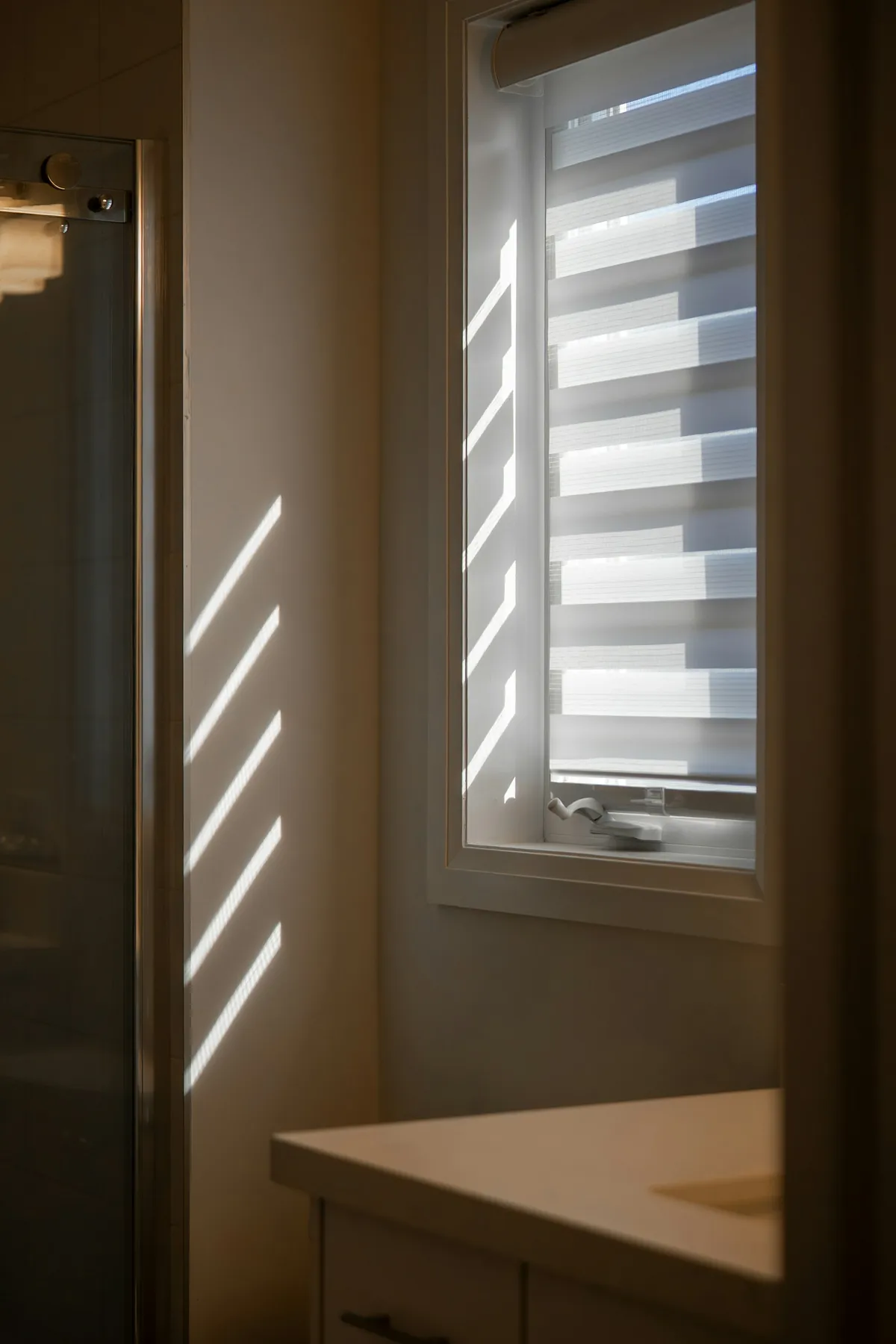
Keeping the character
Many owners of mill houses value the original trim and sash. An inside mount, fixed within the frame, leaves all of that on show and keeps the window looking as it always has. We check that the shade’s folds will clear any old sash lock or lift before we suggest it.
Winter behind old sash
Original windows in old walls let the cold in around the sash, and a small room feels it quickly. A lined shade lowered in the evening puts a layer of fabric between the room and the glass, and set inside a snug old frame it fills the opening closely. Many owners ordering roman shades in Lincoln, RI for a mill house choose a lining on the north-facing windows for exactly that reason, and leave the sunny side unlined so the winter light still reaches the room by day.
The Newer Colonials Around Lincoln Woods and Breakneck Hill
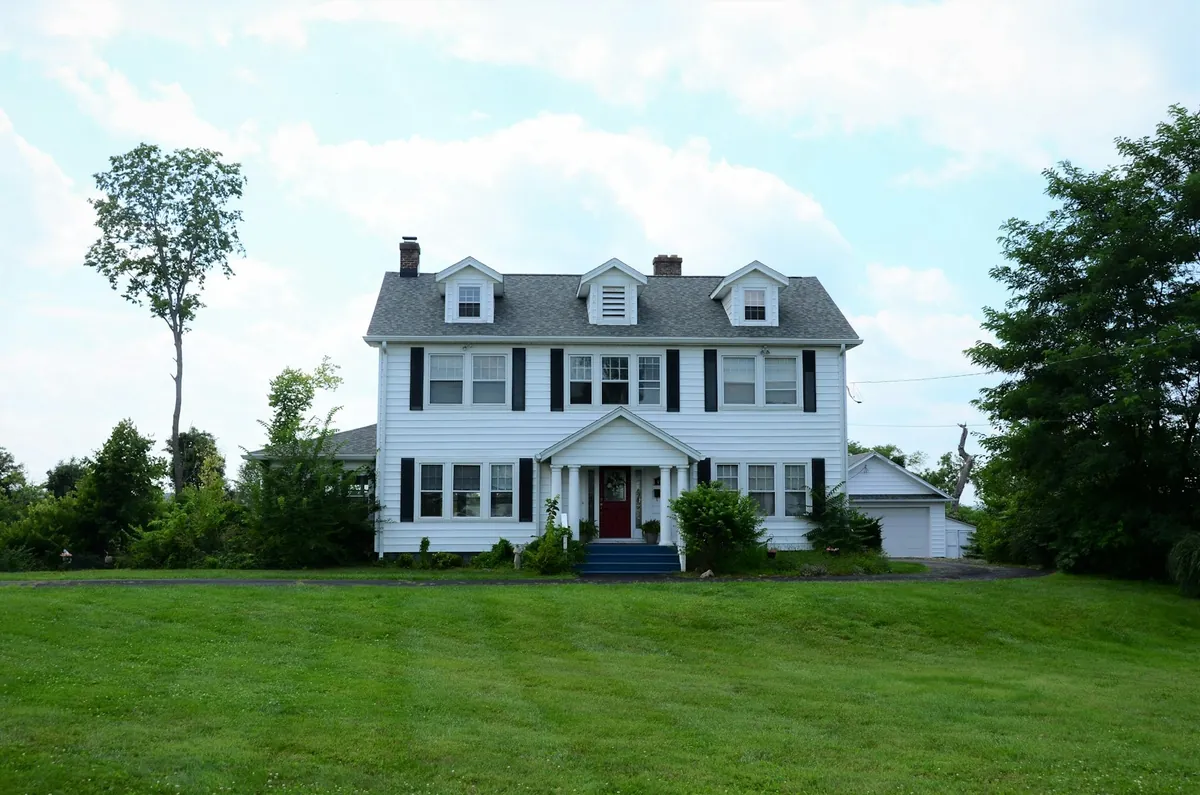
The colonials around Lincoln Woods and Breakneck Hill are the opposite problem. Their windows are standard sizes and easy to fit, but there are a lot of them: front and back, upstairs and down, often with a family room, a kitchen with a breakfast area and a bonus room over the garage. Choosing roman shades in Lincoln, RI for a house like that is less about any one window and more about the whole house.
Thinking about the whole house
With so many similar windows, it helps to decide a few things once: the lining colour that faces the street, the raised height on the front windows, and a short list of fabrics that suit each other. After that, each room can have its own fold and fabric, and the house still looks consistent from outside and coherent inside.
A matched front
From the road, a colonial’s front is a grid of matching windows across two floors. Every shade on that face of the house should rise to the same line and share the same lining colour. The rooms behind can differ: a hobbled fold in the dining room and a flat fold in the living room look like one choice from the street.
Doing it in stages
A house with this many windows is rarely done all at once. Many owners start with the rooms that matter most, often the front rooms or the main bedroom, and add the rest over time. Because the quote records the fabric, fold and raised height for each window, later rooms can be planned to sit with the first ones.
Ordering many windows at once
When a whole house is done together, we measure every window on one visit and list each one separately on the quote, grouped by room. That makes it easy to see where the fabric changes and to adjust a room before anything is ordered.
Family rooms and kitchens
The family room and kitchen in these houses are usually open to each other, with a breakfast area and often a slider to the deck. One fabric across every window in the open space keeps it calm. The slider takes a treatment that moves sideways, such as drapes or vertical blinds, in a colour chosen with the shades. Over the sink, an unlined flat fold in a light cloth lets the morning sun through.
The room over the garage
A bonus room over the garage often has windows on several sides, sometimes including a dormer or a window in the gable end. It tends to run warm in summer. A lined shade on the sunniest windows helps, and a compact flat fold suits a dormer. If the room is used as an office or a playroom, we talk through how each shade should work for that use.
The front hall and stair
The front hall of these colonials often has a window beside the door or at the turn of the stair, seen from the entry and the landing. A shade there is mostly about finishing the space and softening the light, so an unlined flat fold in one of the house’s main fabrics ties the hall to the rooms on either side.
Bedrooms
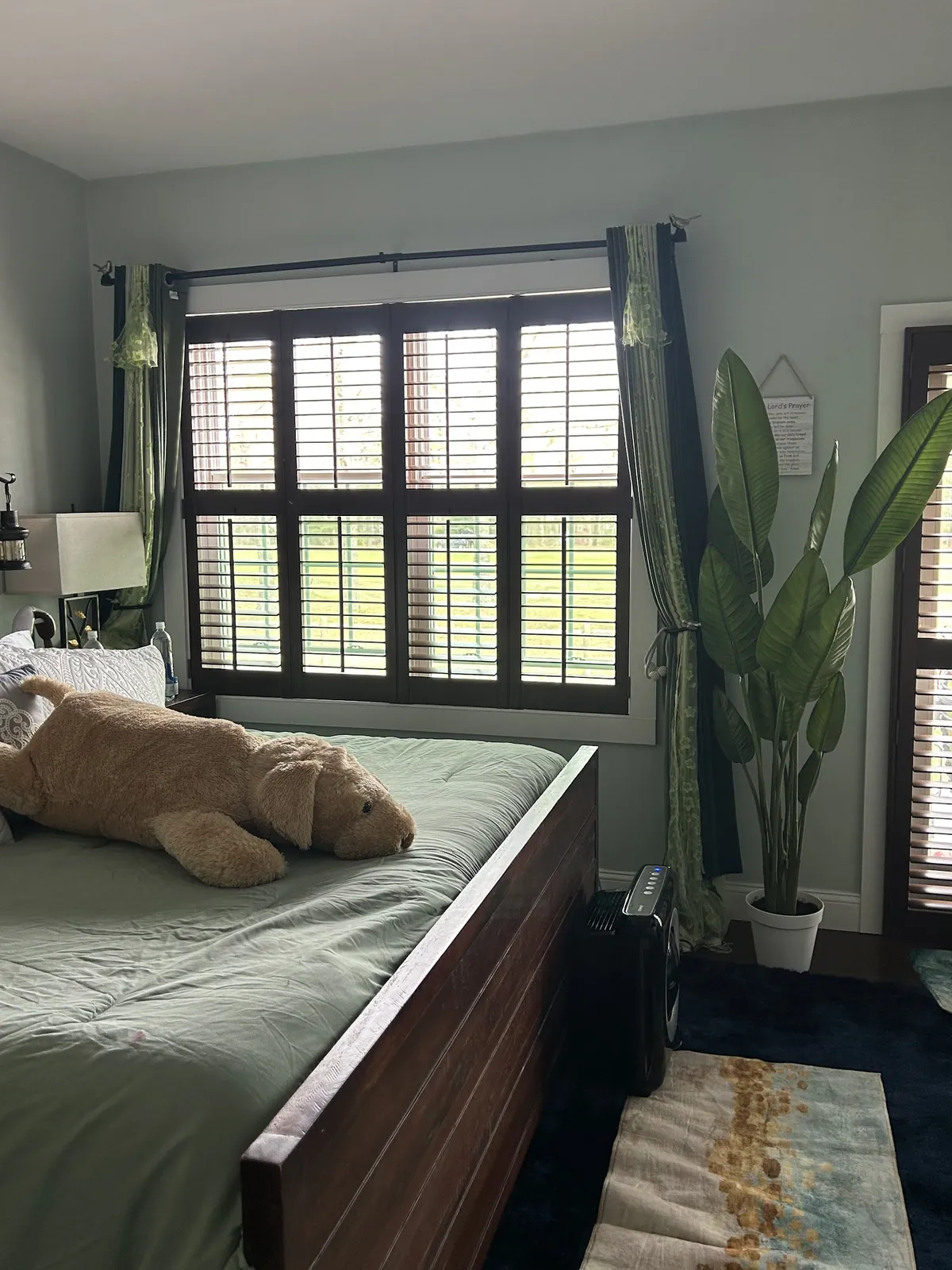
The bedrooms upstairs usually take a lined shade, fixed above the frame where the room needs to be properly dark, so the fabric overlaps the edges of the window. A relaxed fold in a soft, plain colour suits a bedroom, and a duvet cover or pillows can be made from a fabric that ties to it.
Large-Lot Houses off Great Road
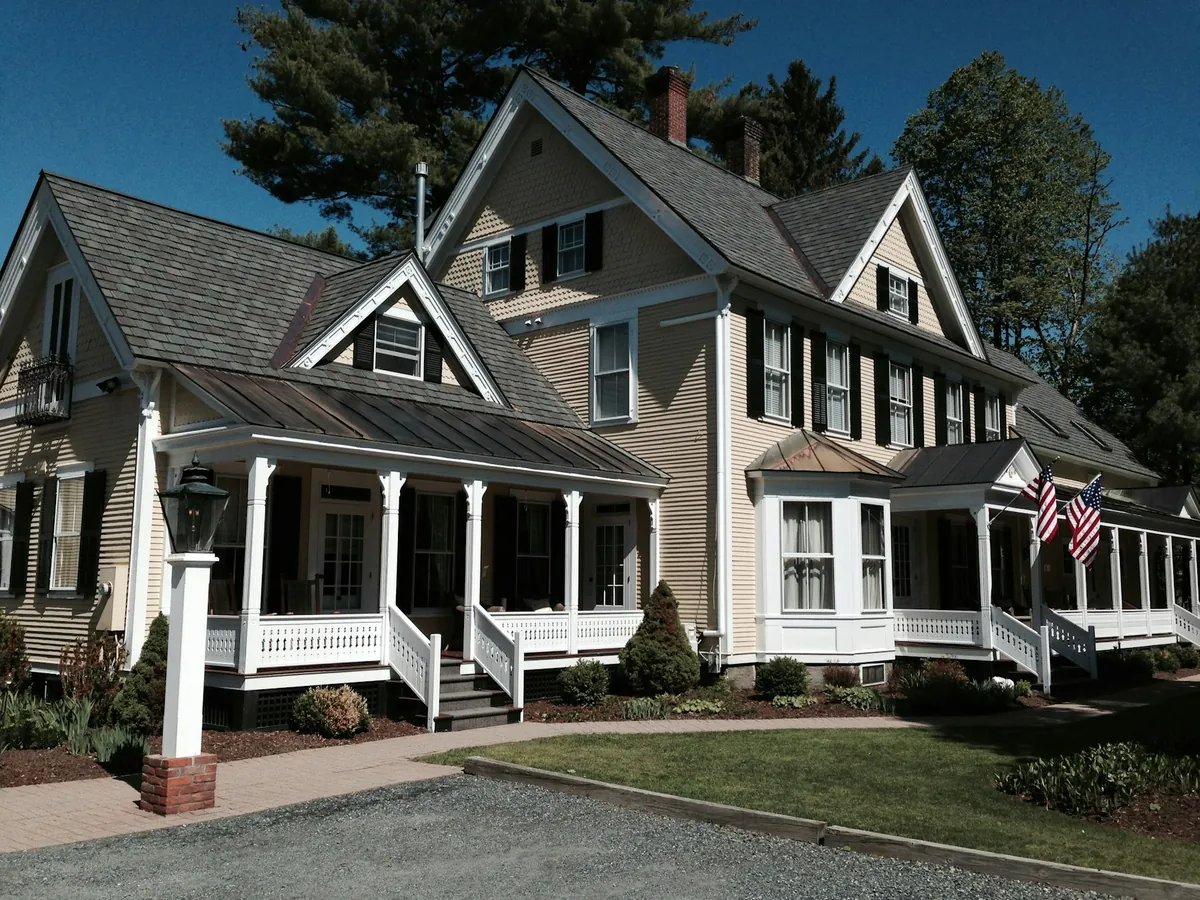
The large-lot houses off Great Road sit further apart, often with long views over lawns, fields or woods. Privacy matters less, the rooms are larger and the windows tend to be bigger.
Light and view
With no neighbours close, the shade is about light rather than privacy. An unlined fabric lets the daylight through while softening glare; raised fully, the folds gather at the top and the view is clear. On a window facing the afternoon sun, a lining protects both the fabric and the furniture.
Larger windows
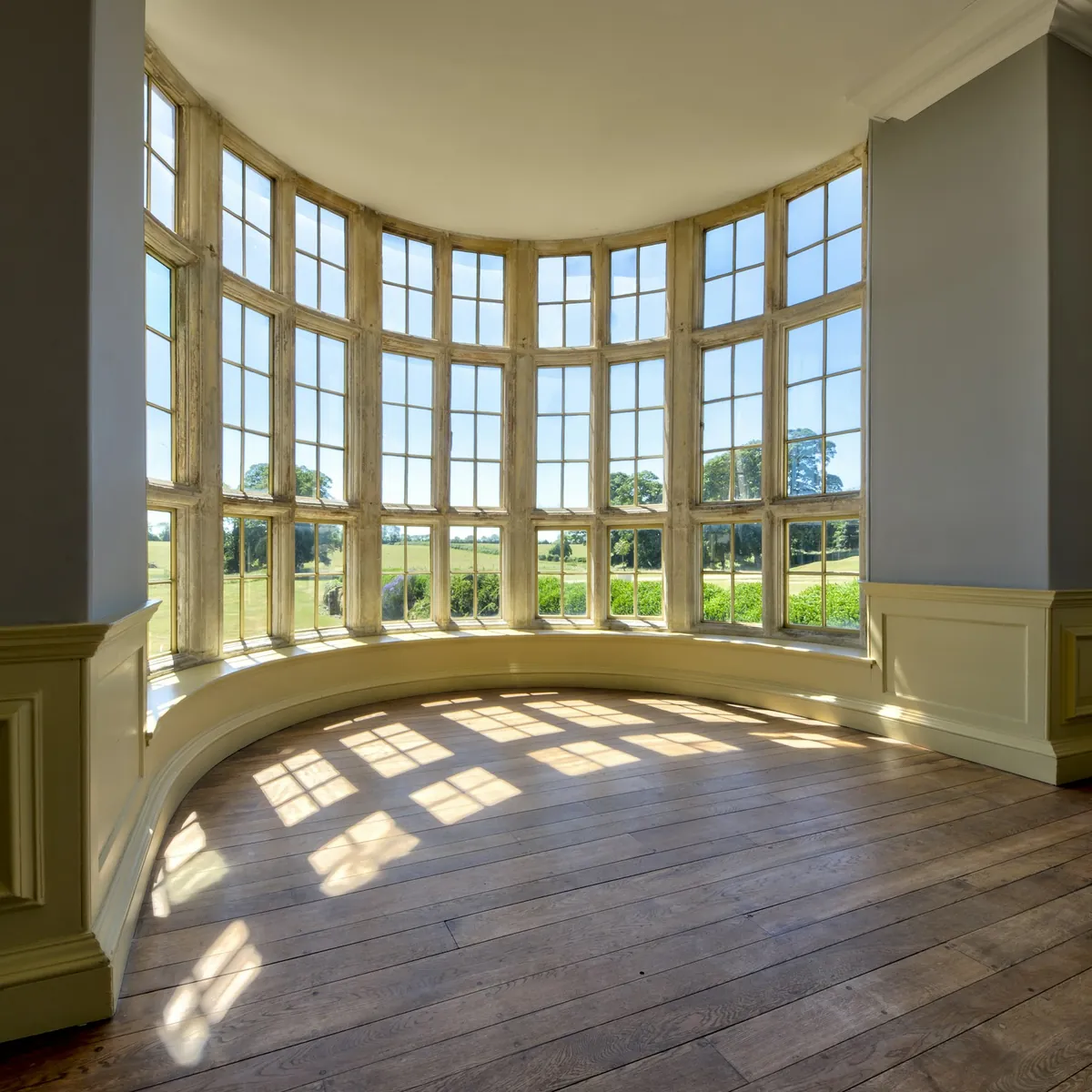
A wide window is usually better with two or three shades side by side, one per section, than one wide shade that is heavy to lift. Lowered together they read as one band of fabric; raised separately, they let you shade just the sunny side of the room.
Formal rooms
Larger houses often have a formal living or dining room where a hobbled fold in a richer fabric, with side drapes, suits the scale. Because we make drapery too, the shade and the drapes can be chosen together from the showroom range.
Seasons over open ground
A house looking over fields or woods sees the light change through the year: bright, low sun across bare branches in winter, deeper shade once the trees fill in. Roman shades in Lincoln, RI for a large-lot house are often chosen with that in mind, in a fabric light enough to let the winter sun warm the room and with a lining only where the summer afternoon sun lands. Because each window has its own shade, you can follow the seasons window by window.
Sunrooms and additions
Several of these houses have a sunroom or a later addition with more glass than the rest of the house. Those rooms take sun from more than one side, so separate shades, one per window, in a lined, hard-wearing fabric let you shade whichever wall the sun is on. For the brightest rooms, roller shades can sit alongside roman shades elsewhere.
A Fold for Each Lincoln Room
- Mill-house front rooms: a flat fold in a small-scale fabric, lined toward the street.
- Mill-house back rooms: an unlined flat fold in light linen, fixed high to keep every bit of light.
- Colonial living and dining rooms: flat or hobbled folds from a shared family of fabrics, with matched raised heights on the front.
- Bonus rooms: a lined flat fold on the sunny side, compact on any dormer.
- Great Road living rooms: unlined shades split across a wide window, with drapes in a formal room.
Fabric and Lining
Every roman shade starts with the cloth. Crisp cottons and linens make a sharp flat fold; softer, heavier fabrics give the full tiers of a hobbled fold. A light weave glows when the sun is behind it, while a dense one feels warmer and quieter. Lining is the second decision. It adds body, shields the face fabric from sun, and makes a room darker and more private after dark. In a mill house the lining often goes only on the street side; in a large colonial it may go on every bedroom.
What Happens After You Call
We keep in touch from the first question to the last shade.
- Call the Swansea store or send the form, and tell us whether it is one room or the whole house.
- We come to measure, every window in one visit, with each old frame checked at several points.
- You choose fabric, fold and lining at the showroom.
- The quote lists every window by room.
- The shades are made and our team installs them, checking each one stacks evenly and raises smoothly.
Care
Brush the shade lightly or use a vacuum’s upholstery tool on a low setting. Dab small marks; do not scrub. Washing can shrink fabric, so a professional cleaner is the safer choice for anything more.
The full range
Our Lincoln window treatments page lists everything we make for the town, and the roman shades page explains each fold and fabric in more detail.
A Second-Generation Family Store
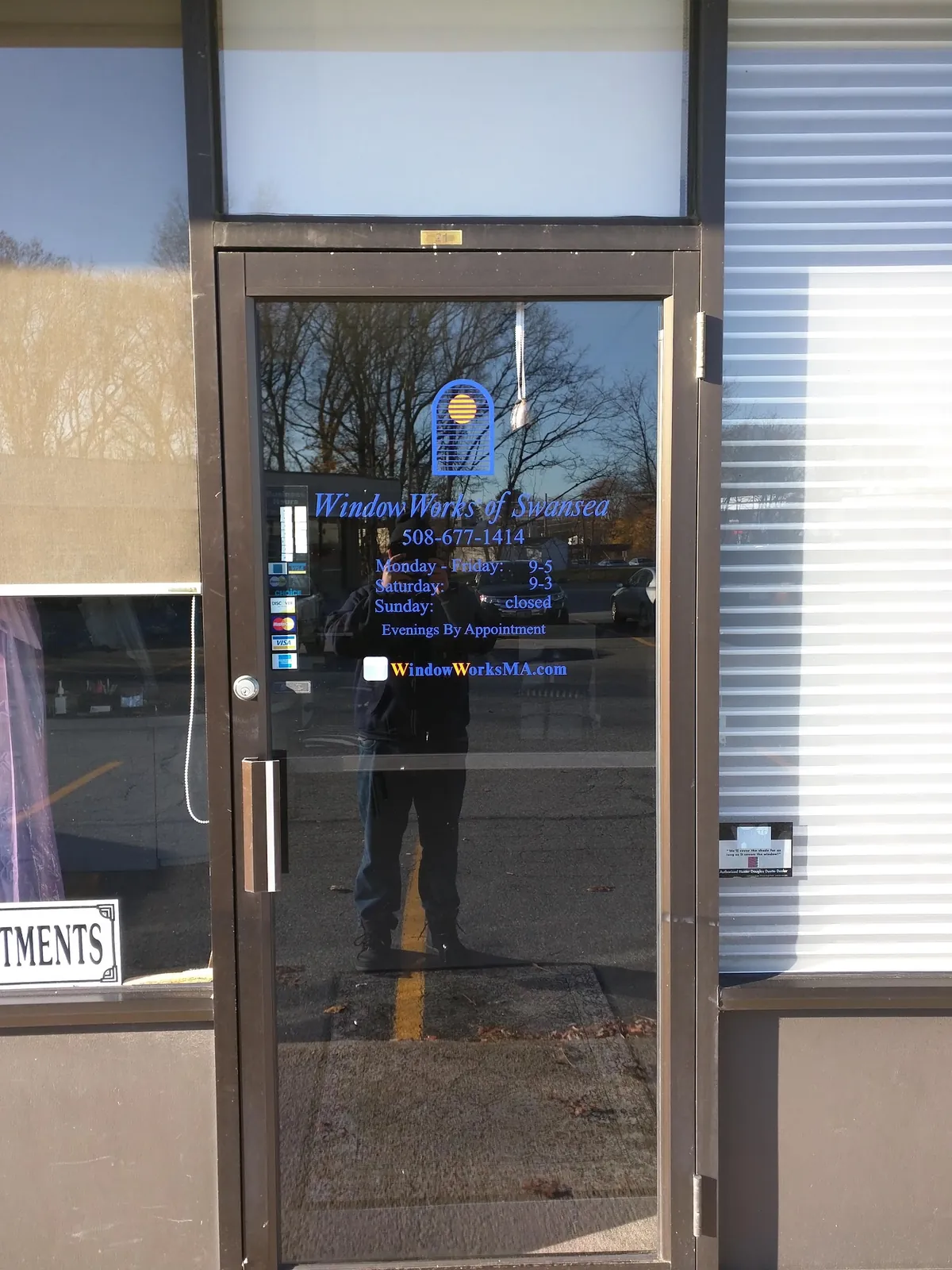
Window Works was founded in Swansea in 1988 and is now run by the family’s second generation. The store’s roots are in fabric and drapery, and for over 37 years it has made window treatments for homes across the SouthCoast of Massachusetts and the Rhode Island East Bay. An experienced team measures every window in your home and installs the finished shades, warranties are offered, and we keep in touch until the work is complete.
Choose a Family of Fabrics
For a house with many windows, the showroom is the place to build a short list of fabrics that work together. Lay them side by side, compare folds and hold a lining up to the light. Bring a paint chip or a photo of each main room. The Norman range is on display too.
Questions from Lincoln
Will a roman shade fit the narrow windows in our Manville mill house?
Yes. We measure each opening at several points and size the shade to it, inside the frame where the depth allows.
Our colonial has a lot of windows. Do we have to do them all at once?
No. Many owners start with the front rooms or the main bedroom. The quote records each window’s fabric and fold, so later rooms can be planned to match.
Which fabric suits a small mill-house room?
A light, unlined linen or cotton lets the daylight through, and a small-scale pattern suits the narrow windows.
What about a big window in a Great Road living room?
Usually two or three shades side by side, one per section, so each is easy to lift and the sunny side can be shaded on its own.
Do the front windows need to match?
From the street they look best with the same lining colour and raised height, even if the rooms behind use different fabrics.
Book Your Free Quote
The first step for roman shades in Lincoln, RI is a free quote. Use the call button to book one, arrange measuring in your home or ask about installation, or send us the form. The contact page has directions to the Swansea showroom. Window Works holds a 5.0 rating on Google.