
Three Eras in One City
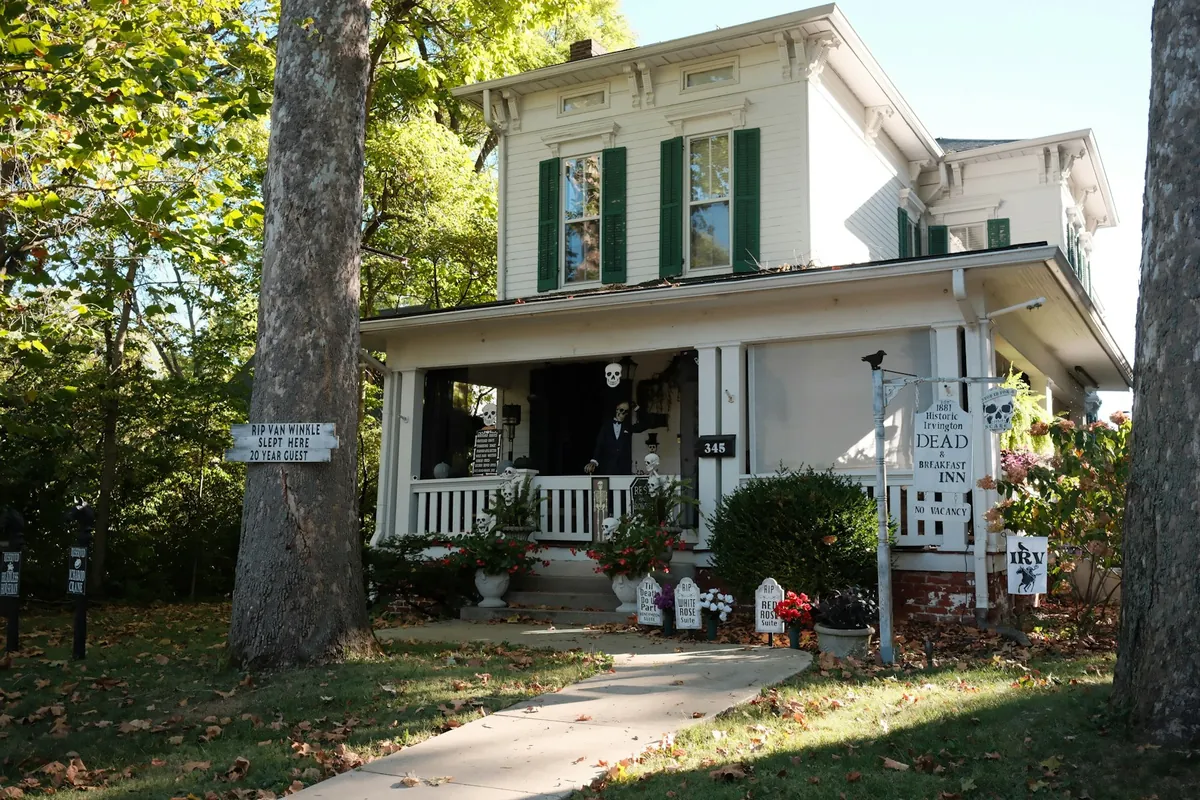
Cranston packs three distinct eras of housing into one city. Near the bay, Edgewood has Victorians with tall sash and high ceilings. Garden City is capes and ranches from the years after the war, with plain, regular windows and a picture window in the living room. Out in Western Cranston, the newer colonials have standard windows in larger numbers and open-plan rooms. A treatment that suits Garden City rarely suits Edgewood, and that is the first thing to know about roman shades in Cranston, RI.
A fabric shade can belong in all three, but the fold, the fabric and the way it is hung change with the house. A hobbled fold in a deep colour that looks right in an Edgewood parlour can overwhelm a Garden City bedroom. A crisp flat fold that suits a Western Cranston family room can look thin on a tall Victorian sash.
Below, we take each era in turn.
A Roman Shade for Every Era

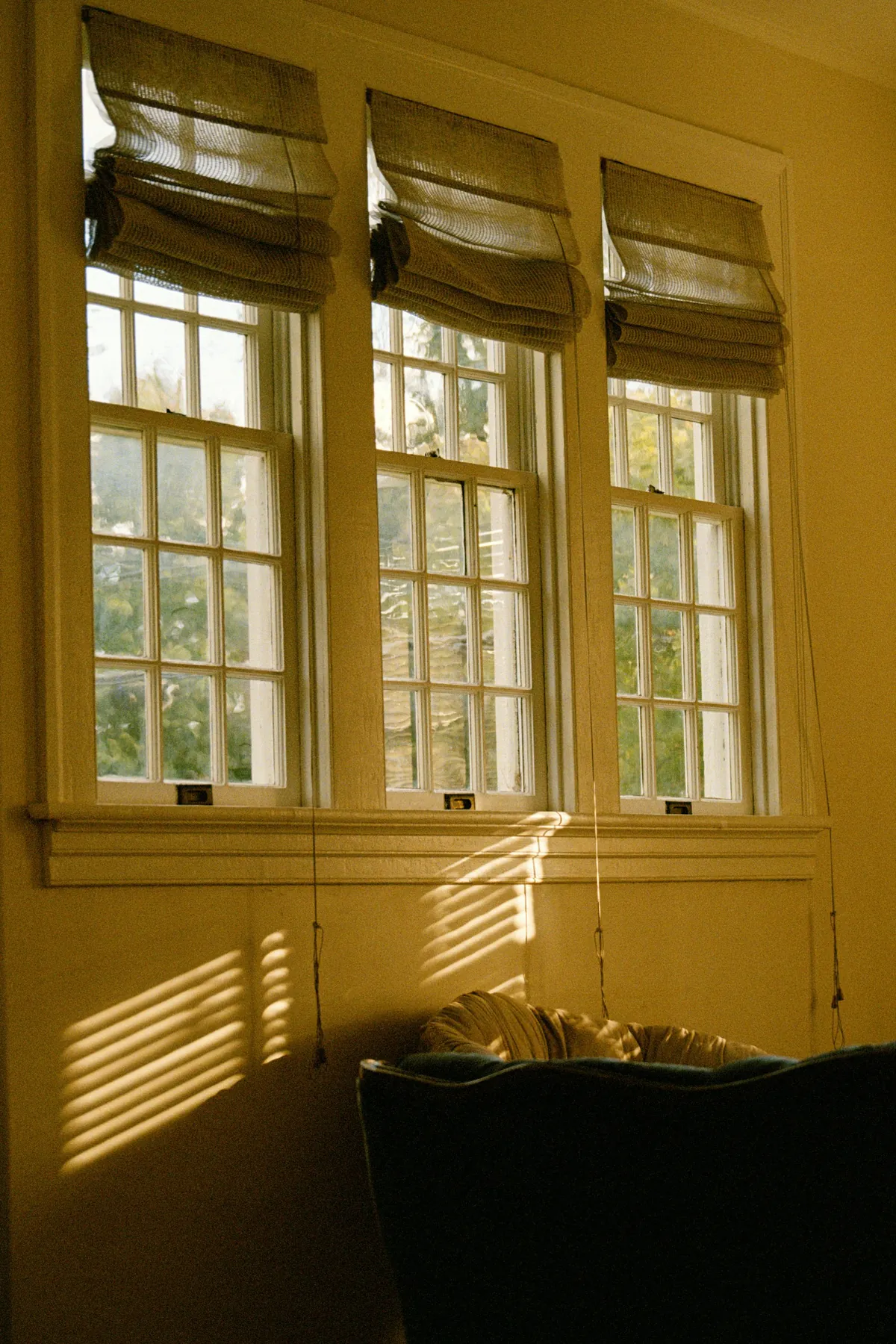
For an Edgewood parlour
A hobbled fold in a rich, heavier cloth, hung high to make the most of a tall window and a high ceiling.
For a Garden City cape
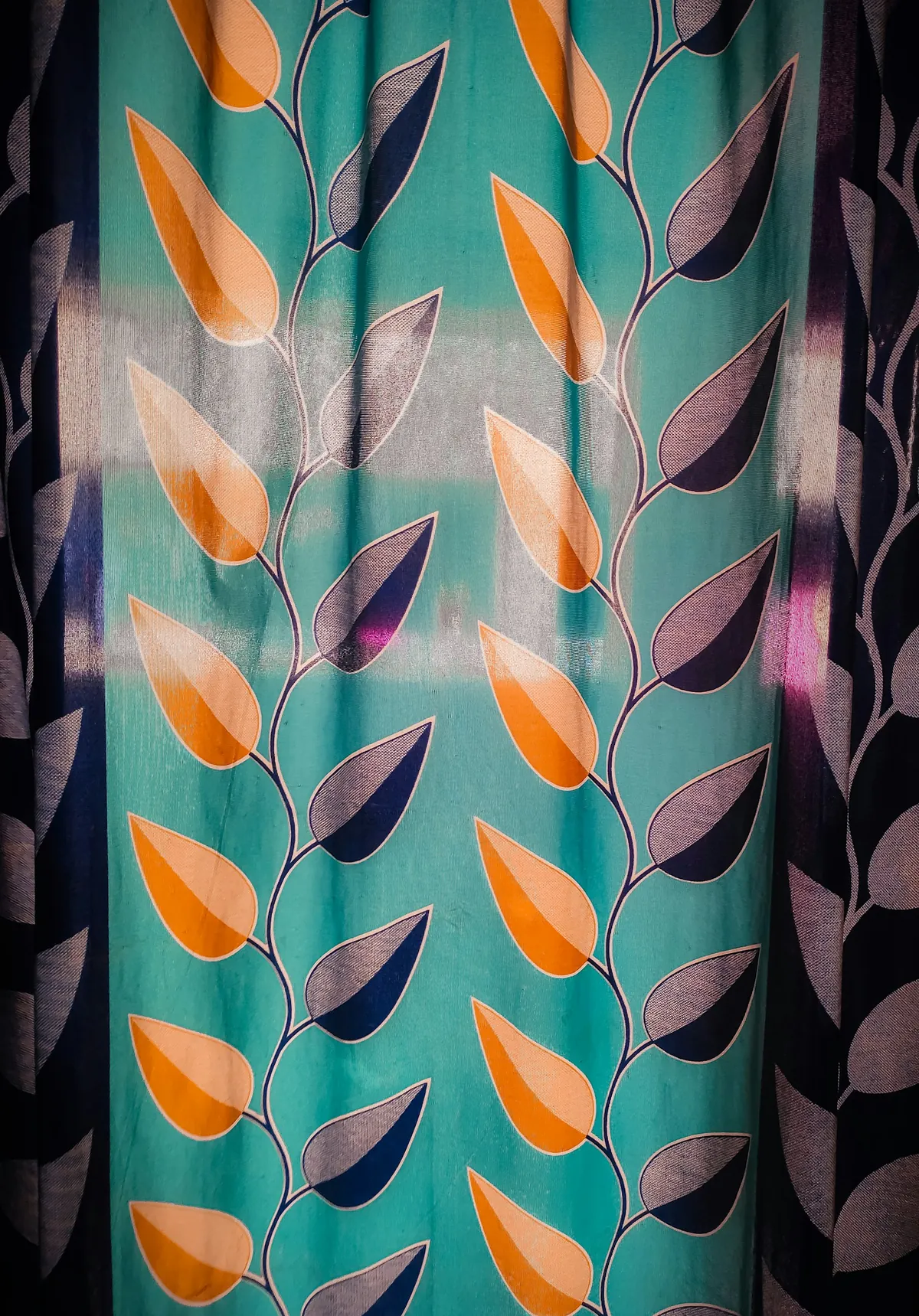
A flat or relaxed fold in a cheerful print brings life to a plain window in a modest room.
For a Western Cranston colonial
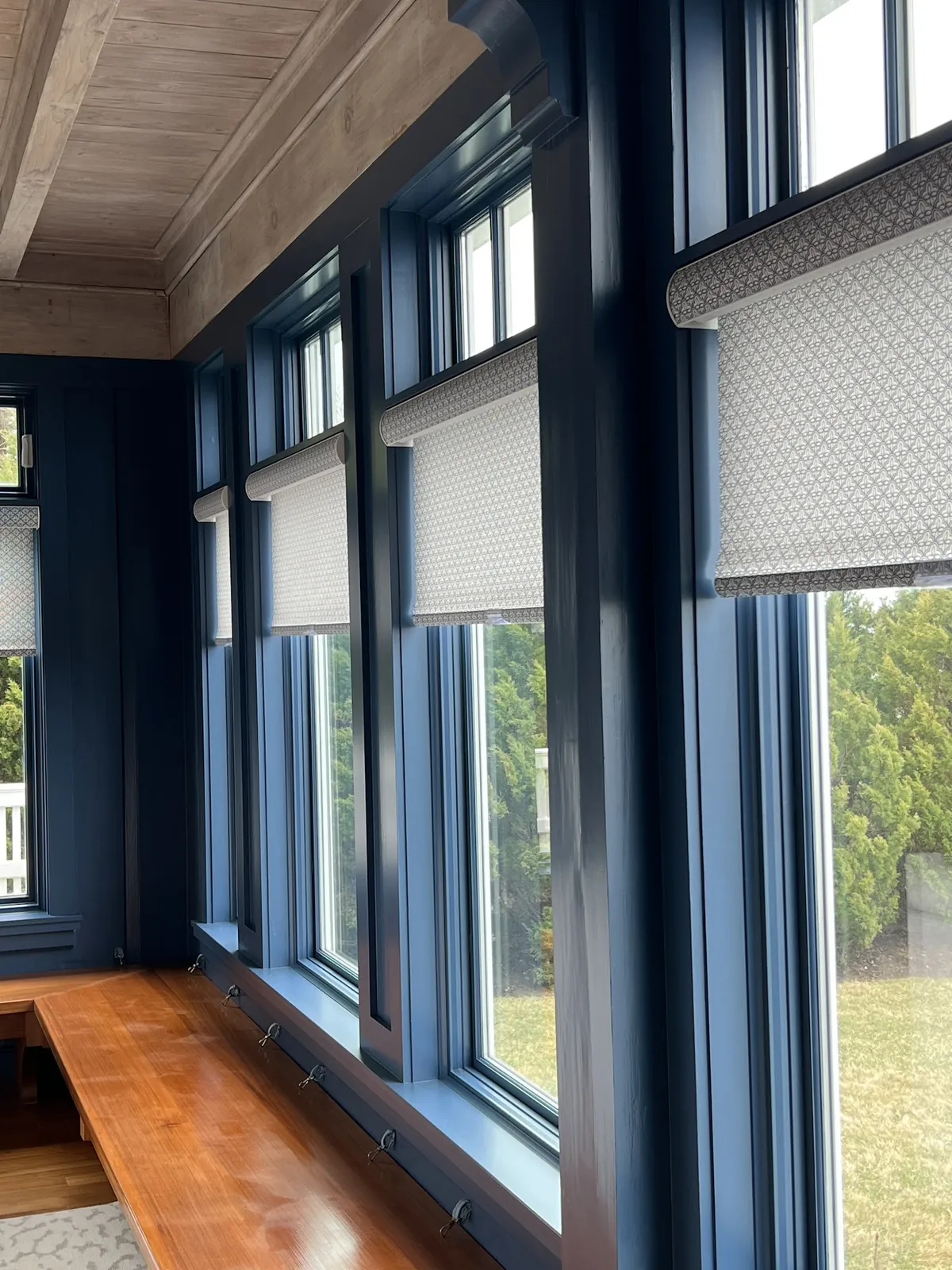
Flat folds in a shared family of fabrics, matched across many standard windows.
Roller shades beside them
A sunroom or a bright family room can take roller shades while the main rooms have fabric.
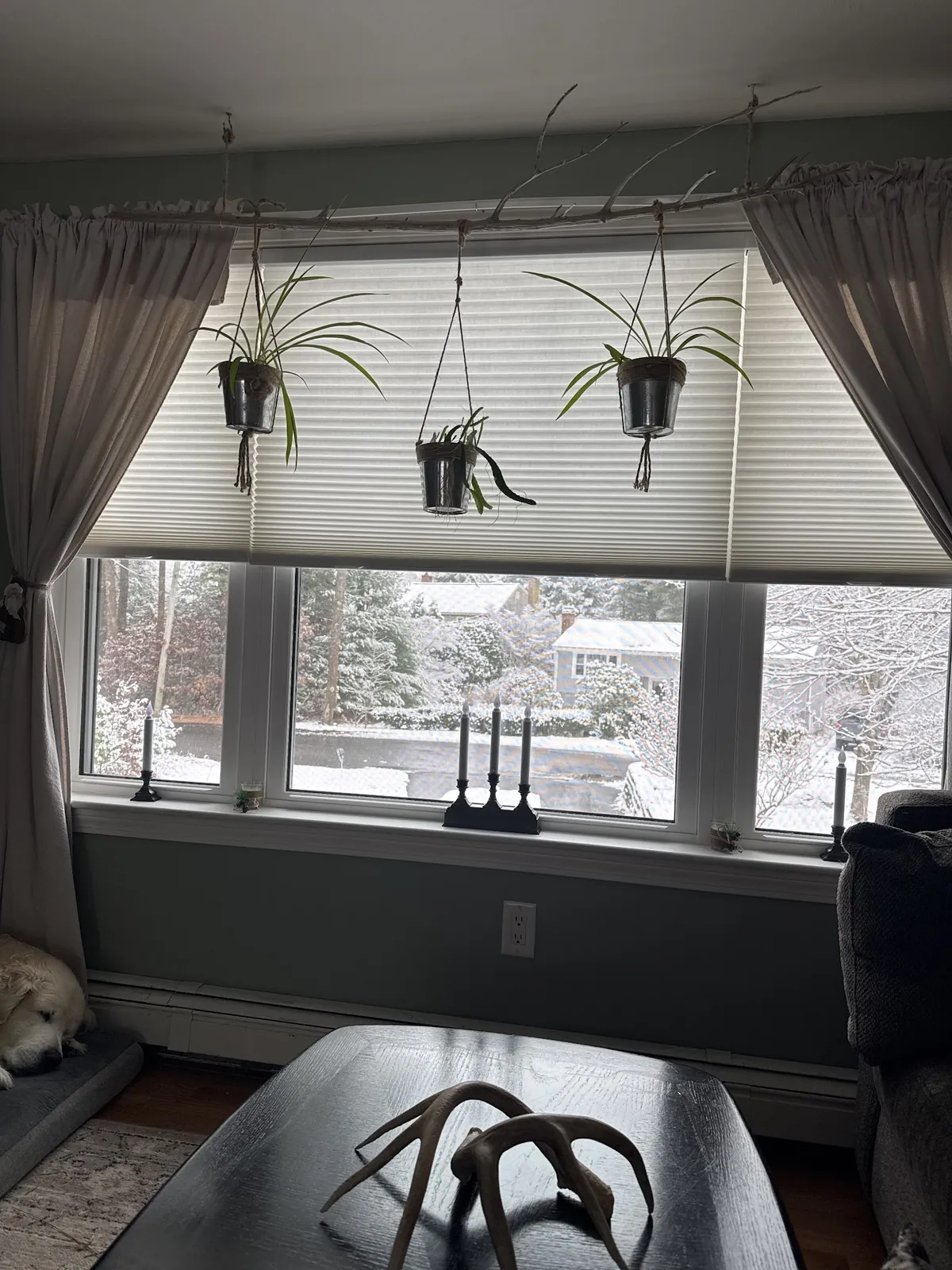
Cellular shades for colder rooms
Where warmth matters more than softness, a honeycomb shade holds in more heat.
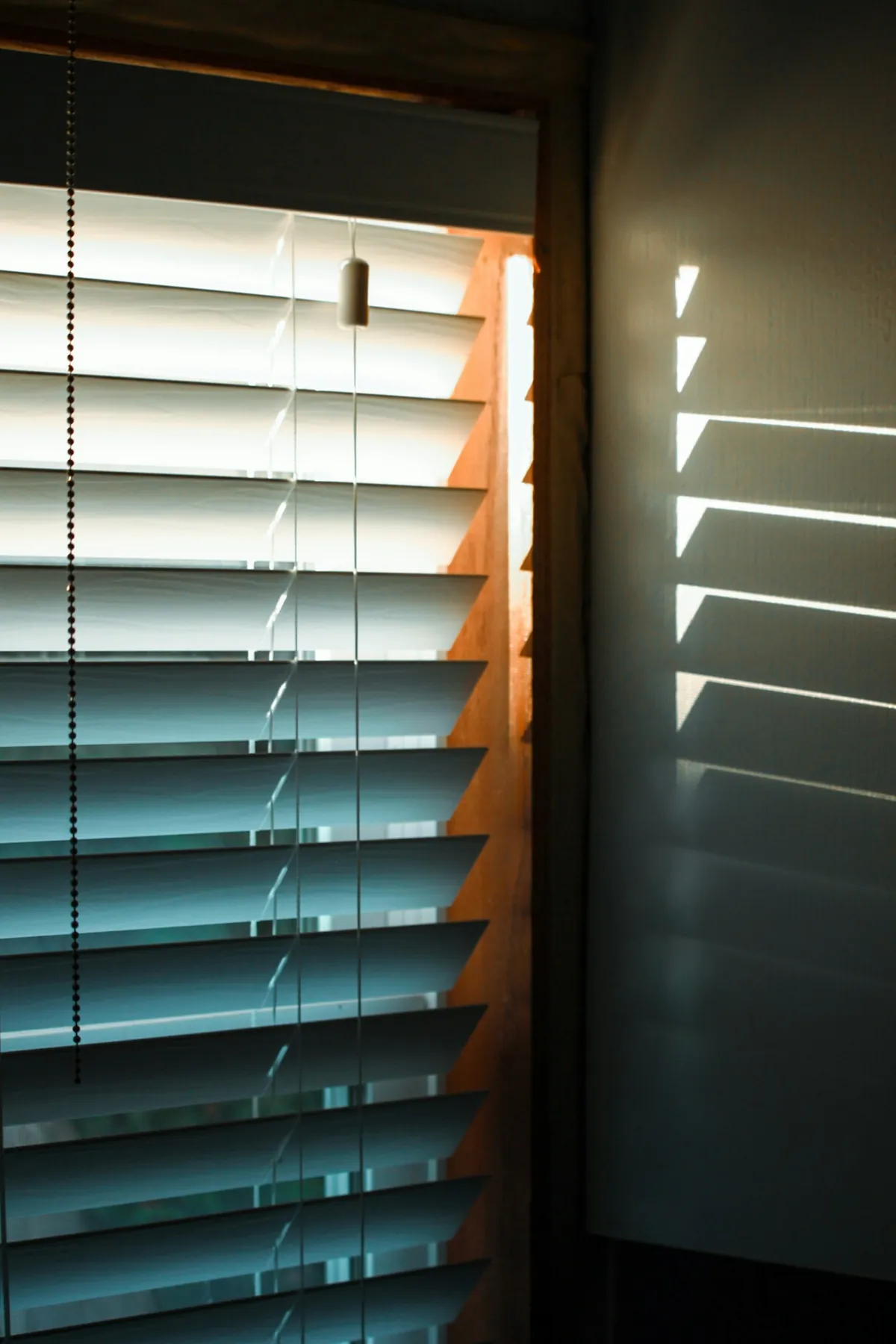
The Norman range
Norman blinds, shades and shutters are on display at our showroom to compare in person.
Edgewood Victorians Near the Bay
Edgewood’s Victorians are the oldest of Cranston’s three eras and the grandest in their windows: tall sash, high ceilings, bays and decorative trim, often within sight of the bay. They suit a roman shade made with some ambition.
Hanging high
With a high ceiling, there is wall to spare above the window trim. A roman shade fixed in that space, above the trim, raises clear of the glass and makes the window look taller when lowered. It also lets the stack, which is deeper on a tall shade, sit over the head of the window instead of across the glass. Where the trim itself is ornate and worth showing, we set the shade inside the frame instead and leave the trim on view.
Bays
Many Edgewood houses have a bay at the front. Each window in the bay takes its own shade, cut to its own size, and the raised heights are matched so the folds line up round the bay. A bay is a natural focal point, so it is a good place for a pattern, matched across the shades.
Light off the bay
The houses closest to the water get reflected light as well as direct sun, which is harder on fabric than it seems. A lining protects the face cloth, and a paler or more muted colour shows fading less. On the water side, roman shades in Cranston, RI are chosen for exposure first and colour second.
Fabric for a Victorian room
Victorian rooms carry richer fabrics well: a deep solid, a damask-style pattern, a velvet-like cloth, a heavier linen. A hobbled fold makes the most of a solid or textured fabric; a flat fold shows a pattern in full. Side drapes can be added in a formal room, and because drapery is our specialty, the shade and the drapes can be chosen together.
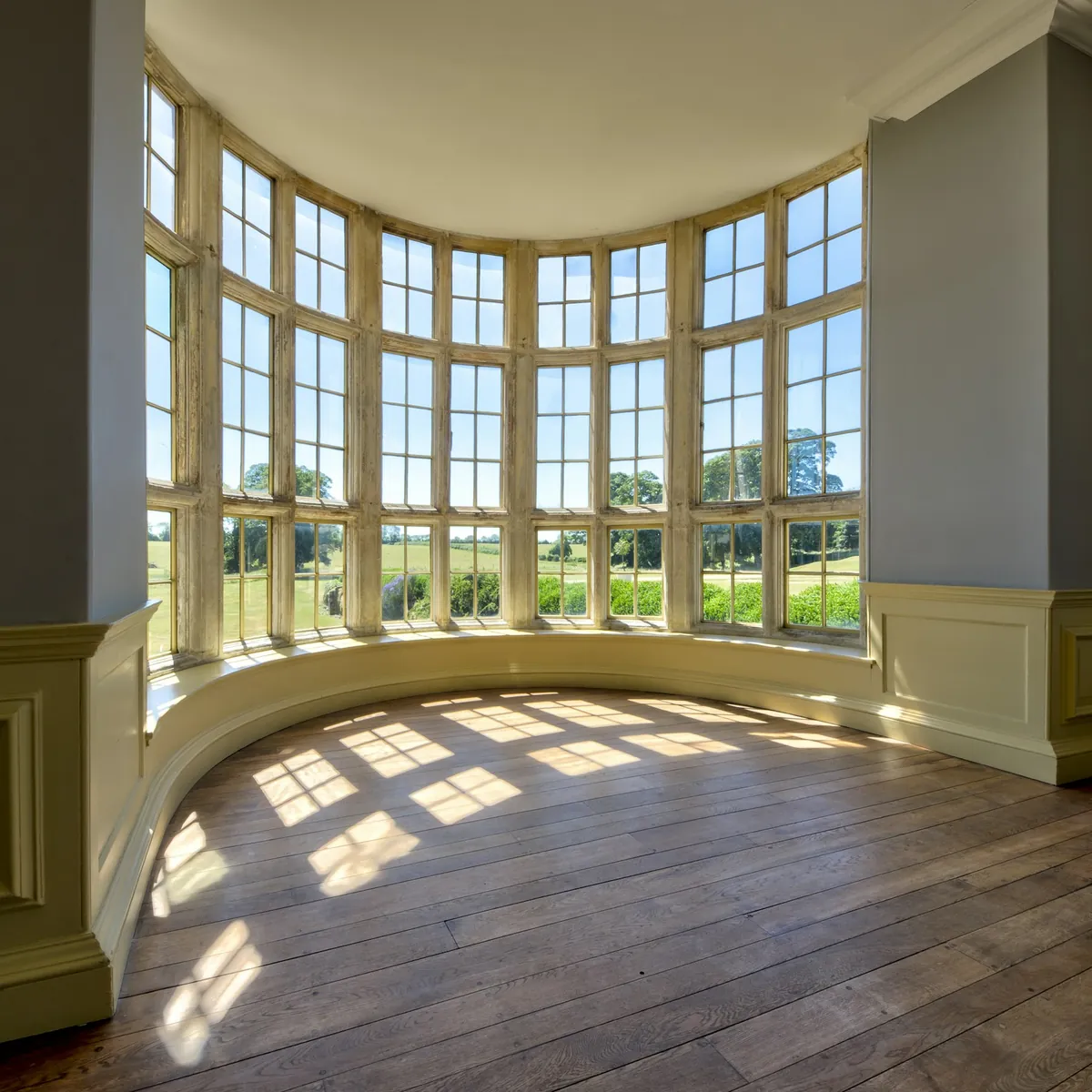
Rooms behind the front porch
Plenty of Edgewood houses have a deep front porch, and the parlour behind it sits in its shade for much of the day. That changes the fabric decision: a room already sheltered from strong sun can take a lighter, unlined cloth that lets the softened daylight through, while the porch brings passers-by close enough that some body in the fabric still helps after dark. A mid-weight linen often strikes the balance.
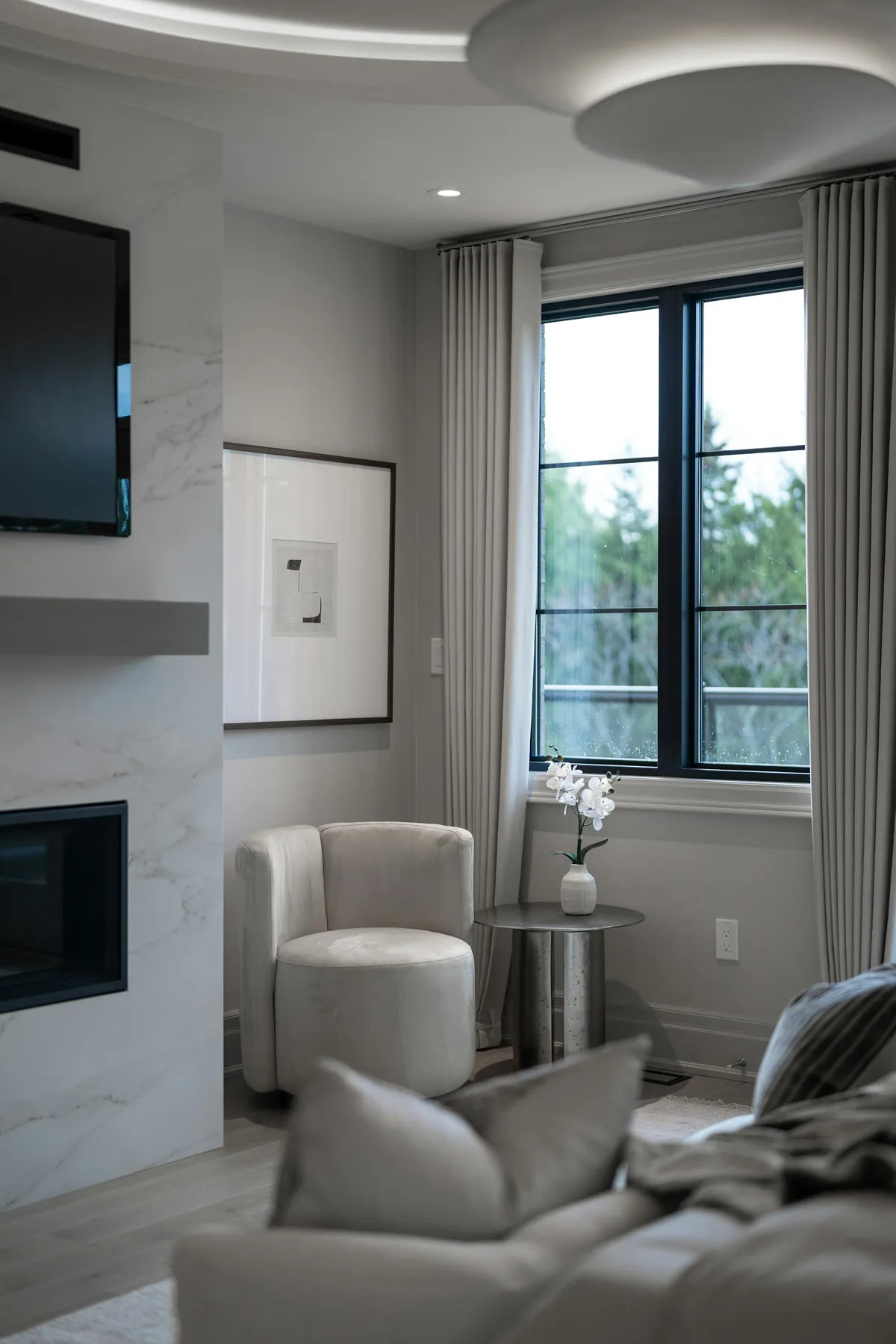
Rooms at the top of the house
Some of these Victorians have rooms on the top floor tucked under the roof, lit by small windows set into gables or under the eaves. Those windows are short and often an unusual shape, so the shade has to be small, fold up tightly and sit neatly in the space available. A plain flat fold in a light fabric, made exactly to the opening, keeps a small top-floor room bright and finished.
Older frames
Frames in houses of this age have moved over the years. Two windows that look the same may differ in width or depth, and a frame may be out of square. Each one is measured separately, at several points, and its depth checked where the shade would be fixed.
Garden City Capes and Ranches
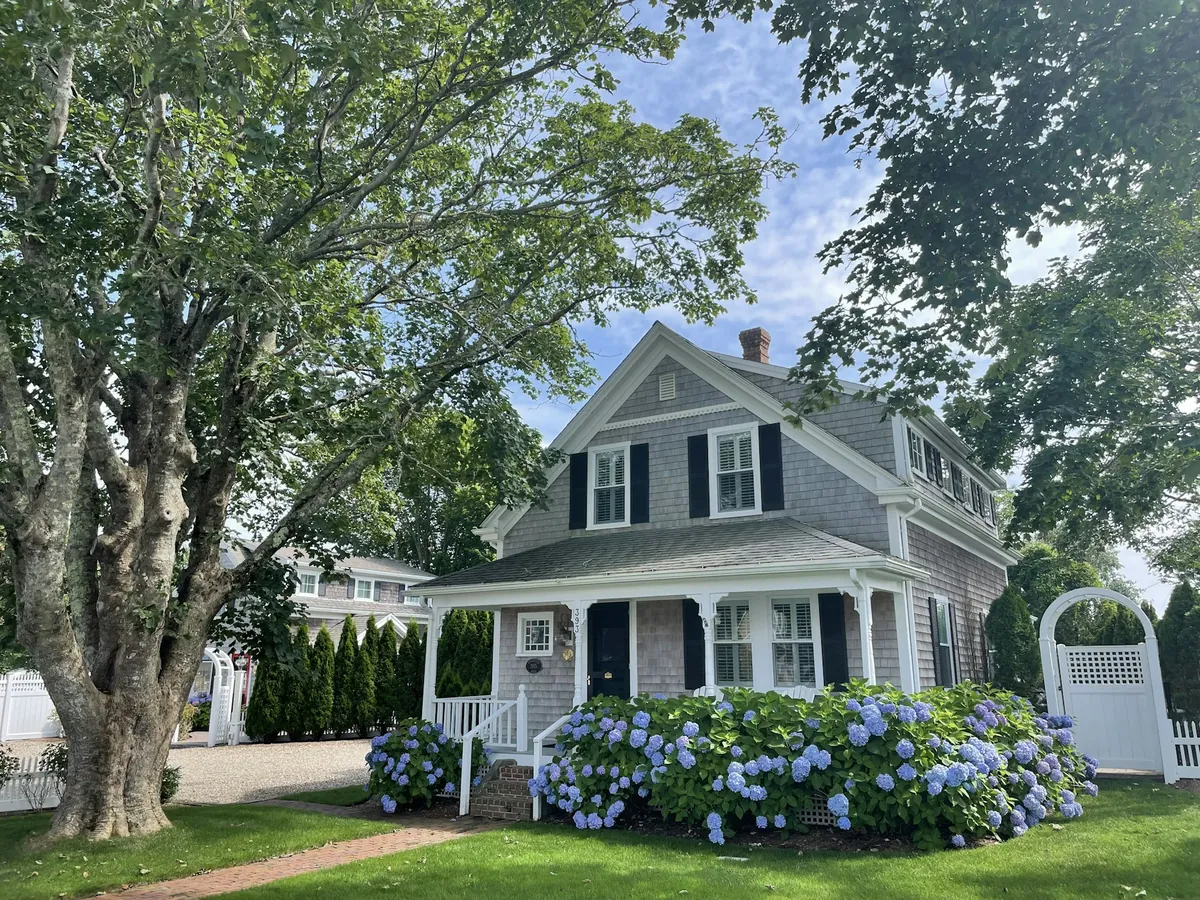
Garden City feels like another city entirely. Its capes and ranches went up quickly after the war, on tidy lots with ordinary ceiling heights and windows cut to the sizes builders used everywhere at the time. What looks generous in Edgewood looks heavy here, so the thinking starts again from scratch.
Scaling down
The hobbled fold that fills a Victorian sash so well can crowd a window of modest height, and its gathered stack hides a good share of the glass. In Garden City we usually reach for a flat or relaxed fold in a light to medium cloth. It folds up small, keeps most of the window in use when raised and suits rooms where the ceiling sits closer overhead. A lively pattern often does more for a cape than a heavy fabric ever could.
The big front window
Most Garden City living rooms are built around one broad front window, and it does a lot of work: it lights the room, faces the street and sets the look of the house from the pavement. Where the window is divided into sections by its frame, each section gets a shade of its own, light to raise and easy to leave at different heights. Where it is a single large pane, we look at the width and how often you would raise it before suggesting a split. Pattern or texture keeps a plain window from looking blank. In the evening, with the lamps on, that front window shows the whole room to the street, so a fabric with some body, or a lining, earns its place here even if the rest of the house goes unlined. A colour that sits with the sofa and the rug ties the window into the room rather than leaving it as a pale square on the wall.
Upstairs under the roof
The upper floor of a cape tucks its bedrooms under the slope, each lit by a dormer. Space around a dormer window is tight, so the shade needs to fold up small and sit within the recess. Light linen keeps the room airy by day; a lining behind it gives a dark room for sleeping. Because there is seldom room for drapes in a dormer, this one shade carries the whole look of the window.
Short, high bedroom windows
Ranch bedrooms here often have windows set well above the floor, over the line of a bed or a dresser. Mounting the shade on the wall above means its folds rise clear of that short glass, and a lining behind the face cloth keeps the room properly dark on summer evenings.
Kitchens with one window
A Garden City kitchen tends to have a single window above the sink, and it is often the brightest spot in the room. An unlined cotton shade in a cheerful print lets the sun come through and gives the kitchen its one splash of pattern. A flat fold keeps it tidy and clear of the taps. Where the kitchen also has a window on the side wall, often looking at the house next door, the second shade can share the print but take a lining, so the room keeps its sunny window and its private one without looking mismatched.
Keeping the facade tidy
A cape’s two front windows sit either side of the door like a pair of eyes, and anything uneven between them shows from the street. Giving both shades one lining colour and one raised height keeps the front looking settled, even if one room behind is a bedroom and the other a living room.
Breezeways and porches
Some ranches and capes here gained an enclosed breezeway or porch between the house and the garage, with windows on two or three sides. Those rooms catch sun from several directions, so roman shades in Cranston, RI for a porch room are usually separate shades, one per window, in a lined, hard-wearing fabric that can take the light.
Western Cranston’s Newer Colonials
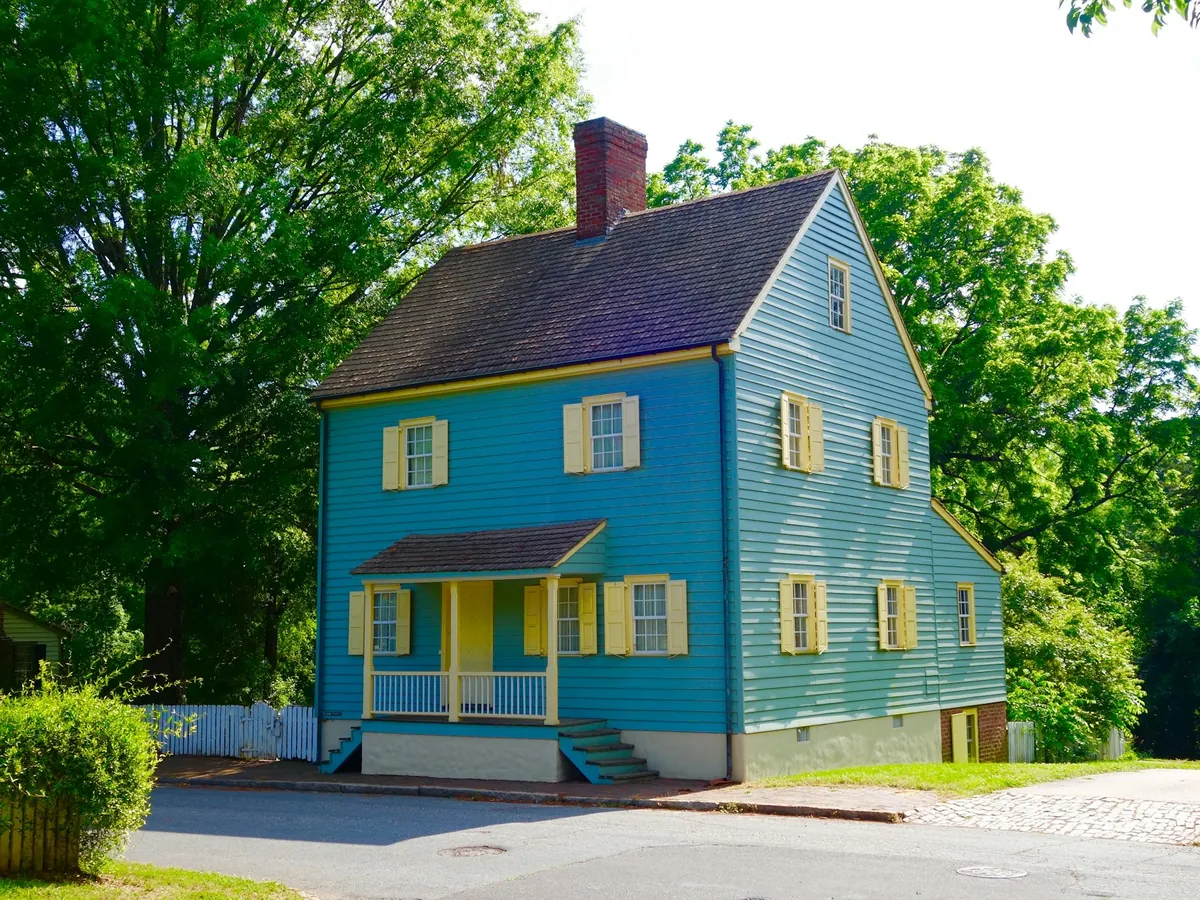
The newest era sits out in Western Cranston: colonials with square frames, regular openings and many of them across two floors, plus a family room, an eat-in kitchen and frequently a room above the garage. Nothing here is hard to fit. The real work is making all those windows look like they belong to one house.
Building a palette
Rather than choose fabric room by room from scratch, it works well to pick three or four cloths that sit happily together and then share them out: a patterned flat fold in the living room, a solid hobbled fold that picks up one of its colours in the dining room, softer relaxed folds in the bedrooms. Walk through the house afterwards and it feels planned rather than collected.
The family room and kitchen
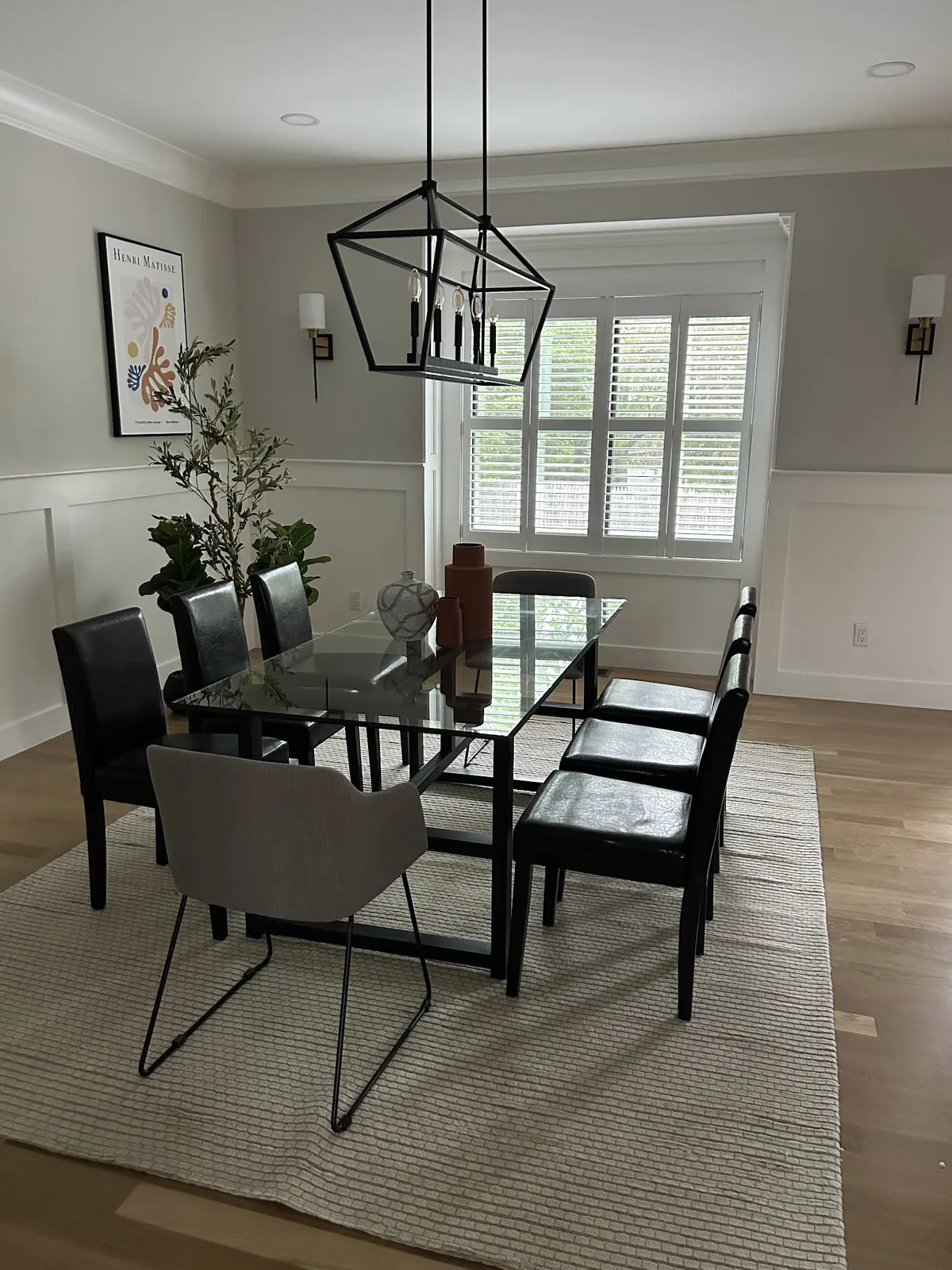
The family room and kitchen in these houses usually run together, and every window in that stretch is seen at the same moment. Keeping one fabric and one raised height throughout makes the space feel calm. The glass door to the yard is the odd one out, since it slides; it suits drapes or vertical blinds in Cranston, picked to go with the roman shades on the windows beside it.
Upstairs rooms
The bedrooms want darkness, so their shades are lined and often fixed on the wall so the fabric laps over the edges of the opening. The room over the garage gets the full force of the summer sun on its roof and gable, so a lining there is as much about comfort as darkness, and a dormer in that room takes a small, neat flat fold.
One room now, more later
Plenty of Western Cranston owners begin with one or two rooms. The quote sets out each window’s cloth, fold and raised height, which makes it simple to bring later rooms in line with the first.
Why One Approach Does Not Fit All Three
Set the three eras side by side and the same choice lands differently in each.
- Fold: hobbled folds suit Edgewood’s tall windows; flat or relaxed folds suit Garden City’s modest ones; Western Cranston usually mixes them room by room.
- Fabric weight: heavier cloths for Edgewood, light to medium weights for Garden City, a shared palette for Western Cranston.
- Mounting: high above the trim in Edgewood, above short bedroom windows in Garden City, inside or outside freely in Western Cranston’s square frames.
- Lining: for exposure near the bay in Edgewood, for darkness in bedrooms everywhere.
Getting roman shades in Cranston, RI right is mostly a matter of recognising which era the house belongs to and letting that steer each decision.
Fabric and Lining in Brief
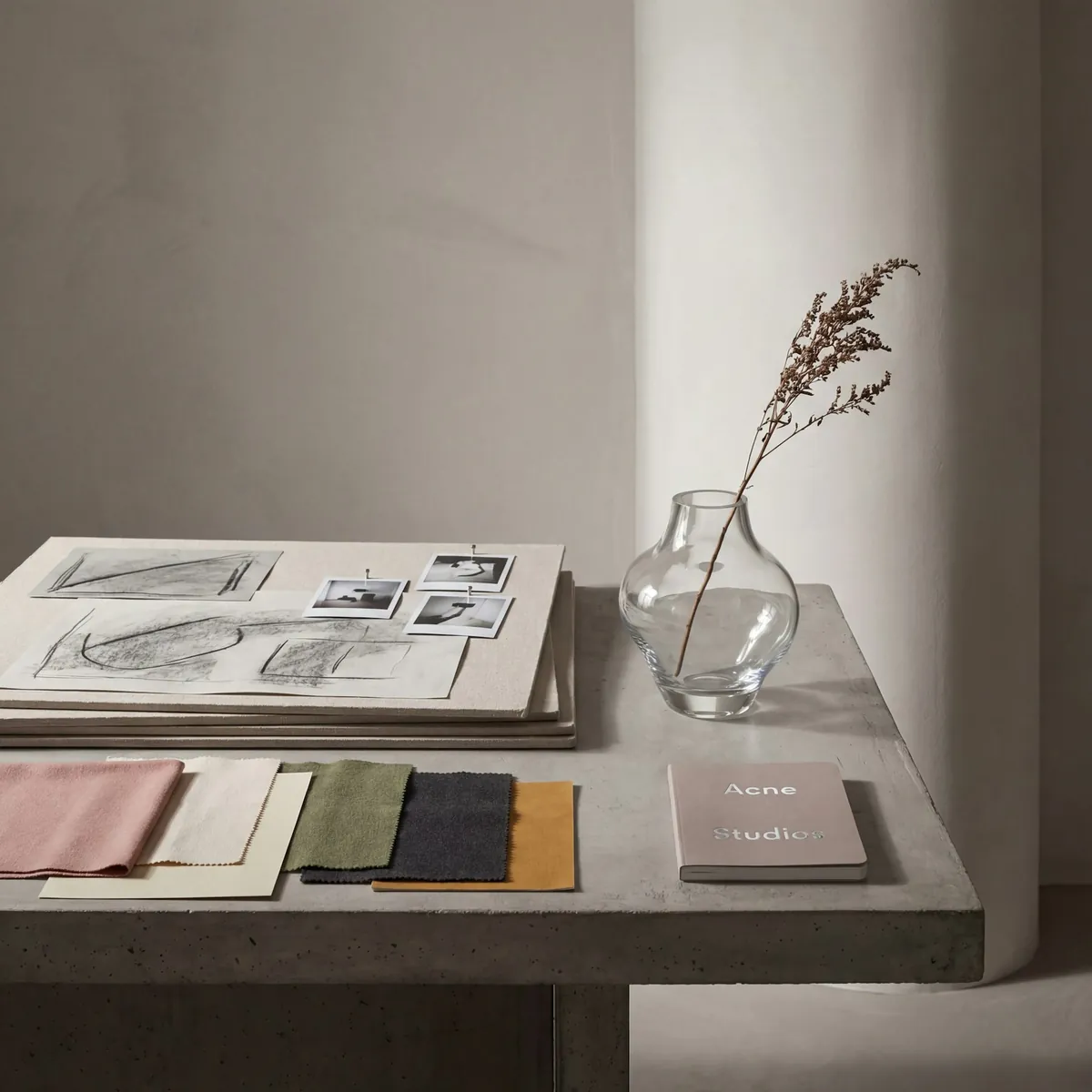
Tightly woven cotton and linen give the flat fold its sharp edge. Heavier, softer cloths fall into the rounded tiers of a hobbled fold. The relaxed fold sits in between, a smooth panel that dips softly at the hem. Open weaves glow with the sun behind them, dense ones feel quieter, and a lining adds weight, shields the cloth and turns the room dark when it is drawn.
Ordering Roman Shades for a Cranston House
You hear from us at each stage, whichever era your house belongs to.
- Get in touch through the call button or the form, telling us the neighbourhood and the rooms you have in mind.
- One of our specialists visits to measure, taking extra readings on the older Edgewood frames.
- Fabrics, folds and linings are chosen at the Swansea showroom.
- A quote arrives with each window listed separately.
- Once made, the shades are hung by our installers, who run each one up and down before they leave.
Looking after them
A soft brush or a vacuum fitted with an upholstery tool keeps dust off the folds. Dab at marks rather than rubbing, and try any cleaner on a hidden corner first. Home washing risks shrinking the fabric, so send a shade to a professional if it needs more than a dusting.
Everything else we make
Every product we offer the city is on our Cranston window treatments page, and the folds and fabrics are explained further on the roman shades page.
A Fabric House at Heart
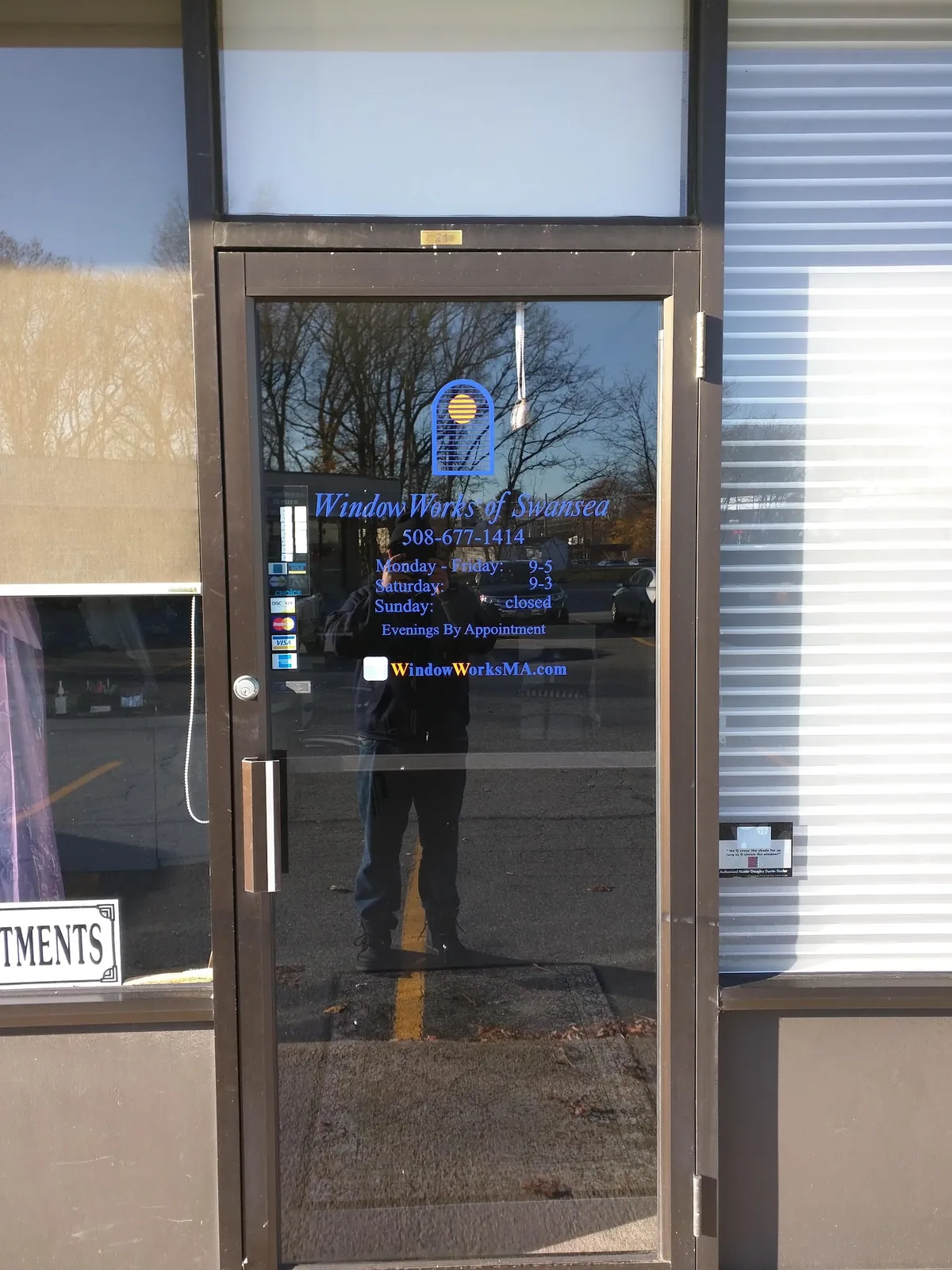
Window Works is a family-owned store in Swansea, open since 1988 and now run by the next generation. It has always been a fabric house at heart, with drapery its best-known work, and that background is exactly what a good roman shade needs. Over 37 years our specialists have worked in Victorians, capes and new colonials across the SouthCoast of Massachusetts and the Rhode Island East Bay.
The team that measures is the team that installs, warranties are offered, and we keep you posted until the job is finished.
See Every Weight Side by Side
The gap between a fabric that suits Edgewood and one that suits Garden City is clearest when you hold them both. At the Swansea showroom the weights, folds and linings are there to compare, and a photo of your rooms helps us point you in the right direction.
Questions from Cranston
Will the same shade work in an Edgewood Victorian and a Garden City cape?
Rarely. Edgewood’s tall windows suit fuller folds and heavier fabrics, while Garden City’s modest rooms suit lighter fabrics and simpler folds.
Can a roman shade make a tall Edgewood window look taller?
Yes. Fixed high on the wall above the trim, the shade raises clear of the glass and makes the window look taller when lowered.
What suits a Garden City front window?
A shade per section where the frame divides it, in a fabric with some pattern or texture. A single large pane may take one shade or two.
We have a lot of windows in Western Cranston. Where do we start?
With three or four fabrics that work together, then the rooms that matter most. Later rooms can be brought in line with the first.
Will the bay light fade the fabric?
It can. A lining and a muted colour help, and we choose fabric with the room’s exposure in mind.
Next Step: a Free Quote
Edgewood, Garden City or Western Cranston, the start is the same: a free quote. Press the call button to arrange one, book measuring at your house or ask what installation involves, or write to us with the form. Directions to the Swansea showroom are on the contact page. Window Works holds a 5.0 rating on Google.