
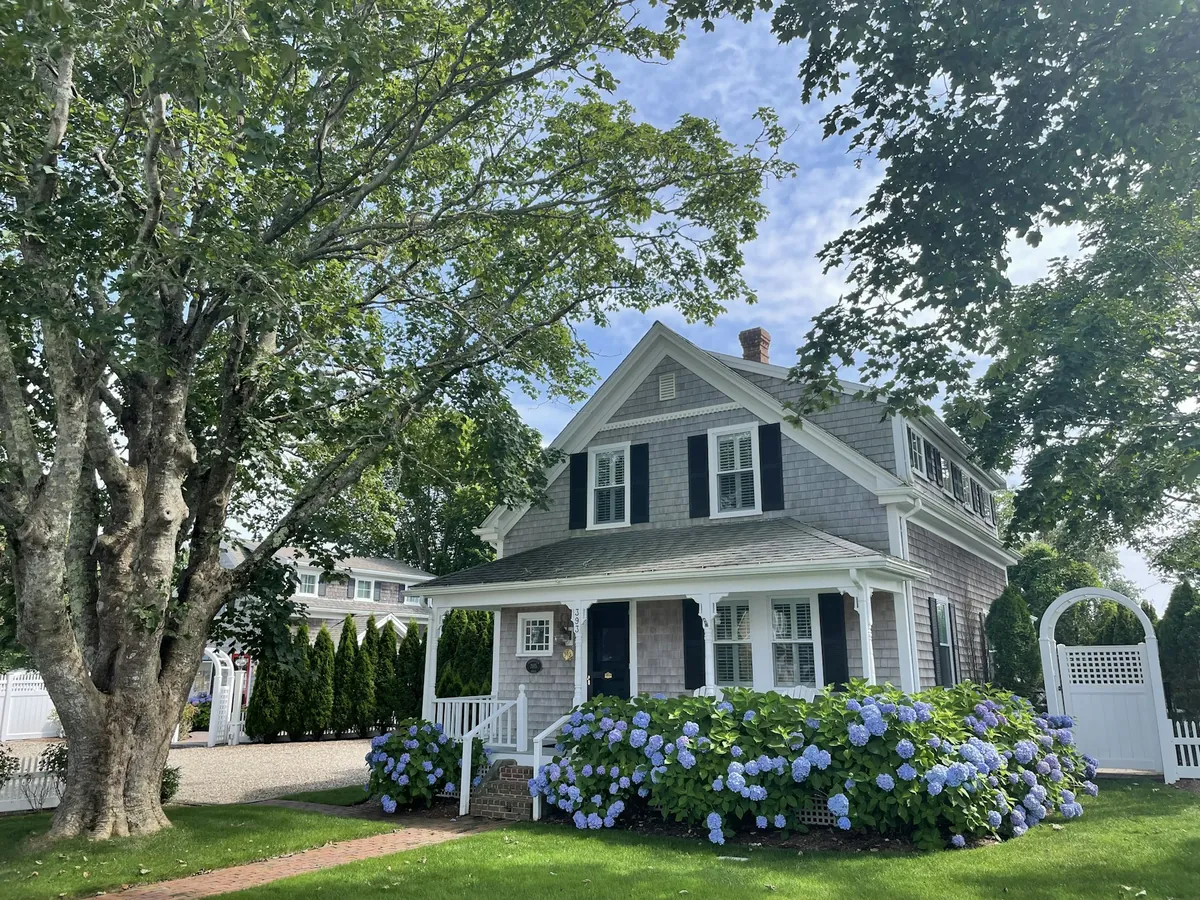
Mid-Century Houses, Standard Windows
Most of the houses in Centredale and Fruit Hill went up in the 1950s and 1960s: ranches, capes and split-levels, with Greystone at the edge of town. Their windows tend to come in standard sizes, so fitting a drape is rarely the hard part. The real decisions when you choose custom drapes in North Providence, RI are about material and operation: which cloth suits the room, and how the drapes will open, close and stay out of the way.
That is good news, because it means the time goes where it makes a visible difference. A picture window in a ranch living room, a slider off a split-level family room and a pair of dormer bedrooms in a cape each want a different fabric and a different way of working, even when the openings themselves are ordinary.
Every pair is still made from the cloth up and measured in your home, because the wall, the ceiling and what sits beside each window decide where the rod goes and how long the panels should be.
Three Ways to Dress a North Providence Window
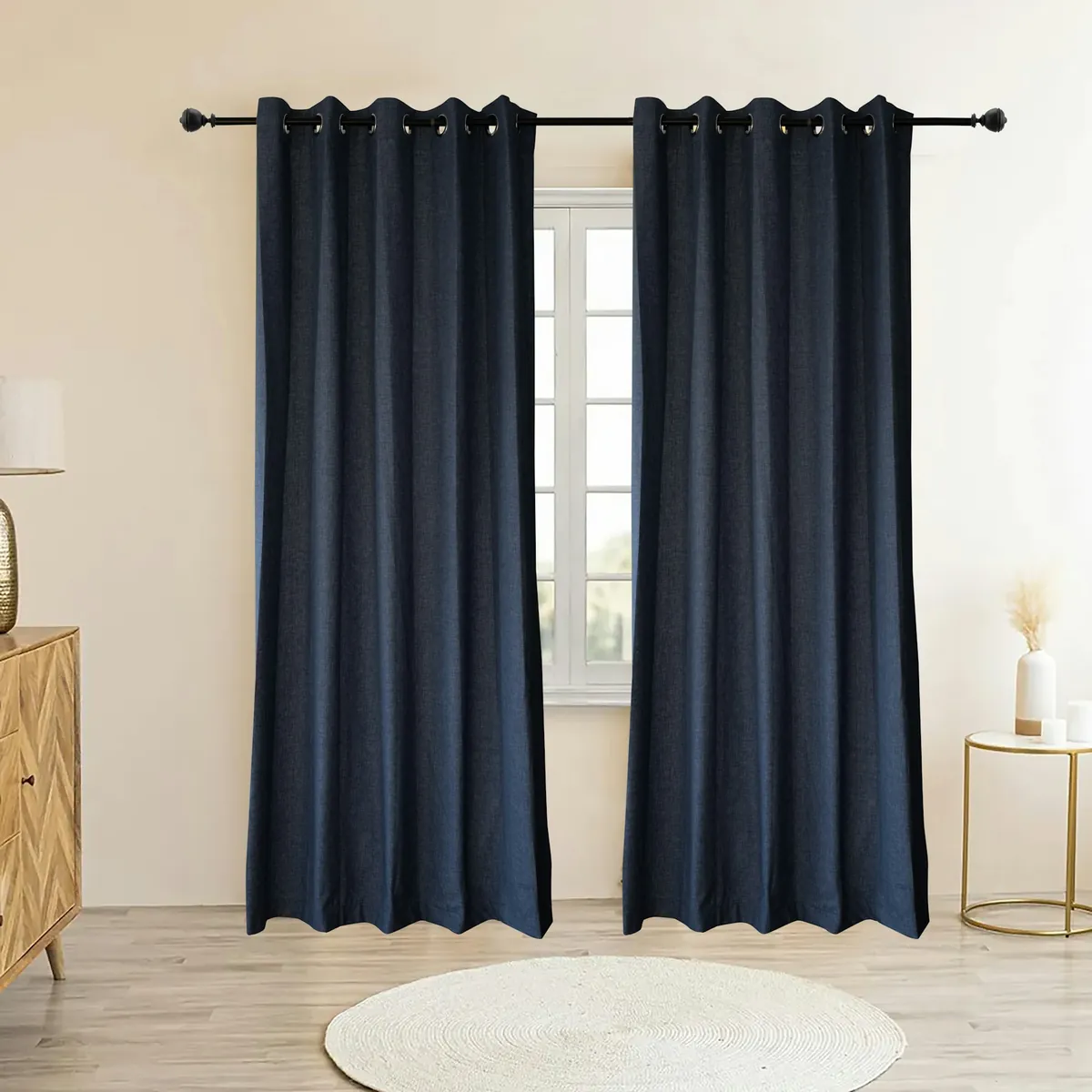
Panels you draw every day
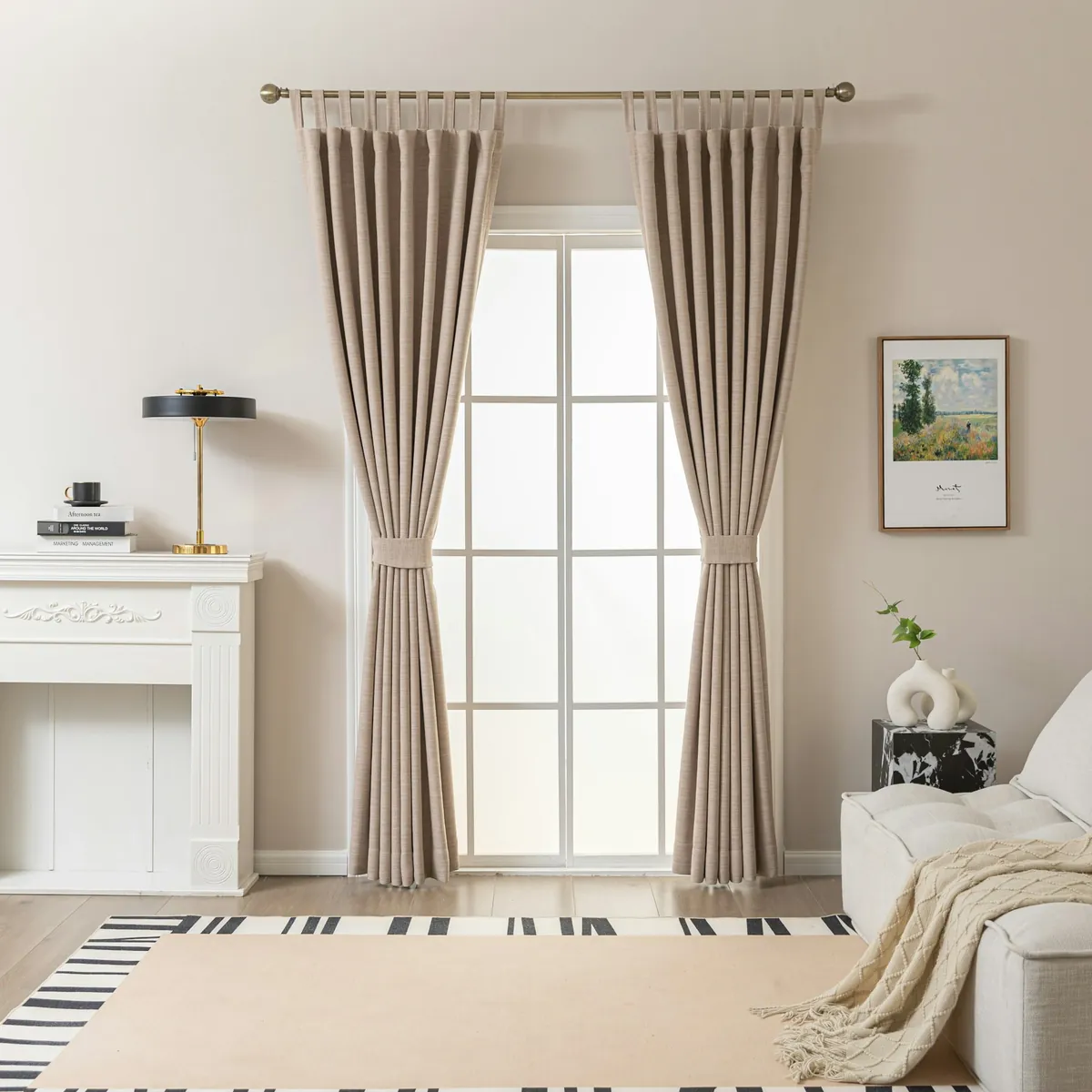
A heading that slides freely along the rod, in a fabric light enough to move easily, for a living room or kitchen where the curtains open and close often.
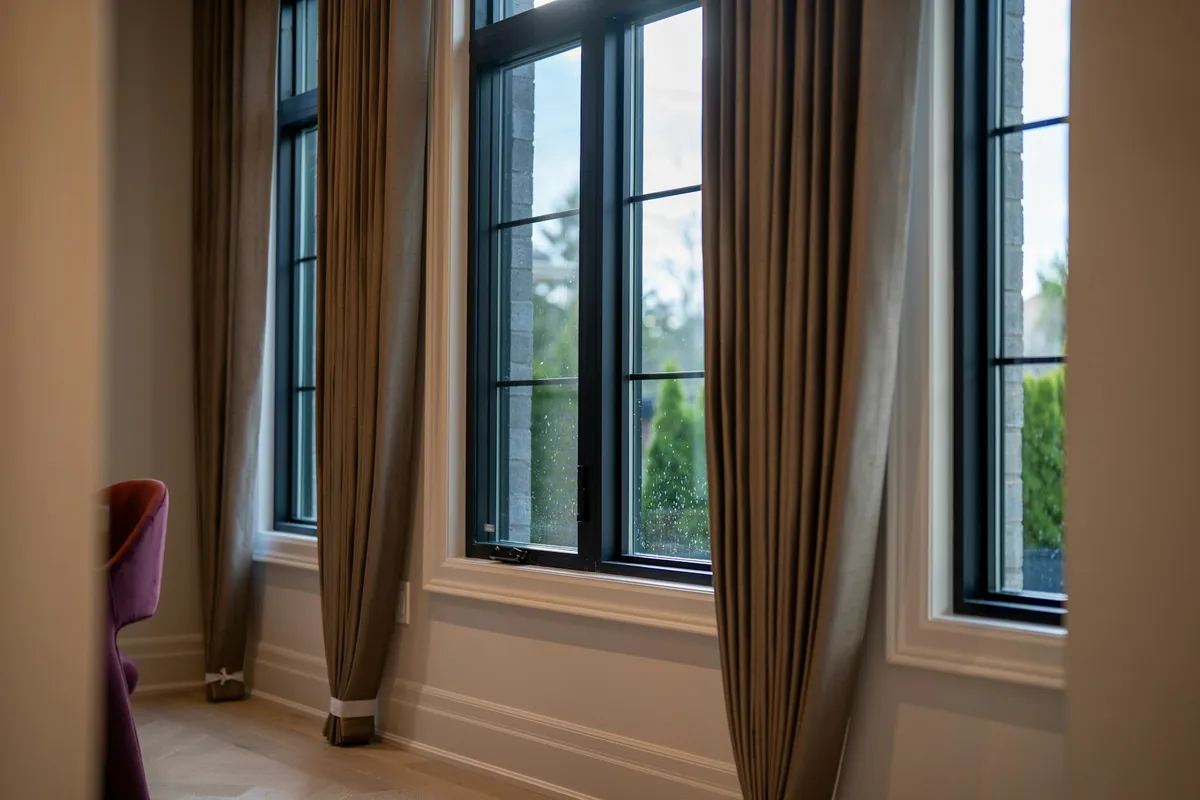
Panels that stay put
Fixed side panels that frame a window and are never drawn, with a blind or shade behind them doing the daily work.
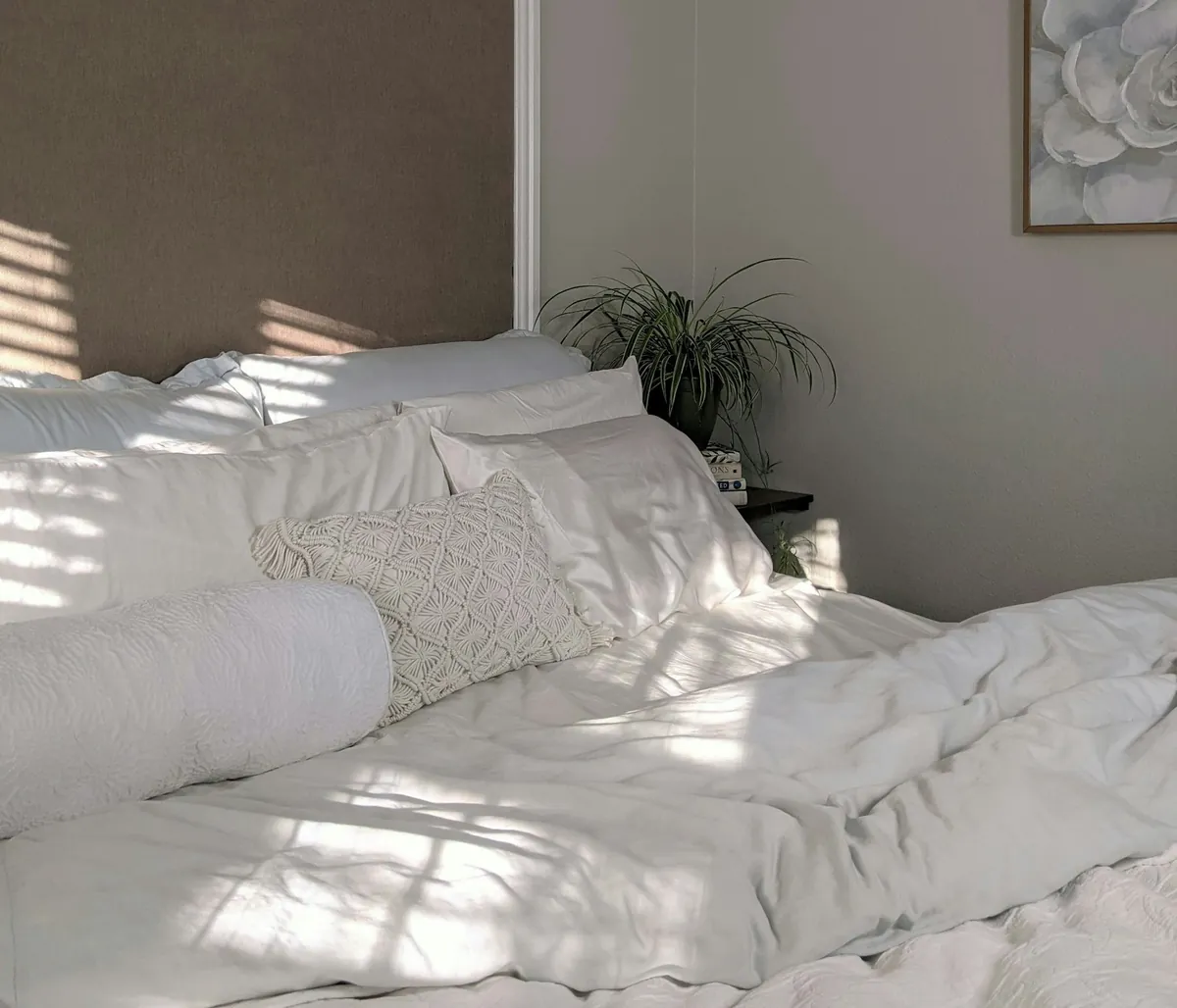
Bedroom drapes that close tight
Lined panels that meet in the middle and wrap back to the wall, so a bedroom stays dark and private.
Custom Drapes in North Providence, RI Start With the Fabric
With standard windows, the fabric does most of the work in deciding how a room looks and feels. It is the reason two drapes of exactly the same size can look completely different. We start every order with the cloth.
Weight
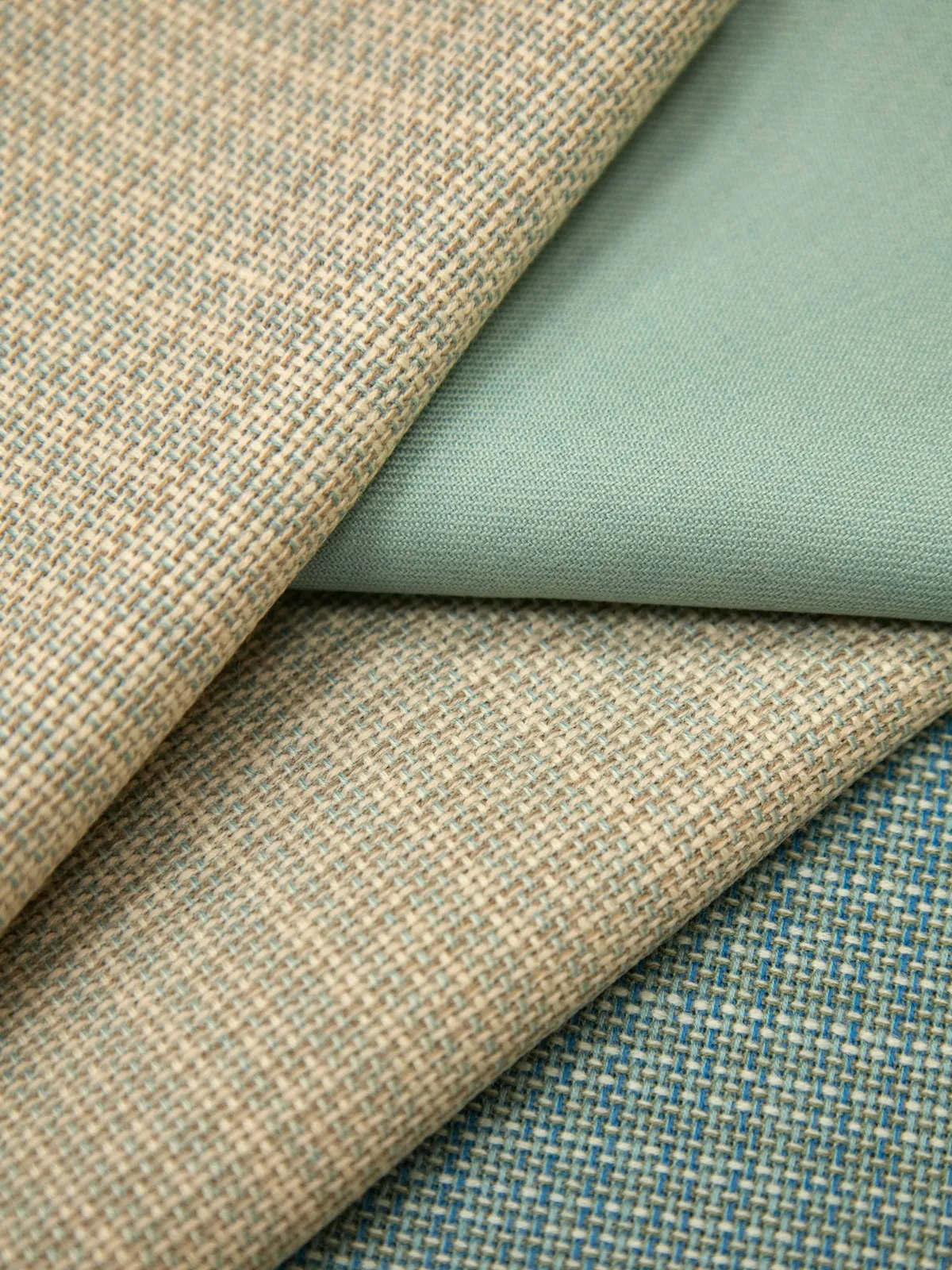
A light fabric drapes softly, moves easily and stacks small when open, which suits a room where the curtains are drawn often. A medium-weight cloth hangs with more body and holds even folds, the all-round choice for living rooms and bedrooms. A heavy fabric, such as a velvet or a dense weave, gives deep folds and warmth but takes more room when open and is harder to pull, so it suits drapes that are drawn once a day or not at all.
Weave and texture
Linens and cottons have a relaxed, natural look with visible texture. Smooth weaves look more polished. Textured and slubbed fabrics catch the light and hide small creases. The texture also affects how much light comes through: a loose weave glows, a tight one blocks.
Colour and pattern
In a mid-century living room with a big picture window, the drapes are often the largest area of fabric in the room. A solid colour lets the shape of the drapes do the talking, while a pattern makes them a feature. Large patterns need a wide panel to show the repeat. Light colours keep a room bright, but on a sunny window, the lining is what protects them from fading.
Lining
A lining gives the drape body, helps it hang straight and protects the face fabric from sun. It can also make a room darker or warmer. Unlined panels let light glow through, which can be lovely in a living room with sheers. The choice depends on the room, and you can feel the difference in the Swansea showroom.
Operation: How the Drapes Open and Close
The second big question is operation. A drape that is awkward to open stays shut, or stays open, and stops doing its job. We plan this for each window.
Drawn by hand
Most drapes in ranches and capes are drawn by hand along the rod. The heading makes the difference here. Rings or grommets slide easily and suit drapes drawn every day. A gathered or pleated heading on hooks can glide well too, depending on the rod. For a heavier panel, a baton or wand at the leading edge lets you draw it without handling the fabric, which keeps it cleaner.
Stationary panels
Not every drape needs to move. Side panels that frame a window and never close are a simple, tidy option when a blind or shade behind them handles privacy and light. They need less fabric, since they only have to look full, not cover the window, and they keep their folds perfectly because nobody pulls on them.
One way or two
A pair of panels parts in the middle and draws to both sides. A single panel draws to one side. On a window beside a wall or a door, a single panel stacking toward the open side is often easier. On a wide picture window, a pair keeps the stacks balanced. On a slider, the fabric usually draws away from the opening edge so the door can be used.
Clearance
Operation also depends on what is near the window. A sofa pushed under a picture window makes it hard to reach the drapes. A radiator or baseboard heater under the sill means a floor-length panel will sit in front of it. A door swinging nearby can catch a panel. We look at all of this when we measure.
Ranches and Their Picture Windows
The typical ranch in Centredale or Fruit Hill has a broad picture window in the living room, often flanked by smaller windows. It is the main view of the house and the main source of light, and it faces the street.
A pair of drapes on a long rod that runs well past the window lets the panels stack against the wall, so the whole picture window stays clear when open. Mounting the rod higher than the top of the frame, closer to the ceiling, makes the room feel taller, which helps in a ranch with a modest ceiling height. Floor-length panels add to that effect. Where the picture window has narrow side windows, one rod across the whole group treats it as a single opening.
Because the picture window faces the street, privacy at night matters. Lined drapes that close fully, or a sheer behind the main panels for daytime, cover both.
Open living and dining areas
Many ranches run the living room straight into a dining area, sometimes with the kitchen beyond. Drapes in that space are seen together, so they look most settled in one fabric, or two that are closely related, hung at the same height throughout. A picture window in the living room and a smaller window in the dining area can share the same cloth in different widths, which ties the space together without making it feel matched to the point of dullness. Choosing custom drapes in North Providence, RI for a ranch is often about this kind of continuity more than any single window.
Kitchens
Kitchen windows in these houses are usually over the sink or beside the table. Curtains there need to cope with steam and cooking, so a washable fabric on a simple rod makes sense, kept well clear of the stove. A short curtain that stops at the sill is the practical length over a sink.
Capes and Their Bedrooms
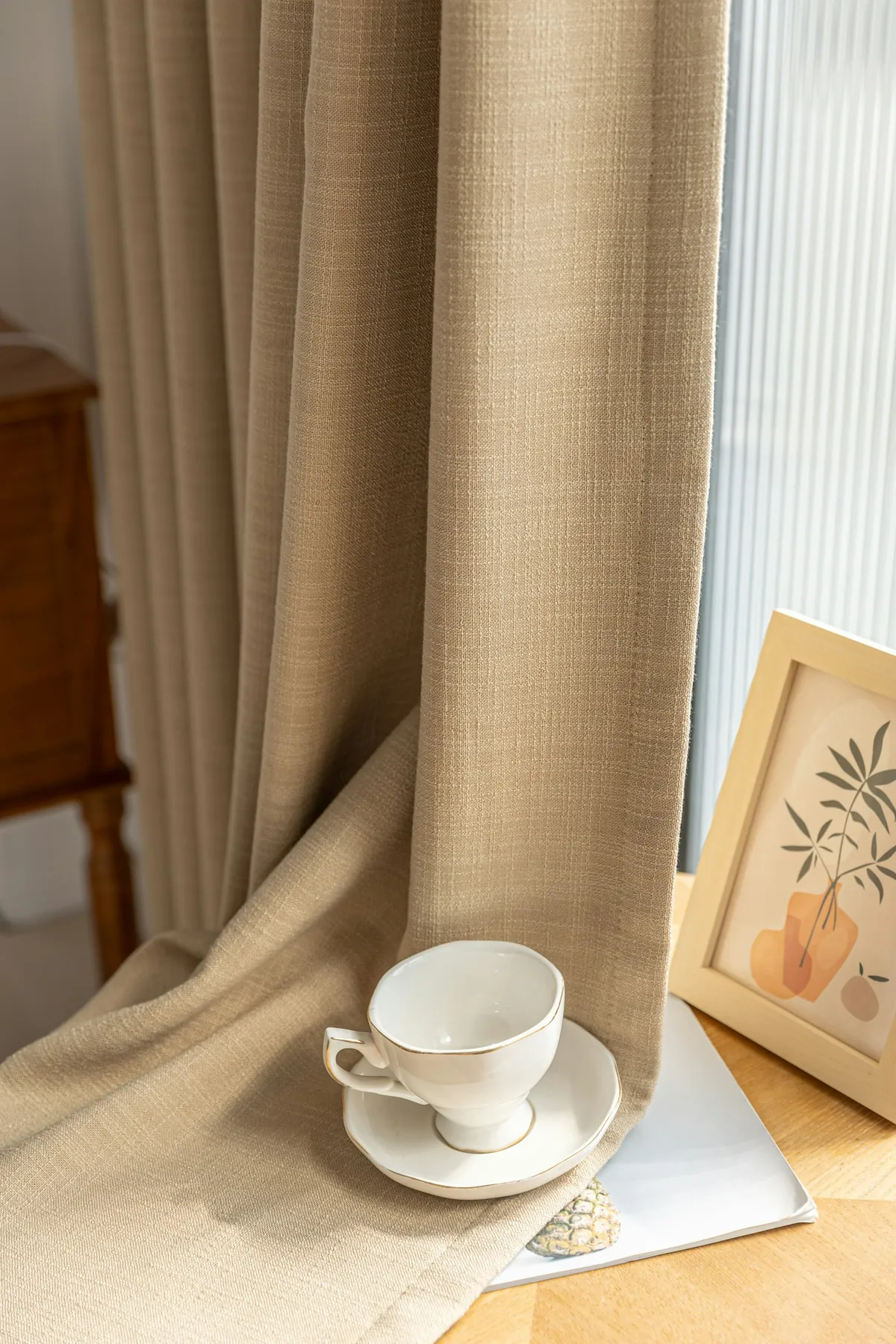
North Providence capes usually have a living room and one or two bedrooms on the ground floor, with more bedrooms tucked under the roof upstairs. The ground floor is straightforward: regular windows that take a pair of drapes each, with the rods set at the same height across the front so the house looks even from the street.
Upstairs is another story. Bedrooms under the roof are lit by dormer windows set into the slope, with sloping ceilings close on each side. There is rarely room for a long rod past the frame. A short rod inside the dormer recess with a single panel, or a pair of narrow panels, is often the cleanest answer. Lining matters in these rooms, because a small window can still let in a lot of morning light, and a bedroom under the eaves warms up quickly in summer sun.
The view from the street
A cape’s front is simple and symmetrical: a door in the middle, a window or two on each side, and dormers above. Because it is so plain, anything uneven shows. Drapes hung at different heights, or with linings of different colours showing through the glass, make the front look patchy from the sidewalk. Keeping the rods at one height across the ground floor, and using the same light lining behind every front window, keeps it tidy, even if the living room and the front bedroom have different fabrics on the room side. The dormers read as a pair from outside as well, so the two upstairs rooms usually share a lining colour too. These are small decisions, but on a small house they are the ones people notice.
Split-Levels: Windows on Every Level
Split-levels mix rooms on half-levels, and their windows follow. The main level usually has a living room with a broad front window, the upper level has bedrooms, and the lower level has a family room, sometimes with a slider to the yard and smaller windows set high in the wall.
The front window of a split-level living room behaves like a ranch picture window and takes a similar treatment. The bedrooms on the upper level want lined drapes for darkness. The lower-level family room is the most varied. A slider needs drapes on a rod that runs well past the frame, so the fabric clears the door when open. Small windows set high in a lower-level wall are often best with a shade or a short panel rather than a full drape, because the wall below them is too short for a long drop.
On a split-level, the staircase between levels often has a window too. That window is seen from two floors, so its treatment should look right from both. It is also hard to reach, so fixed panels or a simple shade usually make more sense than drapes you have to draw.
Drapes with shades and blinds
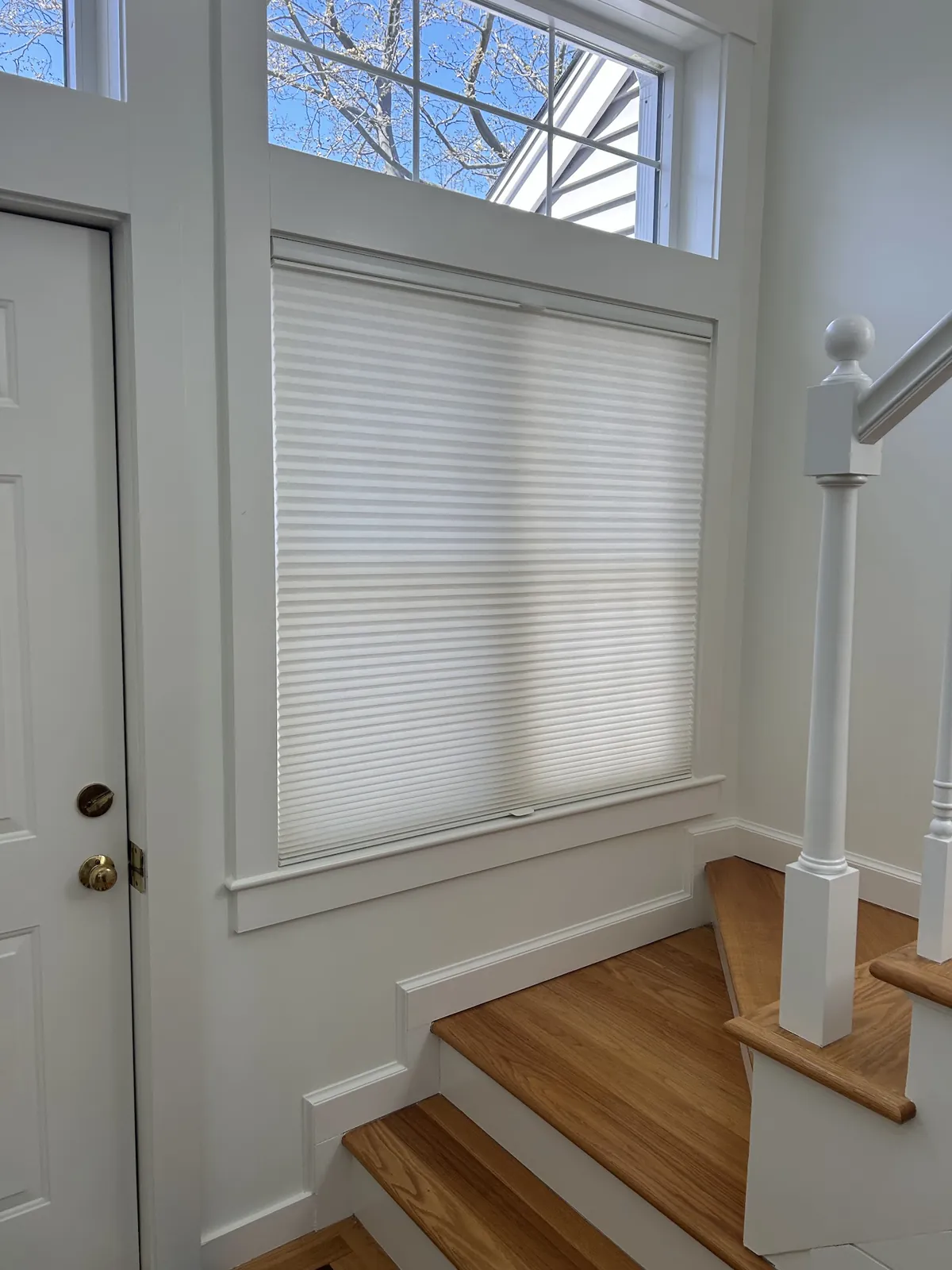
Because so many North Providence windows are standard sizes, they suit a layered approach well. A blind or shade inside the frame handles light and privacy through the day, and drapes outside it frame the window and close at night. You can see the blind side on our custom blinds in North Providence page. Since we make both, they are planned together and measured on the same visit, so the rod clears the blind and the colours suit each other.
The Order, Start to Finish
- Reach the Swansea store with the call button or the form and book a free quote.
- Come into the showroom if you would like to look at fabrics first, or wait and do it after the measuring visit.
- One of our specialists comes to measure in your home, noting each window, the ceiling height, the wall at each side and anything nearby, such as a radiator, a door or a piece of furniture.
- We talk through operation for each window: which drapes you will draw, which can stay fixed, and which way each one should open.
- You choose the fabric, lining and heading.
- Your quote lists every window and rod.
- The drapes are made to the measurements from your home, and our team hangs them and shows you how they work.
We stay in contact the whole way, until the job is finished.
Through the seasons
Drapes do different jobs at different times of year. In winter, lined panels drawn across the windows at dusk make a room feel warmer and cut the chill that comes off the glass. In summer, drawing the drapes on a sunny side through the hottest part of the afternoon keeps a room cooler and protects the furniture and floors from fading. The more easily the drapes open and close, the more likely they are to be used this way, which is another reason operation matters so much.
Care
A soft brush attachment on the vacuum every so often keeps most drapes fresh. Lined panels are usually best cleaned professionally, since the face fabric and the lining can shrink differently in a home wash. Lighter curtains and sheers are often easier to launder. We give care advice for each fabric, so your custom drapes in North Providence, RI stay looking right for years. If a heading loosens or a hem drops, call the store that made them.
Greystone and the edge of town
Greystone, at the edge of town, has a mix of housing, and we treat each house there on its own terms. Whatever the house, the method is the same: measure each window, look at how the room is used, and choose a fabric and an operation that suit it. If a window turns out not to be a standard size after all, which happens in any older house, nothing changes for you, because every panel is made to the measurements taken on the day rather than to a catalogue size.
A Family Store, Since 1988
Window Works was founded in Swansea in 1988 and is run today by the second generation of the family. For over 37 years we have made window treatments for homes across the SouthCoast of Massachusetts and the Rhode Island East Bay, and drapery is the specialty we are known for.
Your order is handled by experienced window treatment specialists who measure, order and hang the work themselves, and who keep in touch until it is done. Warranties are offered on the products we sell.
See all our services for the town on our North Providence window treatments page.
Questions from North Providence
My windows are standard sizes. Why choose custom drapes?
Because the fabric, lining, length and way the drapes open are all chosen for your room. Standard windows make the fit easy; the difference is in the cloth and how the drapes work.
Which heading is easiest to open every day?
Rings and grommets slide most easily along a rod. For a heavier panel, a wand at the leading edge lets you draw it without handling the fabric.
What goes on a dormer window in a cape bedroom?
Usually a short rod inside the dormer recess, with a single panel or a pair of narrow panels, lined to keep the room dark.
Do drapes work on a split-level slider?
Yes. The rod runs well past the door frame so the fabric stacks clear of the opening and the door slides freely.
Can drapes go over blinds or shades?
Yes. We make both, so they are planned together and measured on the same visit.
Book a Free Quote
Choosing custom drapes in North Providence, RI starts with a free quote. Call the Swansea store with the call button to book one, arrange measuring in your home or ask about installation, or send us the form. The contact page has directions to the showroom, and our main custom drapes page covers every style we make. Window Works holds a 5.0 rating on Google.