
From Diamond Hill to Valley Falls
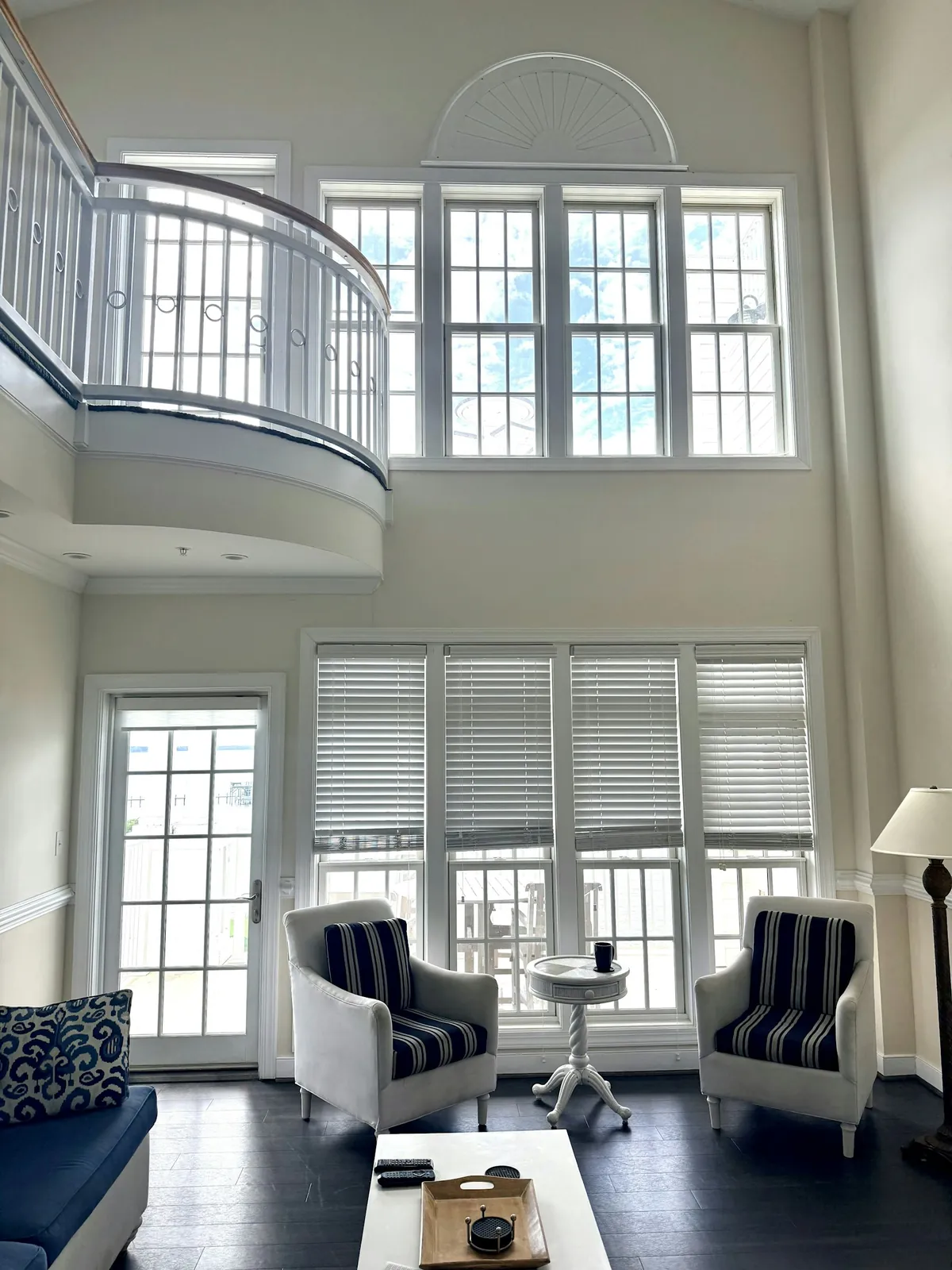
Three kinds of house make up most of the drapery work in this town. Around Diamond Hill and Arnold Mills, there are colonials with formal front rooms and well-spaced windows. Off Mendon Road, newer subdivisions bring open plans and, in many of them, a two-storey entry with a tall window high above the front door. In Valley Falls, older housing has its own narrower, more varied openings. Custom drapes in Cumberland, RI have to suit all three, and the entry windows are the hardest reach in town.
Height is the recurring theme. A window that starts above head height and climbs toward a second-floor ceiling cannot be dressed the way a living room window is, because nobody is going to draw those curtains by hand every evening. Planning starts with what the fabric needs to do up there, and what it does not.
Whatever the room, the cloth is chosen first, then everything is measured on site so the panels hang where they belong.
What We Make for Cumberland Homes
Tall stationary panels
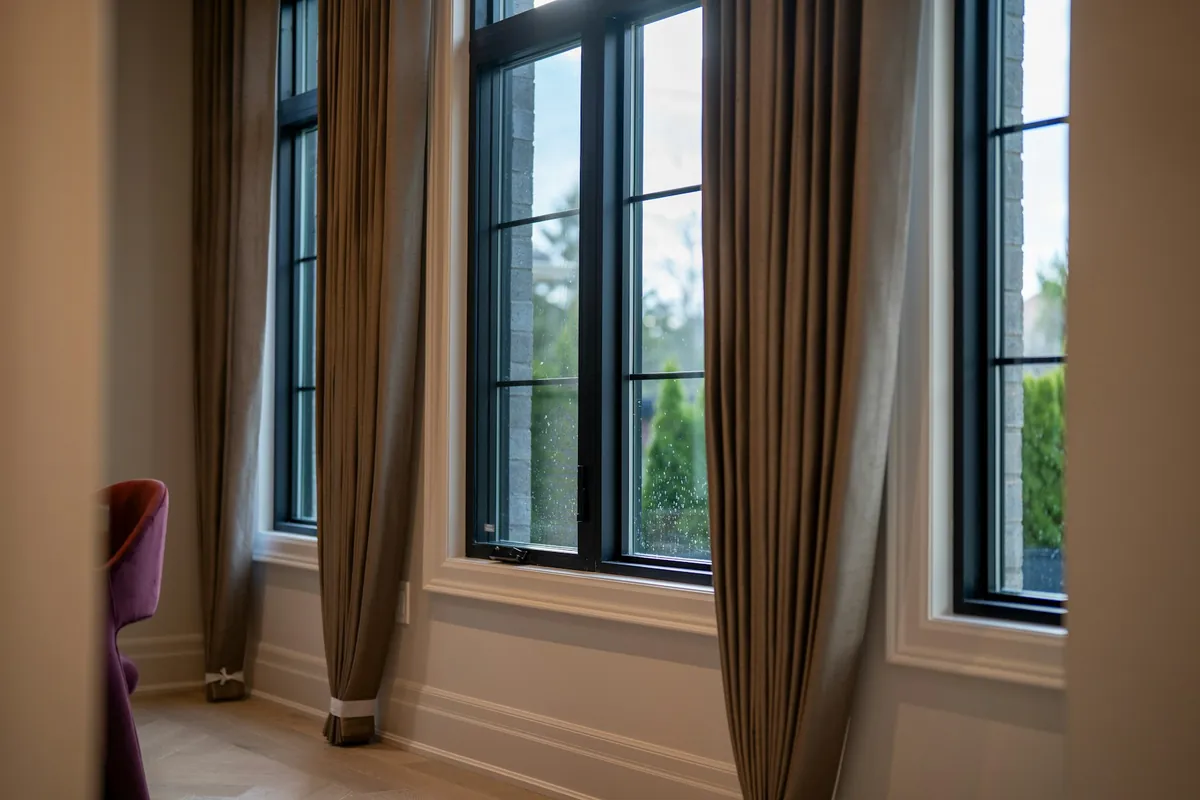
Fixed side panels for a high window, hung once and left framing the glass, so no one has to reach them.
Light sheers for an open plan
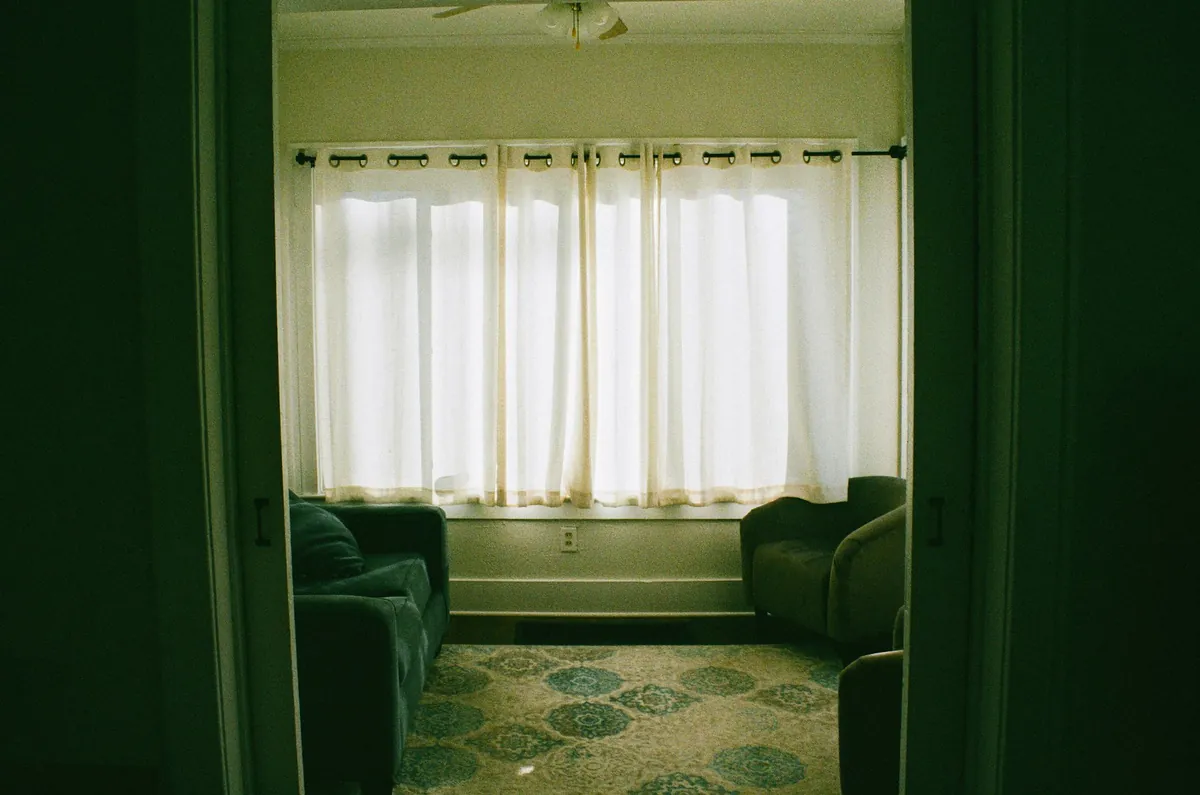
Soft, airy fabric that keeps a big open room bright while taking the edge off the glare.
Earthy woven fabrics
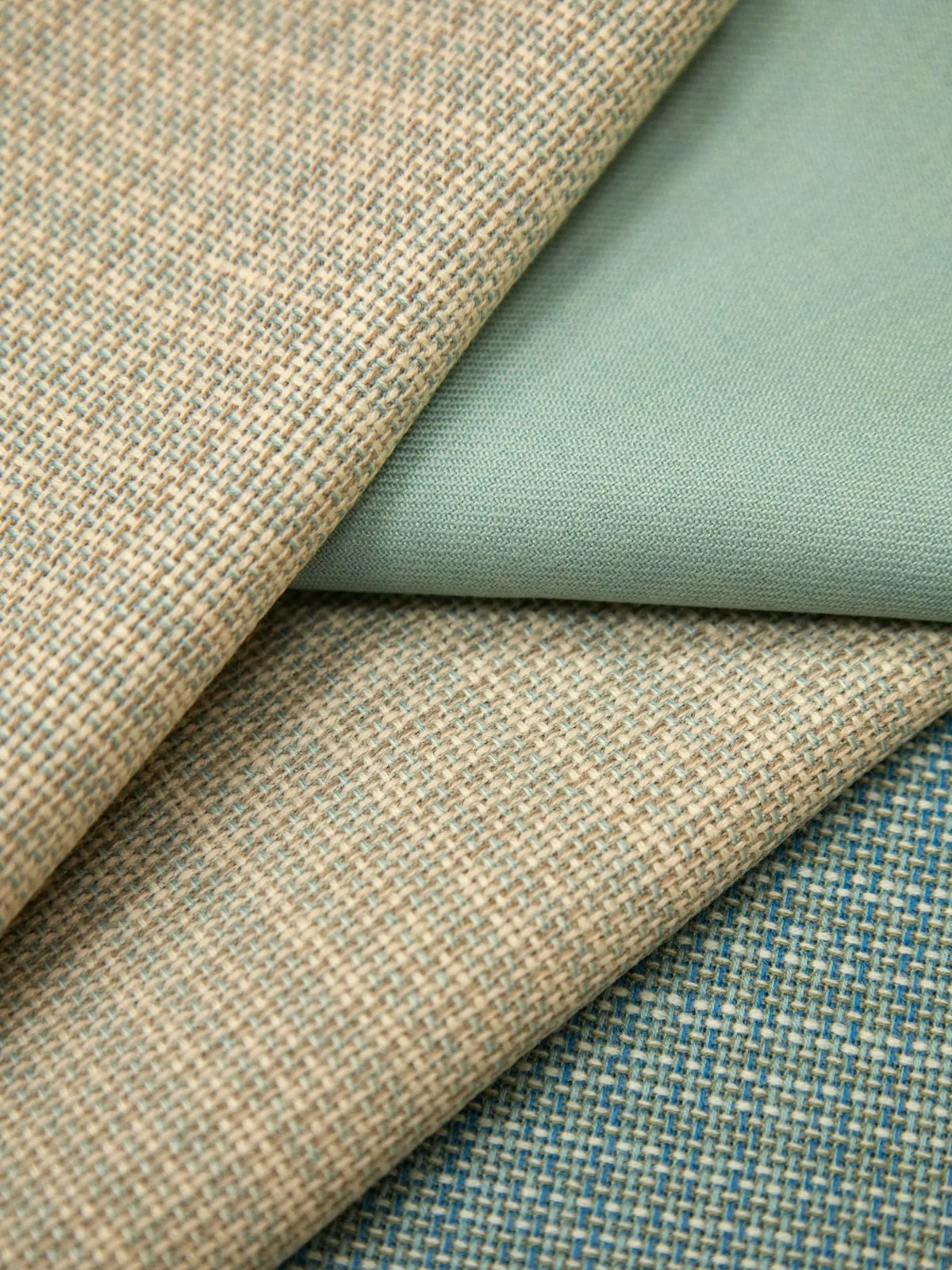
Textured cloths in muted greens, tans and blues that suit a traditional colonial dining room.

Velvet for the study
Dense, soft folds that warm up a den or library and close it off in the evening.
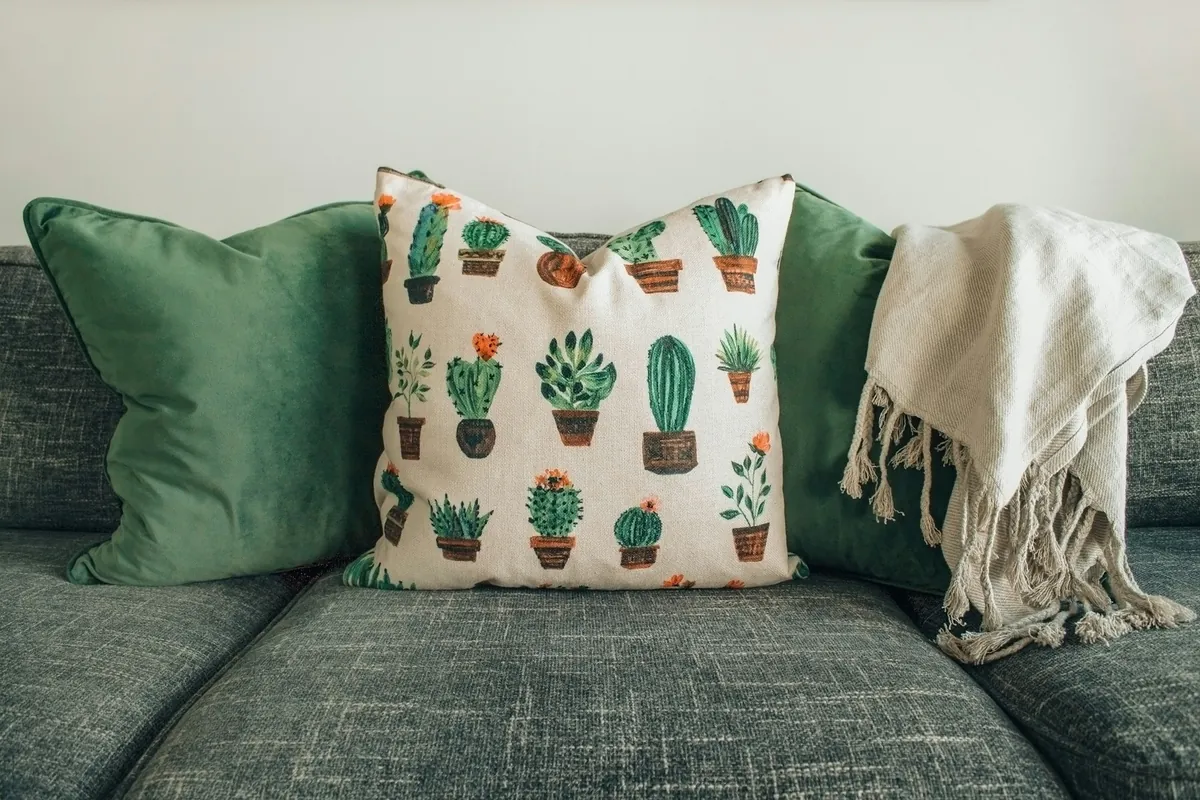
Pillows to match
Cushions in the window cloth or a companion print, through our fabric decor work.

Colour chosen in daylight
Swatches and colour cards compared at the Swansea showroom, where the light is real.
Custom Drapes in Cumberland, RI for the Two-Storey Entry
Plenty of houses in the subdivisions off Mendon Road open into a foyer that rises the full height of the house. Above the front door, or beside the stair, a tall window or a stack of windows pulls light into the hall. Sometimes there is an arched or half-round window at the very top. It is a striking feature, and it is the window that most often goes bare, because it is hard to reach and nothing off a shelf is long enough.
Fixed panels, not moving ones
The practical answer on most entry windows is drapery that does not need to move. Side panels hung from a rod set near the top of the window frame the glass on each side and stay put. They soften a hard, echoing space, add colour where a foyer often has none and draw the eye up to the height of the room. Since nobody draws them, they keep their folds neatly and can be made in a fabric that would be impractical to handle every day.
If the entry needs privacy or glare control as well, the usual approach is a shade on the glass itself, operated from below, with the fixed panels framing it. That splits the job sensibly: the shade does the work, and the fabric does the look.
The rod at height
Fitting a rod high on a two-storey wall is a careful job, done on a tall ladder or staging, with the brackets placed so the weight of a long drop is properly carried. We measure the full height from the floor of the foyer to the top of the window and the ceiling, the wall space on each side of the glass, and where the stair rail and landing sit, since they affect where a ladder can go and how the panels will be seen.
Long drops
An entry panel can be very long. A fabric that hangs well over that distance matters more than anything else. A lighter cloth can sway and twist; a lined panel with a bit of weight falls straight and keeps its shape. Hems on a foyer panel usually stop just clear of the floor, so they stay clean in a space that people walk through all day.
Arched tops
Where an arched or half-round window sits above the main glass, drapery generally frames the rectangular part below and leaves the arch open, so its shape remains the feature. Trying to follow the curve with fabric rarely looks right on a window that high.
Seen from the landing
A two-storey foyer has a second audience: whoever stands on the upstairs landing looking down. From there, the top of the rod, the heading and the back of the panels are all on show. A clean, simple heading and a lining in a soft neutral look tidy from above as well as from the front door. It is one of the small reasons we plan custom drapes in Cumberland, RI for an entry with the whole space in mind, rather than just the window.
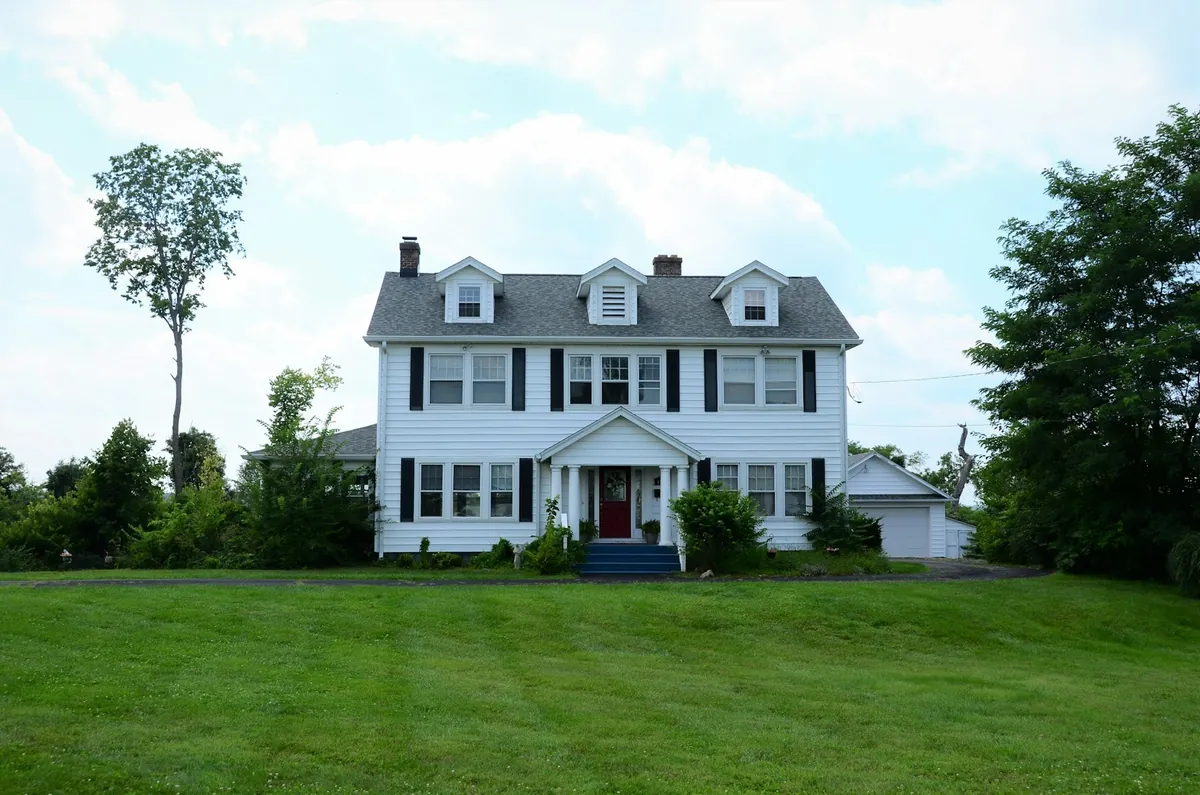
Colonials Around Diamond Hill and Arnold Mills
The colonials in these parts of town tend to be traditional in layout: a centre hall or side hall, a formal living room and dining room at the front, a family room and kitchen at the back, bedrooms upstairs.
Formal front rooms
The front rooms are where full drapery belongs. Floor-length lined panels on rods placed well above the window, running past the trim on each side, frame the windows without covering the casings. A pleated heading gives tidy, regular folds. Fabrics with a quiet texture, a small pattern or a soft stripe suit the order of the facade; a stronger colour or pattern can make the dining room a focal point.
From the road, the front of a colonial reads as a matched set. Keeping the same lining behind every front window means the house looks even outside, even if the face fabrics differ room by room.
The family room
At the back, the family room often has a wider window or a slider to the deck. Drapes there tend to be used more and need to move easily. A heading that slides freely, a fabric that wears well and a rod that runs well past the door so the panels clear the opening completely all make life easier.
Bedrooms
Upstairs, lined drapes that close fully and wrap round to the wall at the ends keep bedrooms dark. Where a bedroom also has a blind or shade, the drapes can be lighter and mainly decorative.
Dining room details
A colonial dining room is the room most likely to be dressed formally, and a few details lift it. Panels that break just onto the floor give a soft, generous finish where nobody walks along the window. A contrast band or a trim along the leading edge can tie the drapes to the colour of the chairs or the rug. A valance or a shaped top across the window adds a traditional touch in a room with a chandelier and a crown moulding. None of it is required, but each is easy to plan when the drapes are made to order.
Open Plans in the Newer Subdivisions
Beyond the entry, the newer houses off Mendon Road often have an open kitchen, dining and family area under one ceiling, sometimes with a vaulted section or a wall of windows to the back yard. Drapery in a space like that is seen as a whole.
One fabric, or two closely related ones, across the whole open area keeps it calm. Rods set at one consistent height, even where the windows vary, keep the lines tidy. Over a kitchen sink, a curtain is often left out or kept short, with the drapes taking over where the dining and family areas begin.
Large windows facing the yard can let in a lot of afternoon sun. Lined panels protect the furniture and floors from fading, and in summer, drawing them through the hottest part of the day keeps the room cooler. A roller shade in Cumberland behind the drapes is a good way to handle glare without closing the fabric.
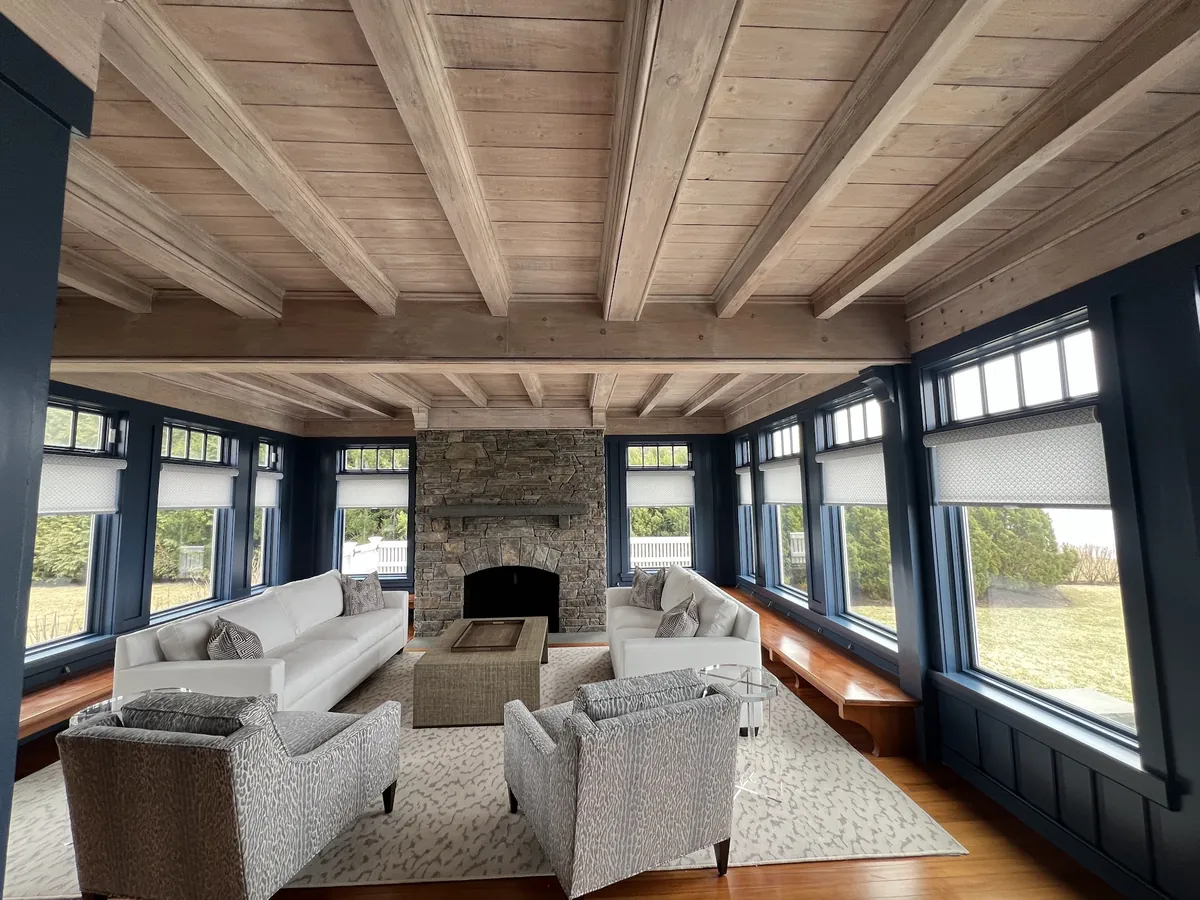
Valley Falls and Its Older Houses
Valley Falls has older housing than the rest of town, and its windows are more varied. Openings can be narrower and taller, frames may not be perfectly square, and a house may have several slightly different window sizes in one room.
Here, measuring each window on its own is what makes the difference. A ready-made curtain bought by size might suit one window and miss the next by enough to show. We take the drop and width at each opening, so the hems line up across a room and the panels close properly on every window.
Older houses also tend to have radiators under the windows. Long drapes in front of a radiator block the heat; sill-length curtains or panels that open well clear of it work better. On narrow windows, a single curtain pulled to the side often looks less crowded than a pair.
Rooms close to the street or to the neighbouring house benefit from a sheer layer that stays drawn by day, with a lined drape for evenings. Where the original trim survives, it is usually worth framing rather than hiding, so the rod goes above the casing and the open panels rest on the wall beside it. In a small front room, a lighter fabric in a soft colour keeps the space from feeling closed in.
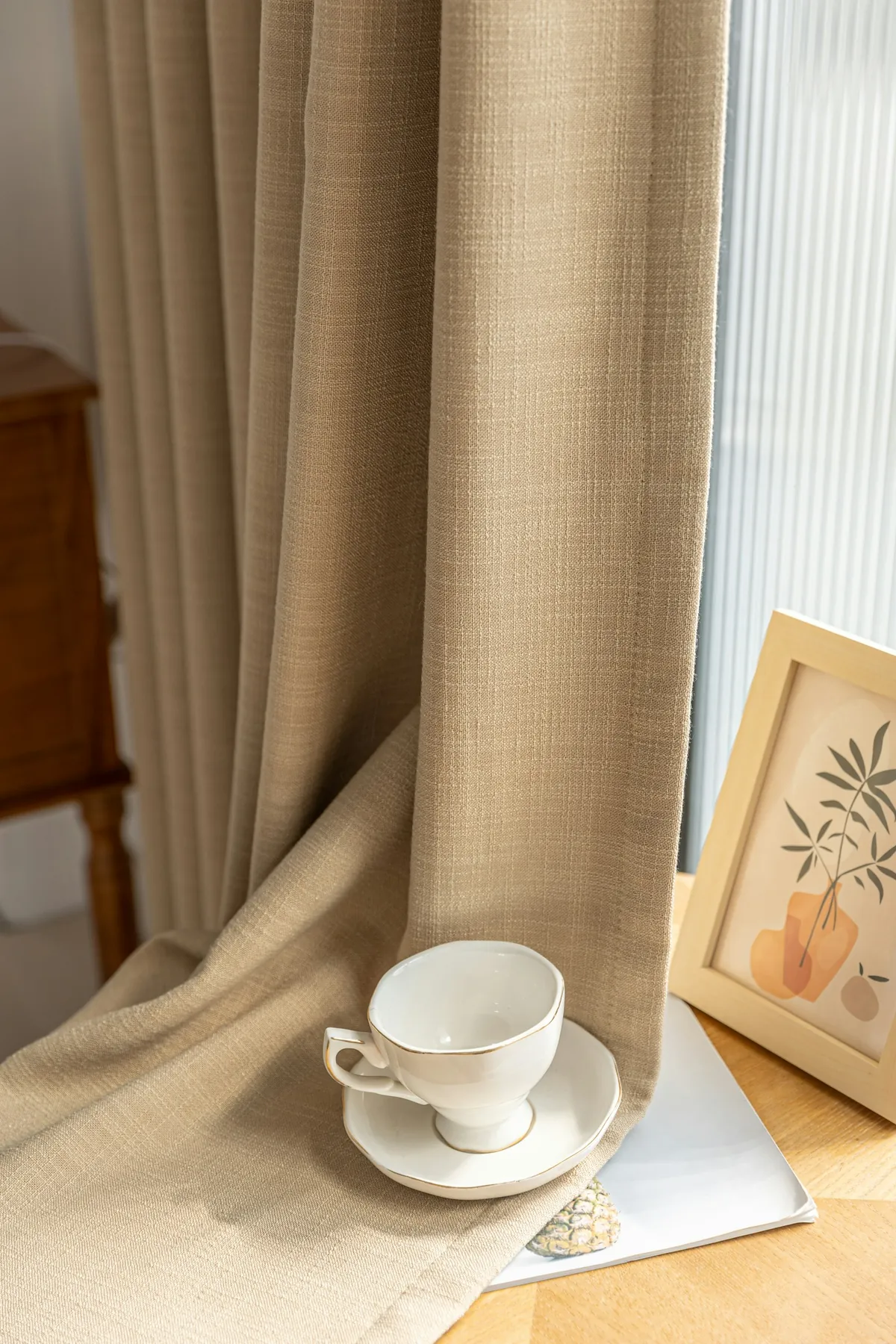
Choosing Fabric, Lining and Heading
All our drapery is planned from the fabric up, and in Cumberland that means matching the cloth to the room and to how often the drapes will move.
- Entry windows: a lined fabric with enough weight to hang straight over a long drop, in a colour that suits both floors, since the foyer is seen from the landing as well as the hall
- Formal front rooms: linen, heavier weaves or velvet, lined, with a pleated heading
- Family rooms and open plans: hard-wearing fabric with a heading that slides easily
- Bedrooms: lined for darkness, closing edge to edge
- Older Valley Falls rooms: lighter fabric and slimmer panels for narrower windows
Lining protects the face fabric, gives the drape body and can add darkness and warmth. Headings range from tailored pleats to relaxed gathered or ringed tops. We will talk through each in general terms for your rooms, and the Swansea showroom has the cloth to see and handle.
Pattern, Colour and a High Foyer
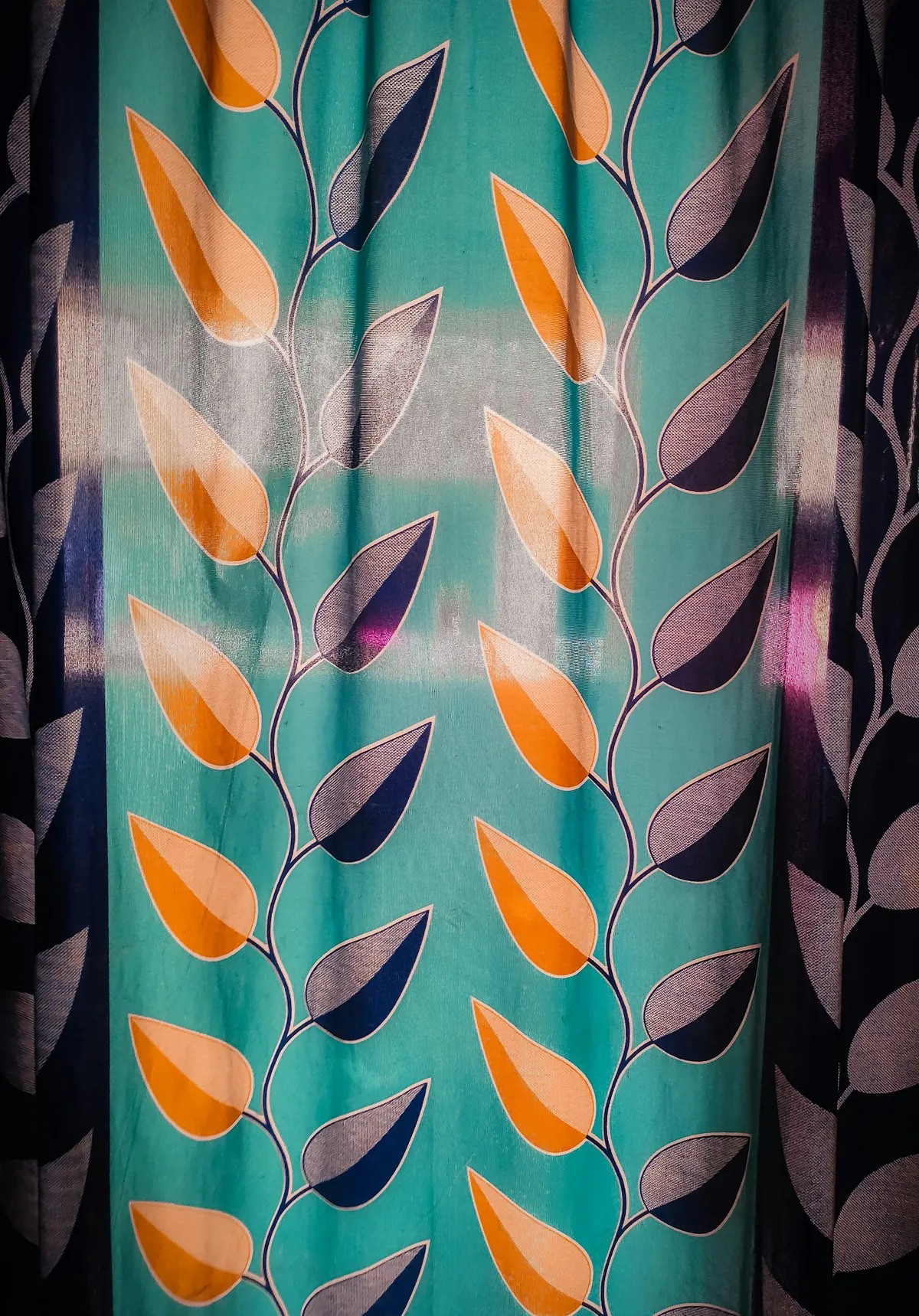
A foyer panel is often the first fabric anyone sees in the house, and it is seen from a long way off: from the front door, from the top of the stairs, sometimes from the living room across the hall. That makes it a good place for a confident colour or a pattern that holds up at a distance. Fine detail tends to vanish at that height, so larger motifs and clear colours carry better than small, busy prints.
Because the entry connects to the rooms on either side, the foyer panels usually pick up a colour from the living room or dining room drapes. They do not have to match, but they should feel related, so the house looks planned as you walk through it. Choosing them together, from the same range, makes that easy.
How an Order Comes Together
The finish line is every panel hanging evenly, the high entry drapes included. Getting there looks like this:
- You contact the Swansea store through the call button or the form, and a free quote is booked.
- A specialist measures in your home: each window, the foyer’s full height, the stair and landing, the wall beside every opening and the ceiling.
- We plan what each window needs, which drapes will move and which will stay fixed, and whether any window also needs a shade.
- You choose fabrics and linings, comparing them at the showroom.
- A quote arrives, window by window.
- Everything is made to the measurements from your home.
- Our installers hang each panel, foyer included, dress the folds and level the hems.
We keep in touch from the first question until the last panel is up.
Care, high and low
Drapes at everyday height need only a soft brush on the vacuum now and then, and lined panels are best cleaned professionally rather than washed at home. Foyer panels are a different matter, since they hang where few people can reach. Choosing a fabric that does not show dust readily, and a colour that will not fade quickly in the light from a tall window, means your custom drapes in Cumberland, RI can be left alone for long stretches. When they do need attention, ask us how best to clean the particular fabric you chose.
Pairing drapes with blinds or shades
A colonial bedroom or a family room often works best with a blind or shade doing the daily work and drapes framing it. Our custom blinds in Cumberland page covers the blind side. With one team planning both, the rod is set to clear the blind, and the colours are chosen together.
Family Owned Since 1988
Window Works opened in Swansea in 1988 and is now run by the second generation of the same family. Drapery has been the store’s specialty all along, and over 37 years we have made it for houses across the SouthCoast of Massachusetts and the Rhode Island East Bay.
Your job is handled start to finish by our own window treatment specialists, from the first measurement to the last panel on the highest rod. Warranties are offered on the products we sell, and the showroom is there whenever you want to see the fabric in person.
For everything we offer in town, see our Cumberland window treatments page.
Questions from Cumberland
How do you dress a two-storey entry window?
Usually with fixed side panels on a rod near the top of the window, framing the glass without needing to be drawn. If the foyer also needs privacy or glare control, a shade on the glass does that job.
Who hangs drapes that high?
Our own installers, with the right ladders, placing the brackets so a long, heavy drop is properly carried.
What about the arched window at the top?
We normally frame the rectangular glass below and leave the arch open, so its shape stays the feature.
Can one fabric work across an open kitchen and family room?
Yes, and it usually looks best that way. Rods at one consistent height keep the lines tidy even where the windows differ.
My Valley Falls windows are all slightly different sizes. Is that a problem?
No. Every window is measured on its own, and each panel is made to fit it.
Talk to Us About Your Windows
Custom drapes in Cumberland, RI begin with a free quote. Use the call button to reach the Swansea store, and we will book a time to measure your rooms, including that high entry window, and answer any questions about installation. Or send the form if writing suits you better. Directions to the showroom are on the contact page, and our custom drapes page has the full range. Window Works carries a 5.0 rating on Google.