
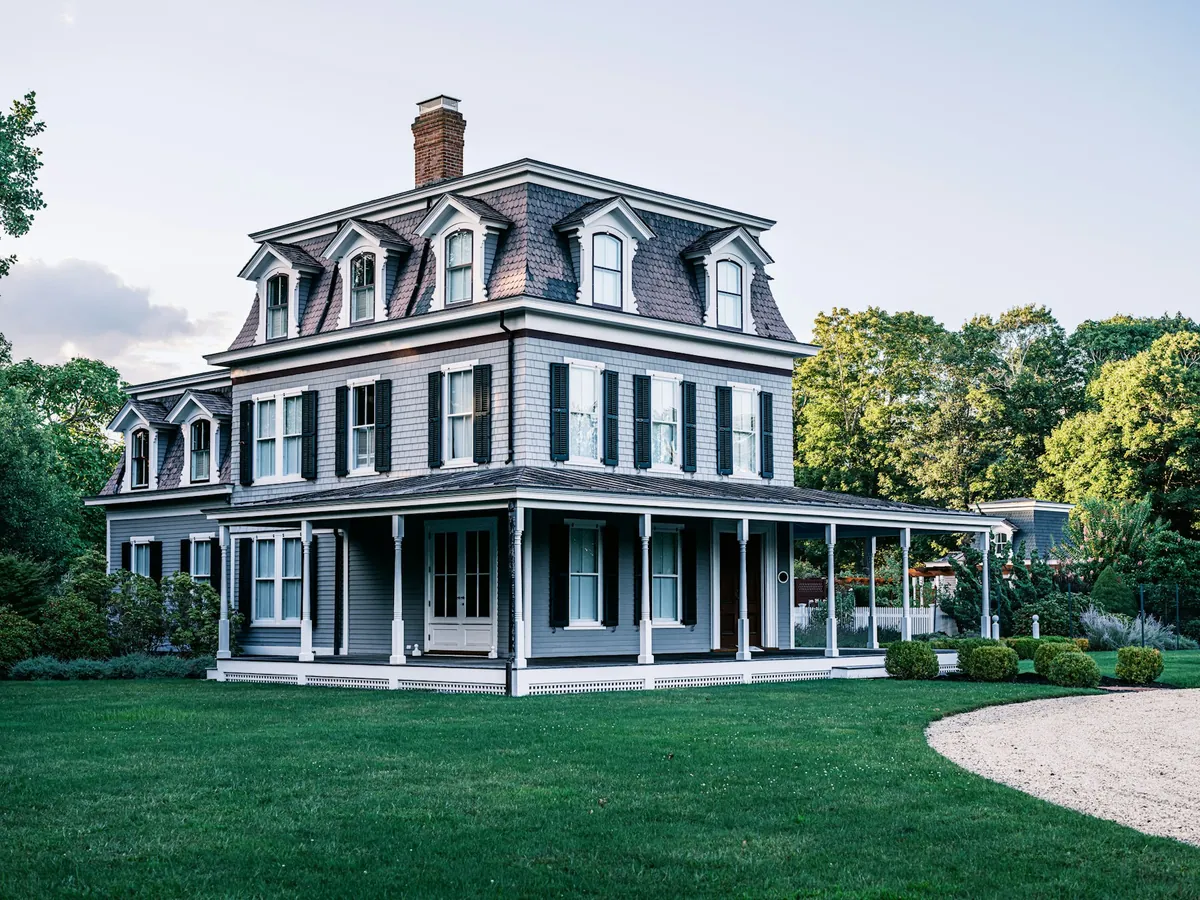
Tall Windows, High Rooms
On the East Side three things come up at almost every house: tall sash, high ceilings and historic-district review. The Victorians and Colonial Revivals along Blackstone Boulevard and up on College Hill were built with generous rooms and windows to match, and that height is the first thing woven wood shades in Providence, RI have to be planned around. A shade on a window that tall is a long piece of natural material, seen at full length for much of the day.
Across the city, the triple-deckers of Federal Hill and Elmhurst ask something else. Three floors stacked one above another, close to the neighbours on both sides, with porches across the front. There the shade is mostly about privacy from the house next door and light on a narrow lot.
A woven shade suits both kinds of house. Its natural texture warms a tall Victorian room without the weight of heavy fabric, and in a triple-decker it brings a relaxed, finished look to rooms that often have few other features.
- Woven wood and bamboo, plain or lined
- Measured window by window, installed by our team
- Weaves and liners to handle at the Swansea showroom
Choosing a Woven Shade for a Providence Room
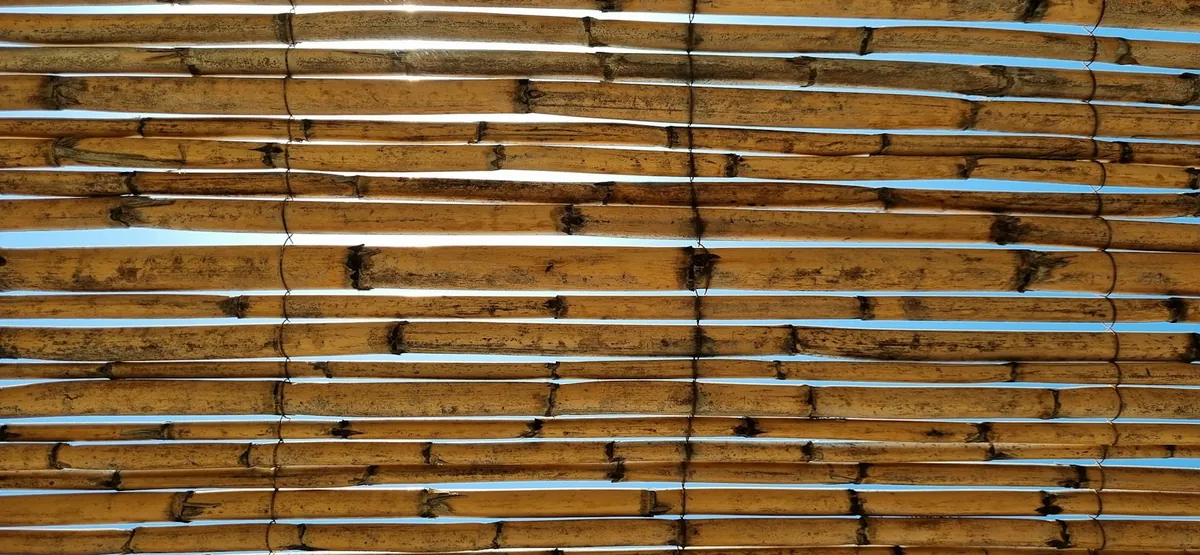
Close bamboo
A fine, tight weave with a soft golden light. On a tall window it reads as a smooth column of texture, calm enough for a formal room.
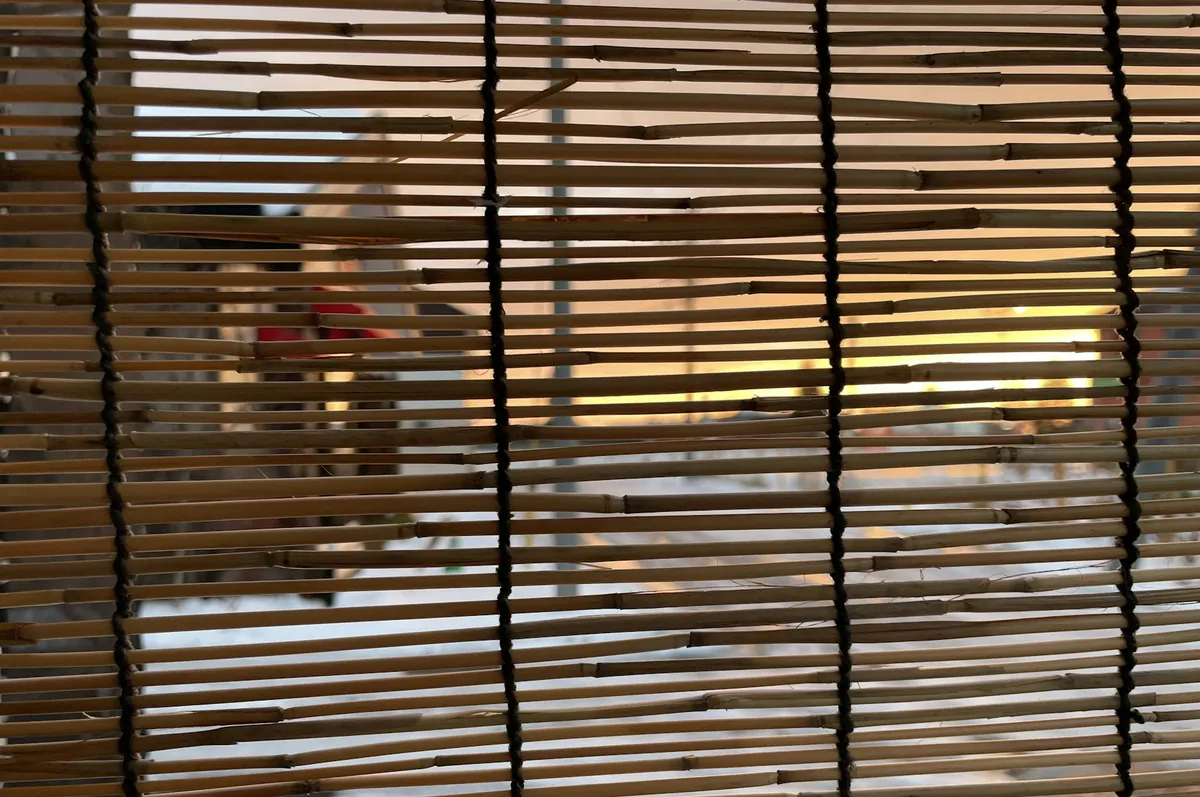
Open wood and reed
A looser mix of natural materials that lets the trees and the street show through as a blur and brightens a north-facing room.
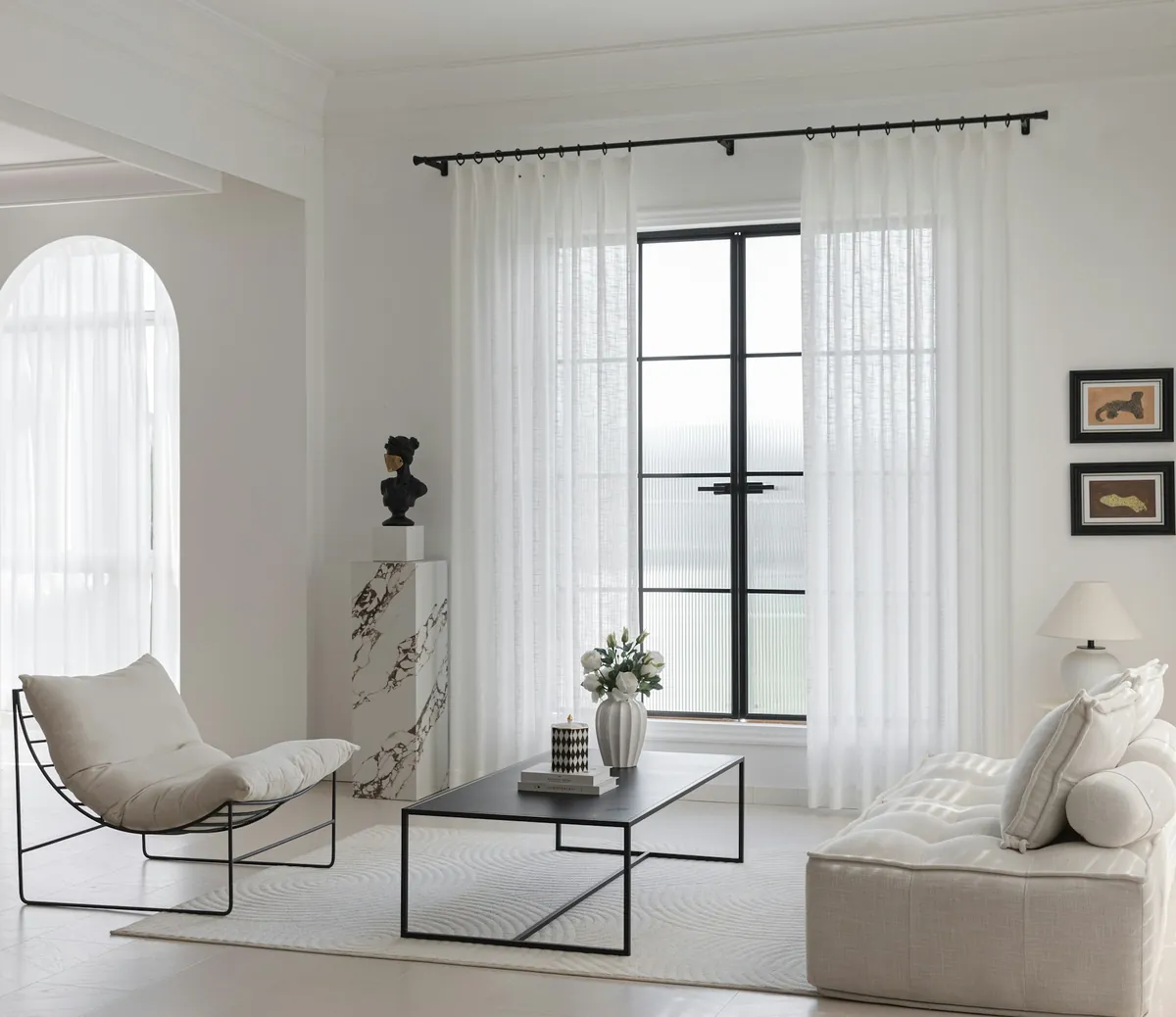
Paired with sheers or drapes
A woven shade inside the frame and fabric panels outside it, a natural partner for a high-ceilinged parlour. We make both.
Tall Sash and Woven Wood Shades in Providence, RI
Planning woven wood shades in Providence, RI for an East Side house starts with height. The double-hung sash in a Victorian or Colonial Revival can be very tall, and the ceilings above them taller still. That height is part of the beauty of these rooms, and the shade should make the most of it rather than cutting the window short.
Where to mount the shade
A tall window gives two good options. An inside mount, with the shade fitted within the frame, keeps the moulded trim fully on show, which matters in a room where the woodwork is original and handsome. It needs enough depth in the frame for the headrail and the raised stack, and in an old house that depth can change from window to window, so we measure each one.
An outside mount, set above the frame, can make a window look taller still. With the headrail mounted between the top of the trim and the ceiling, the raised shade sits on the wall rather than over the glass, so you get every bit of light from the top sash. In a room with a high ceiling, that space is usually there to use.
The long drop and the raised stack
A woven shade gathers into a stack when it is raised, and on a tall window there is a lot of material to gather. A folding style makes a fuller, deeper stack, which looks rich in a Victorian room but covers more of the top of the window if mounted inside the frame. A rolling style keeps the stack slimmer. We talk through which suits each window, and where the stack would block too much of the glass, we suggest mounting it above.
Height also affects how easily the shade is worked. On a very tall window, the controls need to hang where you can reach them comfortably, and the shade should lift smoothly without you having to stretch. We set that up for each window as part of the measure.
East Side Victorians and their bays
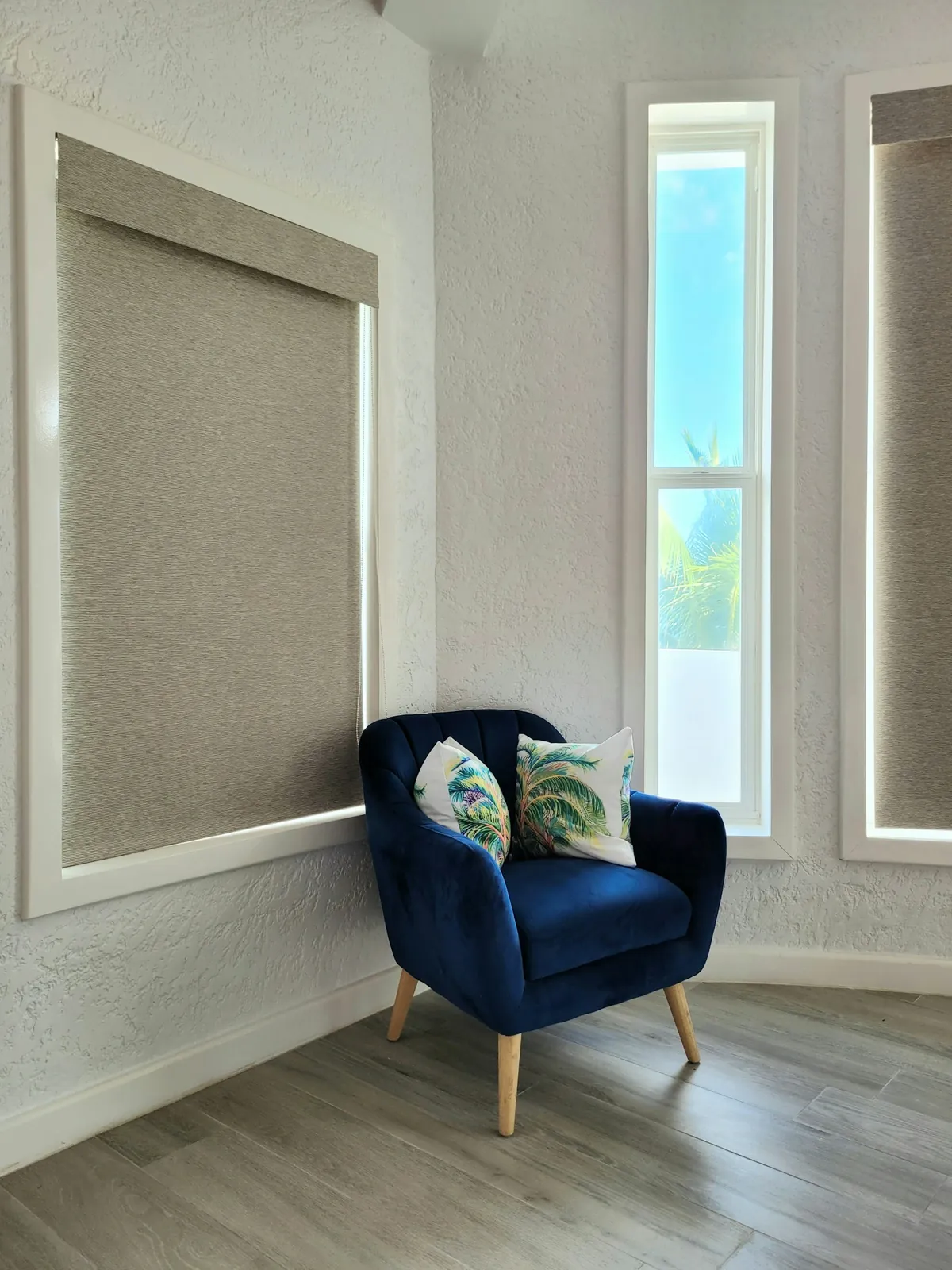
The Victorians on College Hill often have bay windows, sometimes on more than one floor, along with tall single windows in the main rooms and smaller ones on the stairs. A bay usually takes a separate shade on each window, so the shades follow the angles and each can be raised on its own. Lining up the hems across the angled windows takes careful measuring, and it makes a real difference to how the bay looks when the shades are half down.
Victorian woodwork tends to be dark and richly detailed. A mid or deep woven wood can sit well against it and warm the room, while a pale bamboo can lift a room that gets little sun. We always suggest seeing a sample at the window itself, because the colour of a woven shade changes with the light behind it.
Victorian rooms were also built for layers. Many still have the deep window casings and the hardware marks of the heavy curtains that once hung there. A woven shade with tall drapery panels outside the casing suits that history well, and it lets the shade do the everyday work while the fabric frames the window. On a bay, the panels usually go at the two outer ends only, so the angled windows in the middle stay open to the light and the shades carry the look across the bay.
Colonial Revivals along Blackstone Boulevard
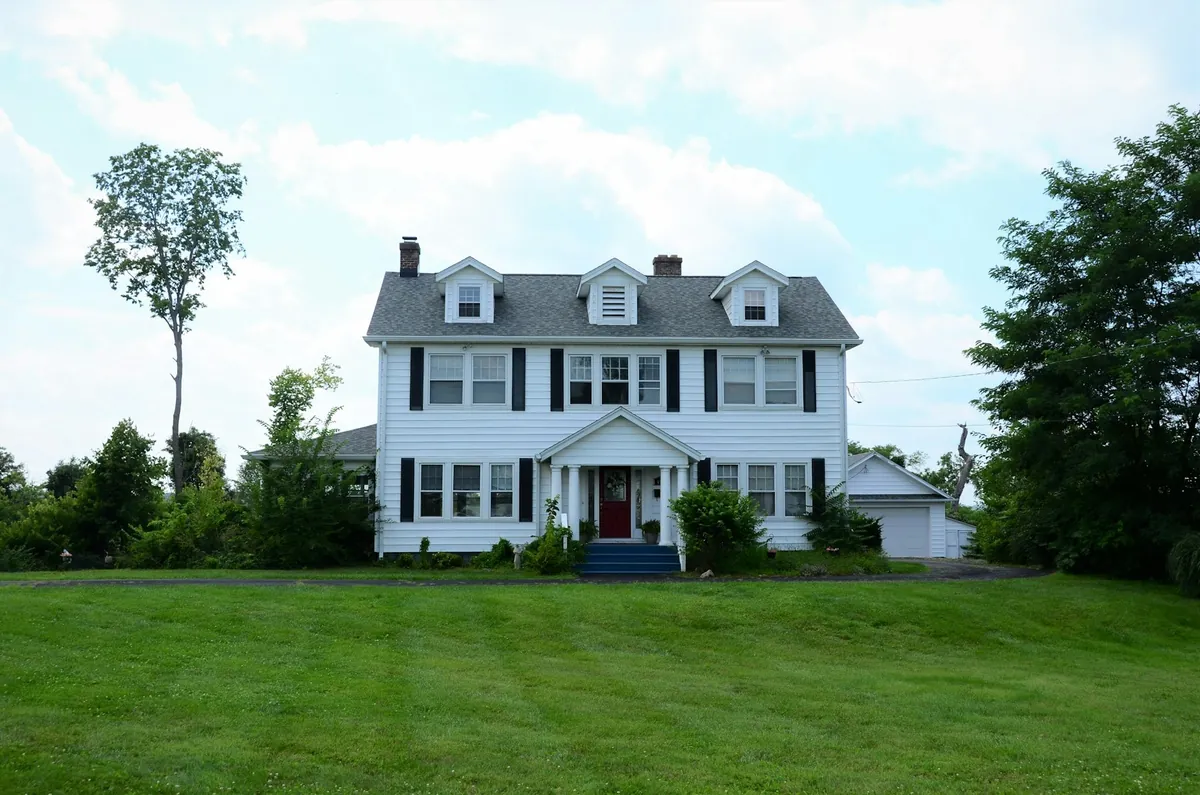
The Colonial Revival houses along Blackstone Boulevard are more ordered: symmetrical fronts, matched windows on each side of the door and pairs of windows in the bedrooms upstairs. The windows are still tall, and the rooms still high, but the look is calmer and more formal.
Here, every shade on the front of the house is usually made to the same height and lowers to the same line, so the face of the house reads evenly from the street. The main rooms often combine the woven shade with drapery panels, while the bedrooms take lined shades on their own.
Stair halls and landings
East Side houses tend to have grand stair halls, with a tall window on the landing that lights two floors at once. It is often a different shape from every other window in the house, sometimes with a curved or arched head, and it is seen from below as well as from the landing itself. Woven wood shades for Providence stair windows need to look right from both places, so we usually match the weave of the rooms on either floor and set the lowered height with the view from the hall in mind.
Where the top of the window is arched, the shade normally covers the square part of the opening and the arch is left open to the light. That keeps the shape of the window, which is often the finest piece of design in the hall.
What the street sees on the East Side
Historic-district review is part of life on the East Side, and while a shade hangs inside the glass, its back is what the street sees. A lined shade with a soft neutral backing gives every window the same quiet face from outside, whatever the colour of the weave inside the room. Unlined, the street sees the natural weave itself, which can look handsome against old clapboard or brick.
What looks wrong from outside is a mixture: different backs, different heights and shades that lower to different lines. We make the street-facing shades to line up with each other so the front of the house stays as orderly as it was built.
Triple-Deckers in Federal Hill and Elmhurst
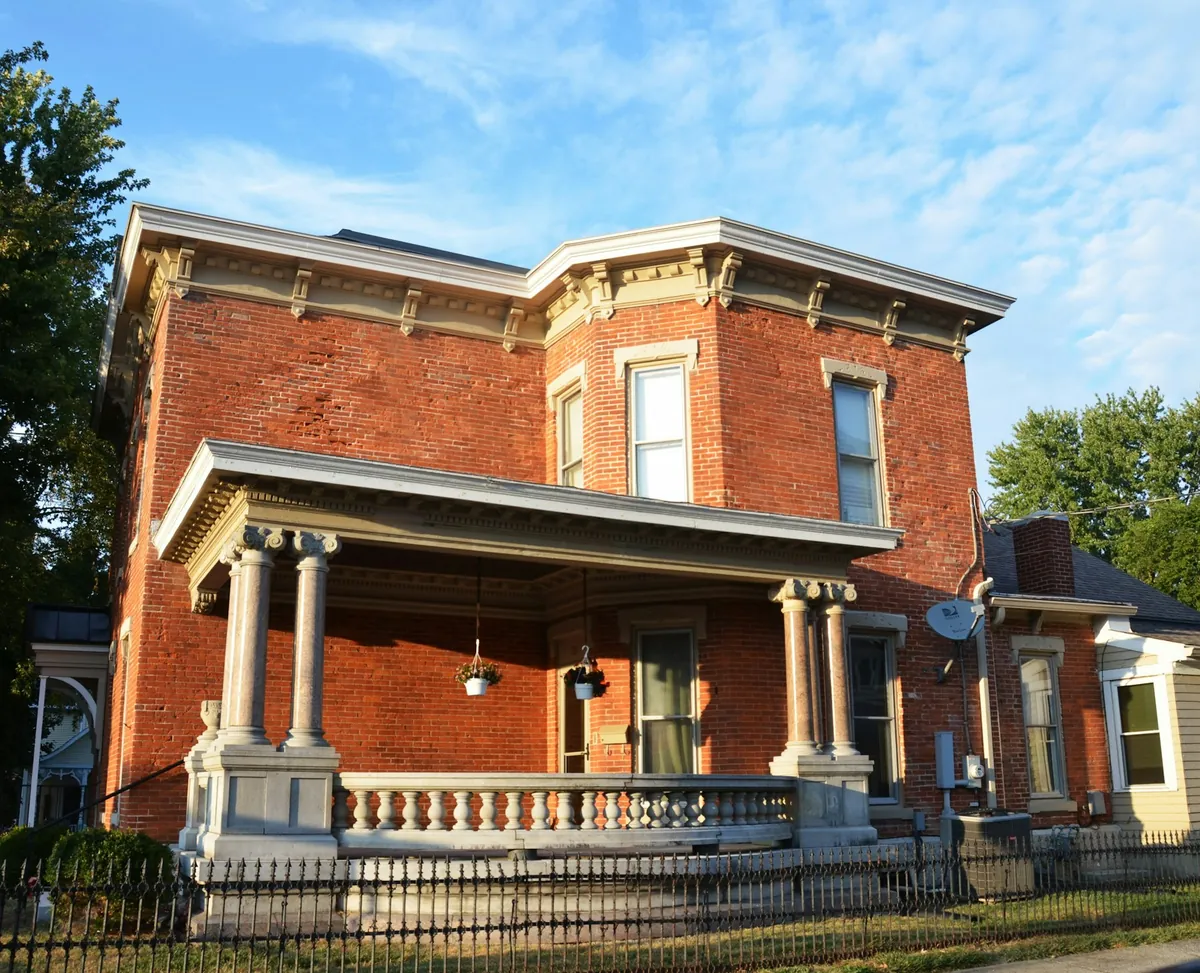
The triple-deckers through Federal Hill and Elmhurst were built for three households, one floor each, with porches stacked across the front and the houses set close together on narrow lots. Their windows are more regular than an East Side Victorian’s, but they bring their own set of problems.
Privacy from the house next door
On a narrow lot, the side windows of a triple-decker can look straight across a small gap into the neighbour’s windows, often at the same height on every floor. That makes privacy an all-day concern for those windows, not only an evening one. A lined woven shade that can stay lowered through the day solves it while still letting daylight through, which matters on a lot where the side windows are a big share of the light. A pale weave and a pale liner keep the room bright.
Front rooms behind the porch
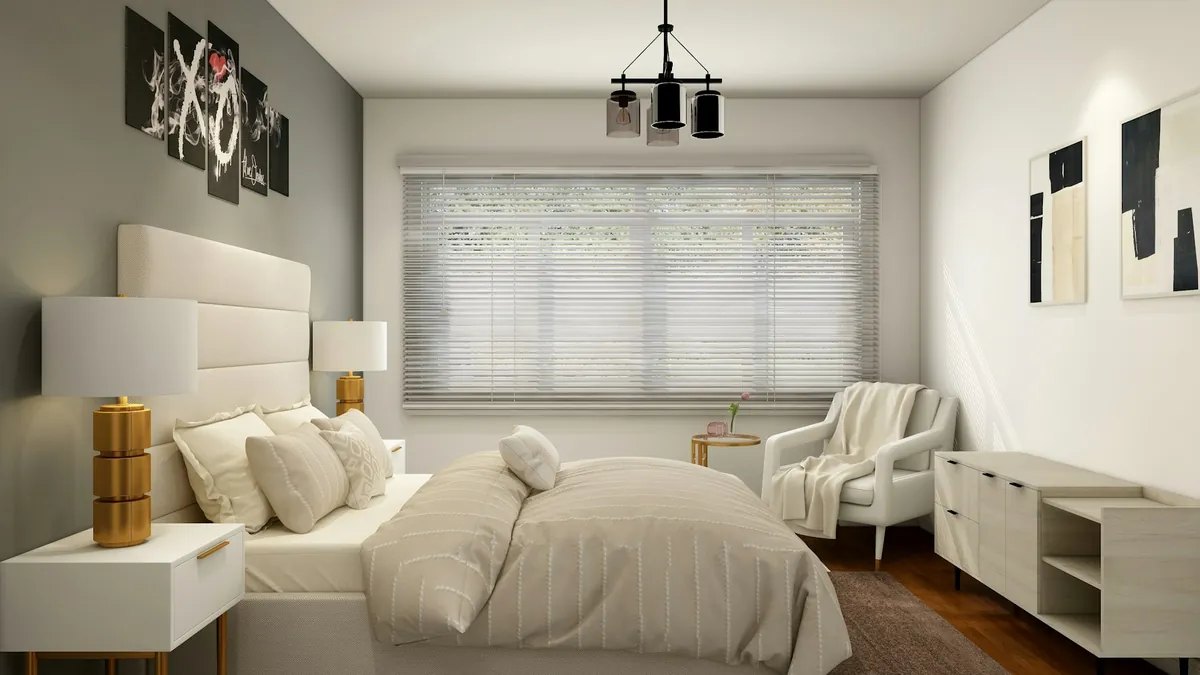
The front rooms on each floor sit behind a porch, which shades the windows and cuts the light. Here, a heavy weave can make the room gloomy. An open or medium weave, unlined or with a light privacy liner, keeps texture at the window without taking away light the room needs. The porch above often gives a good measure of privacy from the street already.
Doing more than one floor
When a triple-decker is being done floor by floor, it helps to think about the front of the building as a whole. From the street, the windows of all three floors are seen together, so using the same weave colour, or at least the same liner backing, on the street-facing windows of every floor keeps the building looking tidy. Inside, each floor can have its own choice.
The back rooms usually have the most sun and the least overlooking. A kitchen eating area or a back bedroom can take a more open weave, with a liner only where needed.
The top floor under the roof
The third floor of a triple-decker sits right under the roof, and it is the warmest floor in summer and the brightest first thing in the morning. Its windows are usually the same size as the floors below, but the rooms behind them can feel very different. For bedrooms up here, woven wood shades in Providence triple-deckers are almost always lined to darken the room, and a pale weave on the front stops the room feeling heavy by day.
The top floor also has the best view over the neighbouring roofs, and often the least overlooking. A living room up there can take a more open weave than the same room two floors down, letting in the sky while the weave softens the glare.
How a Providence Order Runs
We stay in touch from your first call until the job is finished. Most orders follow these steps.
- Contact the Swansea store through the call button or the form, tell us the rooms or floors you are thinking about and ask for a free quote.
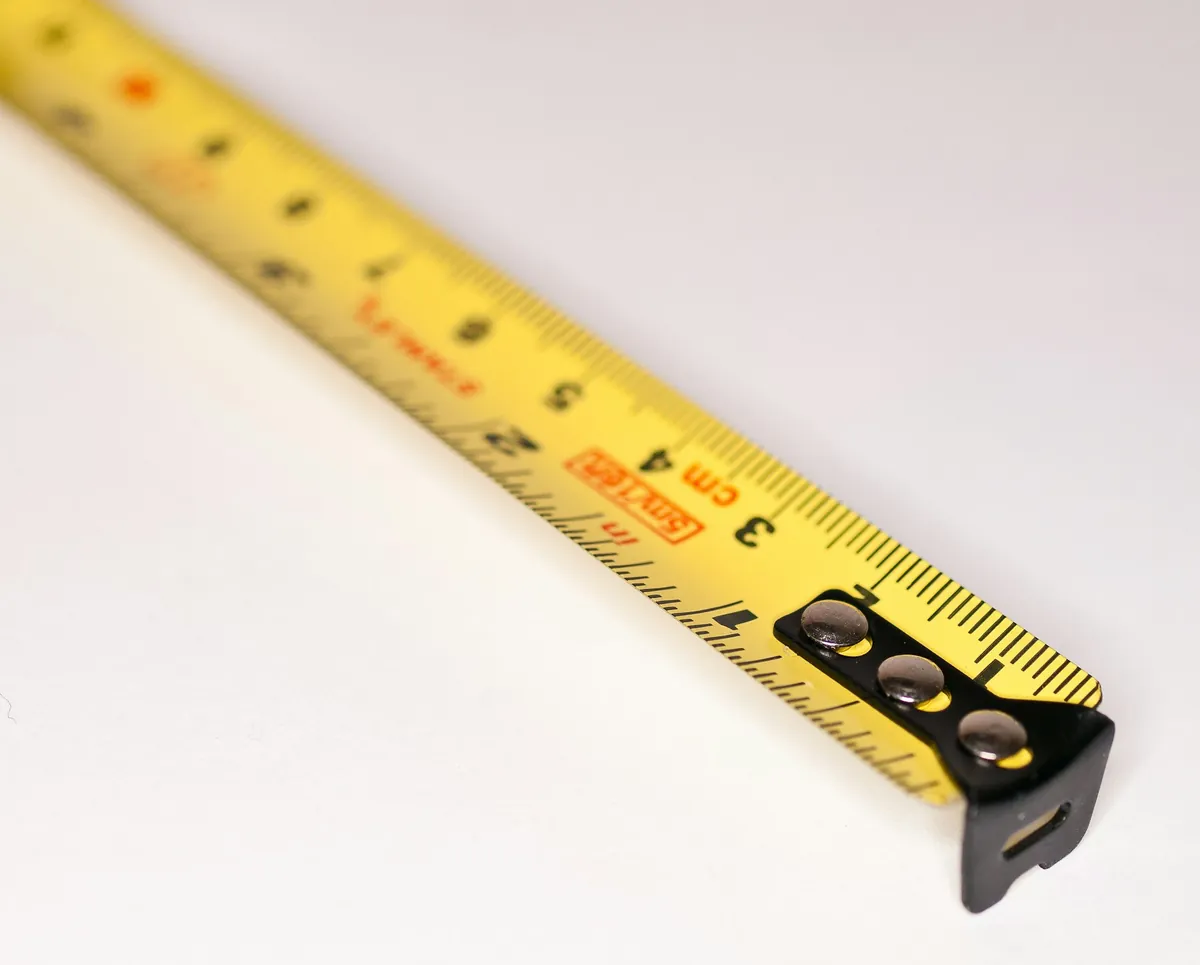
- A specialist comes to measure every window, checking frame depth, the height to the ceiling and anything that will affect the stack or the controls.
- Visit the showroom to compare weaves, colours and liners, especially if you are matching shades to dark woodwork or across several floors.
- A quote arrives with every window set out, including the mount and liner for each.
- Your shades are made to the measurements taken in the house.
- Our installers fit every shade, check that each lifts straight and evenly, and show you how they work.
Choosing the liner
The liner decides what a woven shade does at night. Unlined, the weave lets light through in both directions, so with lamps on inside, people outside can see shapes and movement. A privacy liner stops that and still lets a soft light pass by day. A room-darkening liner holds back much more light, which suits bedrooms, especially on the east side of a house or the top floor of a triple-decker under the roof.
Many houses end up with a mix. The main rooms on the East Side often take privacy liners, bedrooms room-darkening, and a sunny back room or a study is left unlined for the texture and the light.
Colour, light and old woodwork
Natural materials vary from strand to strand, so a woven shade has a gentle, uneven colour that no printed fabric can match. Against the dark, varnished woodwork of a Victorian, a mid to deep woven wood ties the room together. Against painted trim in a Colonial Revival, a lighter bamboo or grass keeps the room fresh. In a triple-decker with plain white trim, almost anything works, and the choice often comes down to how much light you want.
The colour you see on a table is not the colour you will see at the window. With daylight behind it, a woven shade glows warmer and often a little redder. That is why we suggest holding a sample up to the actual window before deciding.
When another treatment is better
Woven shades are not for steamy bathrooms or the window over a kitchen sink, where natural fibres would suffer. A bedroom that must be fully dark may be better with a cellular shade. A formal room where you want fabric rather than a weave may suit a Roman shade with the same soft fold. Our Roman shades in Providence and cellular shades in Providence pages cover those, and the Providence window treatments page lists everything we offer in the city.
Caring for woven shades
Dust is all a woven shade really collects. A light pass with a soft brush or the brush head of a vacuum, from the top down, keeps it clean. Blot spills rather than rubbing, and keep the shade dry. If an older shade’s cord frays or its lift starts to slip, we can usually repair it.
Why Window Works
Window Works is a family business founded in Swansea in 1988, and the second generation runs it today. Our team has spent over 37 years fitting window treatments across the SouthCoast and the Rhode Island East Bay, in houses of every age.
- Experienced specialists who only do window treatments
- Each window measured in your home before anything is ordered
- Installation by our own team
- Contact with you at every step until the work is done
- Warranties offered on our products
Read about the whole range on the woven wood shades page.
Compare Them in the Showroom
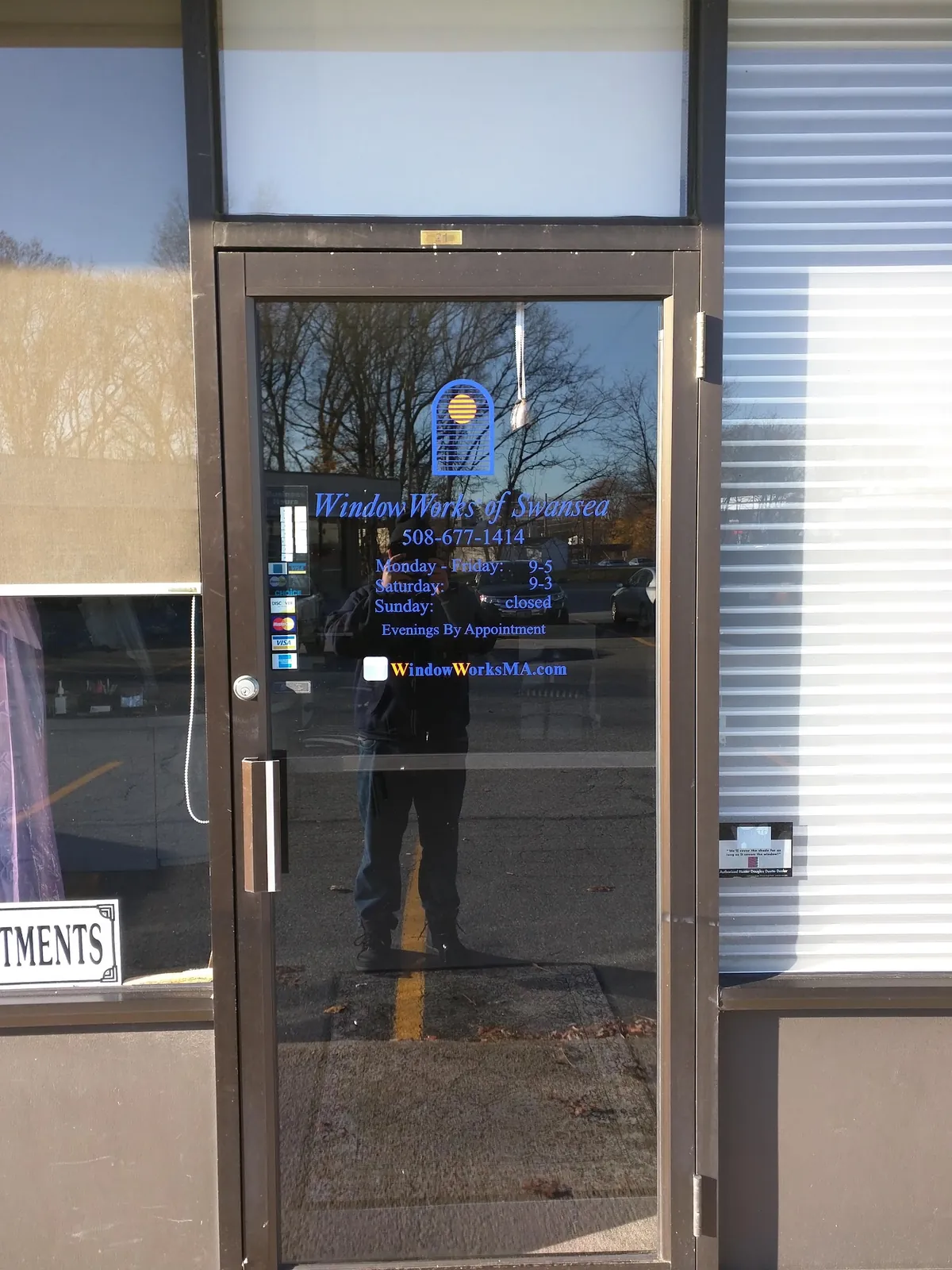
A tall window magnifies every choice, so it pays to see the weaves at full size before you decide. At the Swansea showroom you can compare close and open weaves, hold liners up to the daylight and judge colours against each other. A photo of the room and its woodwork helps. The Norman range is on show as well.
Questions from Providence
Will a woven shade work on the very tall windows of an East Side Victorian?
Yes. We measure each window and decide whether to mount inside the frame to show the trim or above it so the raised shade clears the glass.
Does the raised shade block the top of a tall window?
A woven shade stacks when raised. Mounted above the frame, the stack sits on the wall instead of the glass. A rolling style keeps the stack slimmer.
How do I keep a triple-decker’s side windows private?
A lined shade that stays lowered through the day keeps the room screened from next door while still letting daylight in.
Can shades on different floors of a triple-decker match from the street?
Yes. Using the same weave colour or the same liner backing on the street-facing windows of every floor keeps the front tidy.
Is there a charge for a quote?
No, the quote is free. Use the call button or the form and tell us which rooms or floors you want to cover.
Book Your Free Quote
Start with a free quote. Use the call button to reach the Swansea store, where we can book measuring in your home and answer questions about installation, or send the form and we will reply. To see the weaves first, the contact page gives directions to the showroom. Window Works has earned a 5.0 rating on Google.