
Narrow Mill Windows and Many Standard Ones
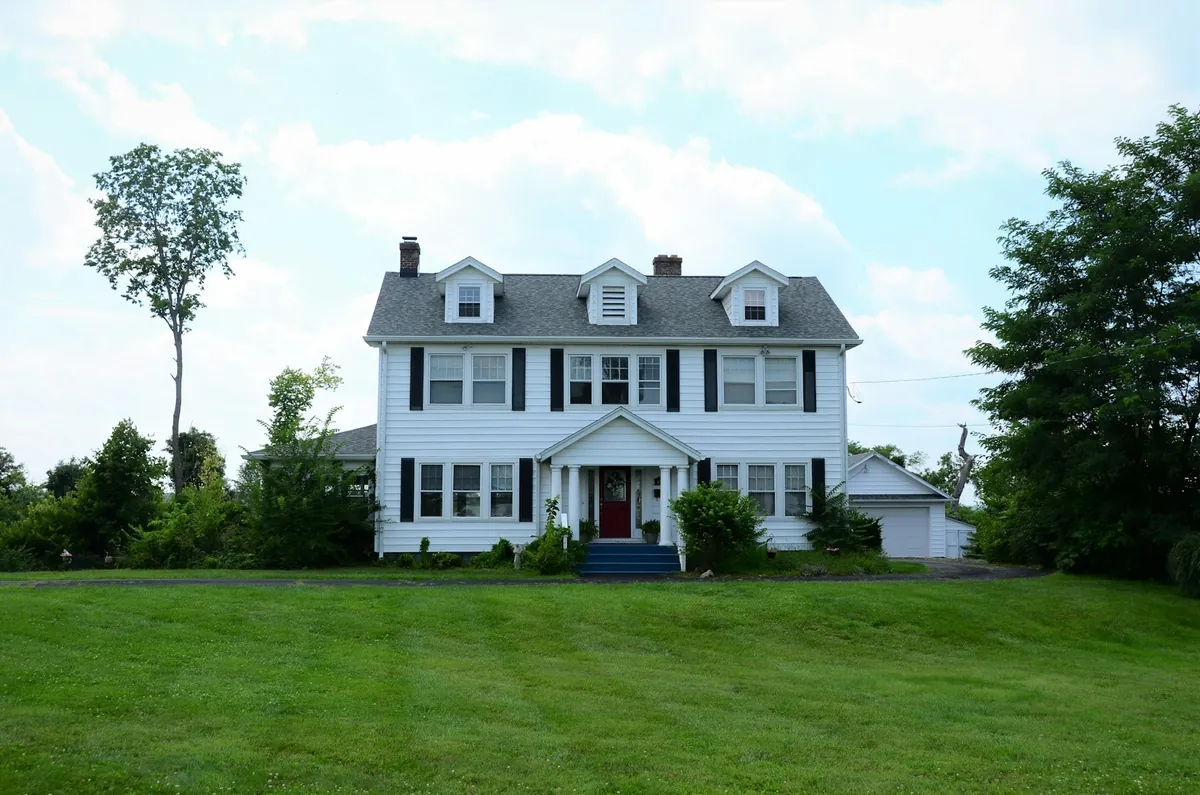
Lincoln’s housing comes in three distinct kinds, and woven wood shades in Lincoln, RI are planned differently for each. In Lonsdale and Manville, the mill housing keeps its original narrow openings, tall and slim, often in houses built close together. Around Lincoln Woods and Breakneck Hill, the newer colonials have standard window sizes, and a great many of them. Off Great Road, the large-lot houses sit in open ground, with long views and plenty of sun.
A woven shade suits every one of them, bringing natural texture and a soft, filtered light. What changes is the emphasis. In a mill house the shade has to look right on a slim window. In a newer colonial the challenge is making a whole houseful of shades look like one decision. On a big open lot it is about managing light that arrives from every side.
- Woven wood and bamboo, unlined or with a liner
- Measured in your home and fitted by our installers
- The full set of weaves and liners at the Swansea showroom
Woven Shades and the Rest of the Lincoln Range
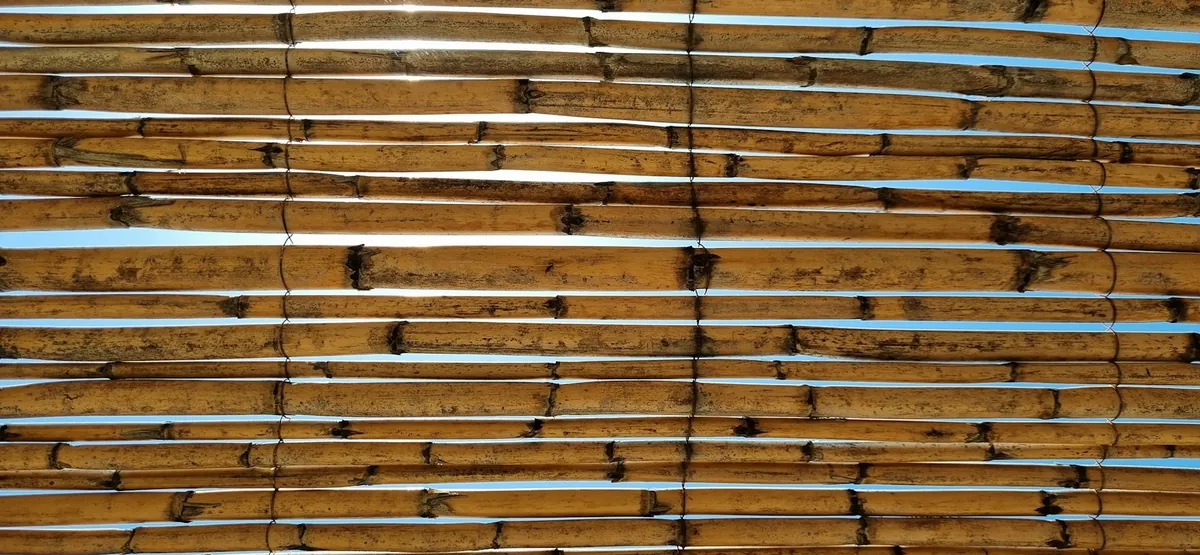
Bamboo, smooth and fine
Small, even strands that look tidy across a whole house of matching windows and in proportion on a narrow mill window.
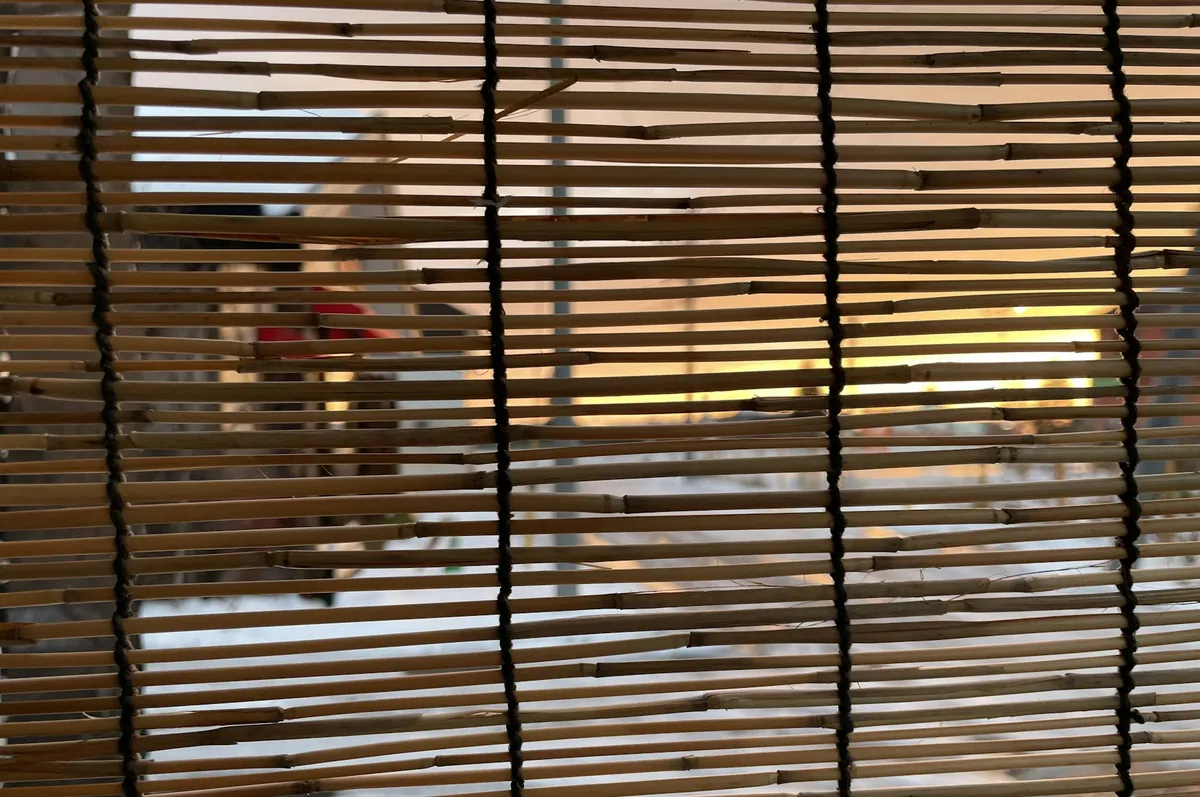
Natural mix, more open
Reed, grass and wood in a looser weave, for a sunny room off Great Road where you want the view to come through.
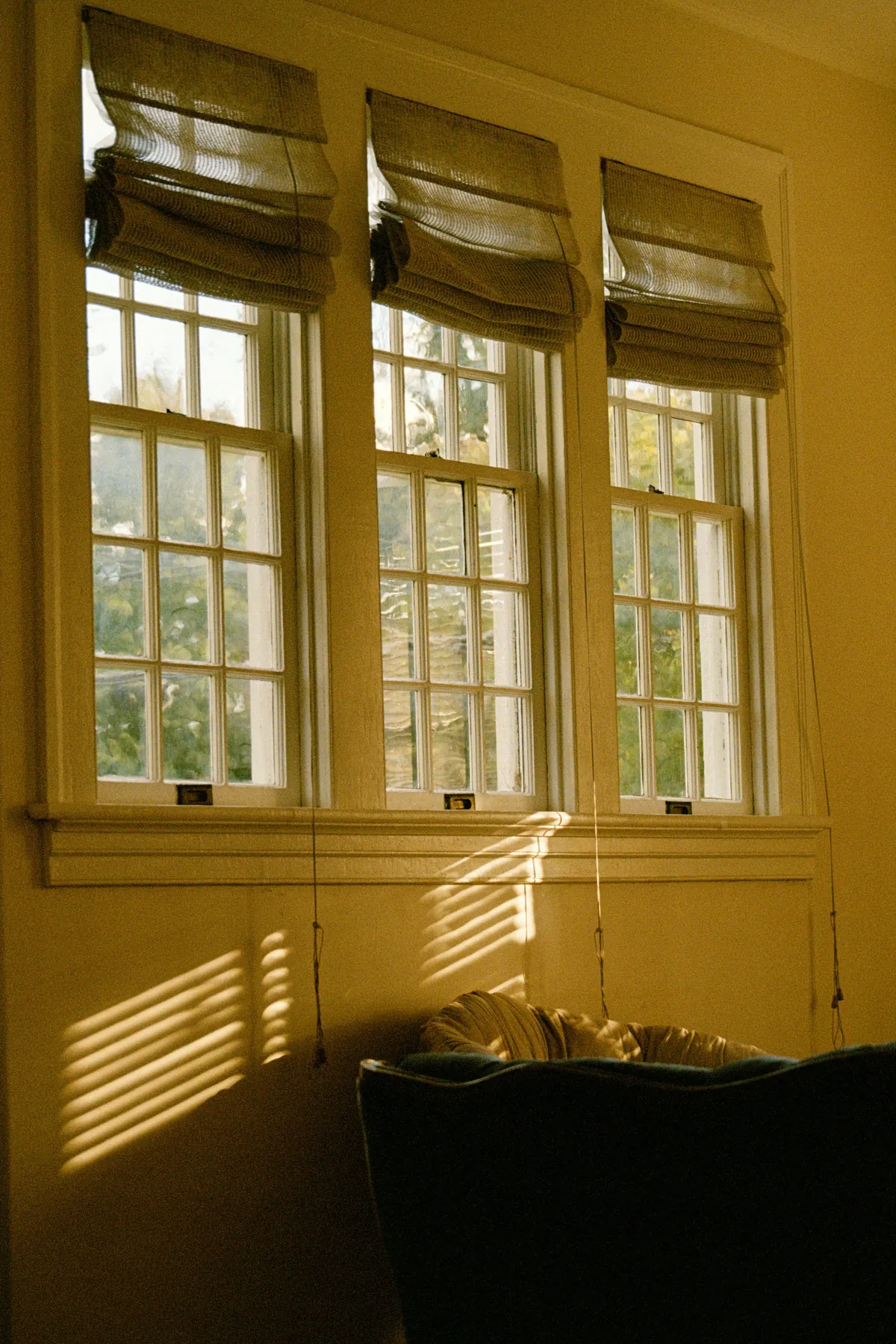
Roman shades
A fabric fold that lifts like a woven shade, if a room would suit a textile better.

Drapes
Panels to hang beside a woven shade in a dining room or bedroom, made in our own fabric range.
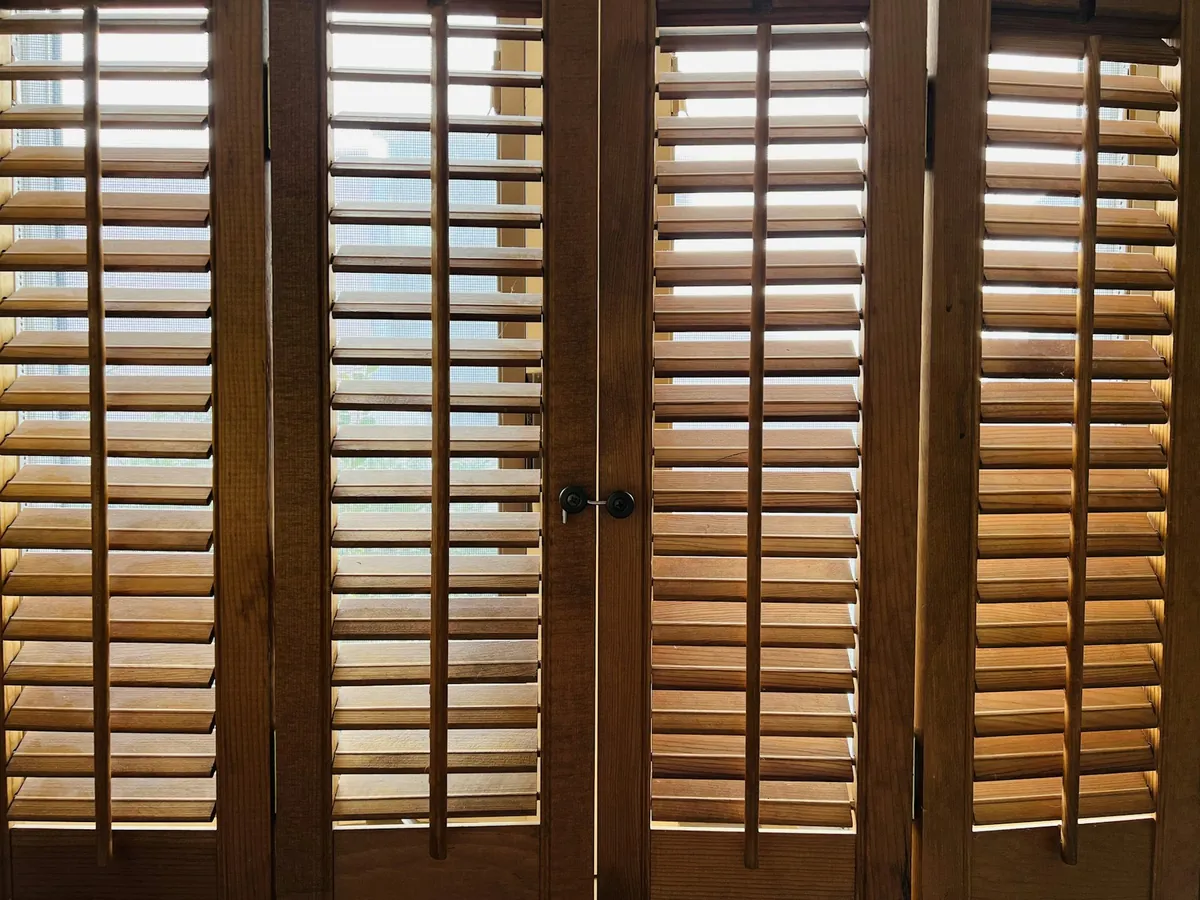
Plantation shutters
Tilting louvres for a ground-floor room that needs privacy and air at the same time.
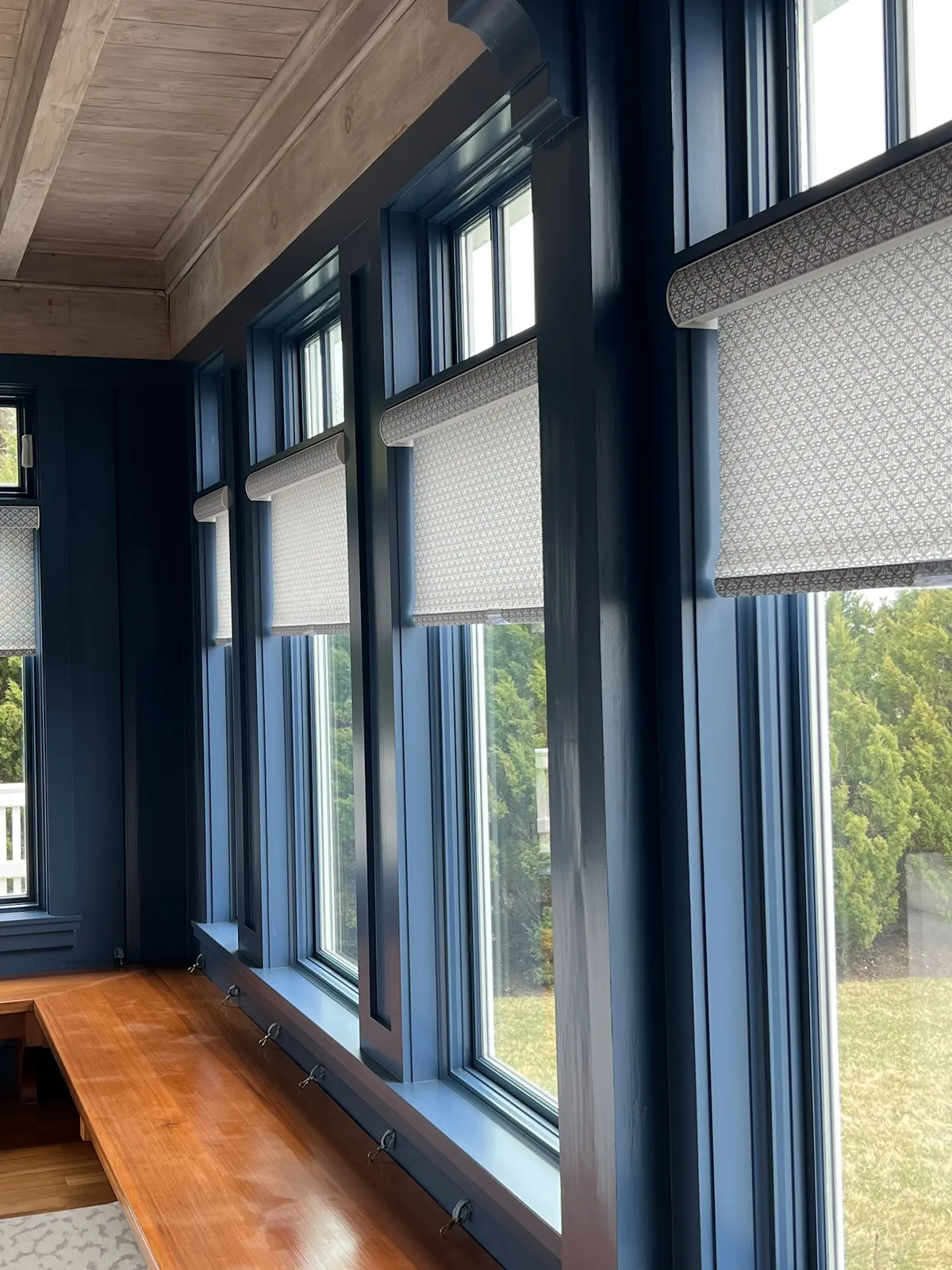
Roller shades
A slim, smooth shade for a sunroom or a window you want nearly bare when the shade is raised.
More Windows, One Look: Woven Wood Shades in Lincoln, RI
The newer colonials around Lincoln Woods and Breakneck Hill tend to have standard window sizes, which makes fitting them straightforward. What makes them a bigger job is the number. A good-sized colonial can have a window in nearly every stretch of wall, plus a slider and perhaps a bay. Planning woven wood shades in Lincoln, RI for a house like that is mainly about consistency.
One weave, many rooms
From the street, the front of a colonial is an even grid of windows, and the shades behind them are seen together. Keeping the house calm from outside is easiest with a single weave and colour on all the road-facing glass. Those shades are cut alike and their hems set to match, which keeps them orderly even when they are only part way down.
Inside, the open rooms that run into each other, such as a kitchen, eating area and family room, also read as one space, and the same weave throughout keeps them joined up. Bedrooms, a study or a playroom upstairs can have a different weave or colour if you like, since they are seen one at a time.
Liners room by room
The front of a woven shade is the same whatever is behind it, so liners can change from room to room without the house looking mixed. A privacy liner suits the living room and the family room, where the street or the neighbours can see in at night. Bedrooms usually get room-darkening. Leave the liner off in a bright breakfast corner or a study and the weave’s texture comes through in full, with its dappled light on the floor.
That flexibility is one of the best things about woven shades in a big house. You choose the look once and the function room by room.
Ordering a whole house or a few rooms
Some owners do the whole house in one order, which gives the most consistent result and means one measuring visit and one installation. Others start with the rooms that need it most, often the street-facing living room and the main bedroom, and add the rest later. Either way, we match the weave and colour on later rooms to the first ones, so the house still looks like one plan.
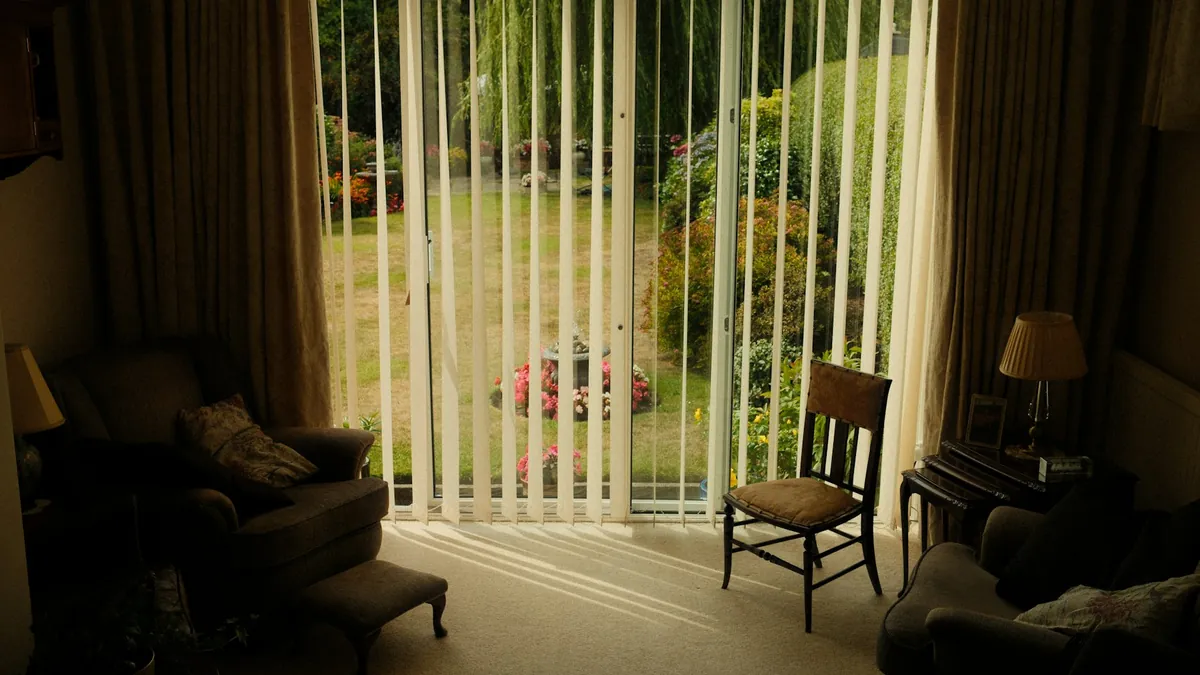
Bays, sliders and the family room
Newer colonials often have a bay in the dining room or the kitchen and a sliding door from the family room to a deck. The bay usually takes one shade per window, each measured on its own because the angled windows are rarely identical, with the hems set to line up across the bay. The slider is a different case. A woven shade on a door used several times a day has to be lifted every time, and on a wide door that is a lot of material. Vertical blinds or a panel track that draws to the side are usually easier there, with woven shades on the windows either side in a colour that suits the vanes.
The family room itself is often the busiest room in the house and the one with the most glass. A medium weave with a privacy liner is a common choice: bright and textured by day, screened at night when the lamps are on and the yard is dark.
Bedrooms upstairs
The bedrooms in a newer colonial are usually regular and well lit, with two windows in most rooms. A room-darkening liner behind the same weave used downstairs keeps the house consistent from the street while giving each bedroom the darkness it needs. In a child’s room or a nursery that must be very dark, a cellular shade may do the job better, and we will say so.
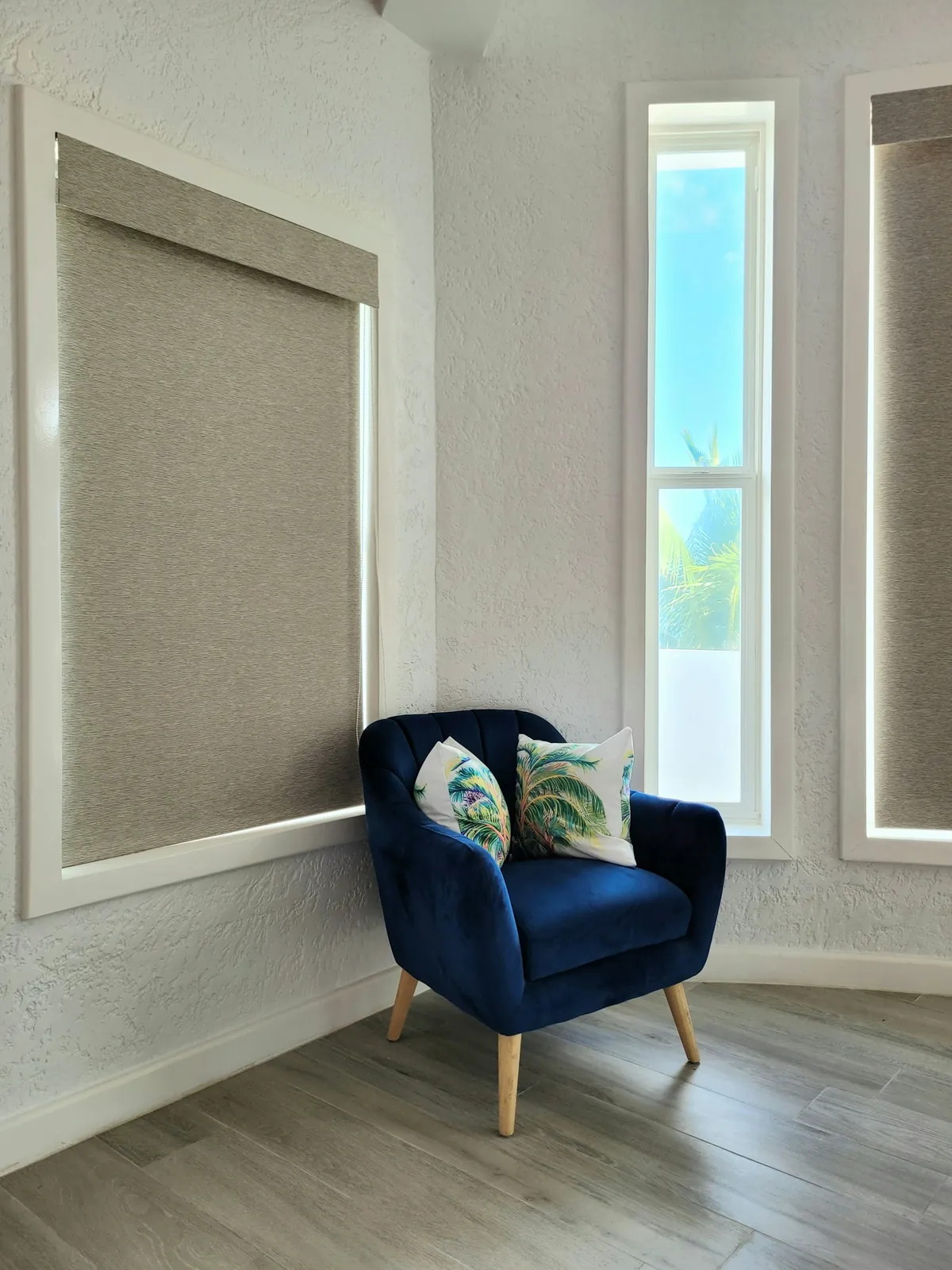
Lonsdale and Manville Mill Housing
The mill housing in Lonsdale and Manville is older and closer set, and its windows are the original narrow openings the houses were built with. They are tall and slim, and they usually sit in plain trim in rooms that are smaller than in the newer houses.
Scale of the weave
On a slim mill window, the texture of the shade is seen against a very narrow width, so its scale matters more than usual. Thick strands set wide apart can overwhelm an opening that size. A close bamboo, with fine strands packed together, keeps the shade quiet and lets the height of the window lead. Pale tones help too: they bounce what light the window gives back into the room, which counts in the small rooms these houses tend to have.
Thin lines of light down the sides
Fitted within the frame, any shade needs a little clearance at each edge to travel freely. On a wide window nobody notices. On a narrow one the two slivers of light are proportionally bigger, and in a bedroom they are exactly where the dawn creeps in. Moving the shade onto the face of the trim, a touch wider than the opening, shuts those slivers out. If the old casing is something you want to see, we can keep the shade inside it and lean on a darker liner instead; it is a call we make with you at each window.
The house next door
Mill houses were built close to each other, and close to the street. A window on the side of the house may face a neighbour’s window a few steps away, so it needs screening by day as well as by night. Lined shades suit those windows, left down most of the time; with a light-coloured weave and liner, the room still gets a fair share of daylight. The street-facing rooms usually take a privacy liner for the evenings.
Old frames
A mill-house frame that has settled over the years is seldom square, and two windows on the same wall can differ. Each one is measured across its head, its middle and its sill, and the shade is built to the tightest of the three so it never binds on the way down.
Porches and front rooms
Many of the mill houses in Lonsdale and Manville have a front porch, and the front room sits behind it with less daylight than the rest of the house. Woven wood shades in Lincoln mill houses suit these rooms most in a pale, medium weave, with a light privacy liner if the room is close to the pavement. A dark, close weave behind a porch roof can make the room feel dim even at noon, so we steer away from that unless the room is used mainly in the evening.
Large-Lot Houses off Great Road
The large-lot houses off Great Road sit in open ground, often with fields or woodland around them and few neighbours close by. Privacy from the road is less of a concern. Light is the main subject.
On a house with open land on several sides, sun reaches the windows from morning to evening, and rooms on the south and west can get hot and bright. A woven shade is a natural fit. Its weave breaks direct sun into a softer, warmer light, and an open or medium weave keeps the long views in sight even when lowered. A room facing the afternoon sun may want a tighter weave or a light liner to take the edge off the glare without losing the view.
Bedrooms on the east side get the morning sun early, and a room-darkening liner behind a pale weave suits them well. Rooms that face woodland may be shaded for much of the day in summer, and a pale, open weave keeps them bright.
Many of these houses have large picture windows or a run of windows in a great room. Where a group of windows sits close together, a single wide shade can cover the group, or separate shades can be made to line up exactly. Separate shades are usually better where you want to raise one window and leave the others down.
The rooms off a big lot also tend to be bigger, with high ceilings in a great room or a two-storey family room. Woven wood shades in Lincoln great rooms can be long, and on the tallest windows the controls need to hang within comfortable reach. Where a window is too high to work easily, we talk through whether it needs covering at all, since high glass on an open lot is rarely overlooked.
How a Lincoln Order Runs
We keep you posted at every stage until the work is done. The order is simple.
- Call from the button on this page or write through the form, give us an idea of the rooms involved and ask for a free quote.
- One of our specialists visits and measures each opening, marks which ones are overlooked or take hard sun, and takes extra readings on older frames.
- You choose weave, colour and liners at the showroom, settling one look for the house and the function for each room.
- The quote itemises each window, which makes even a big order simple to check.
- Each shade is built from the sizes taken on site.
- On installation day our team hangs every shade, levels the hems along each wall and runs through the controls with you.
What goes at the top
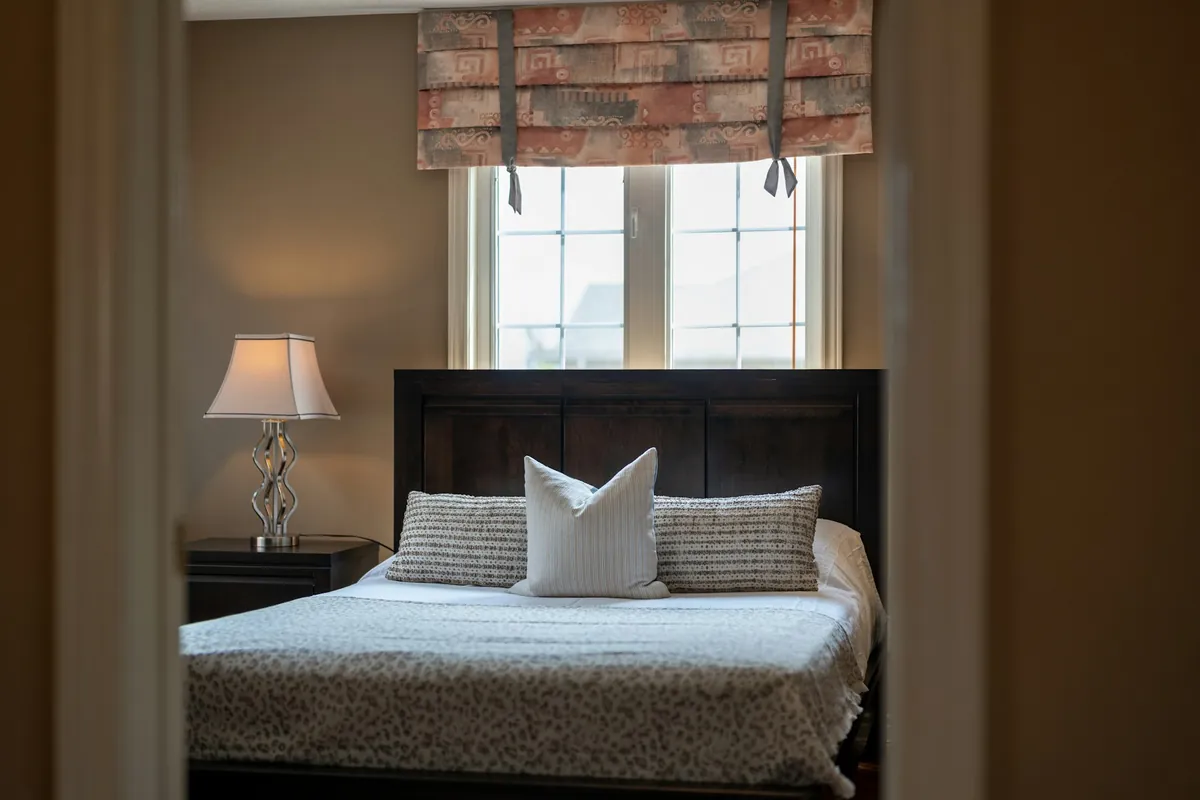
The top of a woven shade can be finished in different ways. On an inside mount, the headrail is tucked within the frame and often needs nothing more. On an outside mount, a matching valance made from the same weave hides the headrail and gives a finished edge. Where drapery hangs over the window, the drapery heading covers that line, and the valance is usually left off.
Fold or roll
Woven styles either gather into pleats on the way up or wind onto a tube. Pleated styles look fuller and need more room at the head; rolled ones stay trim. Where there is little wall between the window and the ceiling, a rolled style, or a headrail placed higher, keeps the glass unobstructed.
Choosing colour
Natural materials vary strand by strand, so a woven shade never has a flat colour. It also looks different with light behind it, usually warmer and a little darker than on a table. White trim and light floors in a newer colonial pair naturally with a pale bamboo or grass. In a mill house with older floors, a mid wood can warm the room. On a sunny lot, the colour sets the tone of the light that comes through, so we suggest holding a sample at the actual window before deciding.
Where woven shades are not right
Natural fibres and water do not mix. A bathroom with a shower or a window right over the kitchen sink suits a treatment that copes with steam. A busy slider to the deck is often easier with vertical blinds that draw to the side. A nursery that must be fully dark may suit a cellular shade better. We will tell you where another treatment fits better, and our cellular shades in Lincoln page is a good place to compare. For the other services we bring to the town, see Lincoln window treatments.
Care
Woven shades mostly gather dust, and a feather duster or a low-powered vacuum with an upholstery head lifts it off. Keep water away, and dab rather than rub at any mark. When a cord on one of your existing shades wears thin or the lift begins to stick, ask us about a repair.
See the Weaves Before You Choose
For a big house, it helps to settle the weave and colour in person. At our Swansea showroom you can compare a fine bamboo with a looser natural mix, see each liner against the light and judge colours by daylight. Bring a photo of the front of the house and the main rooms. Norman products are on show there as well.
What Sets Window Works Apart
Since 1988 Window Works has been a family business in Swansea, and today the second generation runs the store. That is over 37 years of work in the East Bay and on the Massachusetts SouthCoast, in everything from mill houses to new builds.
- A team whose whole trade is window treatments
- A measuring visit to your house, however large the order
- Fitting done by Window Works installers
- Updates from us through every stage of the job
- Warranties available on the products we supply
You can read about all of our weaves and liners on the woven wood shades page.
Questions from Lincoln
How do I keep a whole house of shades looking like one choice?
Use a single weave and colour on the road-facing windows, sized alike with matching hems. Behind them, the liners can change from room to room.
What weave works on a narrow mill-house window?
A finer weave, such as a close bamboo, usually looks better in proportion than a bold, open one.
Can I do a few rooms now and the rest later?
Yes. We match the weave and colour on later rooms to the first ones, so the house still looks consistent.
Will a woven shade cut the sun on a big open lot?
Yes. The weave softens direct sun, and an open or medium weave keeps the view. A tighter weave or light liner cuts more glare.
How do I get a quote?
There is no charge for one. Ring us from the call button or use the form, and let us know which rooms you are planning.
Book Your Free Quote
A free quote is the easiest place to begin. Our Swansea store is one press of the call button away, whether you want to book a measuring visit at your house or simply ask how installation works; the form is another route in. The contact page explains how to find the showroom if you would like to see the weaves in person. Window Works has a 5.0 rating on Google.